
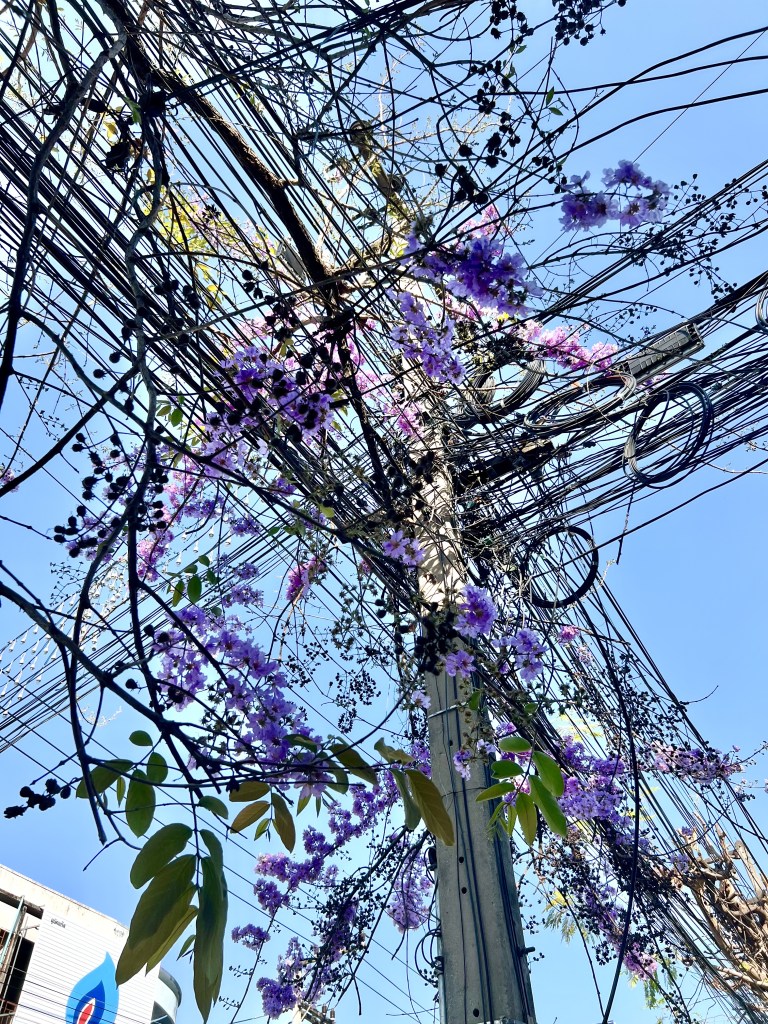
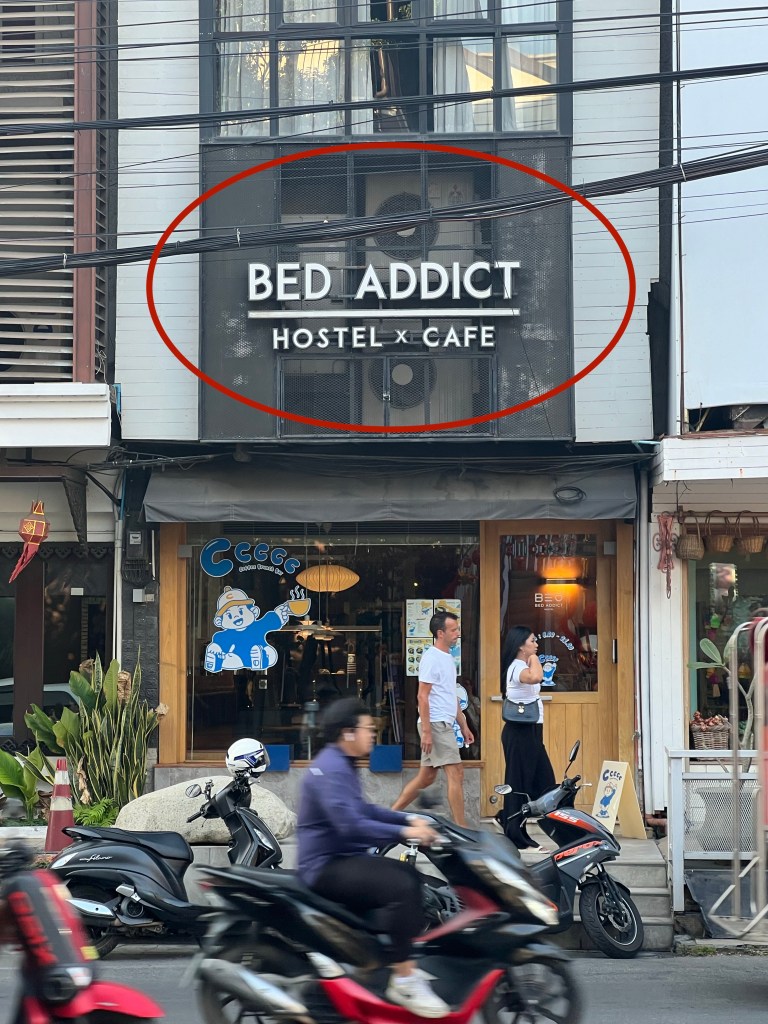
Chiang Mai, in the north of Thailand, the capital of the ancient Kingdom of Lanna, is a place of surprises and contrasts. If you were to drive quickly through the city, what would strike you first is the mess: the city vendors encroaching on the sidewalks, the large number of cars, the almost inexistent traffic lights for pedestrians, the destroyed or absent sidewalks, the thousands of thick black aerial cables hanging from everywhere, the lack of any semblance of architectural unity.
But look closer and take your time, and you will quickly discover hidden gems and unexpected surprises at every street corner. Chiang Mai is a place that defies definitions, it is a world of its own that offers an extraordinary multitude of experiences for all the senses, unlike anything we have seen before. The environment or the town is sensorily so stimulating and so rich that the initial feeling of ugliness disappears after the first few minutes and you are rapidly carried away by Chiang Mai’s wonderful fusion of contrasts.
It’s a city best discovered slowly, if possible on foot and without much planning, thereby allowing it to reveal its often hidden treasures to you.
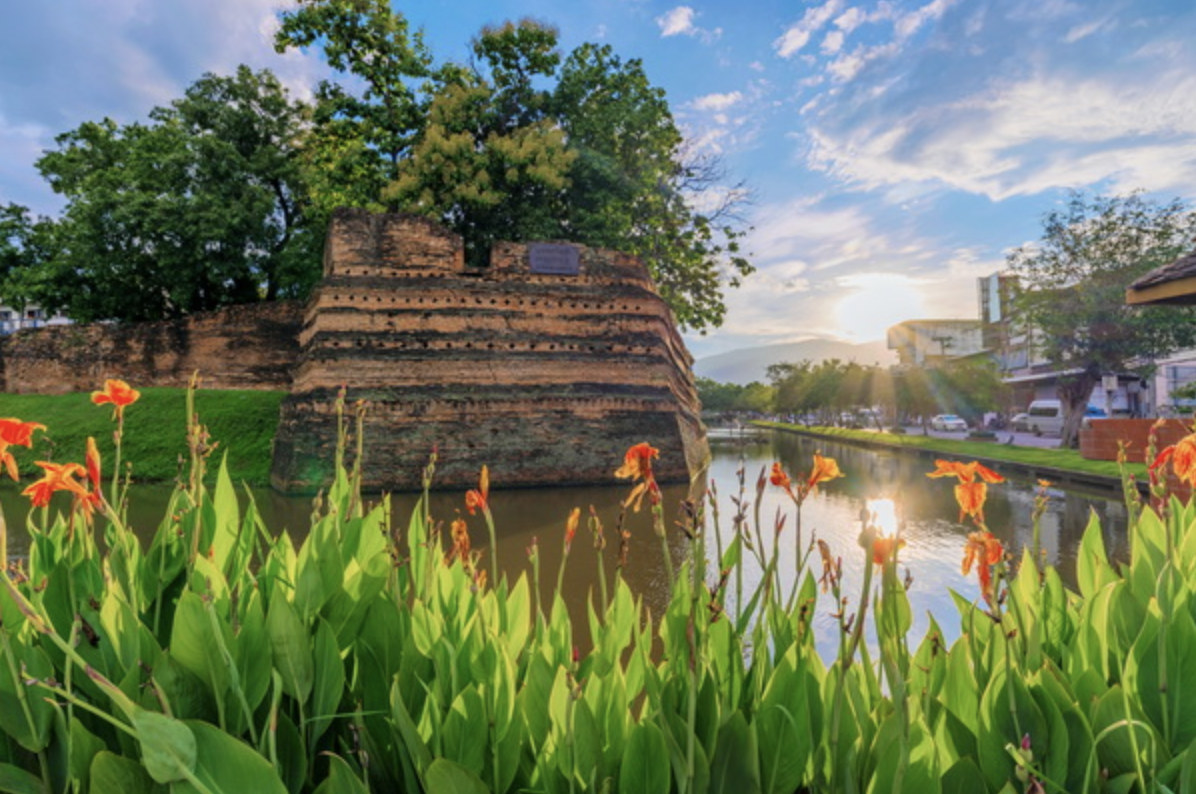
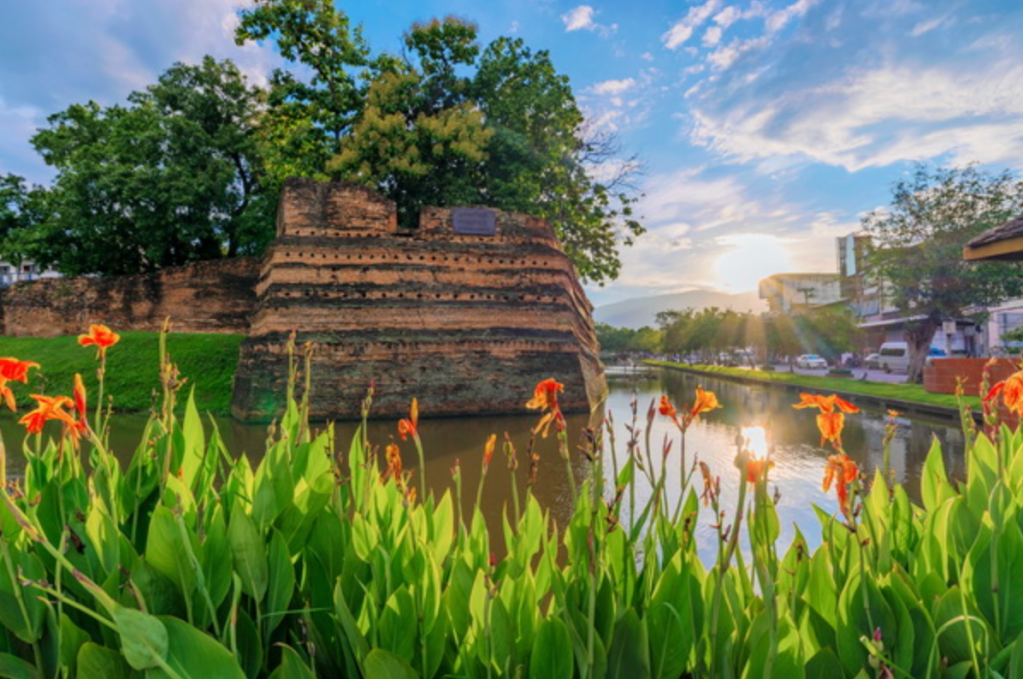
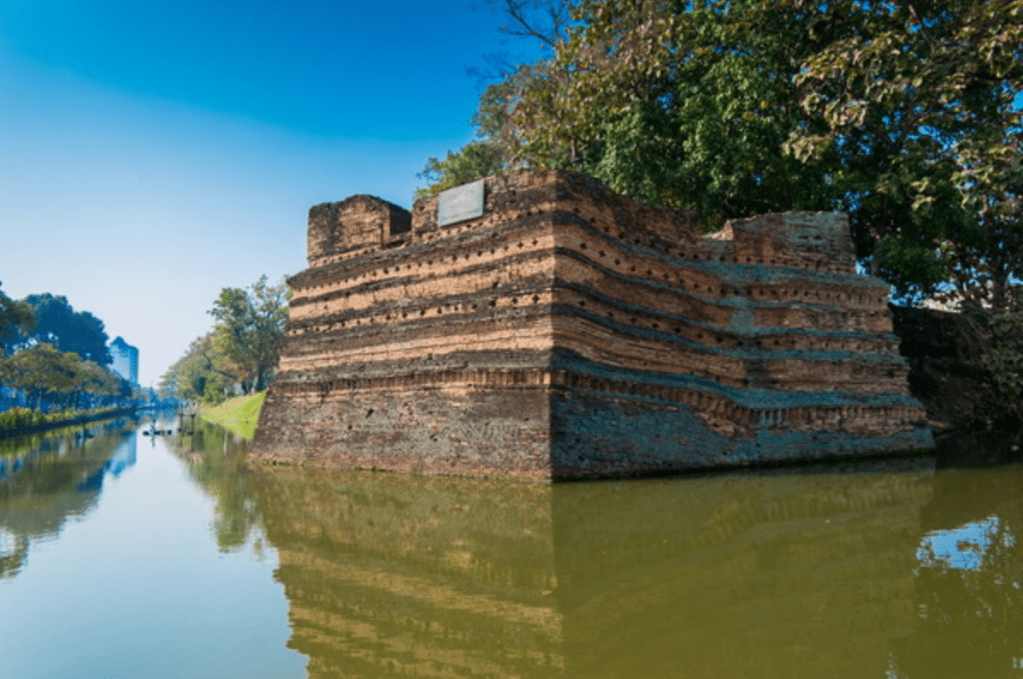
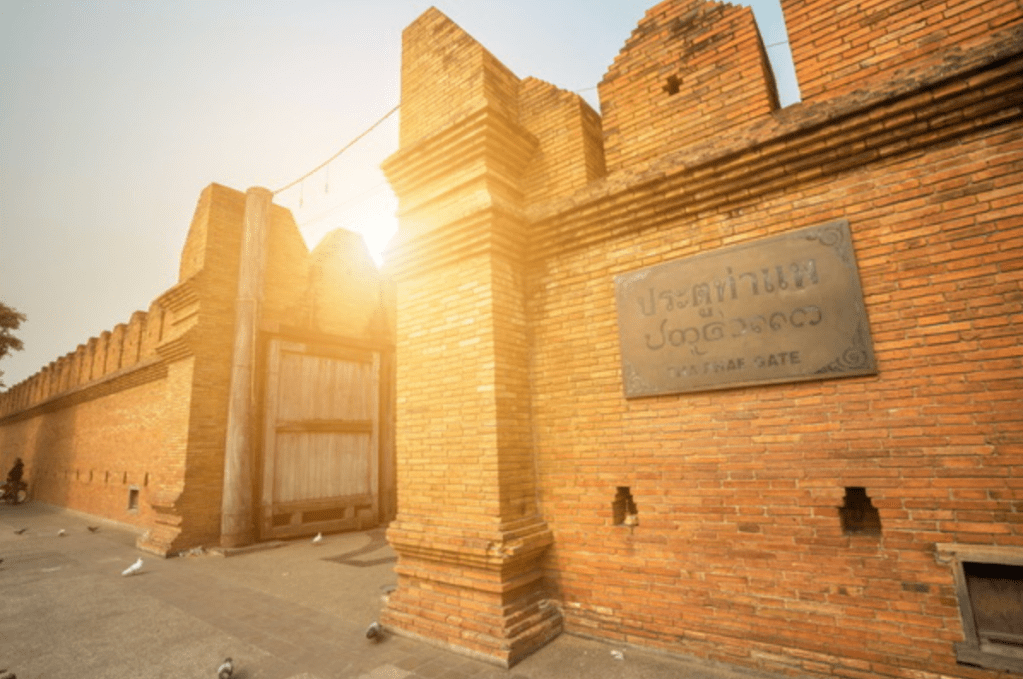
Founded in 1296, it still has impressive vestiges of its ancient walls, as well as a beautiful moat, which gives the city a green and peaceful feeling.
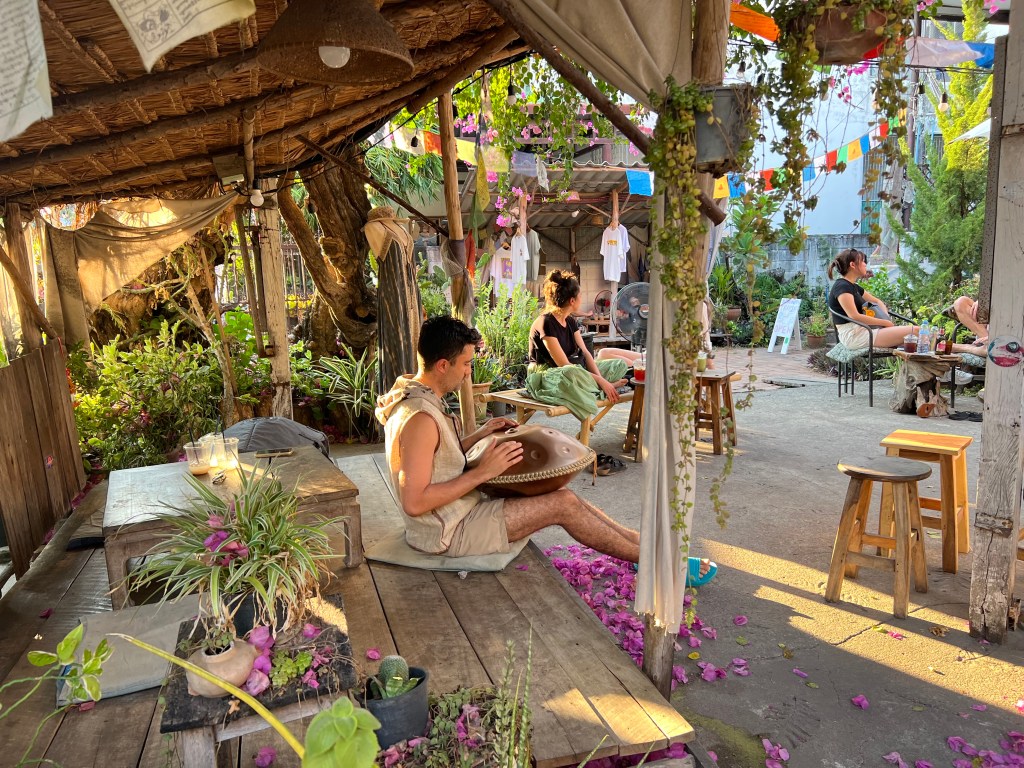
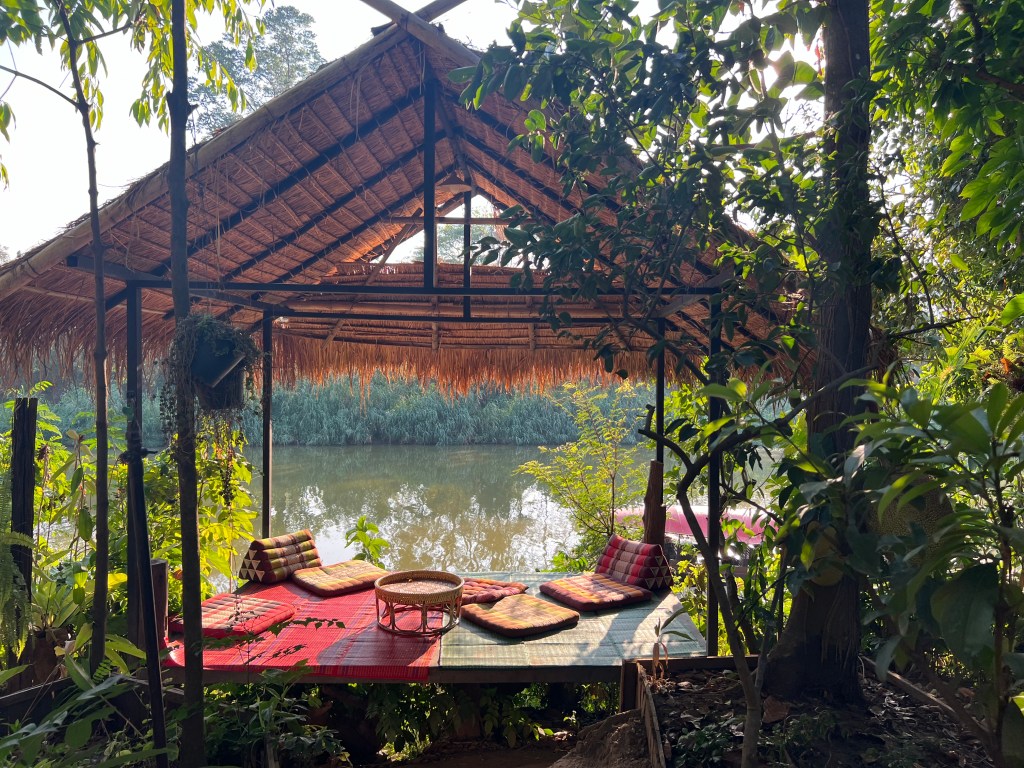
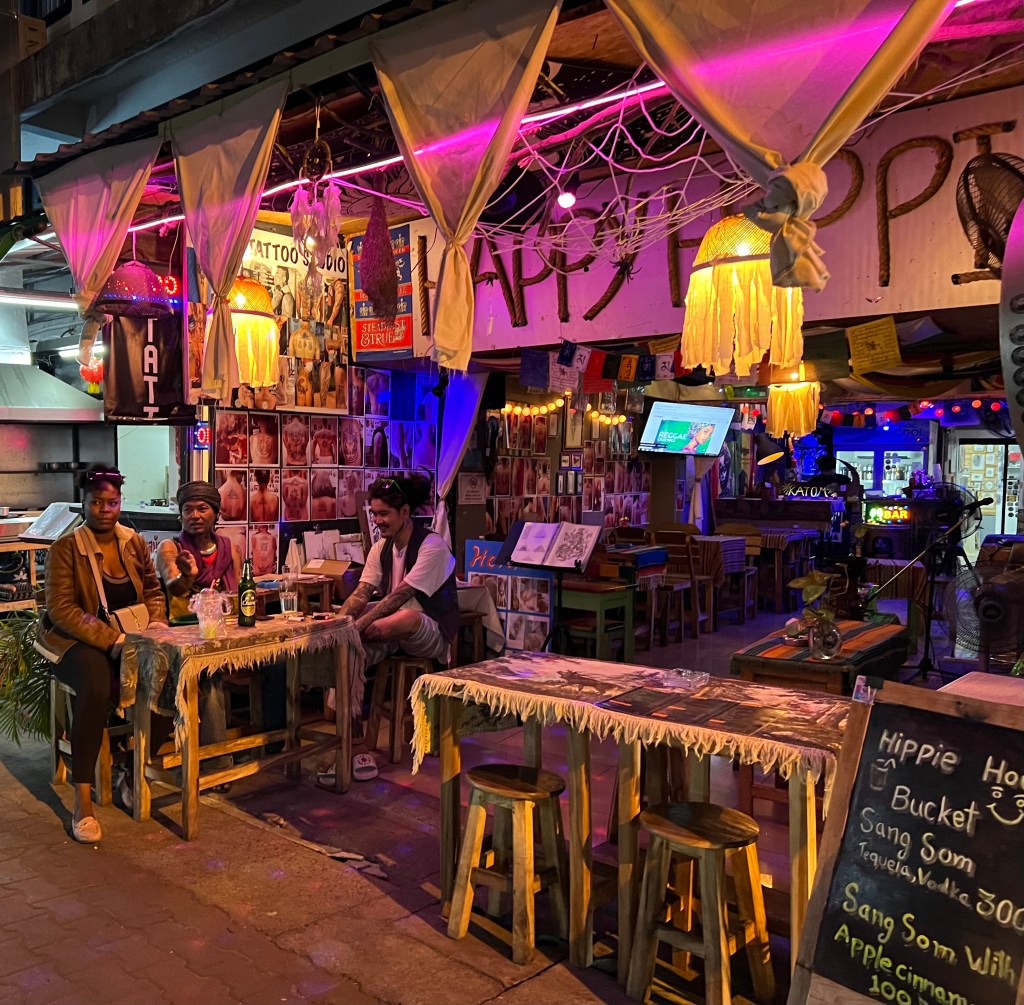
Many of the city’s innumerable restaurants, bars and cafés have a decidedly baba-cool feel to them, offering an invitation to passersby to just sit down and do nothing. The wonderful weather that reigns in Chiang Mai for most of the year, with no wind and evening temperatures of 24° to 26°, make it into an ideal haven for long exercices of farniente at any hour of the day or night.

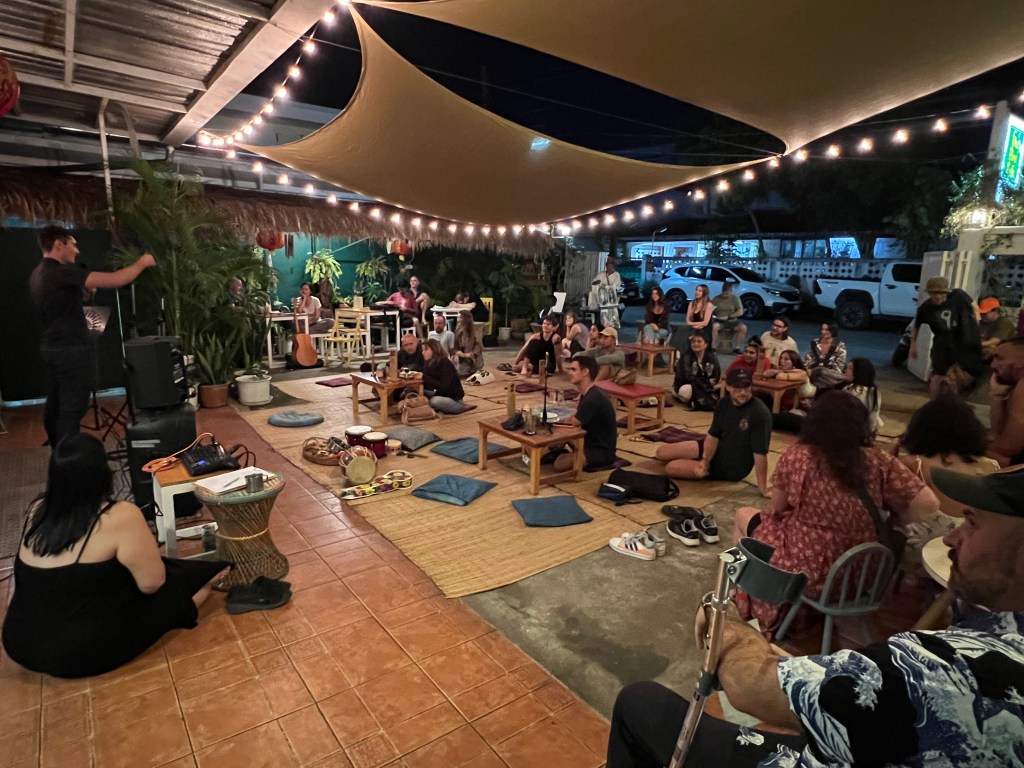

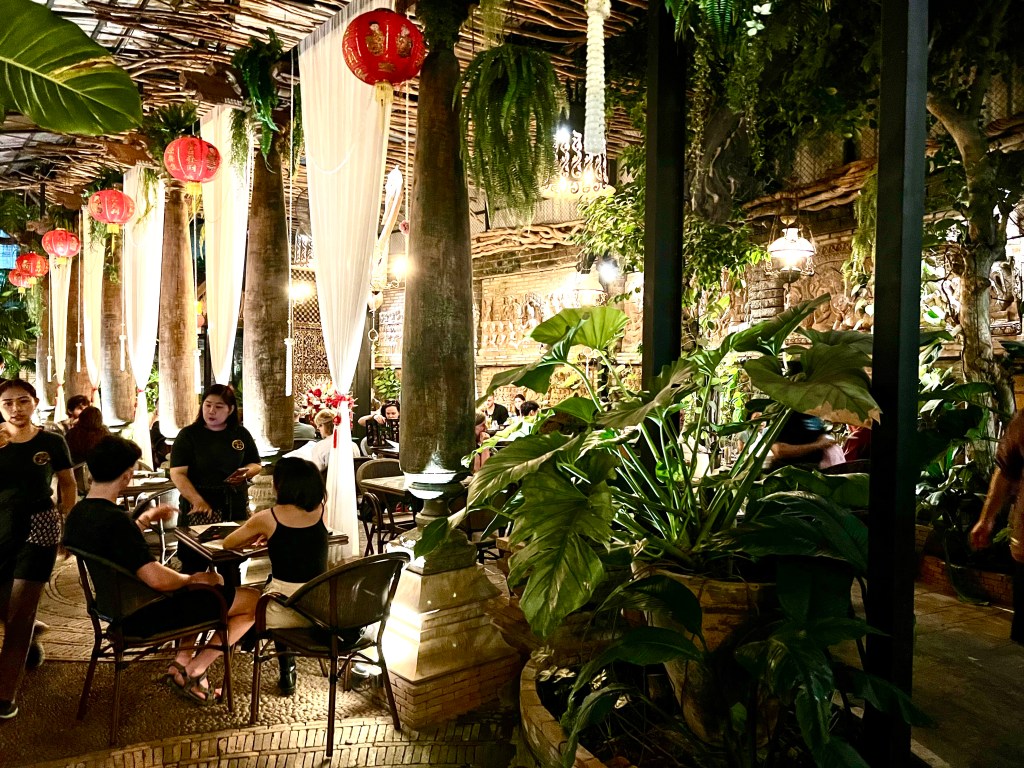
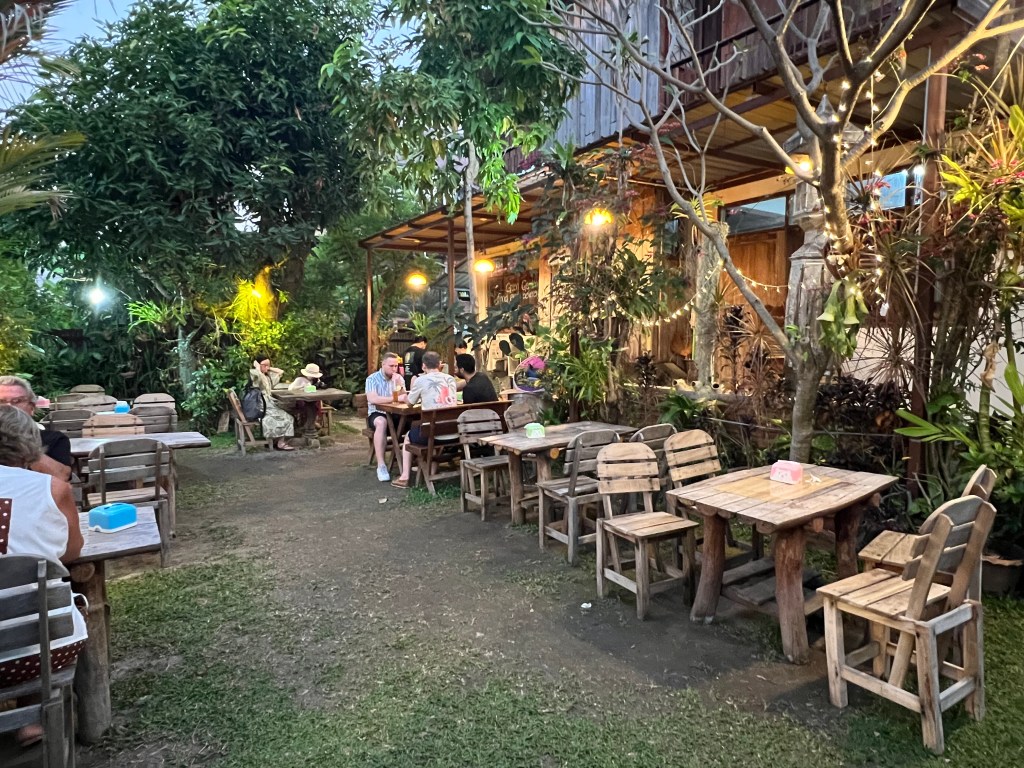


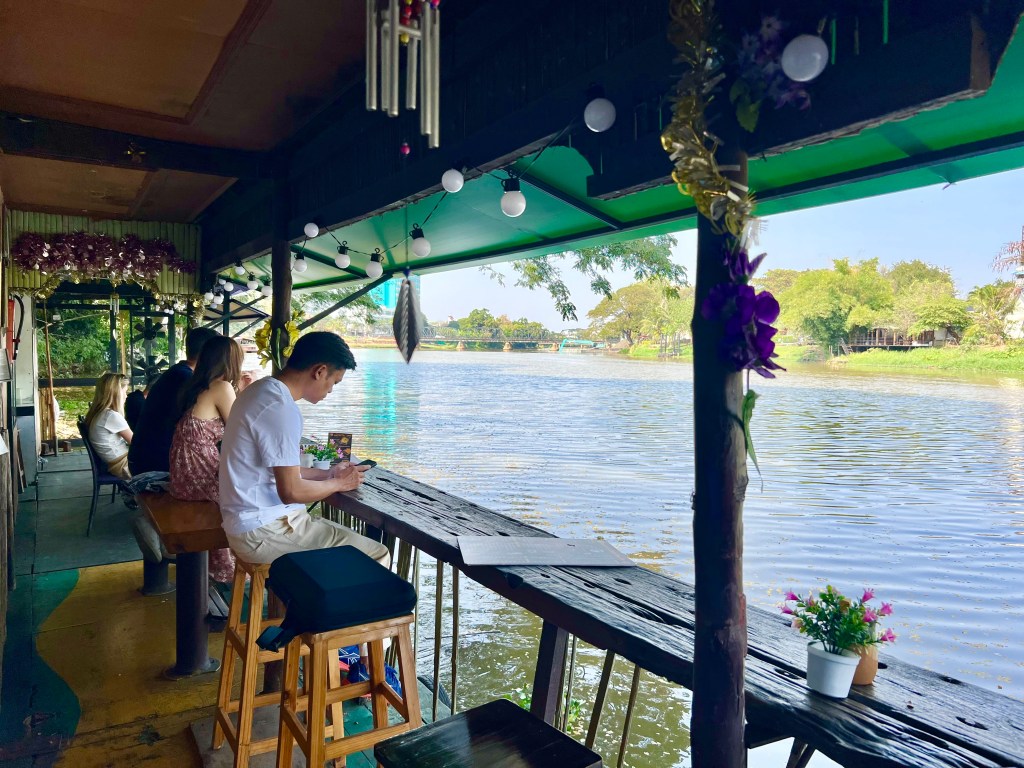
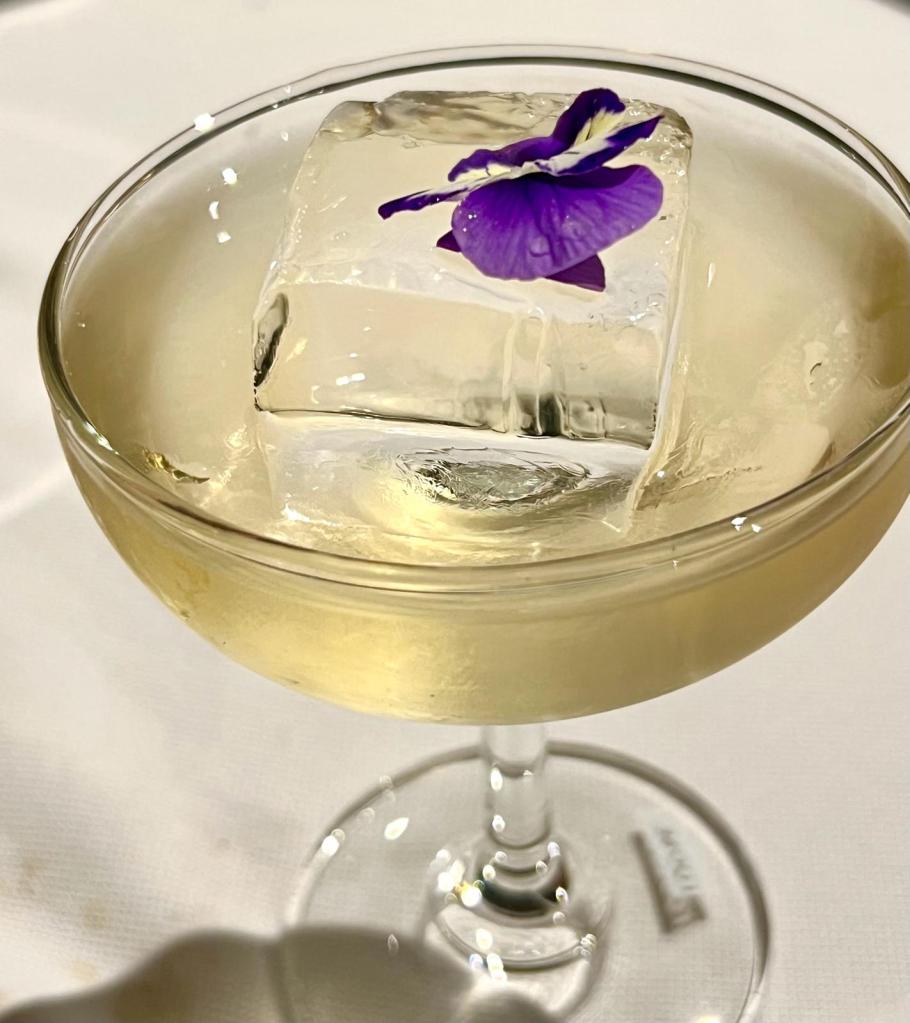
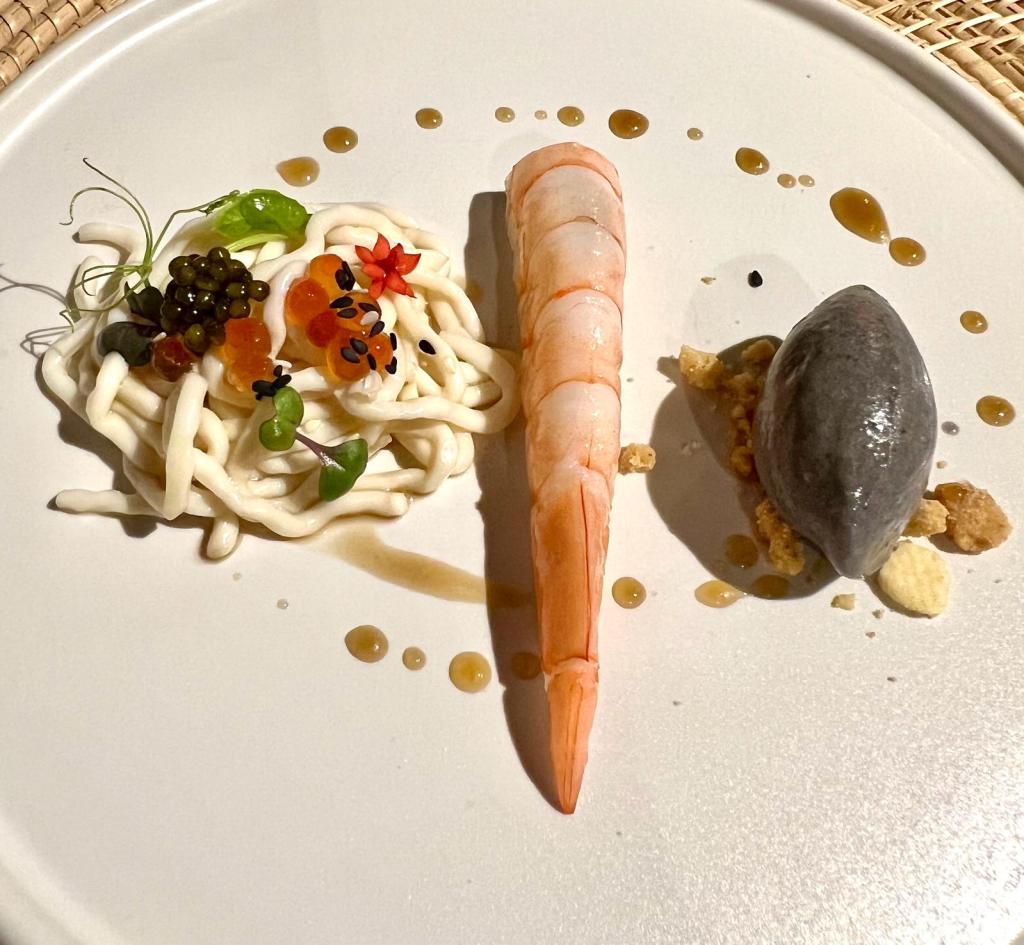
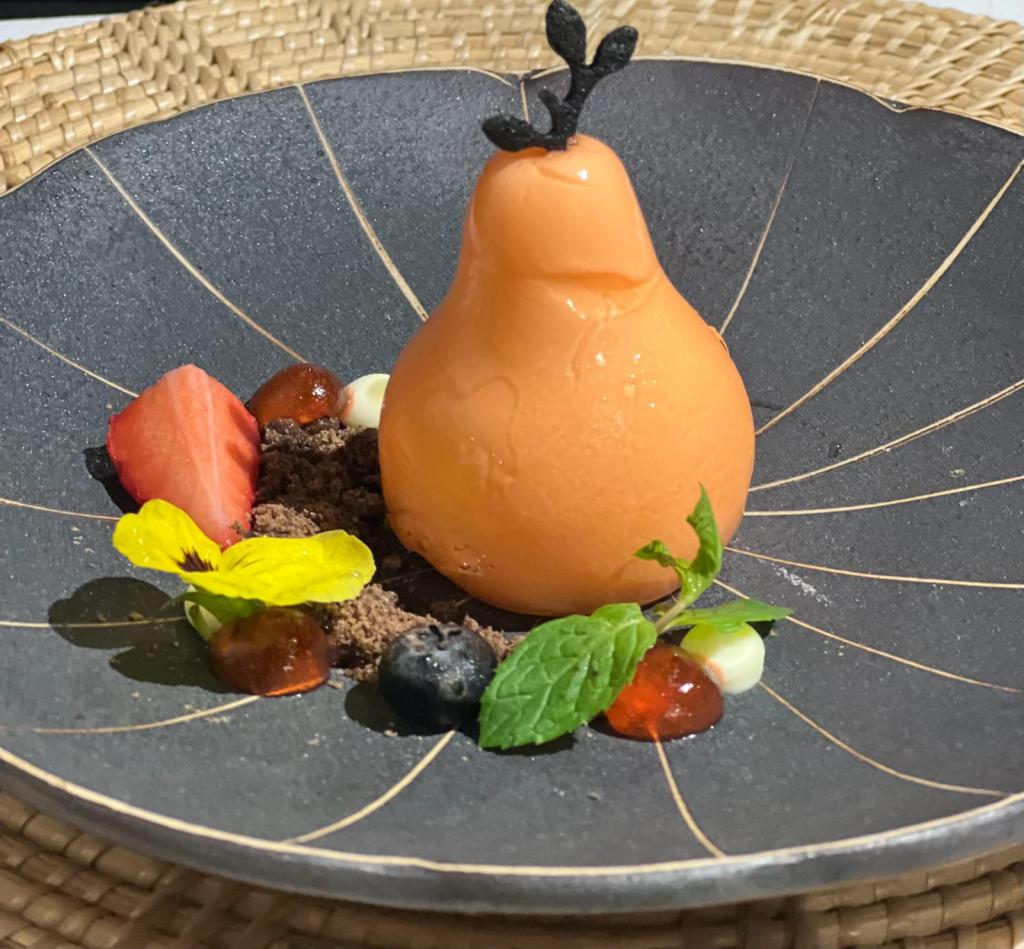
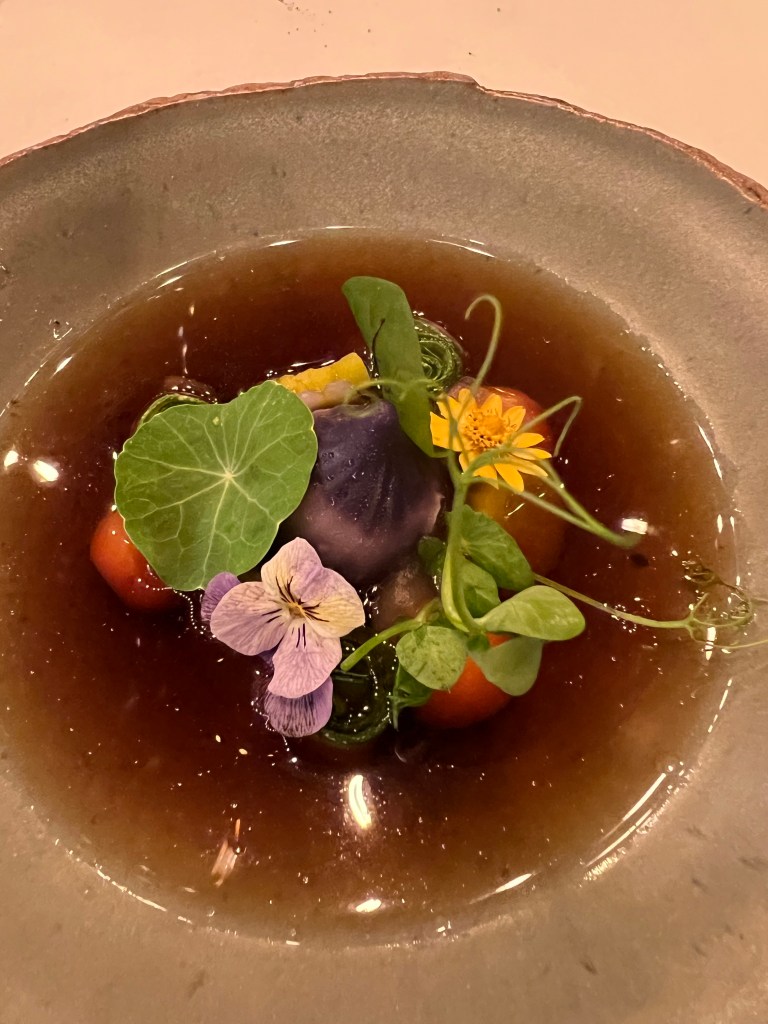
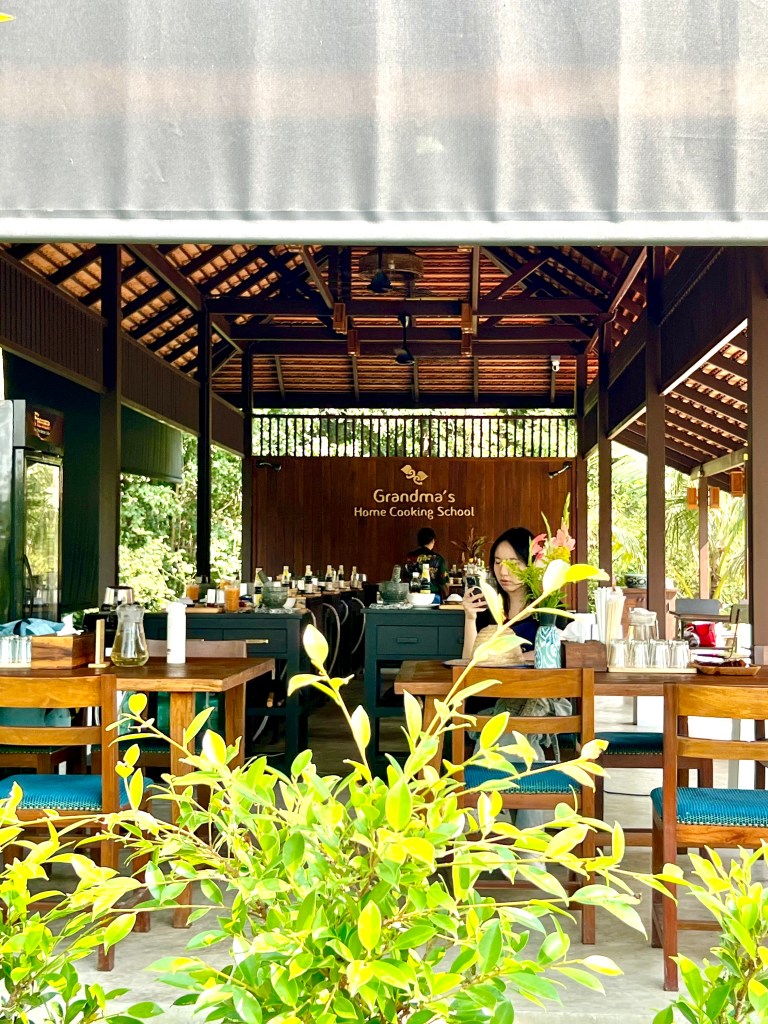
But in Chiang Mai you will also find very sophisticated restaurants, with beautiful, contemporary interiors, offering a cuisine that is on par with the very best international standards.
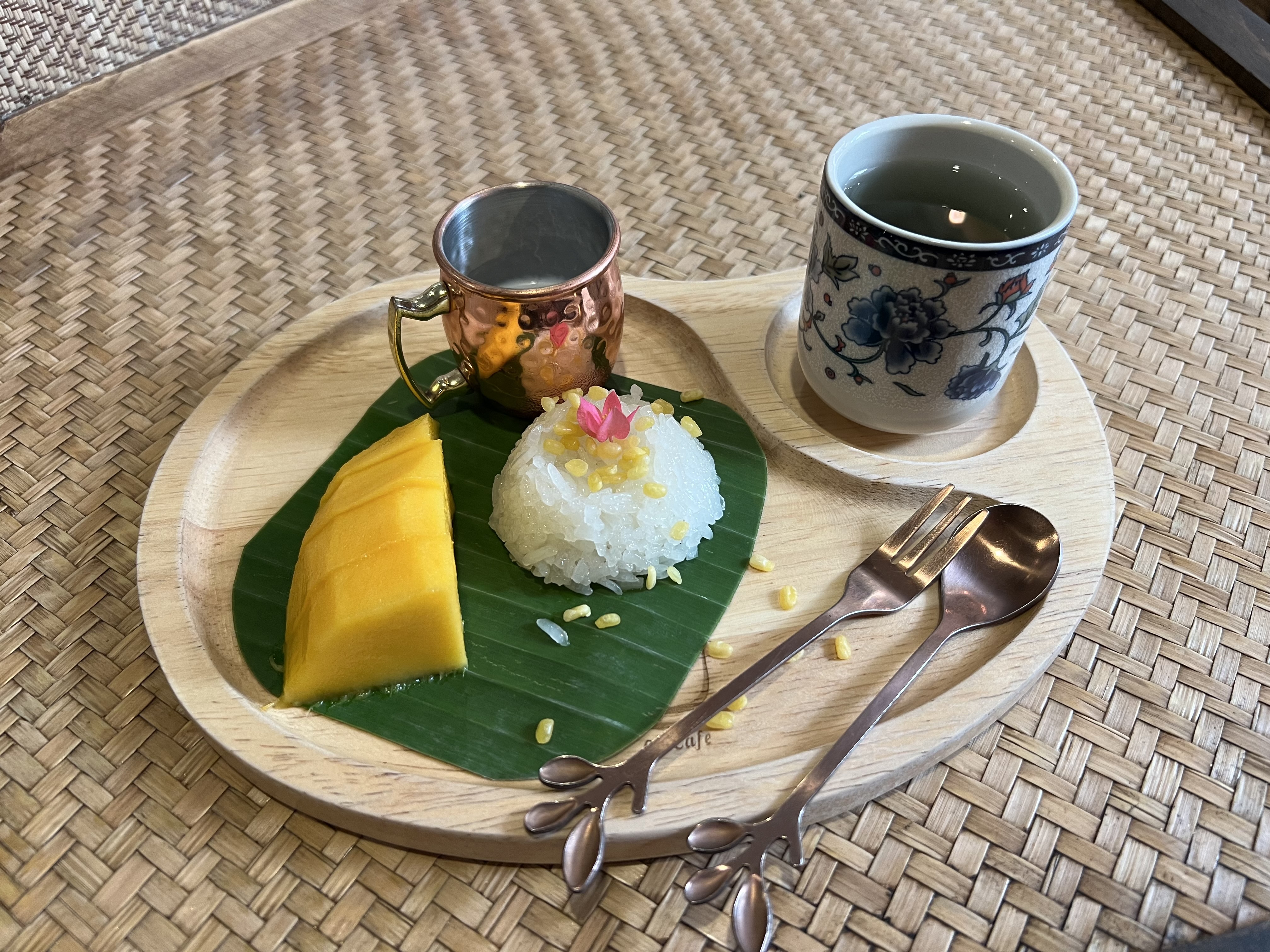
Although high cuisine is new to Chiang Mai, a place where home cooking is so delicious and sought after, a new generation of young and very talented chefs, true artists are concocting new and exciting flavours, and are supplementing them with superb food presentations.


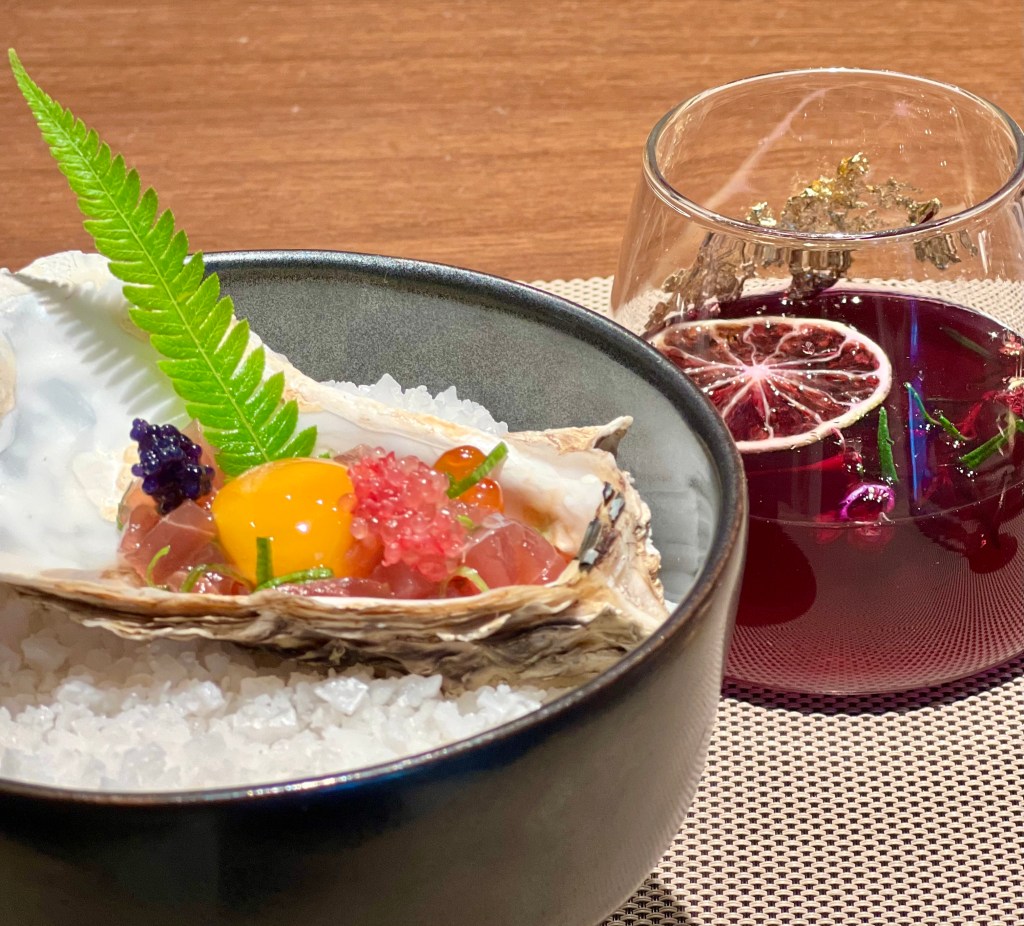
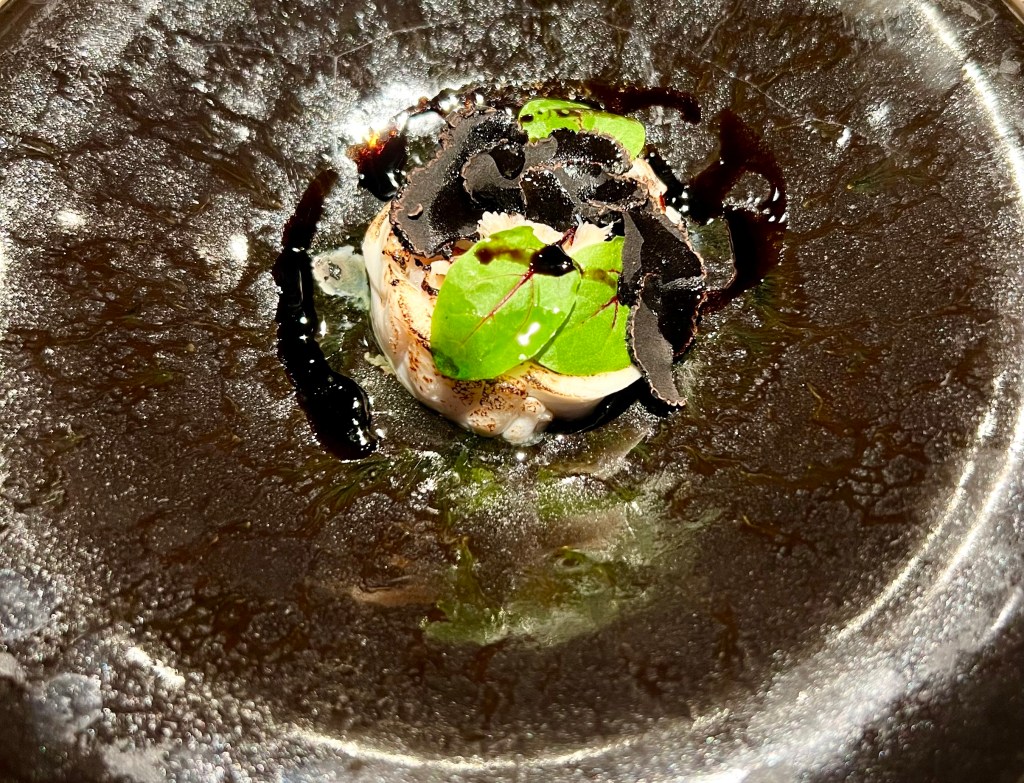
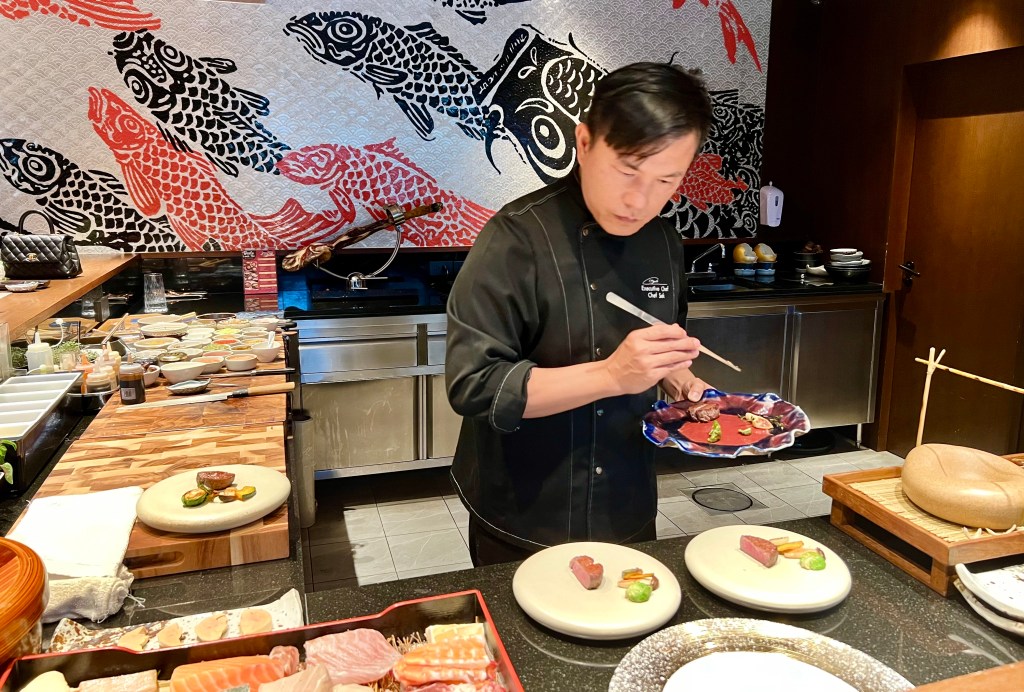
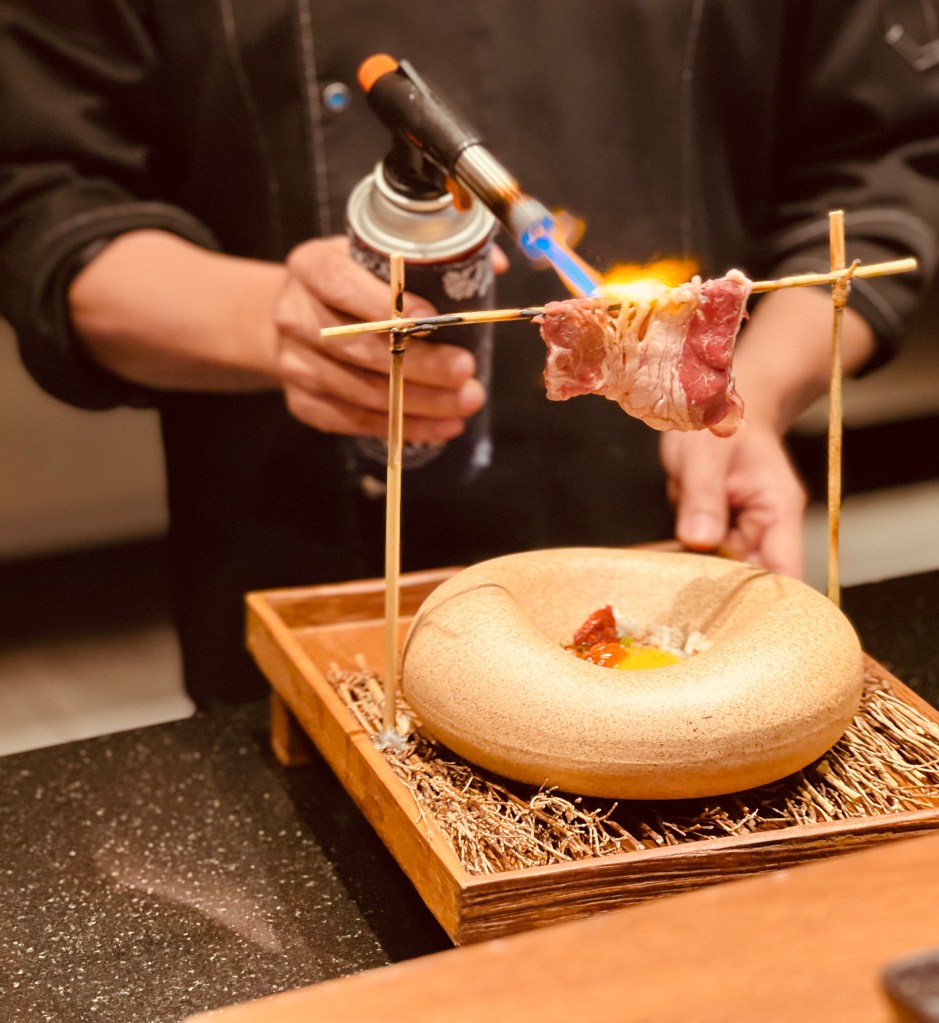


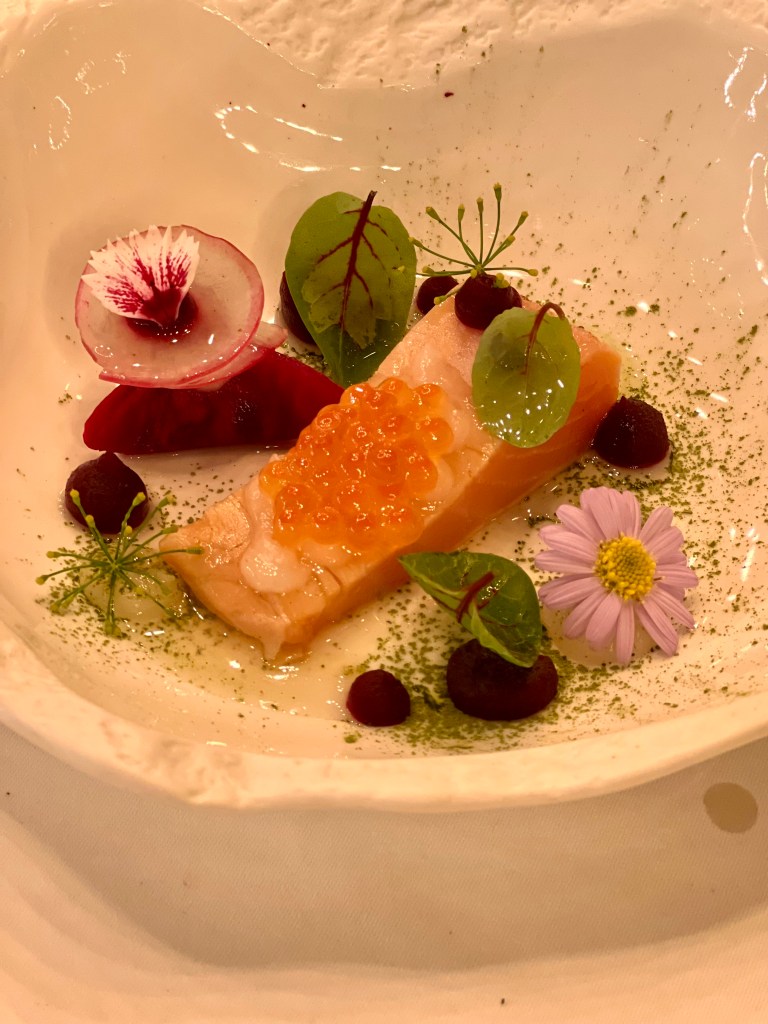
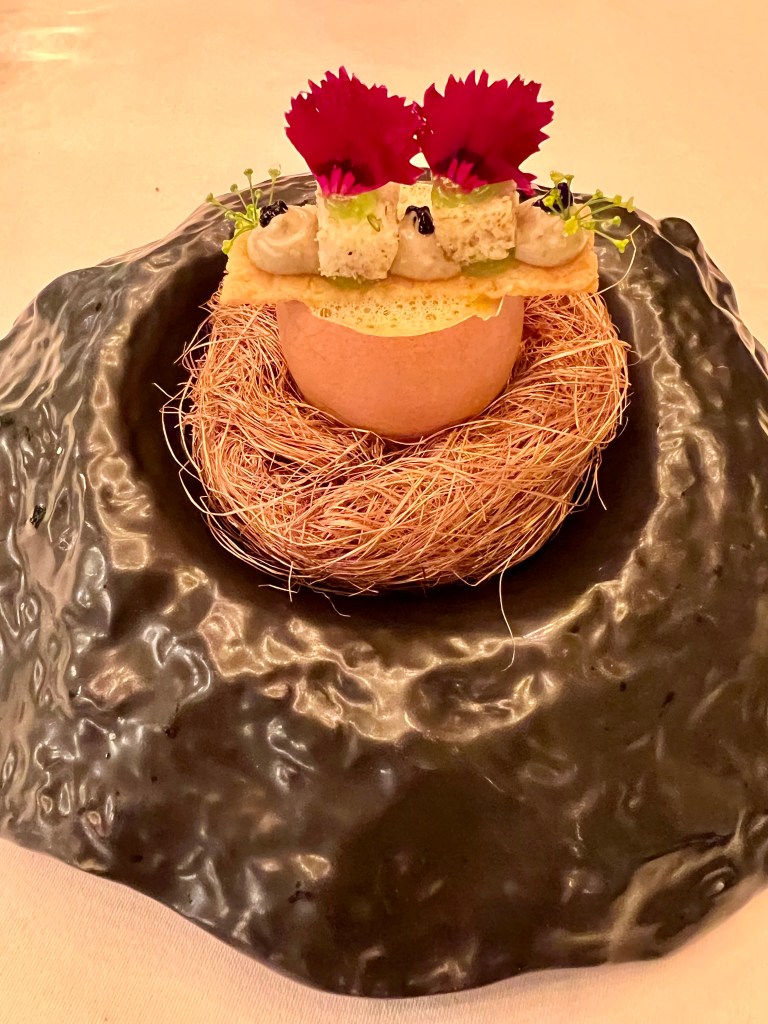
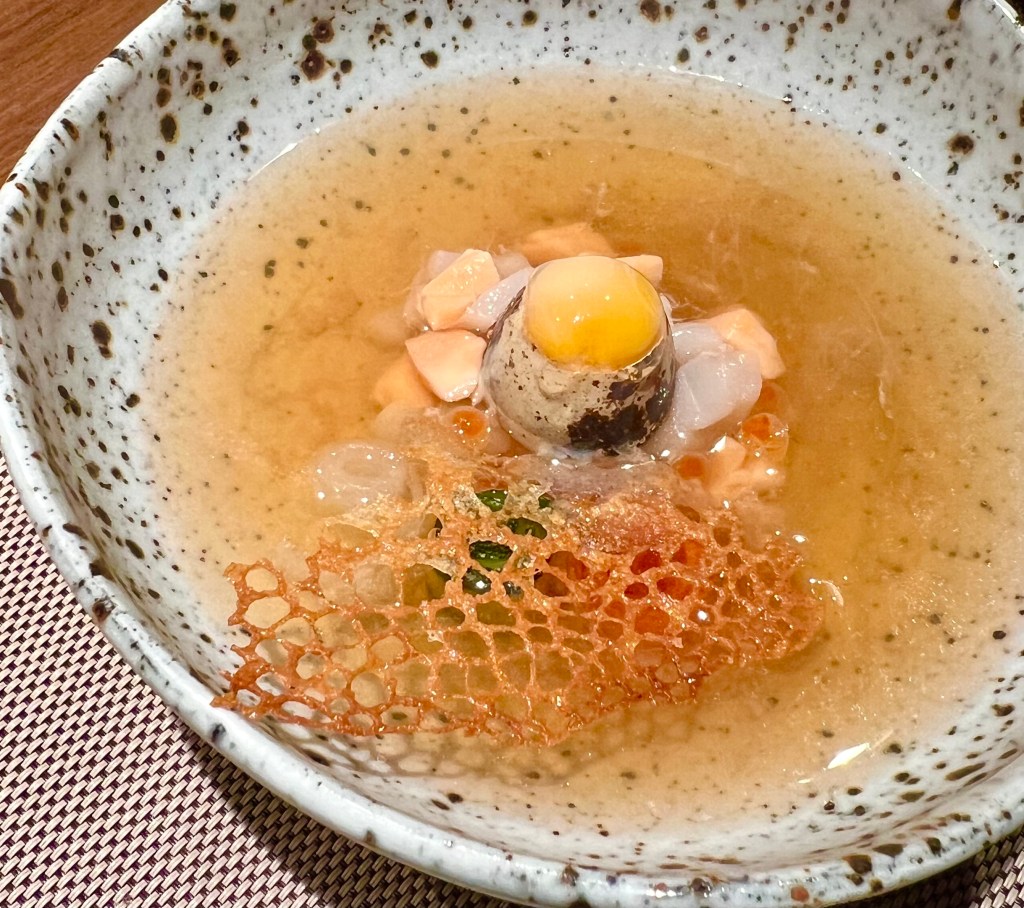
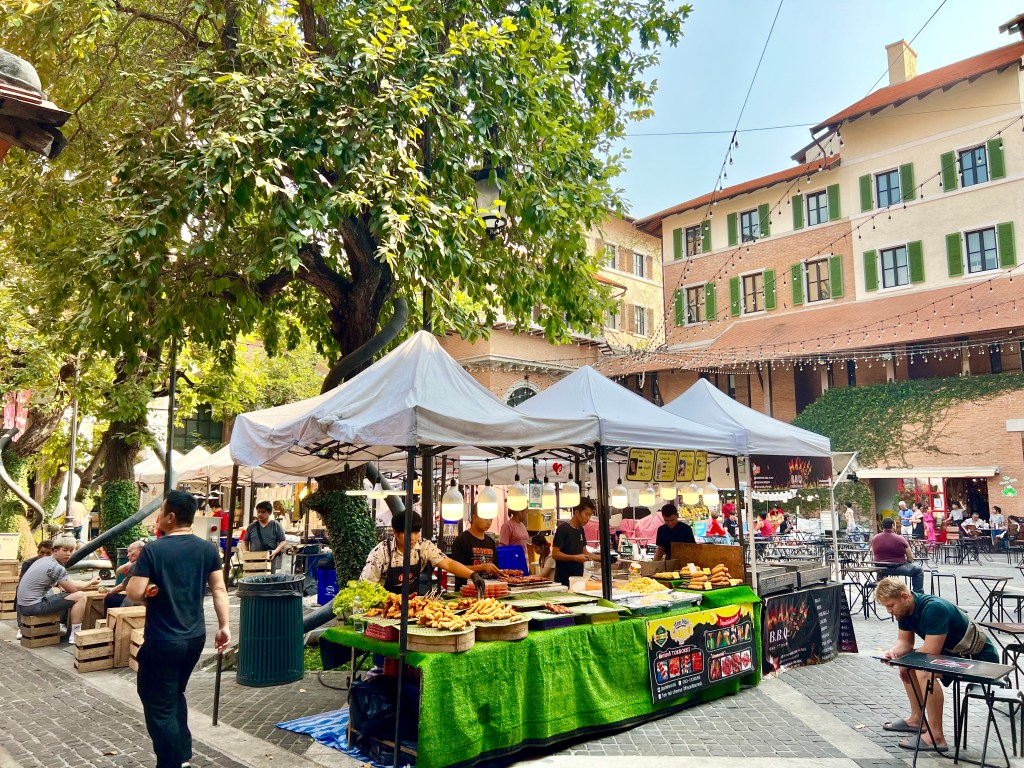
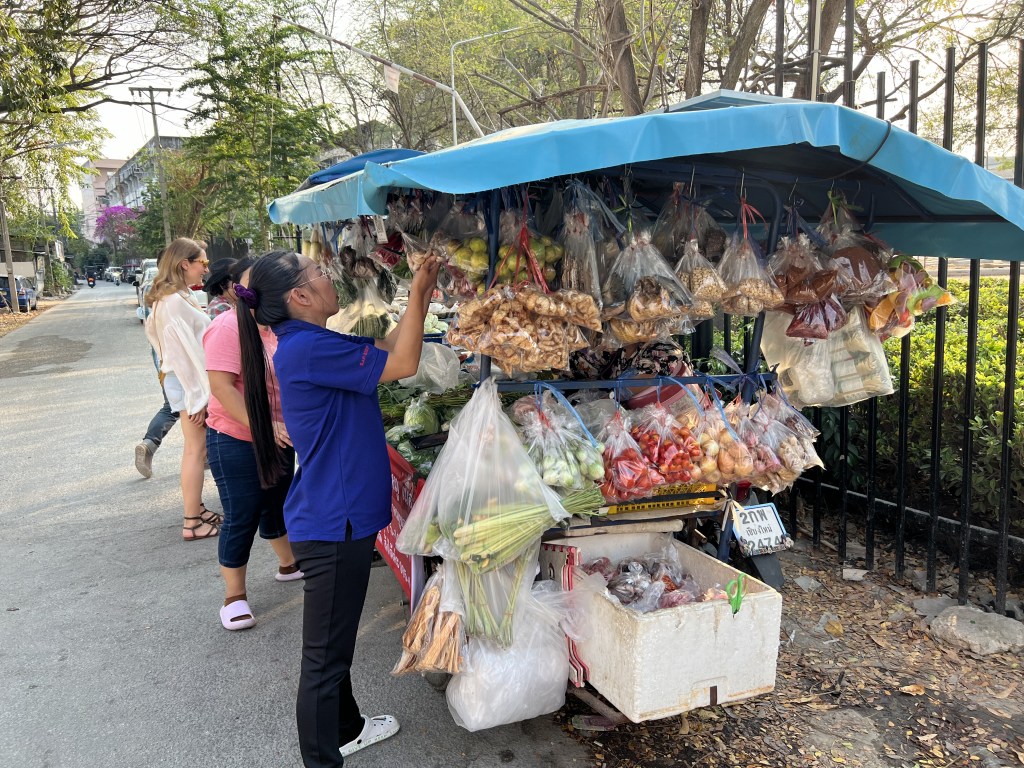
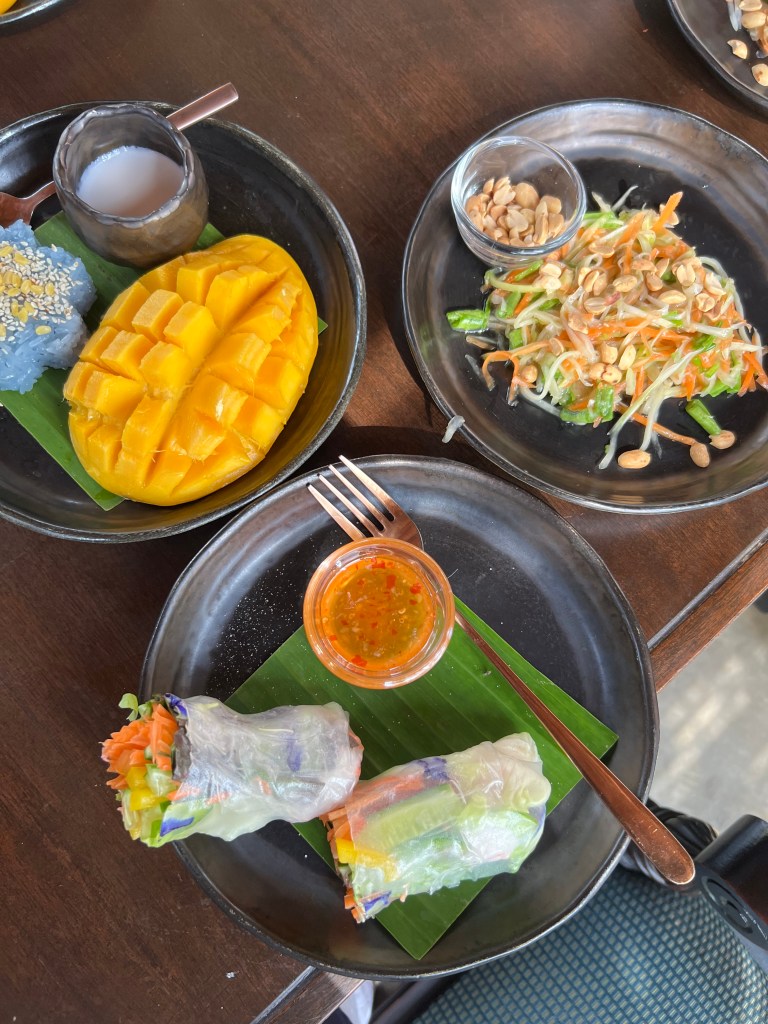
Then there’s also the omnipresent, delicious street or sidewalk food, available throughout the city, with great menus, allowing you to eat very well for less than USD 2.- per meal.
Some of the street food stands, recommended by Michelin chefs, have become famous and have long lines of hungry, but patient, customers who gladly socialise with each other while observing the spectacle of woks on fire and ingredients tossed and swirled into the air at the speed of light.
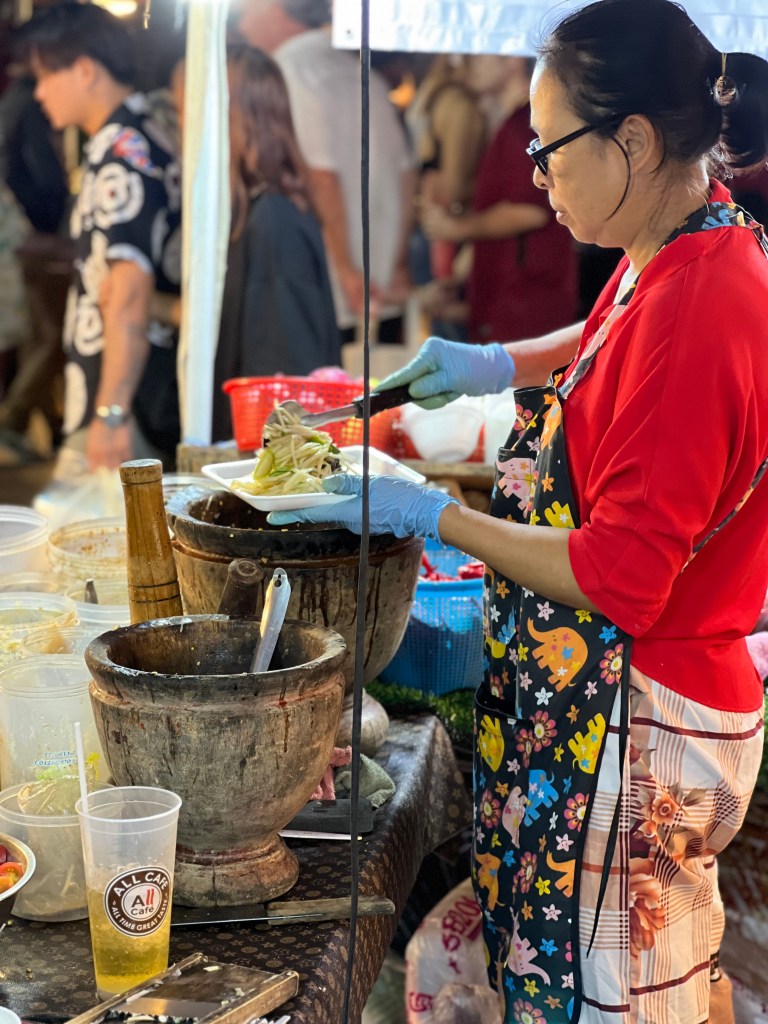
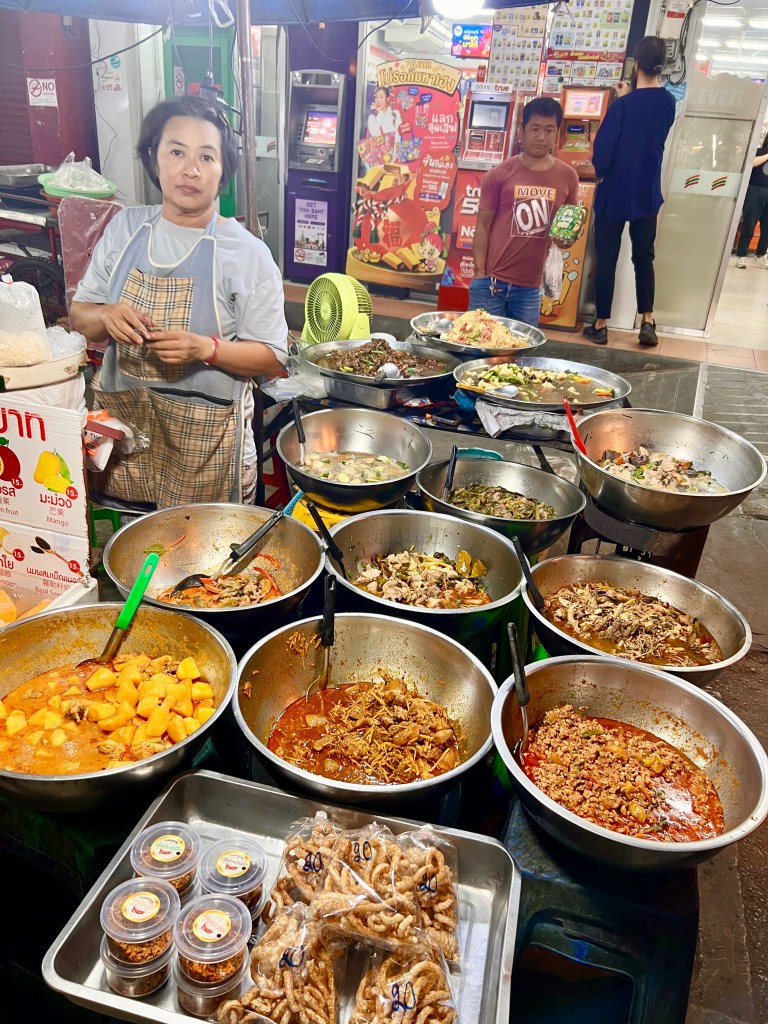
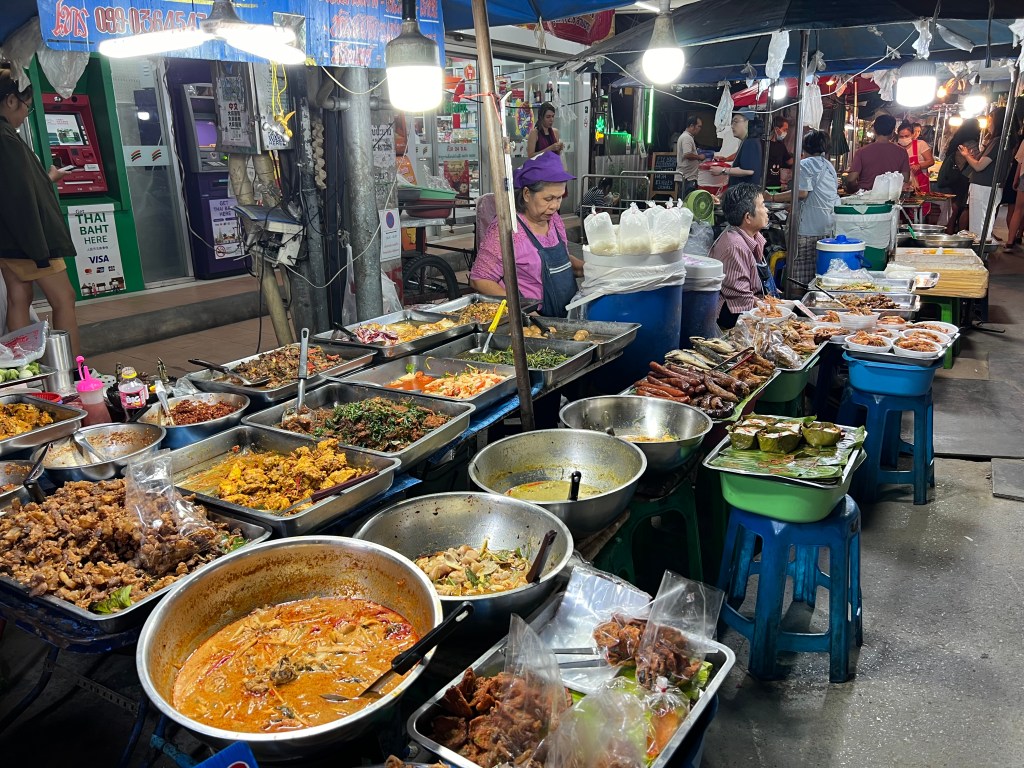
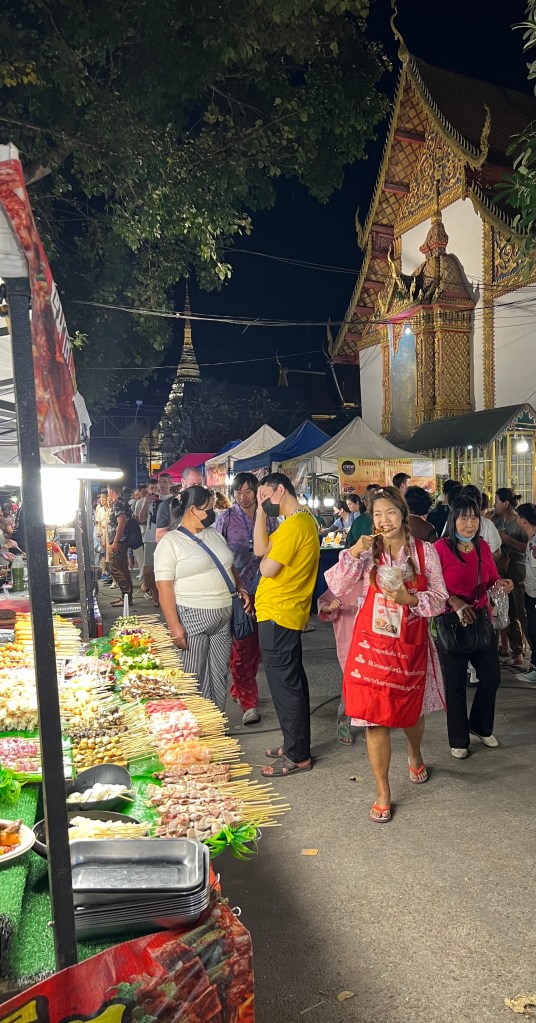
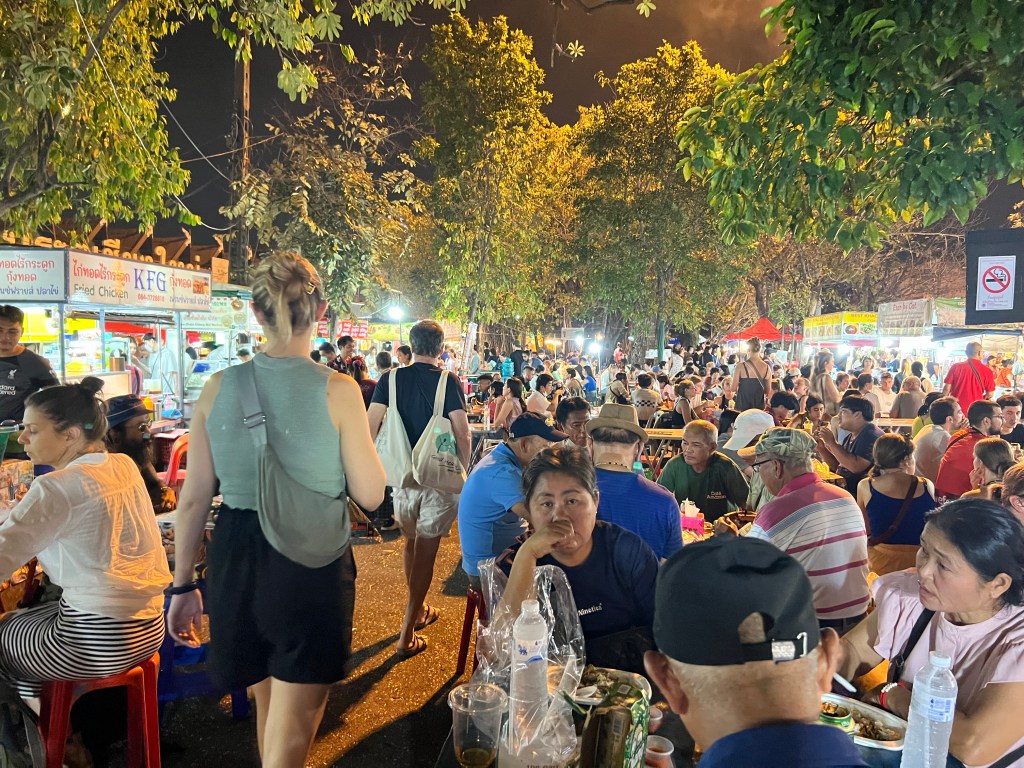
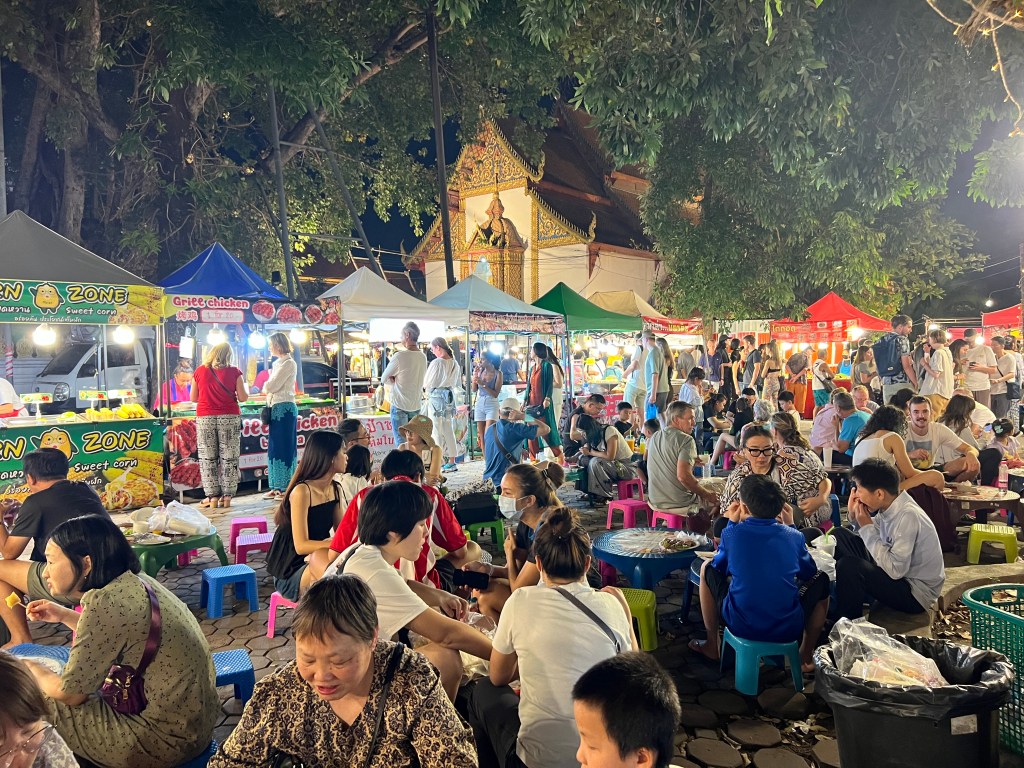
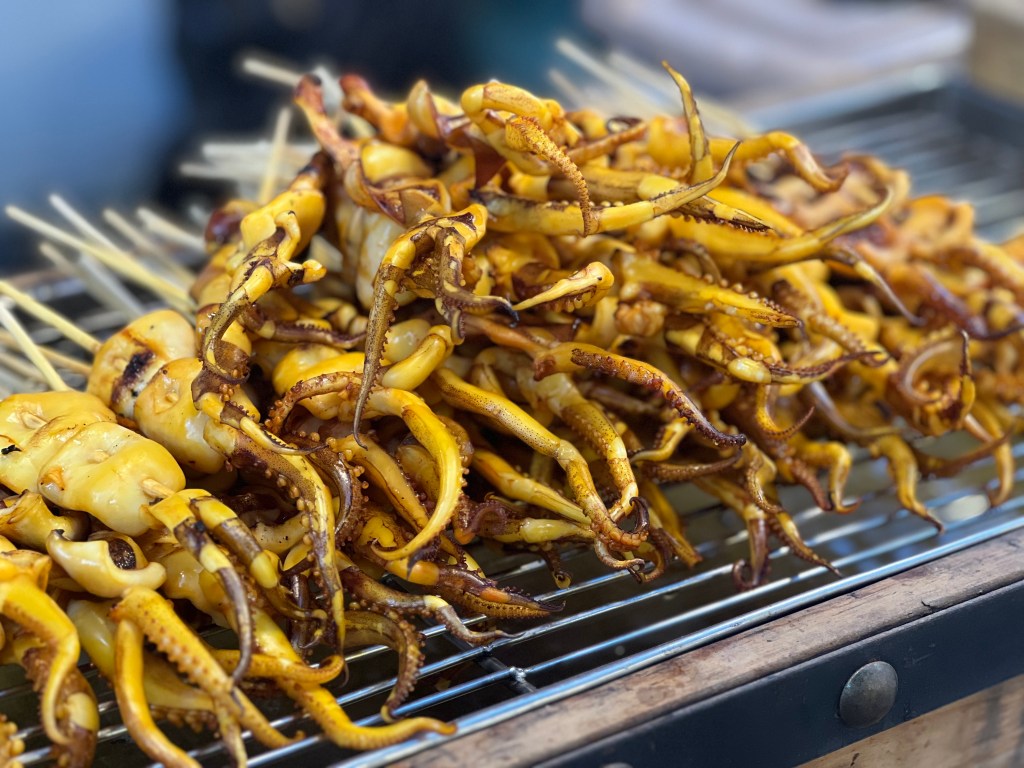

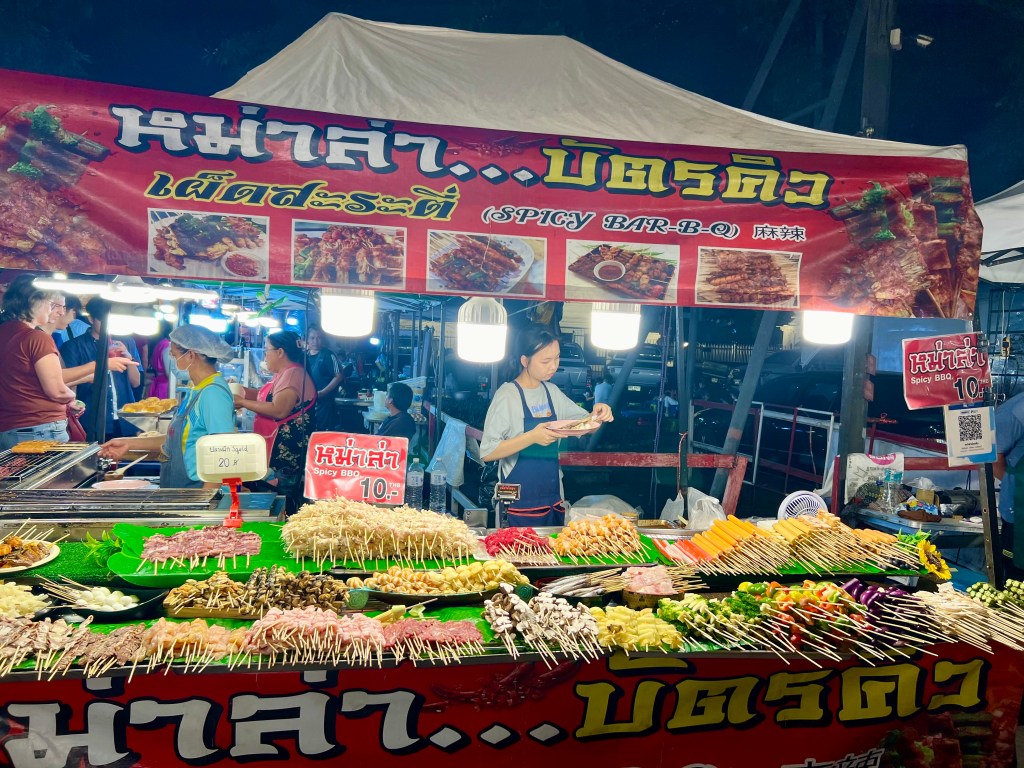
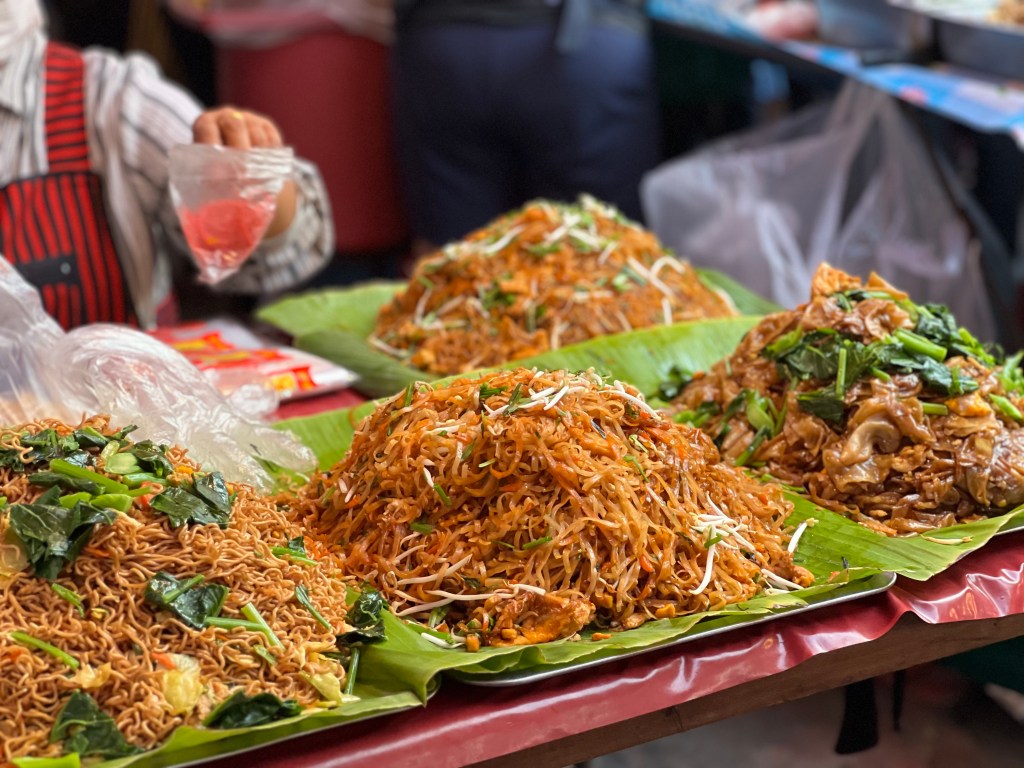
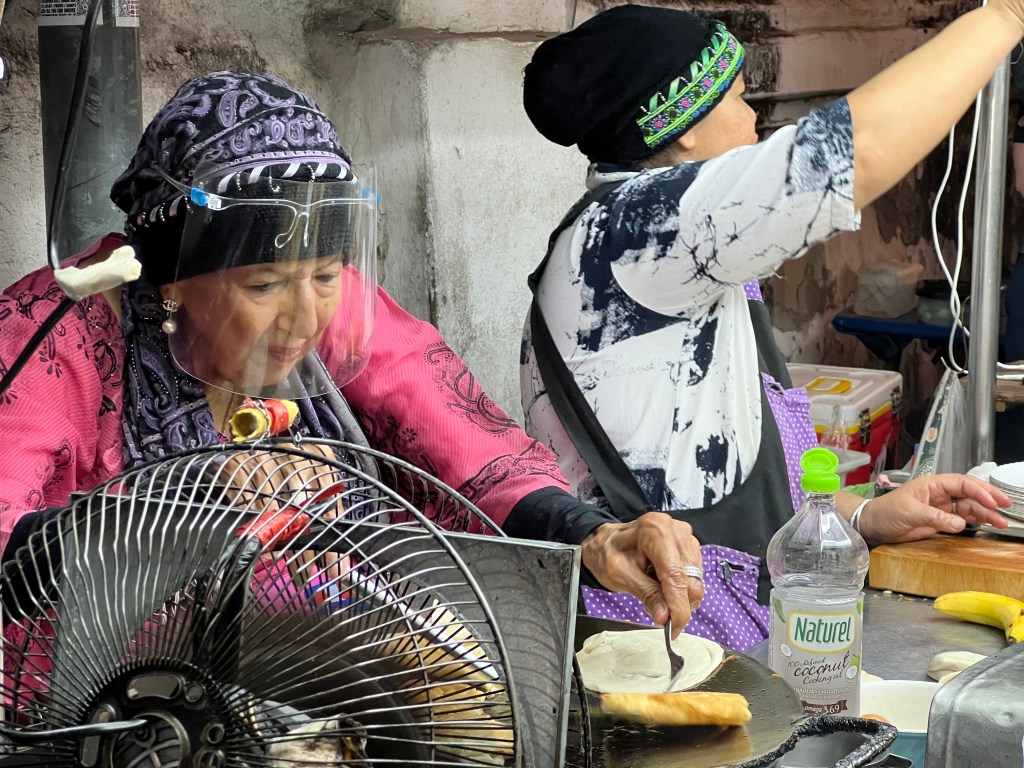

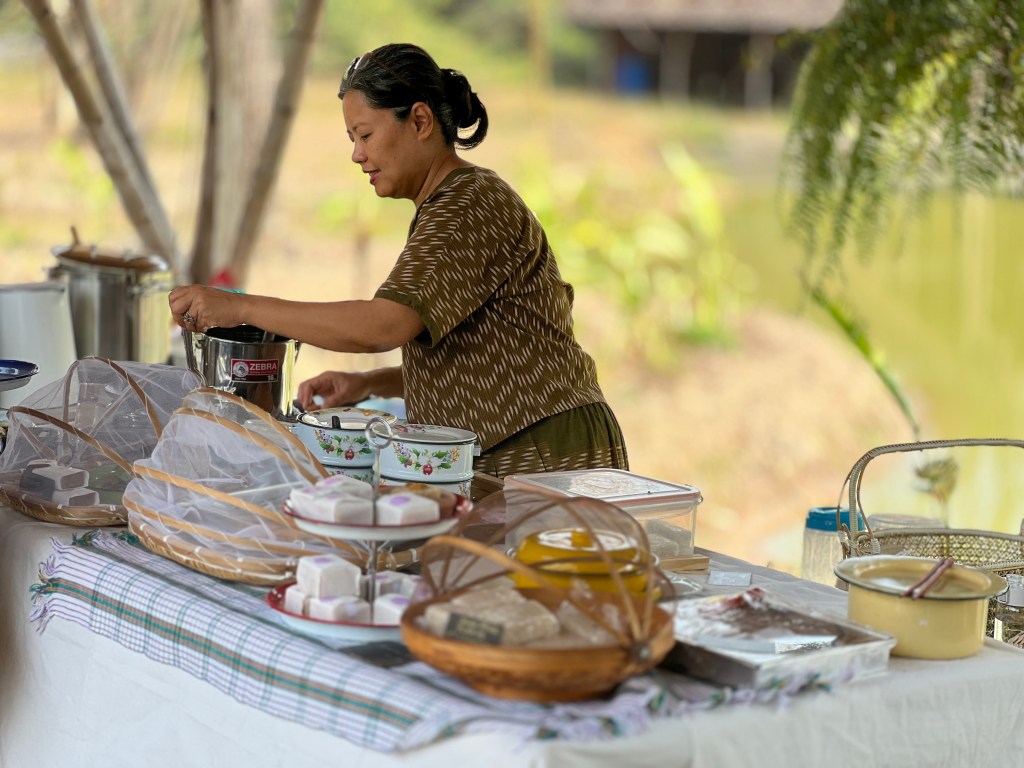
No other town we’ve ever explored (with the exception of Bangkok) compares in its vibrant energy and abundance of food, to Chiang Mai.
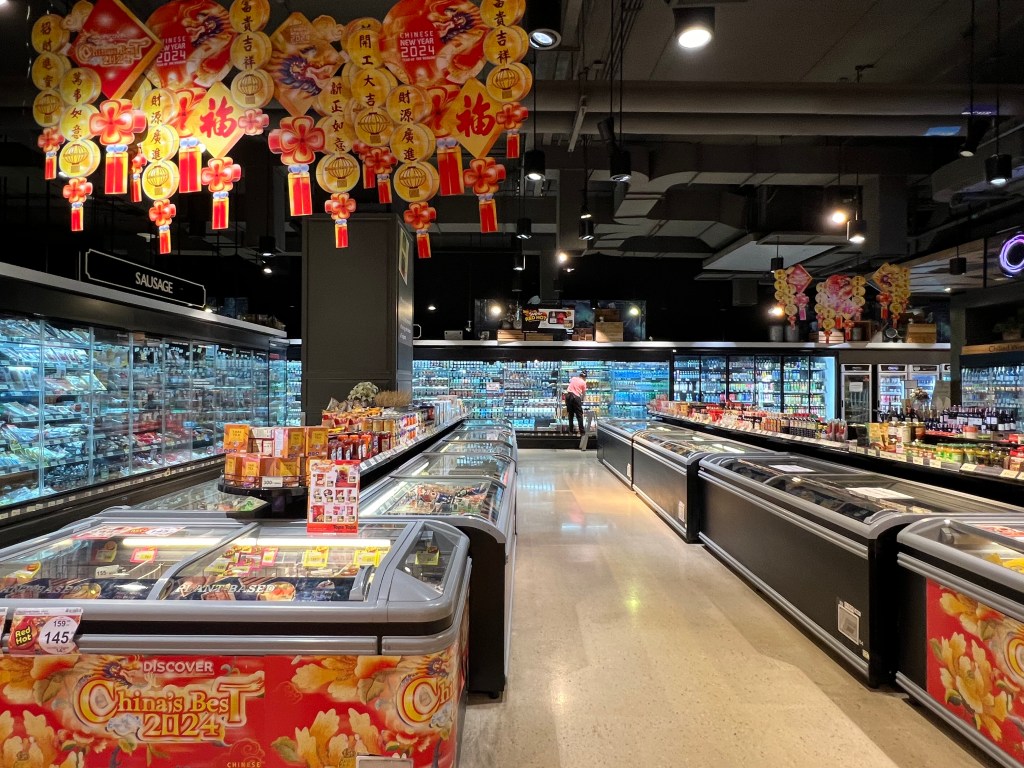
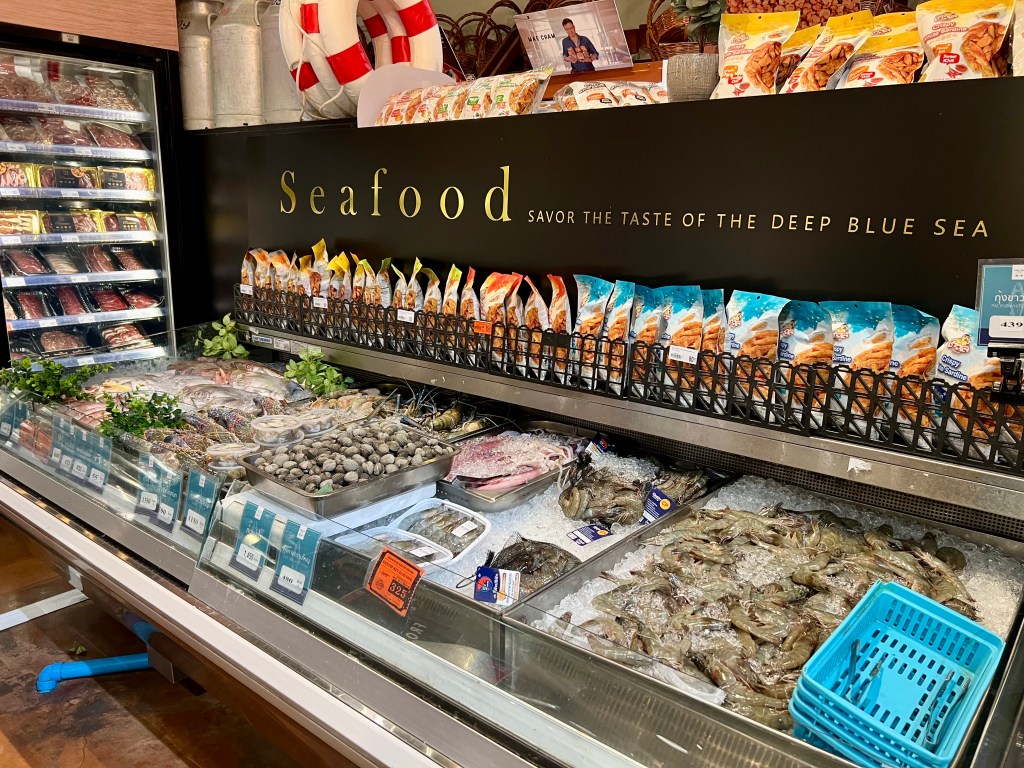
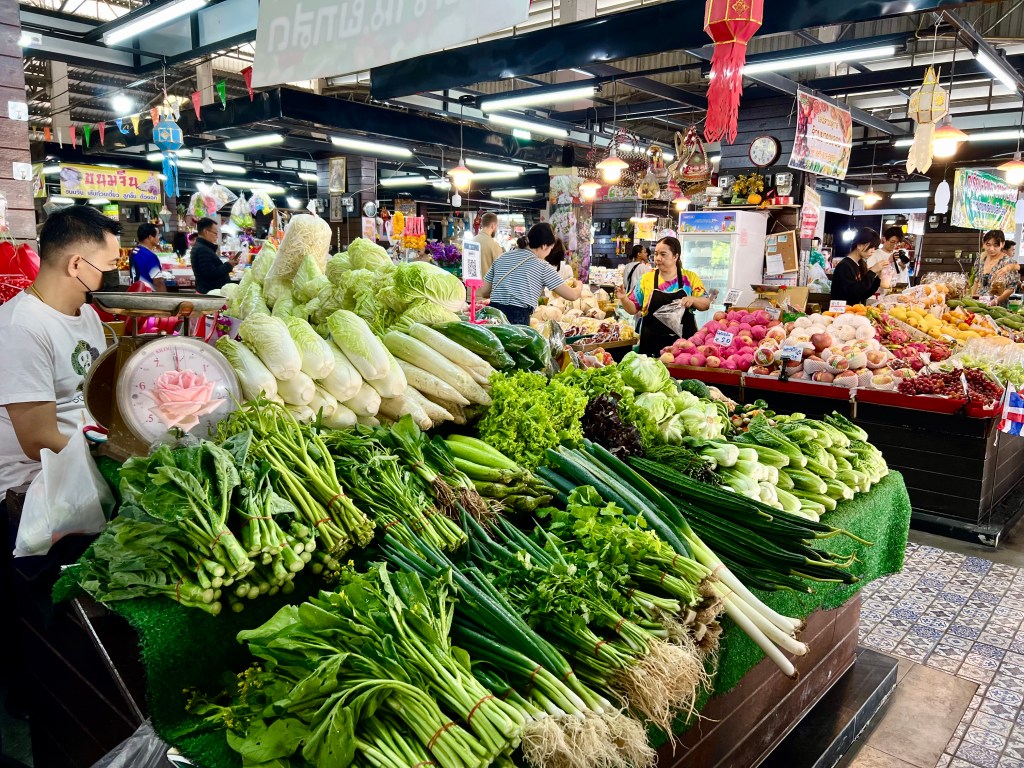
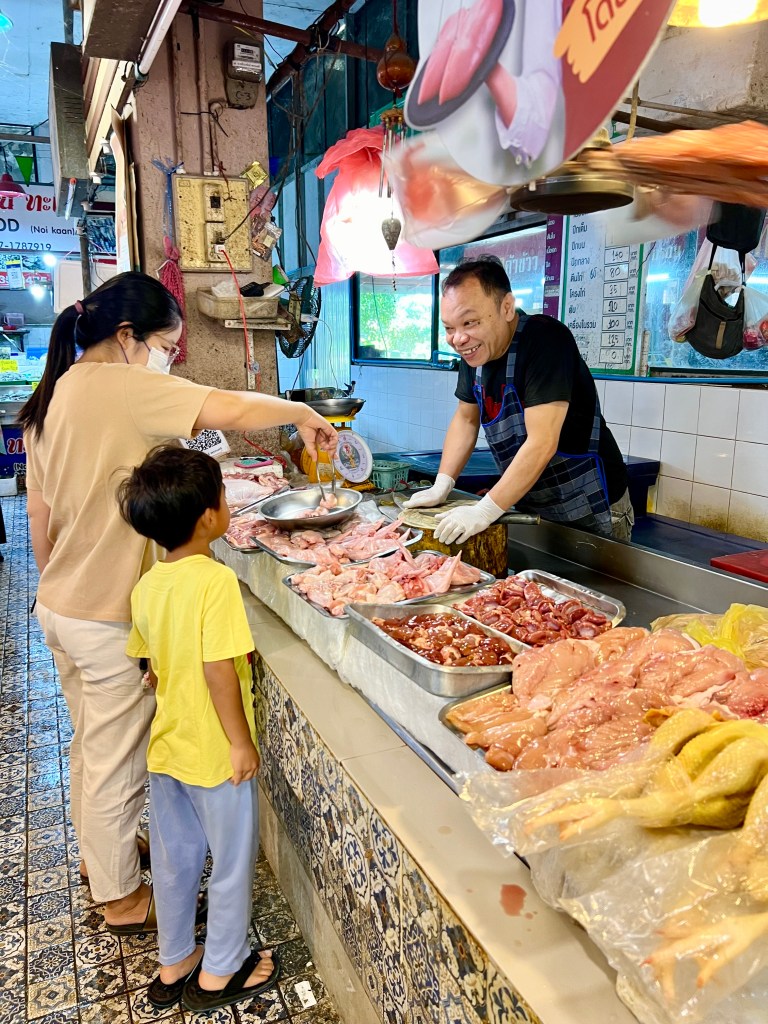
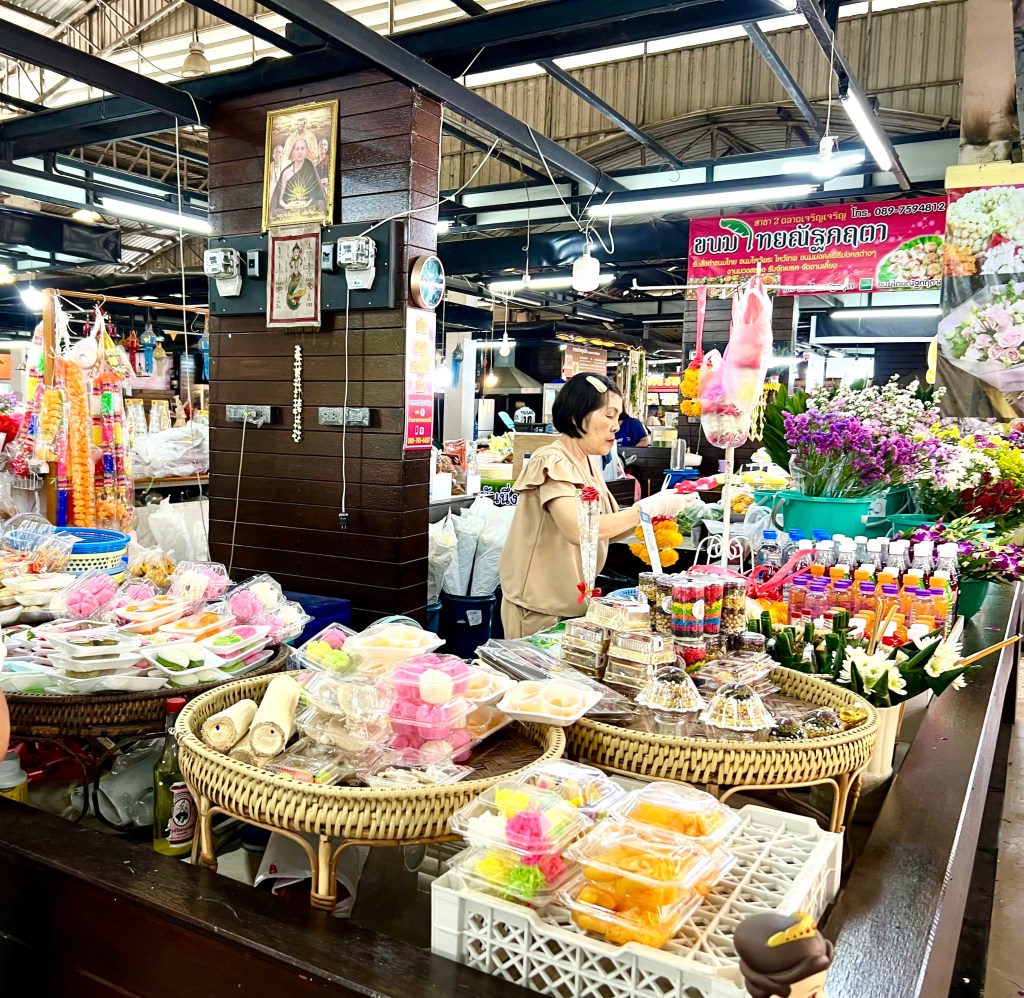
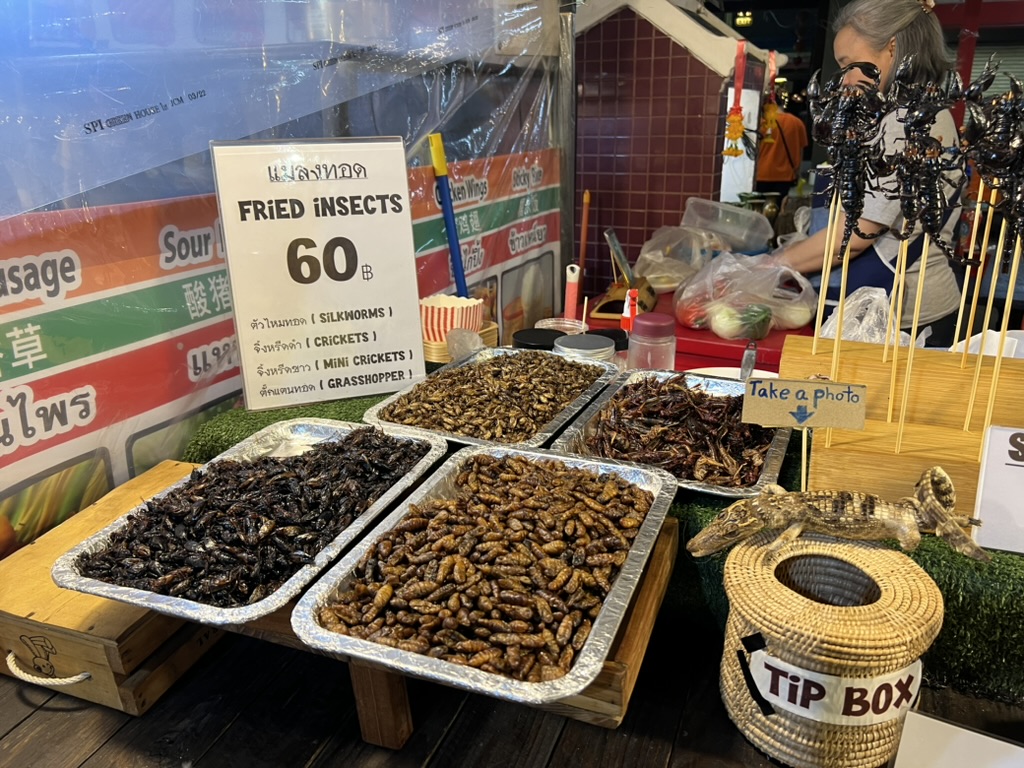
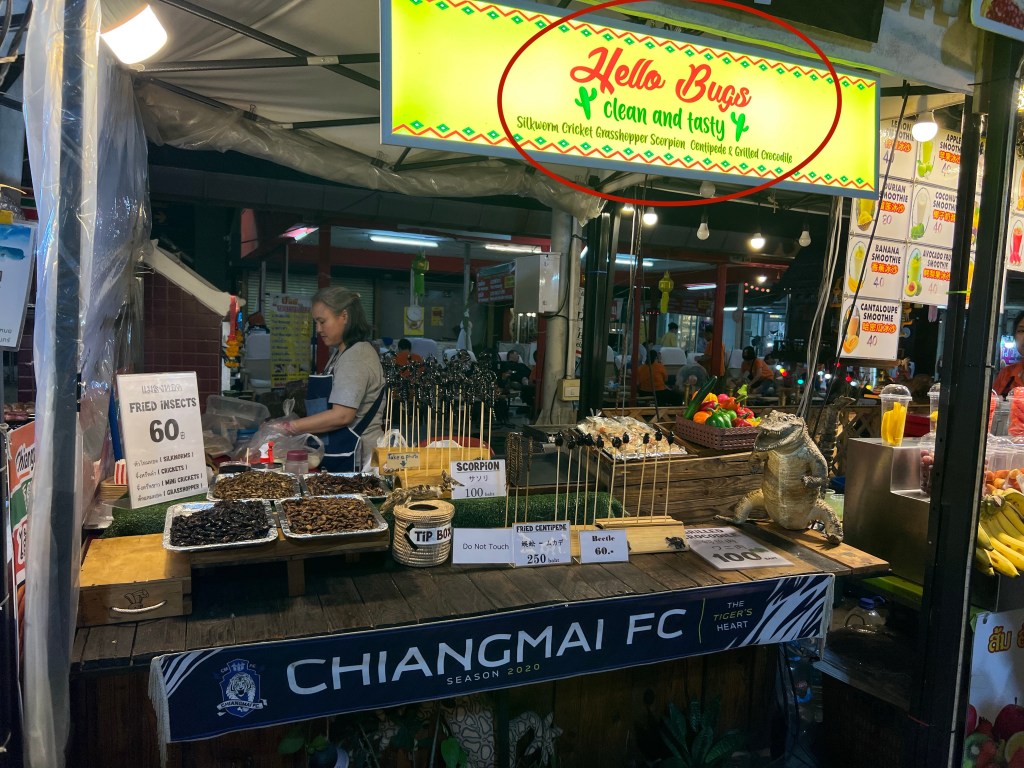
There isn’t just a superabundance of food in restaurants or on the streets, you see the same phenomenon in super- and other markets, of which there are dozens around the city. We have never come across so well stocked and wide-ranging food stores as in Chiang Mai – the offer is unending and we sometimes wondered if there are enough people to buy all that is on display! But somehow it all appears to sell, even the strangest of foods.





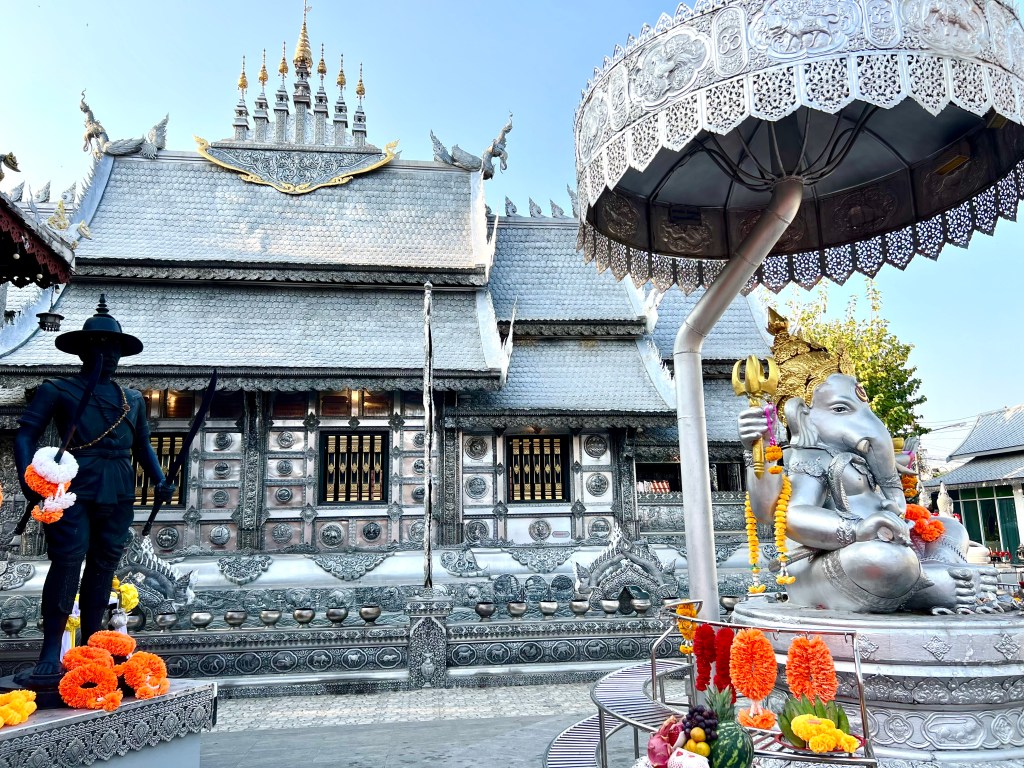
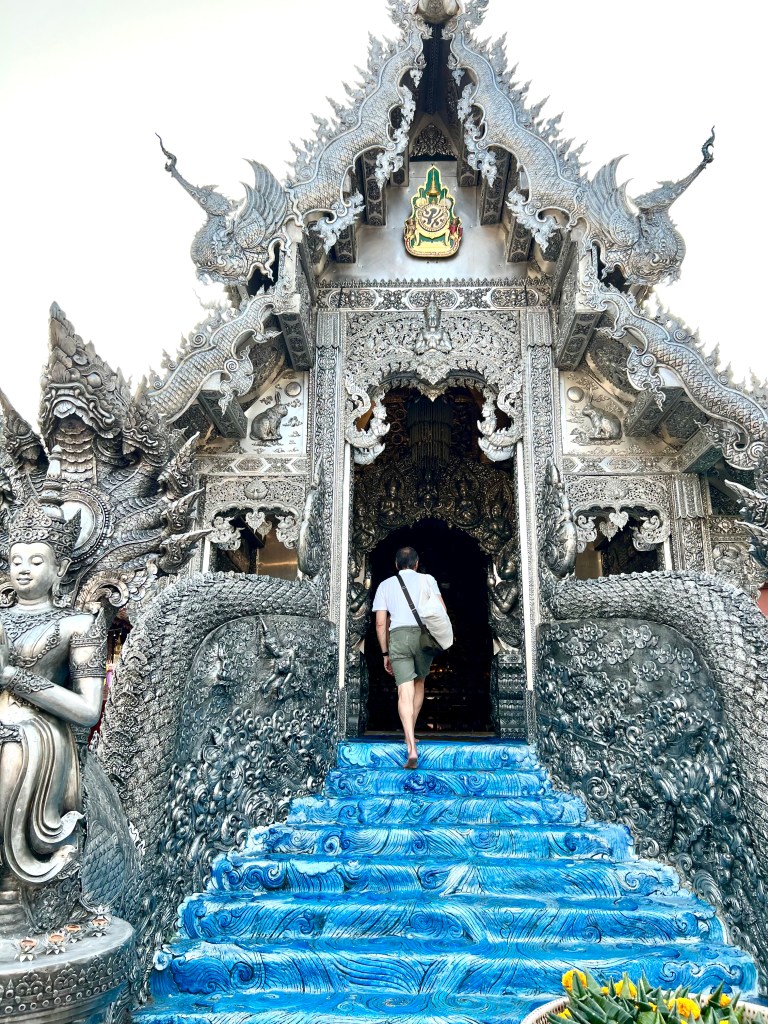
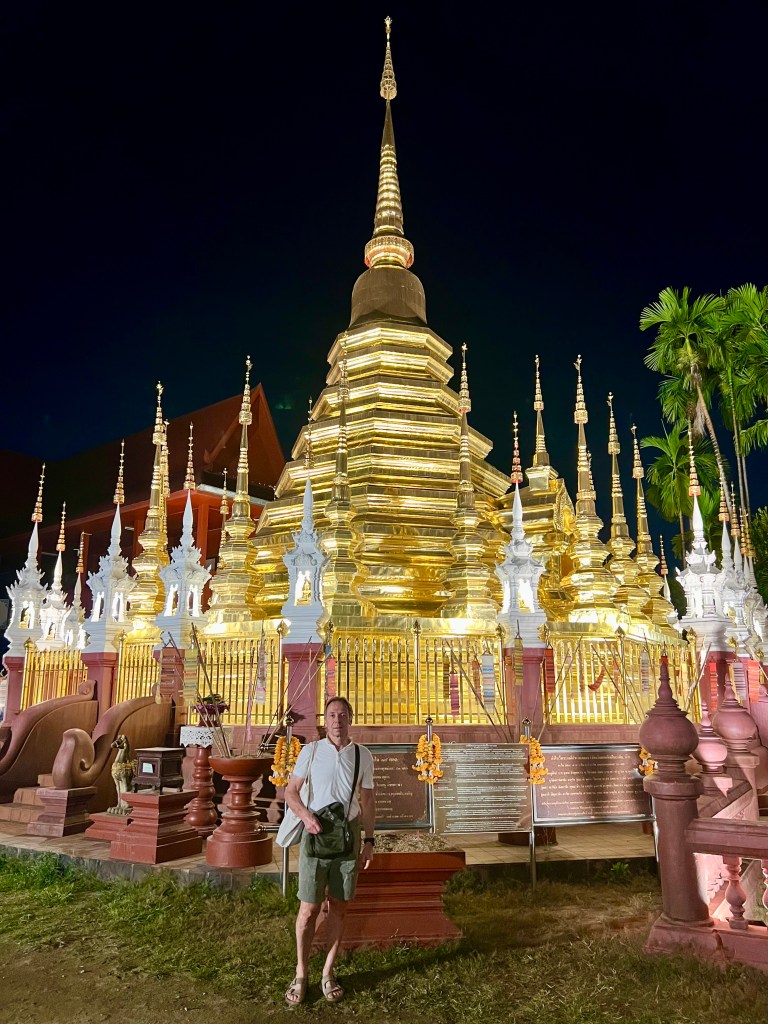
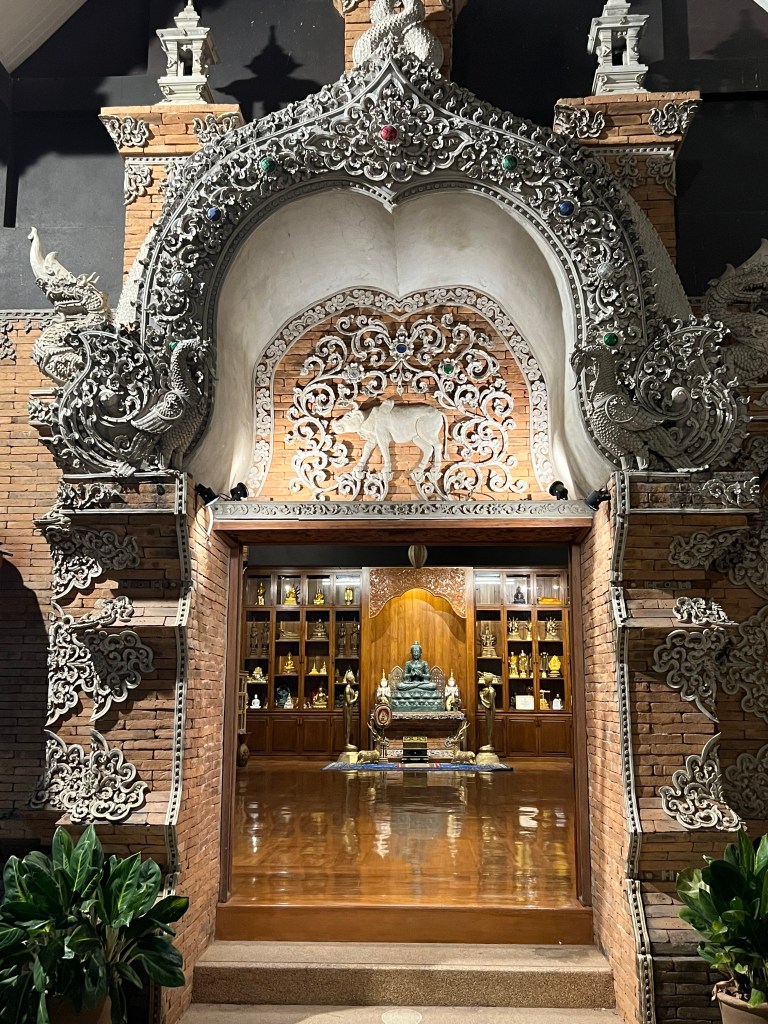
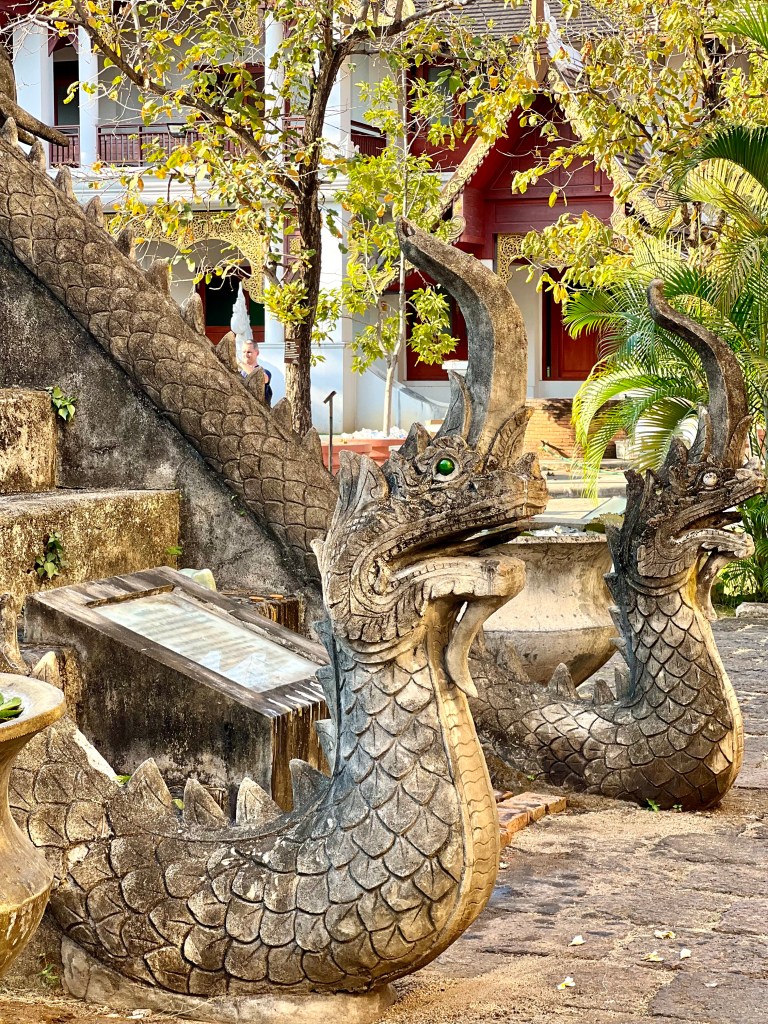
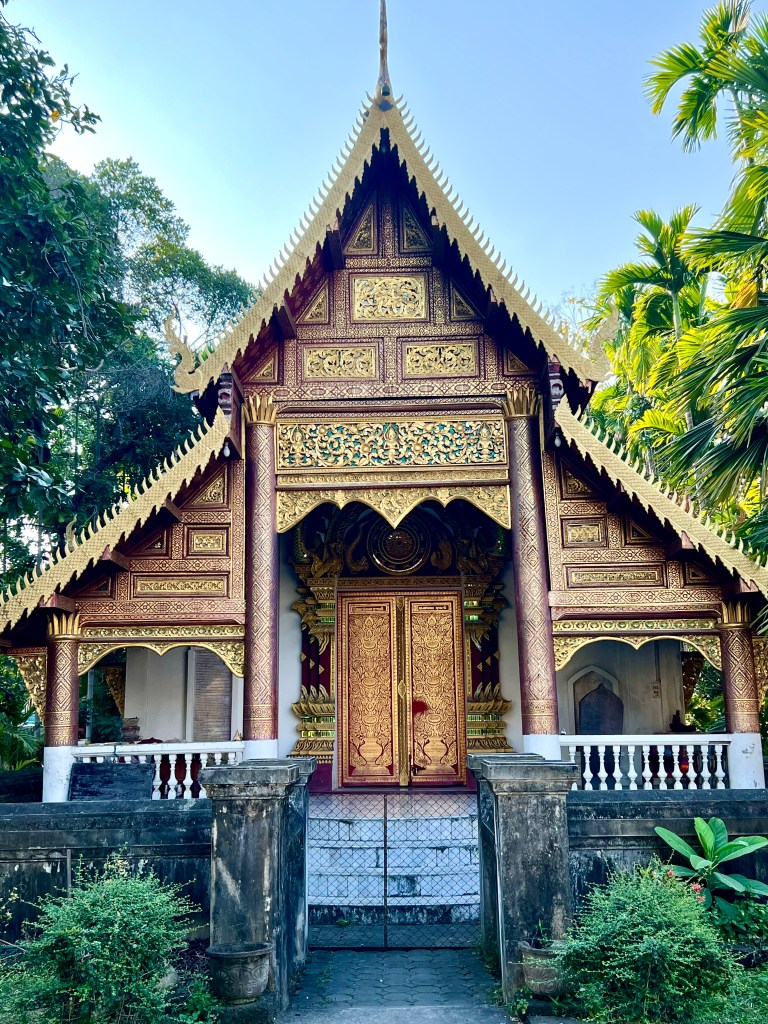
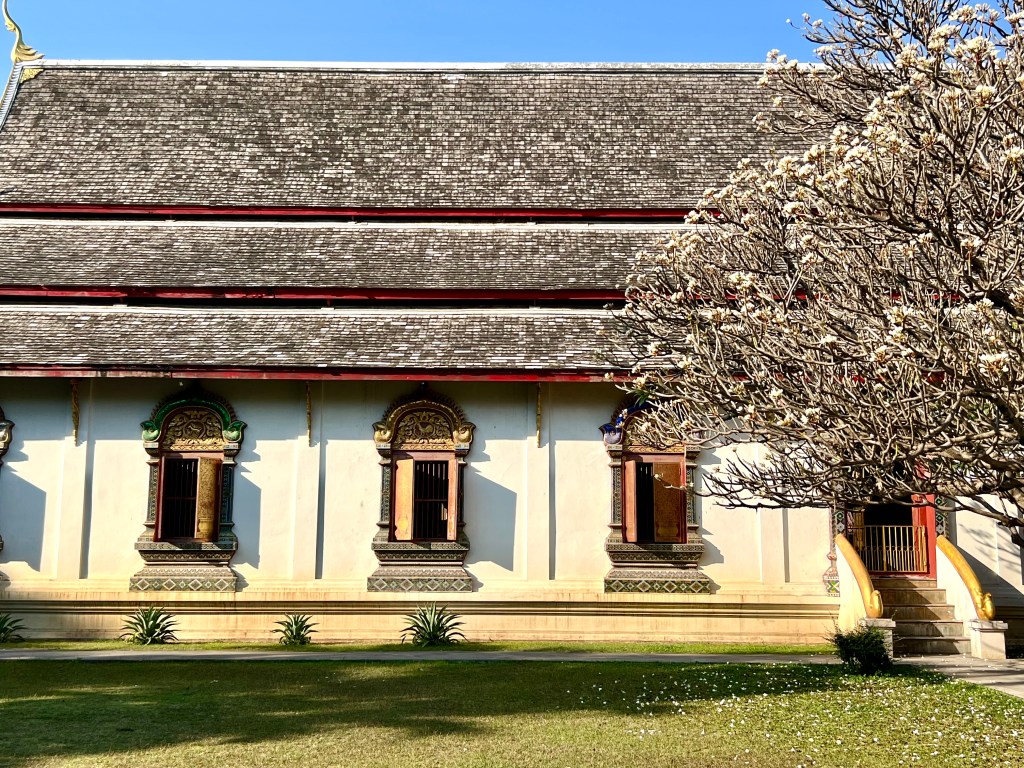
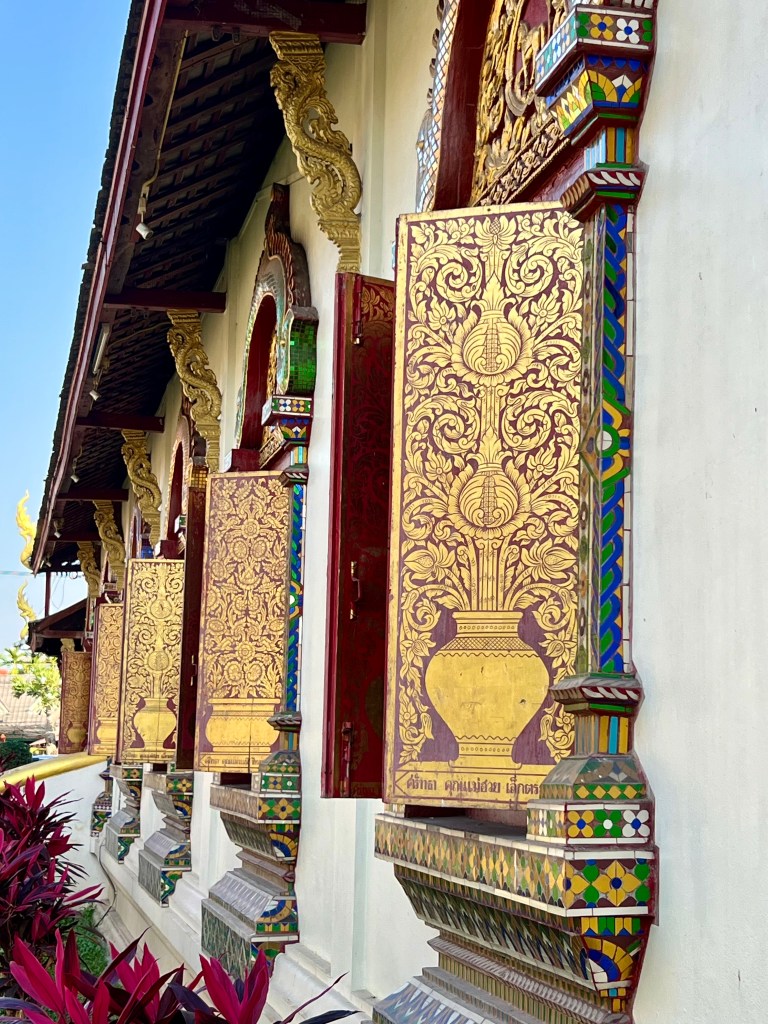
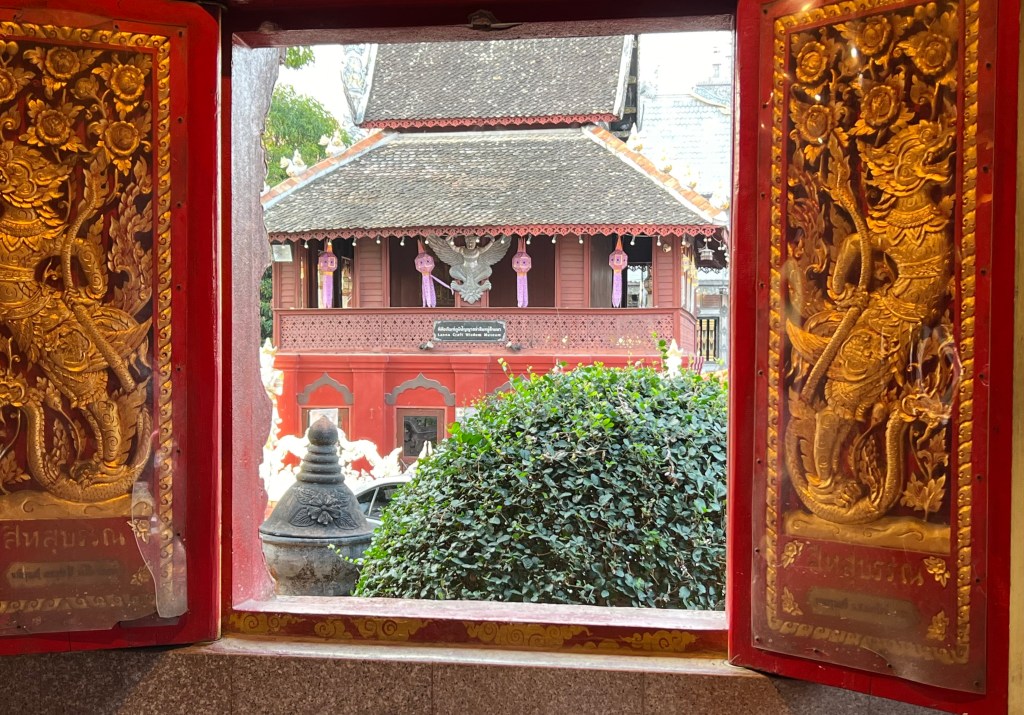
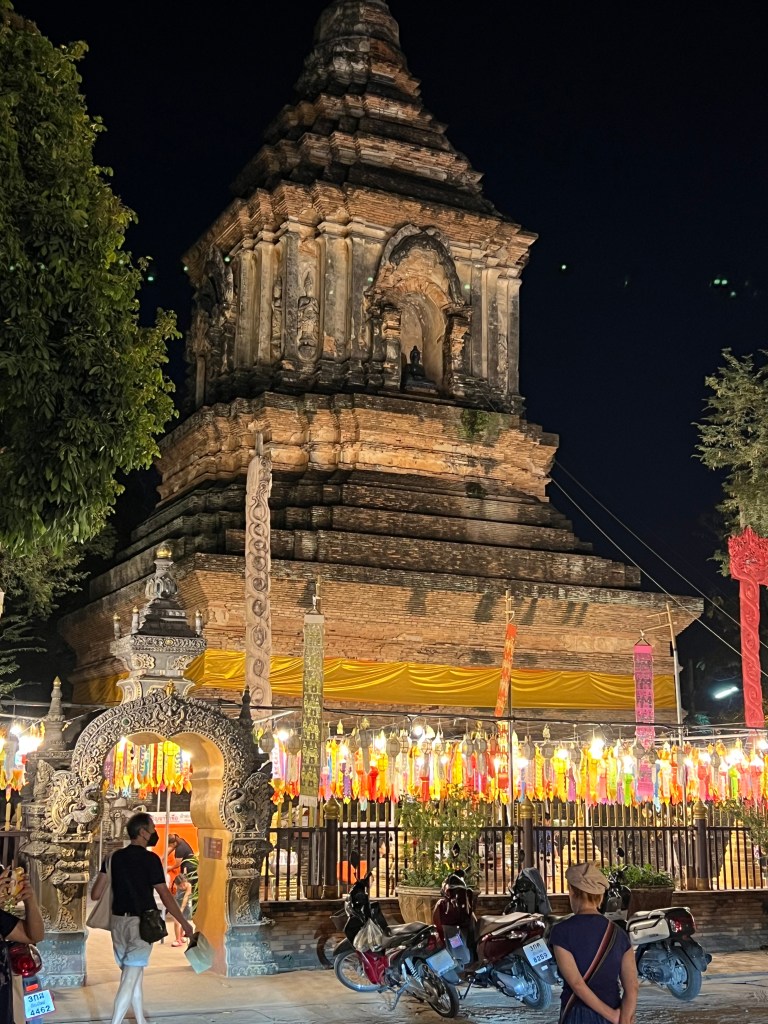
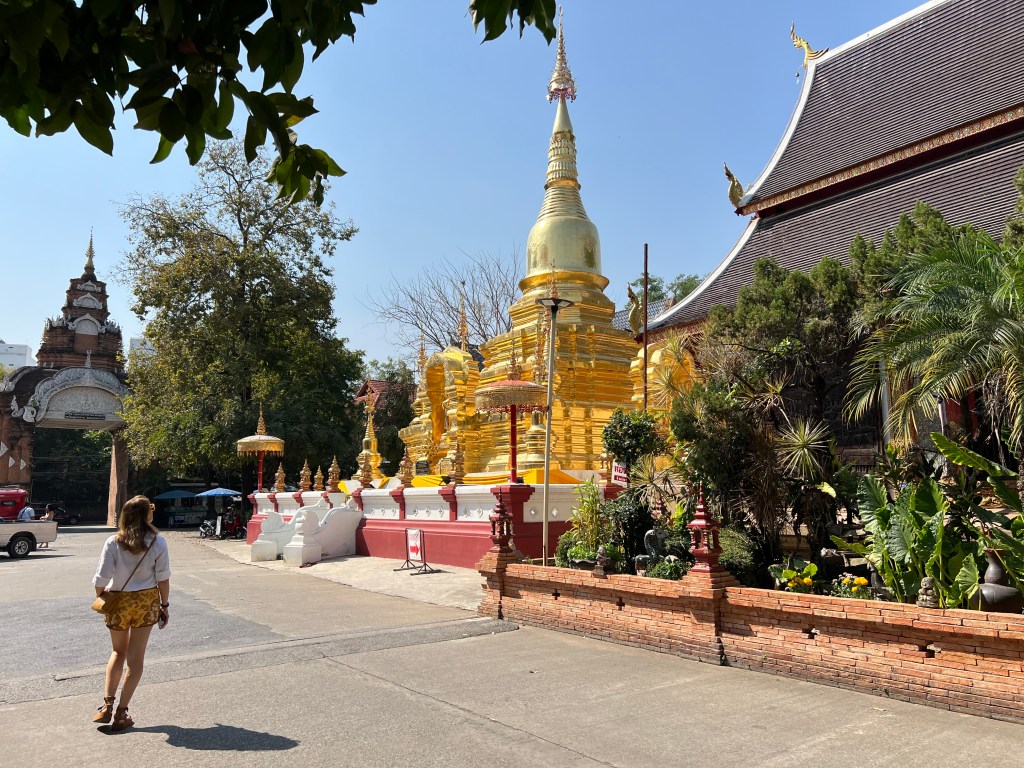
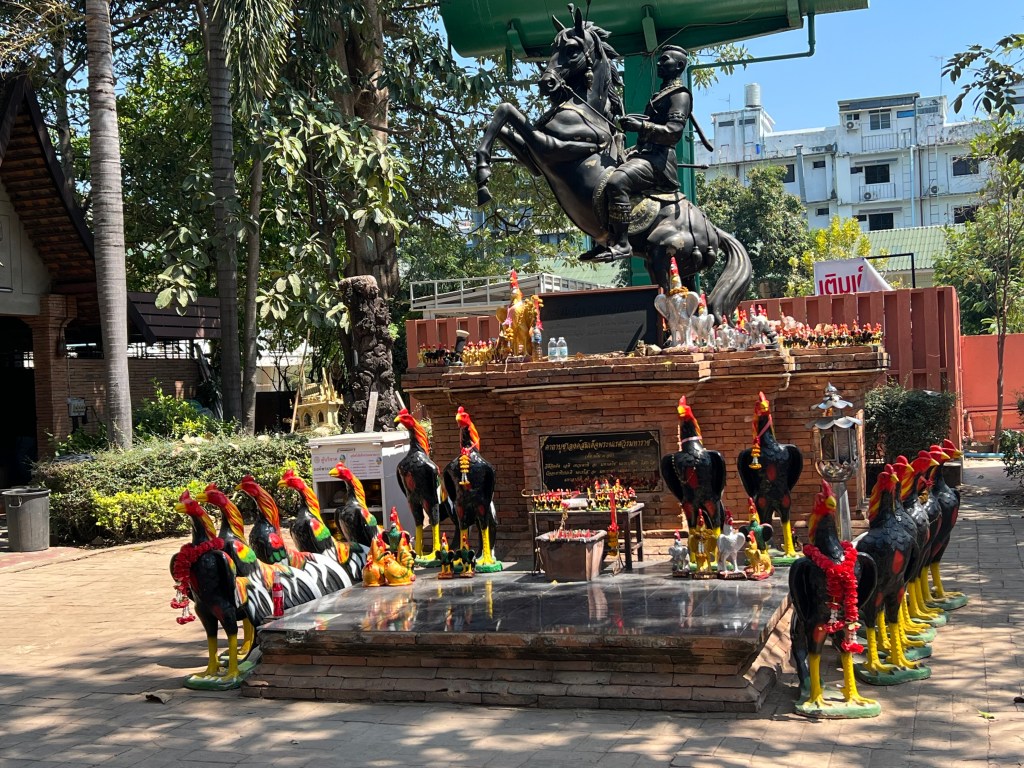
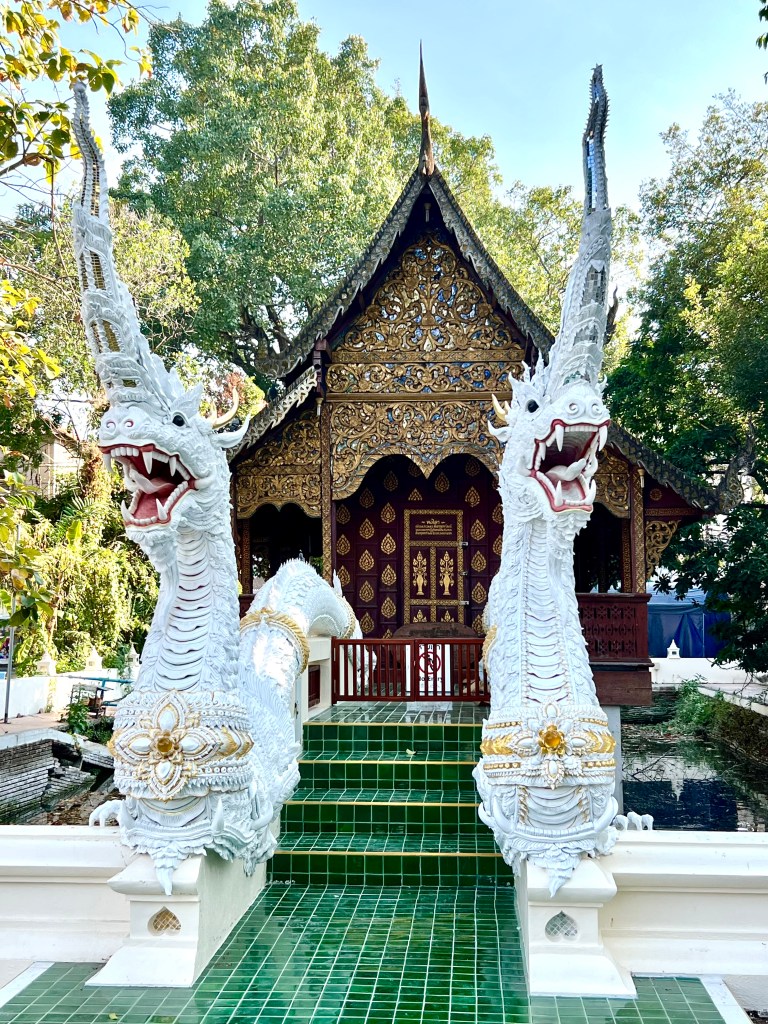
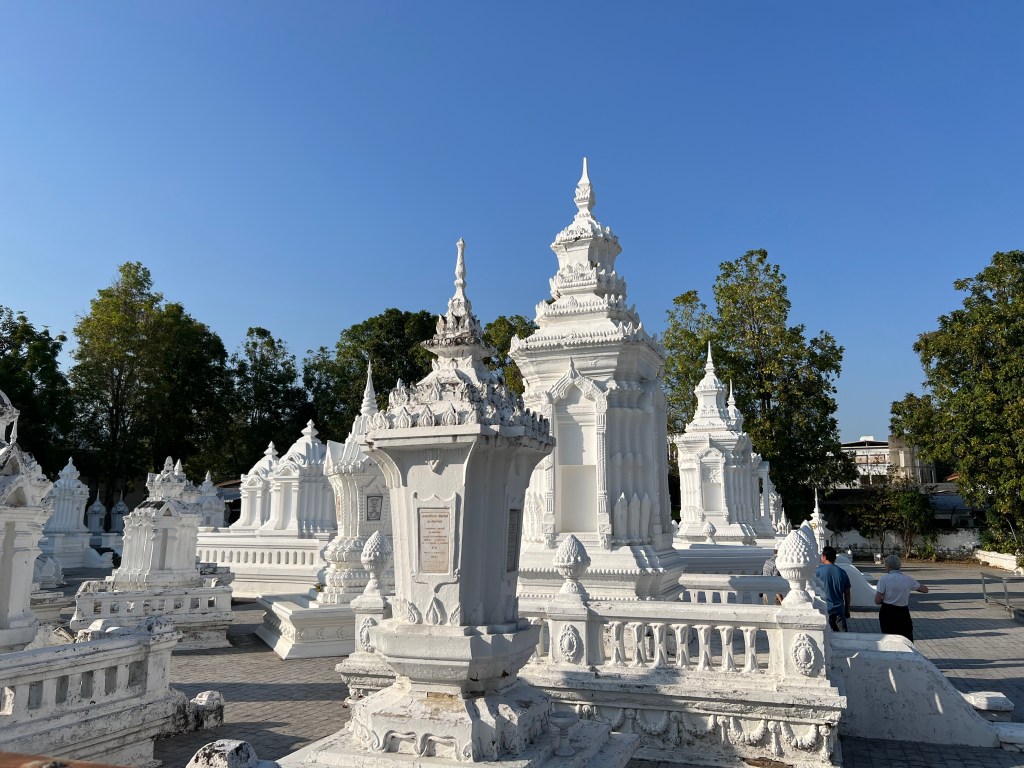
One of the most striking features of Chiang Mai is the abundance of temples. With at least three hundred Buddhist temples, the city’s cultural and religious heritage is omnipresent and adds a sense of history and spirituality to the bustling streets.
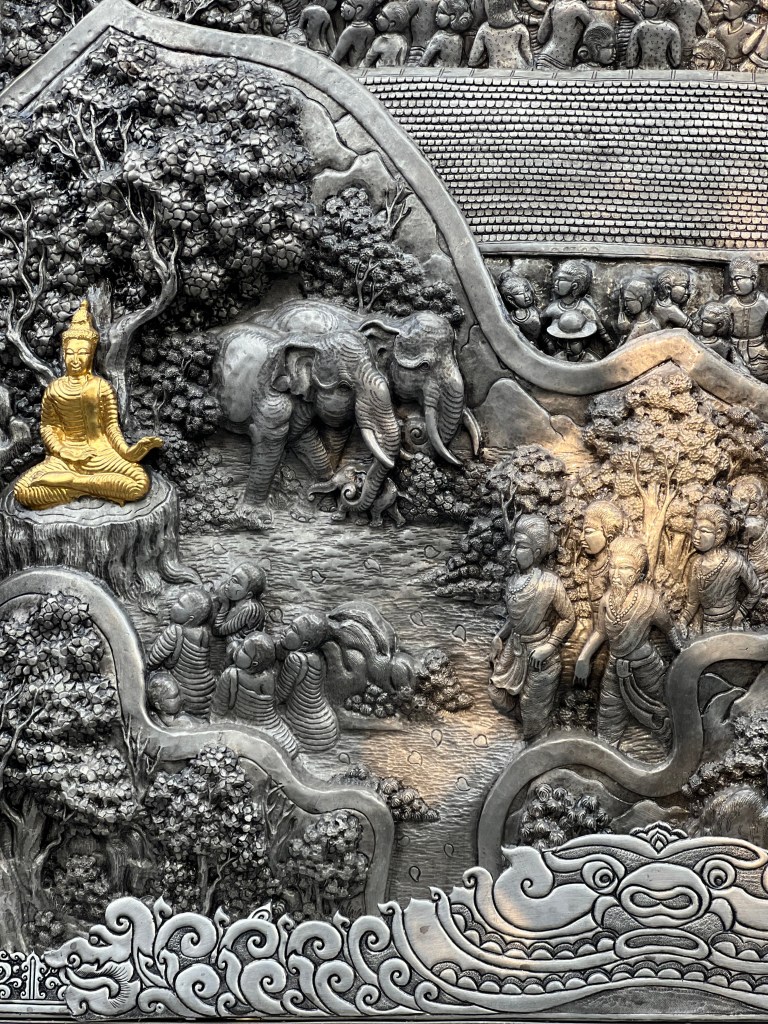
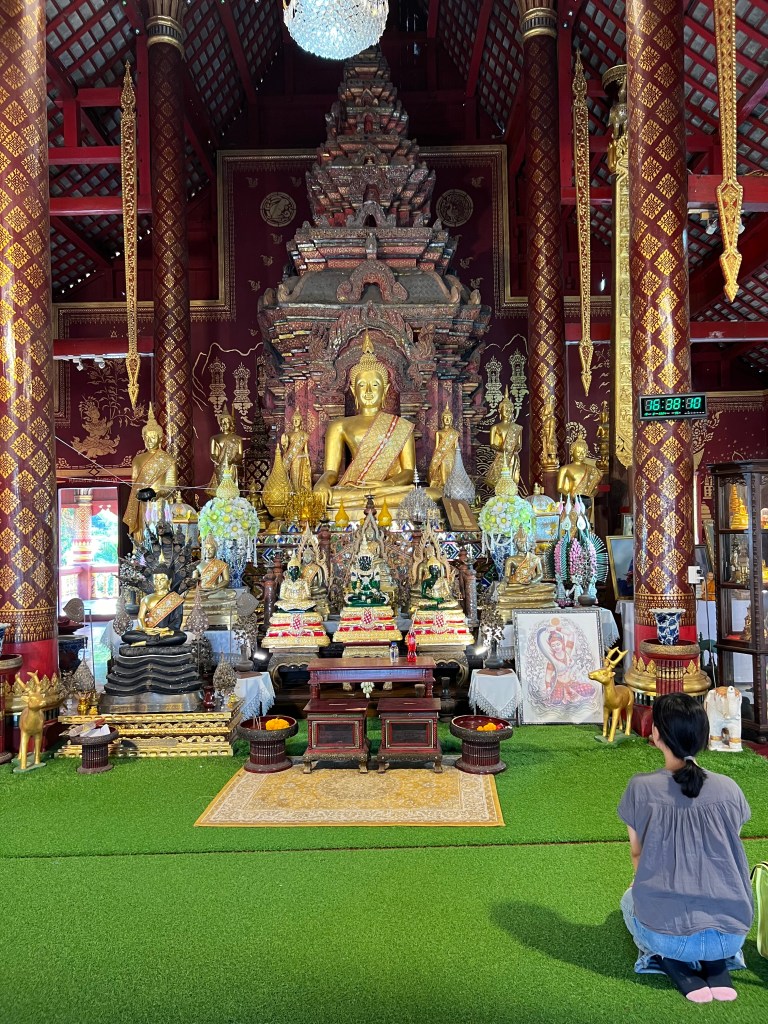
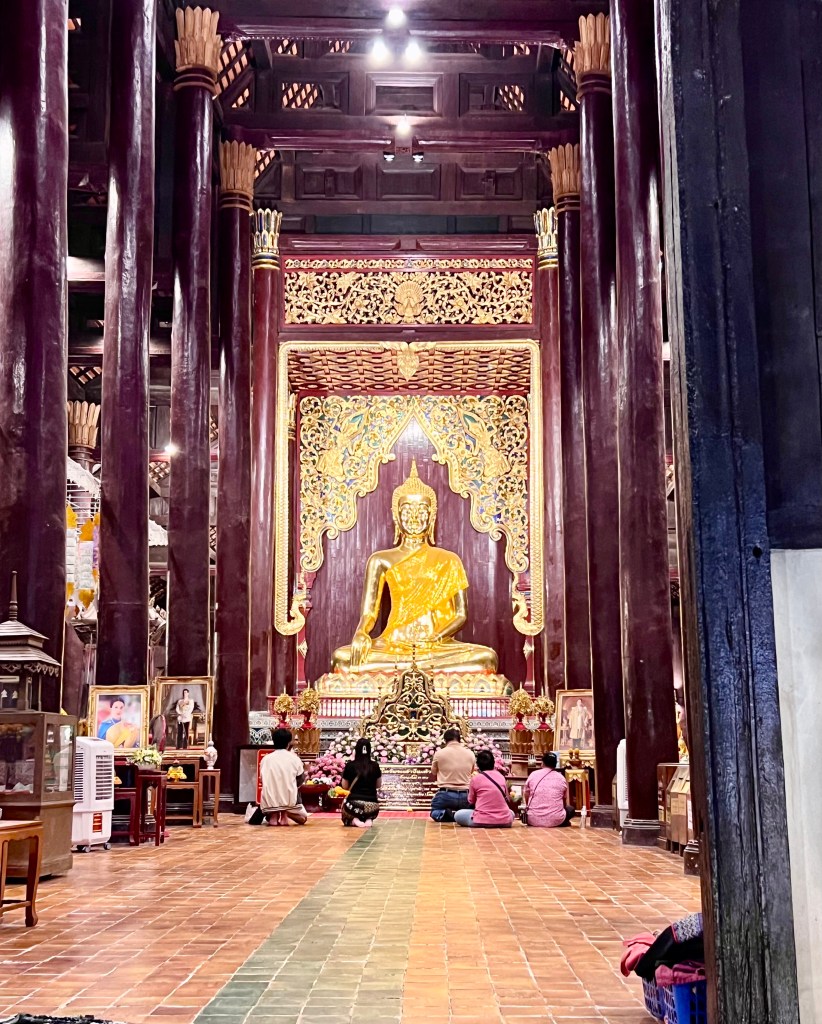
Temples sparkle with colourful scintillating inlaid glass and gold arabesque. Both inside and outside, one finds oneself carried away into a world of fantasy. Inside, imposant golden Buddhas, visions of the divine, observe us peacefully from their thrones and make us feel extremely ordinary. Nothing here resembles the minimalism and sobriety of Calvinist churches or Japanese temples.
Unlike European/Middle Eastern churches, synagogues and mosques, which generally either charge an entrance fees and/or have restricted areas for believers and non-believers, the Thai Buddhist temples are open to everyone and you can roam around them as you please (so long as you leave your shoes at the entrance).
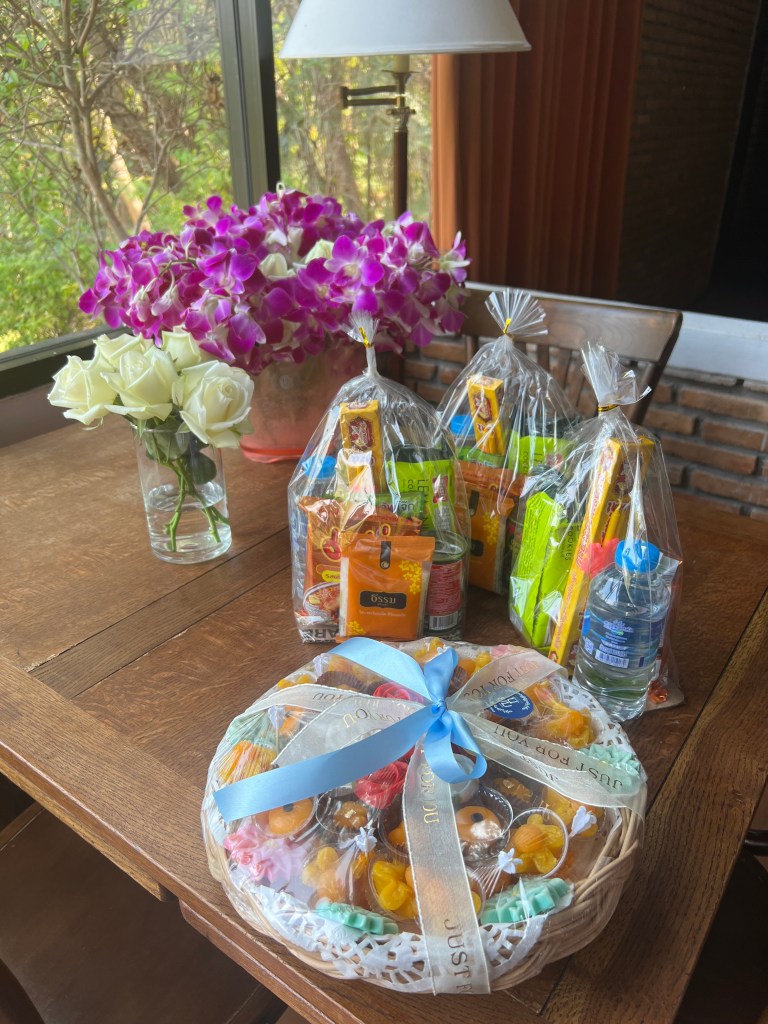
Many Thais come in to offer gifts and have quiet chats with the monks, who are as friendly and gentle as everyone else in this country of smiles and politeness. We have frequently stopped in temples as we wandered around the town, just to replenish our spirits and take in the quiet and beauty of the place or simply marvel at this world of fantasy.





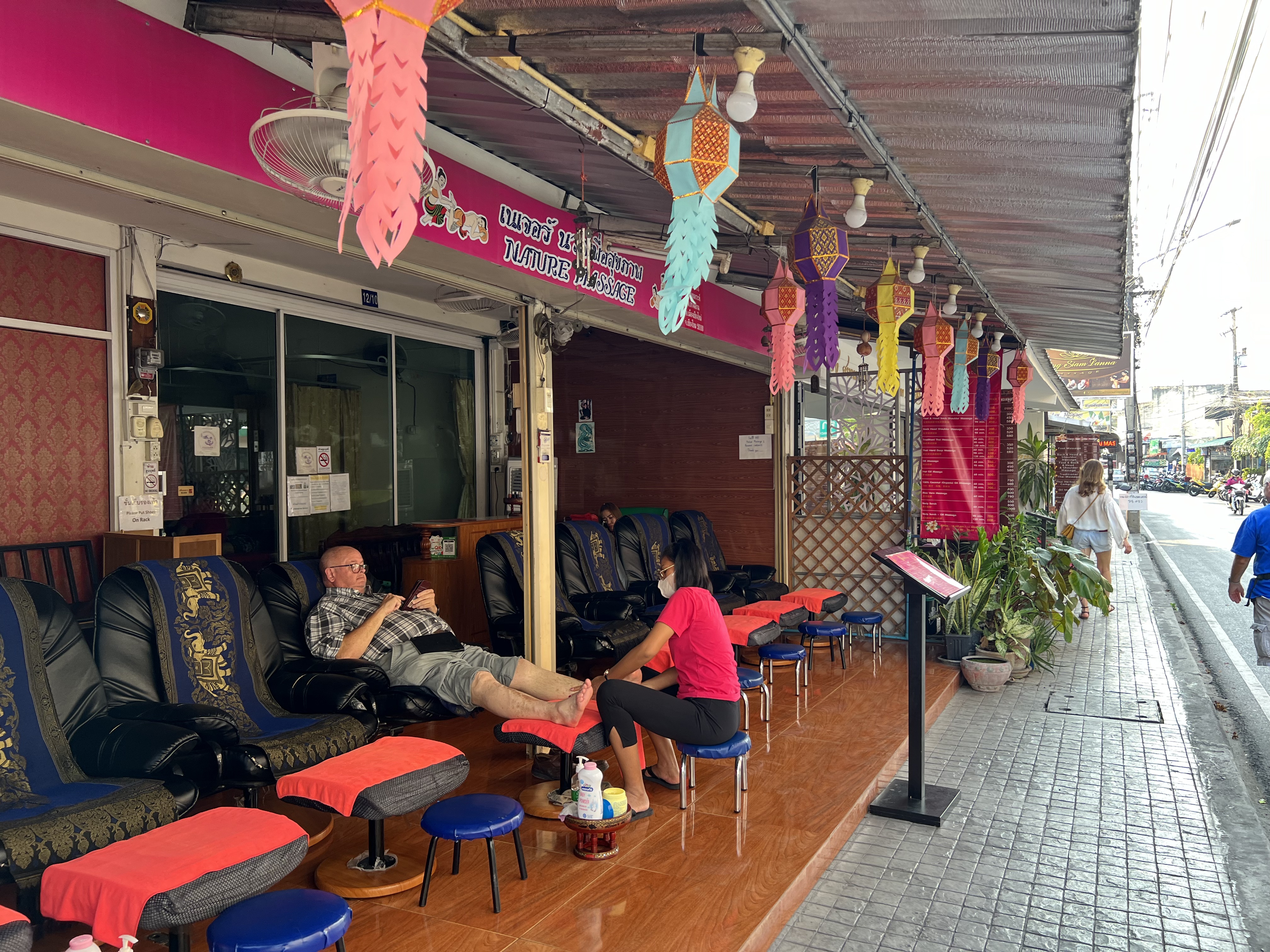
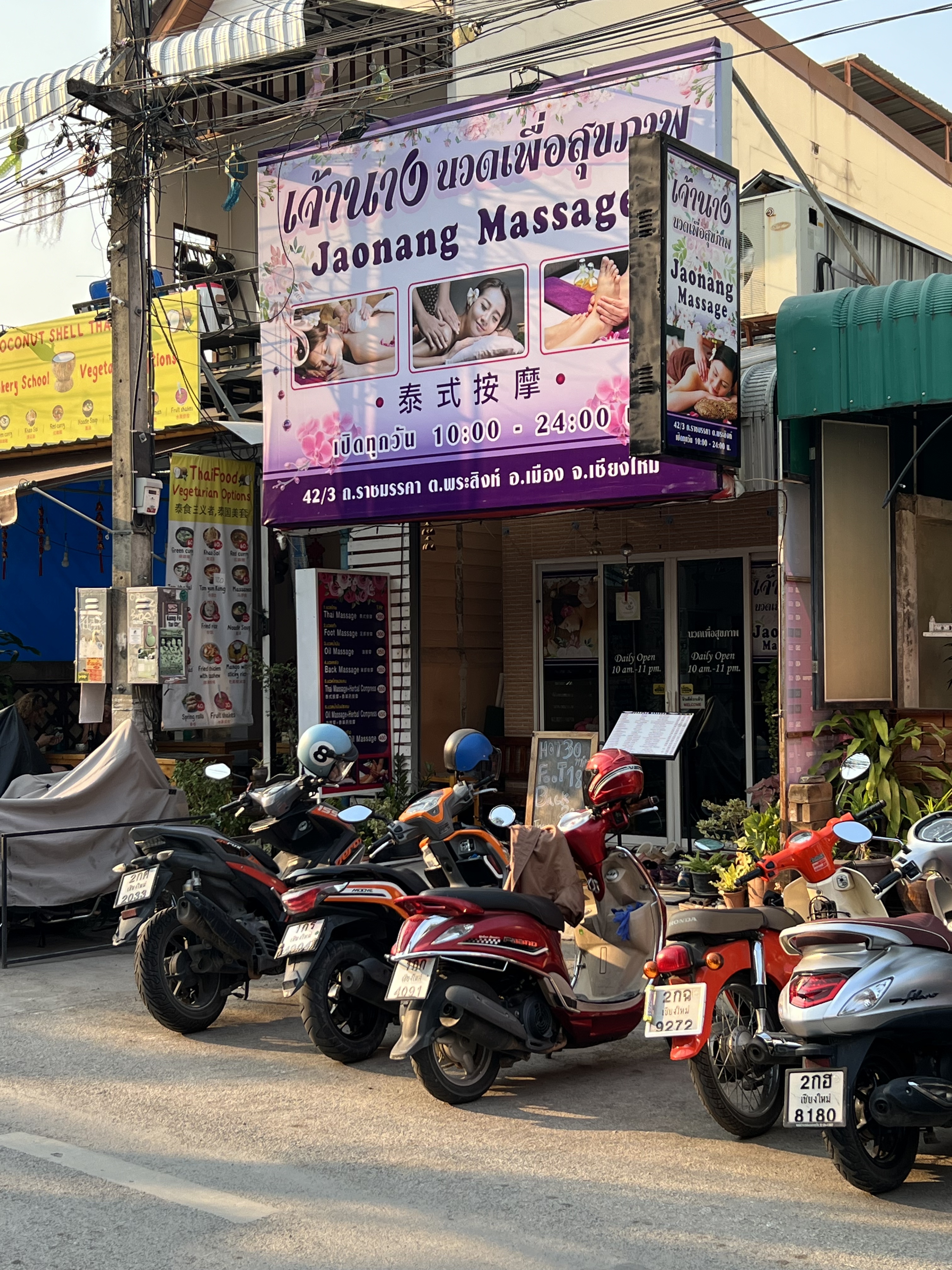
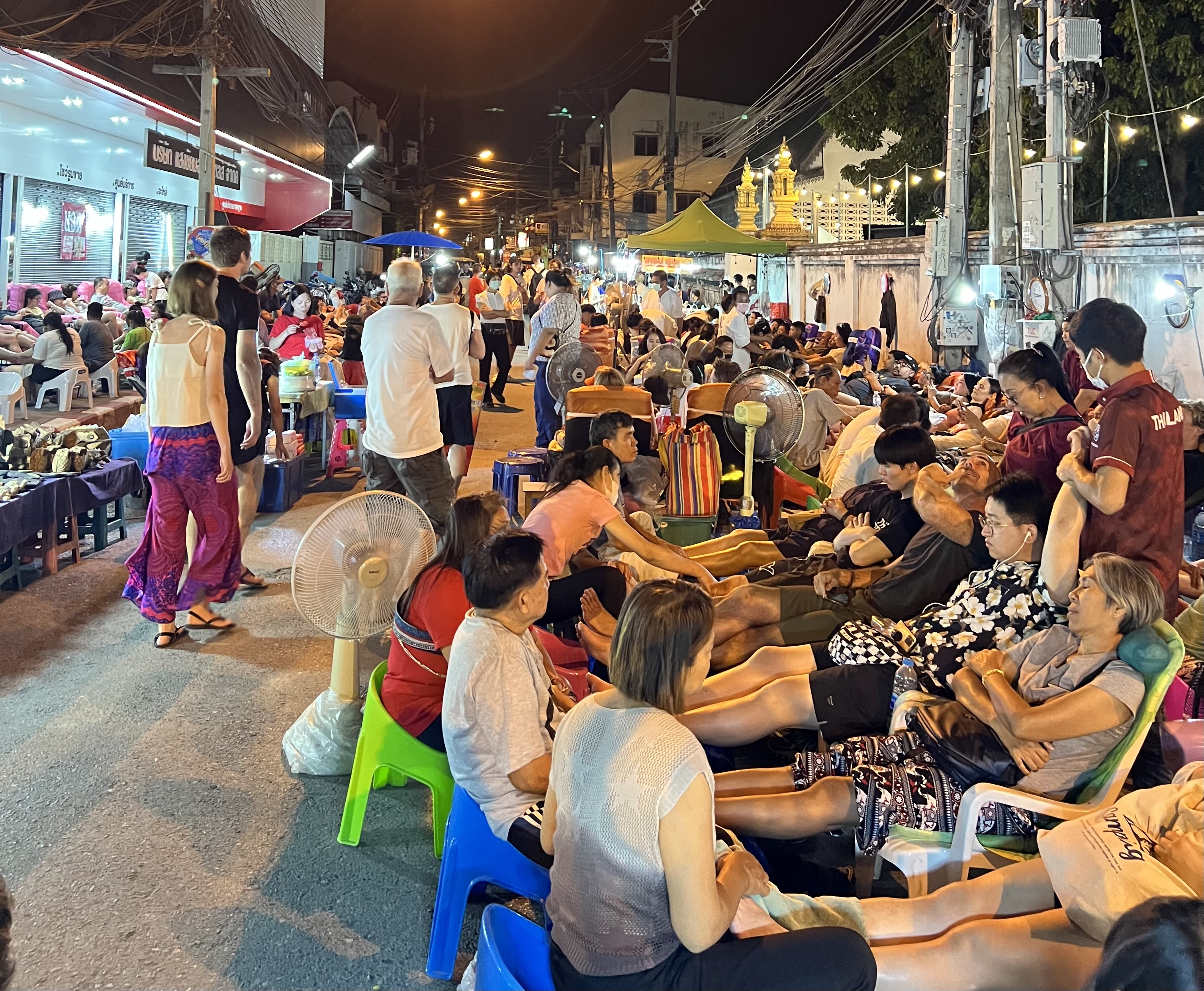
As omnipresent as temples are massage stations. Most are indoors, but some operate on the sidewalk. There is practically no street that doesn’t have them. From the refined and beautiful ones, to the run down and shady ones, there is everything you can imagine.
From the outside, they all offer the same: foot, Thai, head, back or shoulder massages. But many offer “extras”. Whereas in most other cities, prostitution is either banned or legal only in certain clearly identifiable areas, in Chiang Mai, things are (as in many other aspects of this city’s life) blurred and unclear – it is only by entering and asking questions that you will know what is on sale.

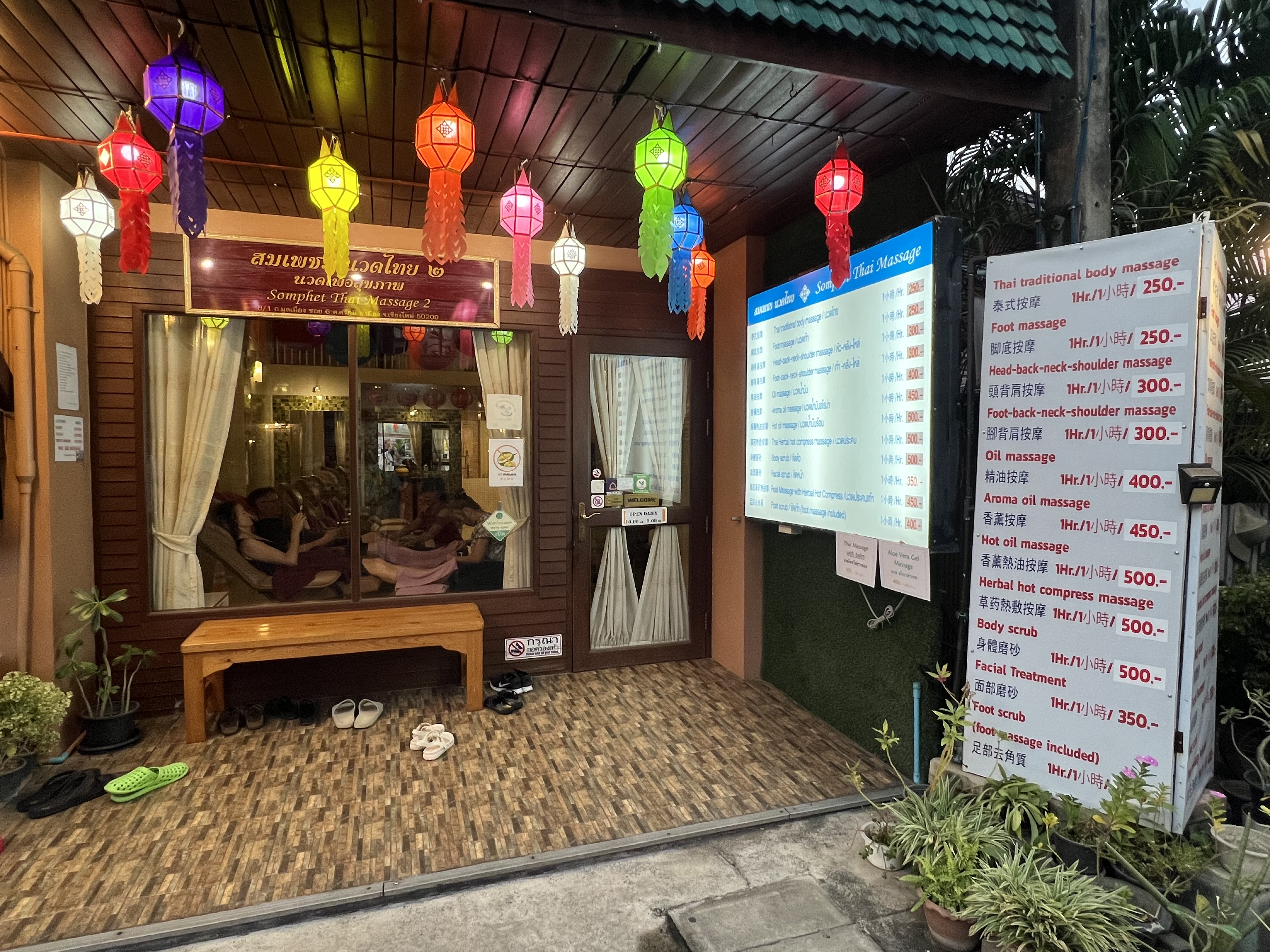
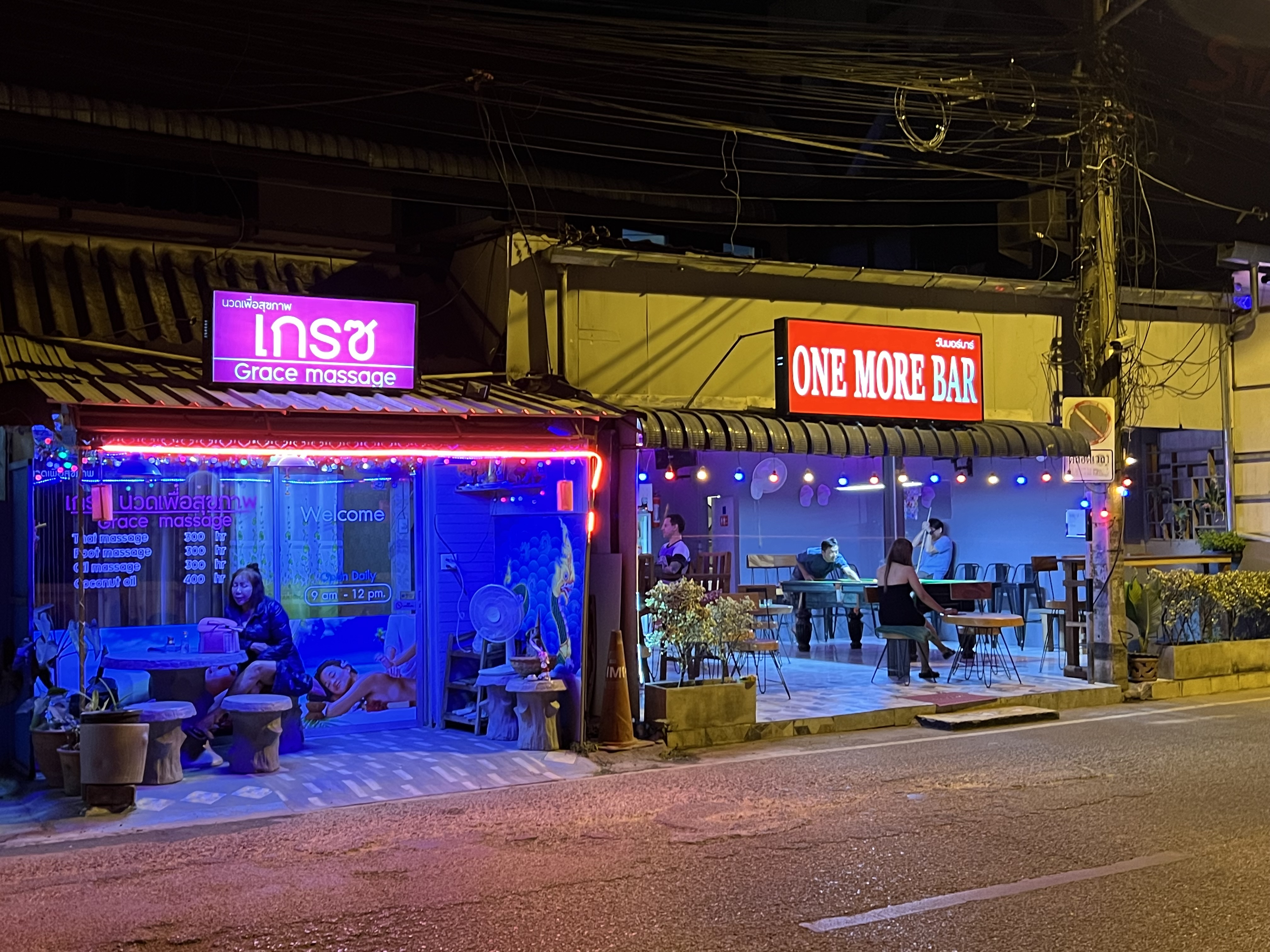
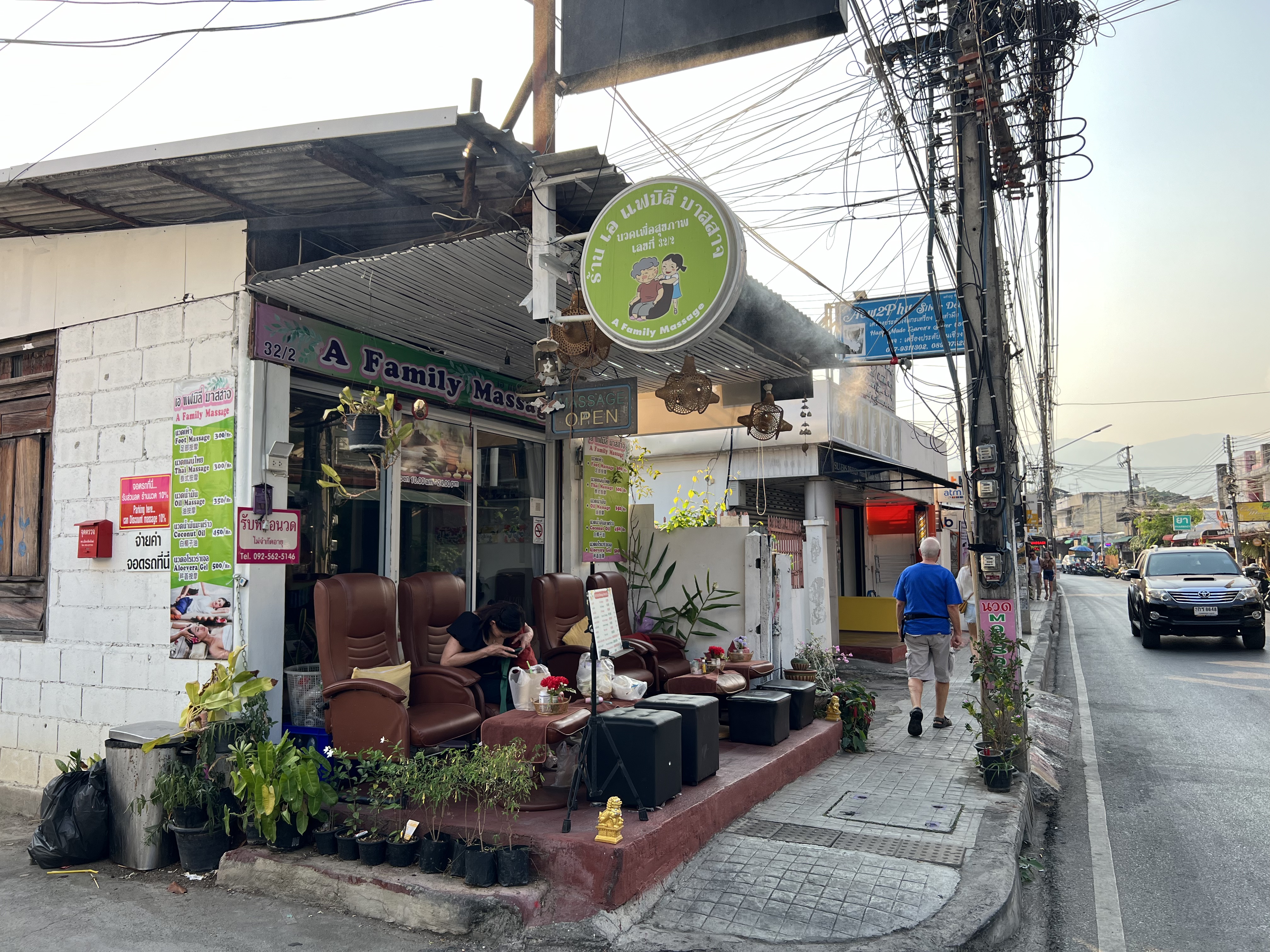
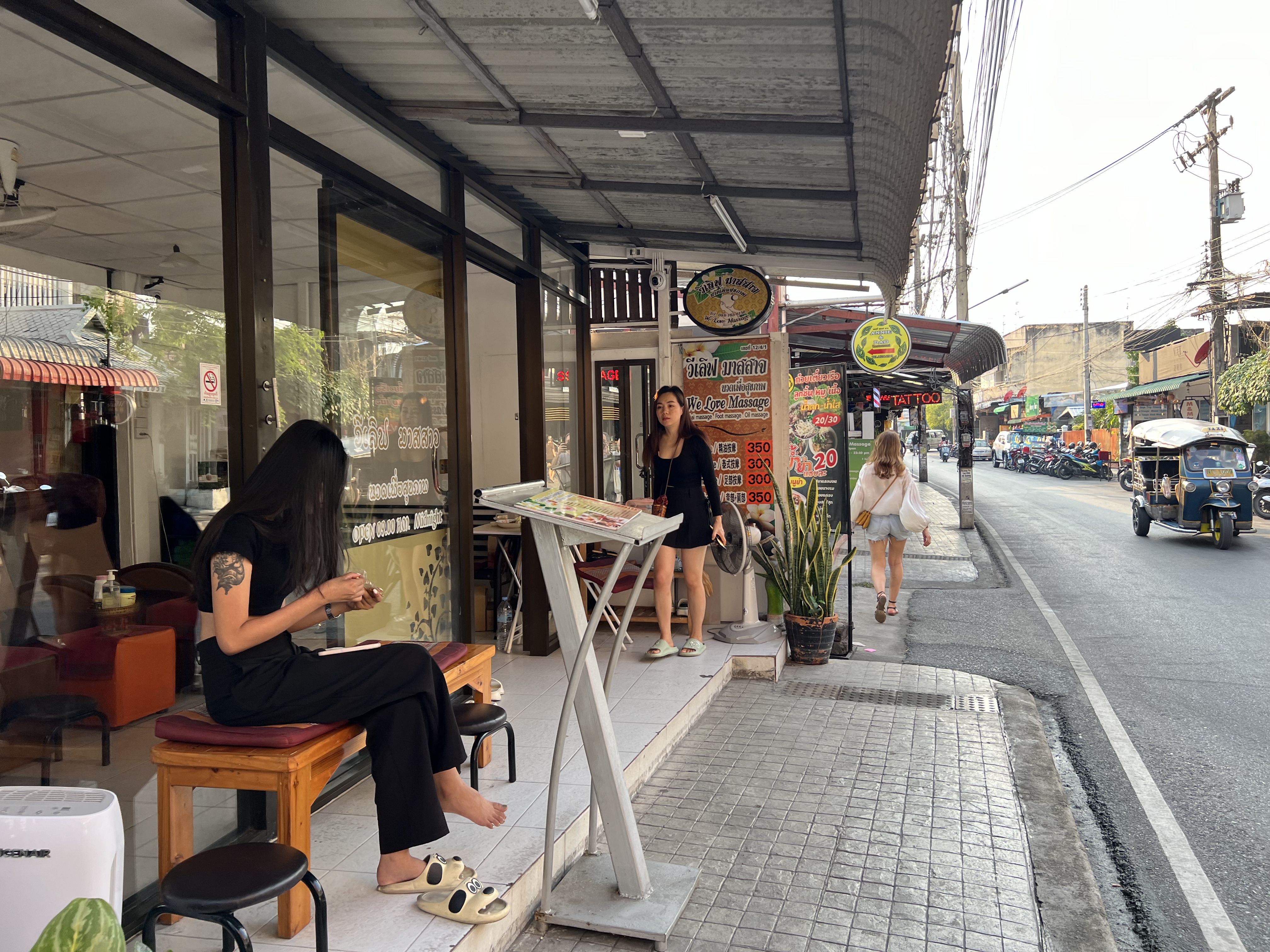
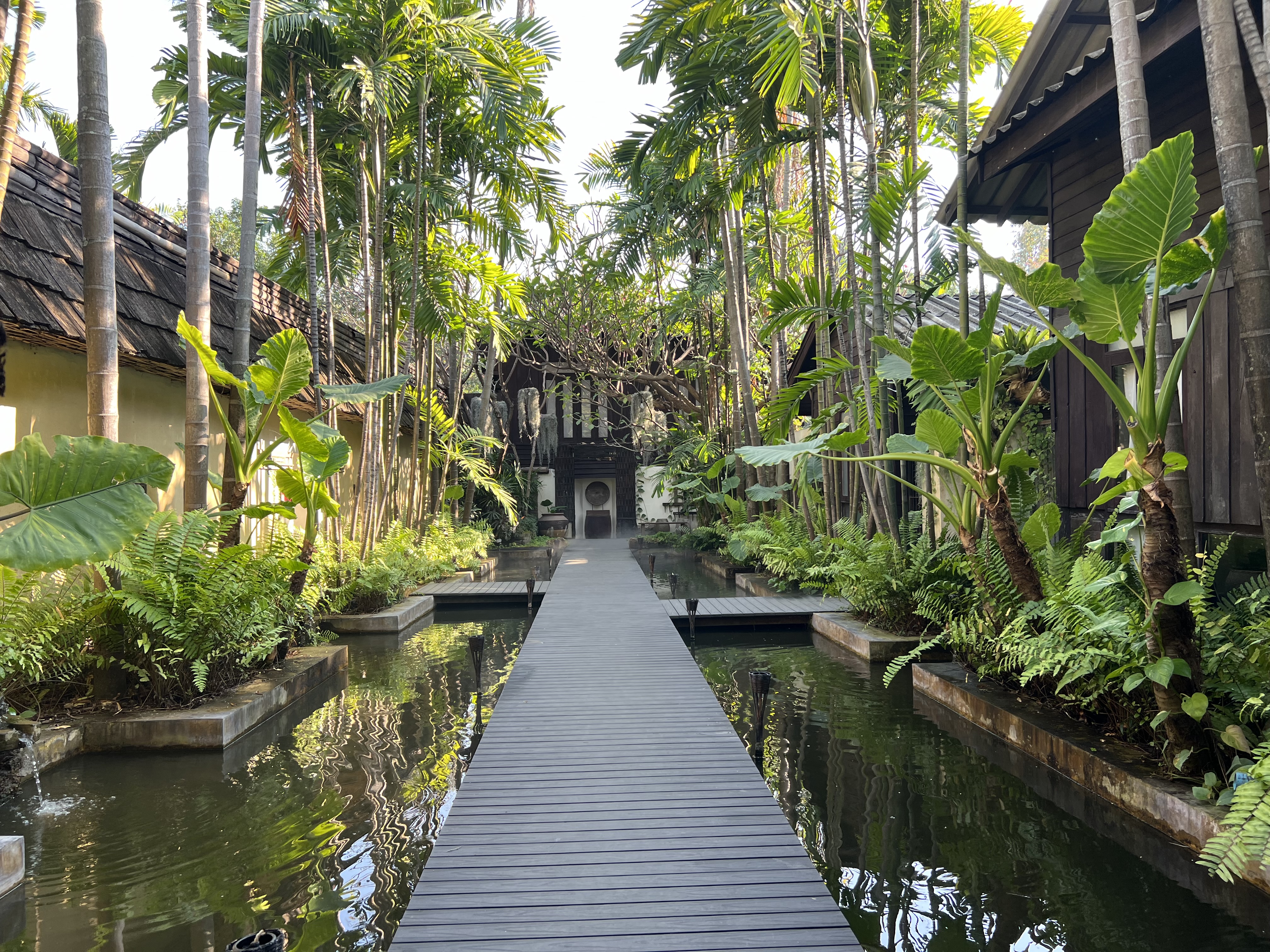
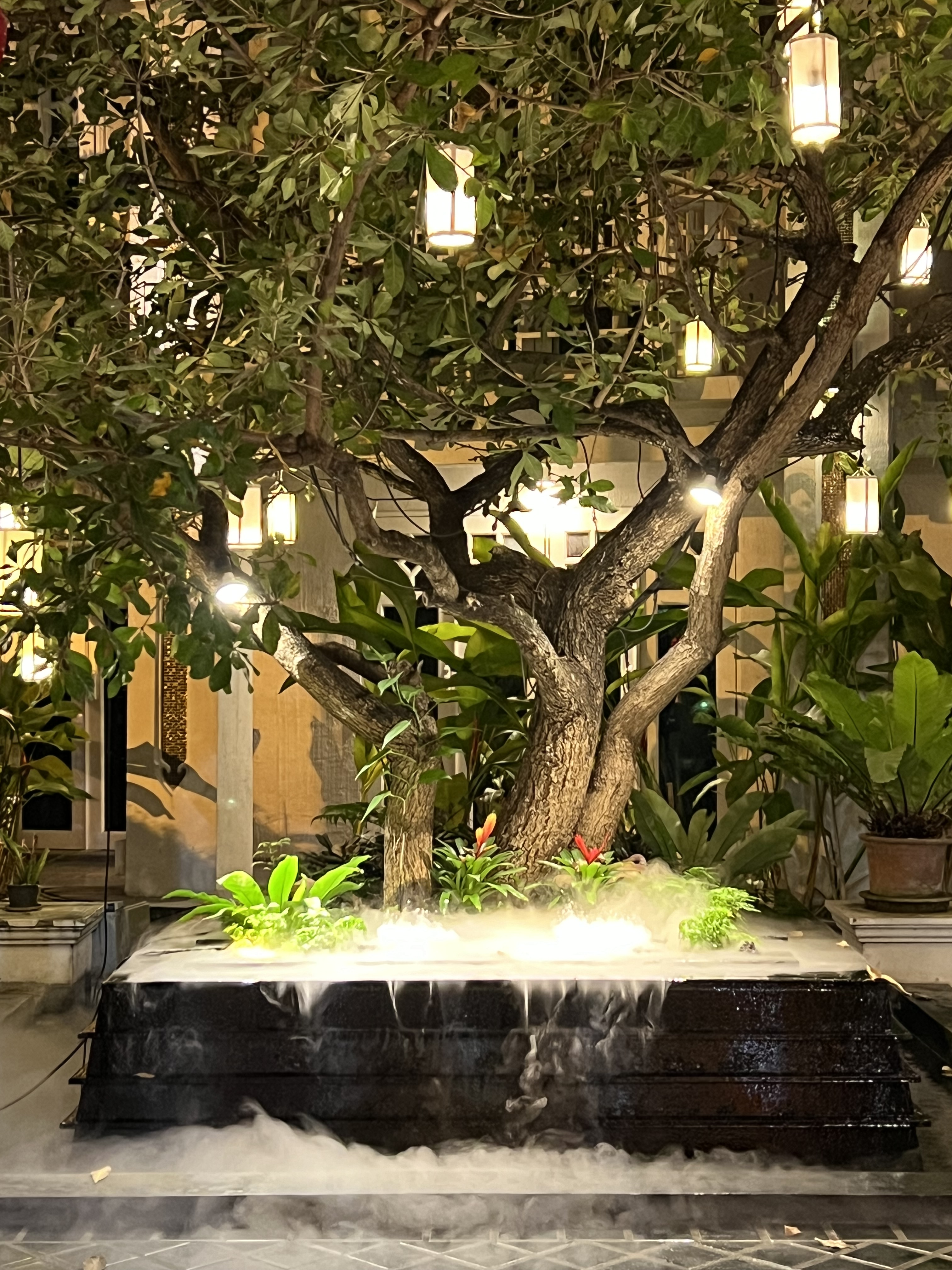

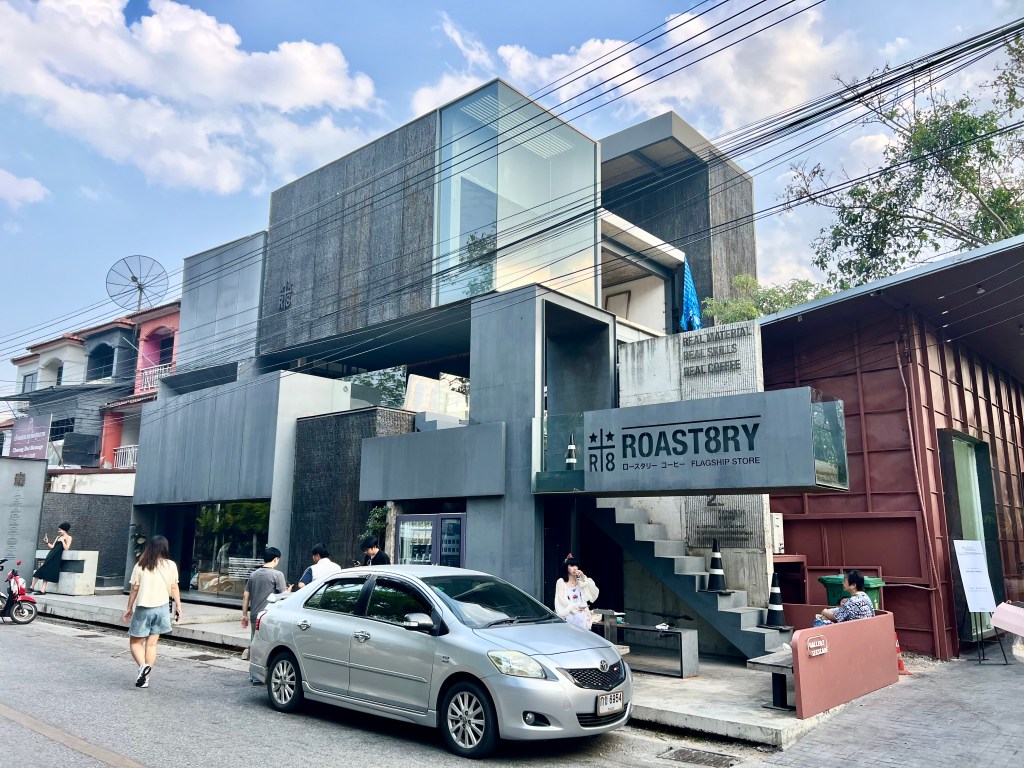
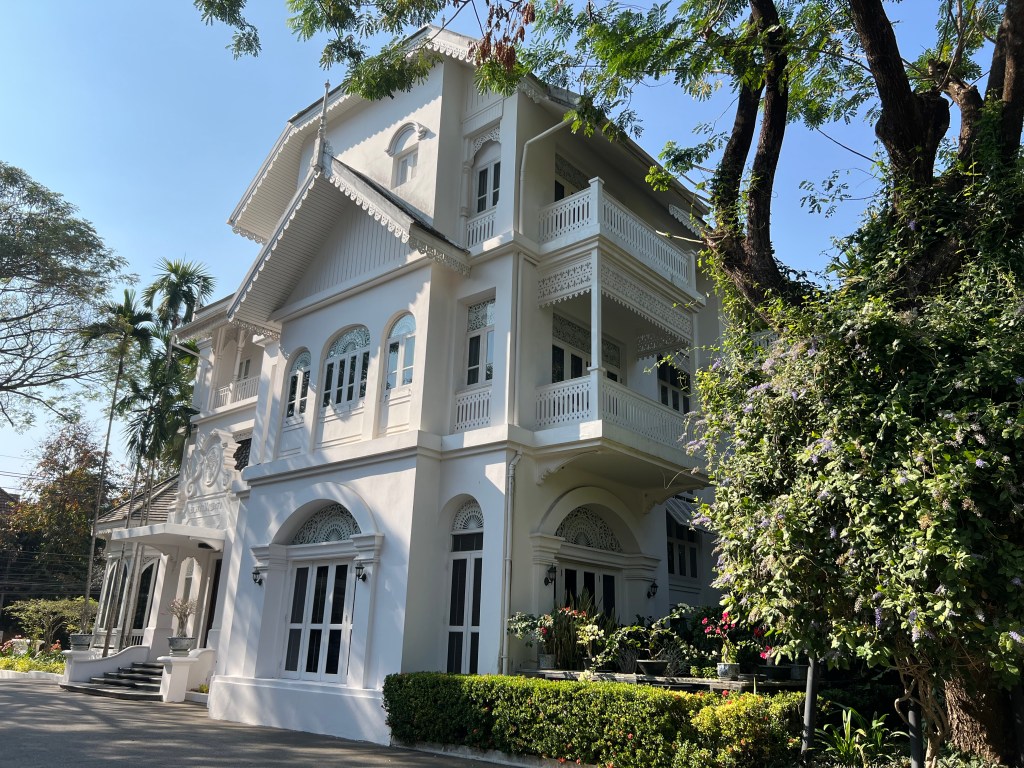
In this city, where “everything goes” is written in capital letters, and no obvious urban planning appears to be present, the architecture is a celebration of whatever people enjoy building. In Chiang Mai, the old and the new, the simple and the complicated, the eclectic and the formal, coexist in perfect harmony.

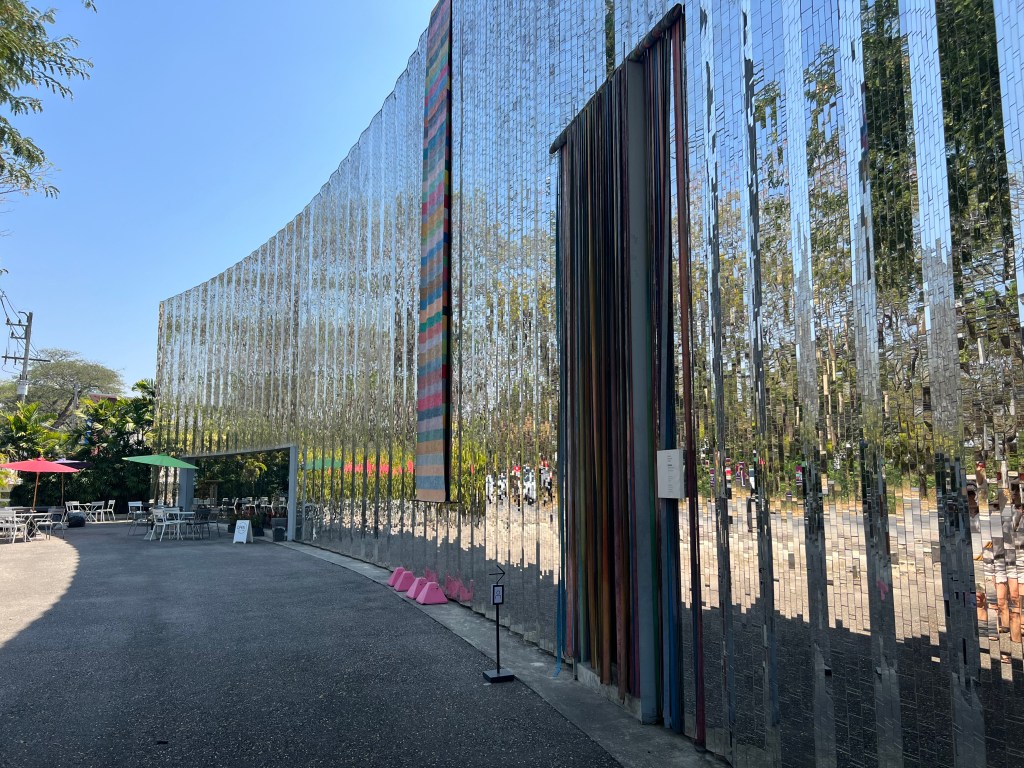
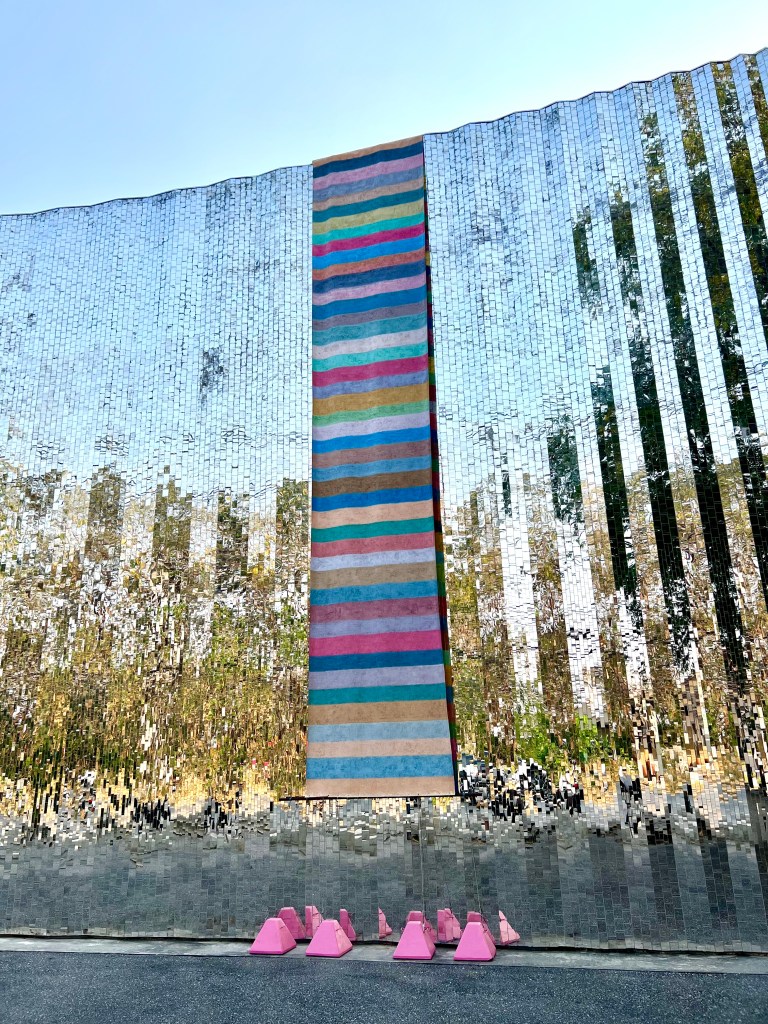
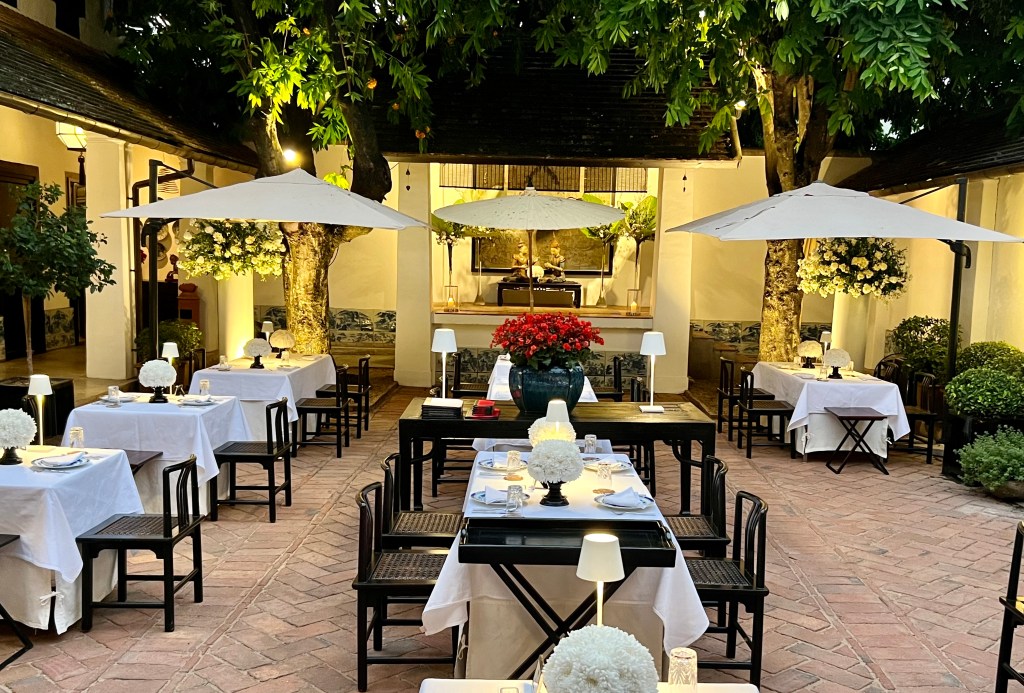

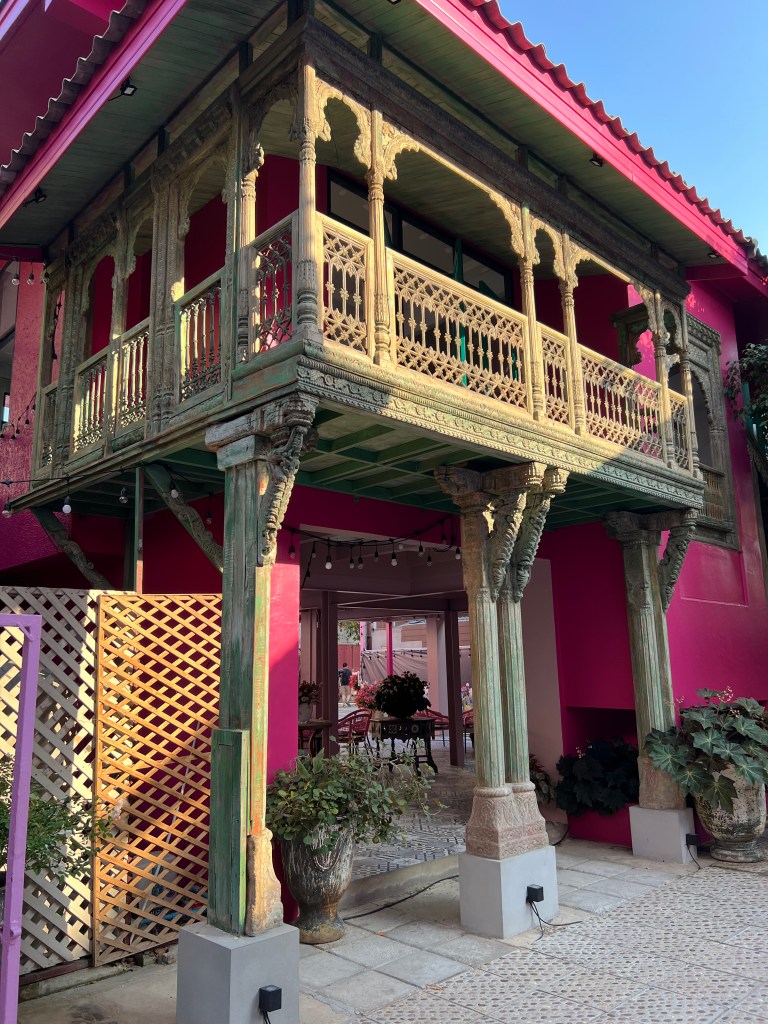

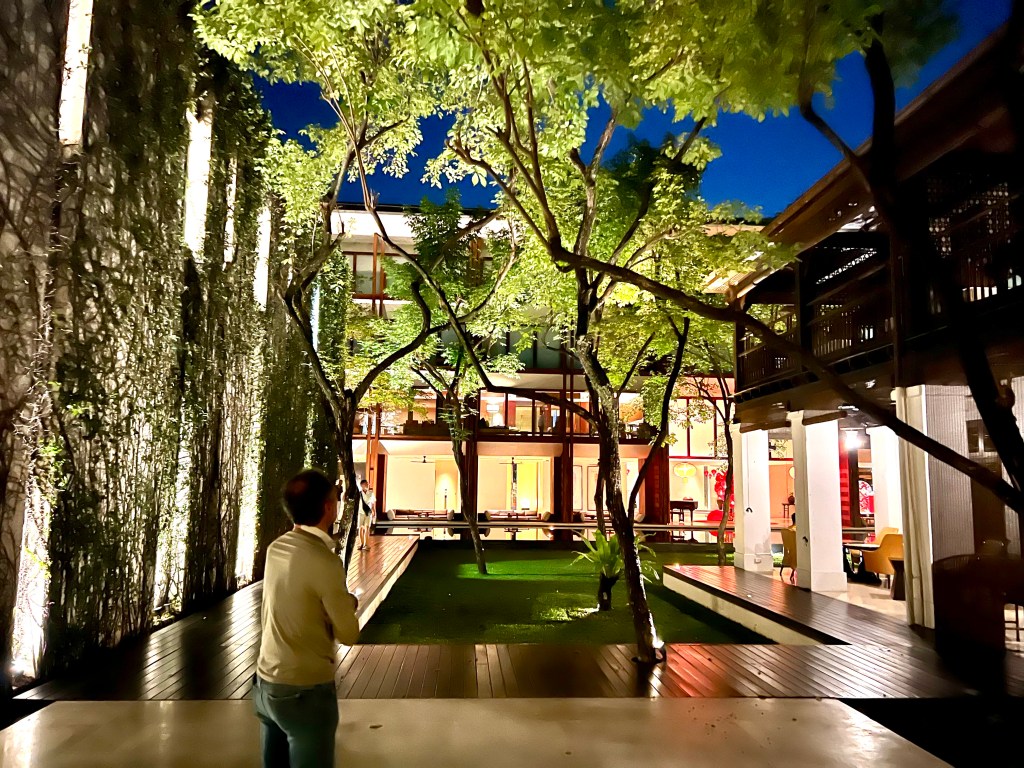

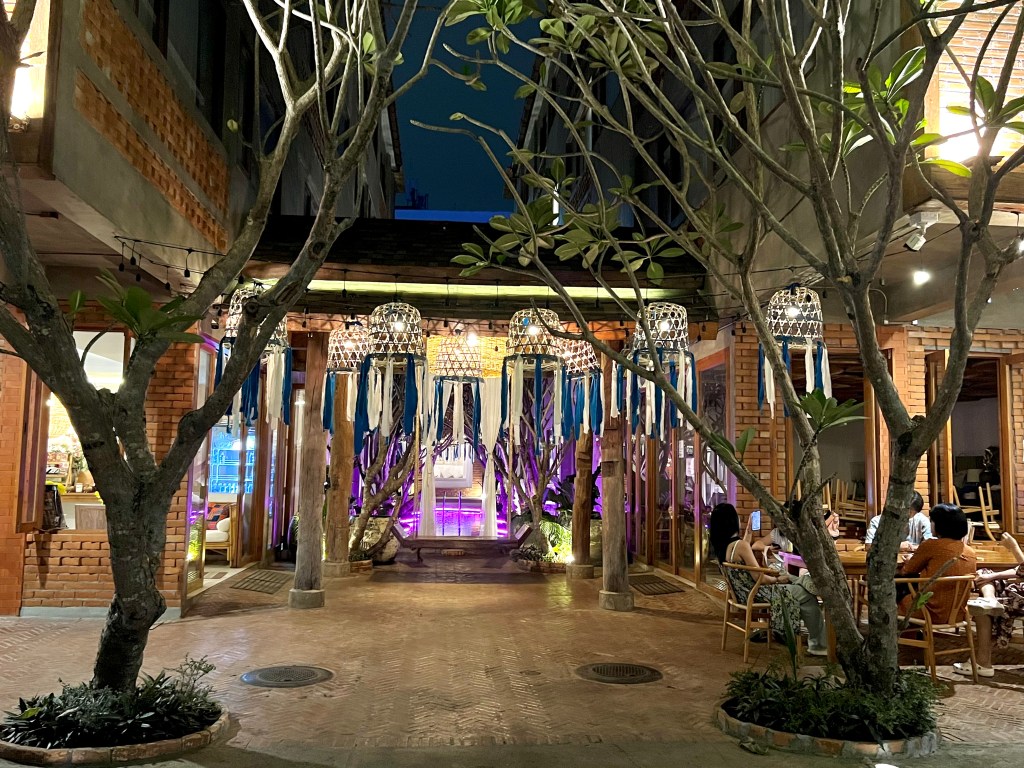
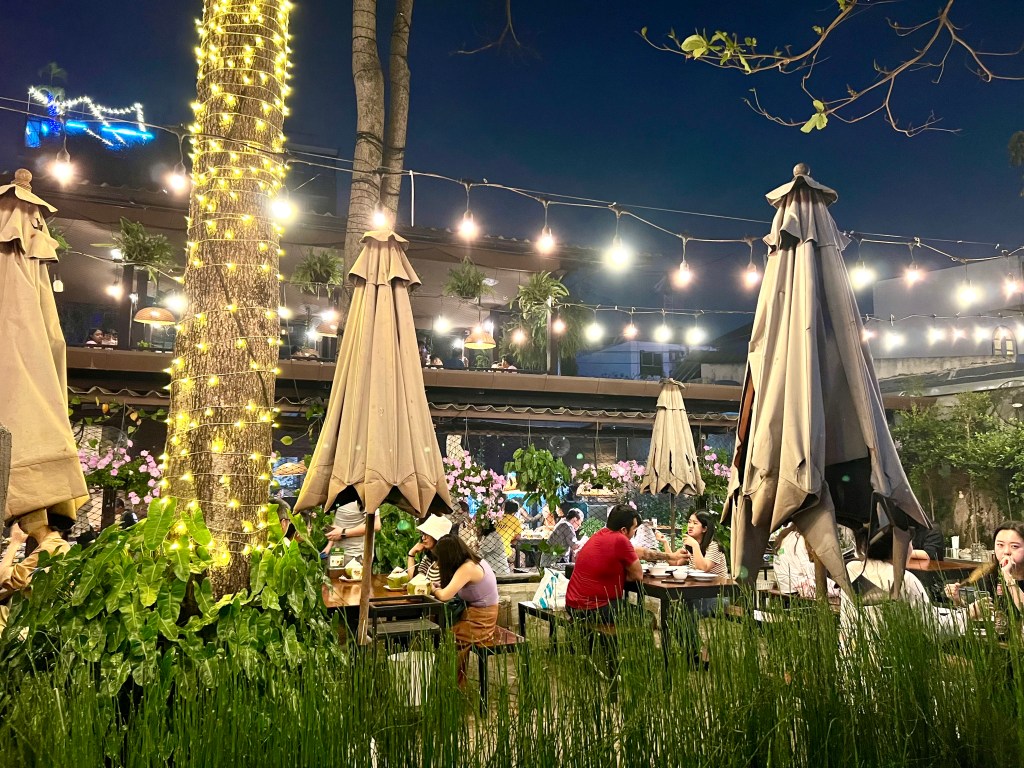
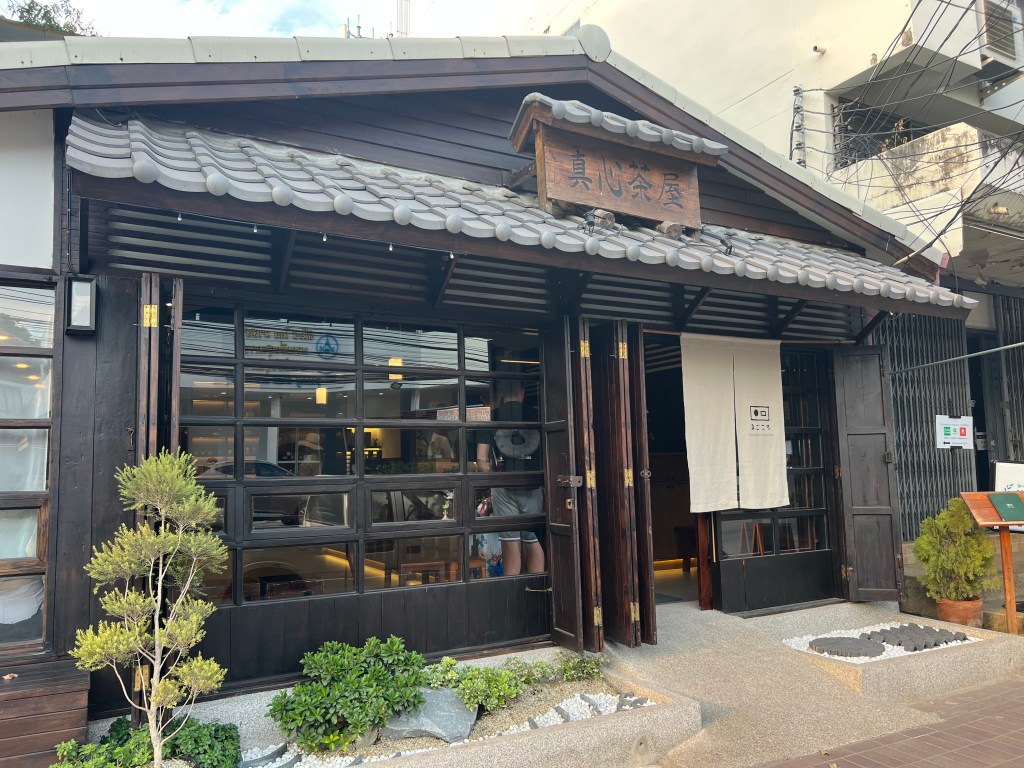
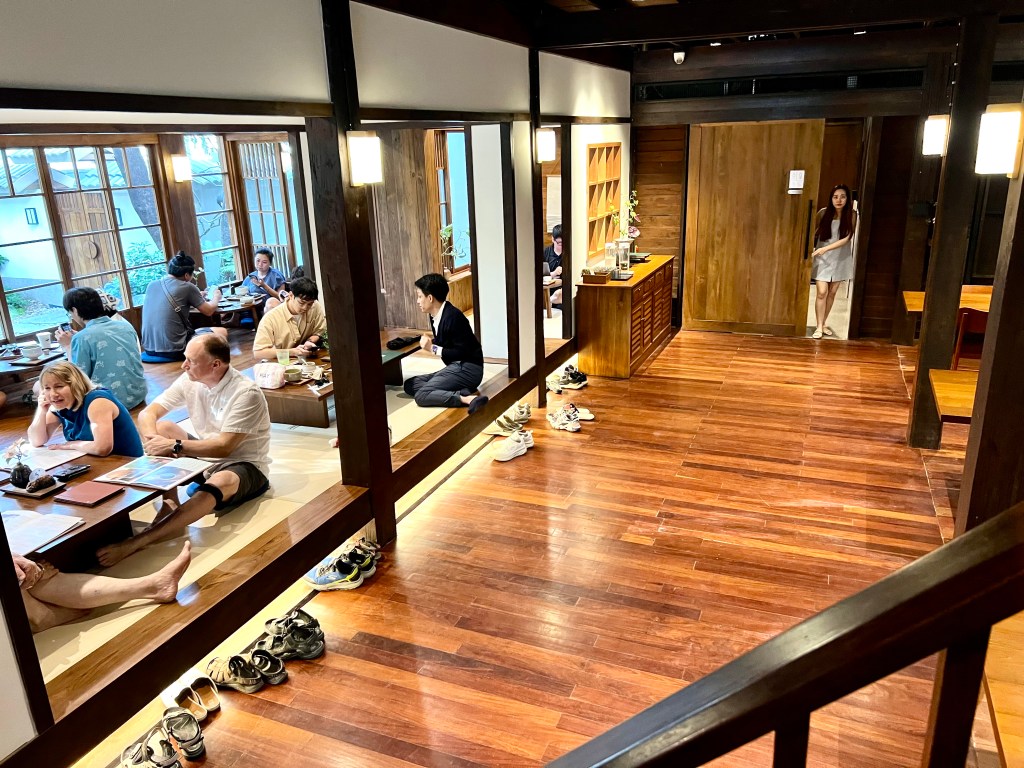

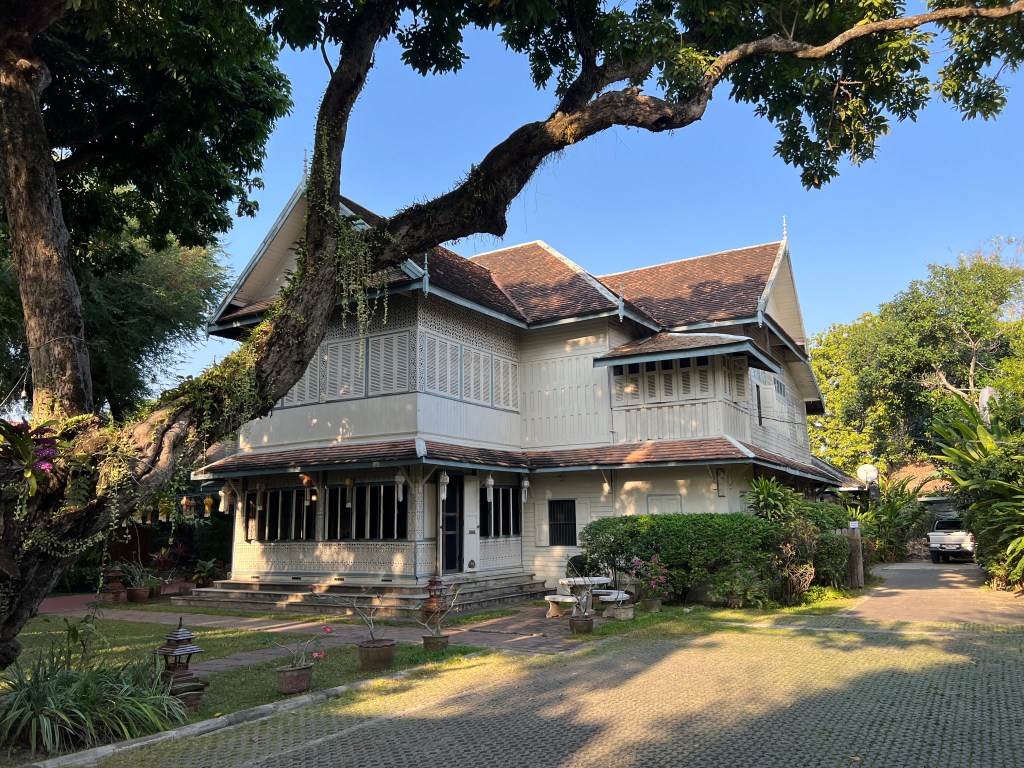
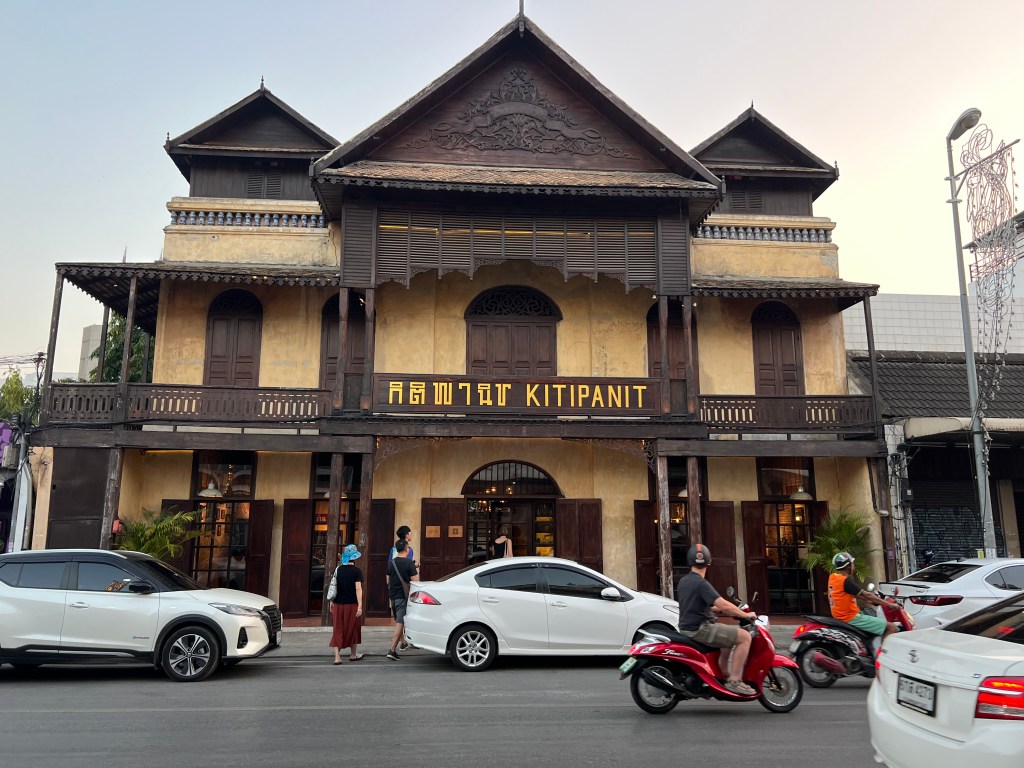
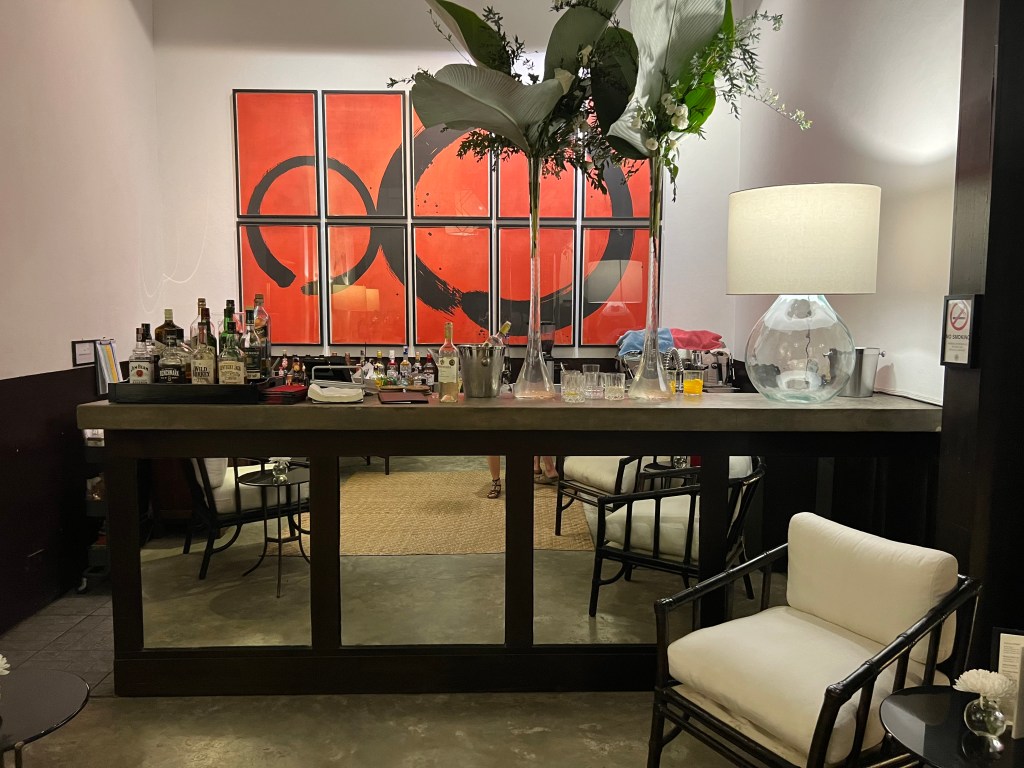
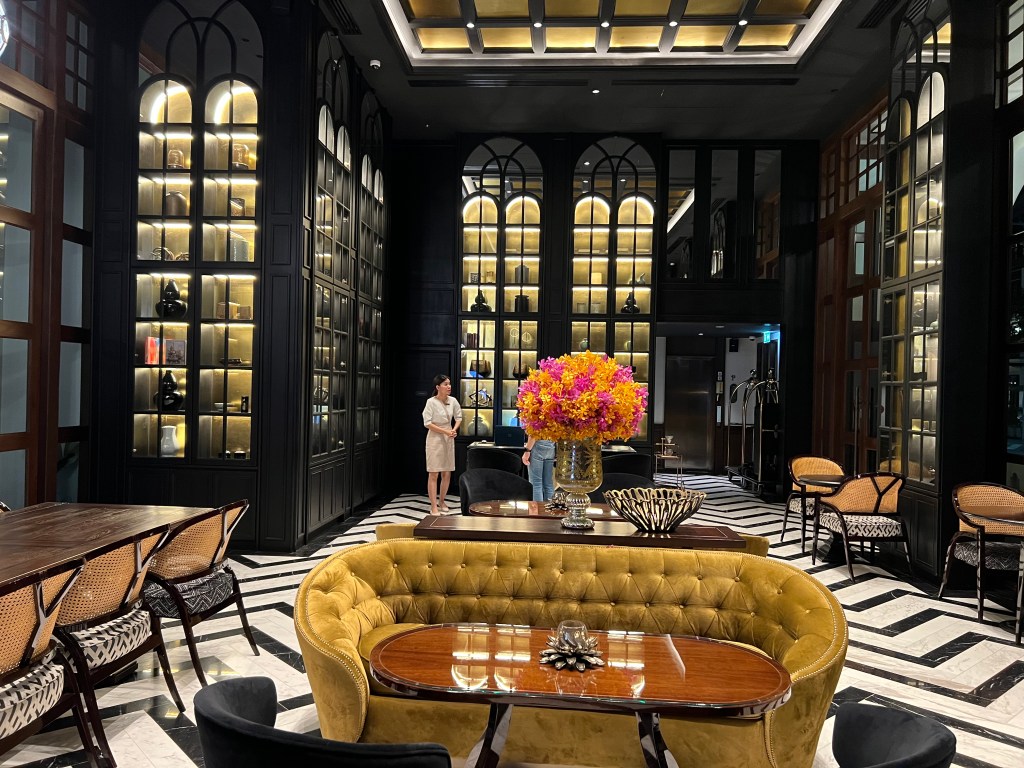
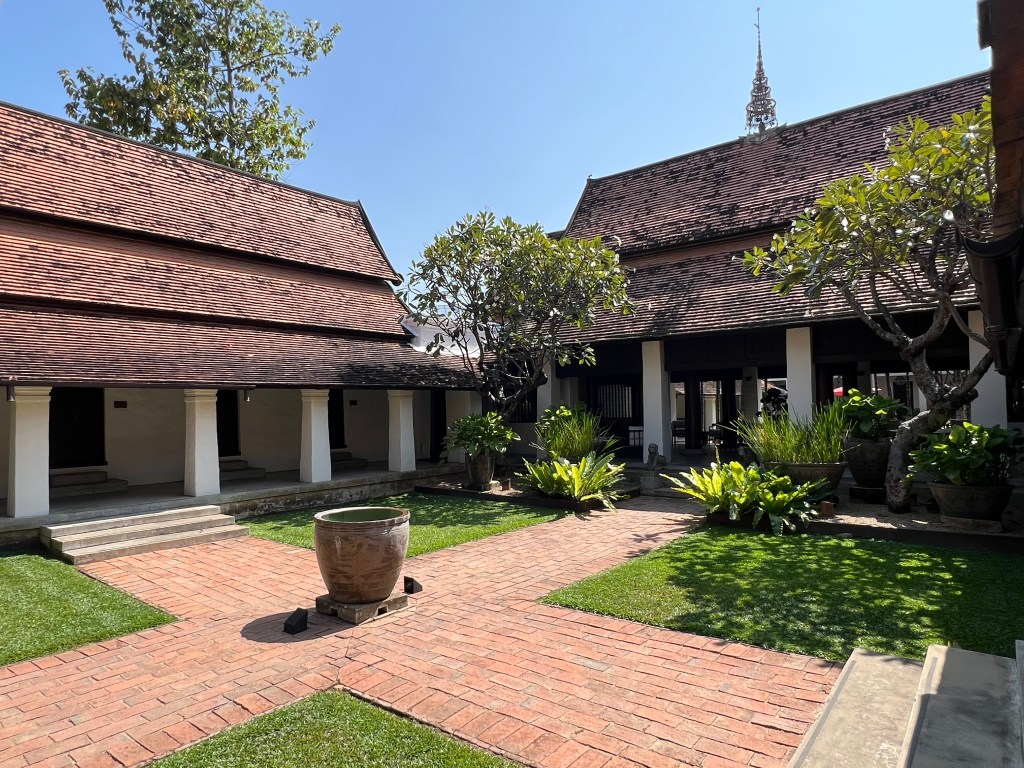
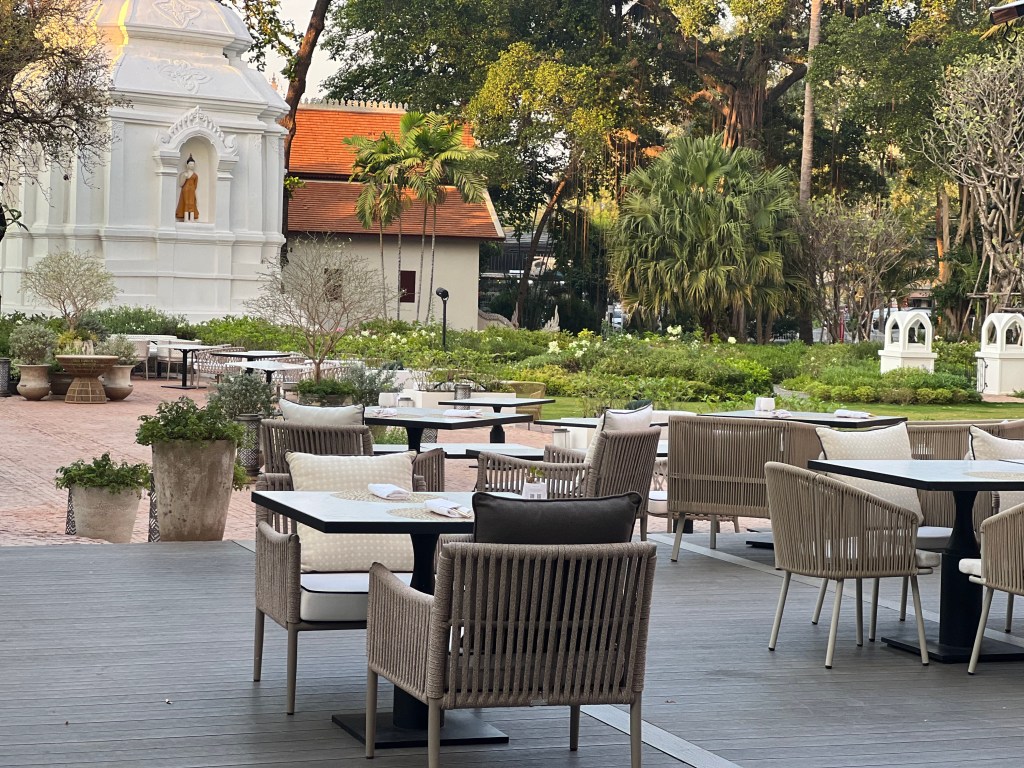
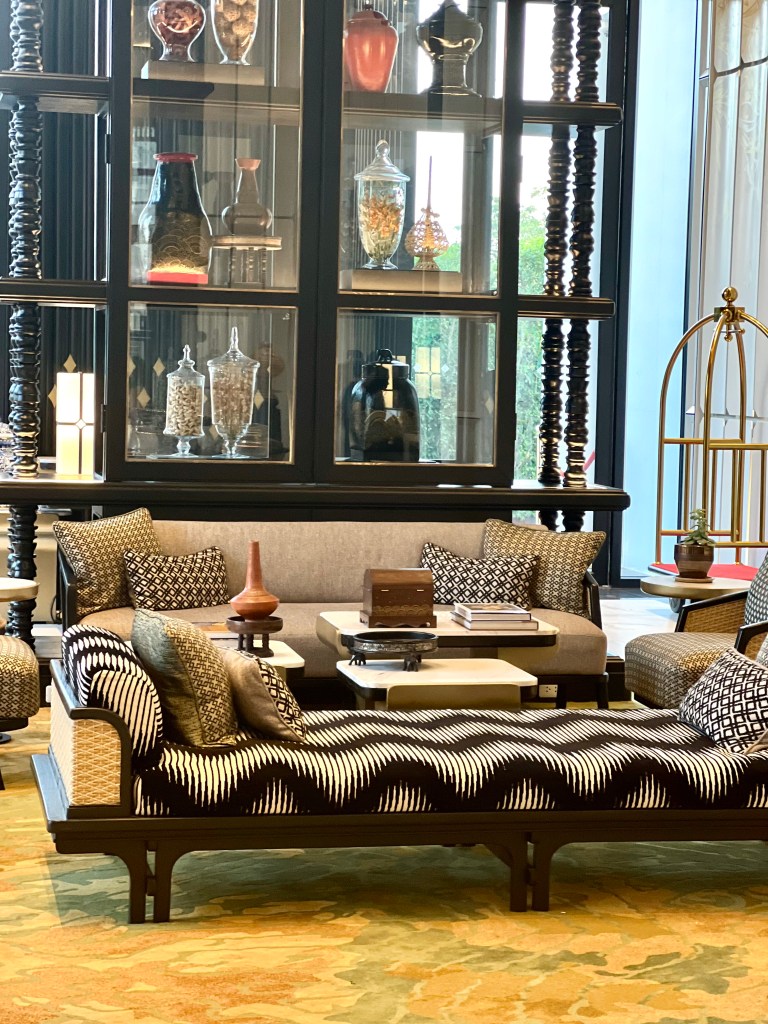
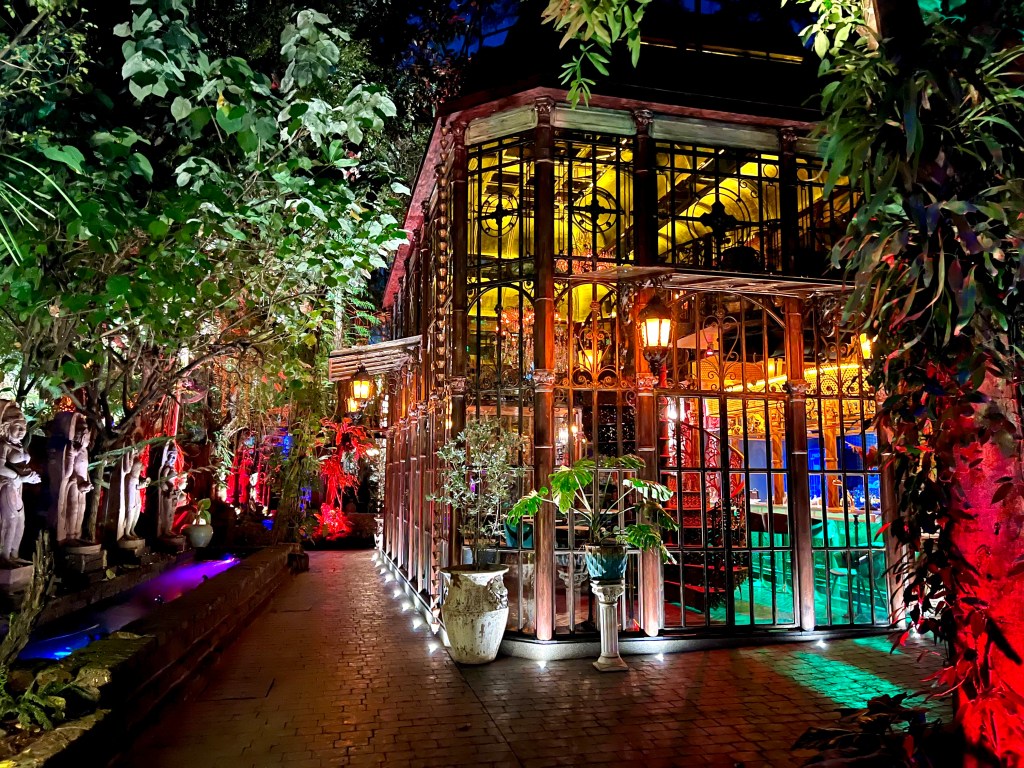

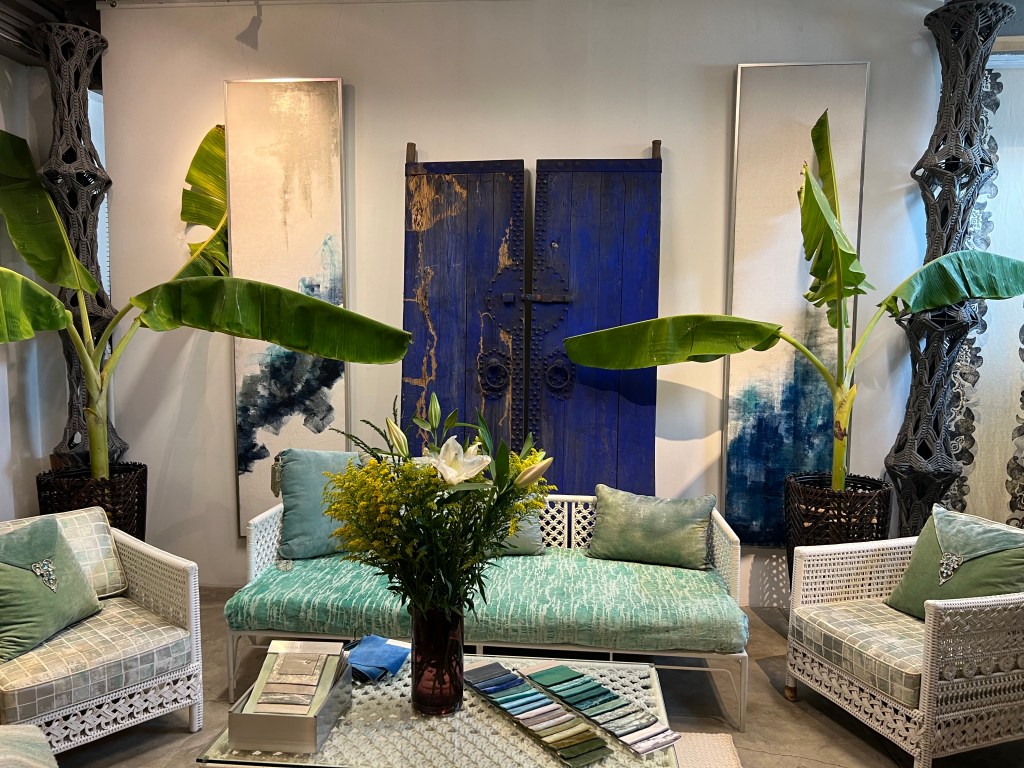
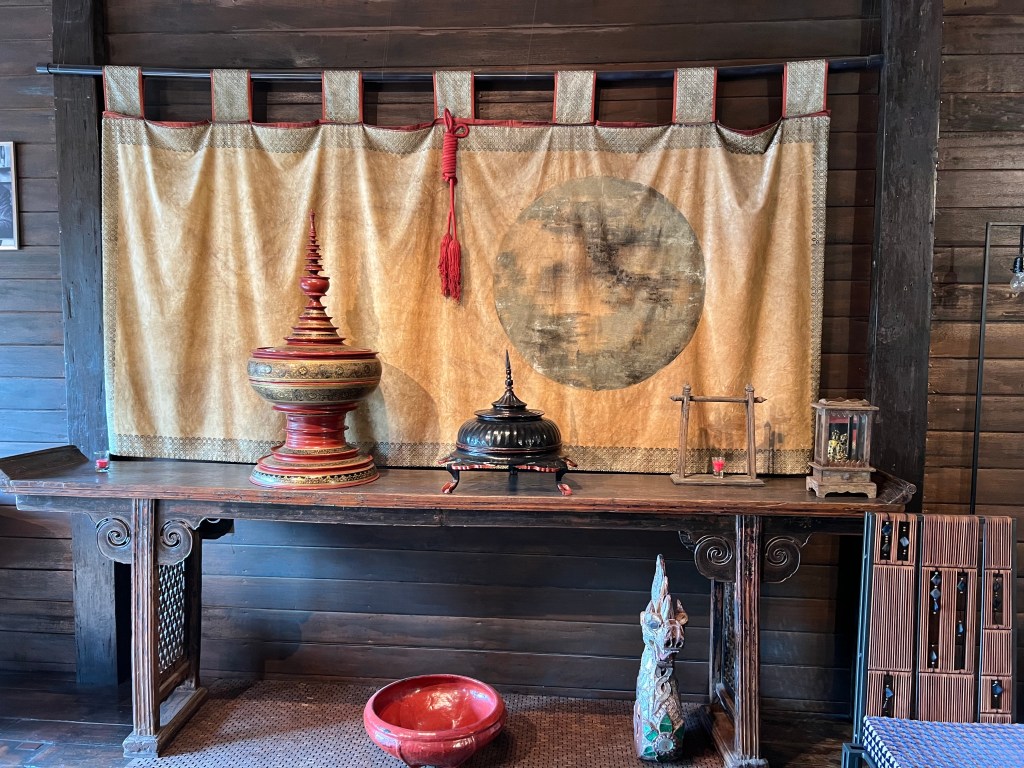
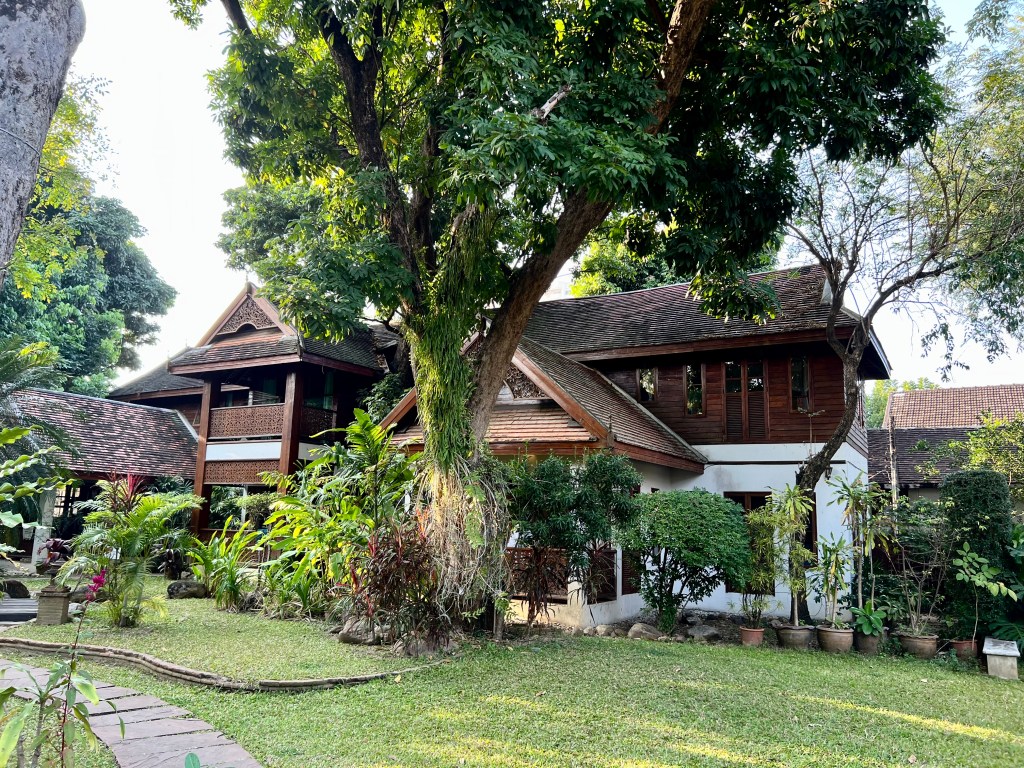
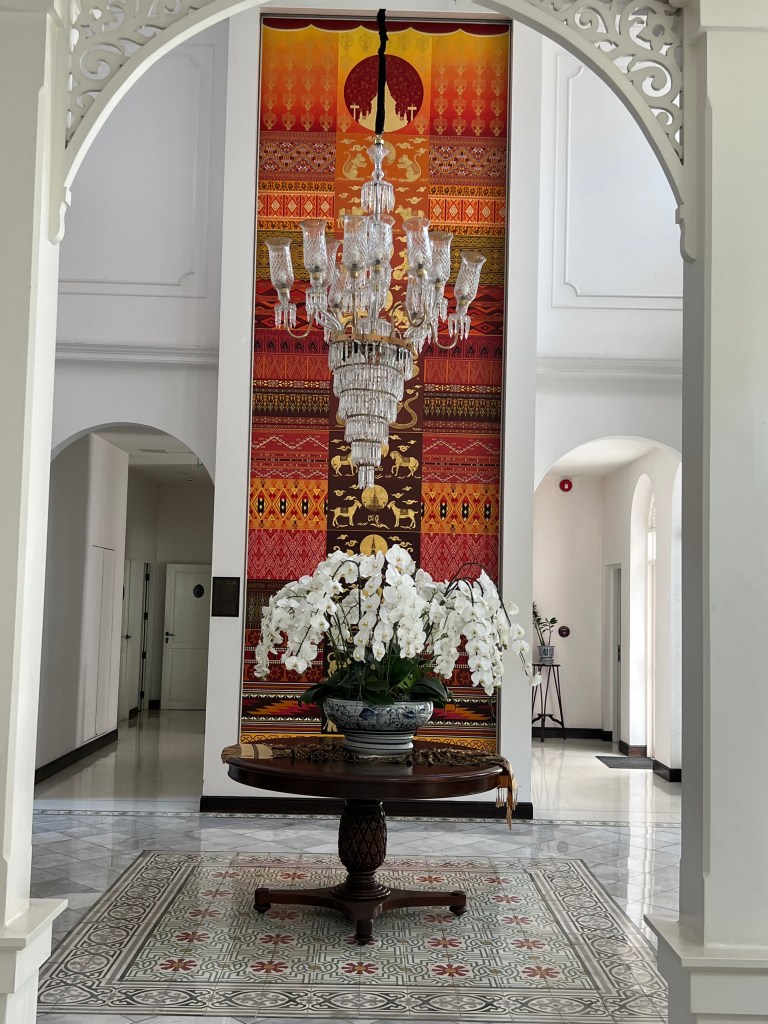

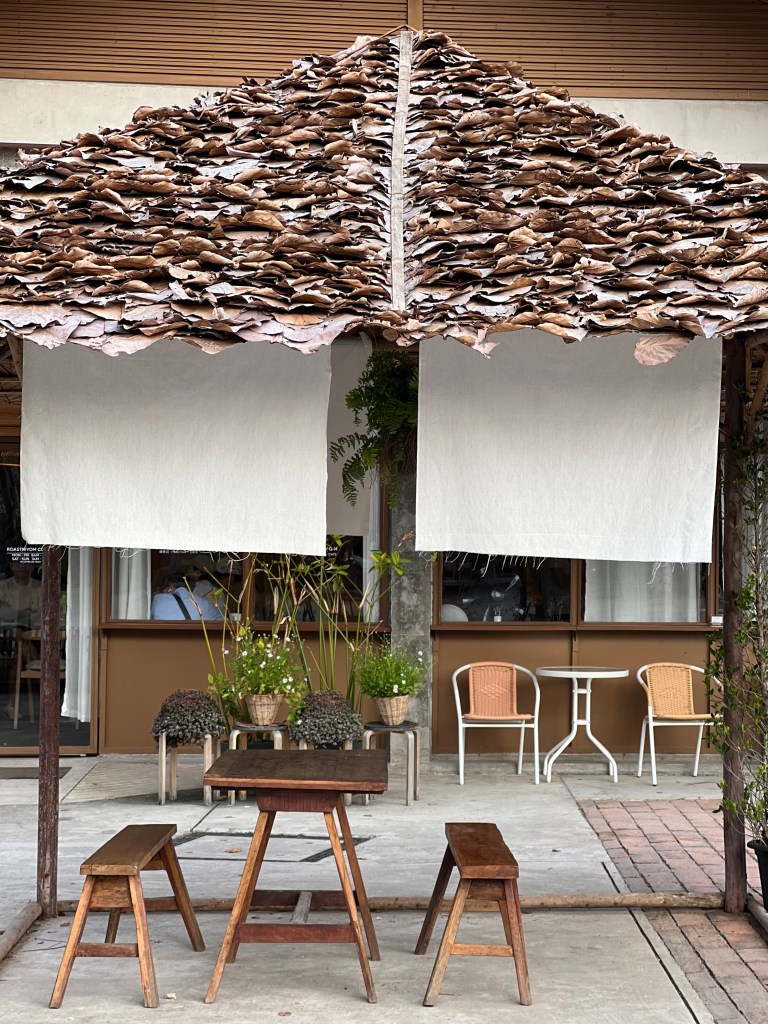
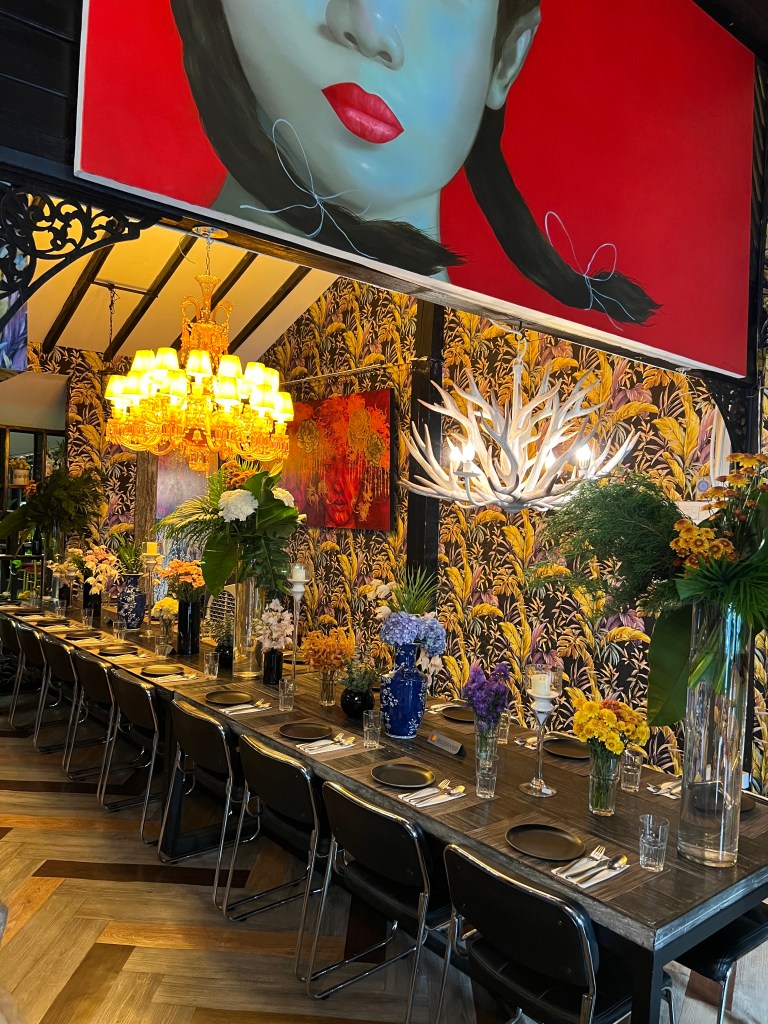
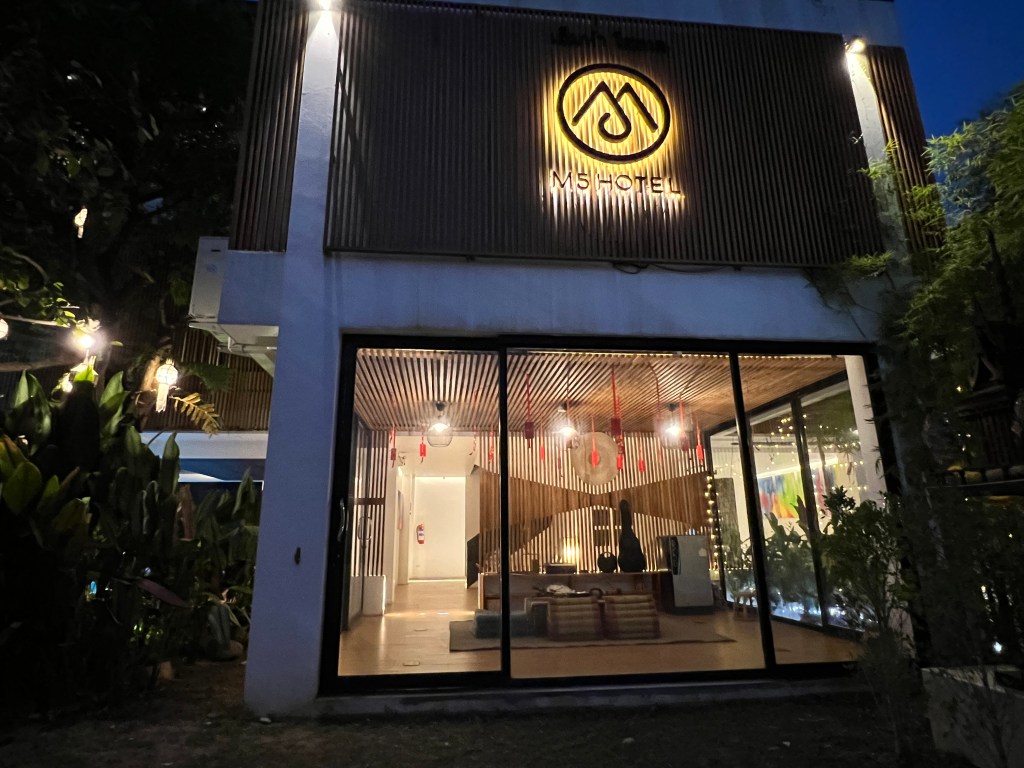
“Everything goes” isn’t only visible in architecture, it’s also present in how people dress on the streets. Only the monks are always dressed the same, everyone else seems to enjoy their own style. It’s in many ways an LGBT paradise, without the tension that accompanies this in many other cities. Here everyone is accepted the way they are (it’s difficult to find a restaurant where at least one member of the staff is not transvestite or transsexual).
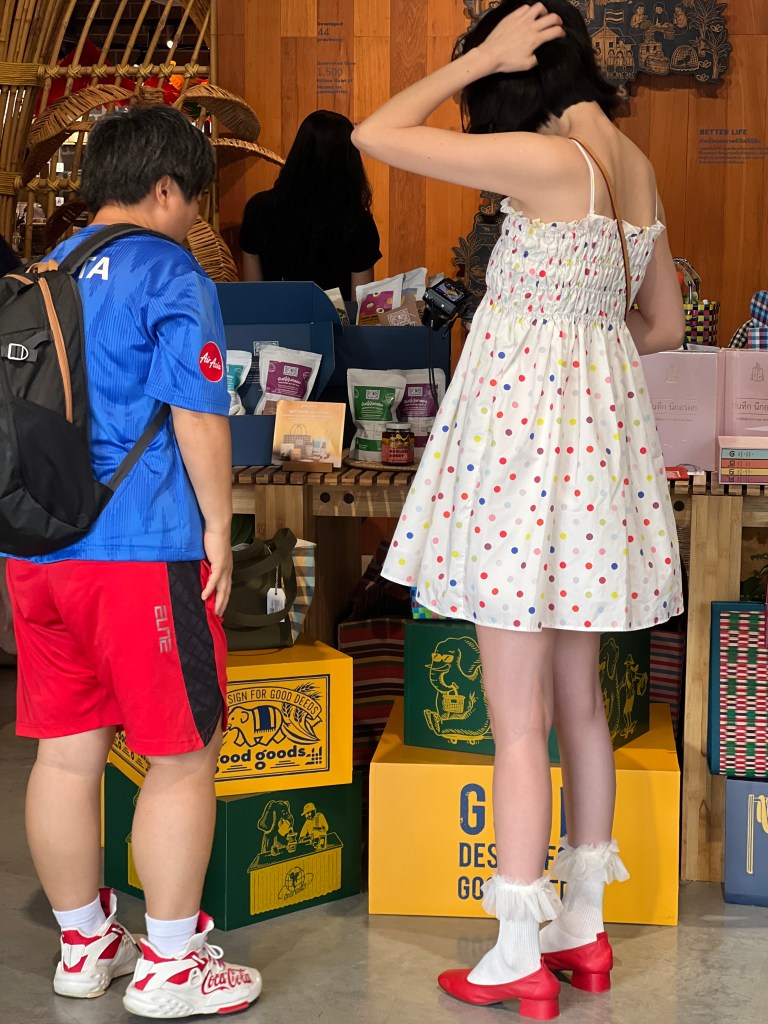


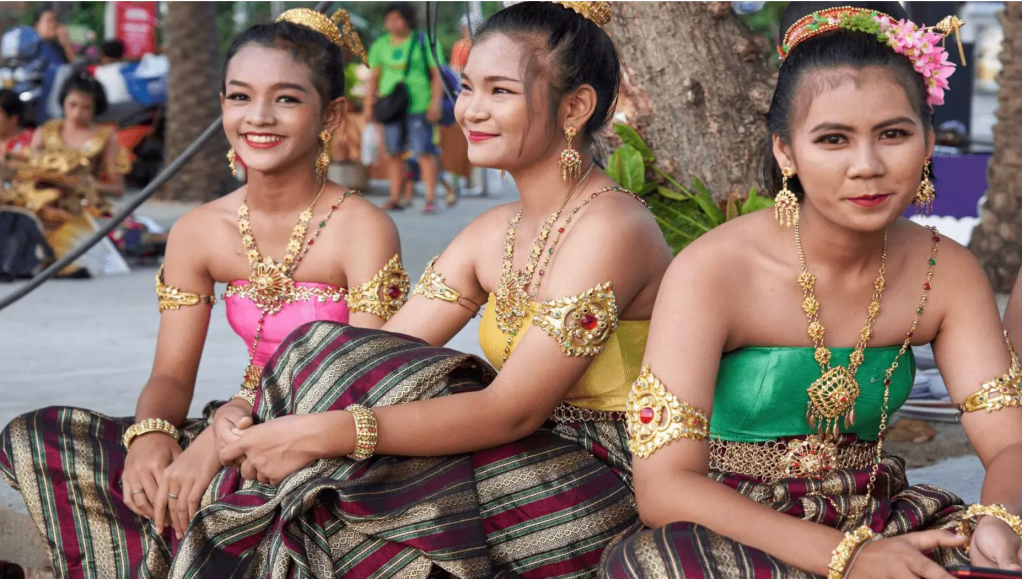
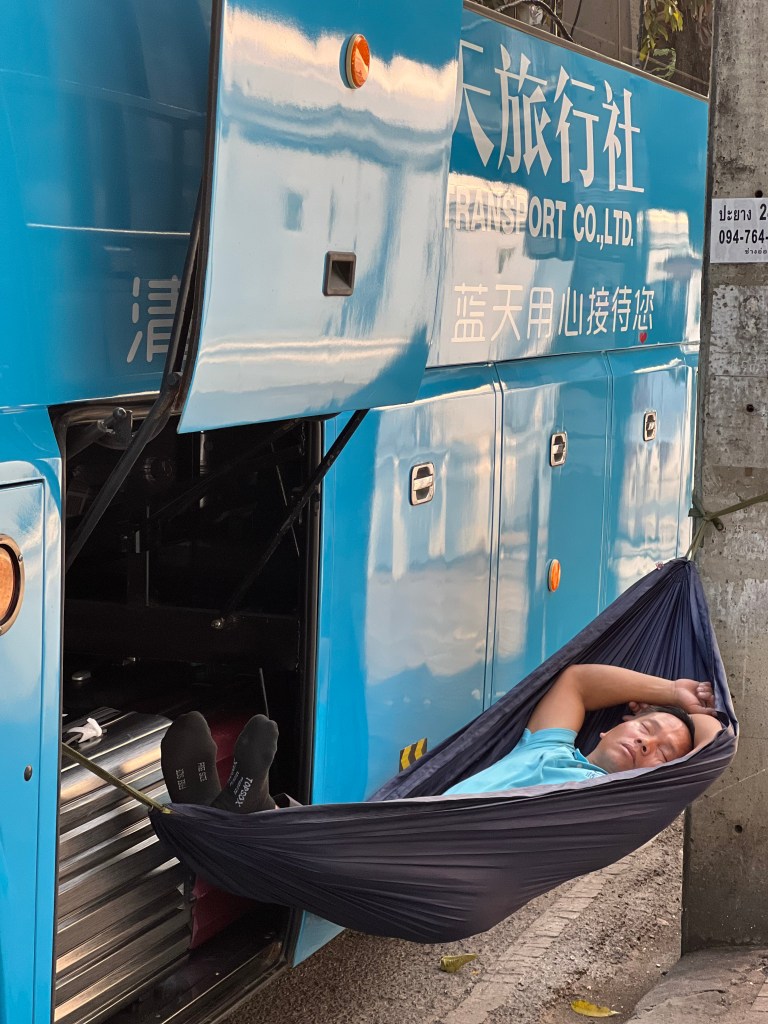
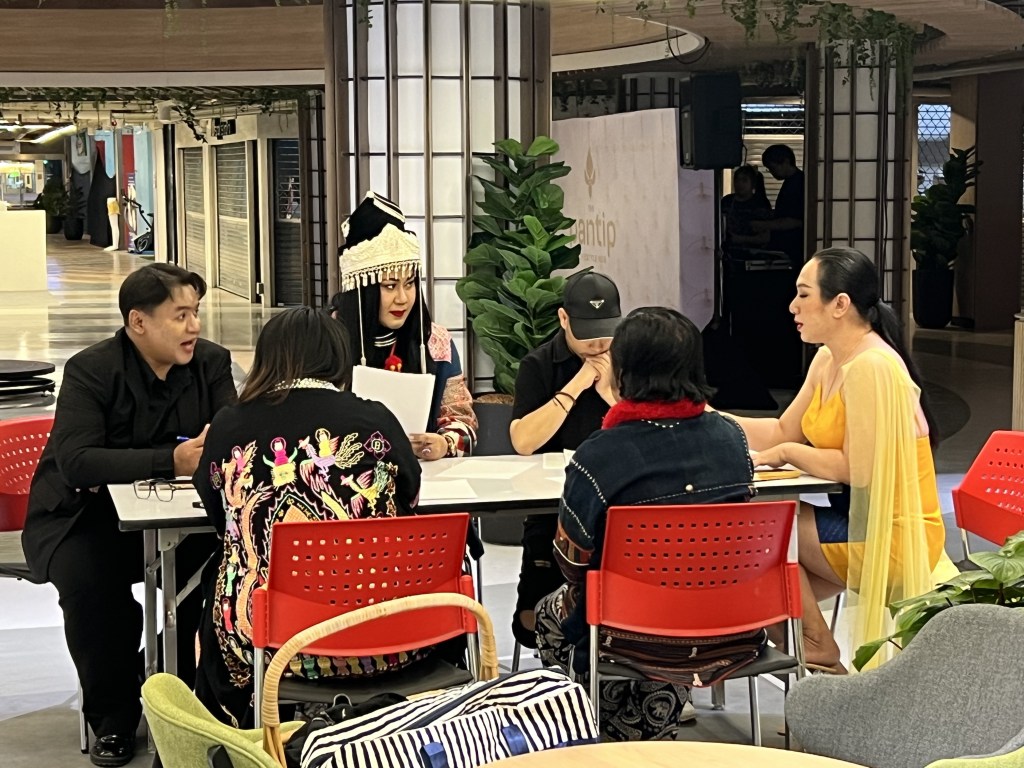
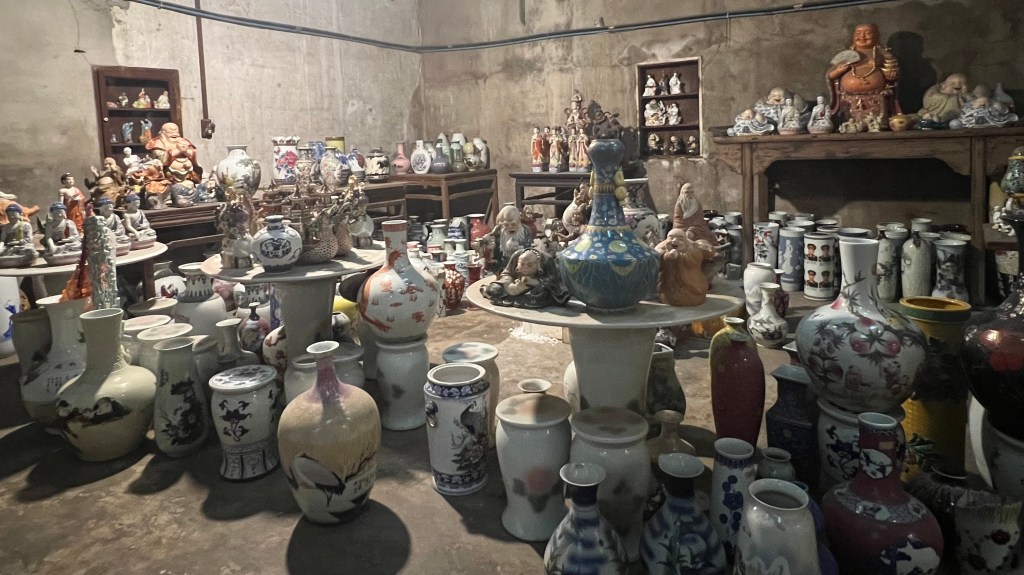
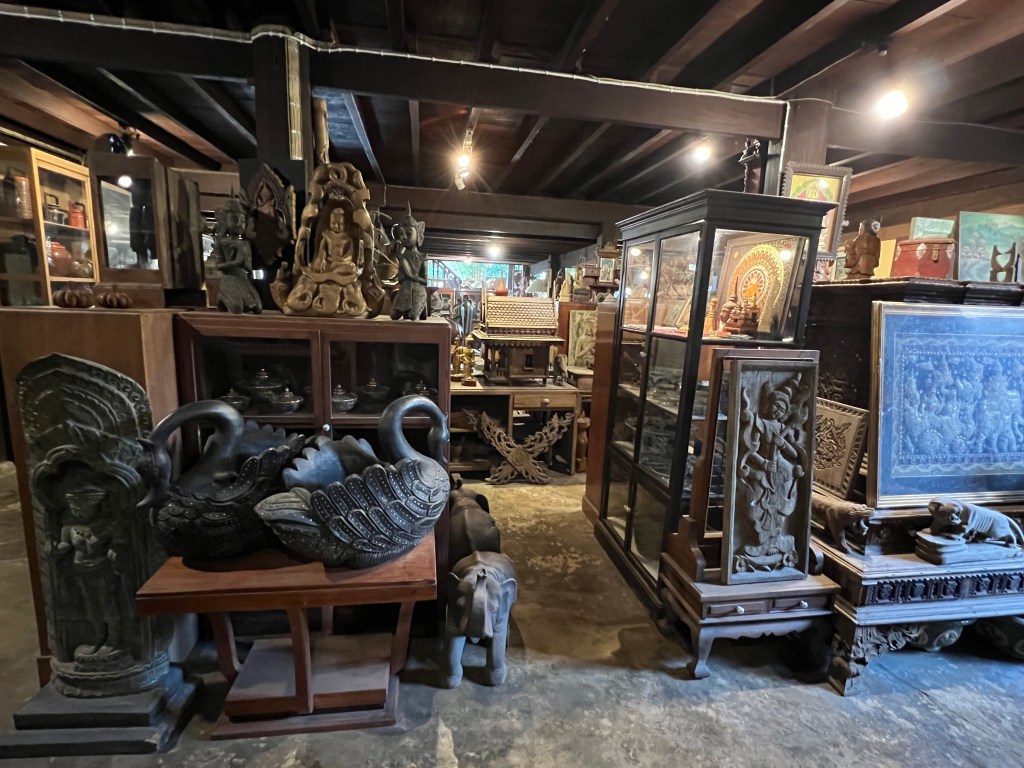
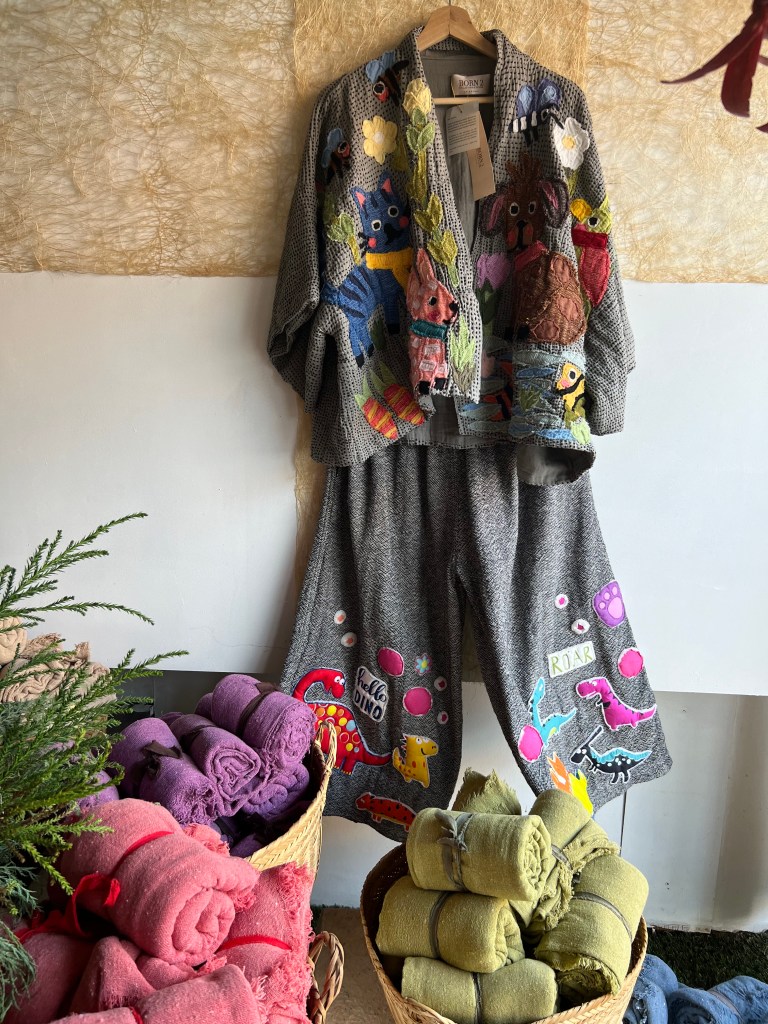
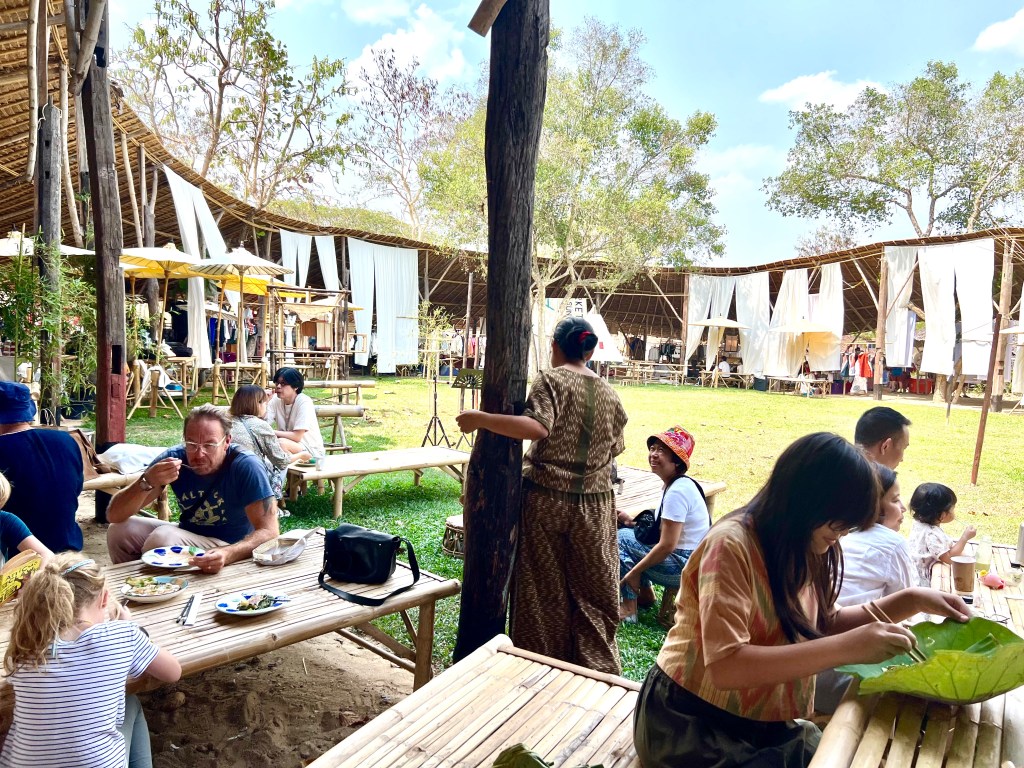
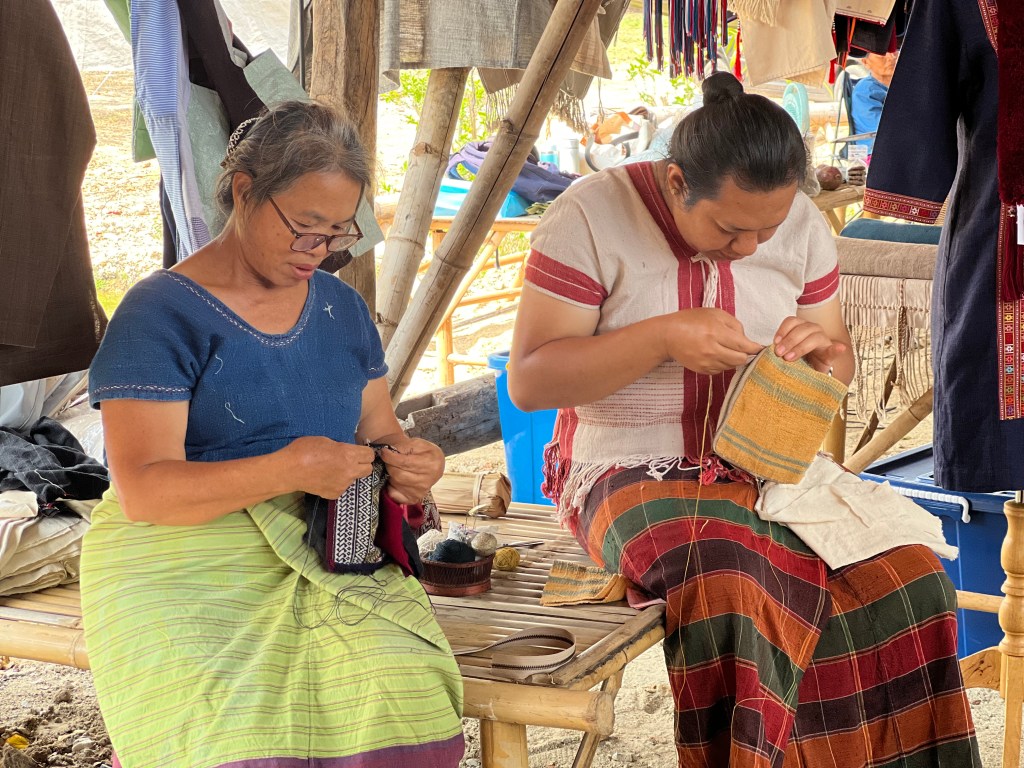
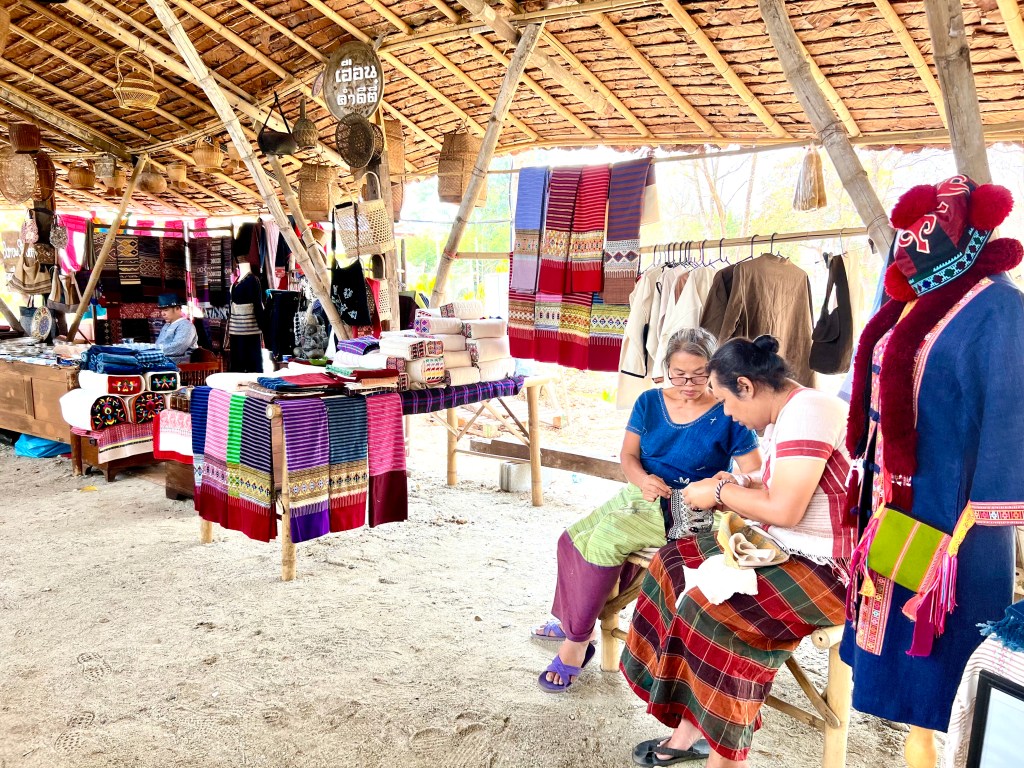
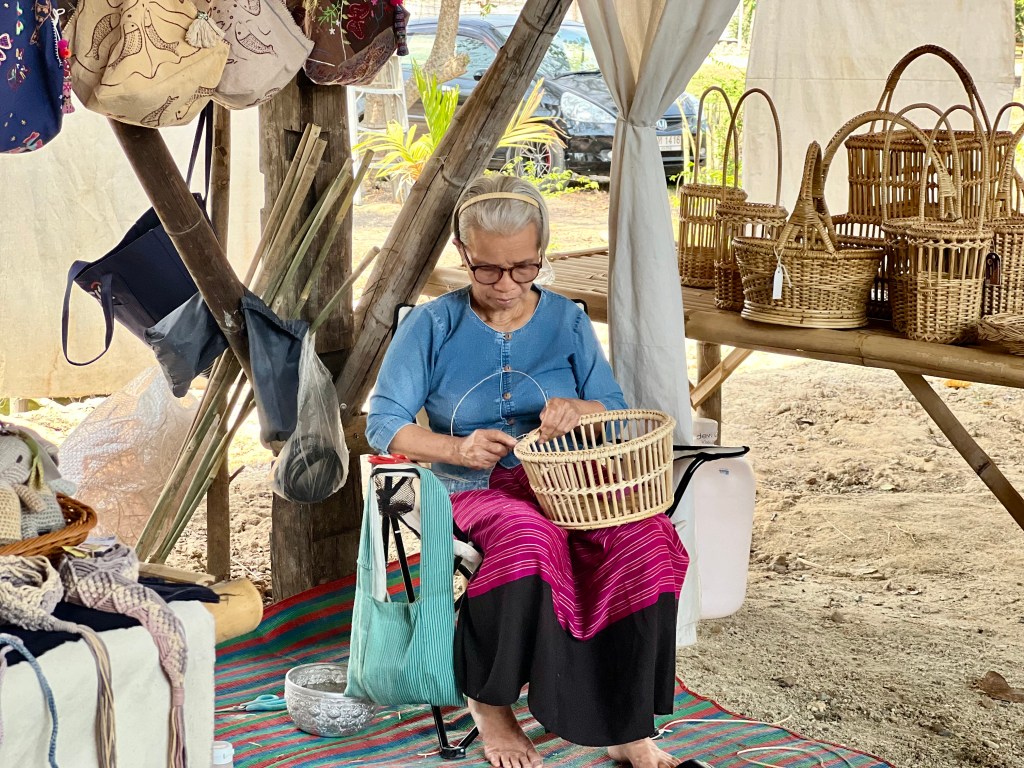
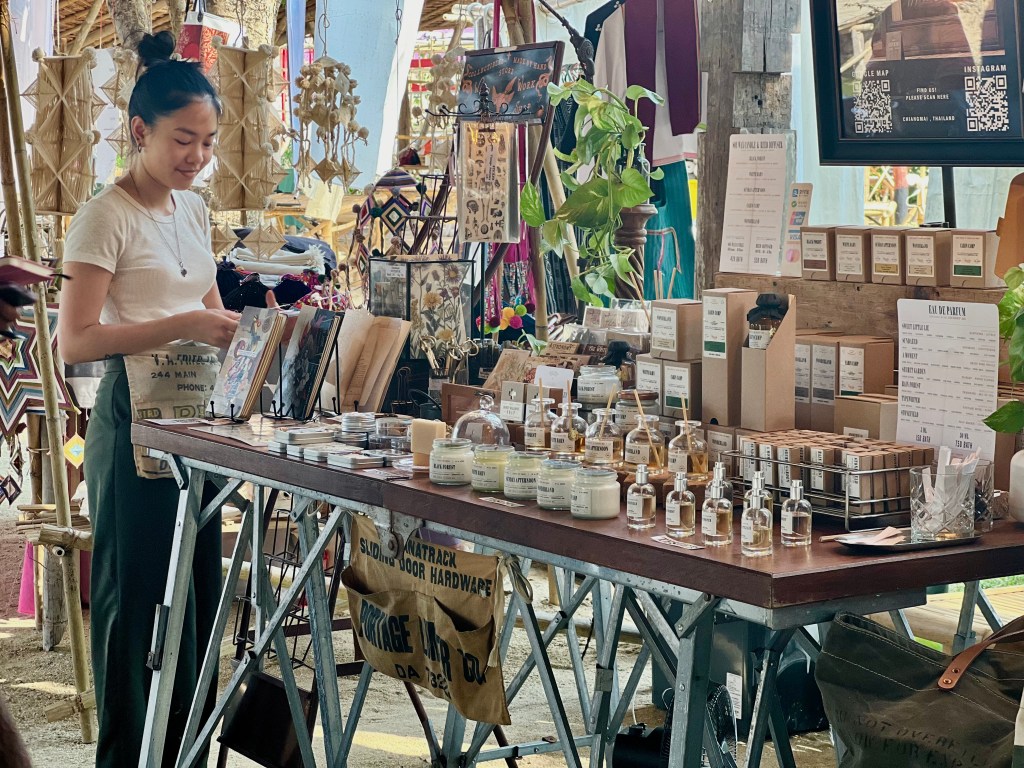
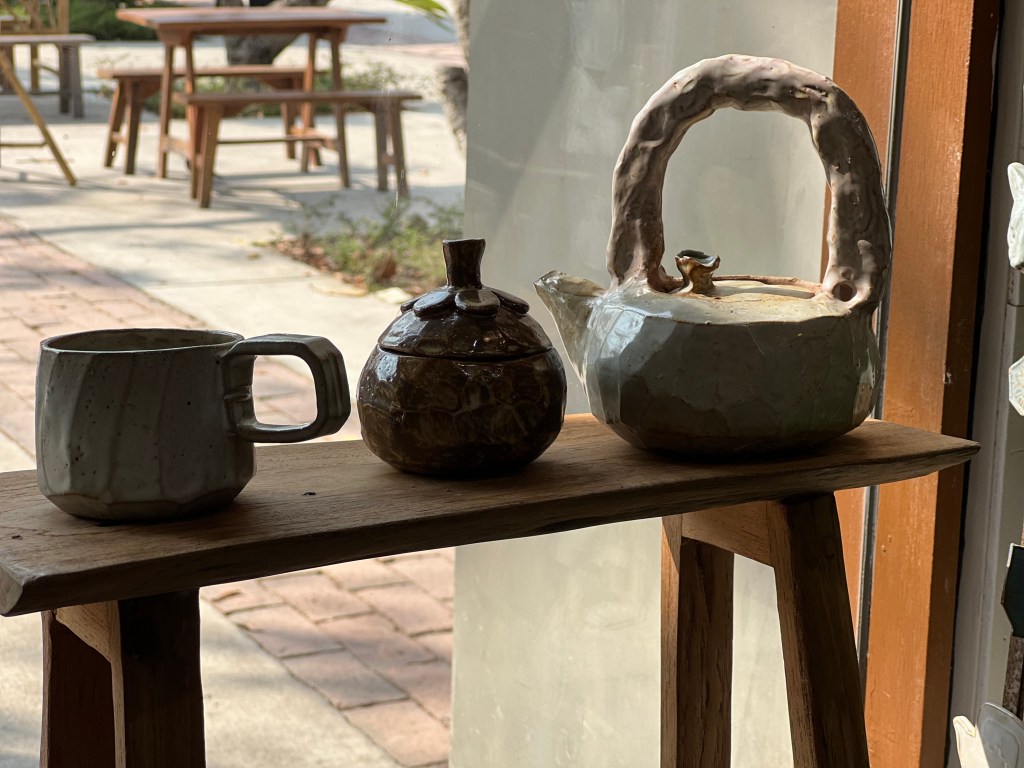
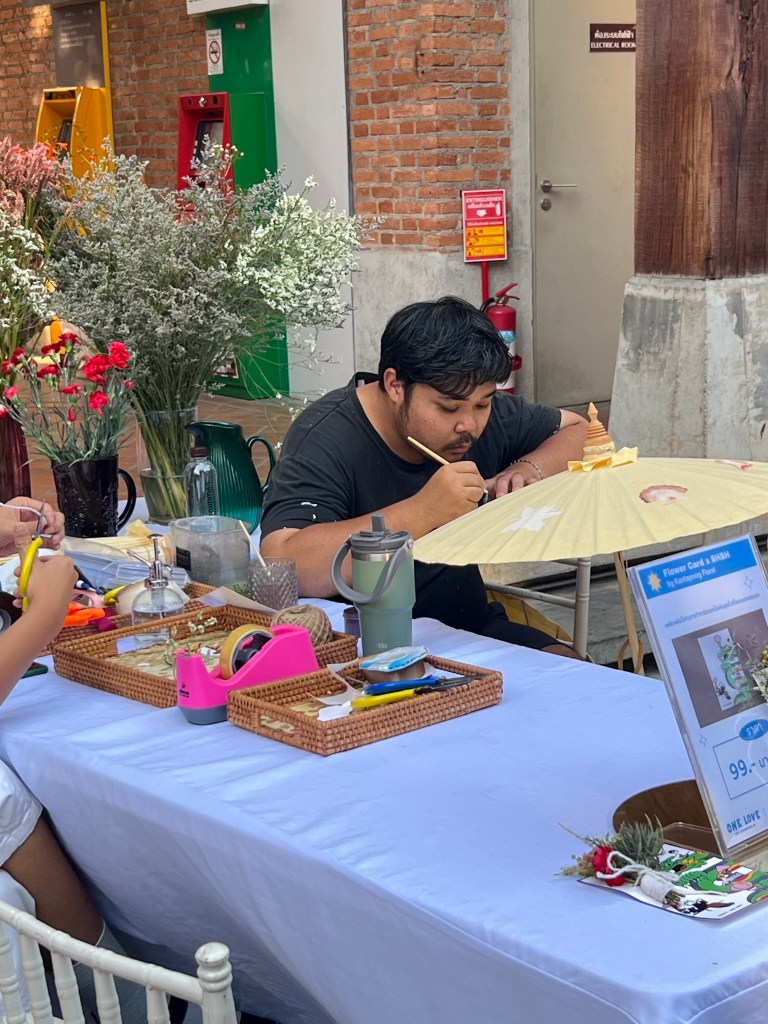
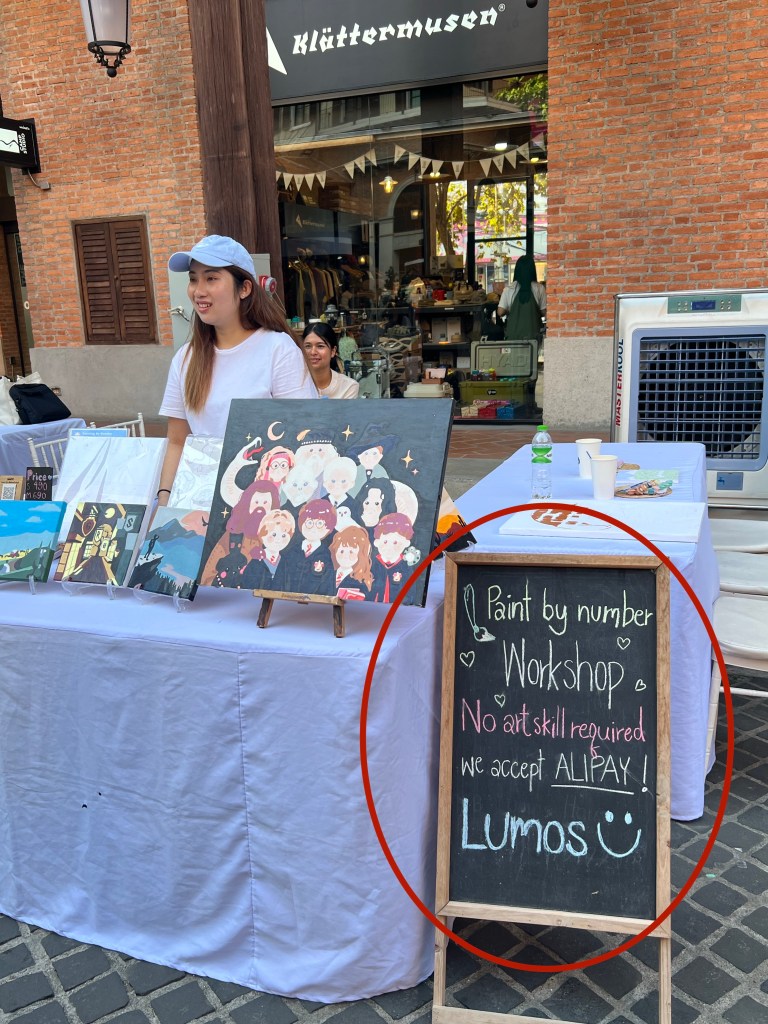
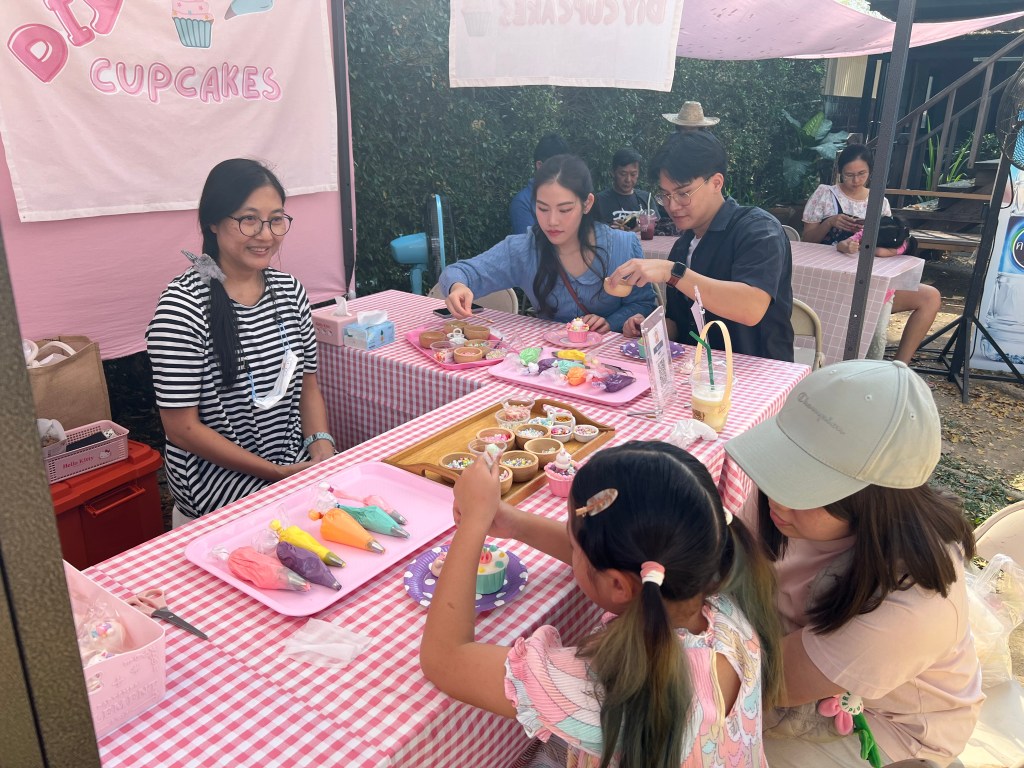
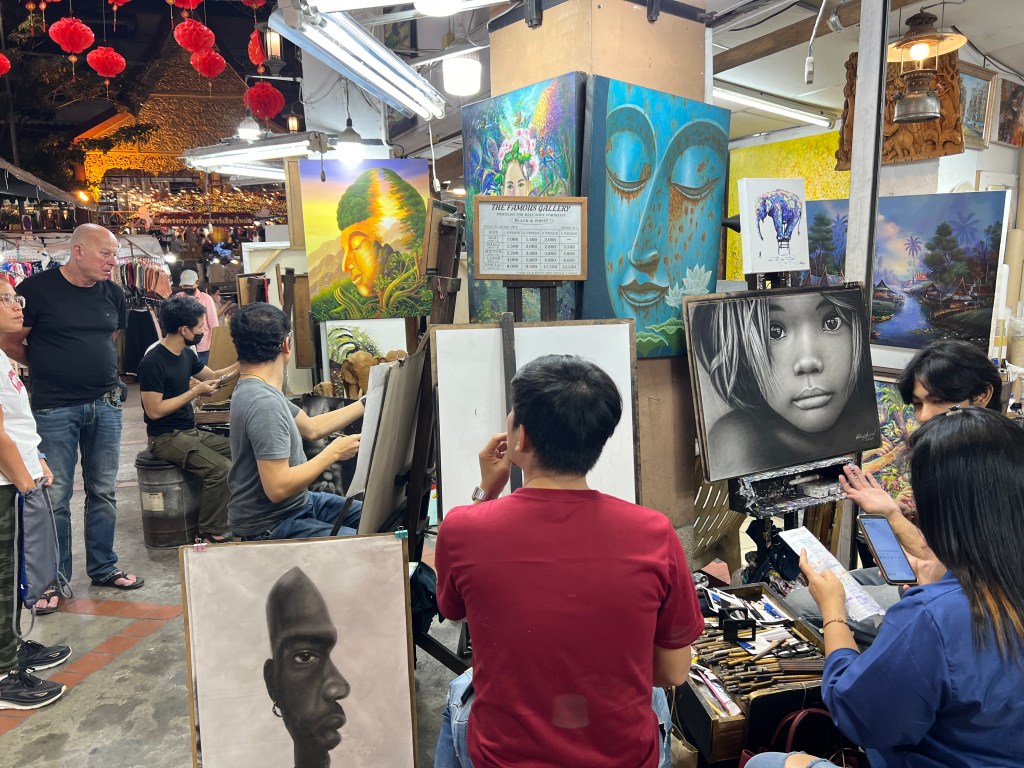
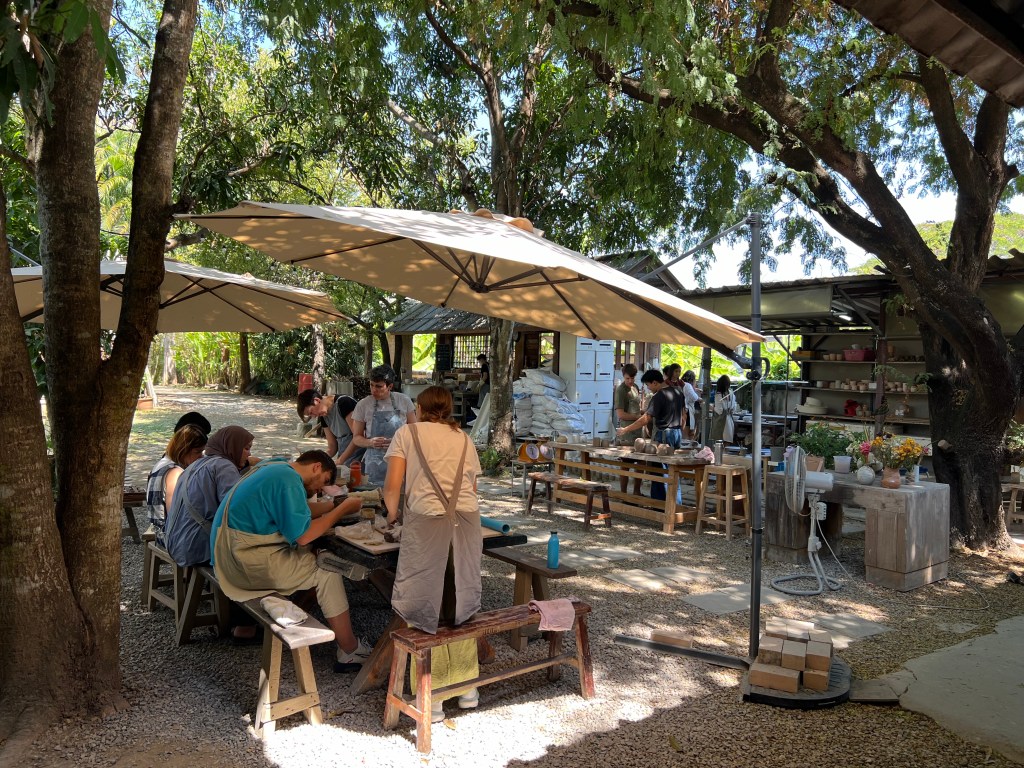
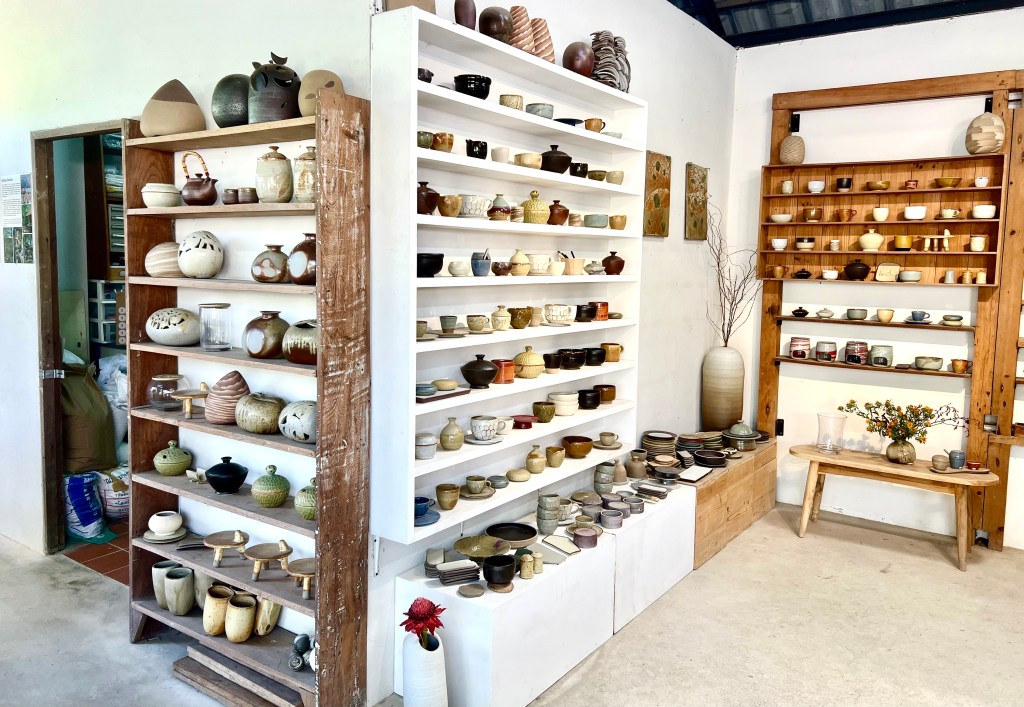
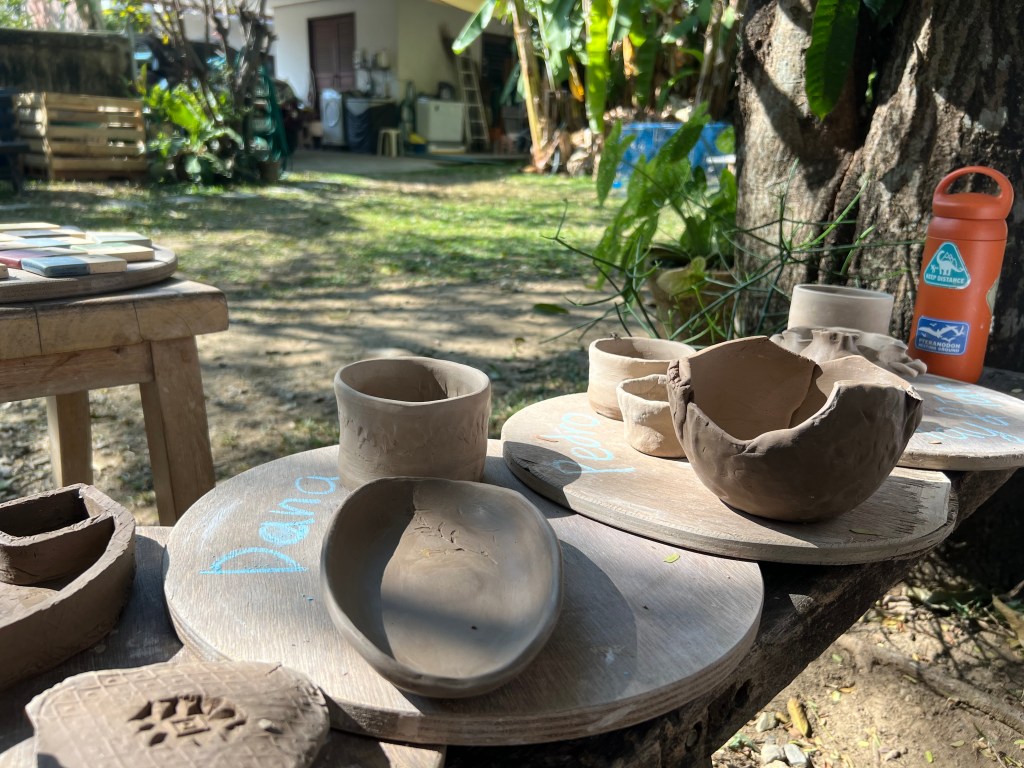
Chiang Mai is a city that showcases a hugely diverse number of artisanal shops, often inside buildings, but more often on the streets. Shops and markets offer an enormous selection of handcrafted products of often high quality at unbeatable prices. And if you enjoy creating handicrafts yourself, there is no shortage of opportunities, proposed by street vendors and by schools.




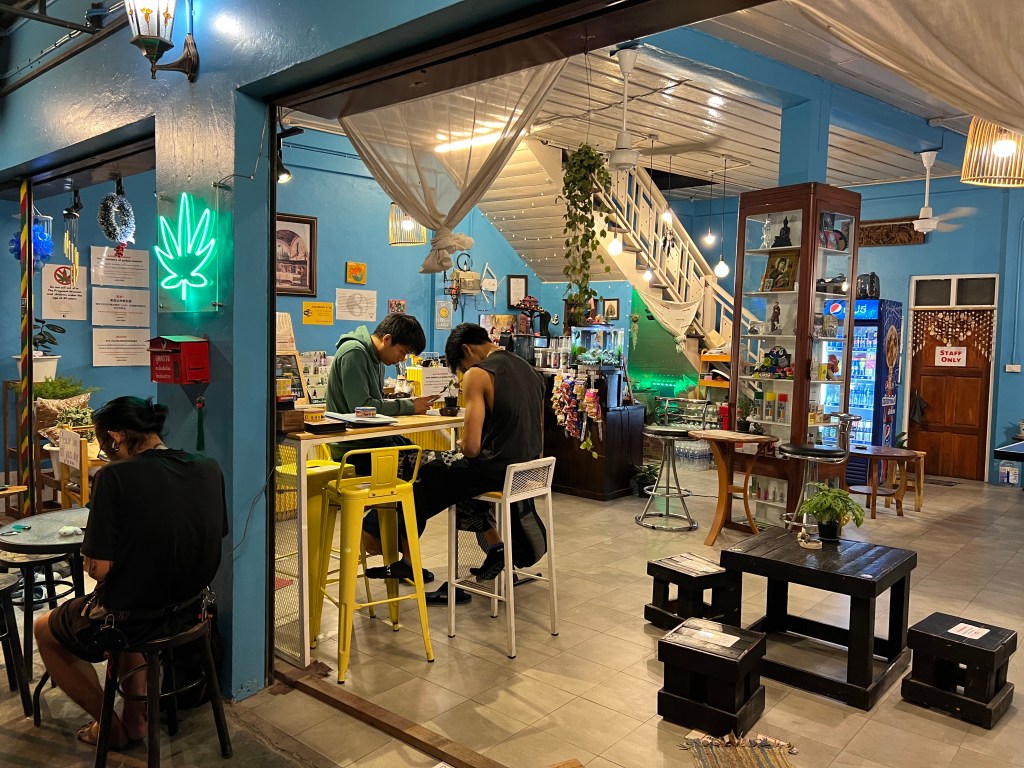
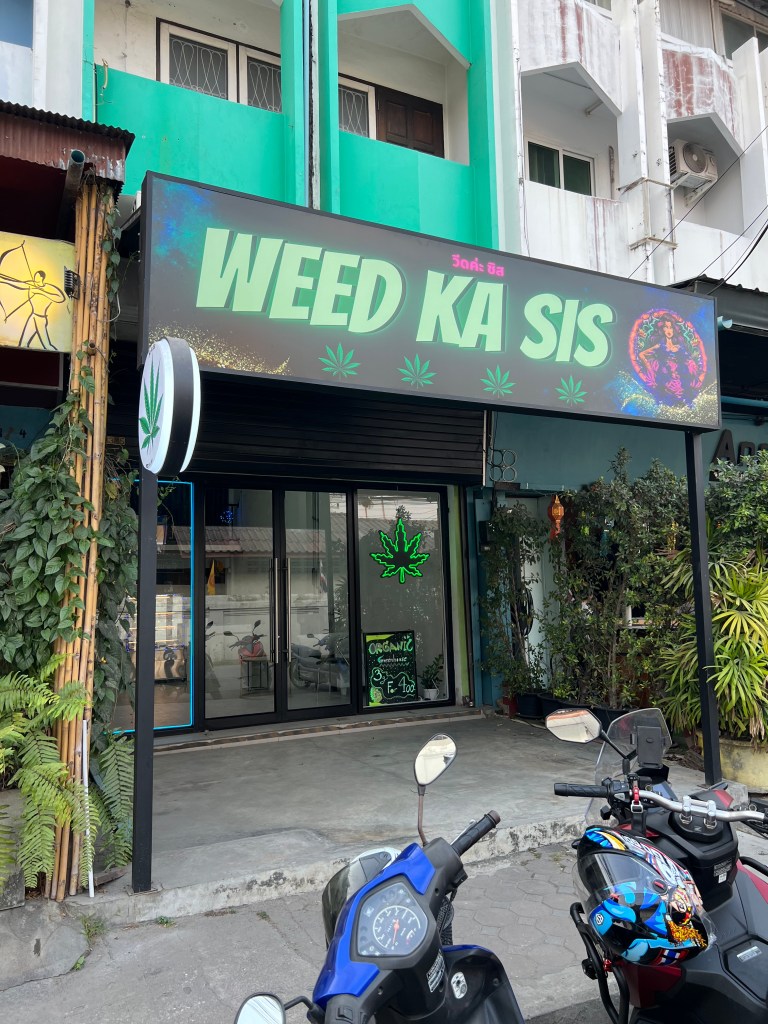
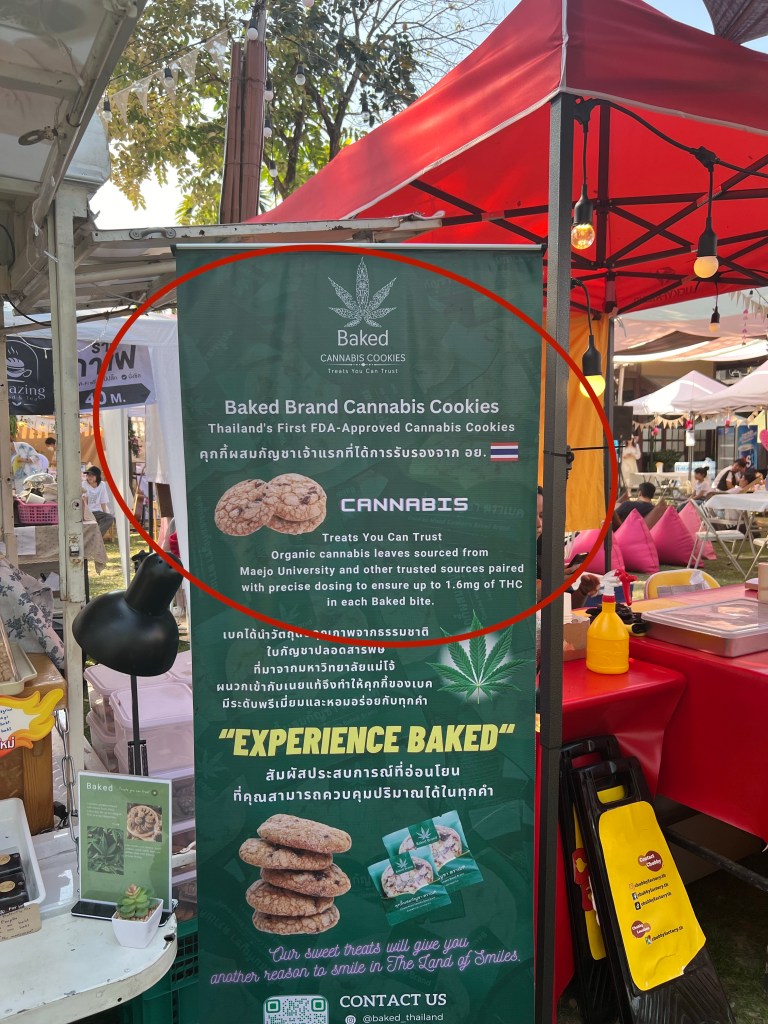
Until recently, Thailand had one of the world’s most draconian penalties for drug use, including life imprisonment and even the death sentence. Two years ago, however, the government did a 180 degree turn and now cannabis is totally decriminalised. The result are dozens of weed shops all over the town, selling marihuana and related products at very low prices.



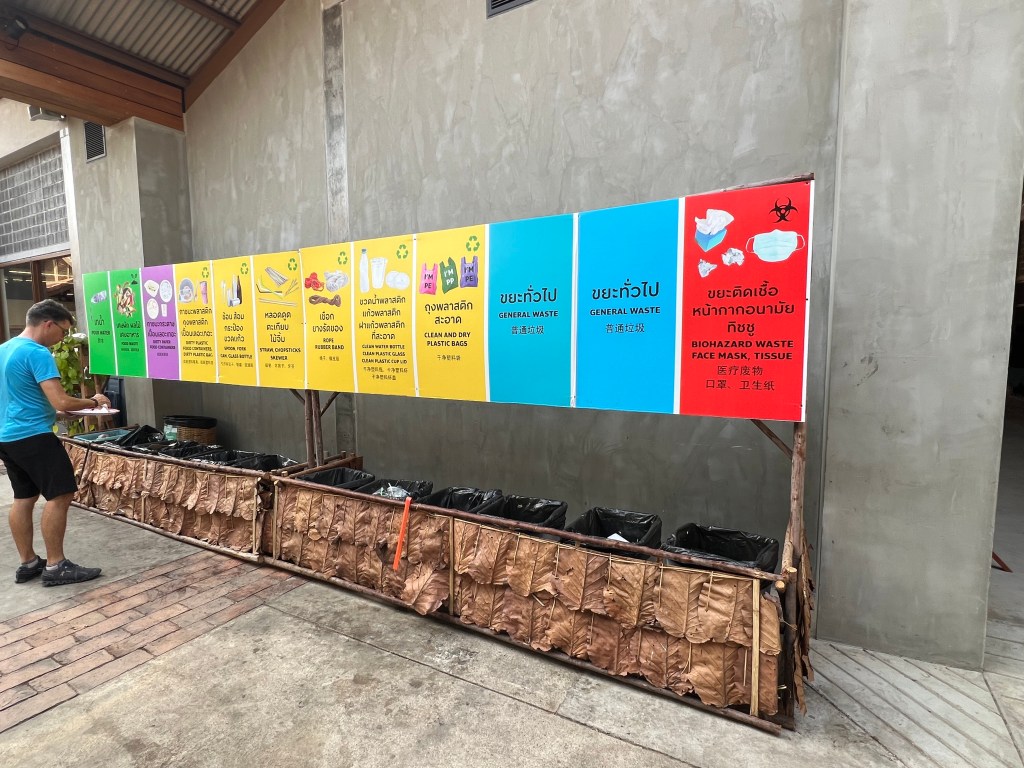
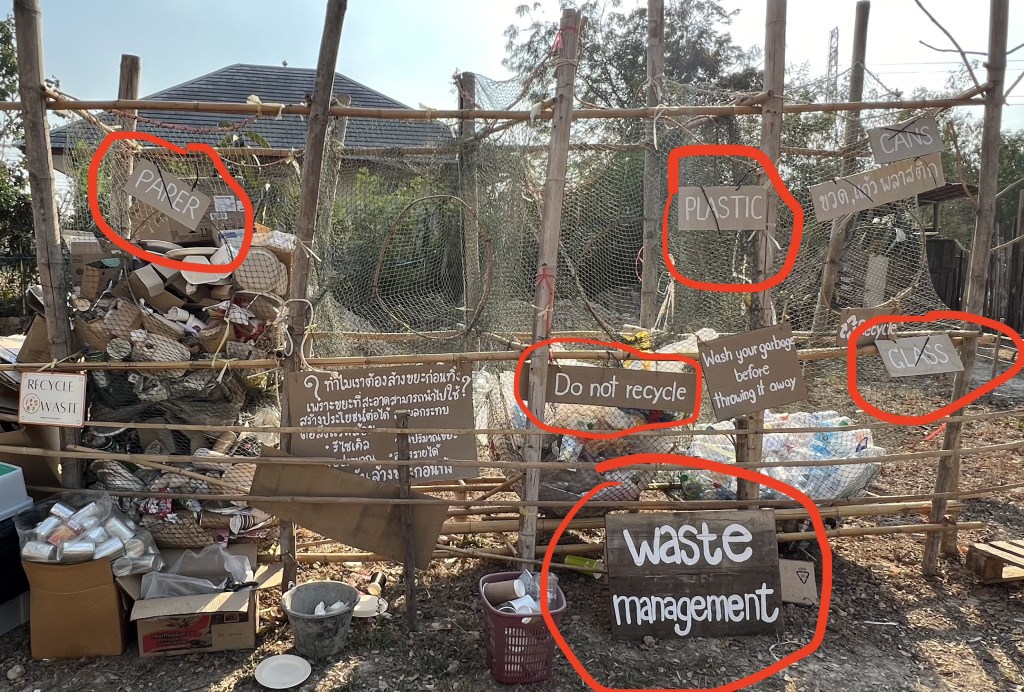
There are practically no trash cans in Chiang Mai, nevertheless the city is surprisingly clean and recycling is taken seriously, even in remote places.
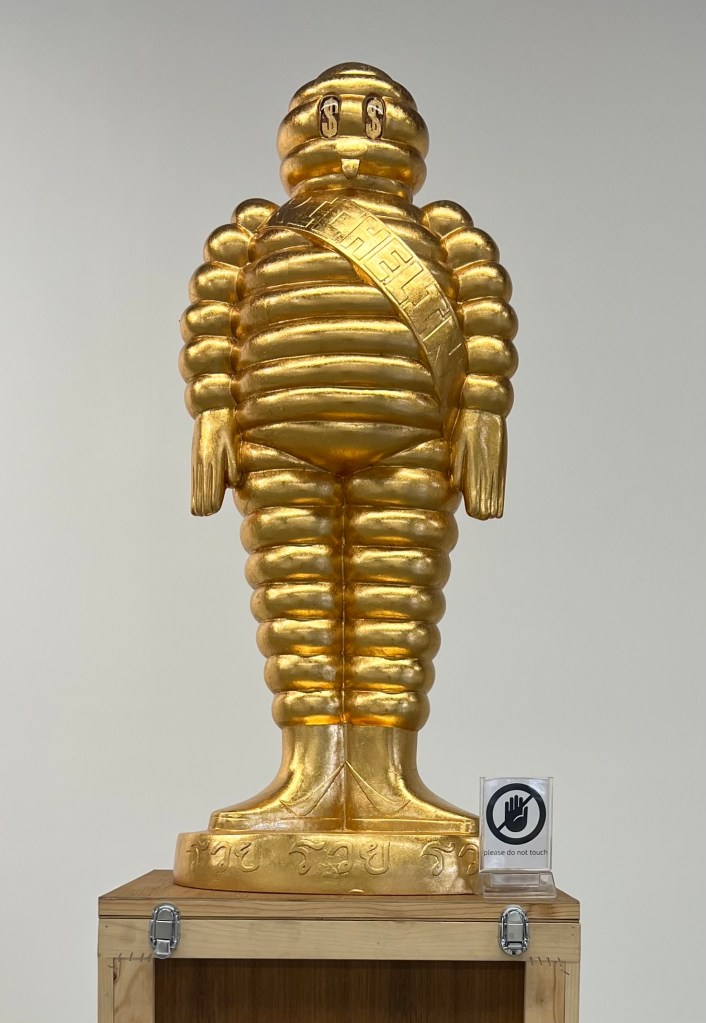
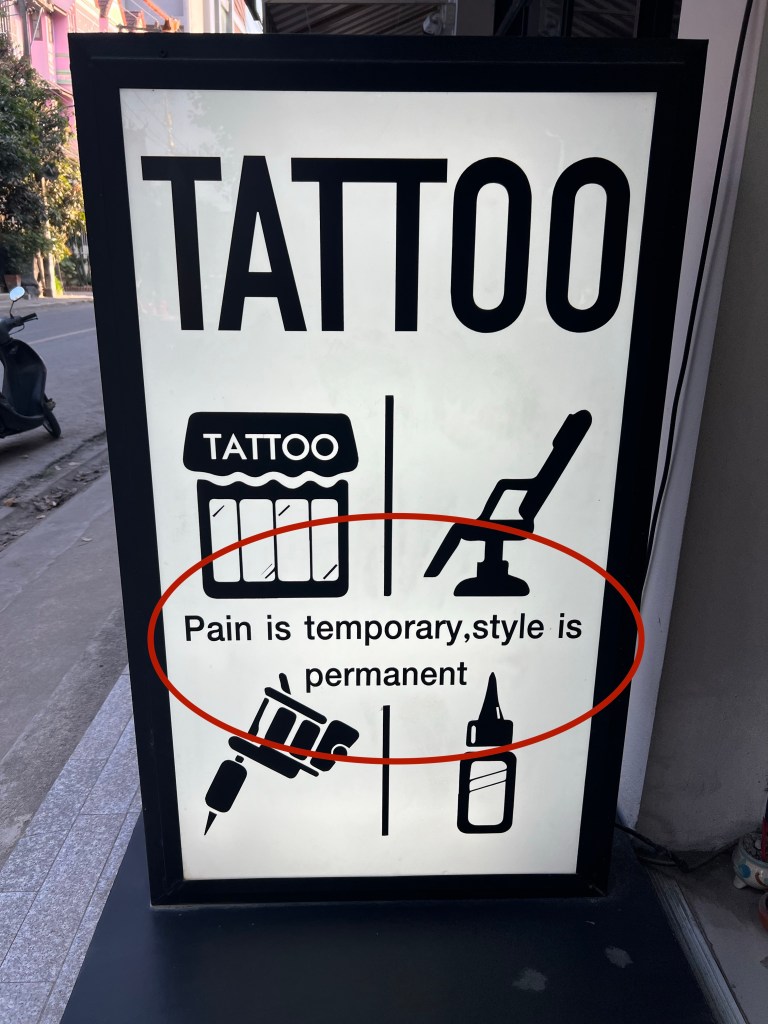
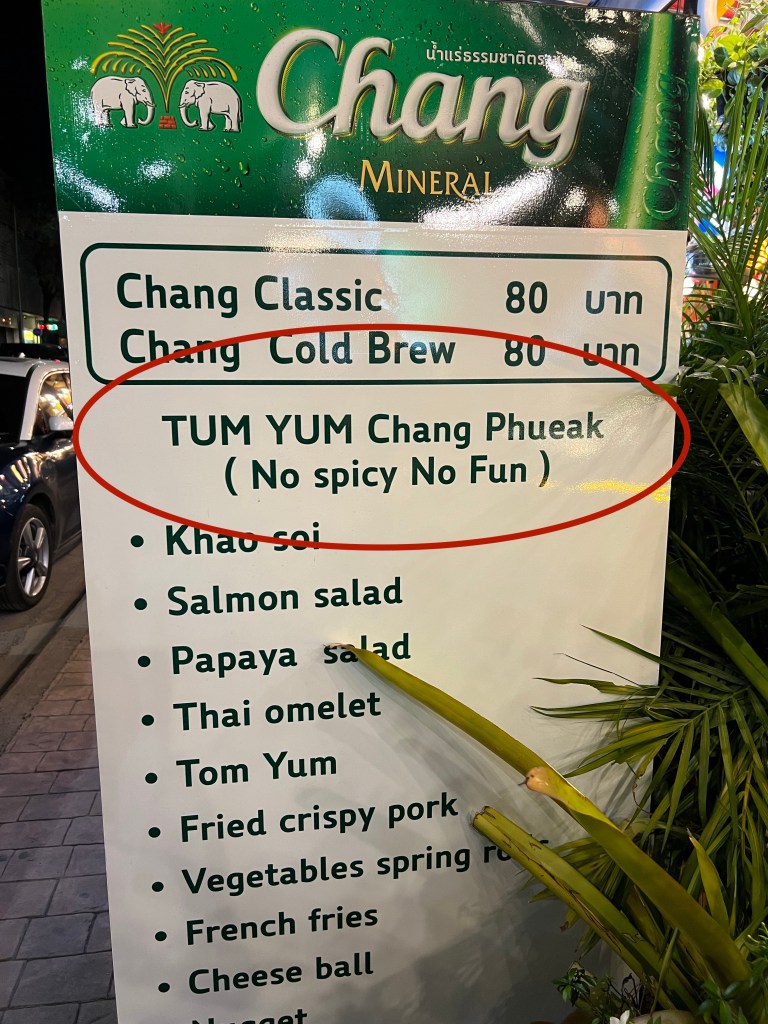
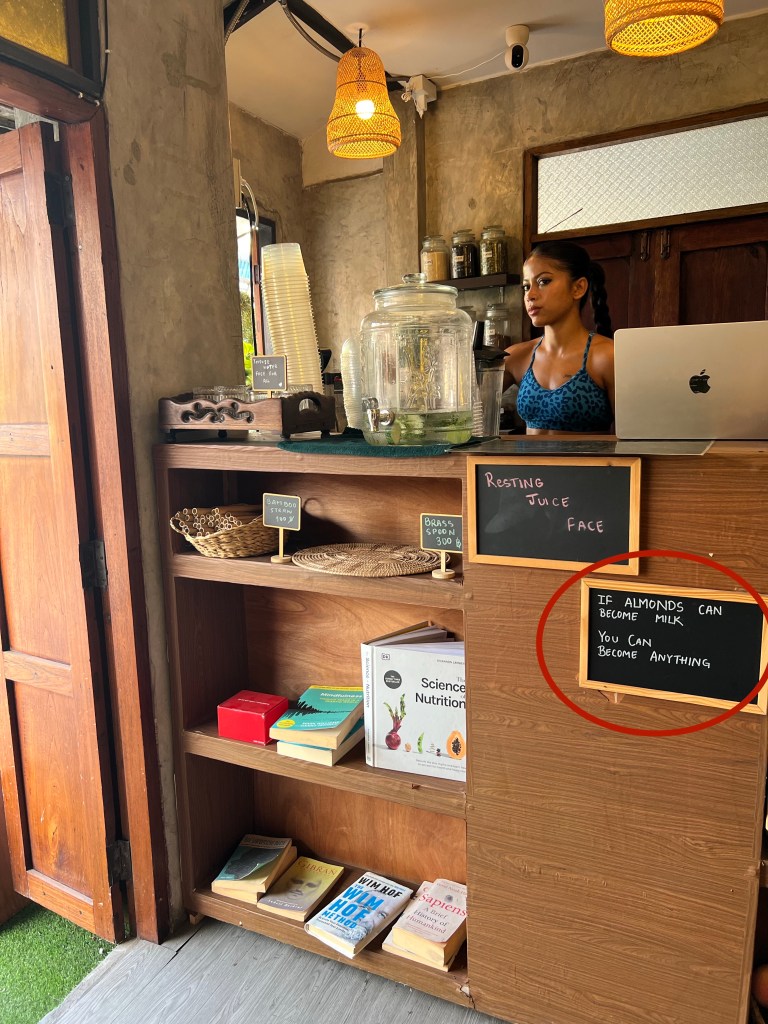
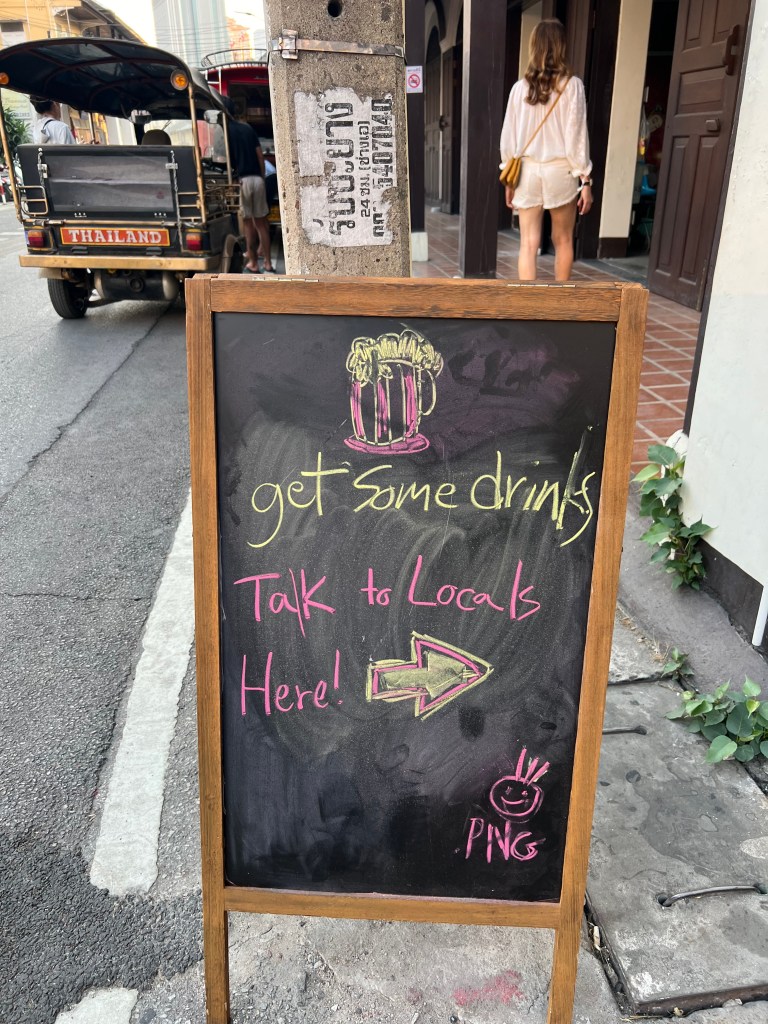
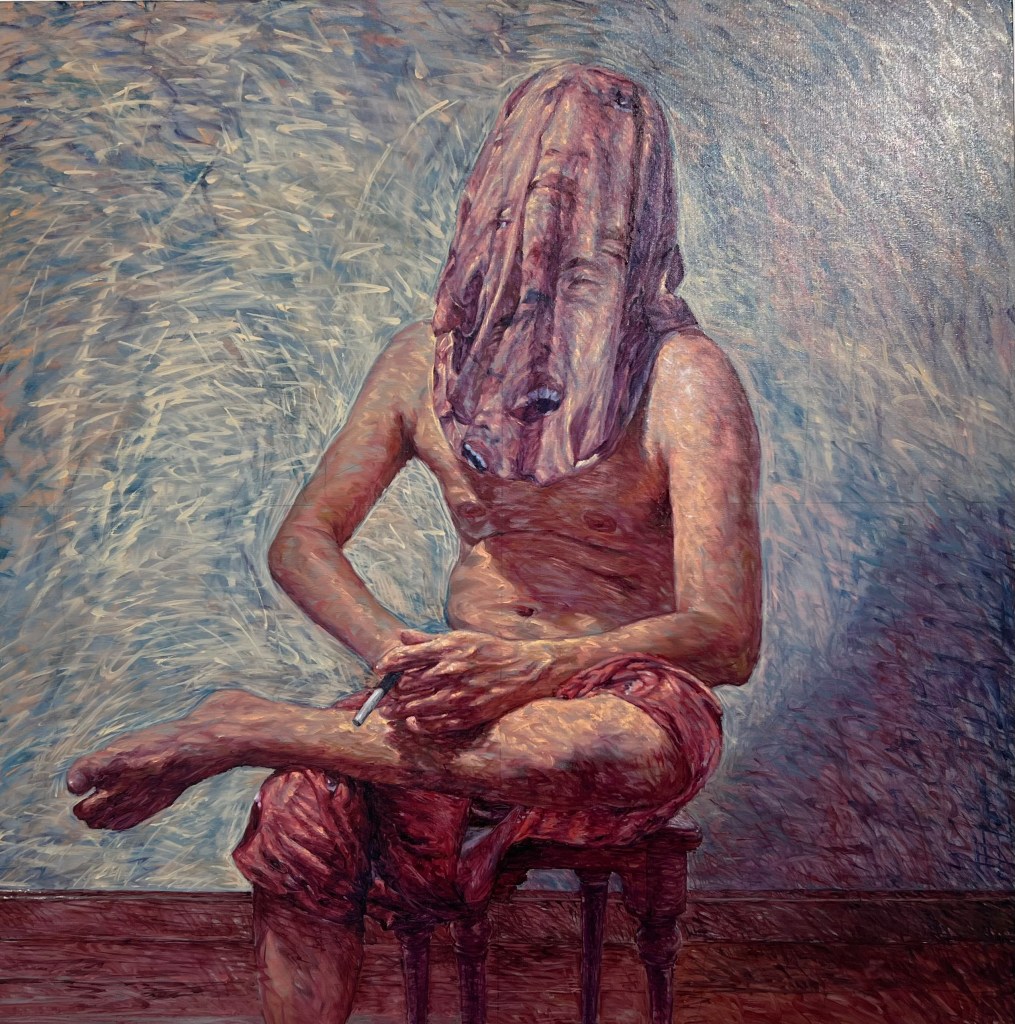
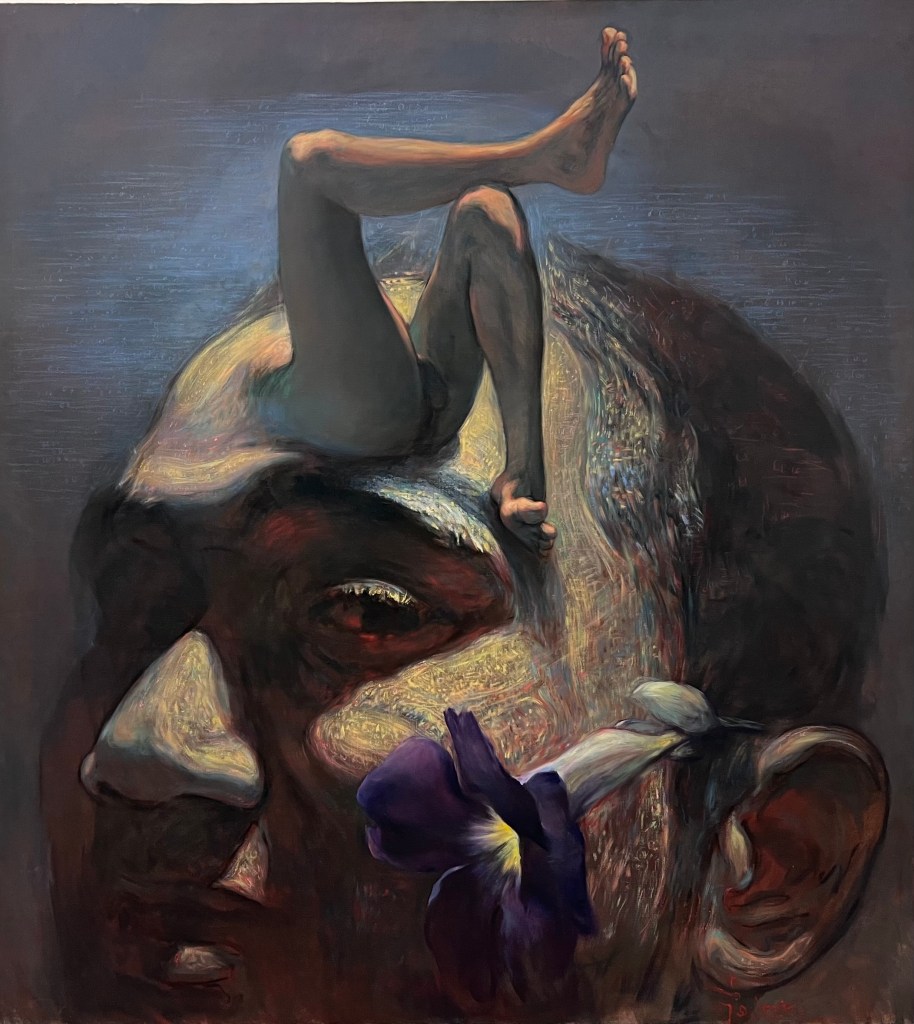
The Thais are not shy about sending messages on the streets or otherwise. They are always very polite, but also clear and straightforward. Humour is often part of the formula. And criticism of the political class appears loud and clear, especially within the art community.
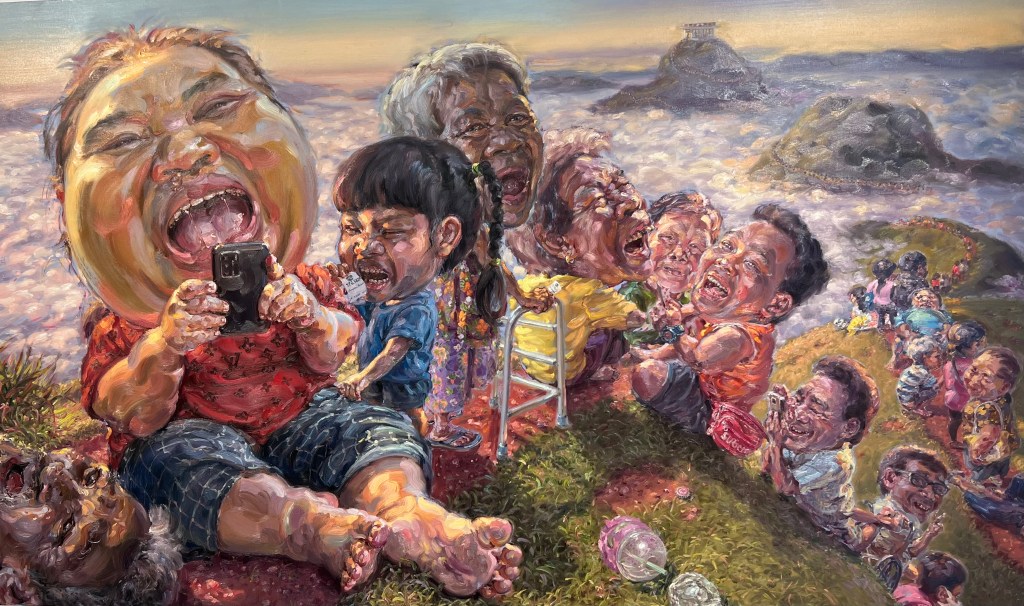
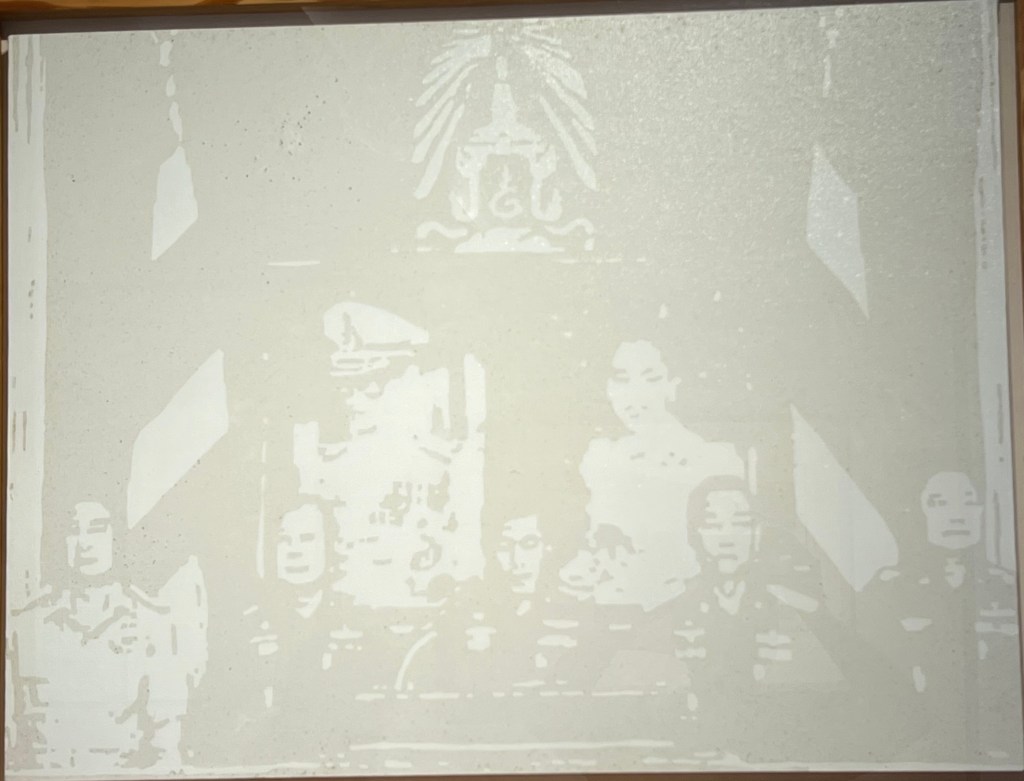
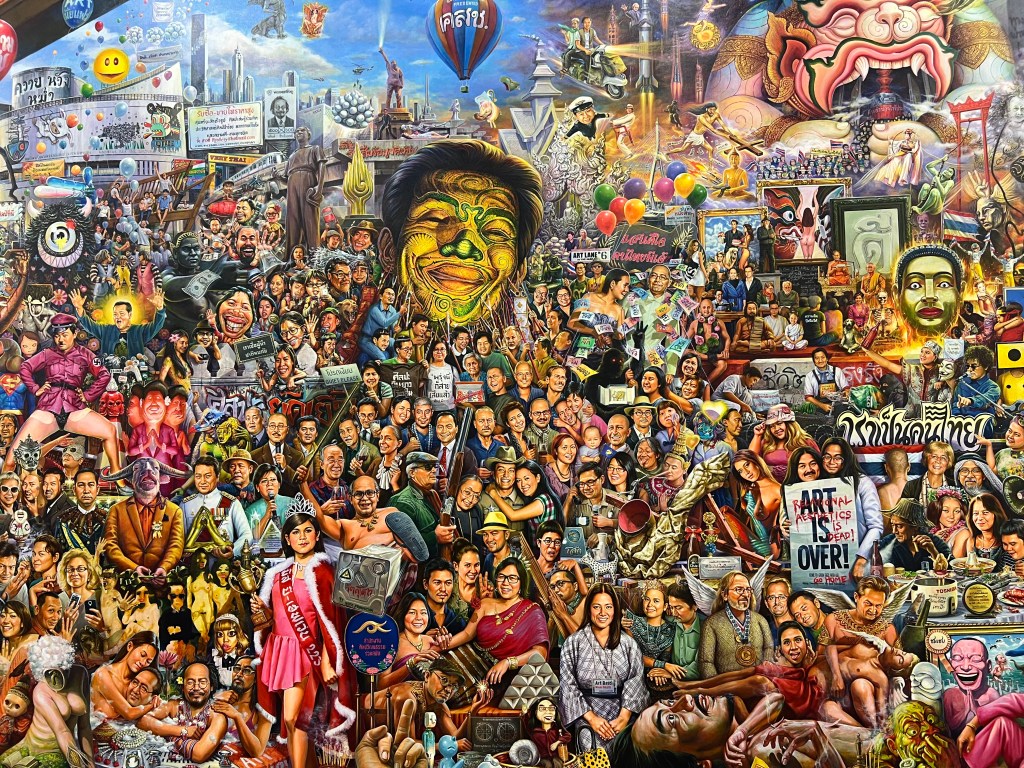
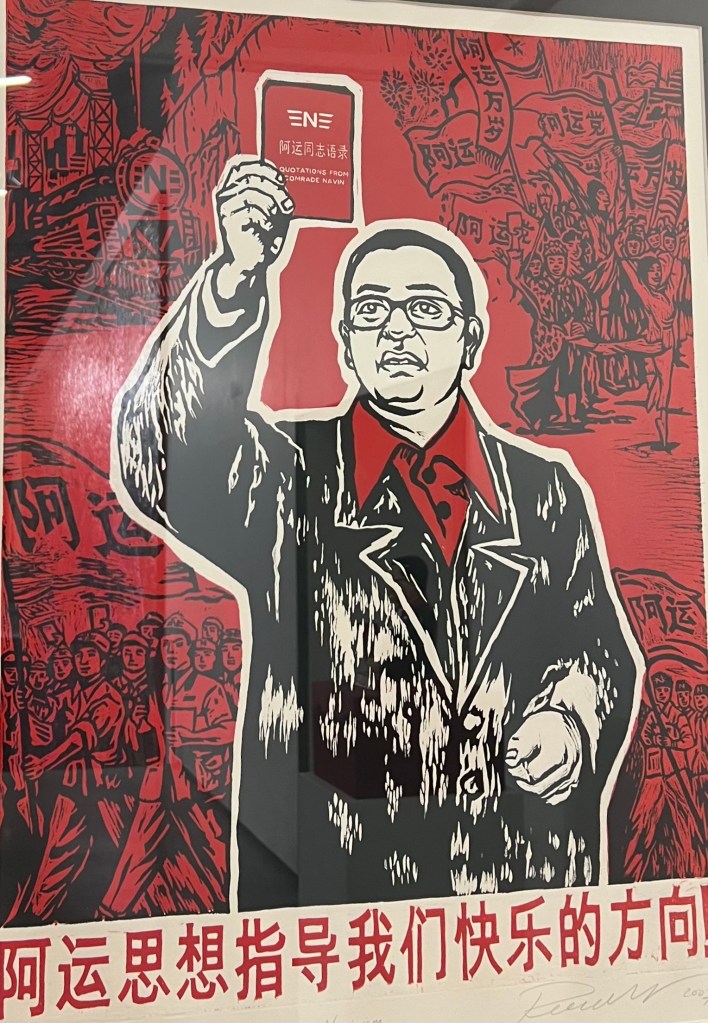


When you walk for hours around Chiang Mai, as we have done, one thing really strikes you: there is noise, but just in the background, and it doesn’t bother or aggress you.
Despite the intense traffic, despite the many people around, the street vendors, no one shouts, there is no honking and no tension. And once you step a few meters behind the main avenues, you find a world of balance and calm. There are little alleys and interior courtyards everywhere, where time appears to be suspended and peace reigns.
Chiang Mai is a city of grace and kindness. You feel it strongly when you cross streets. At first, traversing the city’s large avenues can appear daunting, since cars and motorcycles don’t seem to care much about traffic signs. But there is no need to worry: as soon as you begin to cross, vehicles notice you and slow down, with the drivers often nodding and even smiling at you. It is a very good reflection of what makes this country so special: gentleness, niceness and respect for others.
People in Chiang Mai move with grace and walk slowly. There is no sense of agitation and everyone seems to have time to talk to each other, and to you. What a difference with the world we come from, where we seem to rush from one thing to the next, and where we have to plan in advance if we want to meet people and get things done.
The relationships we have made in Chiang Mai (and there are many), in comparison to what we are accustomed to, are fluid, people appear to have all the time in the world, and their homes are welcoming and open. Things are organised without much advanced preparation or formality. As a consequence, serendipity reigns supreme, more often than in any other culture we’ve ever experienced. It is possible that in time, the lack of planning, might lead to some frustration, but at this stage we feel that this general atmosphere of relaxation is truly a breath of fresh air, invigorating and stimulating.
 Truliluli Travel Reports