

We spent a total of six weeks in the south of Thailand, visiting a few of the nation’s many islands (there are more than 1’000 in total) .
The islands come in all sizes and for all budgets, but one thing is constant: everywhere there is beauty, and everywhere you feel the warmth, the welcoming smiles and the kindness of the Thai people. There is probably no place on earth where vacationing is as well developed and as exhilarating as in Thailand.
Koh Kood: the perfect place to do nothing.
Located in the eastern Gulf of Thailand, Koh Kood (also written Koh Kut) is the largest island in the area, and one of Thailand’s biggest. And yet it’s largely undeveloped and unexplored. There is only one road, which covers only a part of the island and no public transport. About 60% of the island has nothing – no roads and no people.
Until about 30 years ago, Koh Kood had no electricity either. The locals, who number not more than 2’500, laughingly, add: “Until recently we had no candy. No Netflix. When the sun set, we just went to sleep, there was nothing else to do.” Today, electricity is present, but minimal – homes and guesthouses rely on generators or solar panels, so the showers you take tend to be quick.
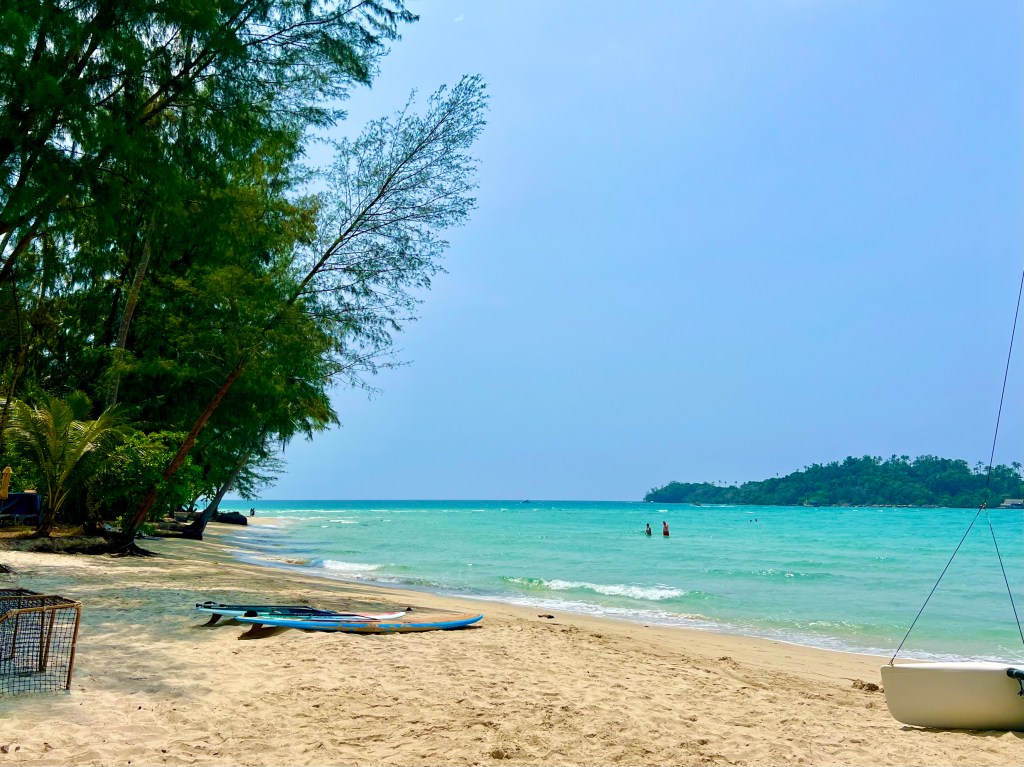
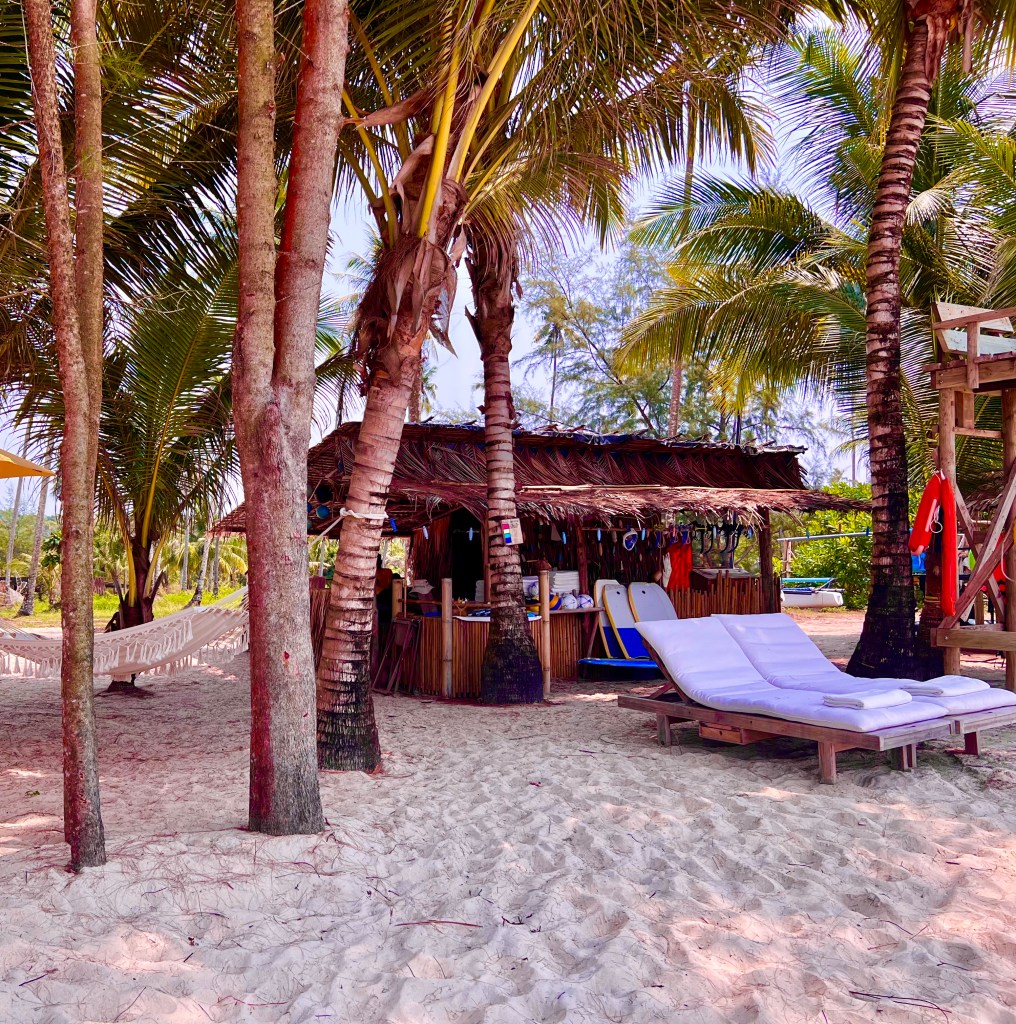

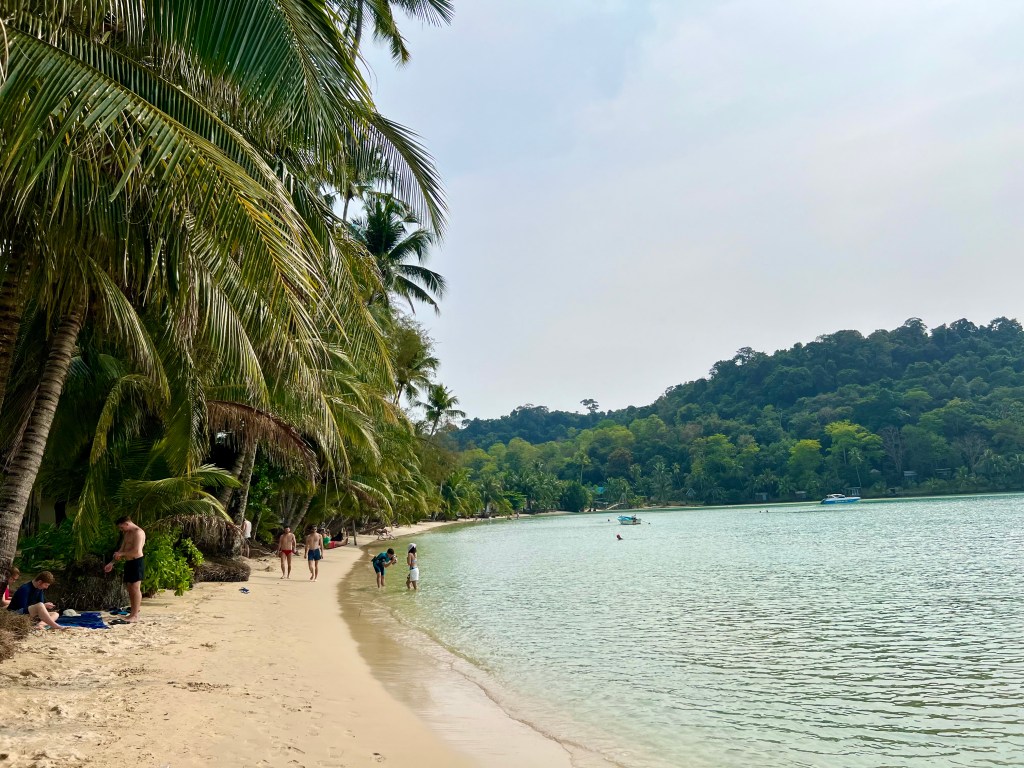
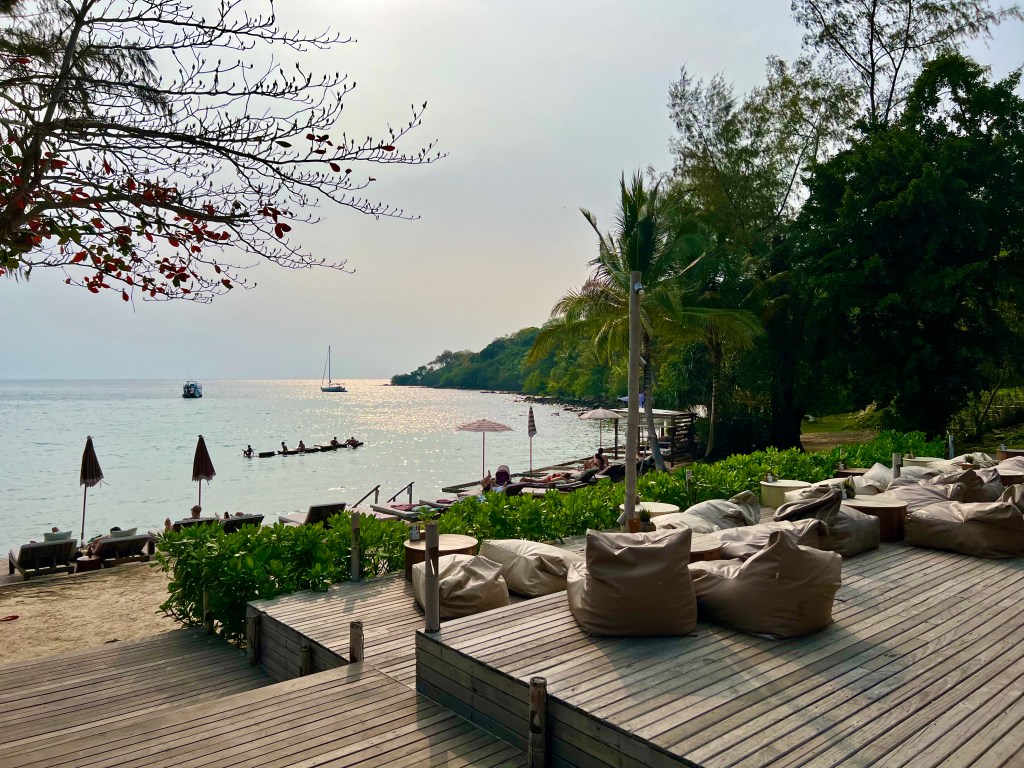
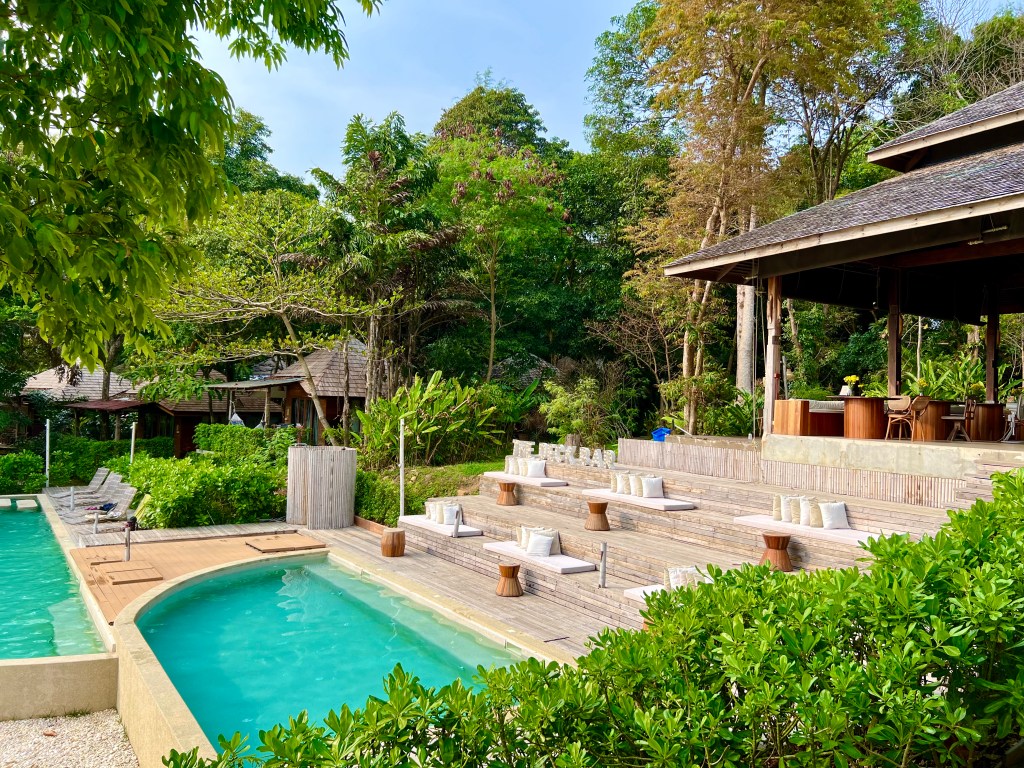
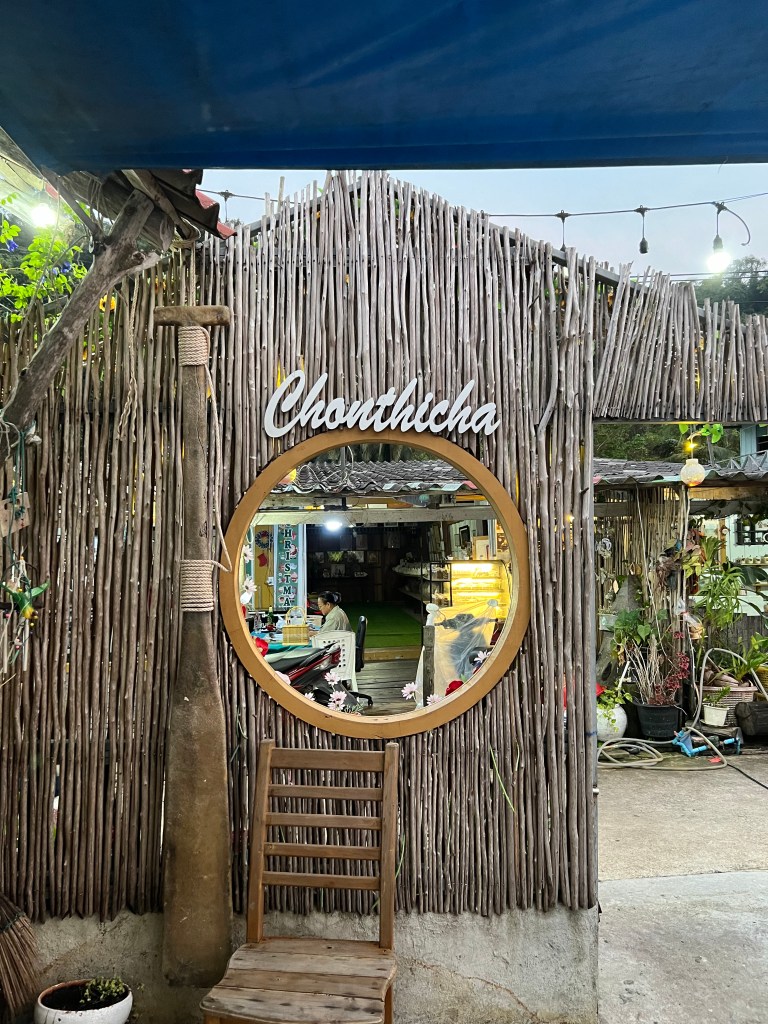
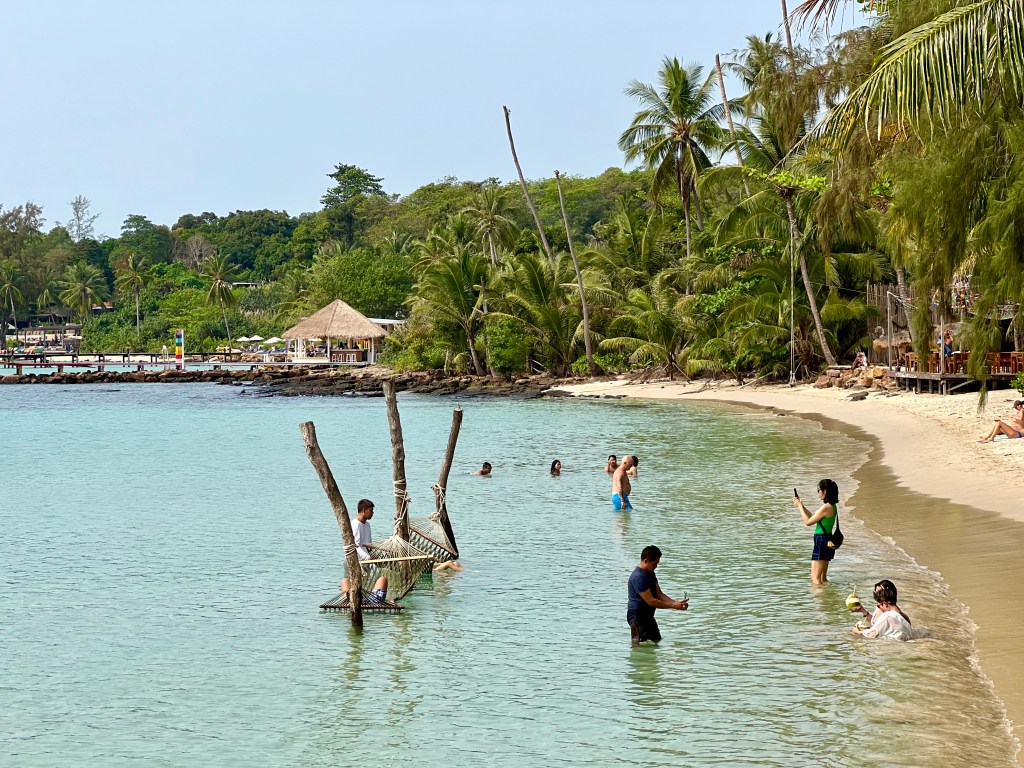
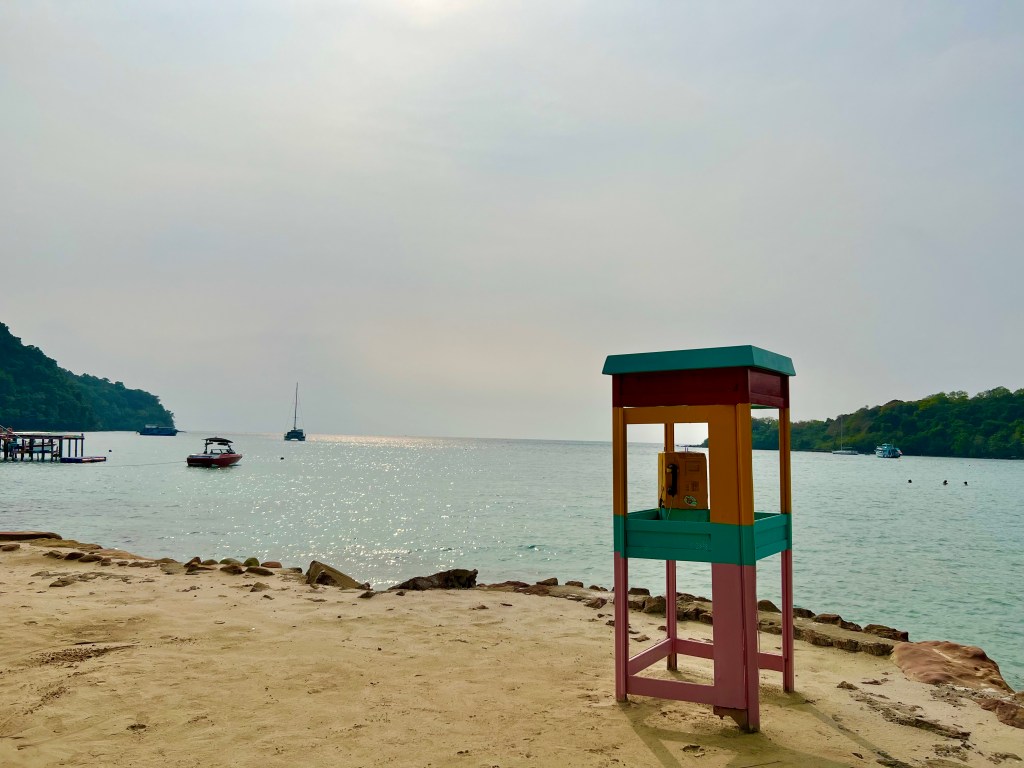
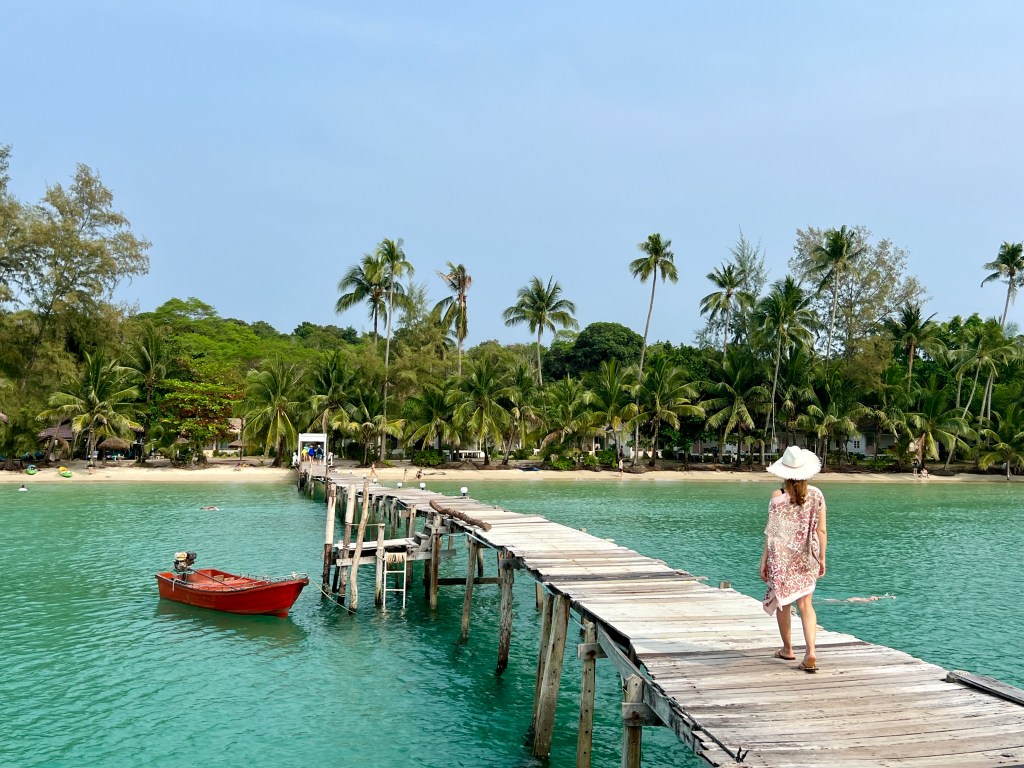
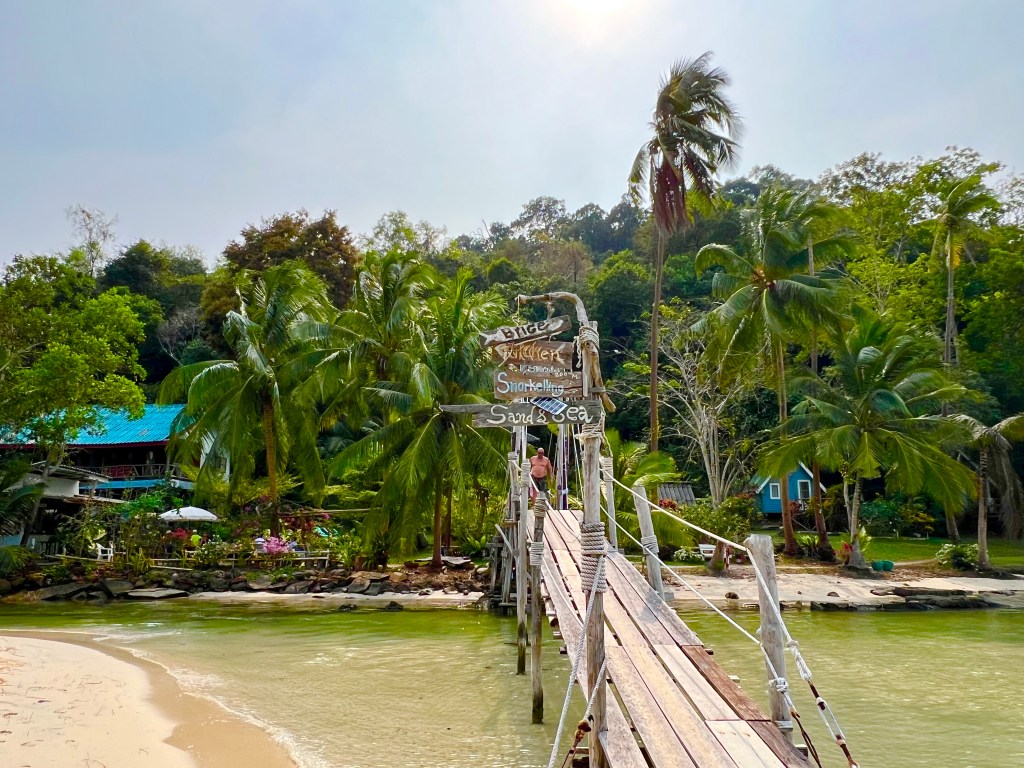
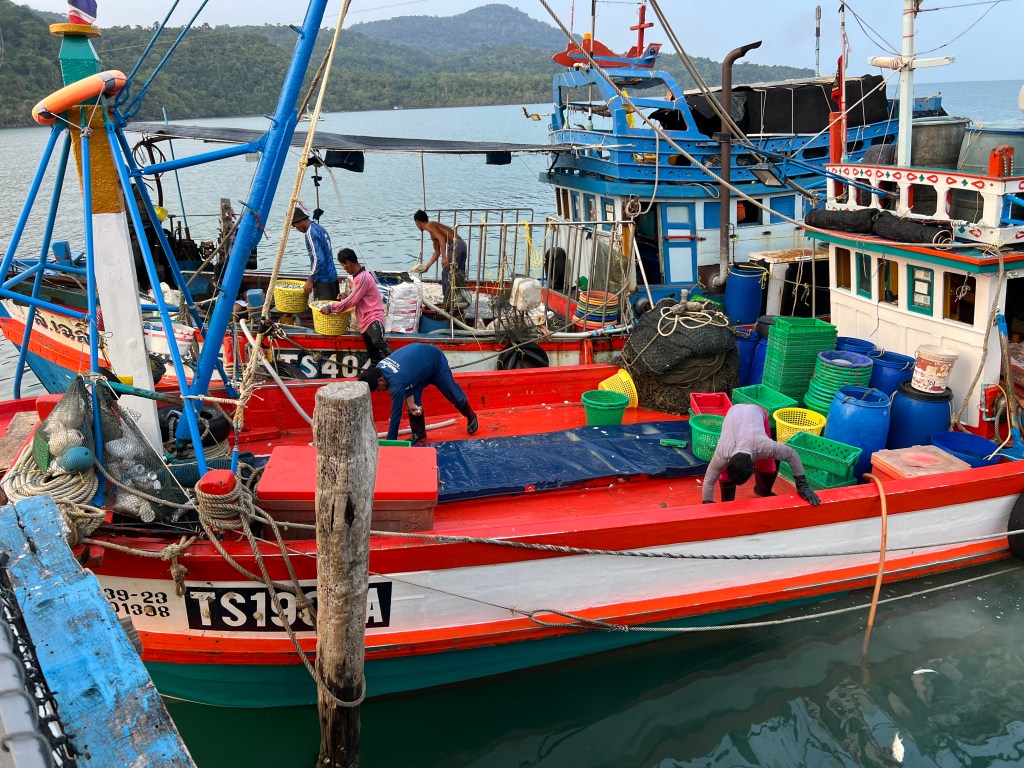
And yet, about 300 years ago, Koh Kood had a much larger population than today. Located on a strategic shipping road between India and China, it was the perfect place for pirates, who became very rich during that time, until the government of Siam (the predecessor of Thailand), with the help of the British and the French, eradicated them. Since then, and until very recently with the arrival of tourism, the remaining locals (not more than 500) lived off fishing, agriculture and a bit of rubber planting.
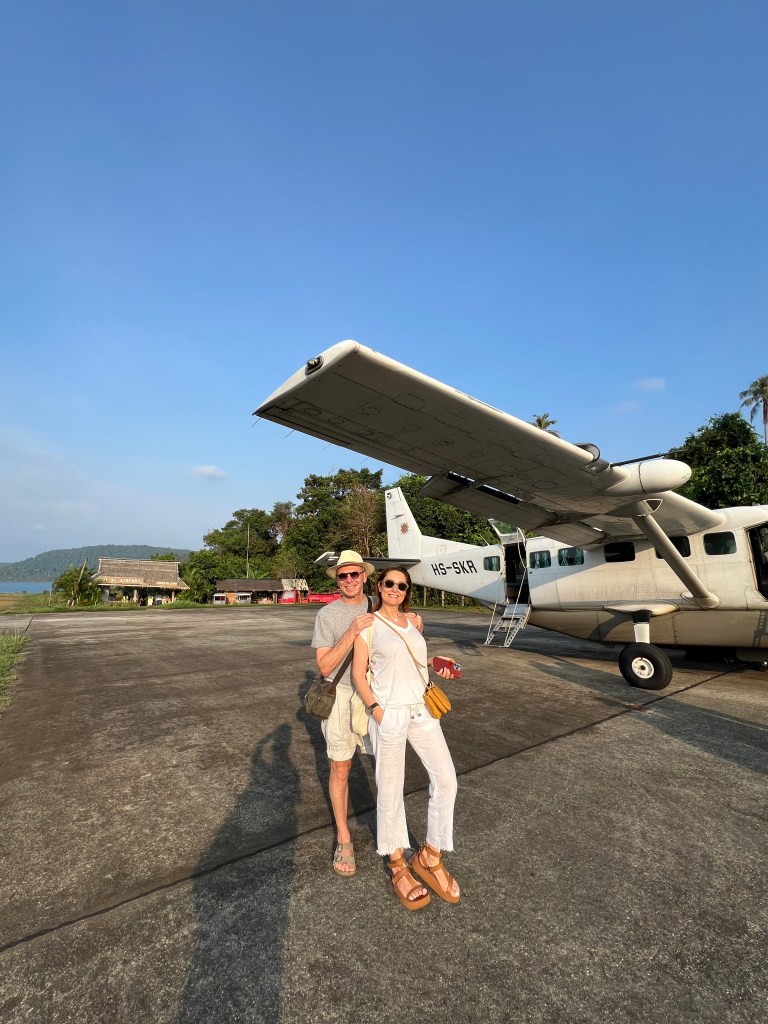
Koh Kood is the perfect place for farniente and that’s exactly what we did. We stayed for 9 nights at Soneva Kiri, a very beautiful and very sustainable-oriented hotel in the north of the island, accessible only via their private airplane (Koh Kood has no airport). The estate is so large that upon arrival you are issued a personal buggy, which we almost never used, preferring to walk everywhere. You are also encouraged to leave your shoes in your room and go everywhere barefoot, which we did only in part (sometimes the sand and the gravel on the roads was just too much for us).


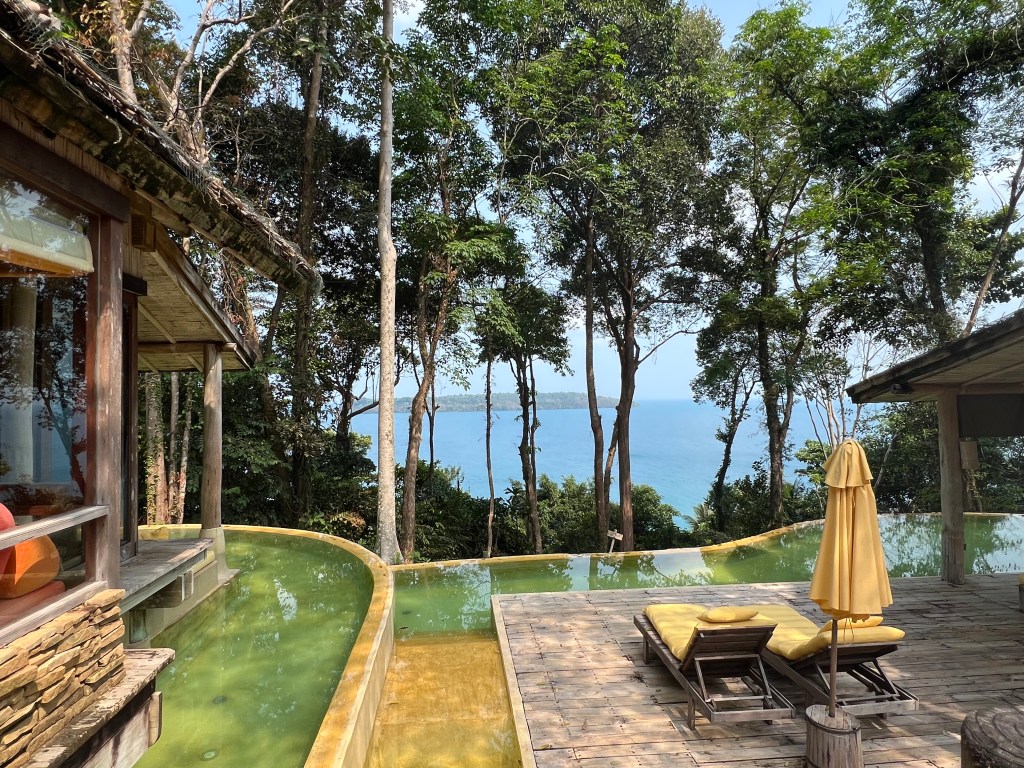
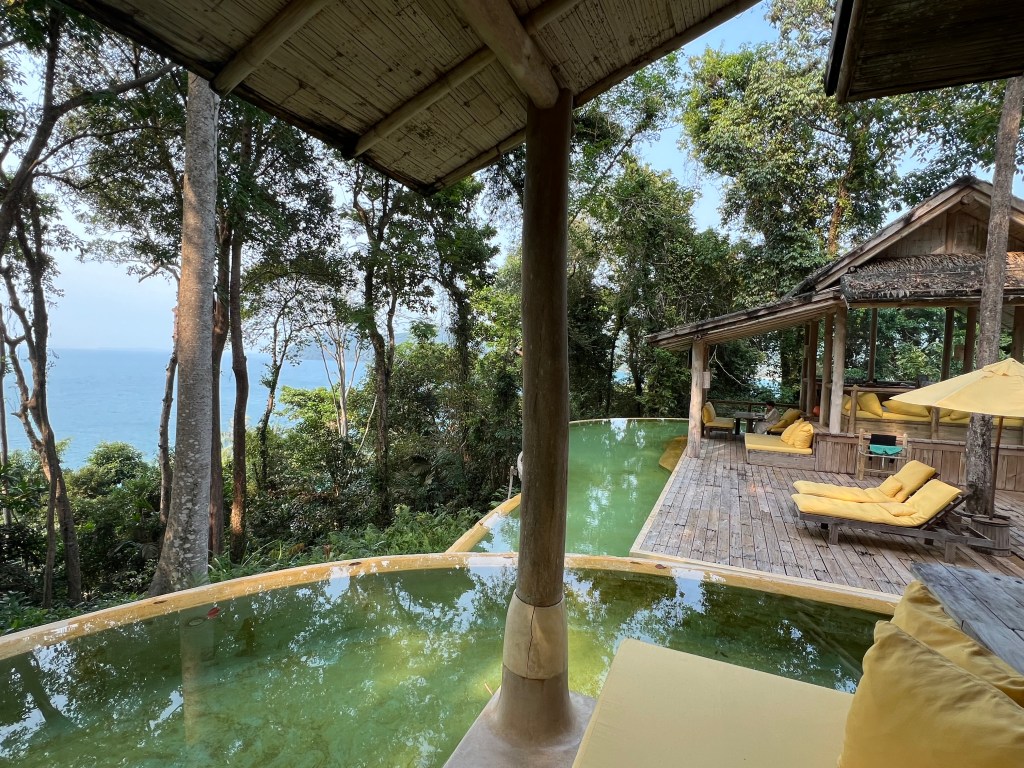
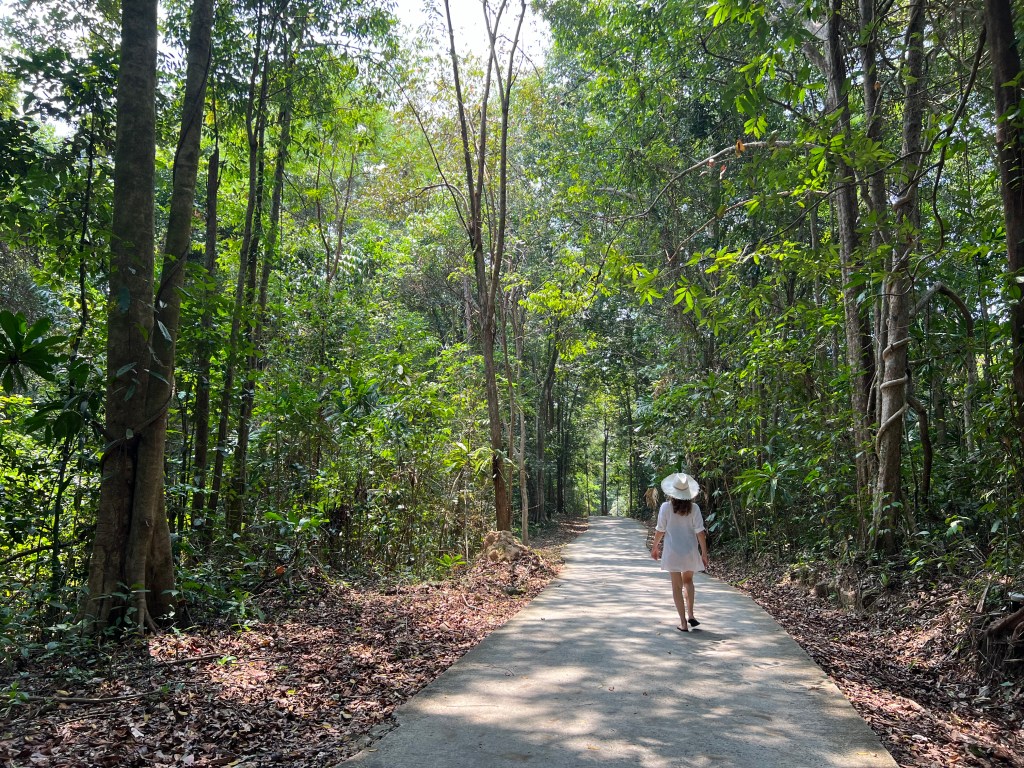

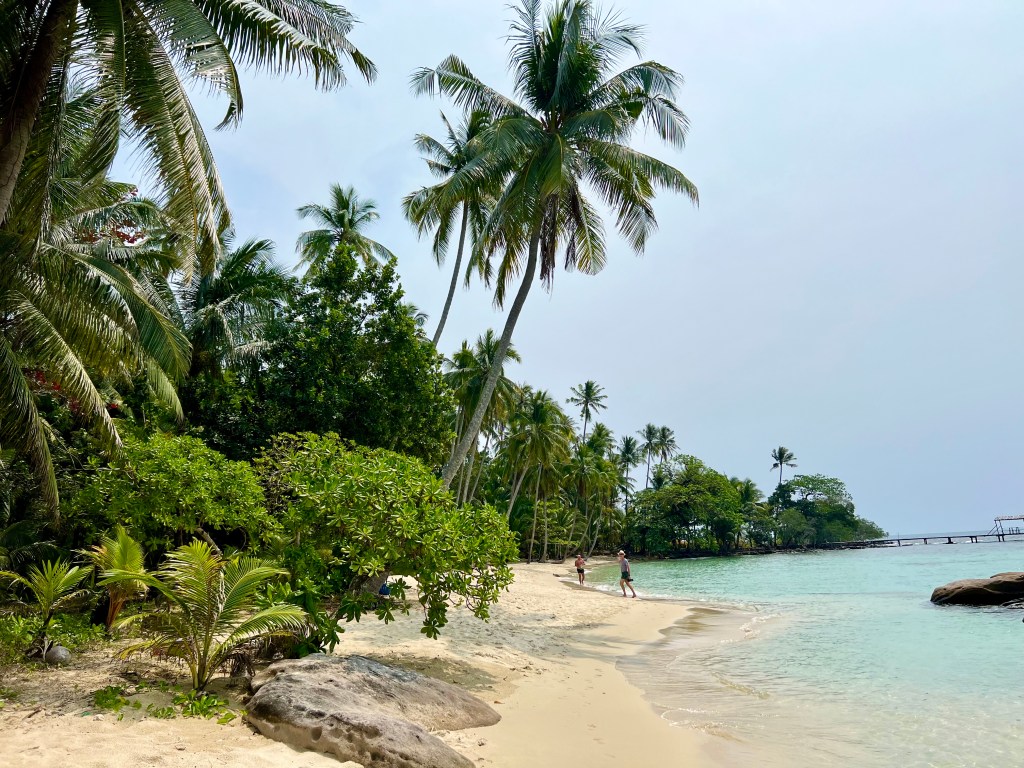
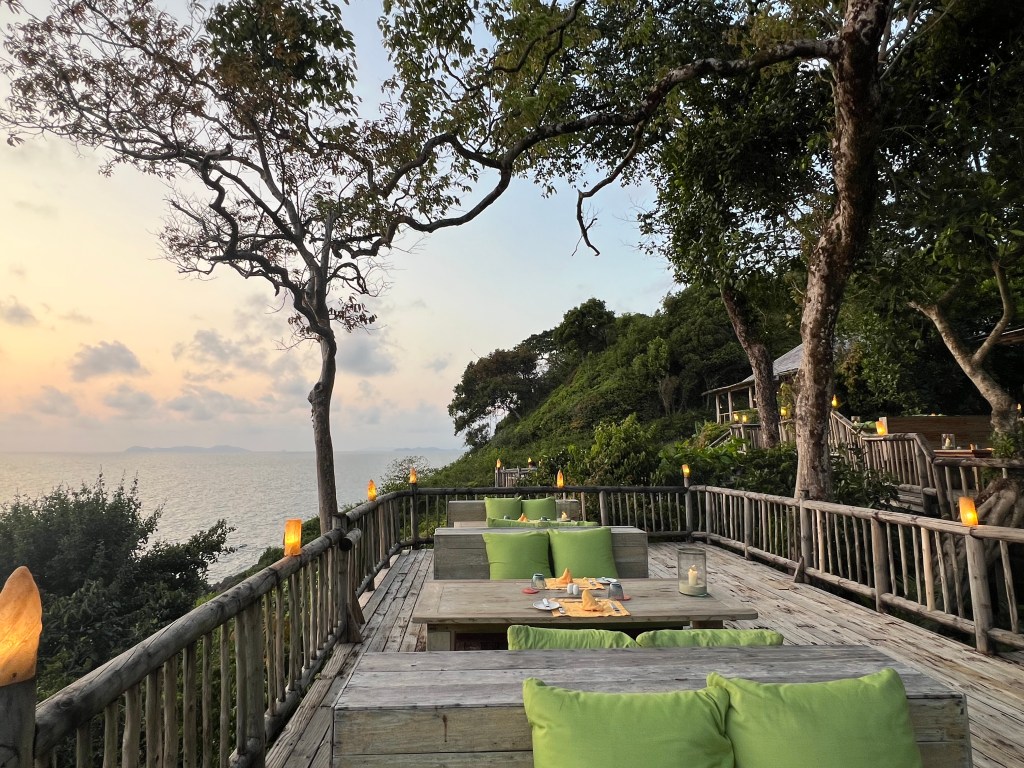
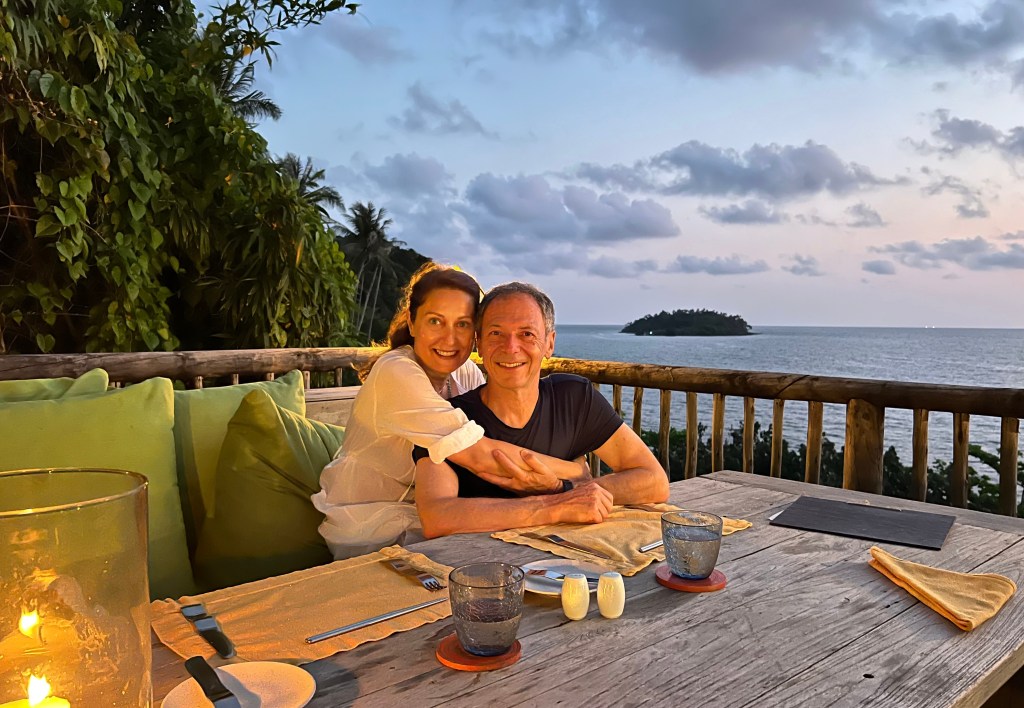

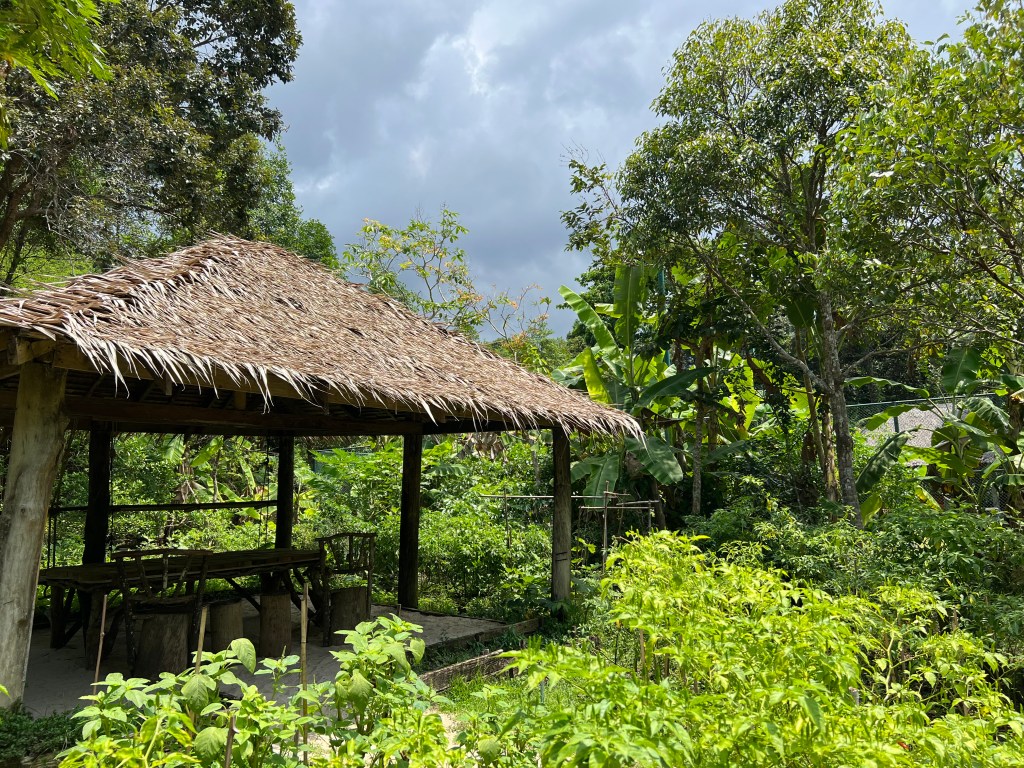
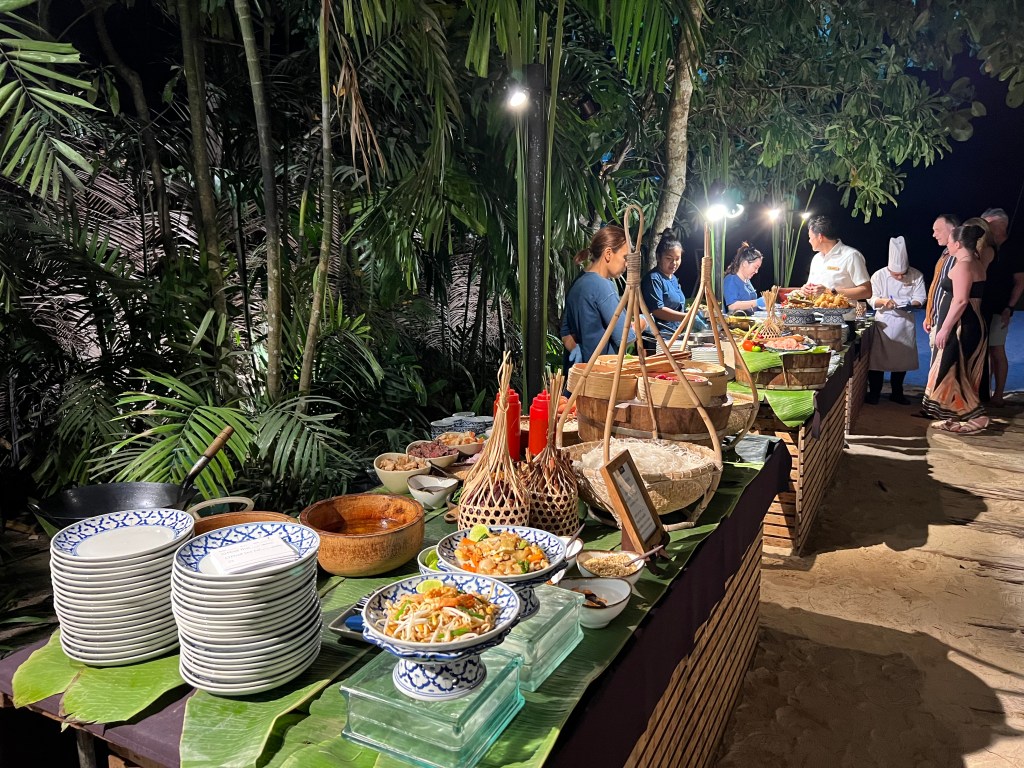
The food at Soneva Kiri is heavenly and the staff cater to your every need. The resort offers complimentary ice cream and chocolate, which are hosted in a dream-like room opened from 11 am to 11 pm, which we baptised “Ali Baba’s Cave”. Day after day, as we gazed upon this sugary paradise, our willpowers melted faster than Soneva Kiri’s ice cream in this very hot and humid tropical wonderland. We also enjoyed watching the stars from Soneva Kiri’s observatory. We went to sleep (and were woken up) very early by the gentle symphony of nature – the chirping of birds, the rustling of leaves, and the distant murmur of waves weaved together in a tapestry of sound. After 9 nights at Soneva, it felt like we had been on holidays for a long time.
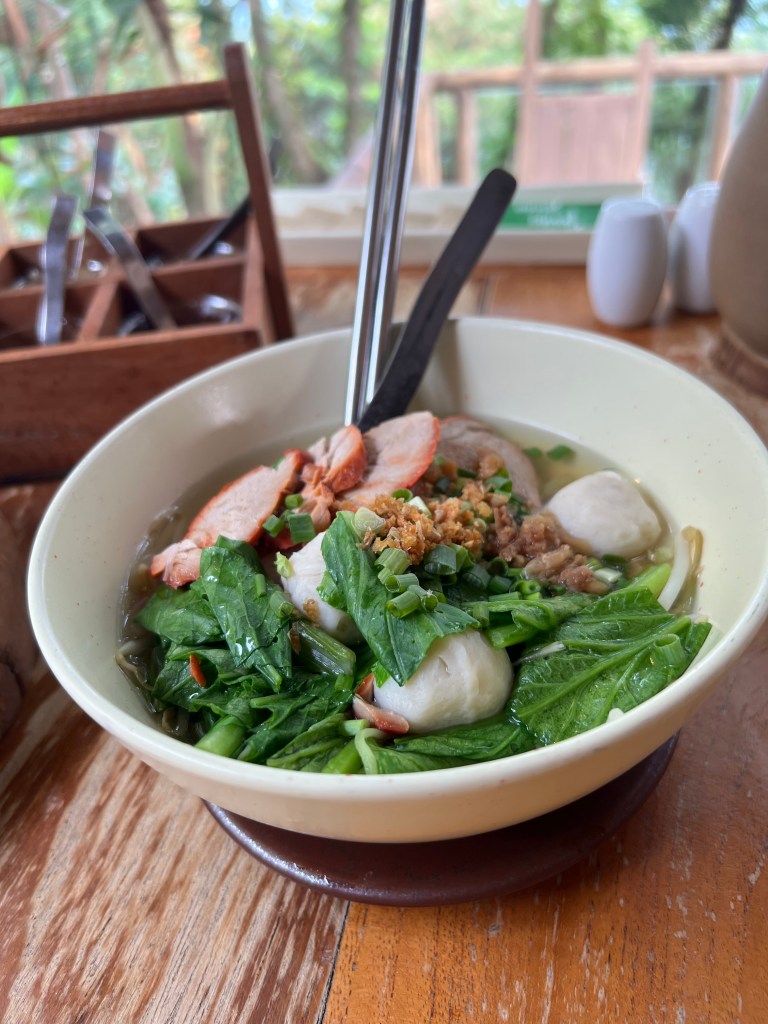
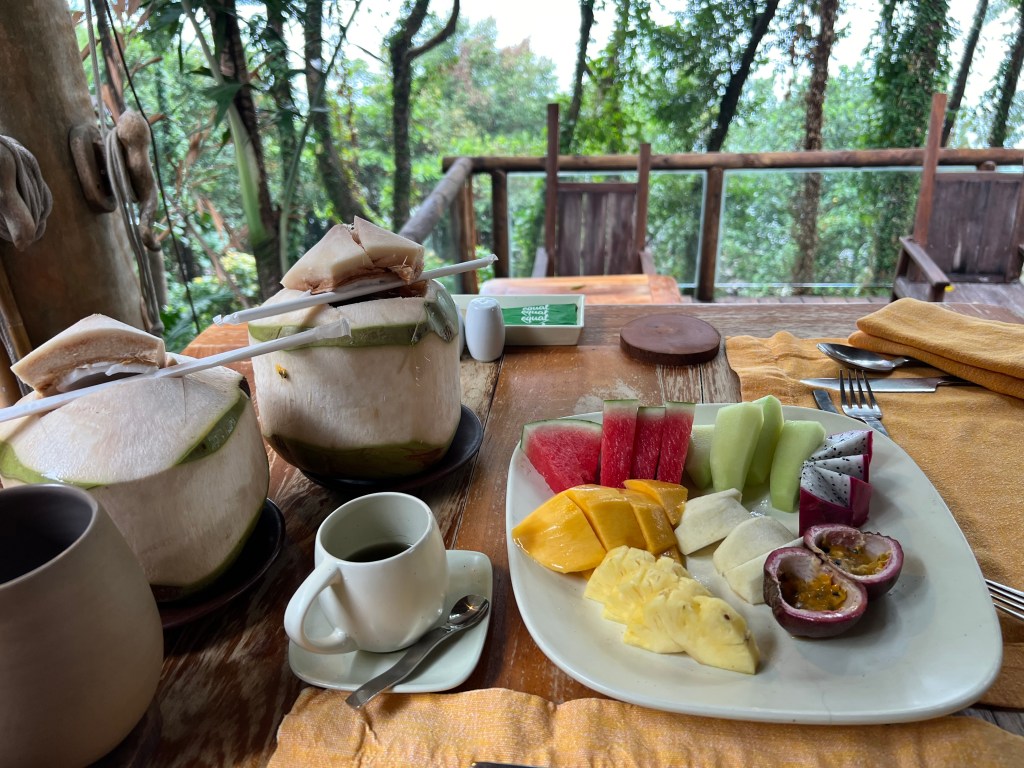
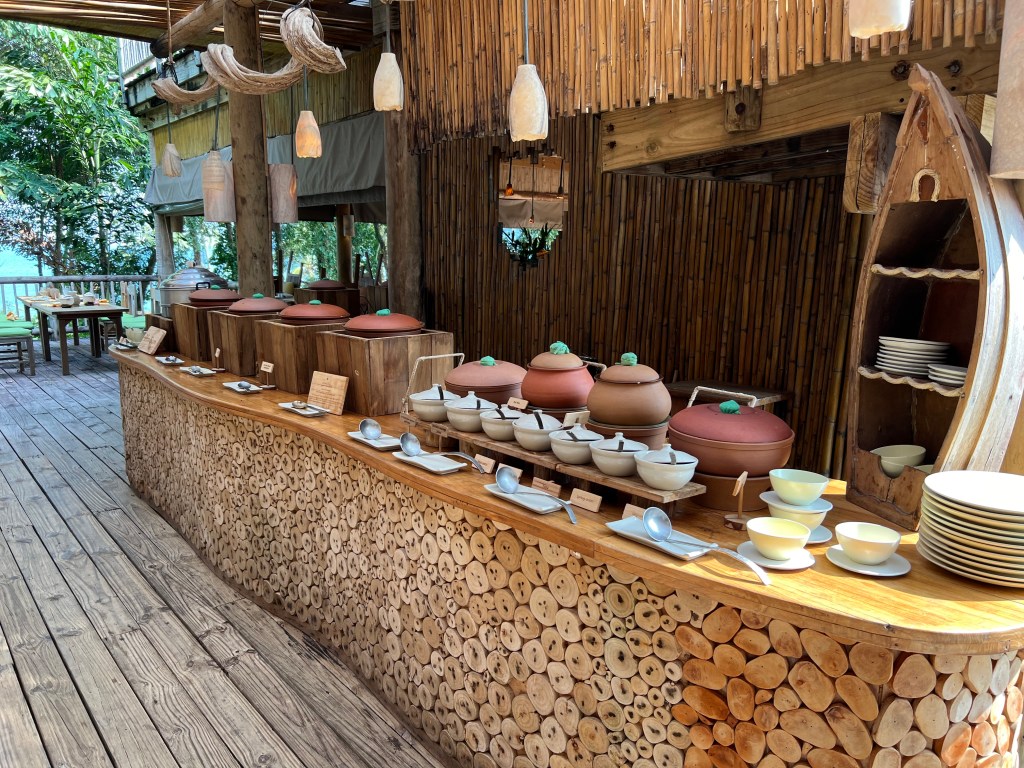
A small part of the breakfast @ Soneva Kiri

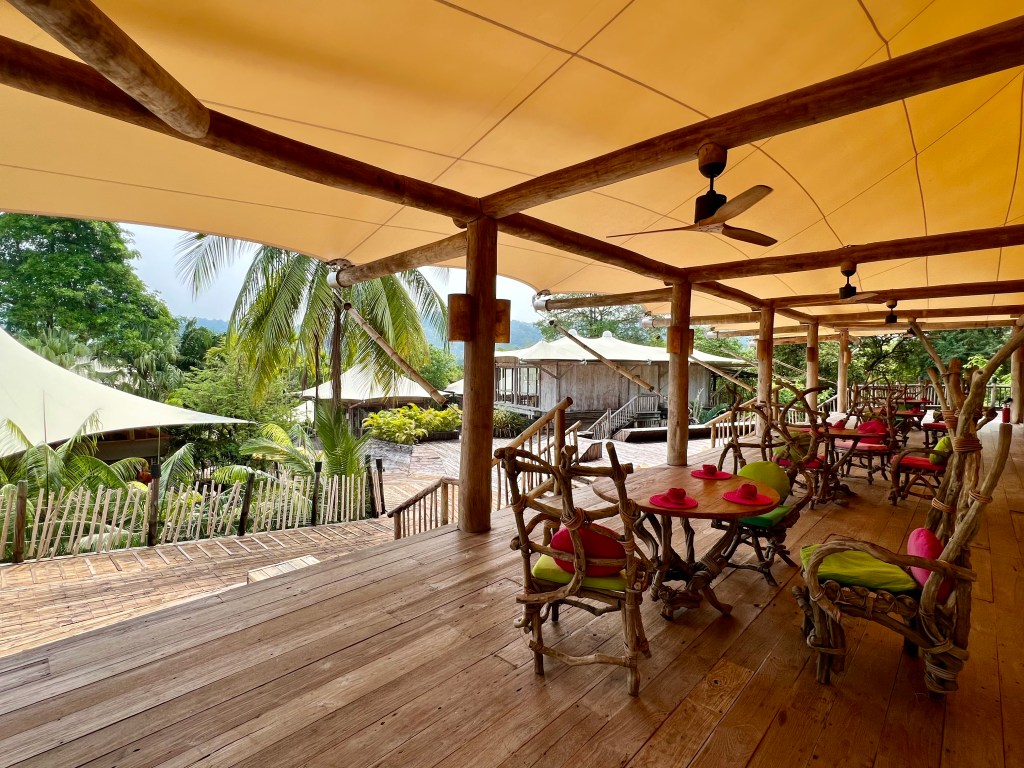
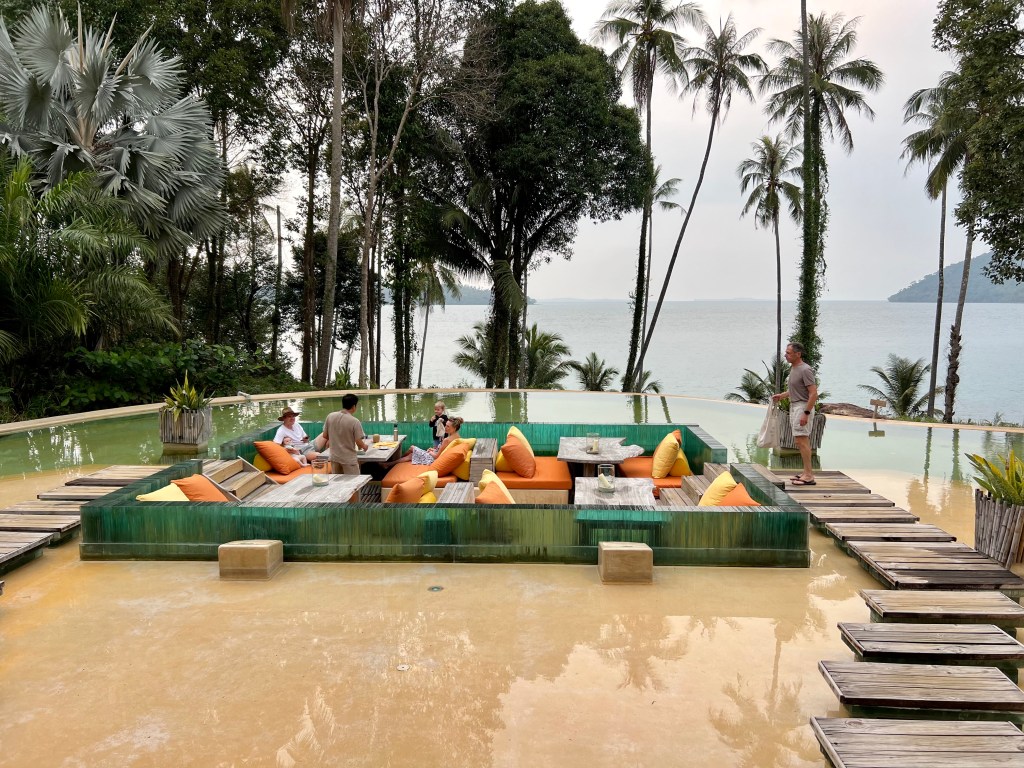
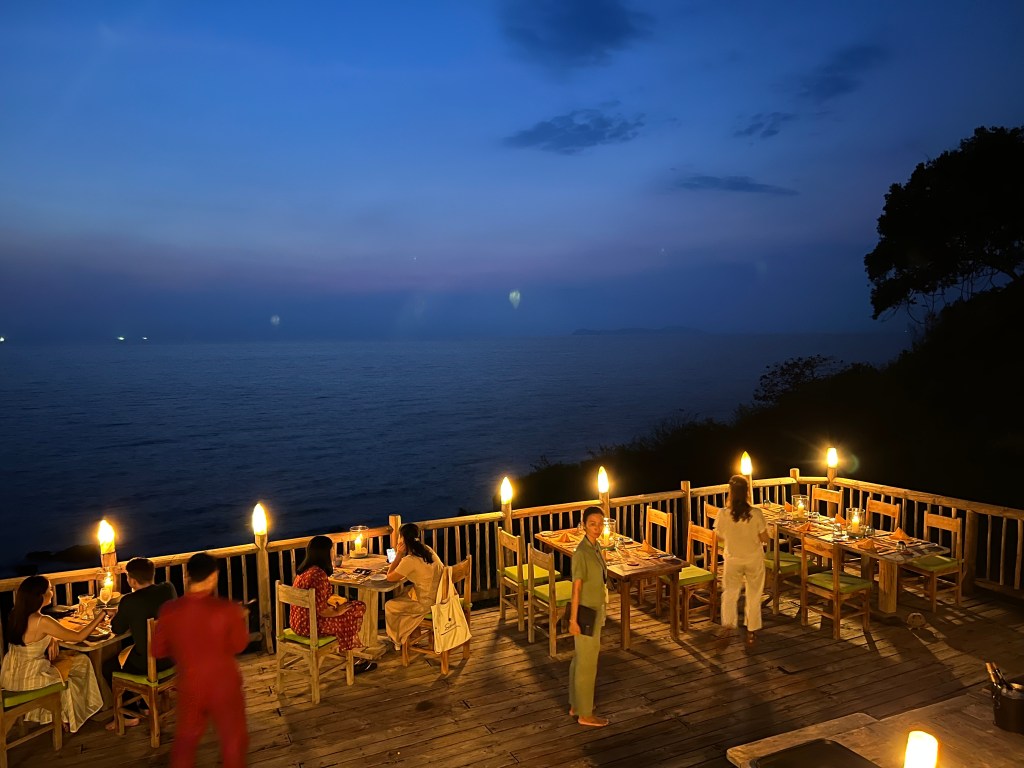
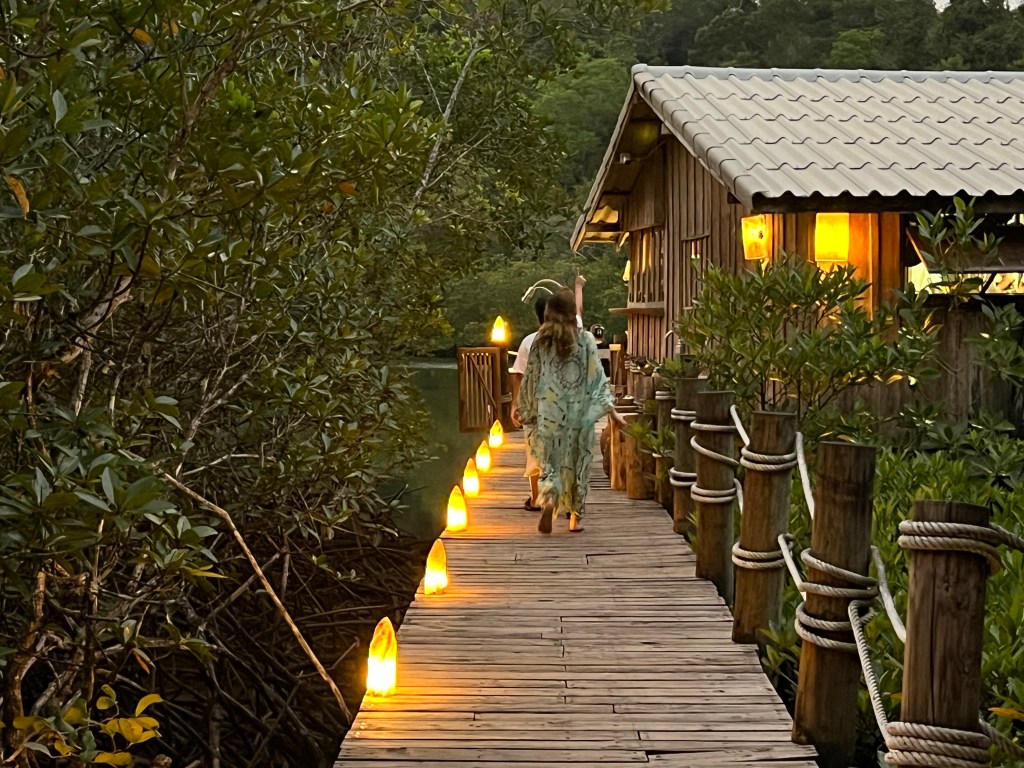
The rest of the island has a bit more activity, but only a bit. There are a few nice restaurants and the Thailand-ubiquitous massage parlours. But if it’s partying you’re after, you might want to miss Koh Kood.
Khao Lak: unforgettable sunsets
Khao Lak is facing the Andaman Sea, where the sun seems to find pleasure in setting slowly. But before it does, it transforms itself first into a brilliant golden disk, then gradually into a bright red ball of fire, all the while increasing in size, before leaving our planet with a glowing and glorious farewell.
We witnessed this feast day after day, and never got bored of seeing it. There is no wind at the time of the sunset (we were there in March) and the sea is beautifully still.
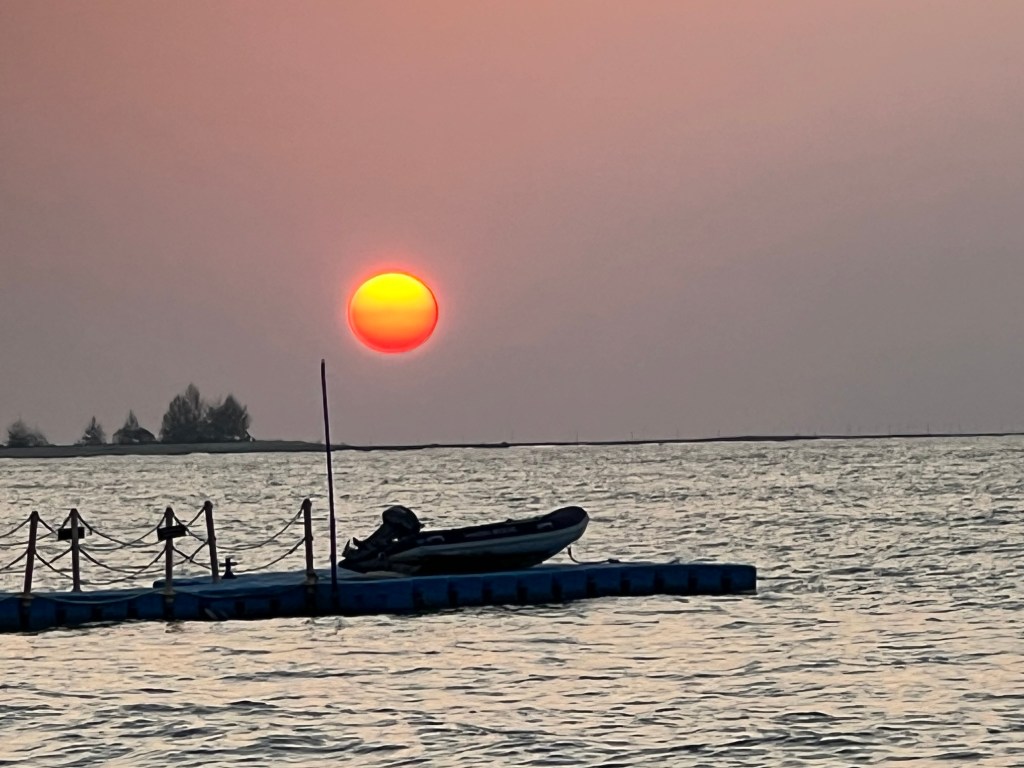
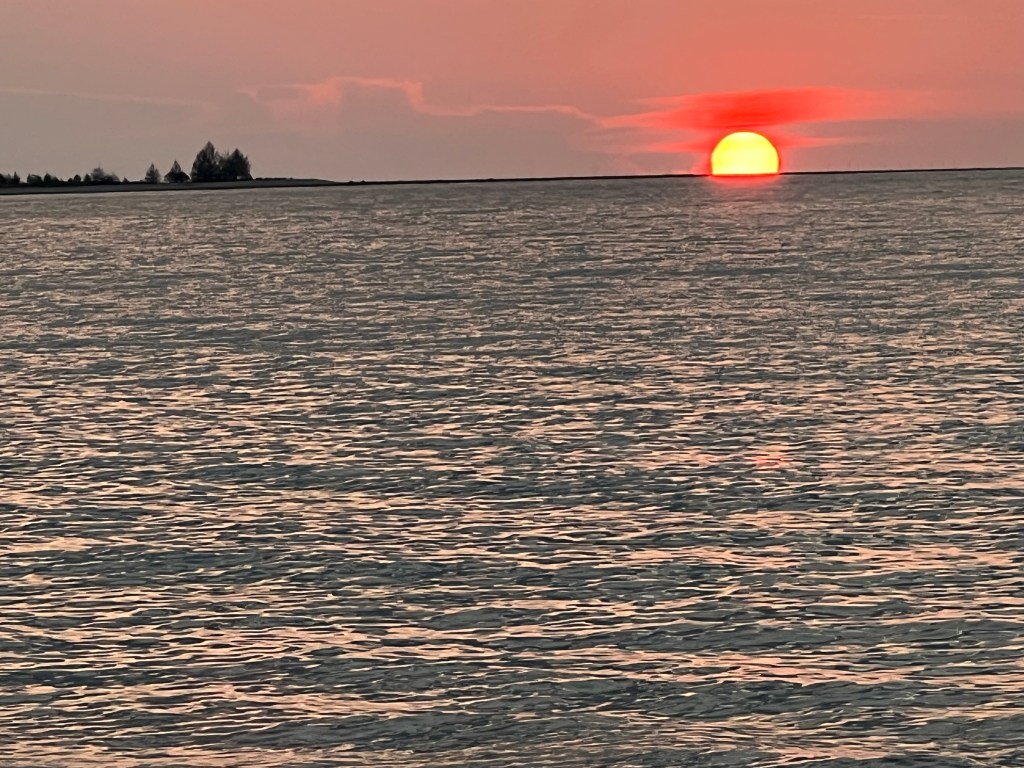
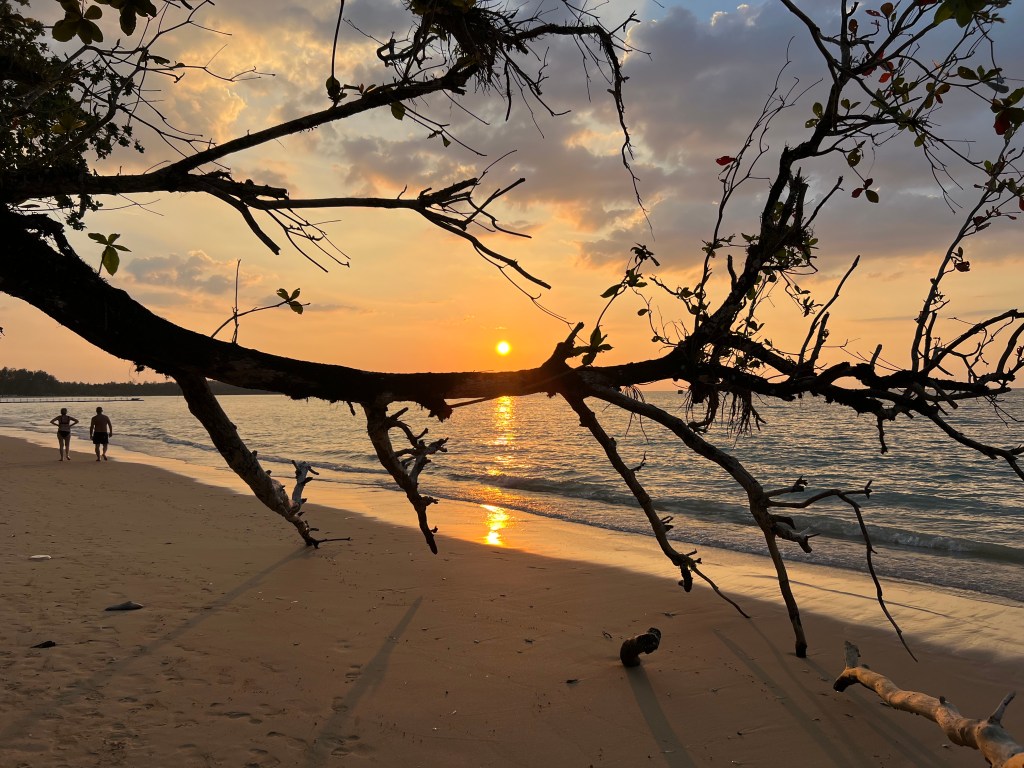

If you’re not in love in Khao Lak, you quickly become so, especially as the evening sets in, the world seems to stop and you are inundated by an intense sense of wellbeing.
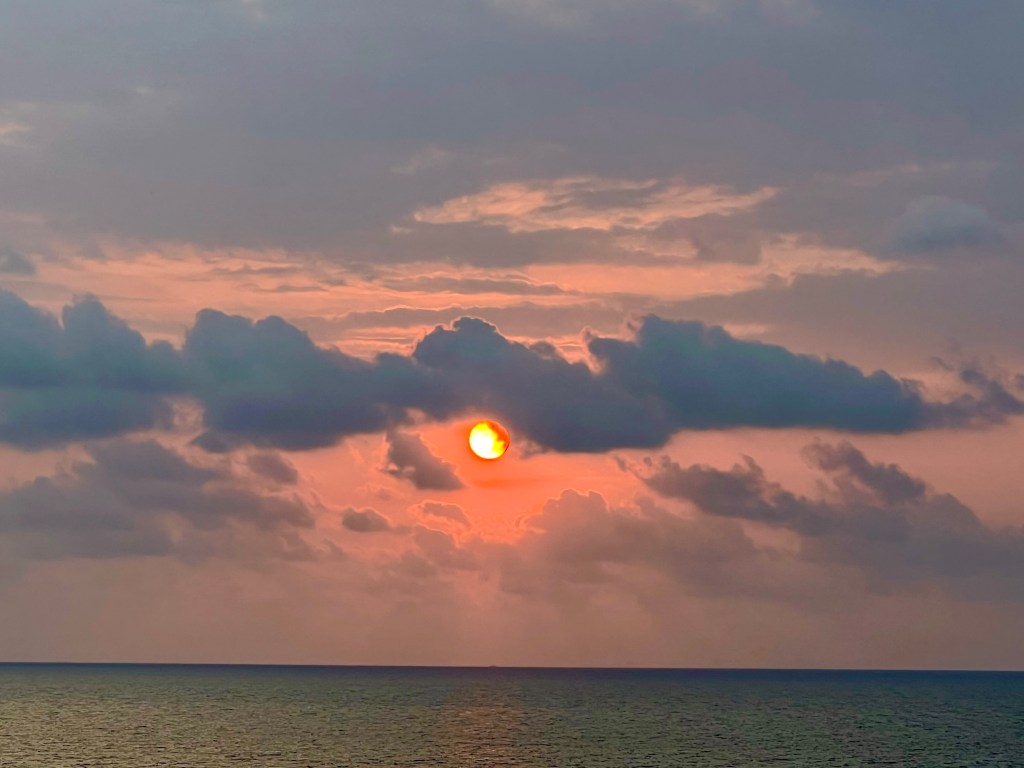
Apart from unforgettable sunsets, Khao Lak offers very long, sandy and beautiful beaches, with large sections completely untouched. It is a beach walker’s paradise, which we embraced daily.
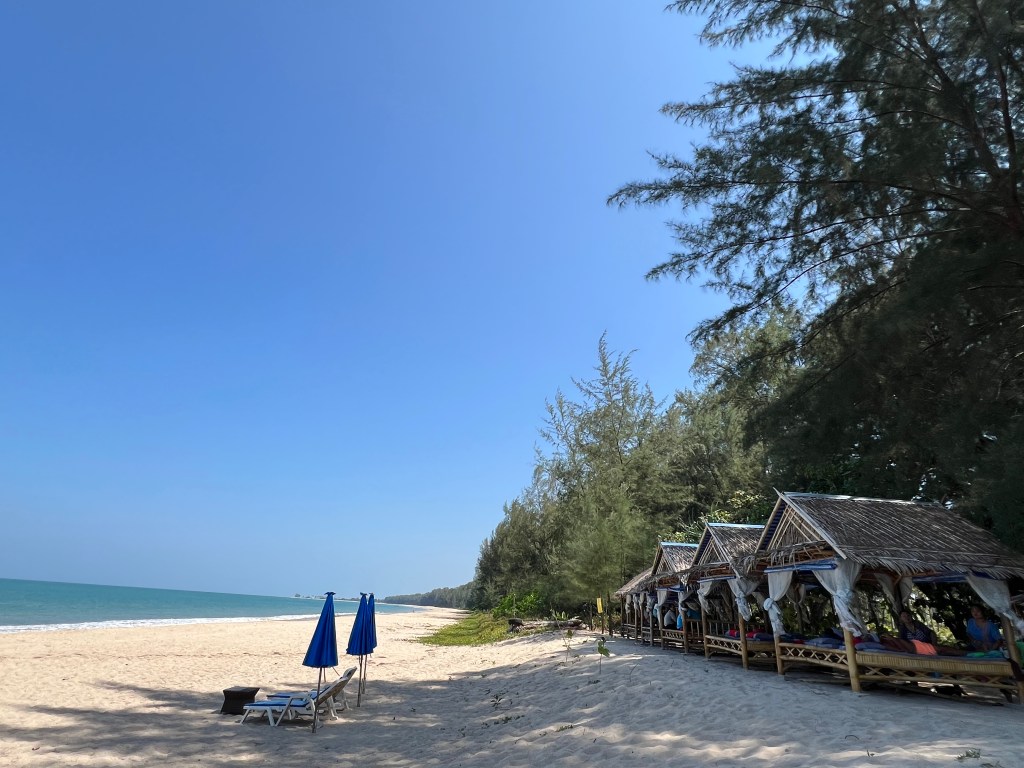
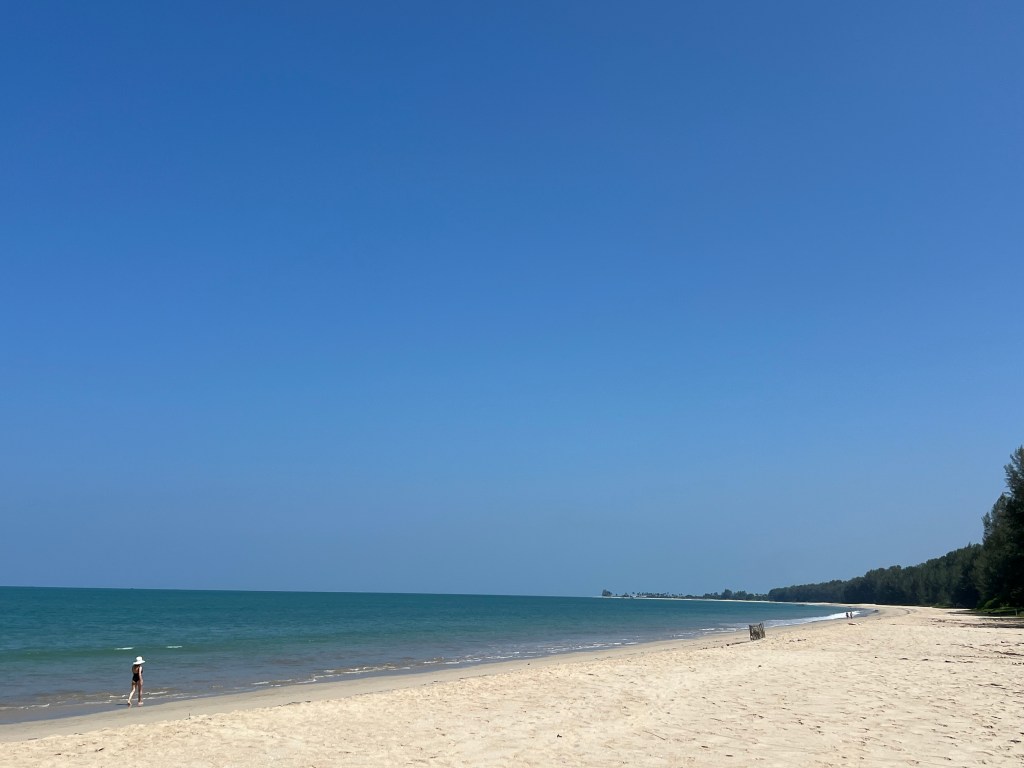
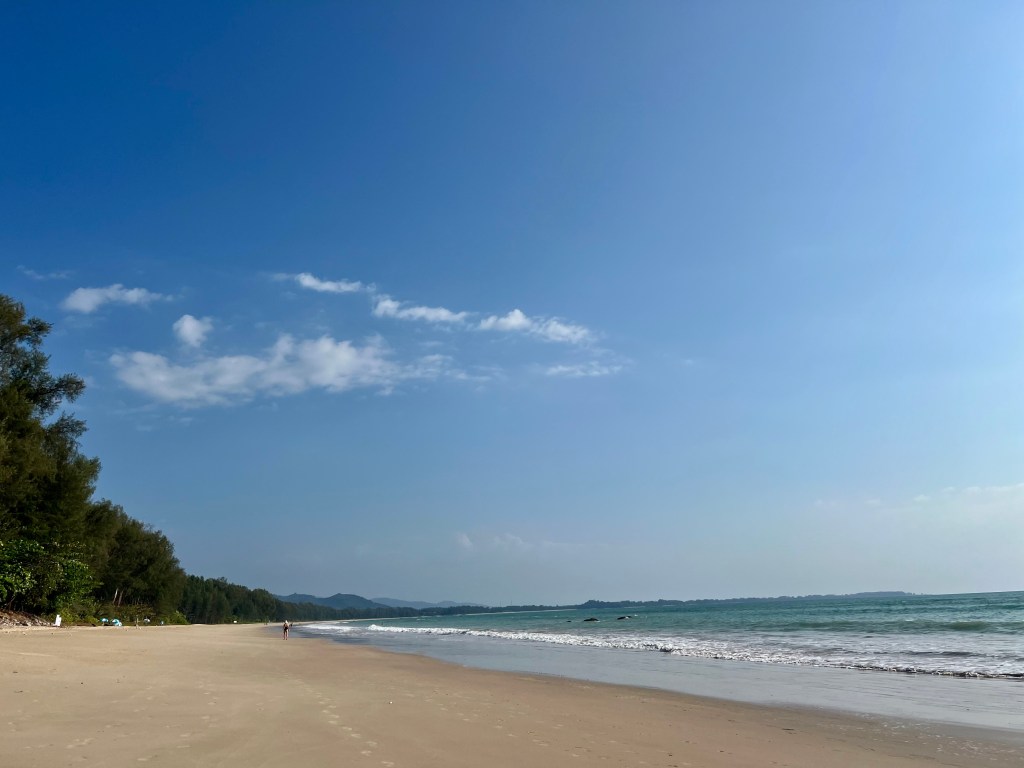
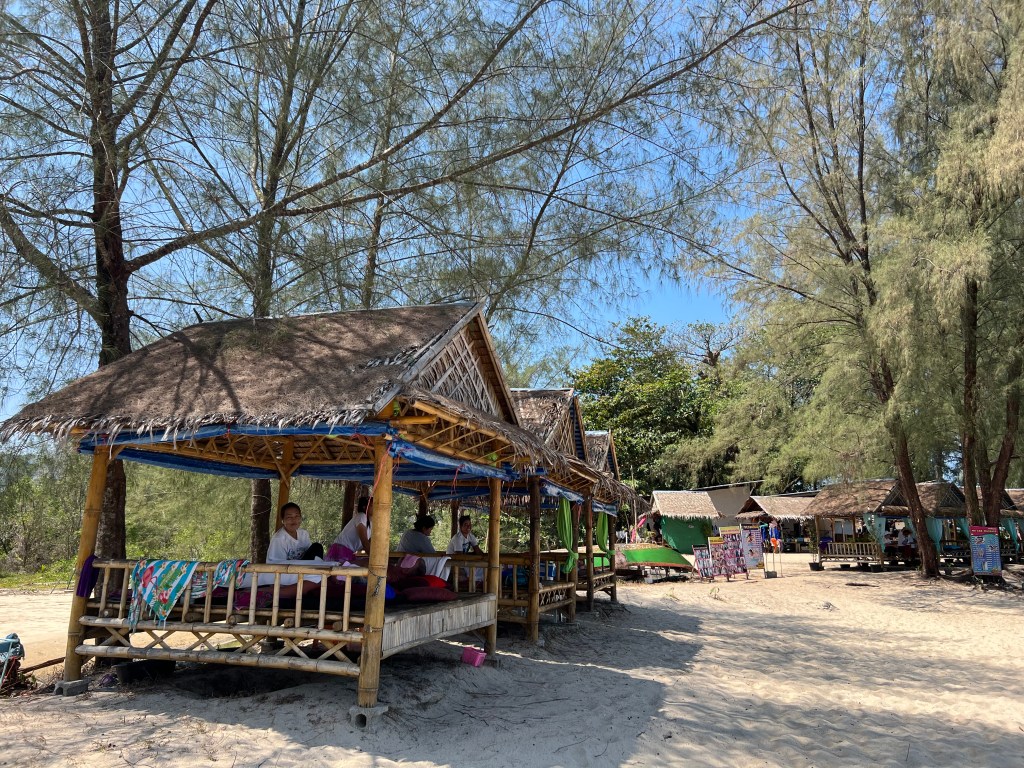
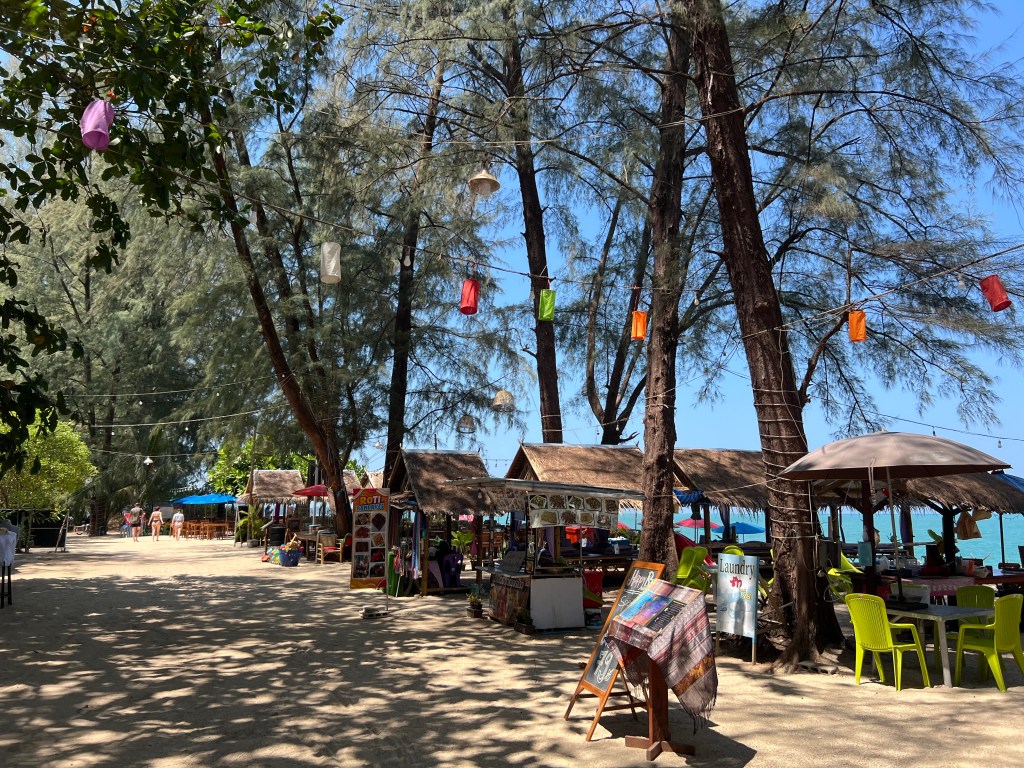
There are many restaurants on the beach itself, but others are in the town, which also features a night market.
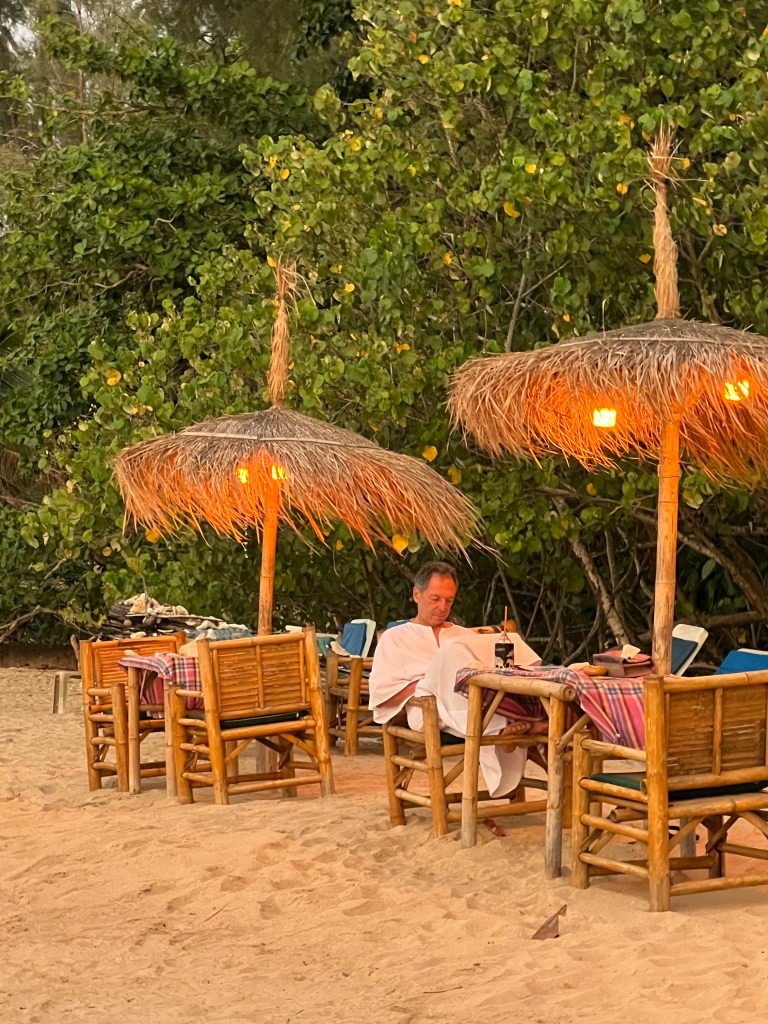
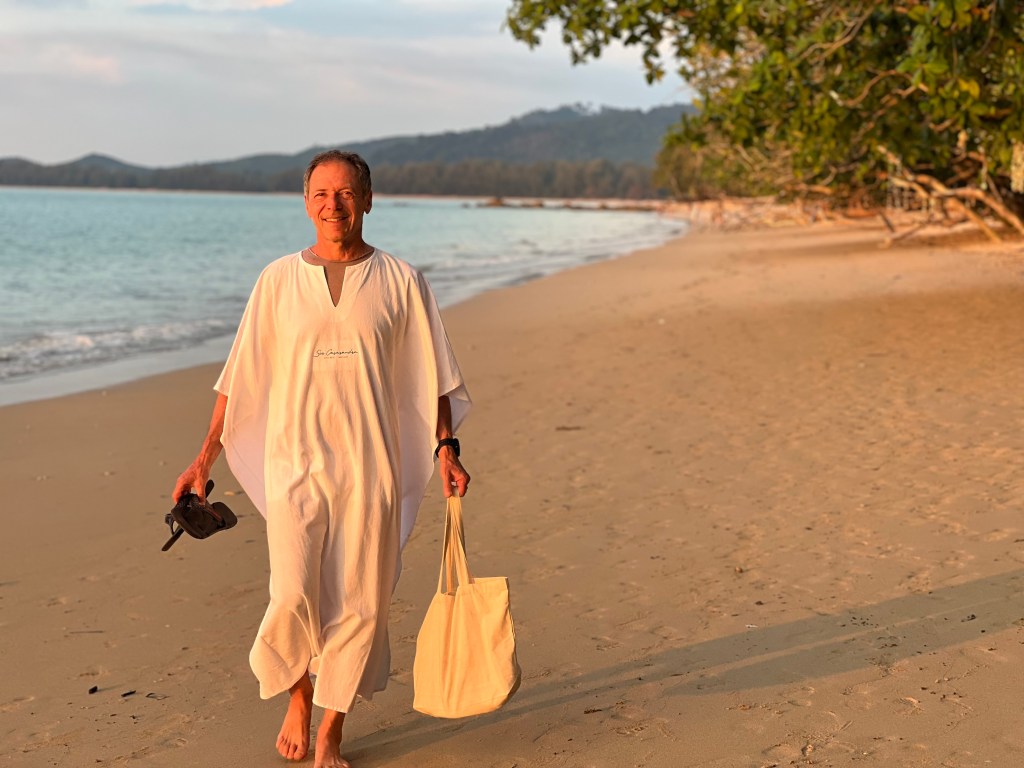
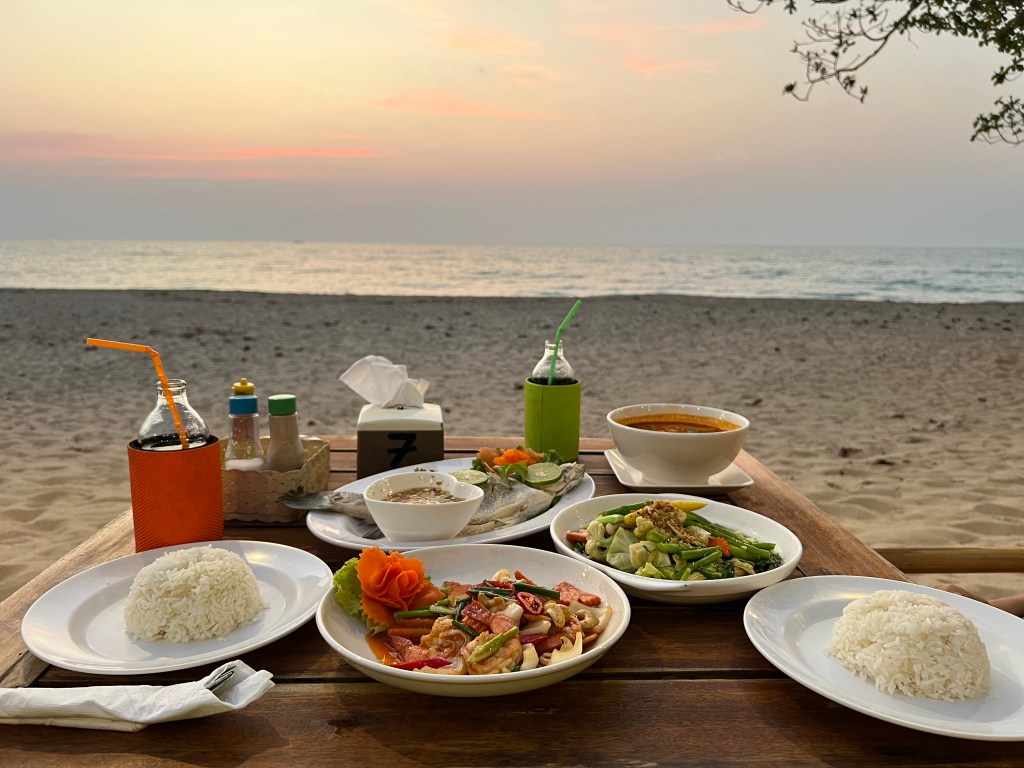
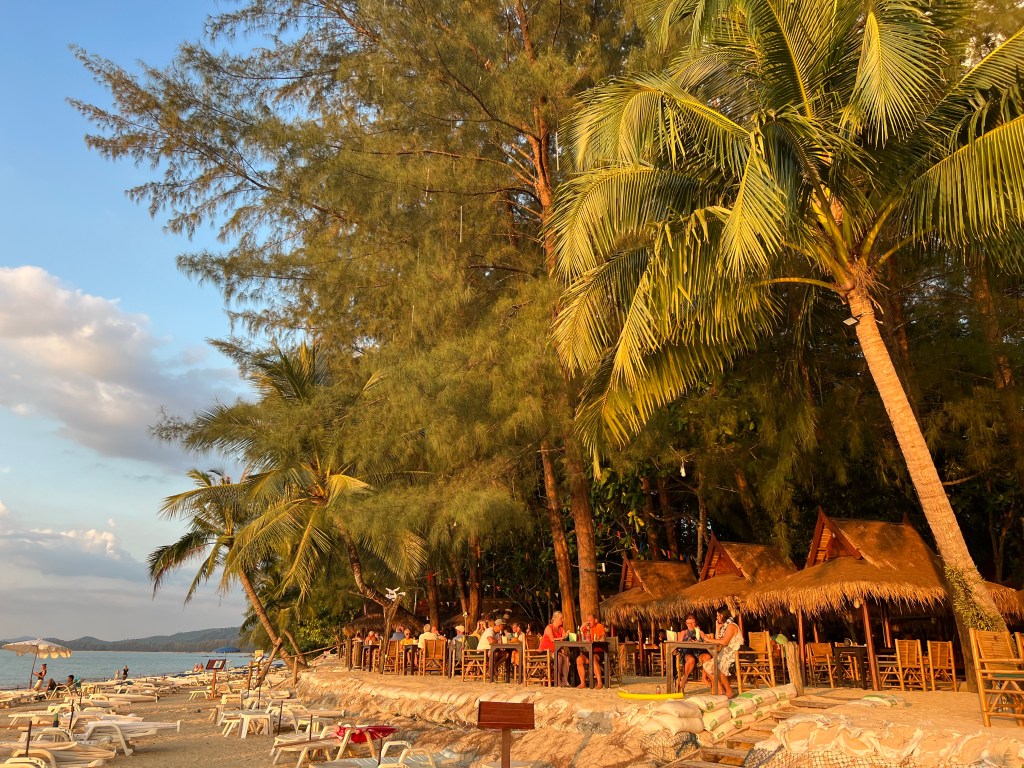
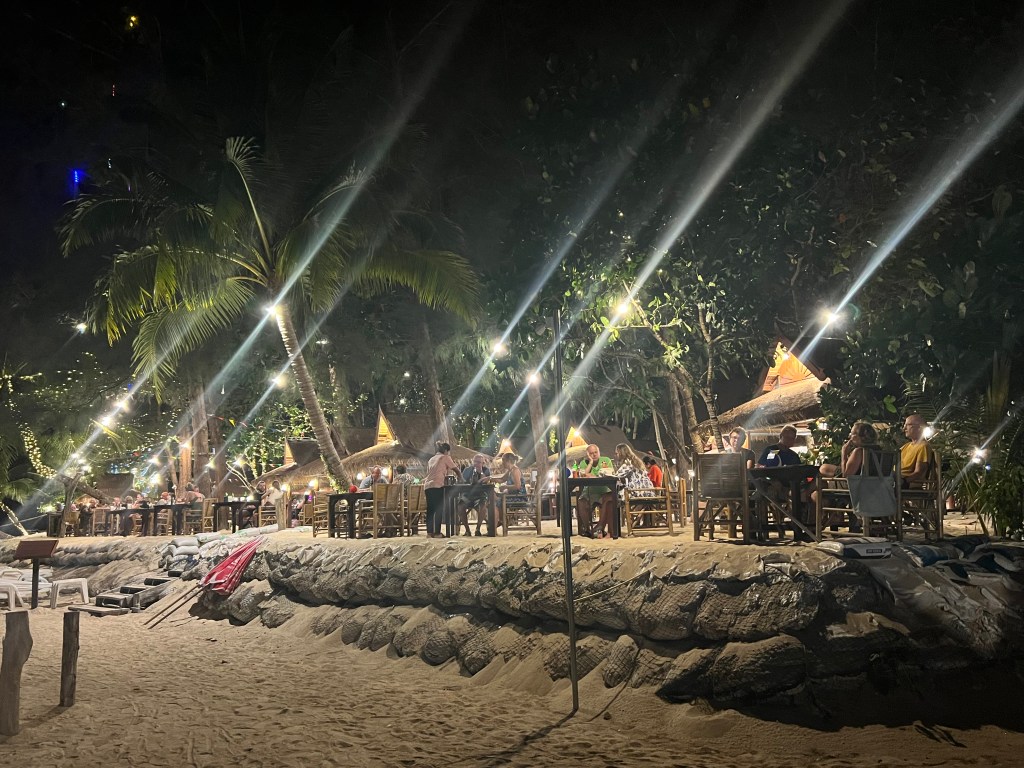
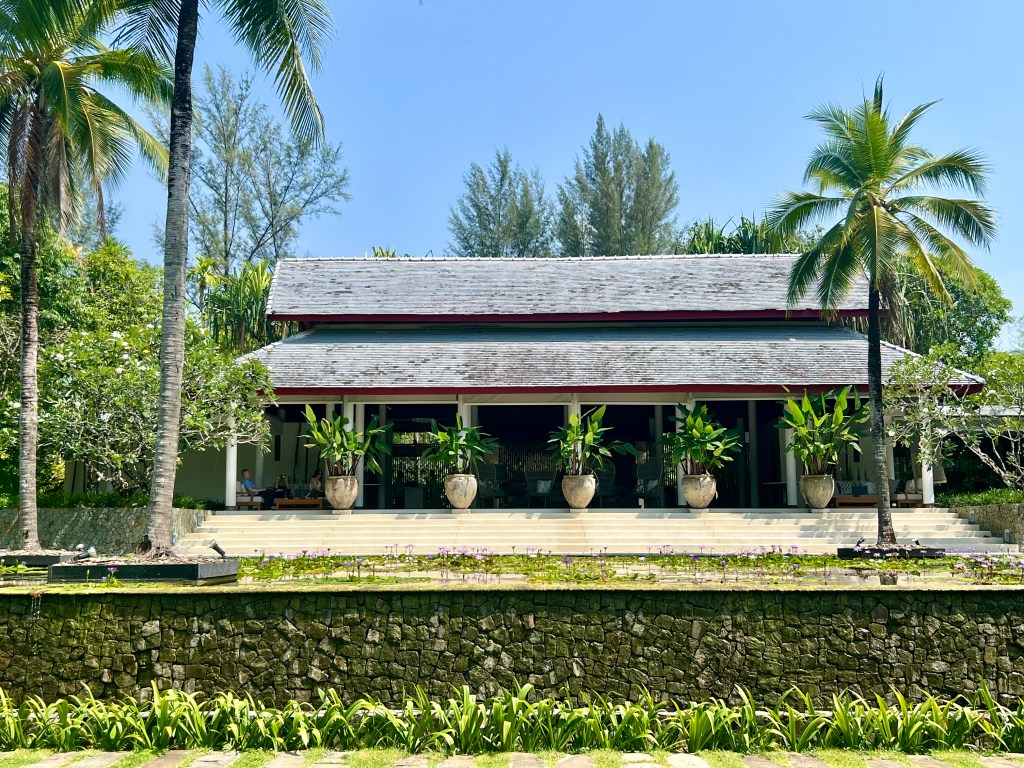
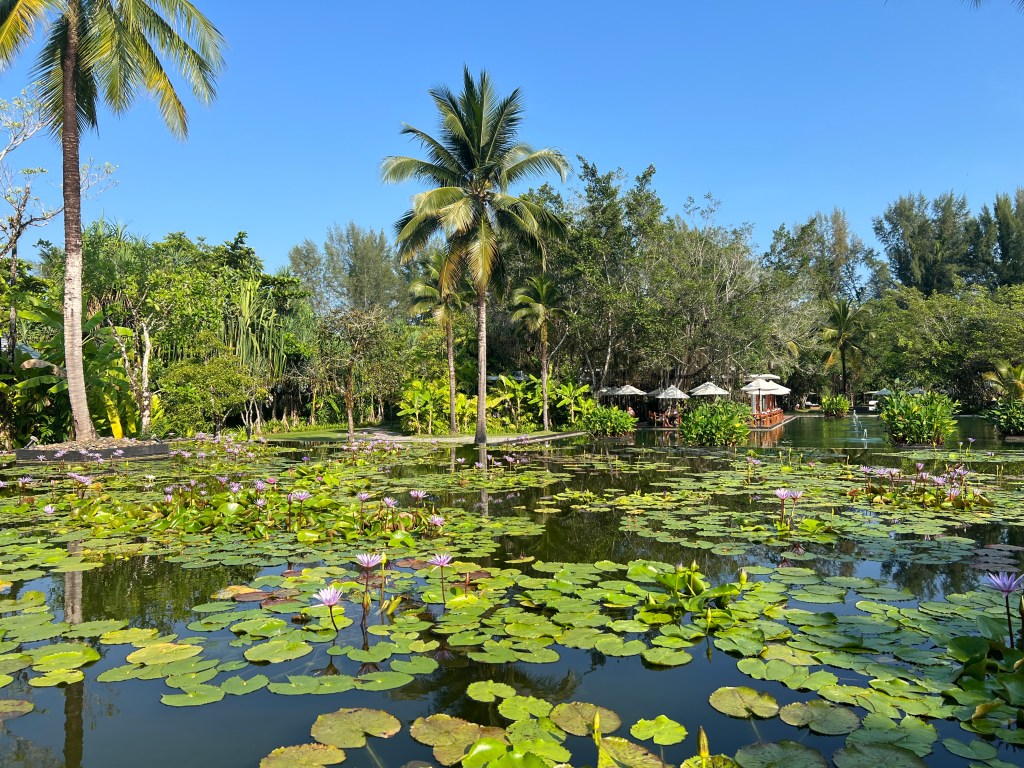
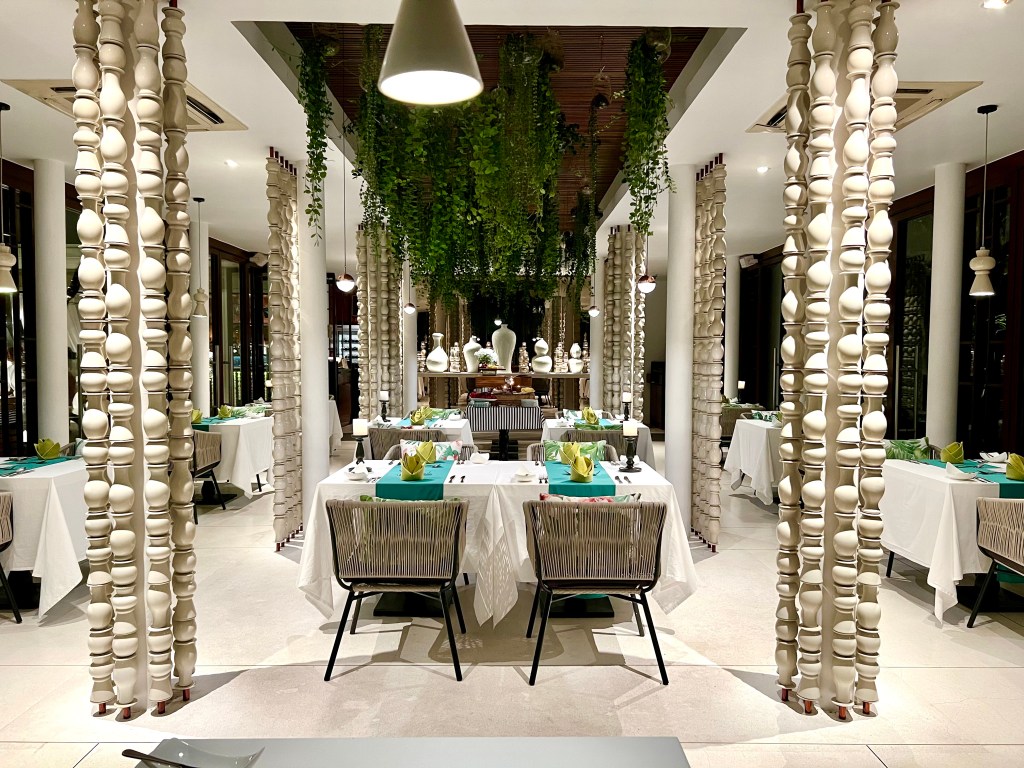
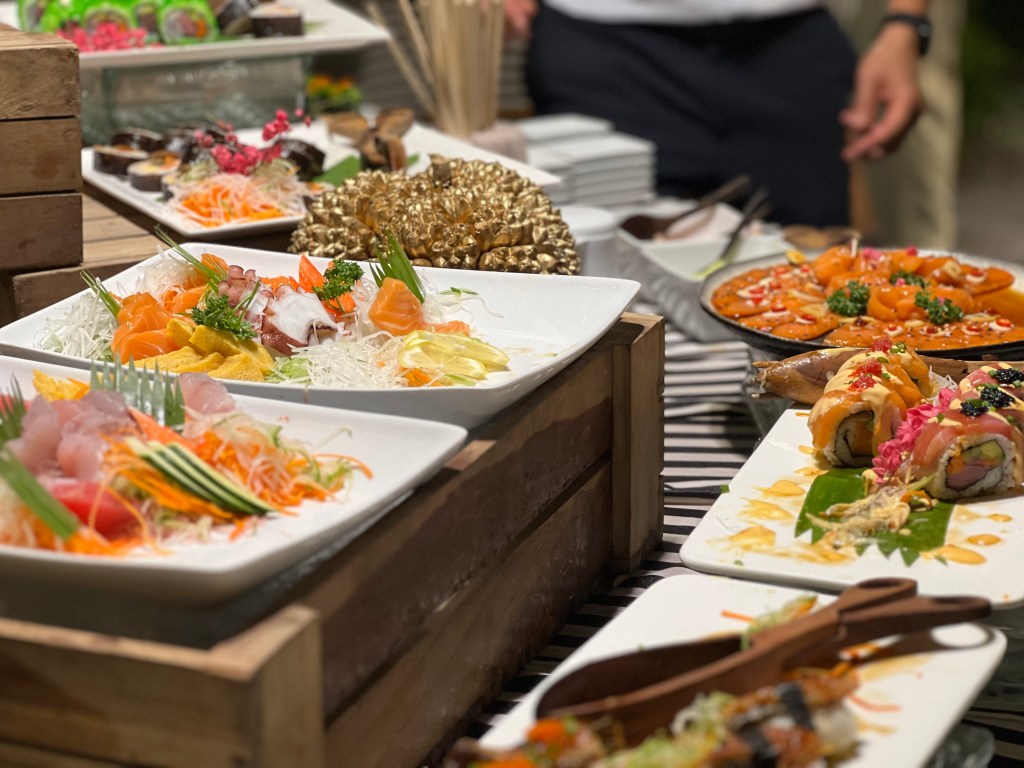
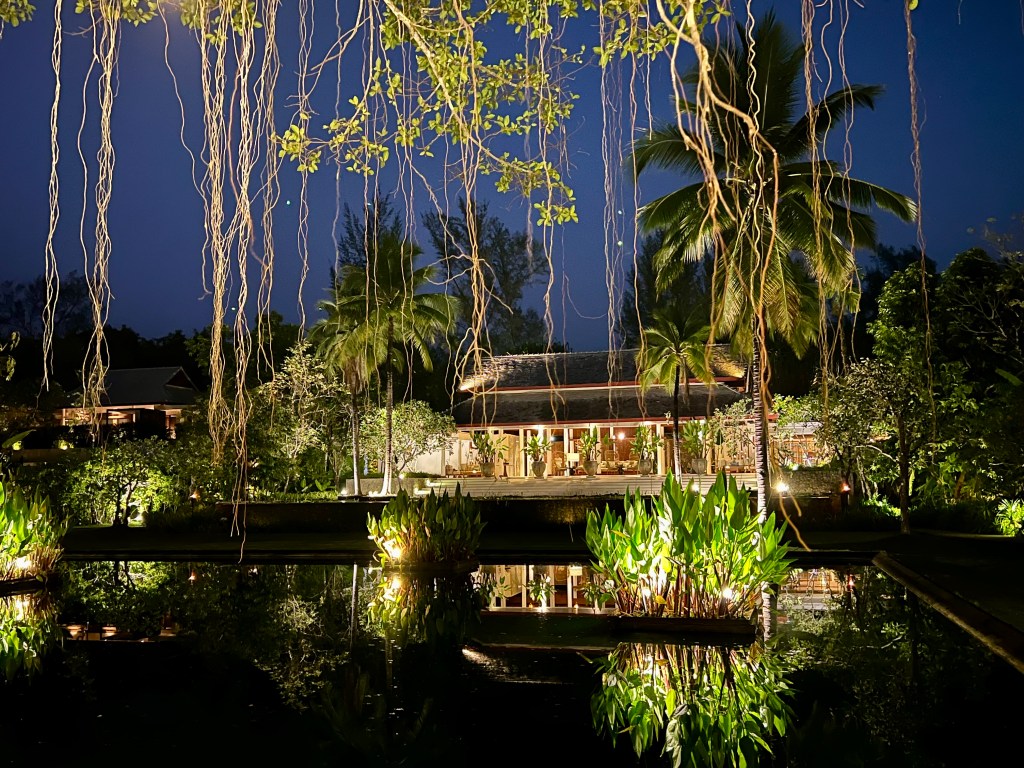
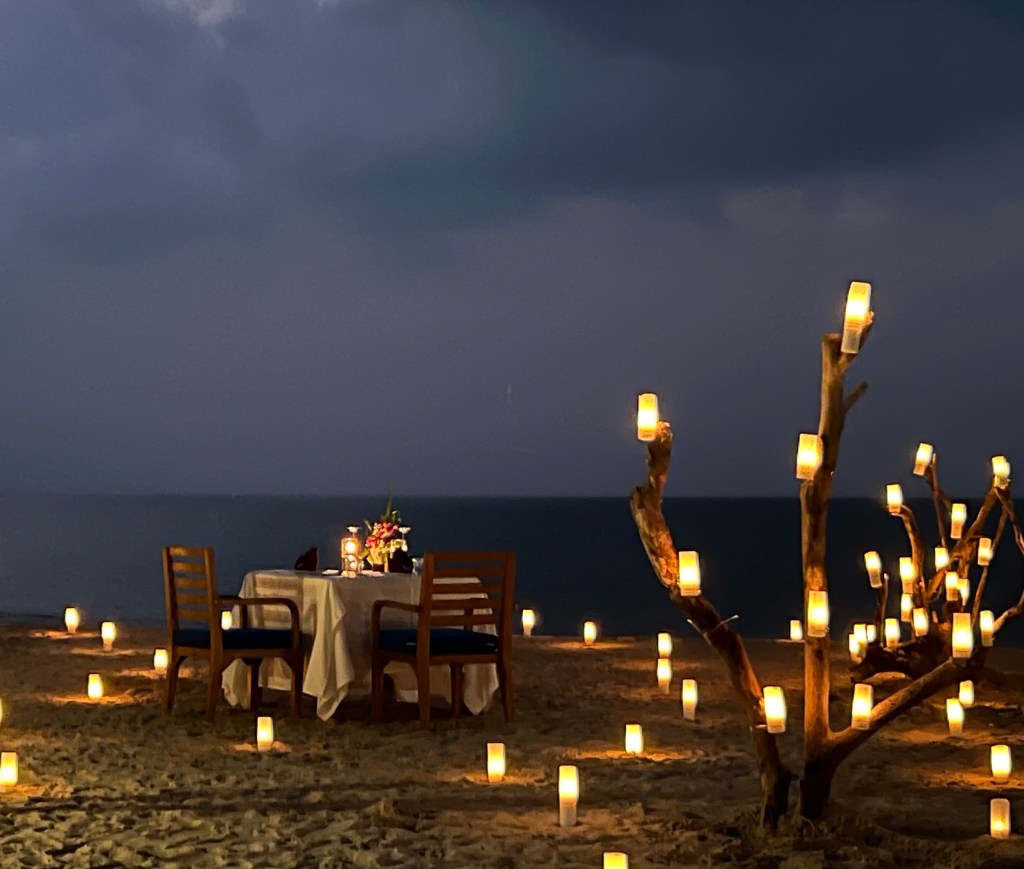
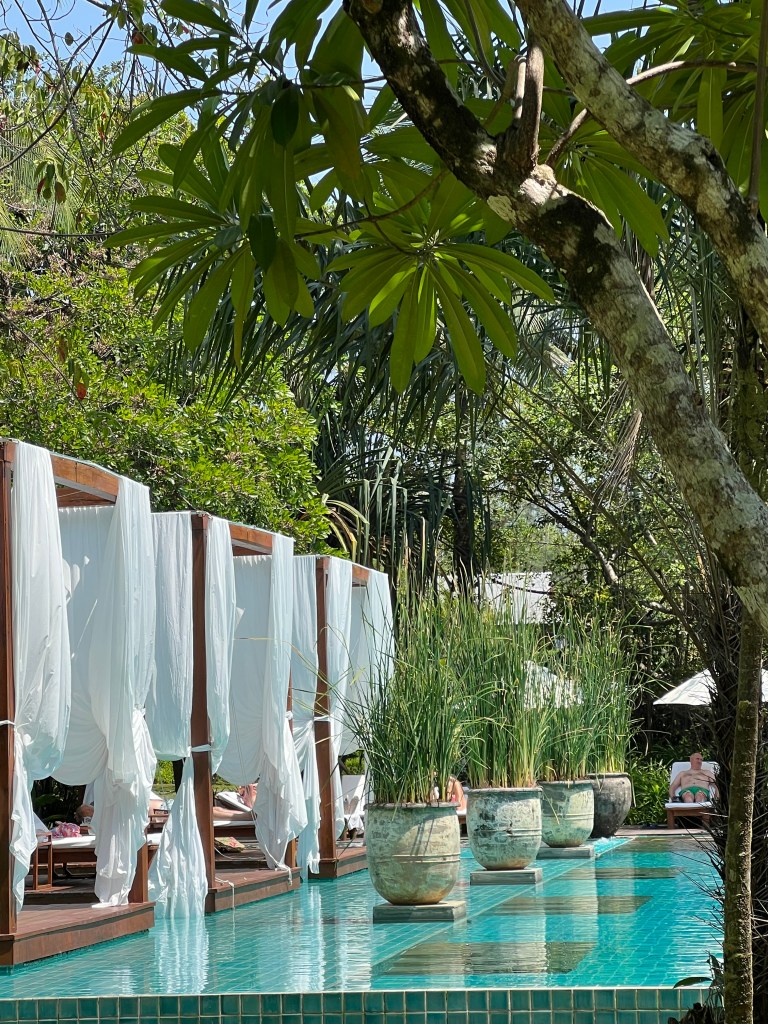
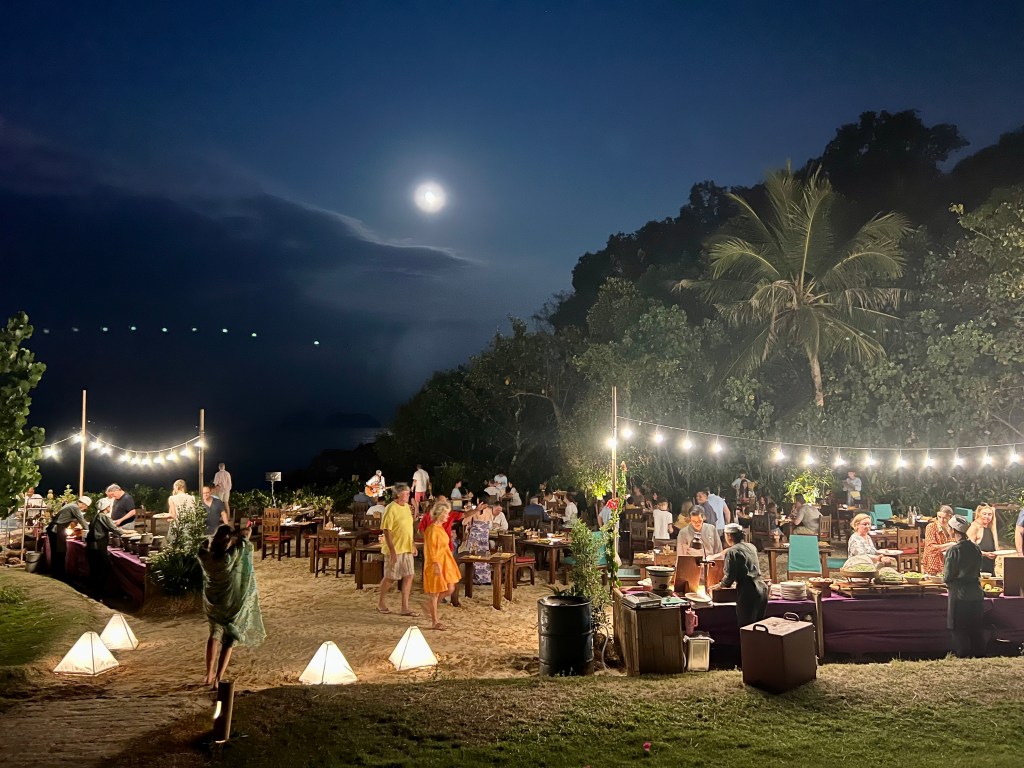
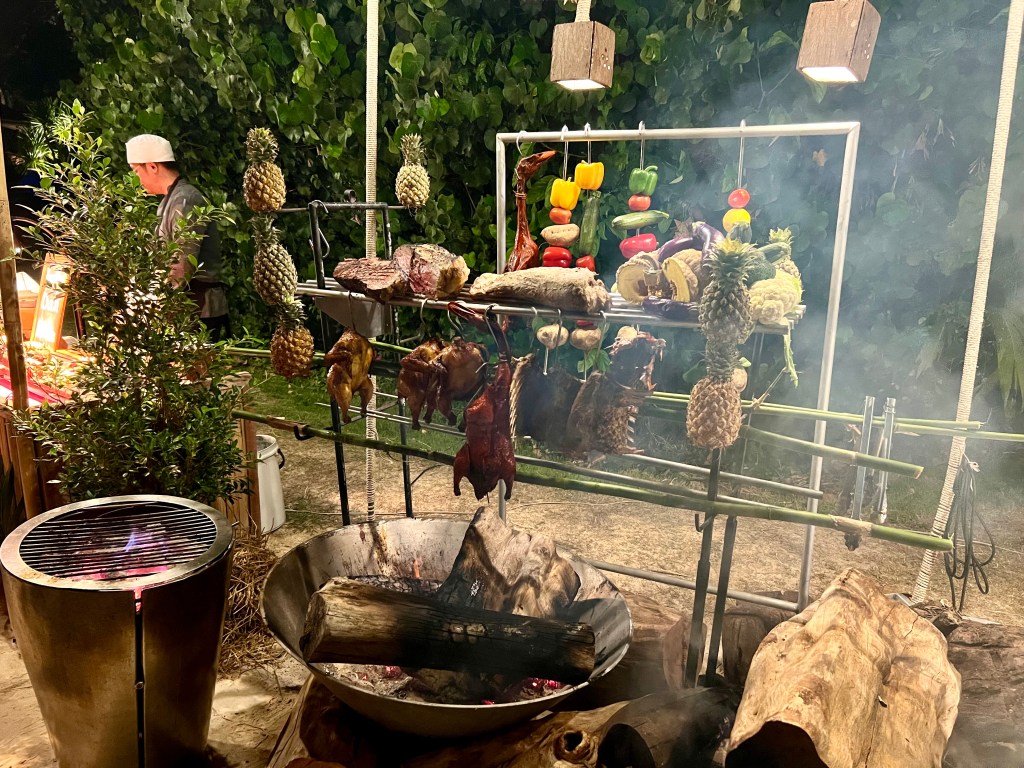
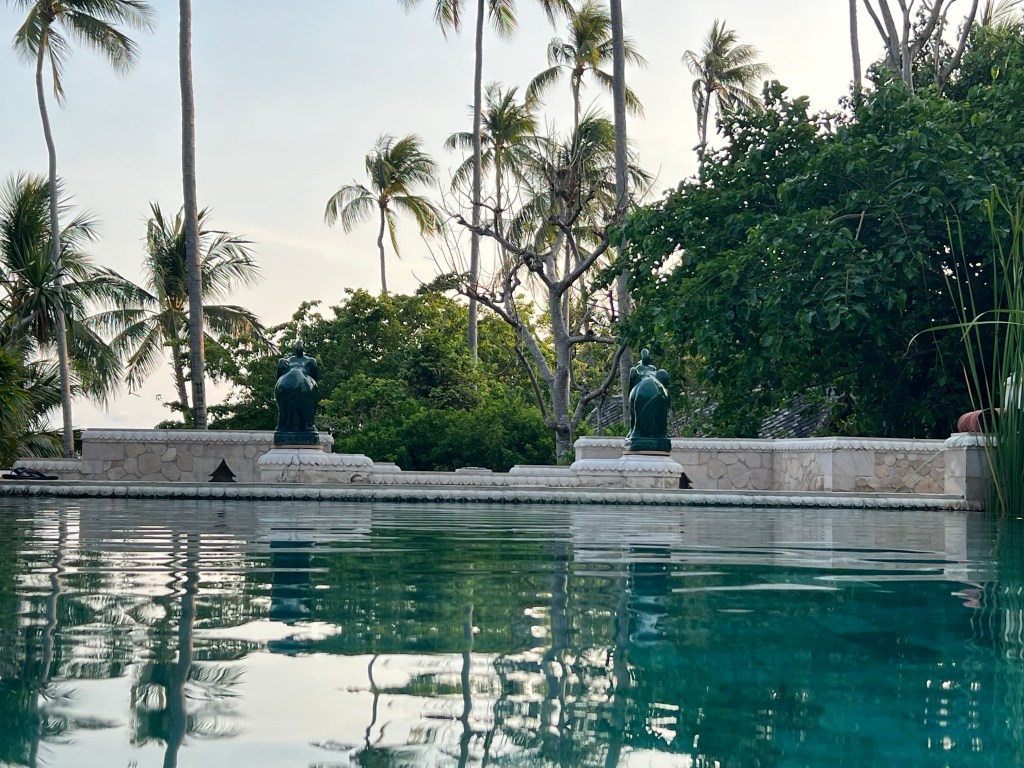
We stayed at The Sarojin, which we recommend warmly. The staff is extremely attentive, catering to your every wish. Their farm to table food is excellent and the garden surrounding the huge swimming pool, a delight. On evenings with a fuller moon and a low tide, the hotel organises barbecues on the beach, accompanied by music, during which we danced and were happy to sing along.

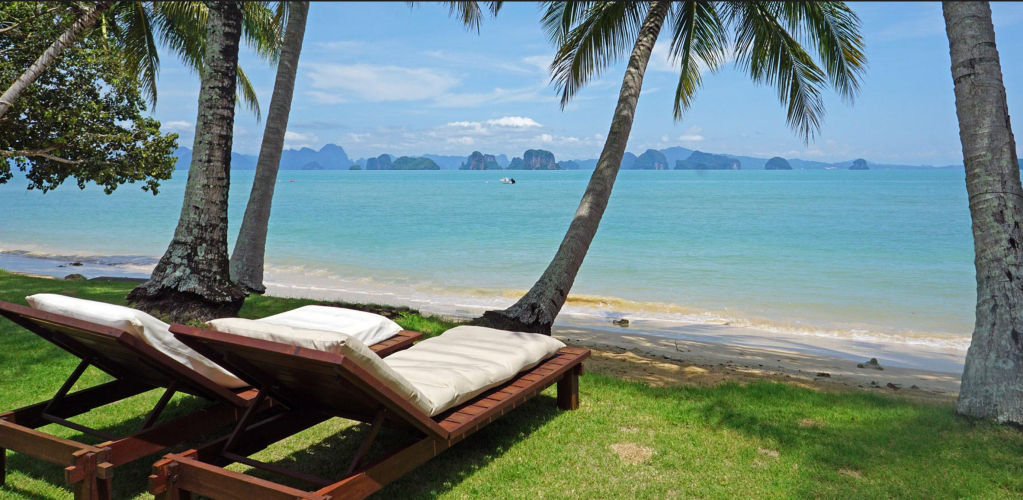
Koh Yao Noi: enchanted scenery
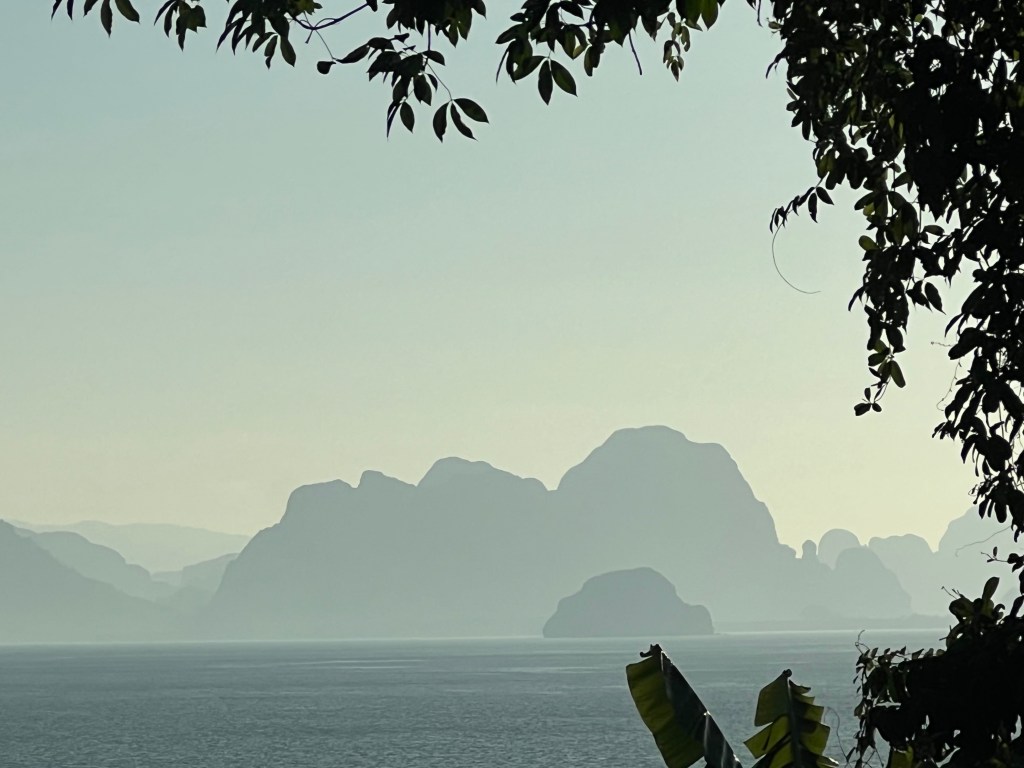
The many islands surrounding Koh Yao Noi offer a never-ending spectacle of stunning natural beauty. Towards the north, in the area of the Phang Nga Bay, dramatic limestone cliffs rise straight out of an emerald-green sea. The bay’s shallow waters allow sunlight to penetrate and reflect off the seafloor and the organisms living there, which leads to the water’s unusual and beautiful green colour.


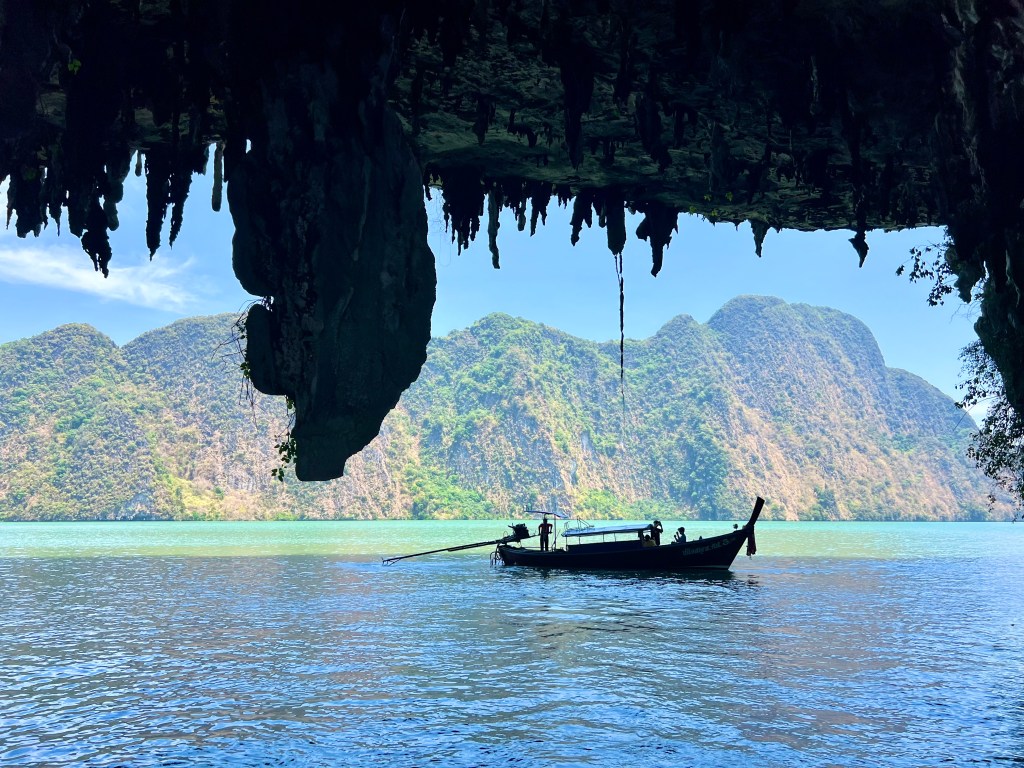
Many millions of years ago, Phang Nga Bay was part of a large coral reef system, the remnants of which formed the islands we see today. These limestone formations were originally part of the seabed, which was lifted above sea level by tectonic movements. Over time, wind, water currents, and waves have sculpted the islands into their current shapes. One of the most famous of these formations is Ko Tapu, known as James Bond Island, which was featured in the 1974 James Bond movie “The Man with the Golden Gun.”
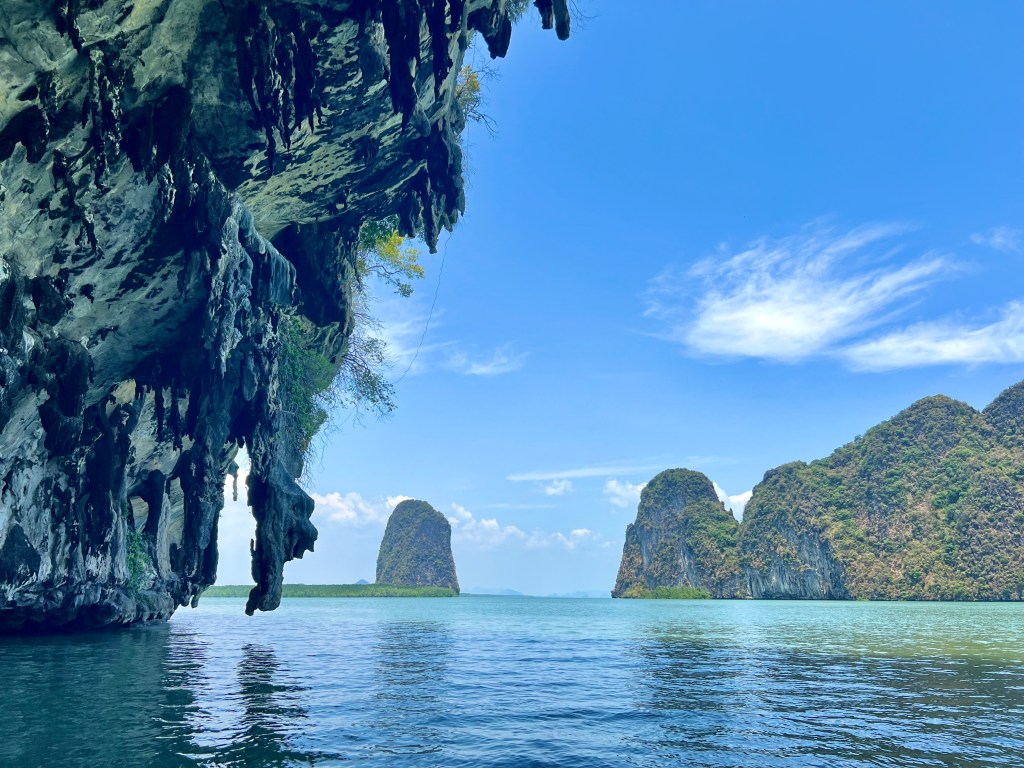

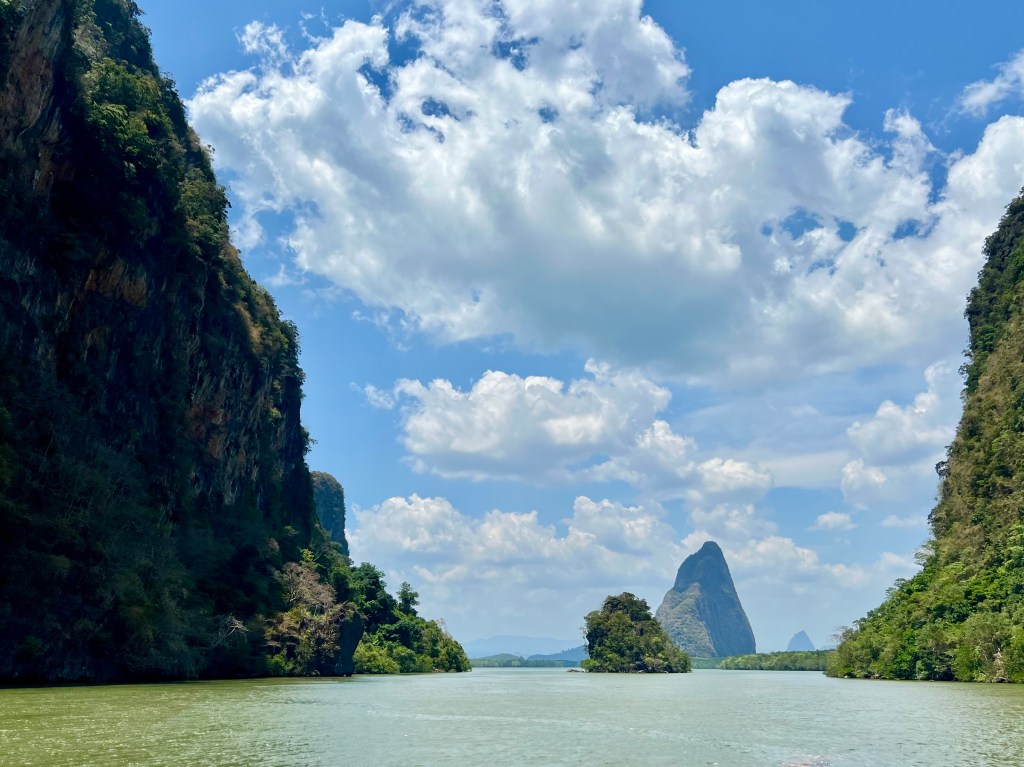
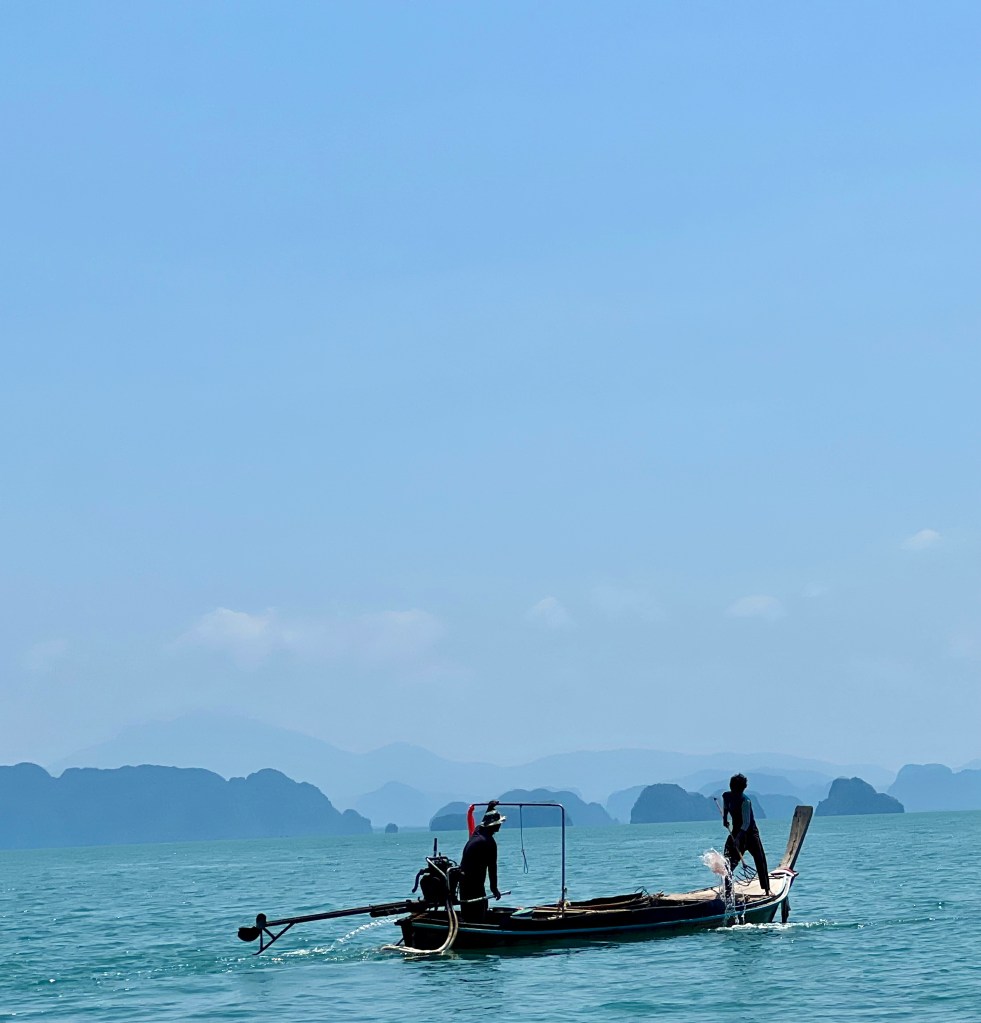
It’s best to visit the islands by a privately chartered boat, which allows you to see completely unspoiled areas on your own (the bigger boats all go to the same places, where there are indeed many people). One of the most memorable picnics we ever had, was on one of the Phang Nga Bay’s many “forgotten” little islands.

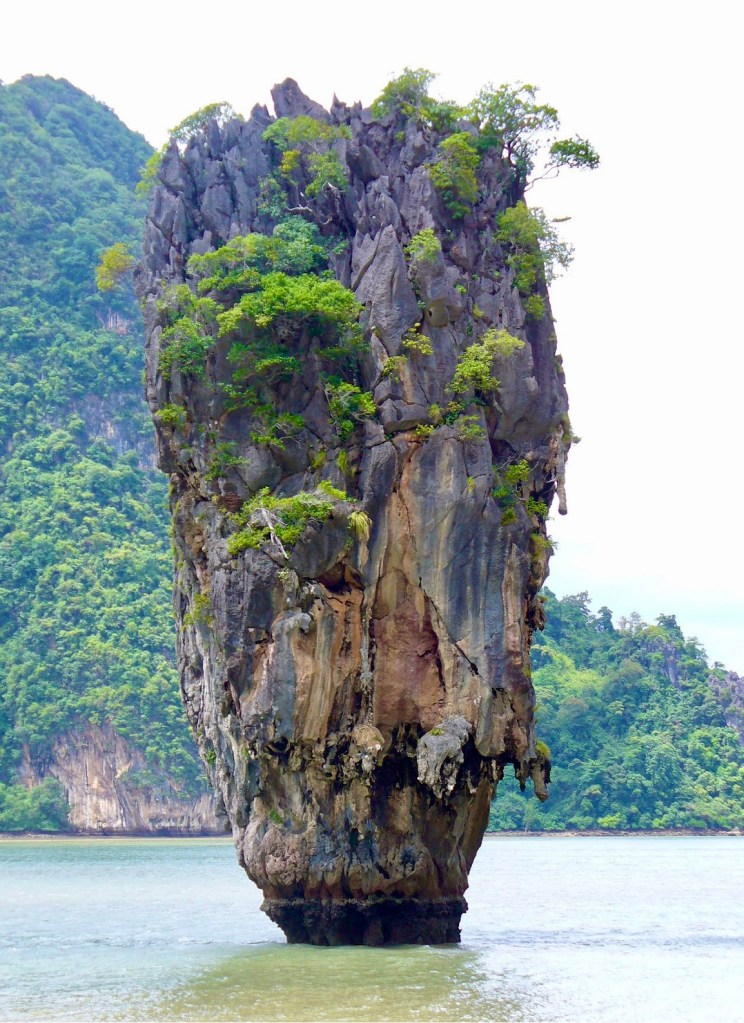
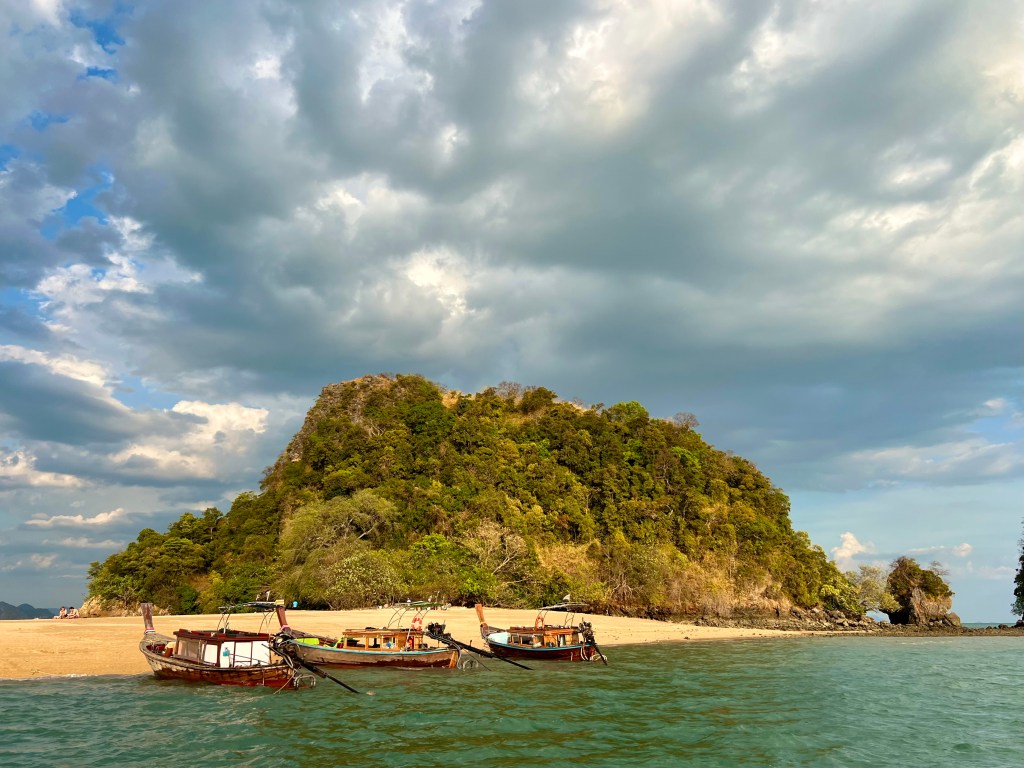
Interesting cave paintings are visible in the Kao Yao district islands. They are between 2’000 and 5’000 years old and were presumably created by the original inhabitants of this area, the Moken.

Around 200 years ago, the area was settled by seafaring Indonesian people, some of whom constructed entire cities on stilts. These people, as well as many of Thailand’s southern population, are Muslim (the rest of Thailand is overwhelmingly Buddhist).
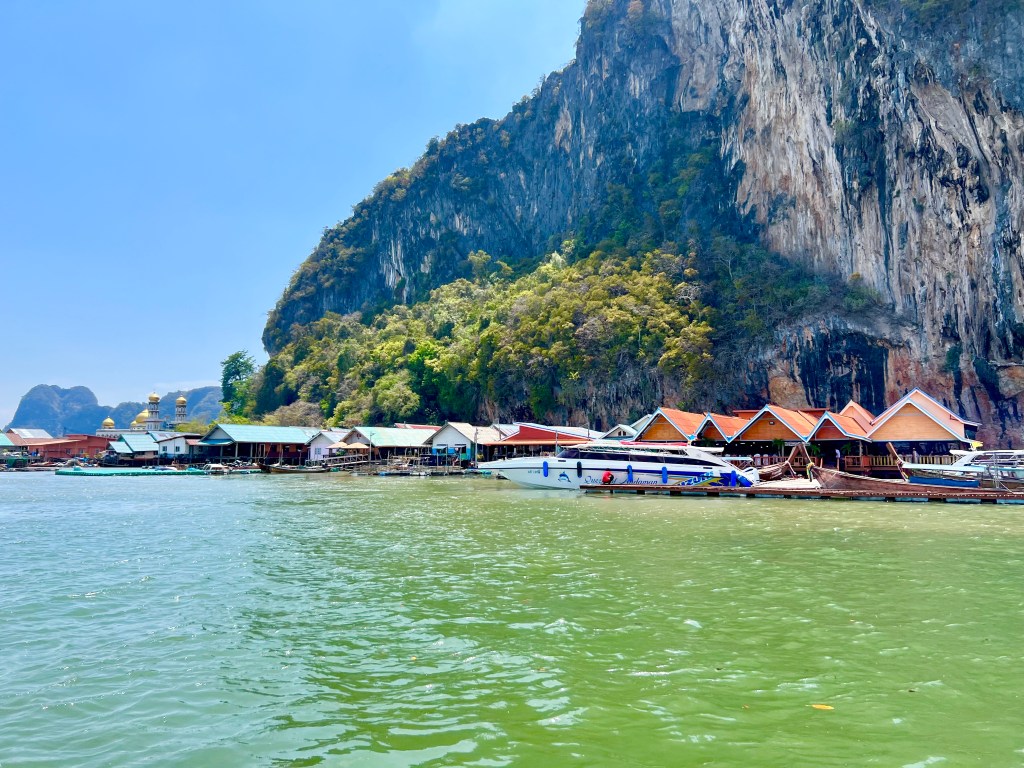
As for Koh Yao Noi itself, the island is well located, but the beaches are small and often inaccessible at high tide. At low tide, many rocks appear, which makes walking difficult.
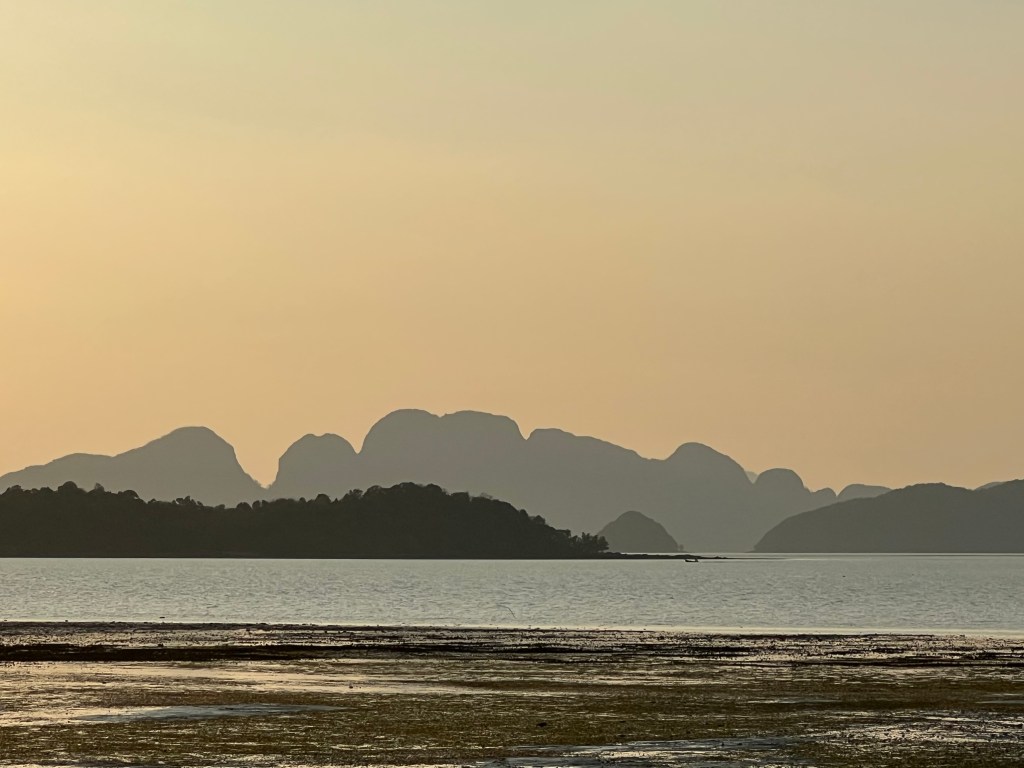
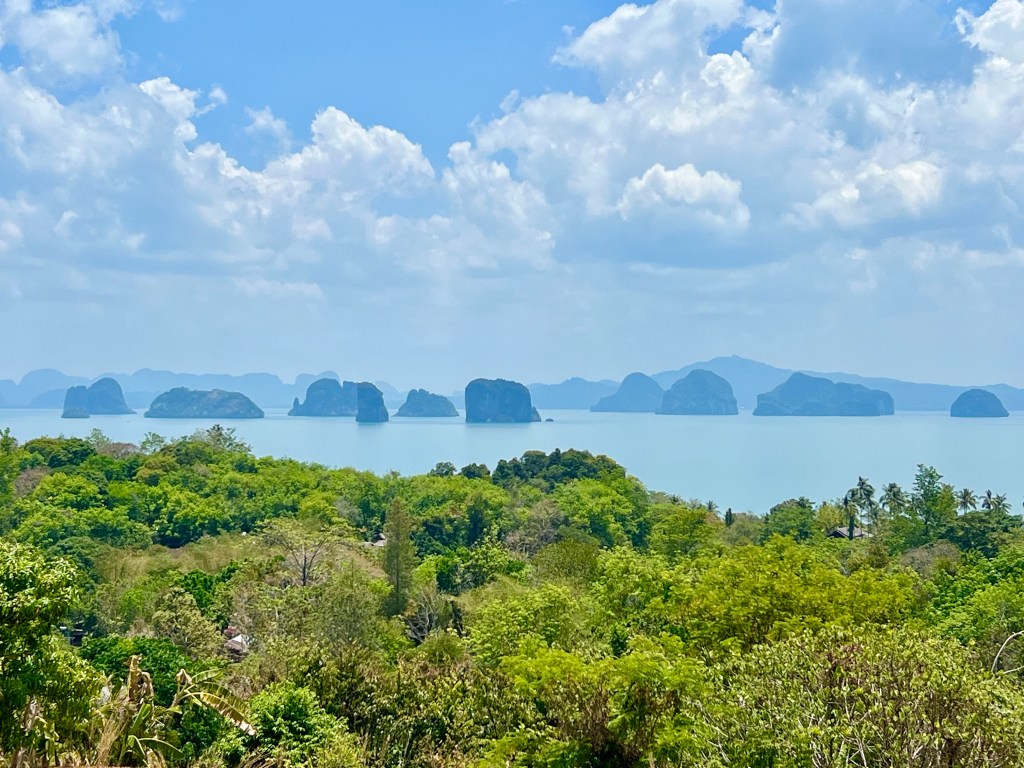
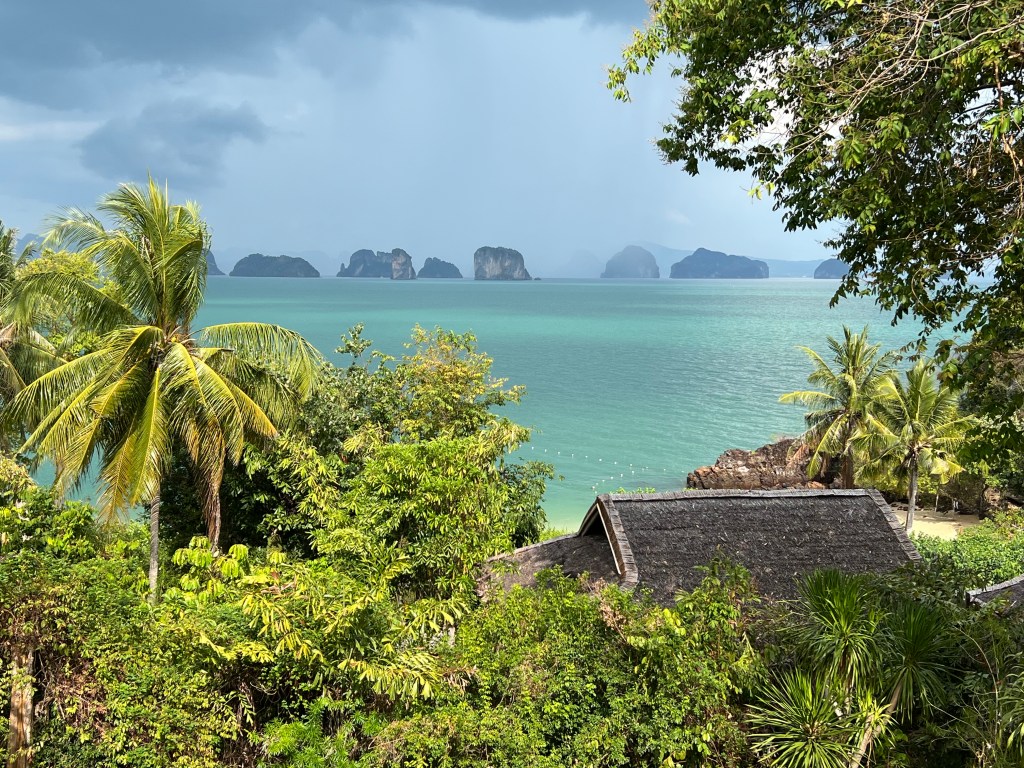
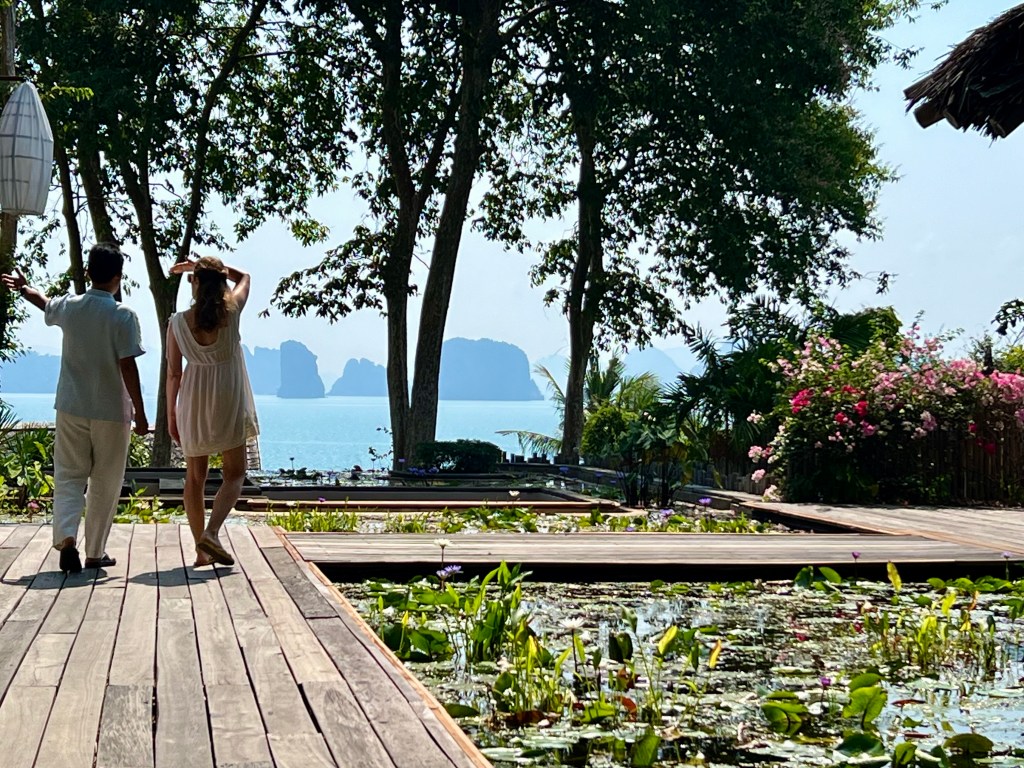
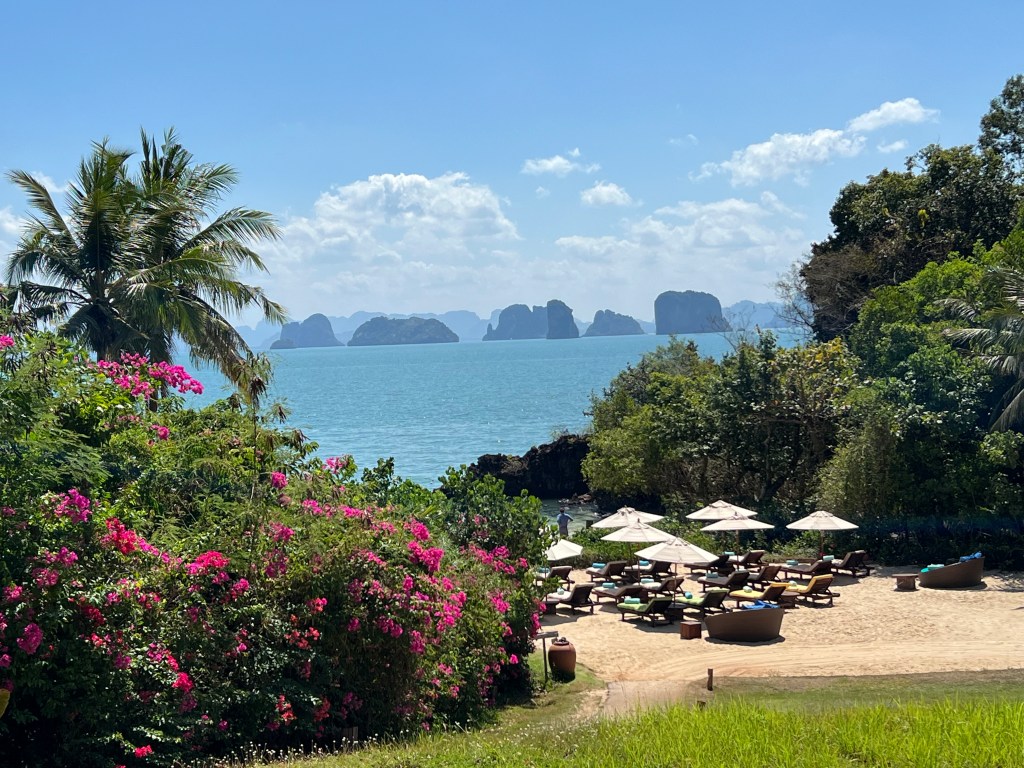
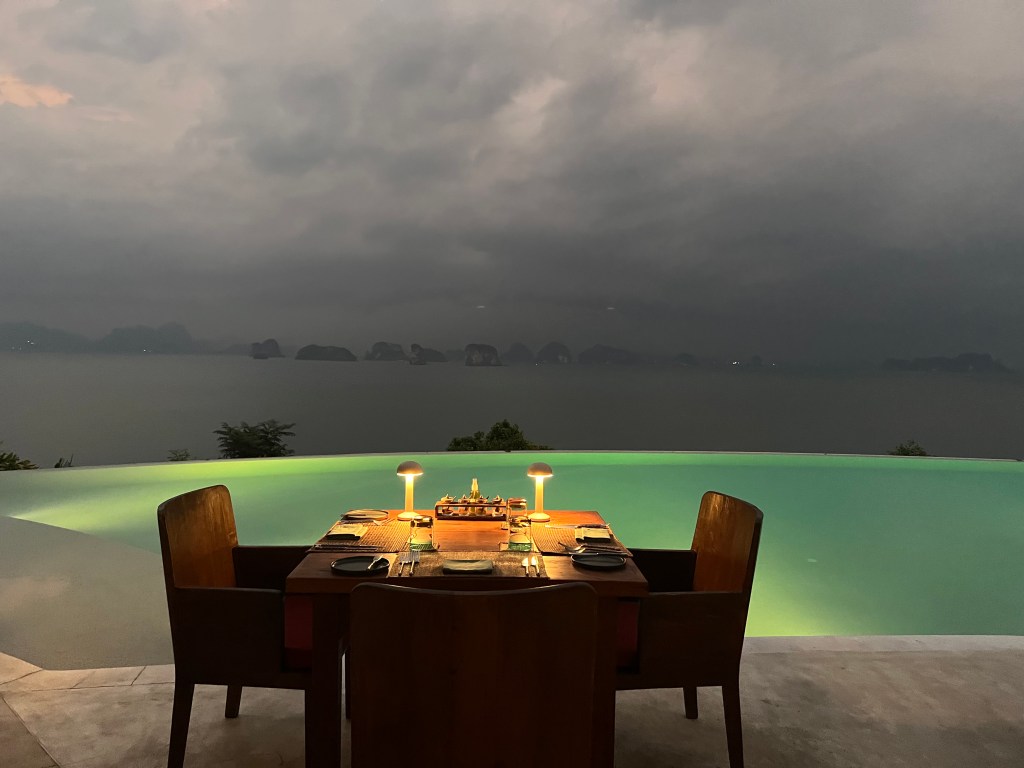
We stayed at the Six Senses. While we really appreciated the incredibly attentive staff, the very delicious farm to table food and the spectacular views from the Hilltop Restaurant, we would probably not come back to this hotel. Although the property is very beautiful and the surrounding nature an absolute delight, there are few possibilities to swim (there is only one pool, which is built in a way that makes it difficult to swim lengthwise) and the hotel’s beach is tiny. The rest of the island is pleasant and has a soothing relaxed vibe, but it lacks beautiful long beaches. March and April is also the season of the jellyfish. With waters teeming with jellyfish, it was more like a scene from an aquatic jelly disco than an invitation to swim because nobody wants to risk a Jurasian jellyfish performing salsa steps in their swimsuit. And so, we discovered, Kho Yao Noi’s shores are less about swimming and more about perfecting our sandcastle skills.


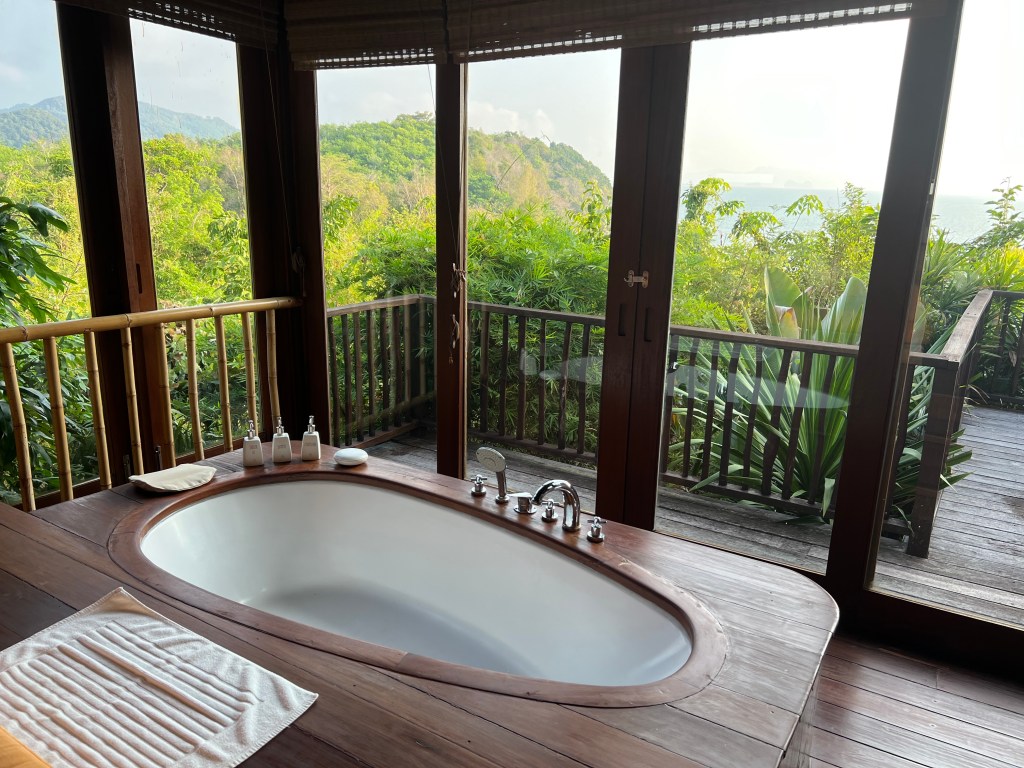
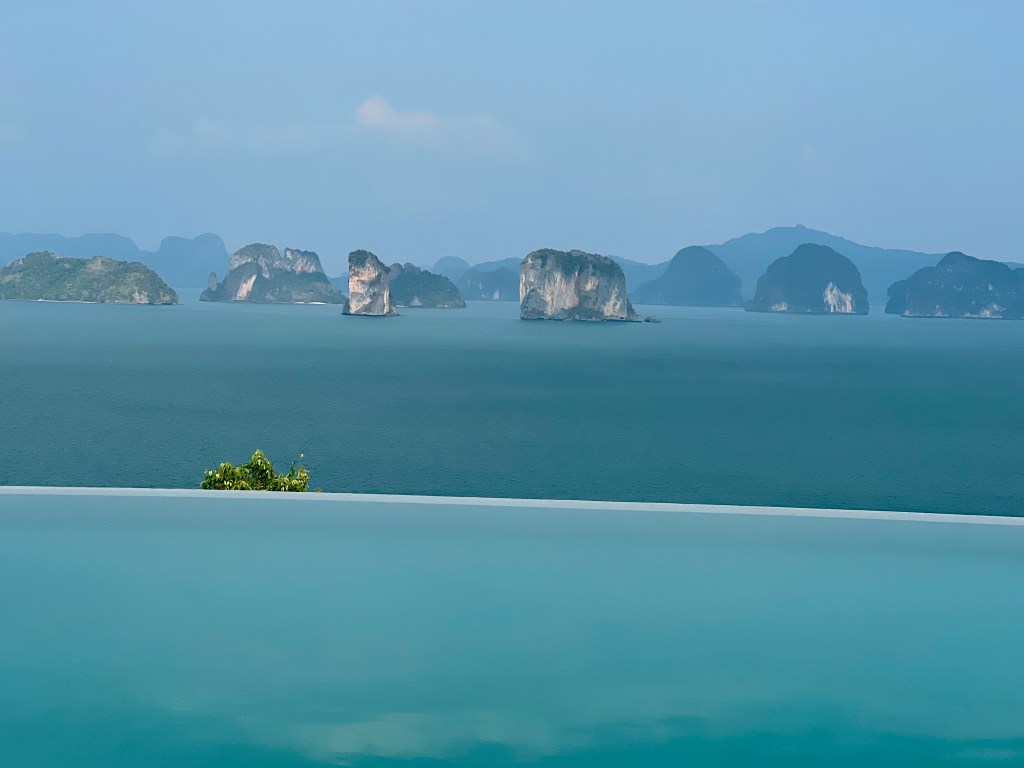
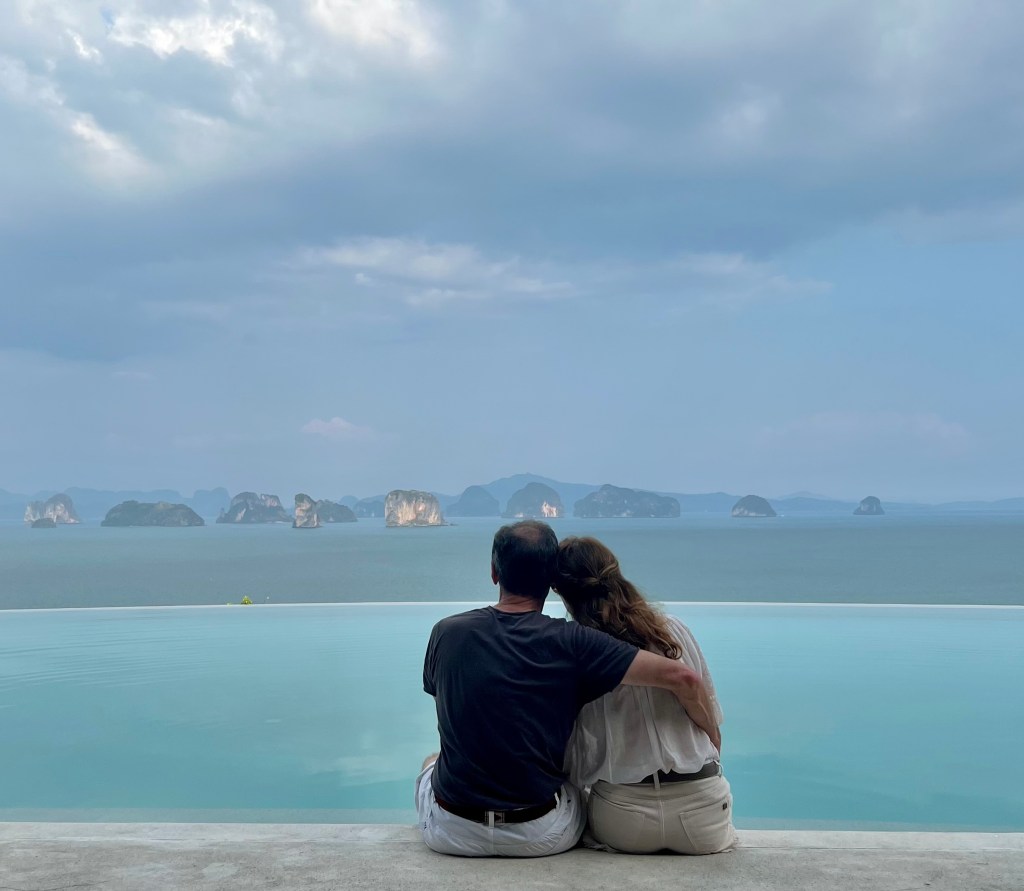
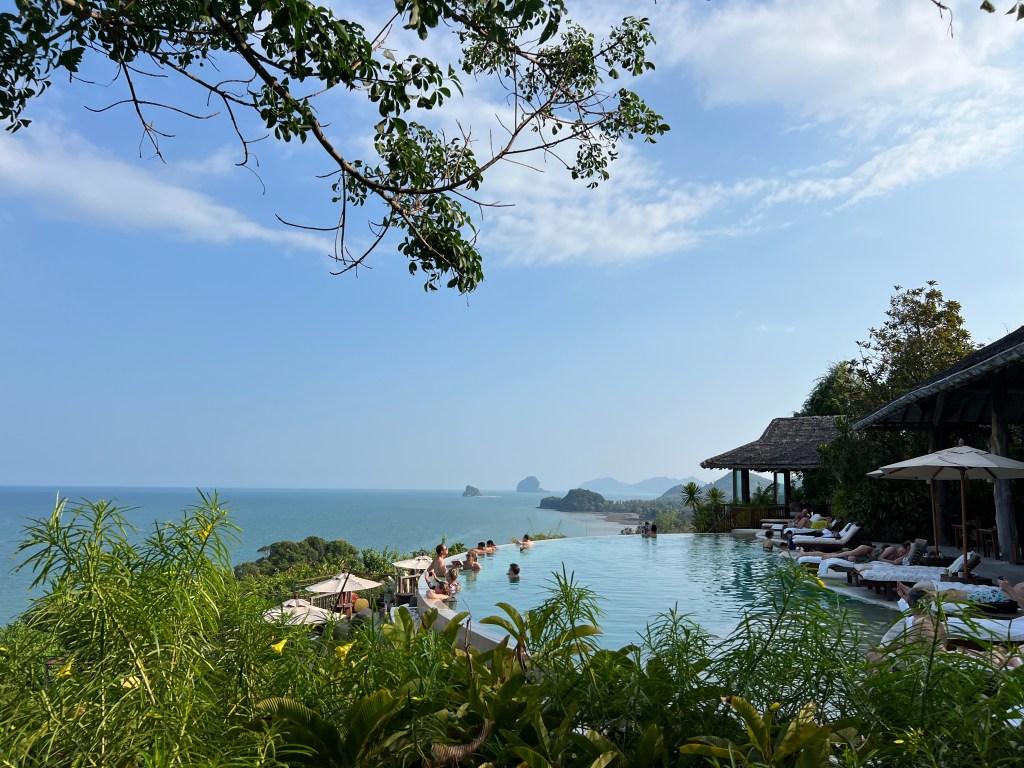


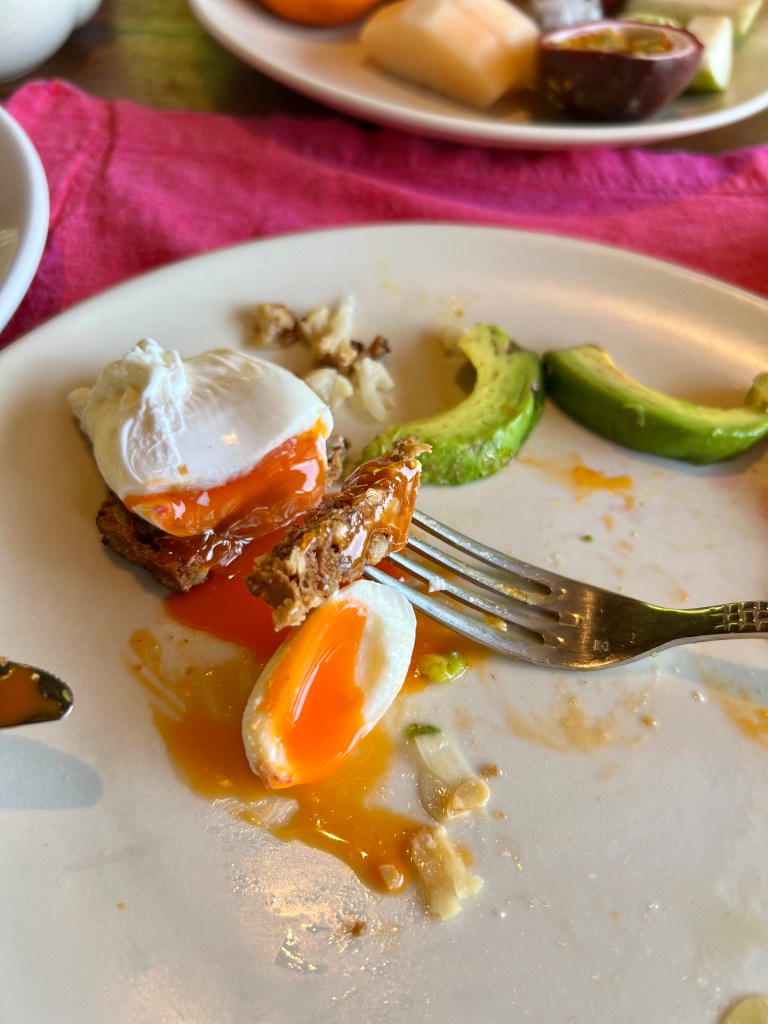
The Six Senses has a chicken and duck farm. Most mornings, we picked freshly laid eggs for our breakfast. The chickens here listen to soft jazz music all day long. Are the eggs any better? We definitely thought so! The jazzy “laid back” yolks were truly out of this world.
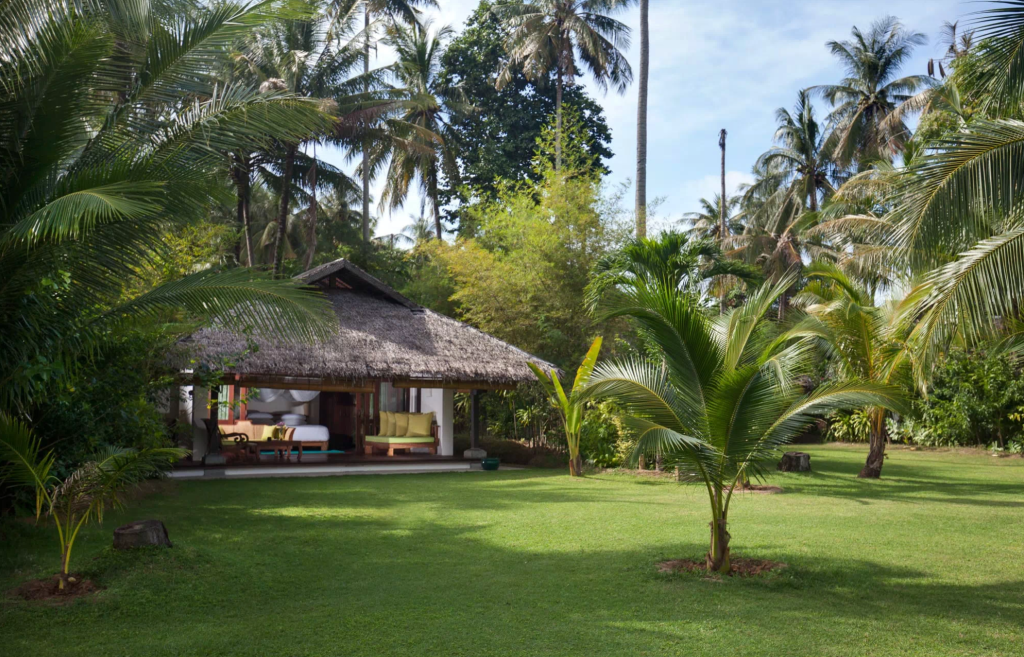
If you do decide to stay on Koh Yao Noi, you might want to look, for a short stay (3 days are enough) at Koyao Island Resort, which is right beside the Six Senses. Originally created by the same owners, it is not as upmarket as the Six Senses, but the rooms are good, there is a very nice beachfront pool, it costs a lot less and it has the advantage of being located on a much longer beach (the rooms by the sea are much nicer than the ones they offer up the hill).
Koh Samui: home of an amazing wellness center
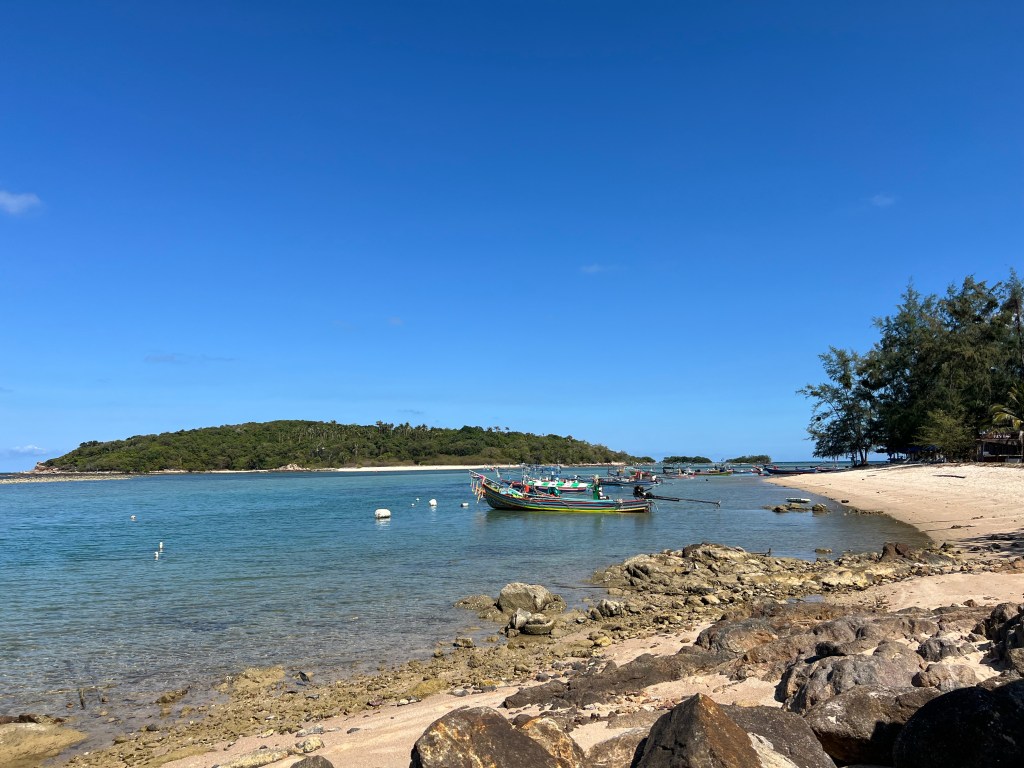
Koh Samui is a large and, by Thai standards, very developed island. There are many roads, a lot of cars, a few large malls and many, many hotels and resorts. What you see is by no means ugly, but it’s very busy, compared to the other islands we visited.
The more attractive beaches are to the east and the north, with Maenam and Chaweng beaches being the nicest ones we saw.
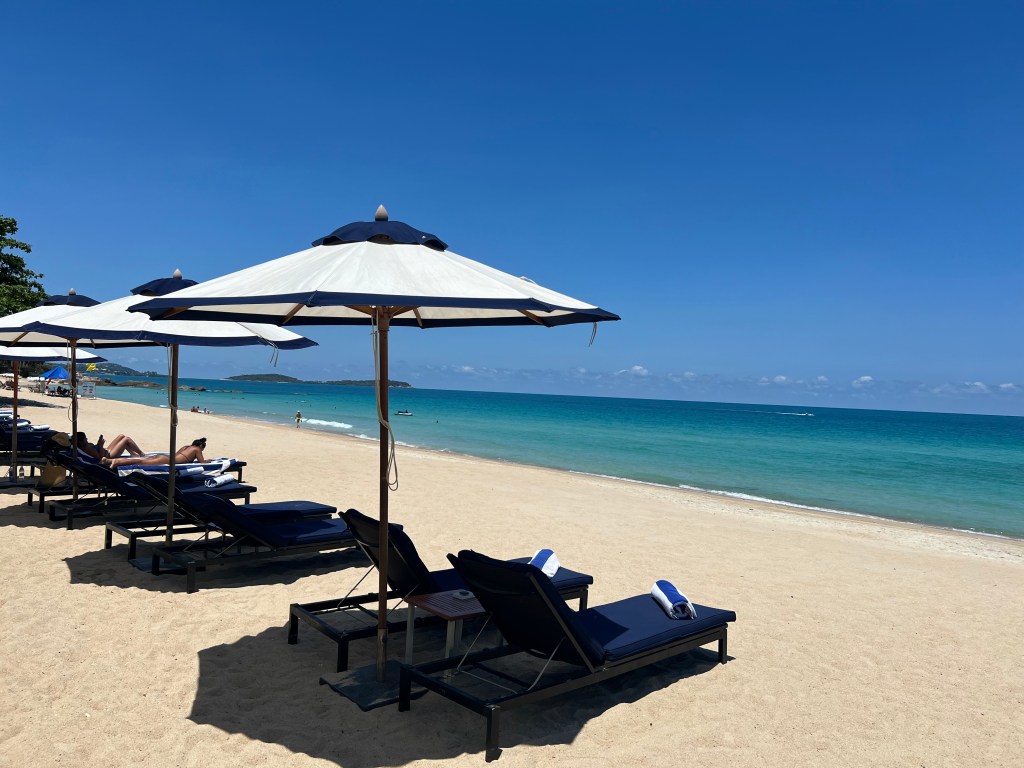
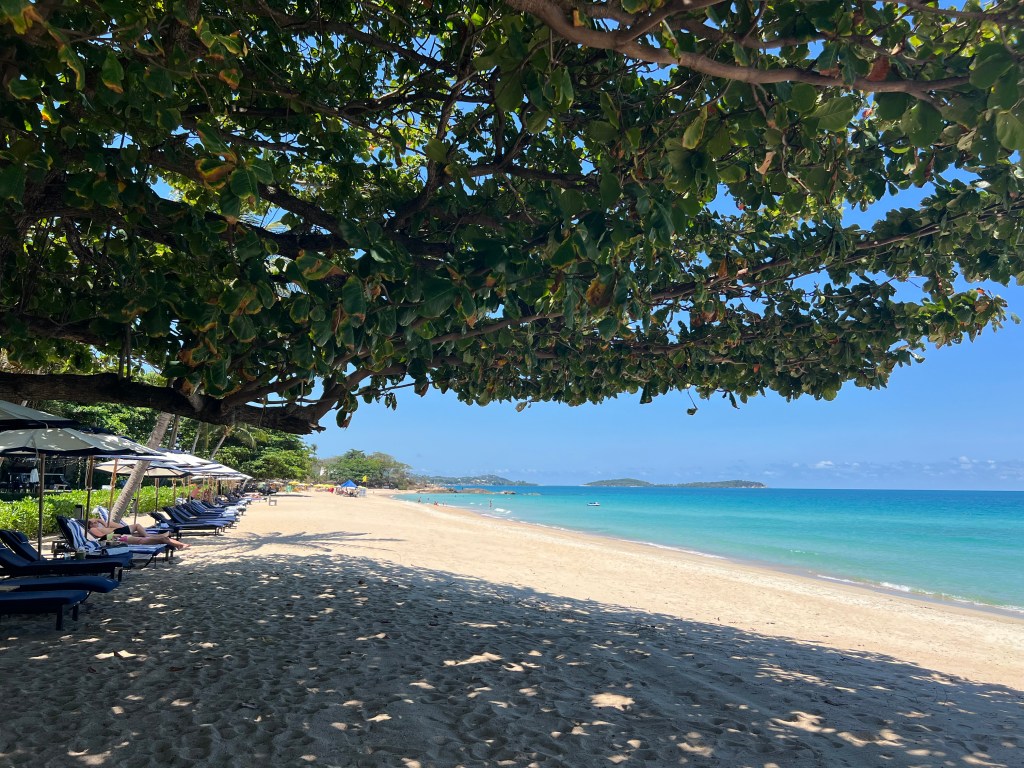
On the northwest tip of the island, secluded, difficult to find if you drive there by yourself, is the very exclusive Four Seasons Hotel. It’s a place where you stay and don’t move (even circulating inside the property is difficult without a buggy). The views are breathtaking, the friendly service exceptional, but you have to really enjoy being isolated if you choose to spend a vacation there.
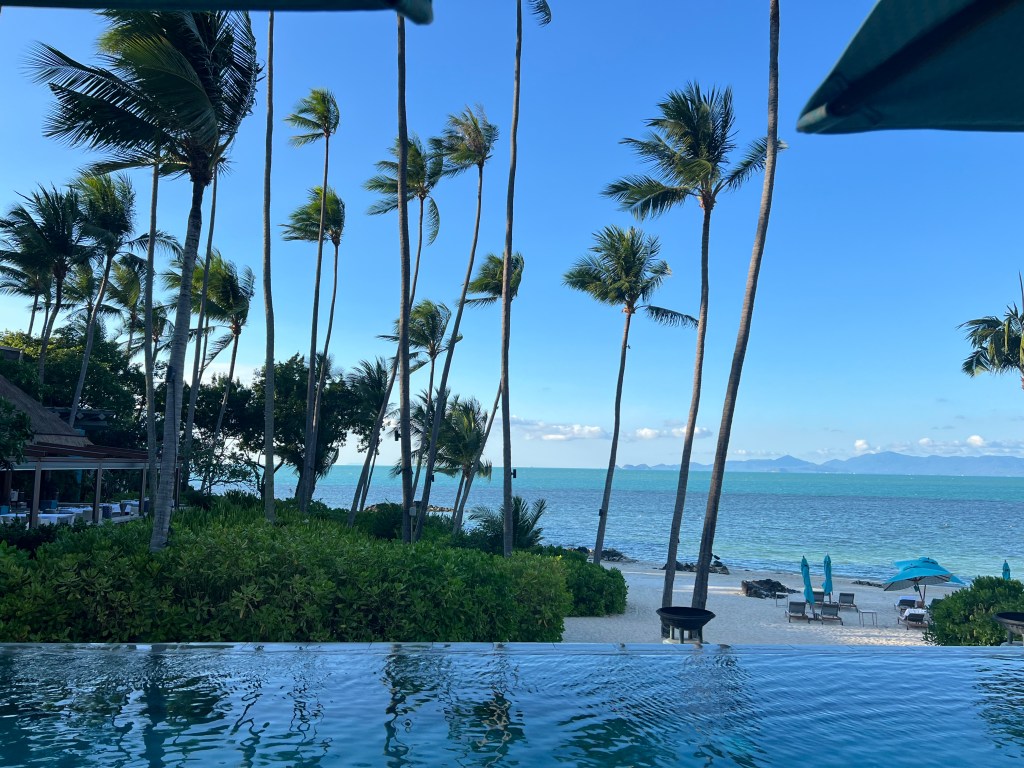
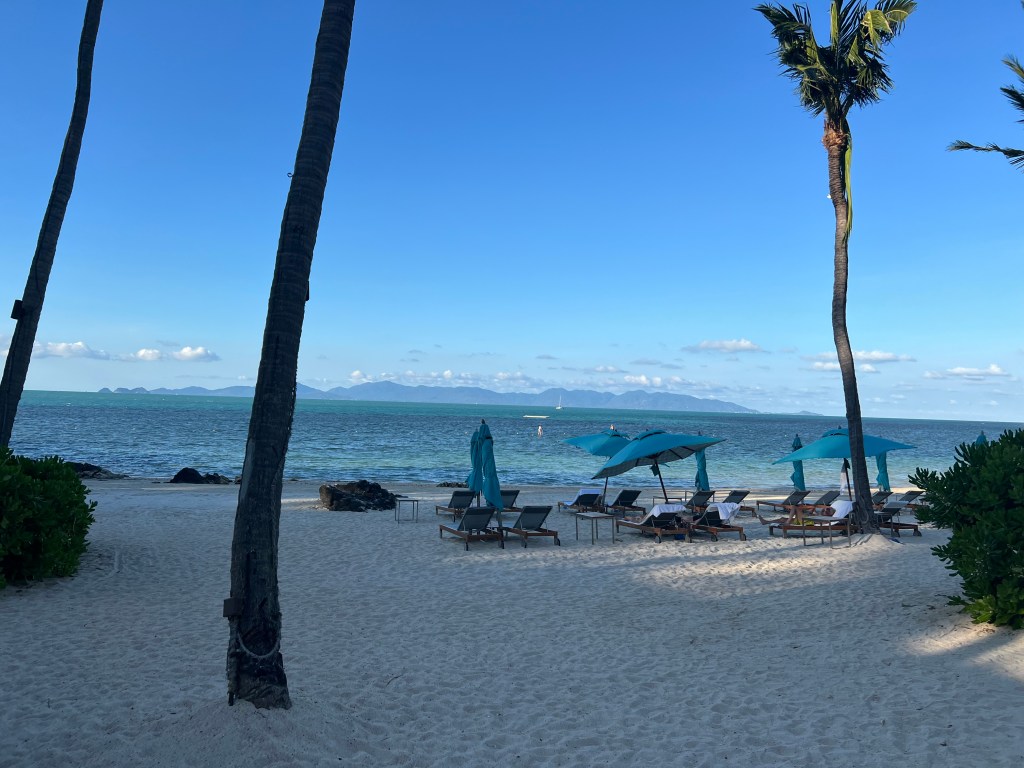

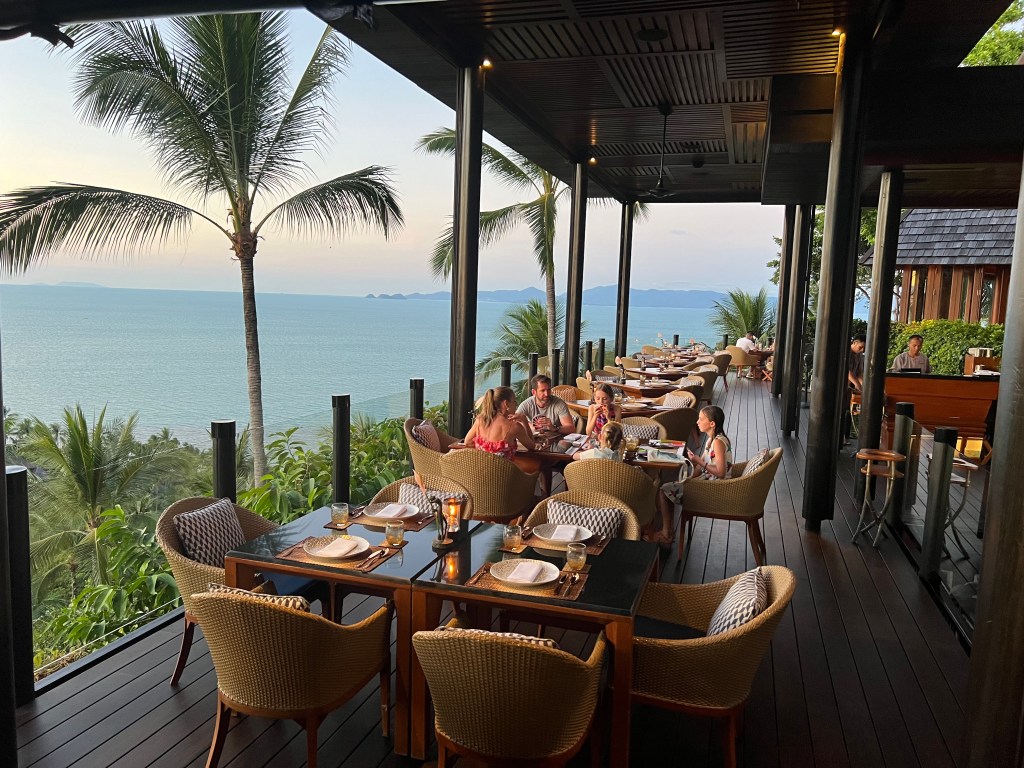
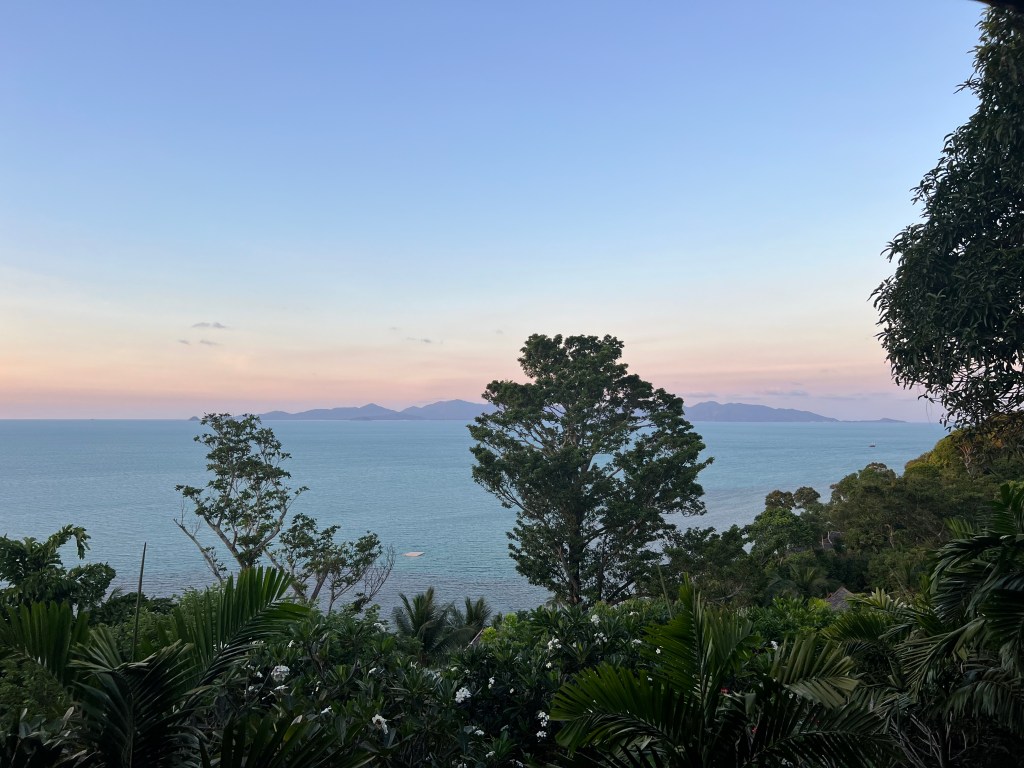
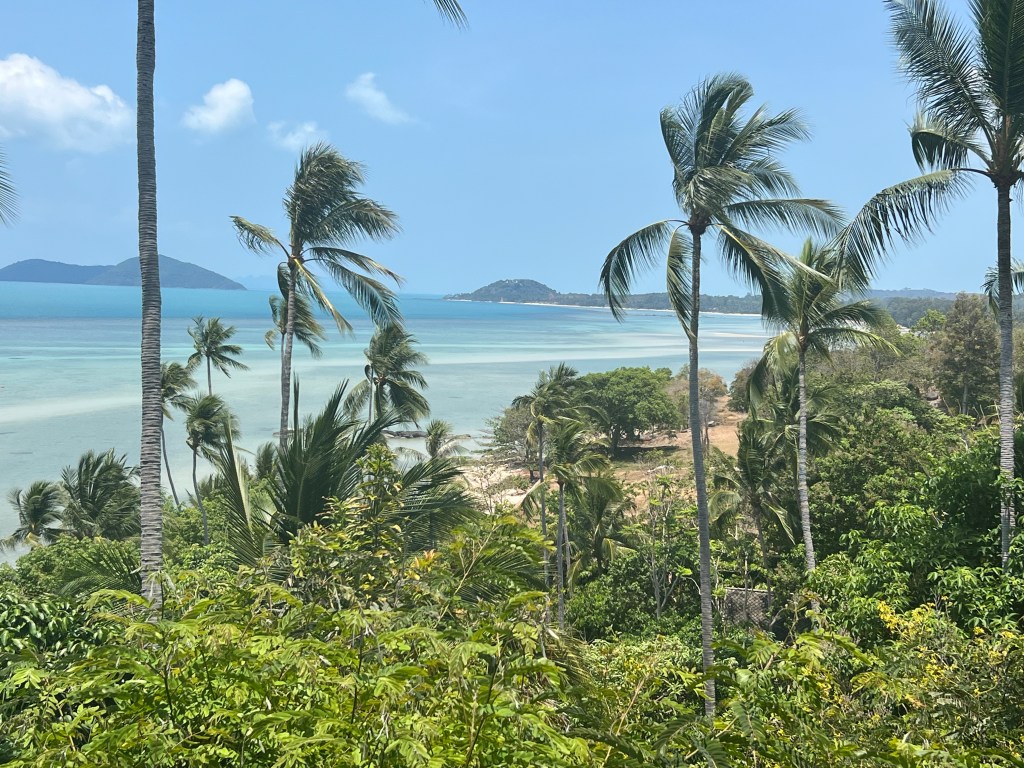
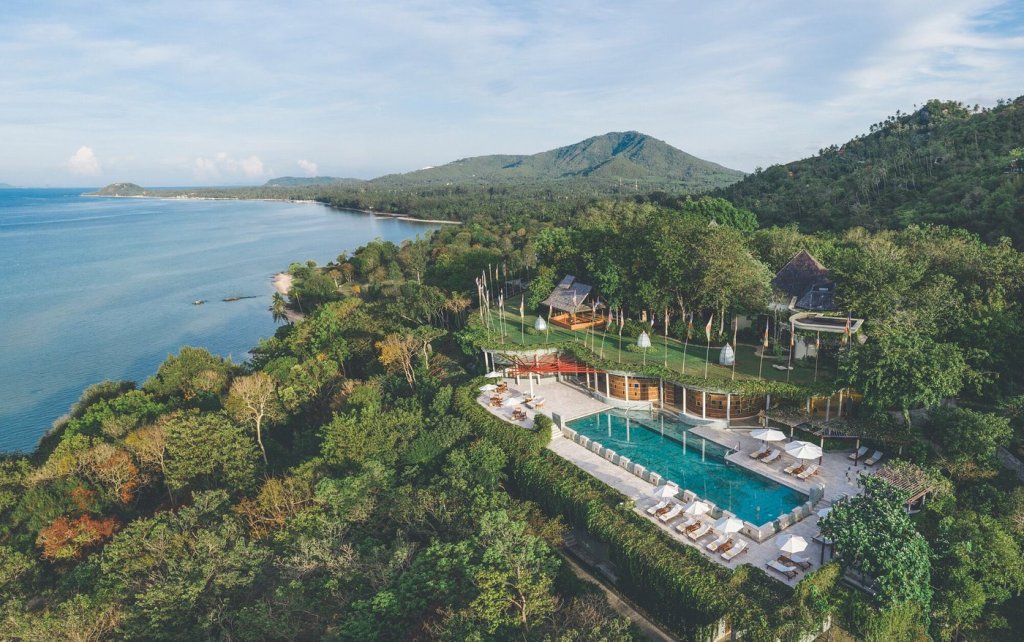
Koh Samui’s pearl is located in the southern tip of the island. Calling itself a “wellness sanctuary & holistic spa”, Kamalaya is a place you will not easily forget.
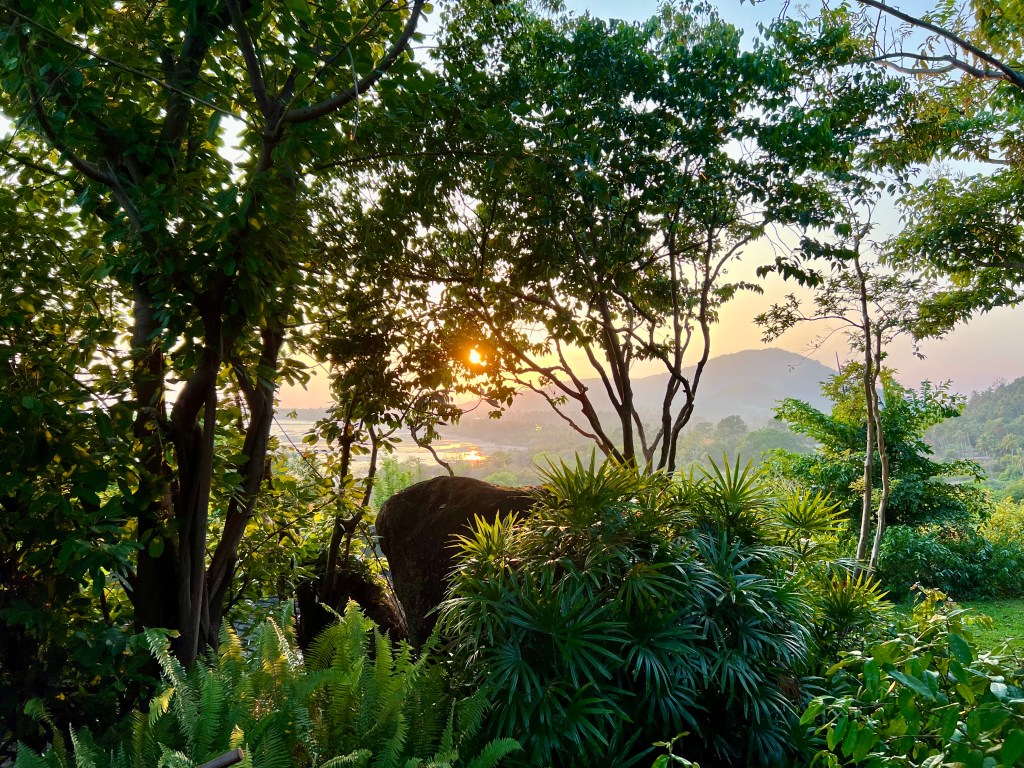
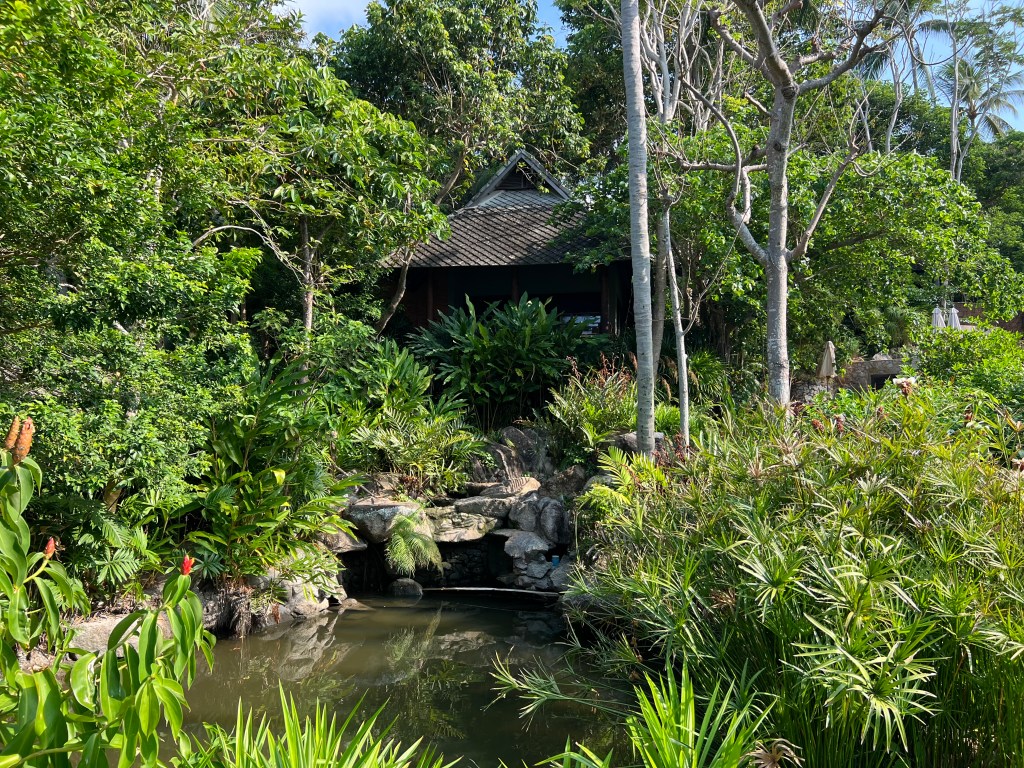
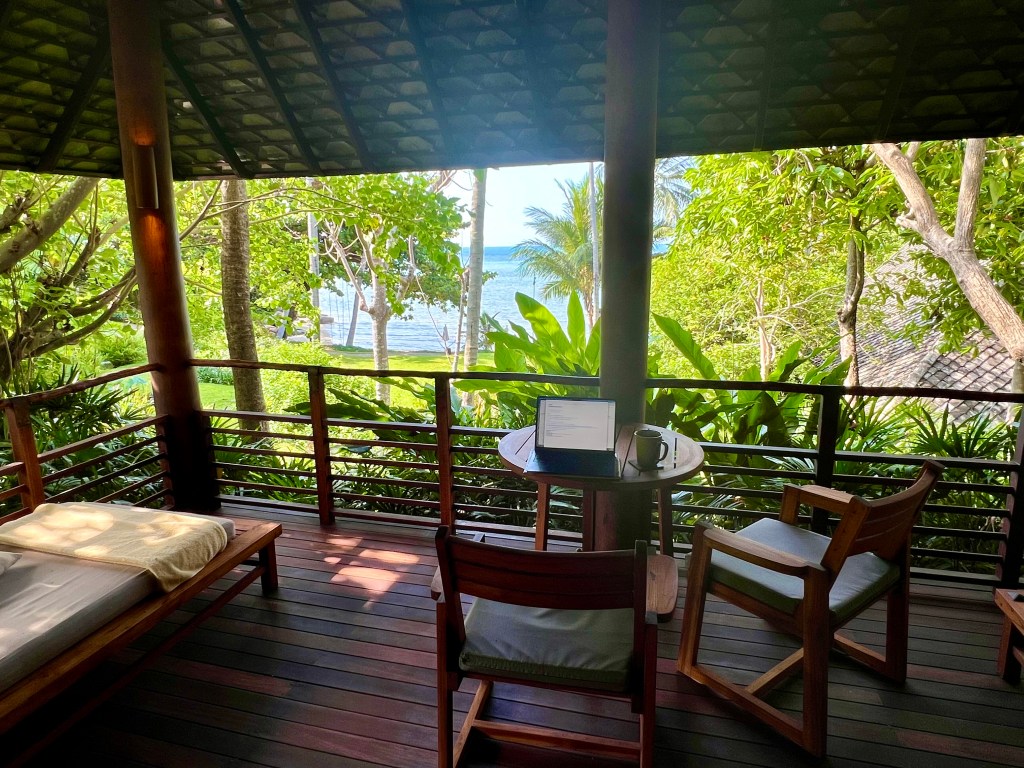
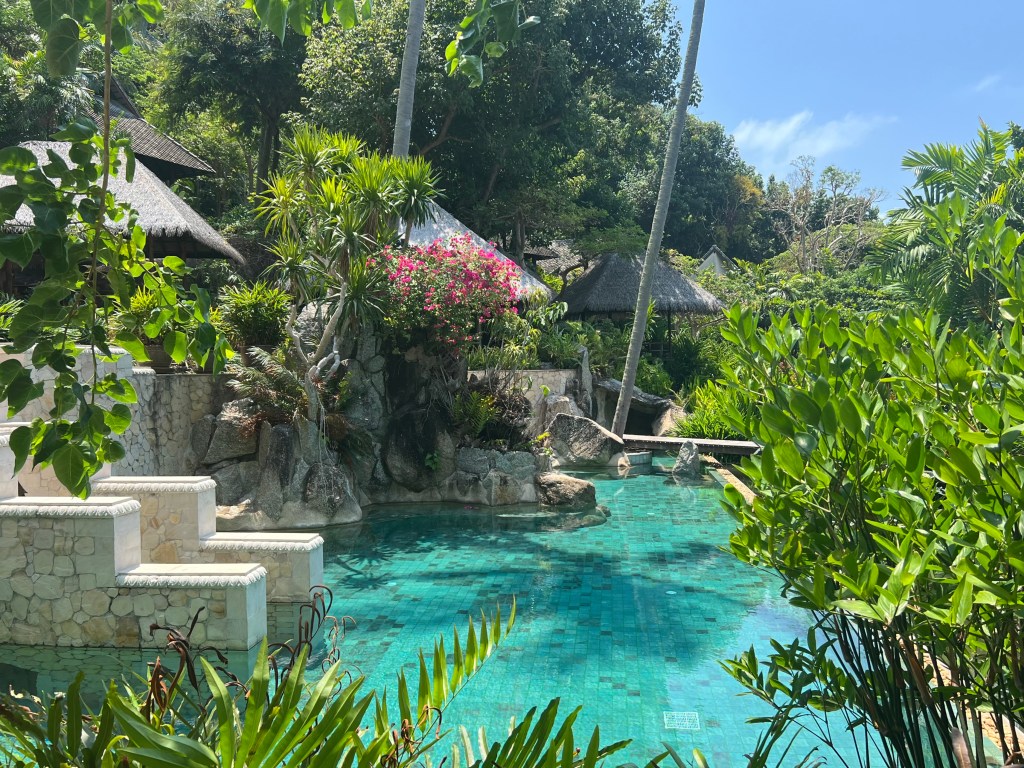
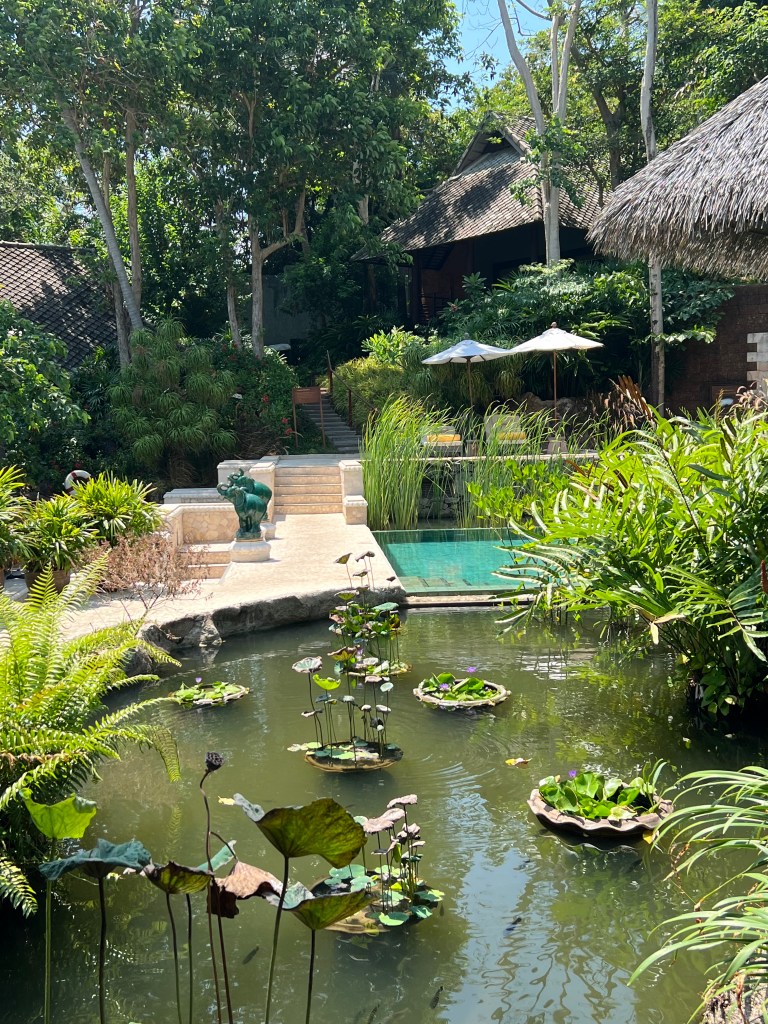
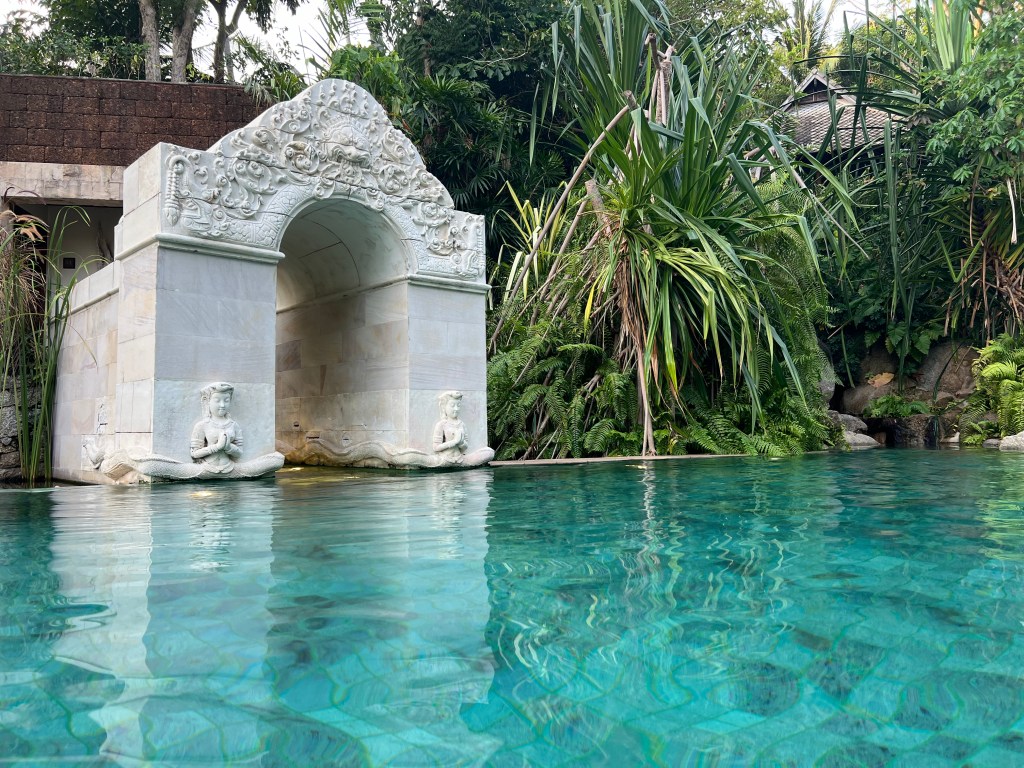
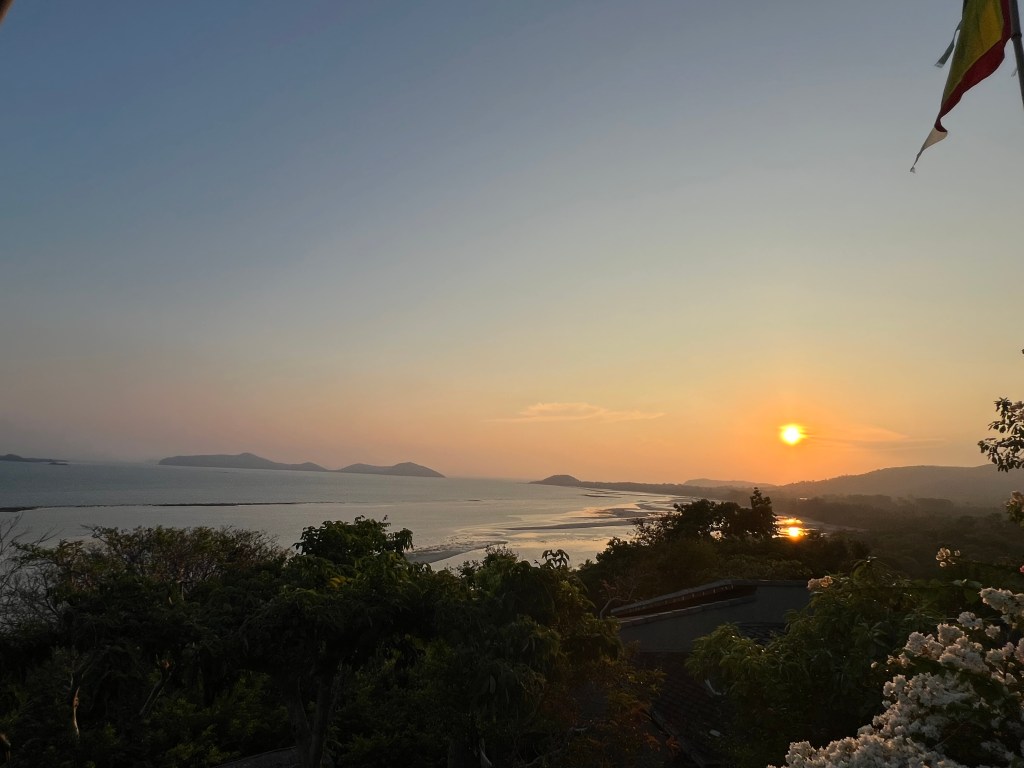
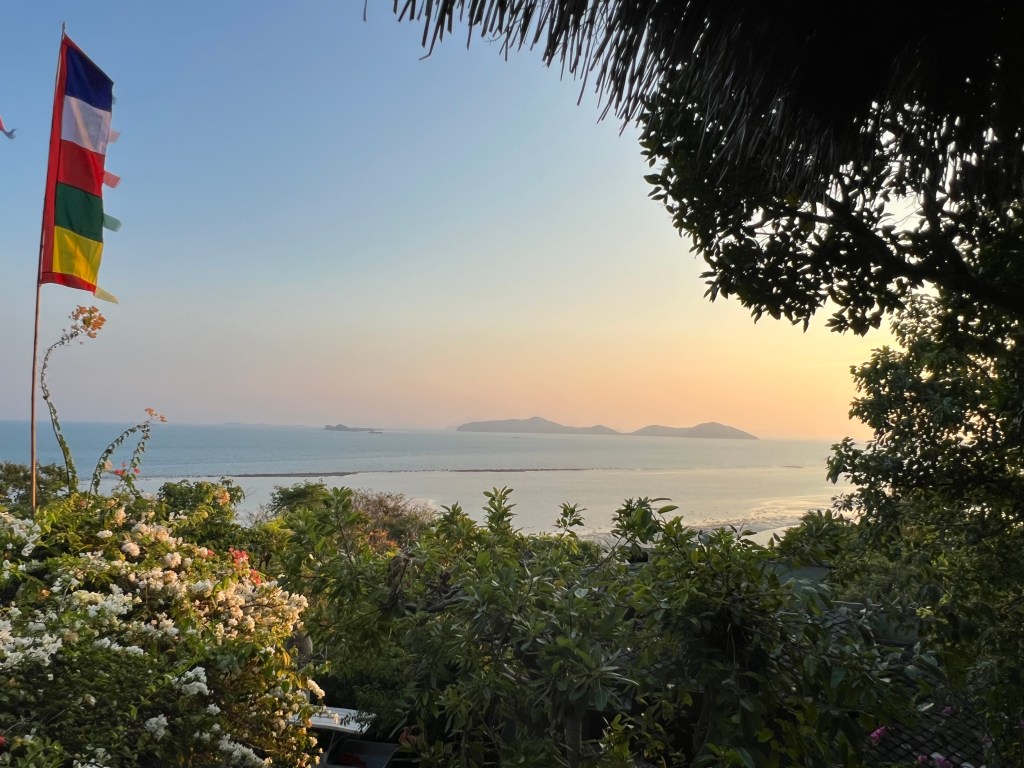
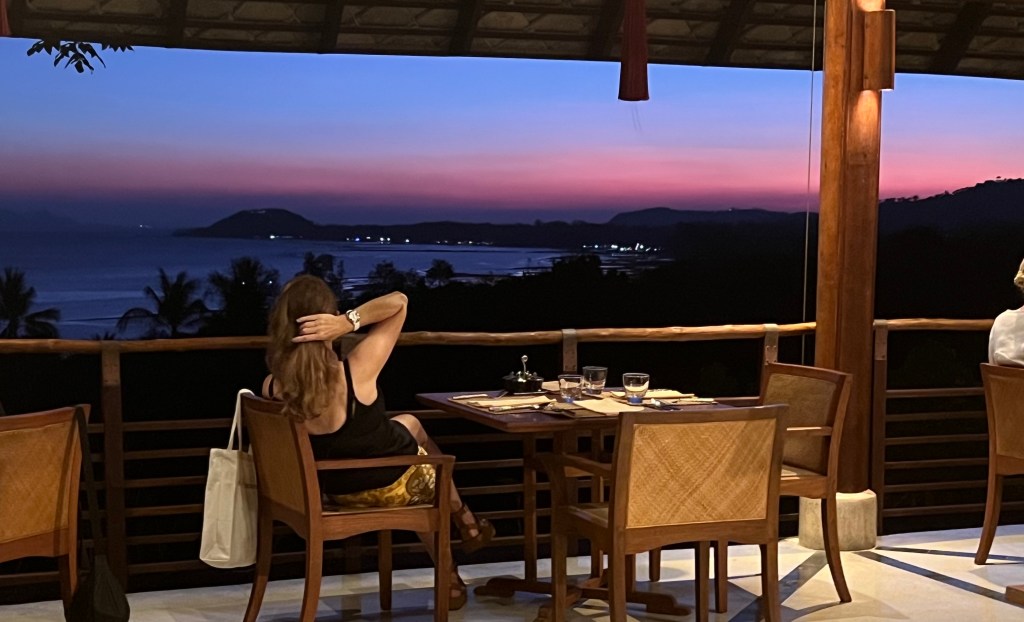
Constructed (better words would be crafted or carved) into a lush tropical steep hillside overlooking the beautiful Gulf of Thailand, Kamalaya offers a daily holistic program packed with a huge variety of activities (yoga and pilates sessions of all kinds, “awaken to life” and “water blessing” ceremonies, an introduction to ancient Reiki healing principles and even salsa classes). The detox food is just wonderful – adapted to any need and taste you could conceivably have. The staff, which starts by taking stock of your personal situation through a sophisticated 3D scan, guides you through the activities, recommending a personal path, whatever your situation or desires.

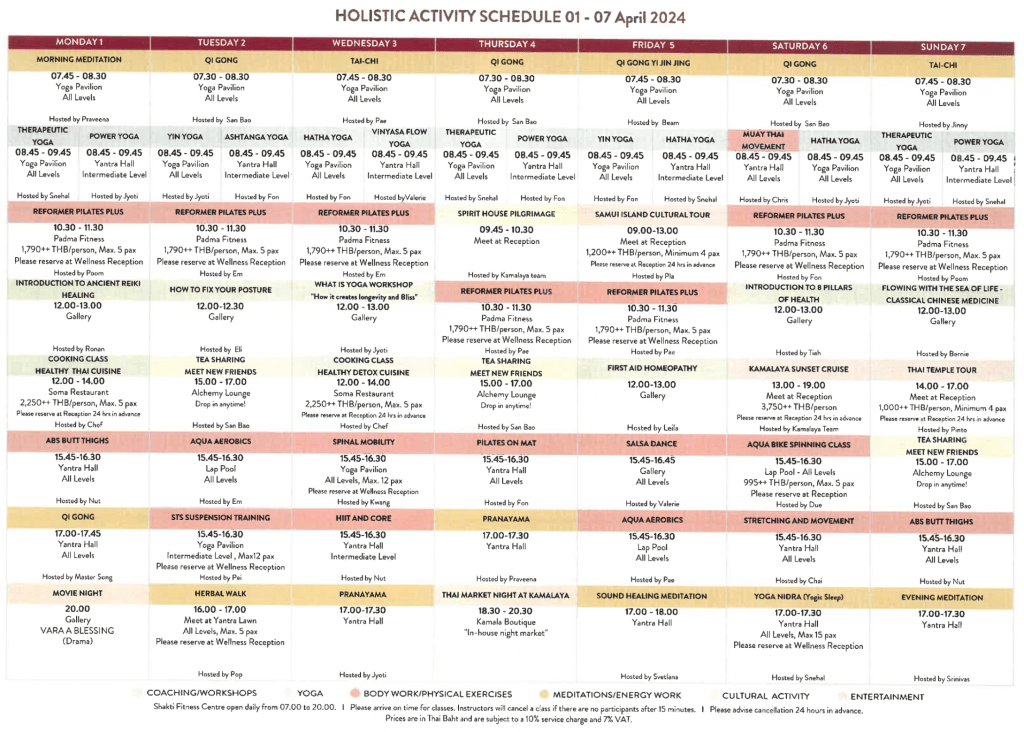

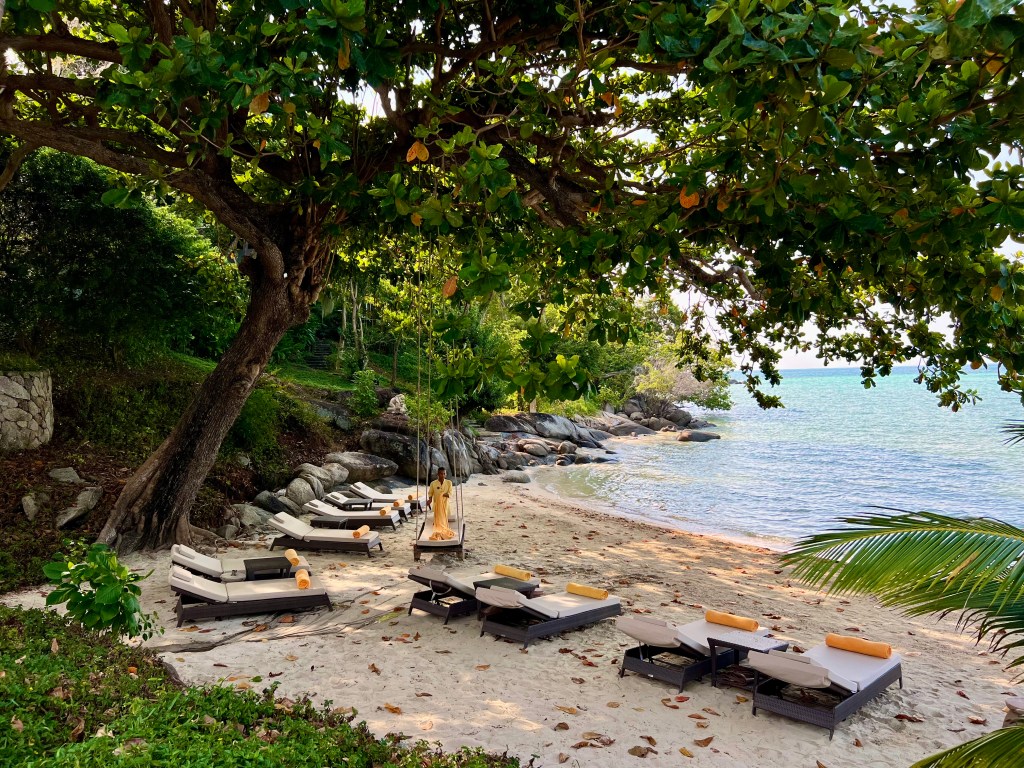
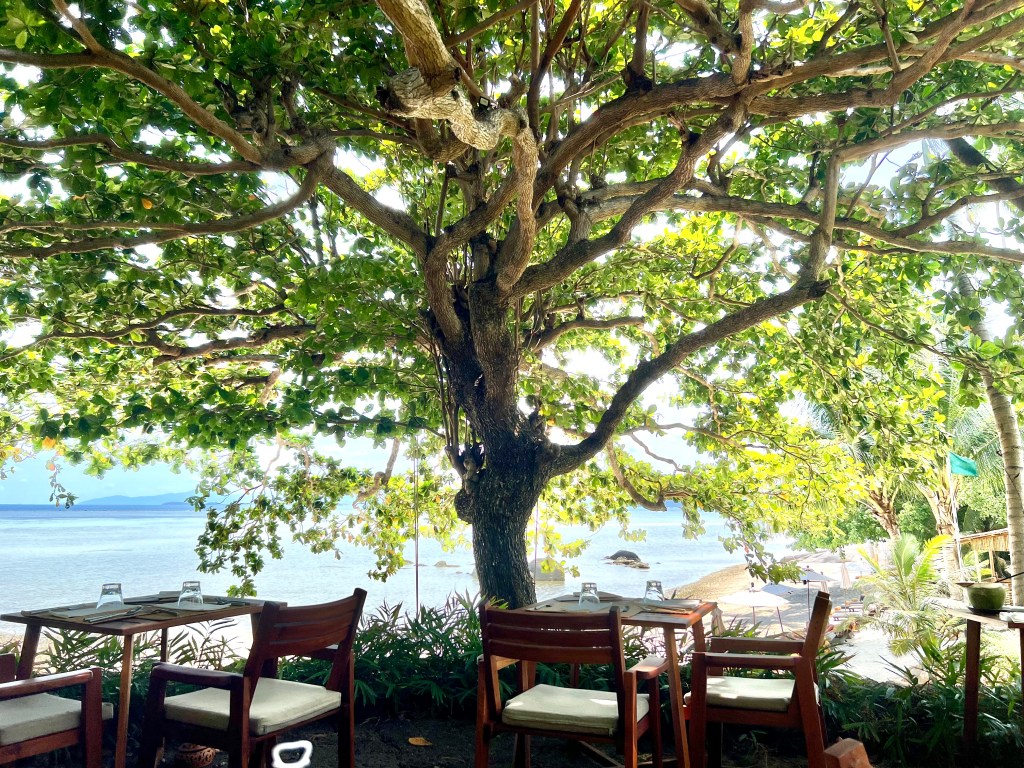
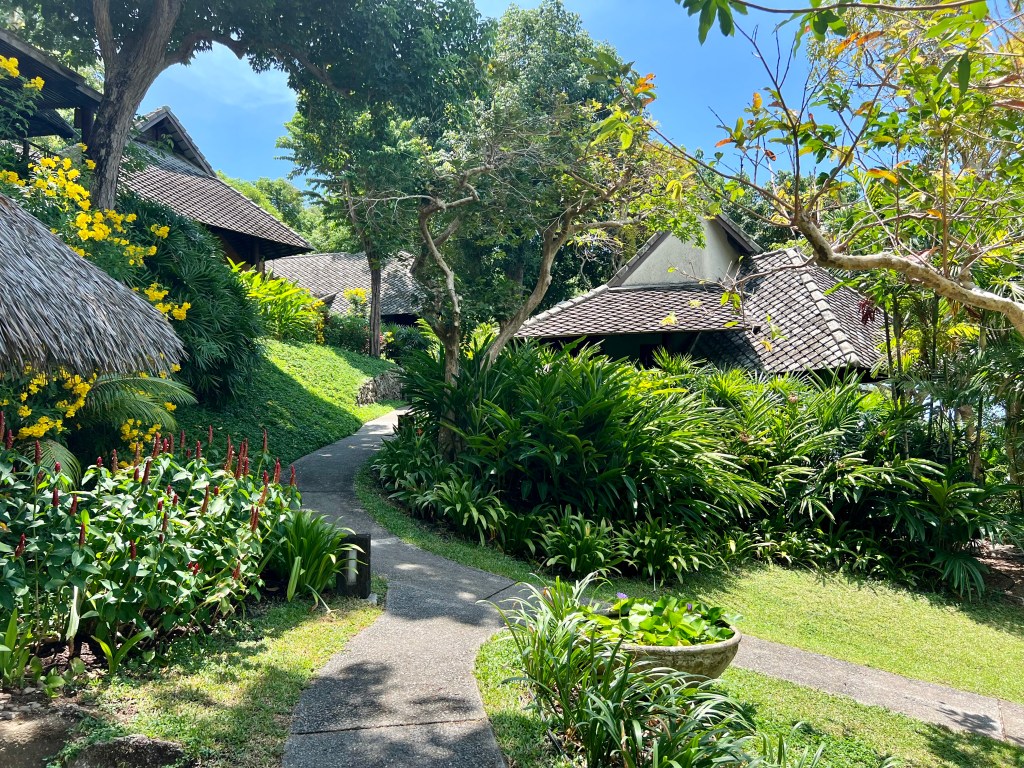
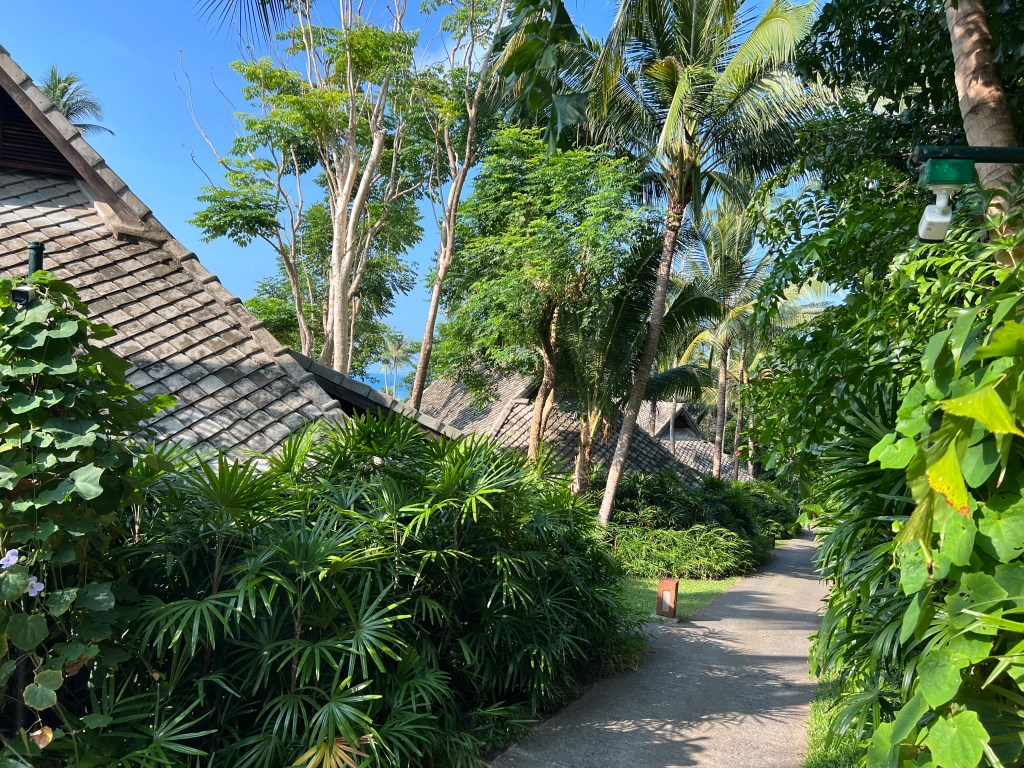

One of the hidden treasures of Kamalaya are the tea degustations organised by Master Sanbao, who looks like he’s straight out of a Chinese opera, but is in fact German. His oolong teas, which he carefully selects from some of the best cultivars in Taiwan, are some of the best we have ever had. And Sanbao’s stories are just as impressive!
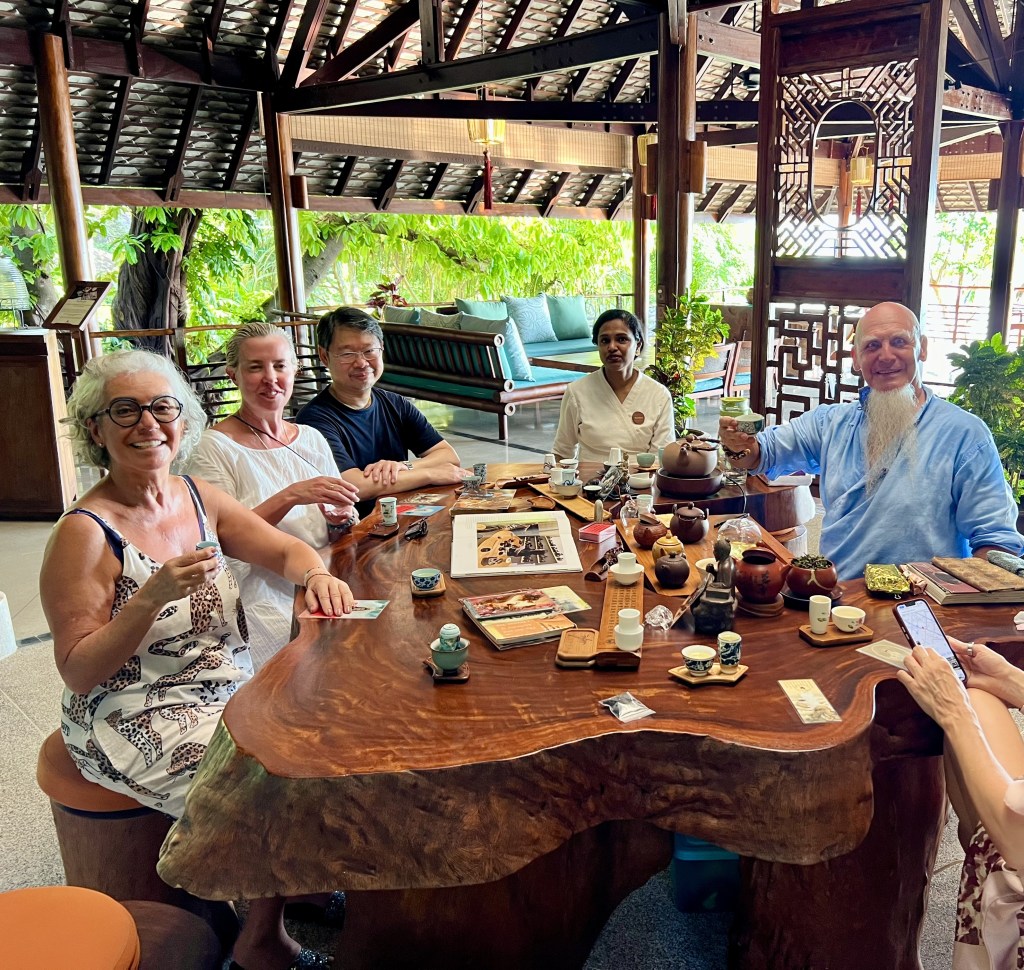
We were at Kamalaya on April 13 during Songkran, Thailand’s most important festival, which marks the beginning of the Thai new year.
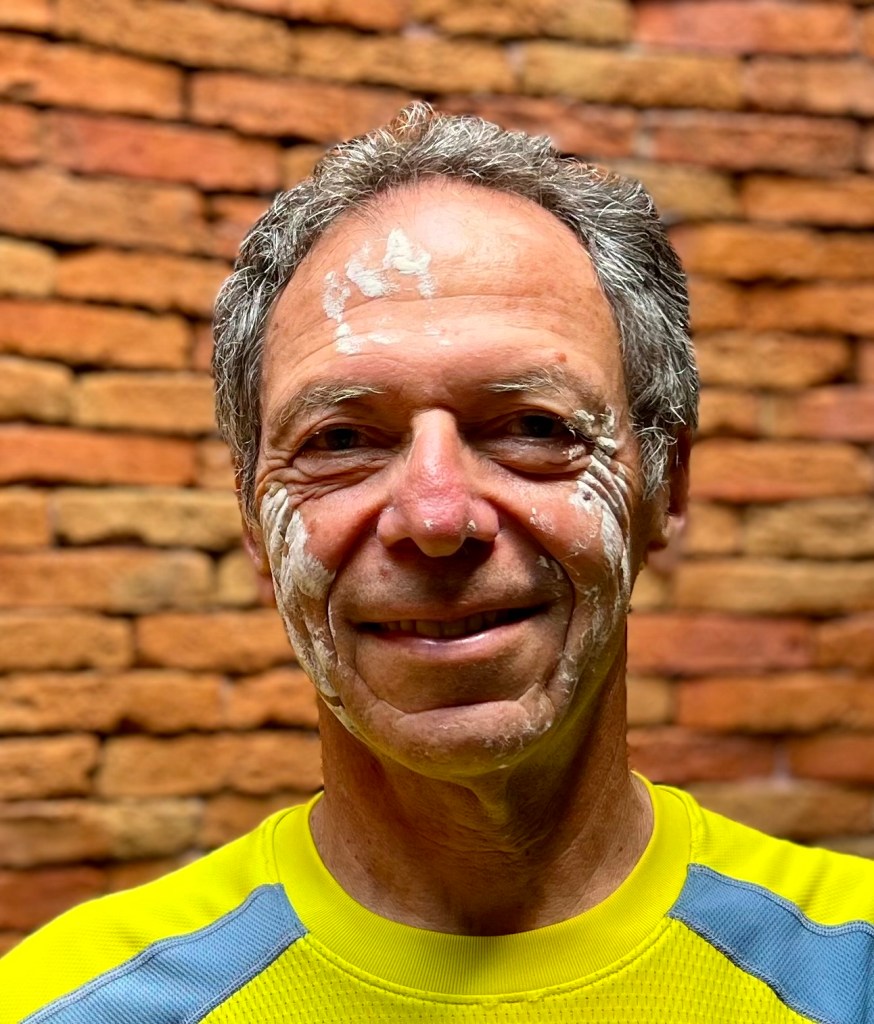
The most recognizable aspect of Songkran is the splashing of water. Originally, this involved gently pouring water over family members, elders, and statues of Buddha as a sign of respect and for good luck. Nowadays, it often evolves into streetfights with water guns, buckets and hoses. At Kamalaya, it was all quite subdued, although I did get quite wet and my face got painted with clay, also part of the celebrations.

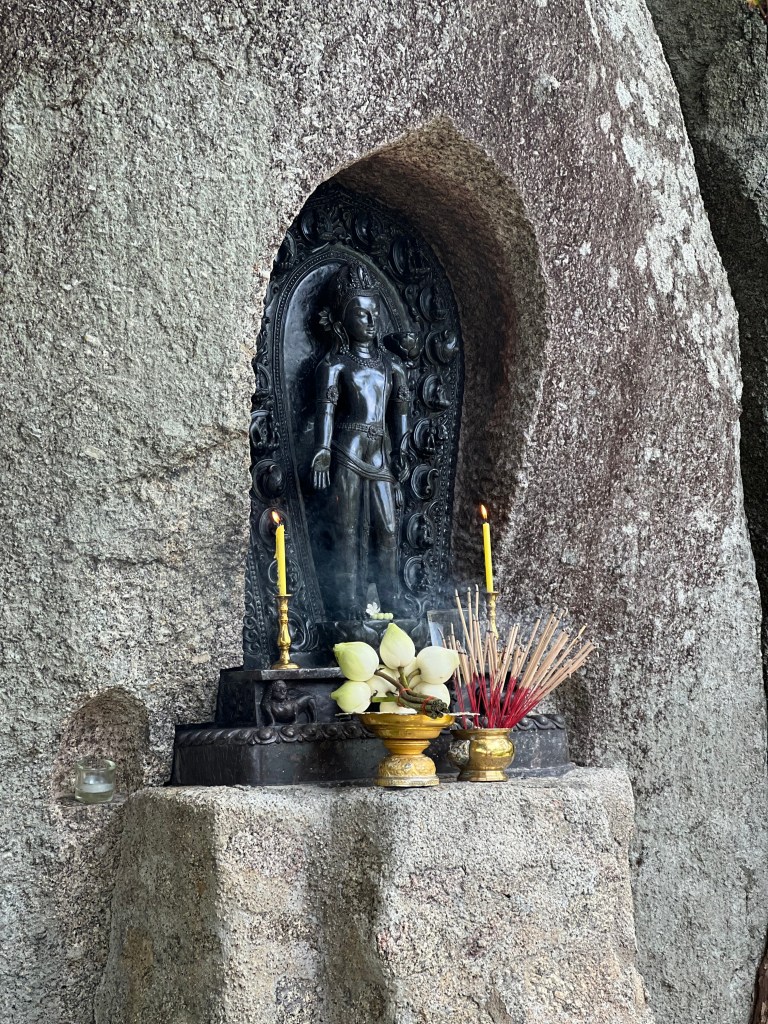
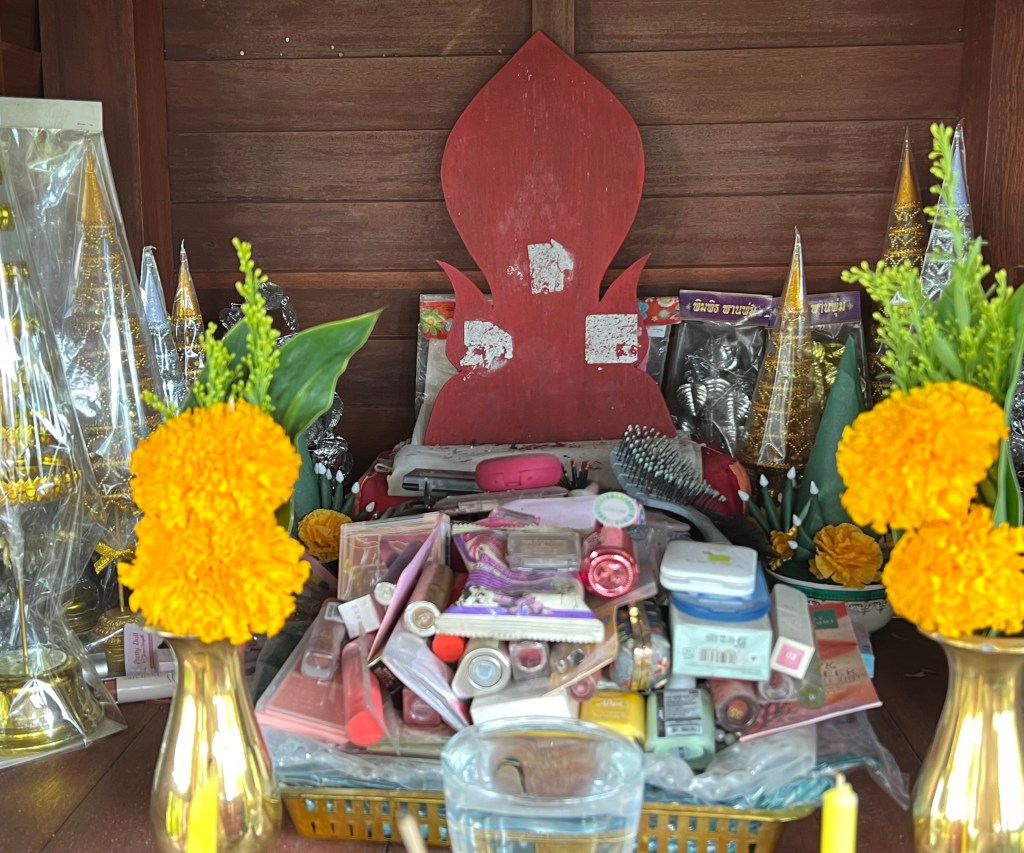
As part of the Songkran celebrations, shrines are visited and offers given to to the deities they represent. Some shrines show the images of Buddha, like the one below.
But the ever-prudent Thais, also make sure deities from other countries are honoured, especially those from India. One of the shrines at Kamalaya is devoted to Ganesha, widely revered as the remover of obstacles, the patron of arts and sciences, and the deva of intellect and wisdom. Traditionally, Ganesha is also invoked at the beginning of any new venture or journey, as it is believed that he will clear the path of any potential difficulties. The offerings placed before the statue, which typically include sweets, fruits, and incense, are a sign of devotion and are meant to honor Ganesha.

Other shrines are devoted to the elders, who (as in China) are strongly revered by the Thais and especially honoured during Songkran.
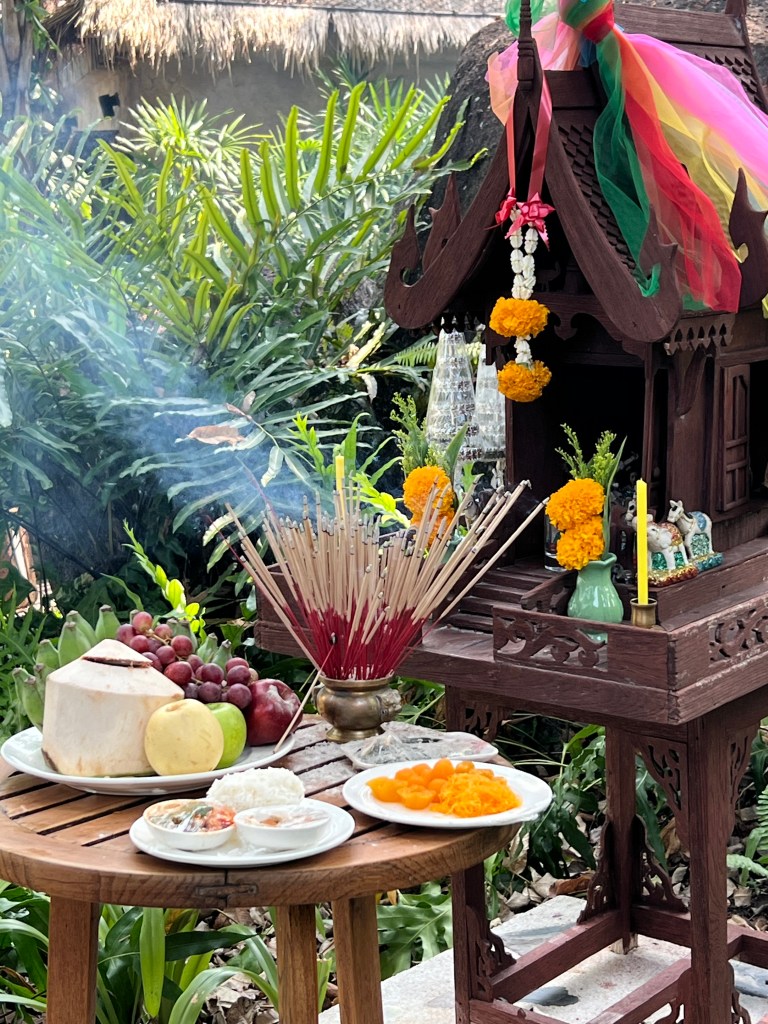
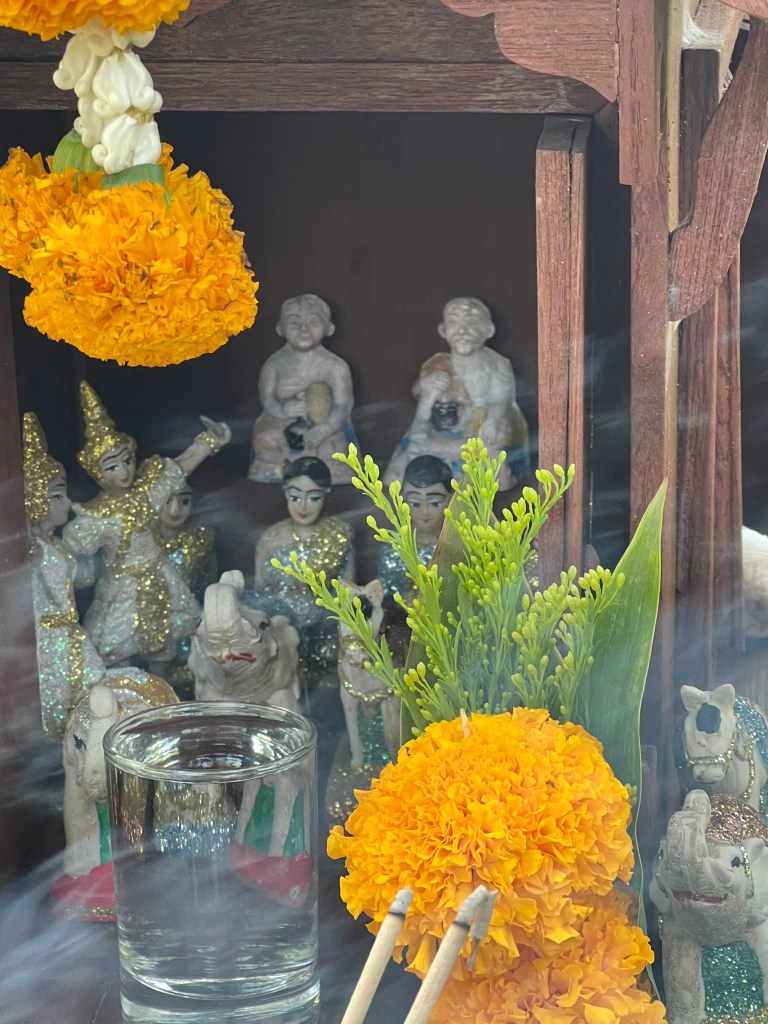
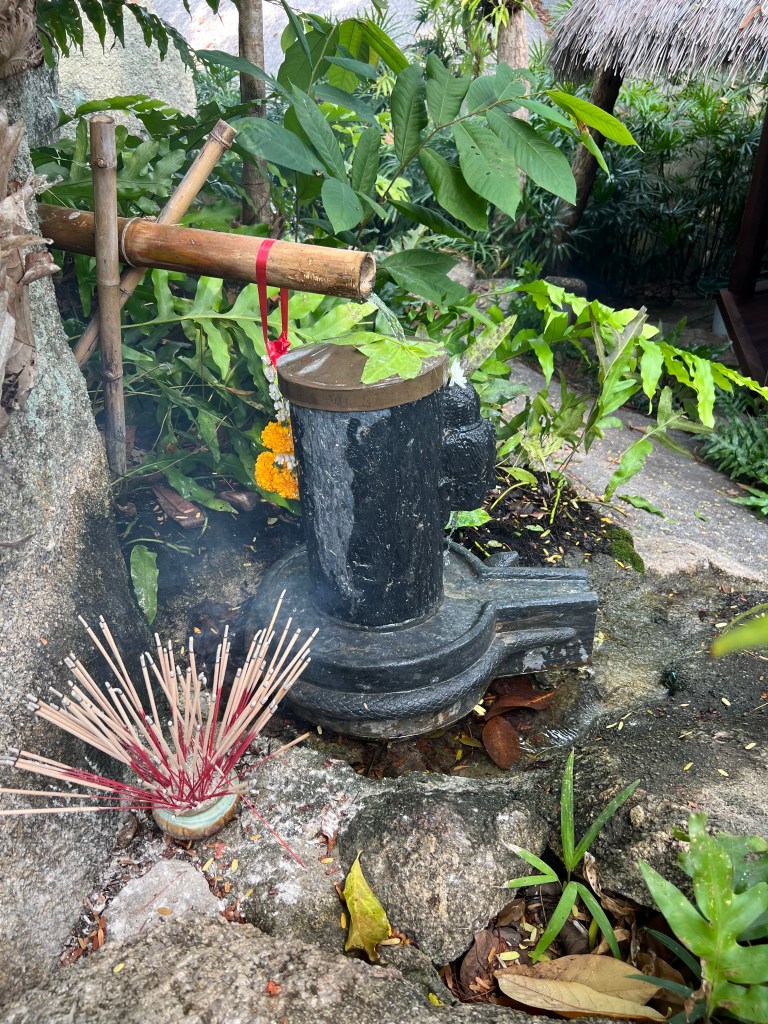
Some of the shrines are more specific to certain needs. For example the Hindu god Shiva Lingam is often associated with fertility, so people will make offerings to this deity if they are hoping for offspring.
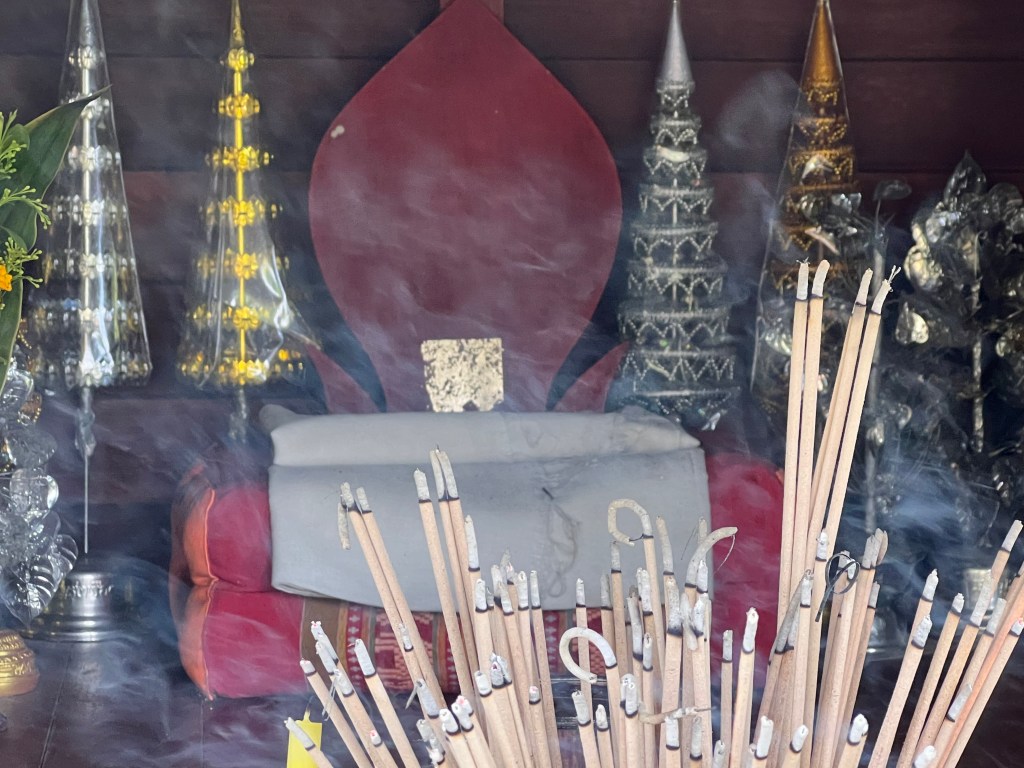
Some of the deities, like the one below which represents “the gods of the area”, will have no visual representation, so their shrine has en empty throne.
The following shrine is devoted to “angels”. Since they have no definitive form (and the number of them is unknown), there is, like in the preceding shrine, no statue. This is a popular shrine among the staff at Kamalaya – the angels appear to have awarded many of their wishes which, as you can see, has been reciprocated by the staff with an above-average number of presents!
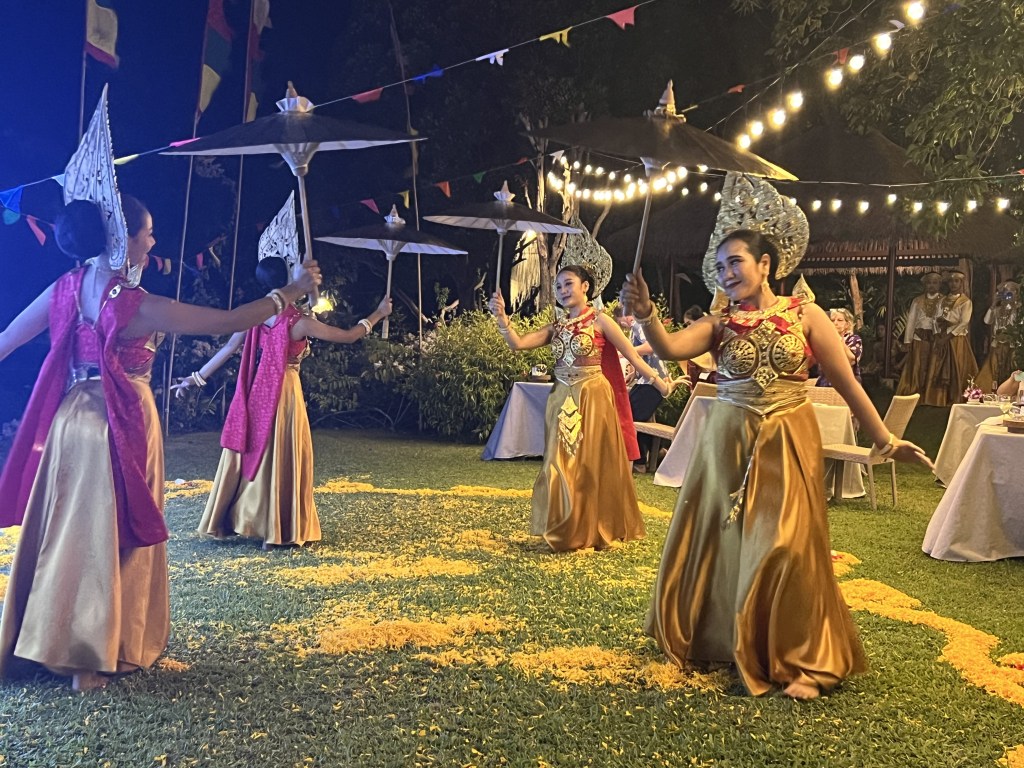
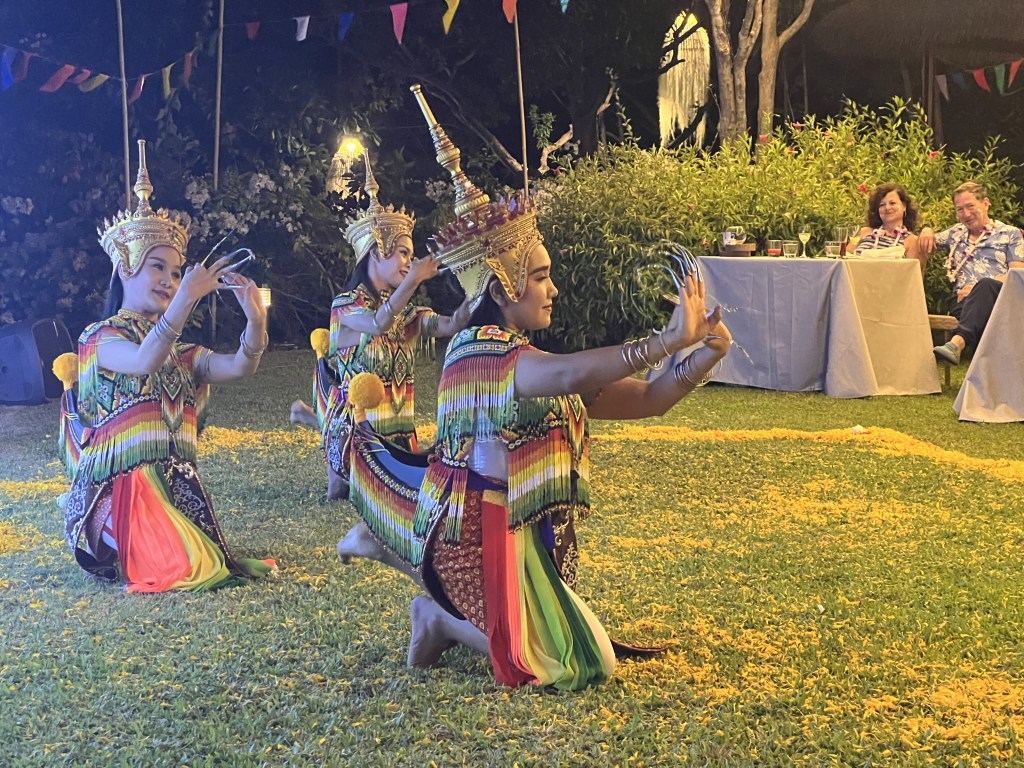
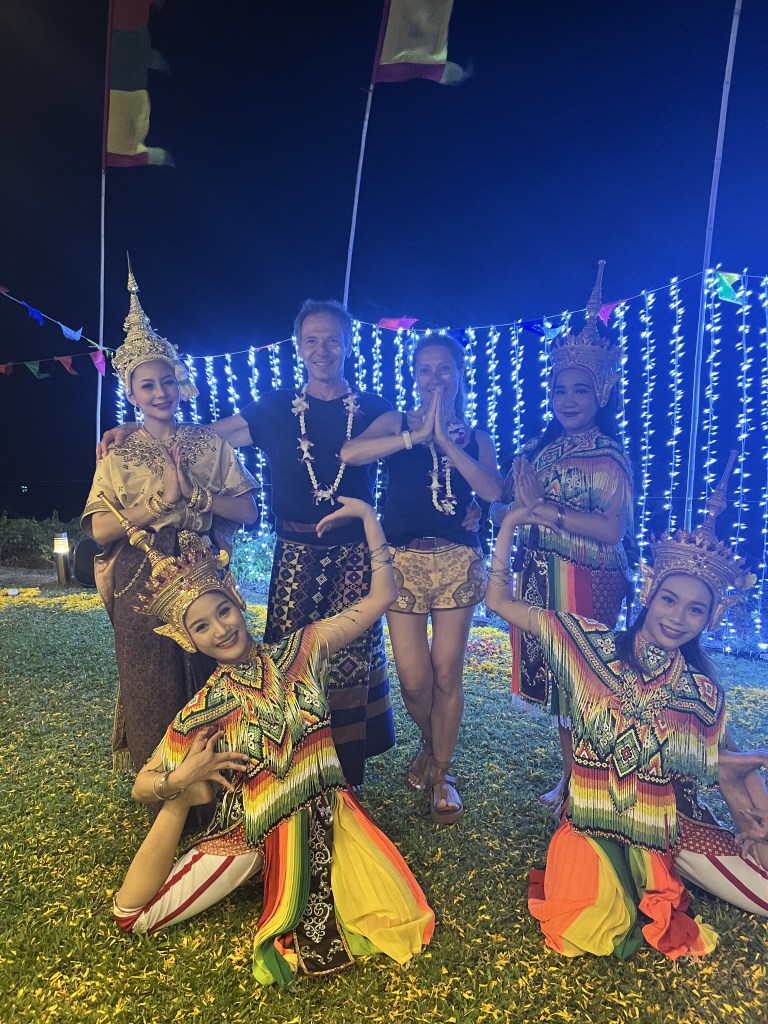
The Songkran celebrations at Kamalaya ended with a sumptuous buffet, followed by traditional Thai dancing, which we were invited to join.
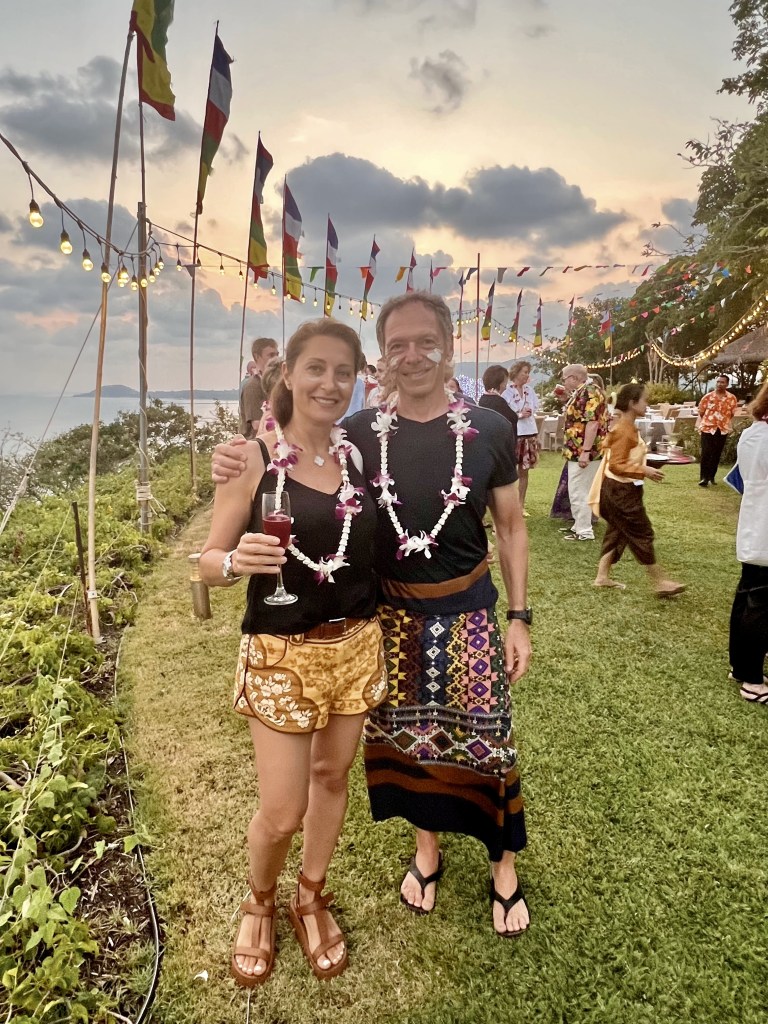
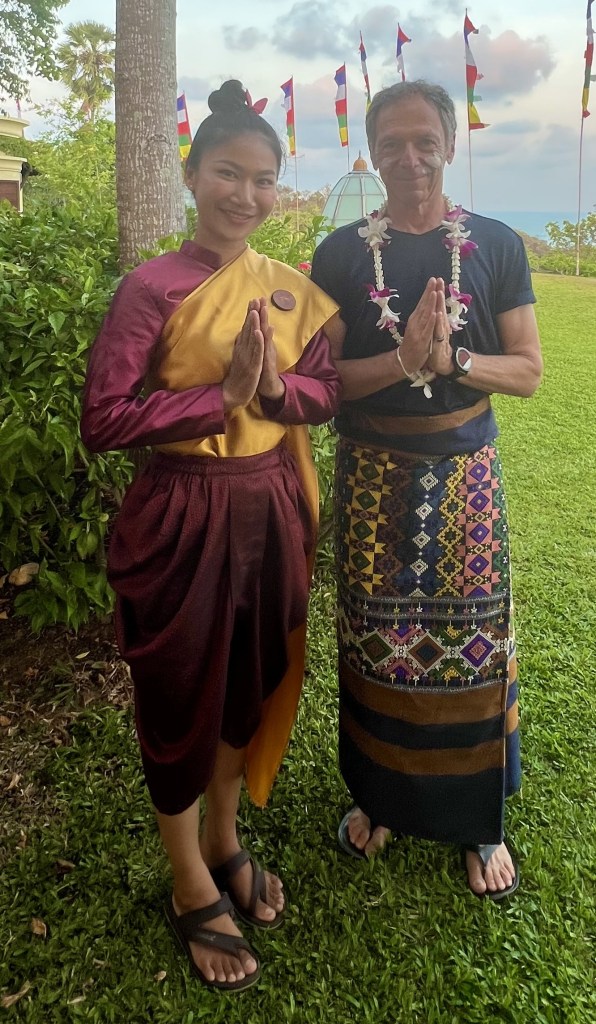

At Kamalaya, the ultimate transformation isn’t just about zen meditation or detox diets – it’s about mastering the art of hill climbing. Forget couple therapy because after 2 weeks of navigating those hills, husbands and wives won’t just recognize each other. By the end of their stay, they’ll have shed years off their age and pounds off their waistlines. So, if you spot a couple skipping hand in hand down the hillside, looking like they just stepped out of a wellness magazine, don’t be surprised. It’s just another happily transformed duo from the hills of Kamalaya, where love conquers all, one incline at a time. Not surprisingly, Kamalaya has a loyal following, with most people being returning guests. Our transformed selves will surely return too!
 Truliluli Travel Reports
Truli and Pęta!!!! Today I had the opportunity to look at your adventures… so many magnificent and interesting places!!!
I was very impressed by the colors of the places that seem to be almost unreal!!!! Also the expressions on your happy faces are beautiful!
Love you!
Soni
LikeLiked by 1 person
Thank you, Soni! We are so happy that you enjoyed our stories!
LikeLiked by 1 person
Different horizon but we remained quietly on our island in the middle of Europe. Continue to provide us with dreamy locations
LikeLiked by 1 person