
The Galápagos Islands, an archipelago of volcanic islands in the Pacific Ocean, about 1’000 km from the coast of Ecuador, are among the most extraordinary destinations on Earth. We spent two weeks over Christmas/New Year 2024/25 discovering their unique wildlife, stunning landscapes, and the pivotal role they played in shaping Charles Darwin’s theory of evolution. The sense of connection to nature in Galápagos is unparalleled, and it’s an opportunity to witness firsthand how the planet’s ecosystems function when they are (mostly) left in harmony.
Human settlement
Unusually for the Pacific Ocean, no humans appear to have set foot on Galápagos before 1535, when Spanish Bishop Fray Tomás de Berlanga’s boat, on the way from Panama towards Perú, was blown off course, forcing it to land on these islands.

Berlanga was not impressed. Writing subsequently to the King of Spain, he said of the islands that it appeared that God had “rained stones” upon the place. He deemed the islands unsuitable for human settlement, emphasising their isolation, lack of fresh water, and unforgiving terrain.
While his phrase may have been an exaggeration, born of frustration and hardship, it also highlights the islands’ raw, volcanic beauty, today celebrated for its uniqueness rather than dismissed as barren.

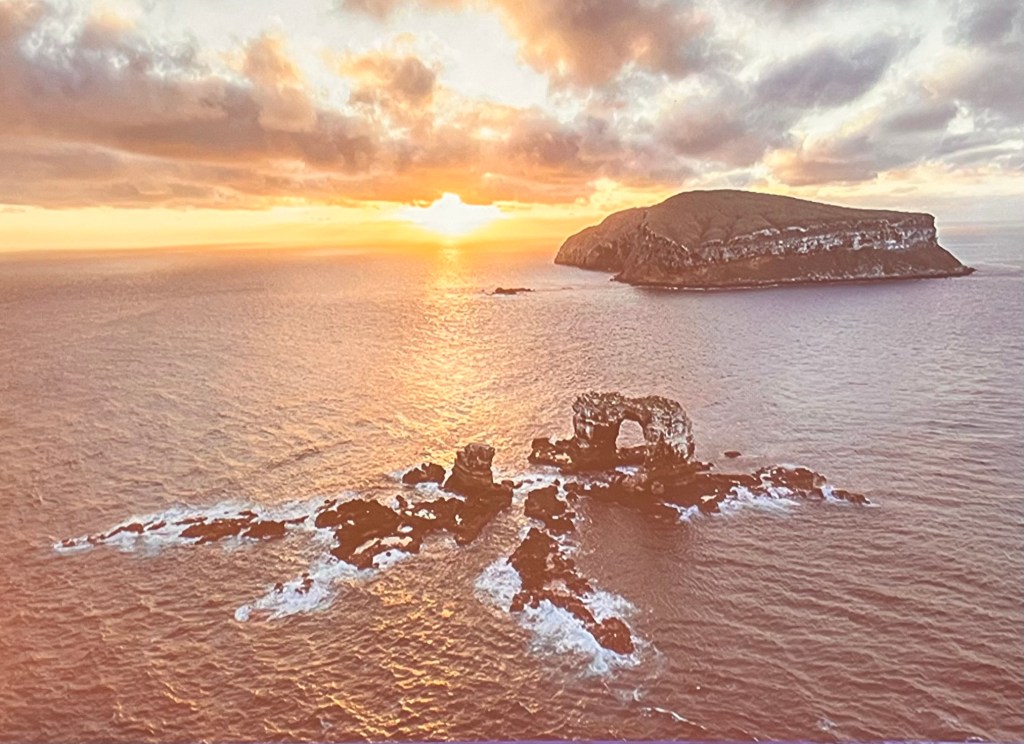
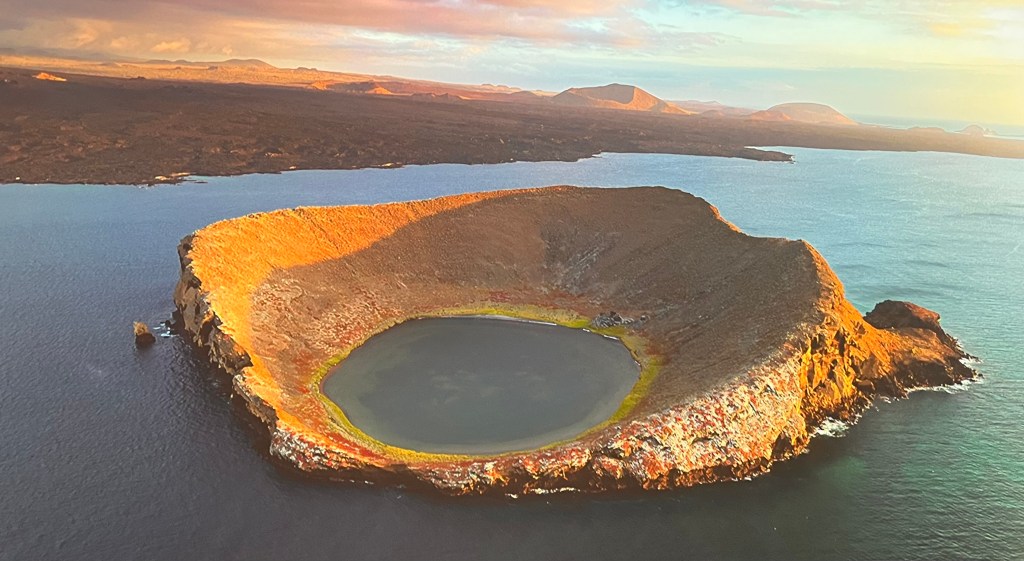
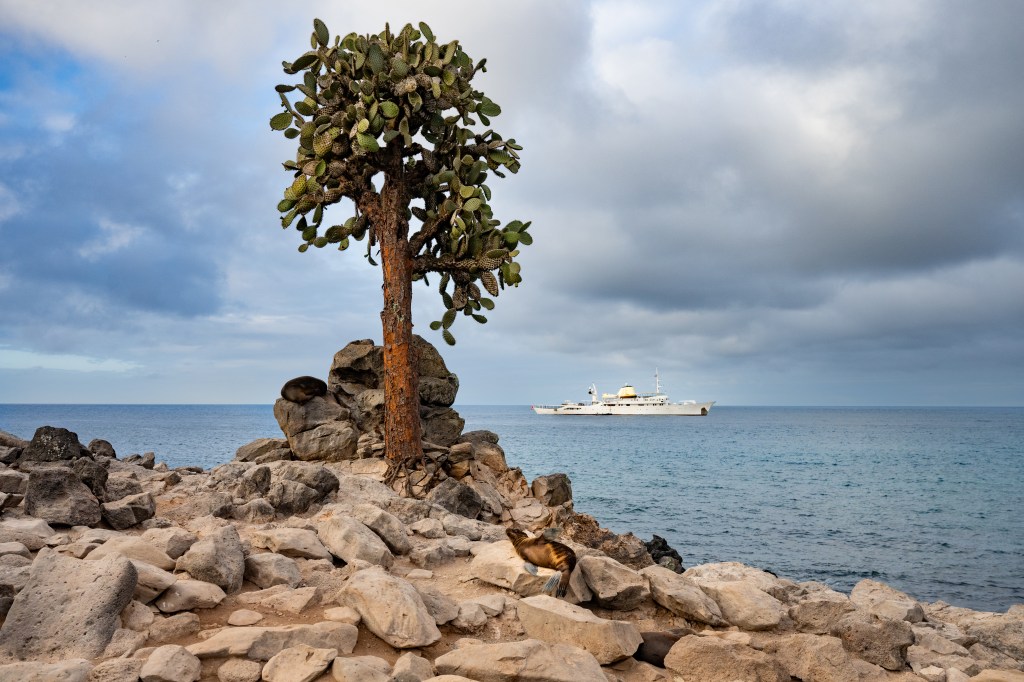

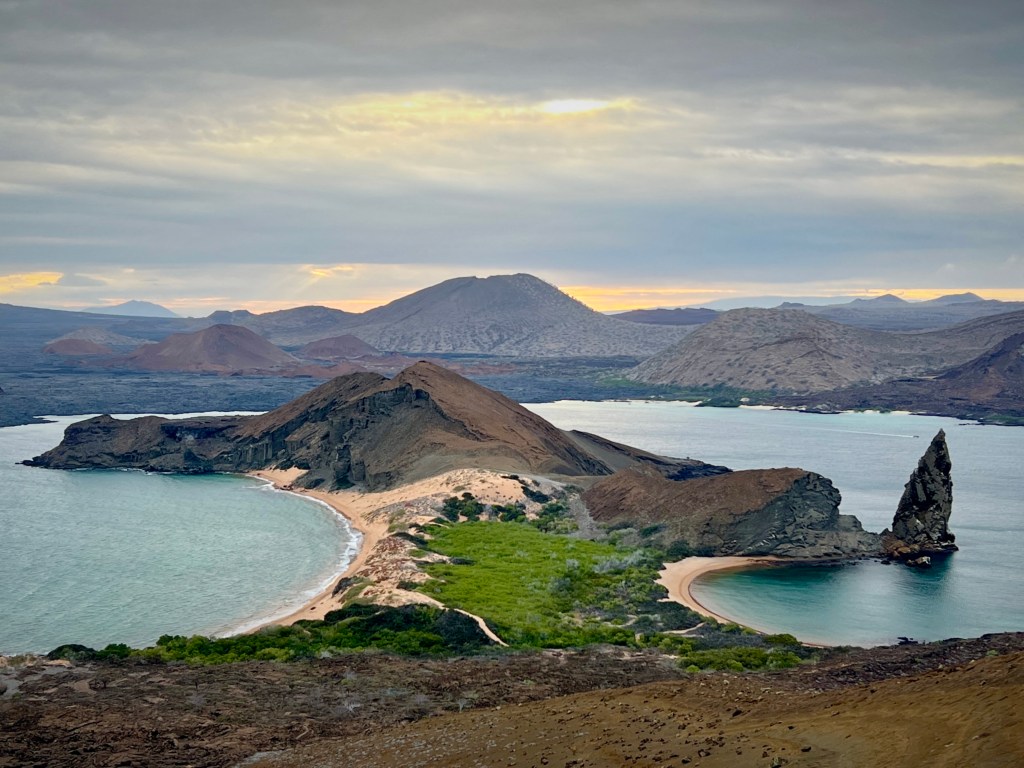
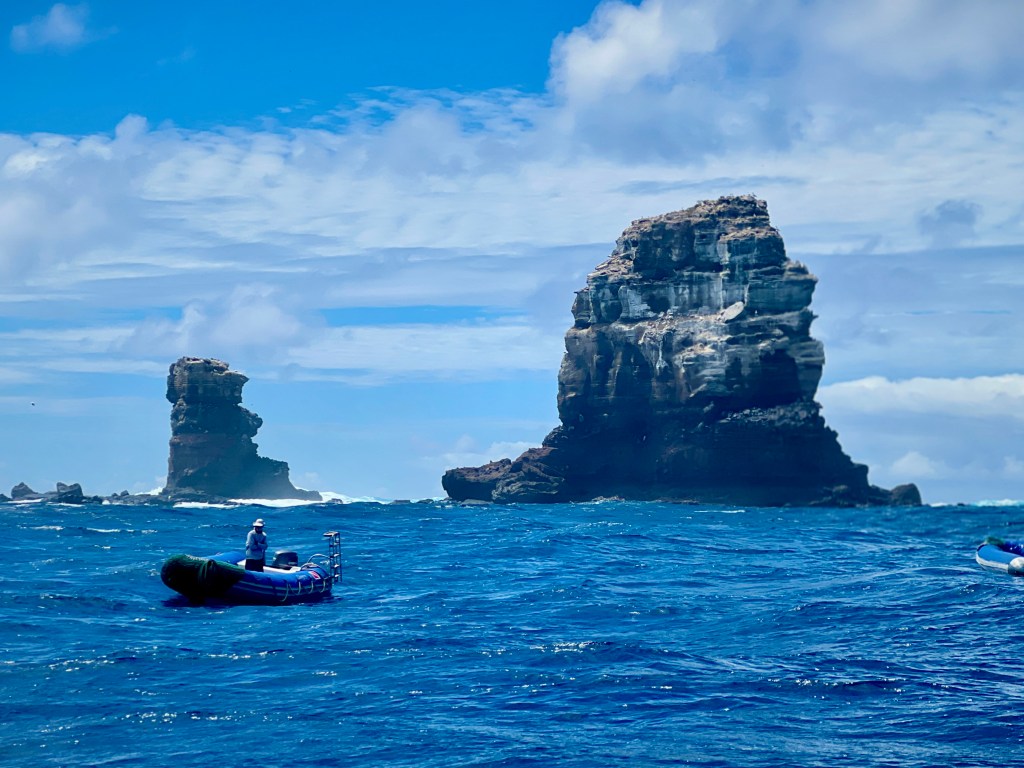
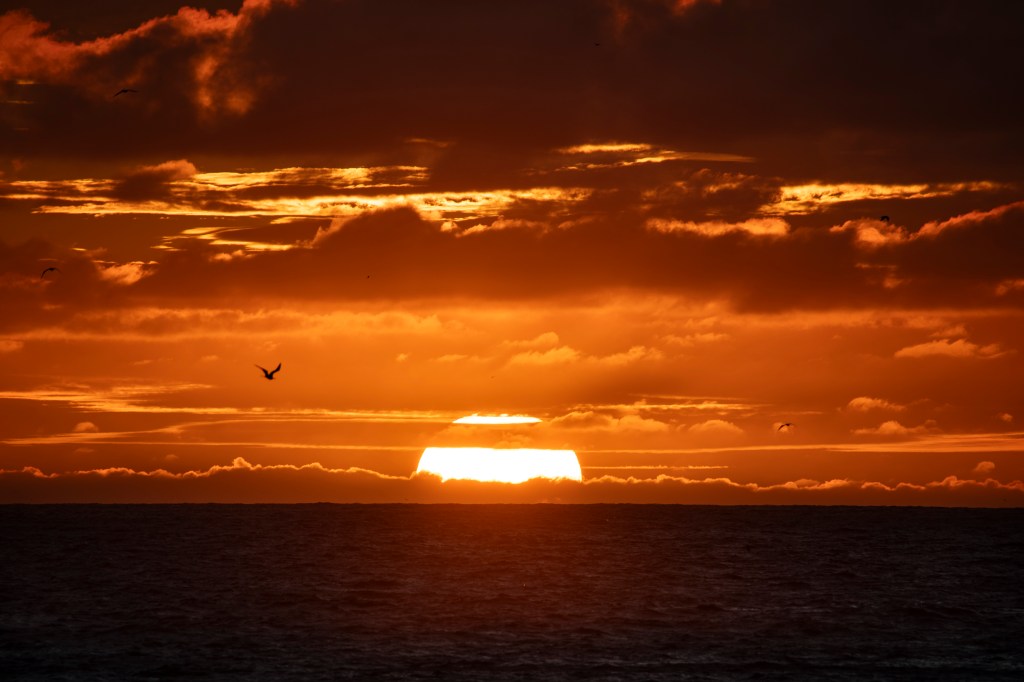
What Berlanga perceived as a cursed, lifeless land is now recognised as a haven of biodiversity and a natural laboratory for studying evolution, underscoring the profound shift in how humans value and understand the natural world over the centuries.
Berlanga’s curse of the islands in many ways explains its attraction today: after word got around that Galápagos was a remote place, offering no interest, the islands were mostly left alone, allowing them to maintain a biodiversity that disappeared elsewhere.
Over the next 300 years, until Ecuador claimed the islands in 1832, human visits were sporadic. Pirates used Galápagos as a hideout for their plundering activities of Spanish ships filled with gold, travelling from Perú to Spain via Central America.

Starting in the XVIIIth century, whaling ships began to use the islands as a source of food, establishing temporary camps to process their catches and stockpiling tortoises as nourishment for their long voyages.
Despite frequent visits, no permanent settlements were established in Galápagos until the middle of the XIXth century, when settlers from mainland Ecuador attempted to establish agricultural communities on Floreana Island. These efforts faced significant challenges due to limited freshwater, poor soil, and the harsh environment, and most were short-lived.
It was not until the 1920’s when a wave of settlers, including Norwegians and Germans, arrived in the Galápagos seeking new opportunities or escaping from political turmoil. These settlers attempted to create agricultural and fishing communities on Floreana, Santa Cruz, and Isabela Islands, with varying degrees of success. Some settlers left after encountering the islands’ harsh conditions.
In 1959 the Ecuadorian government decided a change of course for the islands, by declaring 97% of the Galápagos Islands as a national park, leaving only 3% for human settlement. This marked the beginning of systematic conservation efforts.
It was a smart move: starting in the 1970’s, tourism began to emerge as a lucrative economic activity. By 1978, the Galápagos Islands were designated as a UNESCO World Heritage site, highlighting their global ecological significance and increasing their visibility as a tourism destination.
From then on, tourism expanded rapidly, with cruise operators, lodges, and local businesses catering to visitors. Strict regulations were introduced, including limits on visitor numbers, zoning of activities, and requirements for licensed naturalist guides, which has served to magnify the islands’ attractiveness.
These regulations have helped save hundreds of species from extinction. A good example are sharks. As Dr. Pelayo Salinas, biologist and explorer at the Darwin Foundation notes, the value of a dead shark is approx. USD 138.- But the same animal, alive, is worth USD 360’000.- since it attracts so many underwater tourists.
Noticing the value of ecotourism for the local (and even the national) economy, since Galápagos can only be reached from the Ecuador’s mainland, the government has introduced more an more conservation measures, including in 1998 declaring the islands a marine reserve with full protection for sharks.
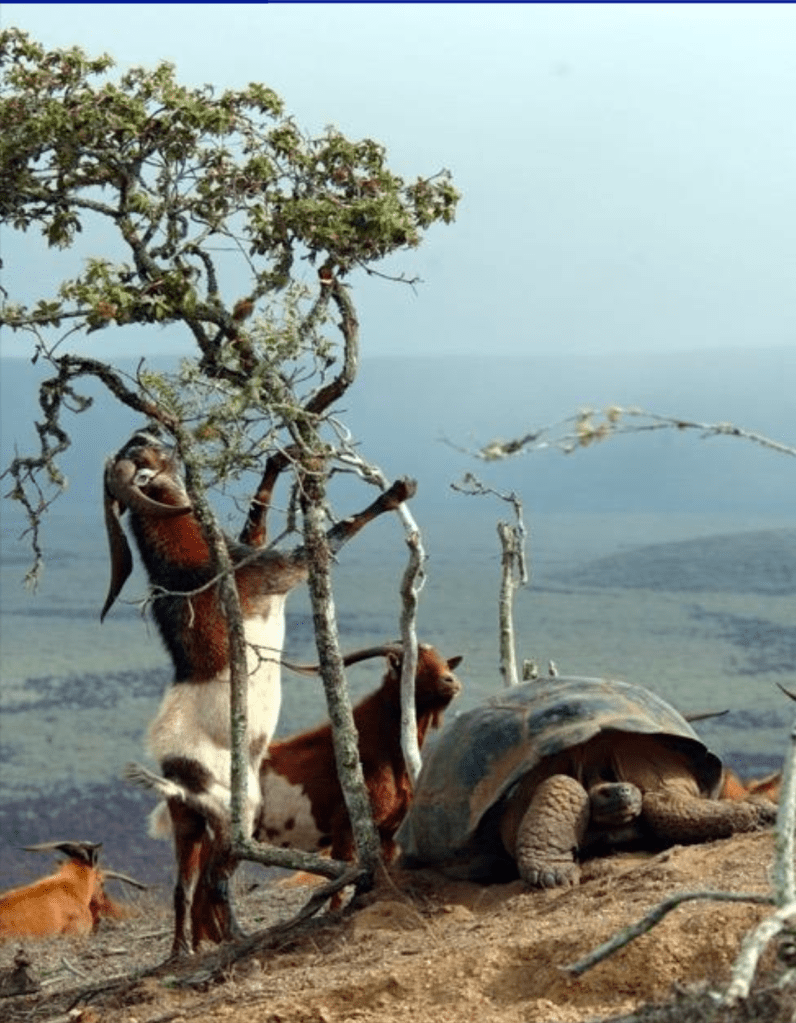
Nevertheless, introduced species (goats, rats, cats and dogs) did ravage part of Galápagos. Some of these were eliminated in the last few decades, but some remain. Even today, visitors are struck by the presence of dogs and cows in some (tightly controlled) areas, which have nothing to do with the local ecosystem.
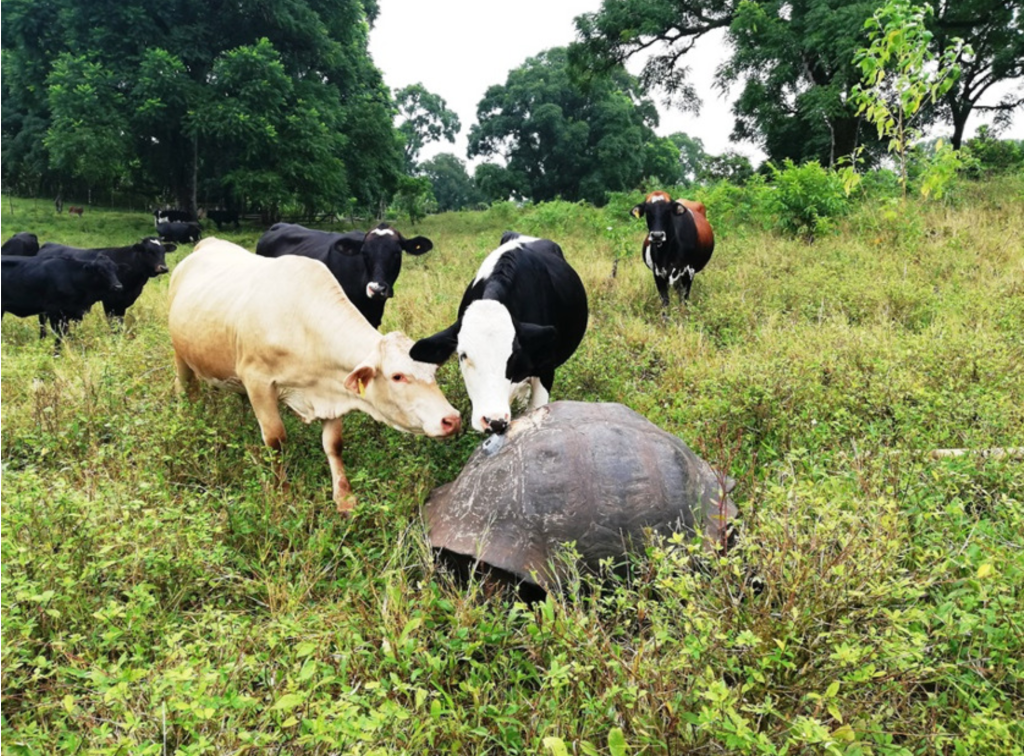
Overall, however, the story of Galápagos offers a lesson and hope for many areas of the world where animals are in danger of being hunted to extinction: nowadays live animals are often worth more to the local communities than their value as carcasses.
Why does Galápagos have such a particularly varied and rich ecosystem?
The explanation has to do with its unique location: it is very isolated and at the centre of three cold and warm ocean currents (Humboldt, Cromwell, and Panama), which means that in a very small geographical area, vastly different habitats are found.
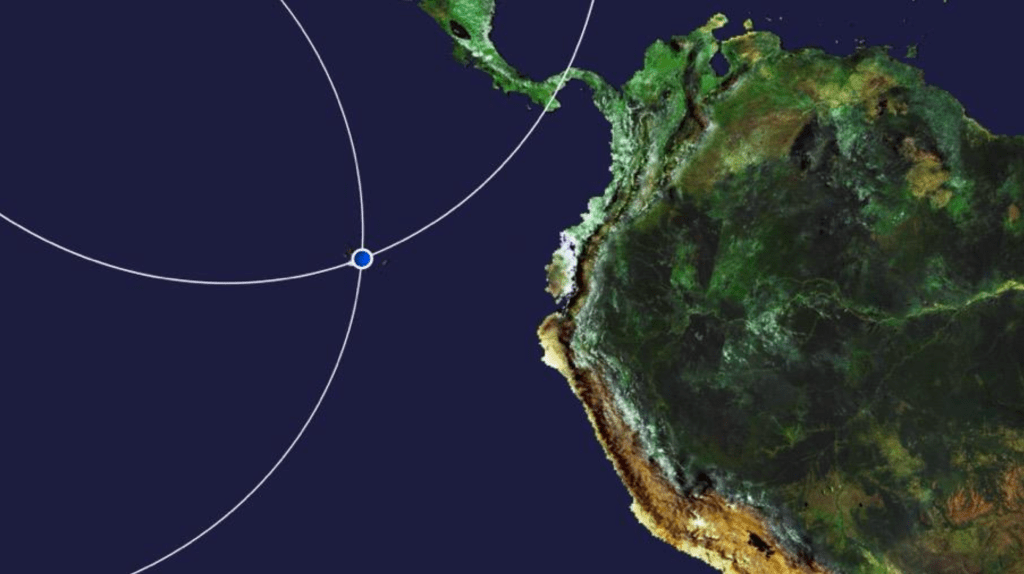
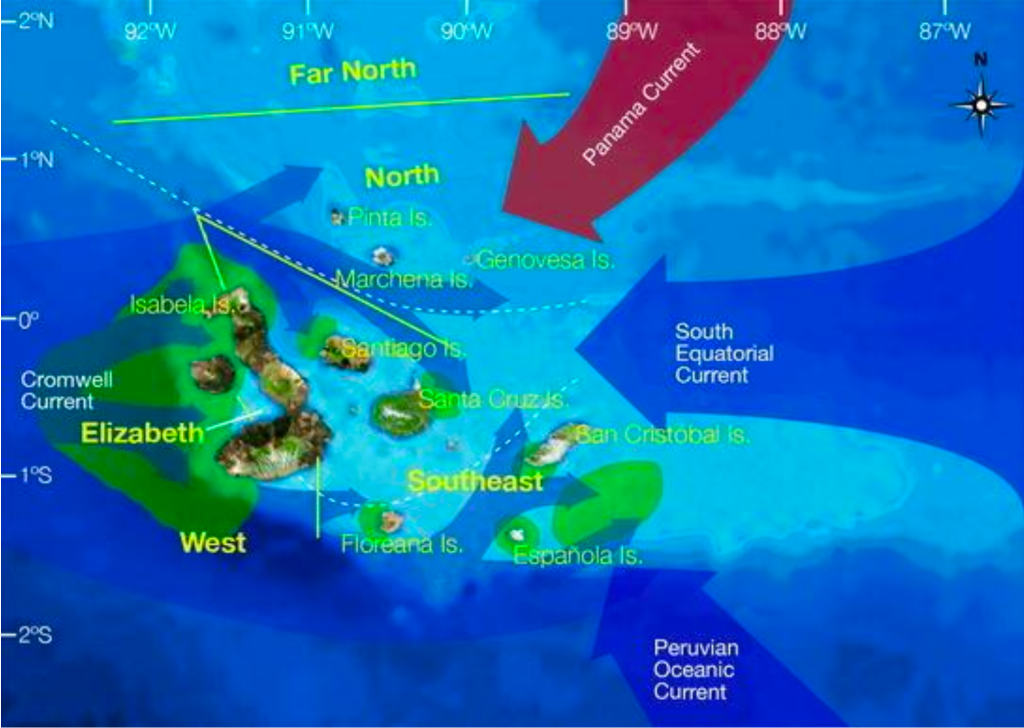
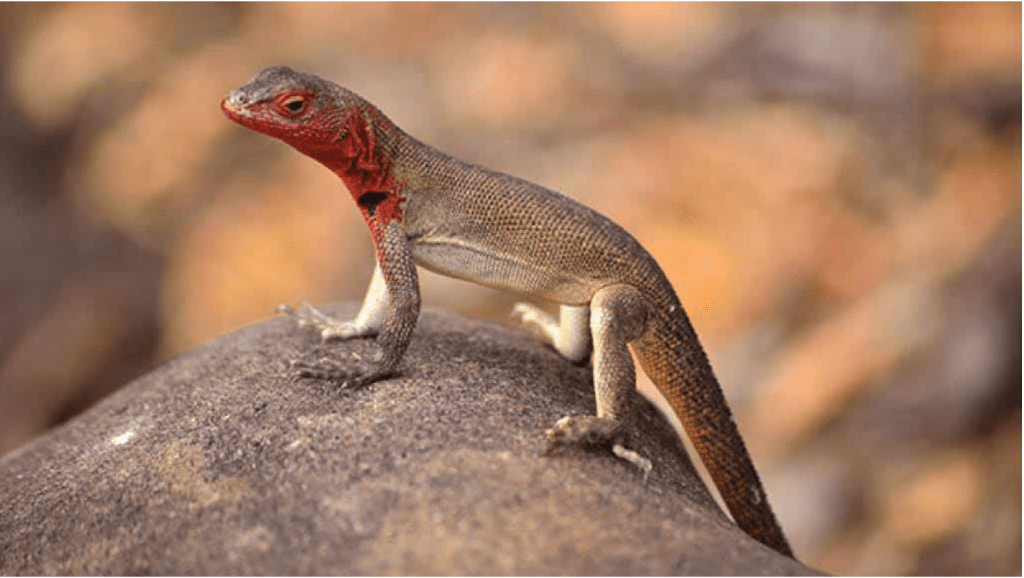
This explains why Galápagos is home to over 2,900 marine species and thousands of terrestrial species, many of which are endemic (found nowhere else in the world). This includes 58 bird species, 19 species of reptiles, numerous plants, invertebrates, and marine life. These include:
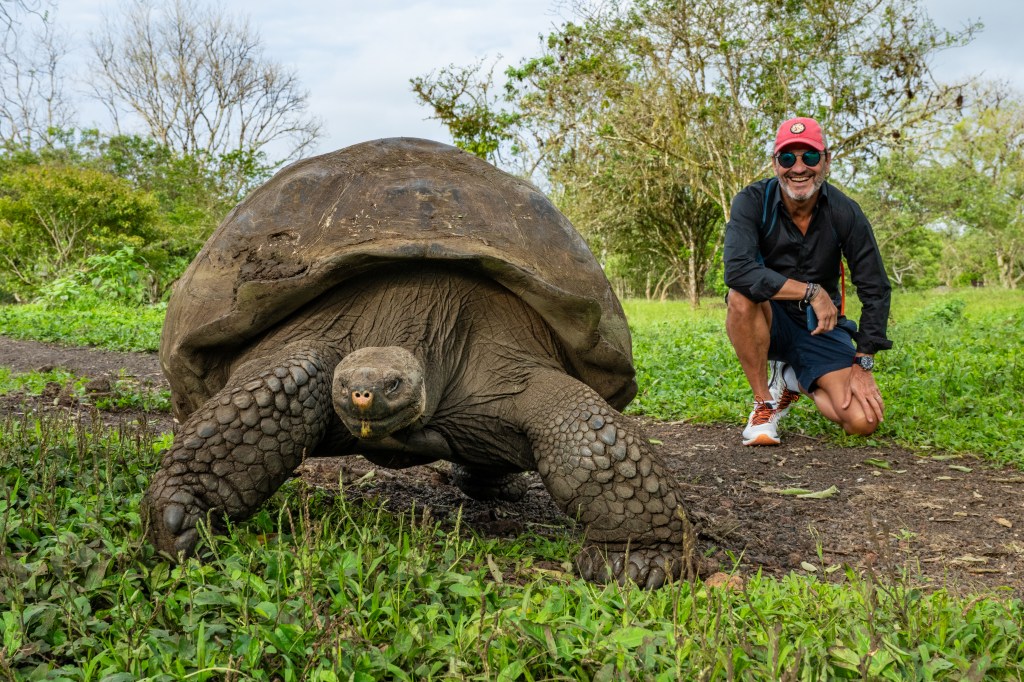
Galápagos giant tortoises: 15 subspecies, several of which are endemic to specific islands.
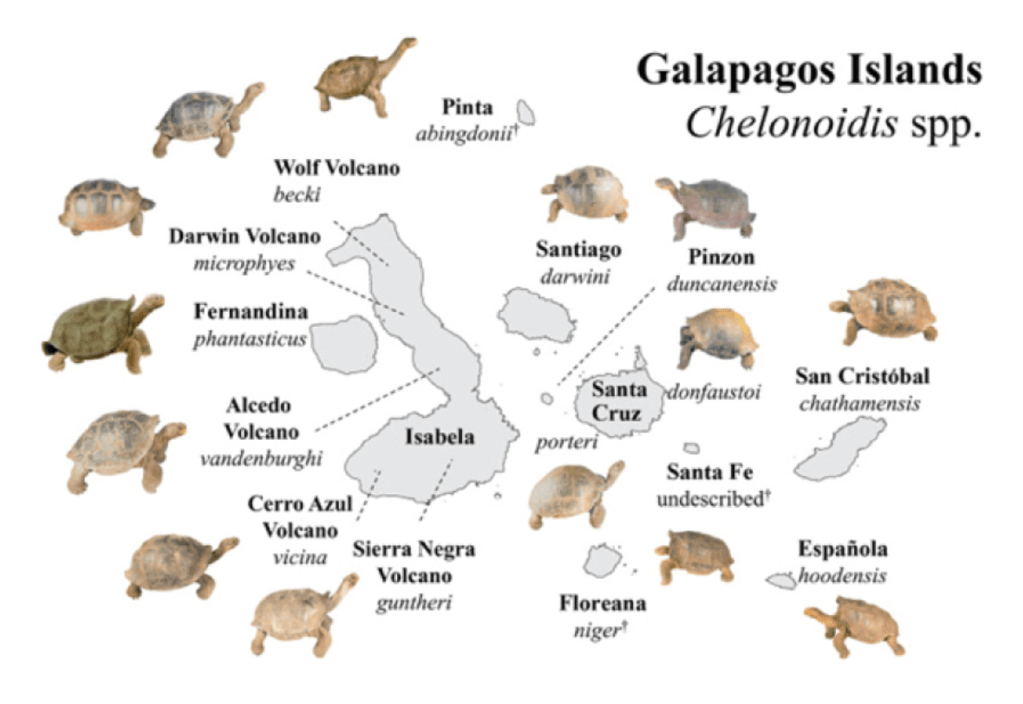

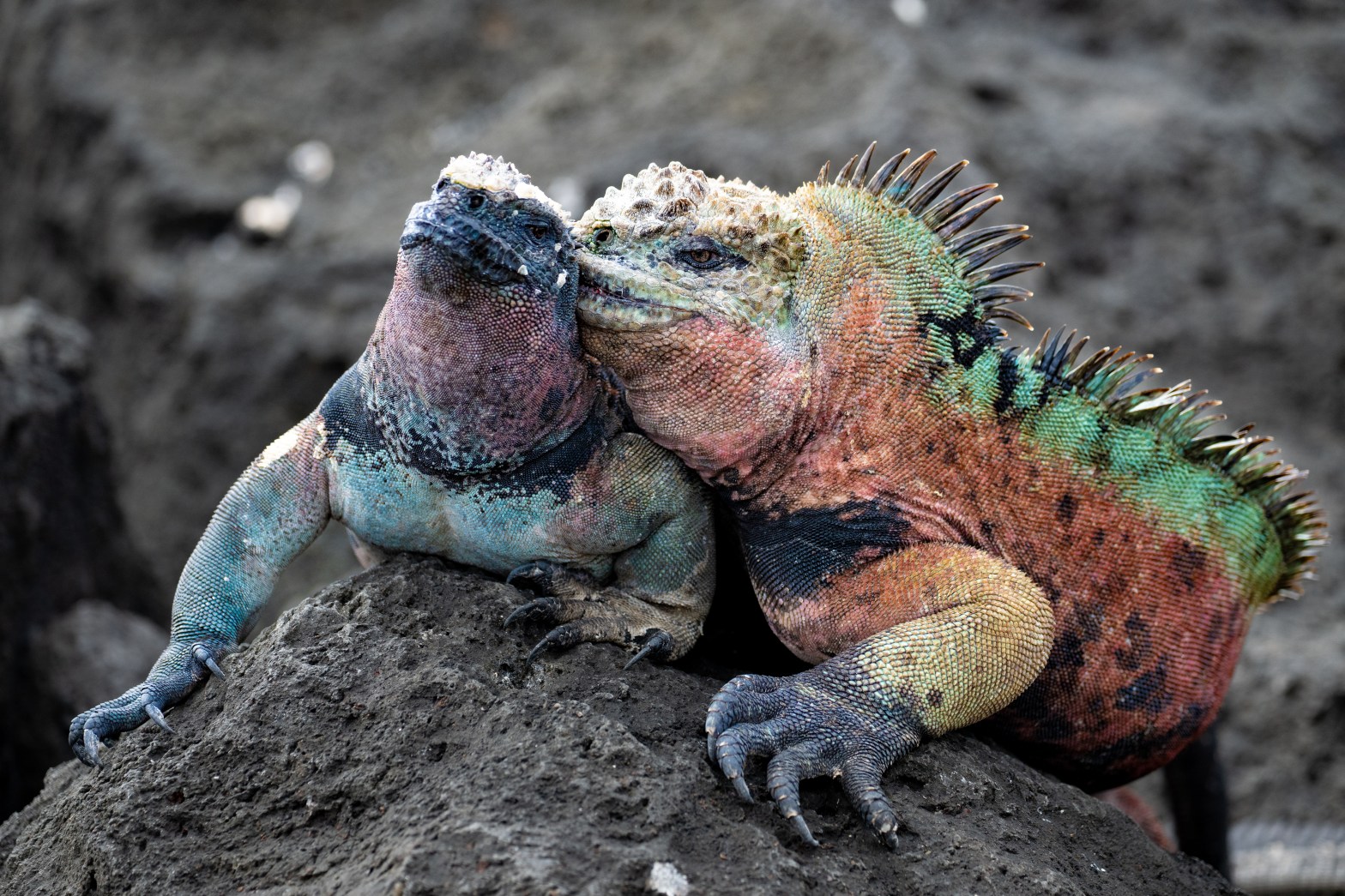
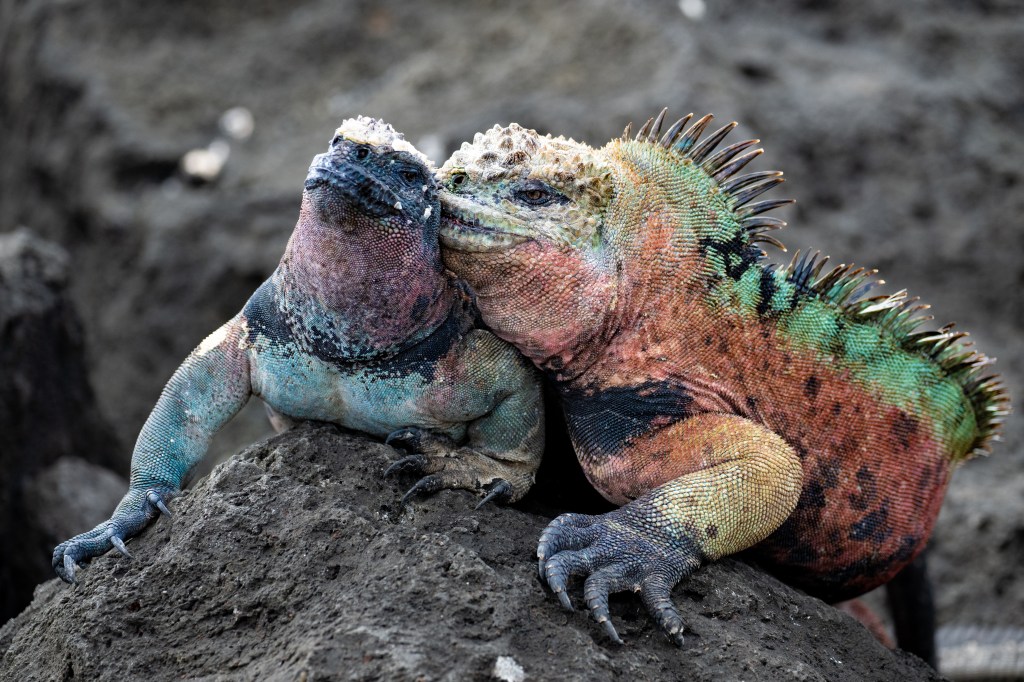
Marine iguanas: The only lizards in the world that forage in the ocean.
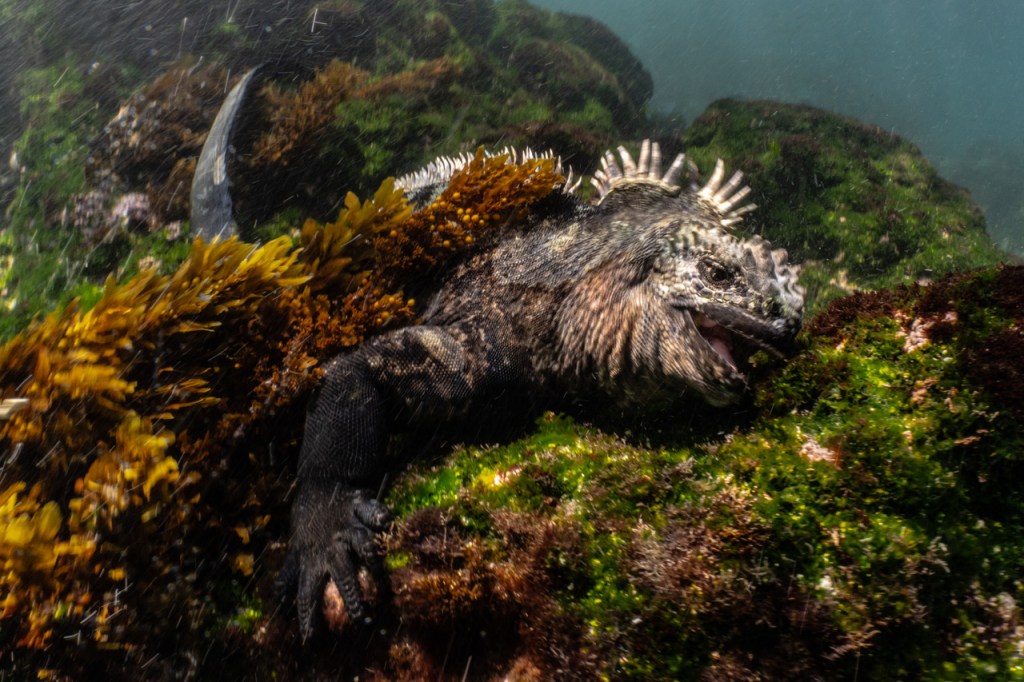
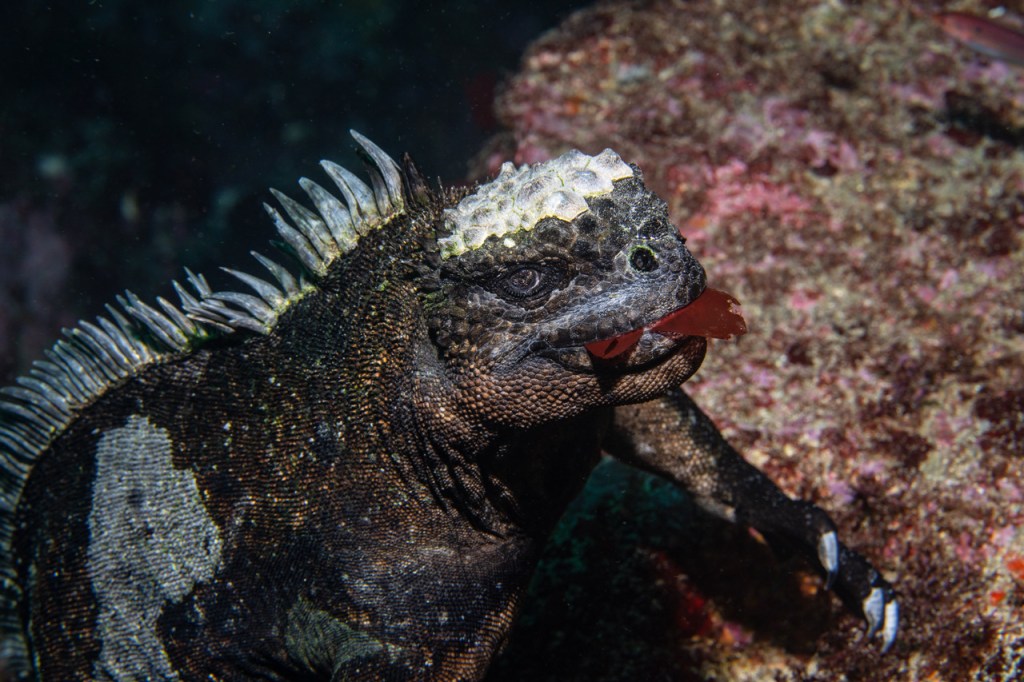
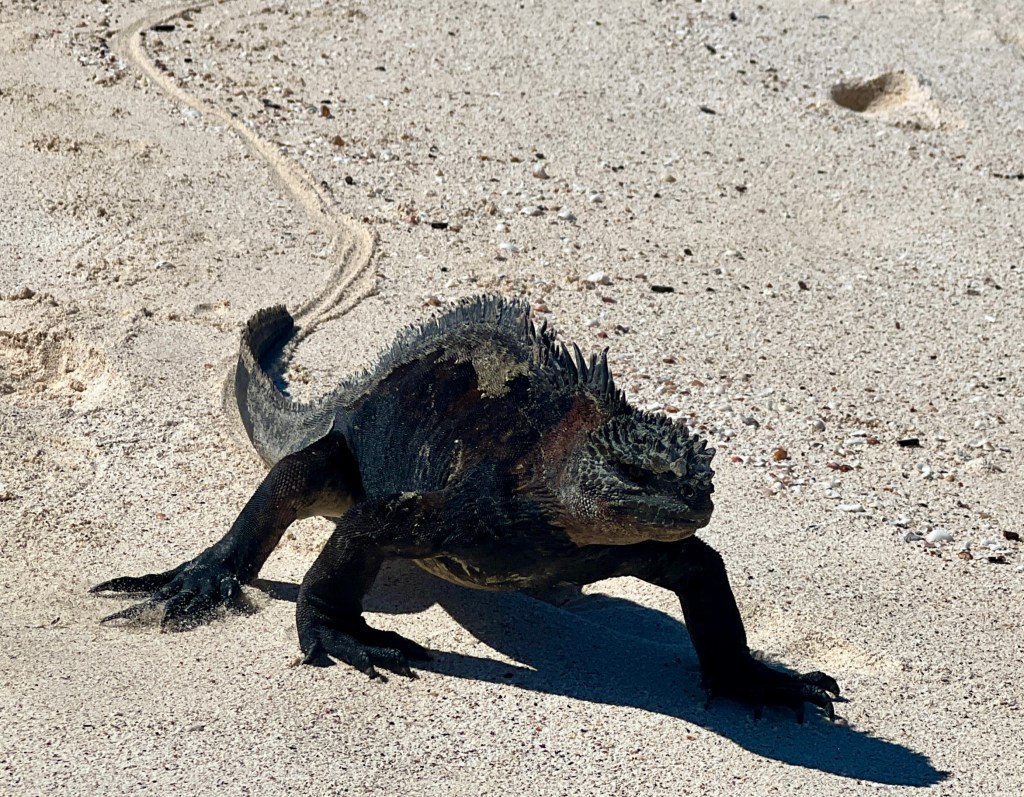
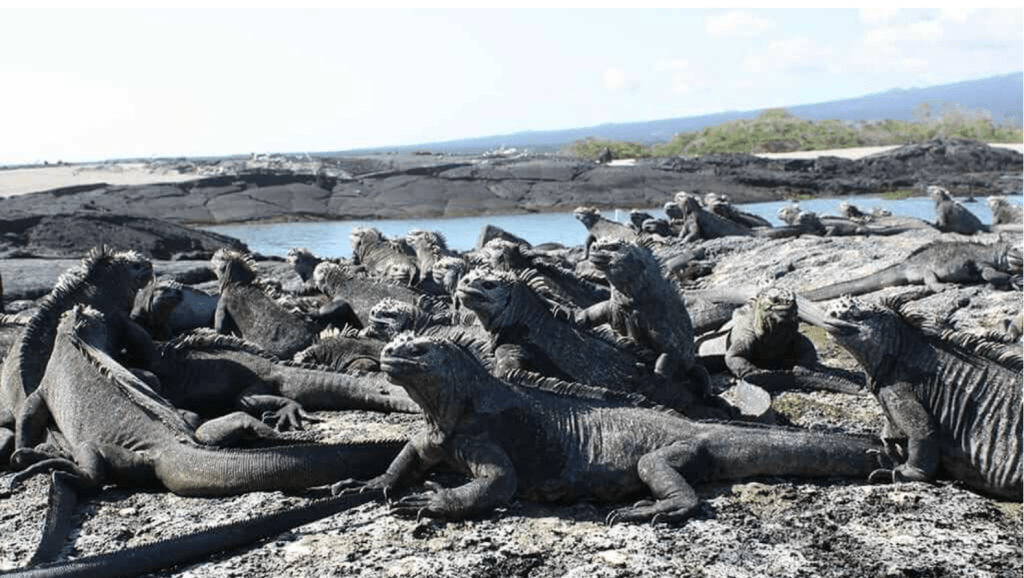
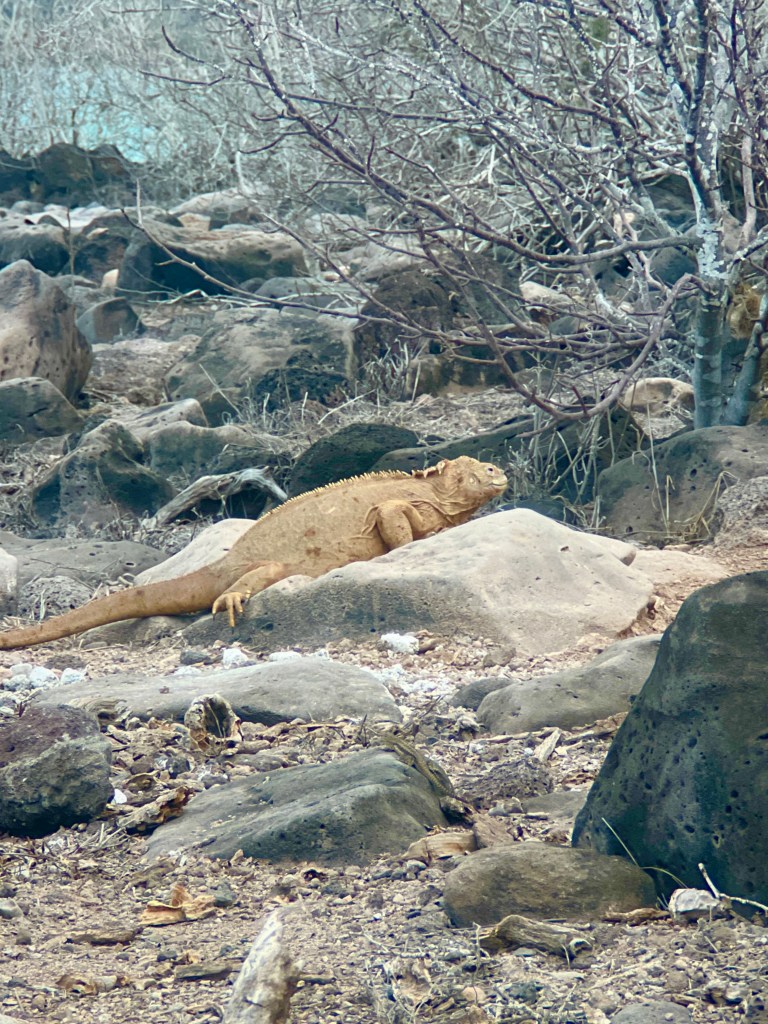
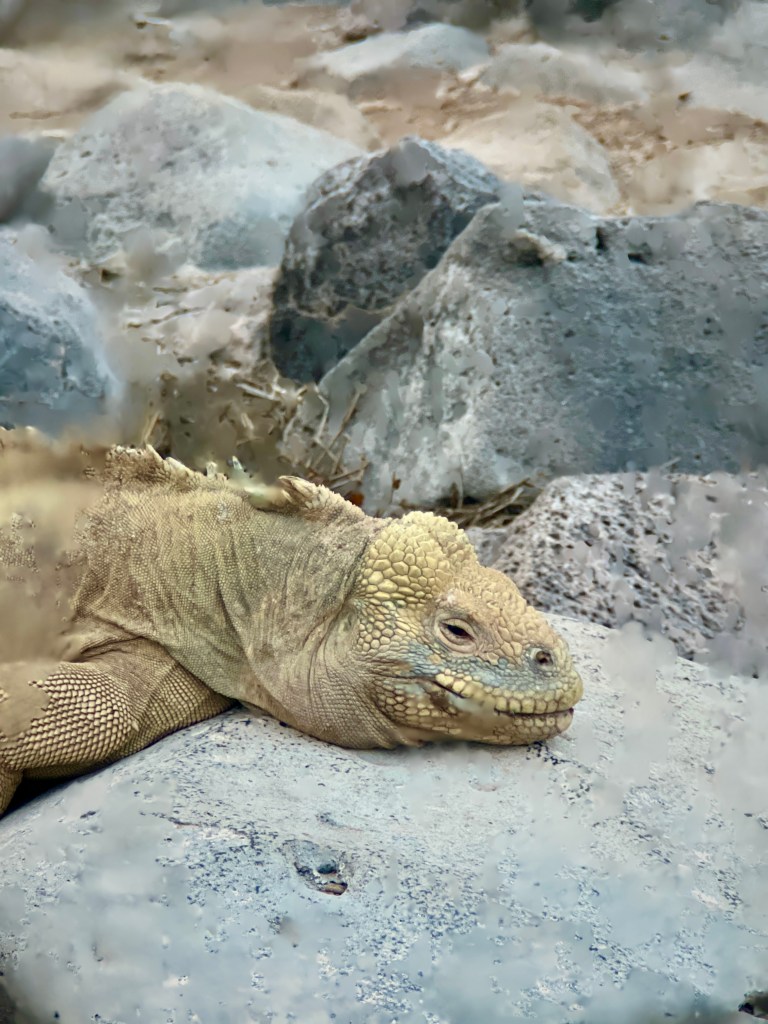
Apart from the endemic marine species, Galápagos is also home to the land iguanas, and the highly distinctive pink iguanas.

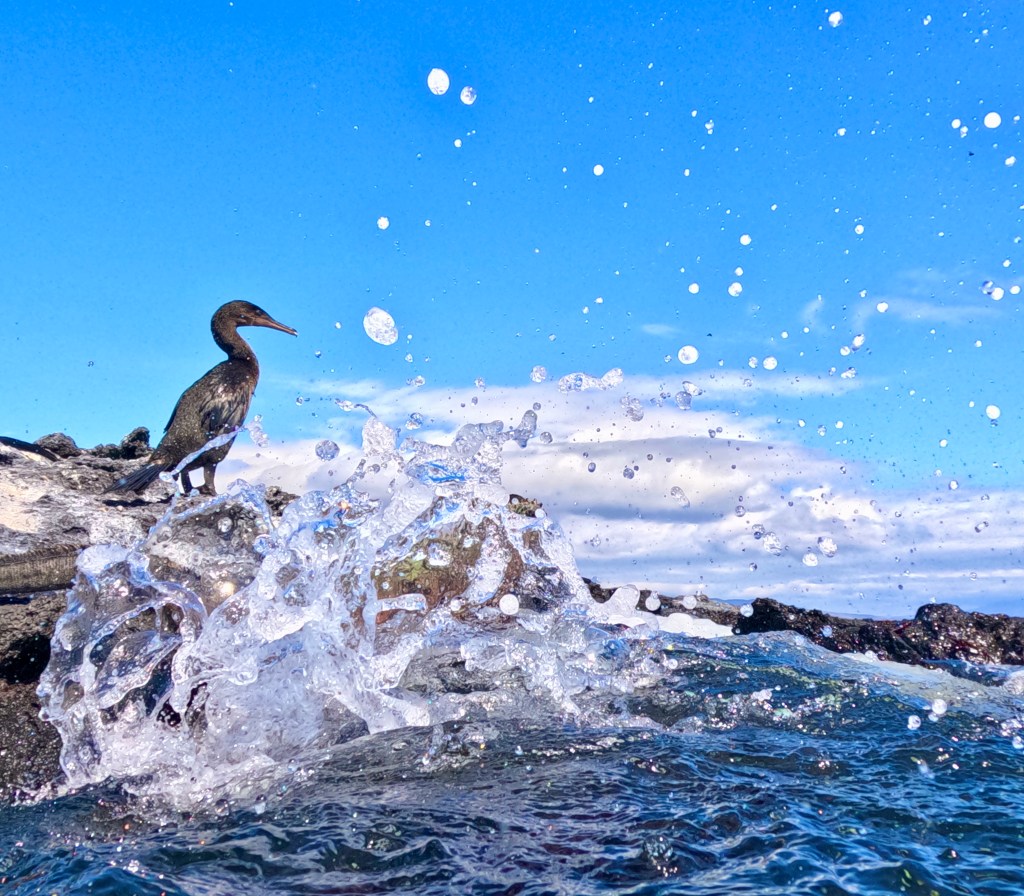
Flightless cormorants: A unique bird species that has lost its ability to fly, since for many hundreds of thousands of years it had no predators.
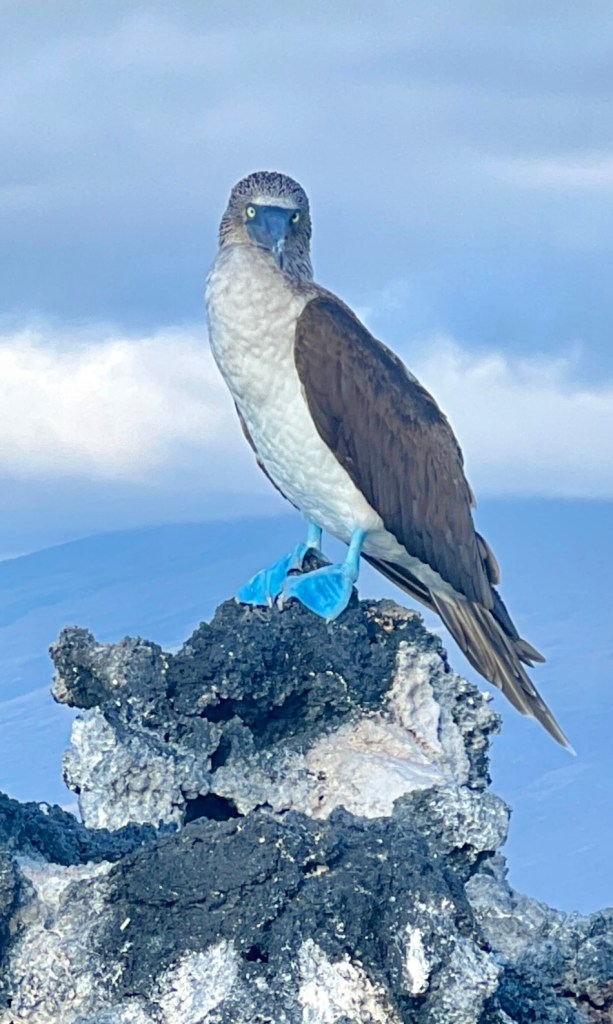
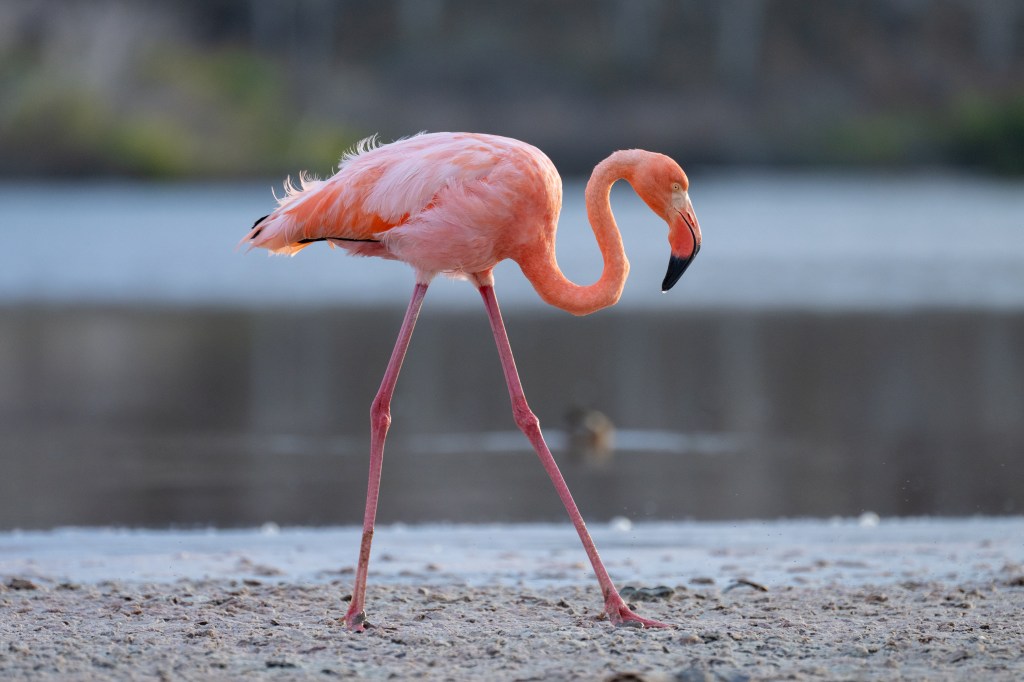
Blue-footed boobies, waved albatrosses, flamingos, and other seabirds.

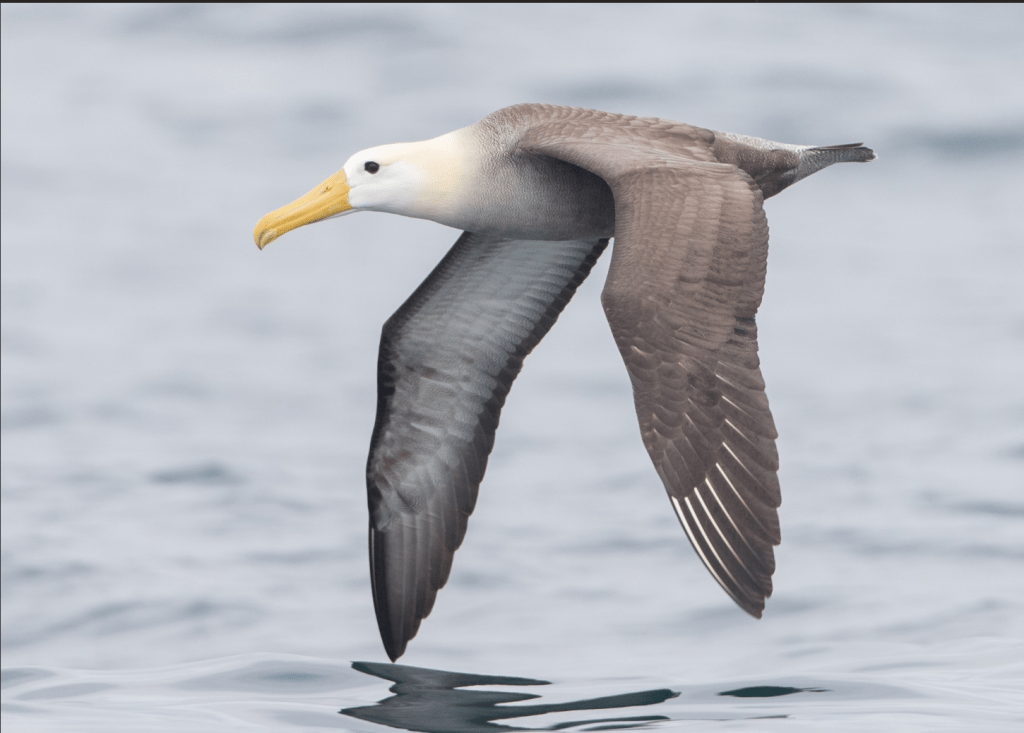
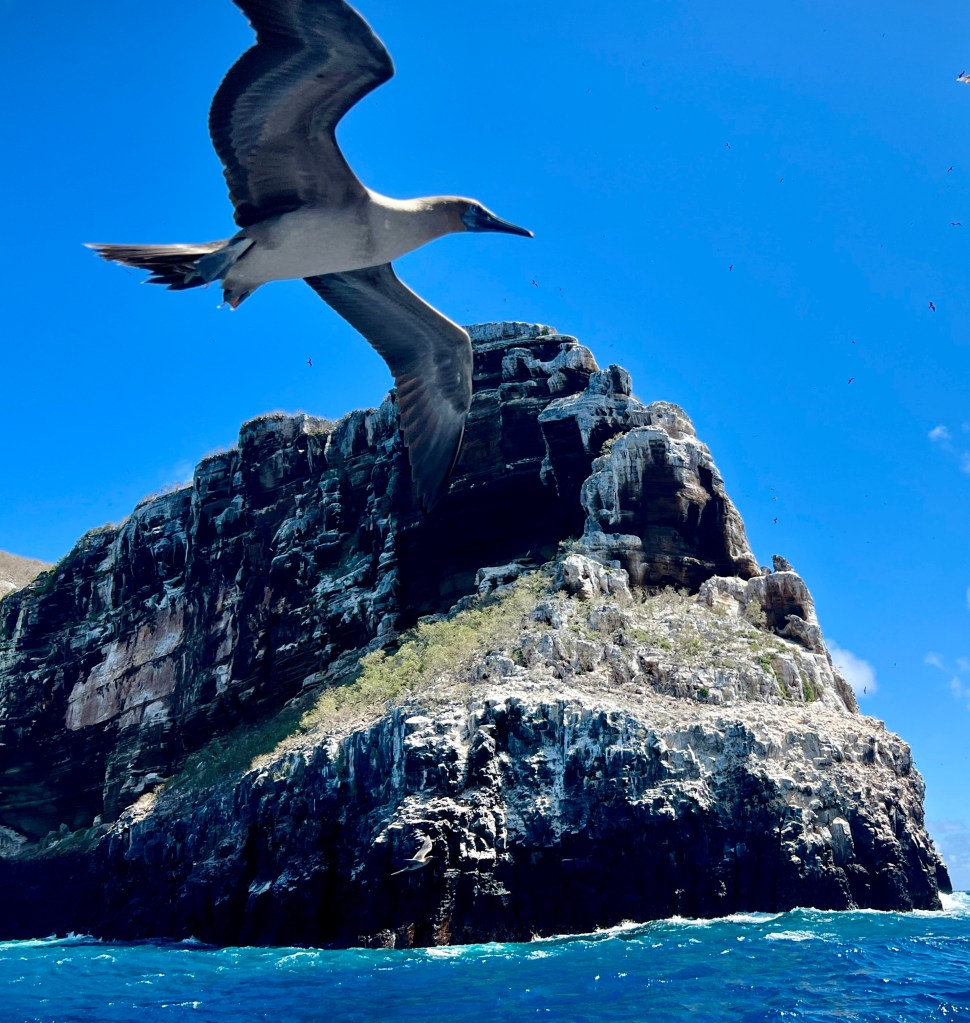
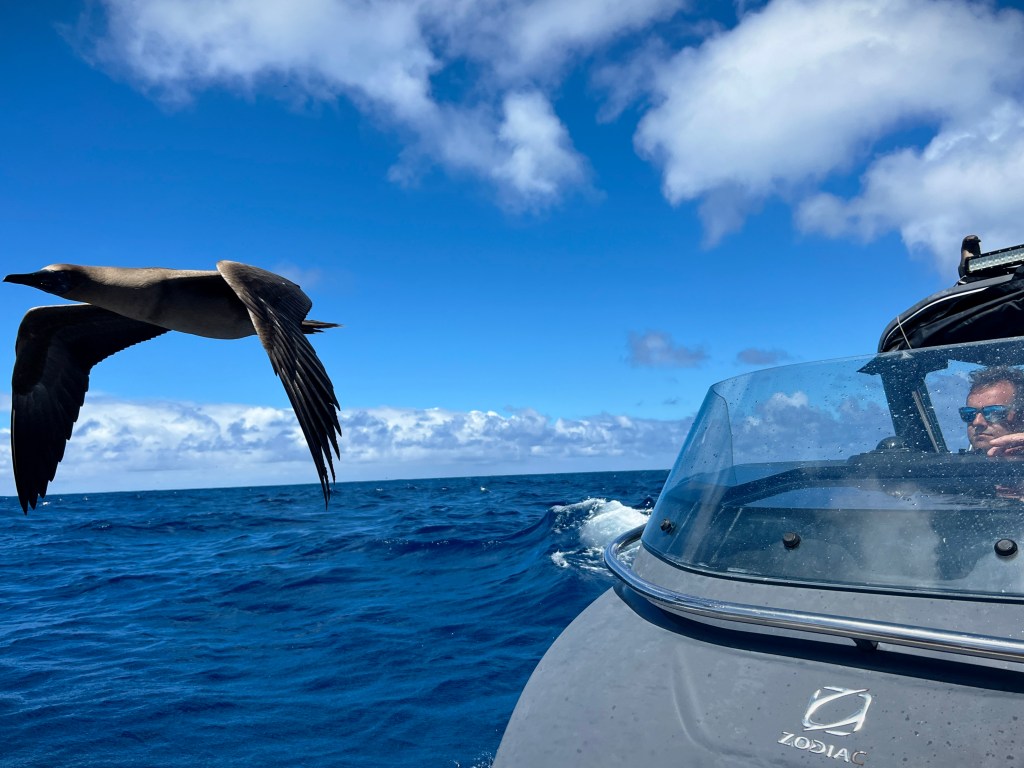
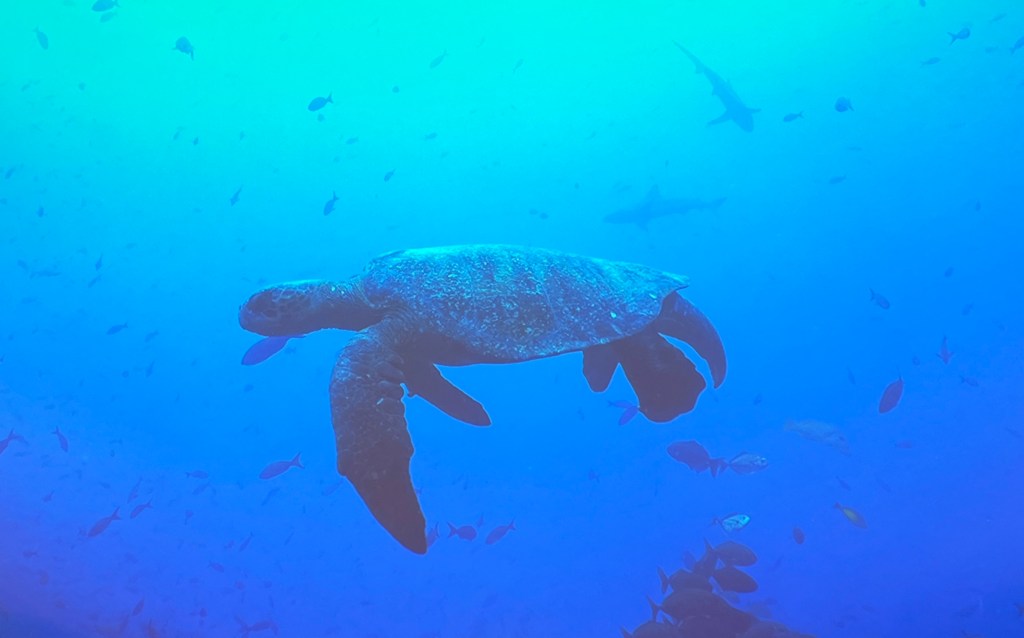


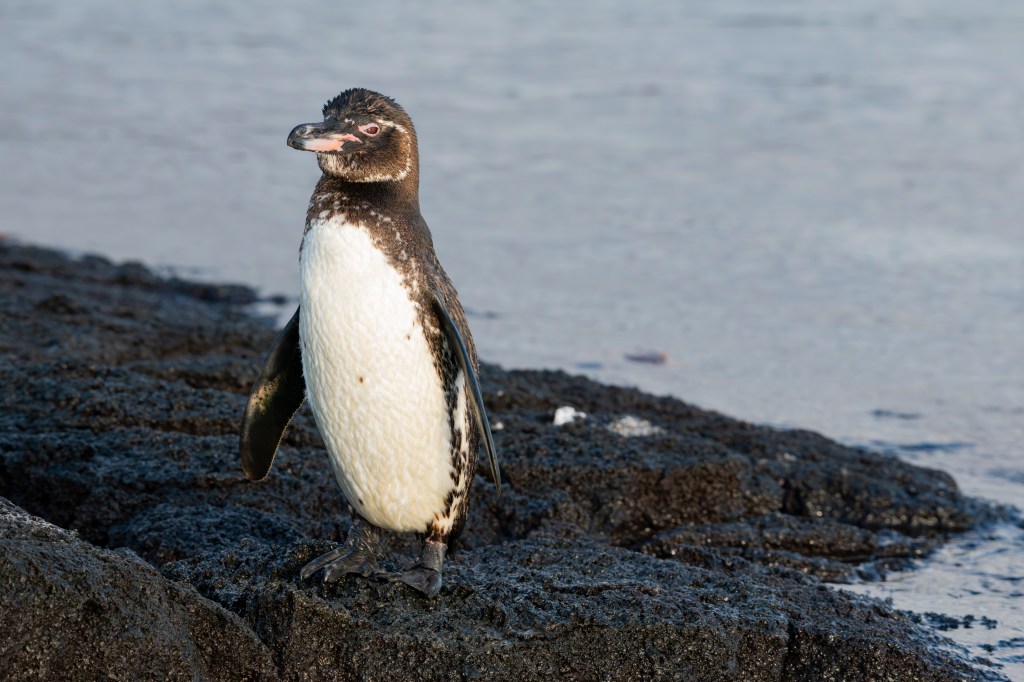
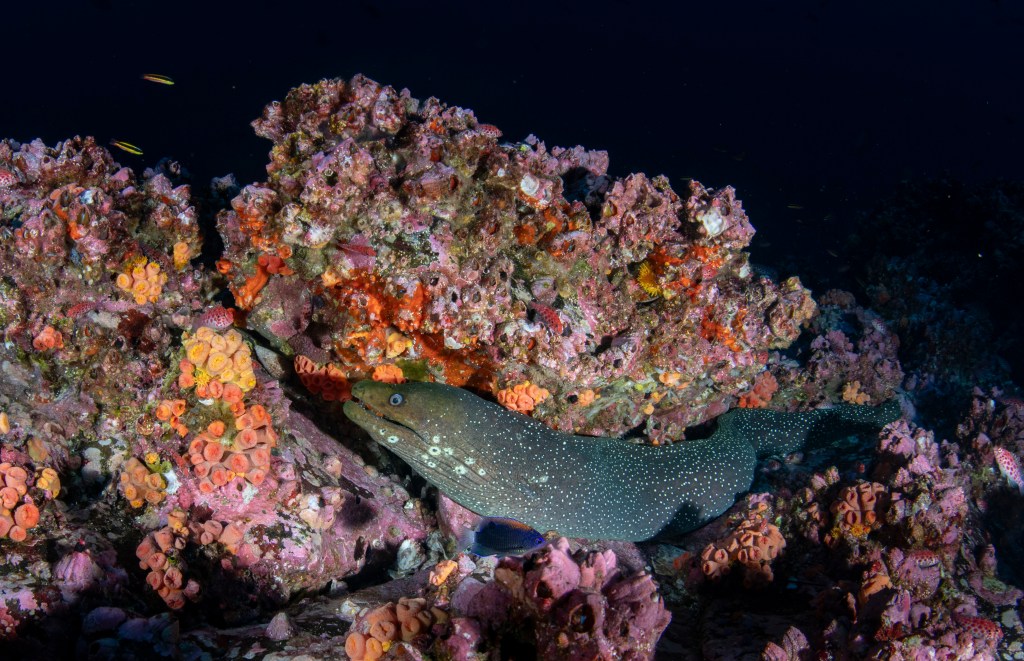
In addition, as volcanic islands, the Galápagos have young, nutrient-rich soils that provide fertile ground for evolutionary experimentation. The frequent changes in terrain, due to volcanic activity, means that species have needed to adapt more than in other regions of the world, hence the enormous biodiversity found here.
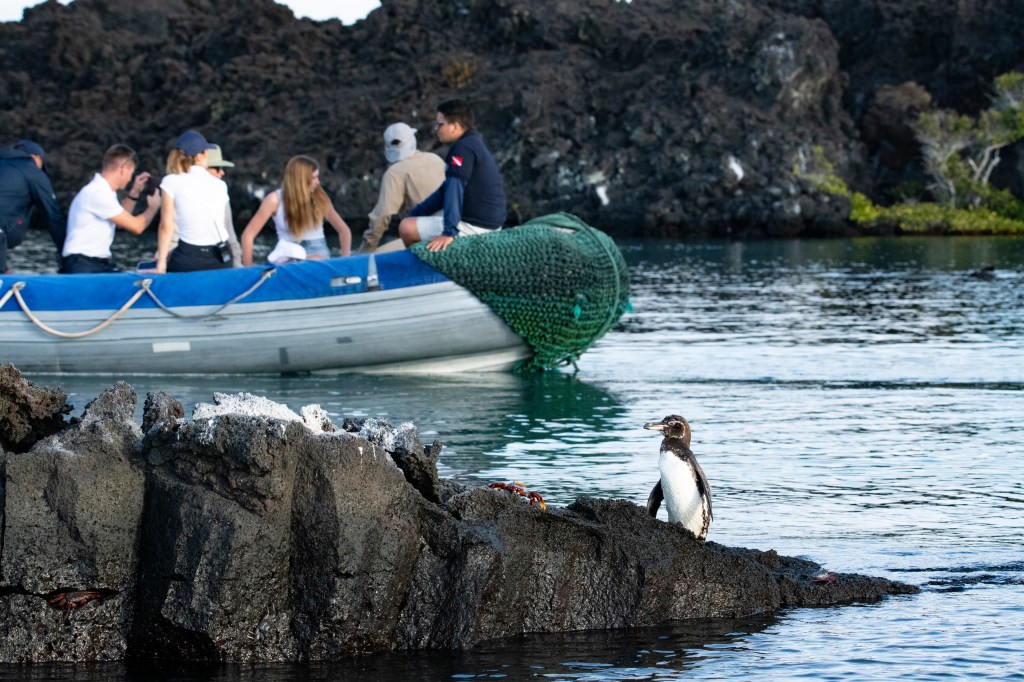
Finally, the charm of Galápagos has a lot to do with the fact that the islands lack large natural predators and, historically, encounters with humans have been rare. This means that many species, like the sea lions and birds, are unafraid of homo sapiens, offering a rare chance to observe wildlife up much closer than in most other regions of the world.

Darwin and Galápagos
The Galápagos Islands hold a legendary place in the history of science, thanks to their pivotal role in shaping Charles Darwin’s theory of evolution by natural selection. Darwin visited the islands in 1835 during his voyage aboard the HMS Beagle. Although he spent only five weeks there, the observations and specimens he collected had a profound impact on his thinking.
Darwin was struck by the distinctiveness of the islands’ flora and fauna. Many species were unlike anything found elsewhere in the world, yet they bore similarities to species on the South American mainland. This raised questions about how these organisms had arrived and adapted.
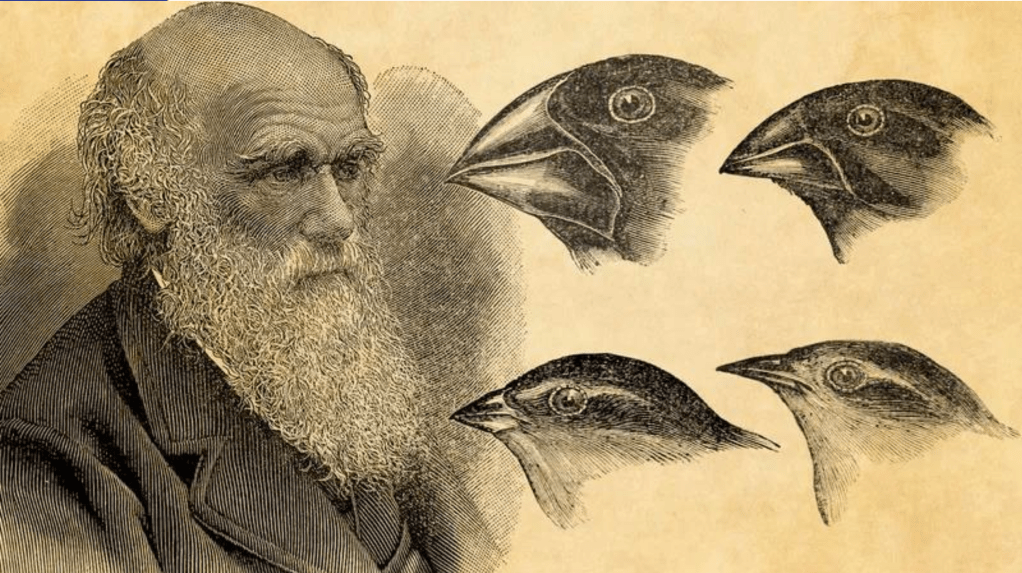
He noted that species varied from island to island. The most famous example is the finches, now known as “Darwin’s finches.” These small birds have beaks that vary slightly in size and shape, adaptations that suited their specific diets. For instance, finches on one island have large beaks for cracking seeds, while those on another have slender beaks for eating insects.
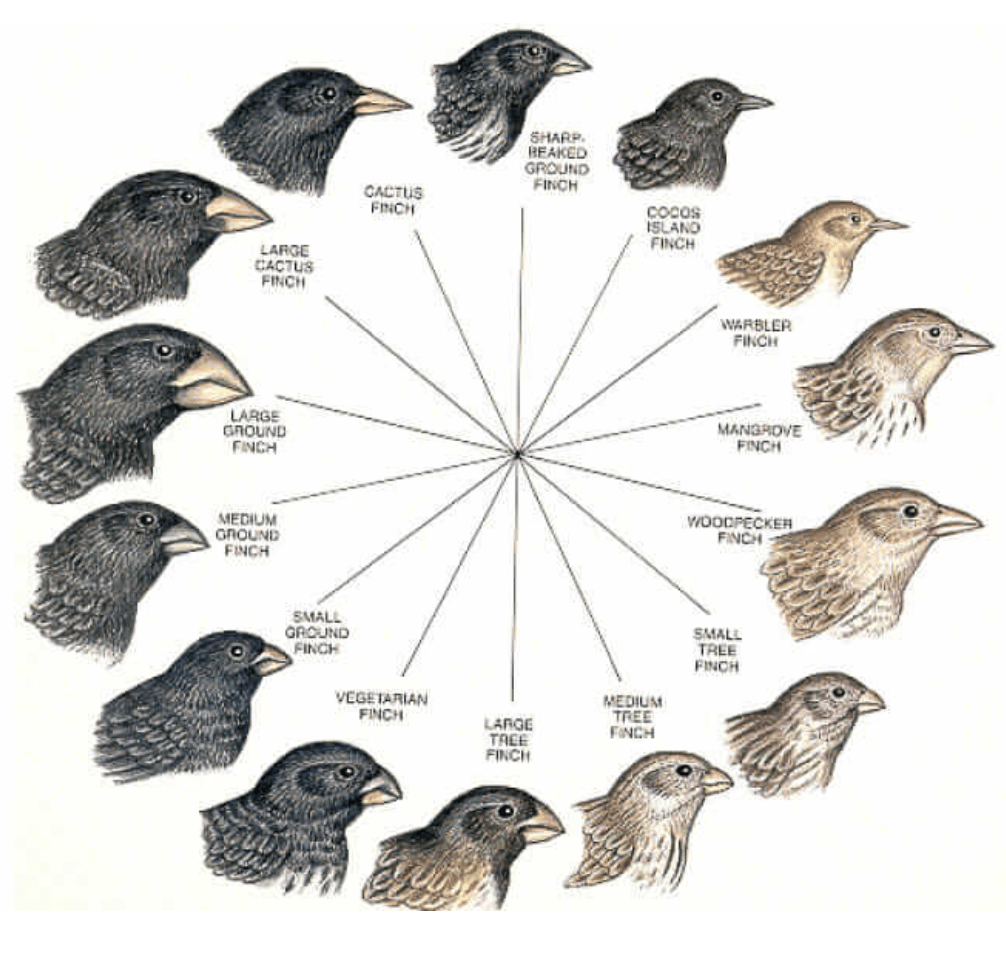
Darwin also recognized the volcanic origin of the islands and their relative youth. This understanding reinforced the idea that life on the islands must have arrived and evolved after their formation.
The observations Darwin made on the Galápagos became foundational to his understanding of how species change over time. While he did not immediately grasp the full implications of what he had seen, his notes and collections provided strong insights and evidence that supported his later work:
- Common Descent: The similarities between Galápagos species and mainland species suggested a shared ancestry, with populations adapting to their specific environments over time.
- Natural Selection: The variations among species on different islands illustrated how traits that were advantageous in a given environment could lead to the survival and reproduction of individuals with those traits, gradually shaping the species.
- Speciation: Galápagos provided a natural laboratory for observing how geographic isolation and environmental differences could lead to the formation of new species.
Visiting Galápagos
Visiting Galápagos is expensive compared to many other destinations. And there are many restrictions, which means that advance planning is essential. This is definitely not a last-minute destination!
There are no direct international flights to the islands. Most visitors fly from mainland Ecuador via Quito or Guayaquil to the airports on Baltra or San Cristóbal islands. Weather and ocean conditions can sometimes disrupt travel, especially during the rainy season (December to May).
Galápagos is one of the most ecologically protected areas in the world. This means that visitors must adhere to strict guidelines, including staying on designated paths, traveling with licensed guides, and avoiding interactions with wildlife. There is no way you can visit these islands on your own, and be prepared to follow strict orders, some of which might appear as absurd.
We were very fortunate to visit on a boat fully equipped not only with local guides, but also with several international experts, making our trip particularly valuable. But many other options exist.
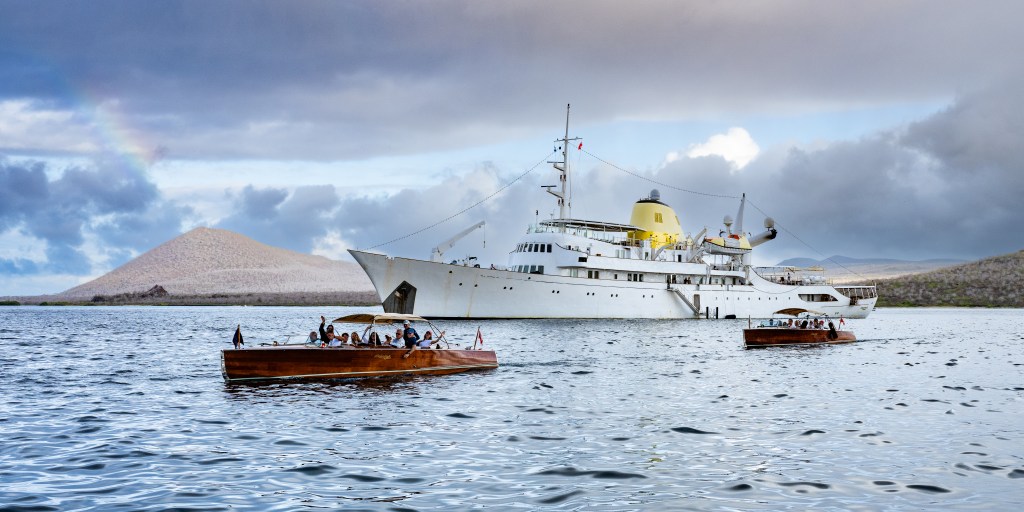

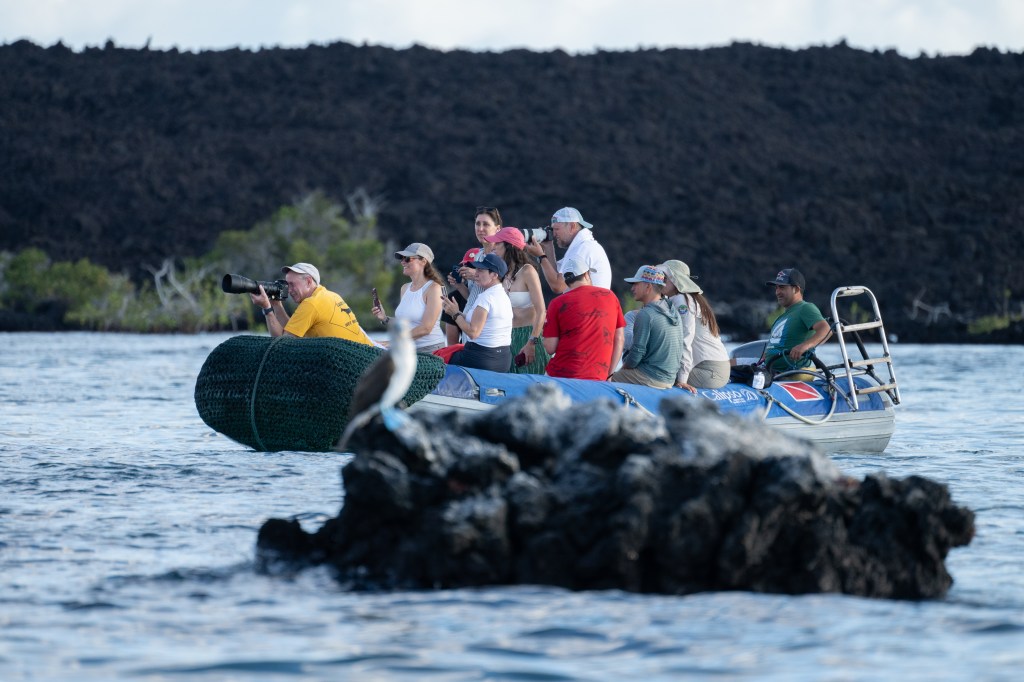
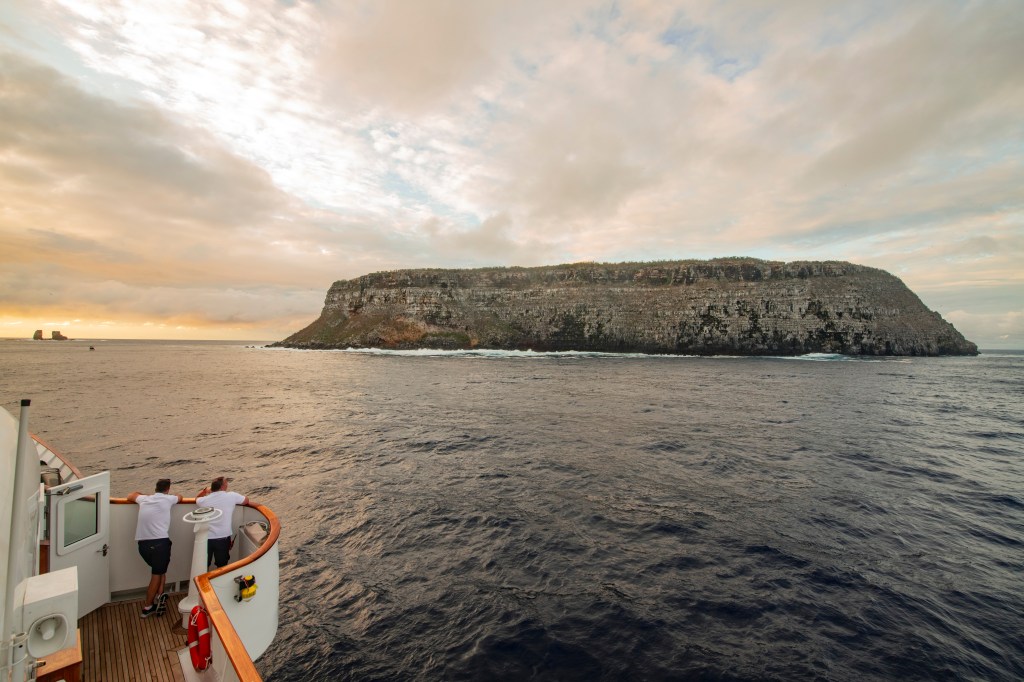
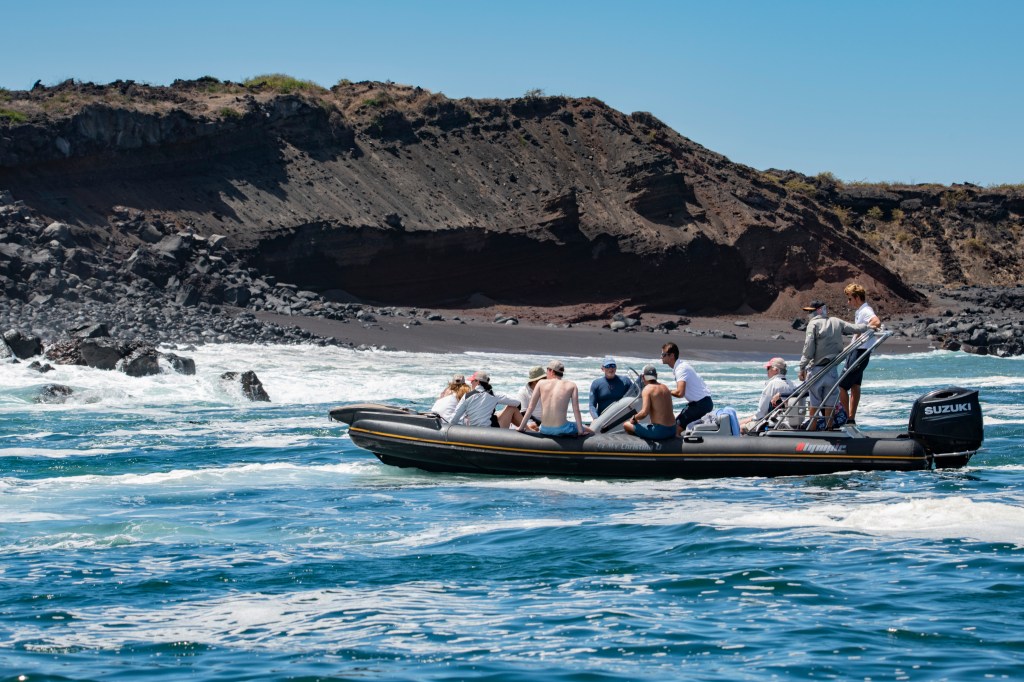
Although wildlife is clearly the most distinctive feature of Galápagos, some of the islands offer sublime, sandy and very appealing beaches, with of course plenty of wildlife to watch real close.
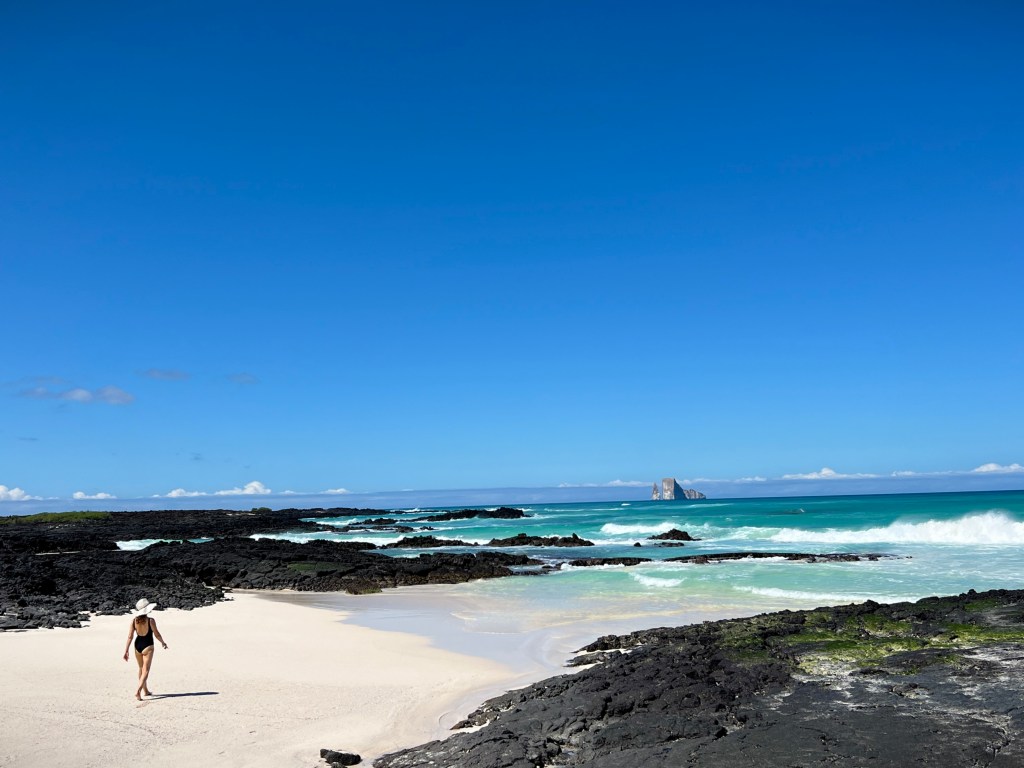
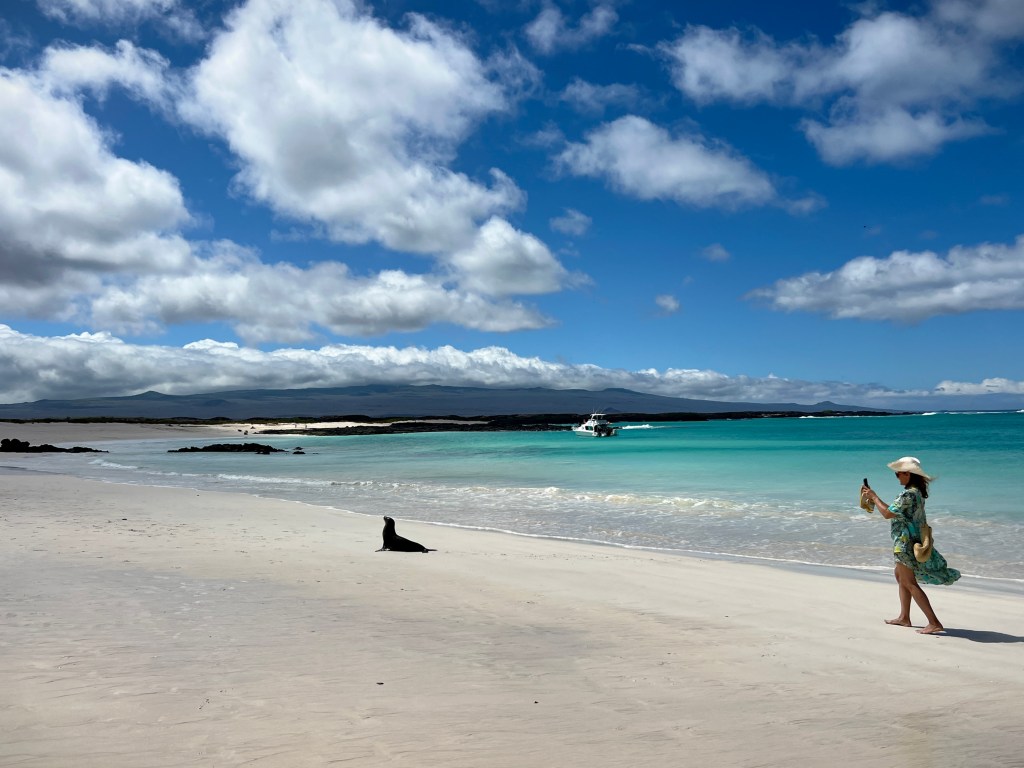
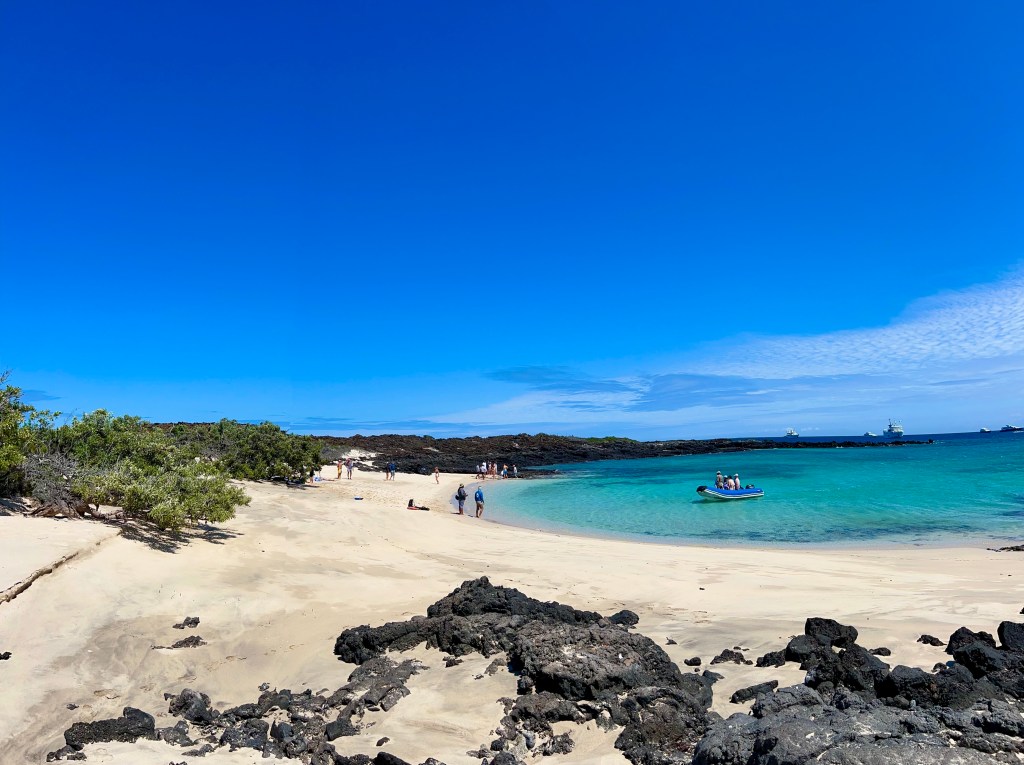
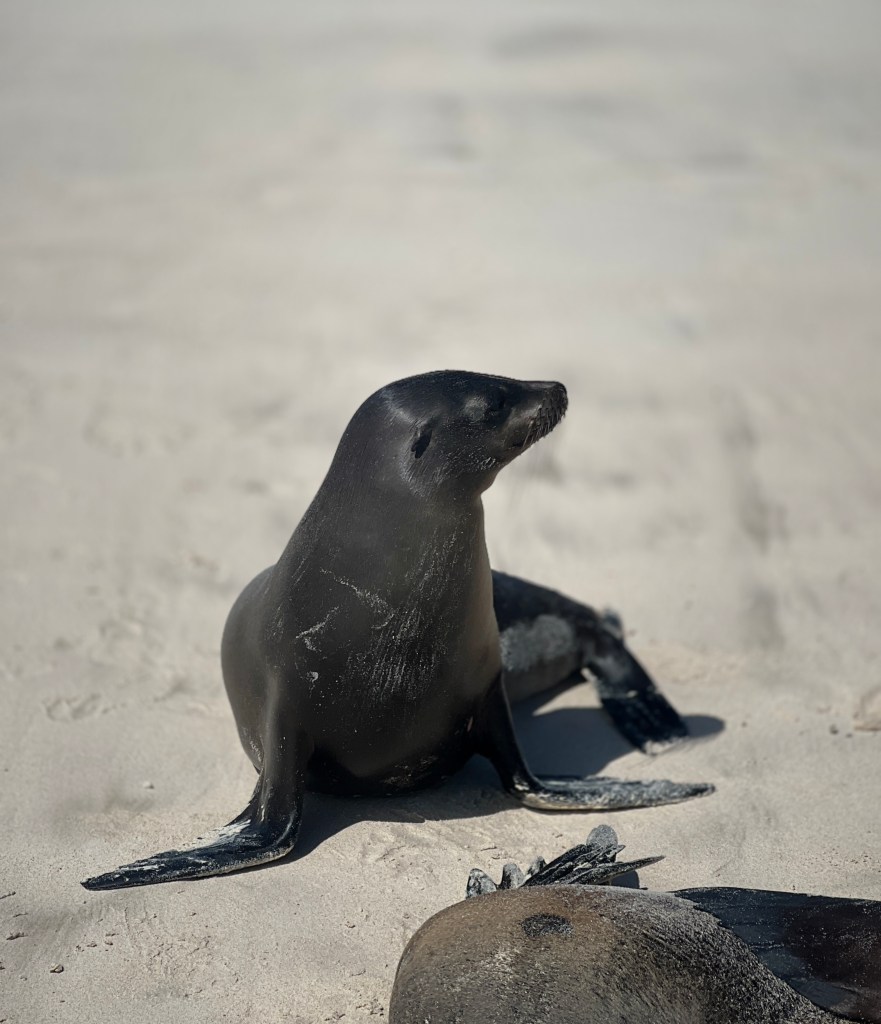

Whatever path you take, Galápagos is worth the effort, the hassles and the expense. It is truly a spectacular and unforgettable experience.
 Truliluli Travel Reports
Thank you dearest friends for always providing us with the most inspirational travelogues. One can vicariously enjoy your multiple experiences and get advice for futures adventures, through your sensible and candid lens. Keep it coming, please!
LikeLiked by 1 person