
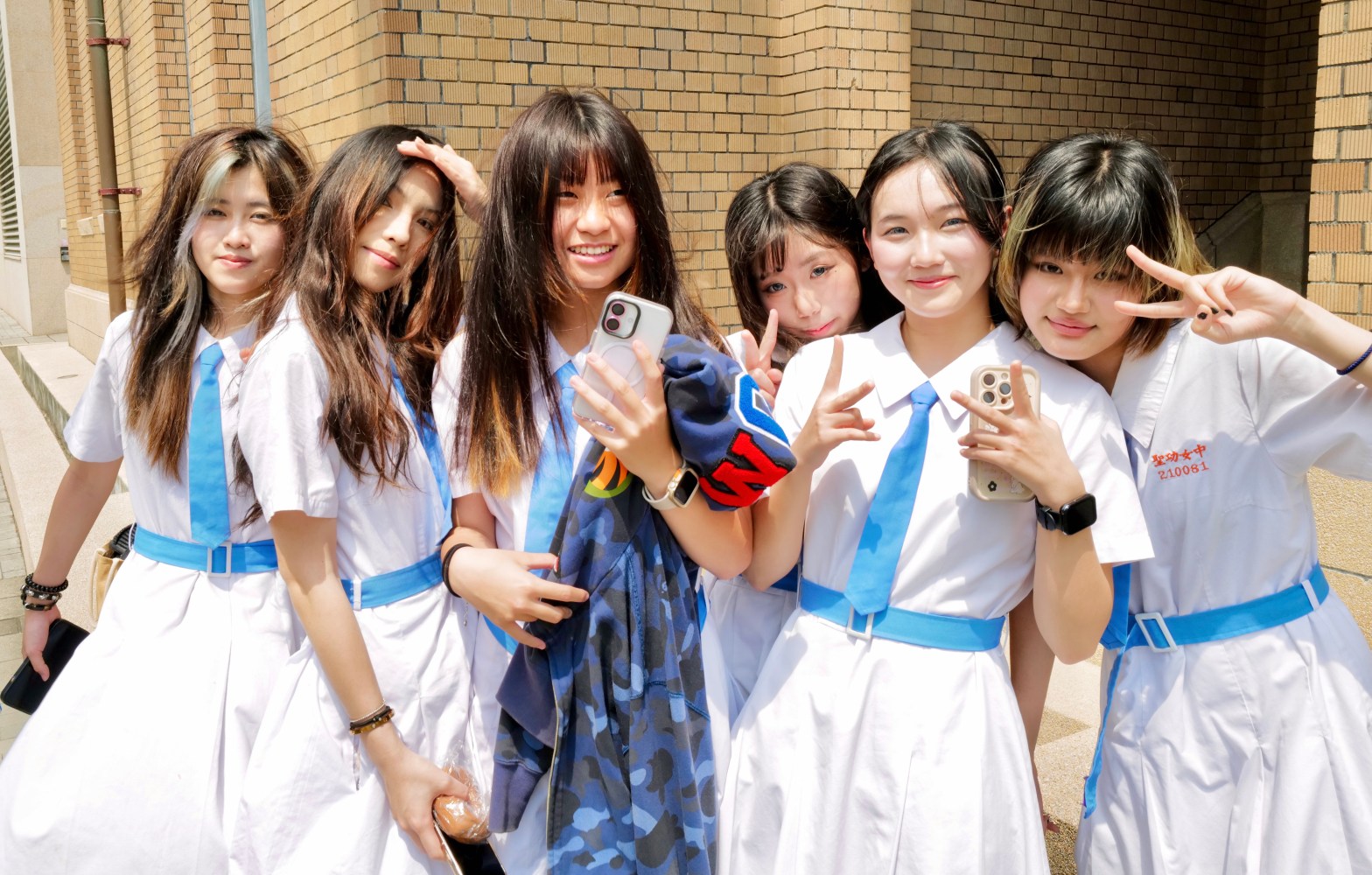
Taiwan is a small island with a big personality—rich in culture, nature, food, and heart. What makes it really special is the way these elements come together in a deeply accessible and uniquely Taiwanese way, one that is a perfect mixture of China and Japan.
China during the Qing Empire governed Taiwan as a frontier province for over two centuries, from 1683 till 1895. For the next 70 years, Japan occupied Taiwan, running it as a colony, until 1945. From then on, it has been again in Chinese hands – known now as the Republic of China (ROC), Taiwan was from 1949 to 1980 firmly in the grip of Chiang Kaishek’s Kuomintang (KMT). Today, the country is a a profoundly democratic nation with a vibrant culture, high levels of freedom and human development.
There’s a striding gentleness and civility in Taiwan’s daily life. Maybe because Taiwan is not a mainstream Asian tourist destination, people are famously hospitable, often going out of their way to help visitors. Public transport is clean and punctual. You can walk down alleys late at night and feel completely safe. And you make friends in Taiwan very fast!

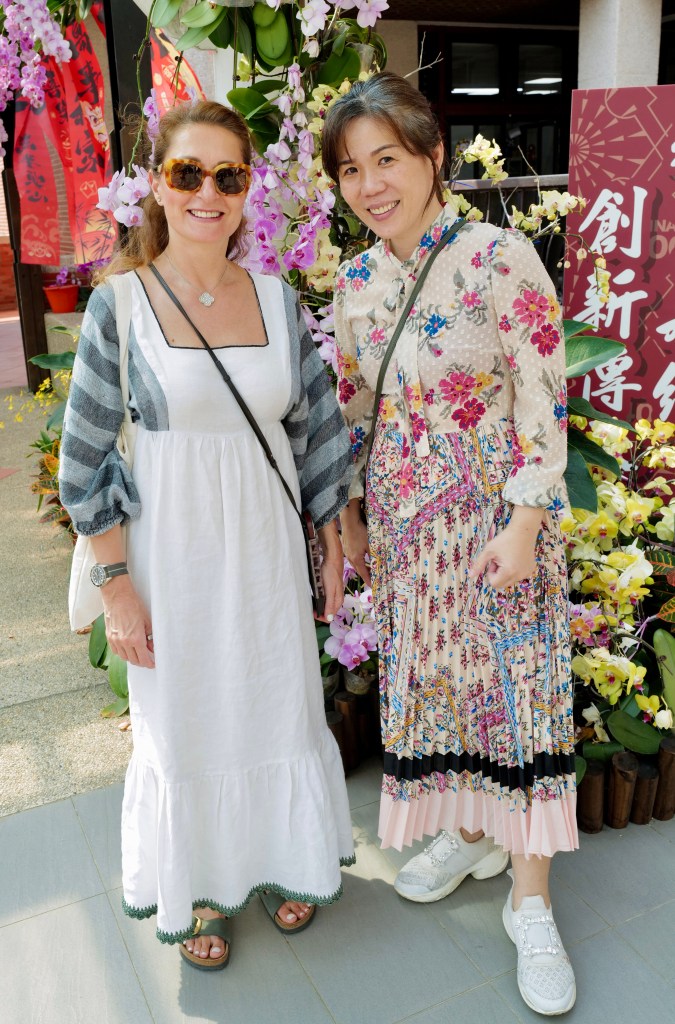
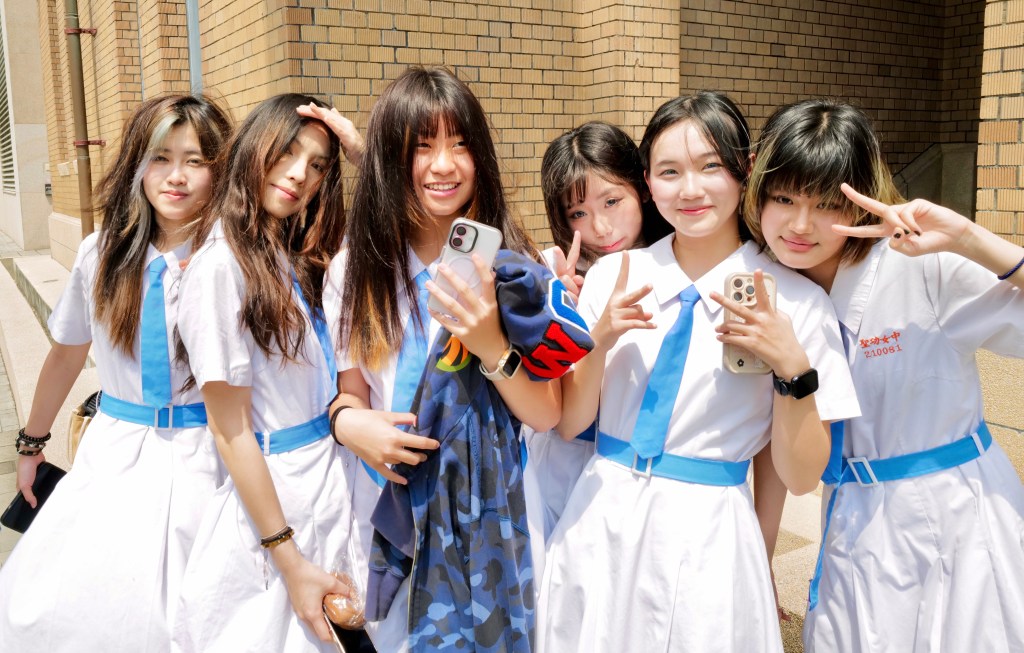
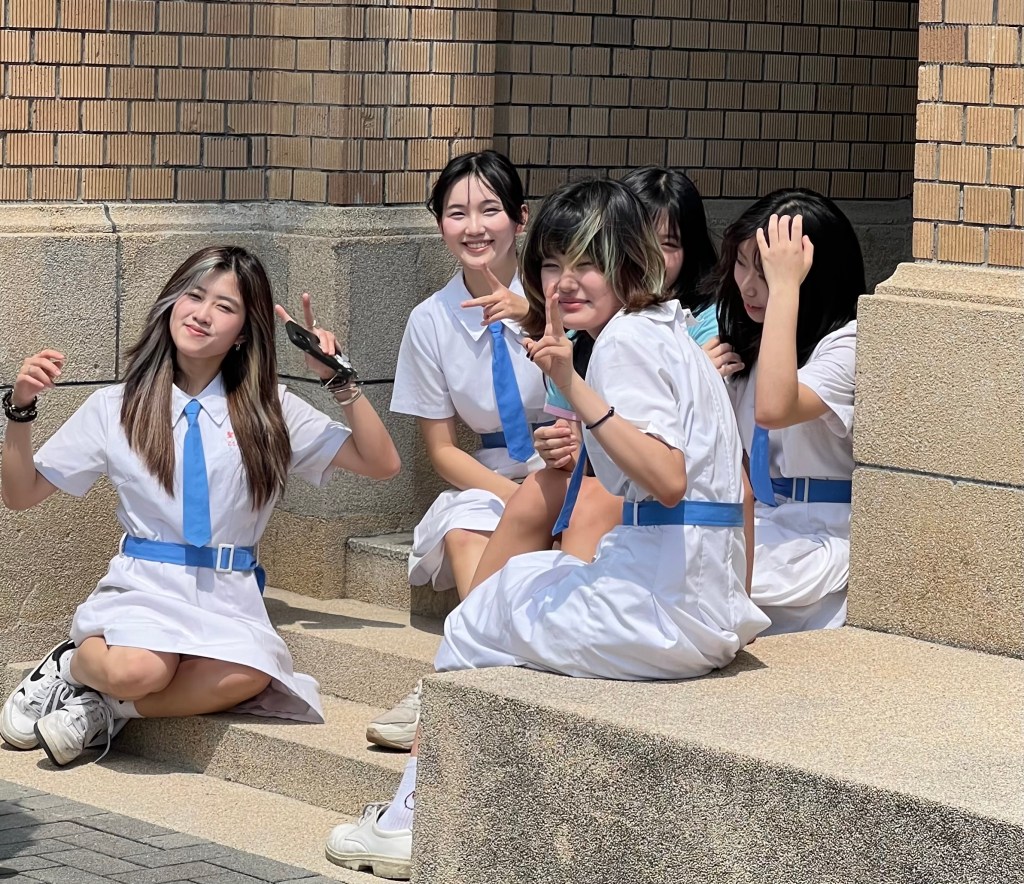
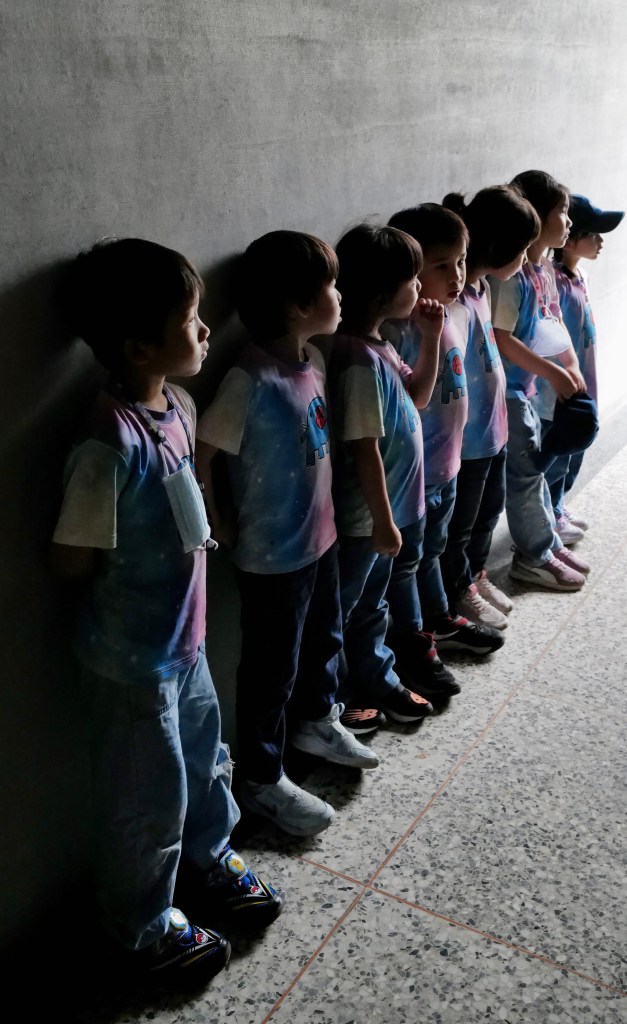
Taiwan has a great transit infrastructure. We travelled mostly by car across the country on flawless roads. But public transport, which we took for parts of our travel, is excellent too – high-speed rail, clean subways, and scenic trains make it easy to get around.
And Taiwan’s compact size, means that you can see mountains, coastlines, cities, and villages within a few hours of each other.
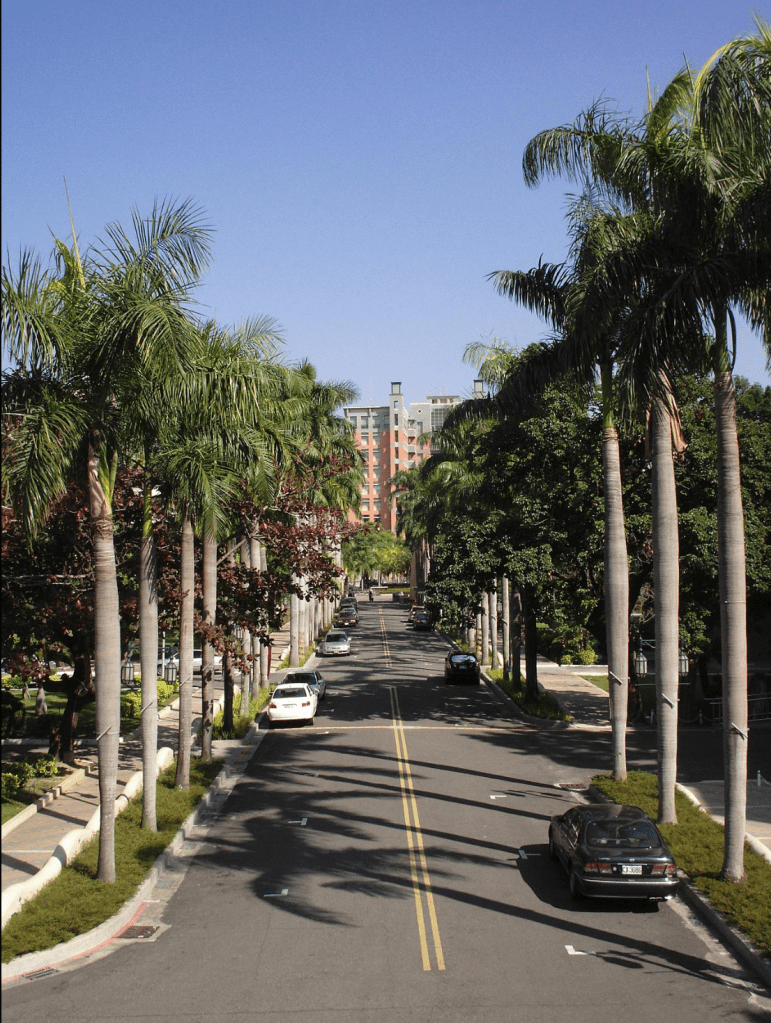
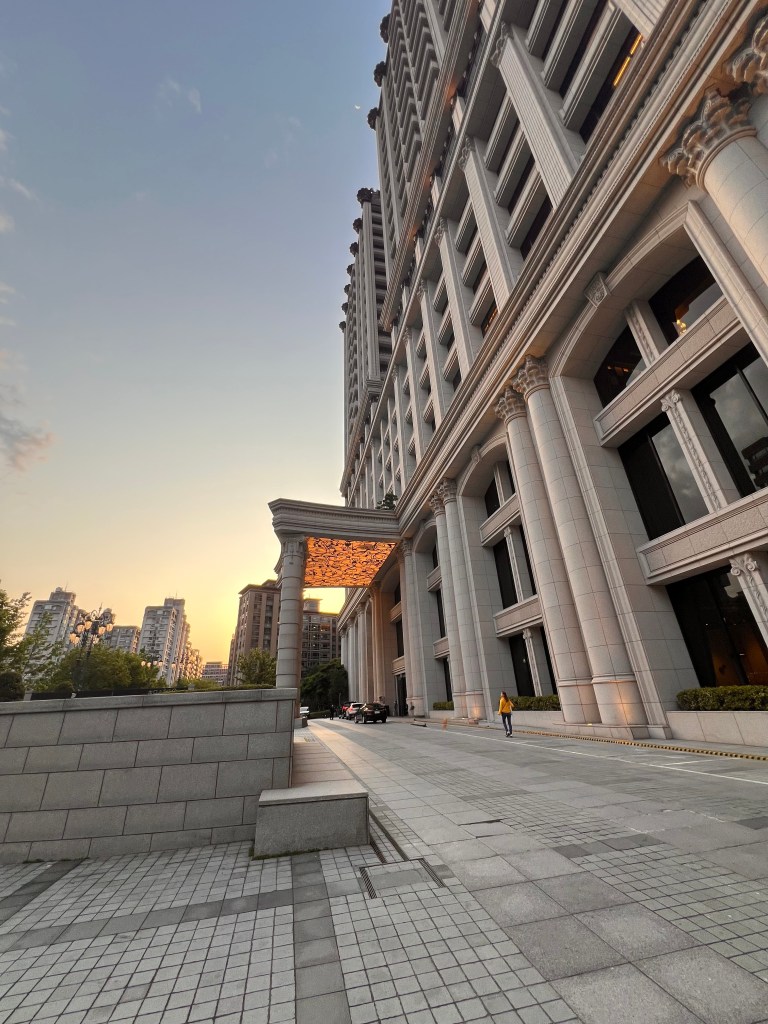
Taipei, where our travels started, is a beautiful city, immaculately clean, with large avenues filled with trees, and gorgeous hilly surroundings.
National Palace Museum
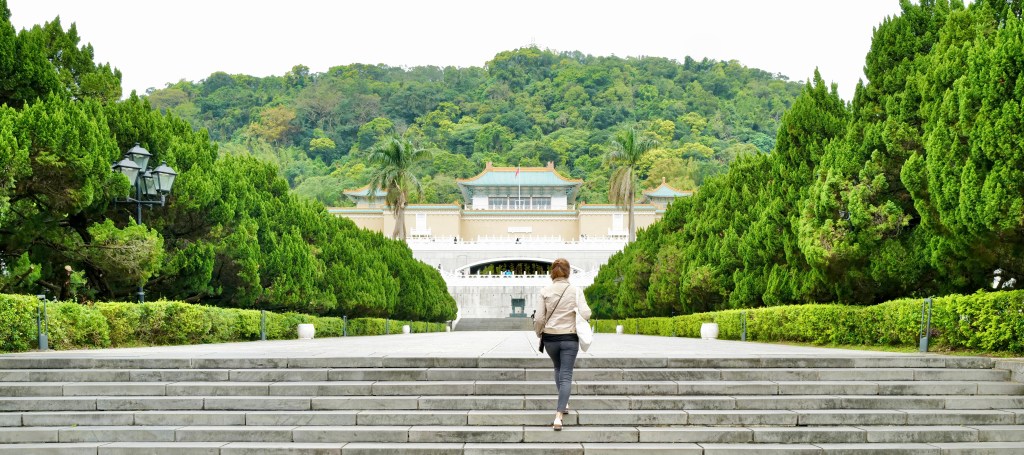
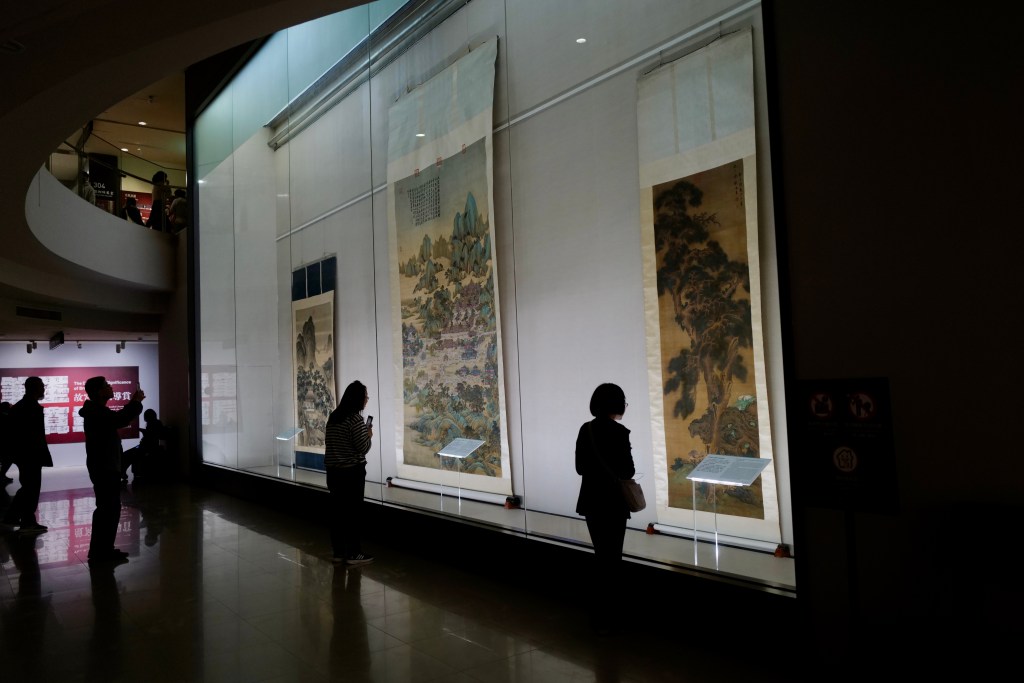
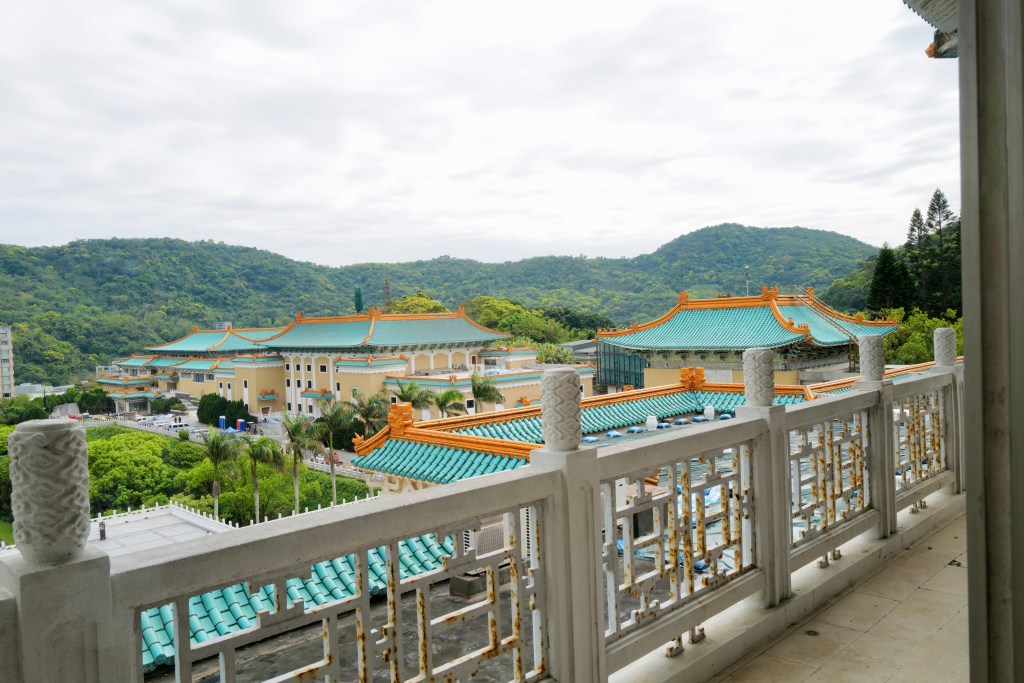
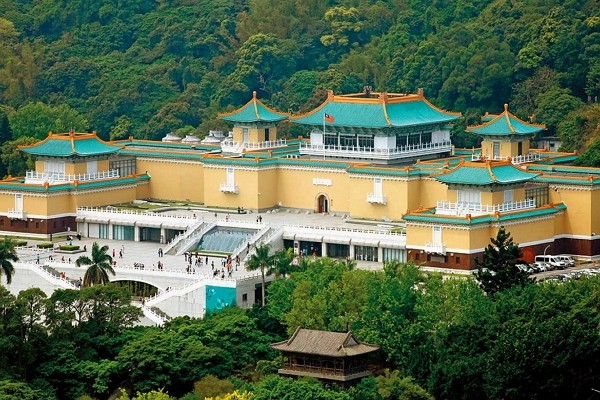
The National Palace Museum in Taipei is one of the greatest cultural treasures in the world, and a must-visit if you’re even remotely interested in history, art, or Chinese culture. It is a vast museum housing one of the largest and most comprehensive collections of Chinese art and artifacts in the world.
Many of the objects displayed aren’t just any artifacts. They were once housed in the Forbidden City in Beijing, part of the personal collection of Chinese emperors.
The architecture is striking too, blending classical Chinese palace style with modern functionality.
We devoted a day to visiting it, and couldn’t get enough. We would have stayed much longer…but were gently thrown out at 5 pm!

Japanese influence
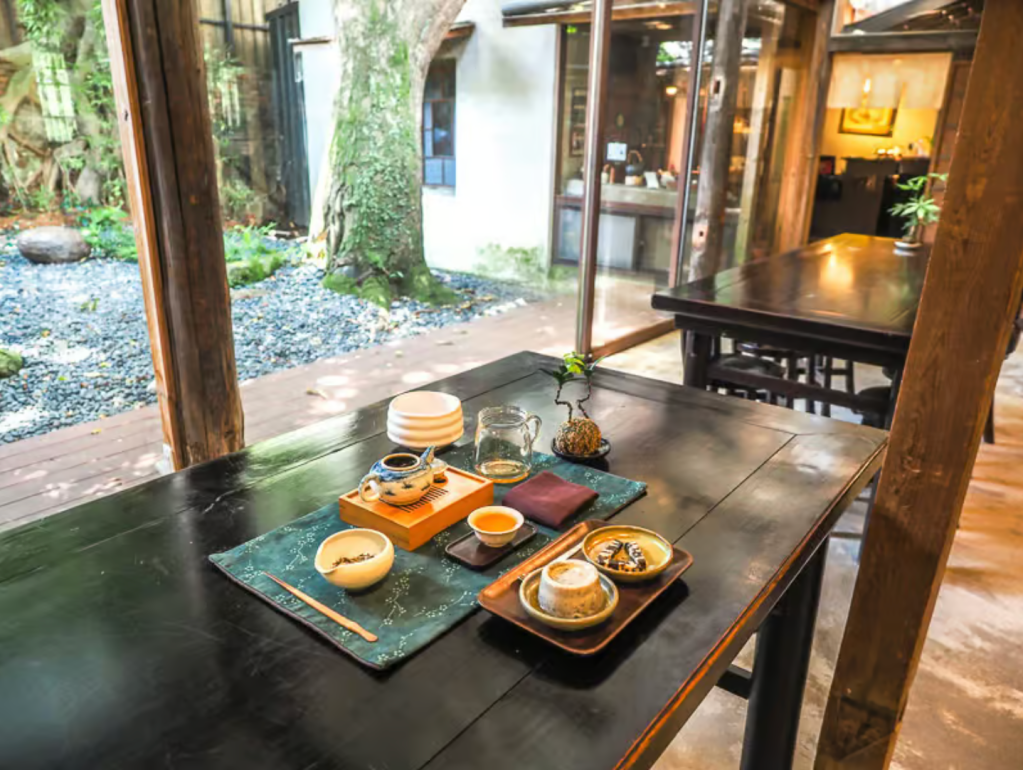
The 70-year Japanese legacy and influence in Taiwan is felt everywhere. As you wander through the older parts of Taipei, you can still find many traditional Japanese houses, dormitories, and public buildings. Many are nowadays preserved as teahouses or museums.
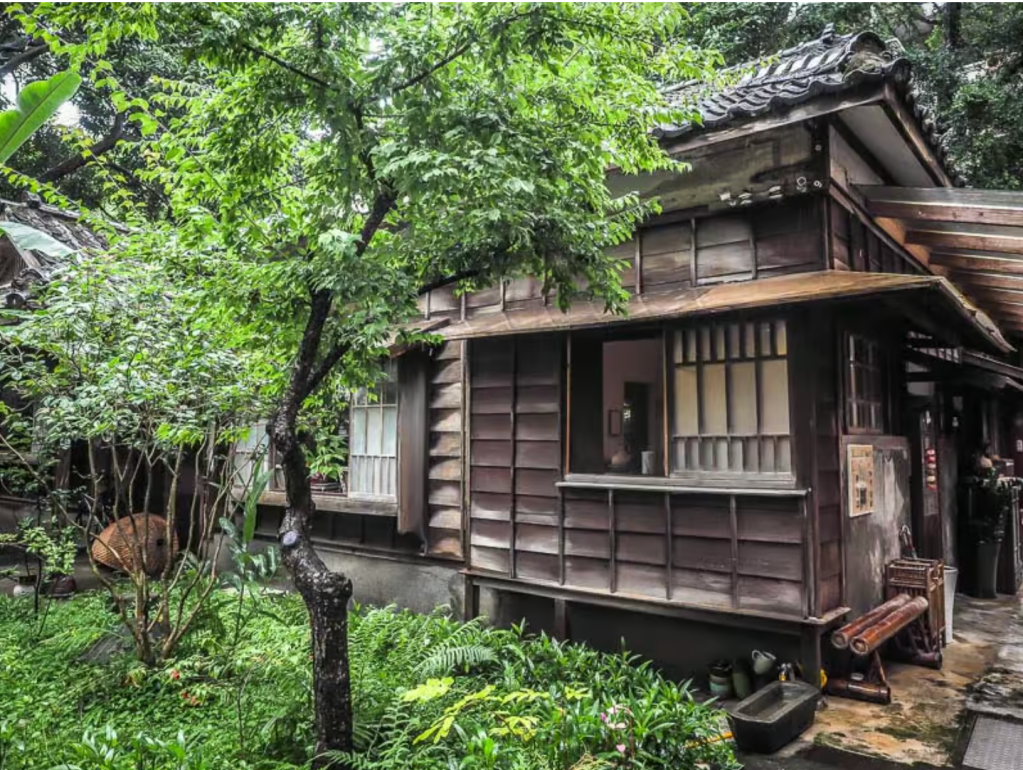
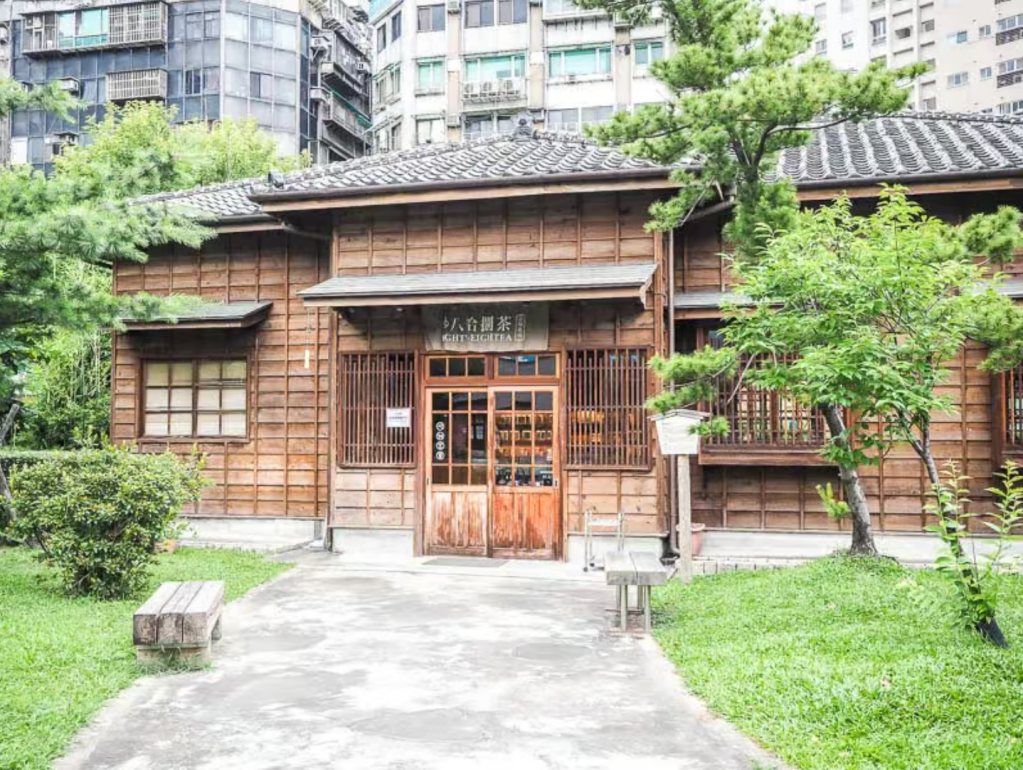


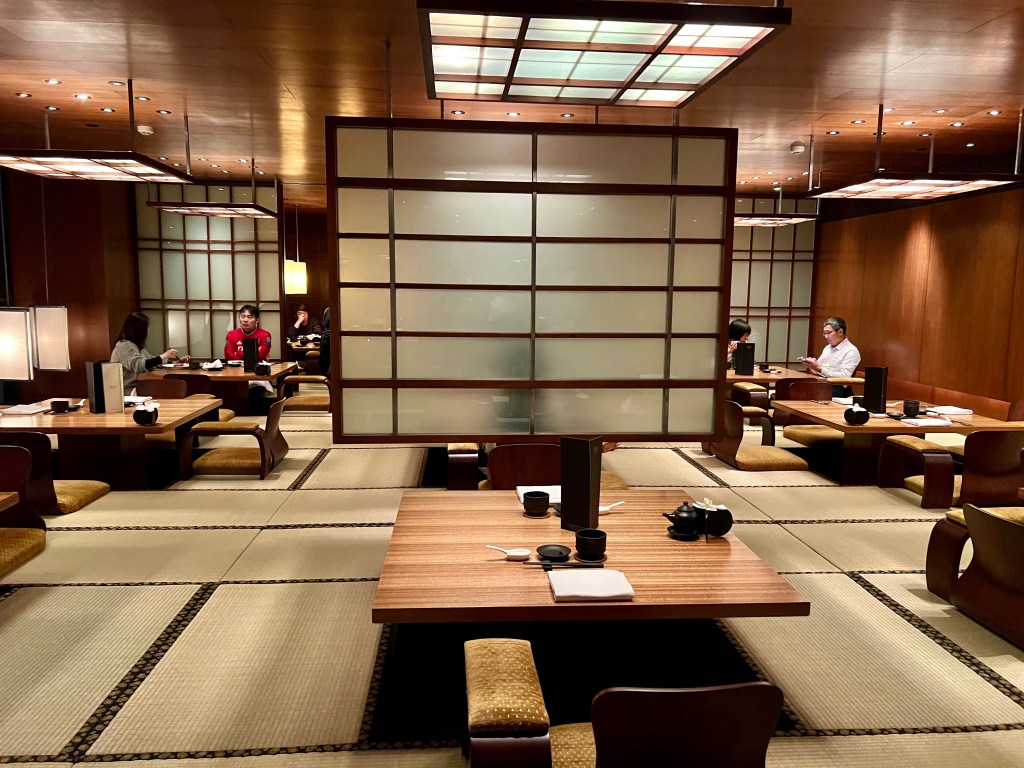
Taiwan’s love of hot springs (onsen) and Japanese-style inns (ryokan) comes directly from the era of the Japanese occupation. Beitou, an area a few minutes north of Taipei is full of excellent bathhouses.

Typically Japanese food, such bento (biandang), tempura (tianbula), and mochi are nowadays local staples in Taiwan.
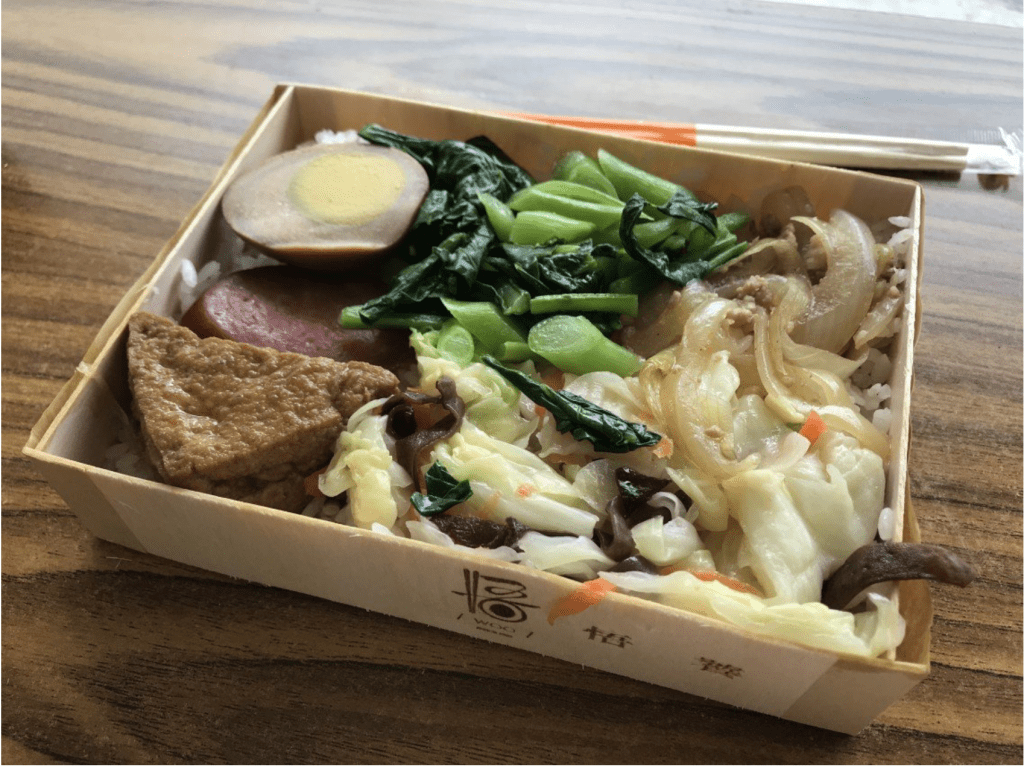
And certain Japanese values—like cleanliness, orderliness, and an appreciation of seasonal beauty—are very much part of the local culture.
Like the Japanese, the Taiwanese scrupulously respect traffic signs – there is no jaywalking in this country, as we quickly learned!
Culture: tradition meets the contemporary
Taiwan feels both grounded in tradition, but also effortlessly modern.
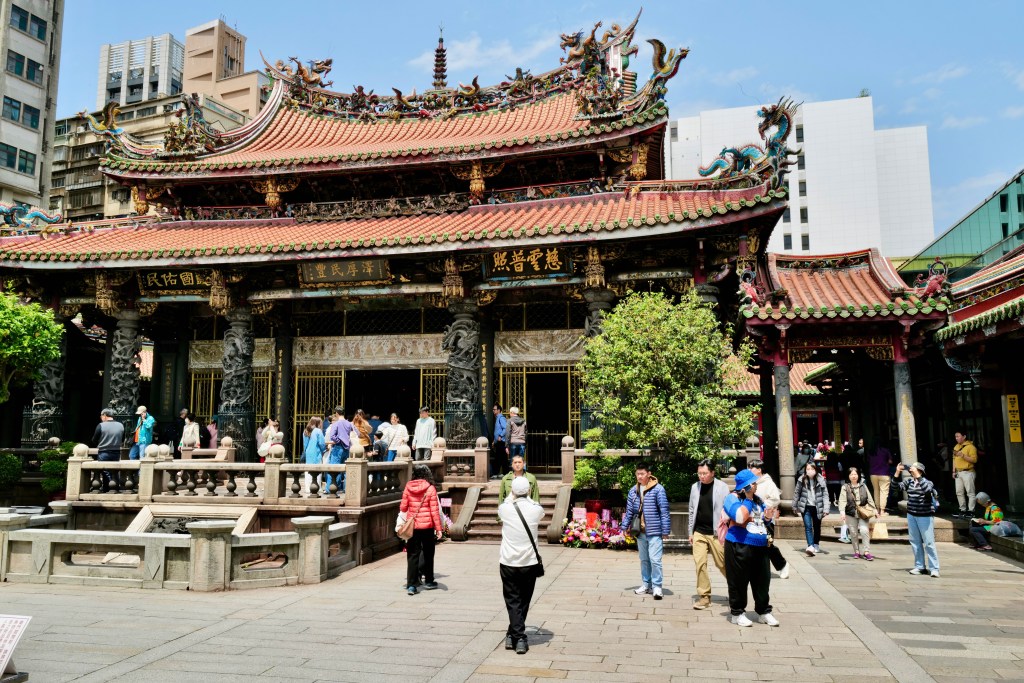
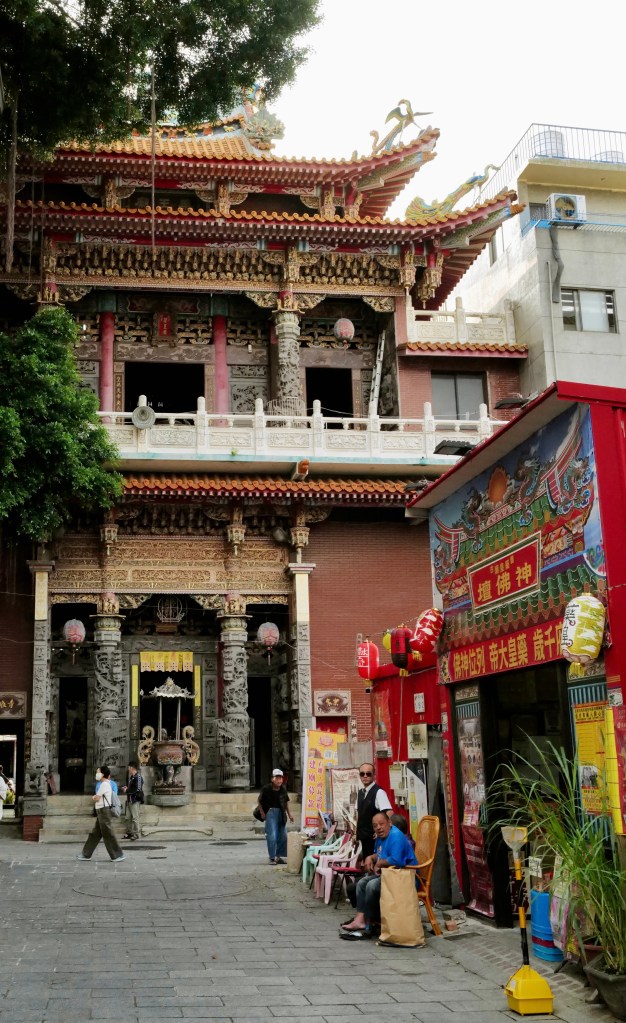
Ornate, beautiful temples, such as Longshan in Taipei or Lukang’s Mazu Temple are really worth a visit, as are the hundreds of magnificent temples found throughout the country.
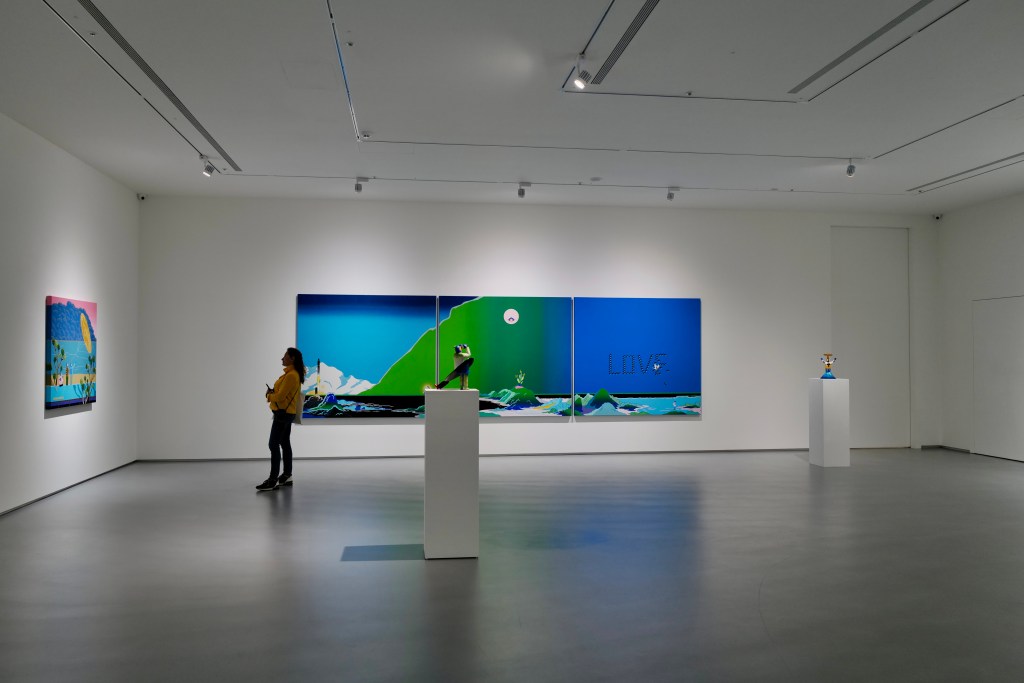
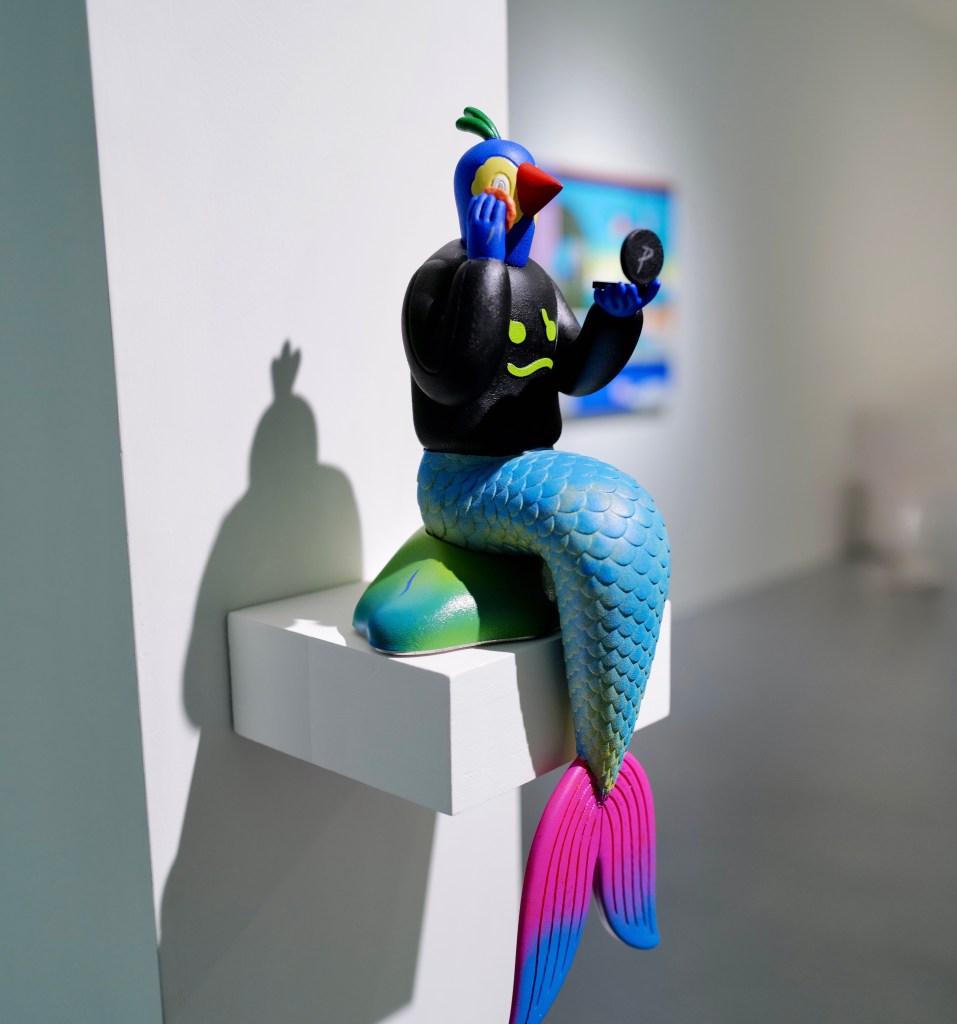
At the same time, the country has a vibrant contemporary art scene, featuring many excellent and mostly unknown artists outside of the country.

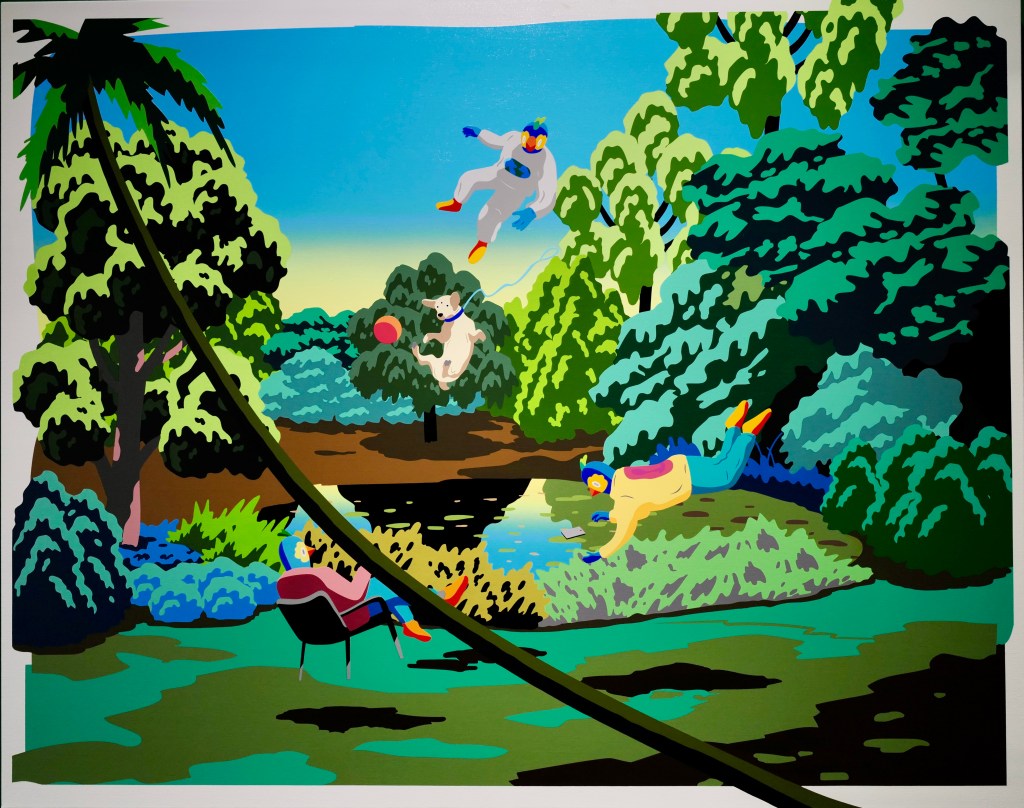


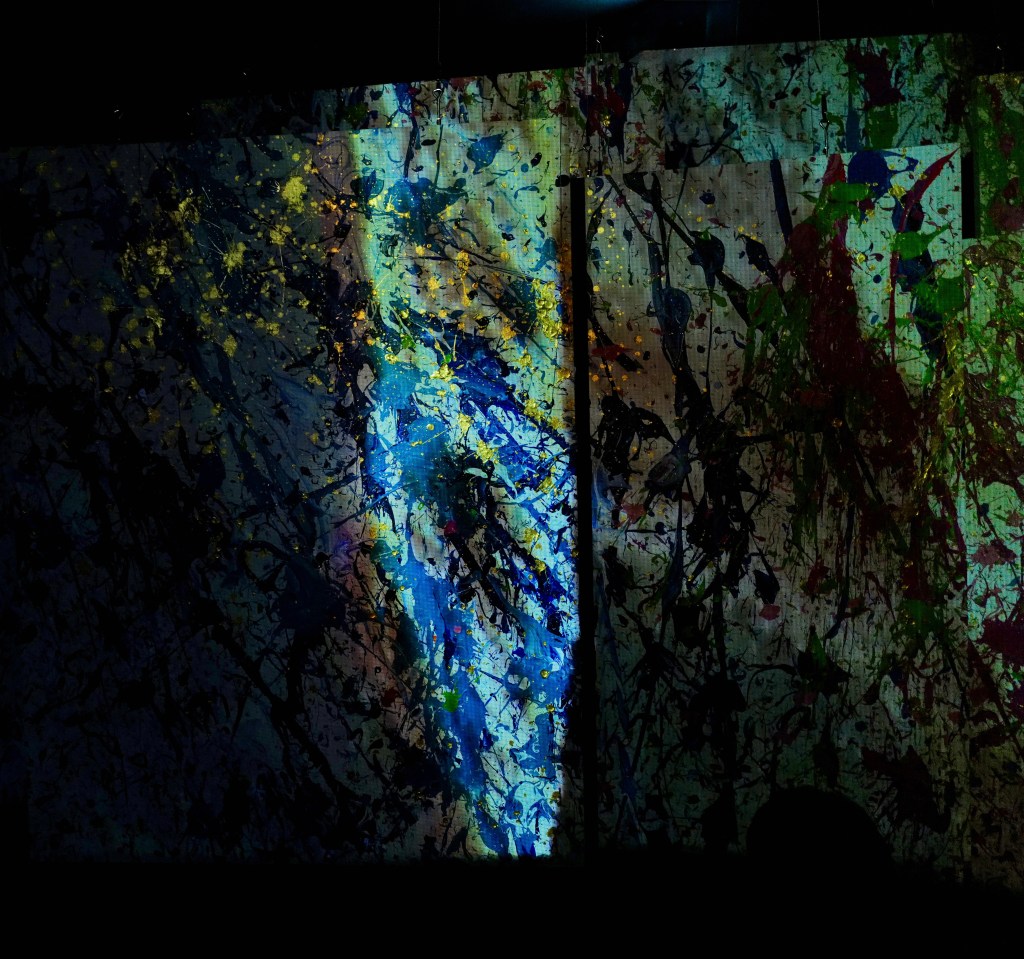
Taiwan is also Asia’s first country to legalise same-sex marriage and is known for its openness and democracy.
The food scene
Taiwanese food is one of the island’s most beloved cultural treasures—a bold, comforting, eclectic cuisine shaped by centuries of migration, colonisation, and innovation. It’s not flashy or fancy, but it’s deeply satisfying, endlessly varied, and profoundly tied to local identity.
We were stunned by how many excellent restaurants are available throughout the country…and how difficult it is to get a table if you haven’t reserved in advance!
Taiwanese cuisine blends southern Chinese traditions (especially Fujianese and Hakka, from the region of Canton) to Japanese flavours. It emphasizes texture (chewy, crispy, tender), layers of flavor (sweet-savory, umami, herbal), and balance — often using pickled or preserved elements alongside fresh ingredients.
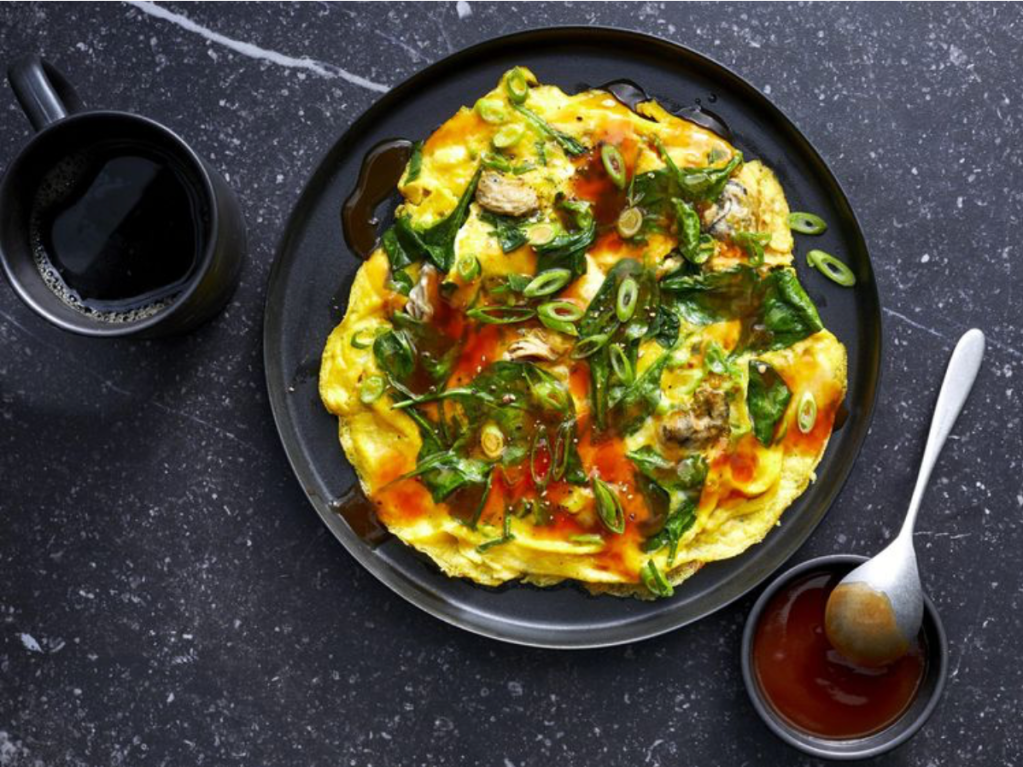
Dishes that are typically Taiwanese include niúròu miàn, an outstanding beef noodle soup, which we ate almost every day for breakfast, lou rou fan (minced or chopped braised pork belly over rice, simmered in soy sauce, rice wine, and five-spice) and gun bao, often called the “Taiwanese hamburger”, a steamed bun filled with braised pork belly, pickled mustard greens, crushed peanuts, and cilantro. Other unique specialties include ô-á-chian, an oyster omelette: a chewy, savory omelet with oysters, sweet potato starch, and a sweet-sour ketchup-like sauce, and stinky tofu, which are fermented, deep-fried, and served with pickled cabbage.
All of these foods (any countless others) are found in the night markets, which are a cornerstone of Taiwan’s food culture, involving not just eating, but also social ritual.
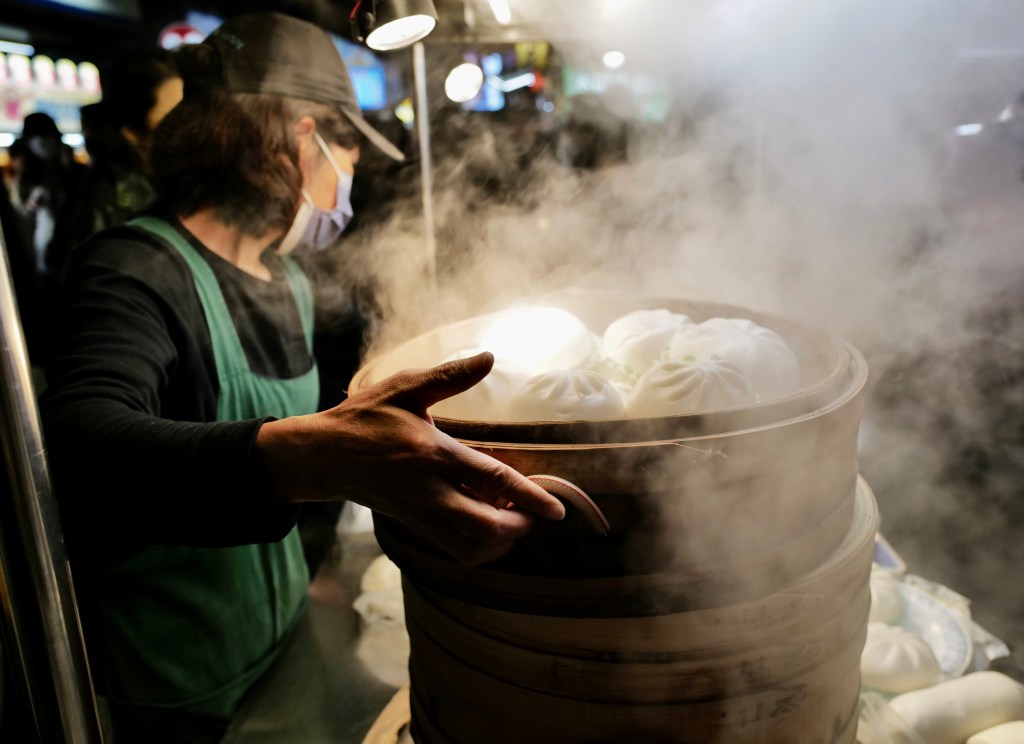
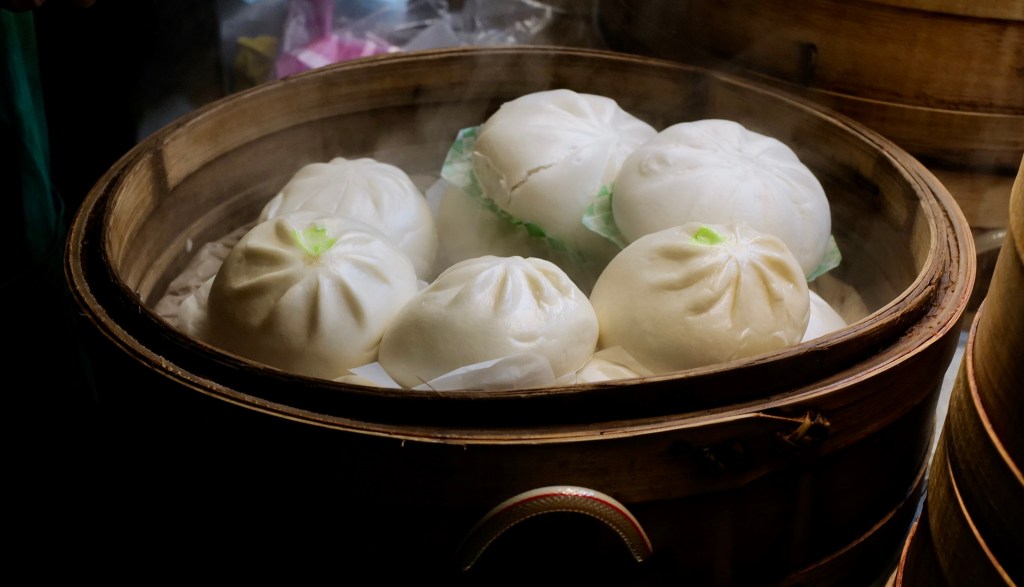

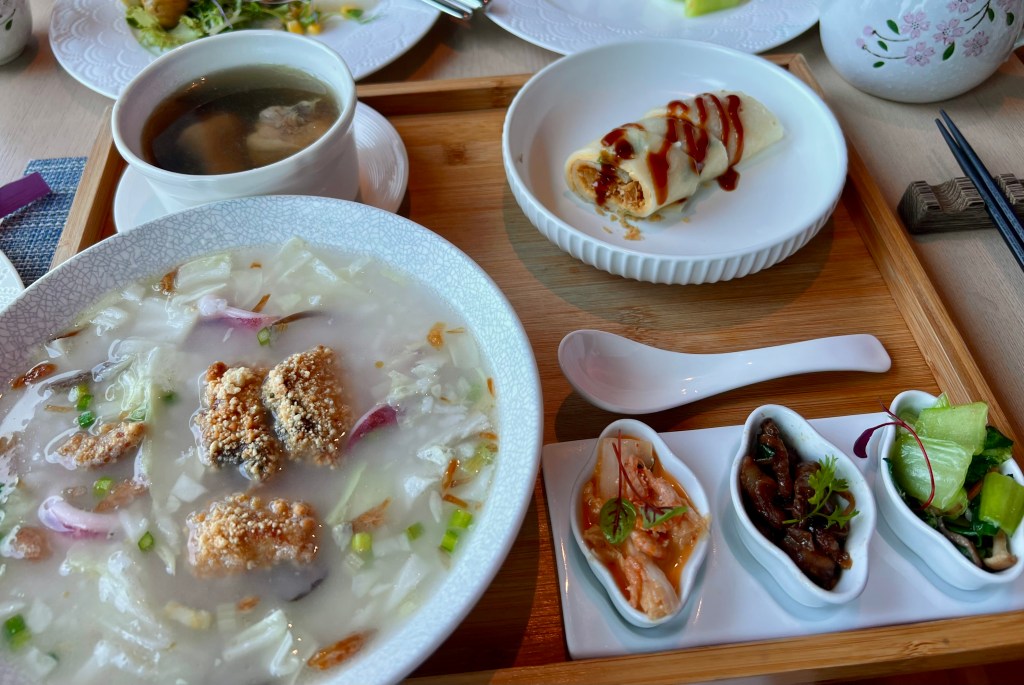

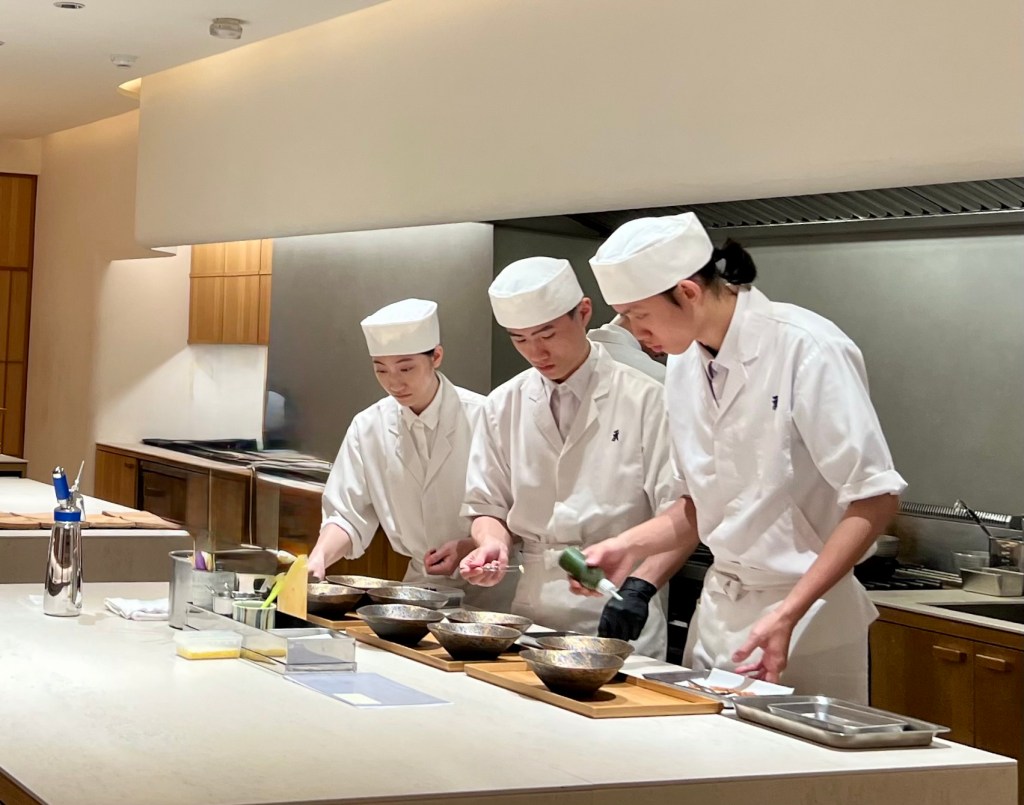
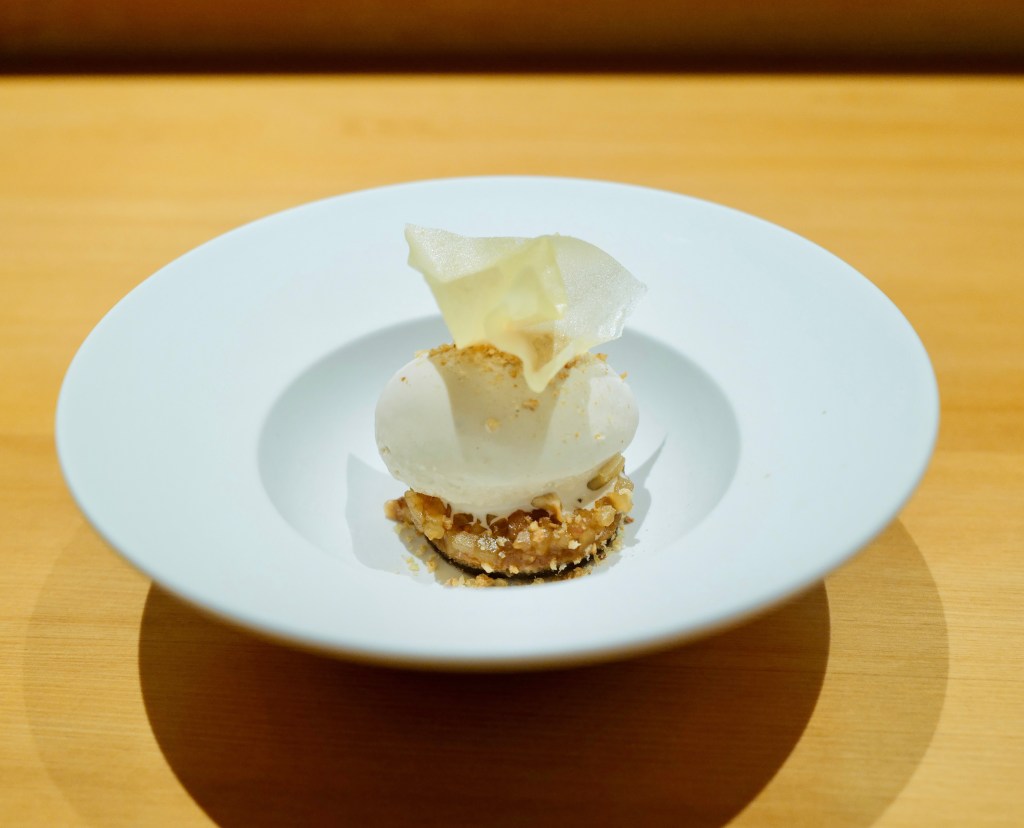
But Taiwan isn’t only about traditional food. Fine Dining is written in capital letters throughout the country. The Michelin Guide lists hundreds of starred restaurants in its latest guide. We have rarely eaten so consistently well as in this small country.
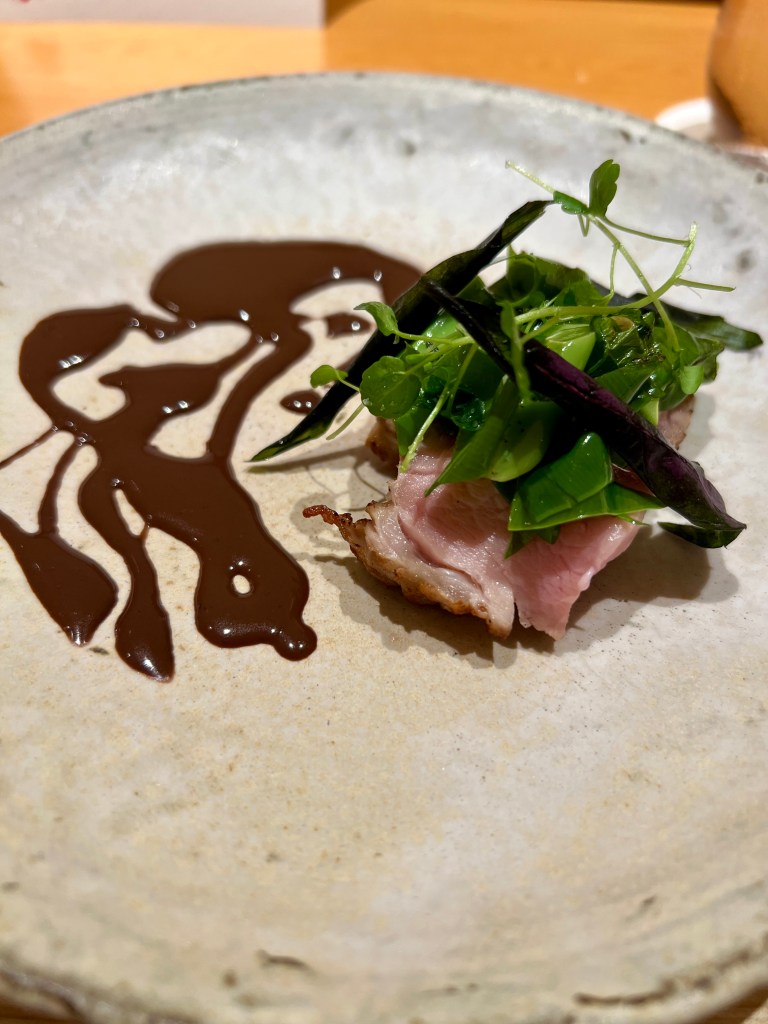
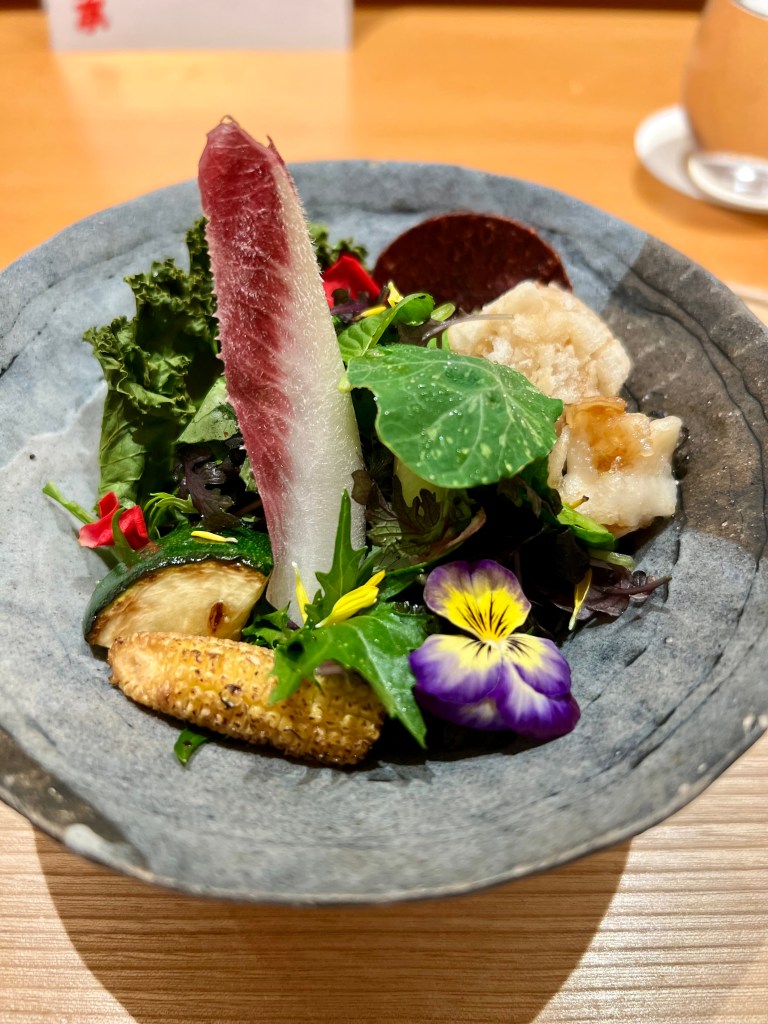
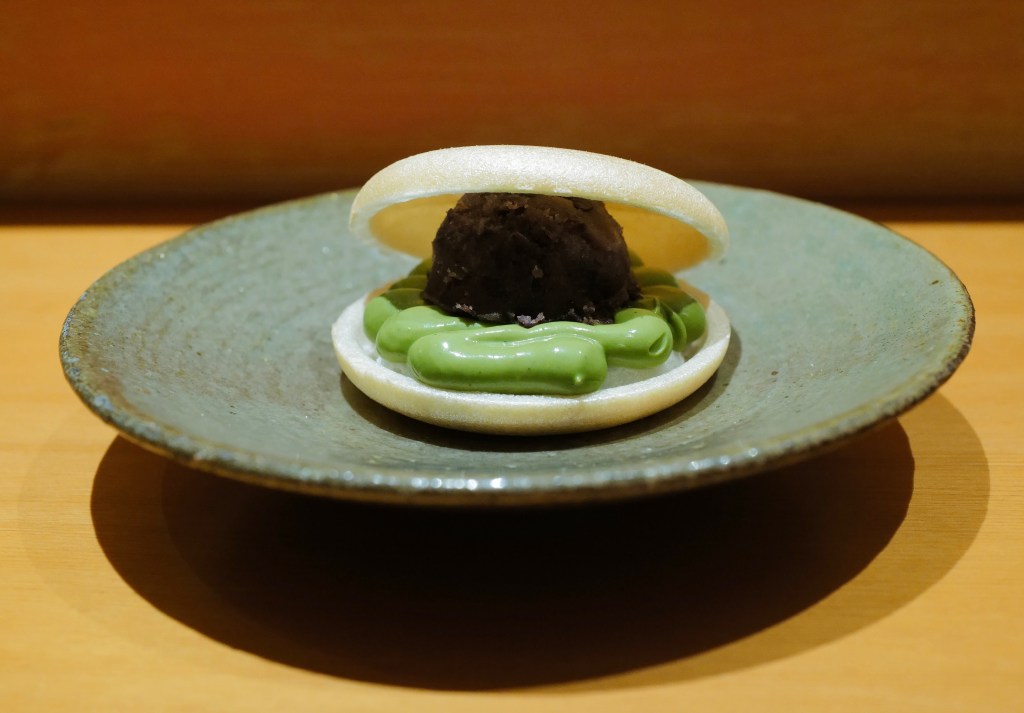
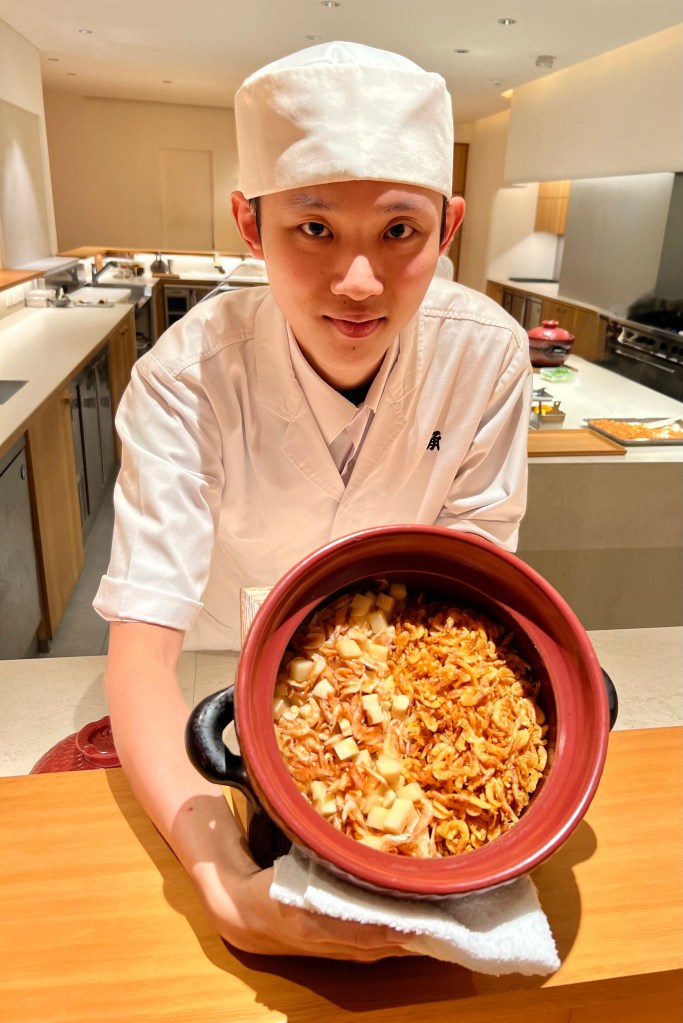
Ceramics
Taiwan’s ceramics culture is rich, diverse, and deeply rooted in both indigenous traditions and influences from China and Japan. Over time, it has evolved into a unique artistic expression, blending folk craft, fine art, industrial design, and spiritual symbolism.
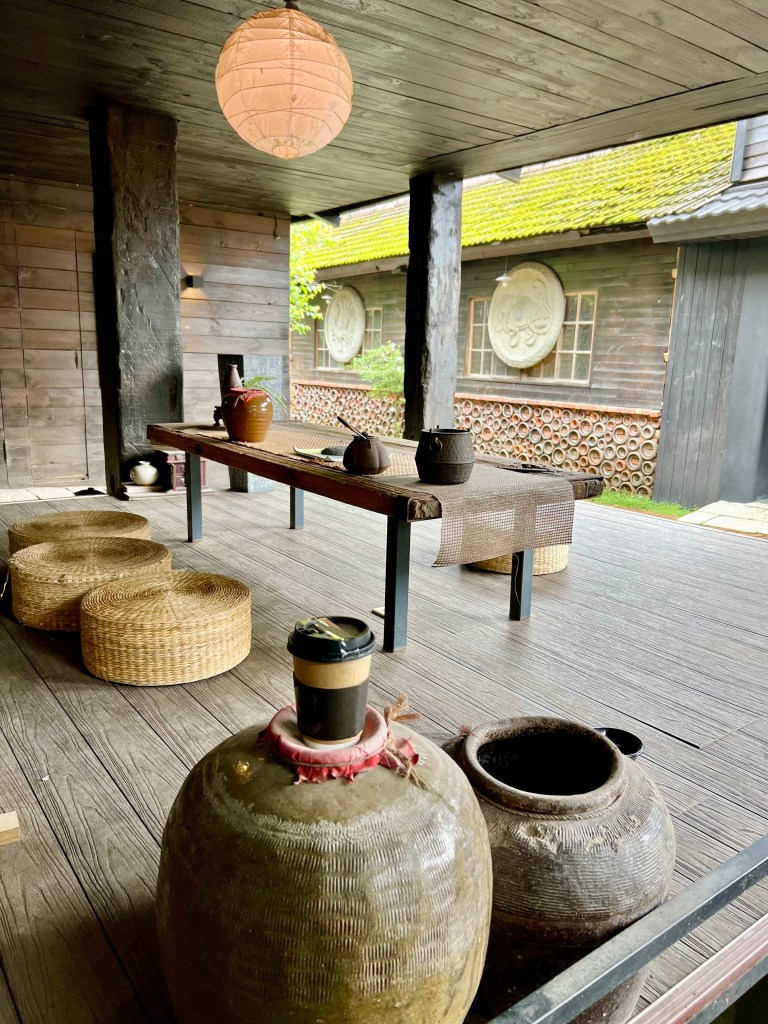


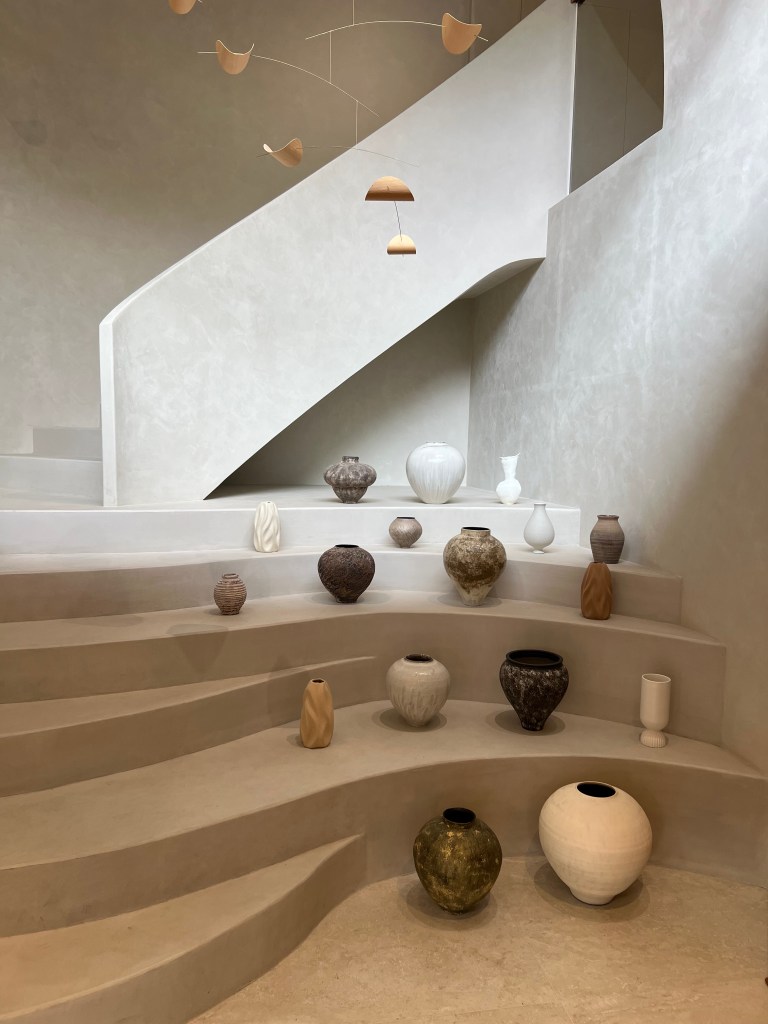
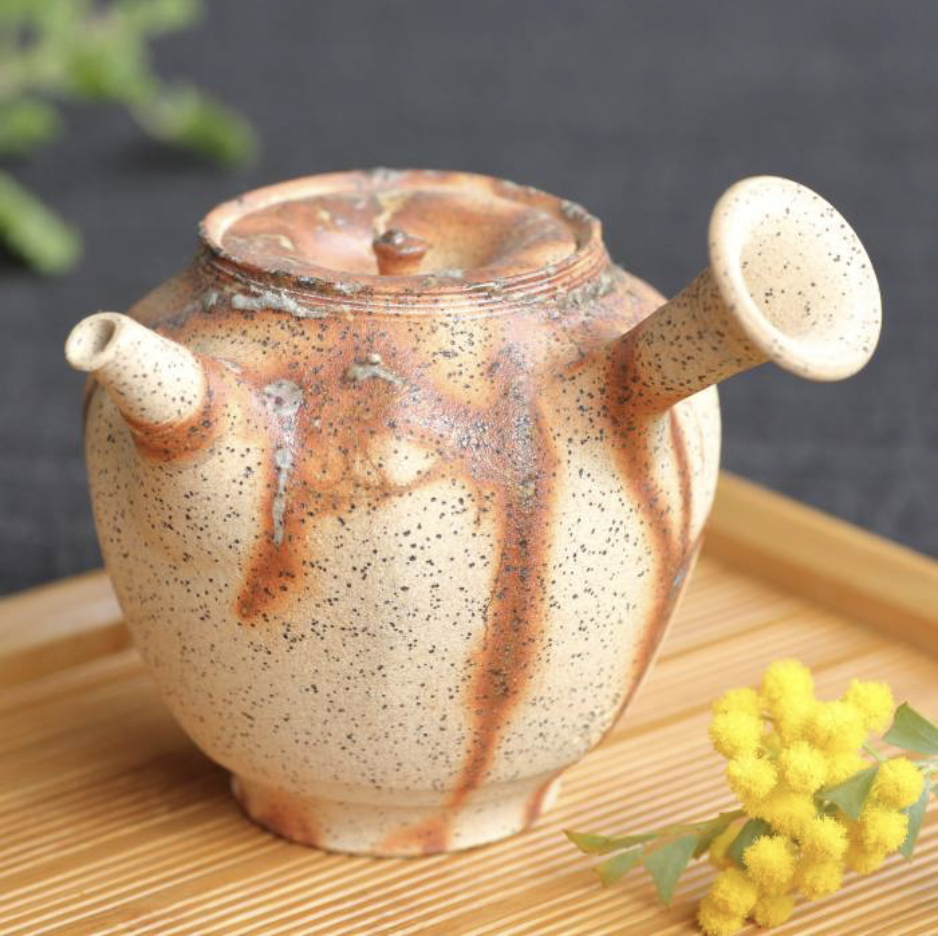
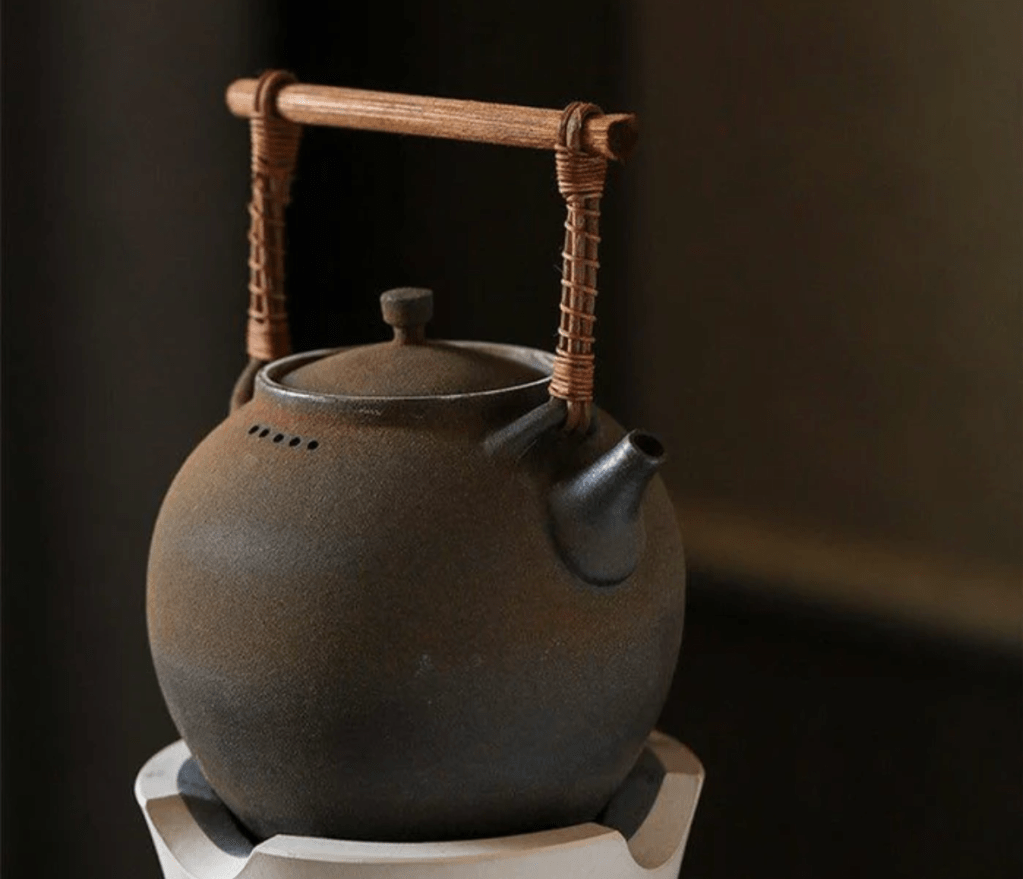
Taiwan’s vibrant tea culture is closely tied to ceramic production. Yingge, located just southwest of Taipei, is the heart of Taiwanese tea-related ceramics. We spent a whole day there visiting dozens of outstanding shops…and left with more teapots than we needed!

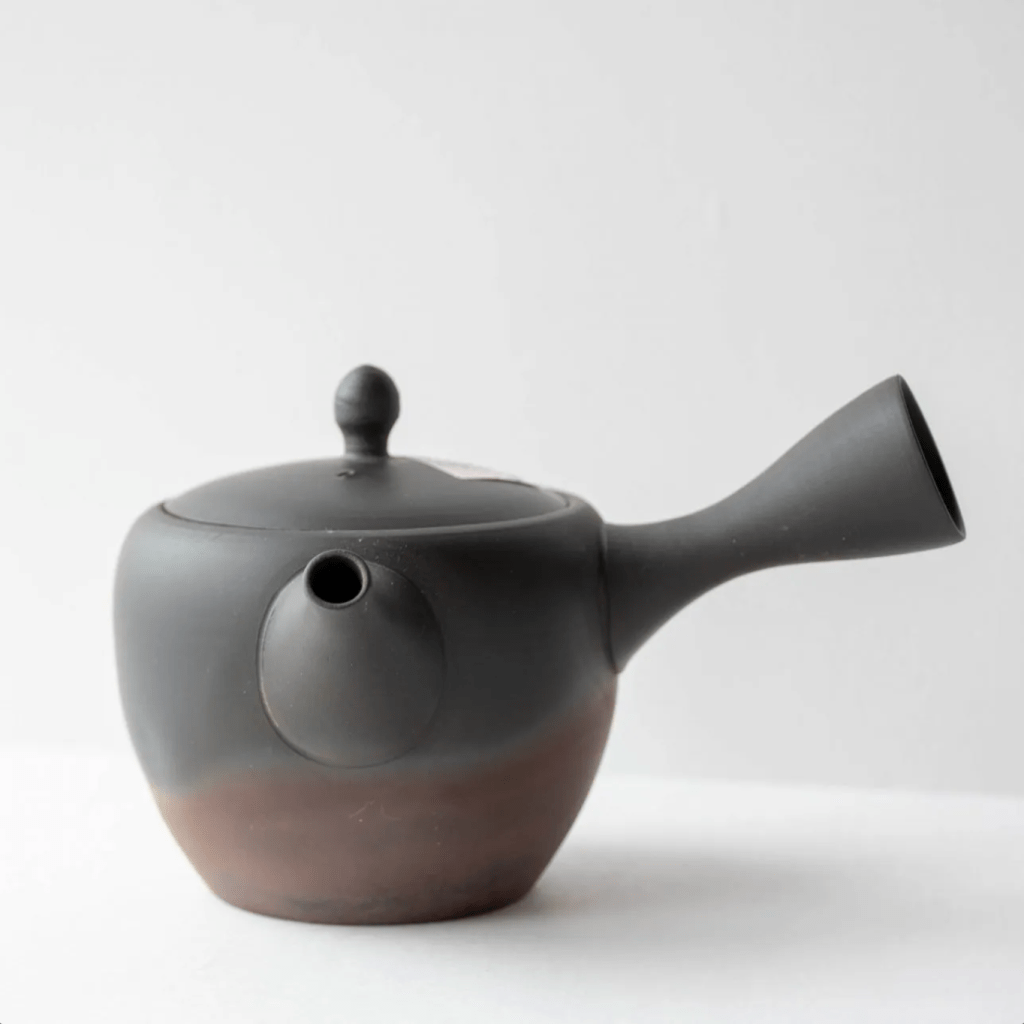
Tea culture
Taiwan’s tea culture is rich, elegant, and deeply woven into the fabric of daily life, even if younger generations are nowadays are less into traditional tea, often preferring coffee or “bubble tea”.
Taiwan’s climate—humid, mountainous, and with sharp day-night temperature differences—creates ideal growing conditions. This explains why some of the world’s best teas come from Taiwan, especially the high mountain oolongs, prized for their fragrance, smoothness and clarity.
Some of the great teas Taiwan produces include:
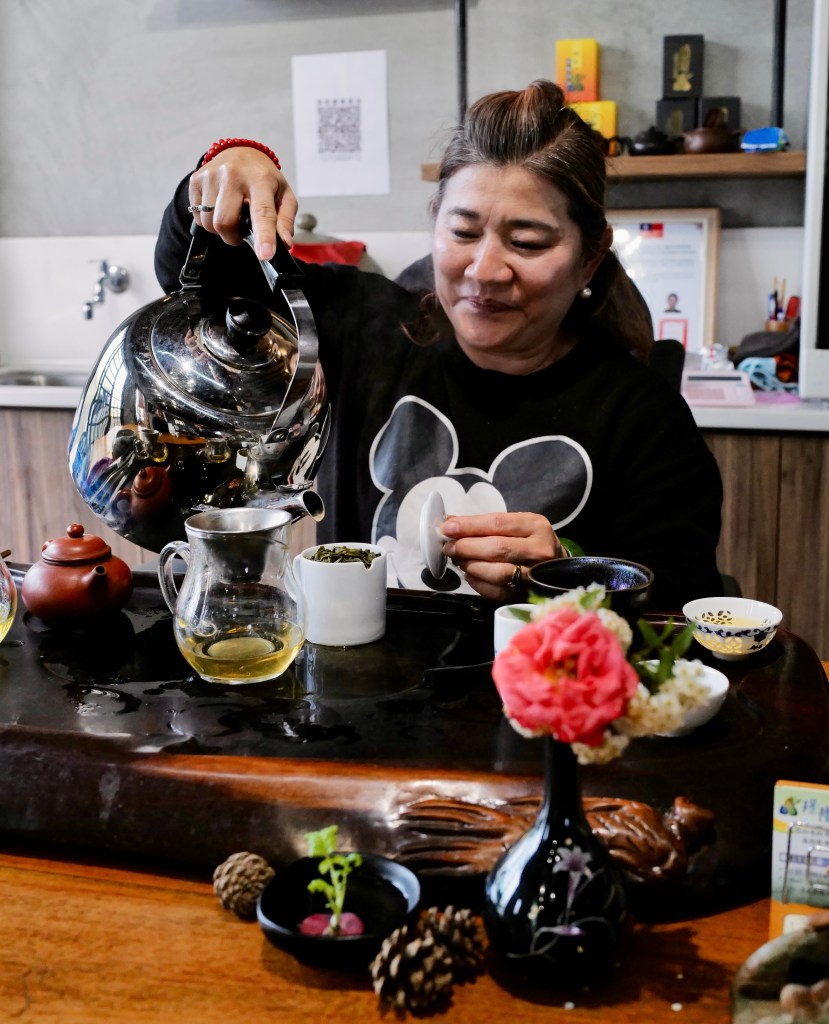
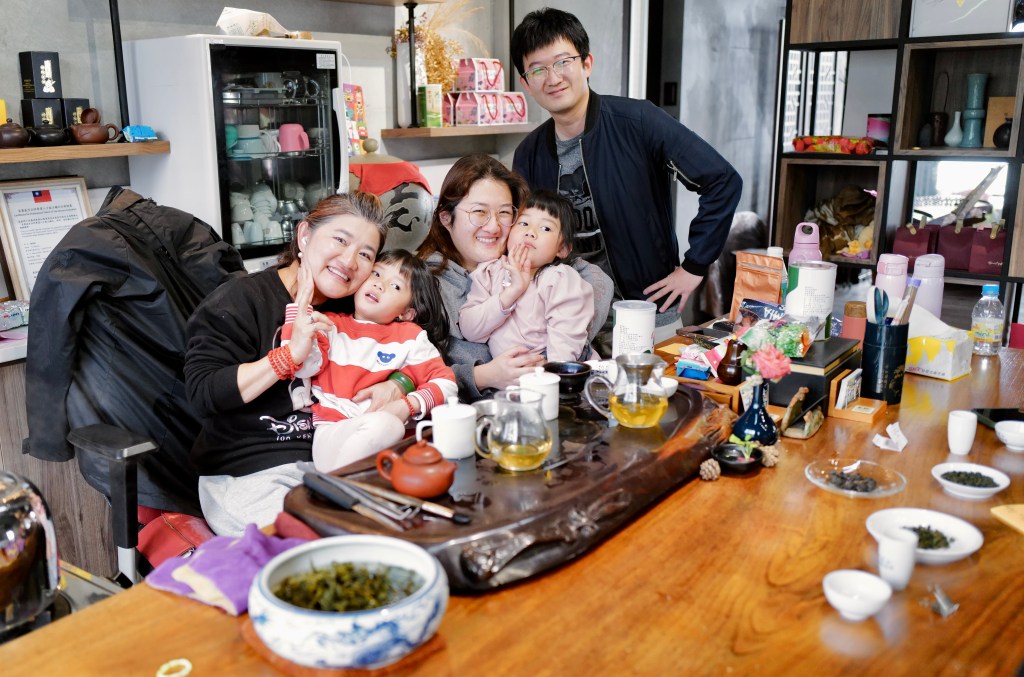
Alishan High Mountain Oolong – Grown at high altitudes, floral, buttery, and silky. We visited the region and sampled outstanding oolongs…as well as the incredible hospitality of the local producers.
Many farms are family-run, and there’s a deep pride in craftsmanship—from leaf picking to oxidation, rolling, roasting, and packaging. There’s also a quiet spirituality to tea here — people speak of it in terms of calm, clarity, and connection to nature.
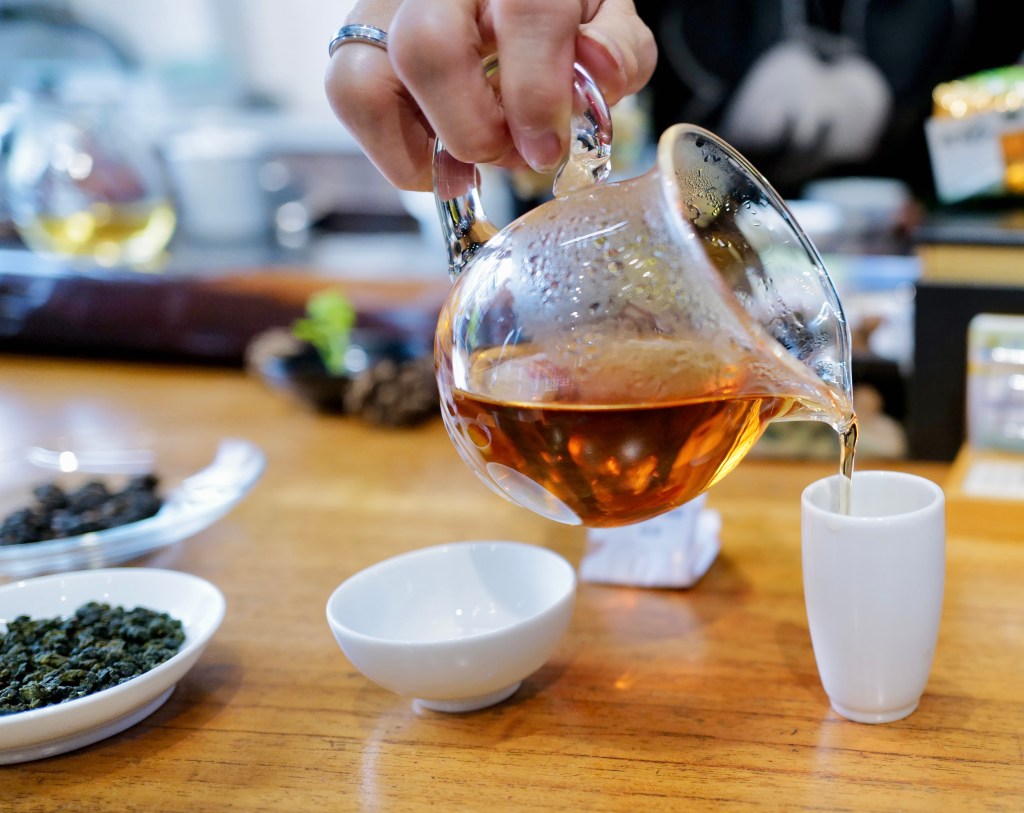
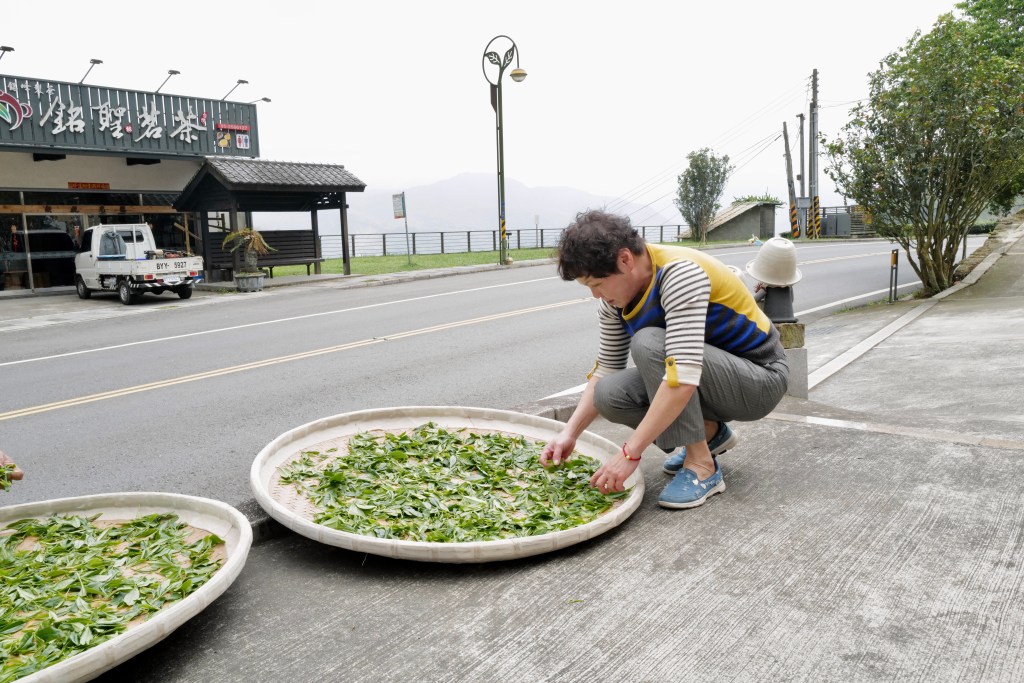

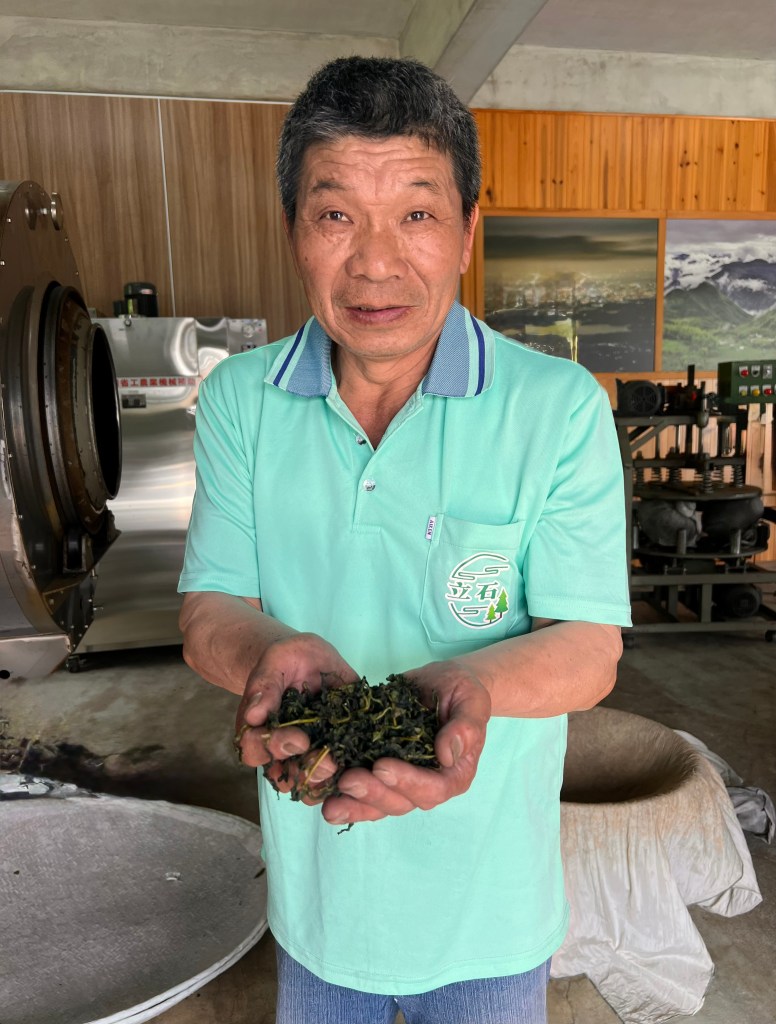
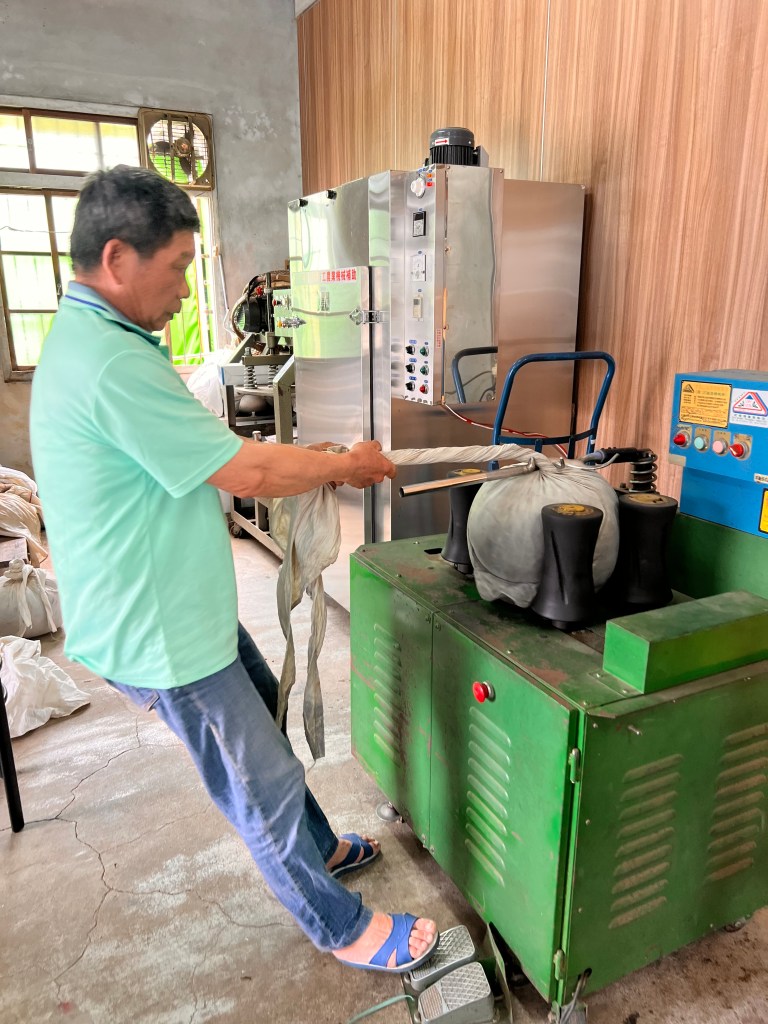
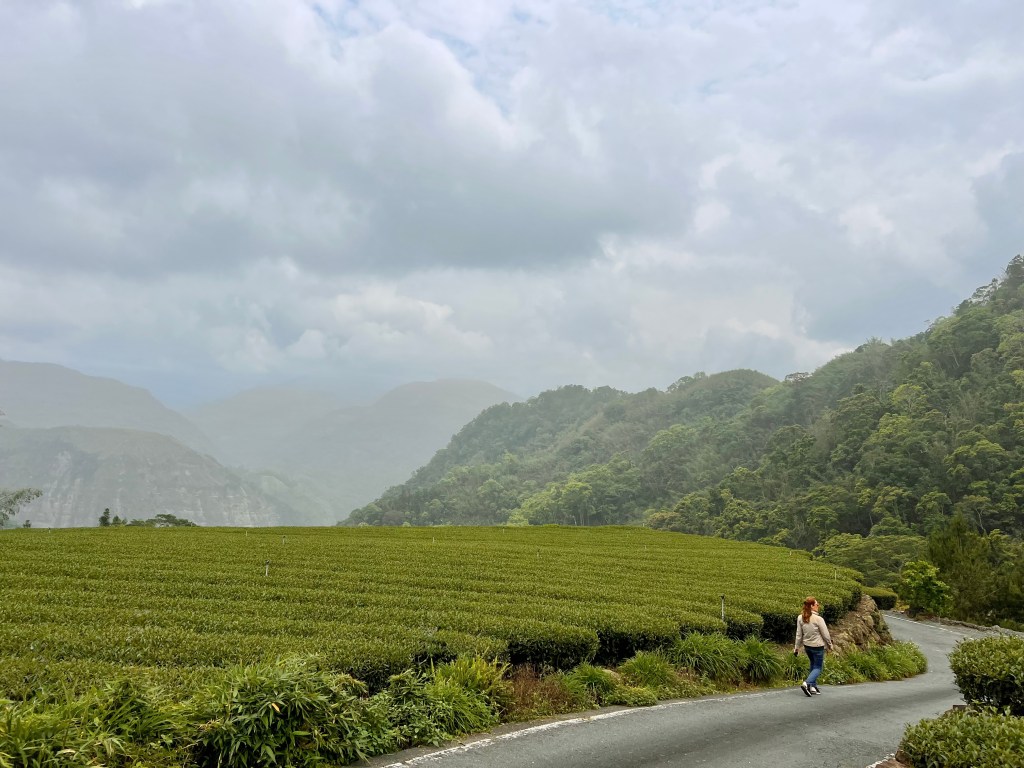
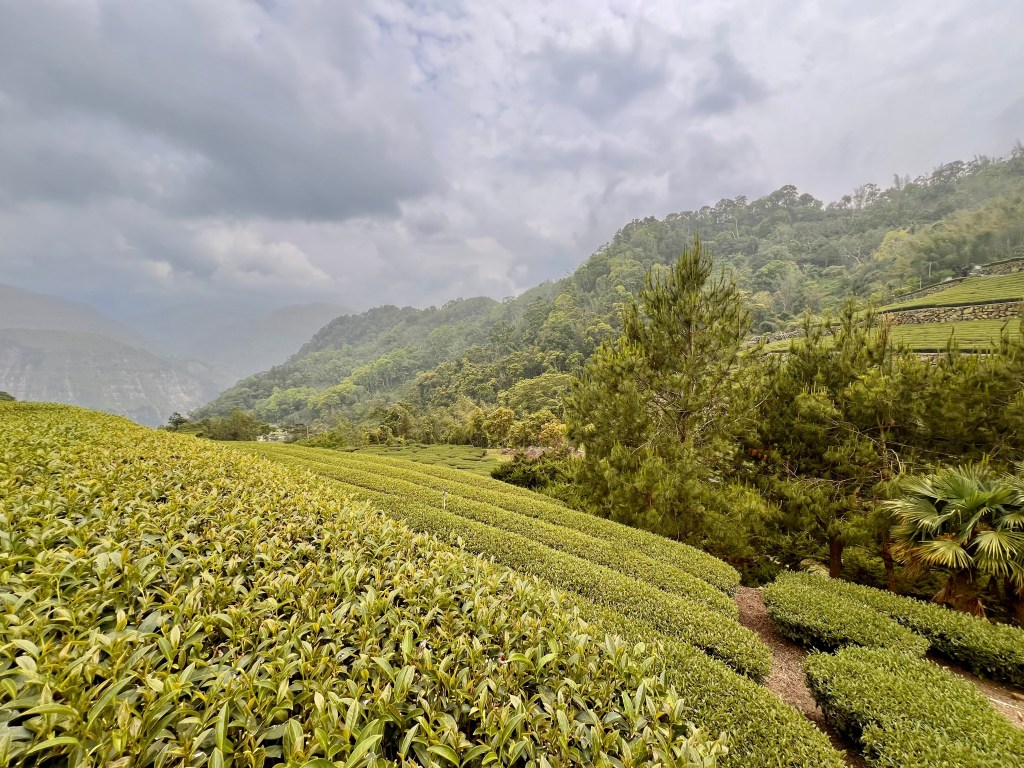

Lishan and Dayuling Oolongs – Grown even higher than Alishan; incredibly refined and delicate.
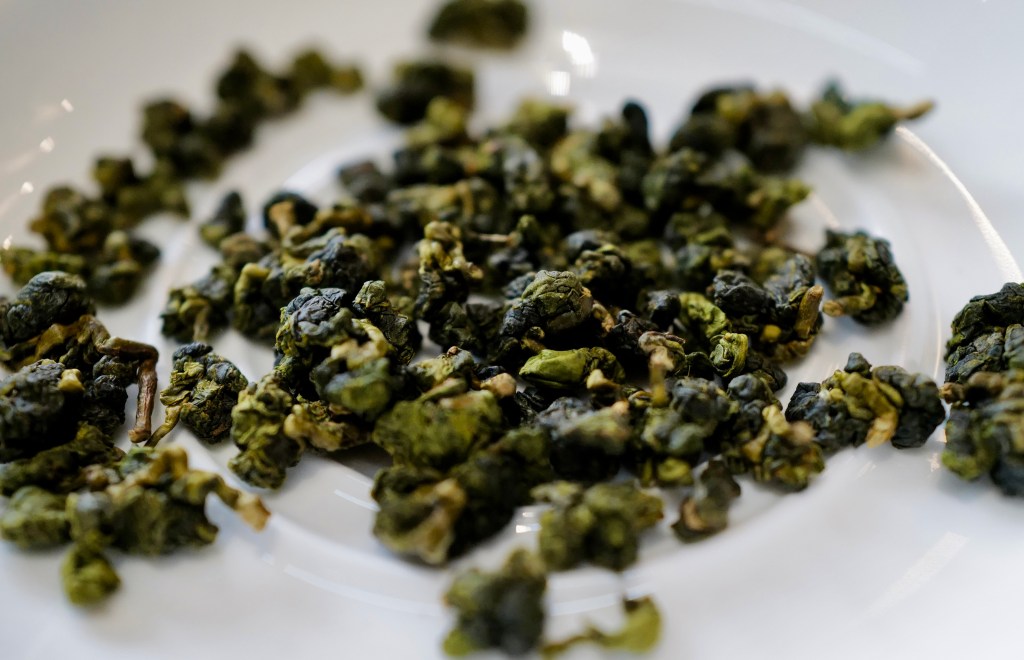
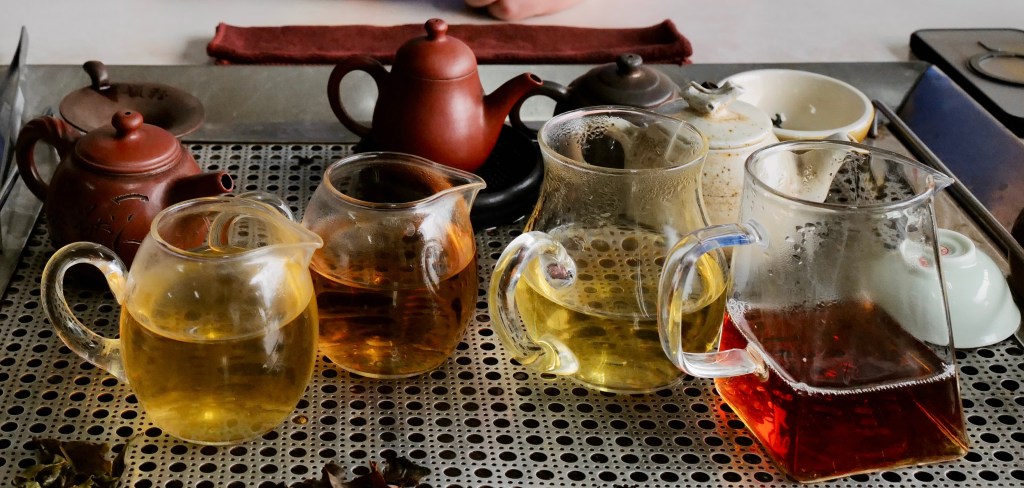
Oriental Beauty – Naturally bug-bitten leaves produce a sweet, muscatel aroma (often compared to Darjeeling).

Sun Moon Lake Black Tea – Known for its bold, smooth flavor with hints of cinnamon and mint.
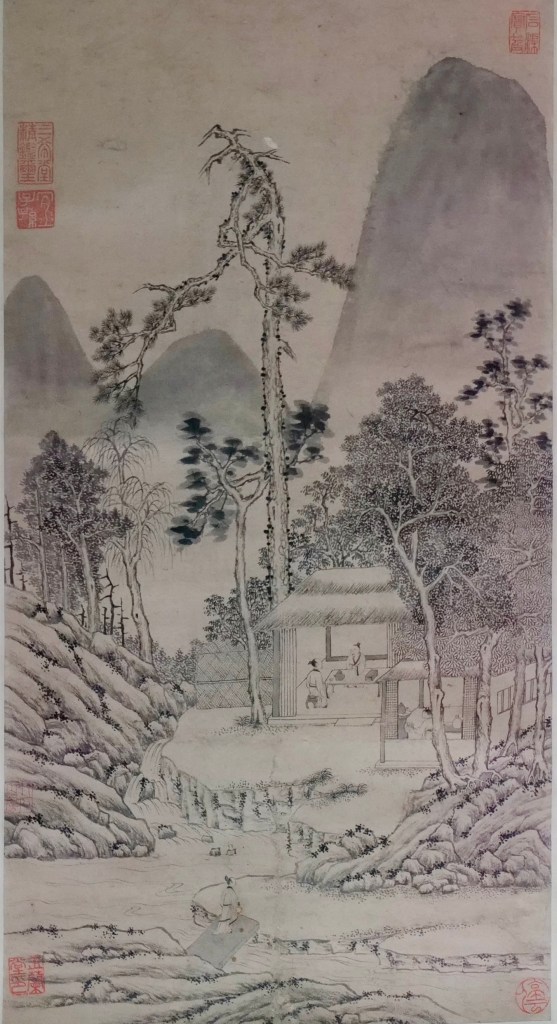
Many treaties have been written on tea, but none is more memorable than Wen Zhenming’s “Tea Matters” (1470 – 1559), in which he outlines seven principles for the appreciation and preparation of tea — more than just technical instructions, it’s an aesthetic manifesto that is to this day relevant for anyone interested in tea.
Religious life
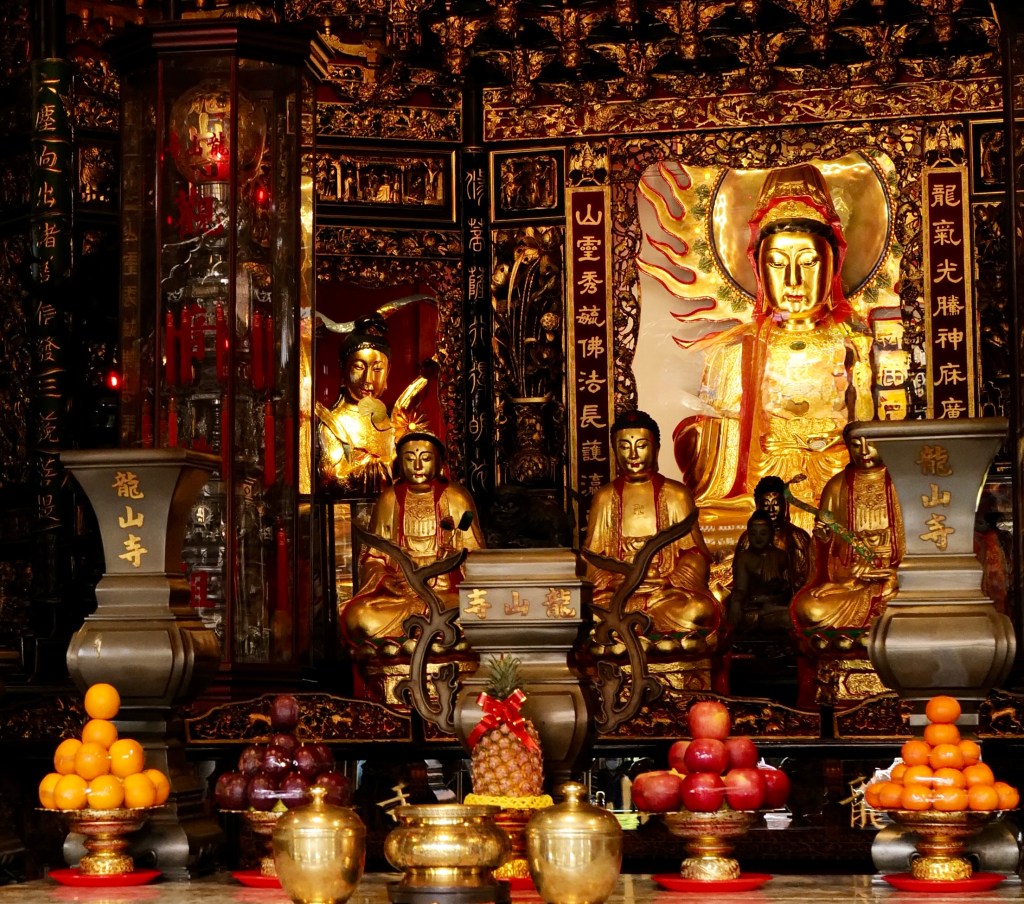
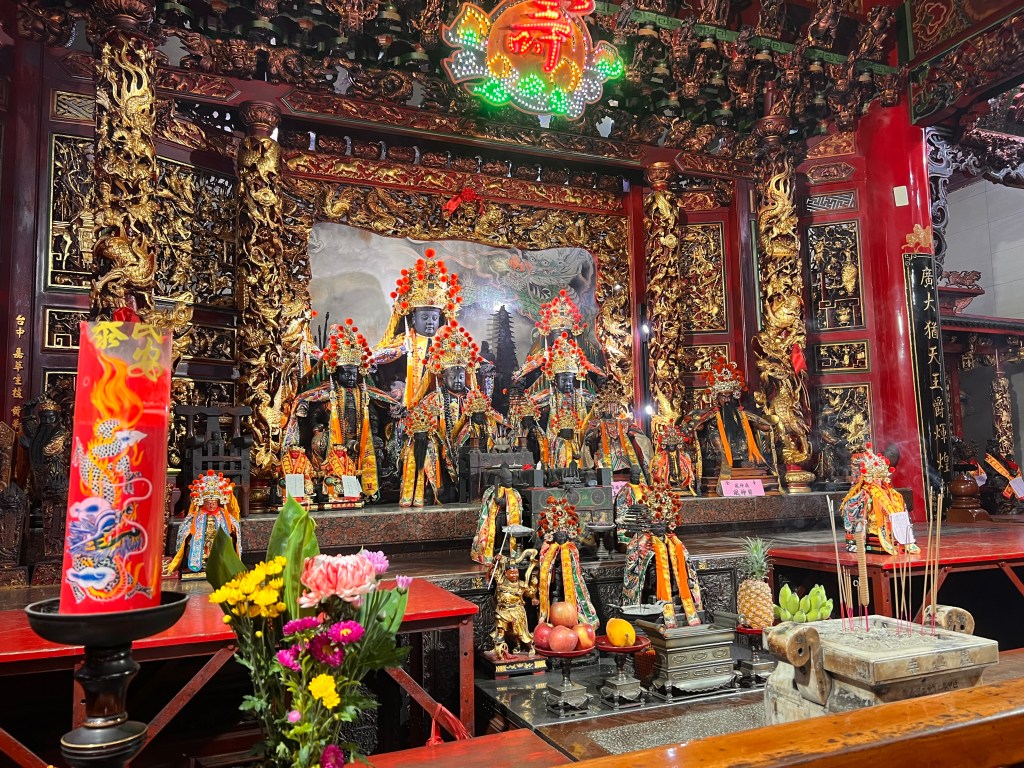
Most Taiwanese people don’t identify with one religion in the Western sense. Instead, many practice a blend of: Taoism, Chinese folk religion, Buddhism, Ancestor worship and often some Confucian ideals (more philosophical than religious).
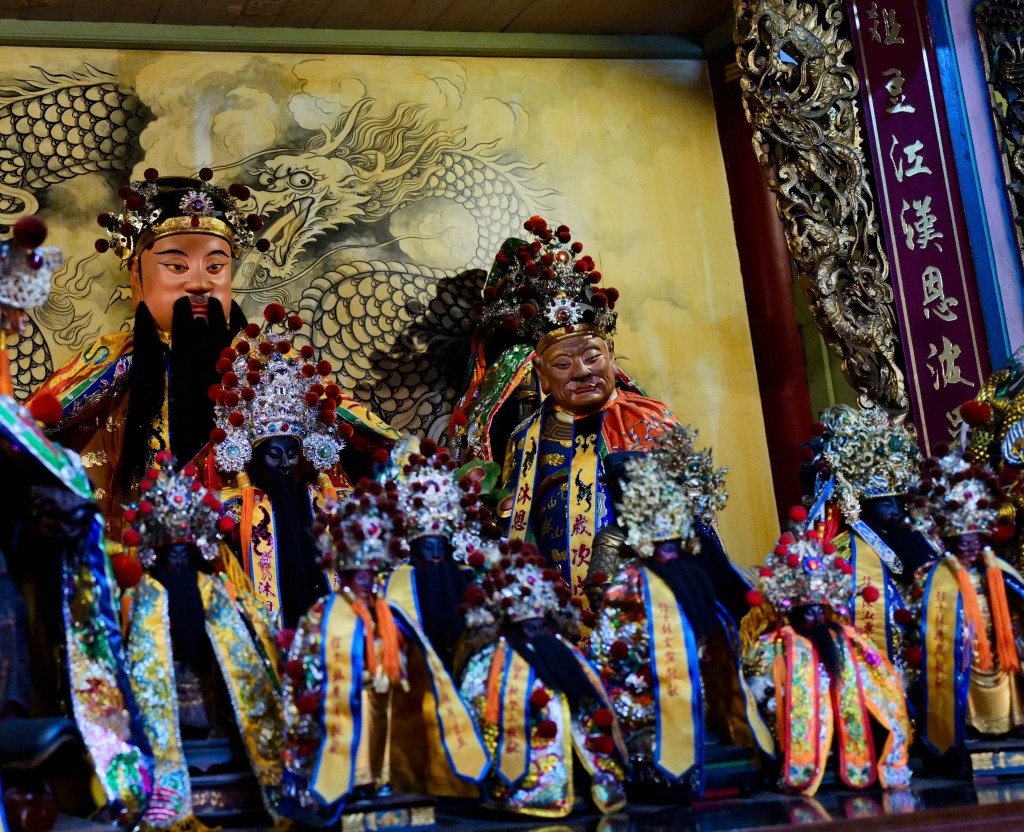
This means that you’ll often see Taoist deities, Buddhist bodhisattvas, and local folk gods all in one temple, and it’s totally normal for someone to pray to multiple figures depending on their needs—health, exams, business, love, etc.

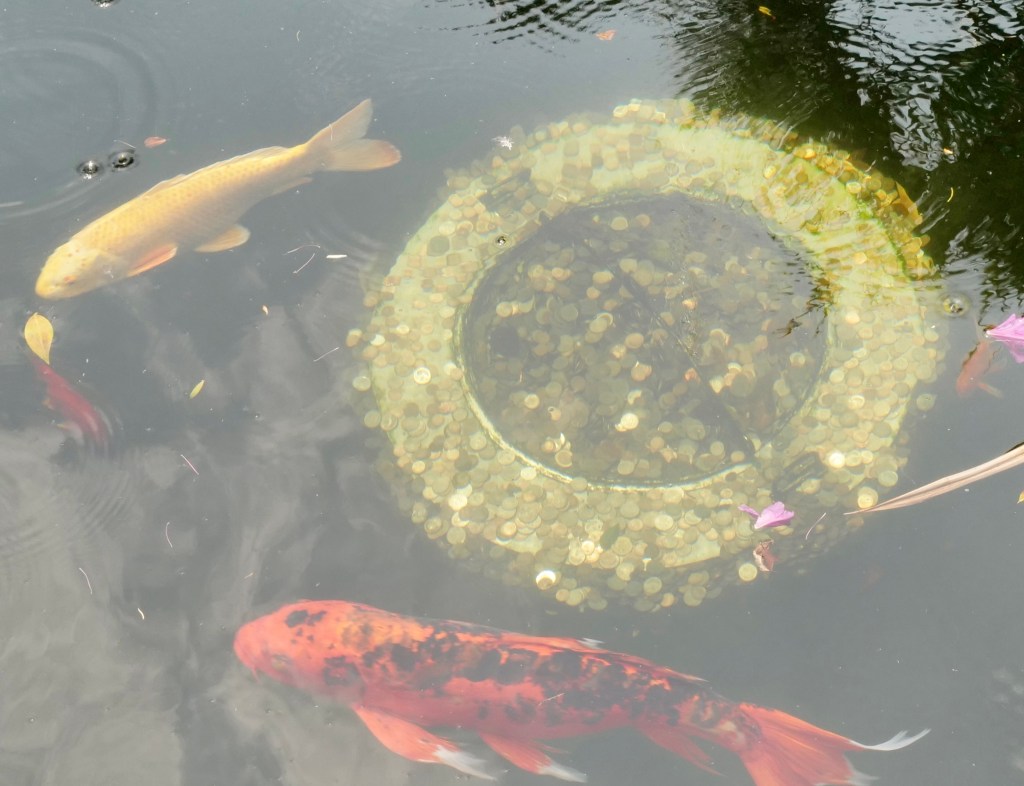
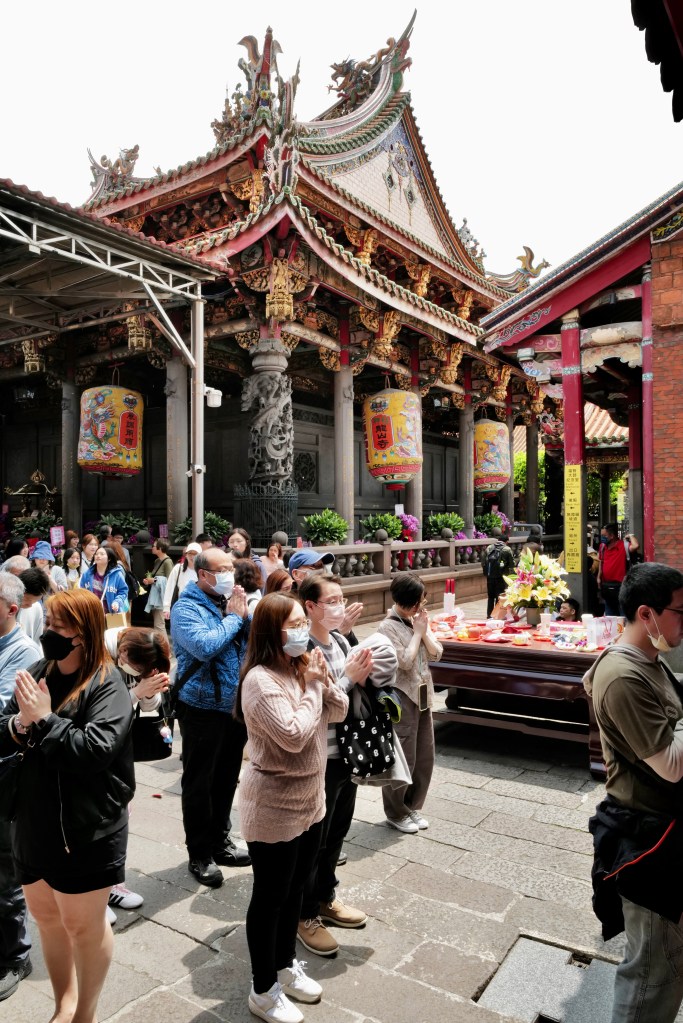
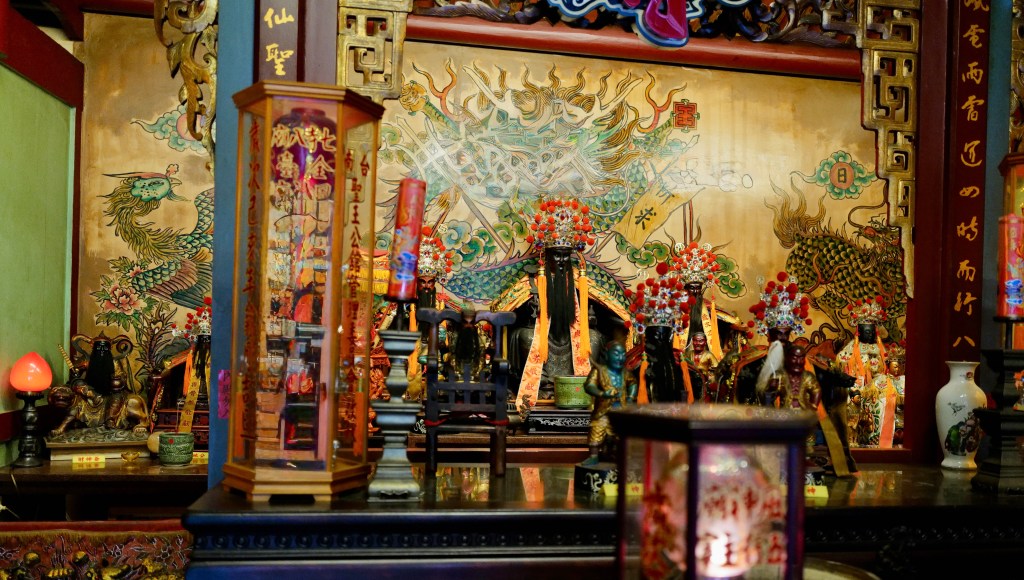
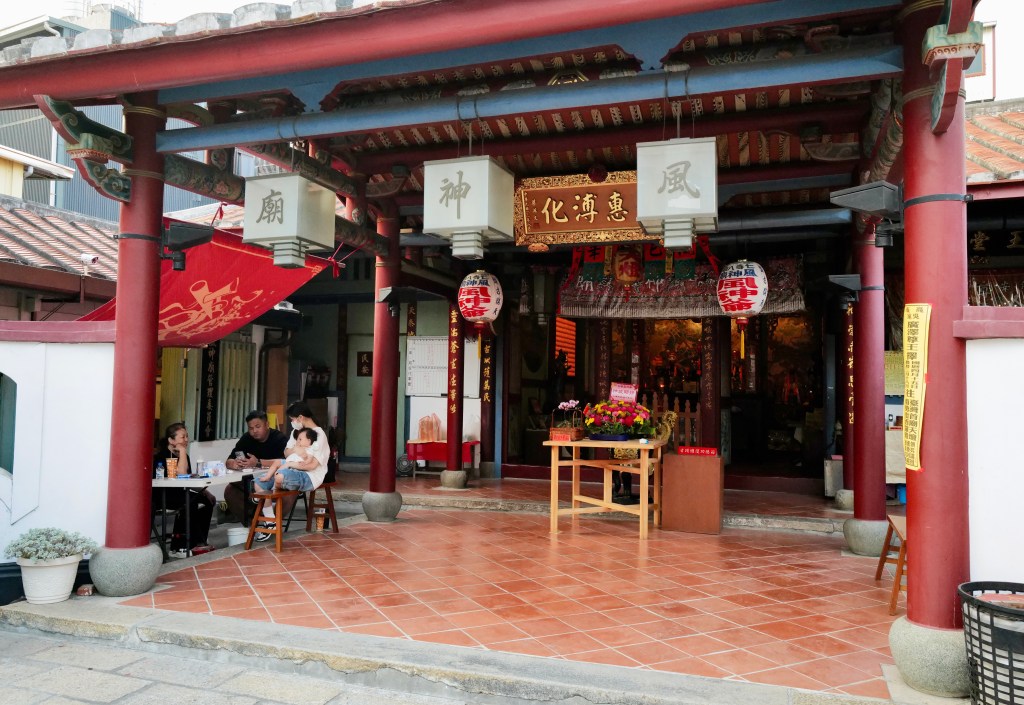
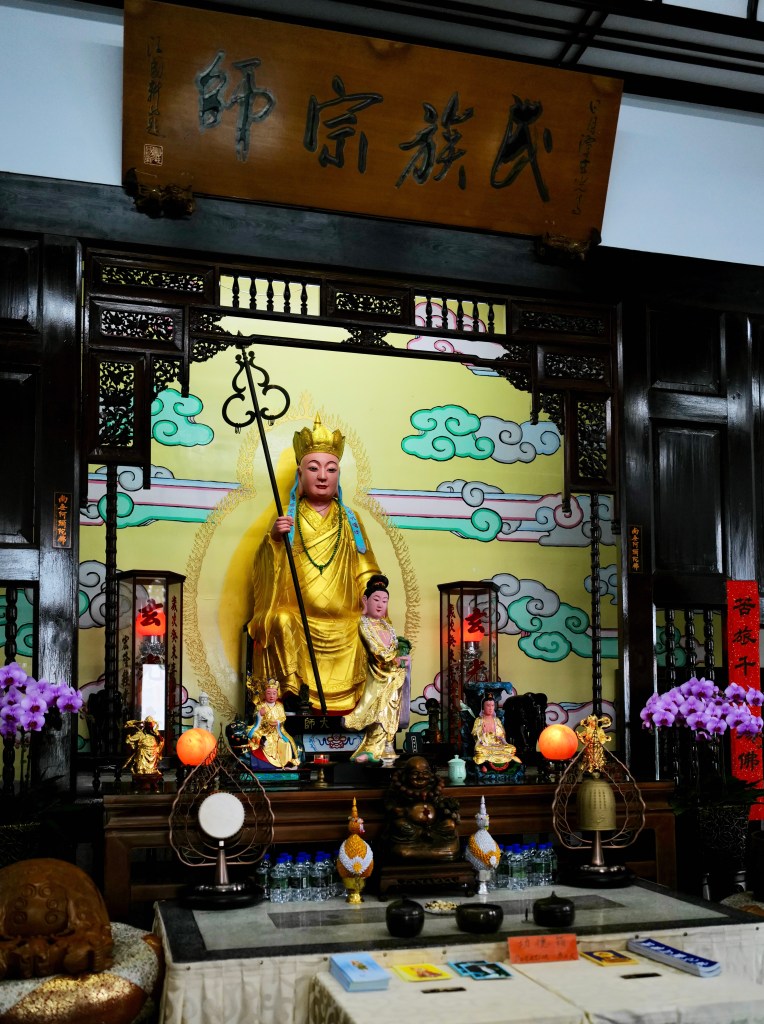
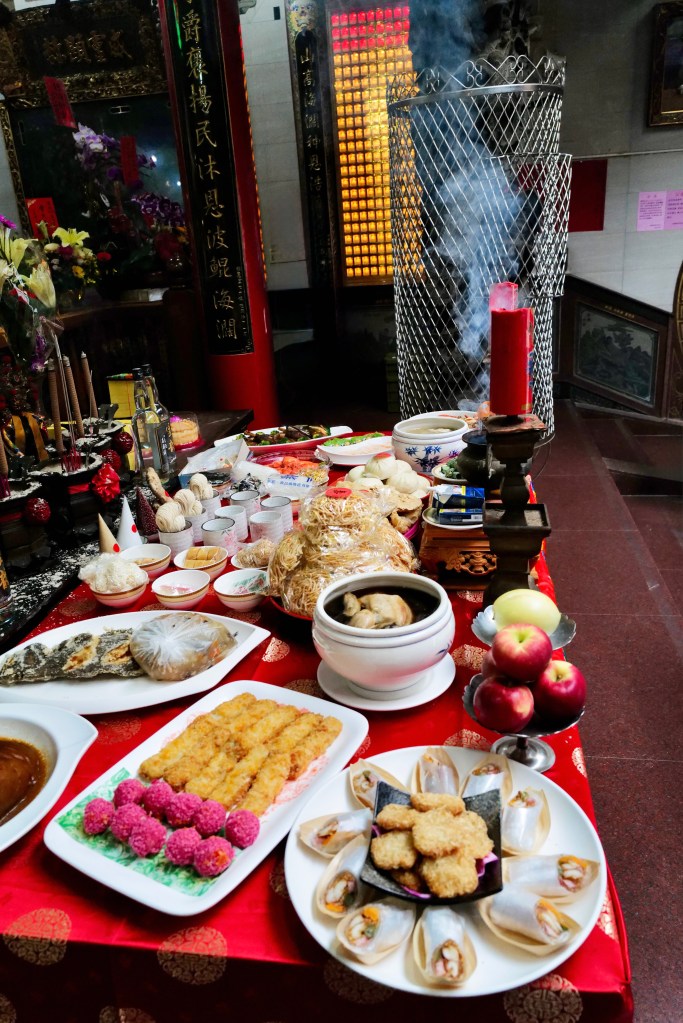
The Taiwanese are very superstitious and great believers in “signs” that may indicate to them which fork in their life to take. Many of them use the temples to provide guidance for decision-making.
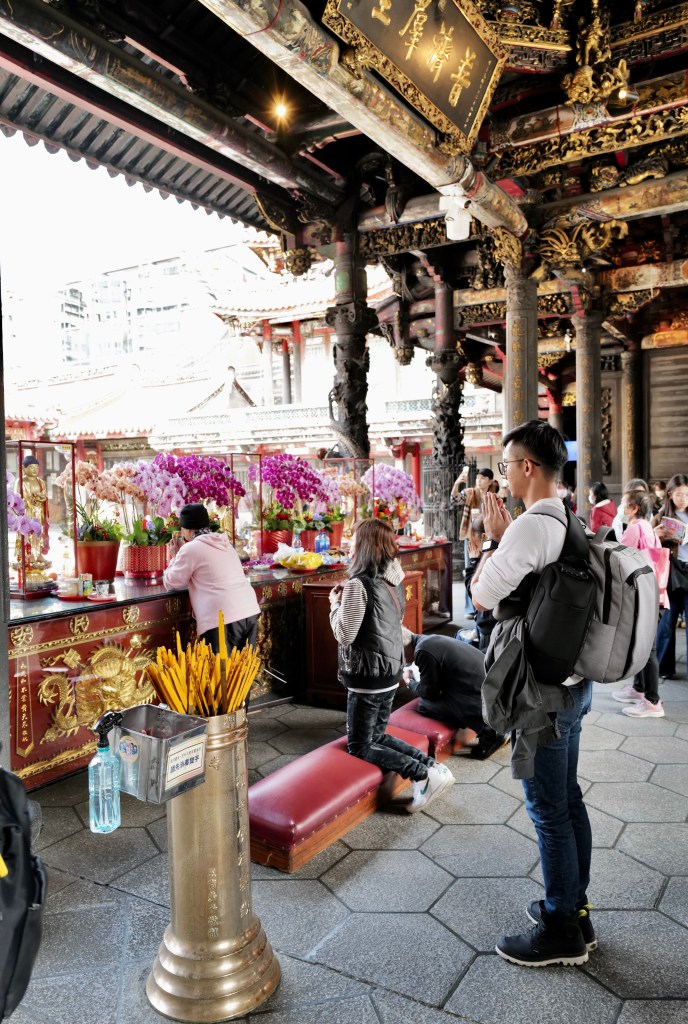
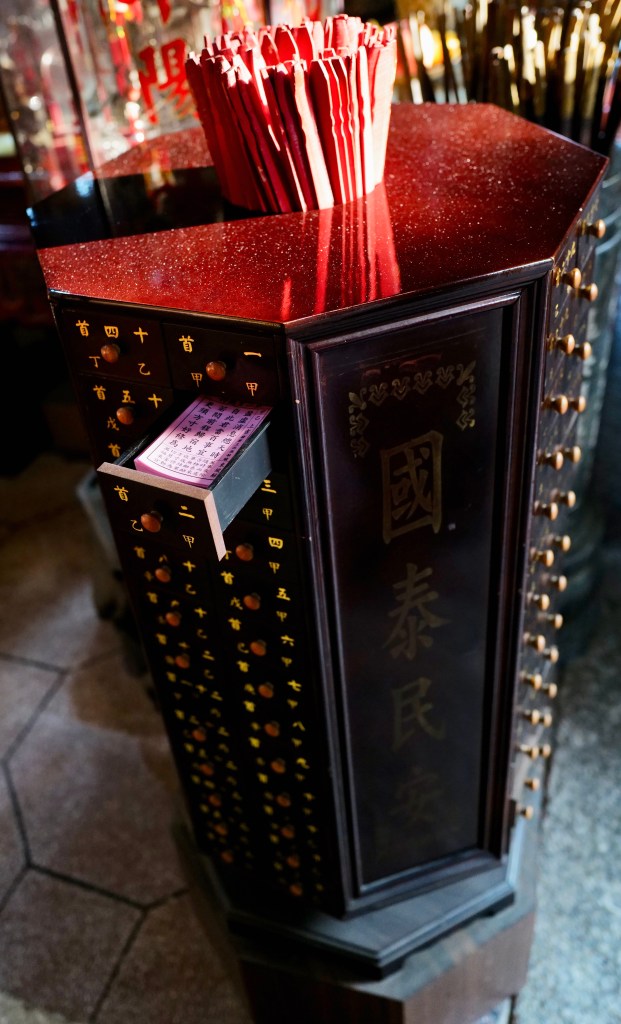
The man below came to the temple to help him decide whether or not he should marry his girlfriend, and if yes, then when he should propose (immediately or at some time in the future). He threw 6 times the two red wooden blocks provided by the temple. If the blocks fell three of these times one up, the other one down, then it means that the Buddha had heard him. He could then take one of the sticks available in the temple, and get his answer in a specially designed box (see below).
In this case, he was not lucky, the Buddha did not hear him…he said to me that he would return another day, when the Buddha would be “less busy”.


Tainan
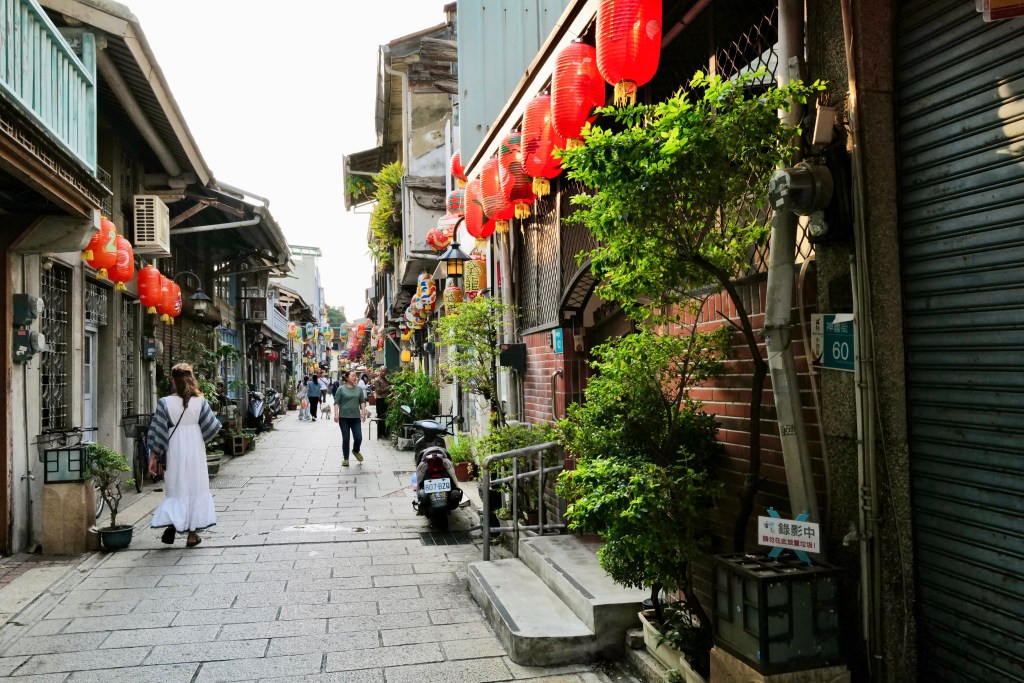
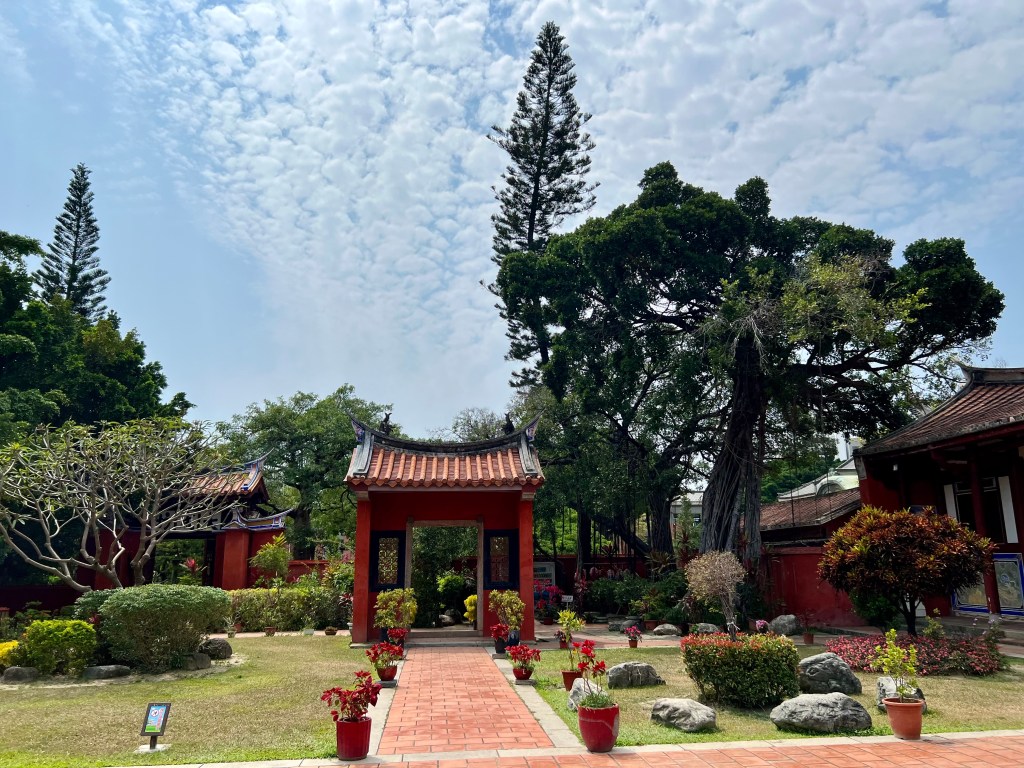
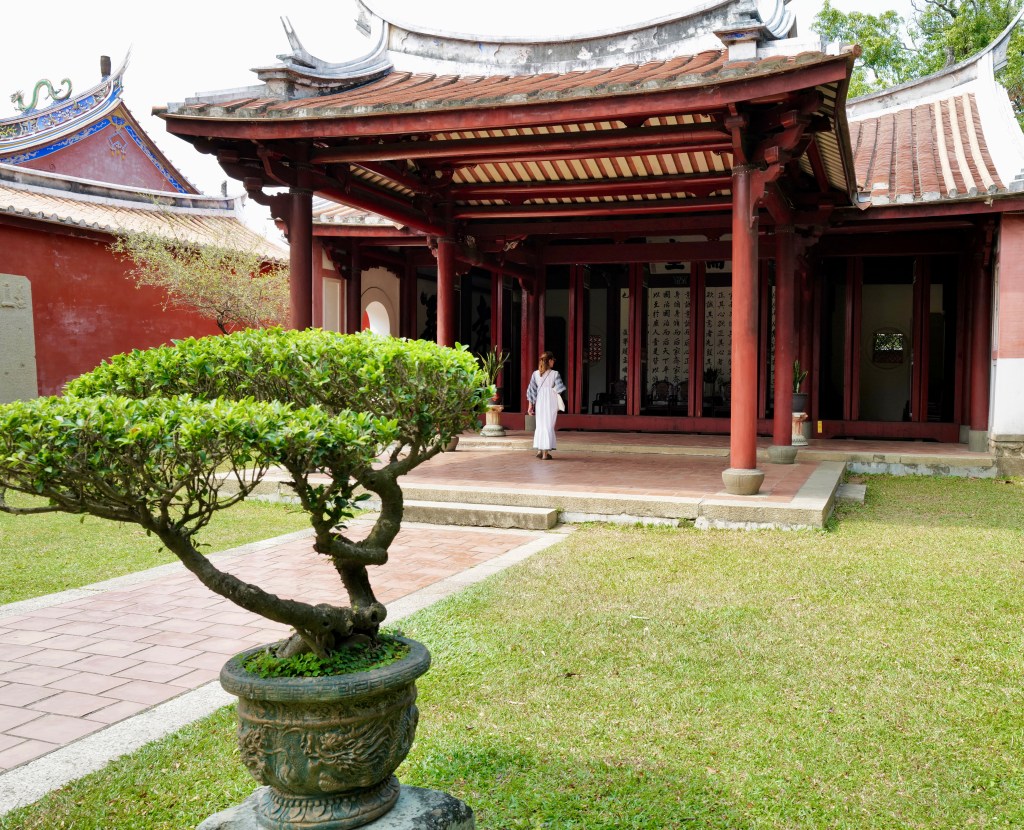
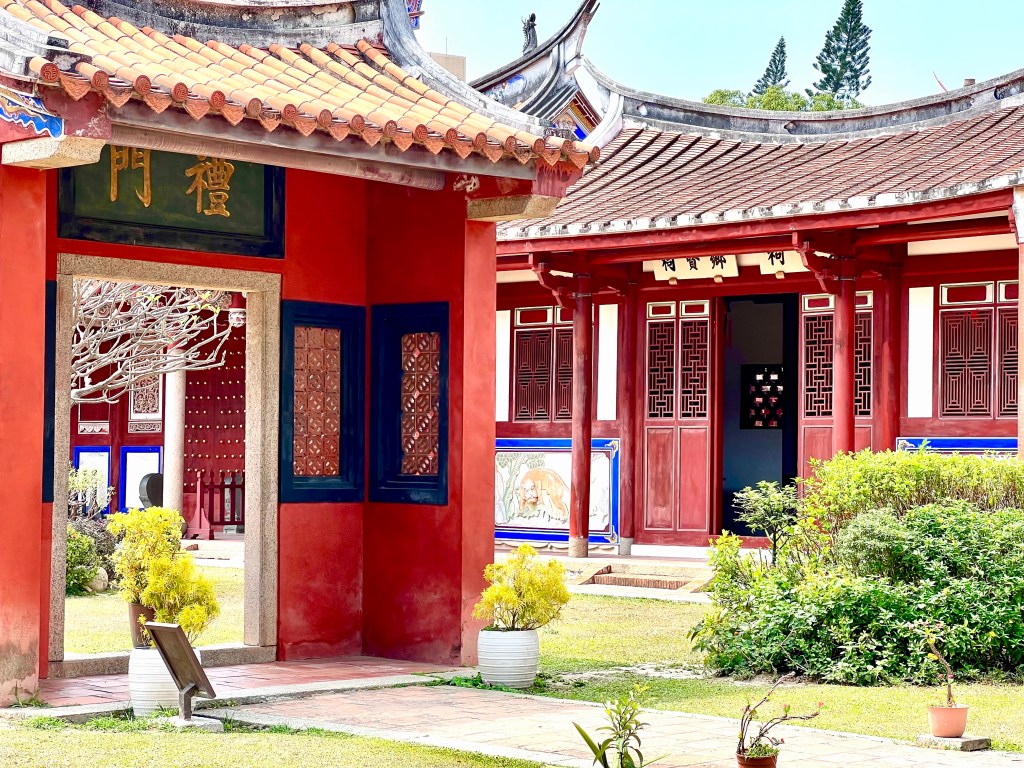
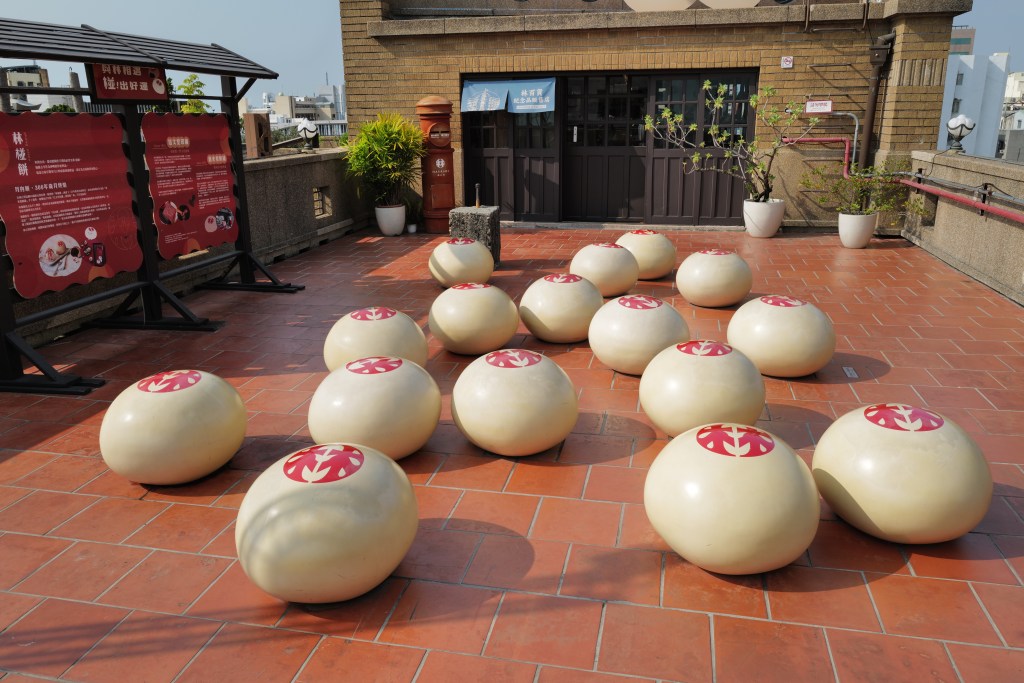
Tainan is Taiwan’s oldest city and a soulful, laid-back gem. Often called the cultural heart of Taiwan, it was the island’s capital during the time when the island was part of the Chinese Qing dynasty. It’s a place where centuries-old temples and quiet charm mix effortlessly.
We visited beautiful temples and, as elsewhere in Taiwan, really enjoyed meeting the locals. Tainan moves at a slower pace than Taipei or Kaohsiung. There’s a quiet confidence here — locals often say, “We don’t need to rush; we’ve already seen it all.” Tree-lined boulevards, crumbling shophouses, red brick temples, and courtyards create a soft, romantic landscape.

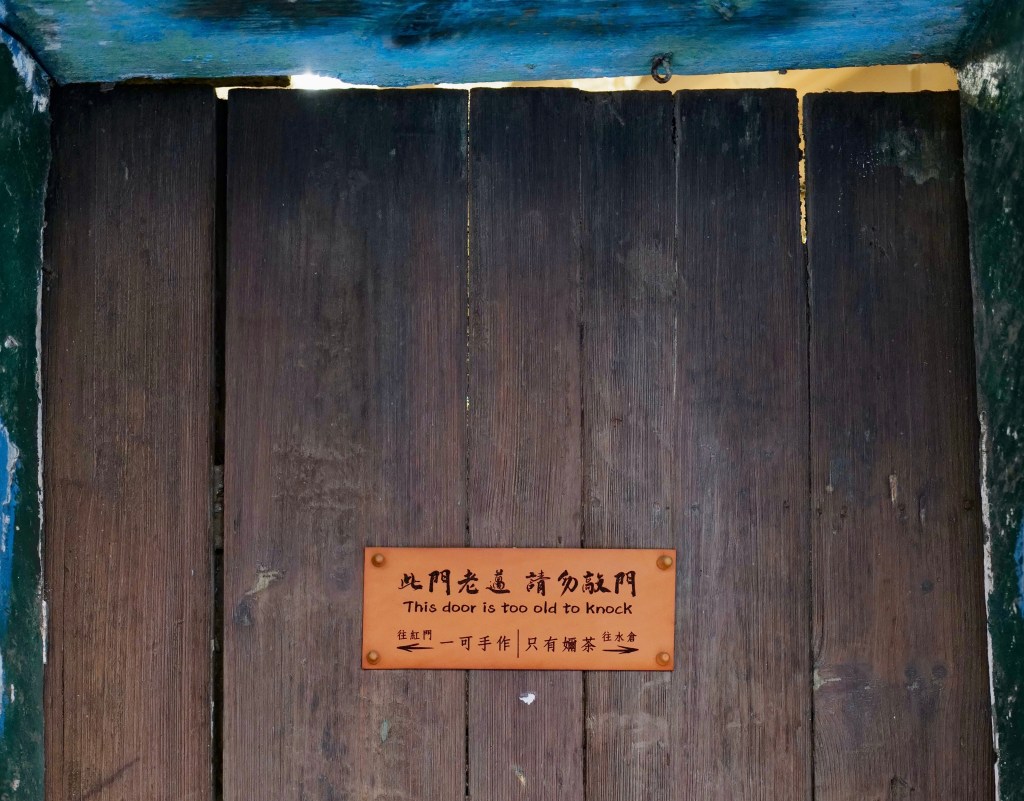
Sun Moon Lake
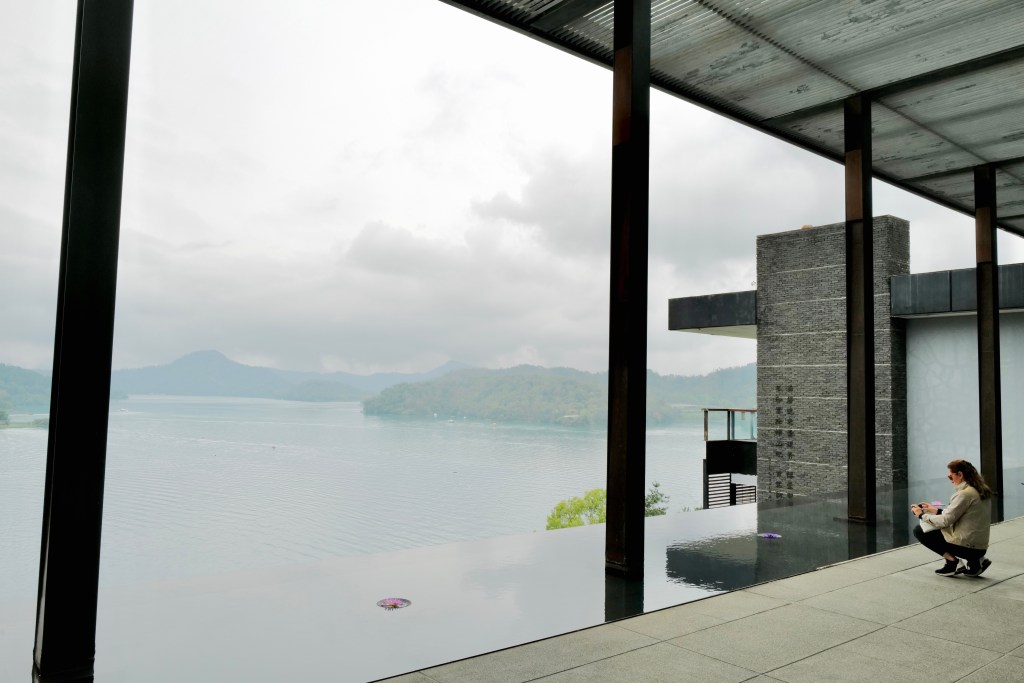
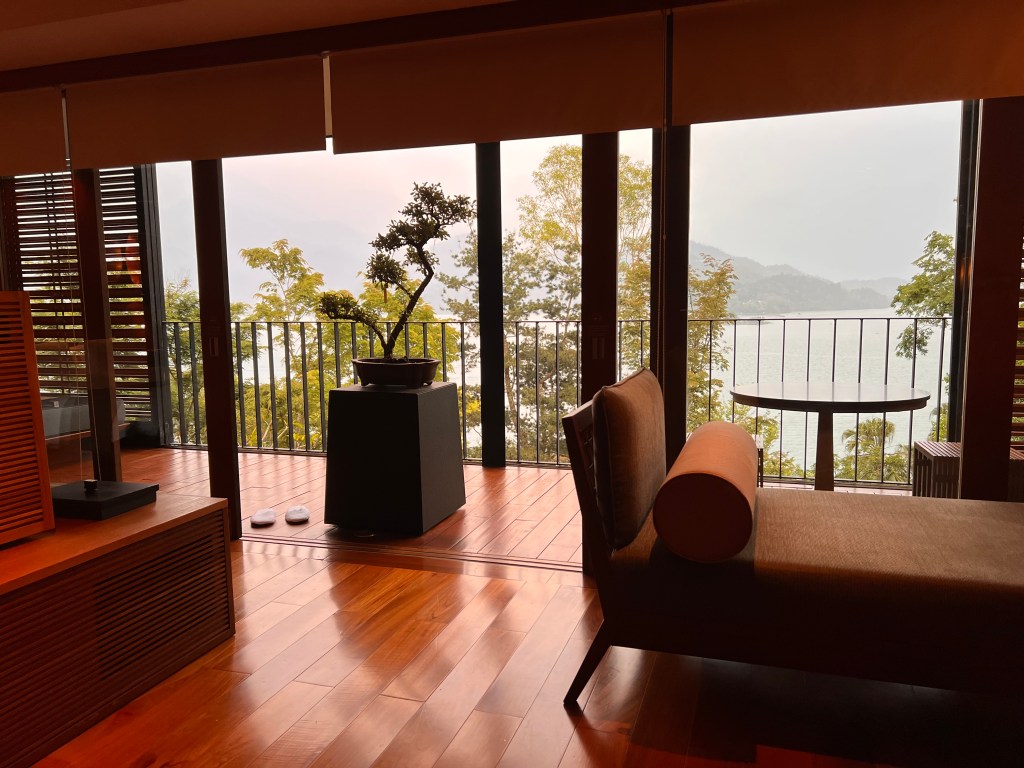
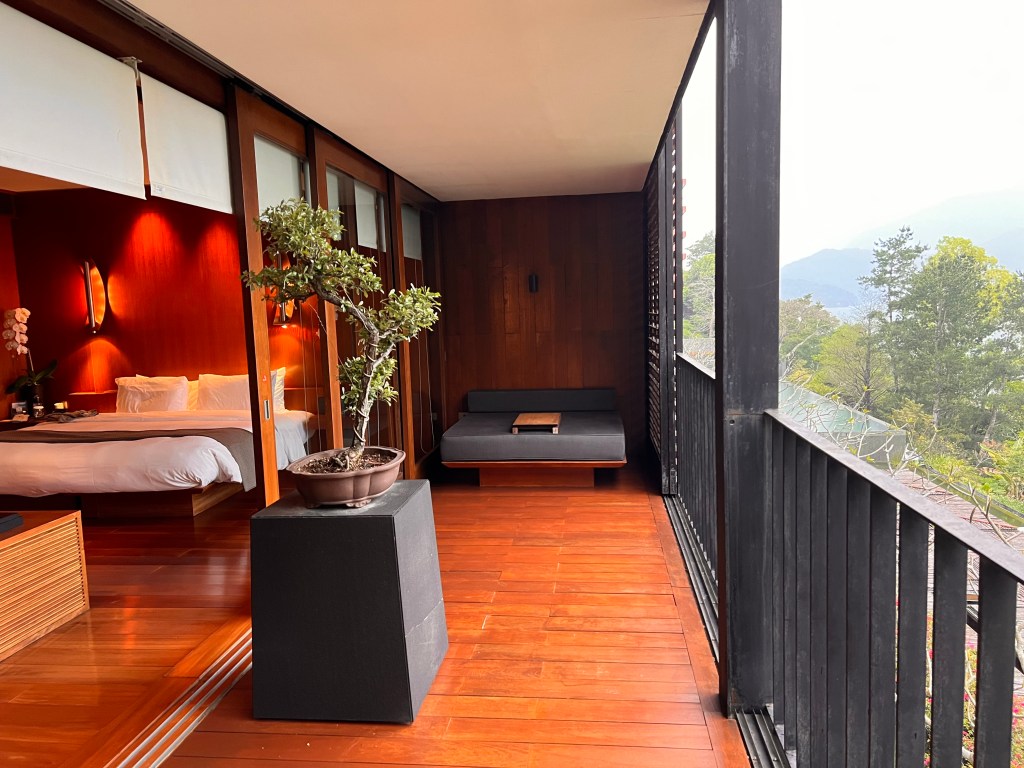
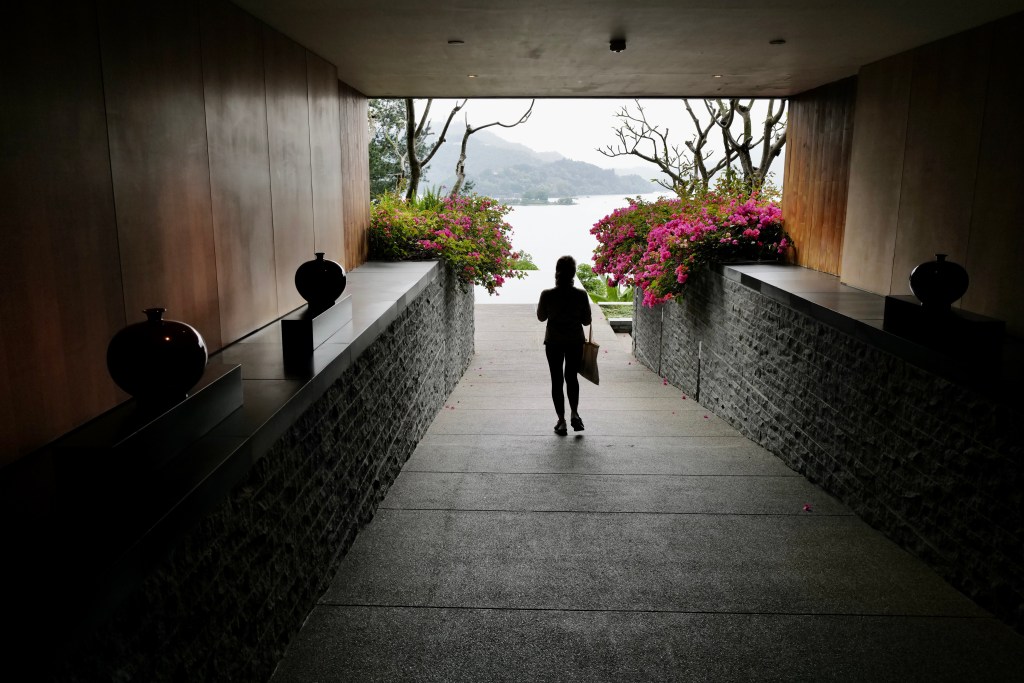
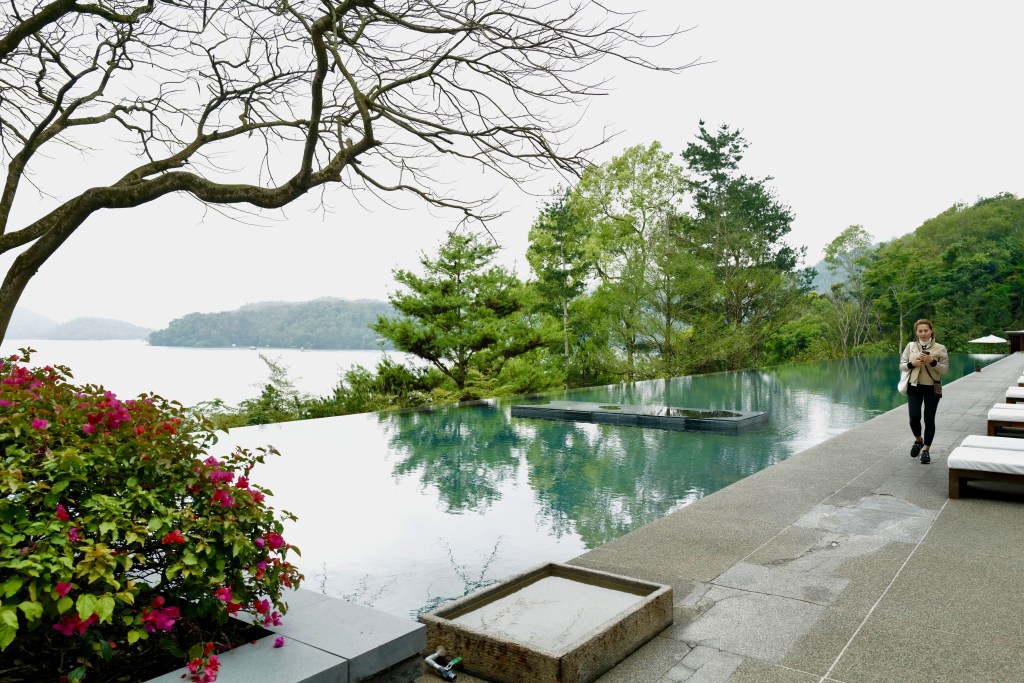
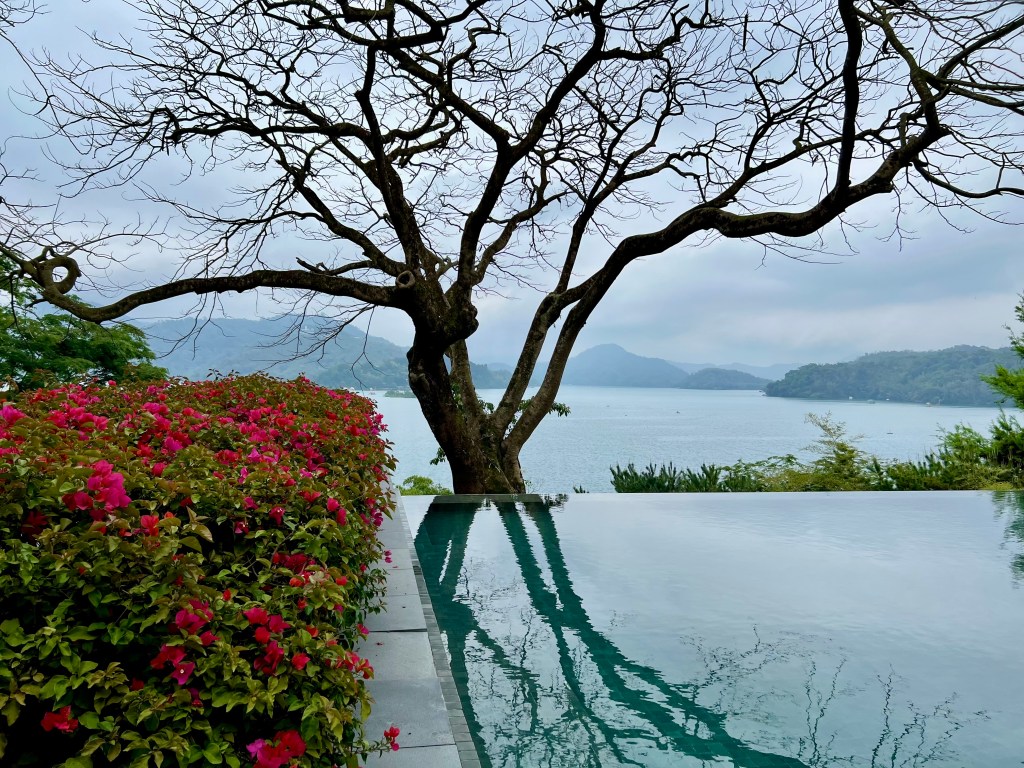
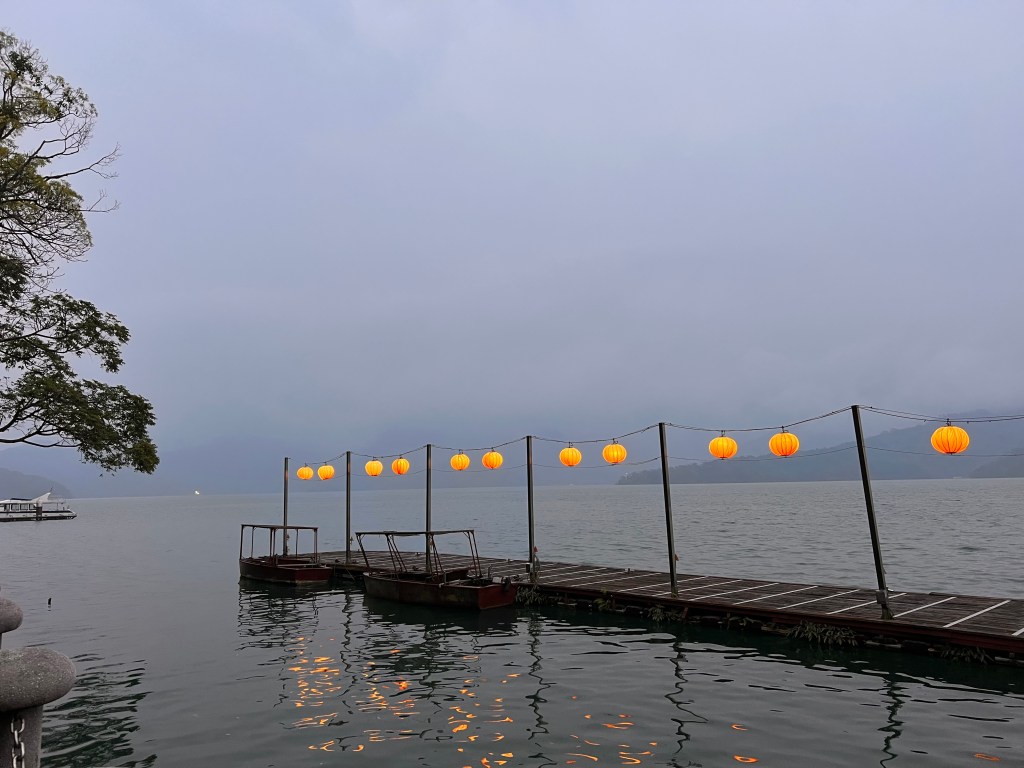
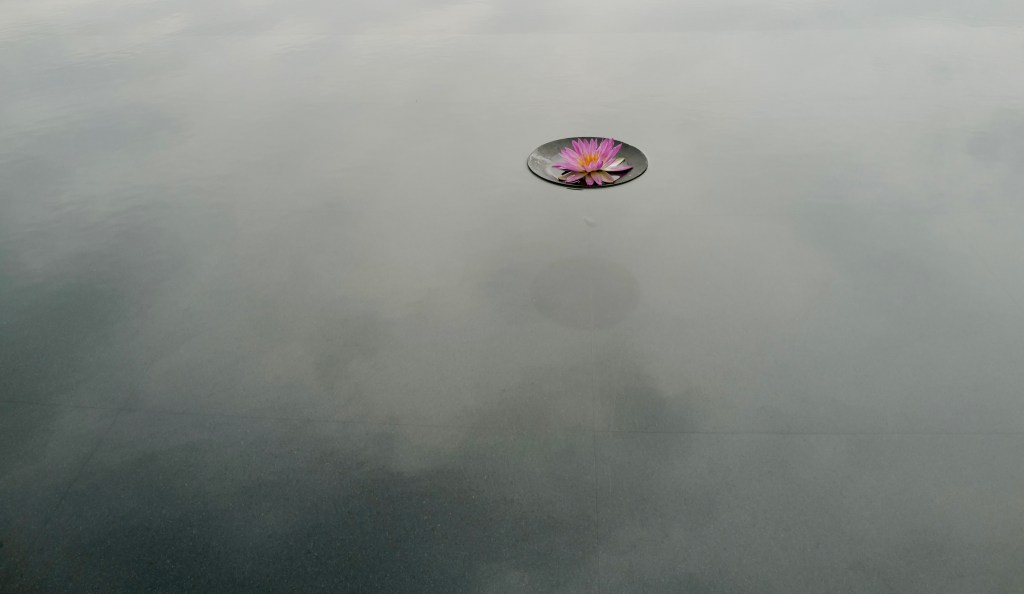
The Sun Moon Lake in central Taiwan, with its permanent misty climate, invites to long walks and reflection. The east side of the lake is round like the sun, and the west side curves like a crescent moon—hence its poetic name.
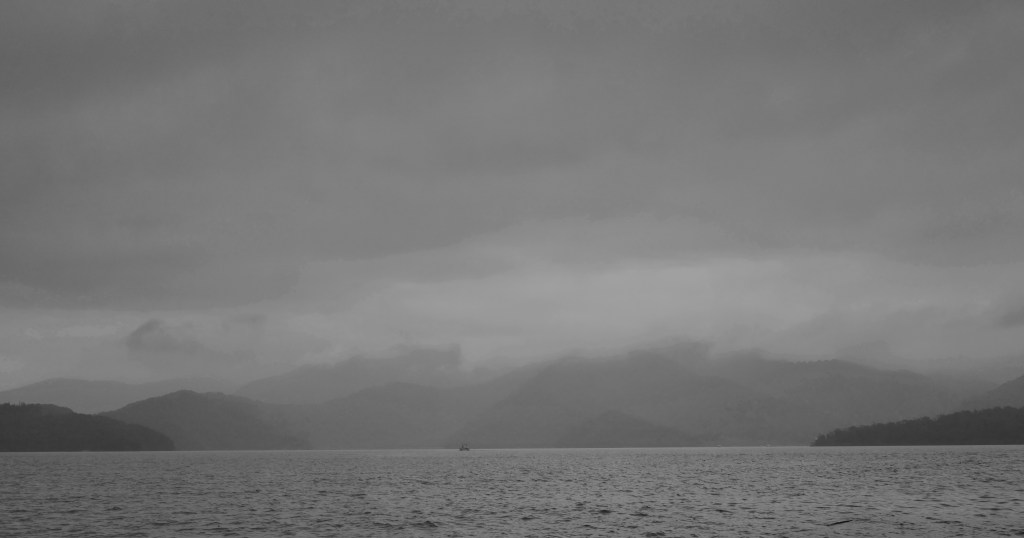
It is one of Taiwan’s most iconic and picturesque destinations — a serene, high-altitude lake surrounded by forested mountains, temples, and indigenous culture.

Kaohsiung
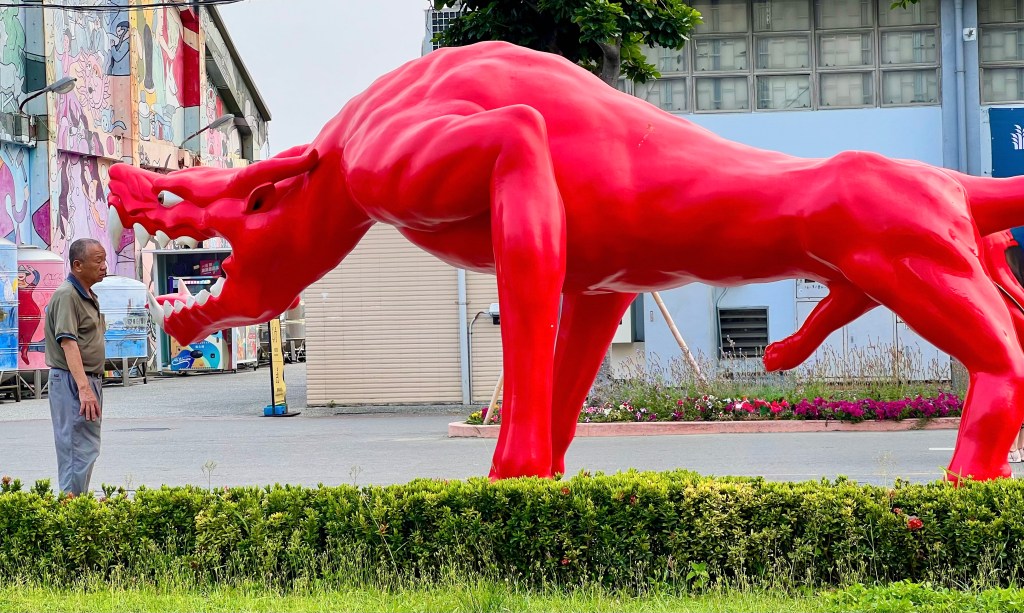
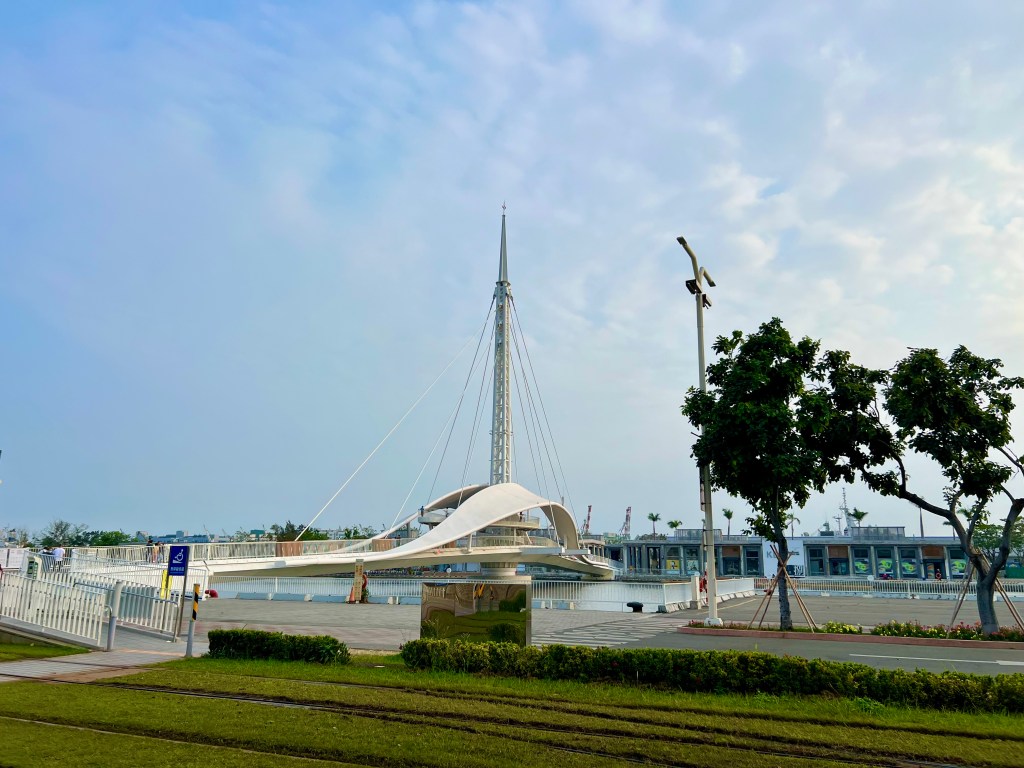
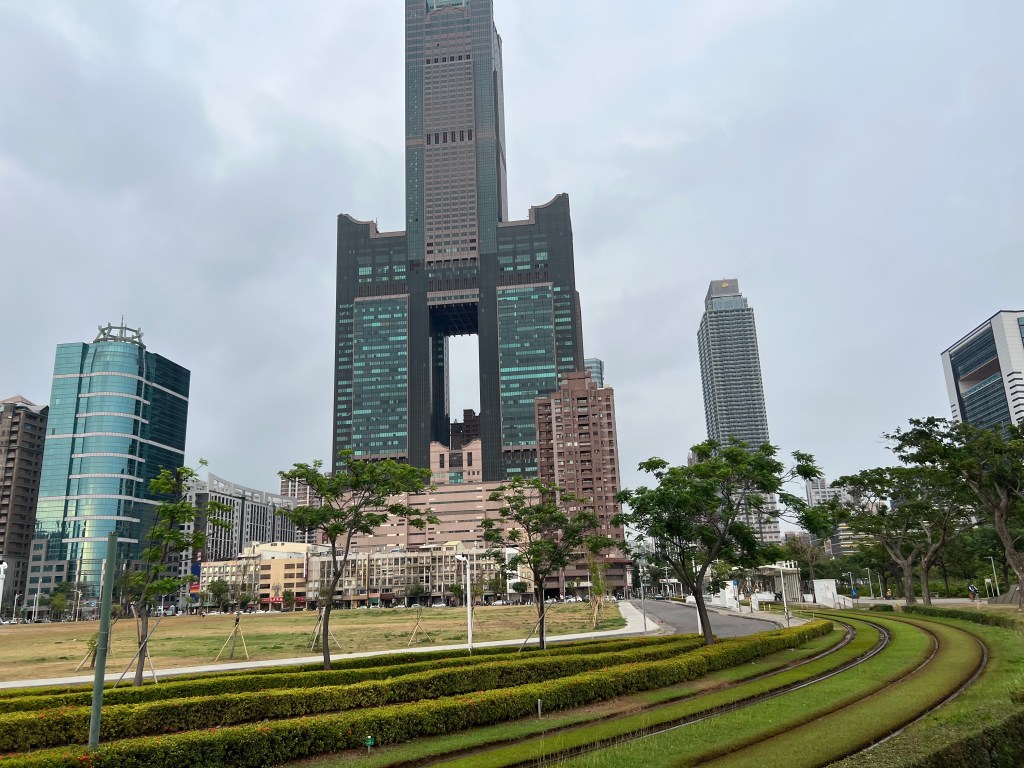
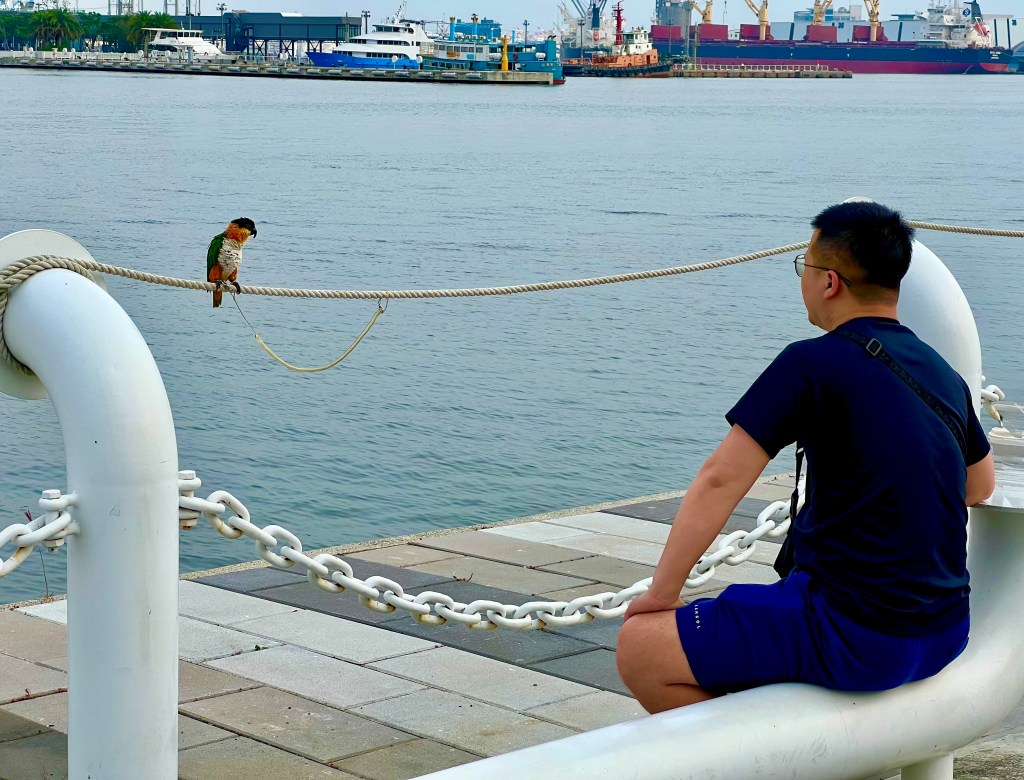
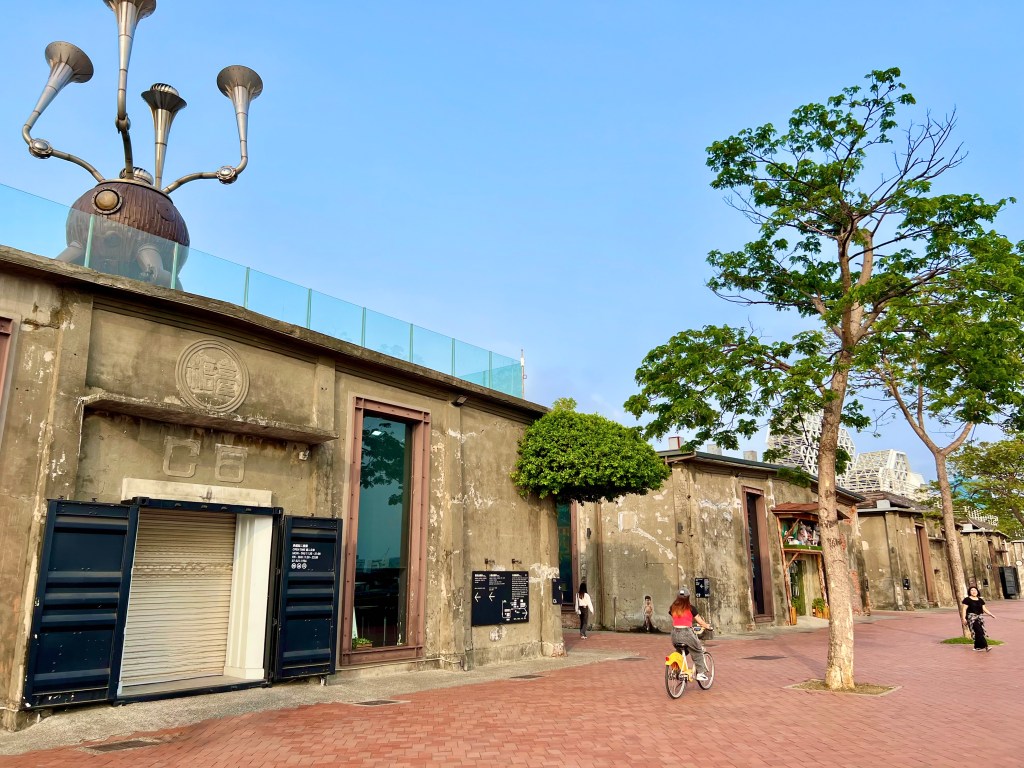
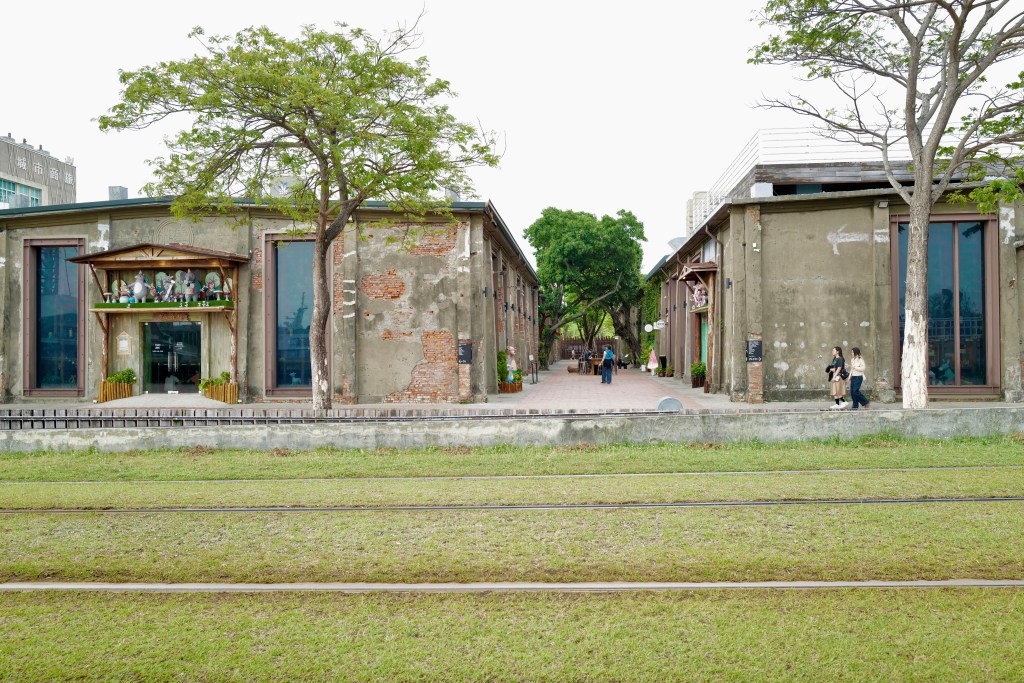
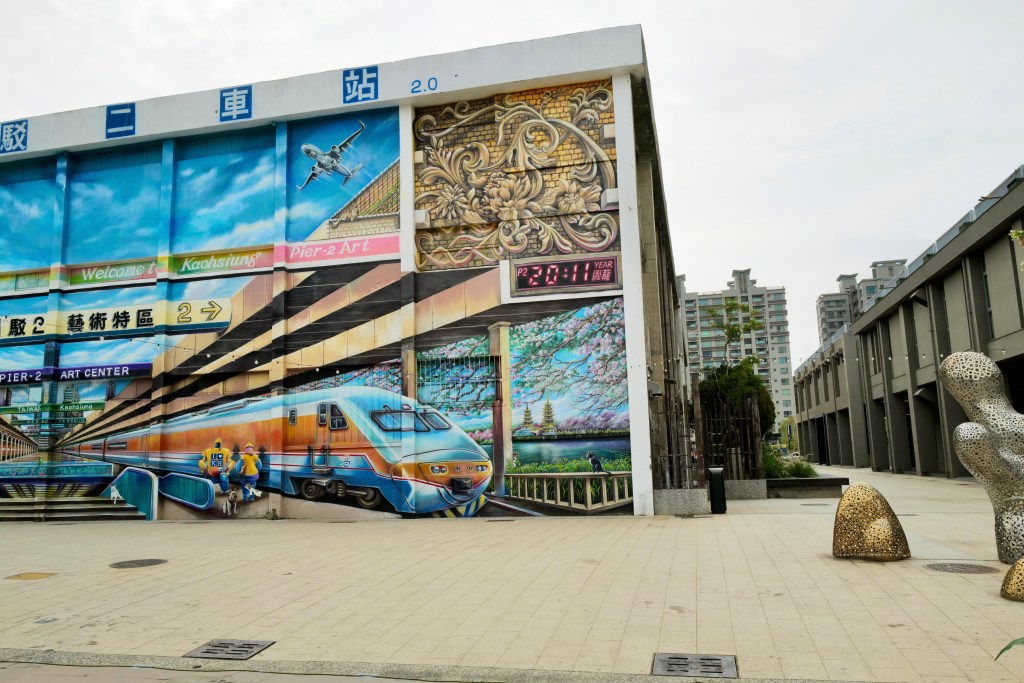
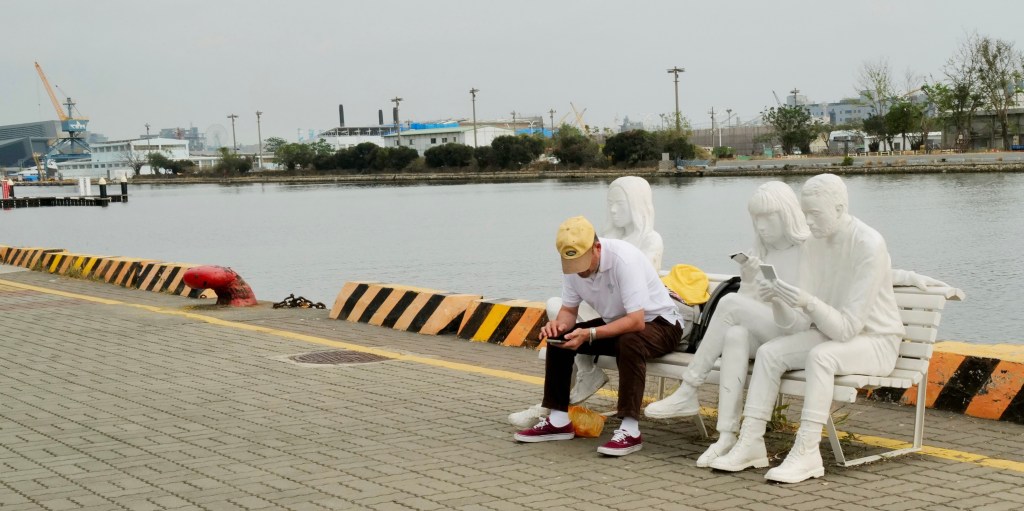
Kaohsiung is Taiwan’s dynamic southern port city—a blend of industrial grit, tropical relaxation, and emerging creative energy. Once known mainly for its steel factories and cargo ships, it’s been reinventing itself over the past decade as a vibrant cultural and design-forward city, with an easygoing soul and subtropical charm.
Where Taipei is all hustle and intellect, Kaohsiung feels sunny, spacious, and more open-hearted—with lots of water, wind, and sky.
Wide streets, palm trees, and sea breezes give it a laid-back, tropical feel. It’s Taiwan’s second-largest city, but it doesn’t feel congested or rushed.
Locals are very friendly and unpretentious, with a love of music, art, and outdoor life.
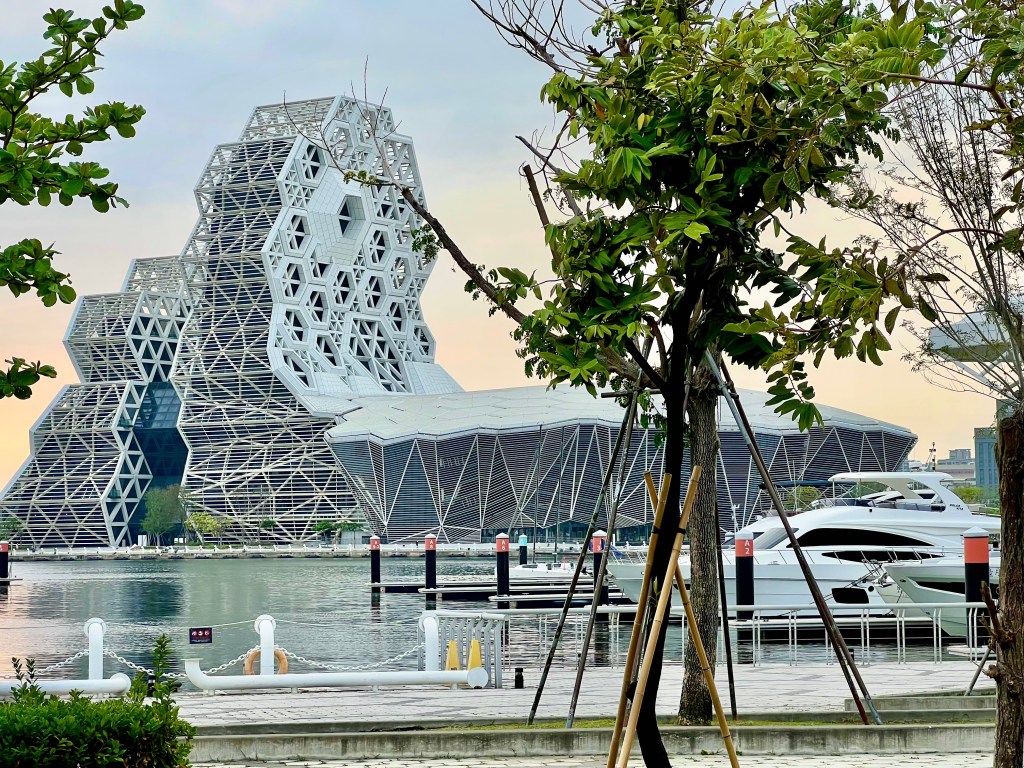
Kaohsiung boasts one of the largest performing arts centres in the world, with a flowing, organic design inspired by banyan trees.

Politics
While we were in Taiwan, the Chinese ran extensive naval exercises around the island and the US announced tariffs of 32%, sending the Taiwanese stock exchange into an unprecedented 10% decrease in only a few hours.
How did the Taiwanese we spoke to respond? With a smile and calm. What we heard was: “These are things we cannot control, so we just live with them, keep going and not worry too much”.
Diversity in a small package
Taiwan is one of Asia’s most underrated gems — a compact island packed with cultural depth, stunning natural beauty, culinary wonders, and a uniquely welcoming population. What makes Taiwan so special as a travel destination is how it offers a bit of everything — and without any complication.
We spent only 11 days in Taiwan, but it was much too little. We leave behind not just the desire to return, but also many contacts and friends. Taiwan is truly a jewel of a nation.
 Truliluli Travel Reports