
In modern Thailand, the interplay between religion, lifestyle and commerce is vividly illustrated through the practices surrounding amulets and tattoos. The latter are not merely cultural artifacts but are deeply embedded into the socio-economic fabric of Thai society. They serve as much more than just spiritual tokens, they are nowadays in fact pragmatic tools for everyday life.
Amulets, known as “phra khruang” in Thai, have a long-standing history in the country, dating back more than a millenia. They first appeared with the arrival of Buddhism in the 6th century AD. At the time, their role was to sustain and maintain Buddhism. They were not for individuals to use and they were generally kept in temples.
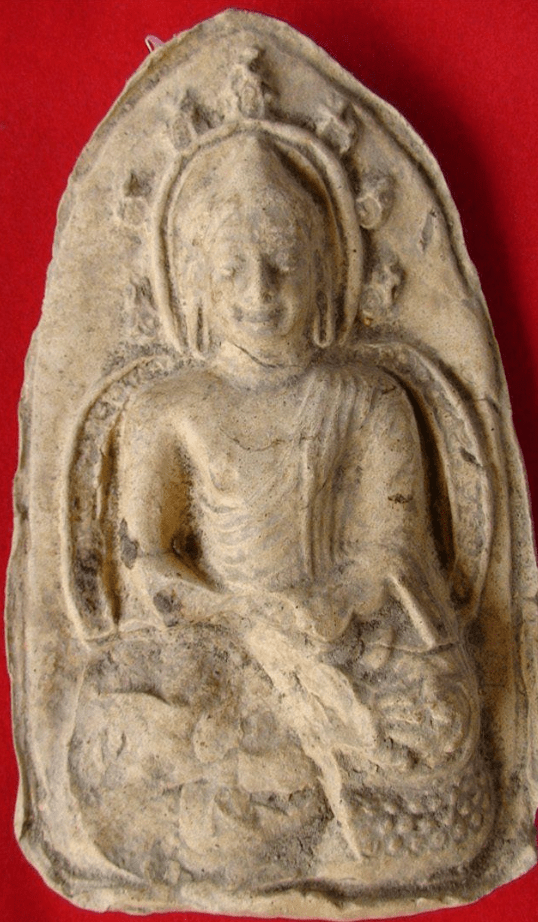
It was much later, during the Ayutthaya period (1351 to 1767 AD)that the role of amulets changed. During this time, they began to be used by individuals, especially during wars, as a way to offer power and protection to combatants.
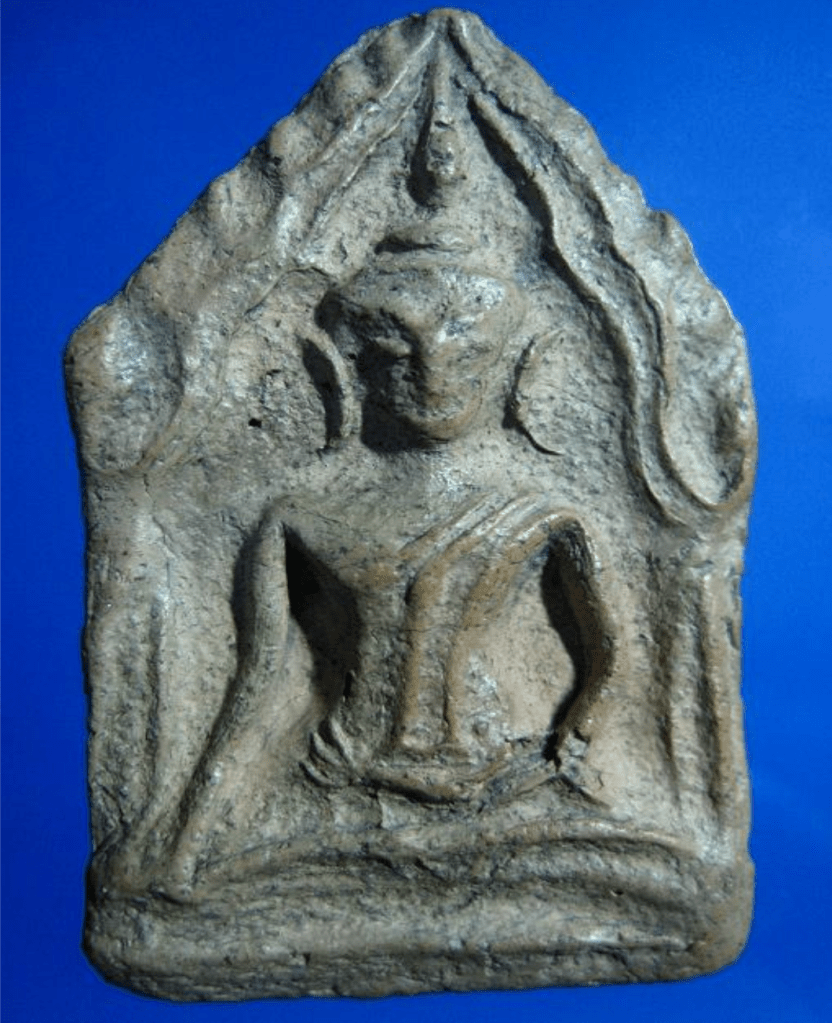
After 1782, amulets become influenced by the Western concepts of collecting and, for travellers, souvenirs. As amulets gradually became consumer items, they lost their meaning as vehicles to sustain Buddhism, and nowadays have become primarily objects for psychological support. They are believed to offer protection, ward off evil, bring good luck, health and wealth, and even enhance the wearer’s charisma, in addition to being considered good investment tools.
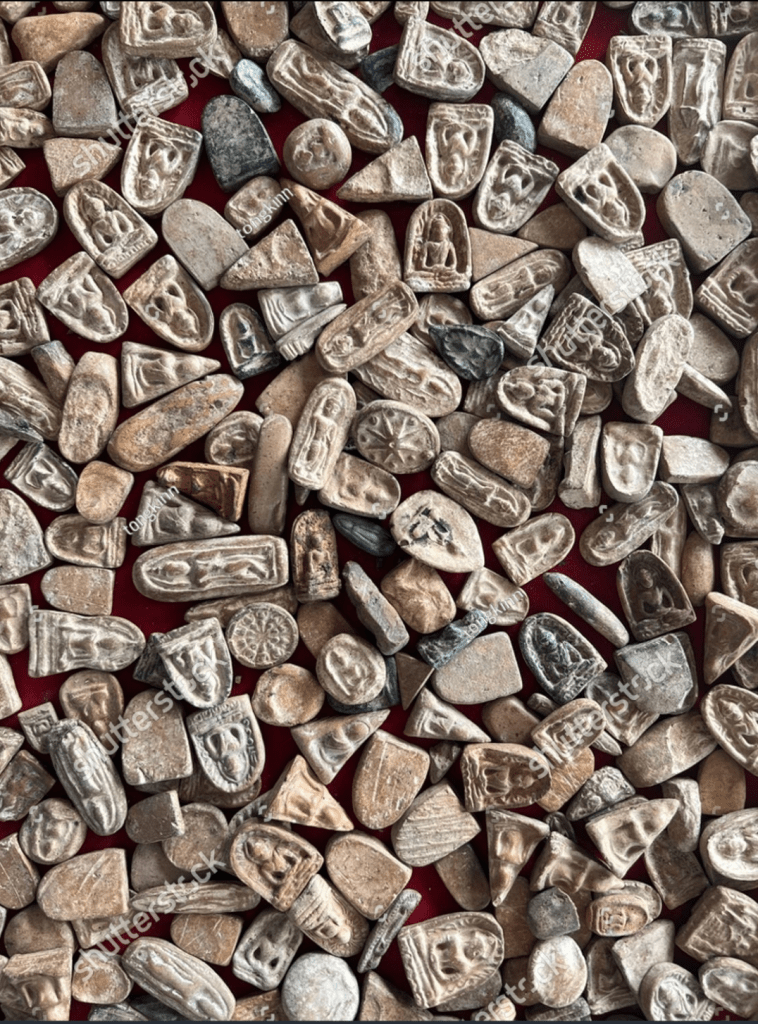
In contemporary Thailand, the belief in the power of amulets is so ingrained in the local culture that they are often passed down through generations, becoming family heirlooms. This tendency is not universal, however, with younger generations often not as attached to this tradition as their elders were.
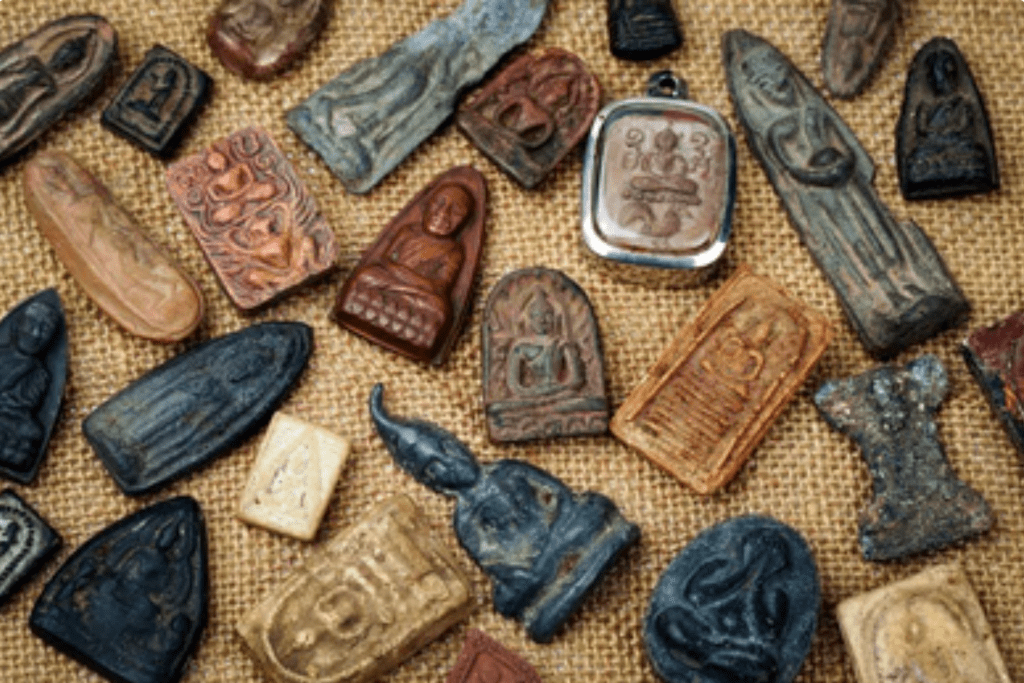
Historically, as amulets have evolved from simple clay molds used for collective memory, to essential items for personal protection, the materials used to create these amulets have also evolved, ranging from metals and stones to sacred herbs and even elephant or tiger boned, bringing the amulets closer to animistic, rather than Buddhist objects of veneration. Each material is believed to imbue the amulet with different properties, enhancing its effectiveness.
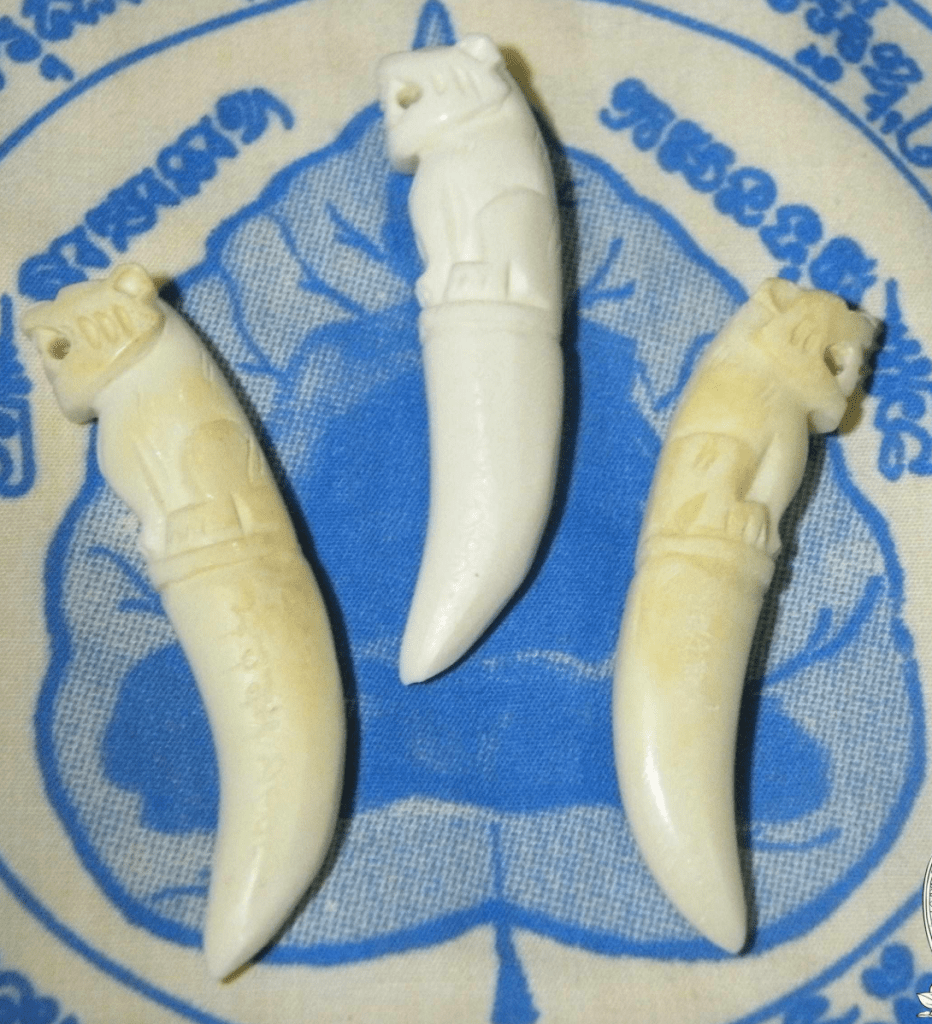
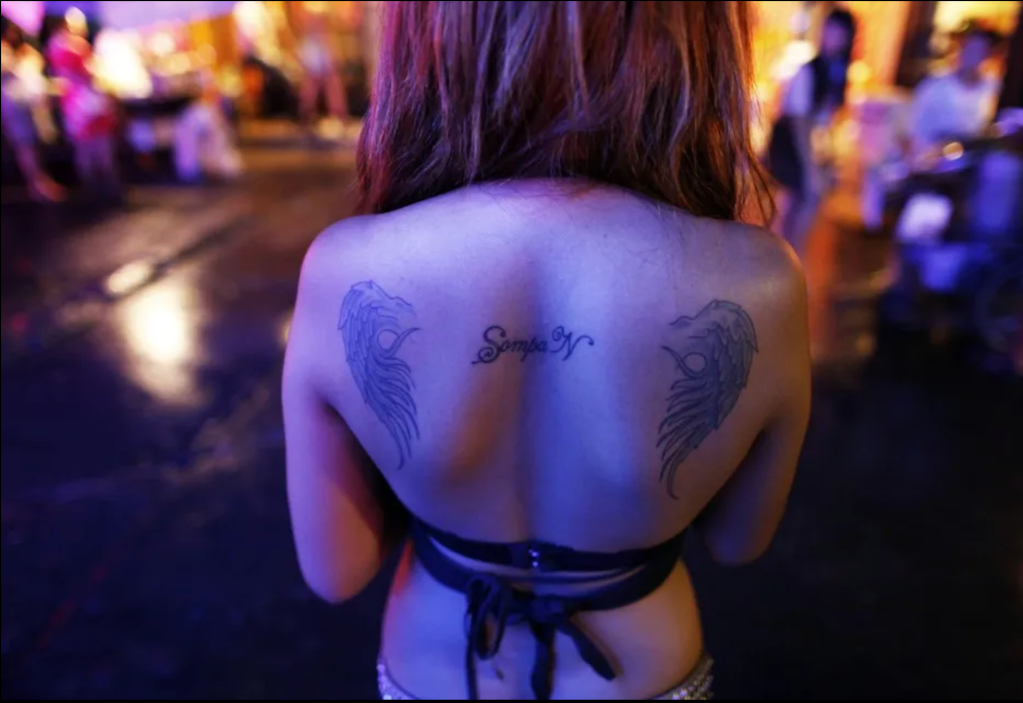
Tattoos, particularly “sak yant”, are omnipresent in Thailand, acting as “living” amulets, offering protection and other benefits, with the difference that the protective item is no longer just carried or worn, but permanently integrated into the body.
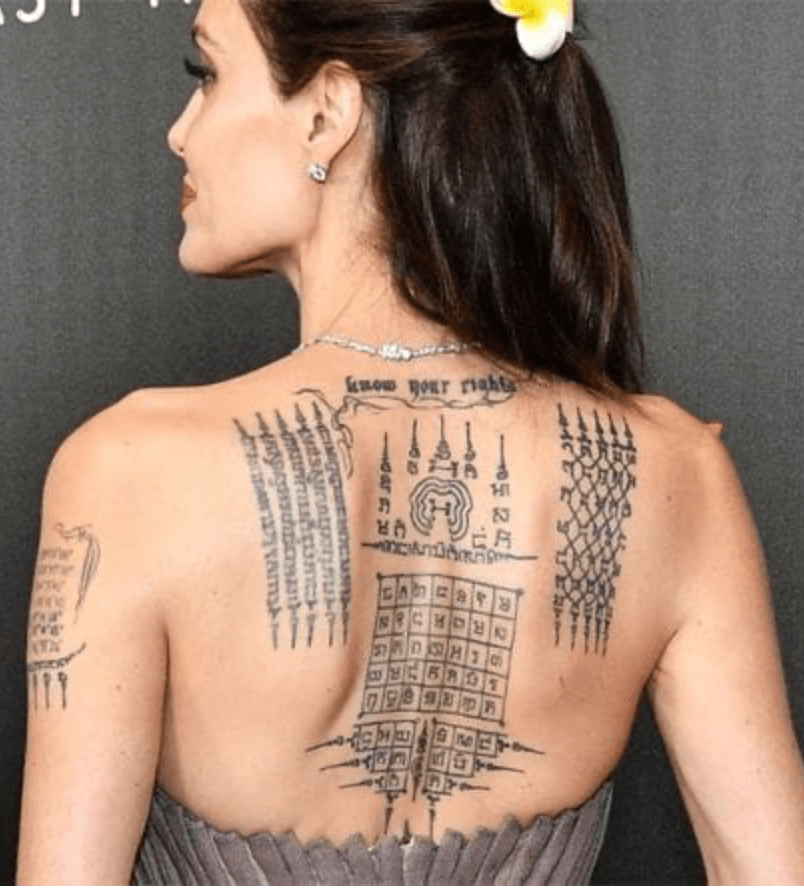
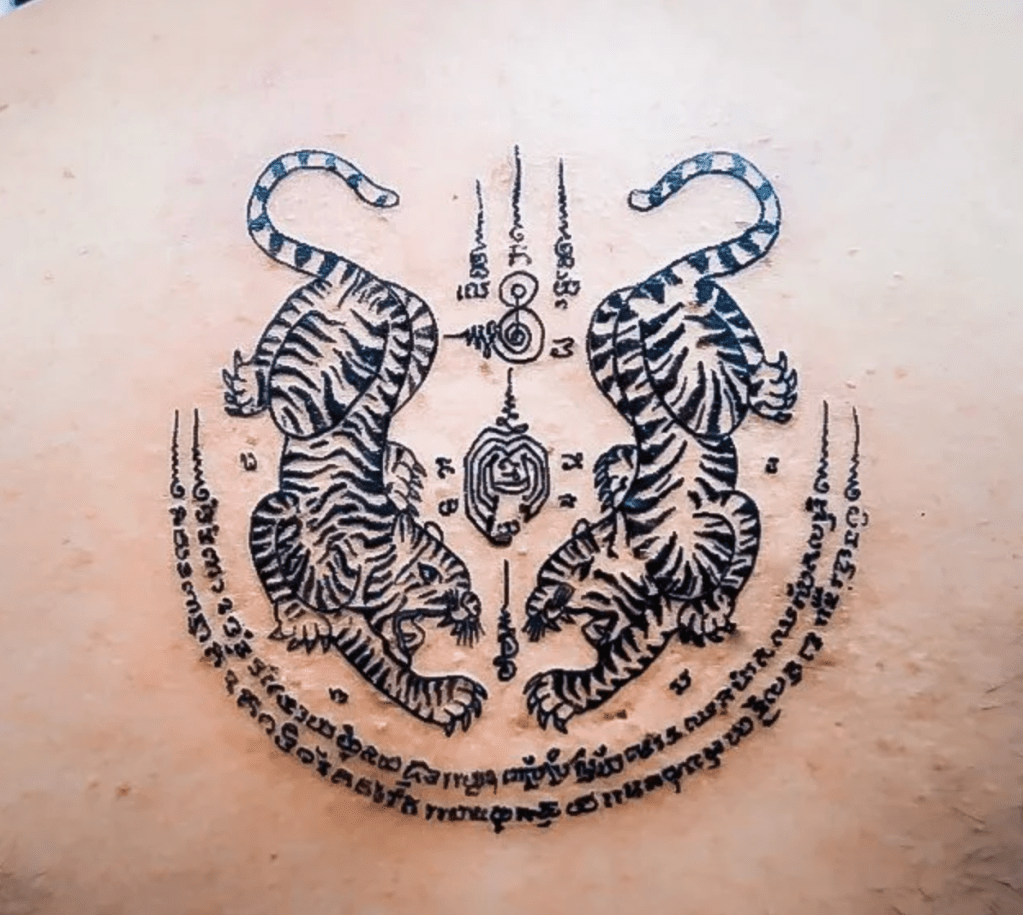
The tattoo becomes a spiritual tool only after a master (Ajarn or monk) performs a specific blessing ceremony involving chanting (khata or mantras). This ritual “activates” the mystical powers, turning the ink into a “spiritual shield” or “living talisman”.
Sacred tattoos used in Thailand often originated in what is now Cambodia. This explains why many tattoos are applied using Khmer and even Pali alphabets, which are totally different to the Thai alphabet, which is much more recent (only 200 years old vs. the much older Khmer & Pali alphabets). As in the case of amulets, tattoos serve the purpose of enhancing charm and charisma, creating health, wealth and power for the user, as well as offering protection from evil.
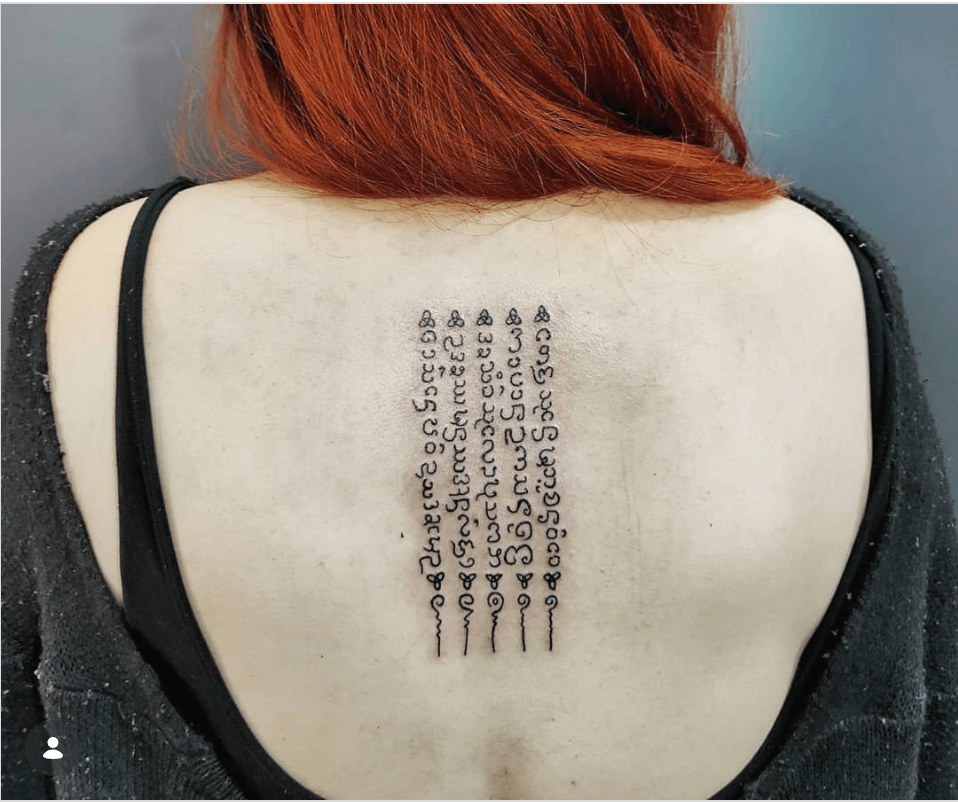
Sak yant tattoos are traditionally applied by monks or practitioners known as “ajarns” using a bamboo rod or metal needle. Each design is imbued with specific meaning and power, often accompanied by a chant or blessing. Thai tattoos are not decorative, they are believed to provide the wearer with strength, protection, and success in their daily endeavors.
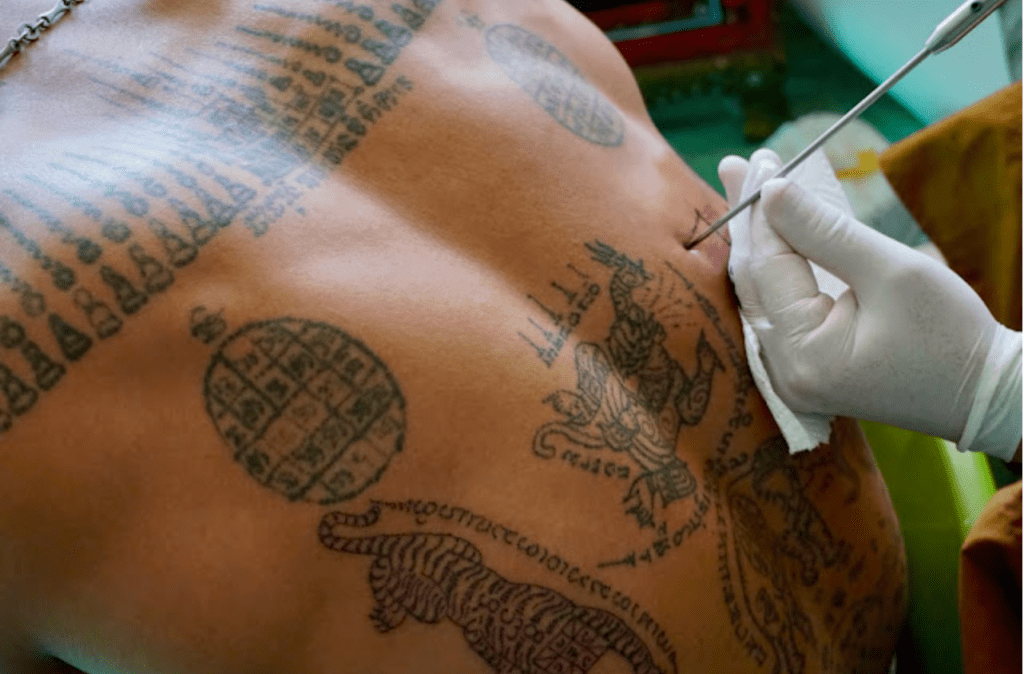
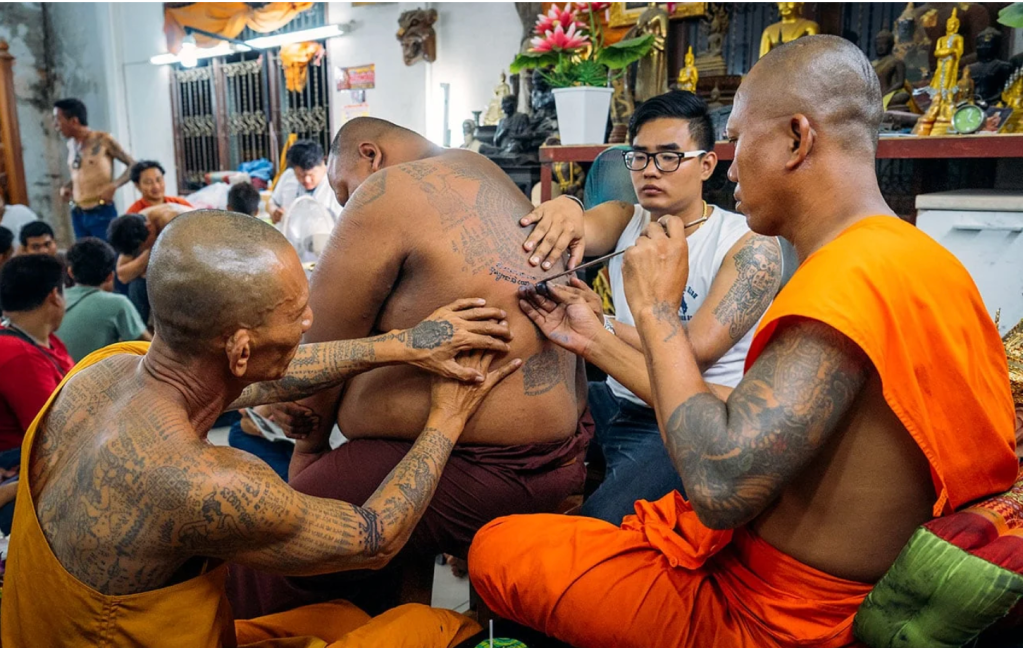
The process of receiving a sak yant tattoo is deeply spiritual, often involving immersive rituals and offerings. Devotees believe that the power of the tattoo must be maintained through subsequent observance of customs and adherence to specific moral codes.
The commercialization of spirituality is evident in the thriving market for amulets. The demand for these items has led to a booming industry, with markets and shops dedicated to these spiritual items found throughout Thailand.
With their value as “harbingers of happiness” increasing, the amulet market today has become huge in Thailand. It is estimated that over USD 300 million are exchanged every year, most of which is often not subject to tax, given that amulets are supposedly “religious” objects.
There is no set price for amulets, the price is whatever the seller can get away with. As an example, the amulet Pra Somdet Wat Rakang, created in the 1850’s was recently sold for USD 8 million. With so much money circulating, and so little regulation, it should surprise no one that the amulet market is also a welcome haven for money laundering.
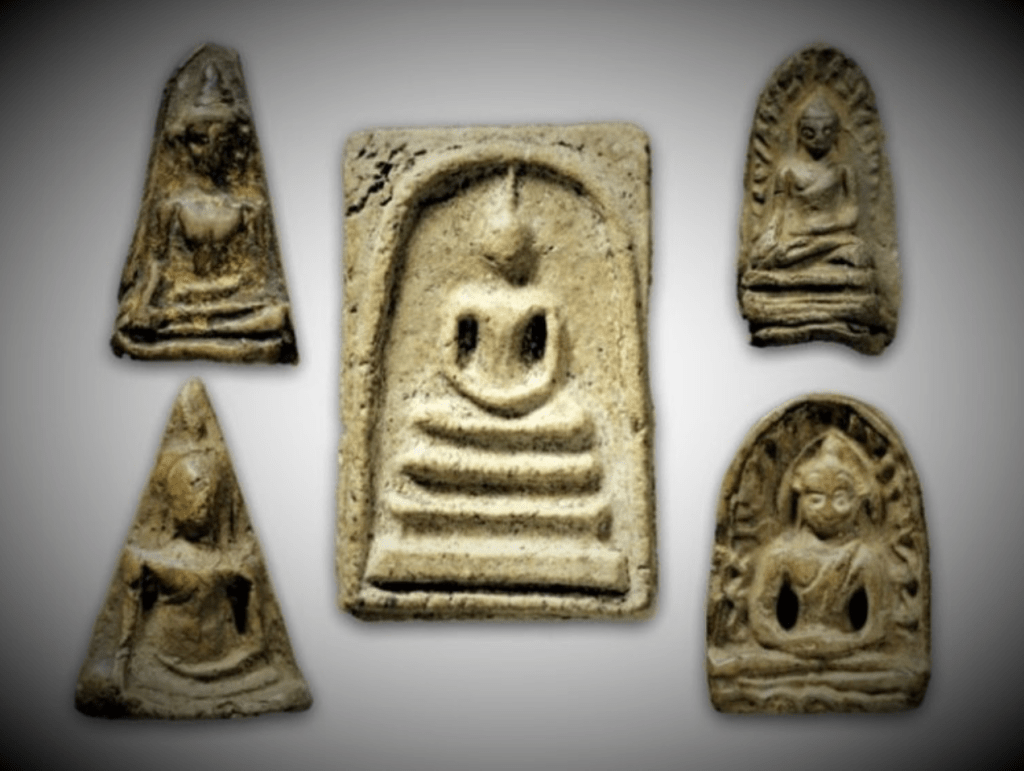
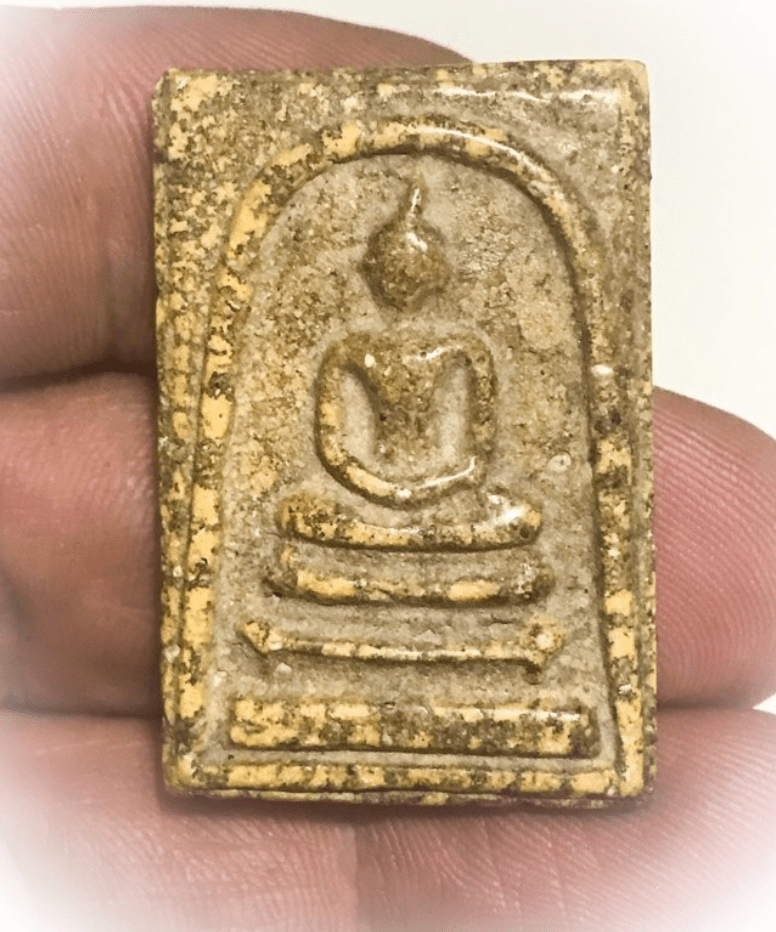
In recent years, the market has expanded beyond Thailand’s borders, attracting international clients seeking the mystical allure of Thai spirituality. This globalization of spiritual practices has led to the rise of online platforms where rituals and blessings can be conducted remotely, without the recipient ever setting foot in Thailand.
Thailand is, in theory, a “Buddhist country”, but in practice Thai spirituality is characterised by its syncretic nature, with Hinduism and animism very much alive. The latter religious traditions are not separate layers but are seamlessly integrated, reflecting a holistic approach to spirituality. This blending of beliefs allows for a more personalised spiritual experience, where individuals can draw from various sources to create a practice that resonates specifically with them. This is very much reflected in the Thai people’s choices of amulets and, especially, tattoos.
In contemporary Thailand, the search for authenticity is often secondary to the search for efficacy, with both locals and visitors finding value in what they choose to believe and invest in. The consequence is that amulets and tattoos are nowadays removed from their religious origins and simply serve the purpose of offering emotional protection to the users.
Contrary to the belief that religious artifacts are reserved for the pious, in Thailand sex workers are among the most active consumers of these items. This is because they offer very practical benefits, such as attracting customers, obtaining from them kindness and, above all, ensuring safety. Once again, this highlights how in Thailand spirituality is primarily seen as a pragmatic way to ensure very concrete benefits.
We are greatly indebted to Aj. Amnuaypond Kidpromma, PhD, Assistant Professor at Chiang Mai University, for the invaluable help she provided in putting together this article.
 Truliluli Travel Reports