
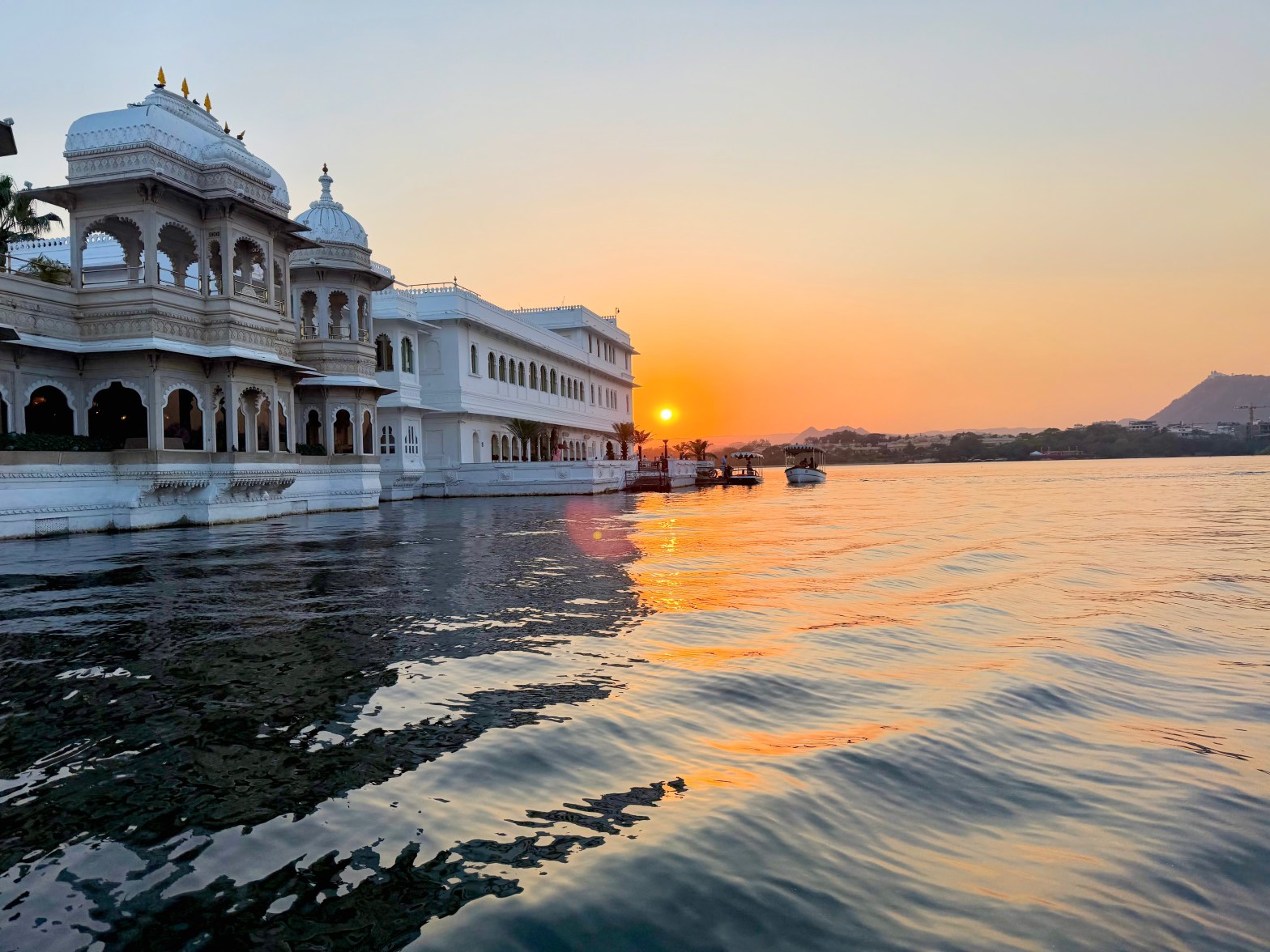
The geography, history, and culture of Rajasthan make it one of India’s most compelling regions, defined by a stark landscape and a strategic past that continues to shape its modern identity.
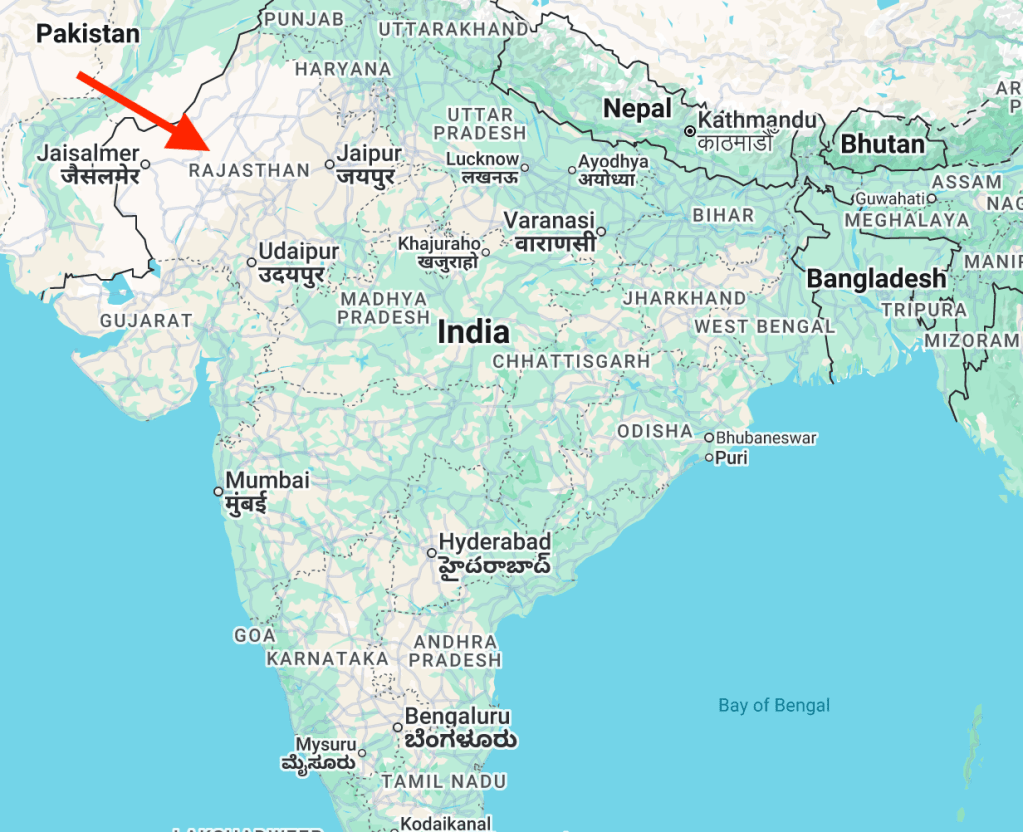
Understanding Rajasthan requires looking past the “Land of Kings” (as this area of India is historically known) to the practical realities of its desert environment and its role as a historical frontier.
The Aravalli Divide and the role of the desert
Rajasthan is physically split by the Aravalli Range, one of the world’s oldest geological formations. This creates two distinct zones: the fertile, lake-dotted southeast and the arid Thar Desert to the northwest.
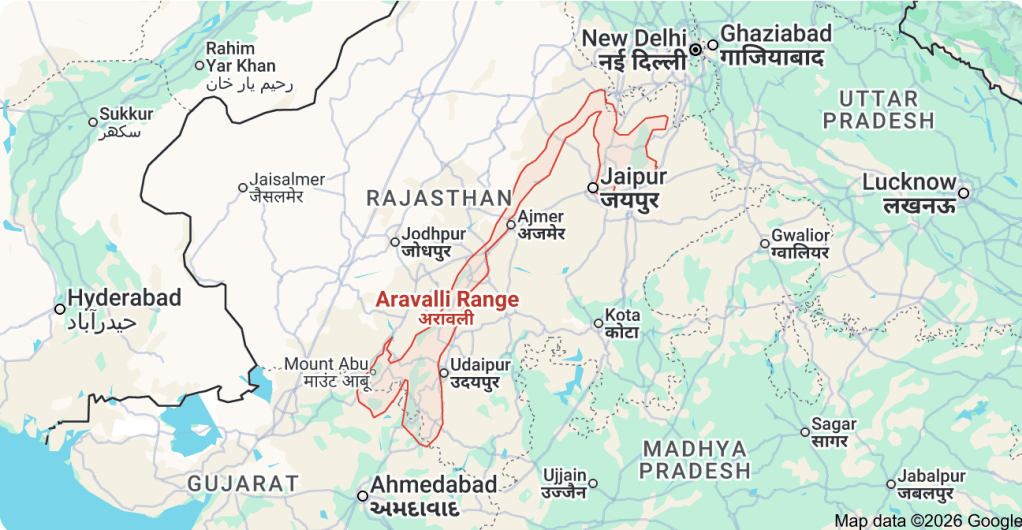
The Thar is not a barren void but a “living desert”—it is, in fact the most densely populated desert in the world.
You would expect a desert to be a place of poverty, but for centuries, Rajasthan was one of the wealthiest regions in the world. This wasn’t in spite of its geography, but largely because of it.
Its prosperity was built on two key pillars: trade routes and mineral wealth.
The gateway to the Silk Road
Rajasthan occupied one of the most strategic real estate in medieval Asia. It sat directly between the fertile Gangetic plains of North India and the wealthy ports of Gujarat on the west coast of India.
Every caravan carrying spices, silk, and opium from the interior of India to the coast had to pass through the Thar Desert. The local kingdoms charged “transit duties” for protection and passage.
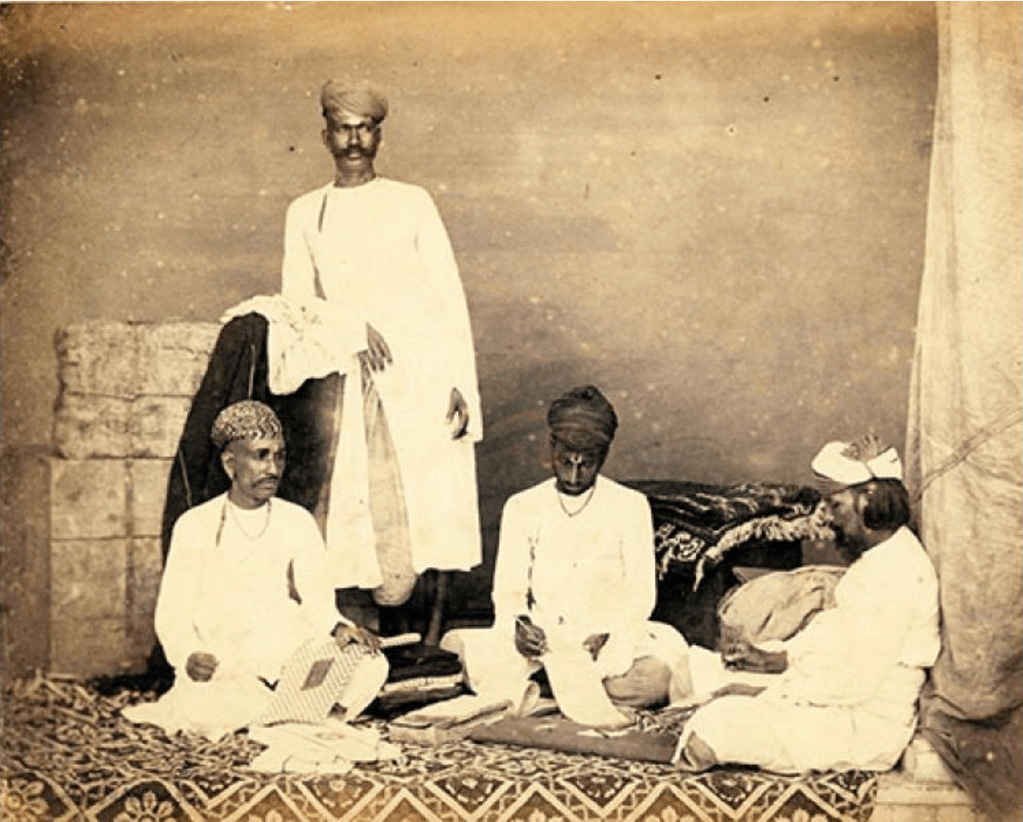
This environment birthed the Marwari community — the most successful merchant class in Indian history. They didn’t just trade; they created a sophisticated banking and credit system (using “Hundis” or bills of exchange) that allowed them to move capital across borders long before modern banking existed.
Buried treasures: minerals
The Aravalli Range is more than just a wall; it is a geological treasure chest. Rajasthan held a virtual monopoly on specific minerals that were essential for the medieval economy: the Zawar Mines near Udaipur are some of the oldest zinc and silver mines in the world, dating back over 2,000 years. This silver, as well as “transit duties”, funded the massive construction of Udaipur’s palaces and temples.
Khetri provided the copper for tools and coinage, while the desert provided garnets, agates, and the famous Makrana marble (later used to build the Taj Mahal).
Finally, the Sambhar Salt Lake was a literal “white gold” mine. In an era before refrigeration, salt was a high-value global commodity for food preservation.
Sophisticated water engineering
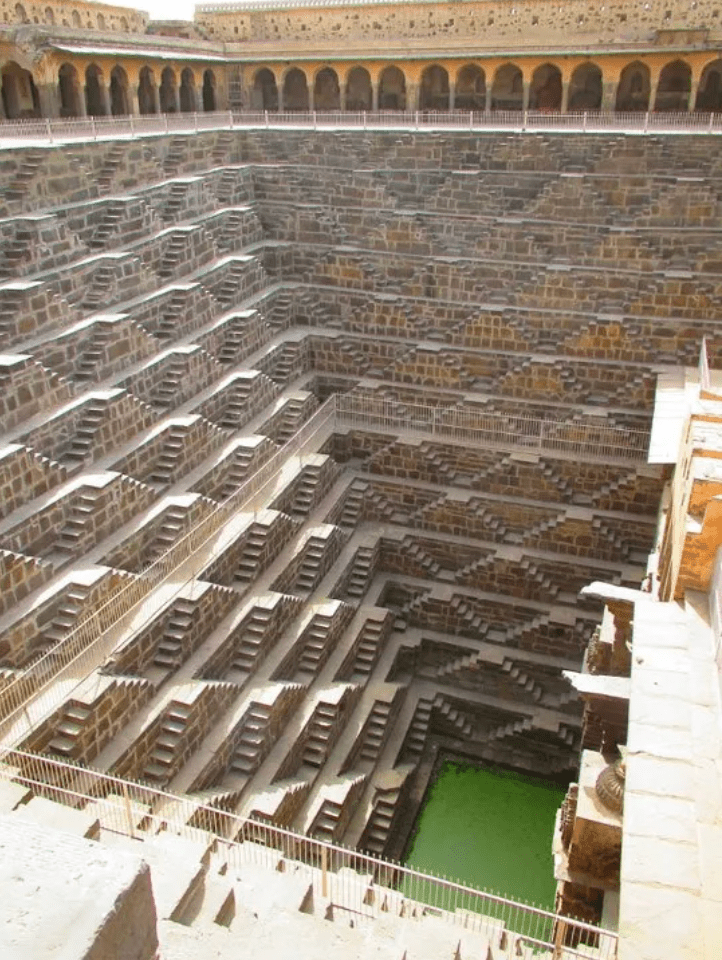
Because water was the ultimate currency, the rulers invested their trade profits into massive infrastructure that allowed cities to grow where they shouldn’t have been able to. By building grand “Baoris” and “Johads” (rainwater tanks), they ensured that their cities could survive multi-year droughts. This stability allowed artisans and merchants to stay in the region rather than flee to wetter climates.
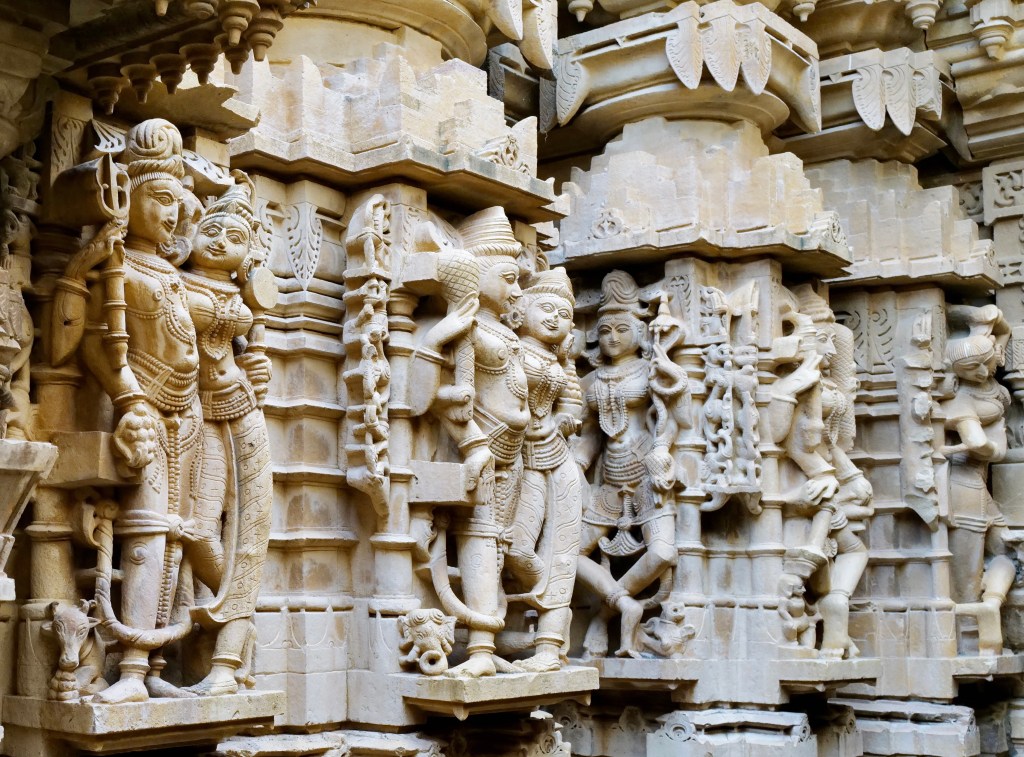
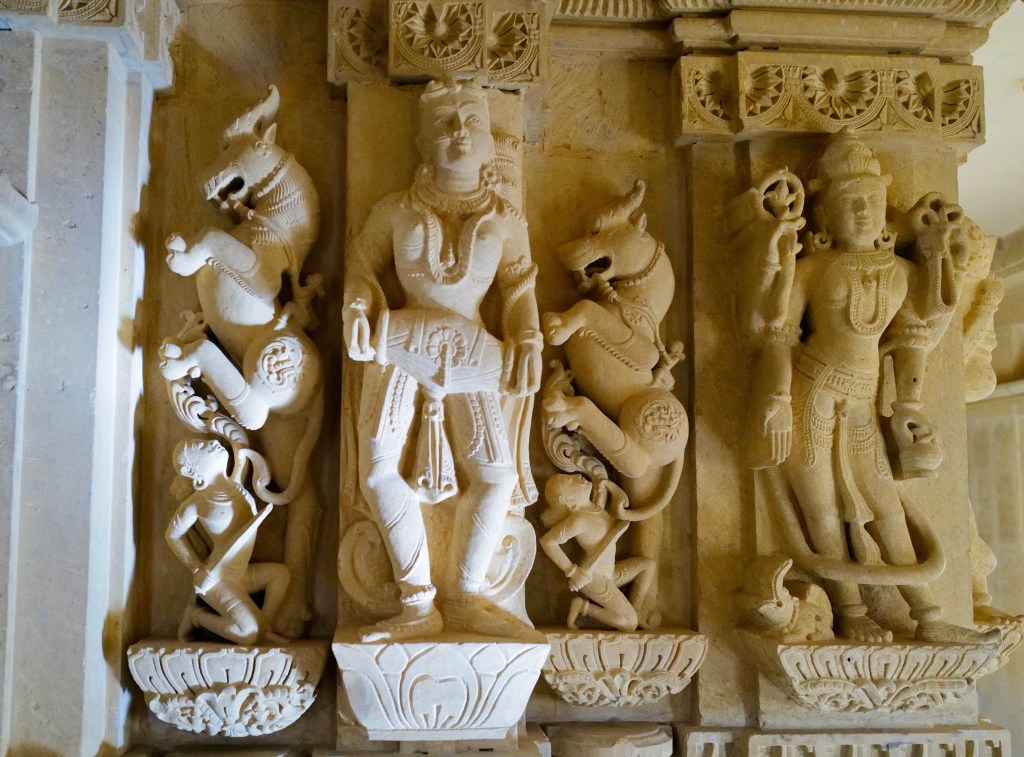
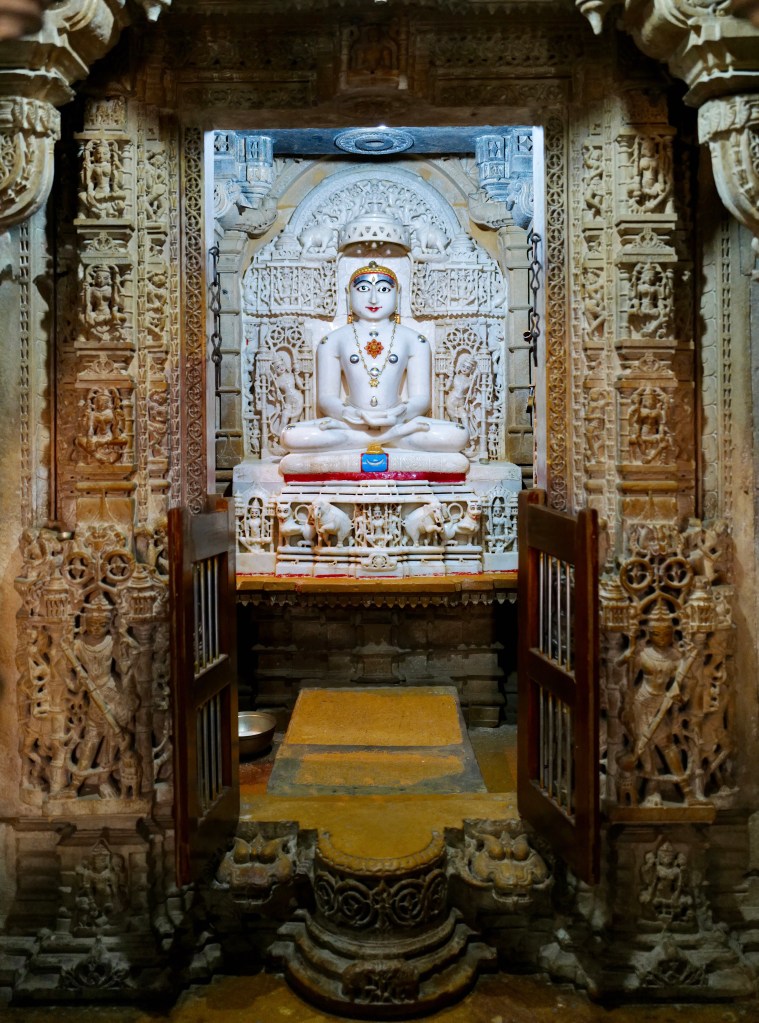
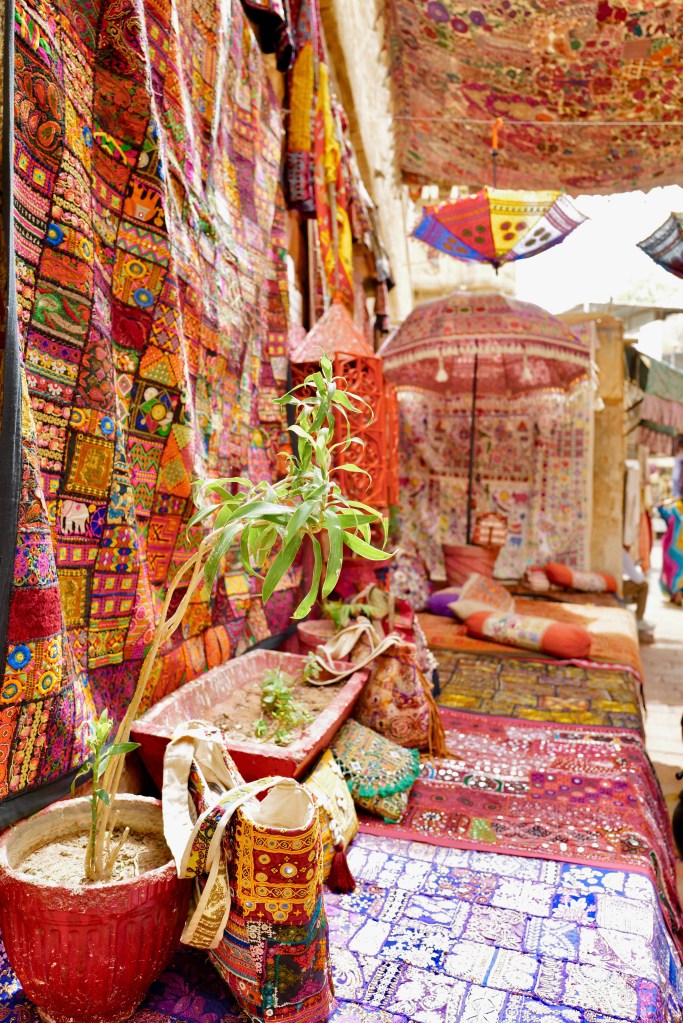
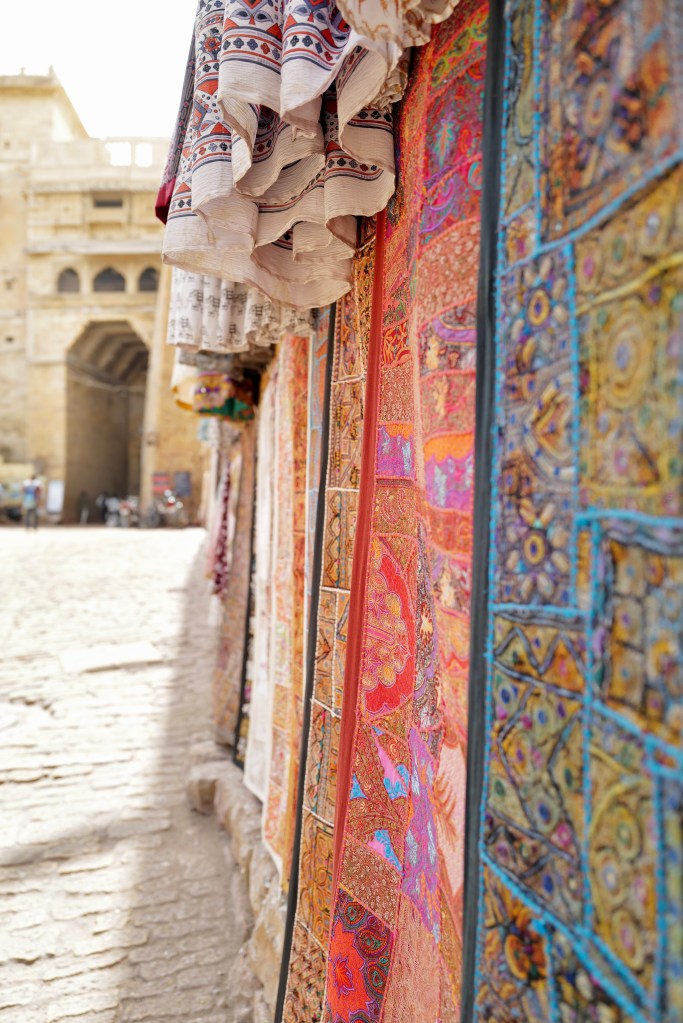
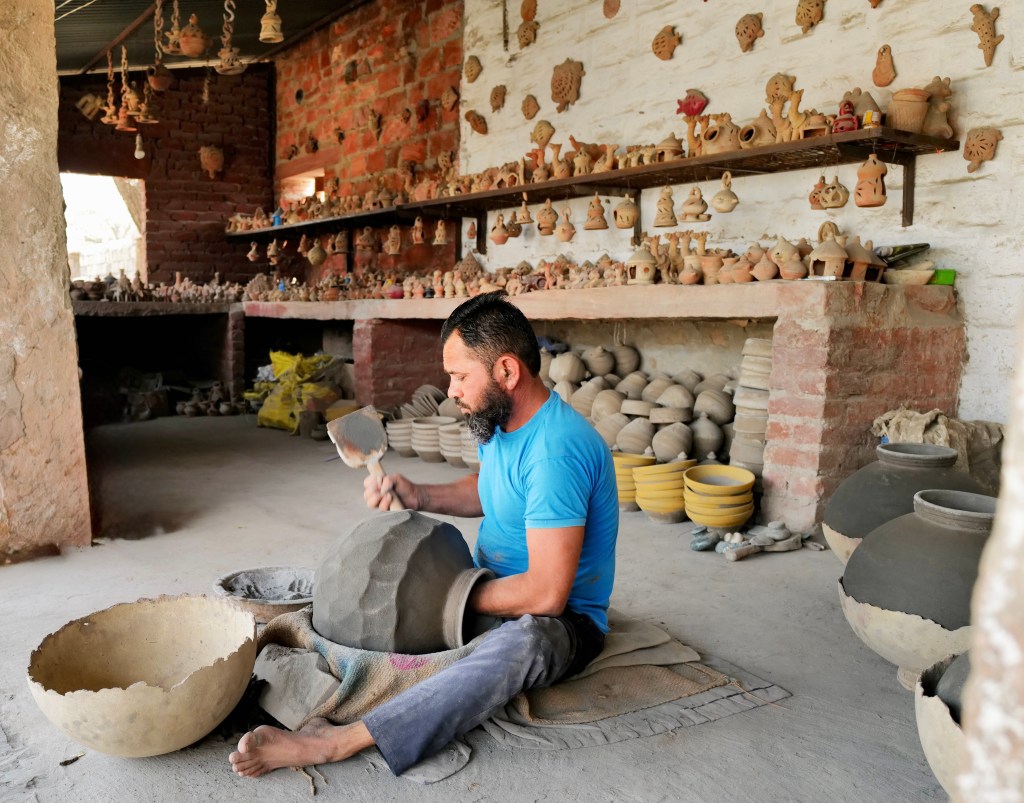
Indeed, the Rajasthan kings used their wealth wisely, to attract the best craftsmen in the world. This created a high-value export economy for “luxury goods”—intricate jewelry, block-printed textiles, and miniature paintings—which were light enough to be transported by camel but expensive enough to yield massive profits.
A very successful warrior class
The Rajasthan leadership (called Rajputs) were essentially the professional warrior class of India. When they weren’t fighting for their own territory, they often served as the highest-ranking generals for the Mughal Empire, which ruled most of India between 1526 and 1857, when the British arrived.
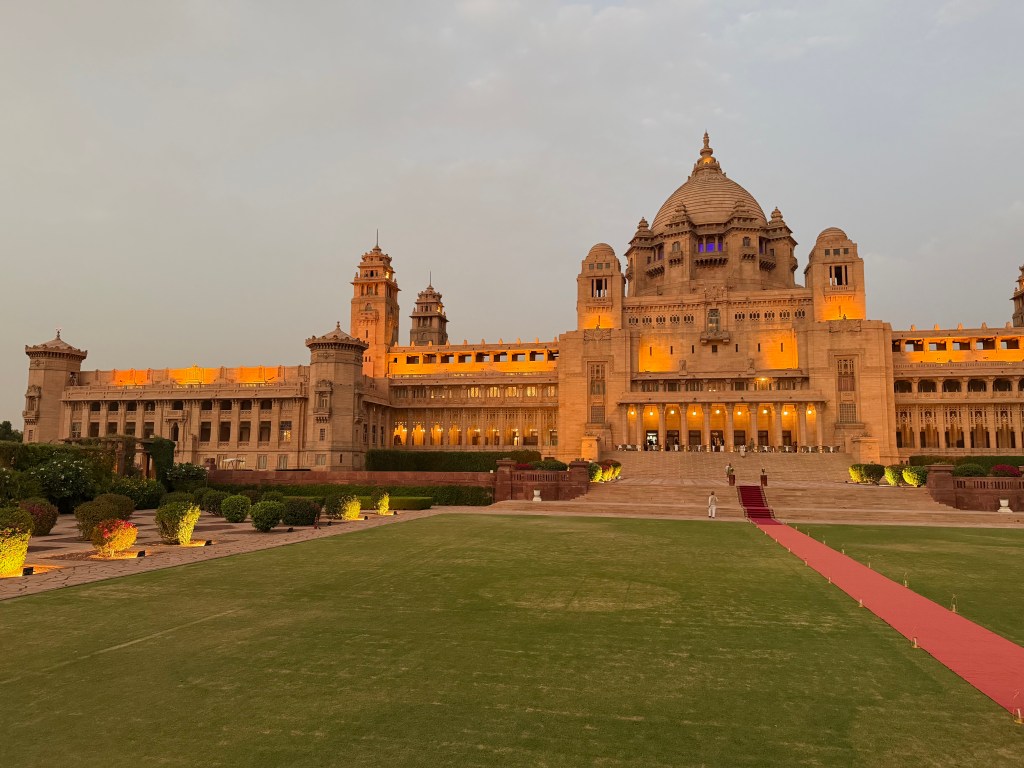
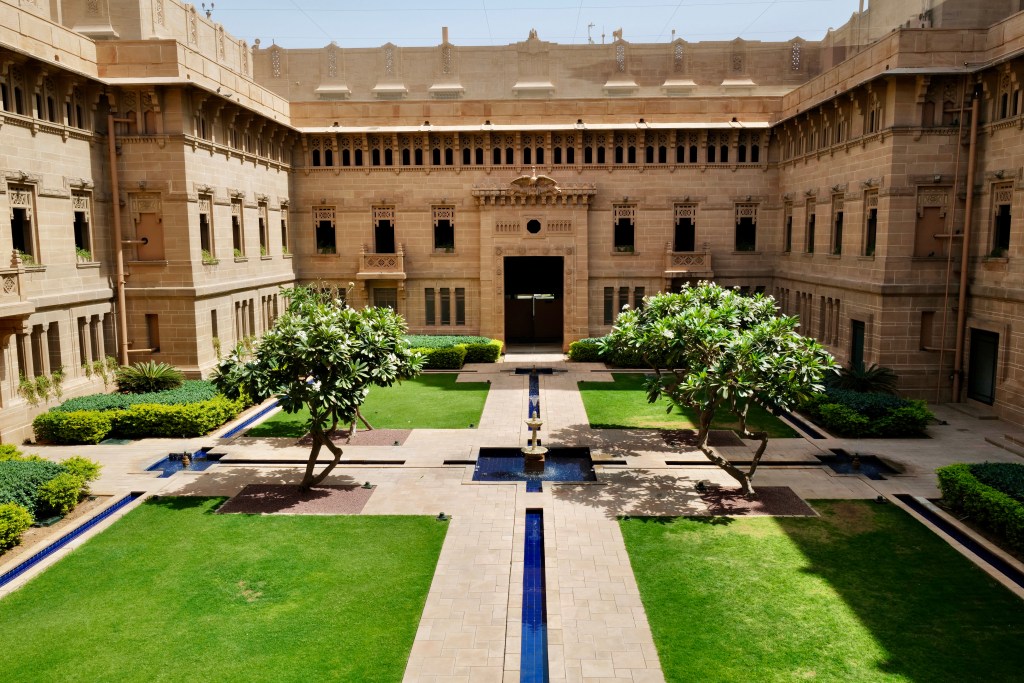
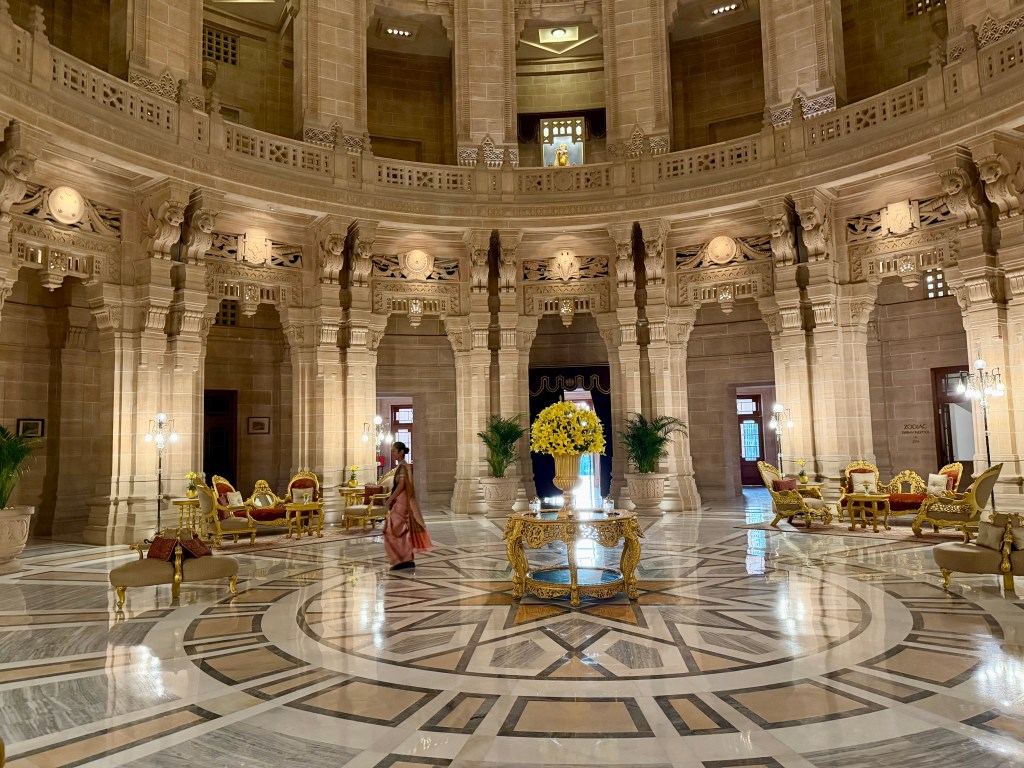
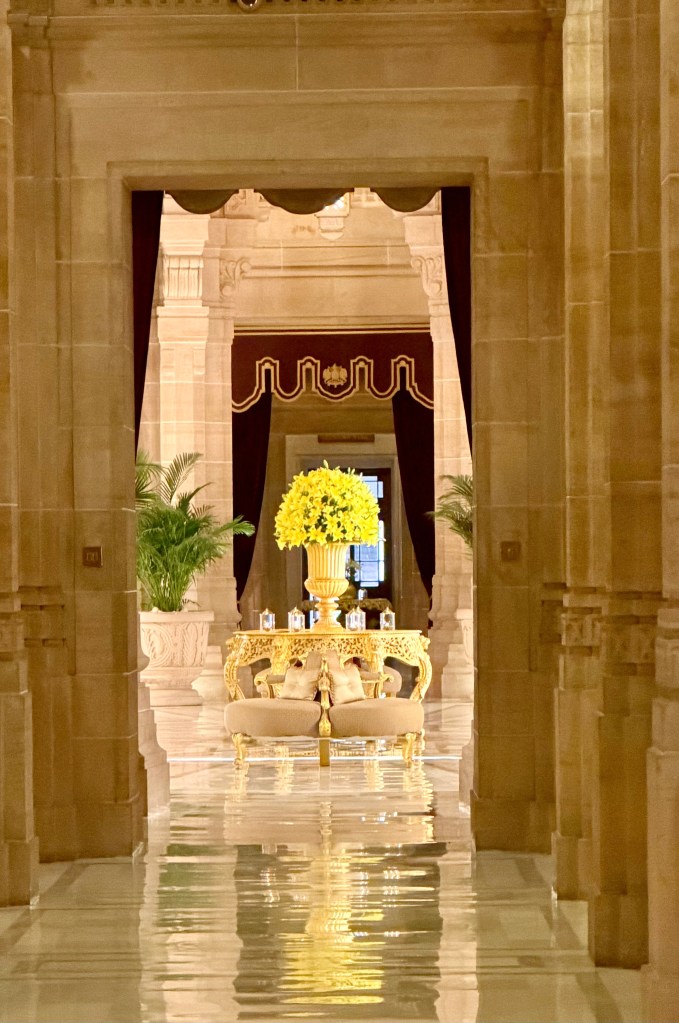
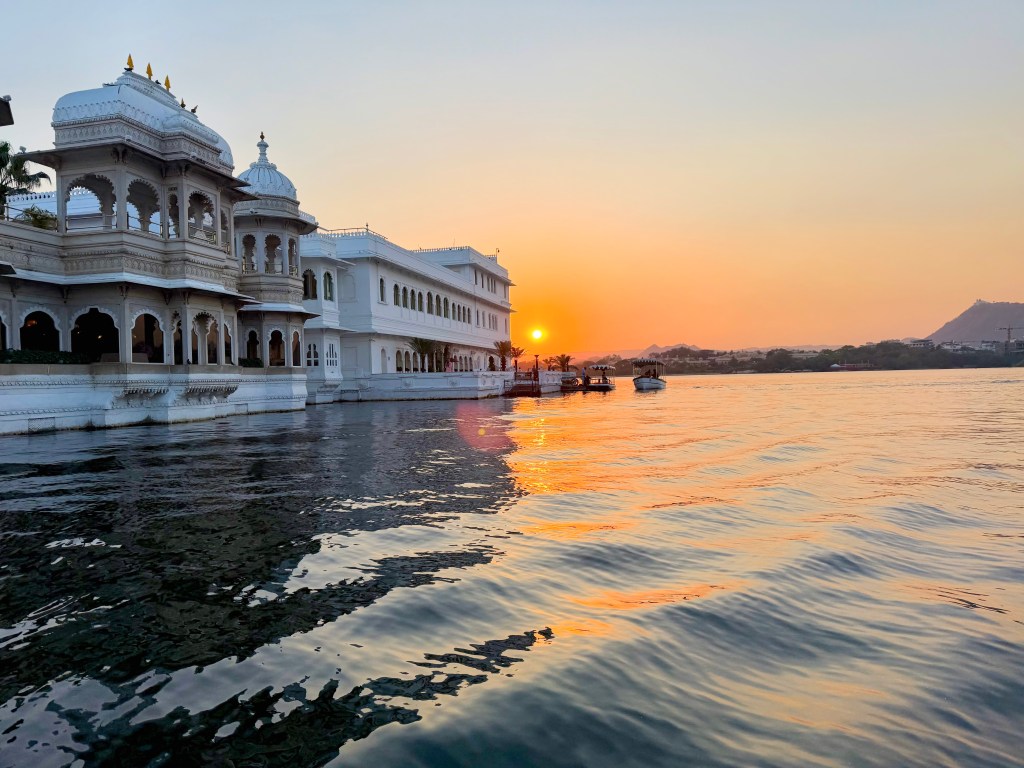
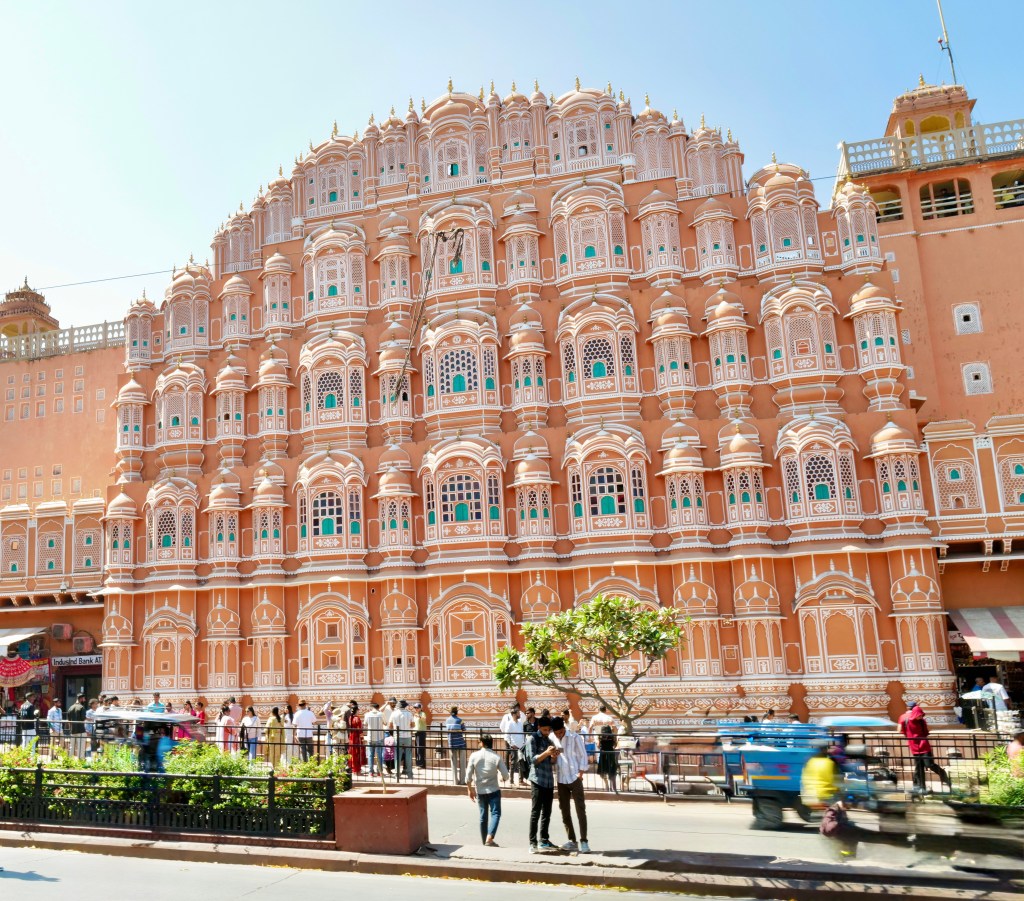
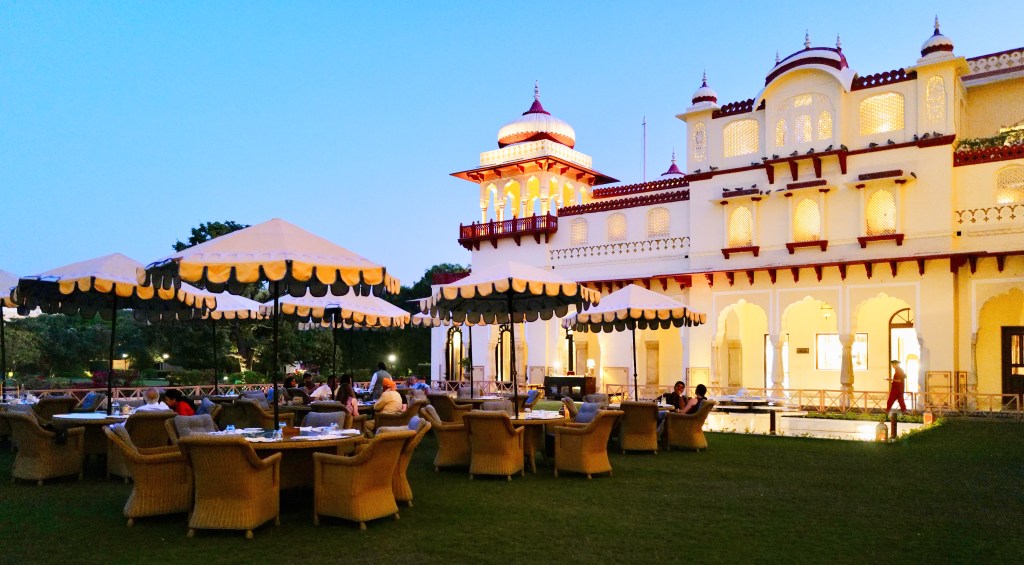
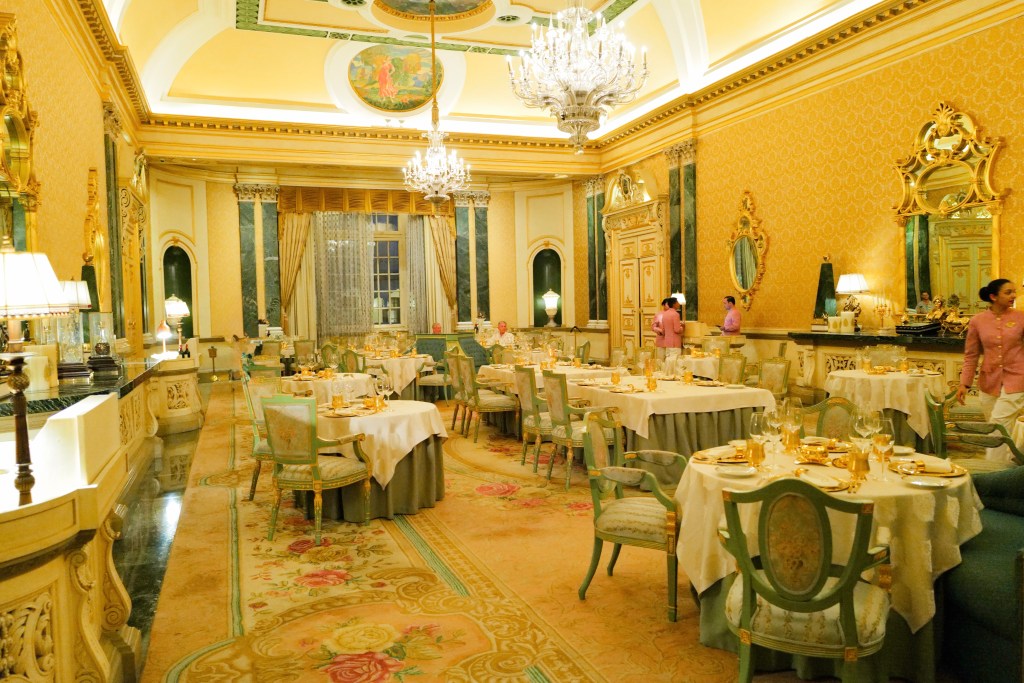
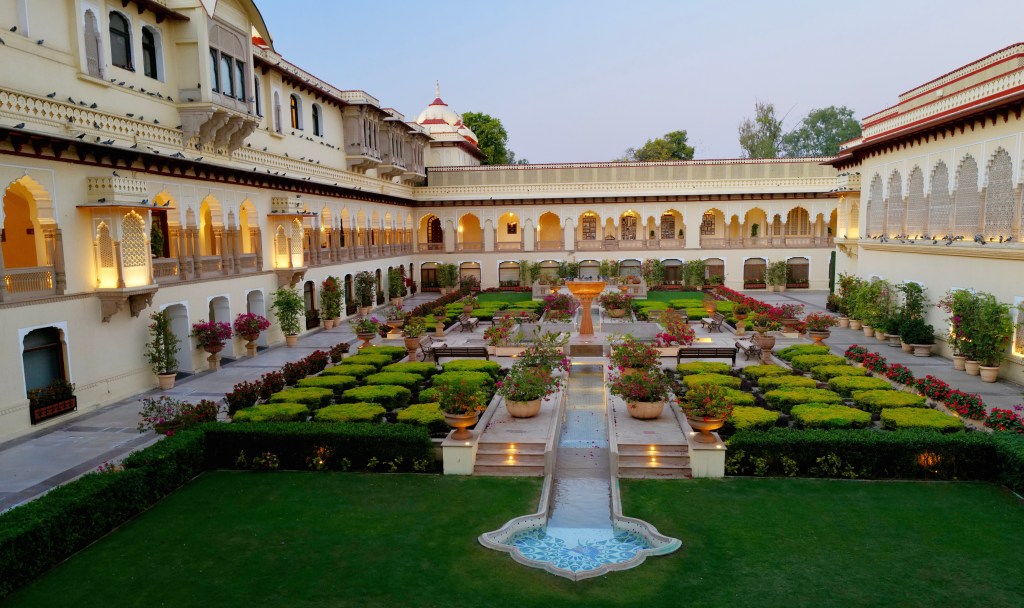
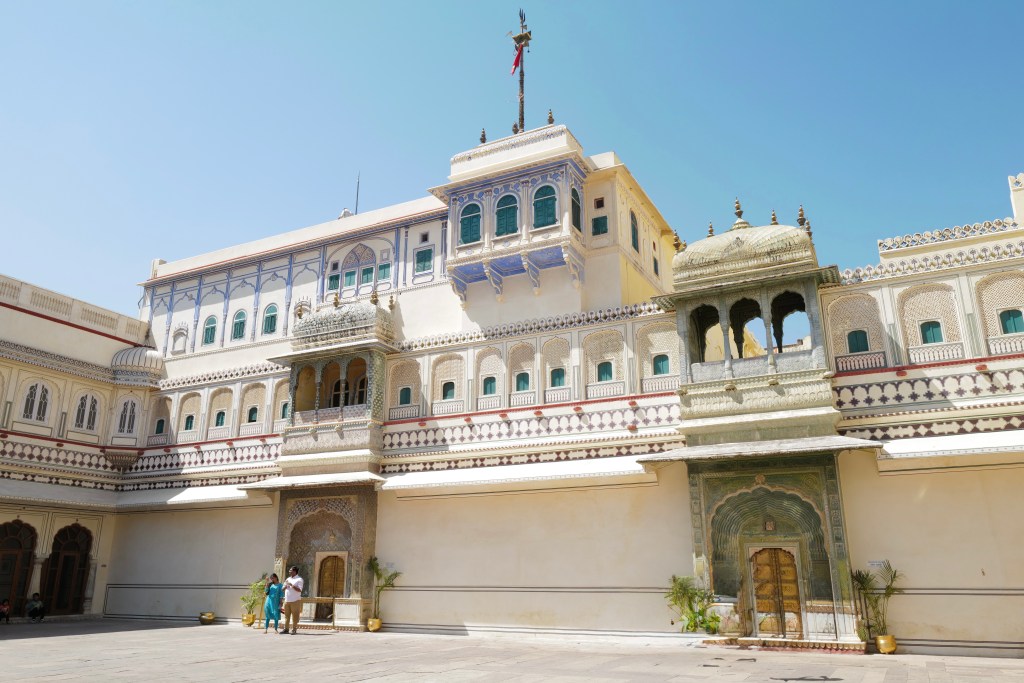
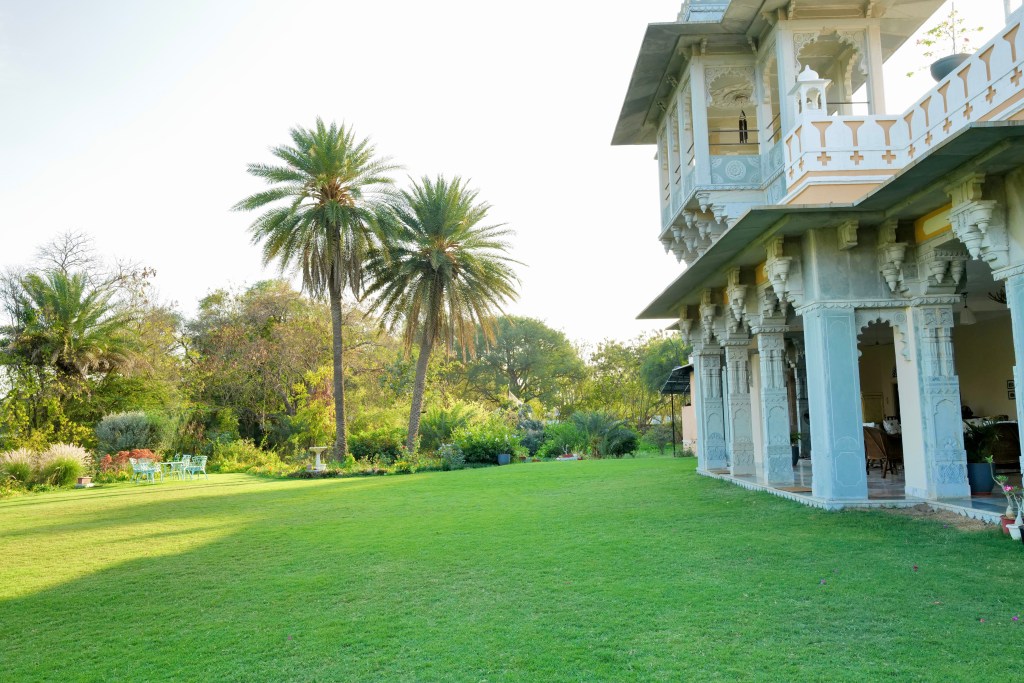
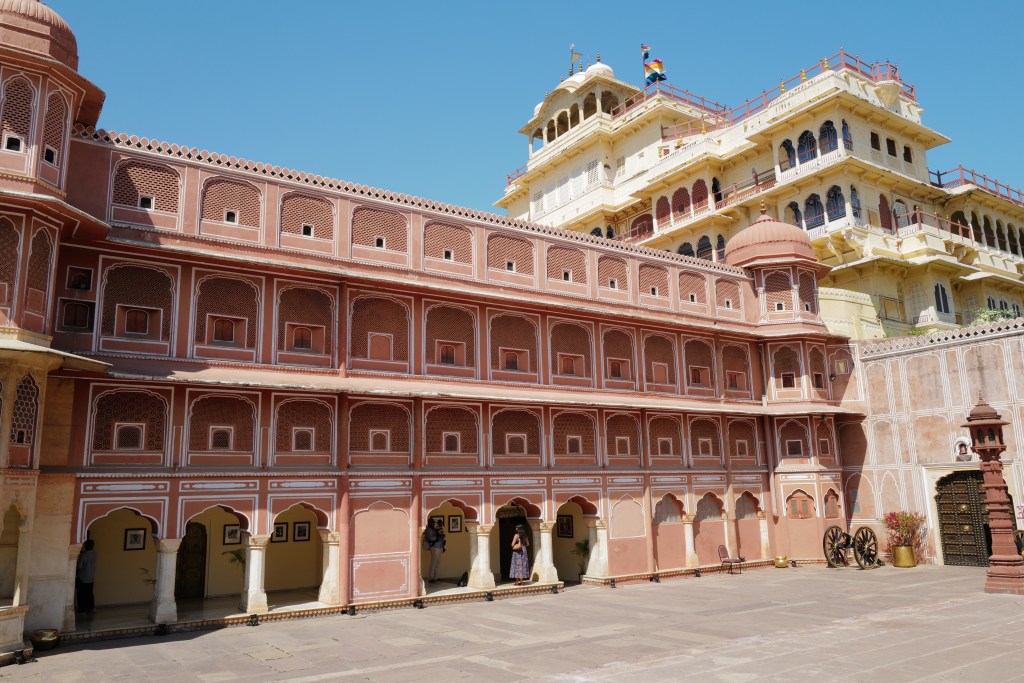
As a consequence, leaders like Raja Man Singh I of Jaipur were given control over vast territories as far away as Kabul (in what is now Afghanistan) and Bengal (in what is now Bangladesh). The wealth from these distant “assignments” was funneled back into Rajasthan to build the spectacular palaces you can still see now in Jaipur, Amber and many other cities.
A history of fortification
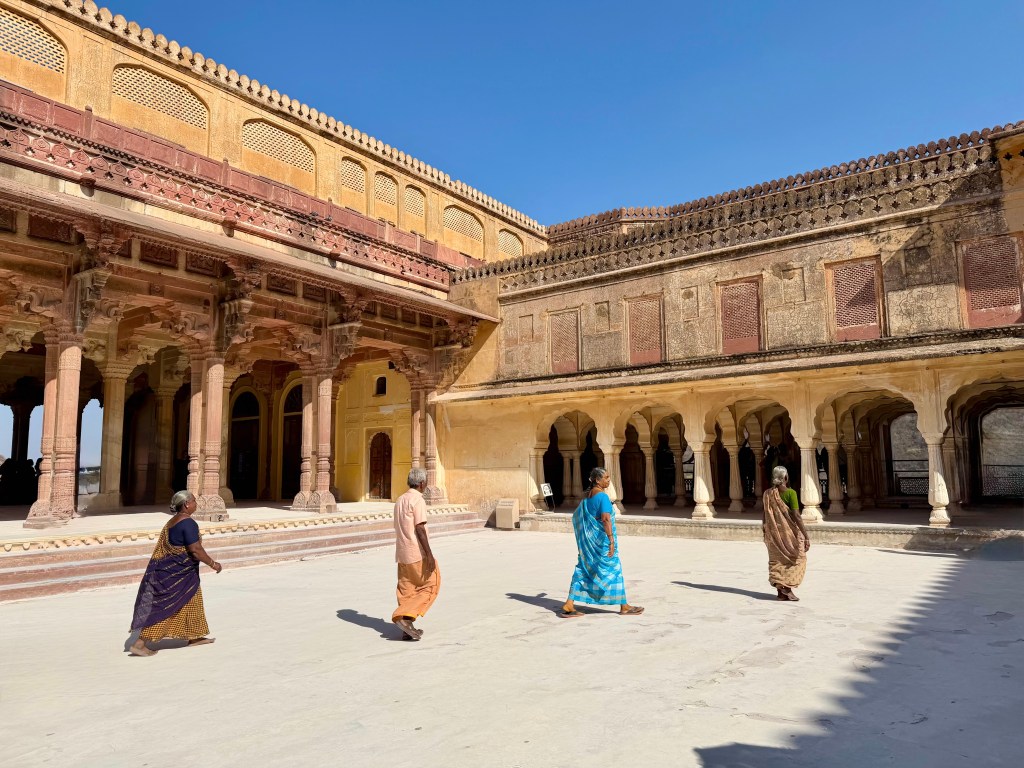
Given the wealth of Rajasthan, it should surprise no one that its history is one of defense. This led to the construction of massive hill forts, six of which are now UNESCO World Heritage sites. Unlike many other parts of India that saw central Mughal and British control, Rajasthan remained a patchwork of independent princely states.
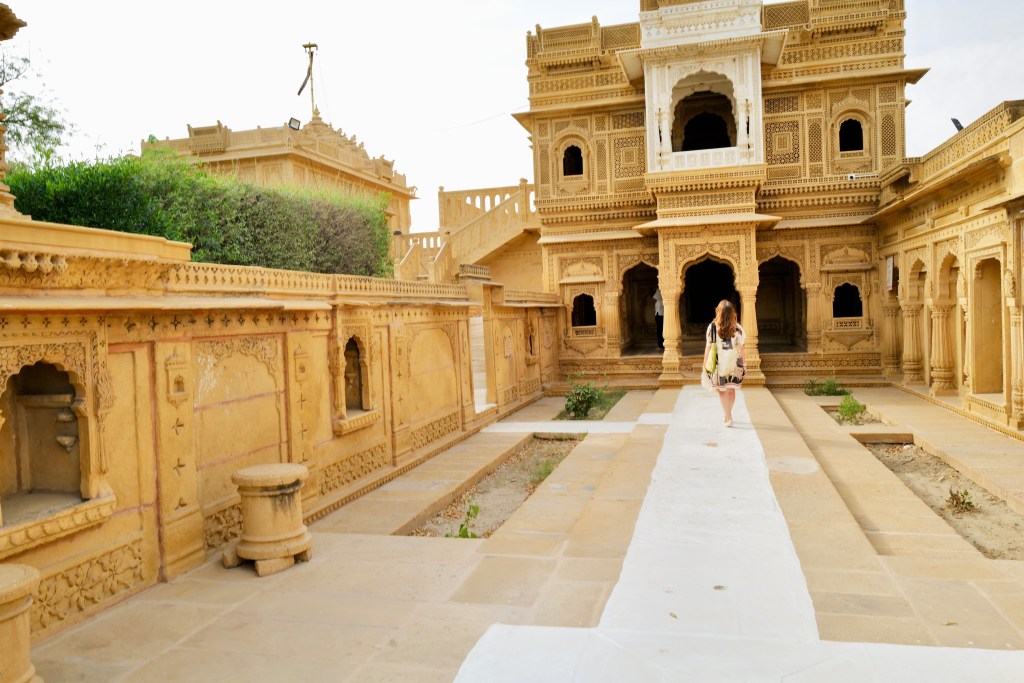
These forts were not just royal residences but self-contained cities. Chittorgarh, for example, is a massive plateau fort that stood as a symbol of Rajput resistance. Jaisalmer’s “Golden Fort” is unique because it remains inhabited today, with a quarter of the old city’s population still living within its medieval walls.
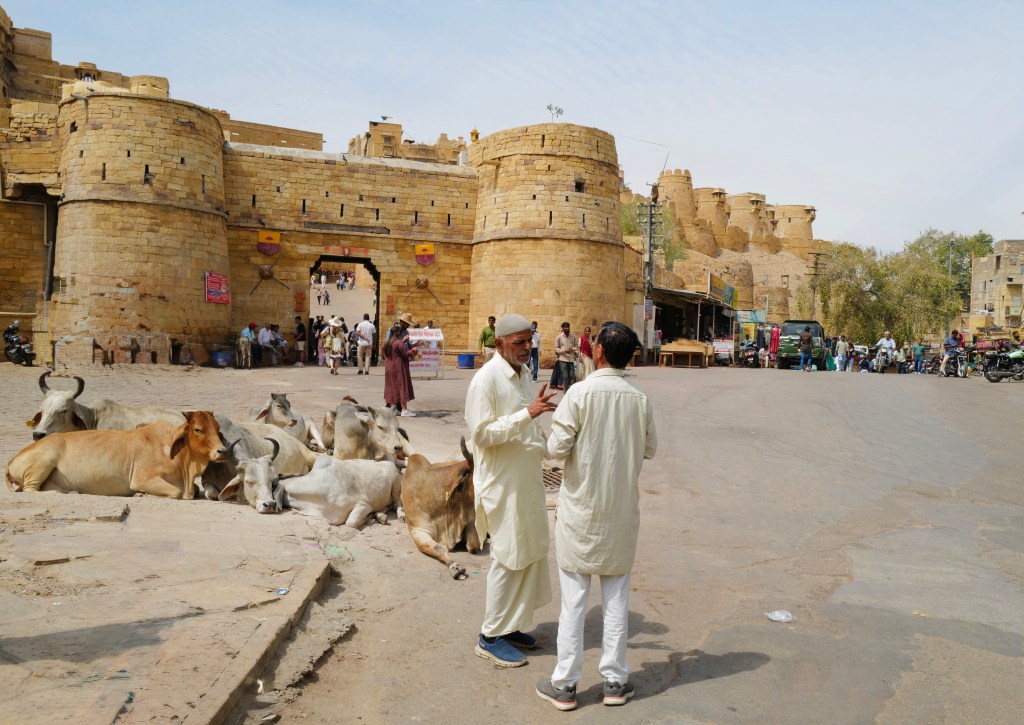
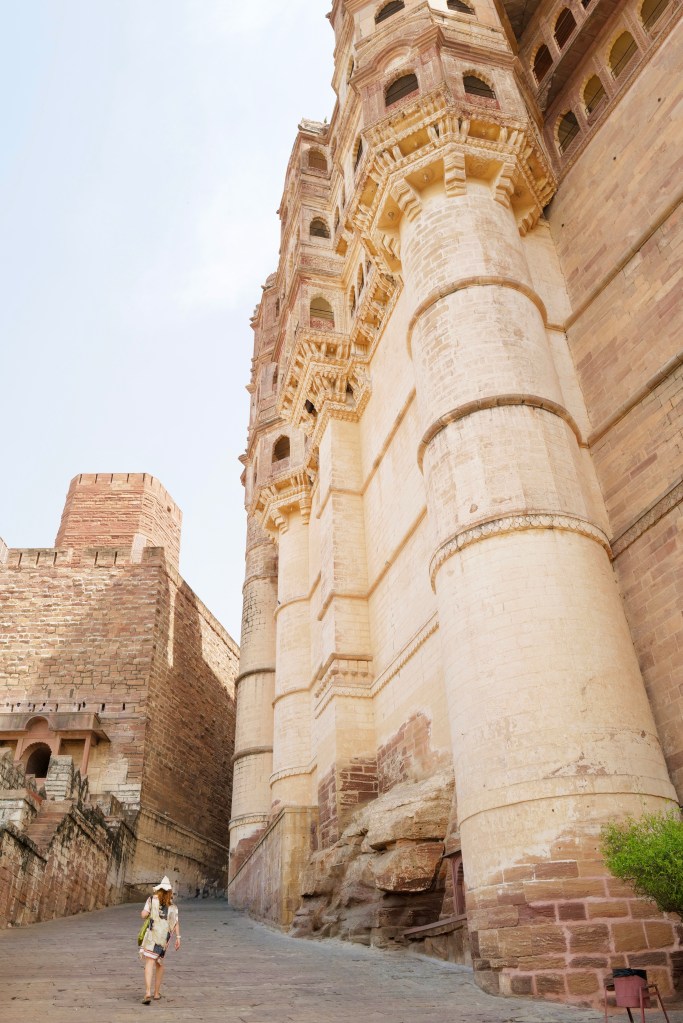
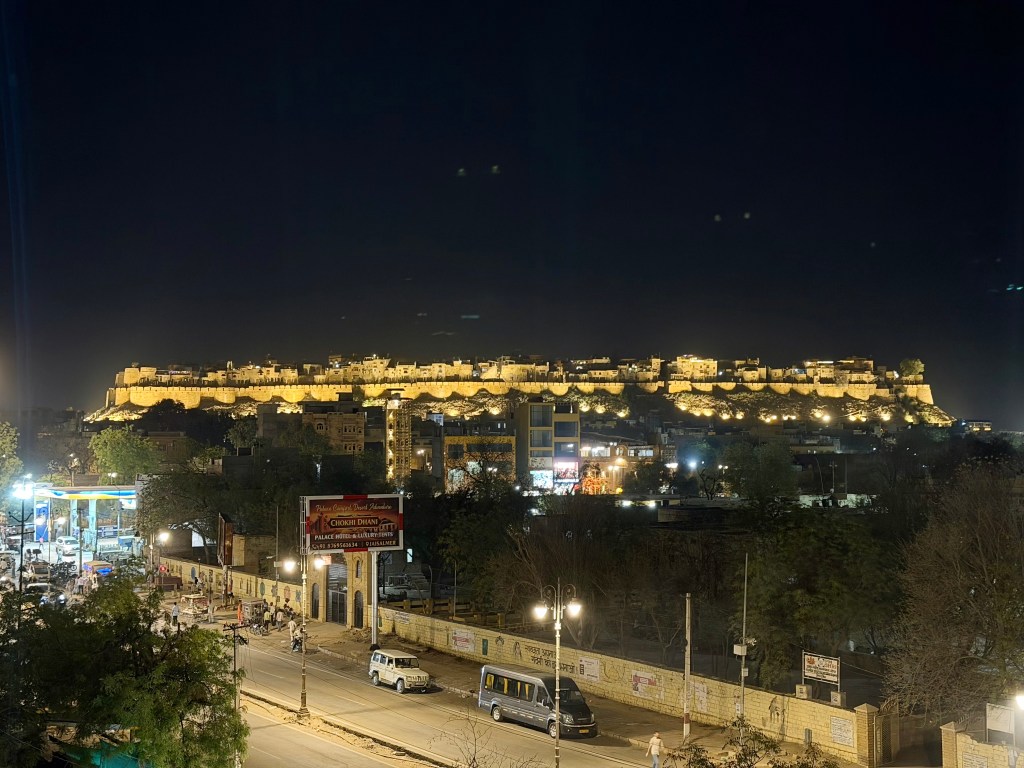
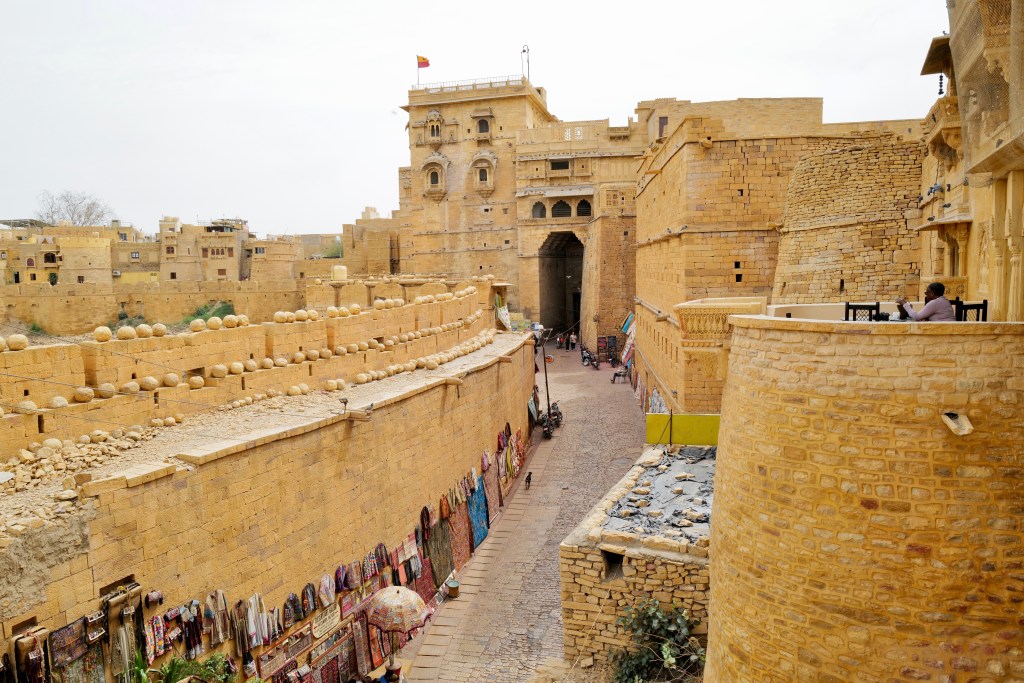
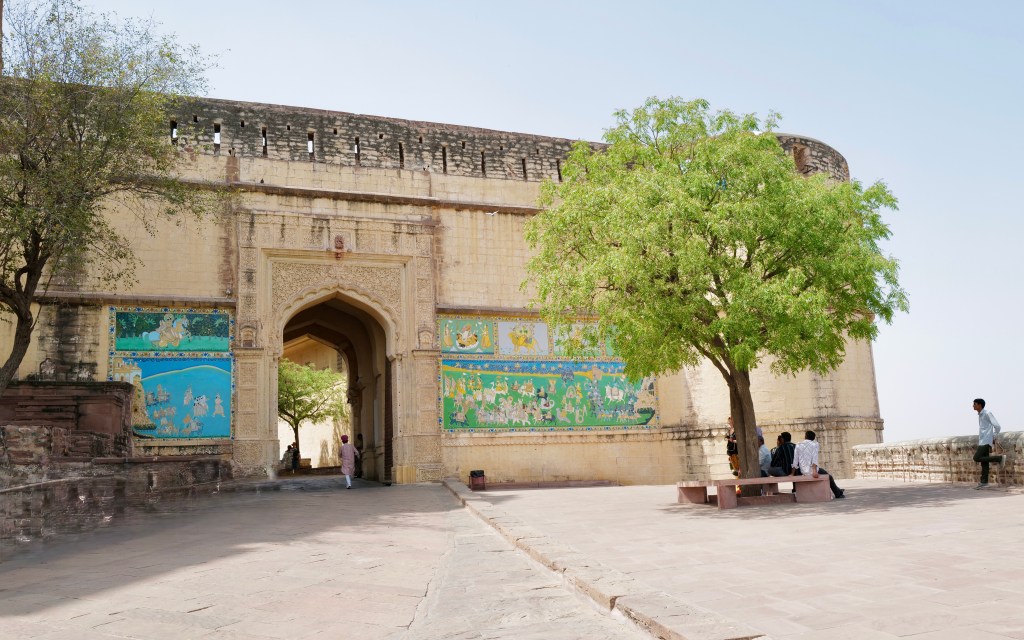
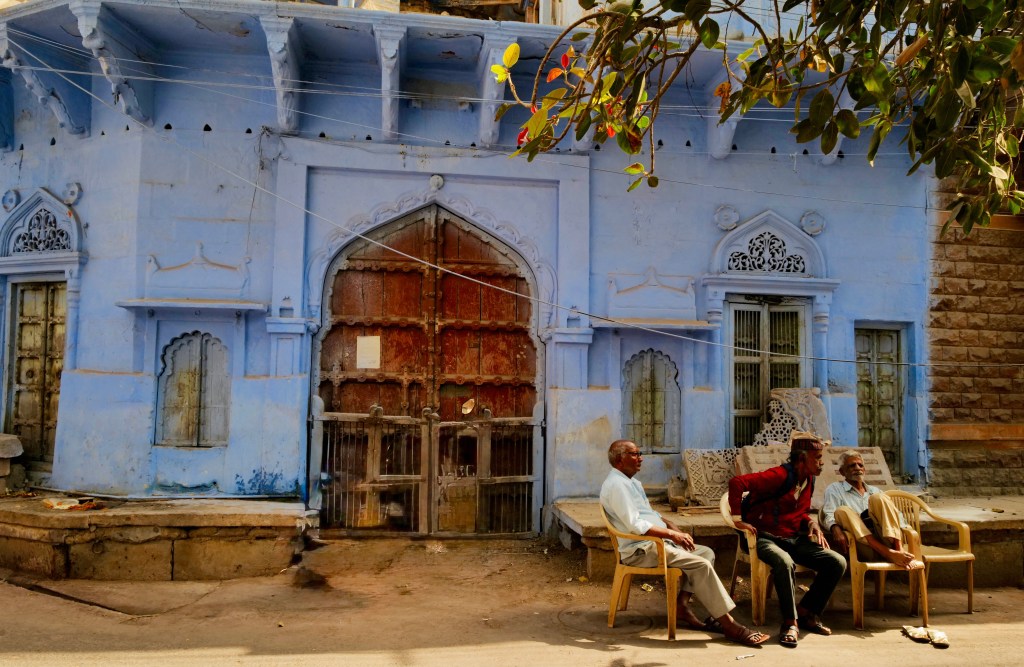
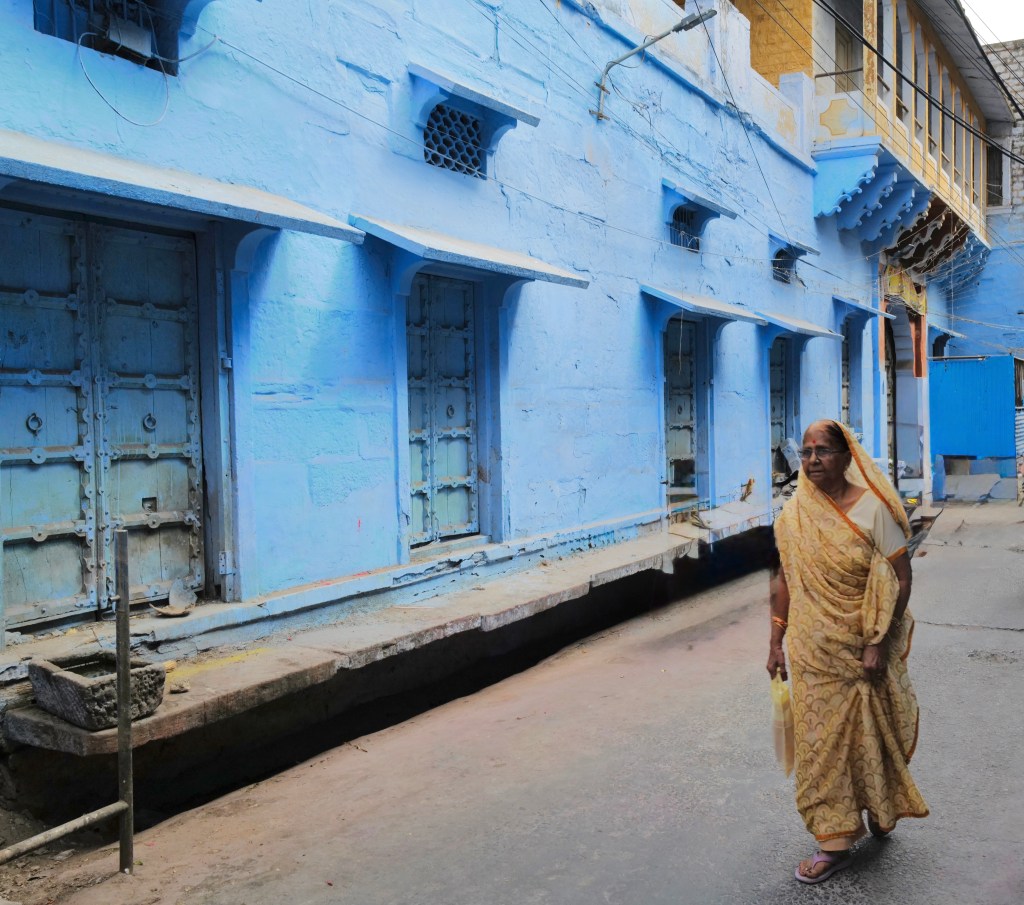
The colour-coding of the cities—Jaipur’s pink, Jodhpur’s blue, and Jaisalmer’s yellow—was often a functional or political choice rather than a purely aesthetic one.
The traditional roles of Rajput men and women
The traditional role of women in Rajasthan, particularly within the Rajput warrior caste, was a blend of high social status, strict domestic seclusion, and a code of honour that often demanded extreme sacrifice.
Rajput women were traditionally viewed as “guardians of honour”. They lived in seclusion, spending their entire lives in the women’s quarters of palaces (their parents’ or their husbands’). They almost never interacted with men outside their immediate family.
Despite seclusion, many royal women were highly educated in the arts, politics, and administration. In the absence of kings at war, queens often managed state affairs and acted as regents for minor heirs.
Mothers were expected to raise sons who were fearless. It was not uncommon for mothers to refuse to let their sons return home if they fled the battlefield.
Rajput rulers and nobles typically had multiple wives. This practice was driven by three main factors:
- Political alliances: marriage was the primary tool for diplomacy. Marrying the daughter of a neighboring king or a powerful chieftain cemented peace treaties and created military coalitions.
- Succession insurance: high infant mortality and the constant threat of death in battle meant that having multiple wives—and thus many sons—ensured the continuity of the royal bloodline.
- Status symbol: the size of a ruler’s Zenana (the equivalent of a harem) was often seen as a reflection of his power, wealth, and influence within the traditional Rajput hierarchy.
Following their husbands to death: Sati and Jauhar
In traditional Rajput society, women often followed their husbands to death, though the reasons and contexts varied between the individual act of Sati and the collective act of Jauhar.
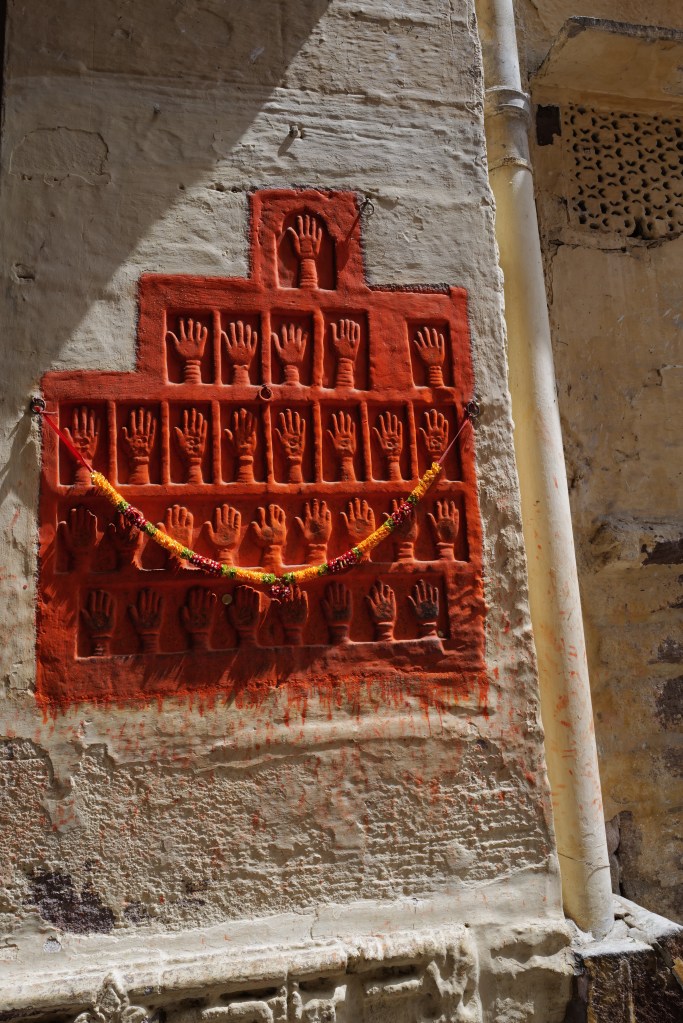
Sati was the practice where a widow would immolate herself on her husband’s funeral pyre. This was often framed as the ultimate act of devotion . Culturally, a widow’s life was often considered one of hardship and ill omen; Sati was seen as a way to attain divine status (becoming a Sati-mata) and ensure the spiritual salvation of her husband.
Jauhar was a grimmer, mass ritual performed during times of certain defeat in war. When a fort was under siege and falling to an enemy, the women would dress in their wedding finery and jump into a massive fire pit. Simultaneously, the men would perform Saka, donning saffron robes and charging into the enemy for a final, suicidal battle. The primary motivation was the preservation of honour. In the medieval era, the capture of royal women by invading forces often resulted in enslavement or sexual violation. Jauhar was chosen as a “death before dishonour” alternative to falling into enemy hands.
A culture of hospitality
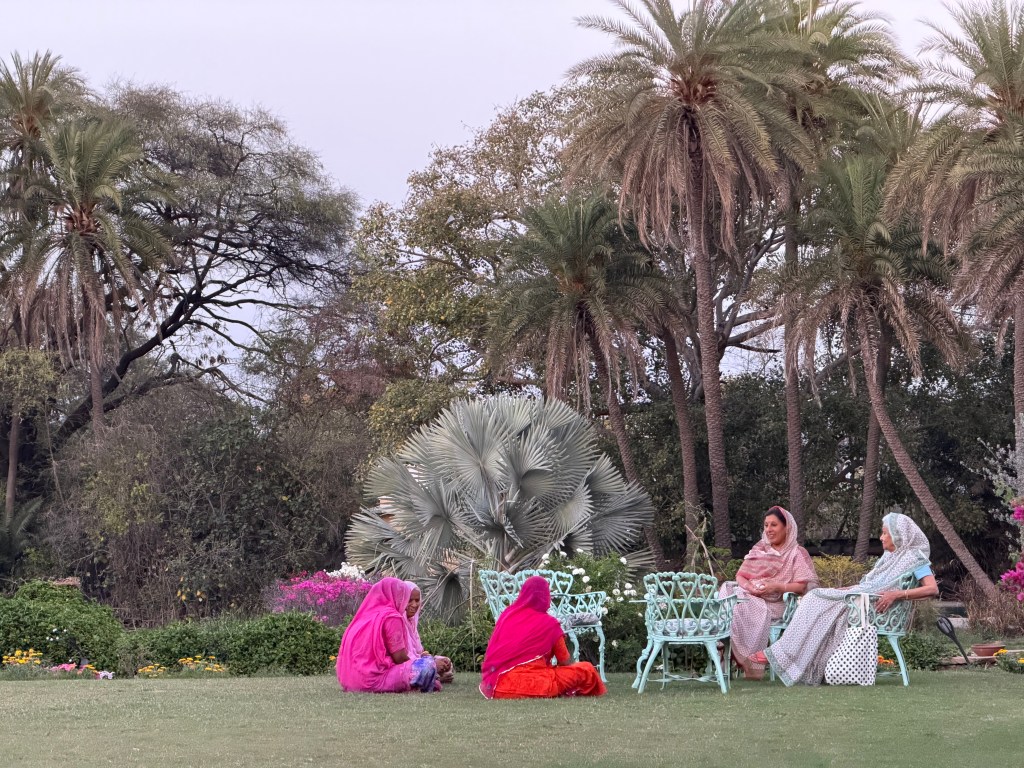
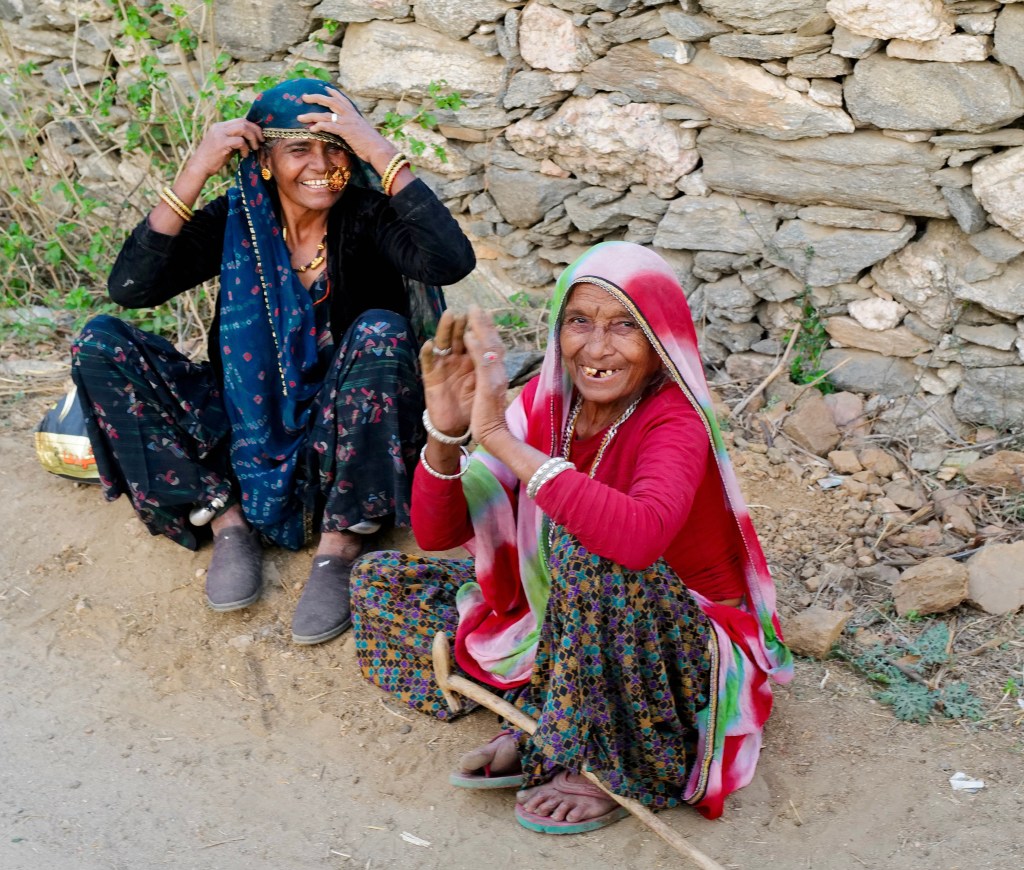
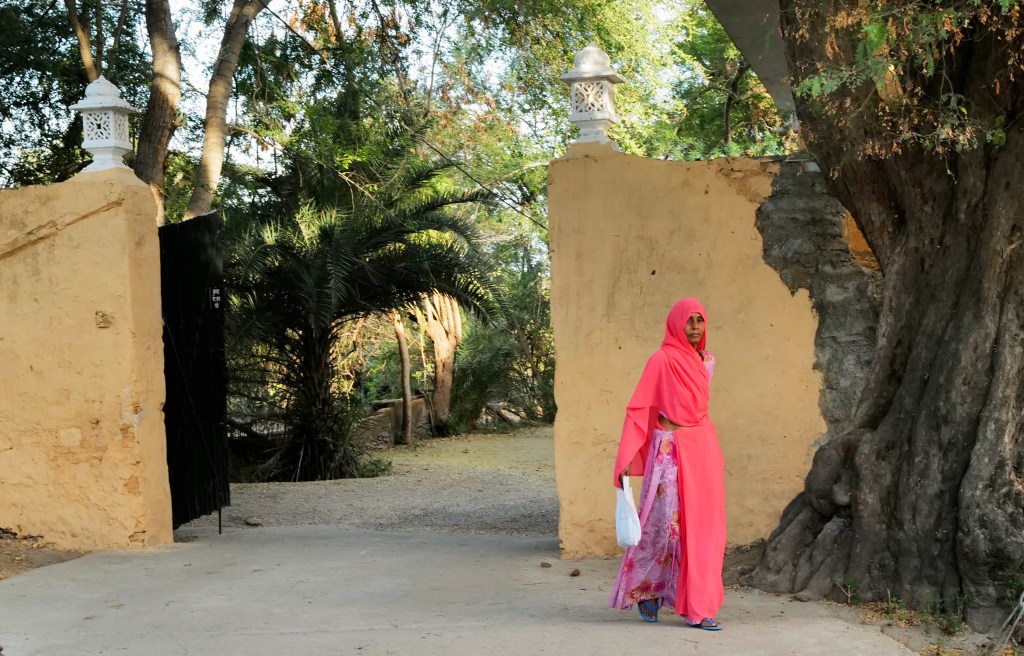
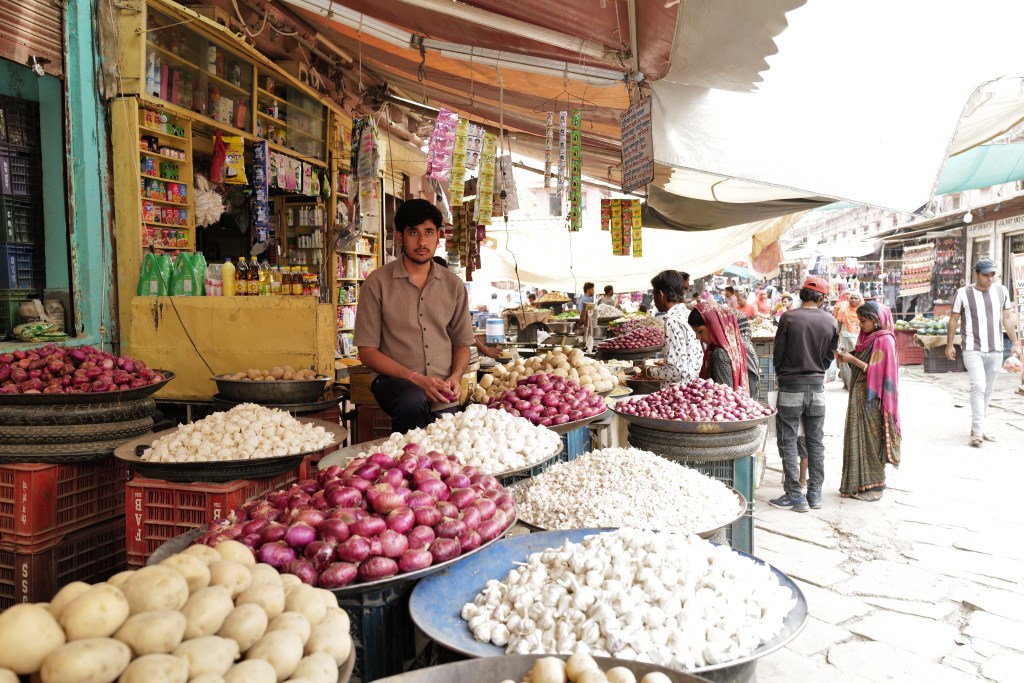
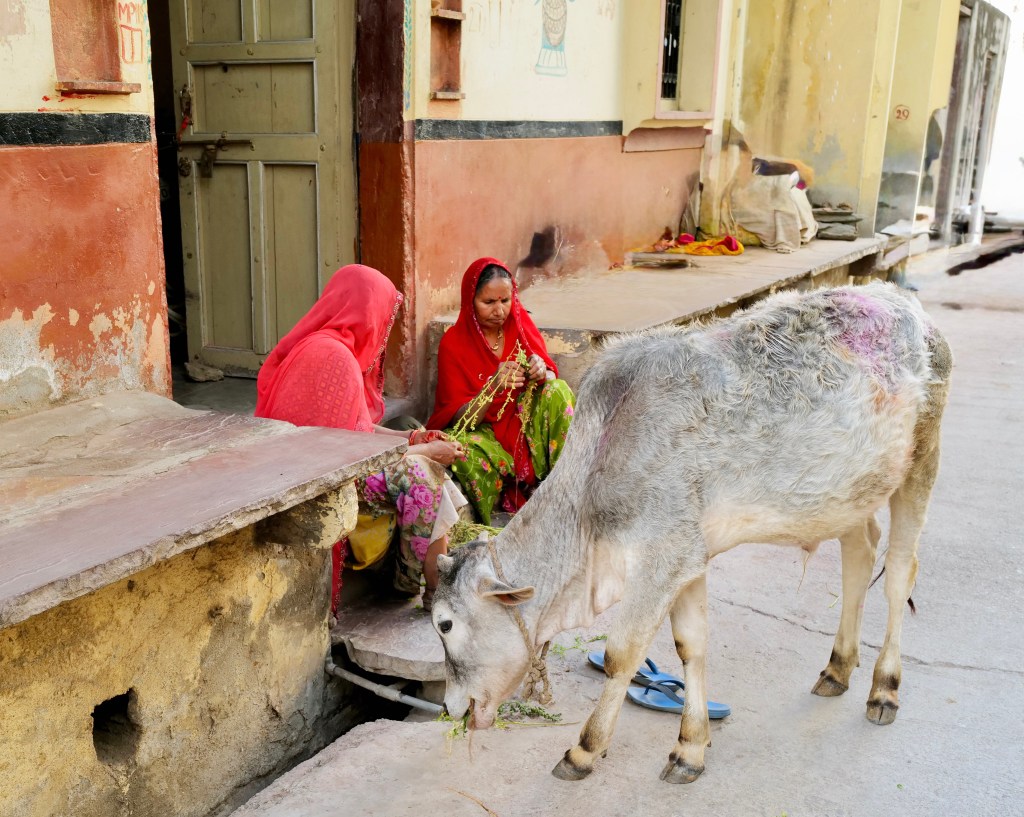
Perhaps the most enduring and all-pervasive aspect of Rajasthan is its people. Despite, or perhaps because of, the harshness of the environment, there is a deeply ingrained culture of hospitality, summarised by the Rajasthani motto “Padharo Mhare Desh” (Welcome to my land). In the desert, where resources were historically scarce, the arrival of a guest was treated as a sacred event.
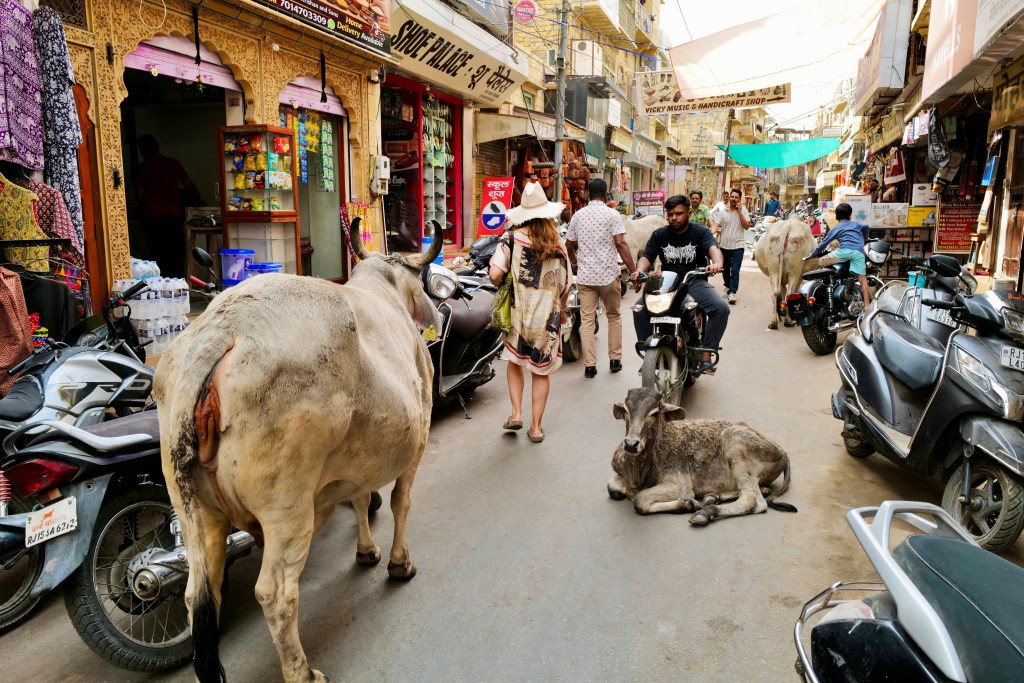
This warmth is palpable today, whether you are navigating the narrow alleys of a blue-washed neighbourhood in Jodhpur or visiting a rural village.
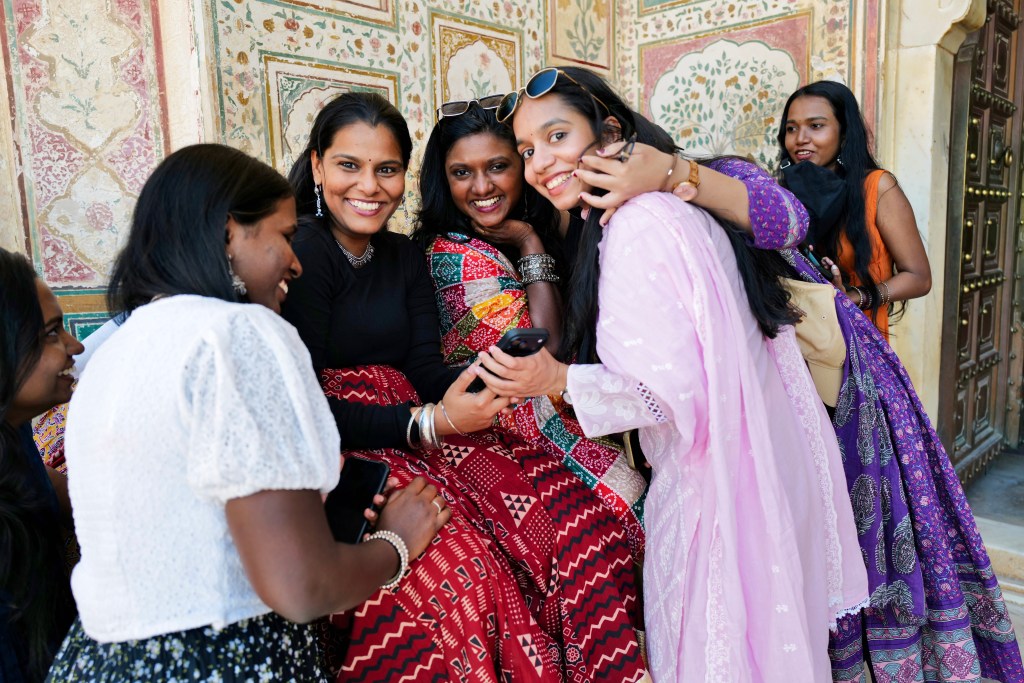
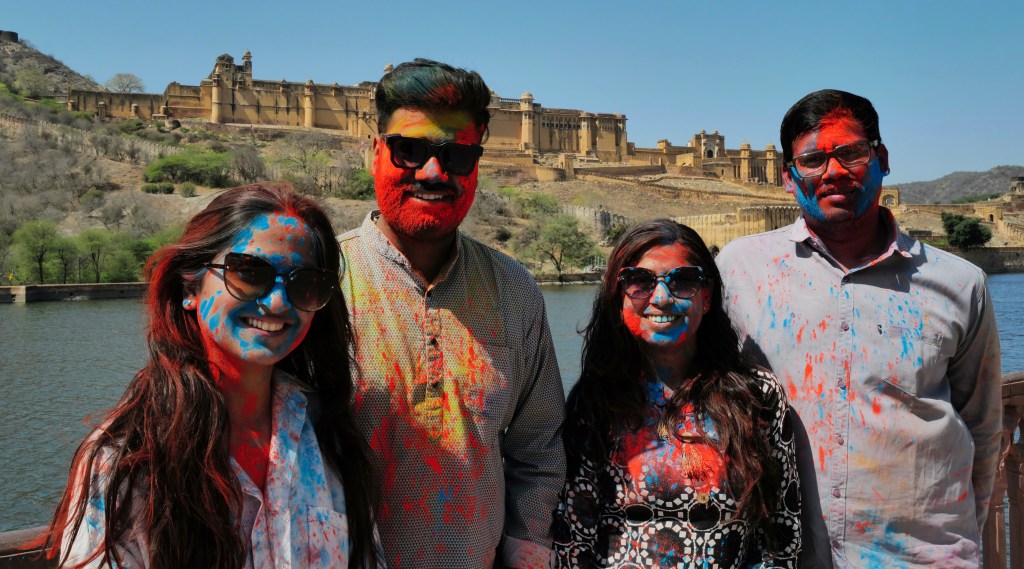
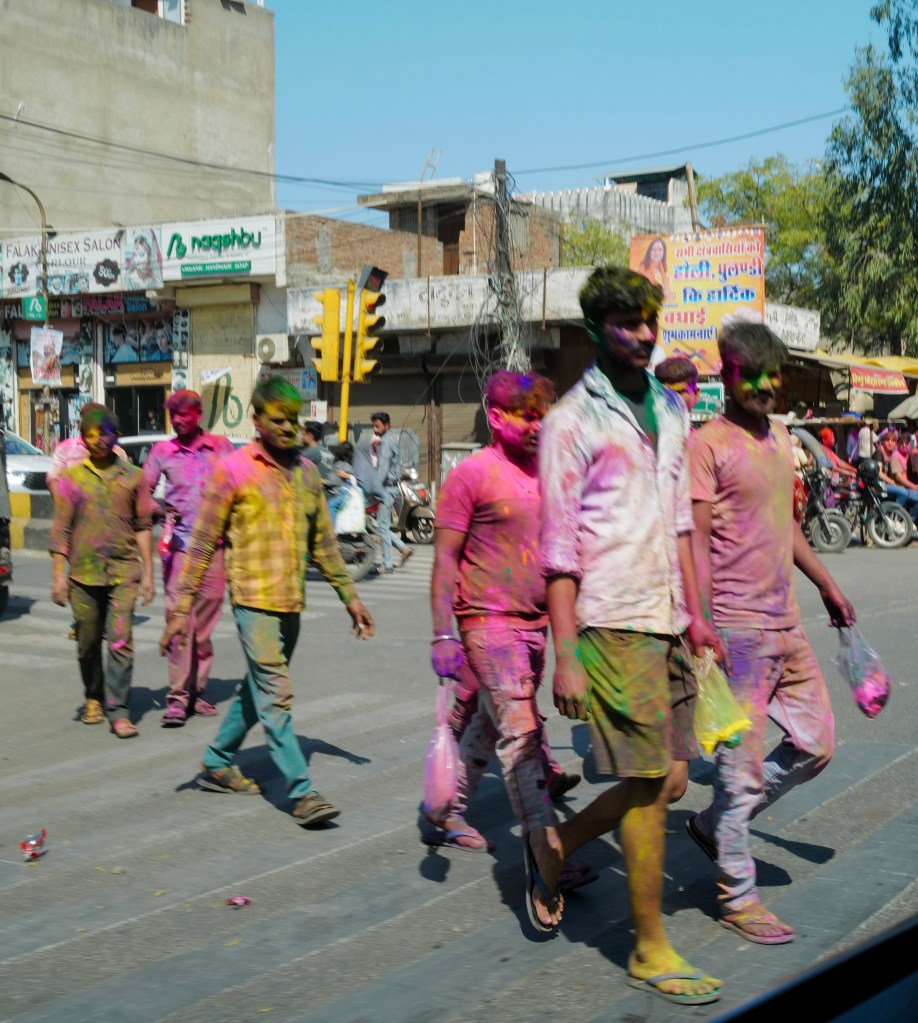
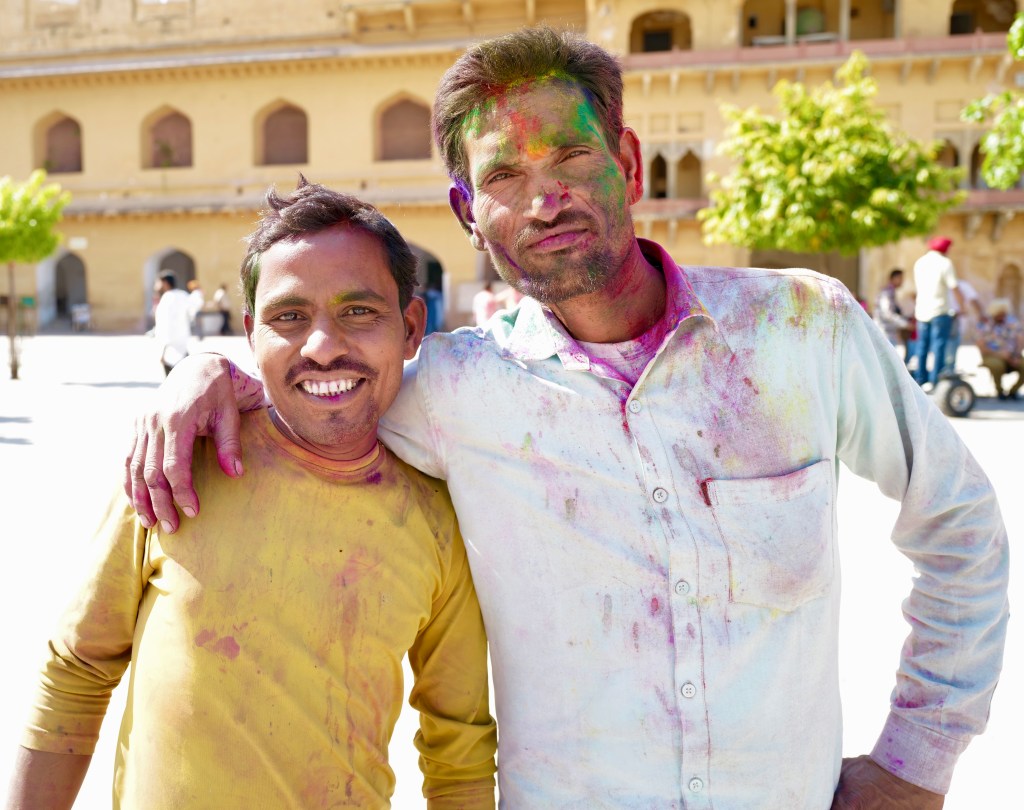
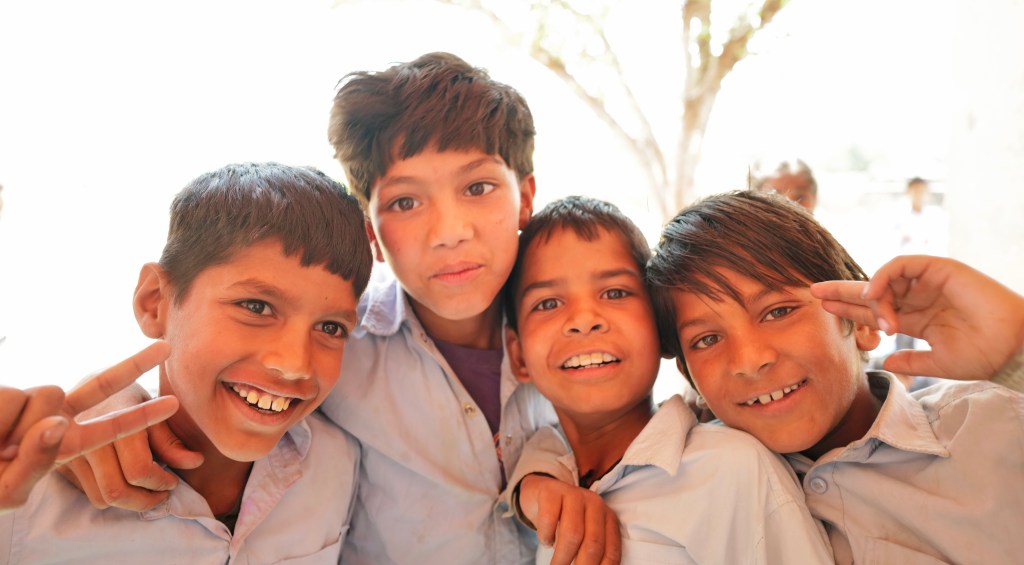

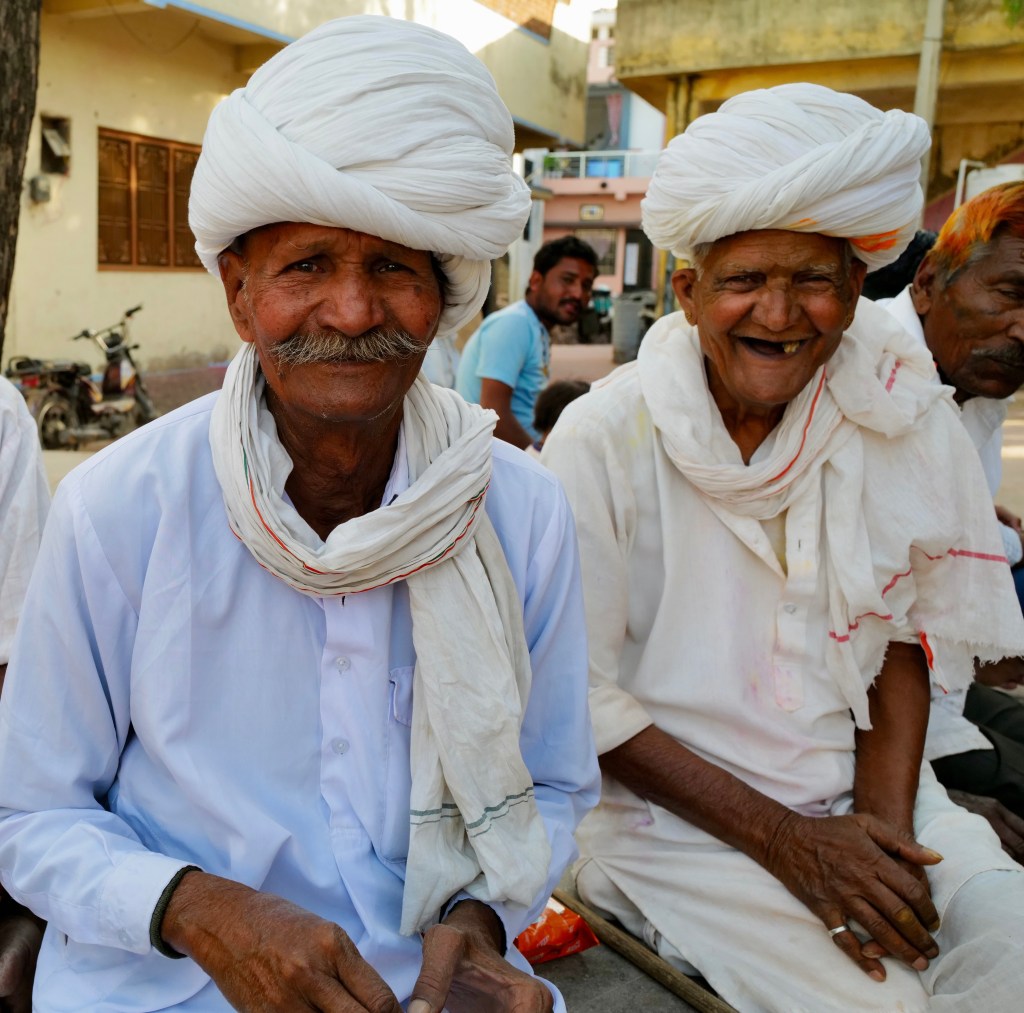

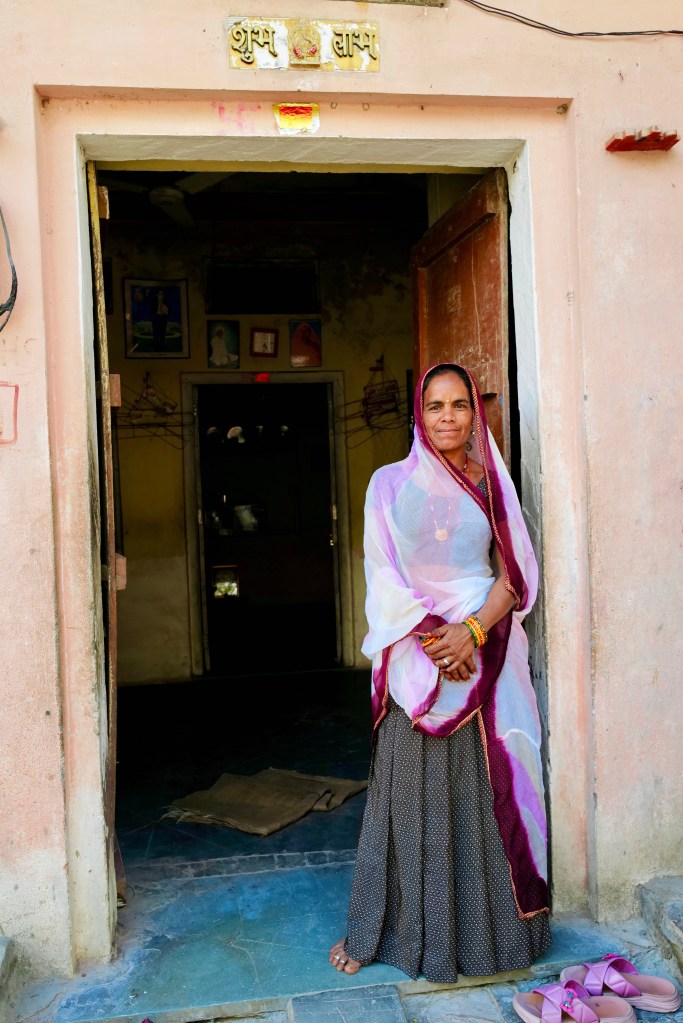
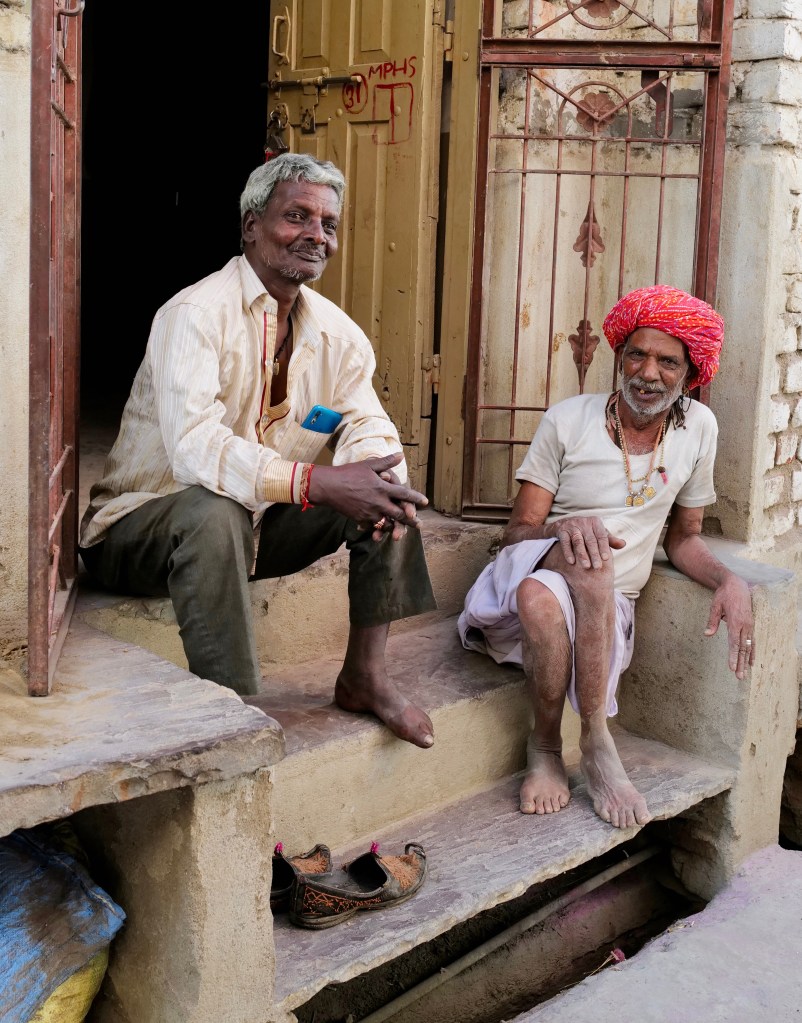
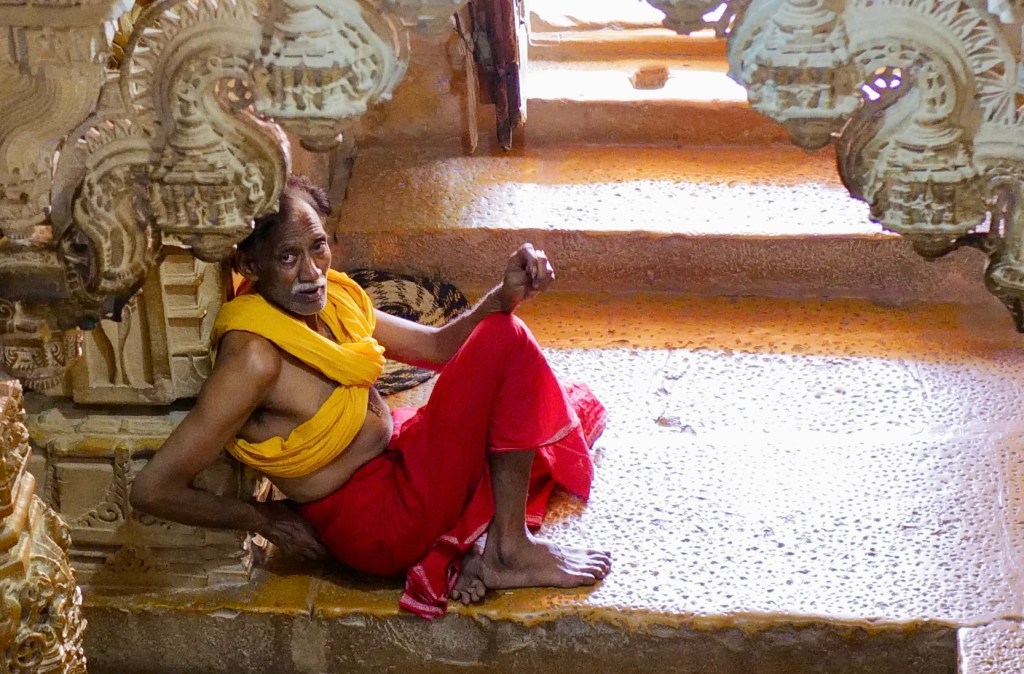
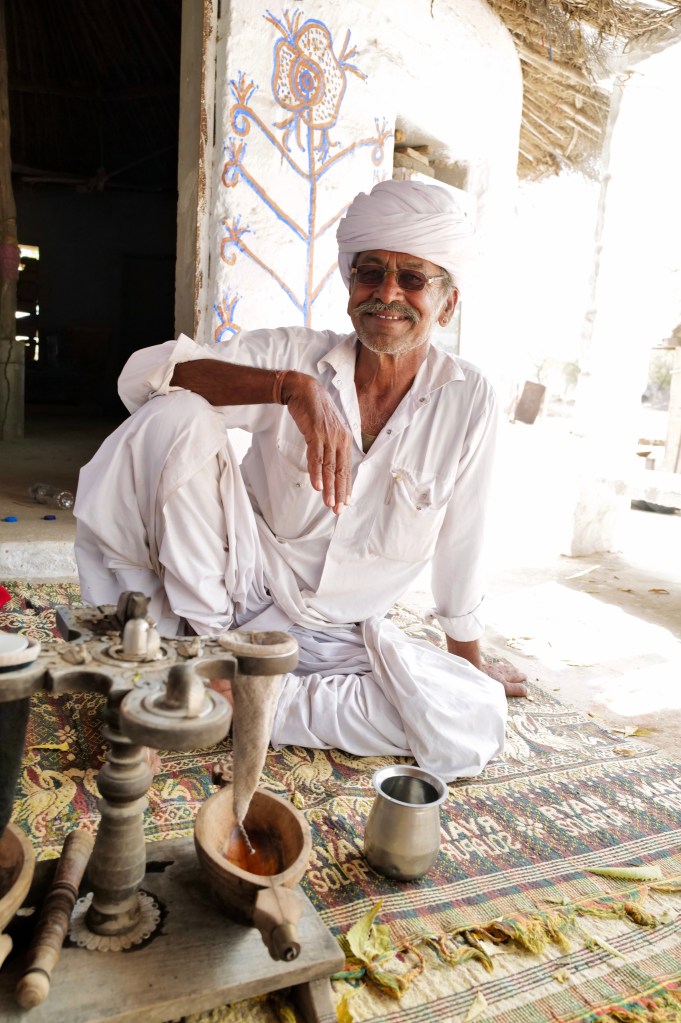
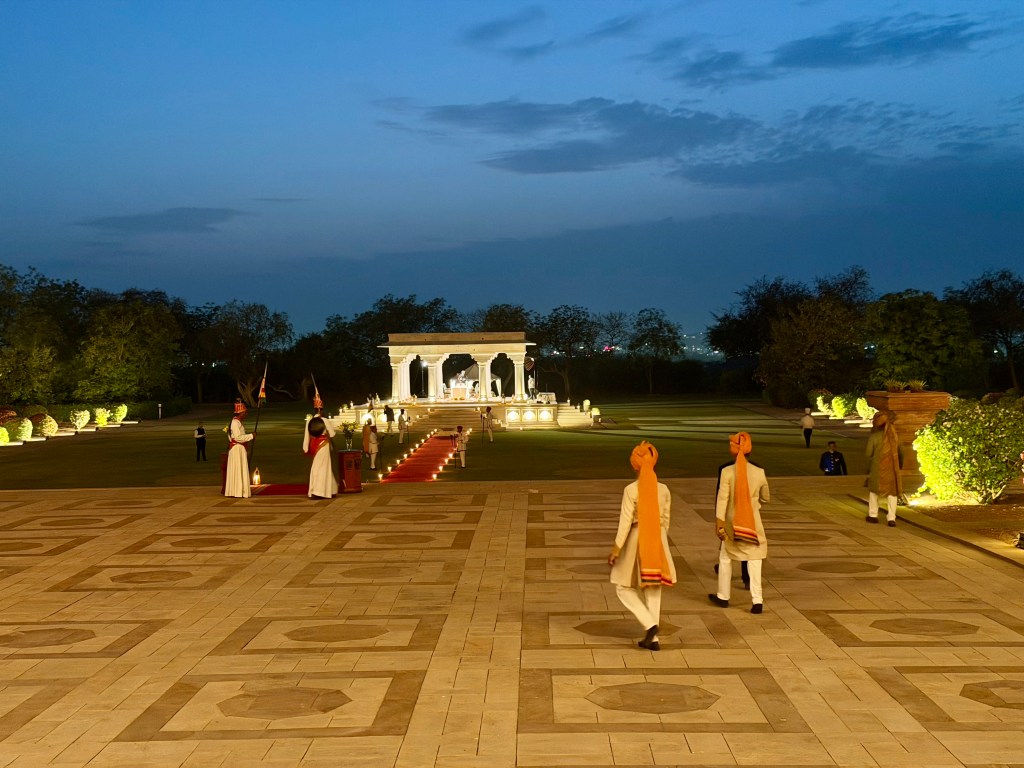
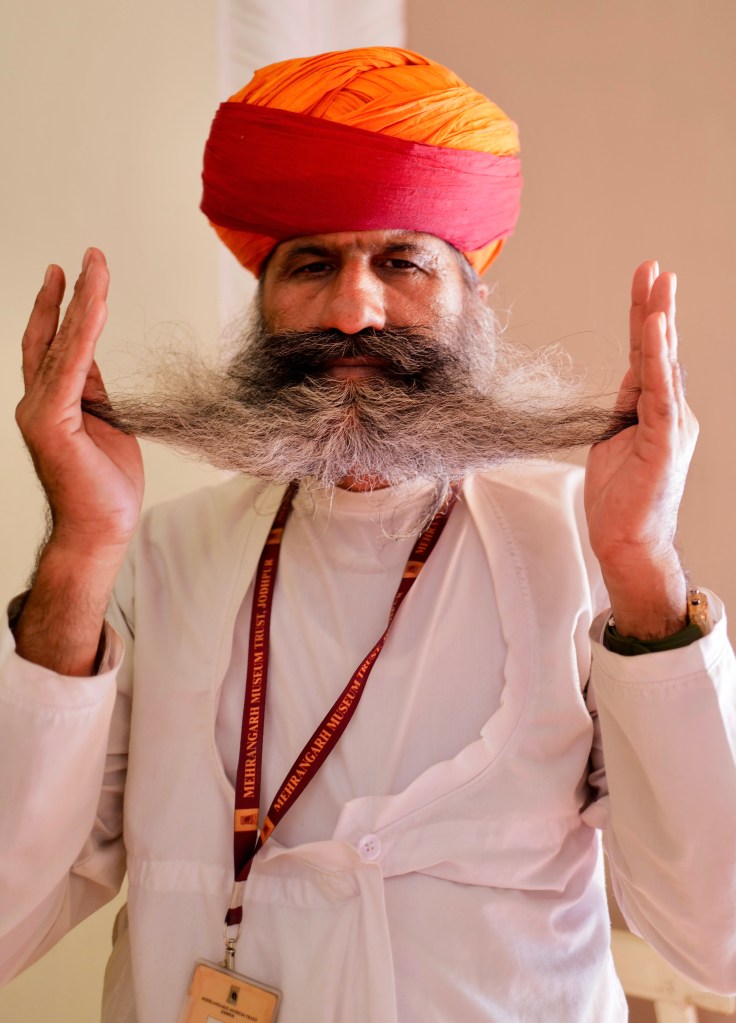
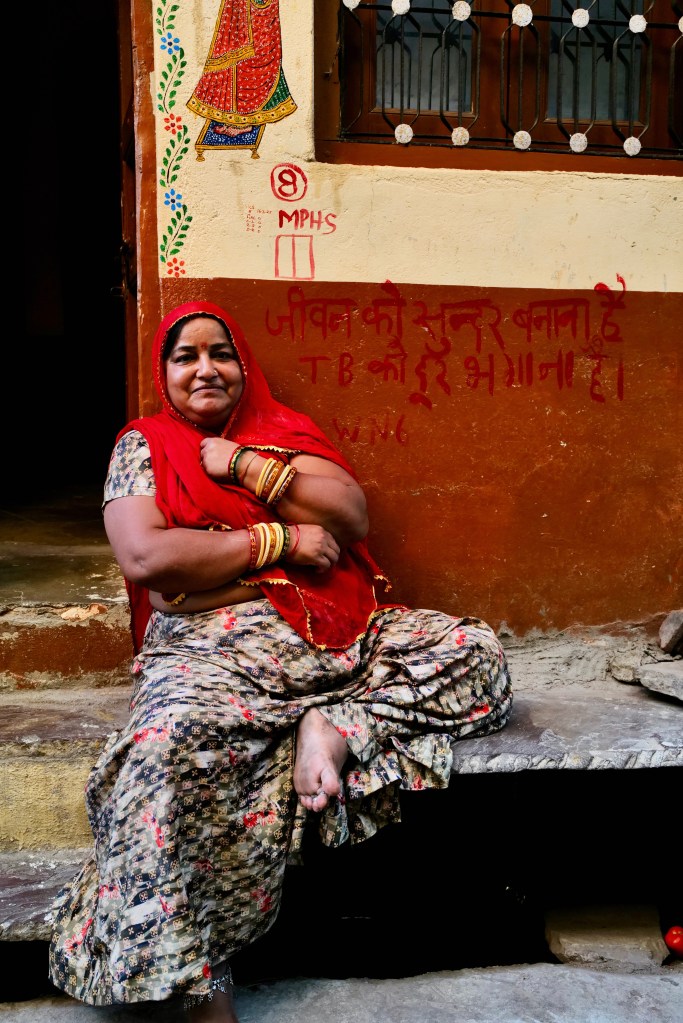
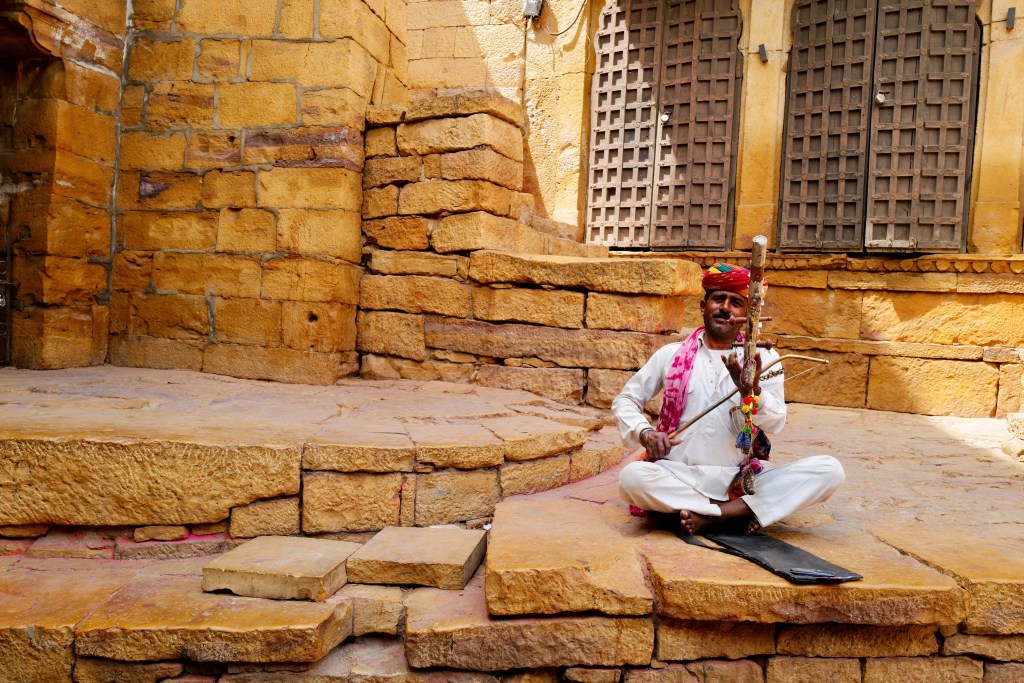
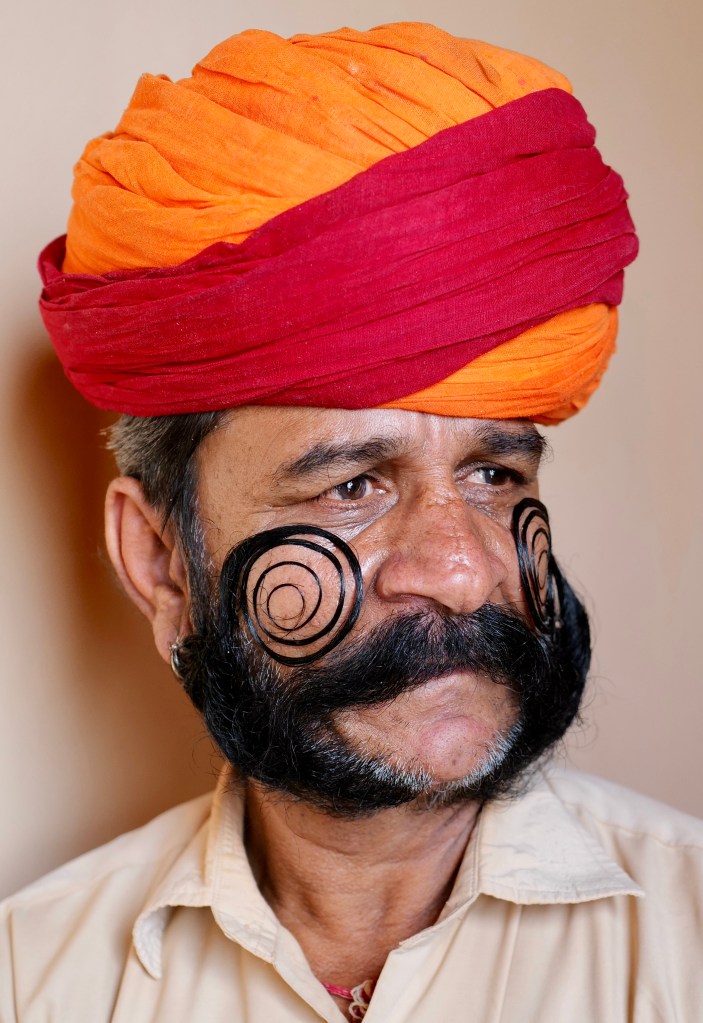
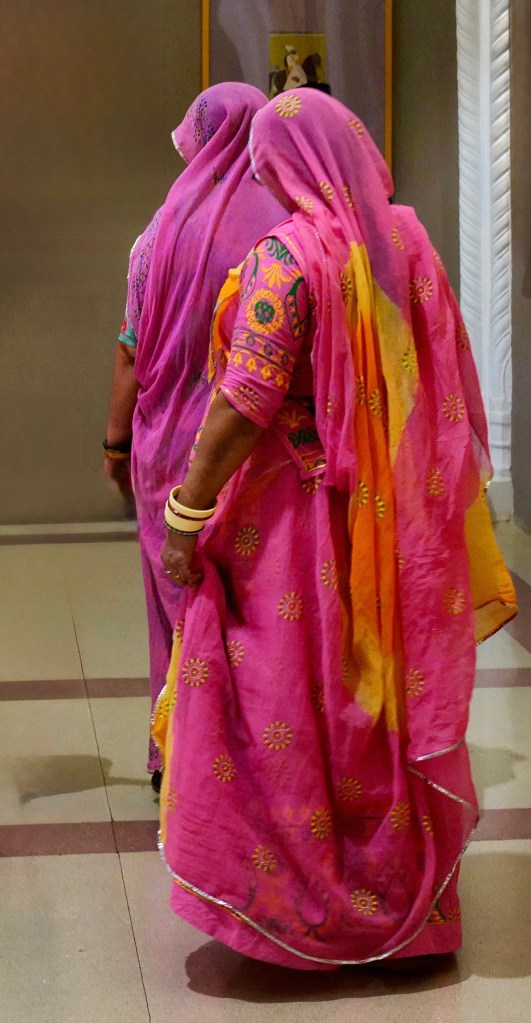
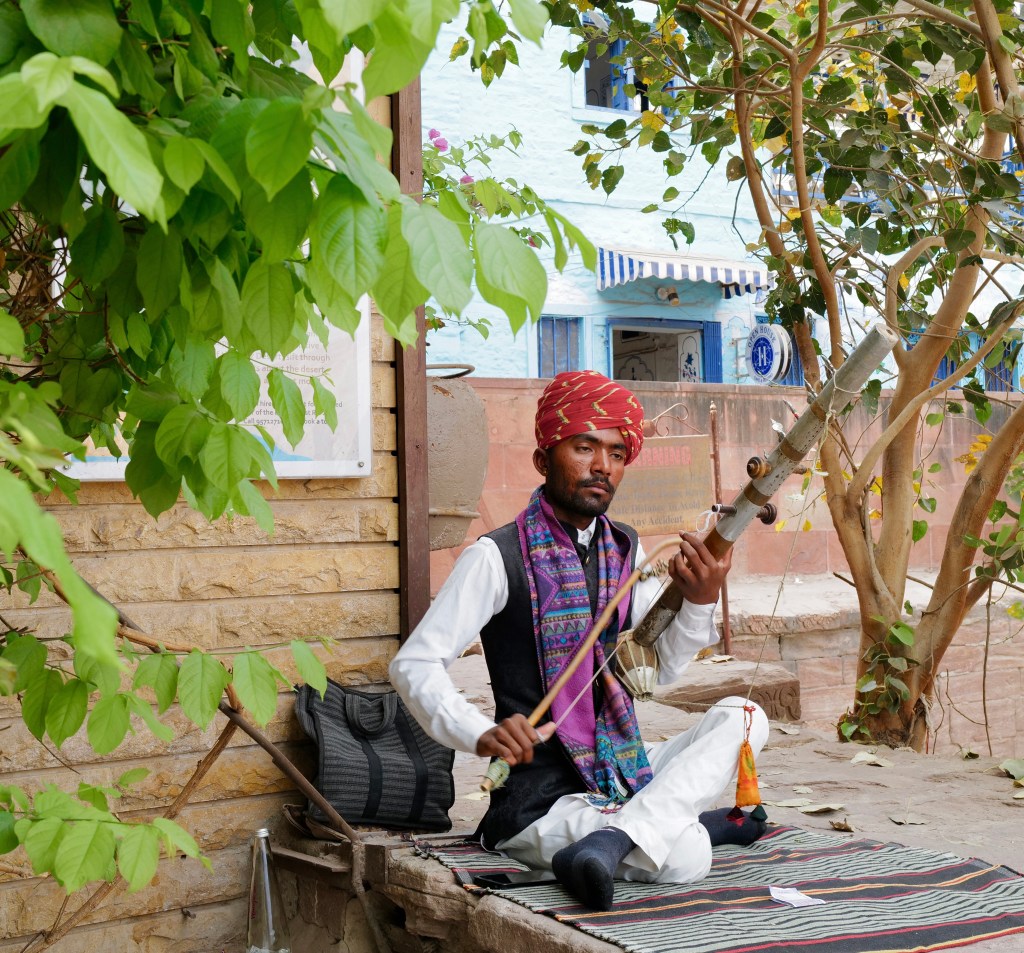
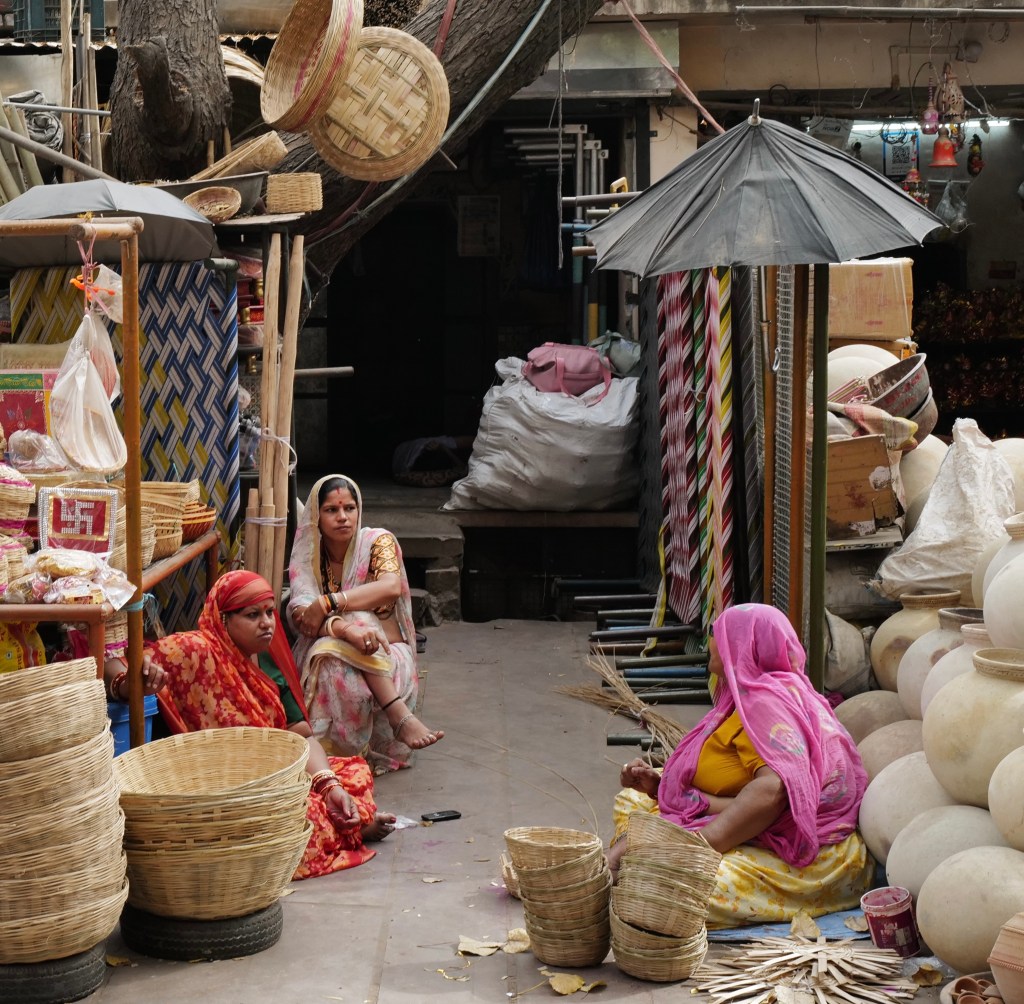
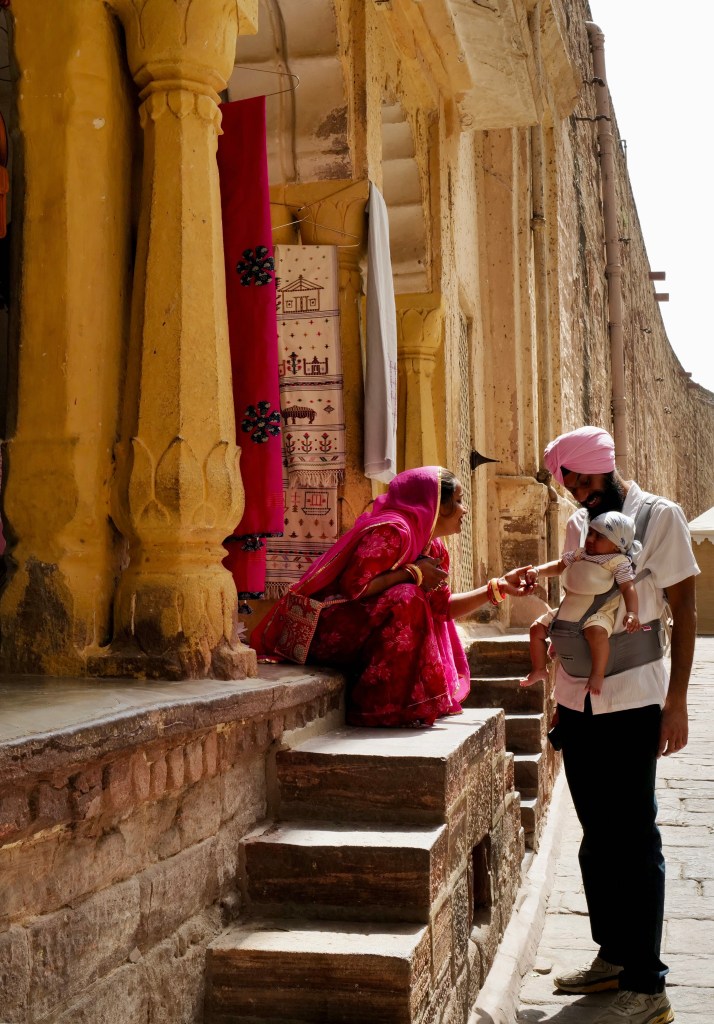
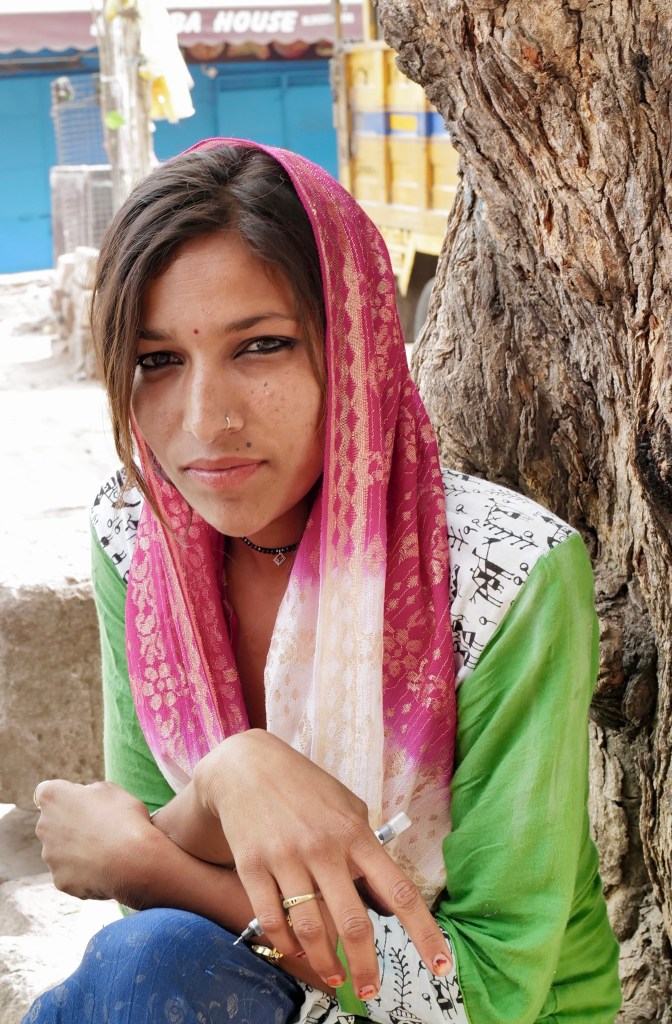
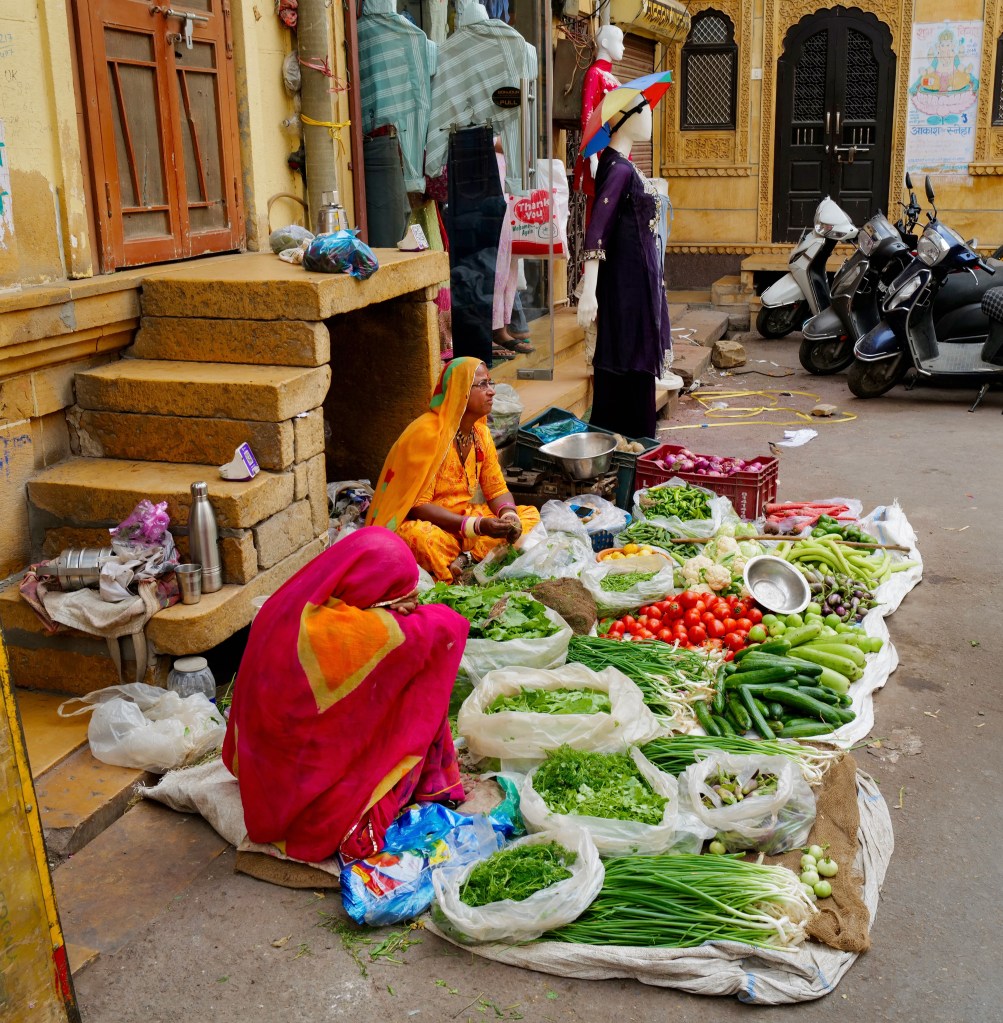
The locals are known for their resilience and a quiet pride in their heritage, often expressed through vibrant attire. The complex styles of turbans (pagris) and “Poshaks” serve as a vivid counterpoint to the monochromatic desert, once indicating a person’s caste, region, and even specific social status.
The economics of scarcity: Rajasthani cuisine
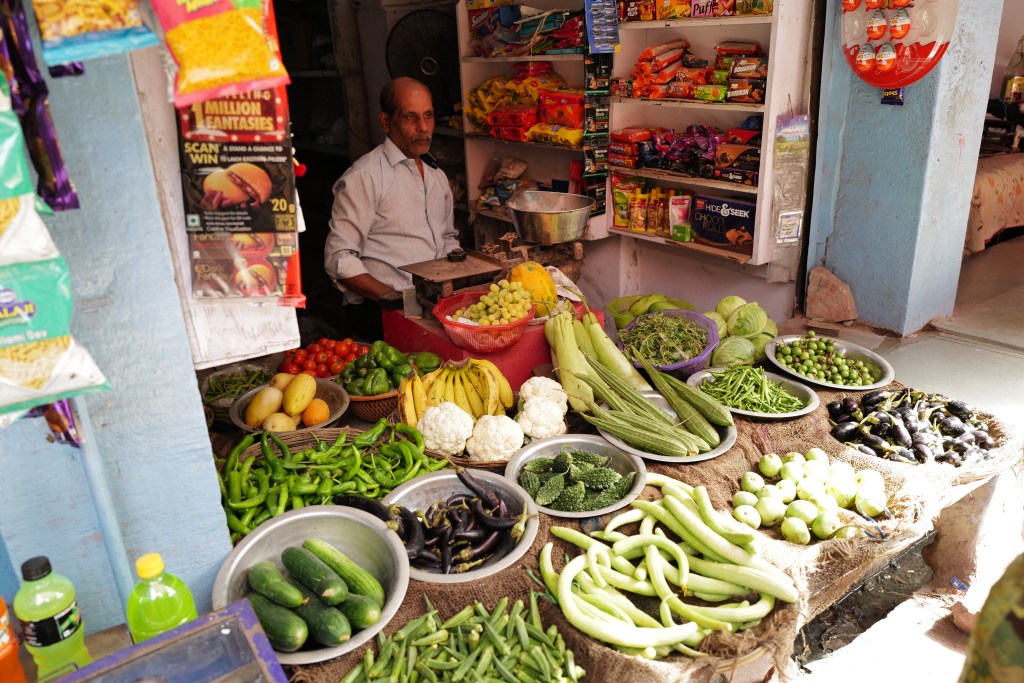
The local food is a direct result of an arid climate where water and fresh greens were historically scarce. This led to a cuisine that relies heavily on milk, buttermilk, and clarified butter (ghee) instead of water.
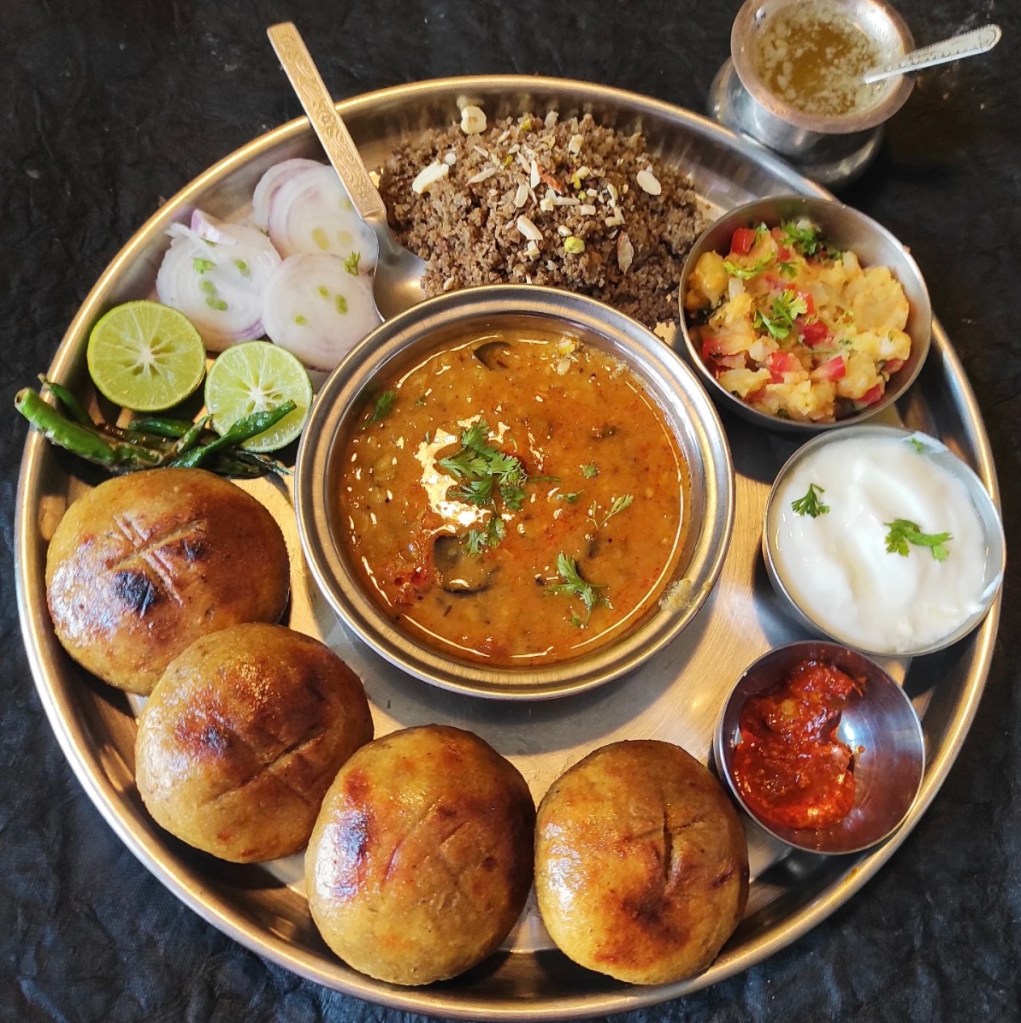
Dal Baati Churma: the signature Rajput dish consists of baked wheat balls (baati) served with lentils. It was originally a nomadic meal—the baati could be buried in the sand to bake under the sun or over charcoal.
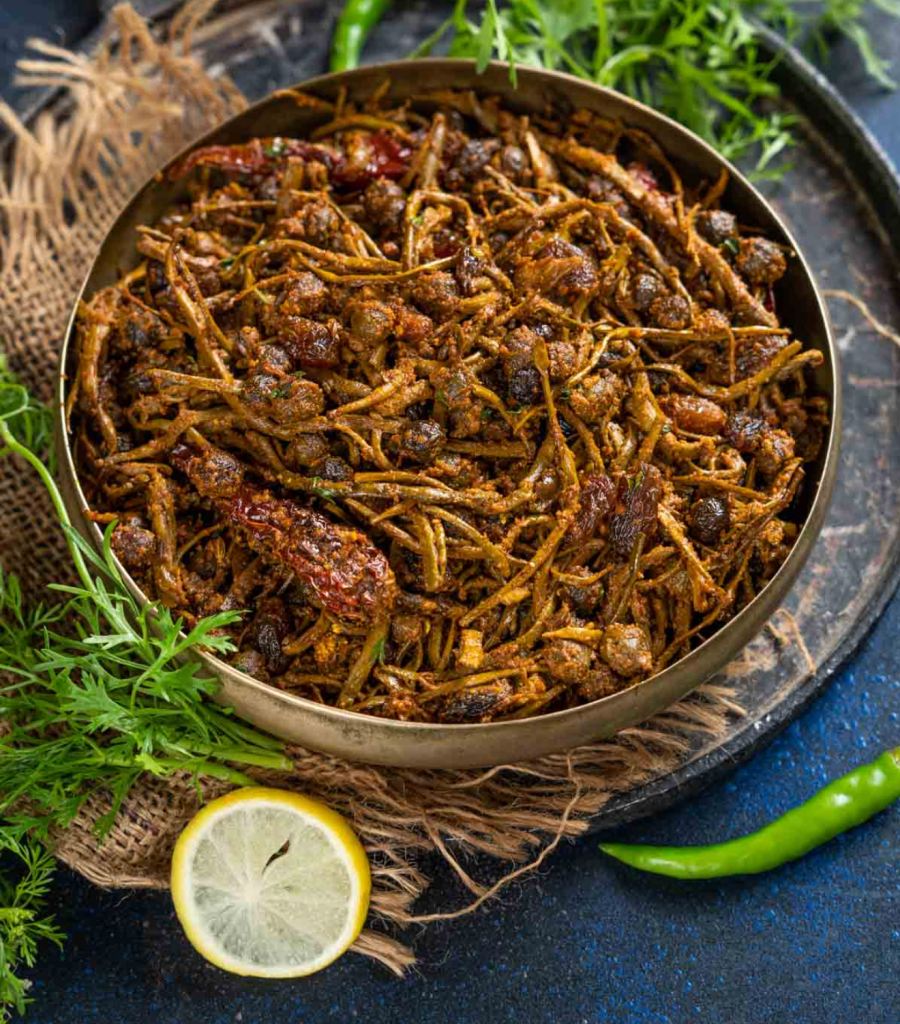
Ker Sangri: this is a classic example of desert resourcefulness, using the berries (ker) and bean-like pods (sangri) of the Khejri tree, which thrives in drought conditions.
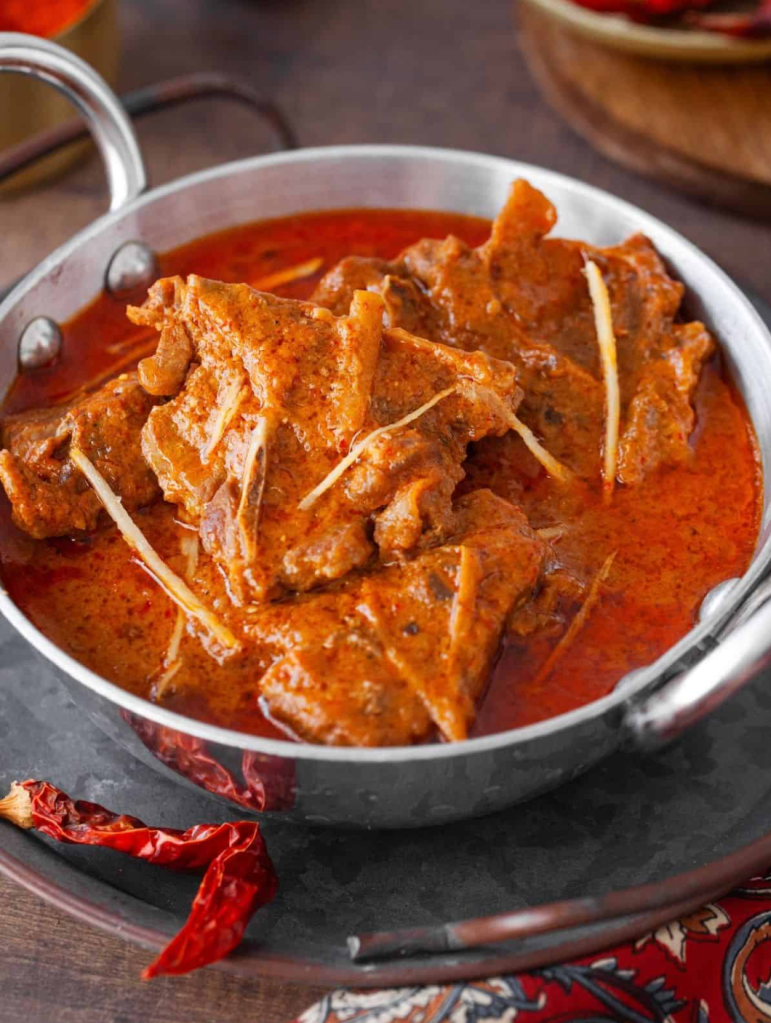
Laal Maas: This spicy mutton curry, prepared with Mathania chilies, reflects the hunting traditions of the Rajput warrior class.
Contemporary Rajasthan
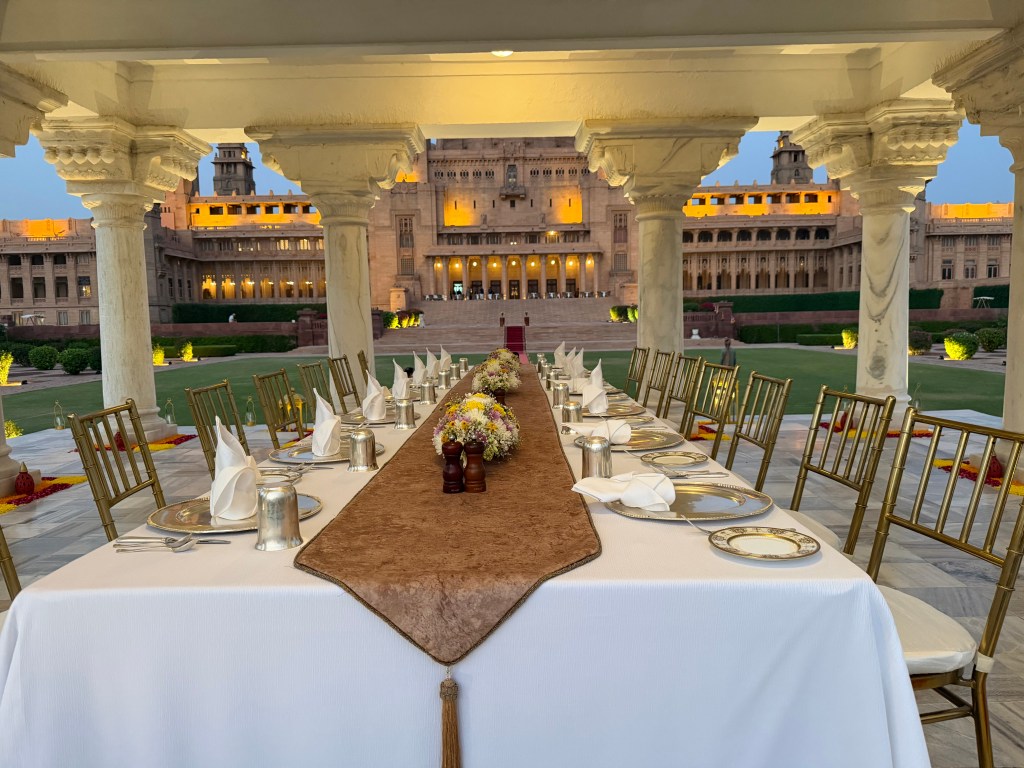
Today, Rajasthan is navigating the transition from a feudal past to a tourism-driven economy. While many former palaces have been converted into heritage hotels, the underlying social structures and the environmental challenges remain. It is a destination where history is tangible, providing a clear window into how a society adapts its architecture, diet, and social customs to survive and flourish in a very challenging landscape.

 Truliluli Travel Reports