
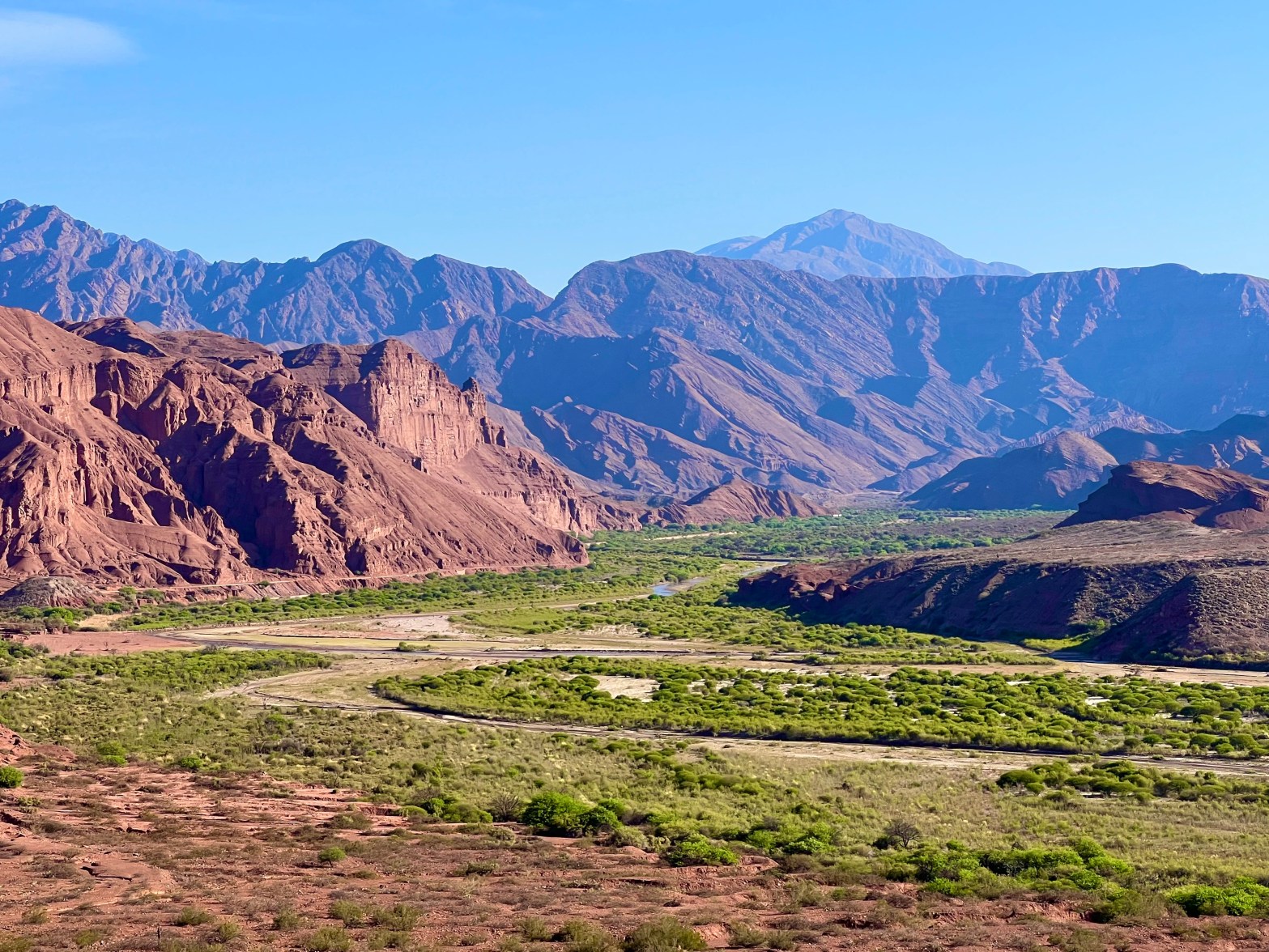
On the southern tip of South America, Argentina is a dream for travellers. This vast nation (five times the size of France) has a hugely diverse climate and topography, covering a vast array of landscapes, from the very arid to, at the other extreme, tropical forests. Argentina features amazing, untouched beaches and some of the world’s highest mountains. Its people are wonderfully friendly. And, if you like meat or food in general, you will not be disappointed by the quality (and quantity) of the excellent food available in Argentina (at more than reasonable prices).
We visited several areas of Argentina over a period of five weeks and, to be frank, could have continued, having seen only a fraction of what the country has to offer.
Buenos Aires
Argentina’s capital is a huge city of 15 million people, spread out over more than 200 km2. In practice, however, you will only visit a small part of the city, with the distances easily doable via short taxi or Uber rides.
Buenos Aires is surprisingly European. Its vast avenues feel like you’re in Paris, while its very sunny and mostly temperate climate is reminiscent of the Mediterranean. When the Spanish arrived in the XVIth century, there was practically no indigenous population in the area of what is now Buenos Aires. Over the following centuries, and until Argentina’s independence, very few African slaves were brought to this city, where slavery was abolished in 1813, much earlier than in the rest of Latin America. With most of the population being of European descent, the feeling you have in Buenos Aires is that you are somewhere is southern Italy, not in South America.
The areas not to miss are Recoleta, Plaza de Mayo (and the surrounding historical center), San Telmo and Palermo.
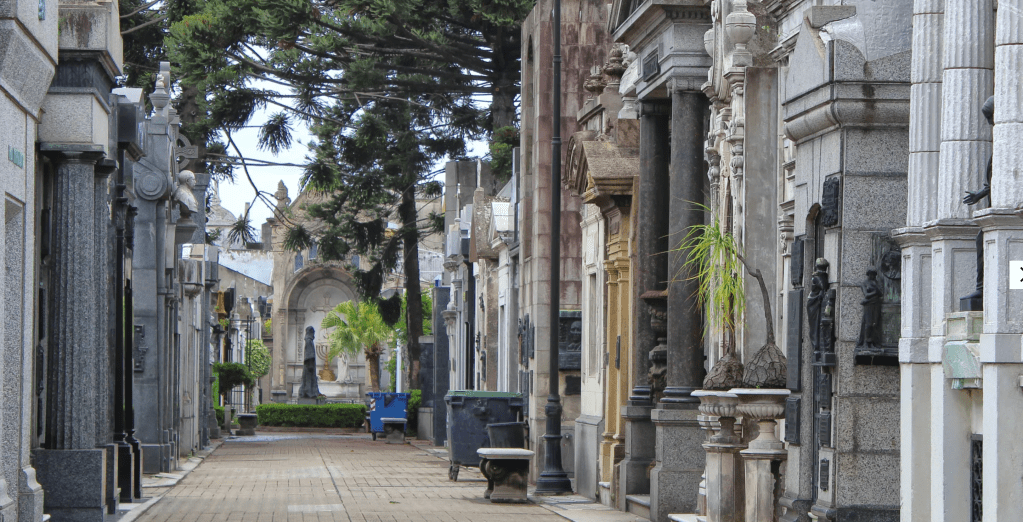
At the heart of Recoleta is a huge cemetery with impressive tombstones, which are worth a visit, if anything because they are testimony to the enormous wealth of the upper class Argentinian families in the late XIXth and early XXth centuries.
Close to the cemetery are a series of large, well kept and impressive parks, well worth going for a stroll. They were all built in the late XIXth century by urban planners who believed in the benefits of large green spaces for a healthy city lifestyle. To this day, and despite Buenos Aires’s large expansion over the last century, it remains one of the world’s greenest cities.
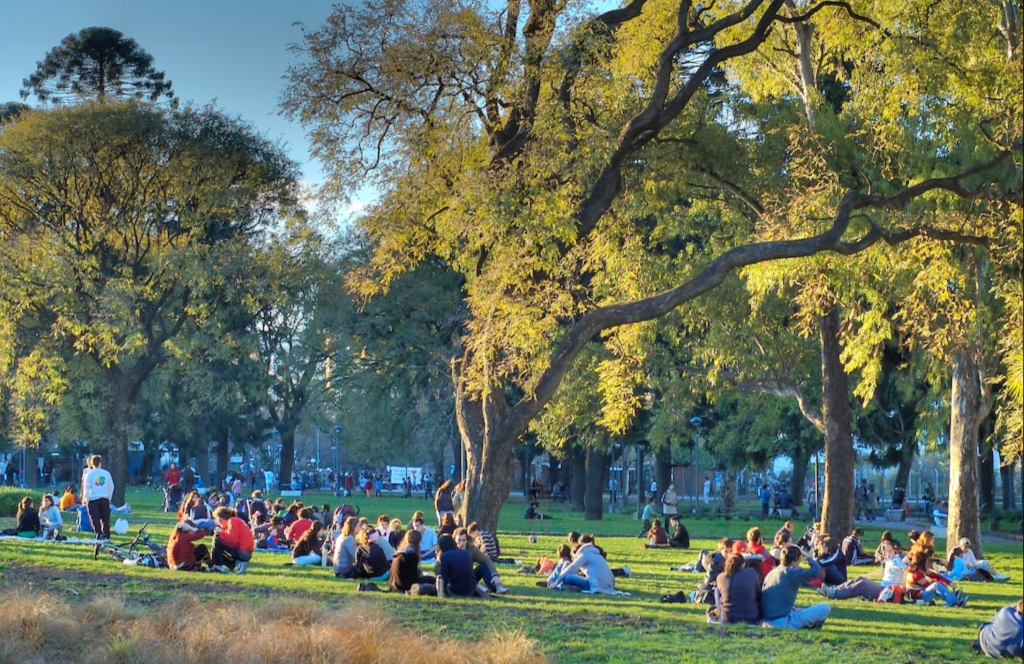
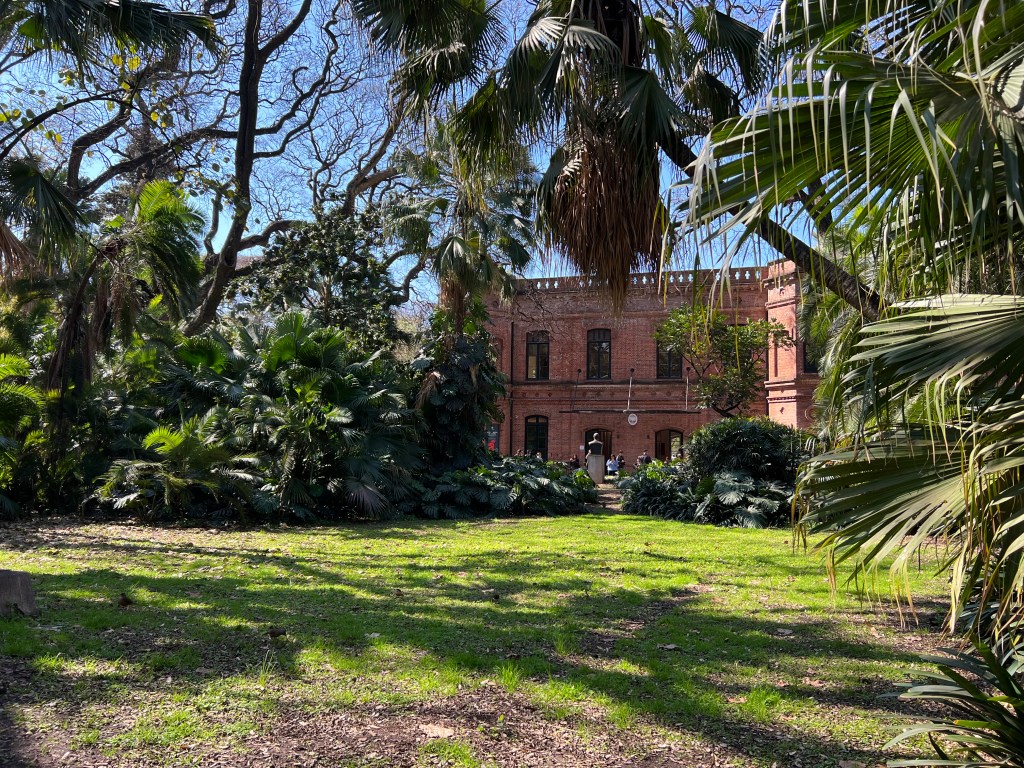
When the weather is fine (which is most of the time), the parks are filled with people drinking mate, a variety of green tea, which is the nation’s great passion. A lot of the parks feature free hot water dispensers, which wandering city dwellers use to fill the thermos.

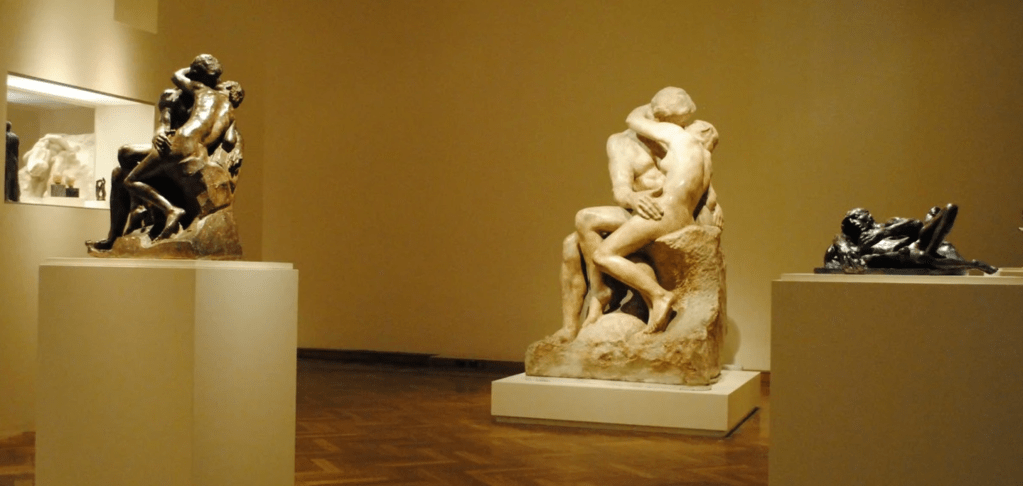
If you like art, don’t miss the Museo Nacional de Bellas Artes, located in the middle of the beautiful parks close to Recoleta. You will be quite amazed by the quality of the works exposed. Among other things, we saw an unforgettable Rodin exhibit, very well curated.
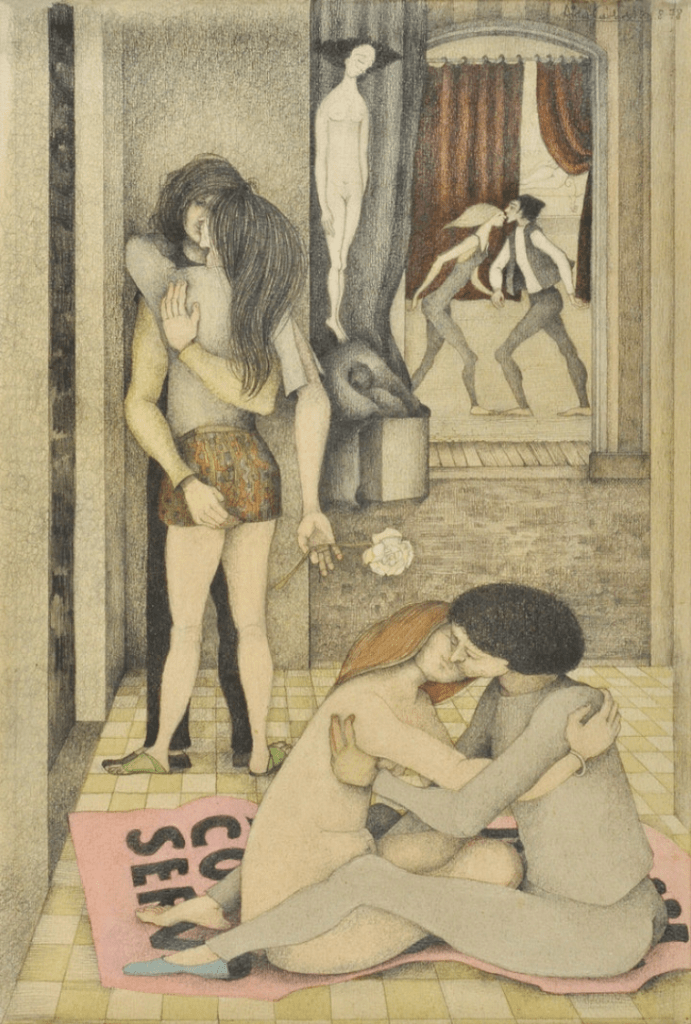
There are many great art galleries in Buenos Aires. One of the ones we liked the most is 30 Quarenta, featuring not just beautiful contemporary art, but also stylish lamps and design objects.


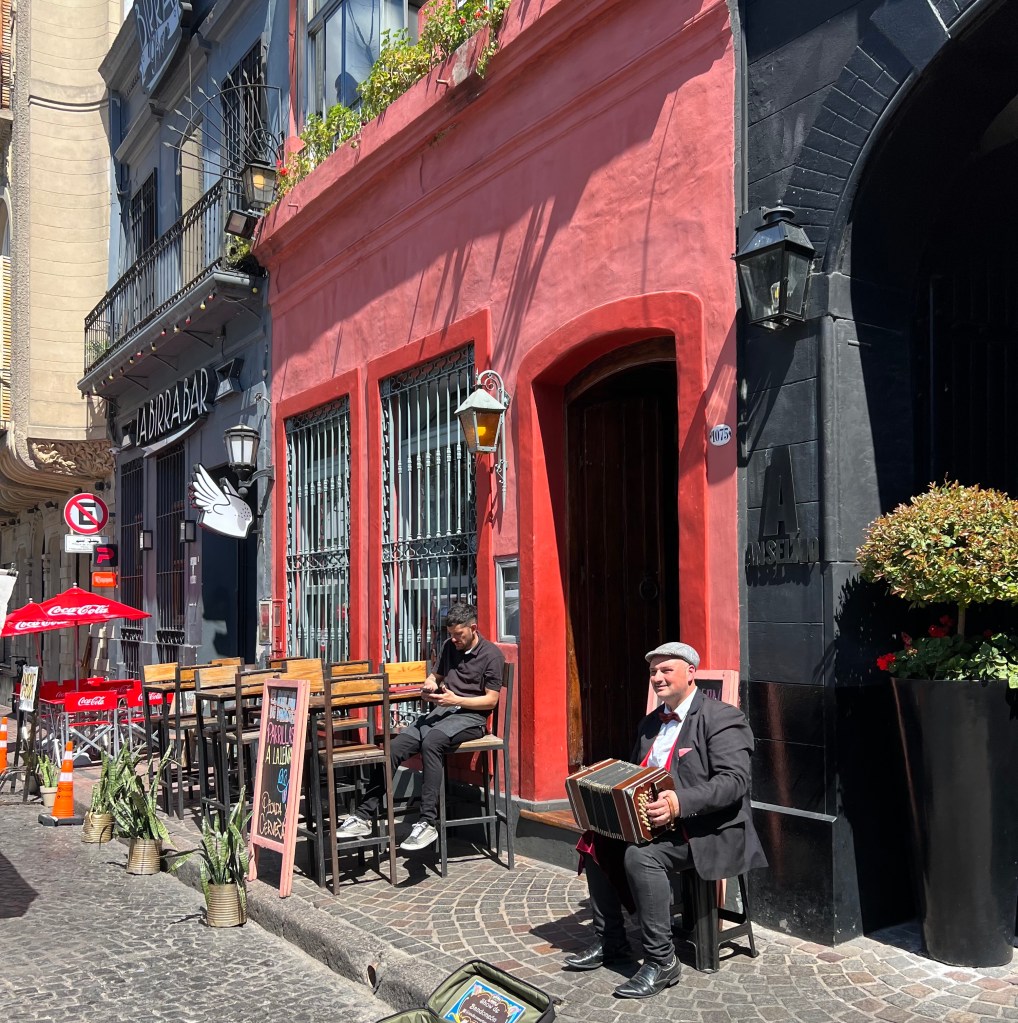
San Telmo, a bohemian part of town, is best visited on Sunday mornings, when an antiques street fair takes place. It’s a noisy and crowded event, but it’s very picturesque. Don’t miss tango dancing at Plaza Dorrego, the main square. While San Telmo is known for its incredible street fair, the bounty of antique stores and quaint restaurants also make it a worthy destination any day of the week.
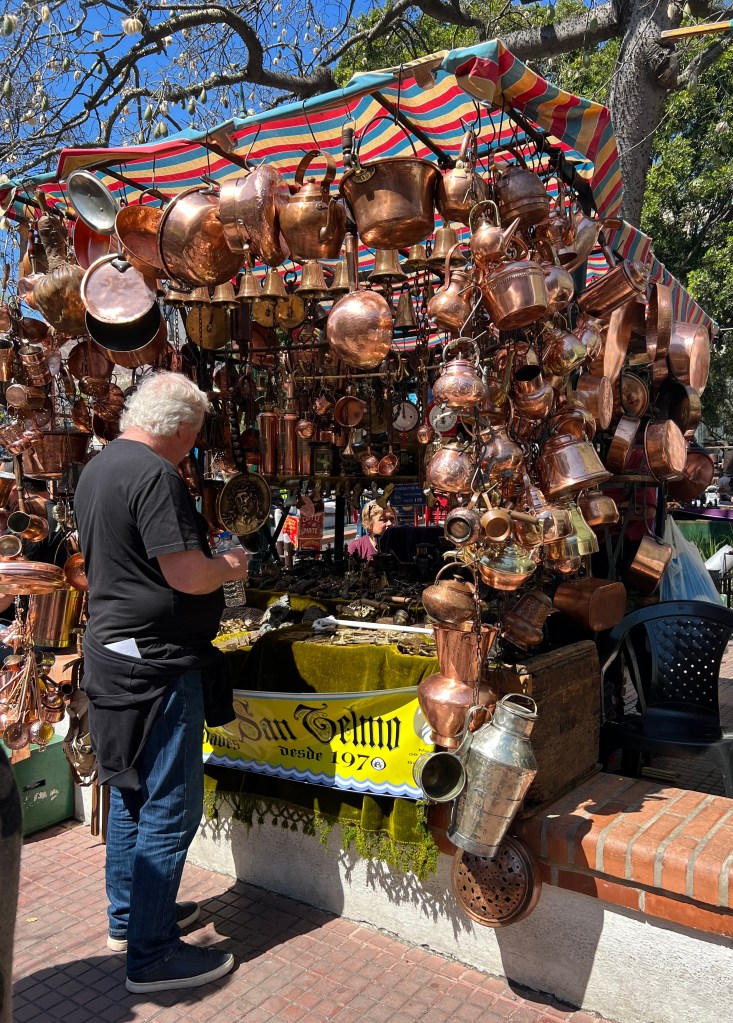
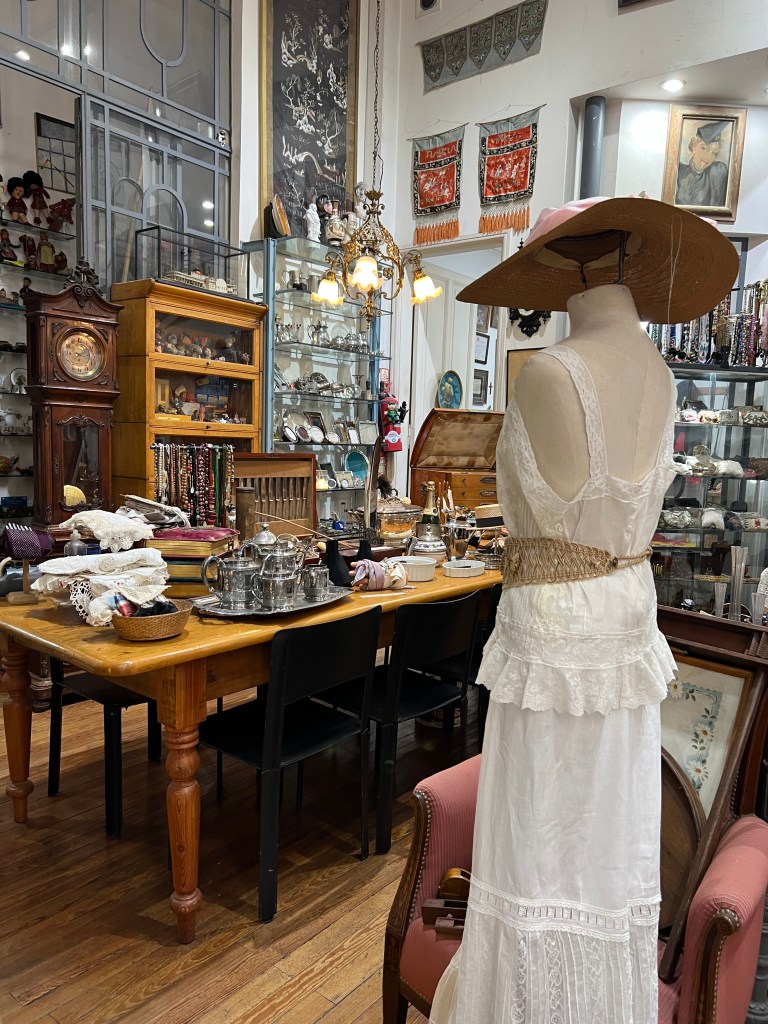
At Plaza Dorrego, don’t miss Gil Antigüedades, an impressive boutique specialising in early and mid-century vintage clothing and homewares. The space feels like an artful labyrinth packed with accessories and clothes. The upstairs houses most of the homewares, including rare china, crystal and beautiful textiles. A collector’s dream.
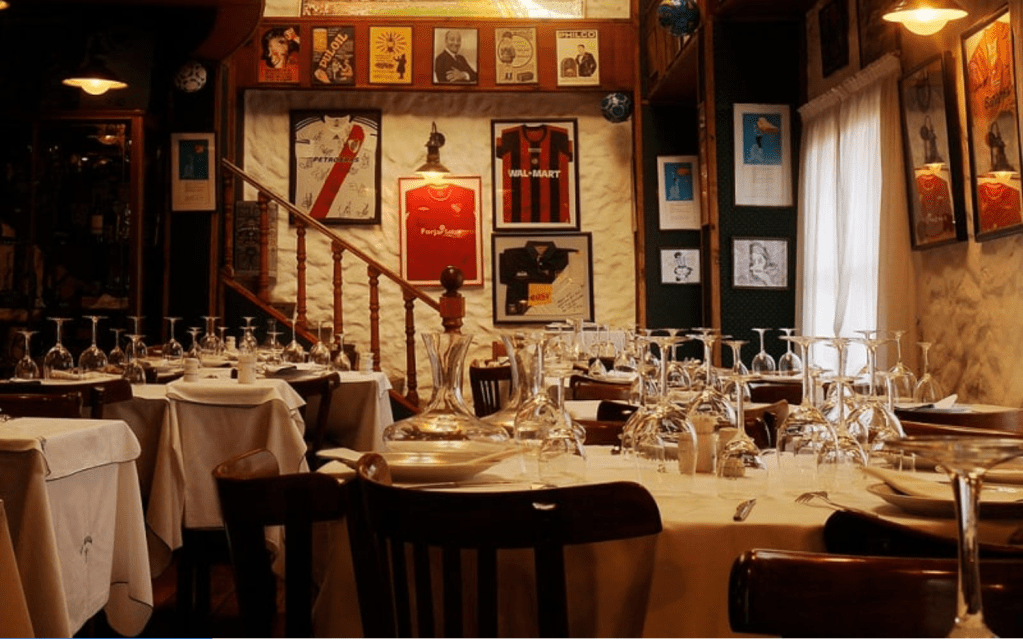
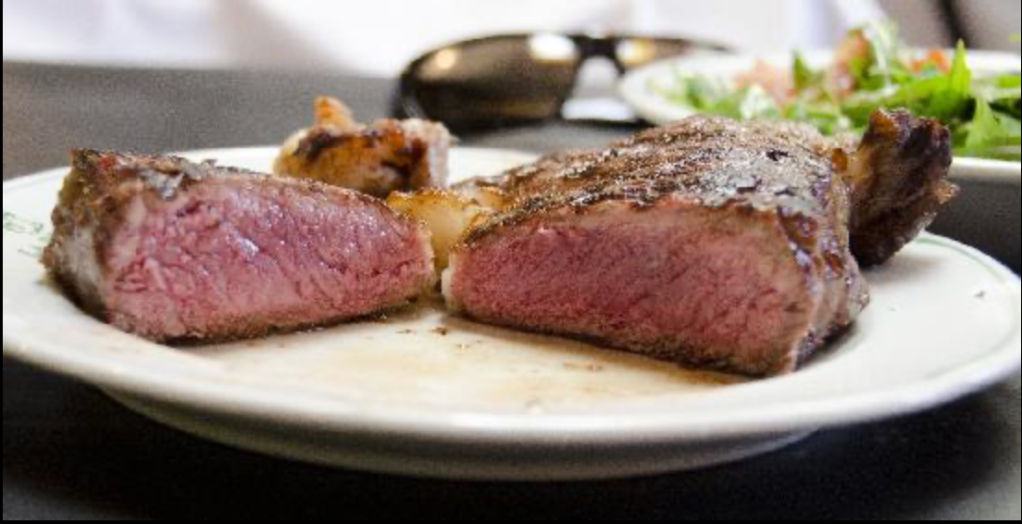
Complement your visit with lunch at Parrilla La Brigada – it is as local as it gets and the food is delicious.
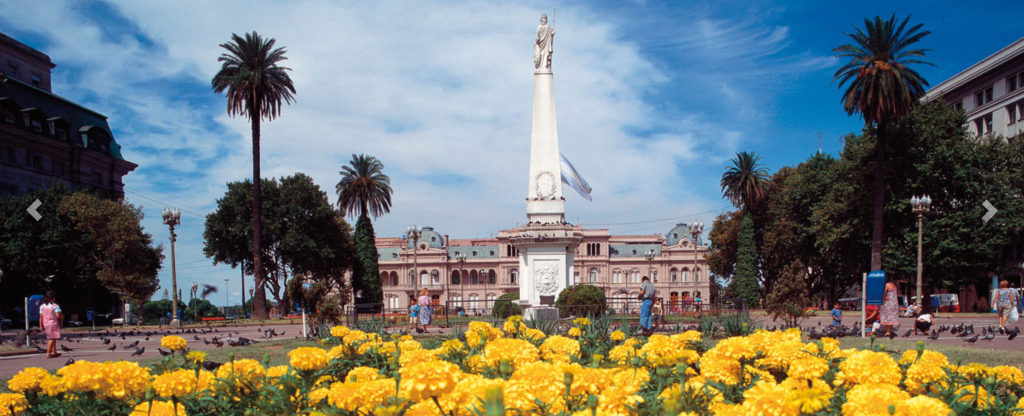
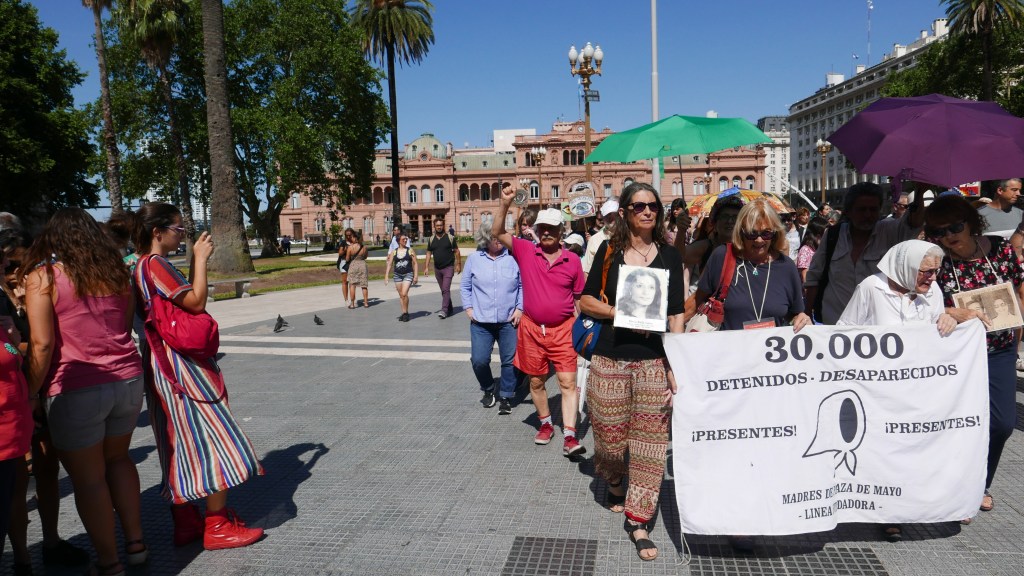
Close by San Telmo is Plaza de Mayo, the historical center of the city, where the President’s palace is and where most of the country’s big historical moments took place. There are usually political events of some nature or another on Plaza de Mayo, so make sure you take your time when you are there, to talk to the people and to find out what they are manifesting for (or against).
The Presidential Palace is painted in pink. This stems from the time, in the early part of the XIXth century, when Argentina was torn between two political directions (los federales, whose banner was red, and los unitarios, in white). In order to send the message that the central government represented everyone, the government painted the palace in pink, a colour it has kept ever since (even though in the end los federales won!).

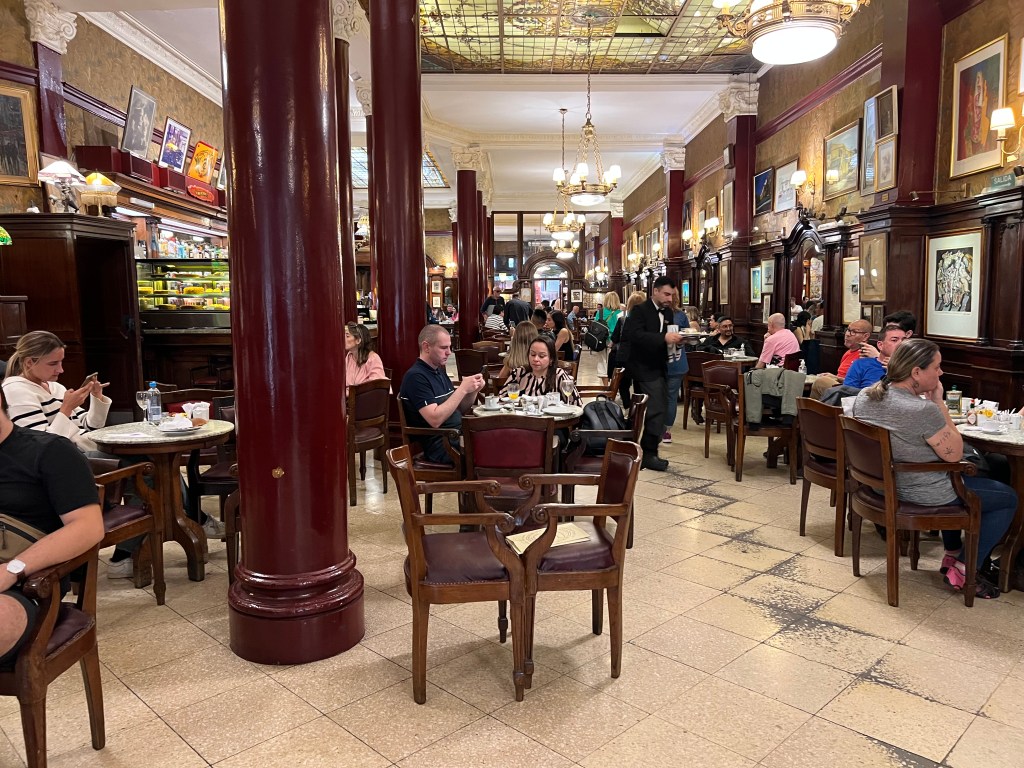
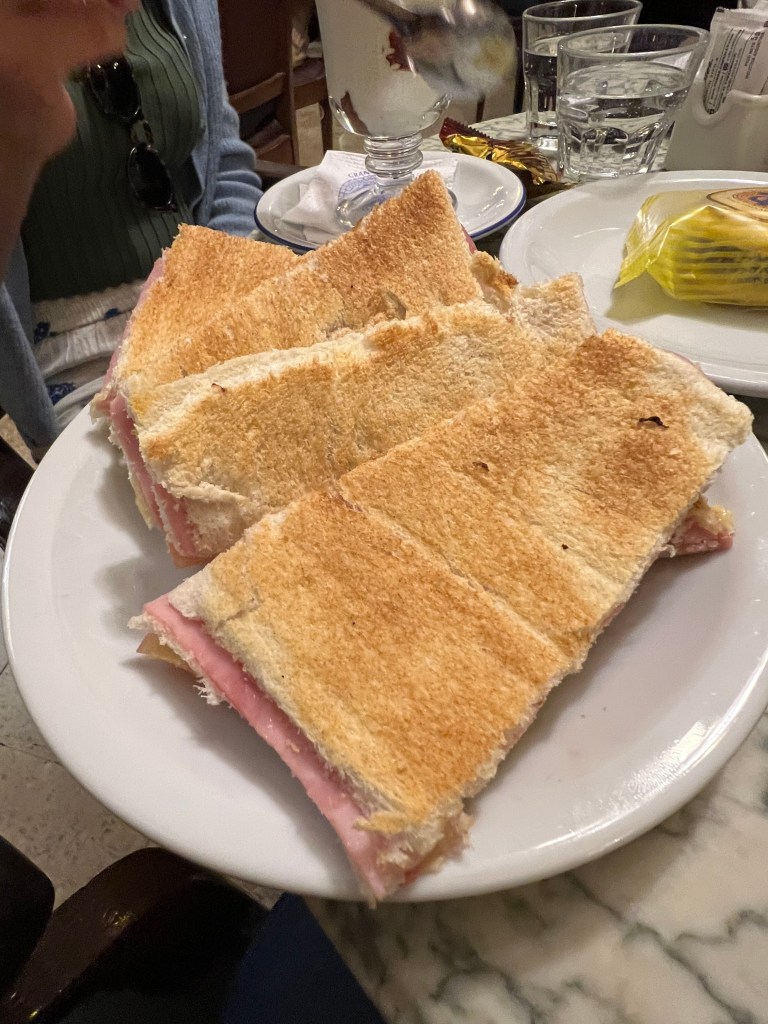
Buenos Aires is filled with cafés, some of which have kept the atmosphere of the early XXth century, when the city was a worldwide center of cultural and literary life. Café Tortoni has hardly changed since this time. You won’t regret having a tostado mixto, a submarino and alfajor there.
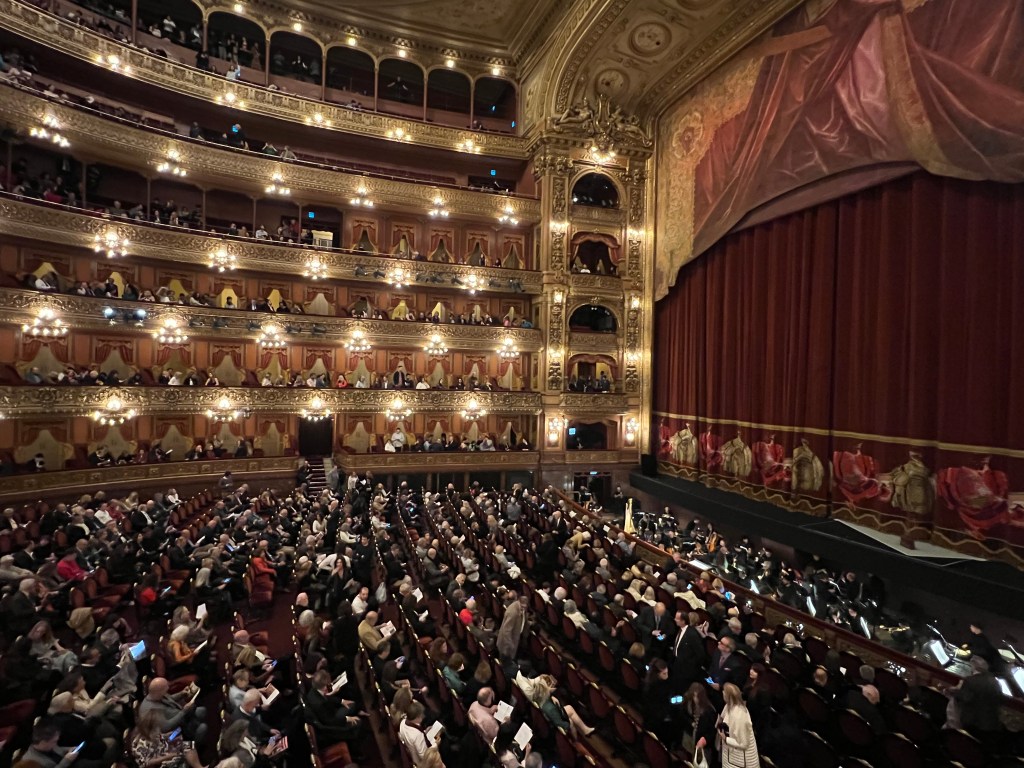
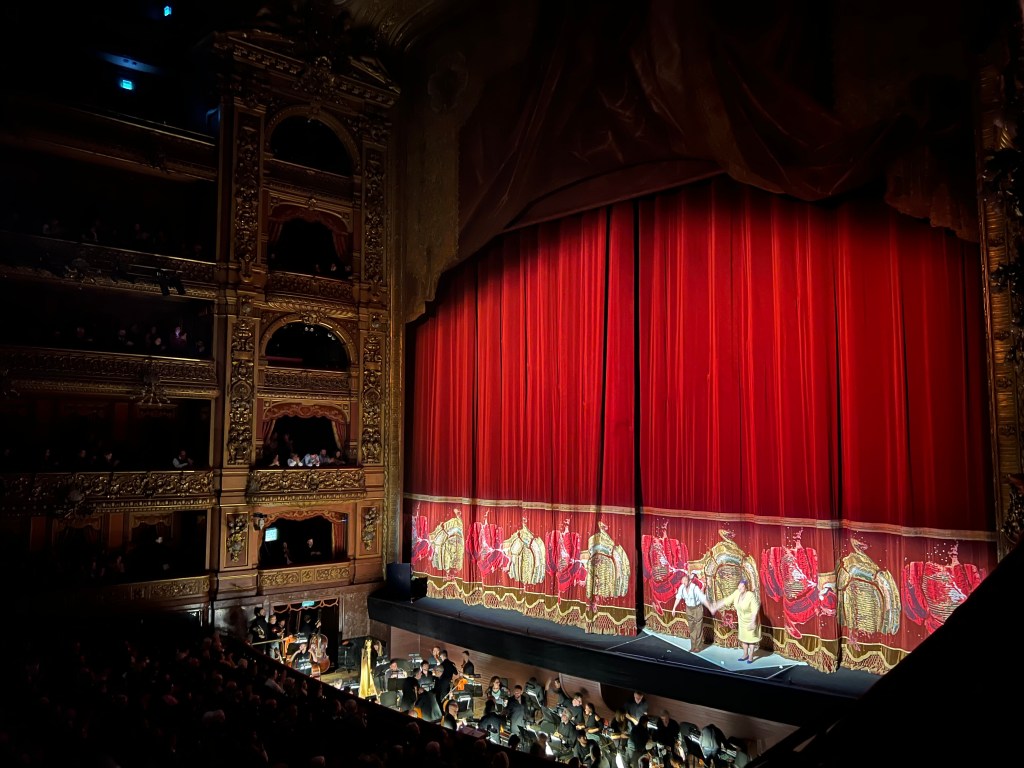
A few blocks away from the Café Tortoni, is the Teatro Colón, the city’s outstanding opera house. Built in 1908, at the height of Argentina’s golden age, when the nation had the highest per capita income in the world (and recently beautifully renovated), it was described by Pavarotti as having the best acoustic in the world. It’s worthwhile booking an event there, but if you can’t, then at least go on one of their regular tours, so you can see the impressive auditorium and the large and complex backstage.

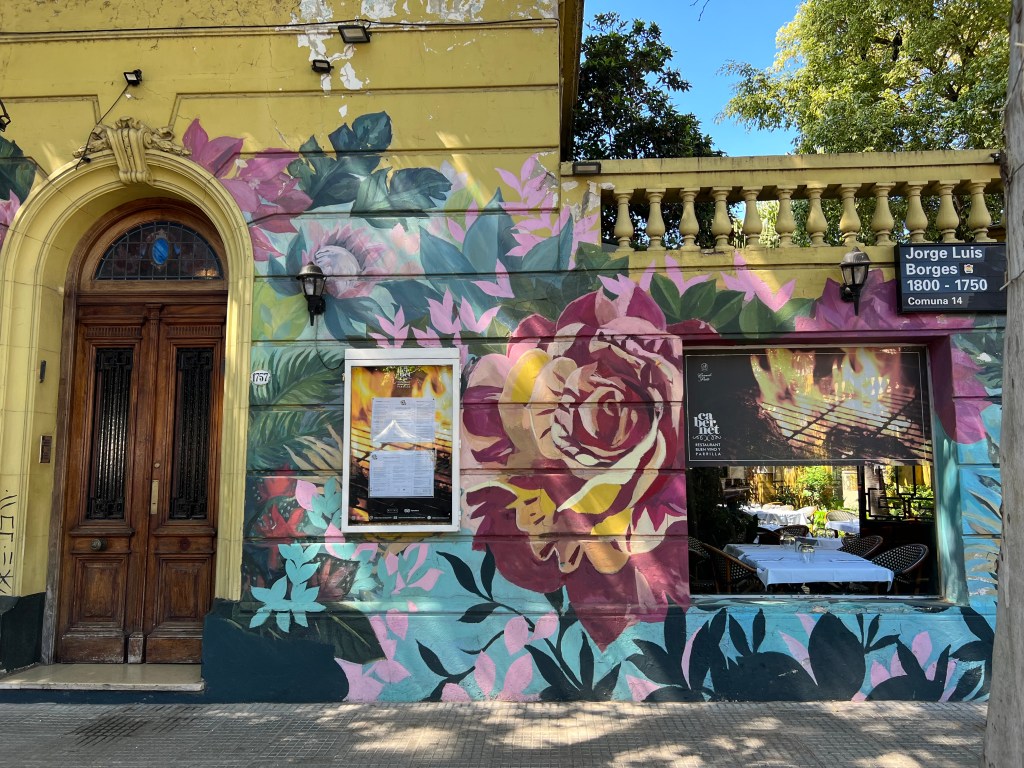
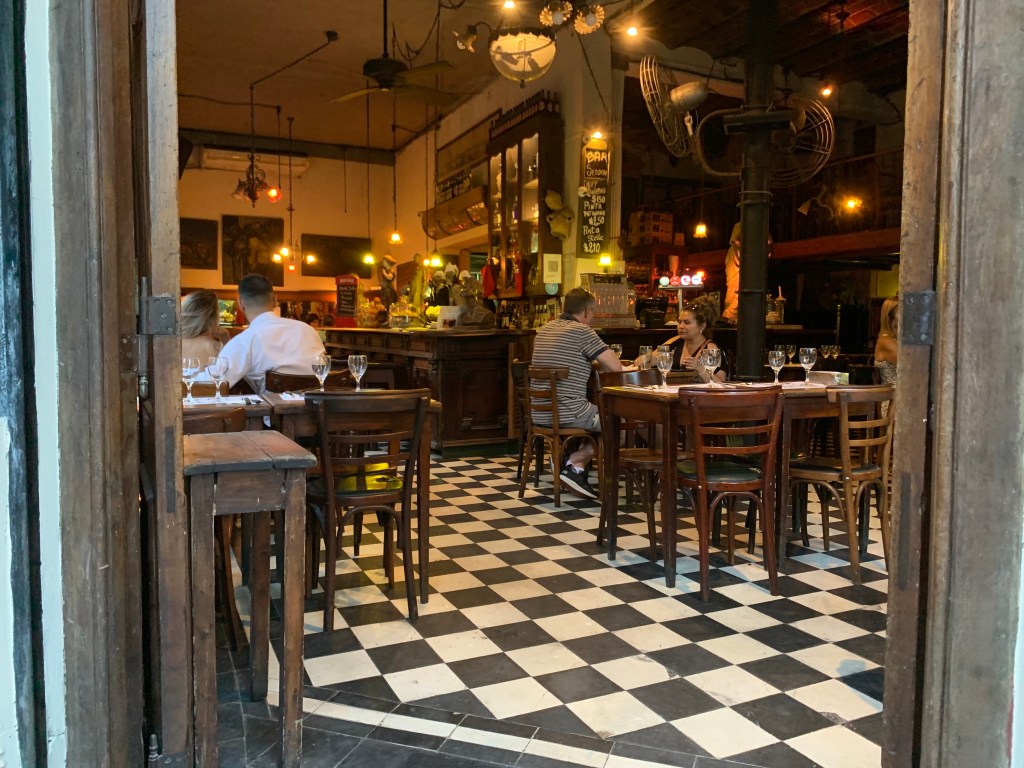
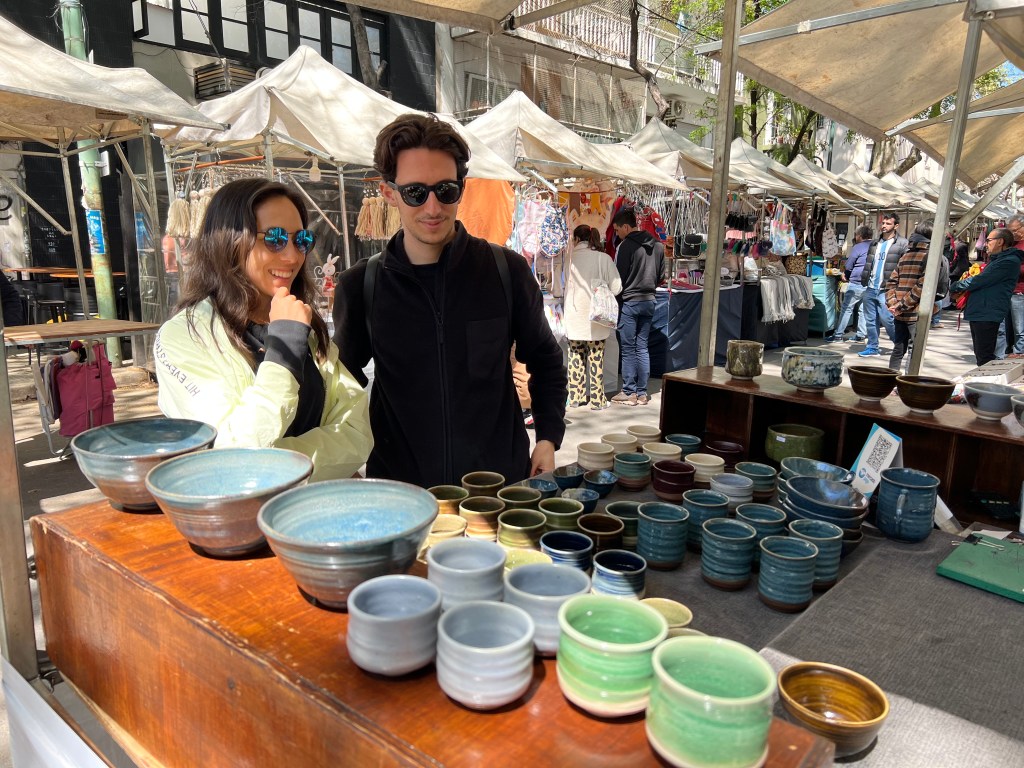
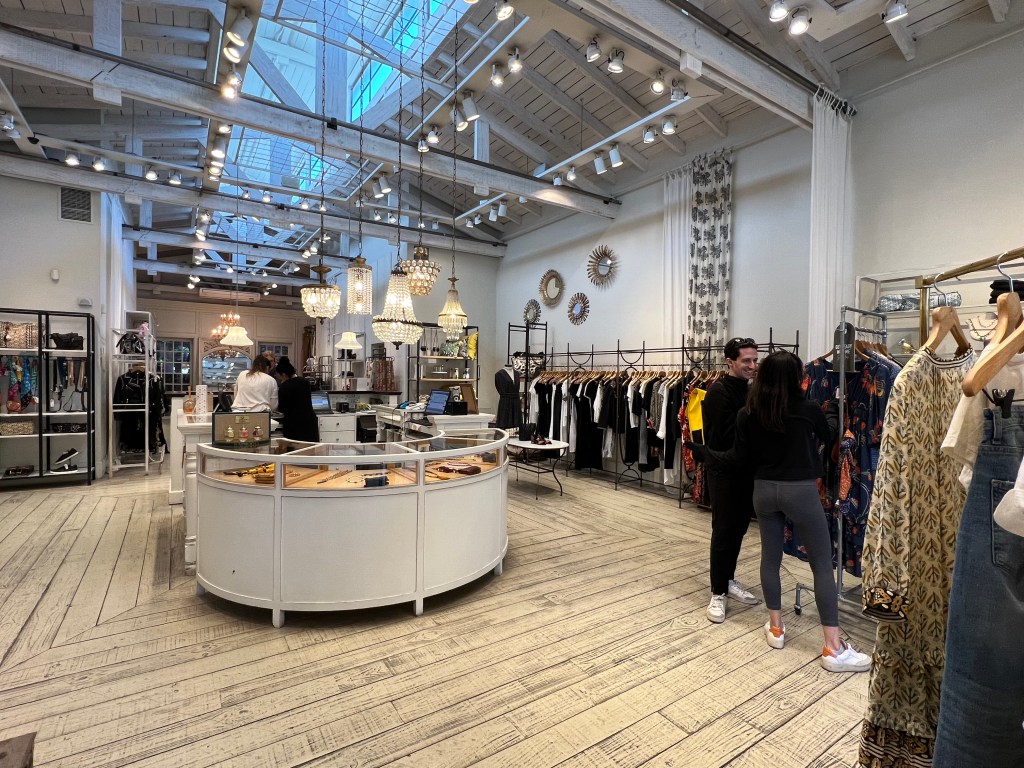
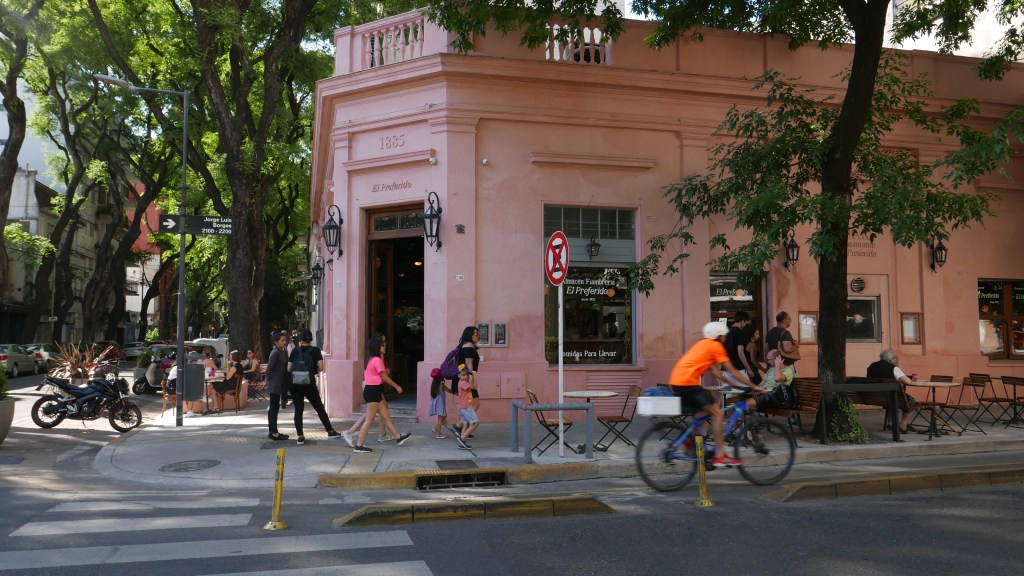
Palermo is the hip place of Buenos Aires. It’s filled with restaurants and quaint markets. It’s the place to stroll around, meet people and have memorable meals. Restaurants we enjoyed include El Preferido de Palermo, Mercado de Liniers (for its new inventive cuisine), Sacro (for its delicious vegan cuisine) and Chui (for cool space and vegetarian food).

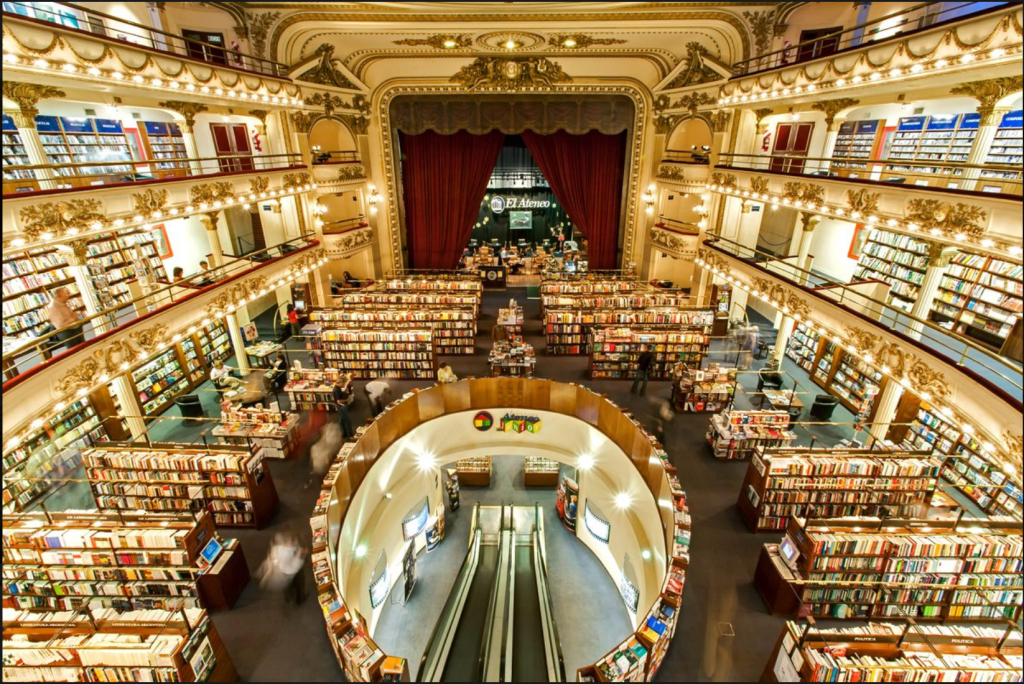
Argentinians love to read. Whereas in most of the world bookstores are in decline, in Buenos Aires they are everywhere, and usually filled with people. Don’t miss El Ateneo, a massive bookstore located in what was once a fashionable theatre.
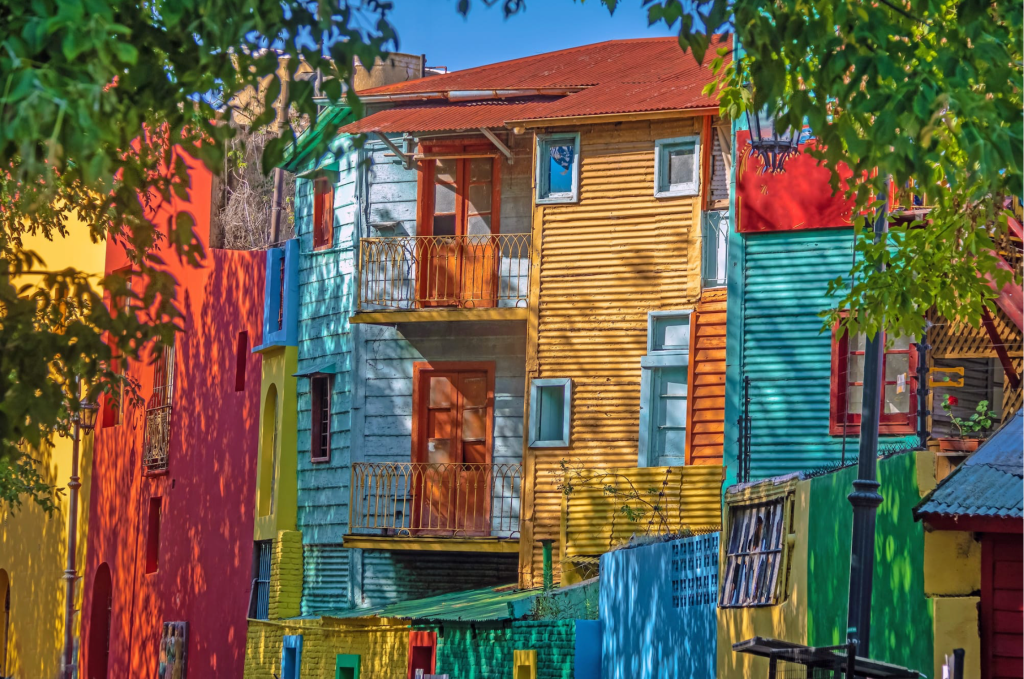
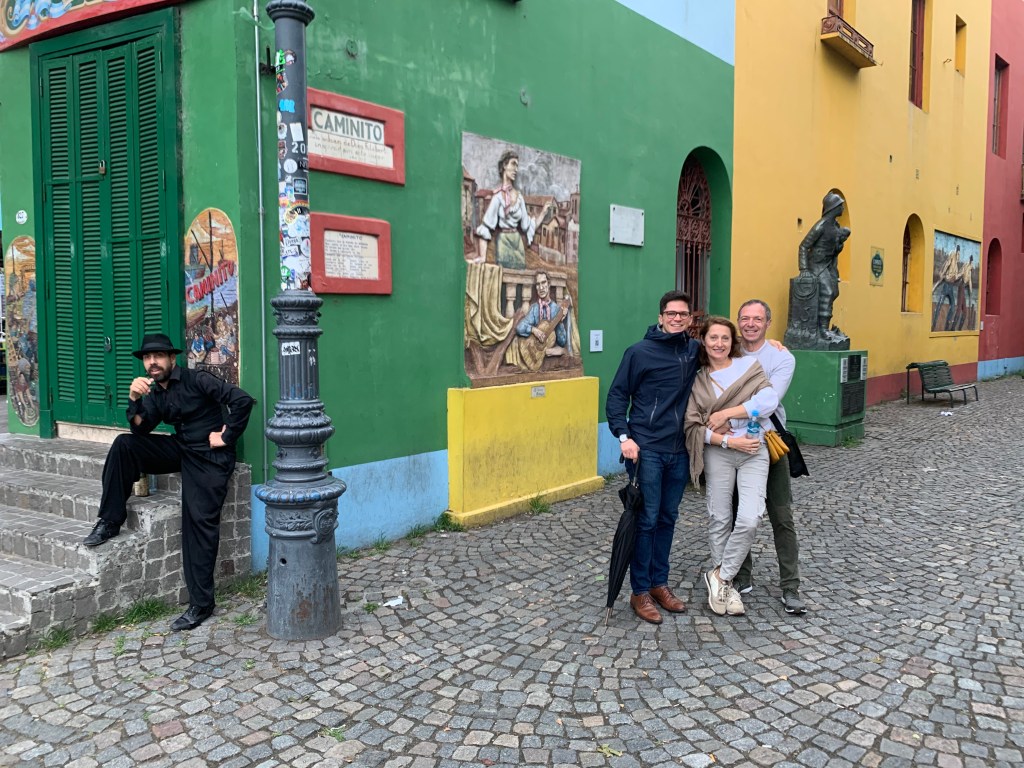
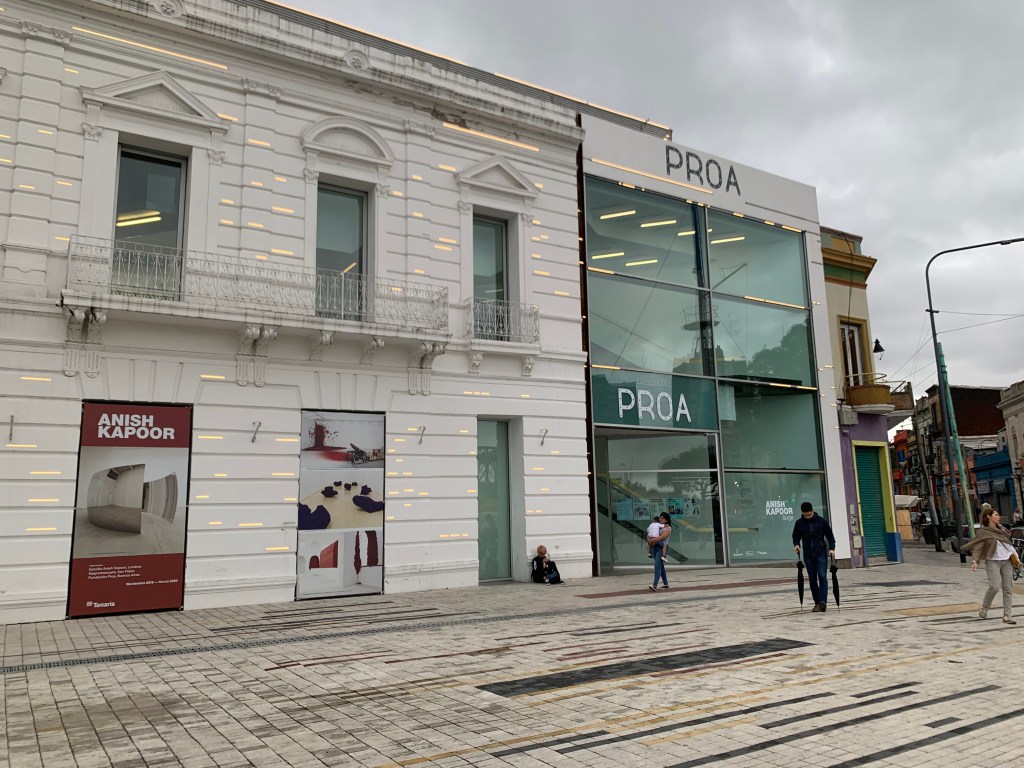
La Boca is the part of town where most of the immigrants arrived in the late XIXth and early XXth centuries. It has retained all of its charm and is well worth a visit. It’s also the home of Boca Juniors, one of Argentina’s iconic football teams. If they are playing, make sure to attend, it’ll be an unforgettable experience. Also, don’t miss the exhibits at Proa Gallery, they are often excellent!

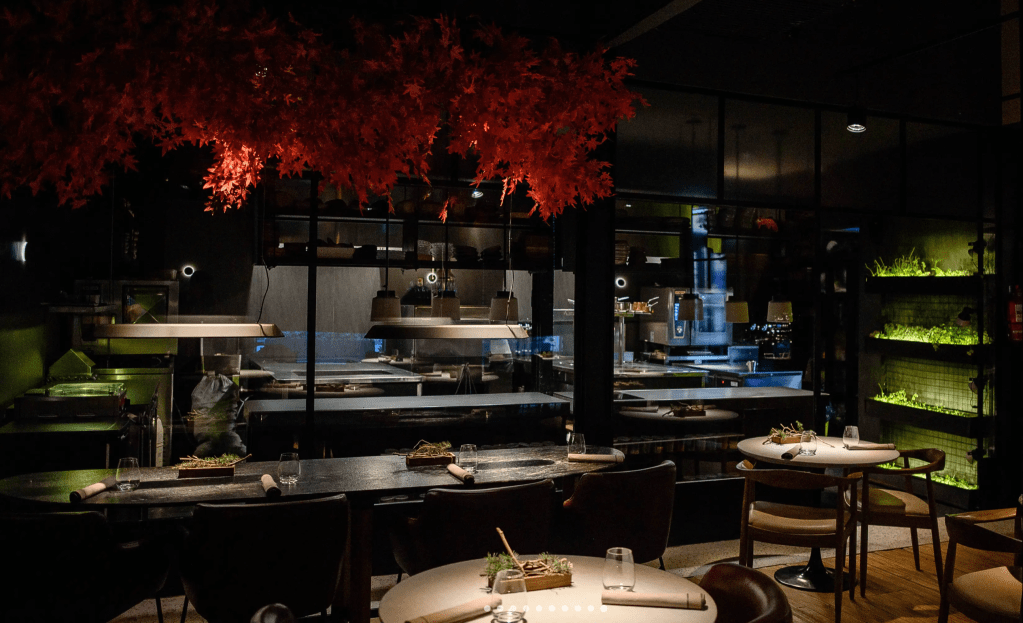
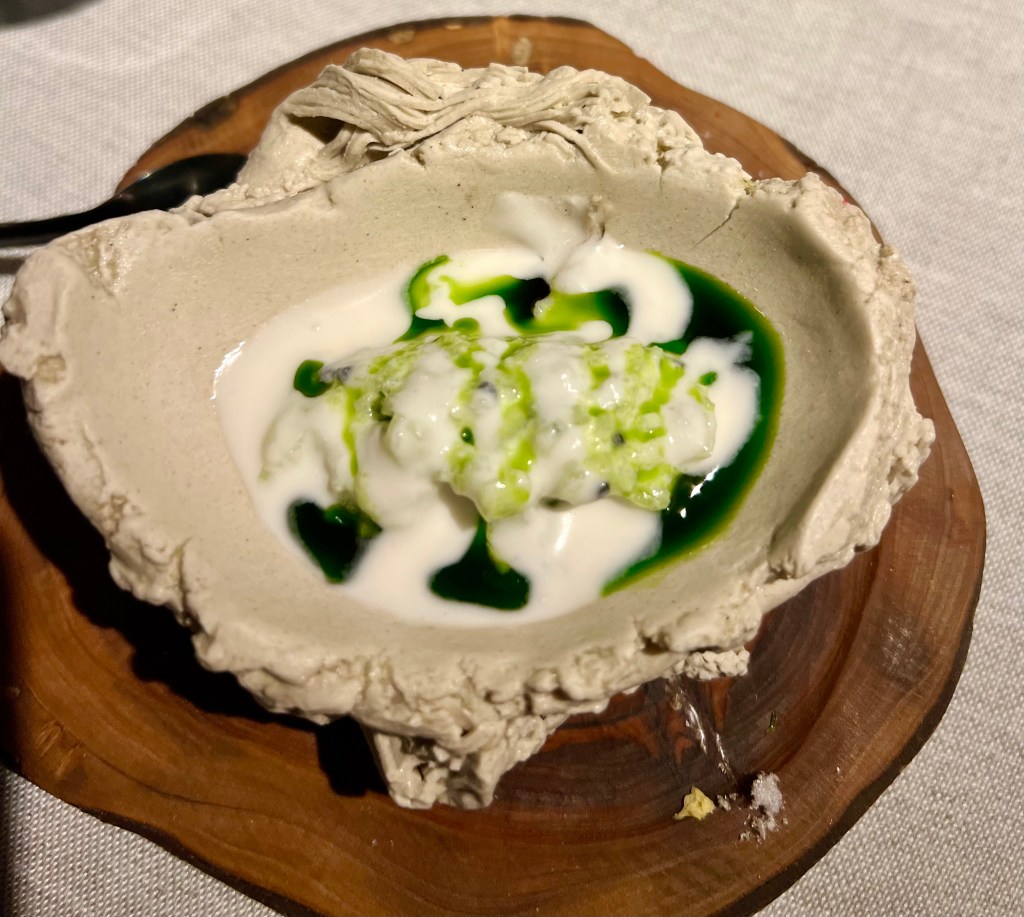
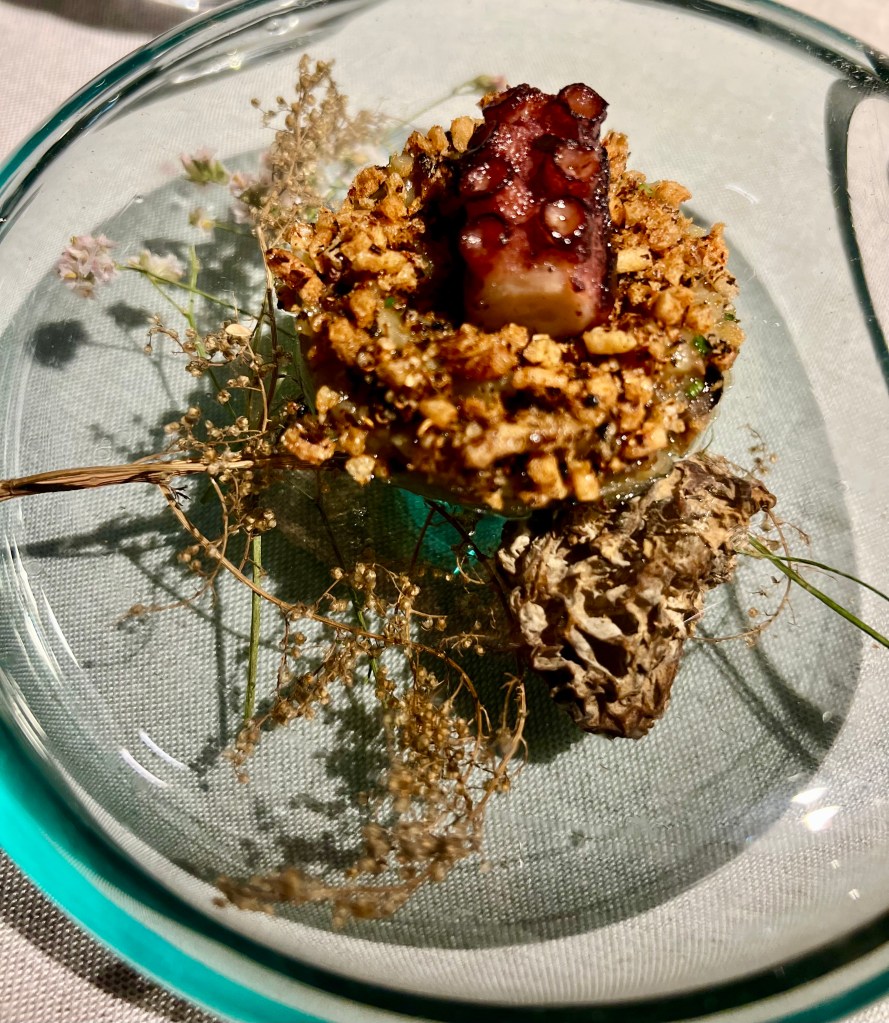
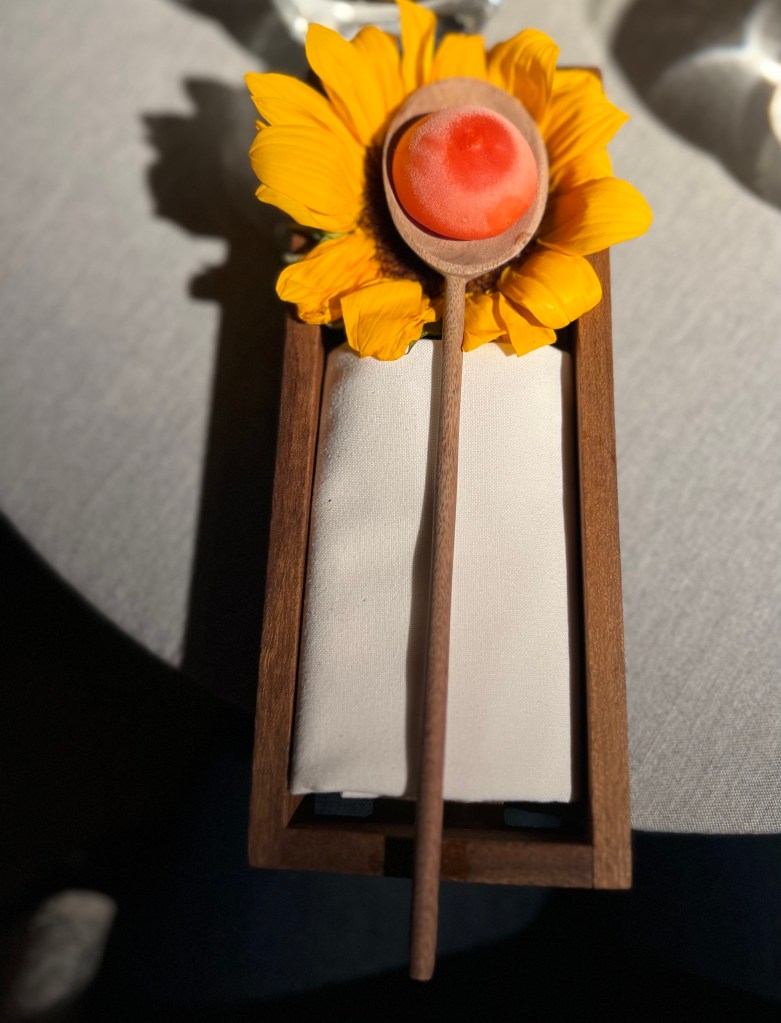
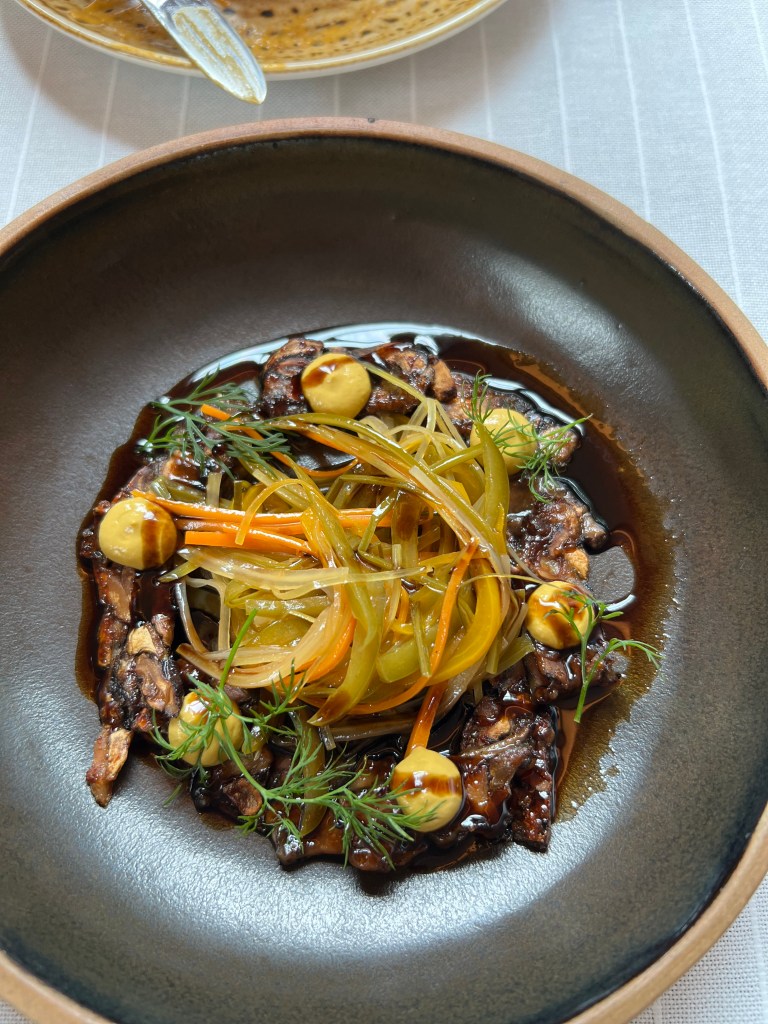
In addition to the restaurants in Palermo indicated above, Buenos Aires offers outstanding food for every taste. We really enjoyed Roux (traditional, but with a modern twist and excellent wines), Casa Cavia (ideal for lunch, great terrace), Farinelli (great for a light lunch), Lima (Asian fusion), Elena (at the Four Seasons Hotel, ideal for Sunday brunch), and Gioia (exquisitely inventive vegan cuisine, at the Palacio Duhau). In a category of its own is Aramburu, where we had one of the best meals we’ve ever had in any city in the world.

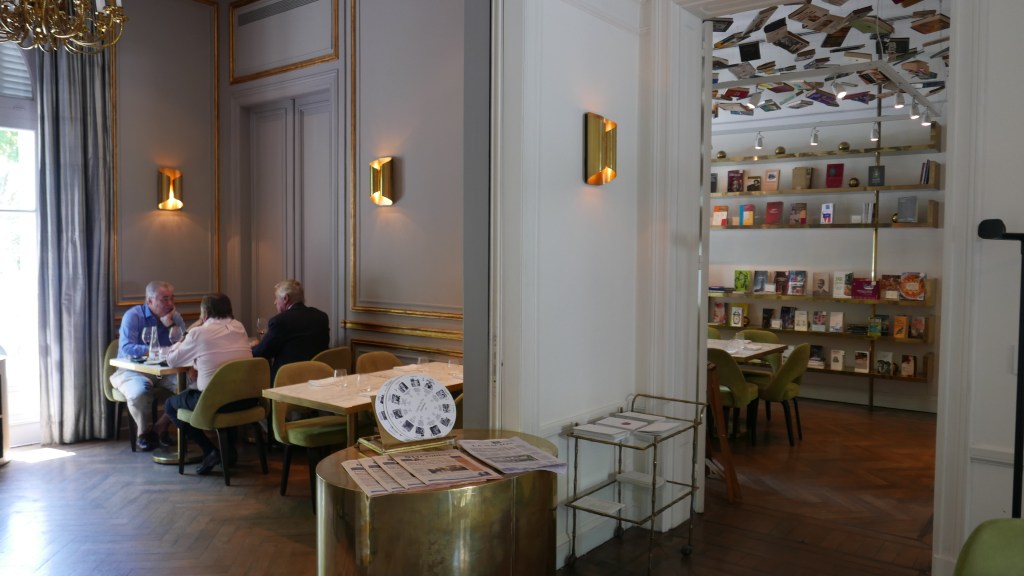
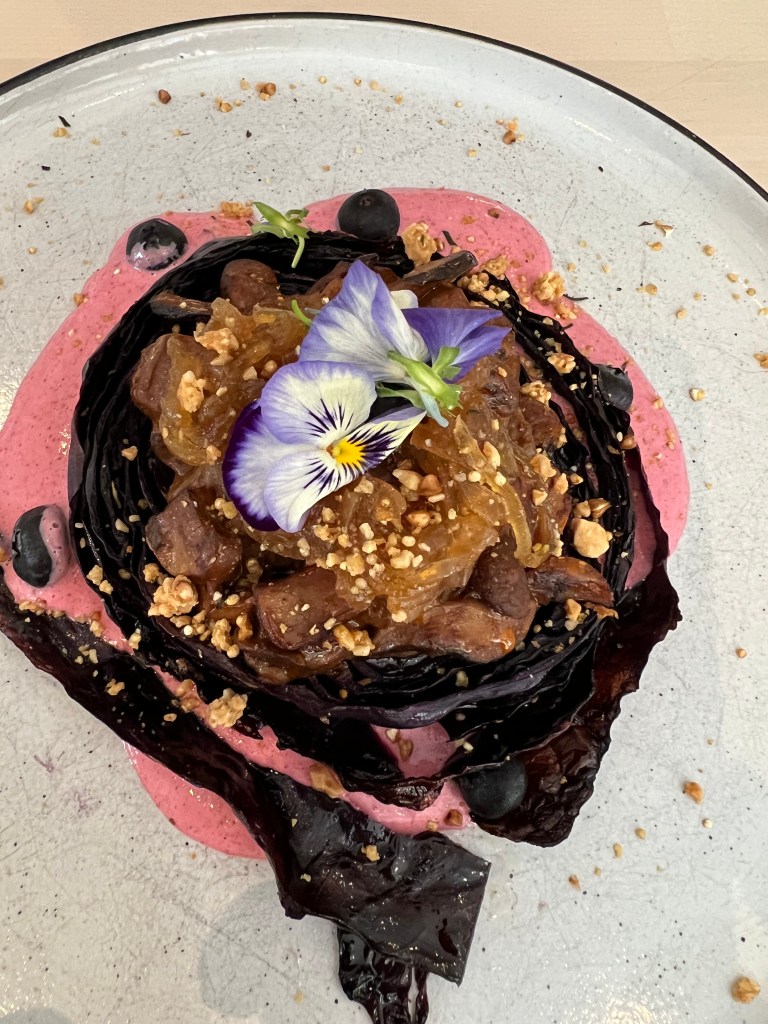
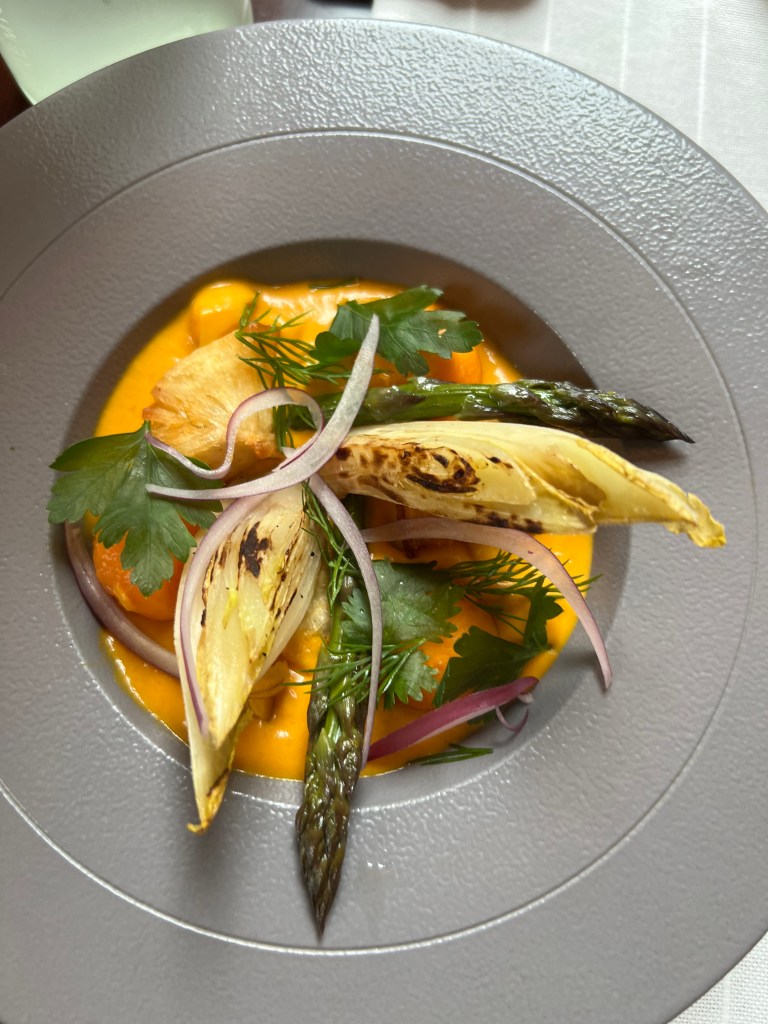
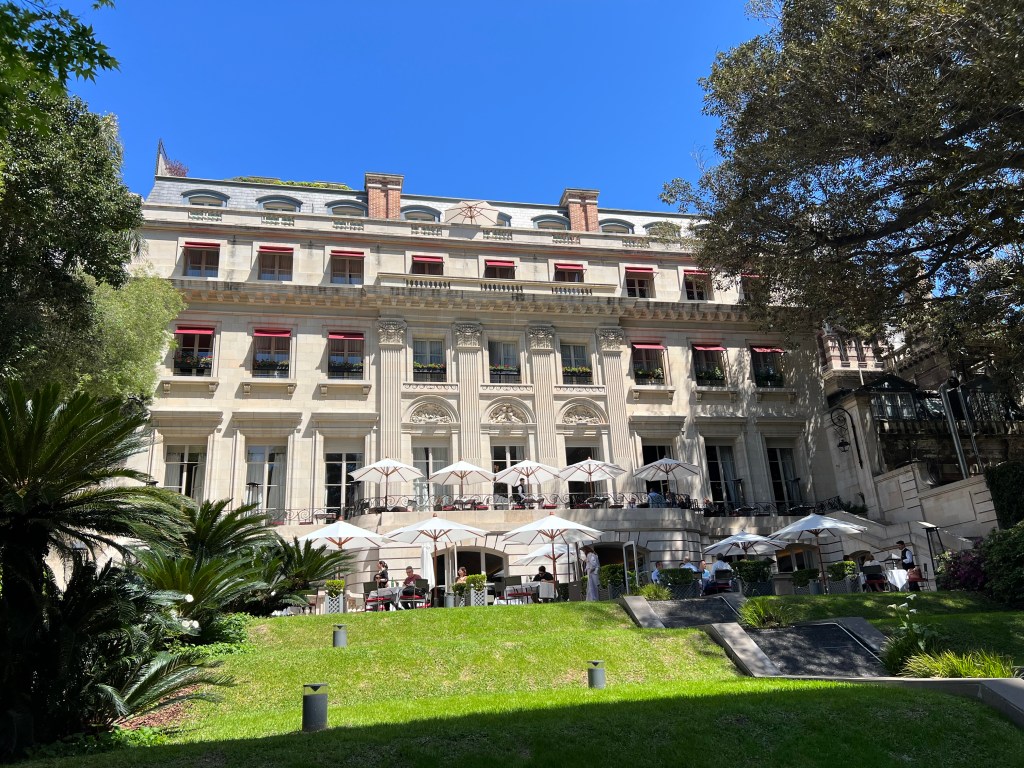
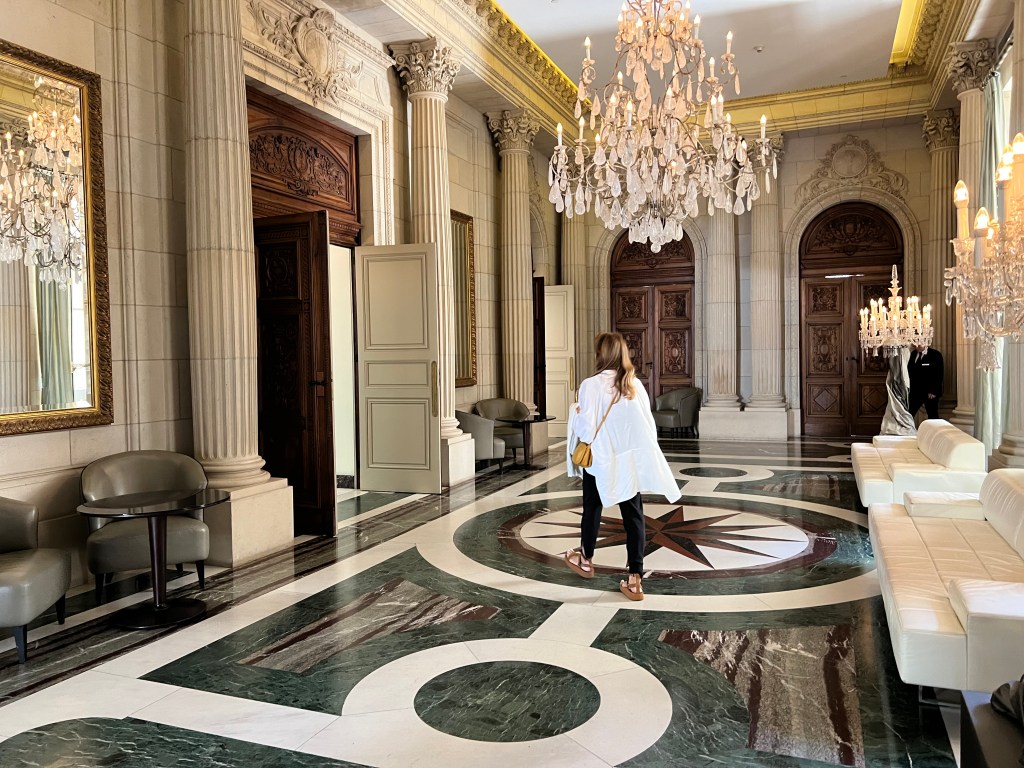
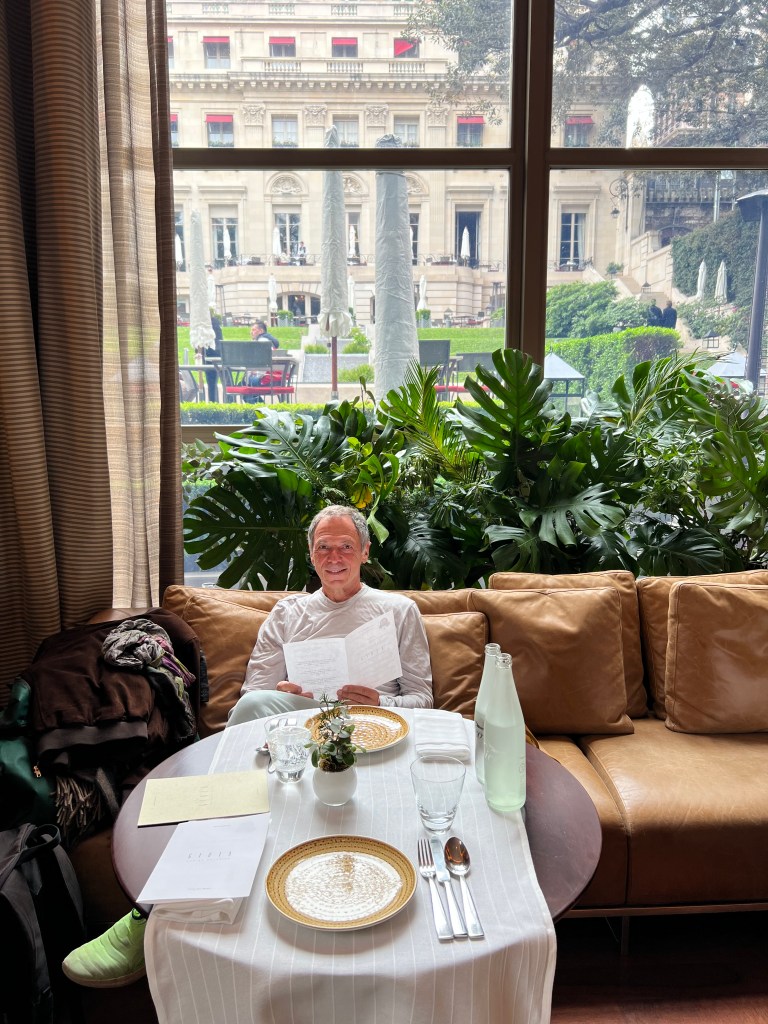
There is one hotel we would recommend in Buenos Aires, the Palacio Duhau. Located in the middle of the city, built by a wealthy family of landowners, it was only recently transformed into a hotel and it’s absolutely beautiful. One of its restaurants (Gioia, vegan, mentioned above) is truly exceptional. If you go, make sure that you have enough time to spend in its magnificent gardens.

Salta Province
The northwest of Argentina offers majestic scenery and a rich heritage of indigenous cultures. When the Spanish arrived in the XVIth century, it was in this part of what is now Argentina where most of the indigenous populations were located, not the area of Buenos Aires, where there was practically no one (the population of Buenos Aires now represents about a third of Argentina).
We spent two weeks discovering various regions of Salta Province and its wonderful people. Our travels took us along mostly dust and gravel roads, where we were not able to drive faster than at 40 km/hour. We loved the slow tempo and the larger than life scenery.
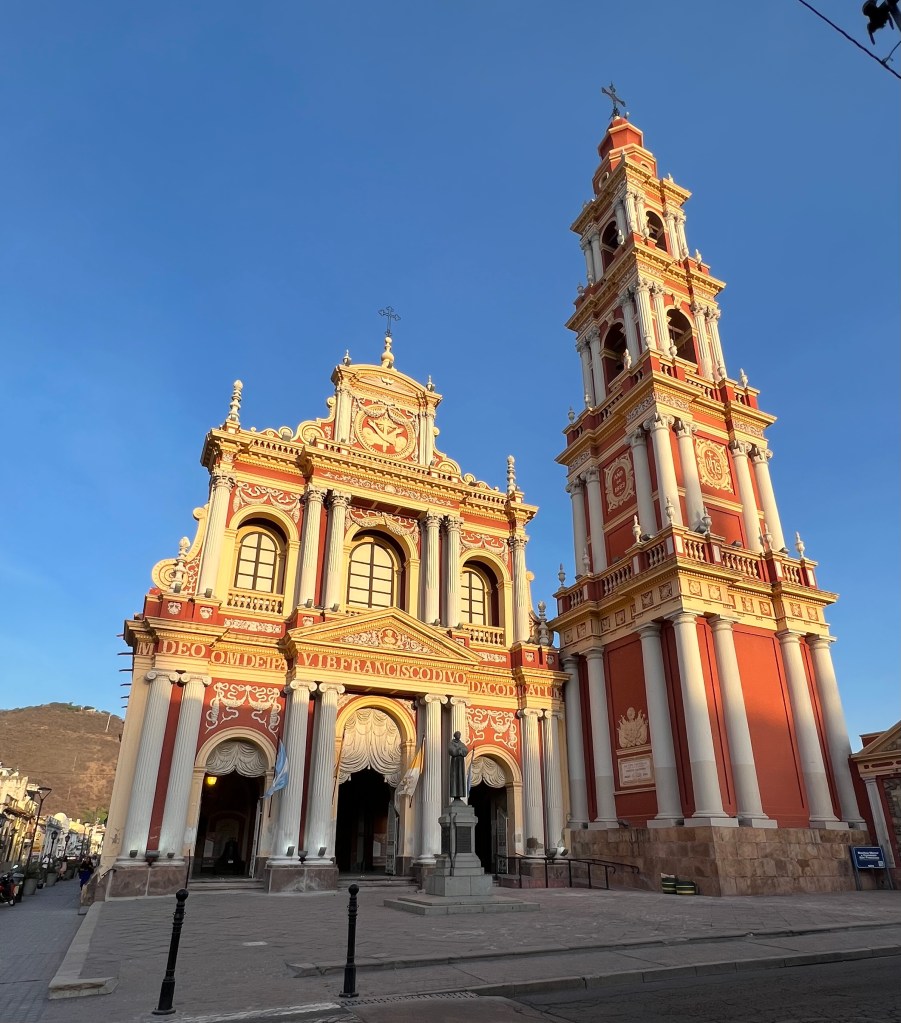
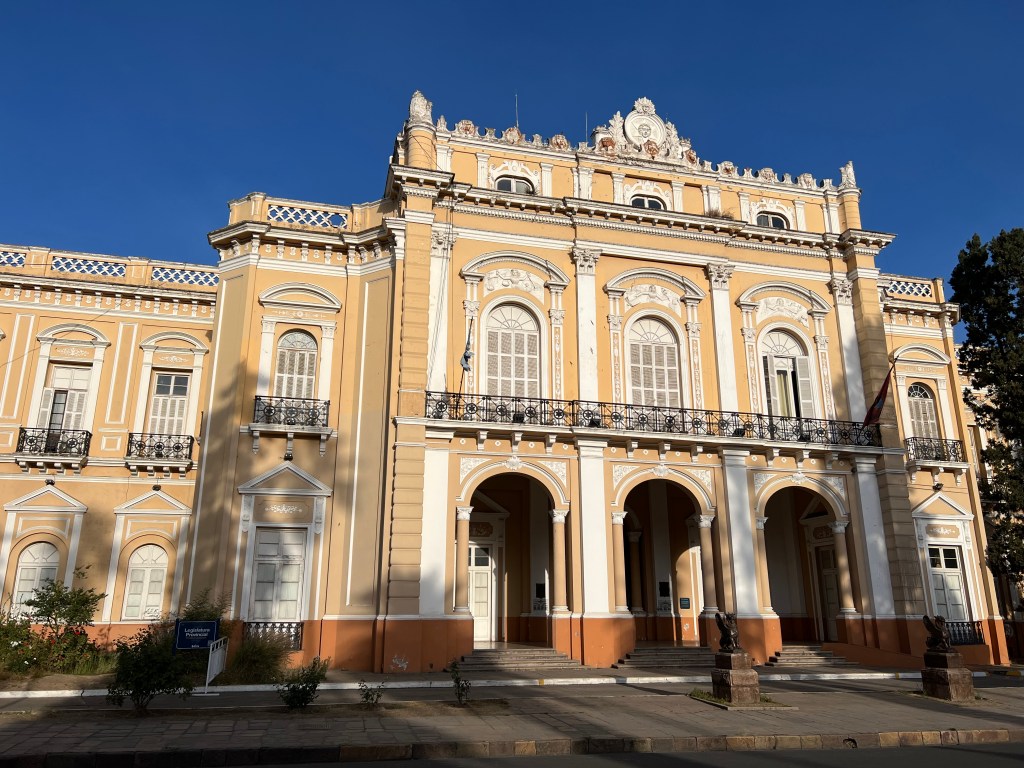
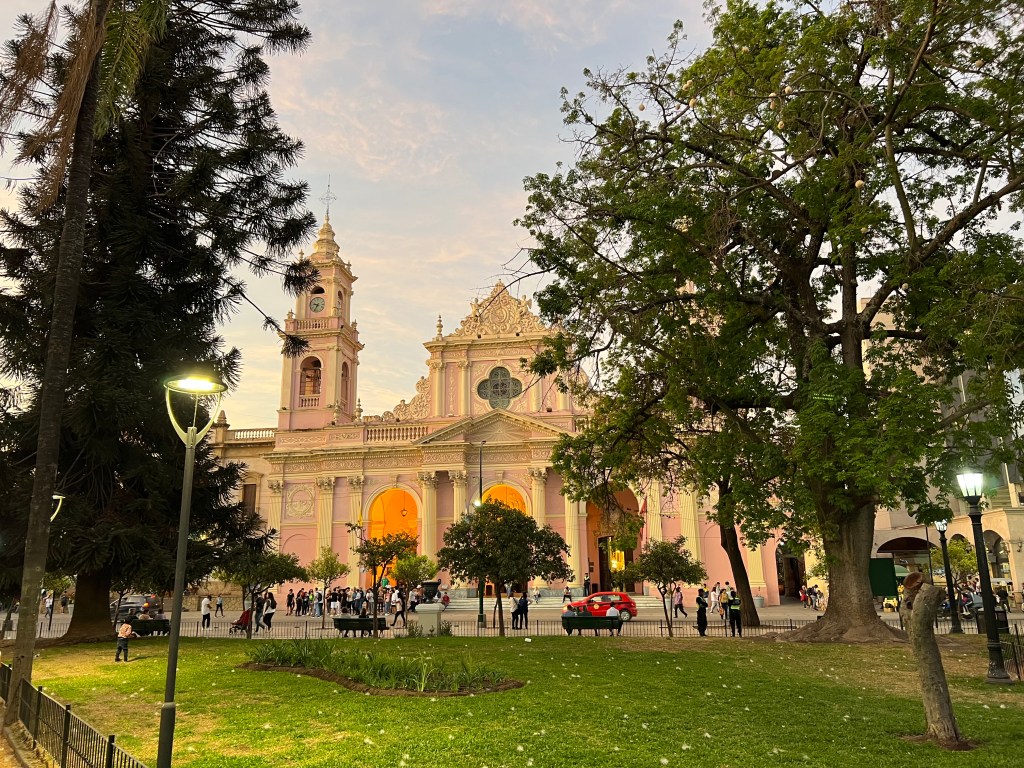
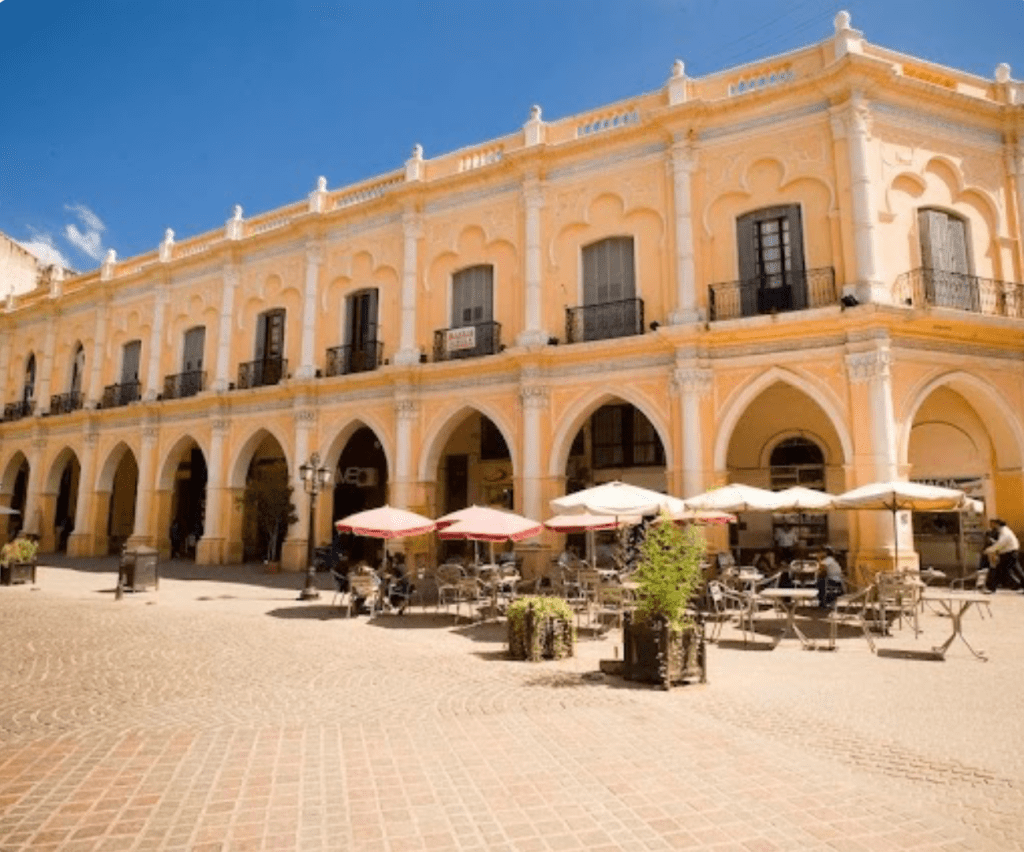
Salta city, the capital of the province, is a sleepy town, but not without charm. It carries the heavy imprint of the Spanish conquest, evident in its buildings, but the native heritage is nevertheless present at every street corner.


One place not to miss in Salta city is the Museum of High Altitude Archeology. It includes four incredibly well preserved mummified bodies of three children and an adult from the Inca period, found in 2004, on Mount Llullaillaco at over 6’700m, at what is the world’s highest archeological site. The bodies were found intact, together with all related funeral accessories, more than 500 years after their burial.
Nature has always been sacred for American pre Hispanic cultures, particularly the mountains, which were believed to be gods who protected the communities close to them.
The Inca state considered this ancient cult to be of great importance, so they built structures for sacred rituals on the summit of high mountains. One of the most important ritual of the Inca cult was the “Capacocha” (translated as royal obligations). This ceremony could be held anytime to worship the gods or at special occasions such as the death of an Inca ruler.
One or more children, sometimes siblings were sent to Cuzco, the capital of the Inca imperium, from the four regions that the Empire comprised. The children were mainly chosen for their exceptional beauty and physical perfection. Generally, the aim of these rites was to seal alliances between different families and communities and the gods. The priests and the Inca ruler celebrated symbolic marriages among the appointed children. After the ritual marriage celebration, the children, priests and escorts would go back to their regions of origin. The pilgrimage could last weeks or months, depending on the distance. When they arrived, pilgrims were welcomed and acclaimed with great joy.
To conclude the ceremony, the procession then walked towards the site of the offering where the children were dressed with their best costumes and were given “chicha”, a maize alcoholic drink. Once asleep, they were buried along with all the ritual objects specially prepared for the occasion. According to Inca beliefs, the sacrificed children did not die but were reunited with their ancestors, who would watch over their towns from the top of the highest mountains. The lives offered to the gods were believed to bring health and prosperity as a reward.

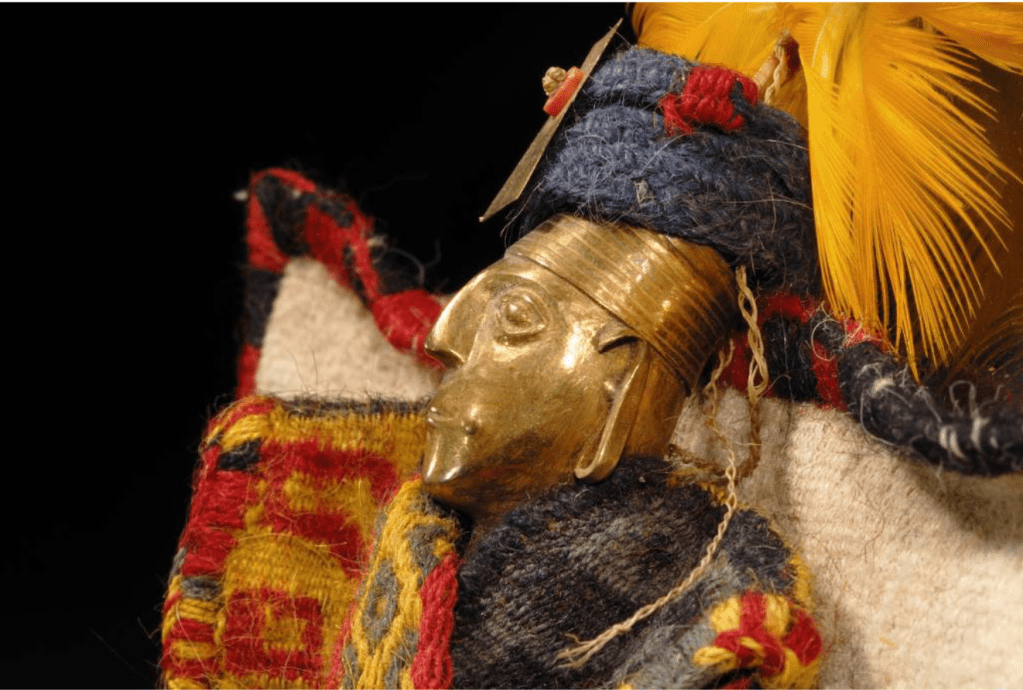
Through artificial irrigation and agricultural terraces, the Incas were able to transform barely productive areas into fertile, rich lands. The excess food production enabled them to have the necessary labor force at their disposal in order to build roads leading to places of difficult access, such as mountains above 6000 m.
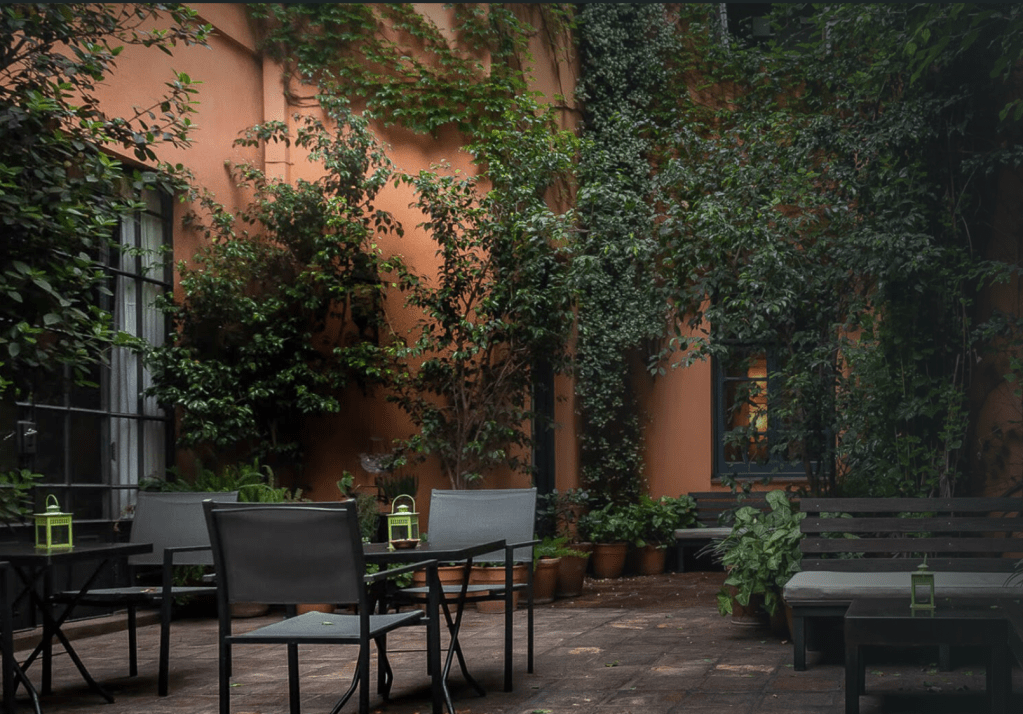
In Salta we stayed at the Hotel Legado Mítico, which is well located and has generous rooms, as well as a very friendly staff. We can definitely recommend it.

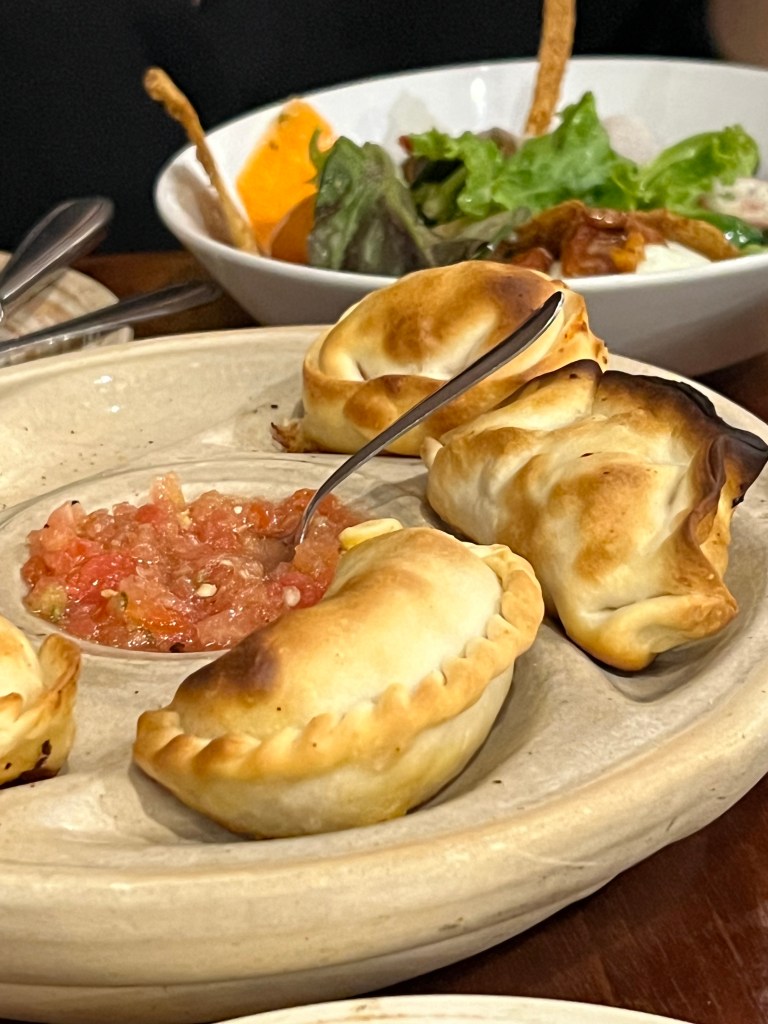
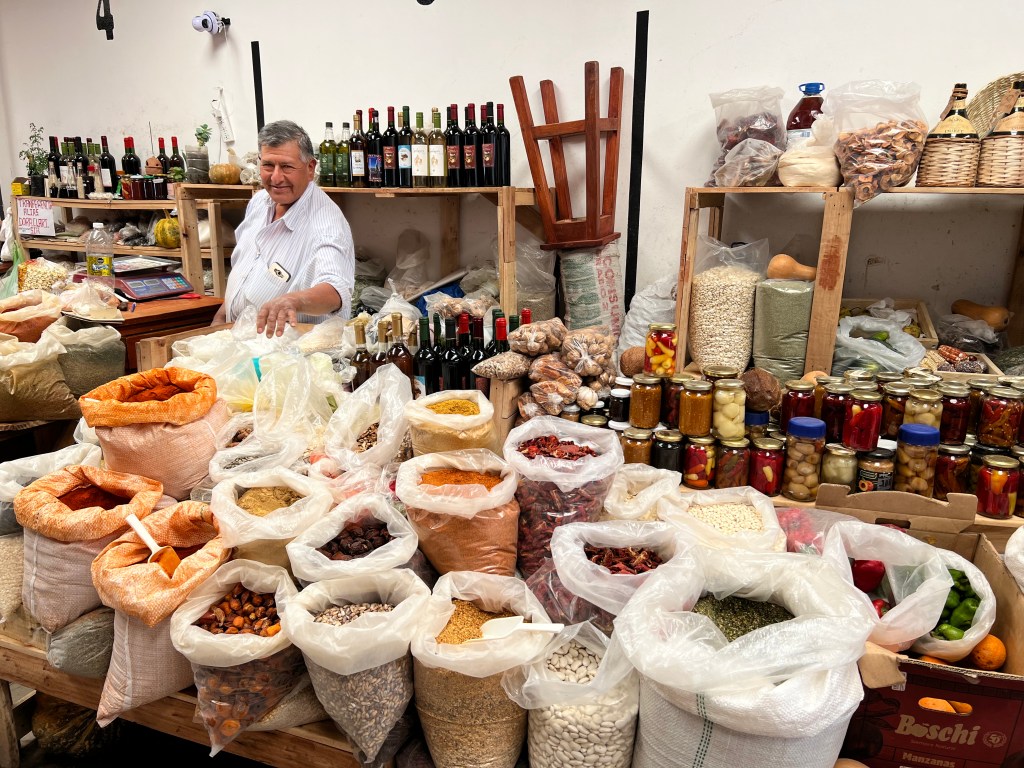
It’s impossible to travel through Salta province without eating empanadas, which come in an innumerable number of fillings and many different sizes. We ate empanadas at every stop and during most meals, but the very best we had the first evening in the city of Salta, at Restaurant José Balcarce. We liked them so much, that we returned the next day to have them again!
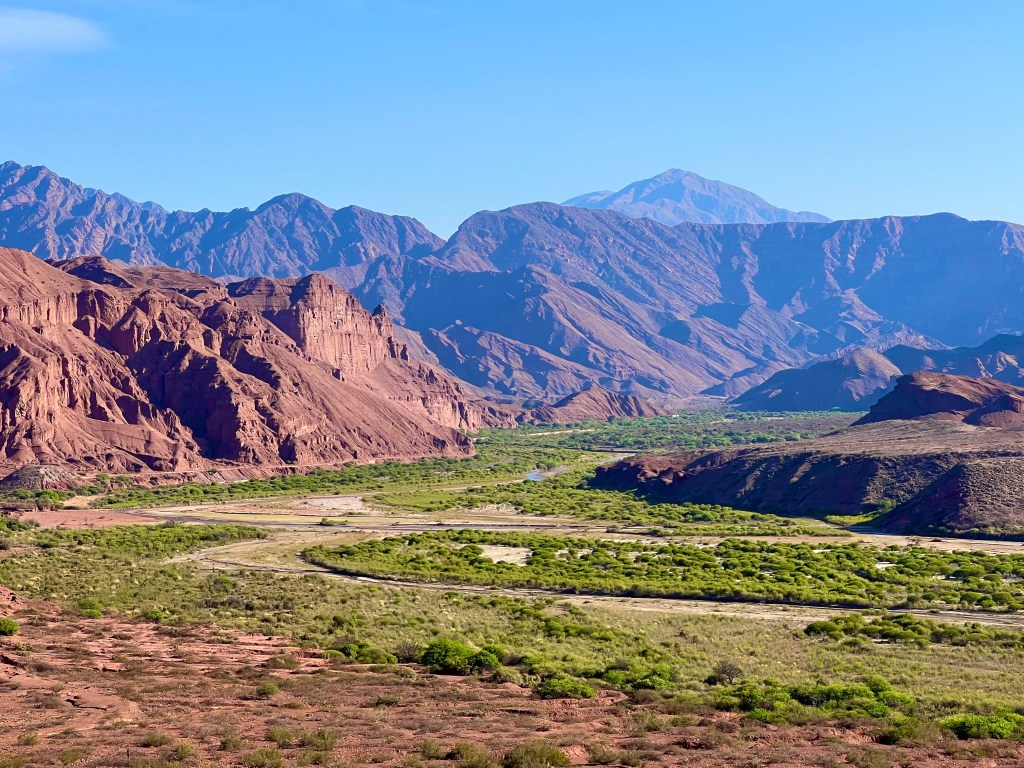
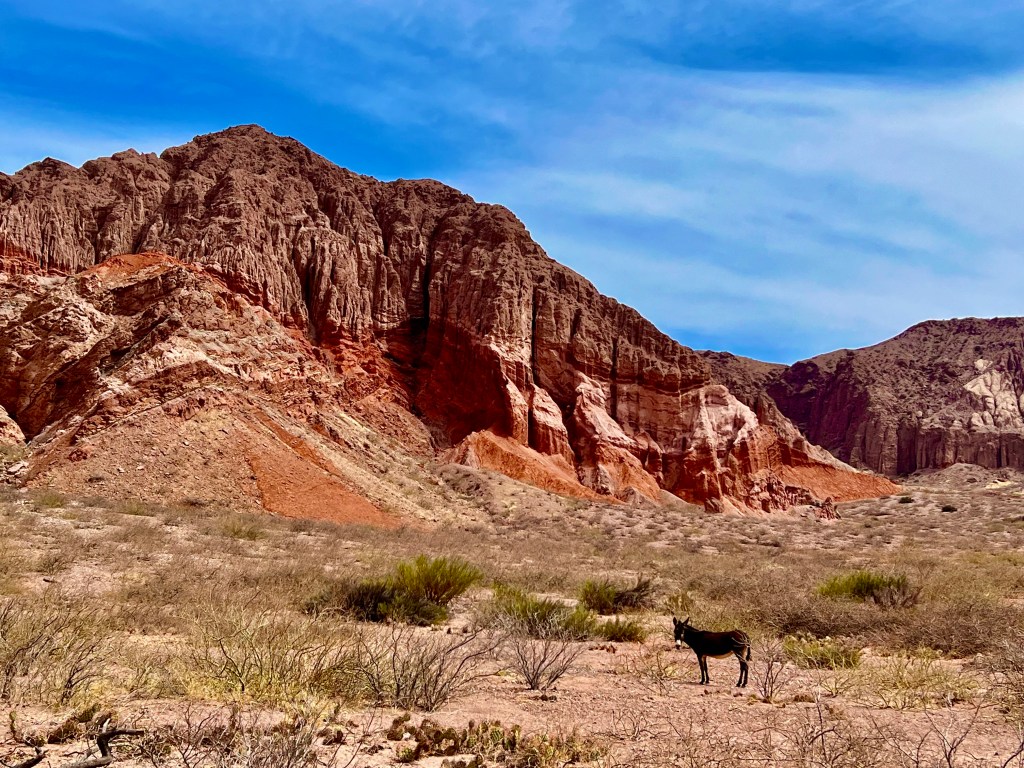
It took us more than 4 hours to travel from Salta city to Cafayate, but the trip was unforgettable. The road, initially in a large valley, then begins to wind and turn, revealing a landscape of incredible contrasts, featuring mountains sculpted by over 100 million years of rainfalls and winds.
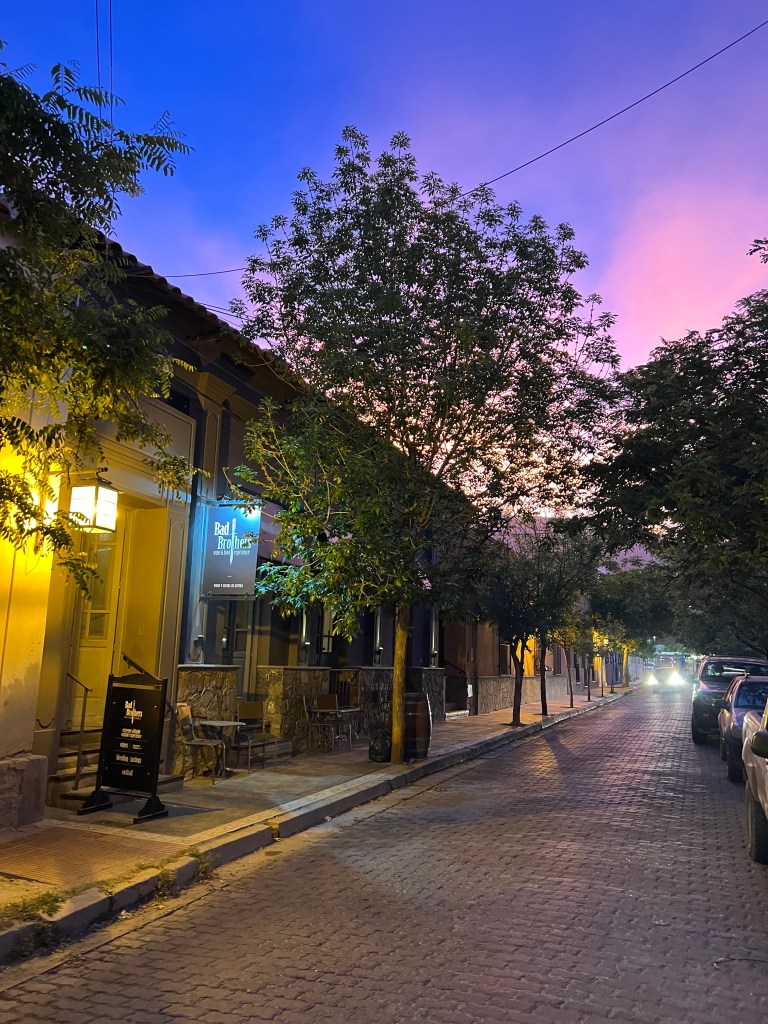
Cafayate itself is a sleepy town with not much to offer, but it does have a very good restaurant, Bad Brothers, with a charming interior and an inventive cuisine, where we had most of our meals.
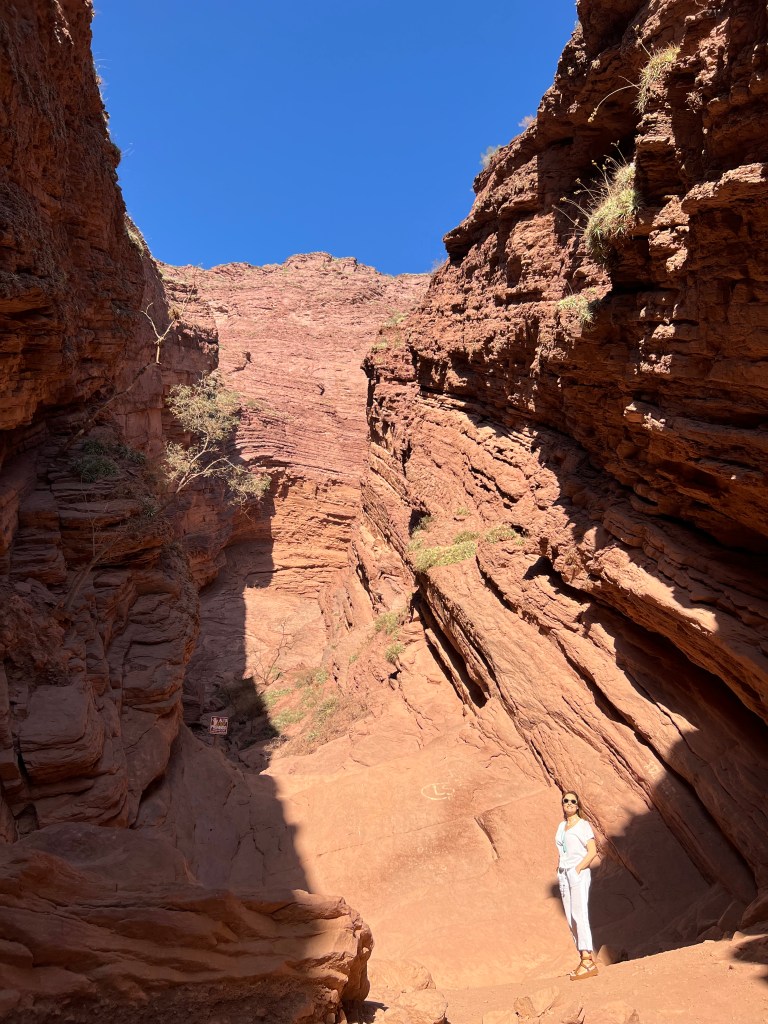
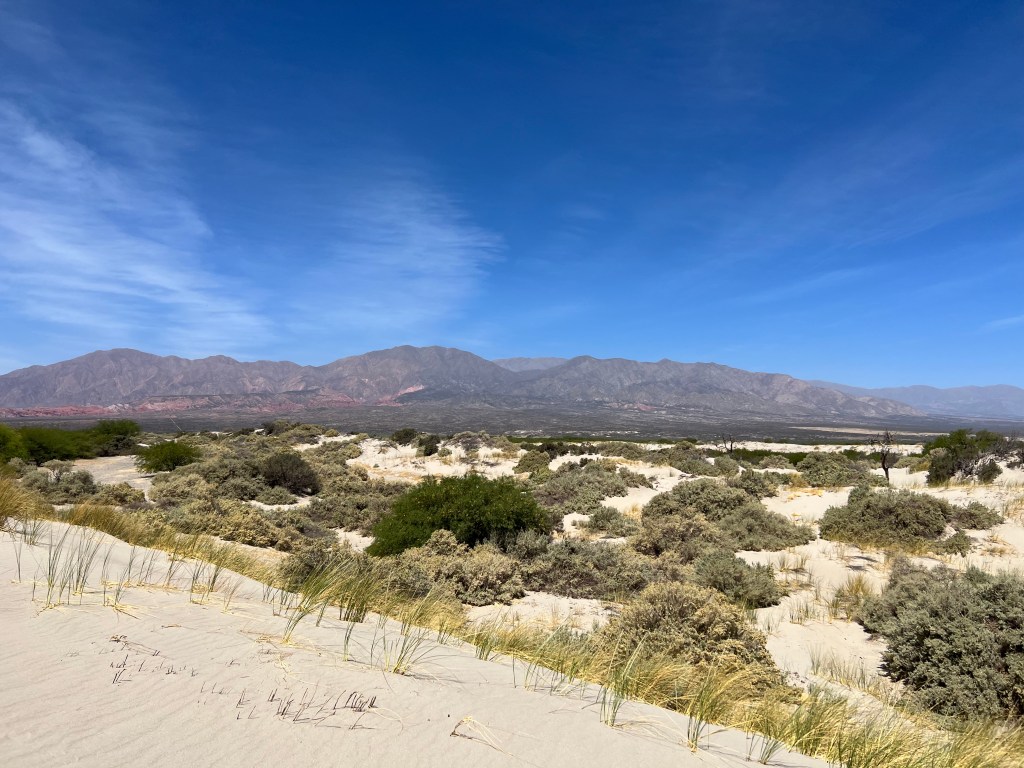
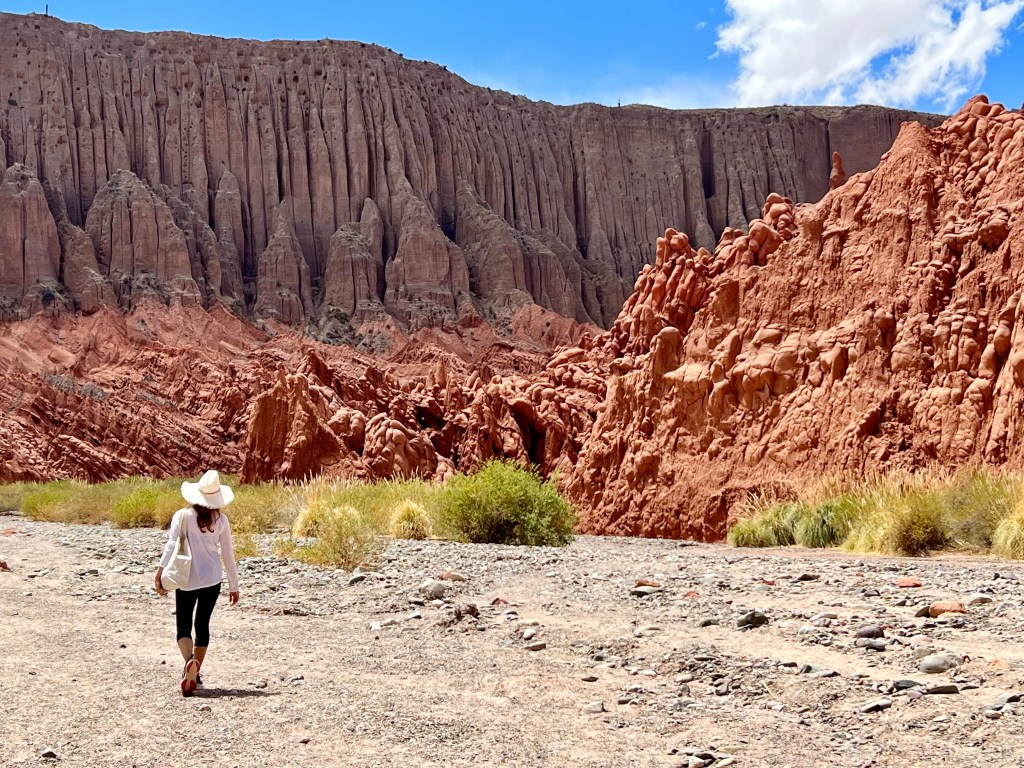
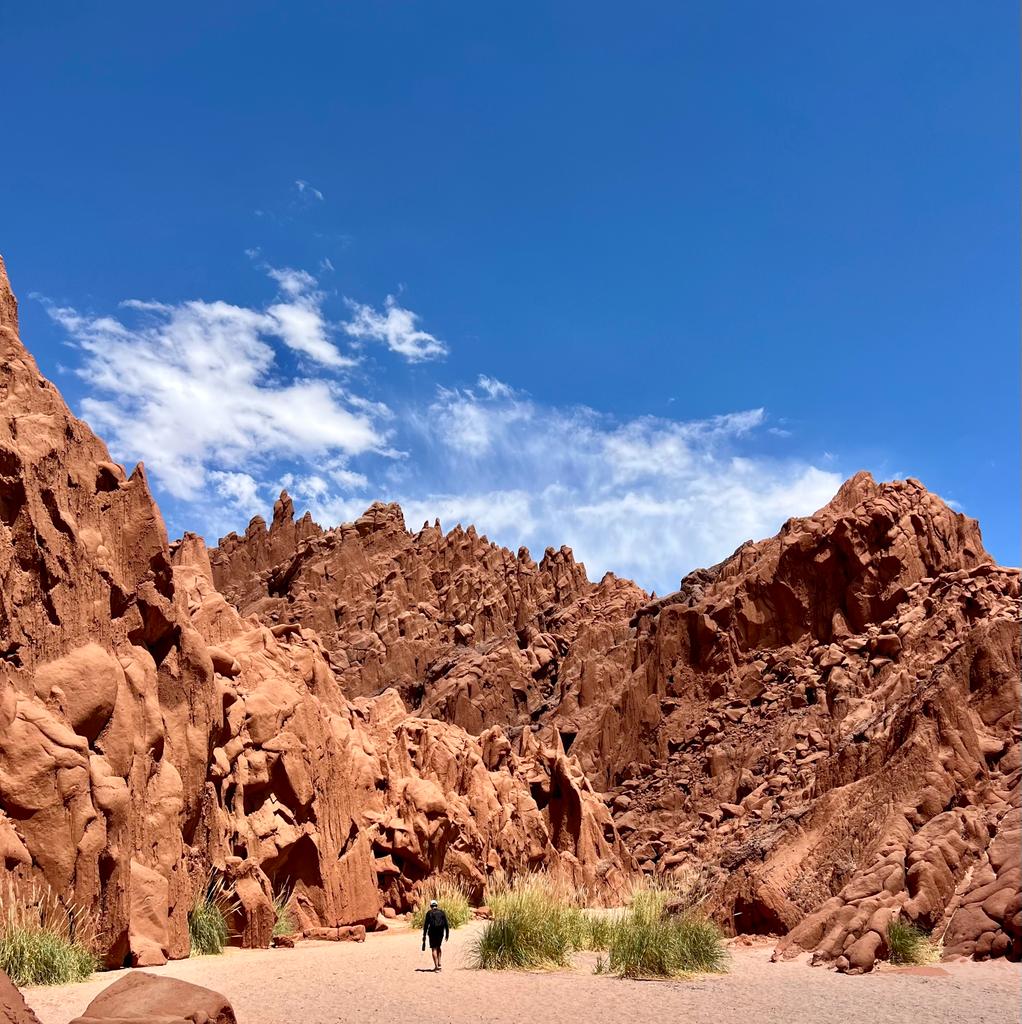
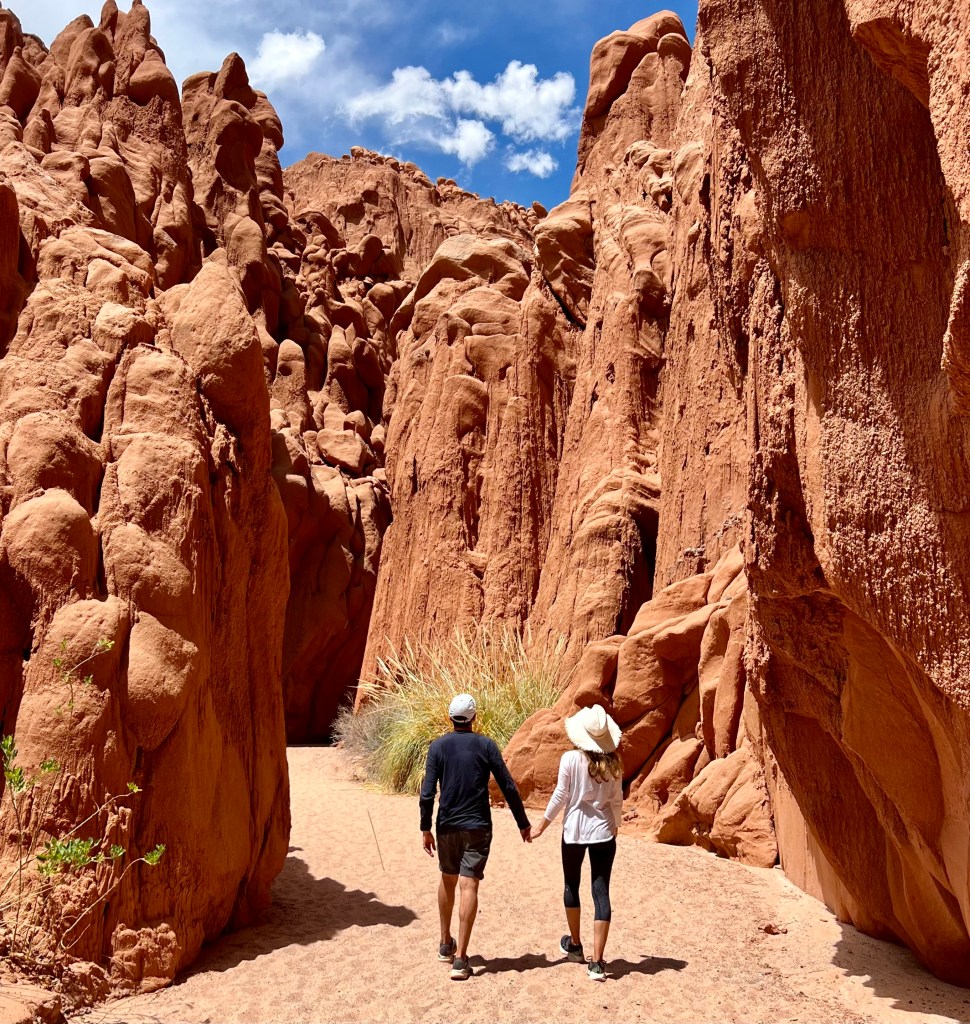
There are two things not to miss while in Cafayate: a hike in a 120 million-year-old lakebed and a visit to the sand dunes surrounding the town.
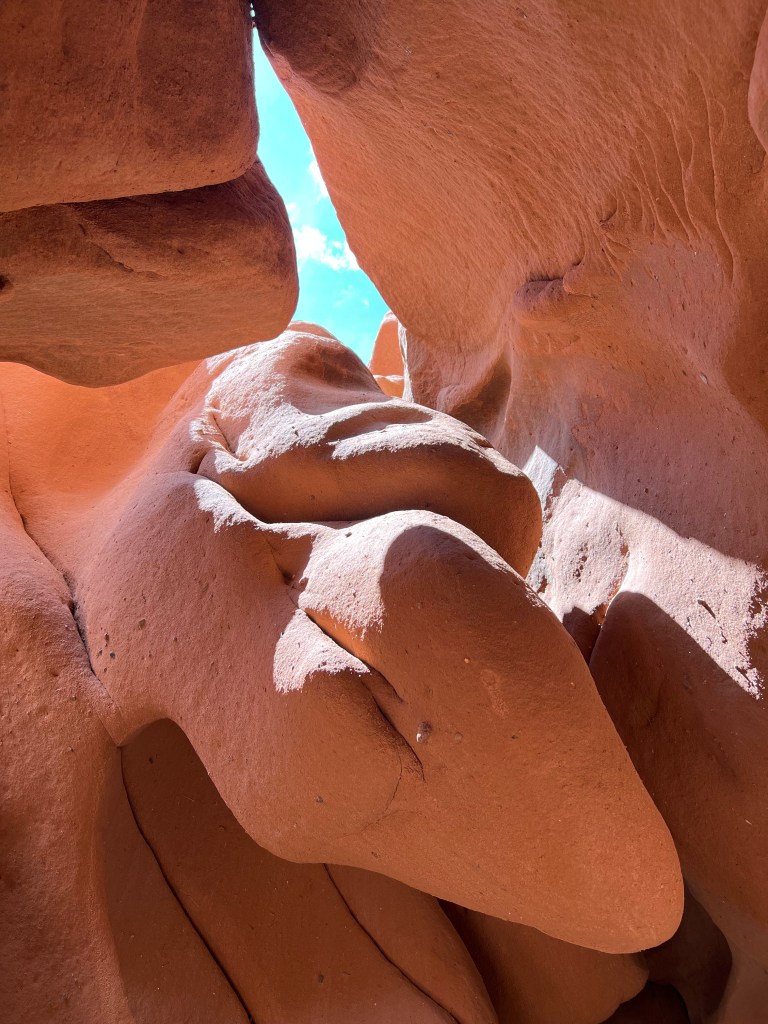
We had the good fortune of being guided through the lakebed by Ramón Carmena (+54 9 3868 40-2881), who impressed us by his passion and geological knowledge. Our 8 km hike, during which we didn’t encounter a single person, offers stunning views at every turn. The constant winds and occasional rain showers have sculpted a landscape of almost surreal beauty. We were also struck by the frequent moments of intense silence, only interrupted by the occasional shriek of large birds hovering over us.

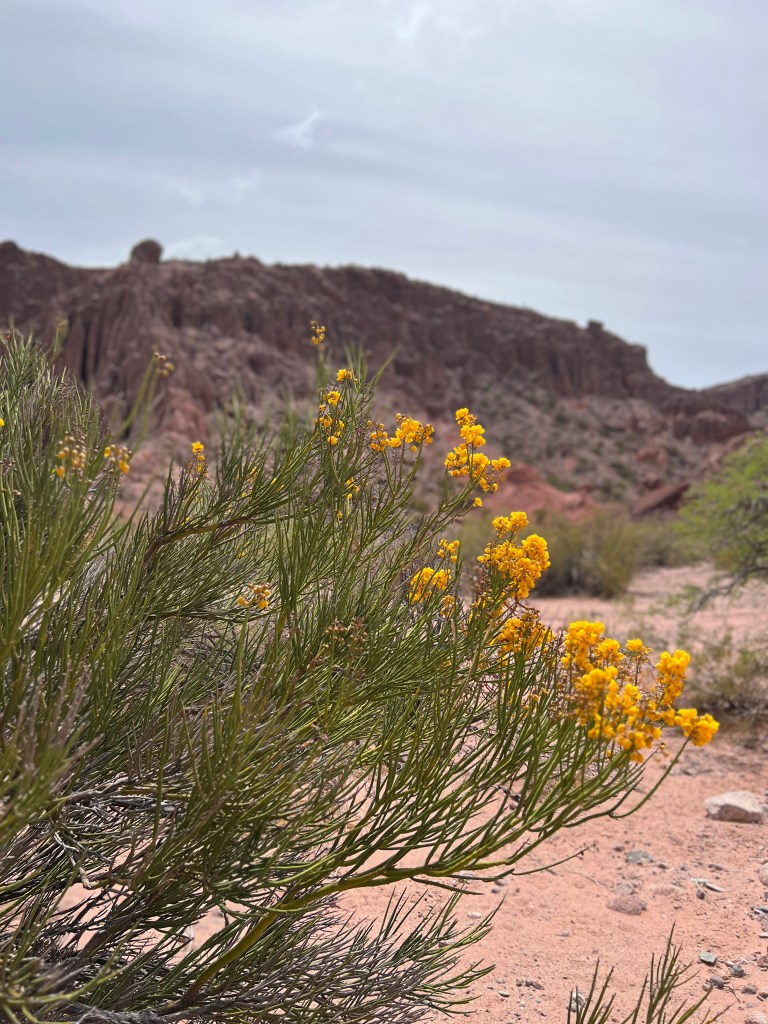
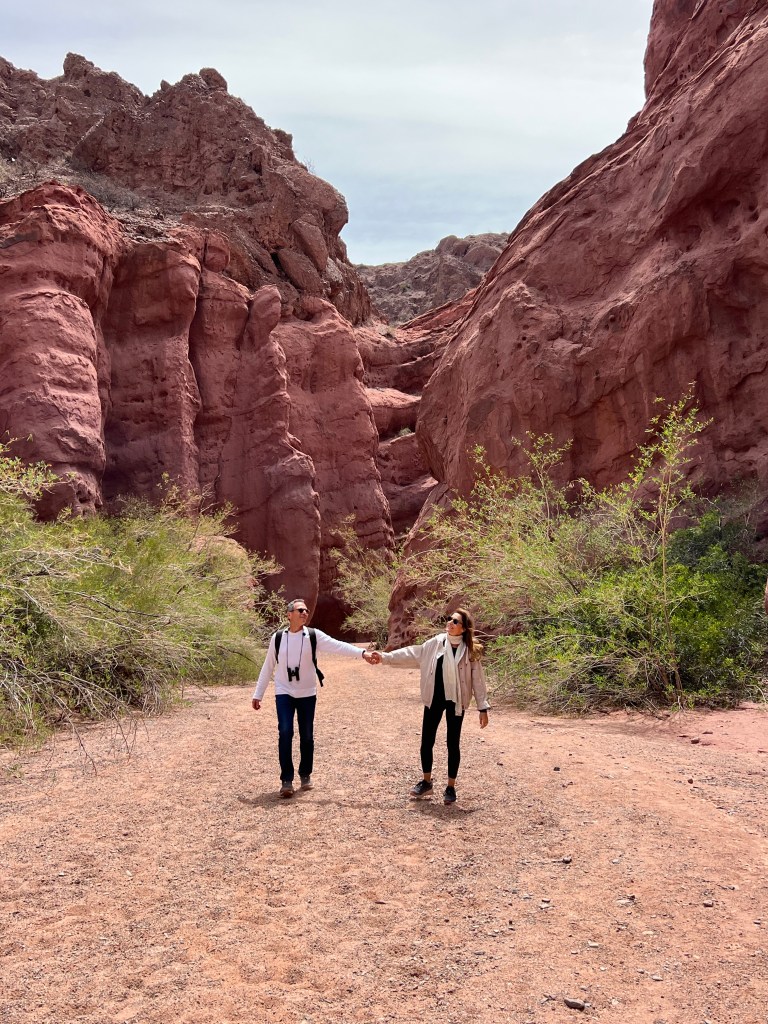
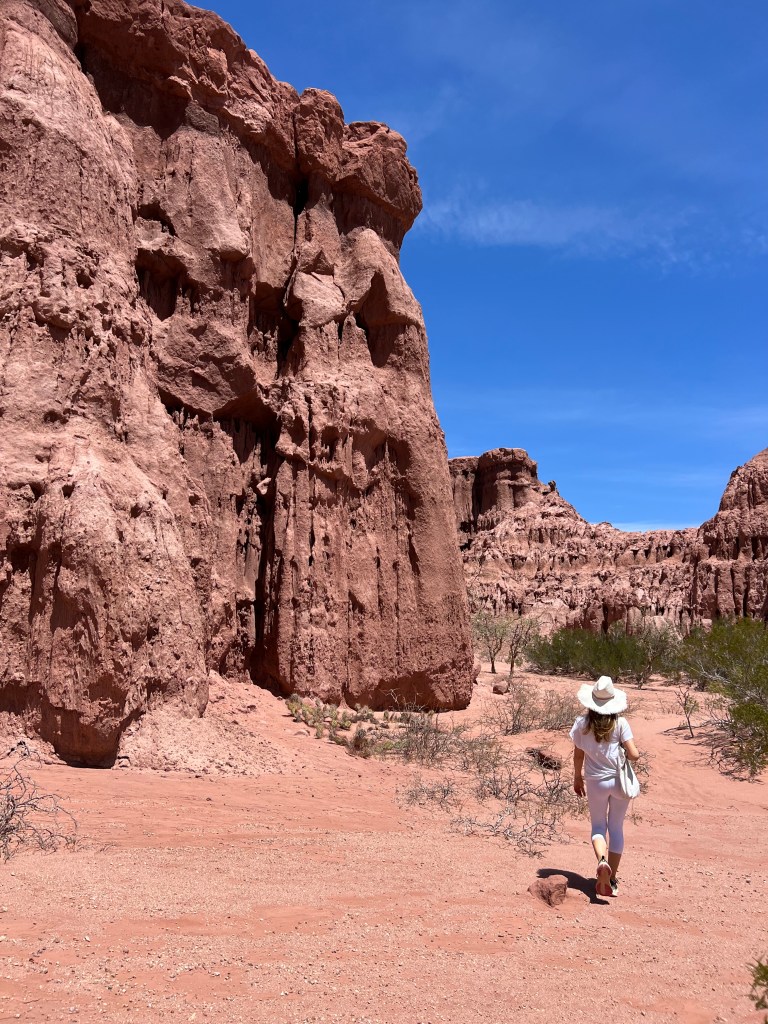
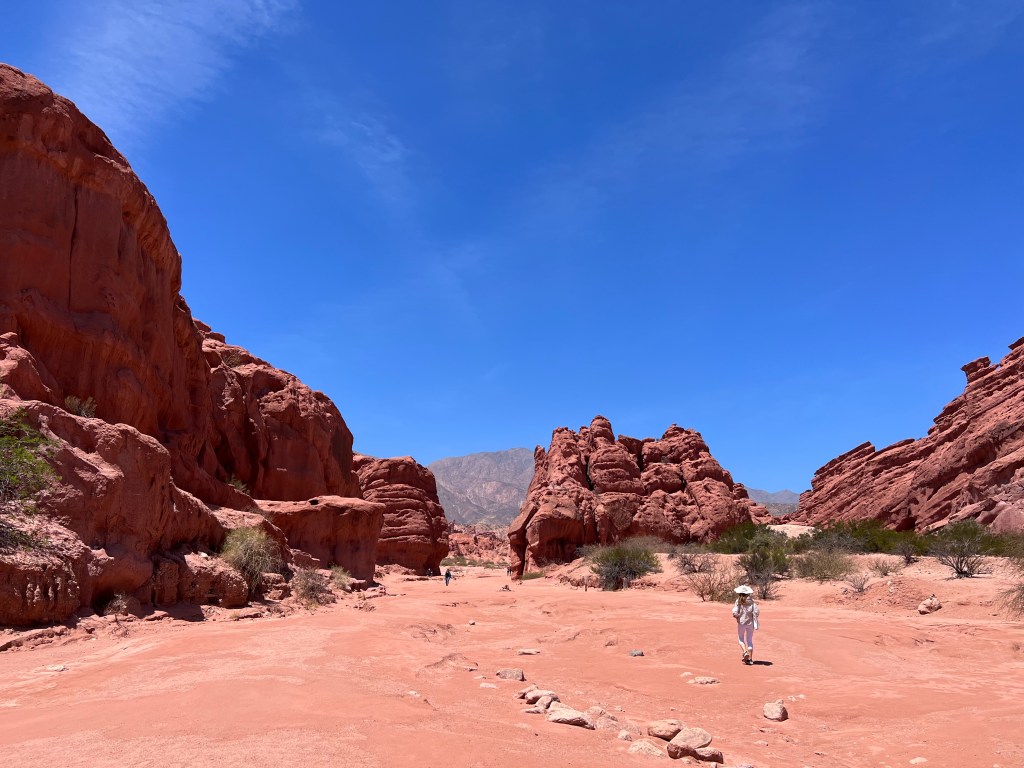
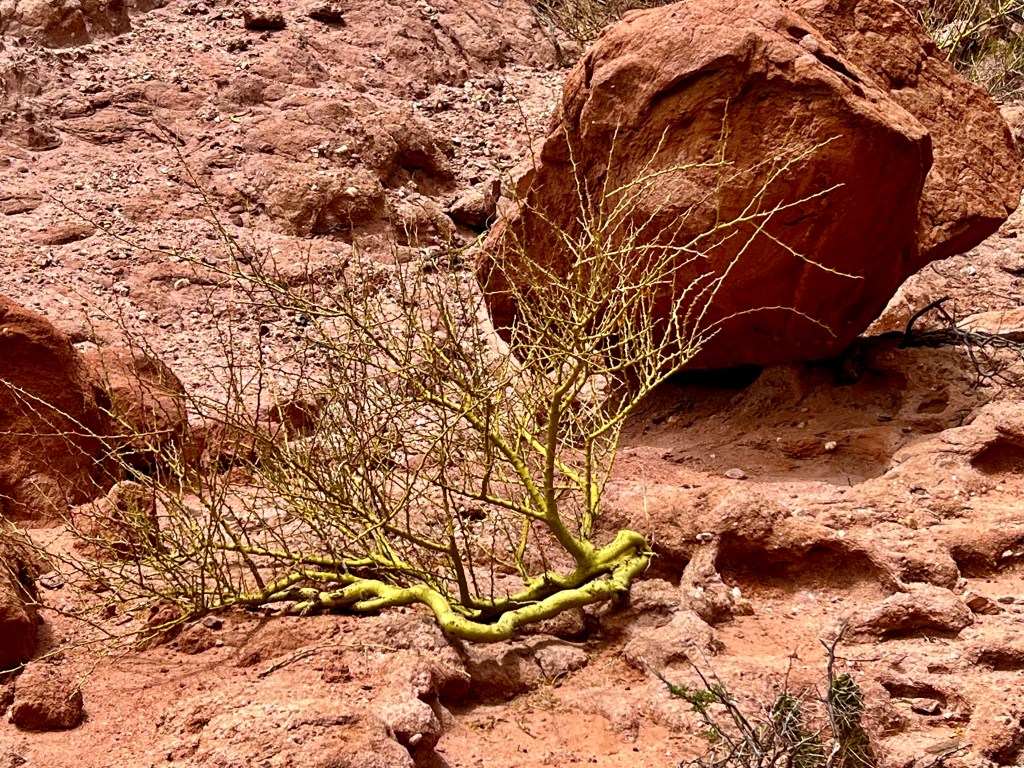
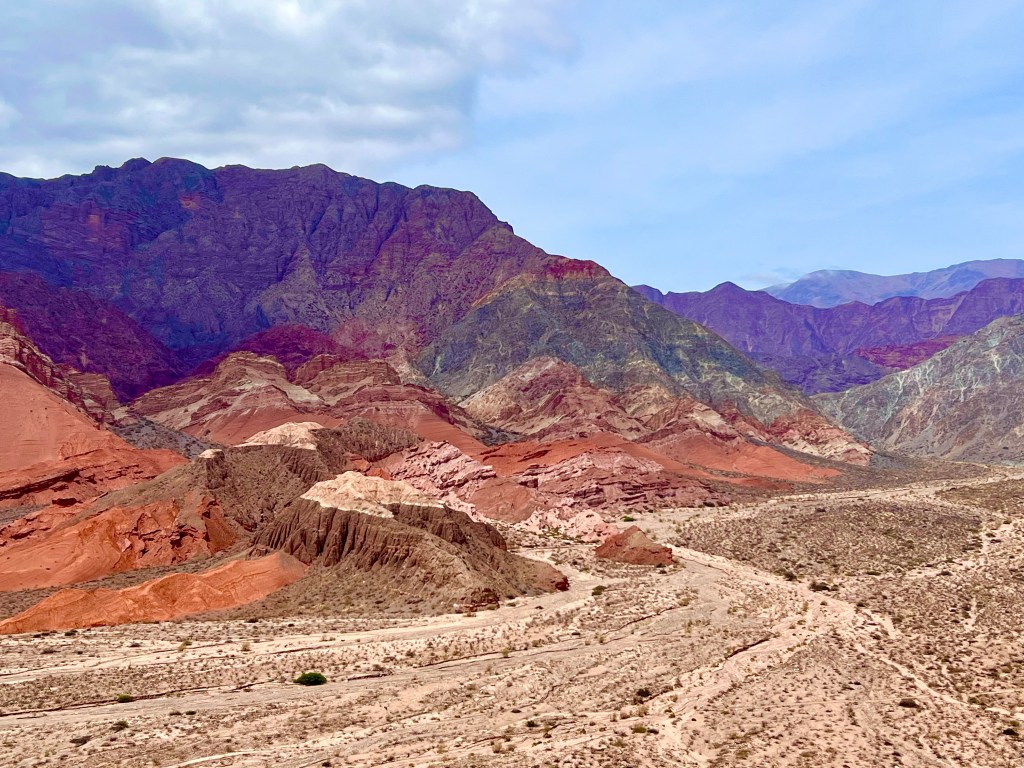
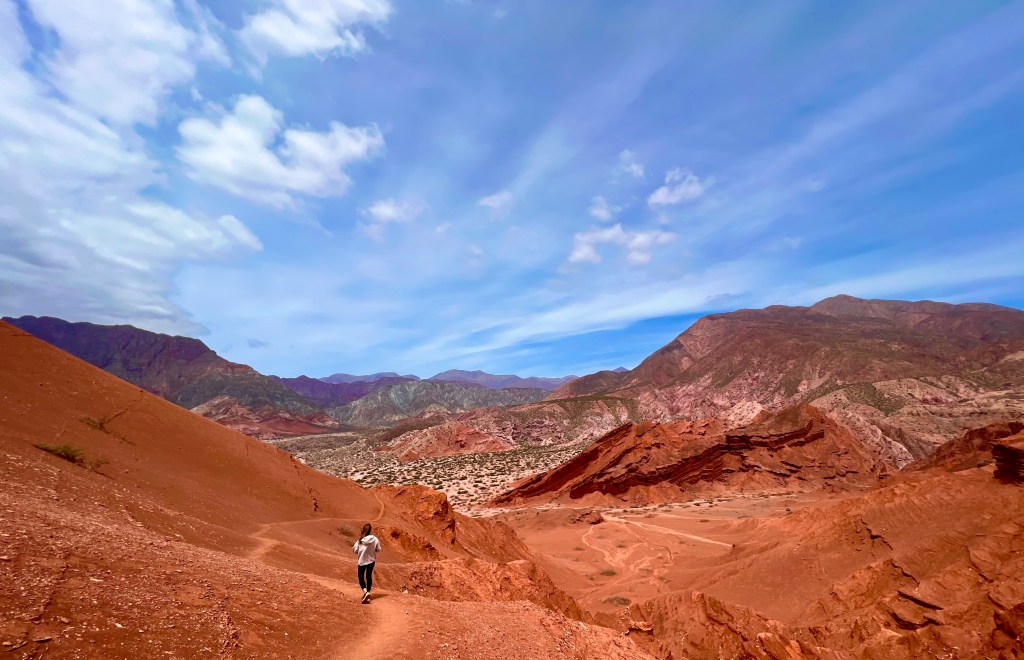
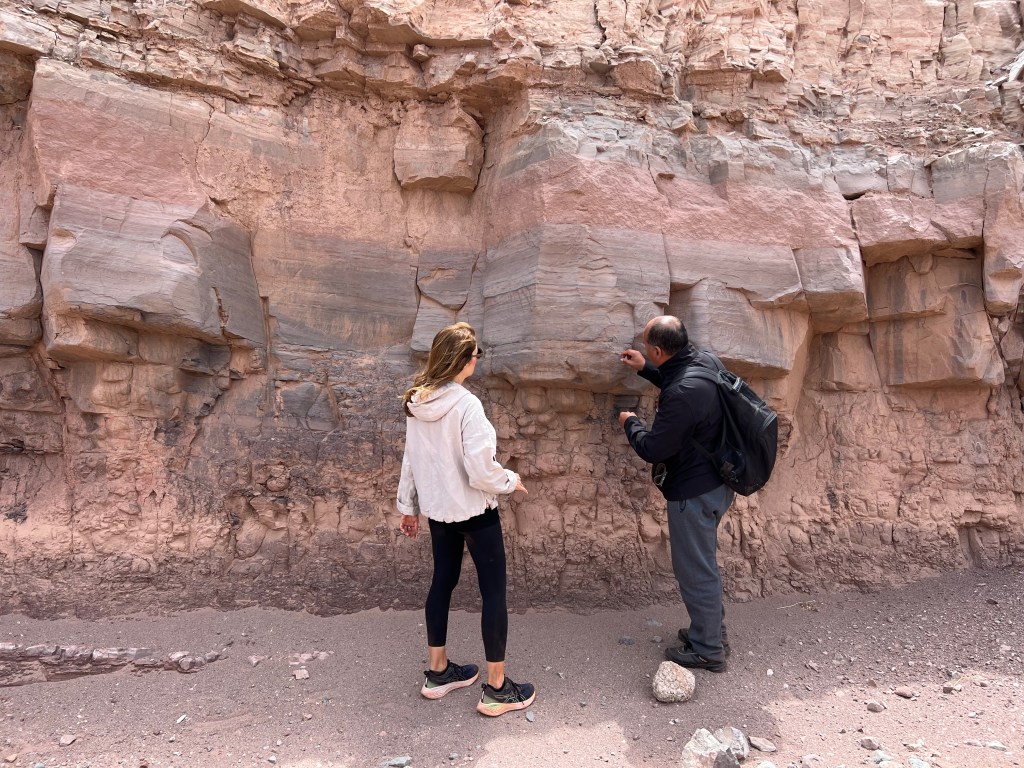
Around Cafayate are large sand dunes, which offer stunning views of the surrounding countryside.

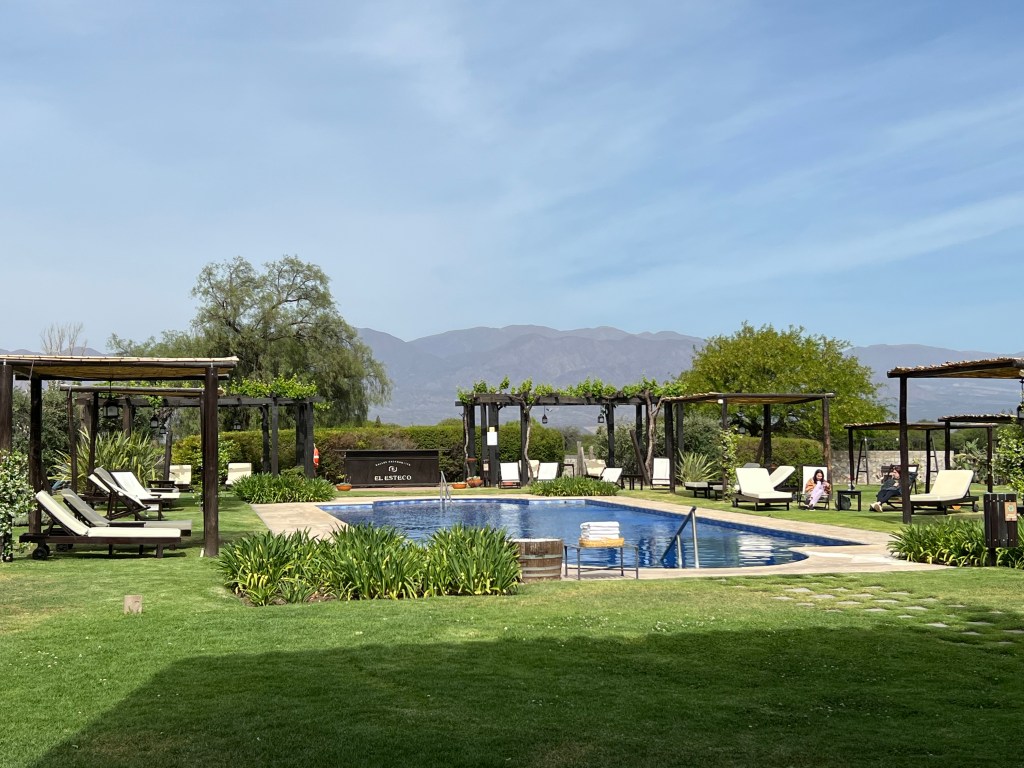
In Cafayate, we stayed at the Piatelli Wine Resort. The wine itself was not spectacular, but the accommodations, at the top of a hill, are very comfortable.


We did not stay at, but also liked our visit to Hotel Patios de Cafayate, an impeccably kept place, built in the traditional colonial style of the region.


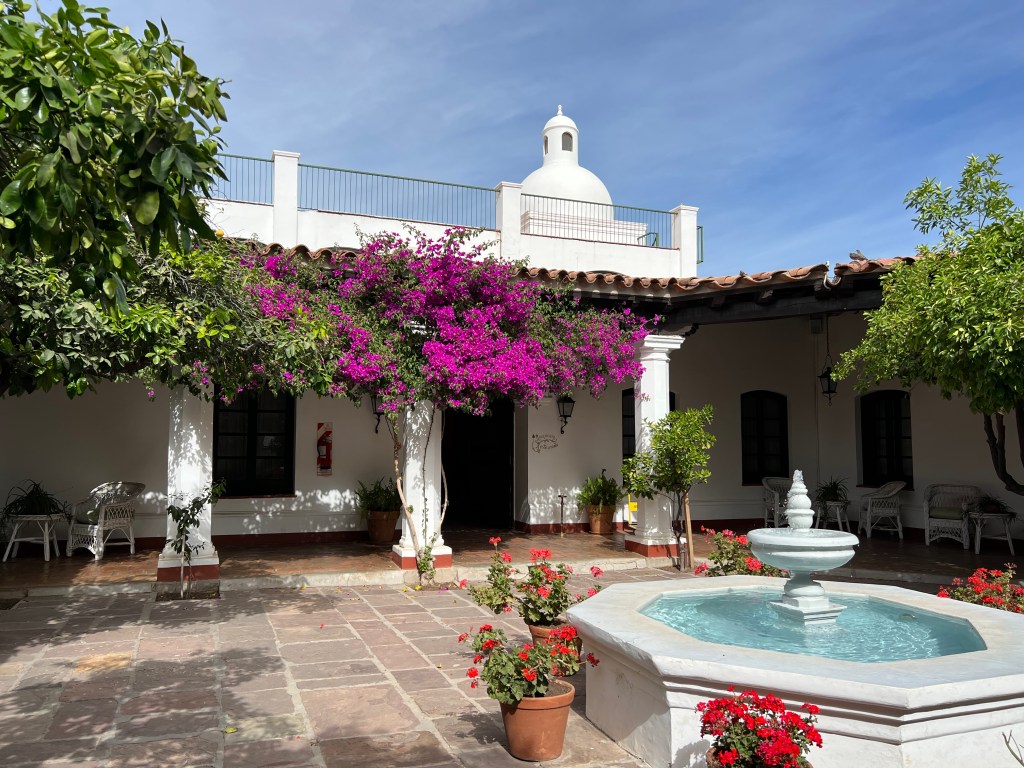
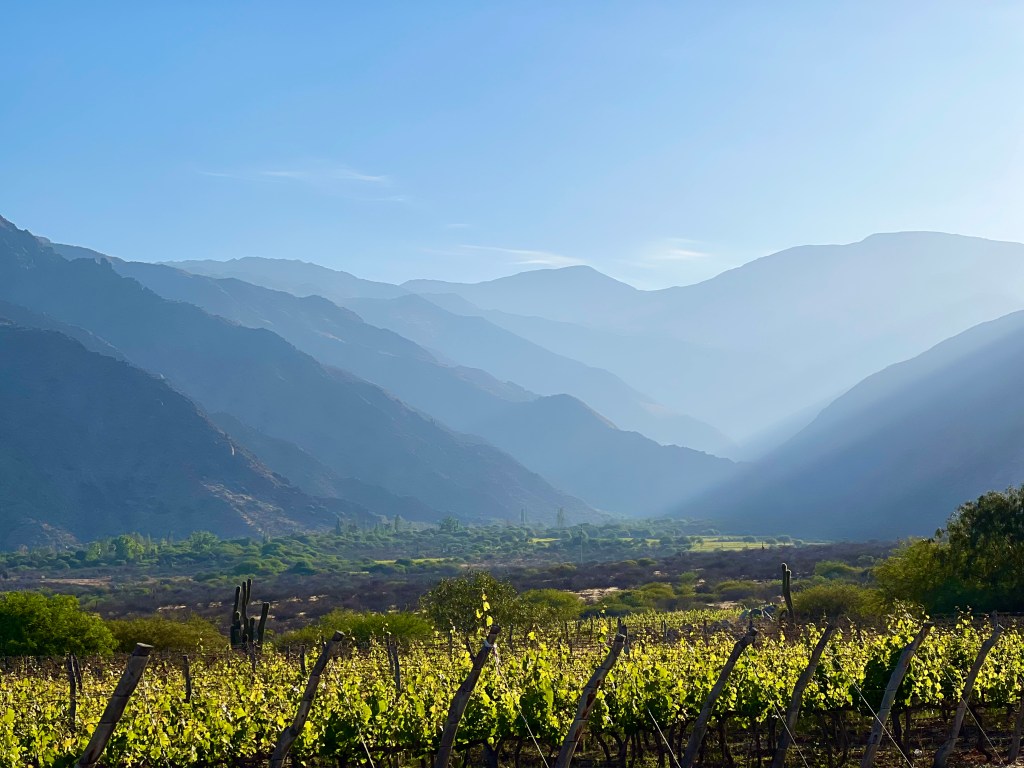
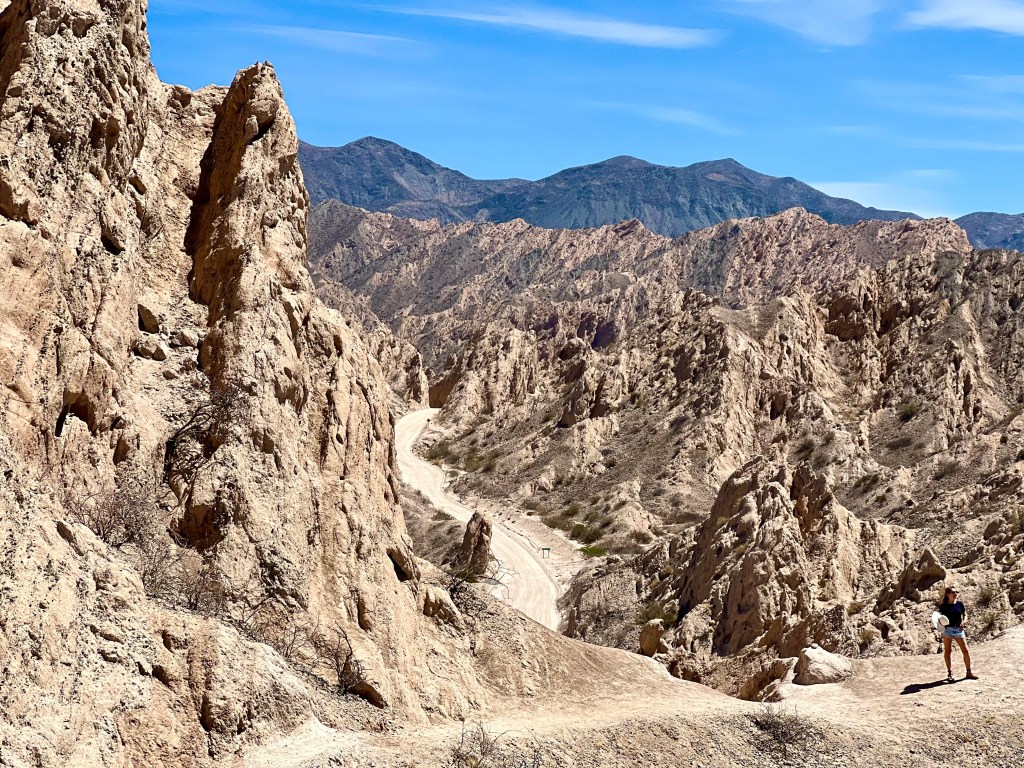
You have to have patience to travel from Cafayate to Colomé. The desolate, often winding and sometimes very narrow gravel road, begs for slowness. It took us more than 5 hours to travel just 170 km. But the sights were memorable and, at the end of the road, Colomé was very much worth the effort!
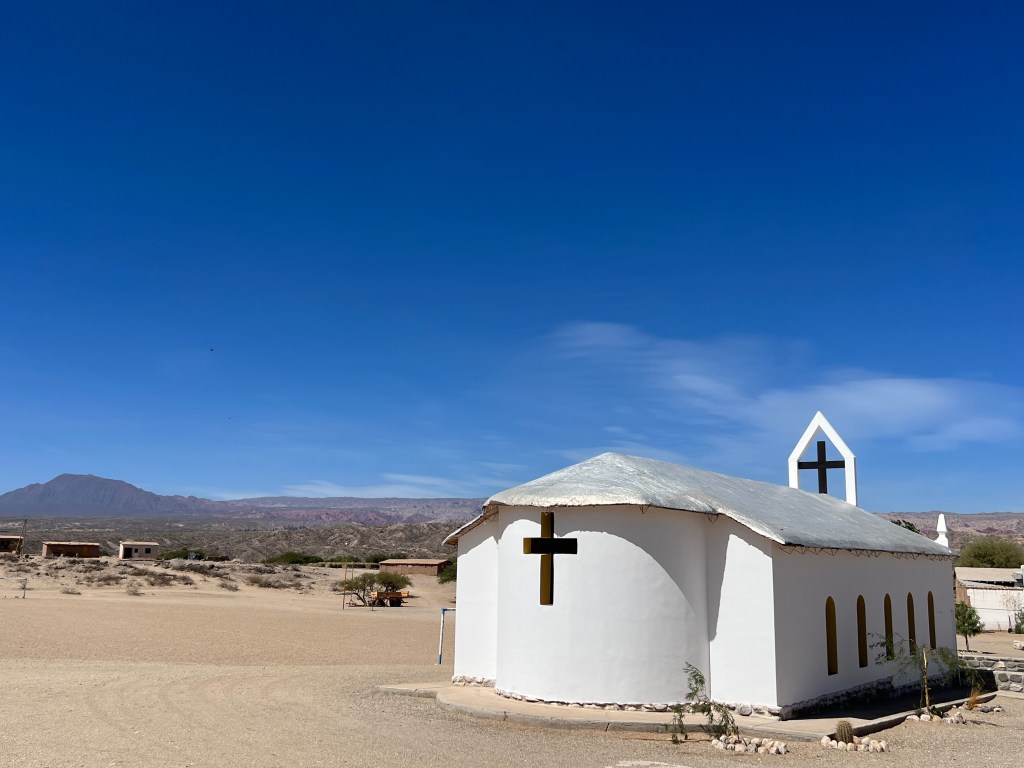
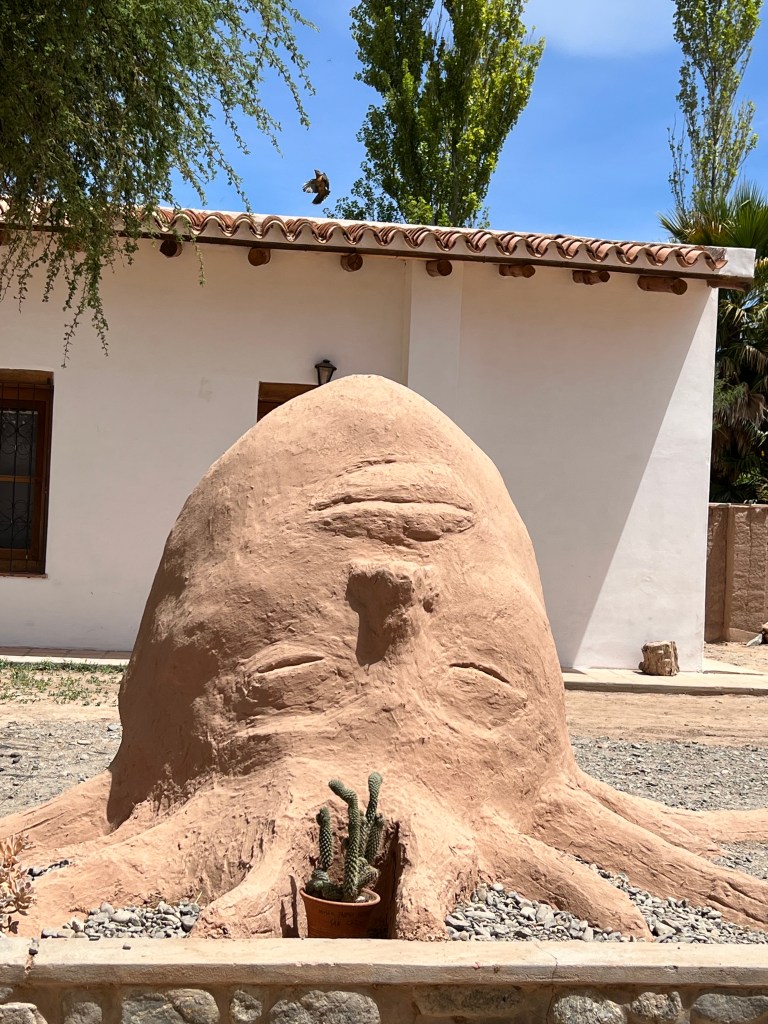
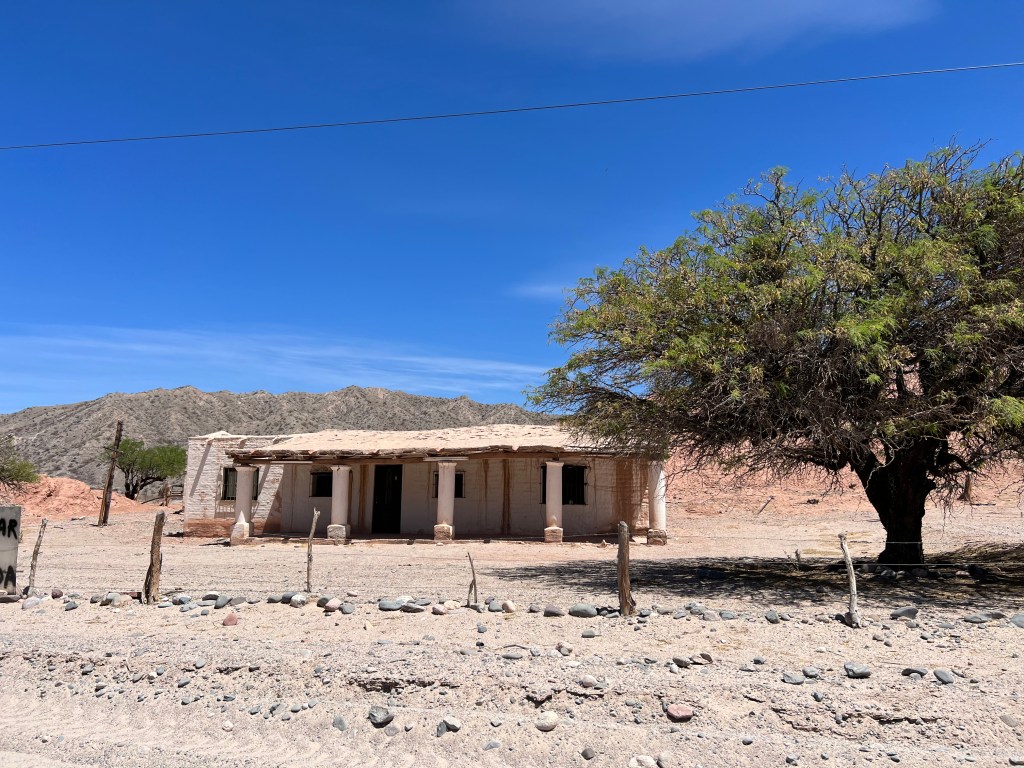
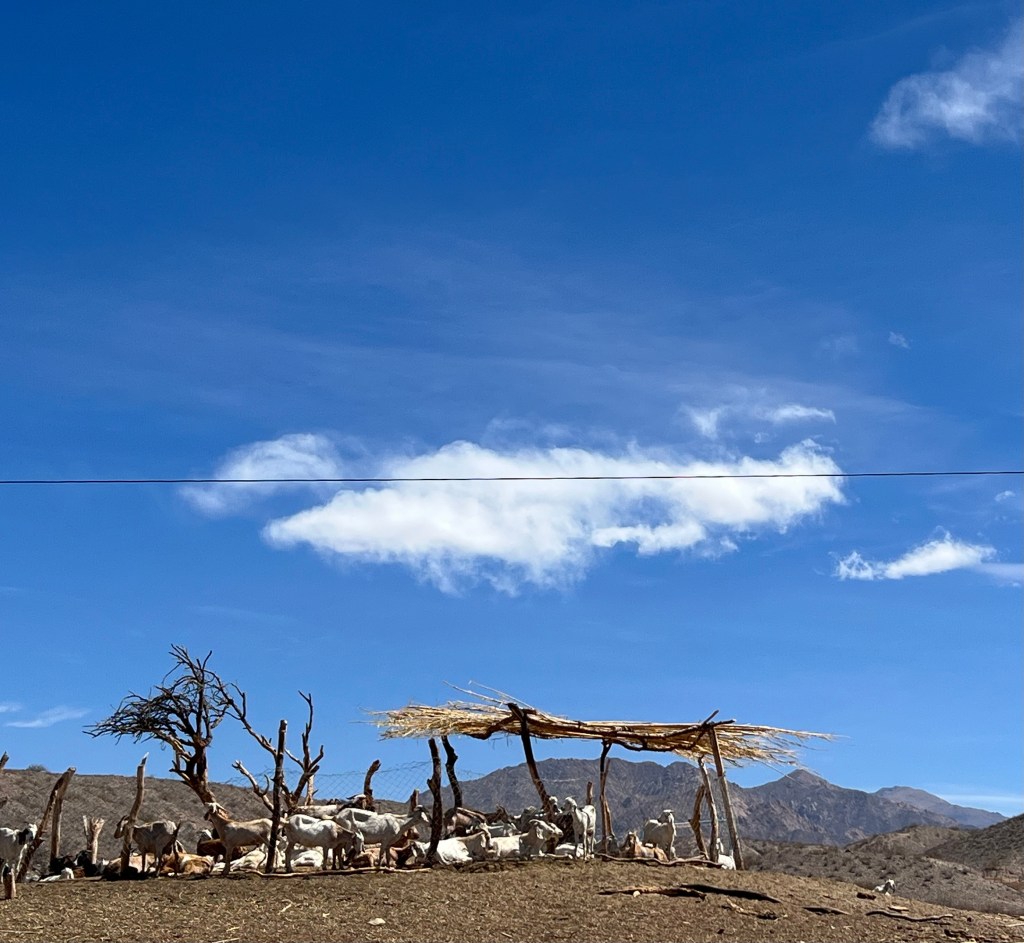

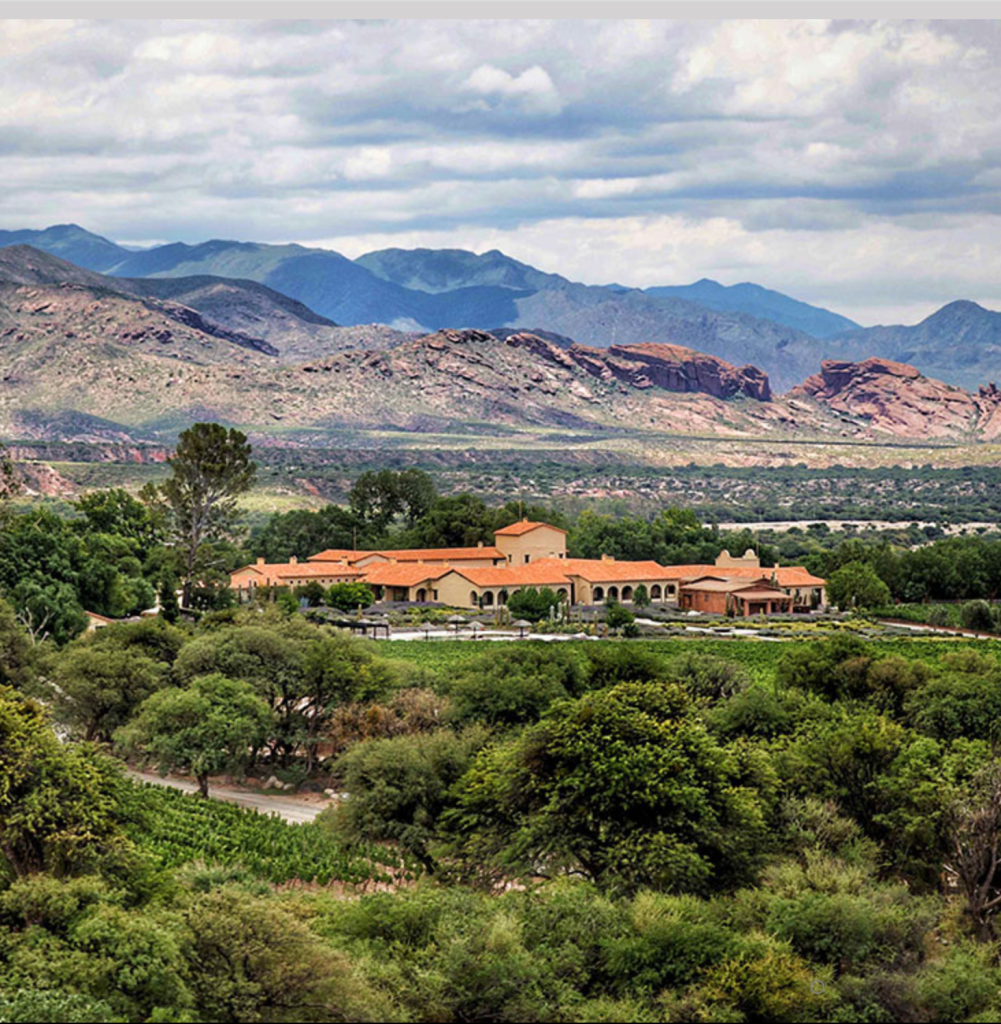
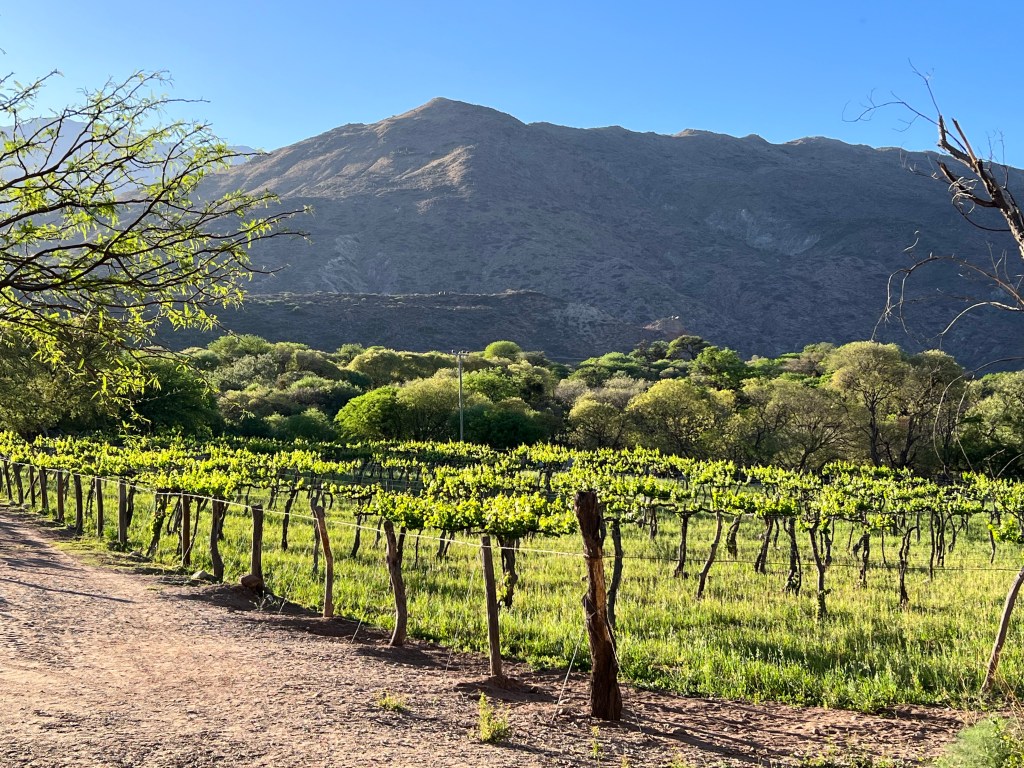
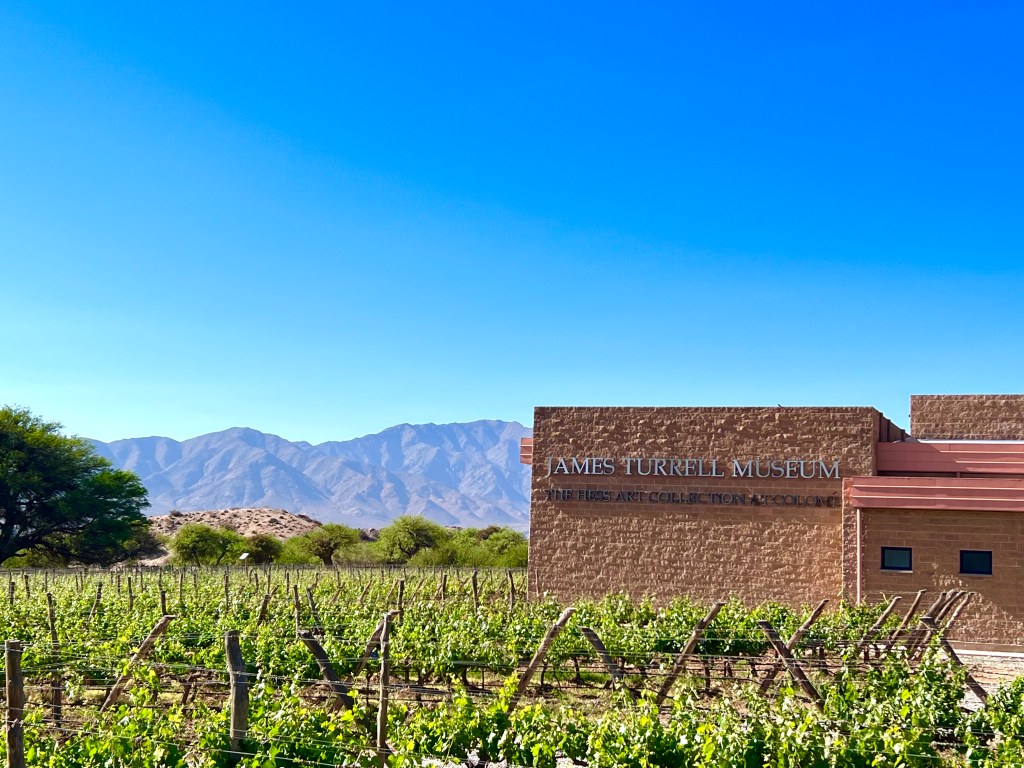
Estancia Colomé is an oasis of peace, nestled in a valley at 2200m and home to the second highest vineyard in the world. It produces remarkable wines, featuring Argentina’s oldest continuous wine production (since 1831). Colomé was acquired in 2001 by the Swiss entrepreneurs and art collectors Donald and Ursula Hess. We spent happy, relaxed days at Colomé, enjoying the surrounding area, the stunning light contrasts and the simple, but excellent farm-to-table food.


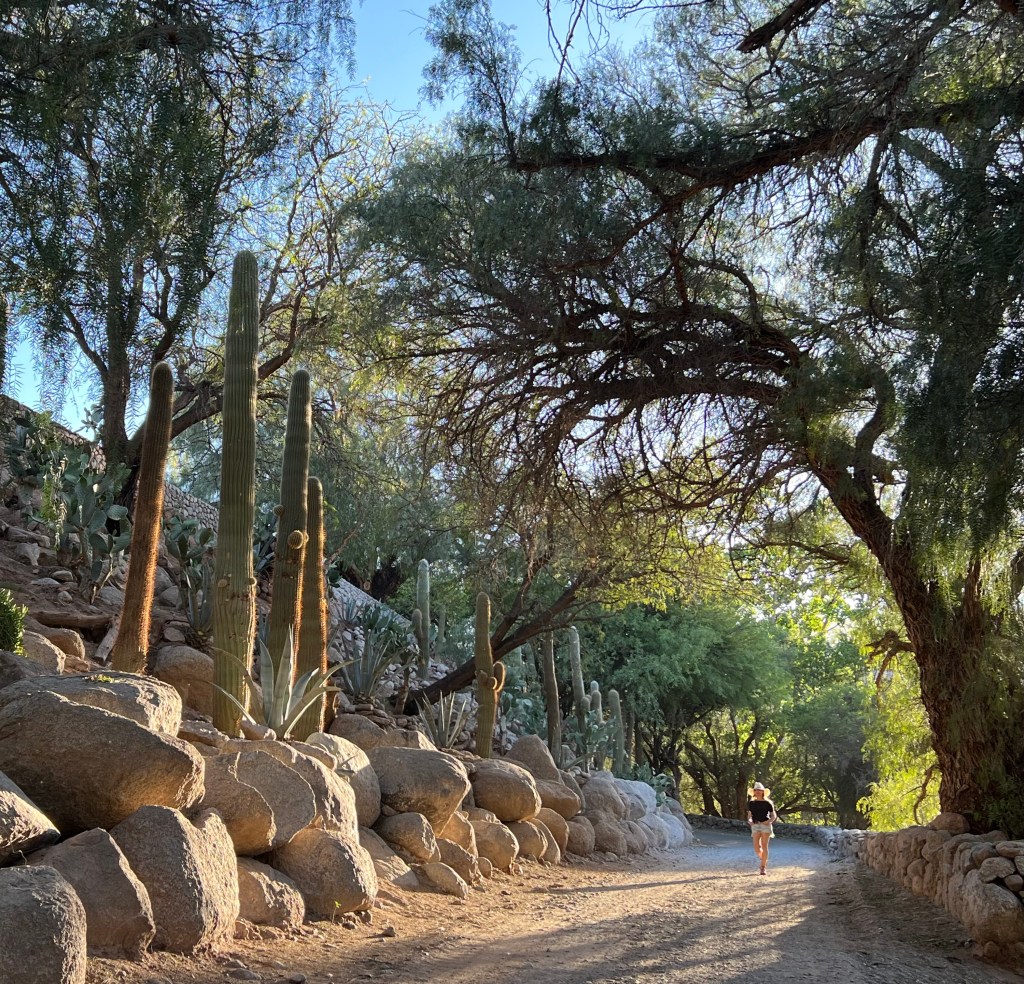

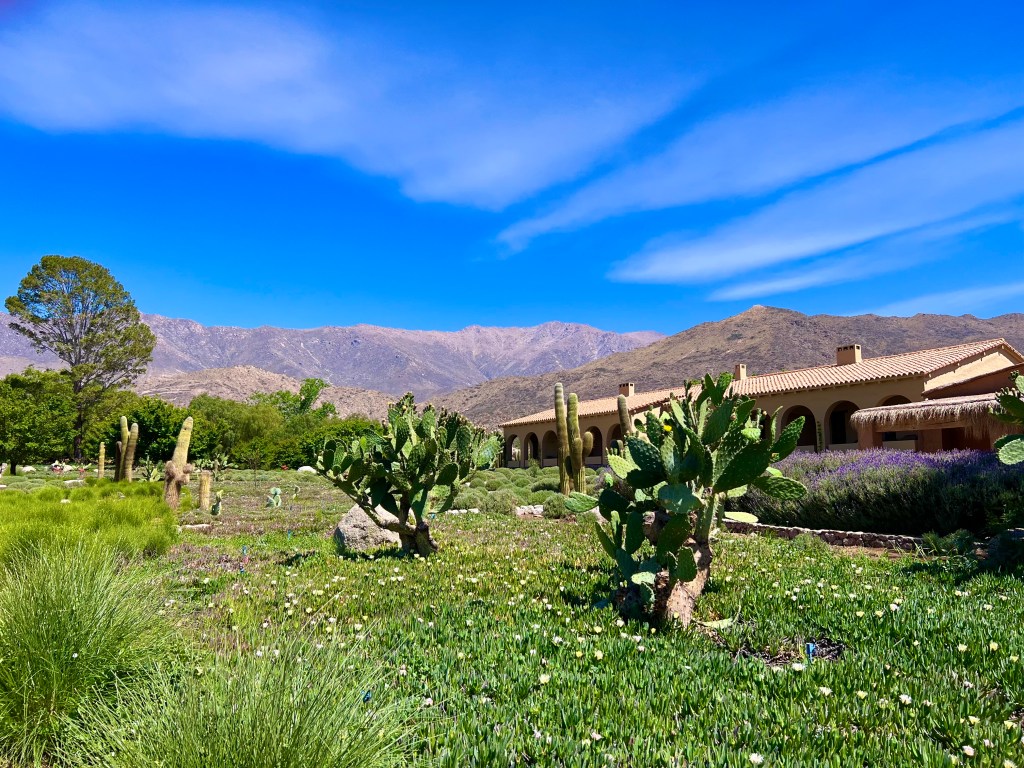
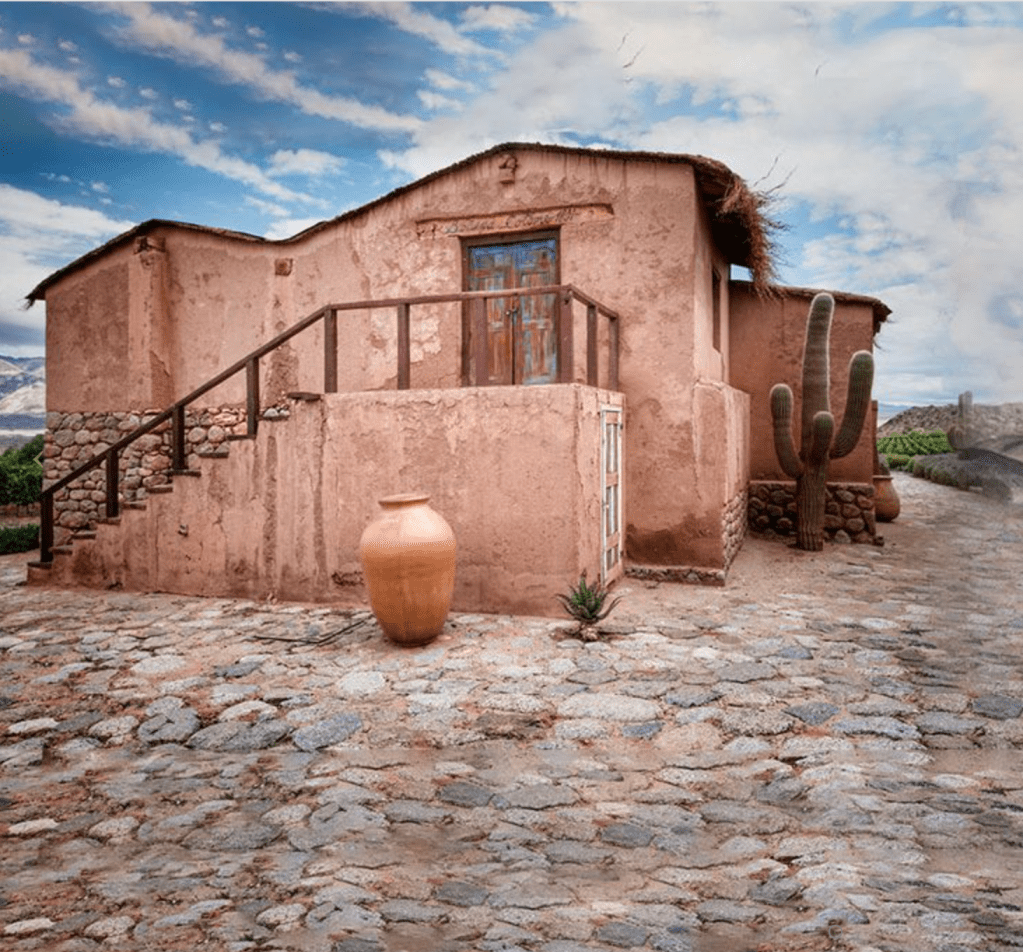
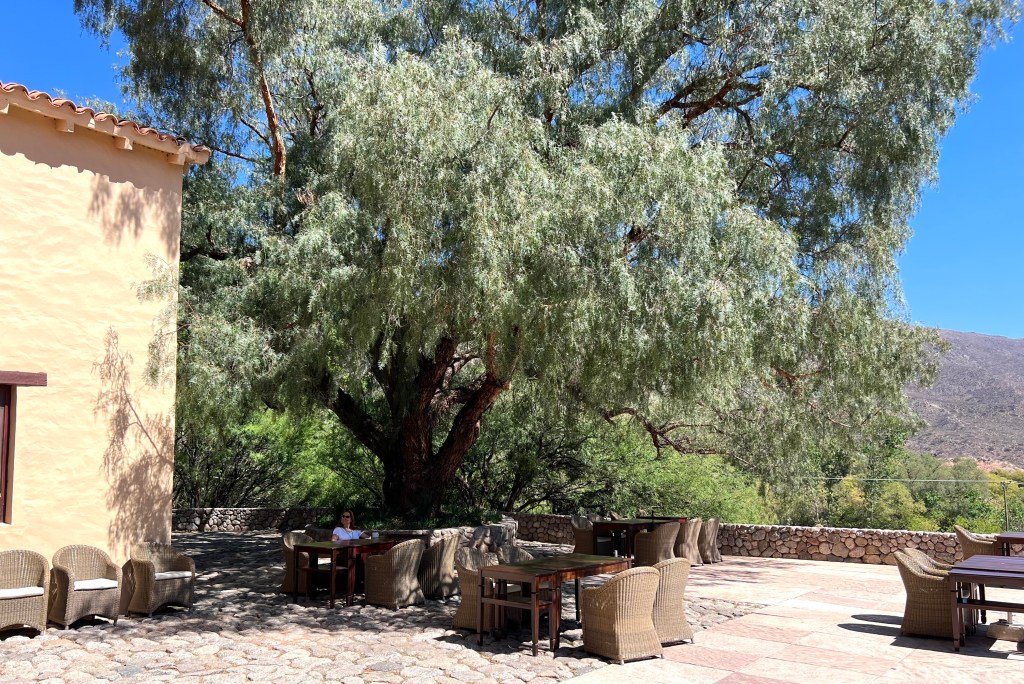

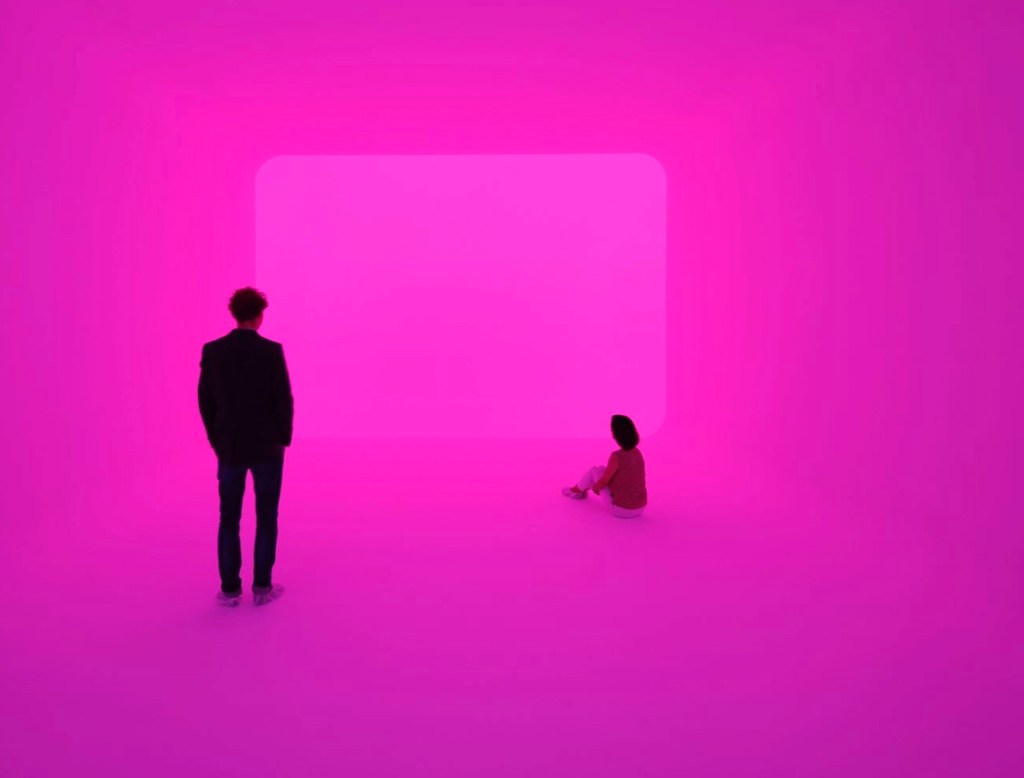
One of the most remarkable things about Colomé is not the farm itself, but the James Turrell Museum, the only one in the world devoted solely to work of this exceptional contemporary artist.
James Turrell creates effects only with space and light. His art often involves transforming perception through controlled illumination, creating immersive experiences that challenge the viewer’s sense of reality. Turrell’s work encourages contemplation and a heightened awareness of one’s surroundings, blurring the boundaries between art and the viewer’s perception. We spent a memorable afternoon at this surprising museum!




You cannot reach Cachi, in the western part of Salta, without traveling many hours, very slowly, over dirt and gravel roads. A welcome stop along the way is Seclantás, a small town where we had a memorable meal at Casa Díaz, an XVIIIth century house, where you are received with open arms by Pío Díaz, the owner, and served ancestral regional meals.
Pío spent almost two hours with us, telling us about the history of the region and the role of his family played in it (not always a happy one!). His ancestors held a local “encomienda”, a royal grant established during colonial times, to (in theory) “christianise” and “civilise” indigenous people. In practice, it was a way to enslave the local populations. Pío’s ancestors held an encomienda in Seclantás. He was transparent about the enslavement period (XVIIth and XIXth centuries), but he also said that many good things had happened since then in the village, many of them thanks to his family.
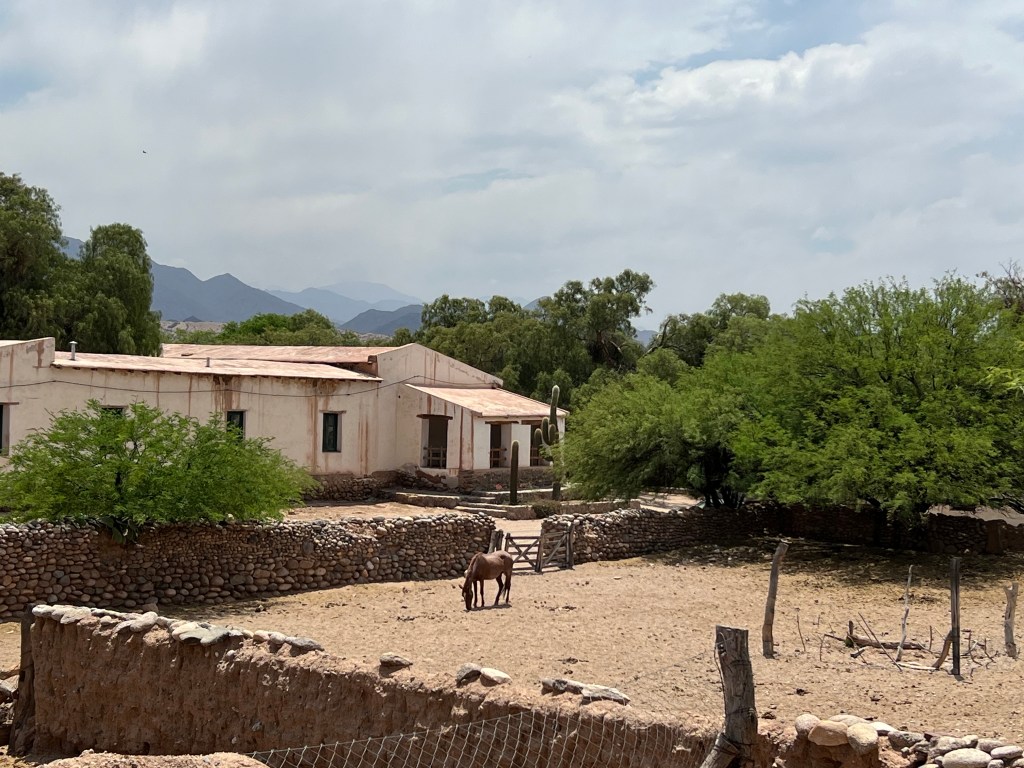
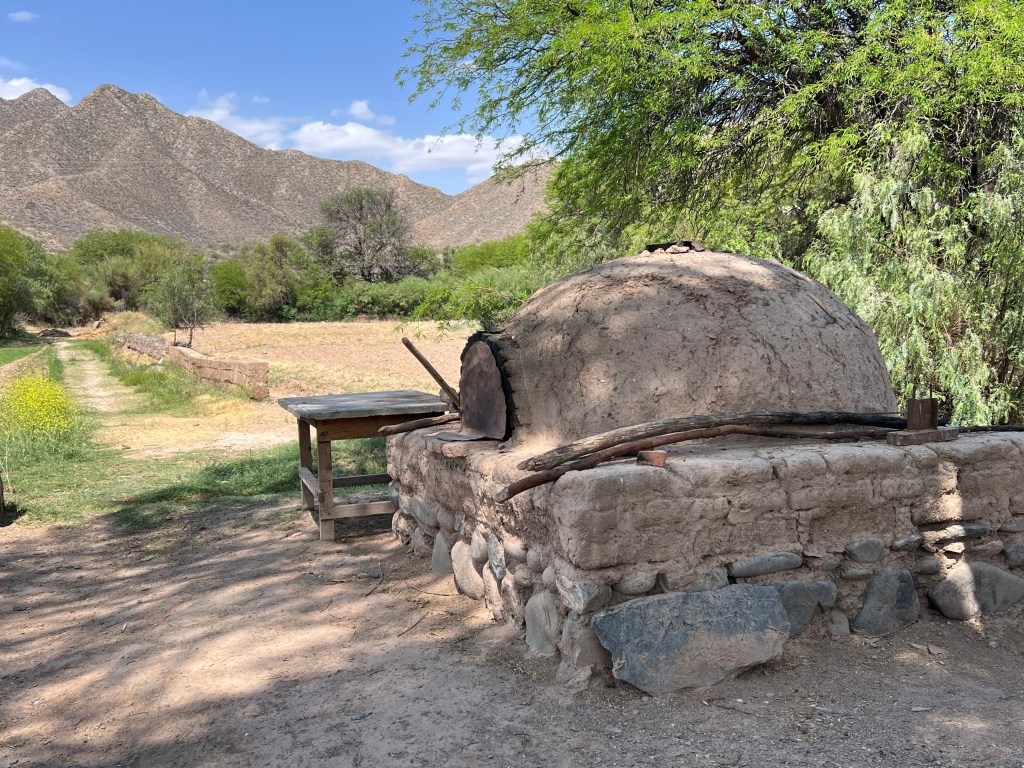
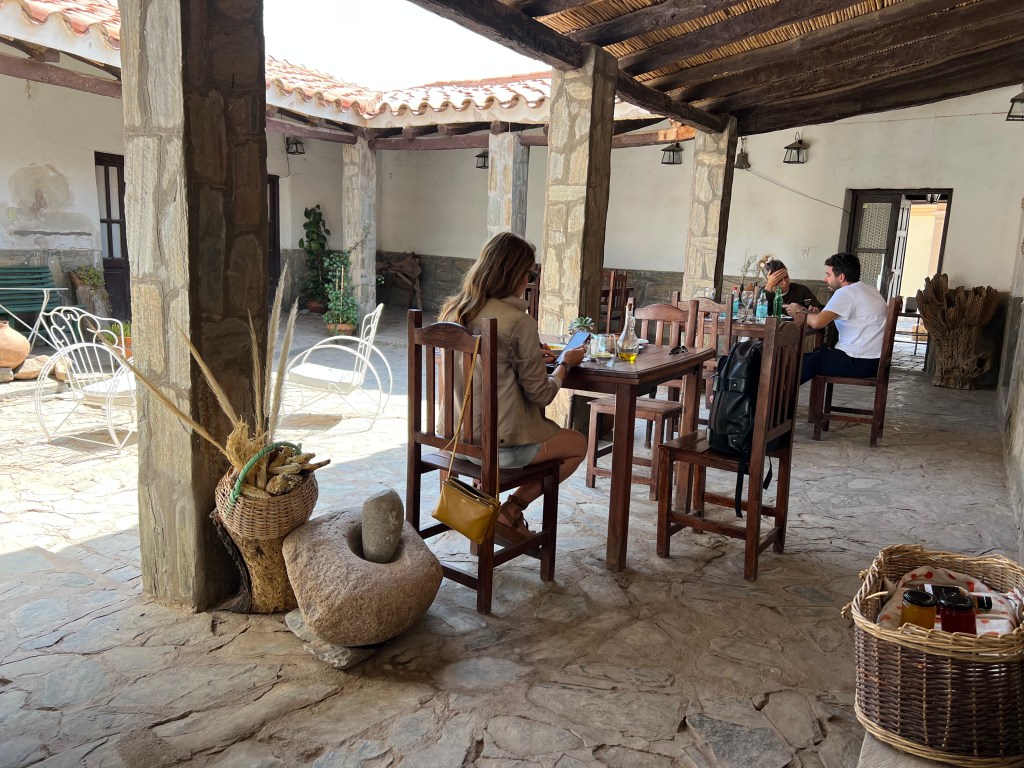
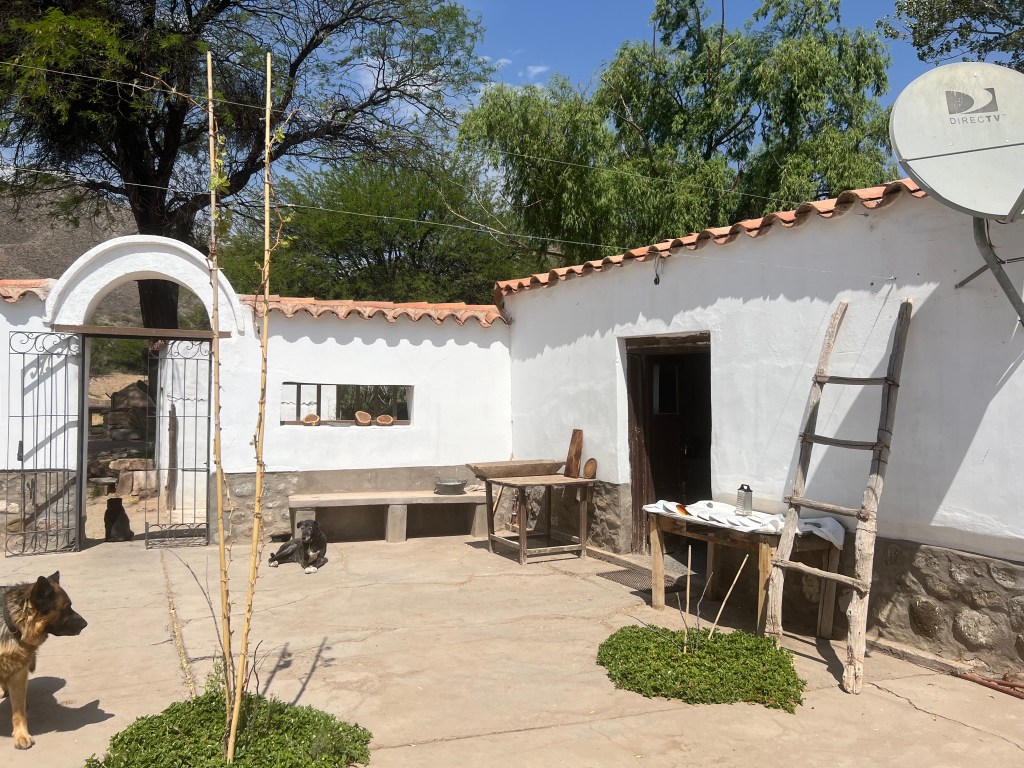
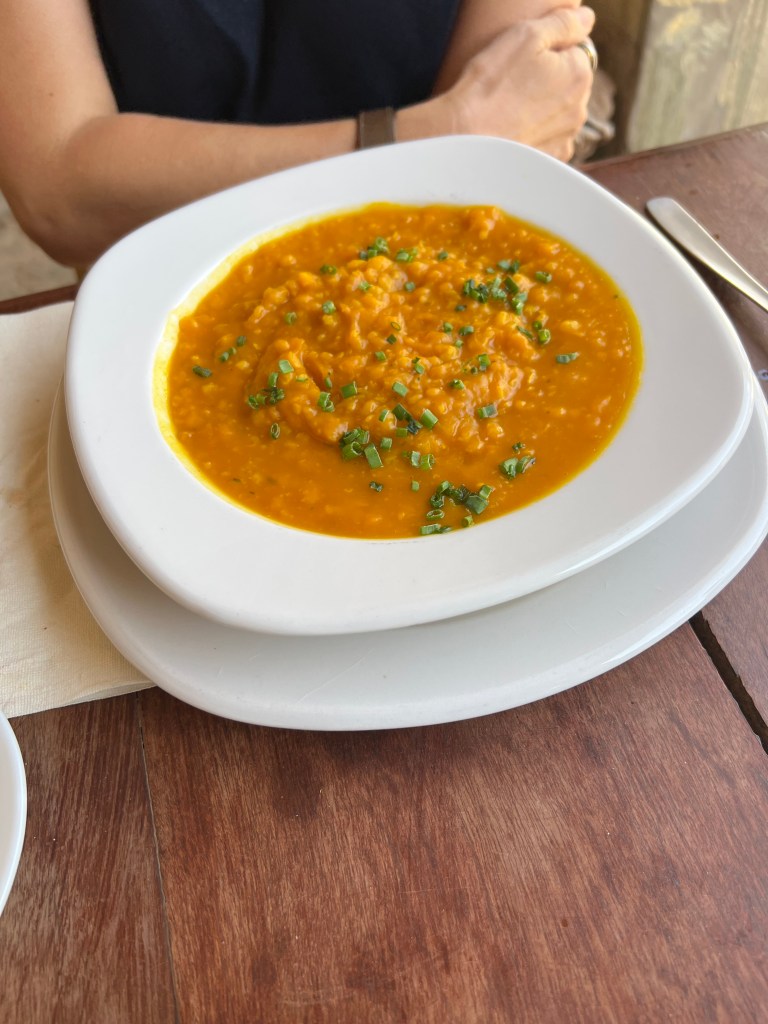


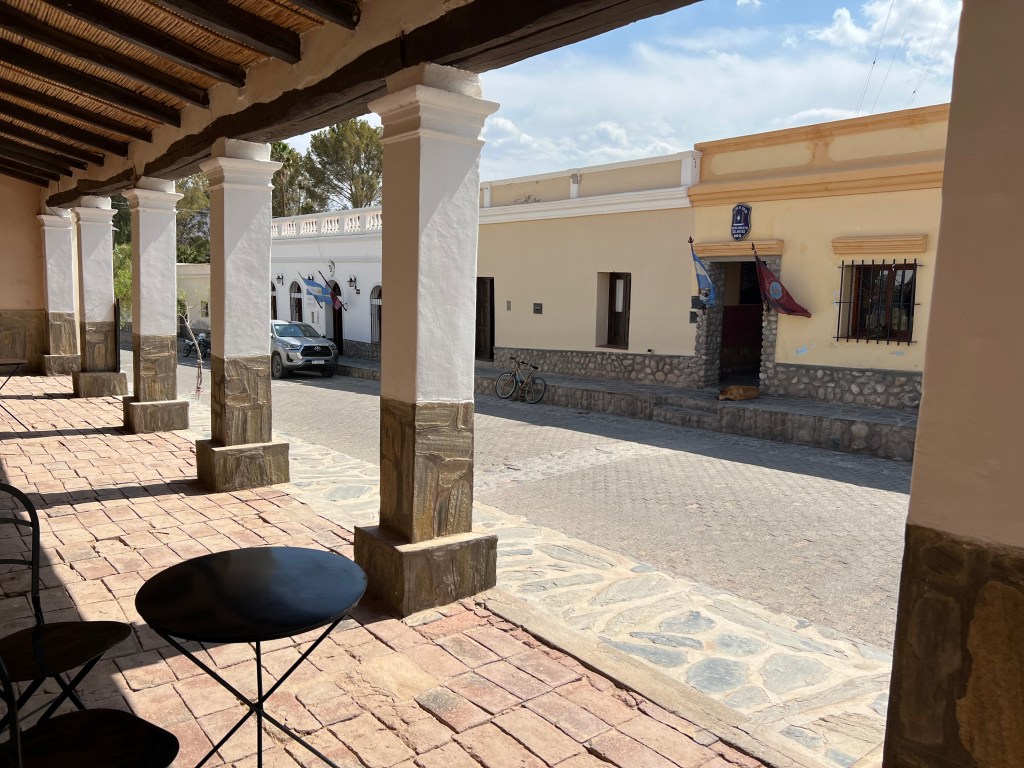
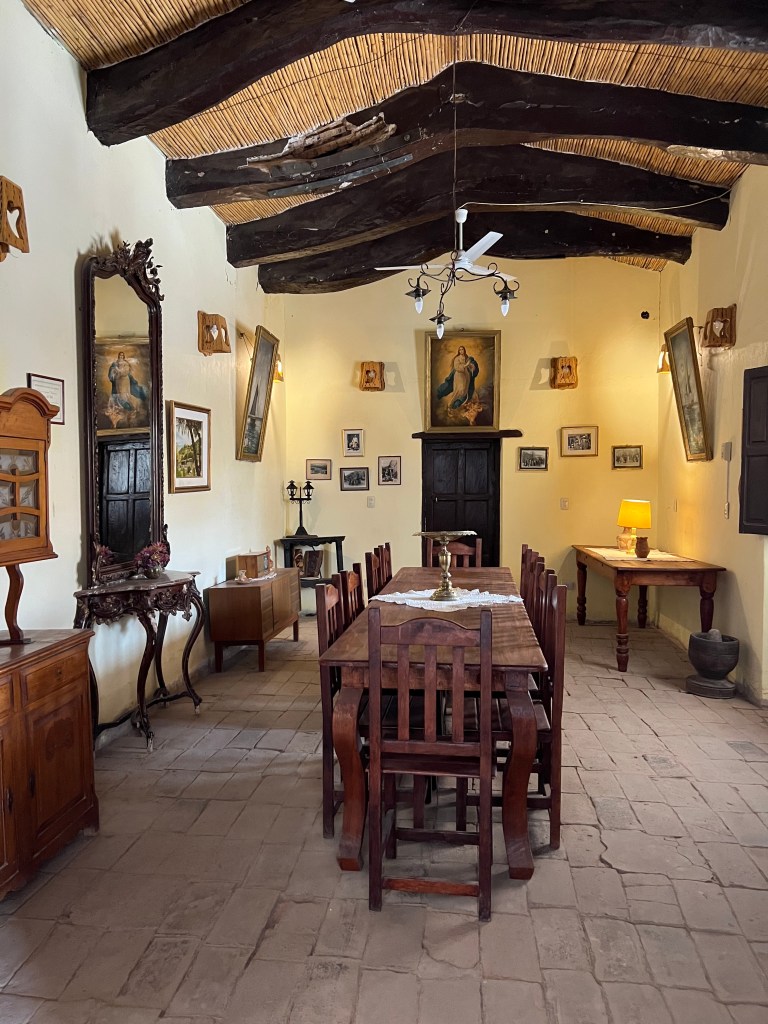
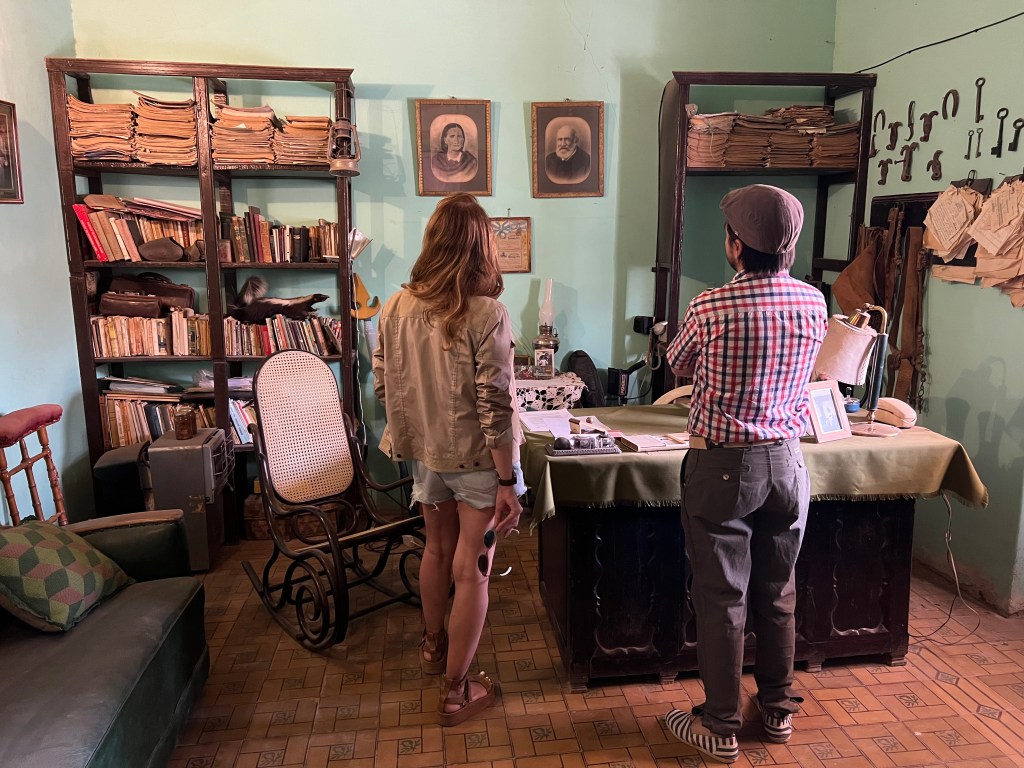

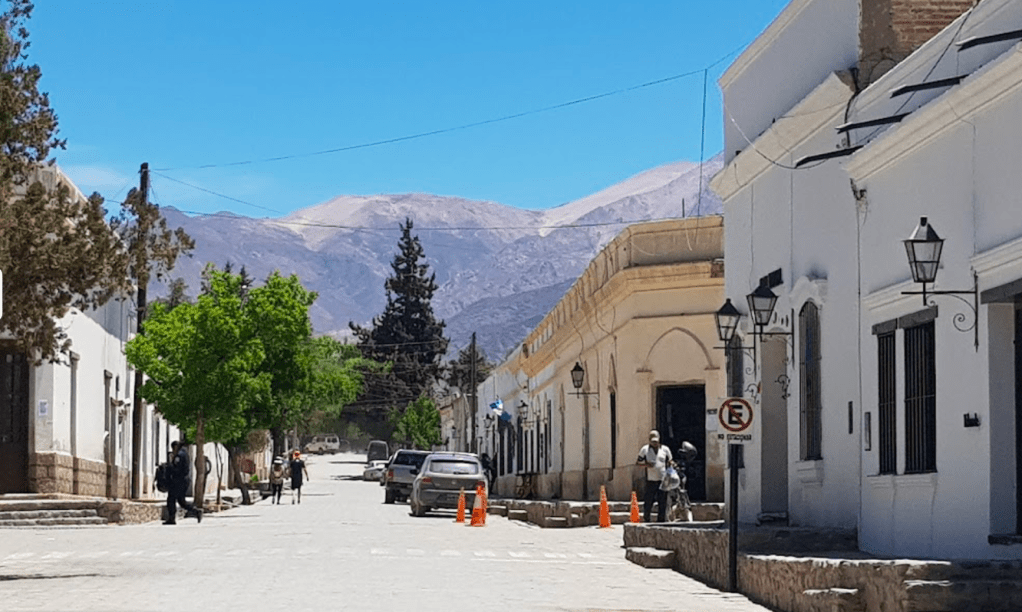
In Cachi, everything moves very slowly (not just the people, also the clouds). Siestas are long and everyone seems to have time for everything, especially to talk to strangers. We spent four happy days there, discovering this charming town as well as the multi-faceted region surrounding it.

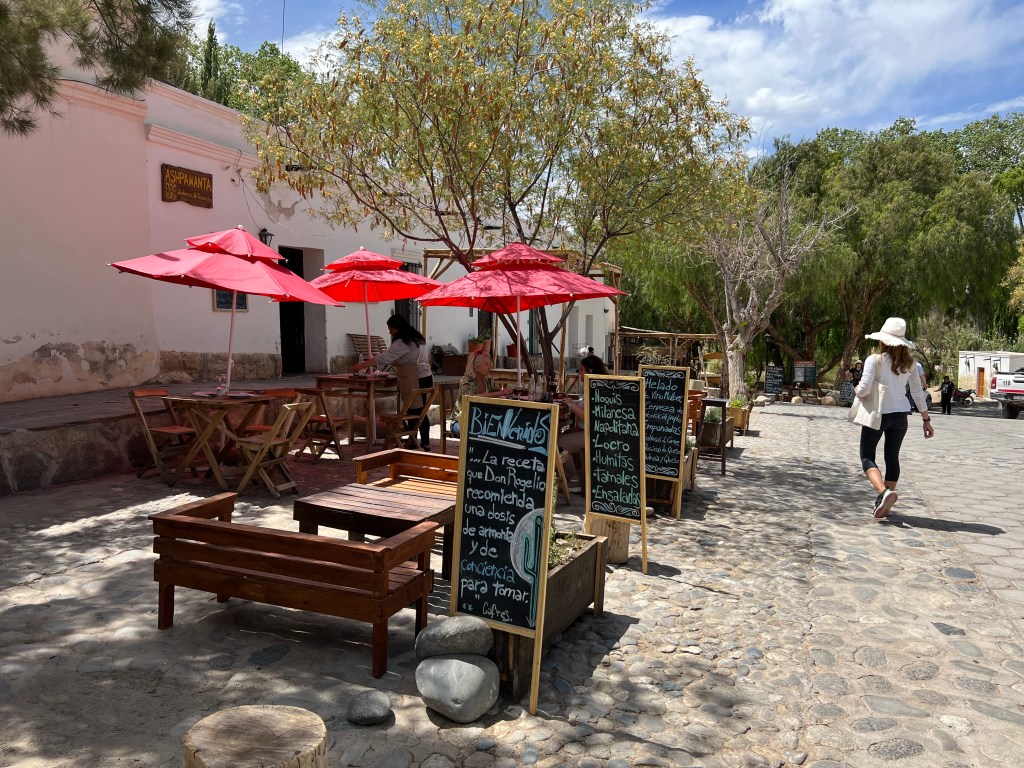
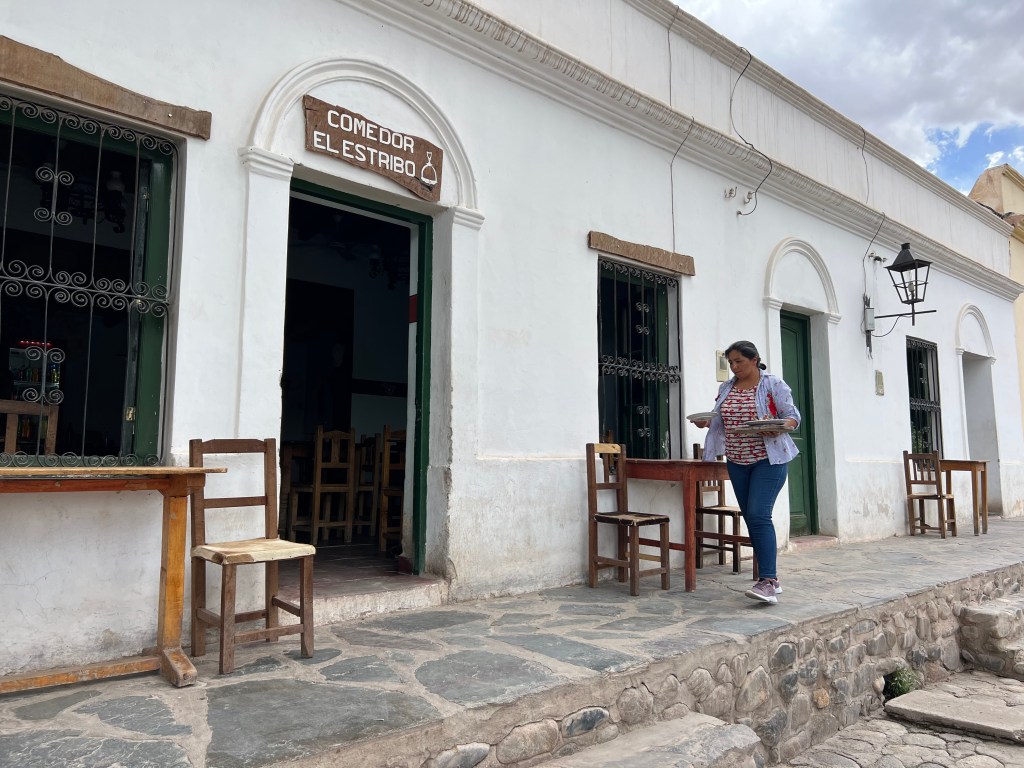
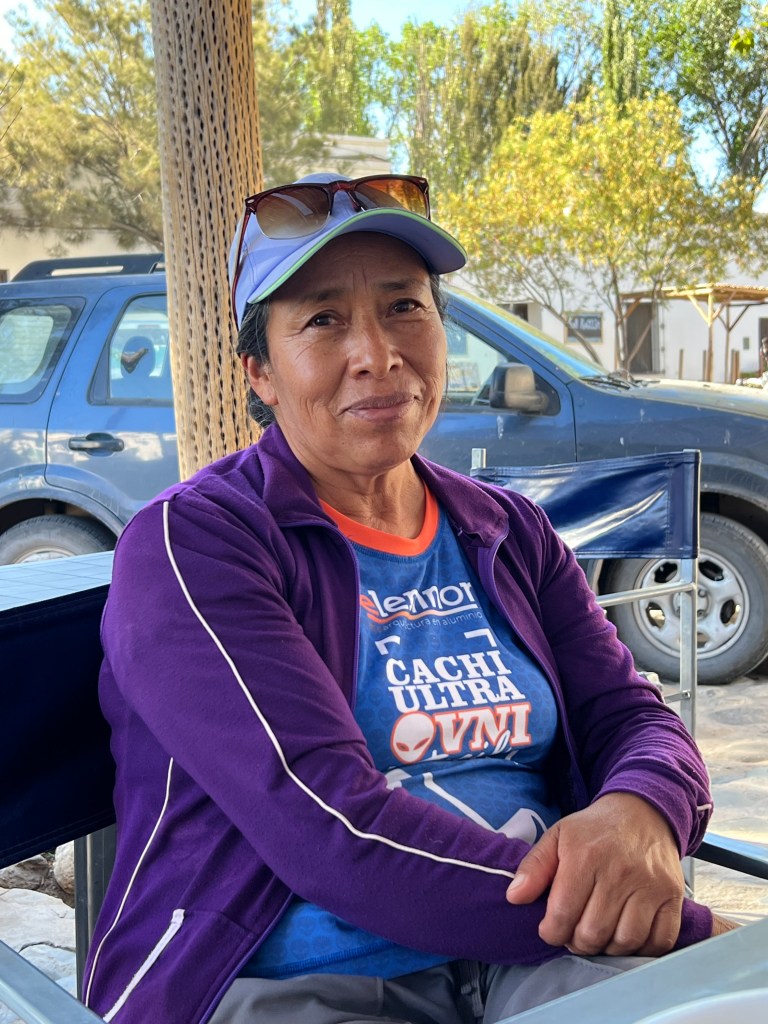
Through a guided tour of a nearby archeological site, we made the acquaintance of Hilda Corimayo (+54 9 3874 45-8635), a direct descendant of the diaguita tribe, the ancestral inhabitants of the region. We were so enthralled by her knowledge, her kindness and wisdom, that we asked her to spend an additional afternoon with us. We sat with her in a café and just listened to her talk about her family and her upbringing, so different from the judo-christian environment we grew up in.
The diaguitas lived in harmony with nature and worshiped it. Totally peaceful people, they hardly ever had confrontations amongst themselves or with others, until the Incas arrived in the mid-XVth century, closely followed by the Spanish 50 years later.
The diaguitas treated their children not as immature grown-ups, but with the same reverence and respect as they did older humans (and indeed any other living being). To ensure that no differences existed between older and younger members of the family, the diaguitas always took meals sitting in a circle (rectangular tables, so common in our civilisation, incite segmentation and hierarchies, Hilda explained).
The parents of Hilda were illiterates but they had wisdom, lived with gratefulness and felt interconnected with everything that existed around them and beyond. Her father was indeed the leader of the family but he manifested his leadership through kindness, softness and encouragement towards free thinking. He wanted Hilda to go to school to learn how to read and write and to learn mathematics. As for the stories about the “illiterate savage Indians that needed to be civilised by the Spaniards” that were recited by Hilda’s teachers, he asked her to listen to them, but encouraged her to make her own mind later.
Hilda and her parents lived in an adobe house with small windows, thus light was dim in her home. But light was not an essential element in her or her family’s day by day living, most of everything she did was outdoors. Hilda emanated interior peace and confidence. That confidence that comes from the feeling that we are all interconnected, that there are some forces beyond us that will support us and that no matter what happens in our lives, we will be well. We were struck about how similar the views of the diaguitas were to those of many North American tribes. Sadly, the diaguita language, as well as many of their customs have disappeared.
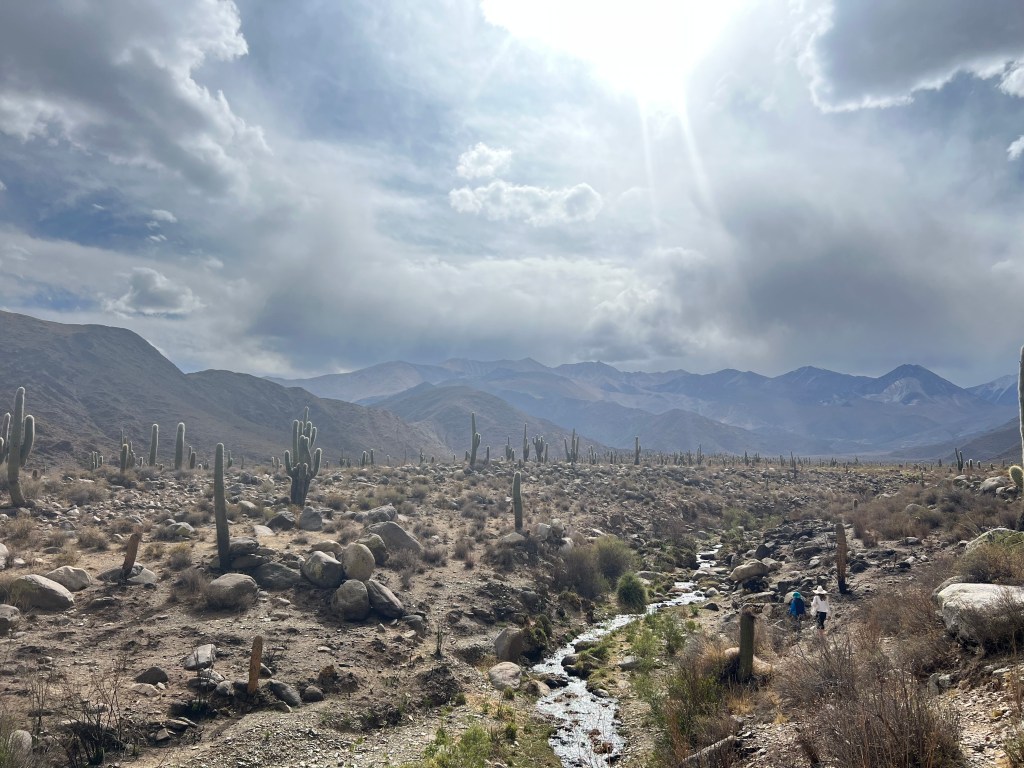
The area surrounding Cachi is strikingly beautiful, with several very nice places to have lunch at, including Bodega Puna and La Merced del Alto.
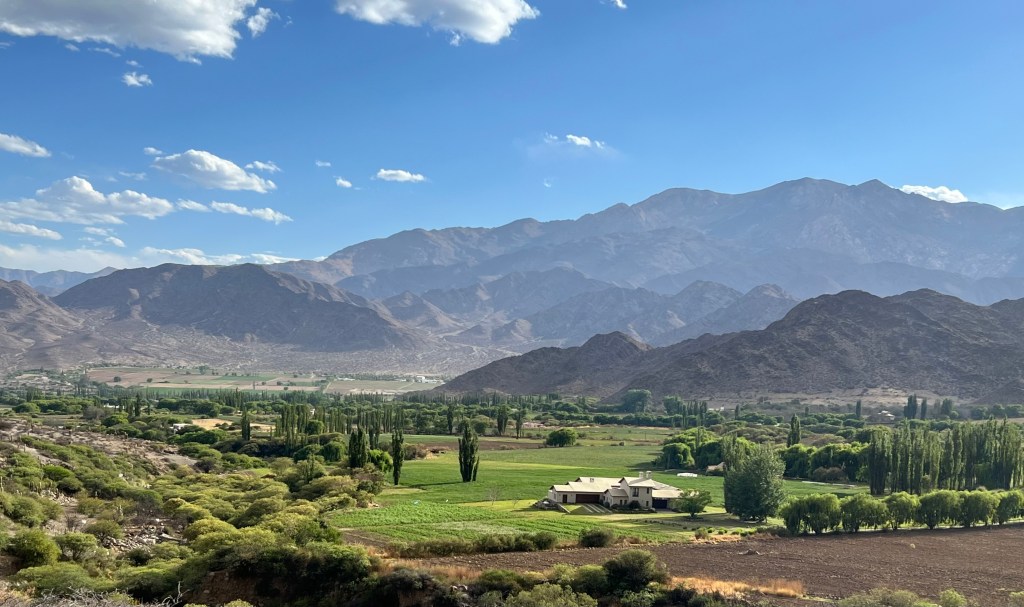
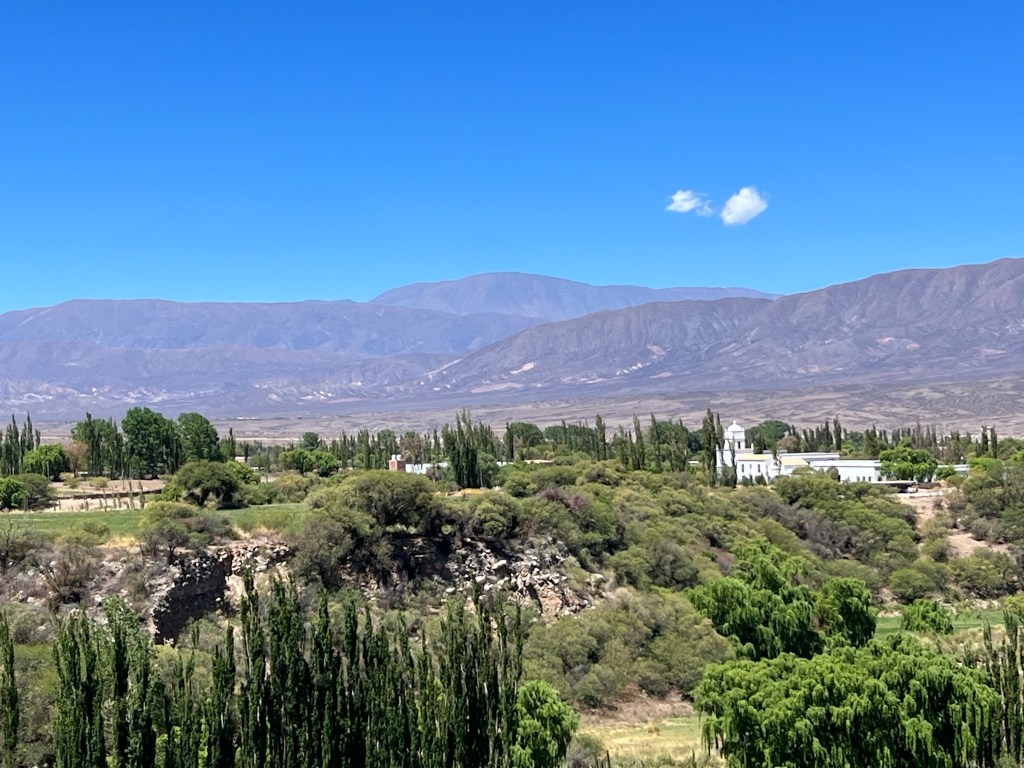
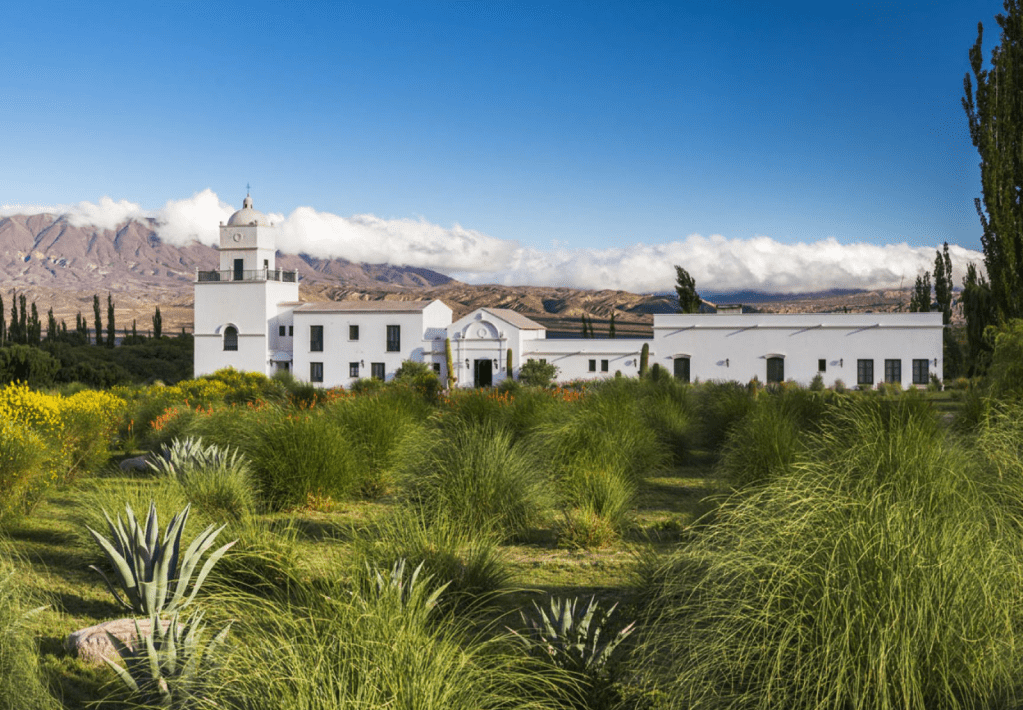
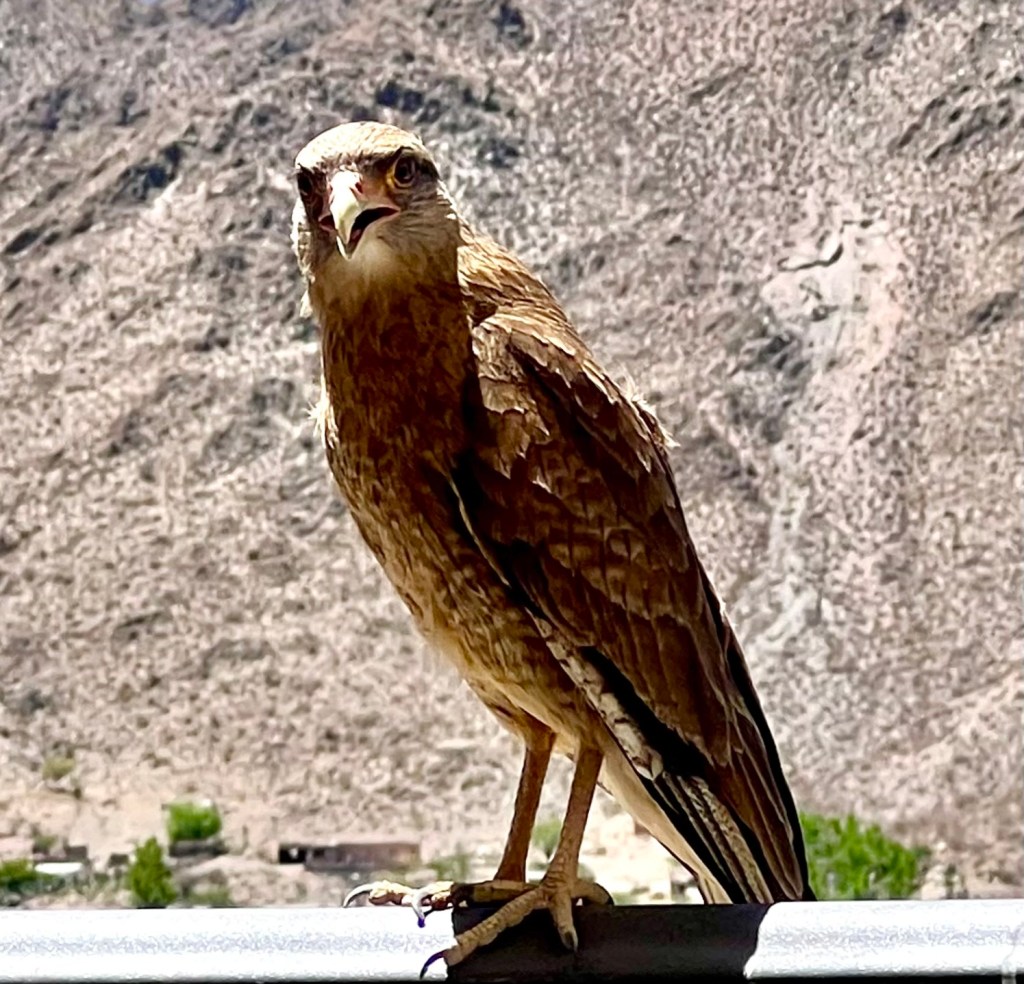
Cuevas de Acsibi is an excursion not to miss while in Cachi. You reach this enchanting area of incredible rock formations by car, followed by a bumpy road on a 4 x 4 jeep and then about two hours on foot.
Juan, our guide, introduced us not only to the local flora and fauna (many pumas roam the area, especially by night), but also to the spiritual forces in this area, which were understood and venerated by the diaguitas. Juan is a physicist who studied quantum physics in order to explain scientifically quantum phenomenons he had always perceived and felt in nature.
Sometimes the silence at Cuevas was deafening. We left the area hardly saying a word, like in a trance.


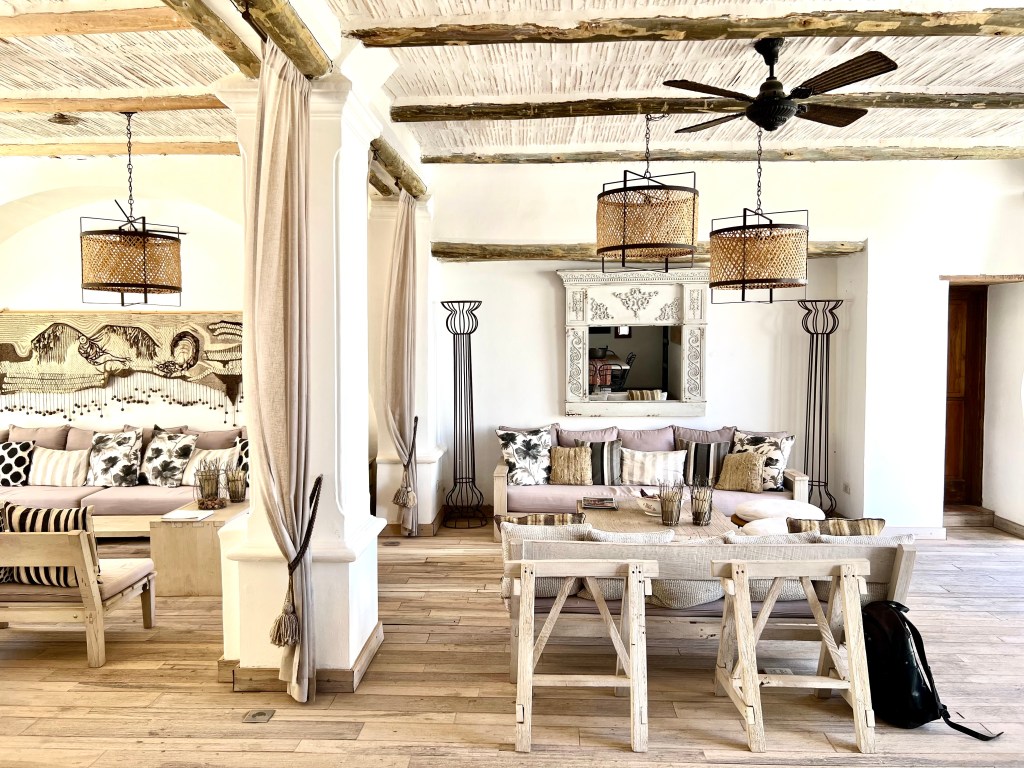
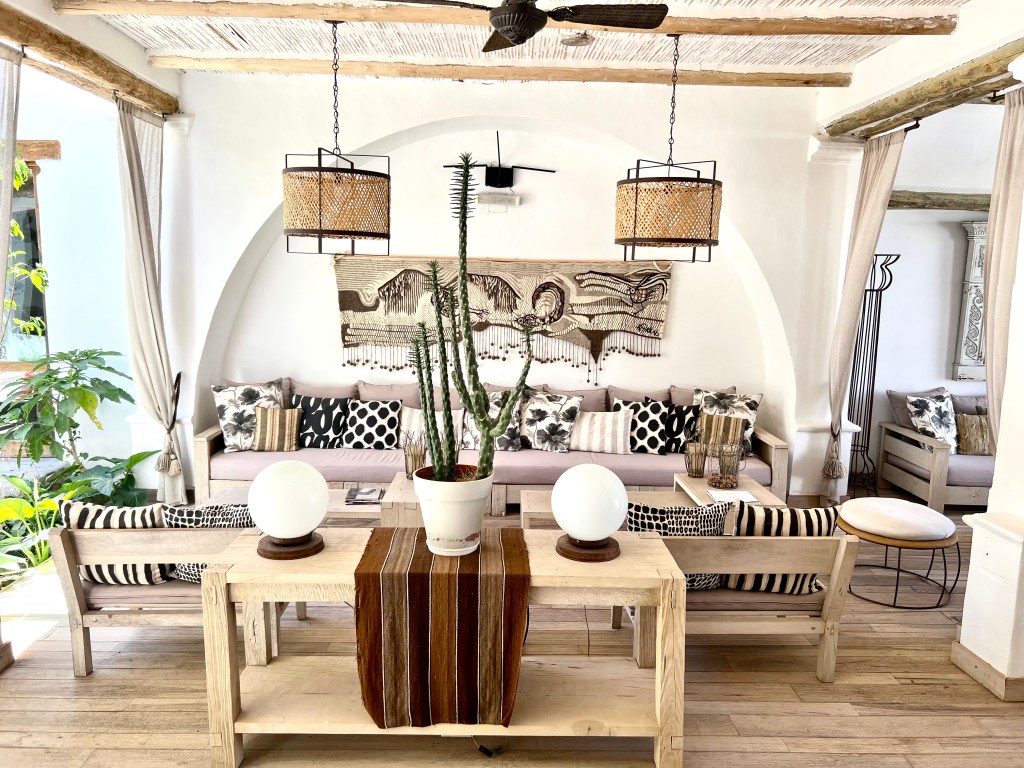
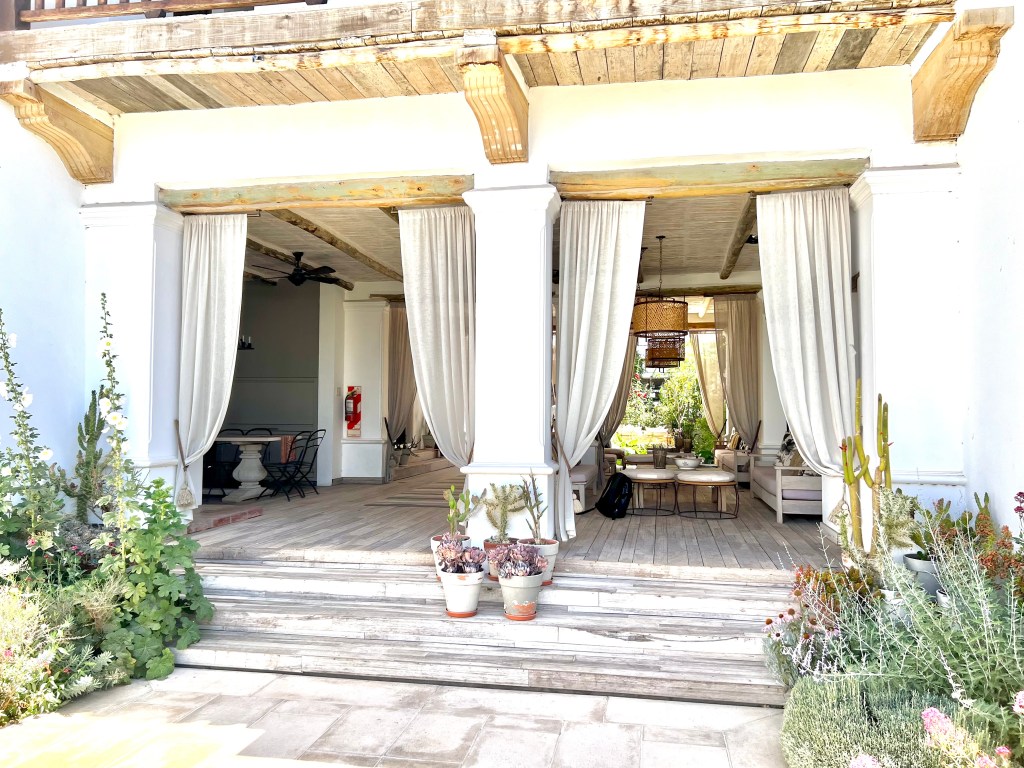
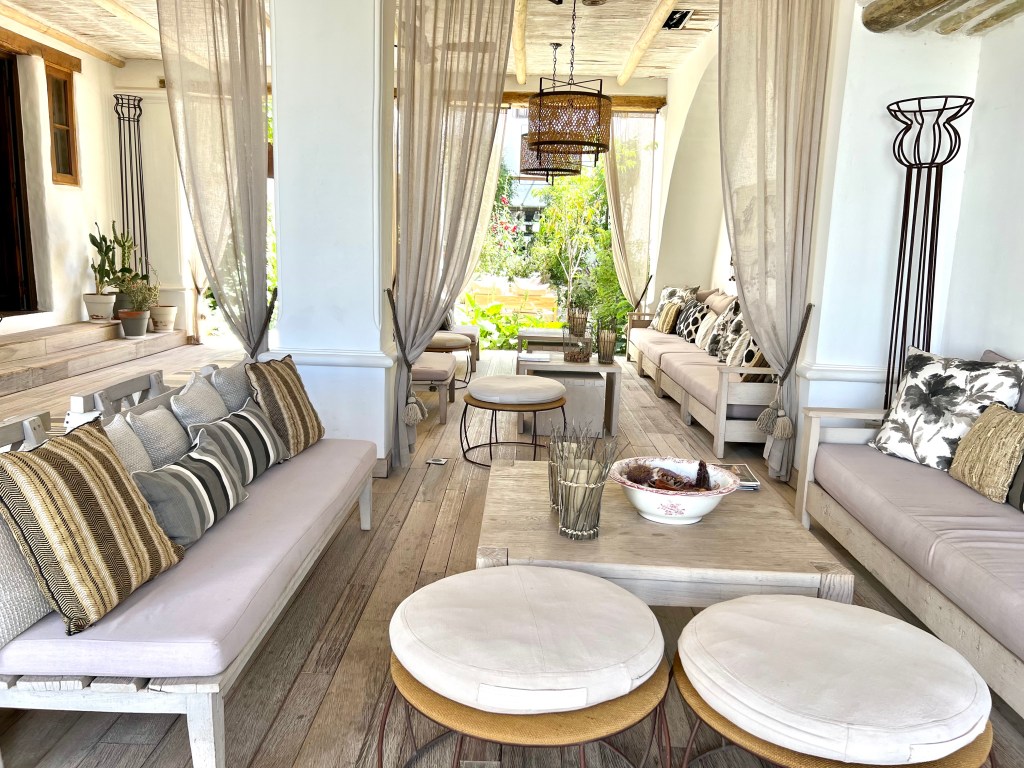
In Cachi we stayed at the Hotel El Cortijo. Its common areas and interior design are very nice, but the rooms are poor (small, with little sunlight, very little cupboard space and, in our case, a bit dirty). But the staff is very friendly, the massages great and the location is perfect.


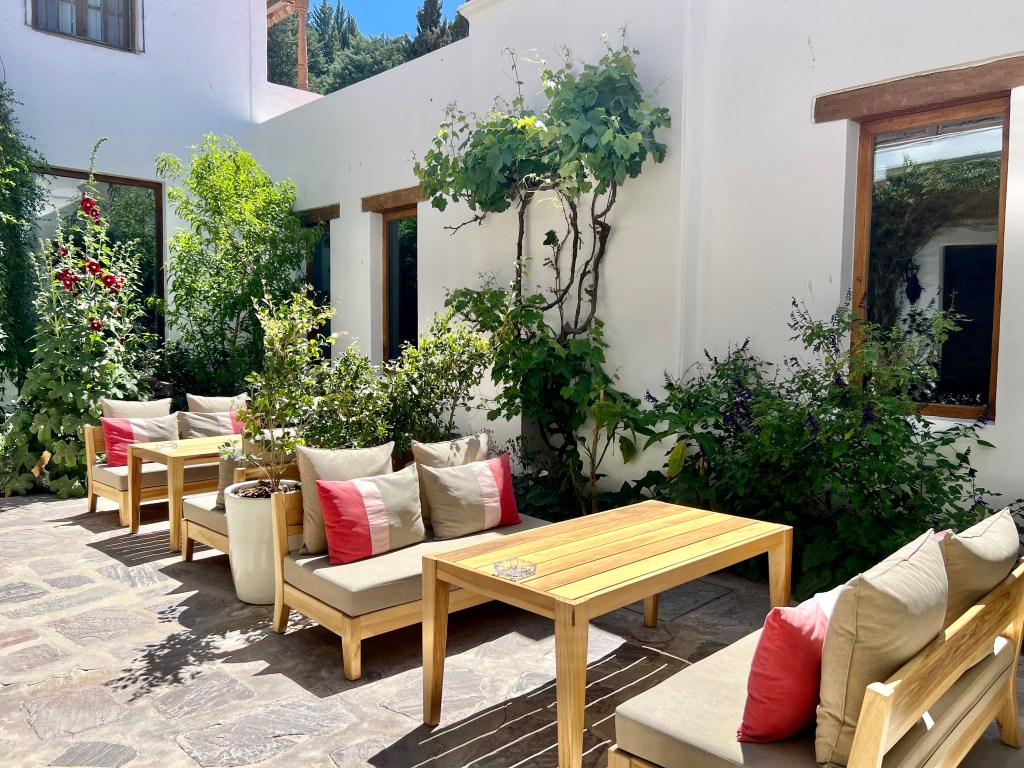
Not to be missed in Cachi is restaurant Mi Favorita. It’s where the locals go and it’s understandable why – the barbecued lamb is out of this world. Make sure you attend an evening where there is “la peña” – you will hear great local music.
The road from Cachi to Salta city inspires meditation and reflection. Most of the time we were on our own, with only the occasional car crossing our way.
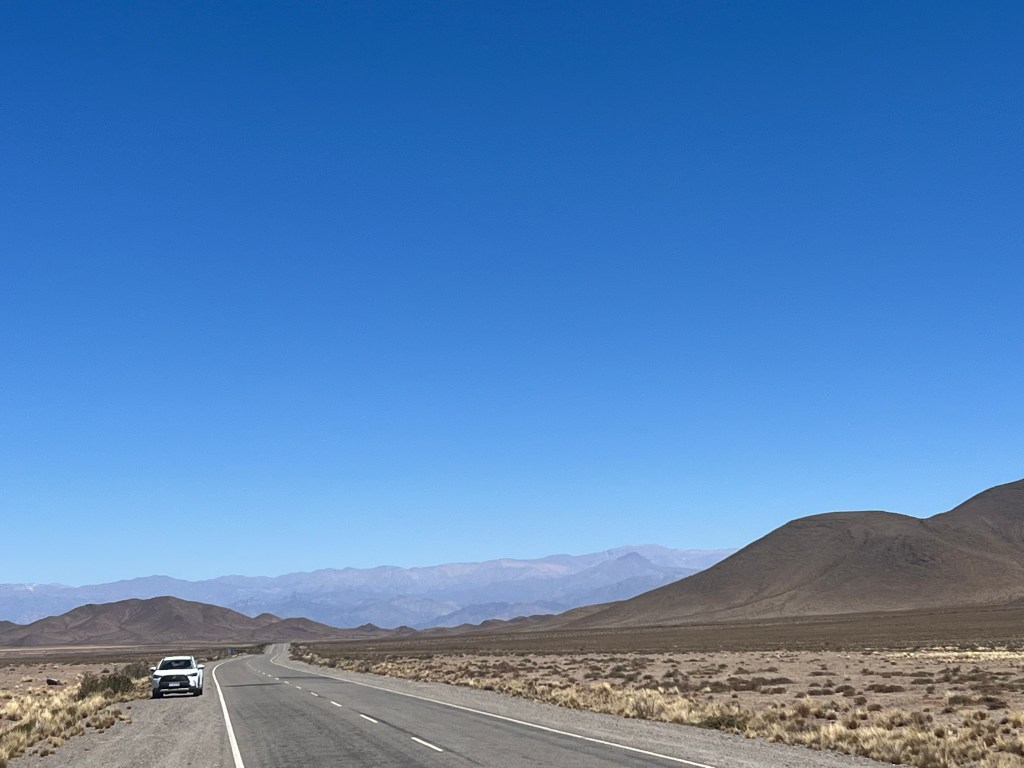

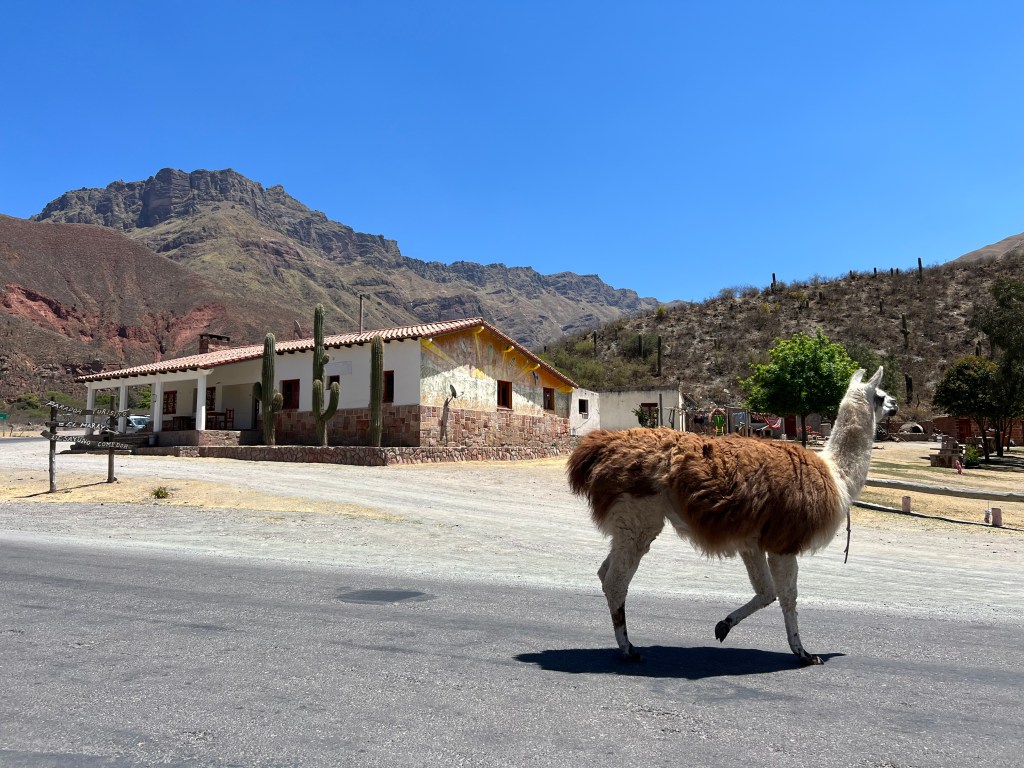
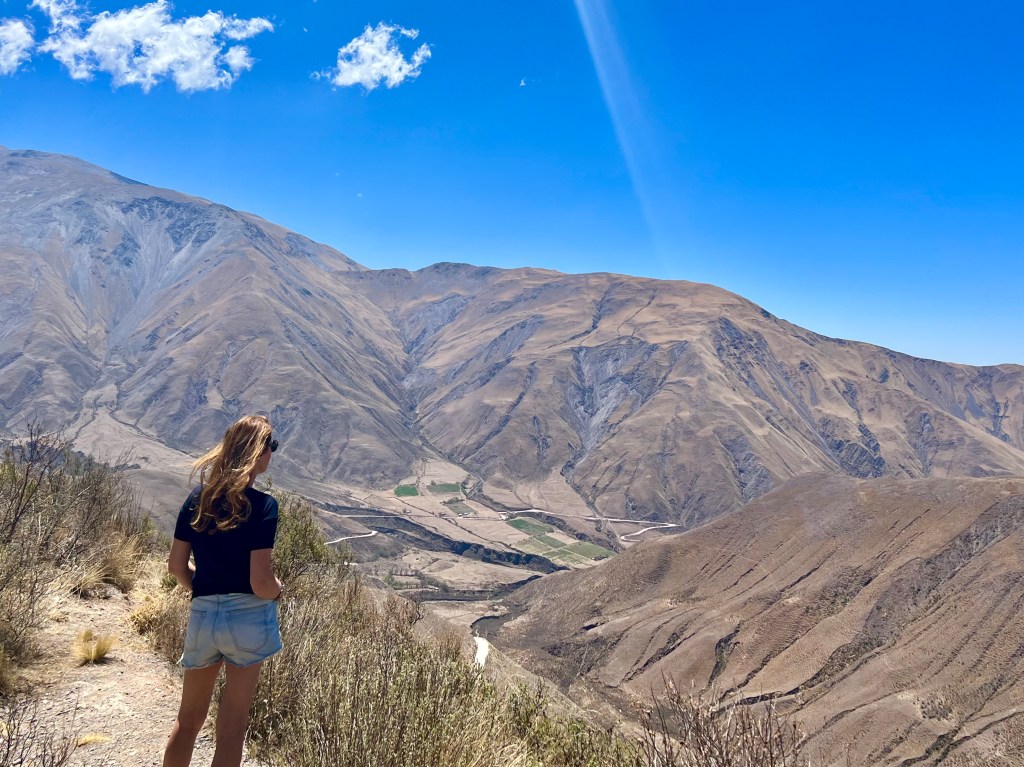
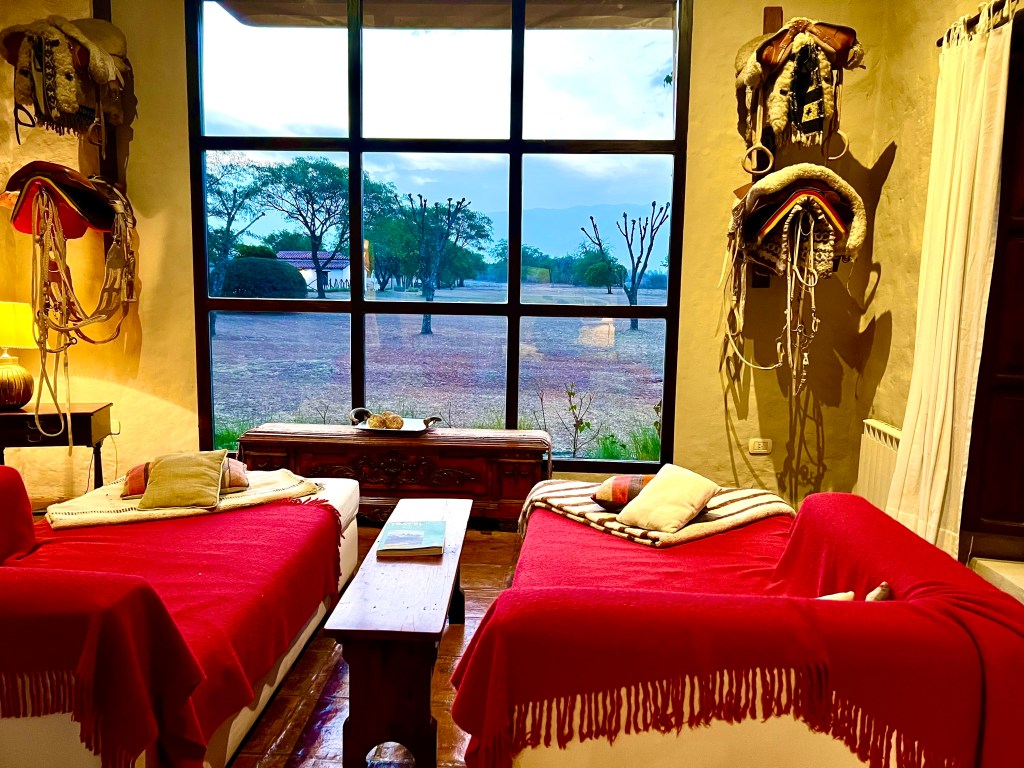
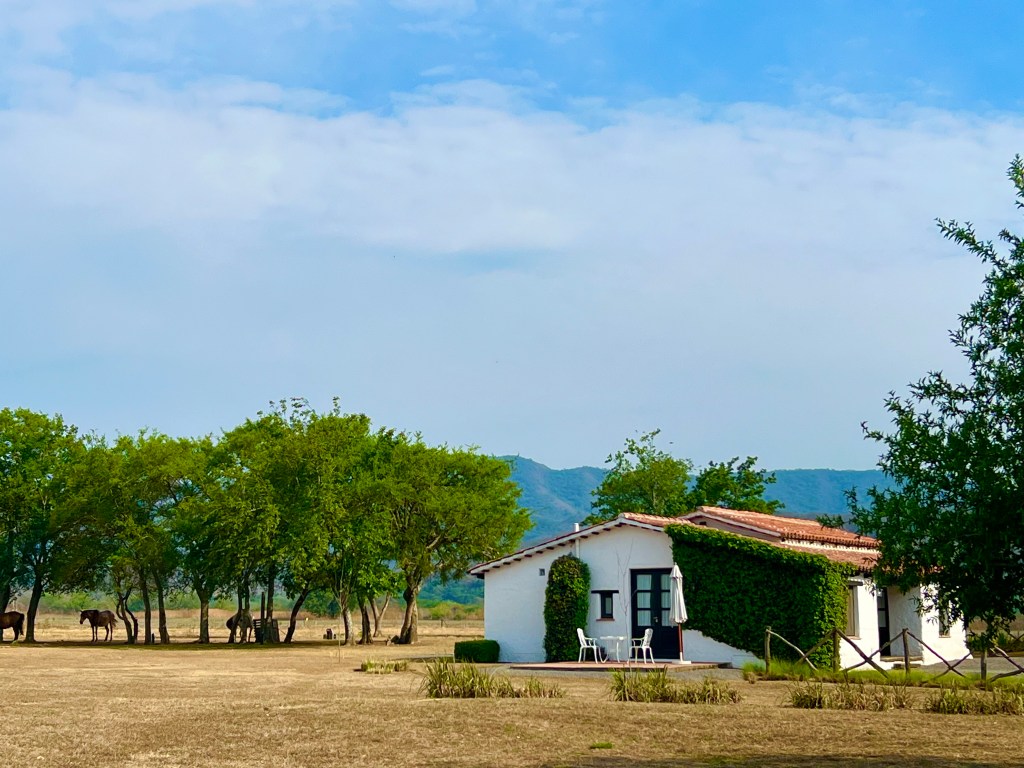
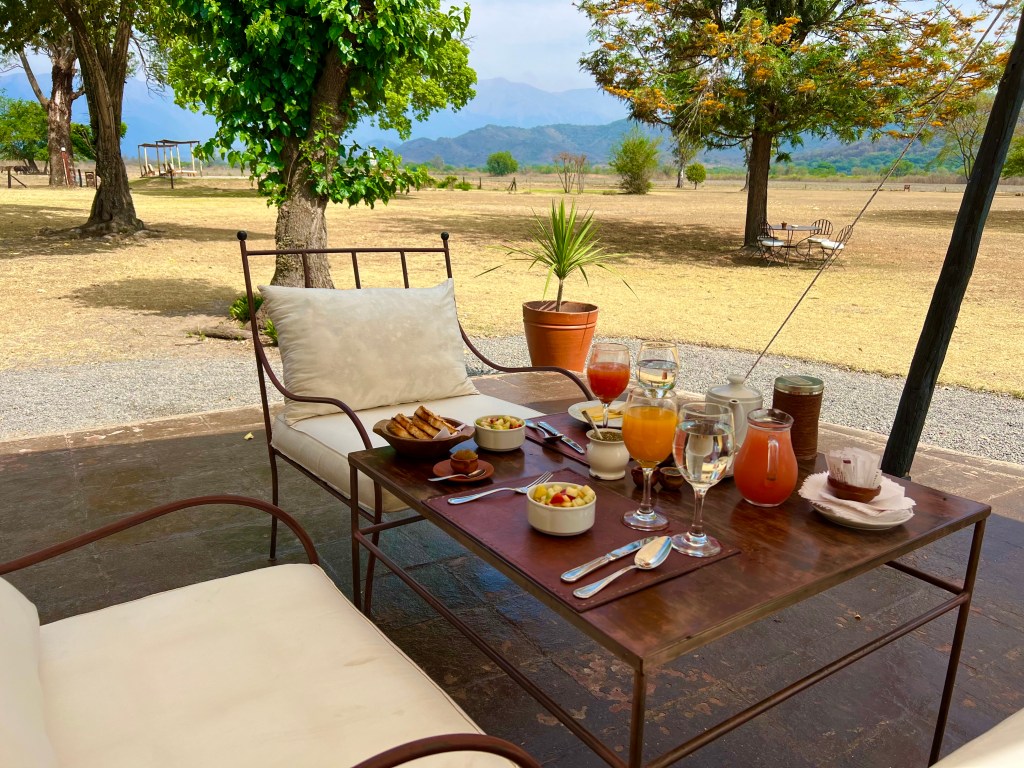
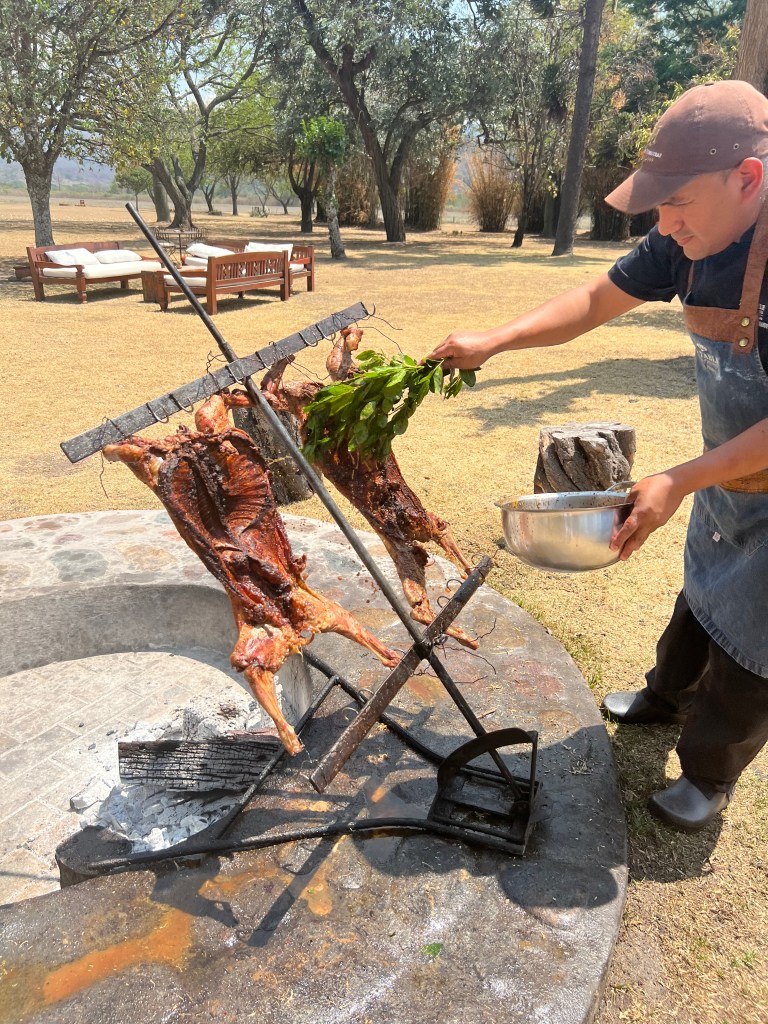
We spent two very relaxing days in House of Jasmines, an estancia about 15 min. by car from Salta Airport. A serene place, with wonderful views, it features a memorable Sunday barbecue of whole lambs, cooked the Argentinian traditional way (over an open fire, 4 or 5 hours) – if you haven’t had this before, it’s your opportunity to enjoy lamb like never before!




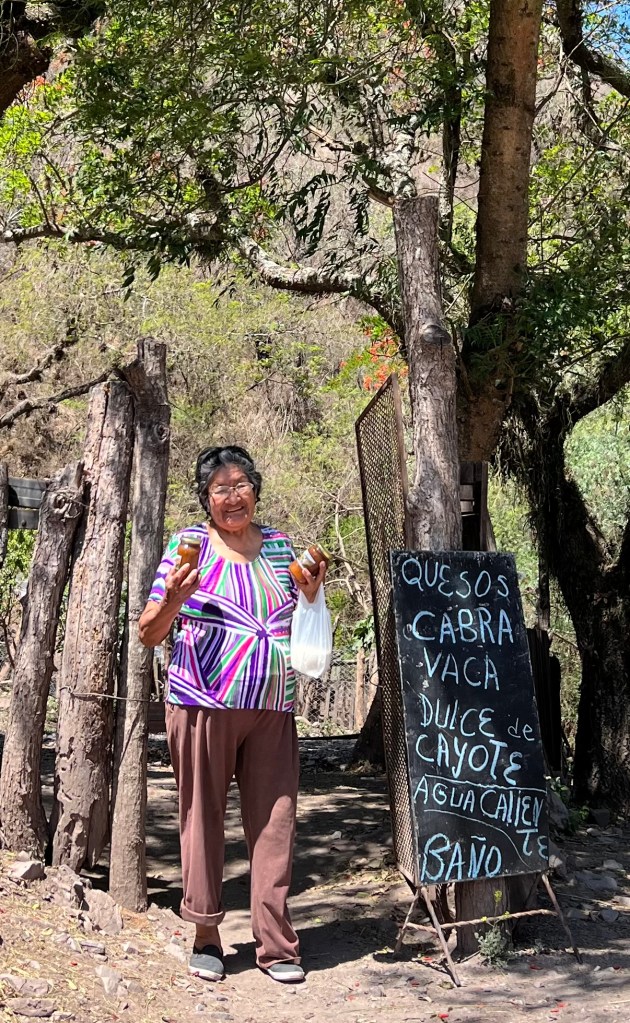
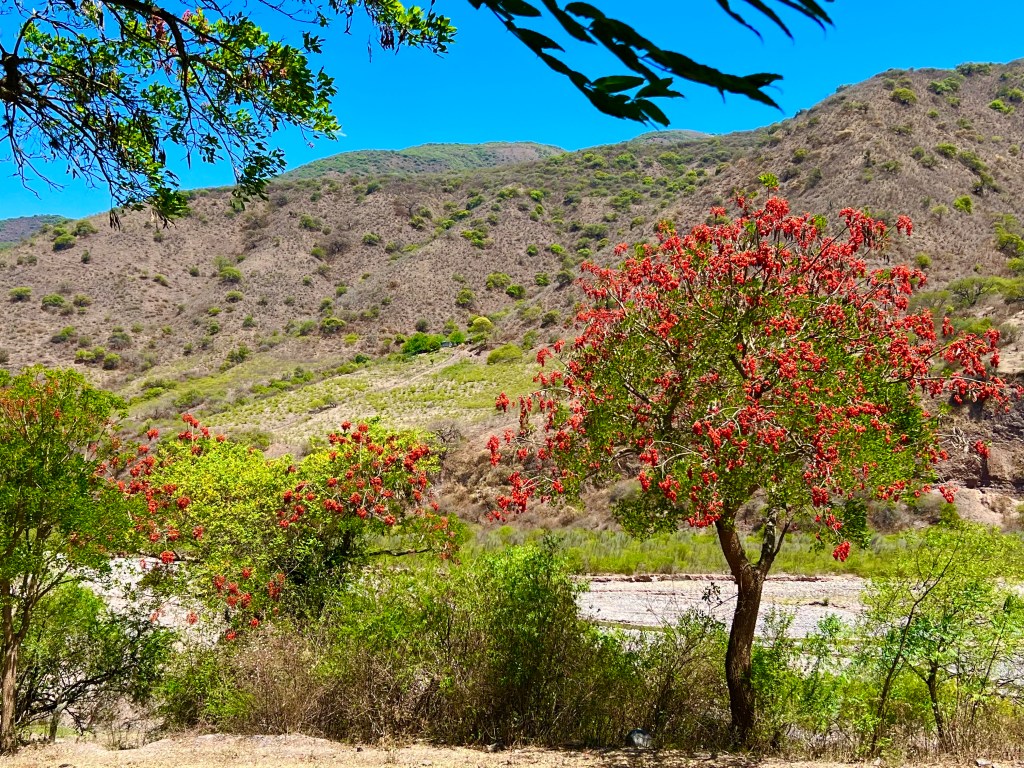
On the way from Cachi to House of Jasmines we met Doña Serafina, who told us about her life in the remote Quebrada del Escoipe, which has been the home of her family for generations. Everything she showed us (her home, her orchard, the installation she uses to gather water from a nearby brook, etc.) was built by her own hands.
She told us how fulfilled her life was, now even more so since “there is finally a road we can travel on – the only passage we had used to be in the river bed and when there the rains came, we just couldn’t move from here”. We bought some of Doña Serafina’s products (a delicious jam made of cayote, a hybrid of pumpkin and watermelon, as well as artisanal bread). Meeting her reminded us of how fortunate we are to live in places where roads (and other amenities, like electricity) are taken for granted. Her radiance and happiness at over 80 left a lasting impression on us.
San Antonio de Areco
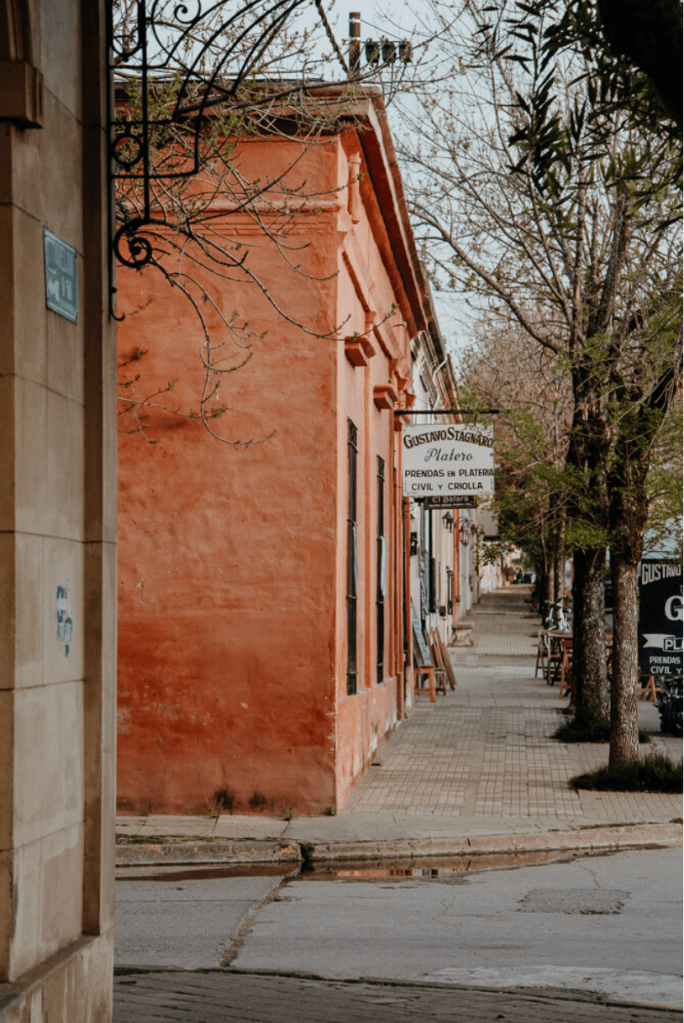
About a 90 min ride by car from the center of Buenos Aires is the town of San Antonio de Areco, a perfect example of a country town in the pampa. We loved its sleepy alleys and the ever friendly people, who will stop you on the streets, ask you where you come from and then initiate a conversation, which usually ends in a local café or restaurant.

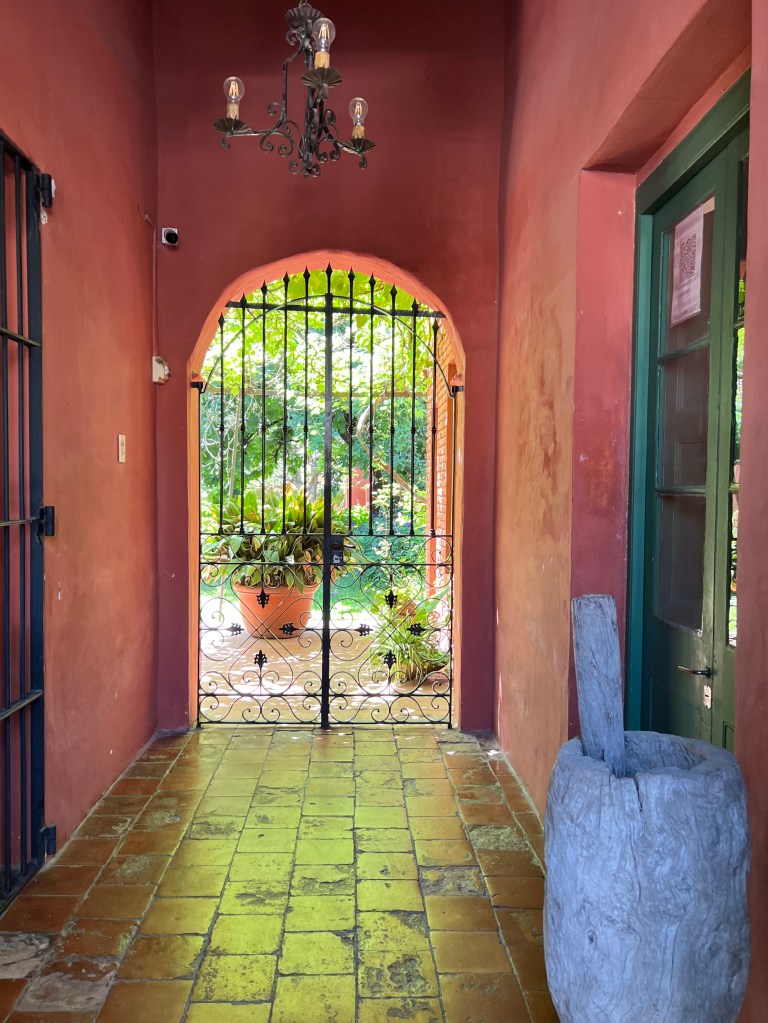
We had an excellent meal at Restaurant La Corazonada – farm to table with a twist!
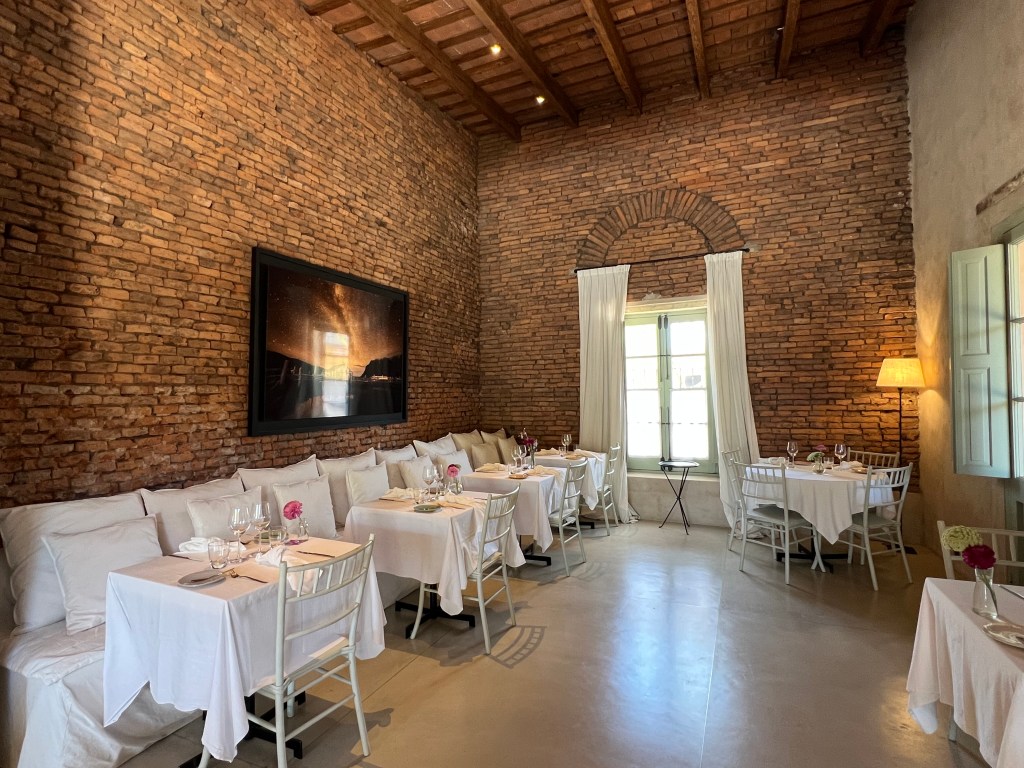
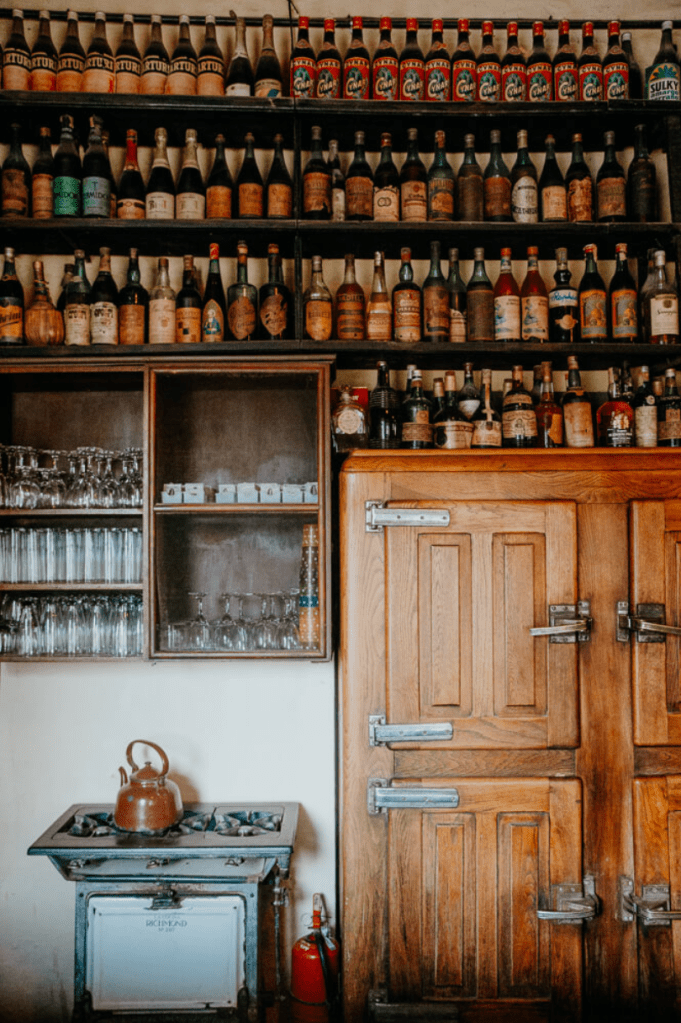
La Bamba de Areco, a magnificent estancia where we stayed for three nights, is only a few minutes away from San Antonio. We were pampered by the extraordinarily dedicated staff led by Guillermo Savino, the general manager and his wife Lucila.
If you want to gain weight, this is the place to go – four meals a day are served on the property, the food is excellent and the communal tables lead you to meet a lot of interesting people. The long conversations mean that it’s not uncommon to be asked by the staff to leave the table in order to make room for the next meal!
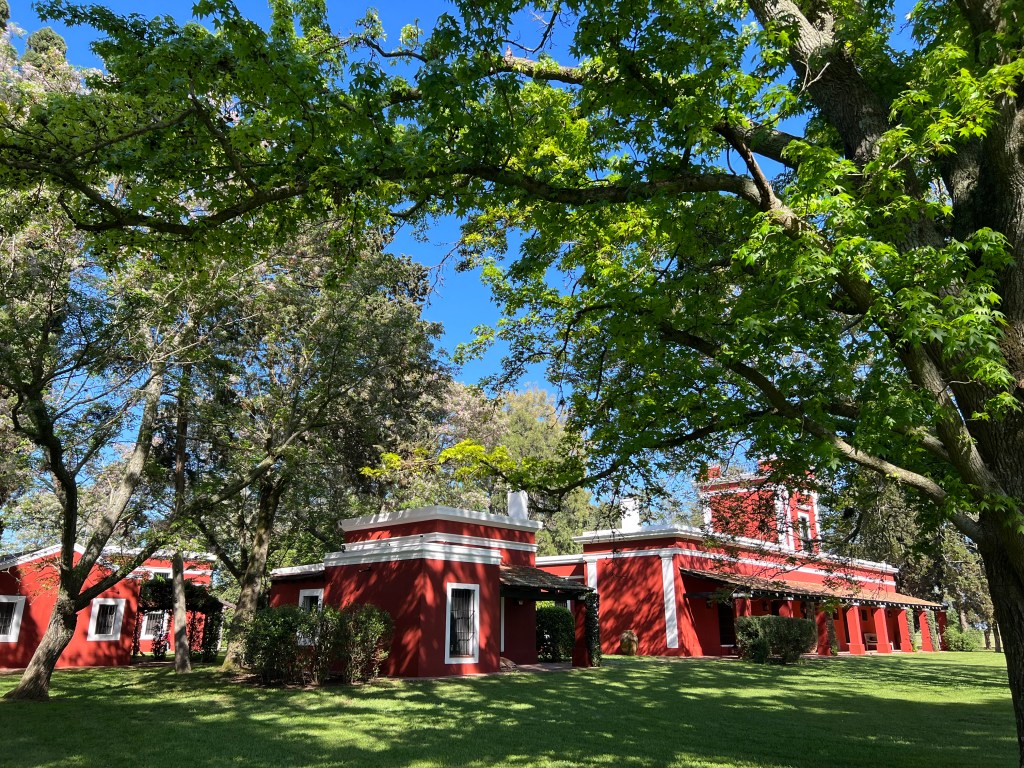
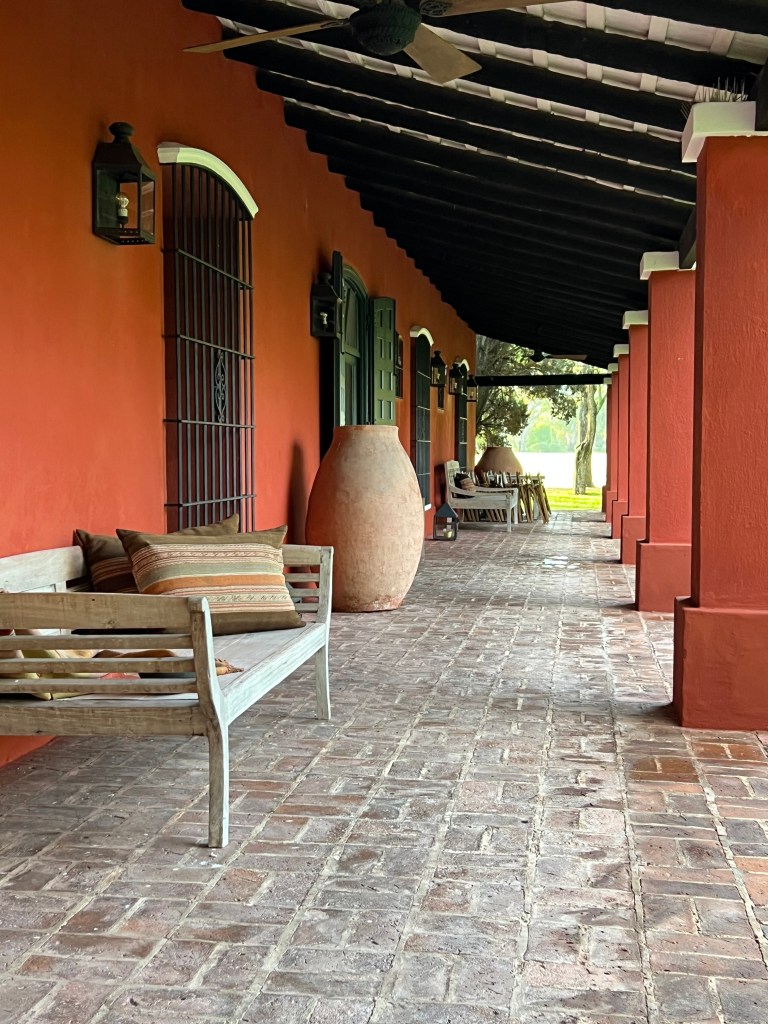

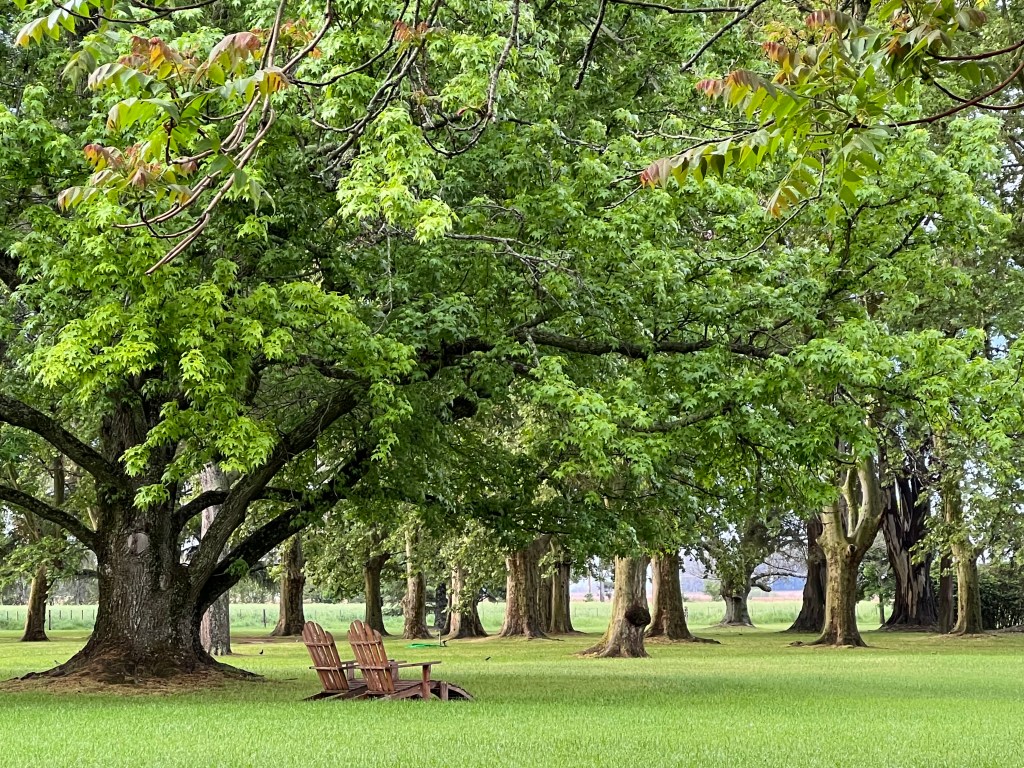
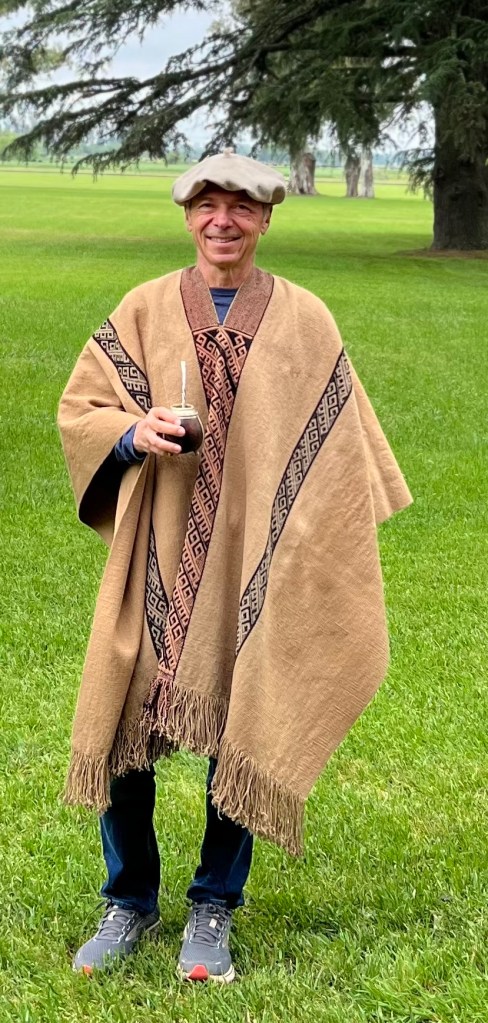
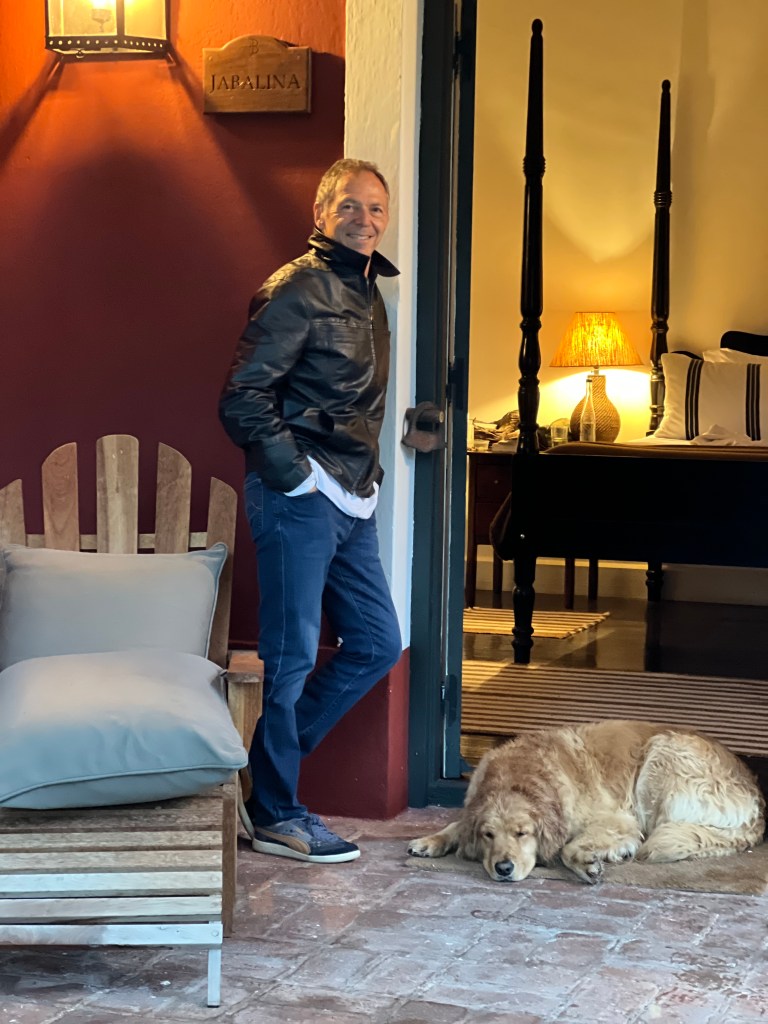
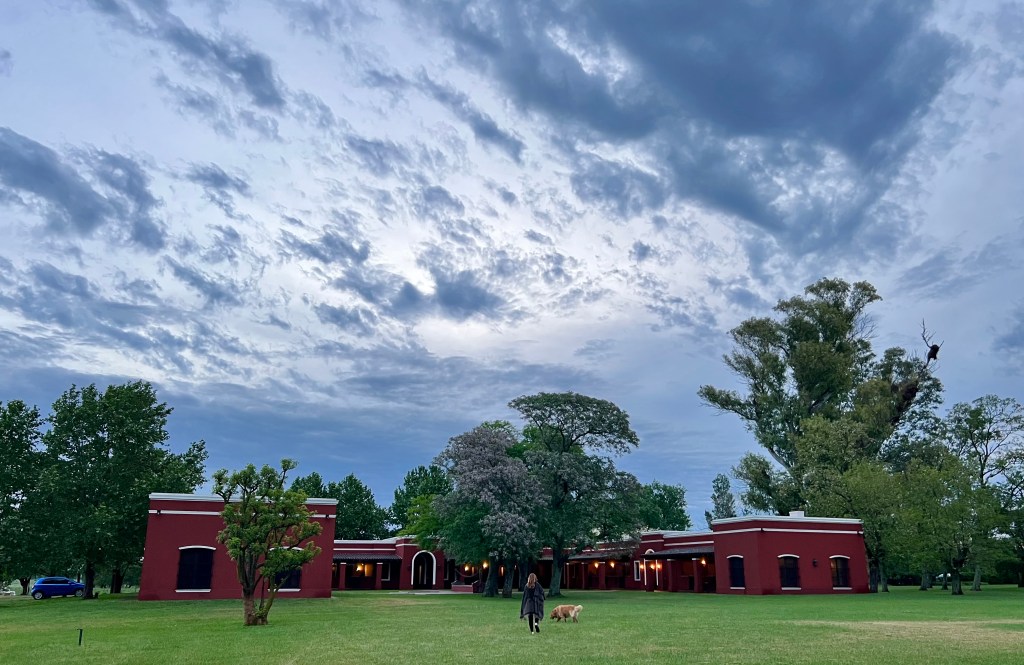
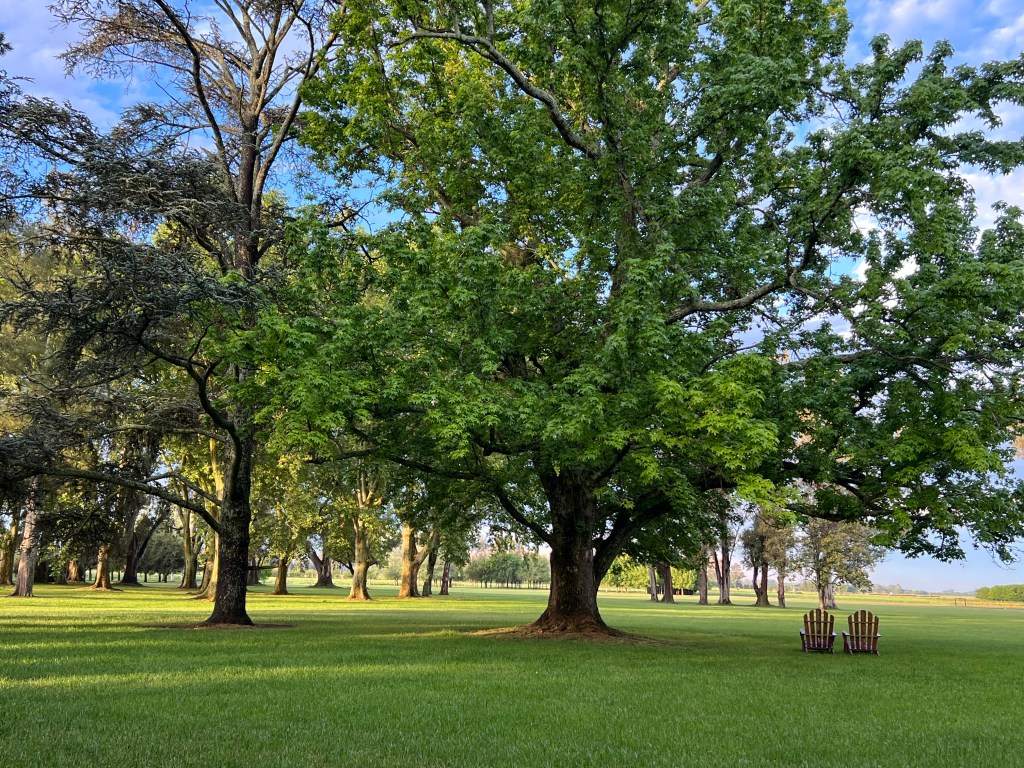
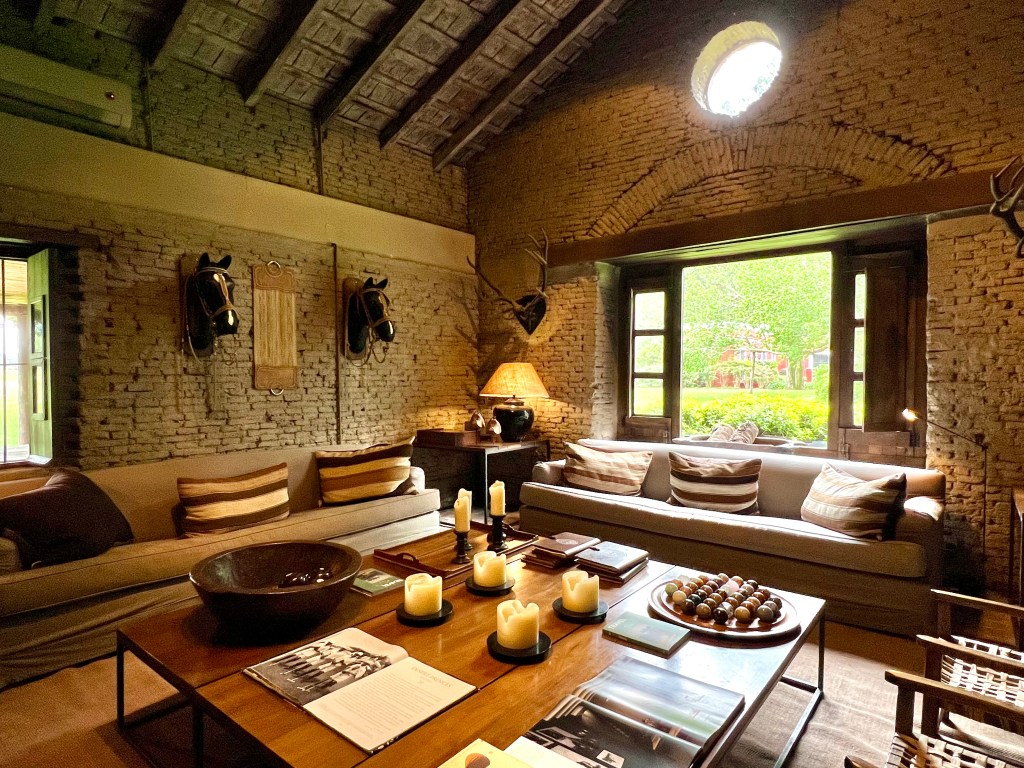


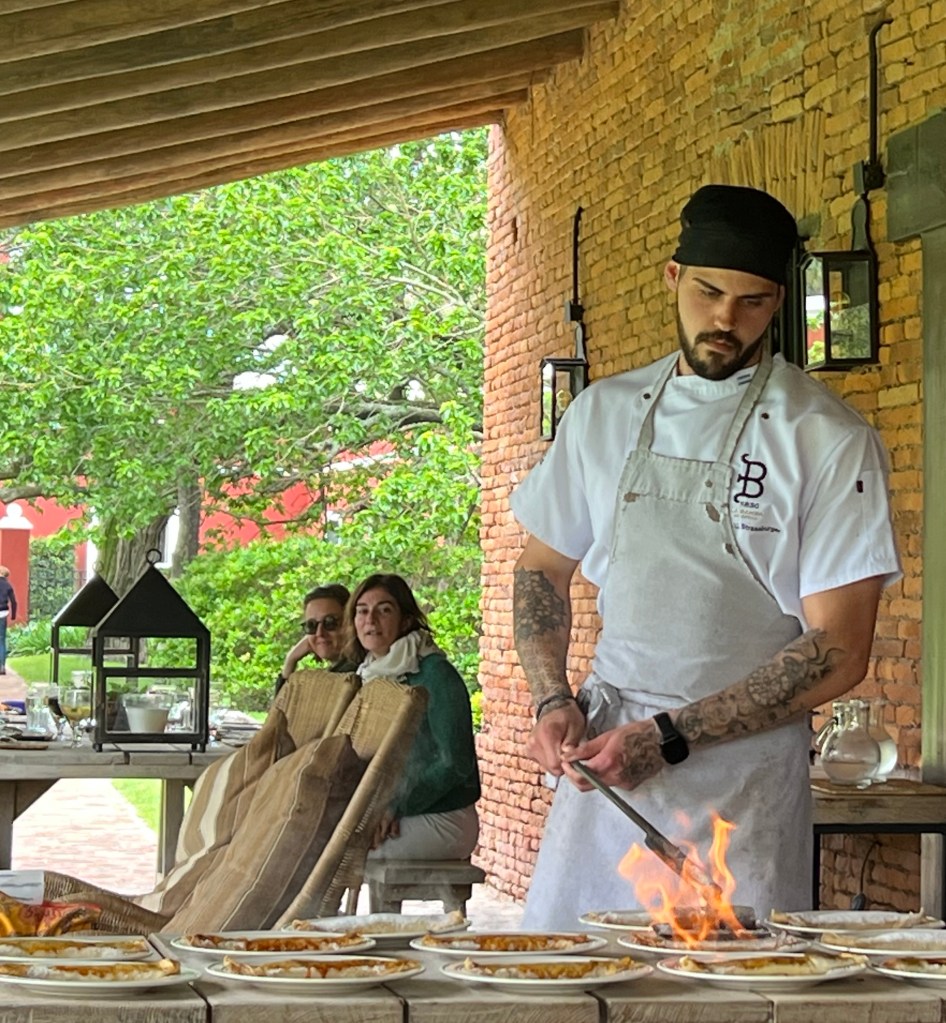
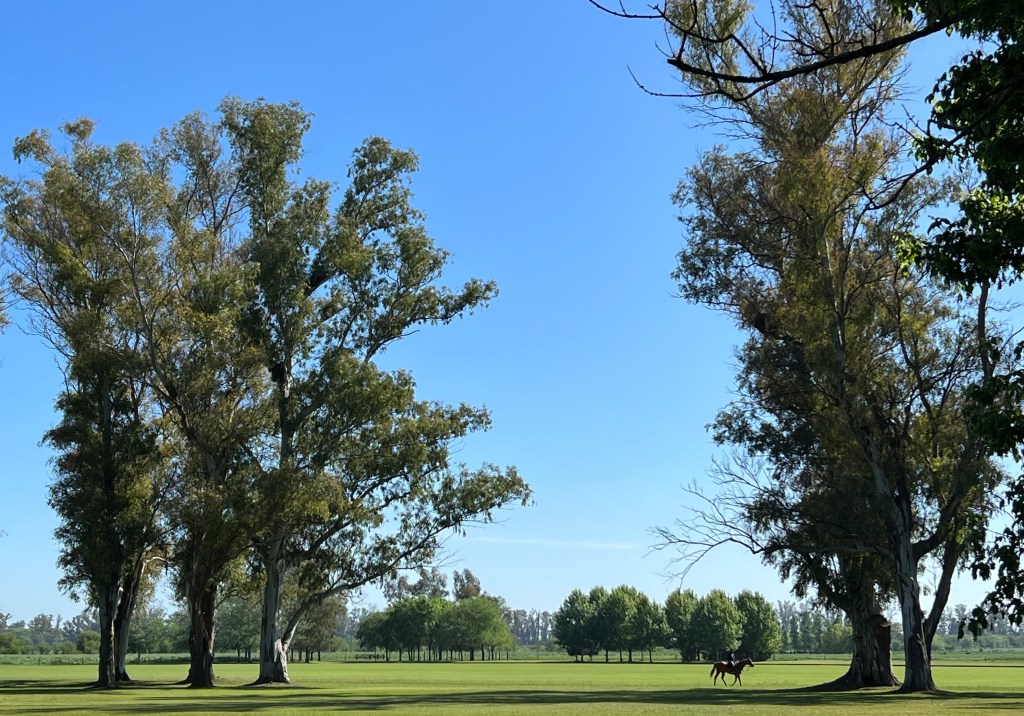
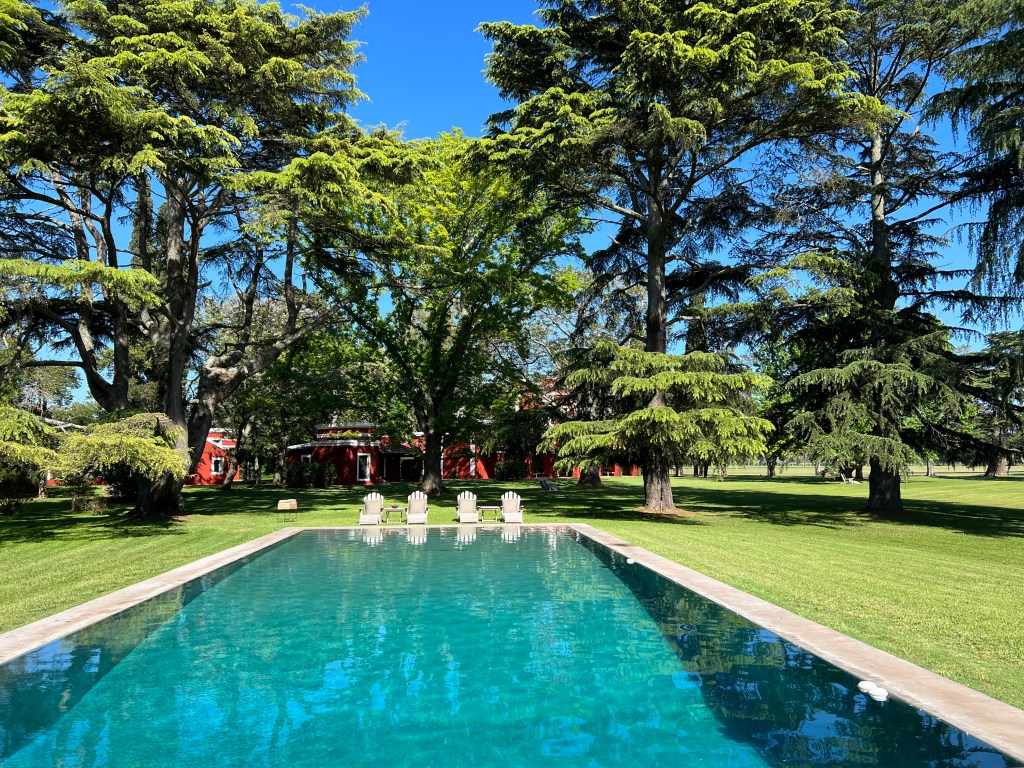
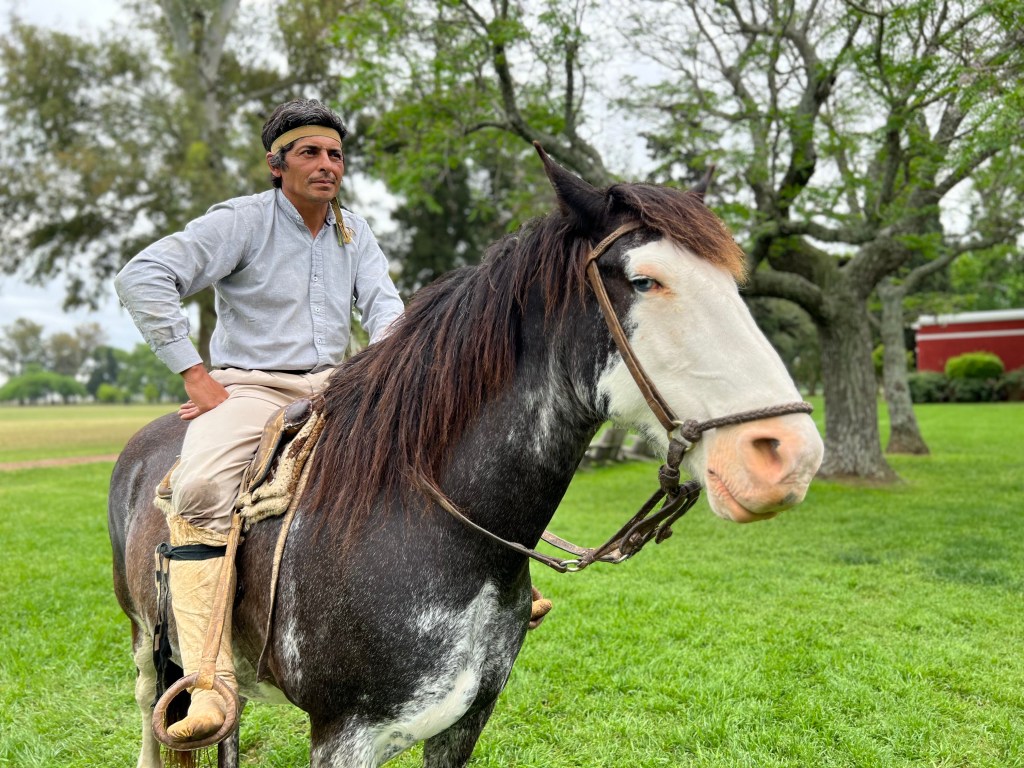
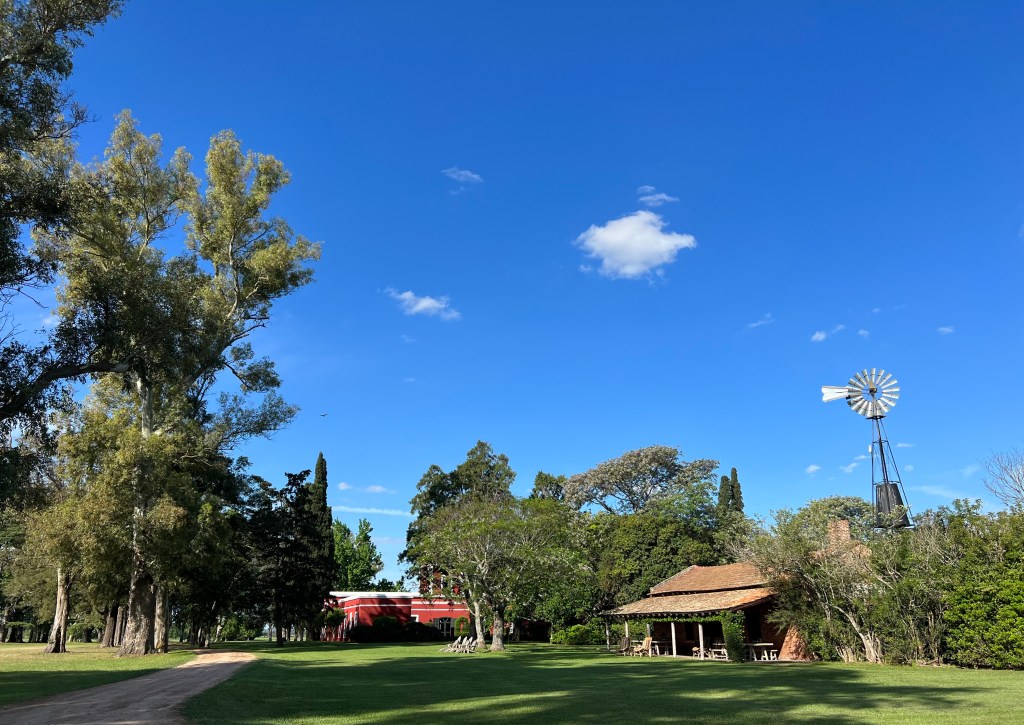
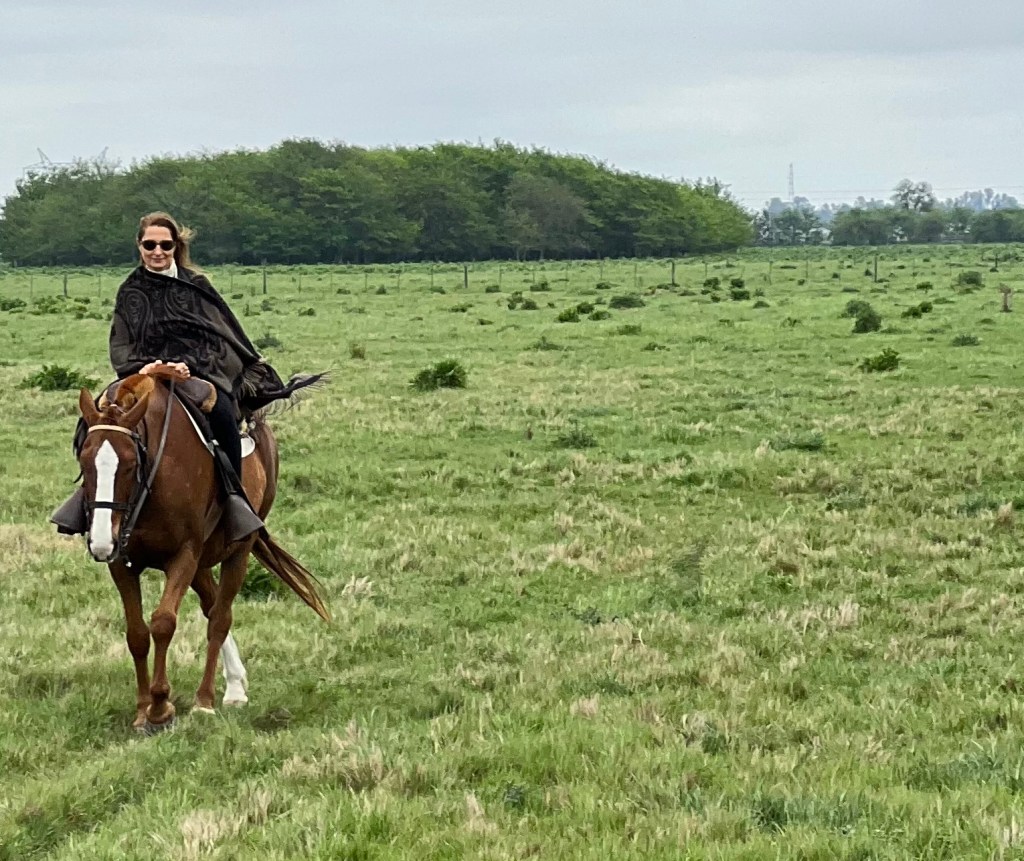
We also watched polo while at La Bamba (the property has two polo fields) and of course did a lot of horseback riding. It’s really a place not to miss if you are in Buenos Aires!
Patagonia
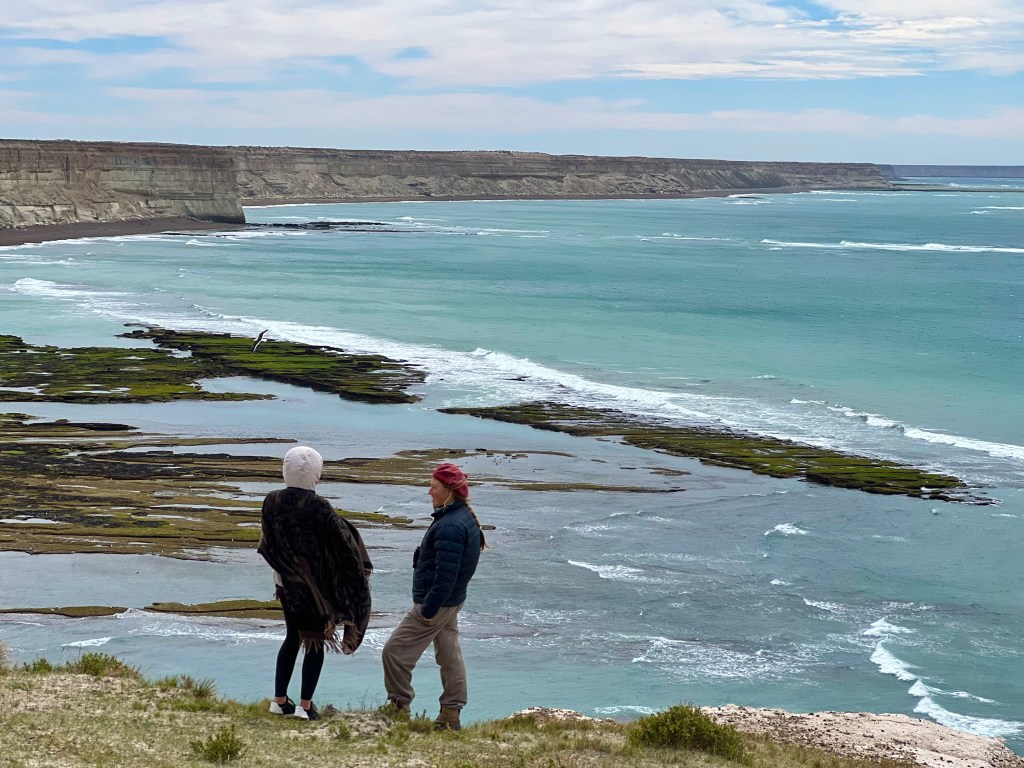
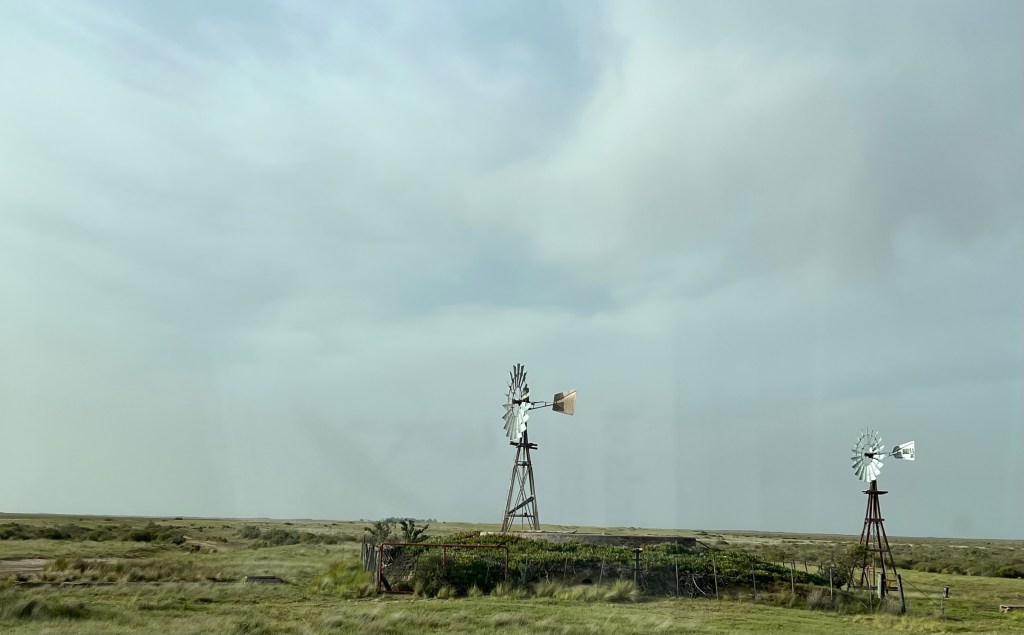
What makes Patagonia so special are the enormous expanses of land, only very occasionally interrupted by a lonely house. You feel at the end of the world here, and to a certain extent you are!
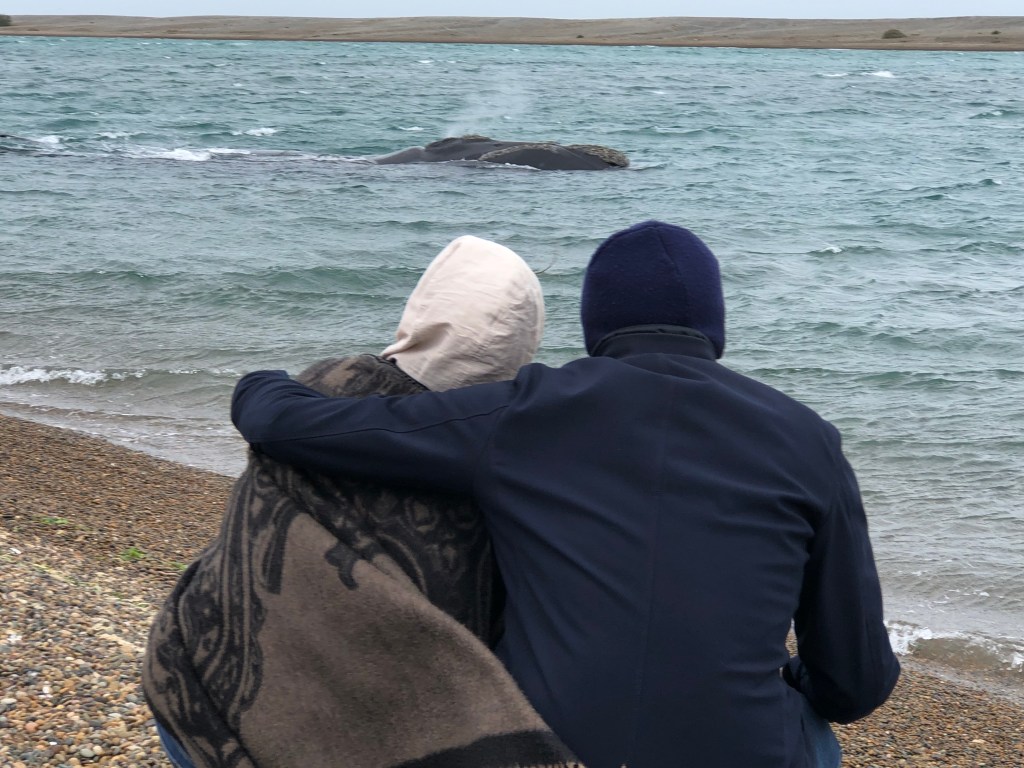
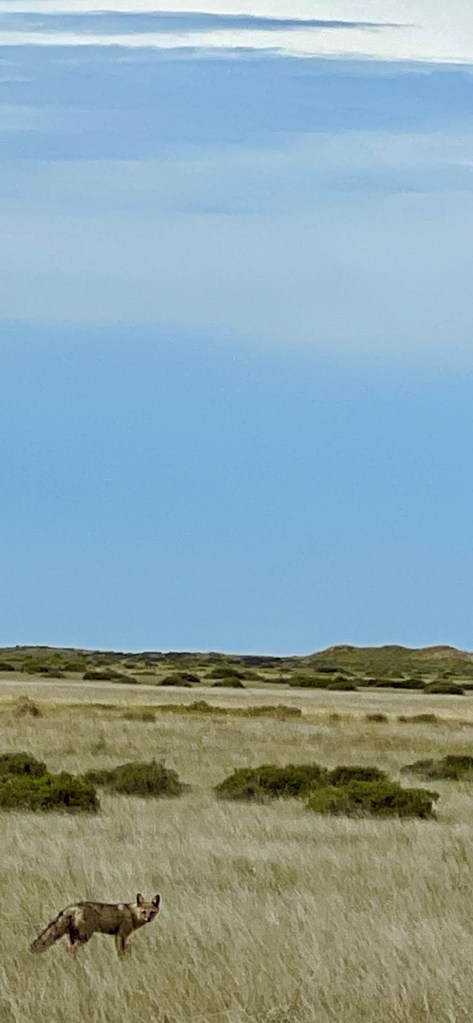
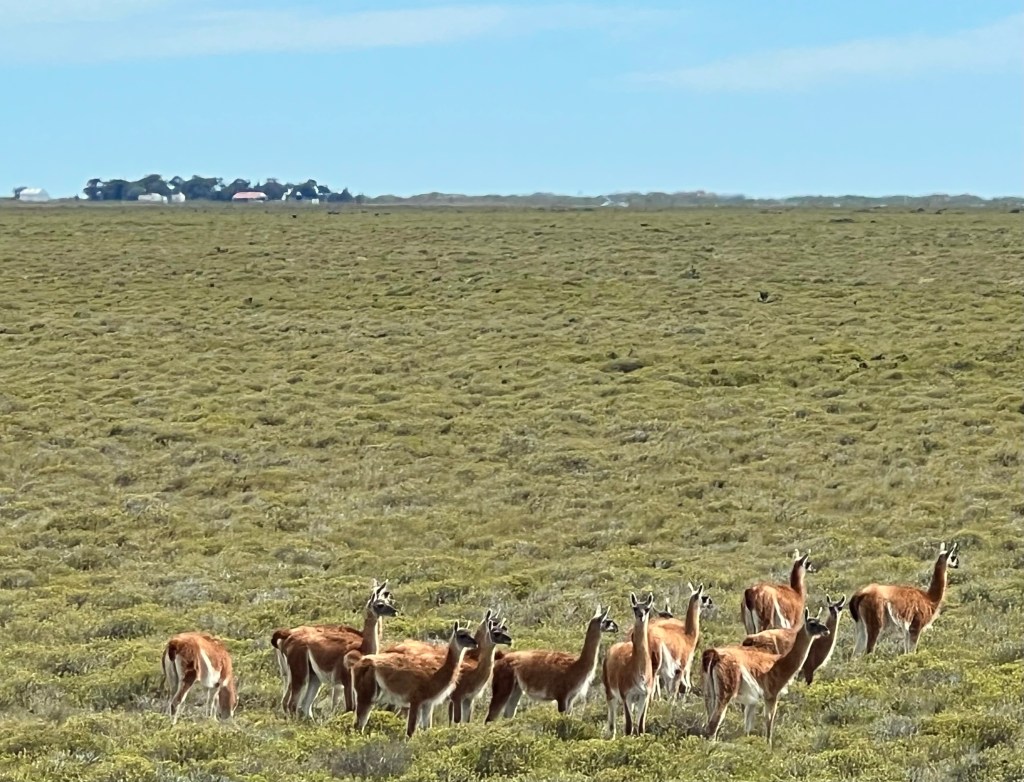
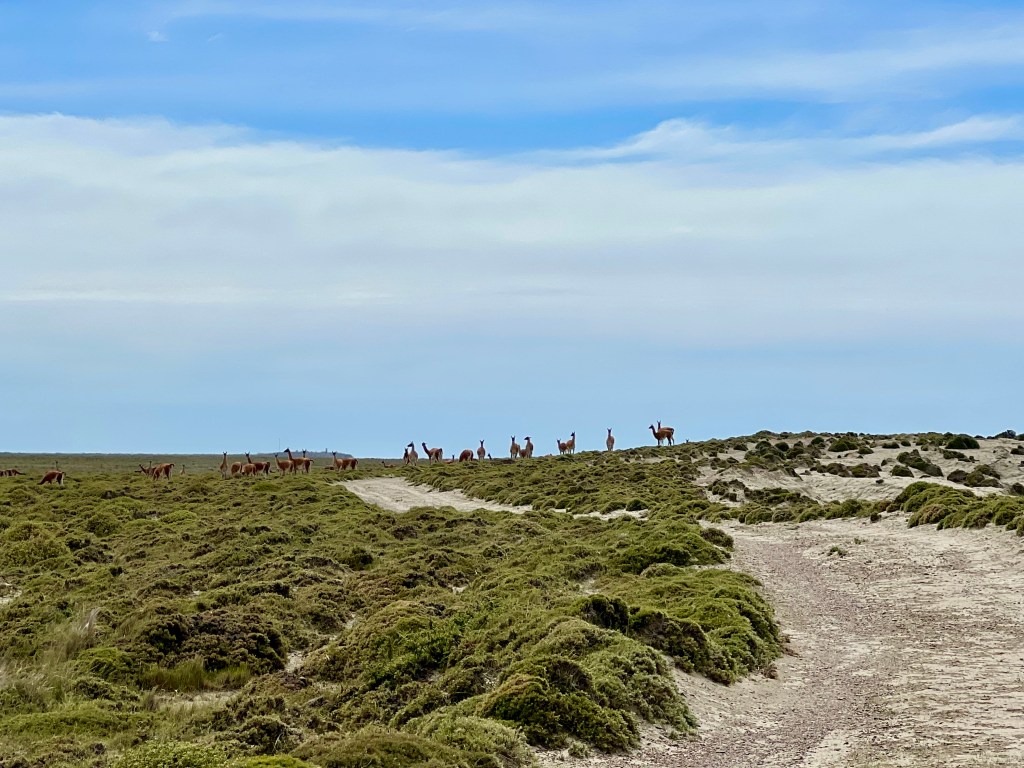
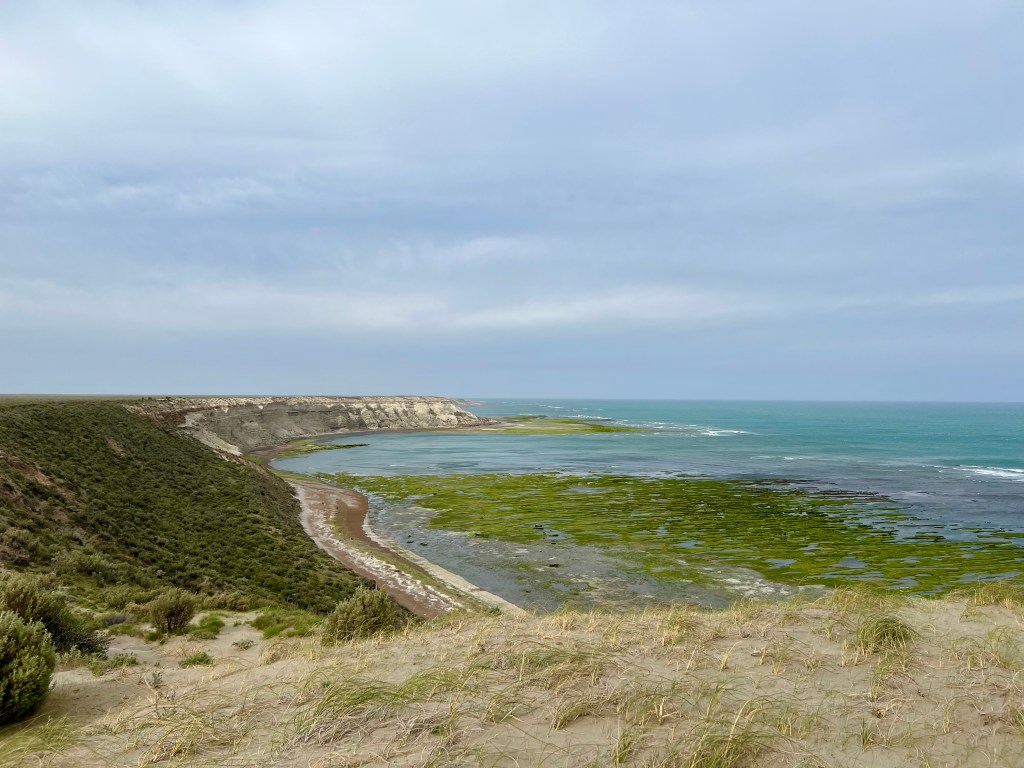
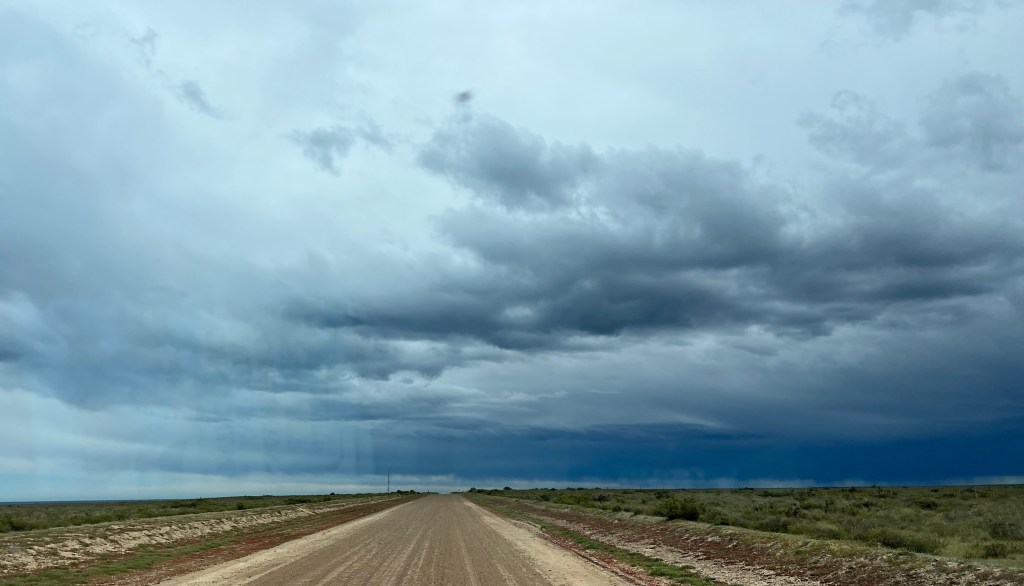
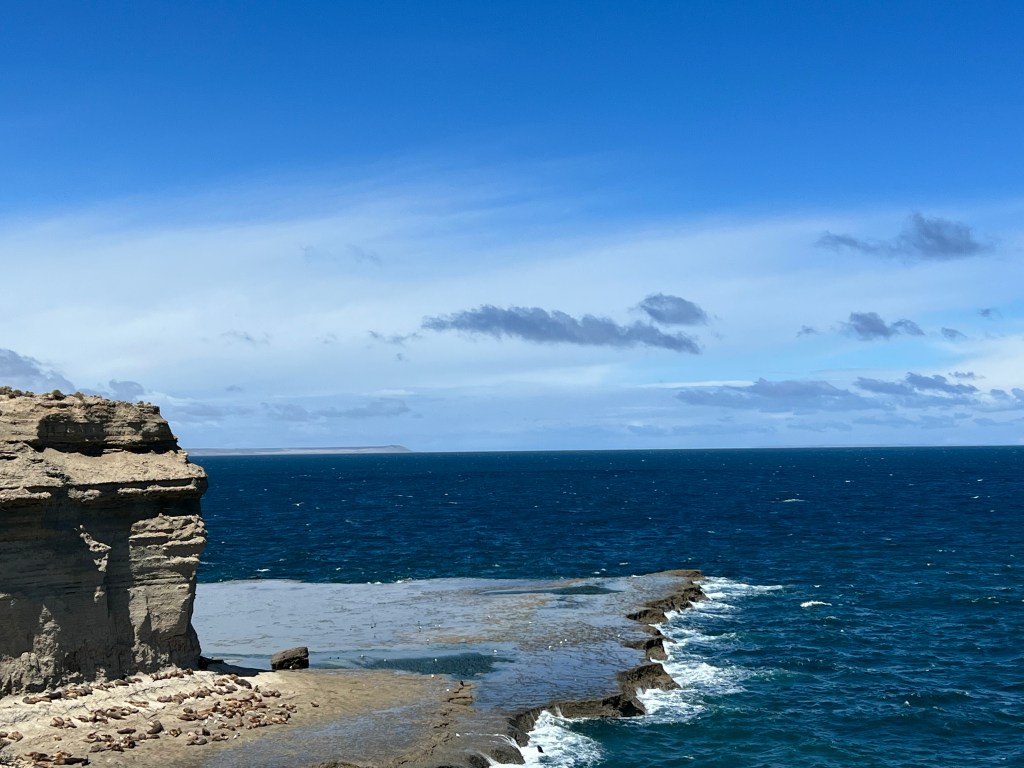
We spent five “out of the beaten track” days on Peninsula Valdés, at Rincón Chico, the home of María and Agustín Ayuso, the only accommodation on the peninsula. Every day, Agustín and his daughter Gemma took us on tours of their vast property, along wild dirt paths. We were mostly speechless, just taking in the vastness and windy ruggedness of Patagonia, our revelry only occasionally interrupted by the surprising outburst of wildlife.
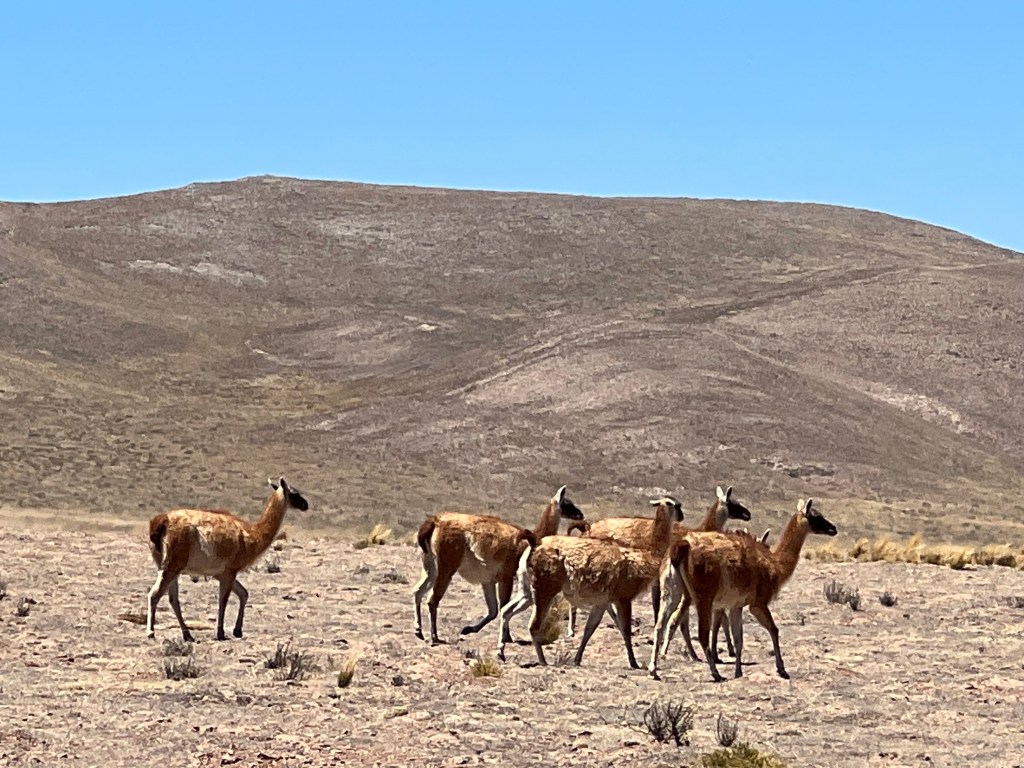
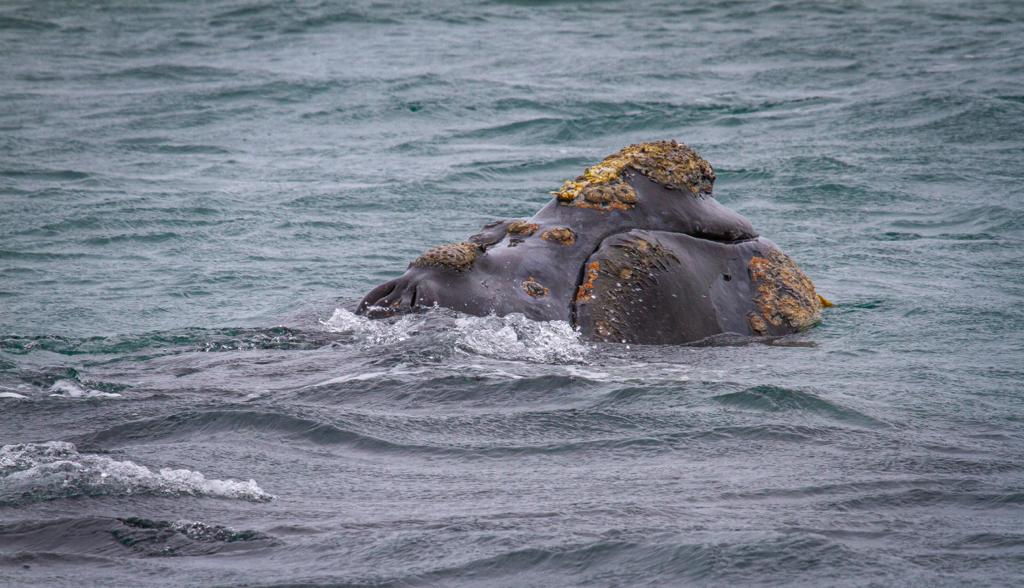
In Peninsula Valdés, the intricate tapestry of flora and fauna creates a harmonious ecosystem, a testament to nature’s resilience and adaptability in the face of challenging environments. Land-dwelling residents include guanacos, relatives of the camel and the llama, gracefully navigating the steppe. The shores are alive with marine mammals – sea lions bask in the sun and elephant seals, true behemoths of the sea, haul out on the beaches.
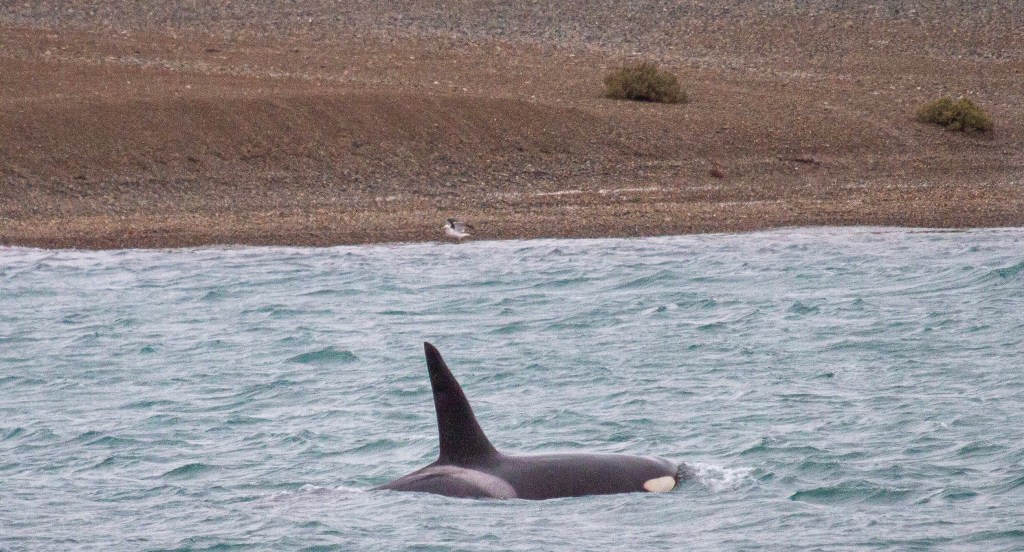
In October, Magelanic penguins establish bustling colonies and find refuge in the shrubs of the shore to incubate. Southern right whales grace the waters and the predatory orcas, the oceanic rulers, orchestrate their hunting ballet in the surrounding waters. We watched them all for many hours, wind and sand battering our faces, feeling the forces and the greatness of this majestic nature of our planet.
We marvelled at the beauty of the enormous sky and the constantly changing dance of clouds. It was good to be in bed at 9 pm, after what felt like very long days. The sense of isolation was accentuated by almost no connectivity (wifi works only a little at Rincón Chico and not at all when the winds are strong, which is most of the time).
Rincón Chico is a simple place that is expensive, but it is run with love and passion. We learned a lot from María, Agustín and Gemima, and admired their authenticity and purpose in life, which is preservation of the environment and transmission of knowledge about their beloved lands.




The heart of Patagonia’s economy is wool, the finest of which (merino) comes from this part of the world. We were amazed to witness the skill (and speed) of the gauchos during a session of shearing at the Ayuso’s farm.

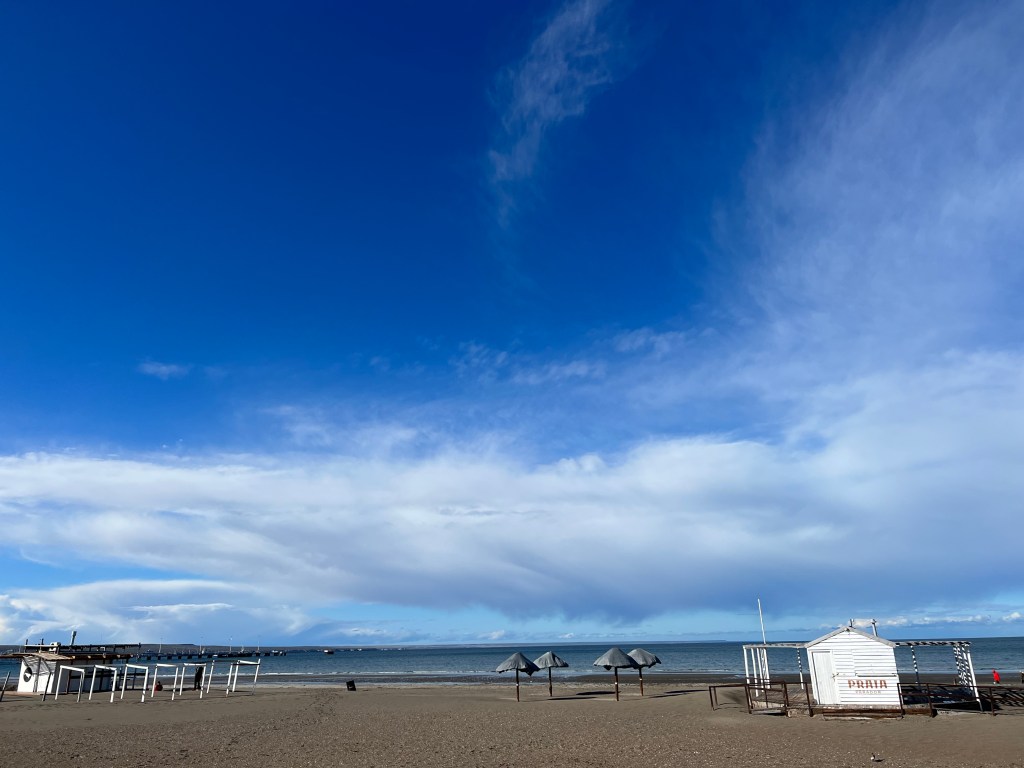
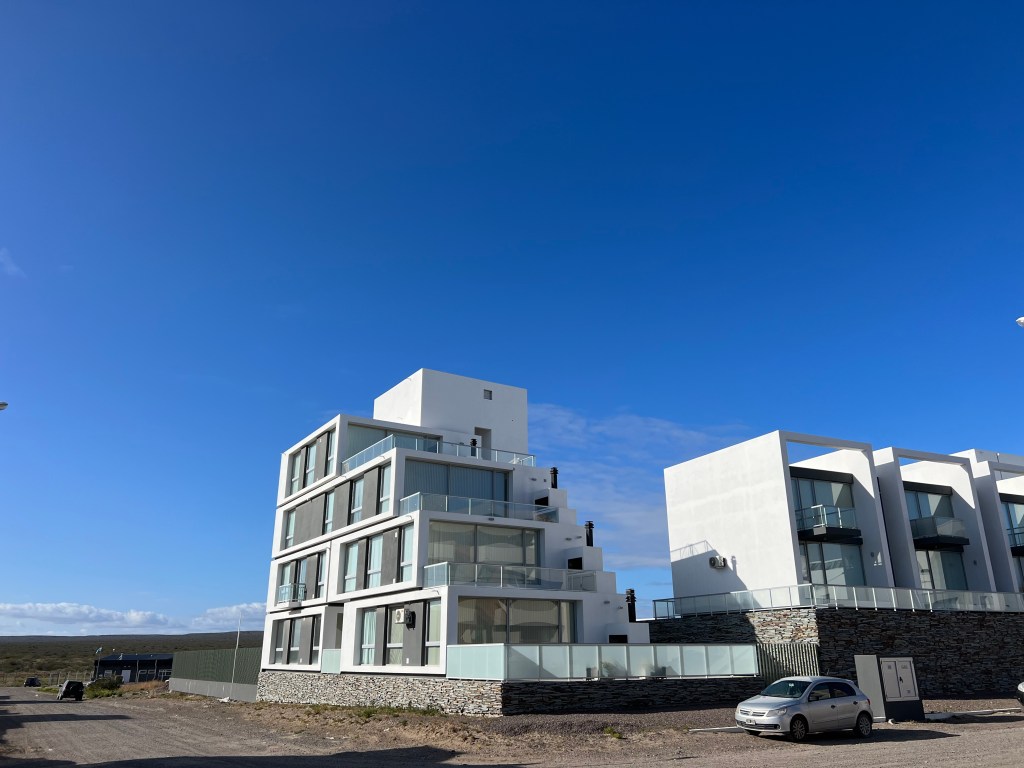
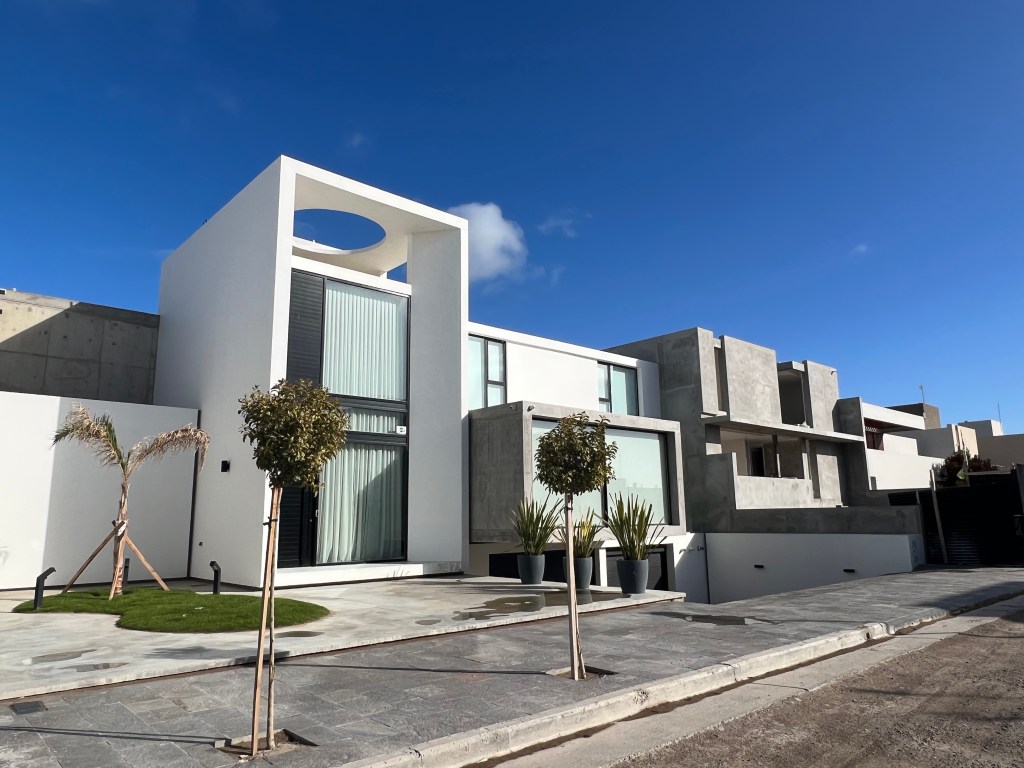
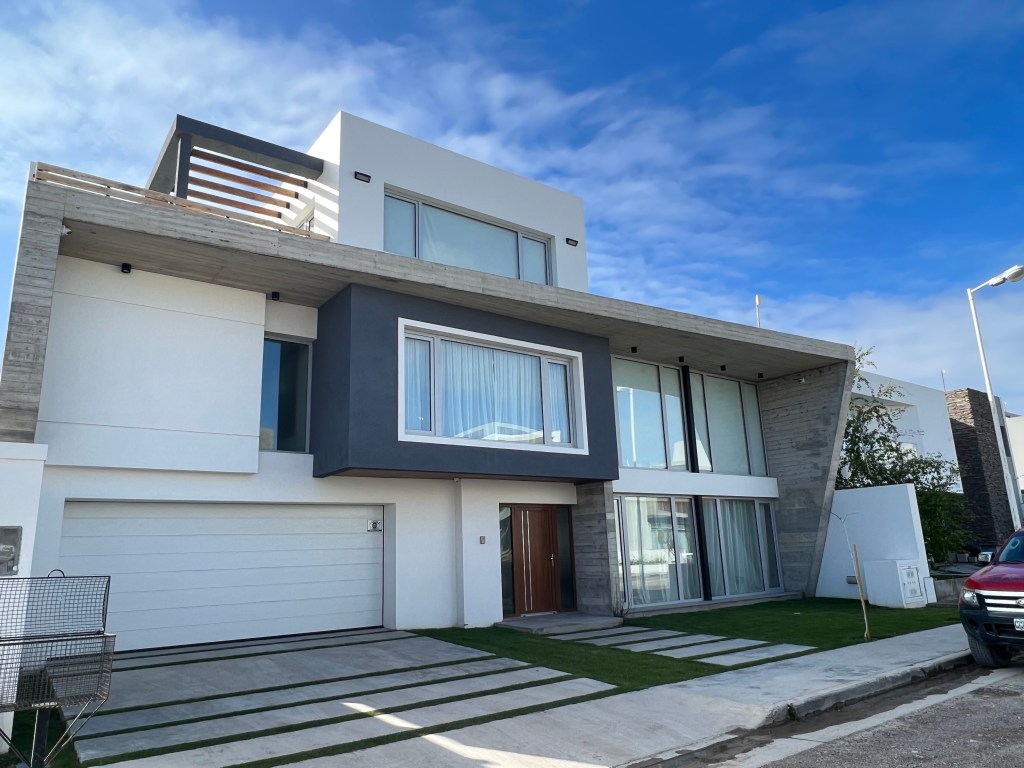
Puerto Madryn surprised us. We expected a lost village in the middle of nowhere in Patagonia. Instead, we discovered a vibrant city of 120’000 inhabitants, with a beautiful beach, great restaurants and surprisingly modern architecture.
This report would not be complete without a heartfelt and enormous thank you to Alexis Diradourian (+5491151610365), who helped us with all aspects of our trip. She was invaluable not just in the planning, but also in the execution of our adventures in Argentina. We strongly recommend her to anyone interested in visiting this wonderful and varied country!
 Truliluli Travel Reports
Absolutely fabulous guide to our beloved Argentina!!! Can’t thank you enough for sharing your delightful journey with us… Jim and I traveled to the North exactly a year ago and did visit the same places and stayed at the same hotels and estancias. Your travel journal has allowed us to relive our great experience once again, through your benevolent and candid eyes. A big GRACIAS to Evelyn and you for brightening up our Saturday afternoon. Bravo!!!
LikeLike
Il me semble que plusieurs travel agencies , trip magazines et l’argentinian tourist office vont vouloir t’embaucher après cette revue. Vous avez fait un super voyage qui donne envie de revoir certaines régions de l’Amérique du Sud
LikeLike