
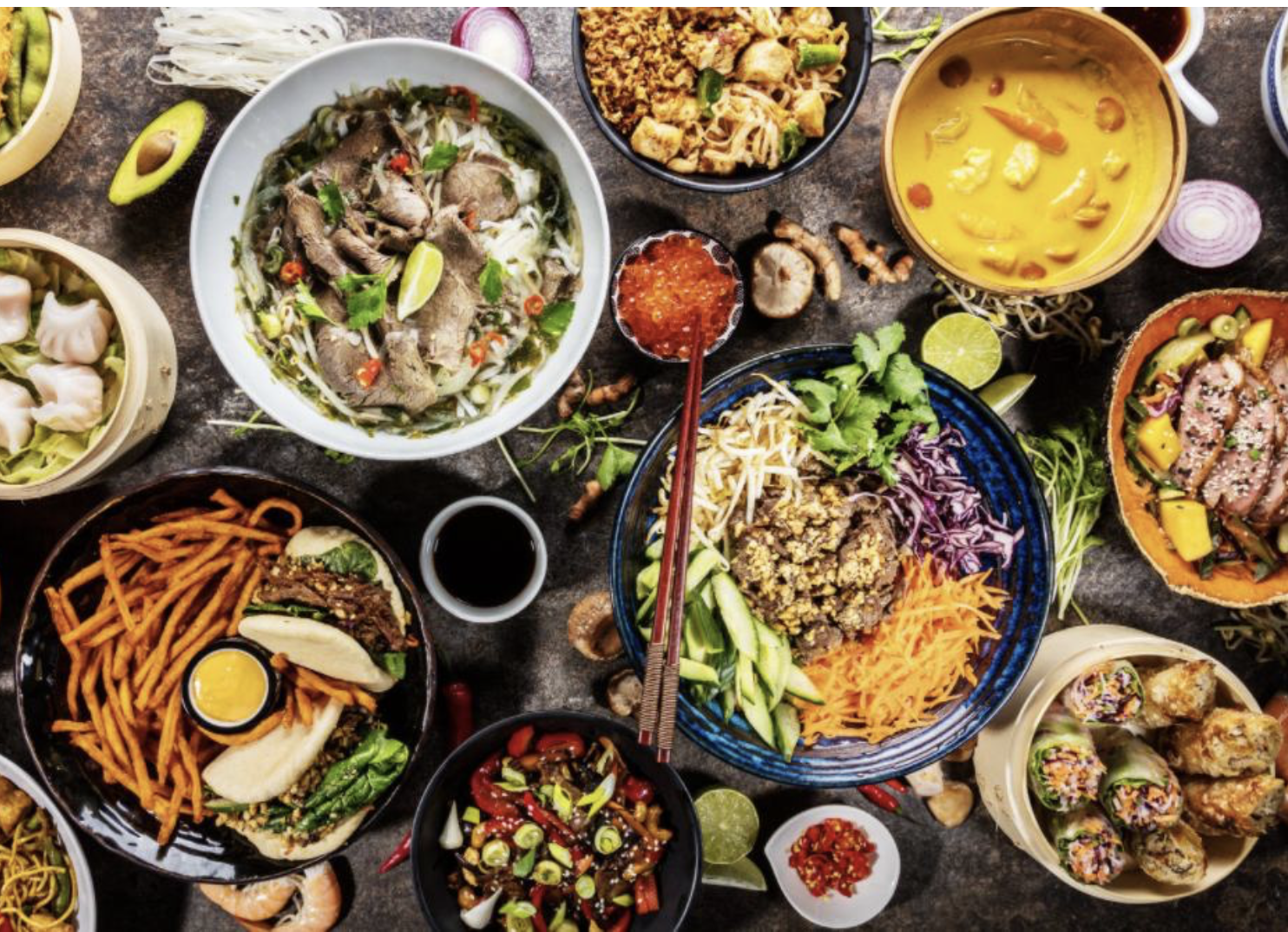
To understand Bangkok’s cuisine, you need to understand the city’s geography and history.
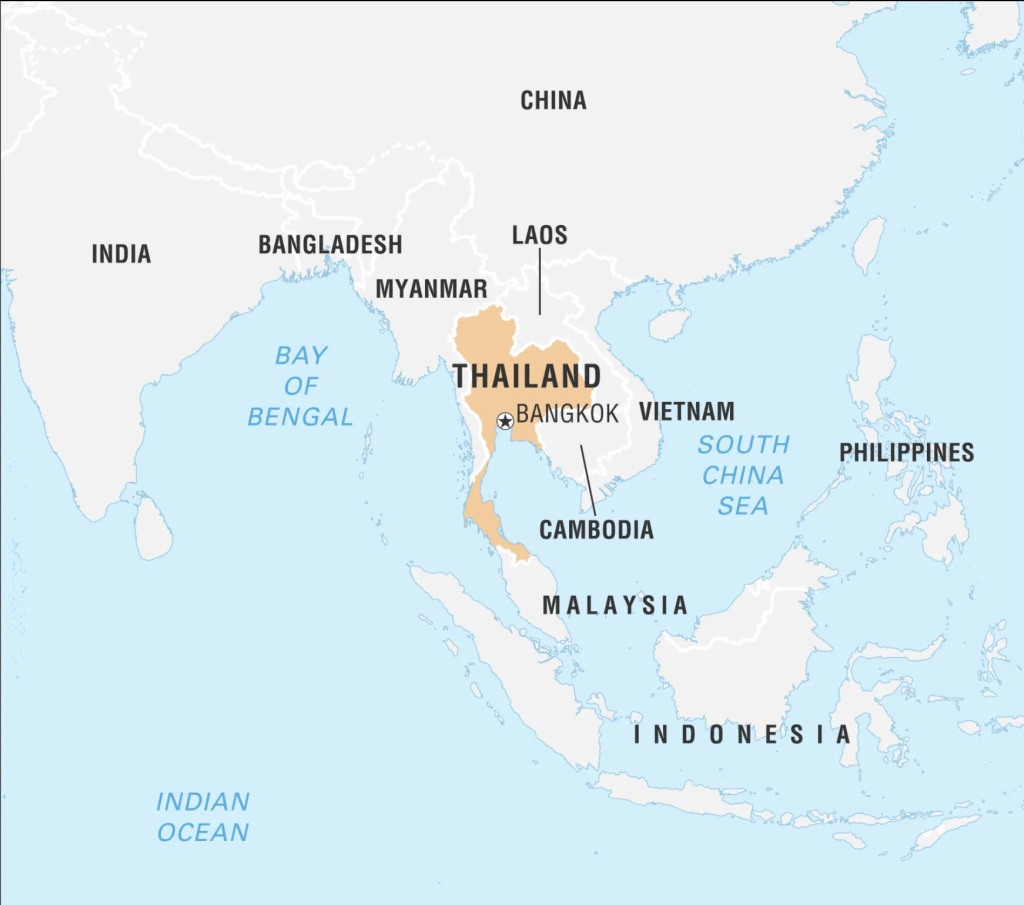
Nestled between India to the west, China to the east and the spice islands to the south, Bangkok is located at the very center of one of the world’s most exciting culinary crossroads. For centuries, the city’s wealth came from profiting from this strategic position. But contrary to many other cities that were also geographically well located, the inhabitants of Bangkok chose to embrace, not to suppress new influences, in all areas of culture, particularly in food.
Not only the population, but also the rulers contributed to this process of cross-fertilisation. From the XIXth century onwards, Thailand’s kings travelled extensively throughout Asia and Europe and brought home with them manners, customs, dresses and food they found new and attractive, introducing them unabashedly among the Thai people. This is the origin of the variety in Thai food, which makes it so attractive (there is practically no city in the world that doesn’t have at least one Thai restaurant).
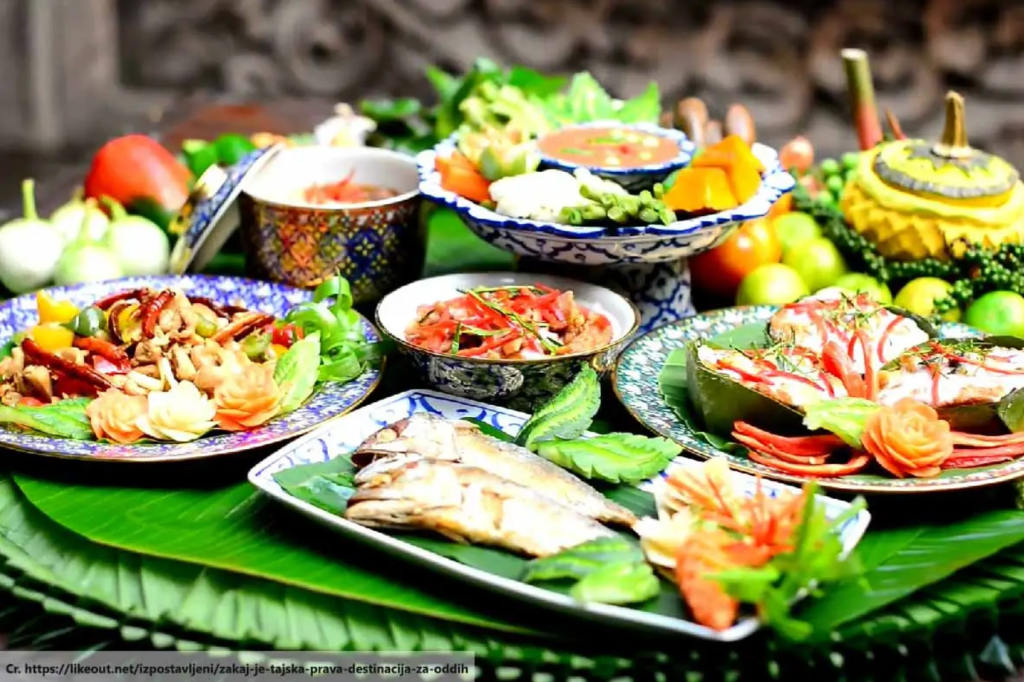
The Thai culture is one of exuberance, of joy, of colours and of eccentricity. It’s a country where everything goes and the flow of life is easy. So it should come as no surprise that in Bangkok, inventive, festive and exciting cuisine is celebrated at every street corner. The Thais also love to enhance the appearance of their meals by adding beautifully carved vegetables and fruit, an influence that comes from China. The end result is a feast for the senses.
Contrary to Chinese cuisine, where a lot of the ingredients are dry, the Thais insist on fresh ingredients only. The result, as Alex Kerr notes in his wonderful book “Another Bangkok”, is that Thai cuisine “explodes” in the mouth – you have so many flavours in one go, in one meal, it’s never monotonous. He adds: “It’s like having sex with every part of your body at the same time”.
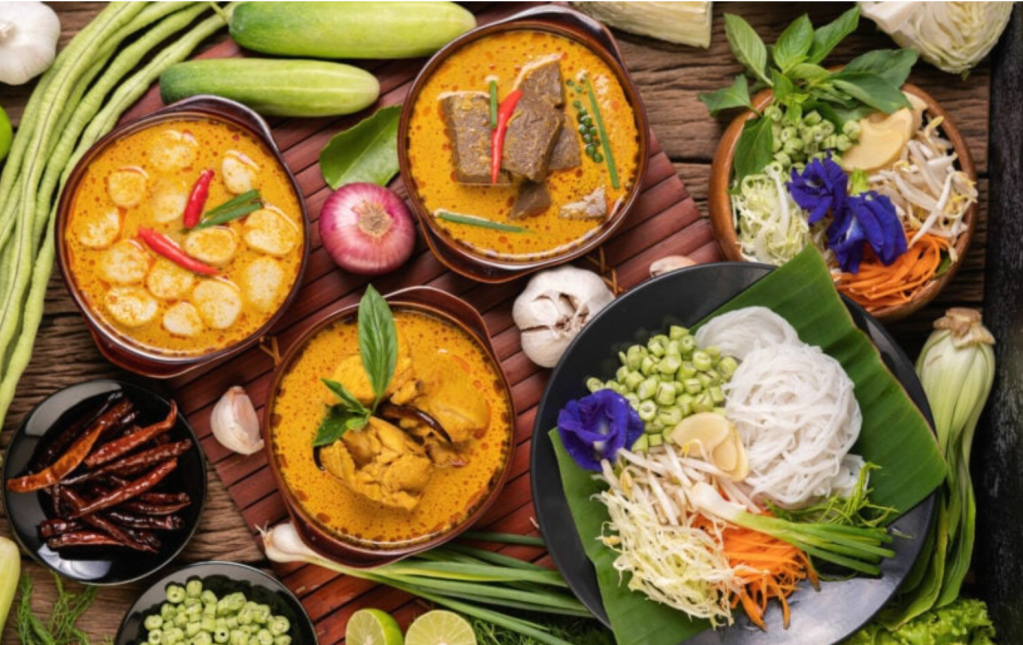
Of the many influences that Thai cuisine embraced, the primary ones come from India (curries), China (stir-fry) and from the Mon (people from the north and west of Thailand, who contributed with fresh products, such as coconut). But the Thais also over time became major addicts of chili, tomatoes, papayas, corn, coffee, peanuts, sugar cane and pineapple, all of which originate from the Americas, brought along, starting in the XVIth century by the Spanish and the Portuguese.

Thais eat without knives, only with a fork and a spoon. This is possible because prior to cooking, ingredients are cut into bite-size pieces. It was exactly the opposite in Europe in the Middle Ages, when people ate mostly only with a knife, using their fingers for the rest!
Food is always shared and all dishes are brought to the table at the same time. The idea so common in the West of individual portions is unheard of in Thailand. The Thais typically place all dishes on the table at the same time, then everyone starts by taking a helping of rice onto their empty plates, and subsequently adding from the cooked dishes. This requires a certain amount of negotiation, something the Thais enjoy doing – it’s a country of give and take, of great politeness and of respect for the needs of others. As Alex Kerr notes, “everybody takes their fair share, but maintains awareness of the others, to make sure that no one is left behind”.
The Thai enjoyment of foreign ideas, their openness to new ingredients, their love of fusion, explains why so many extraordinary chefs from all over the world have made Thailand (and especially Bangkok) their home. It should surprise no one that Gaggan Anand, originally from Kolkata, India, set up shop in Bangkok, where his restaurant became for five years in a row not just Thailand’s, but Asia’s best restaurant. It was in Bangkok that his original and extravagant ideas fell on the most fertile ground.
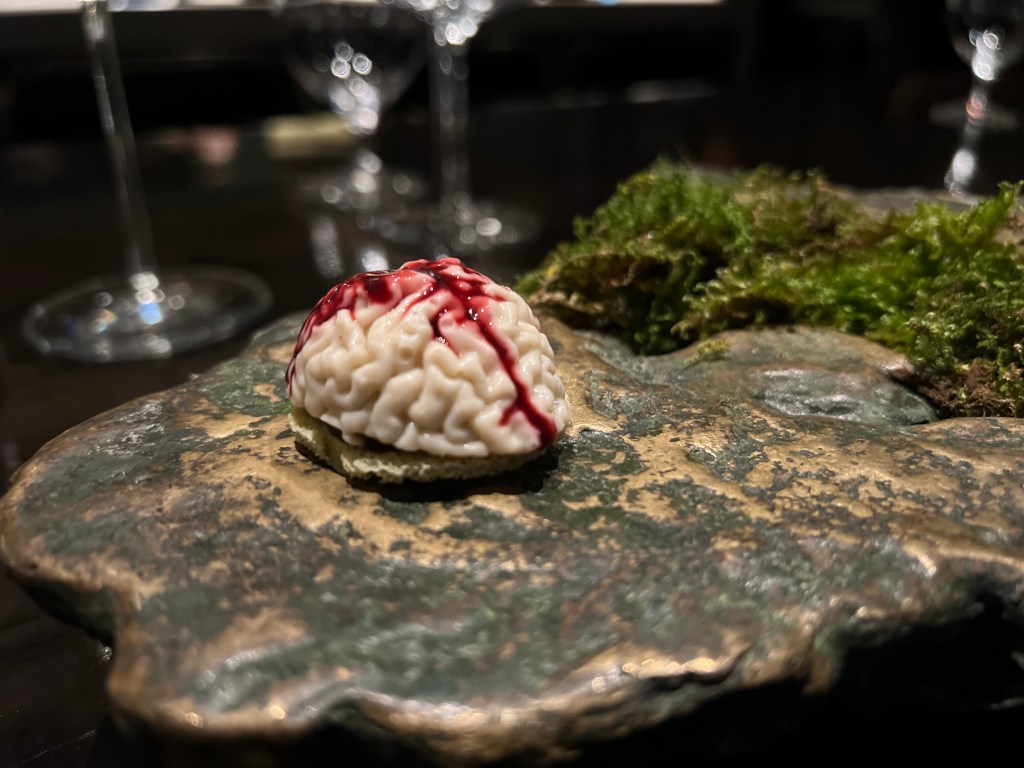
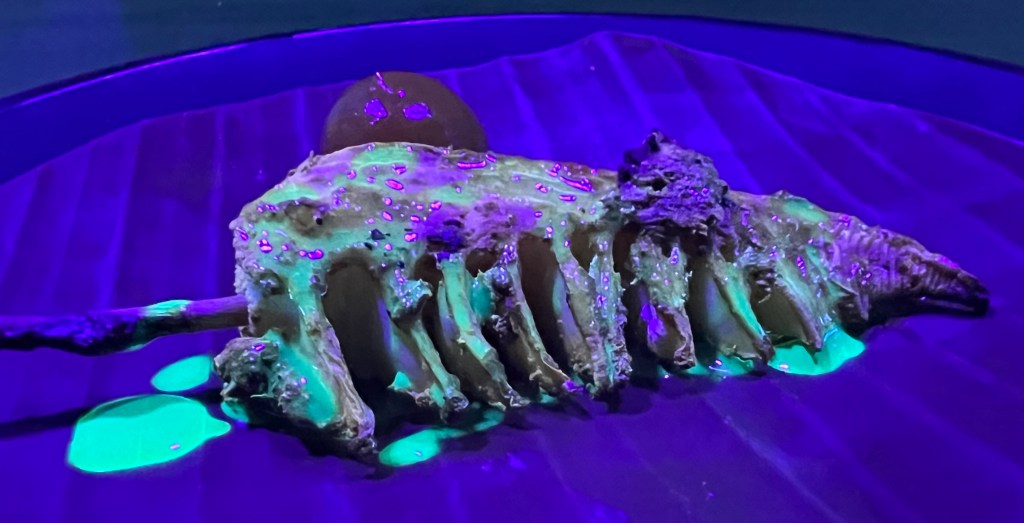
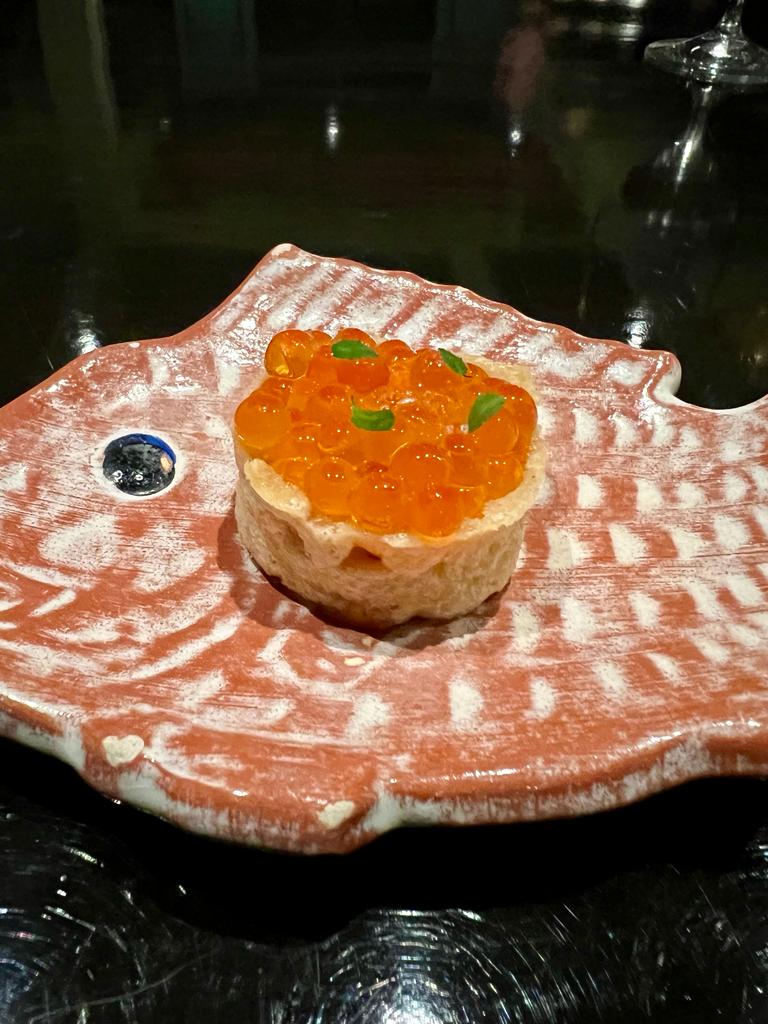
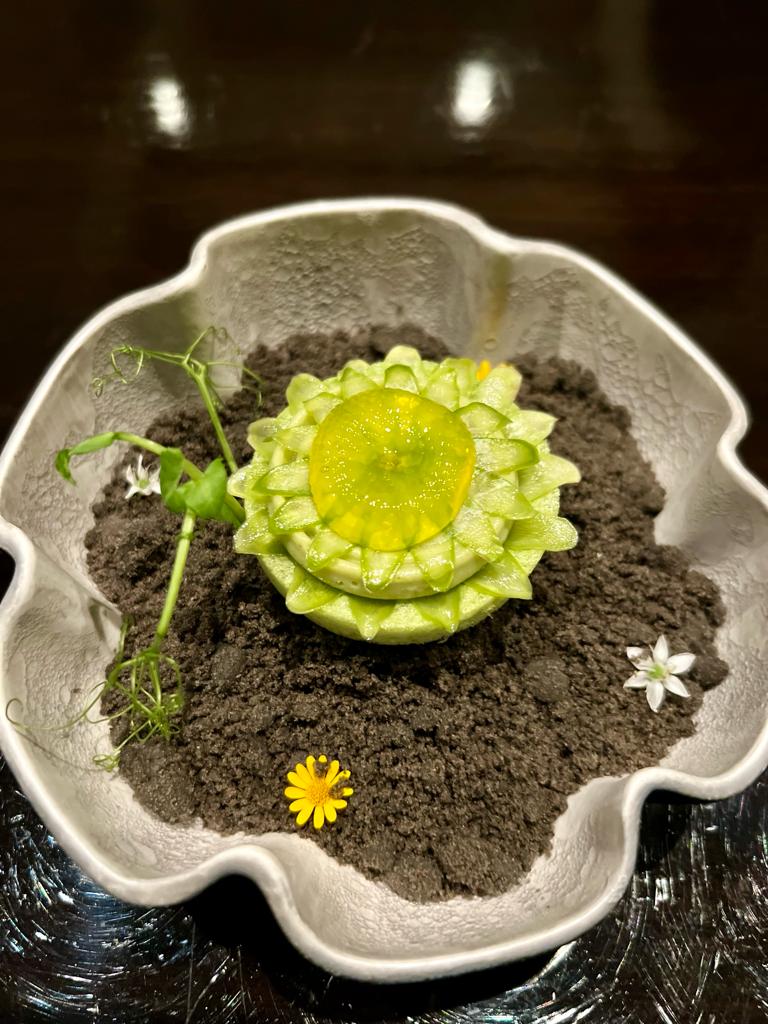

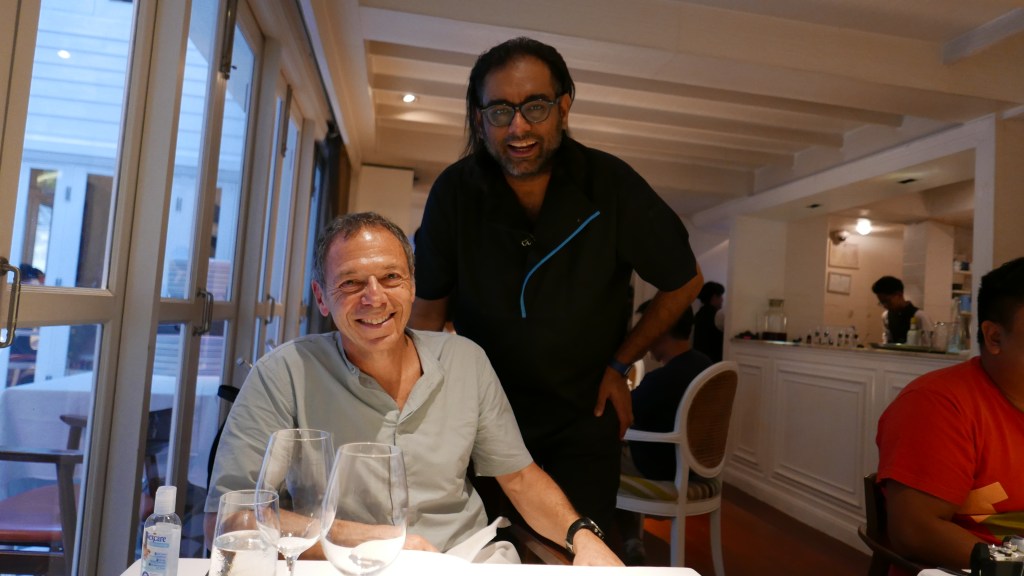
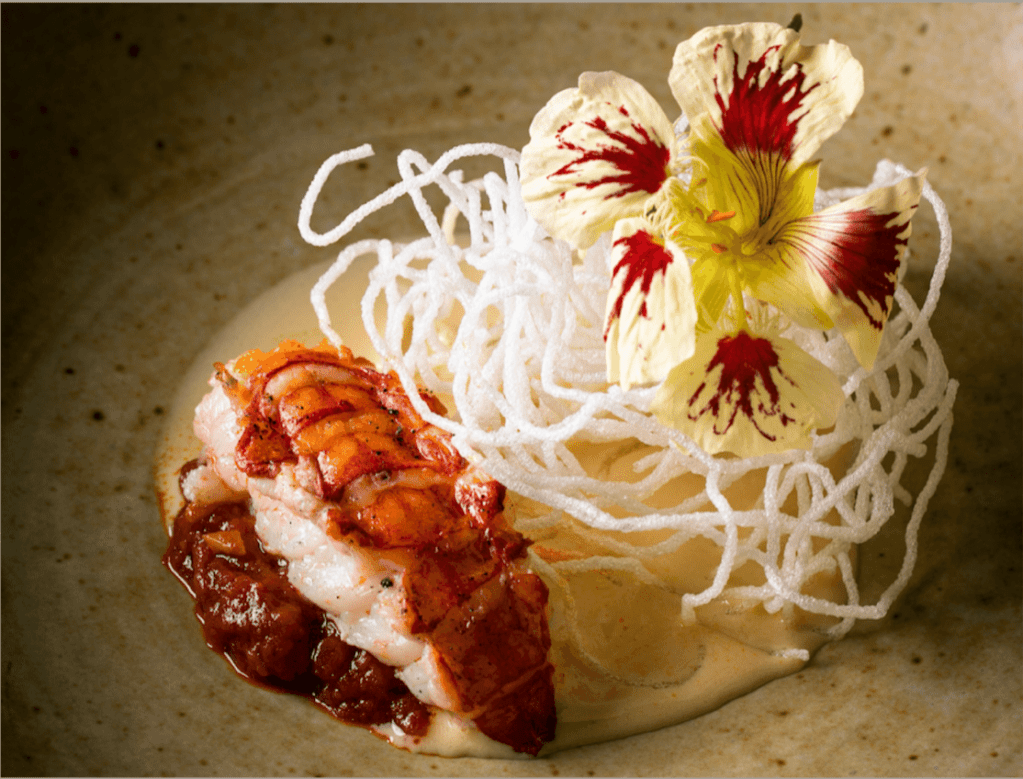
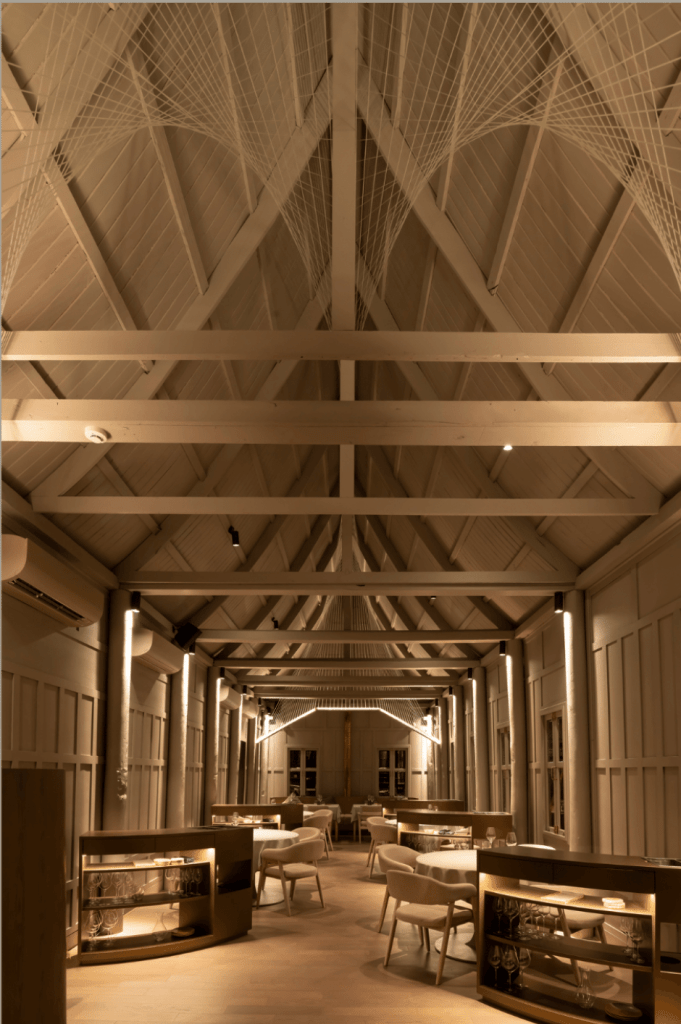

You will eat extraordinarily inventive food at Gaggan or at Gaa, but you will also enjoy excellent Mexican food at the 20 restaurants that serve only this type of cuisine. The highest quality Italian cuisine is found at “Mezzaluna” (two Michelin stars) or French cuisine at Alain Roux’s elegant “Le Normandie”, which overlooks the Chao Phraya River.
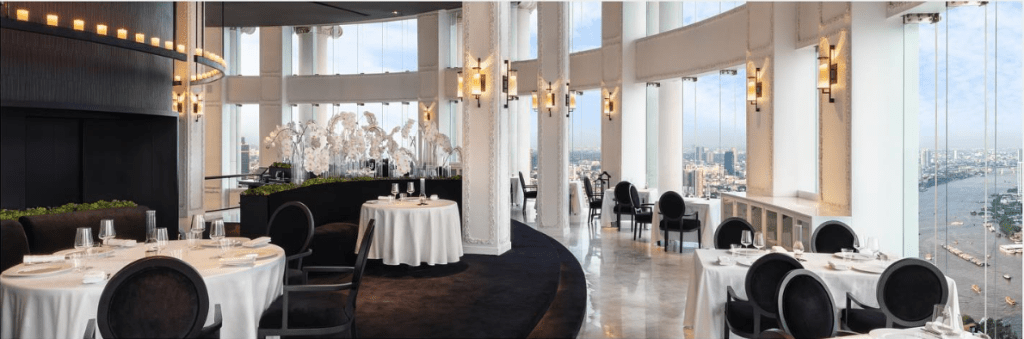
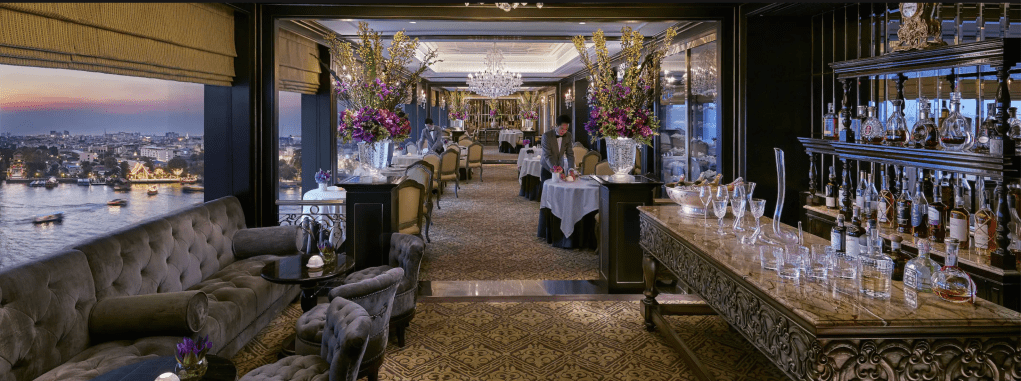
There are also, in case you feel like it, 6 Argentinian steakhouses in Bangkok. Are you desperate for Iraqi food? Go to Abdolah Kashi. Filipino dishes? Go to Lola’s Kitchen. Swedish delicacies? There’s Little Vikings, specialised in just what you’re looking for! How about Mexican? You can choose from about 20 restaurants. Or do you prefer a fusion between Indian and Mexican? Go to the excellent Mrs. Maria and Mr. Singh. There is probably no city in the world that offers the culinary diversity of Bangkok. And with over 13’000 restaurants currently open and thriving, you are unlikely to go hungry for several lifetimes.
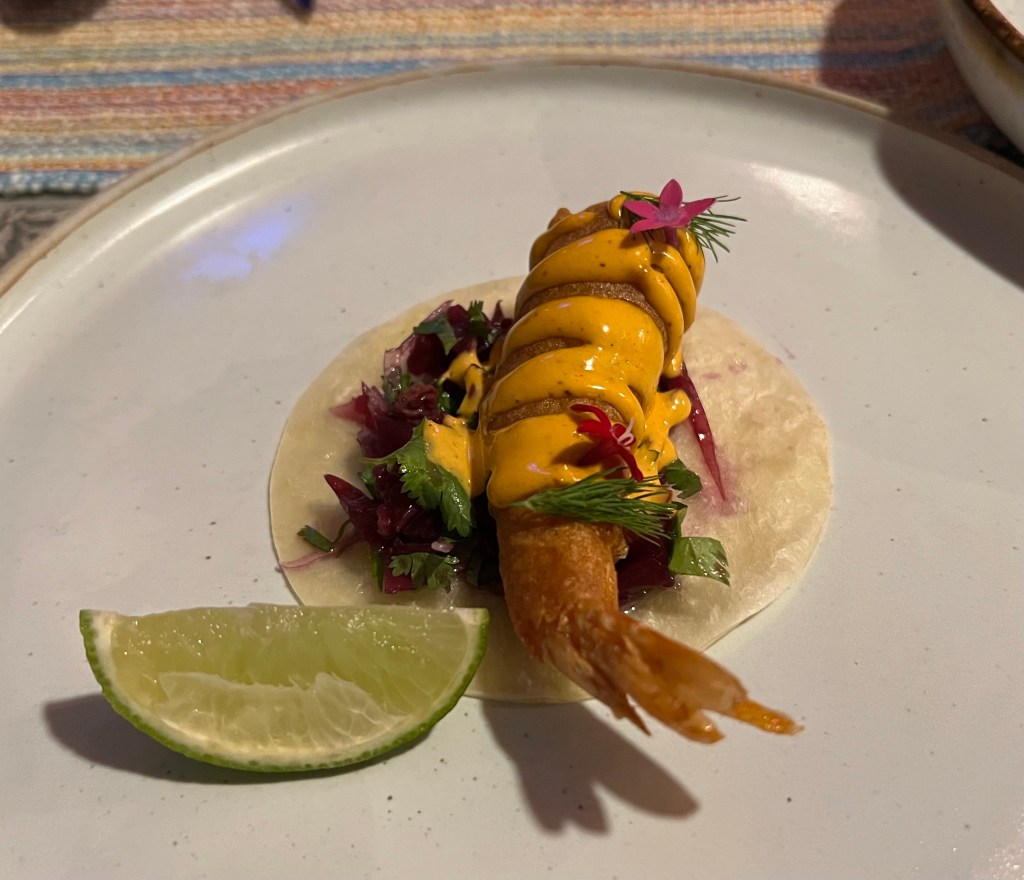
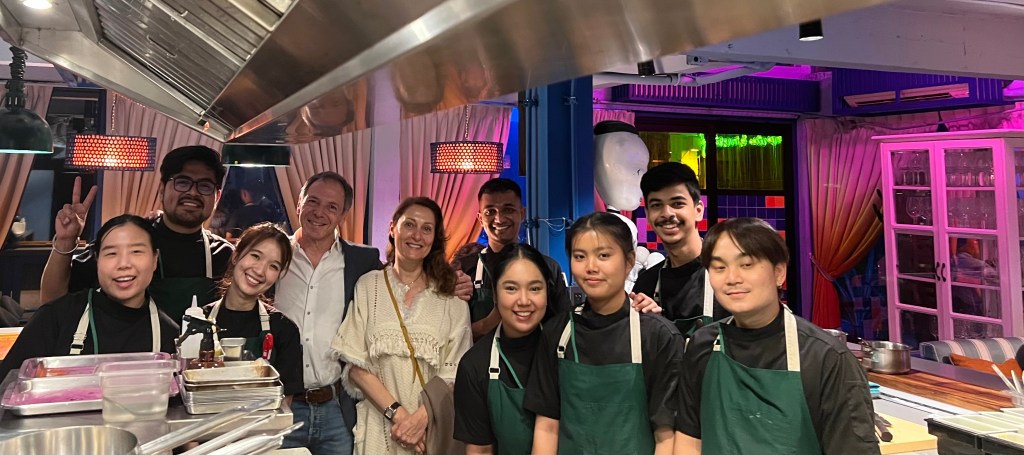
But Bangkok’s cuisine isn’t just high-end extravaganzas and exotic food from around the world, it’s also street food of excellent quality. Many Thais, especially those who come from the countryside to work in this huge city of 12 million, choose to rent a room without a kitchen and to eat out all their meals. For BHT 30.- (the equivalent of less than USD 1.-) you can get a very decent meal in Bangkok, often cooked by families who have prepared the same food for many generations, from great-grandmother recipes. Some of these street vendors (like Jay Fai) have even earned a Michelin star.
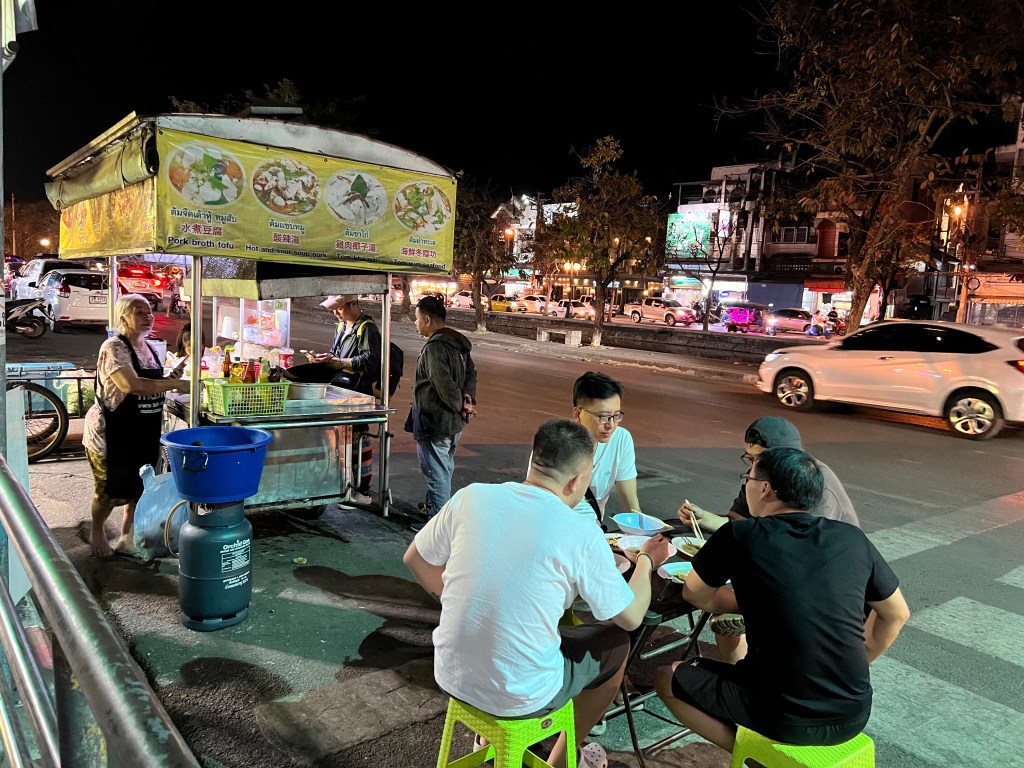
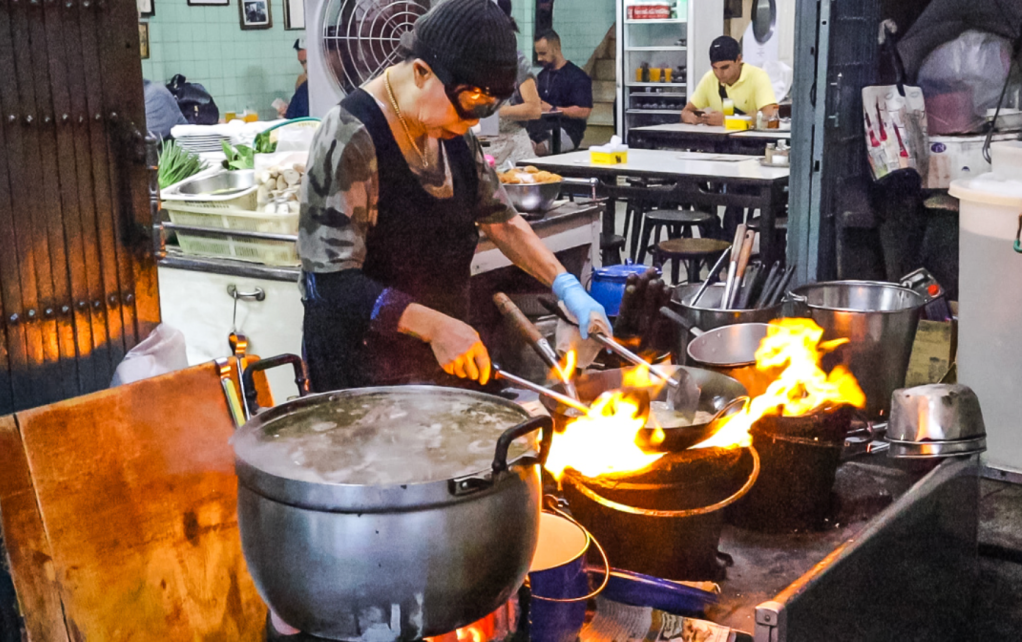
Bangkok might at first glance appear as a messy city, but it is surprisingly clean, so there’s no reason to frown on street food. It’s of excellent quality, and always served with delicacy and a huge smile.

 Truliluli Travel Reports
With all what is learned by reading your writings you must have learned a lot to become even better cooks. As a consequence you have to return more often in Geneva to make us try your recipes 😋
LikeLiked by 1 person
Your comments about culinary diversity in Bangkok remembers me what I felt 45 years ago in the big Apple
LikeLiked by 1 person