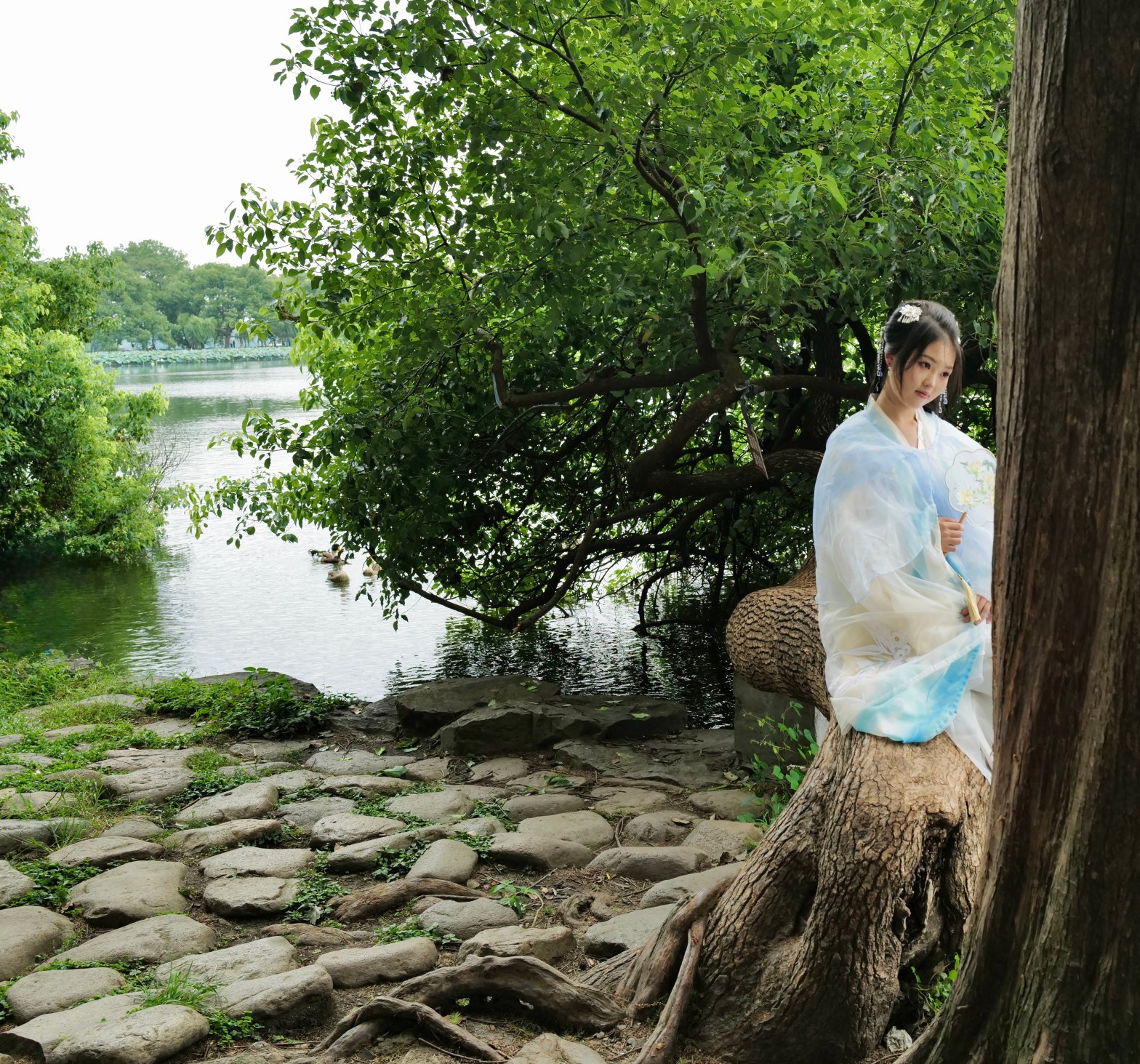
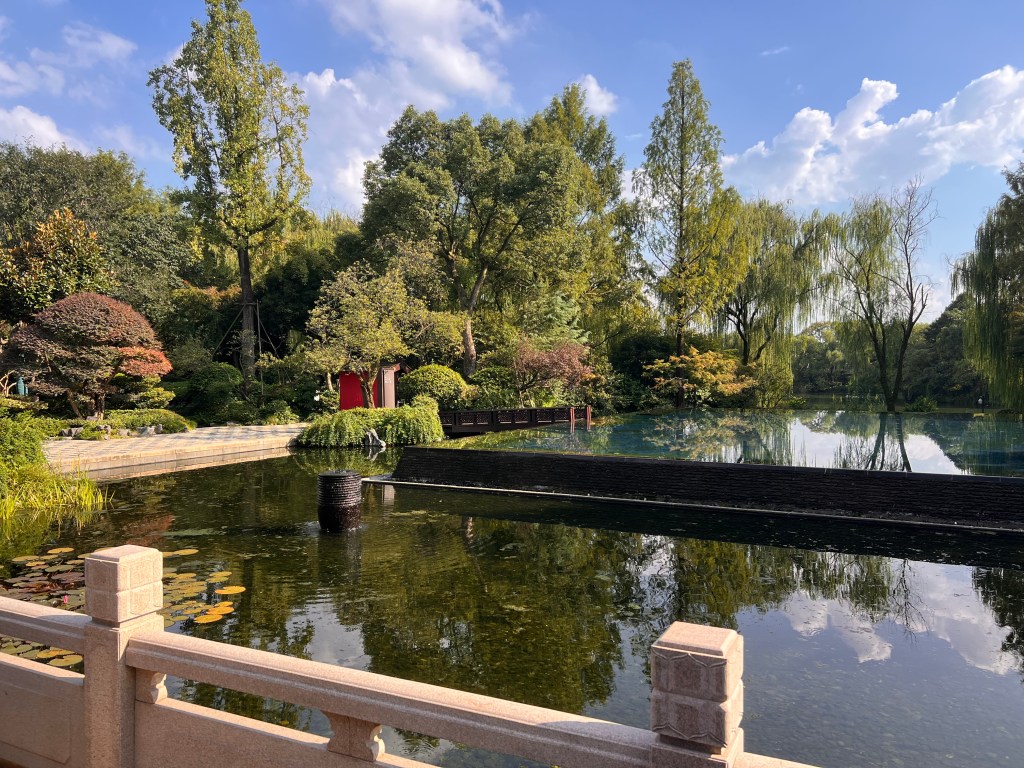
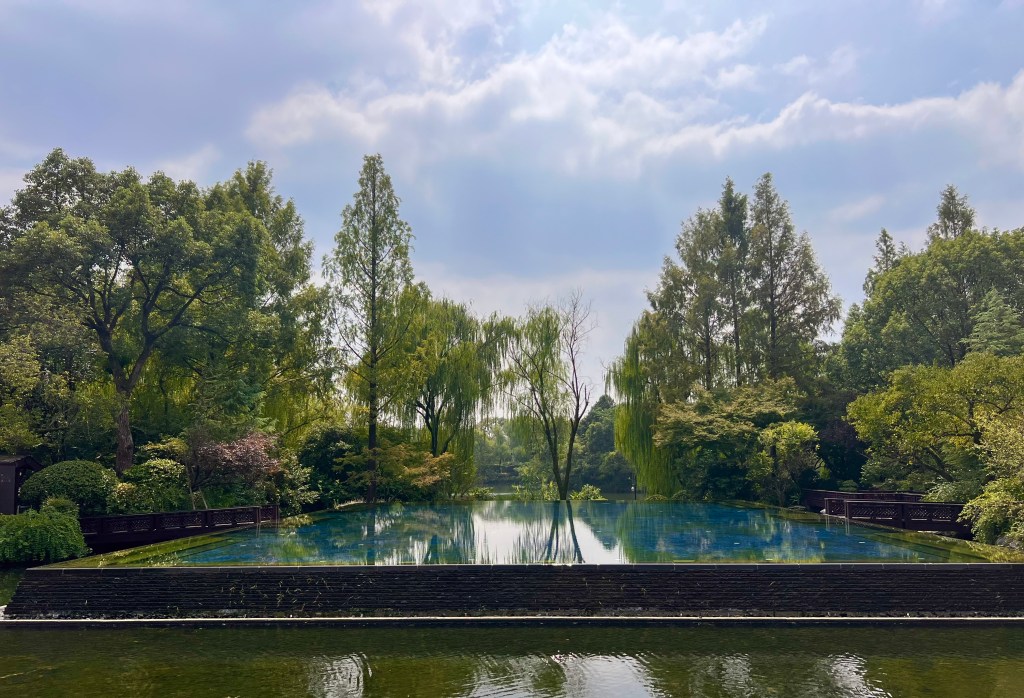
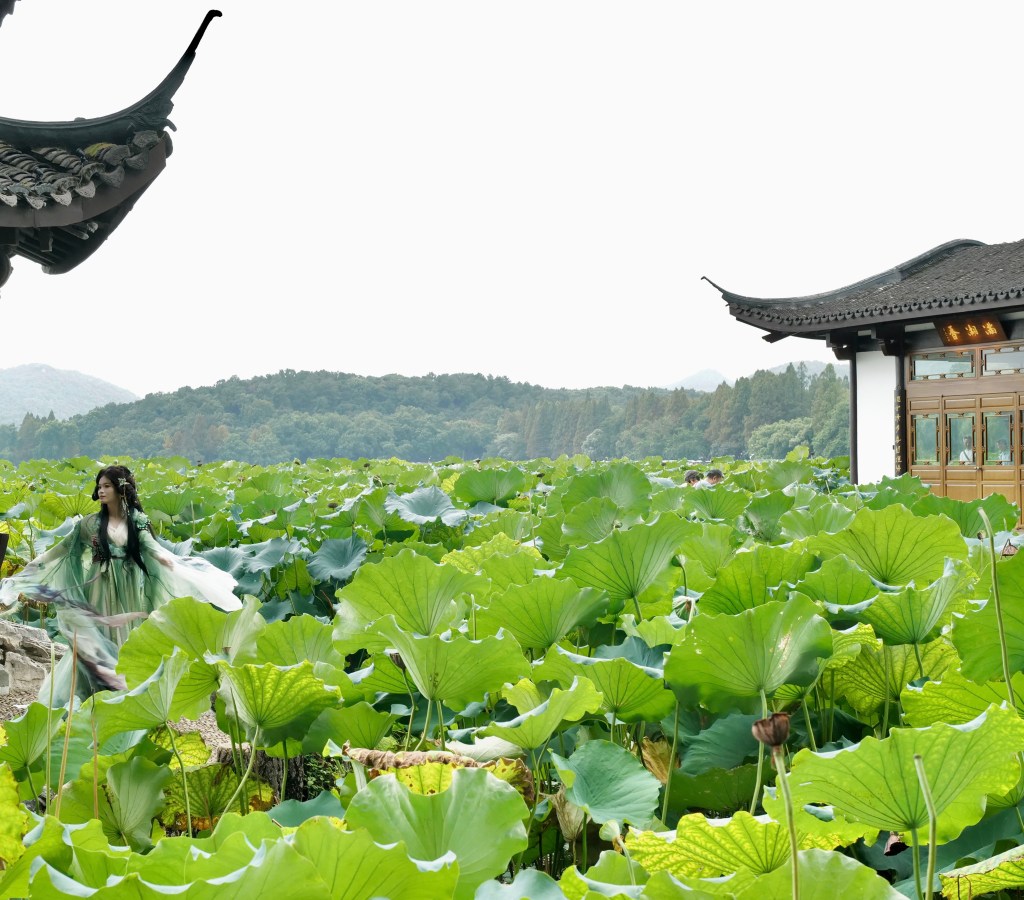
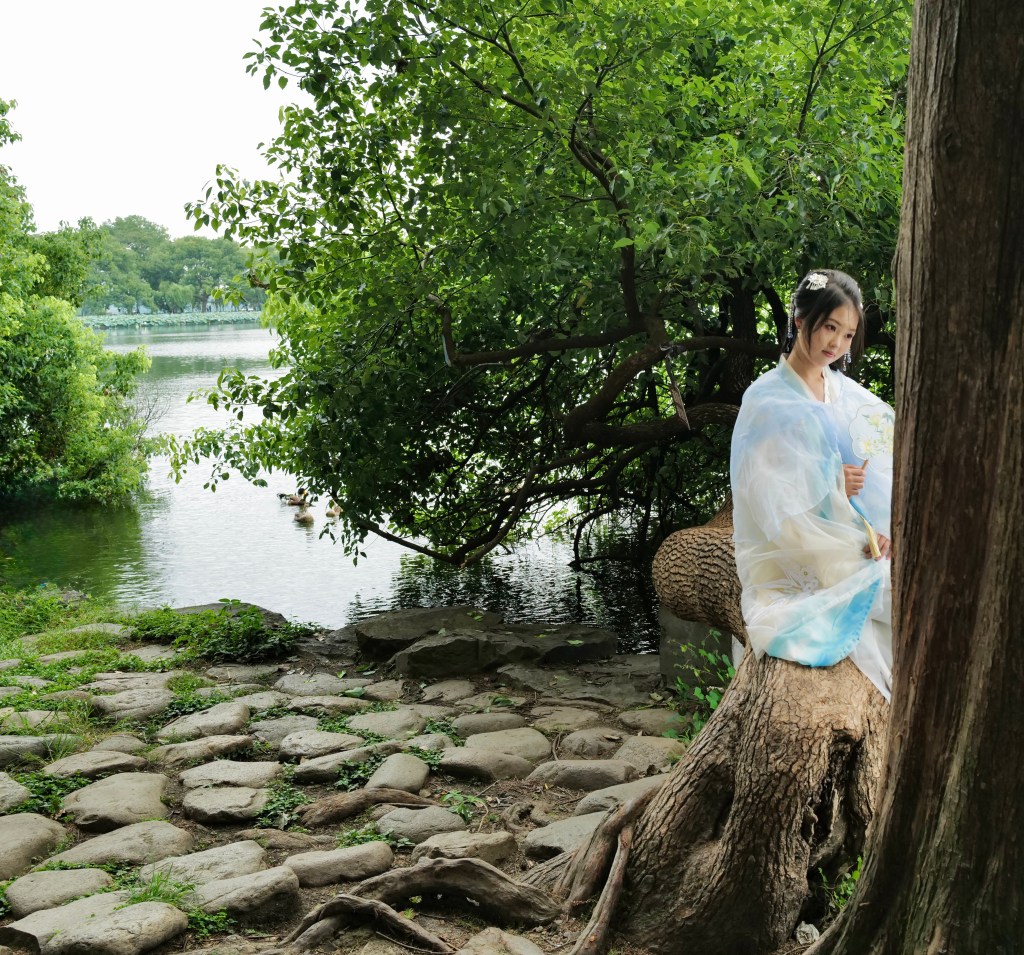
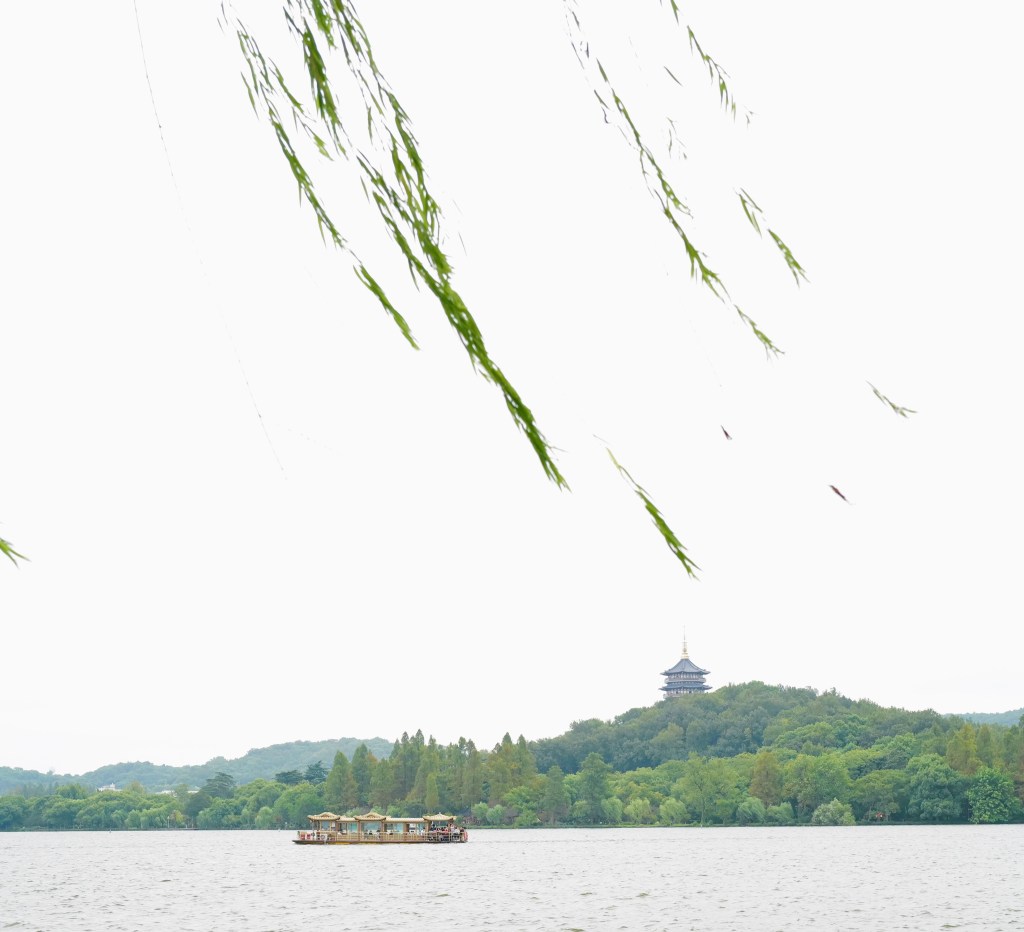
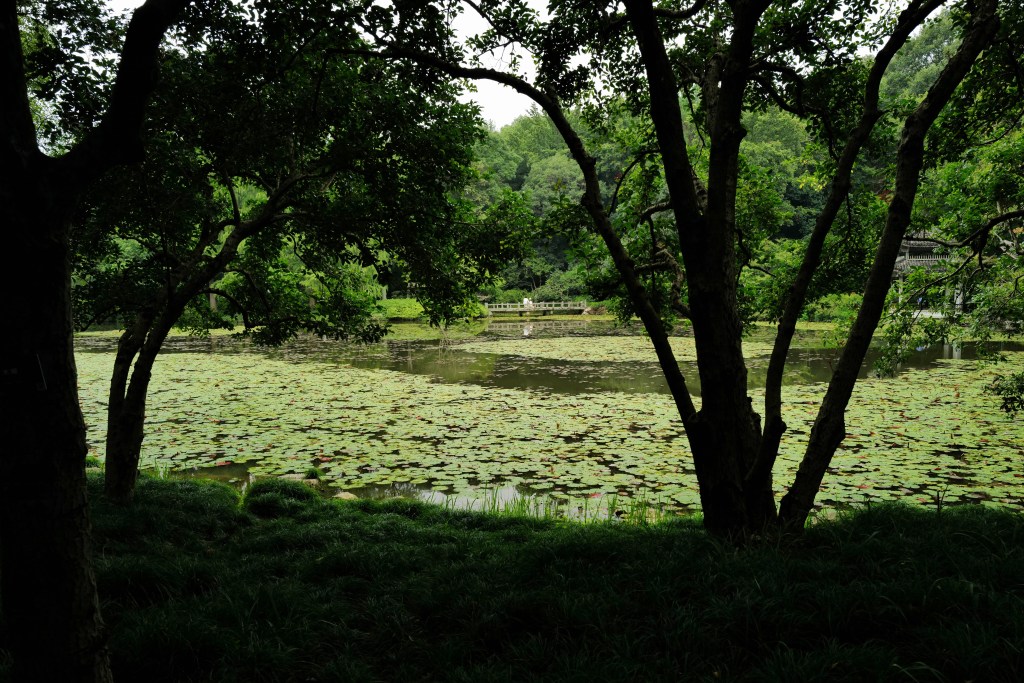
Renowned for its tranquil beauty, surrounded by hills, temples, pagodas, and traditional gardens, Hangzhou’s West Lake (about an hour by speed train from Shanghai) has inspired poets and artists for centuries and is often described as one of the most beautiful sights in China. A common Chinese proverb states, “In heaven there is paradise, on Earth there is Hangzhou.”
But Hangzhou is more than just natural beauty. It was one of the Seven Ancient Capitals of China. It served as the capital of the Southern Song Dynasty (1127–1279), during which time it was one of the largest and most prosperous cities in the world.
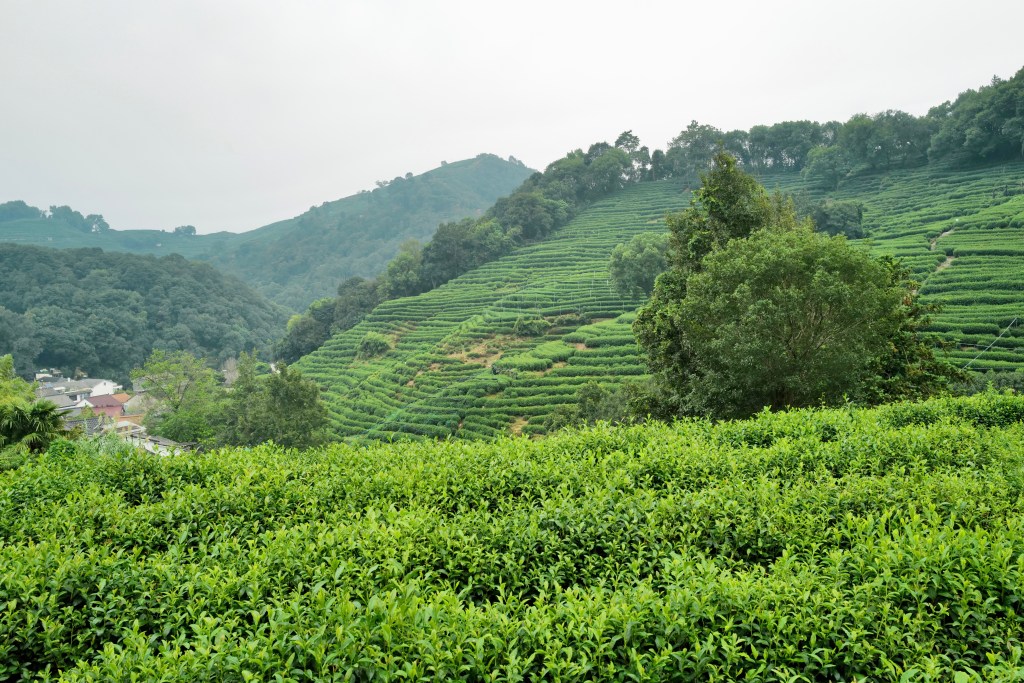
Hangzhou is also the birthplace of Longjing (Dragon Well) Tea, one of China’s most famous and highly-regarded teas. And it has been a historic centre for silk production for thousands of years, earning it the nickname “the House of Silk” and making it an important hub on the Silk Road, the overland road that linked China with Eastern Europe during the Middle Ages.
When Venetian traveler Marco Polo visited Hangzhou in the late 13th century, he described it as “the most beautiful city in the world.”
Since the foundation of the People’s Republic of China in 1949, Hangzhou has become famous as an international hub for diplomacy, culture, and peace, similar to the role played by Geneva, Switzerland, a city also situated by a beautiful lake, hence the connection between the cities.
Mao Zedong had a personal affinity for Hangzhou and visited the city over 40 times between 1953 and 1976. Due to its favourable environment and Mao’s frequent visits, Hangzhou often served as a place for informal political meetings and decision-making during the early years of the People’s Republic of China. Significant international breakthroughs took place in Hangzhou, reinforcing its image as a place for serious, peaceful negotiation, including the 1972 Shanghai Communiqué, which normalised relations between the US and China.
In more recent times, the city hosted the 2016 G20 summit, showcasing its continued status as a destination for high-profile international meetings.
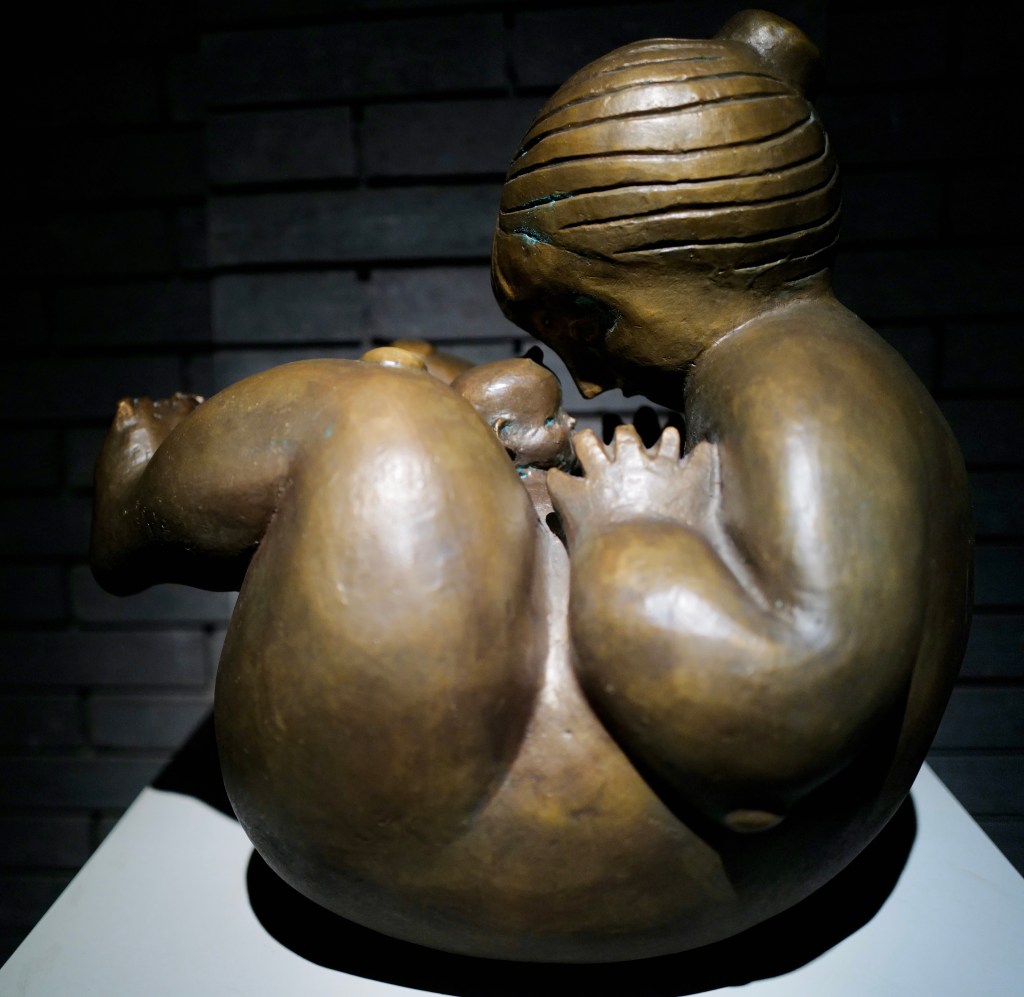
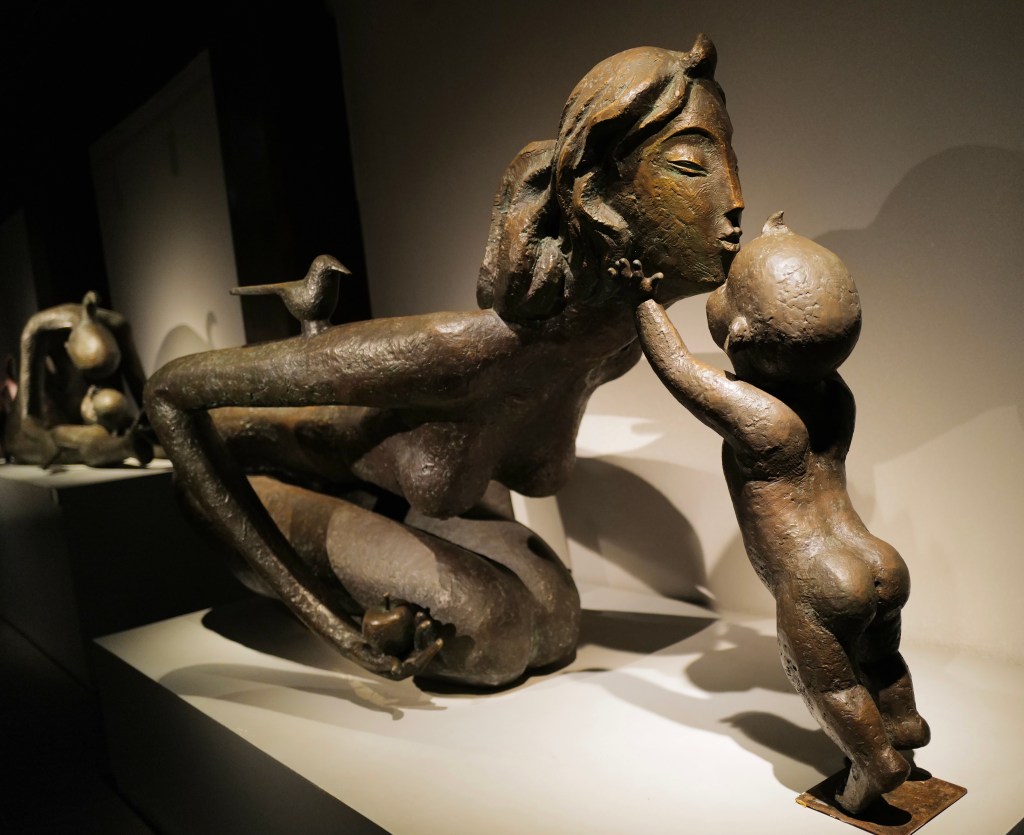
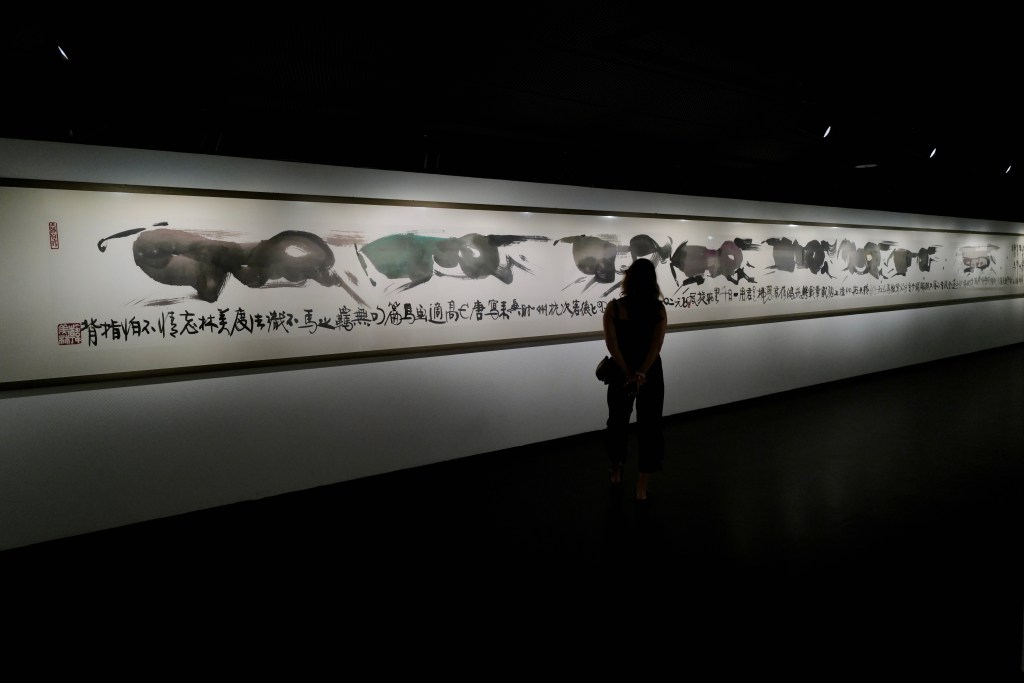
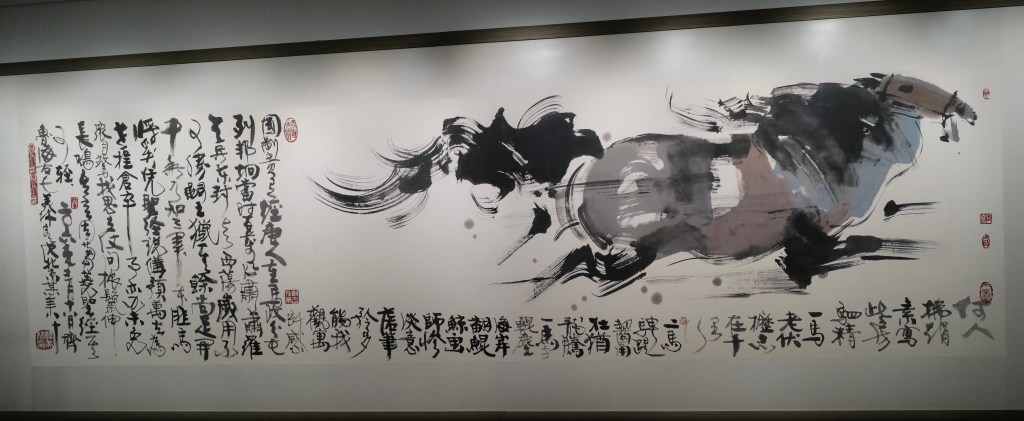
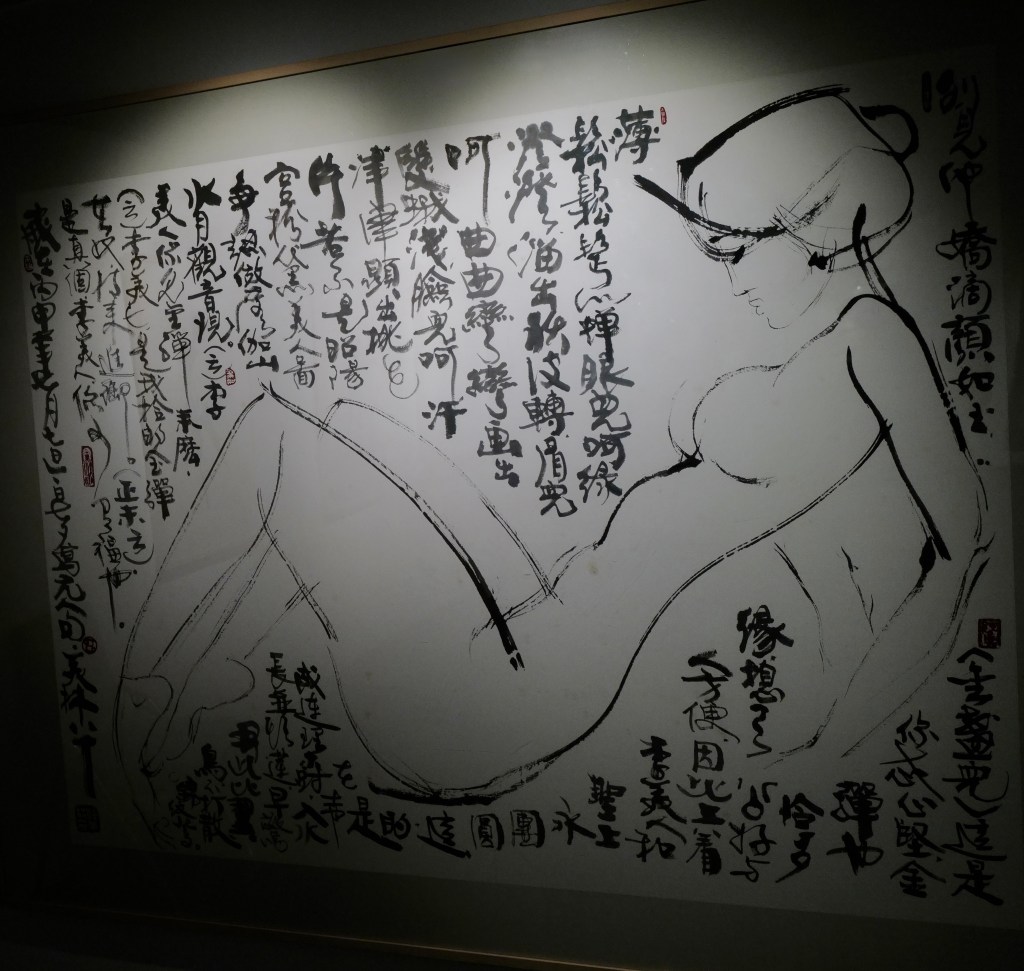
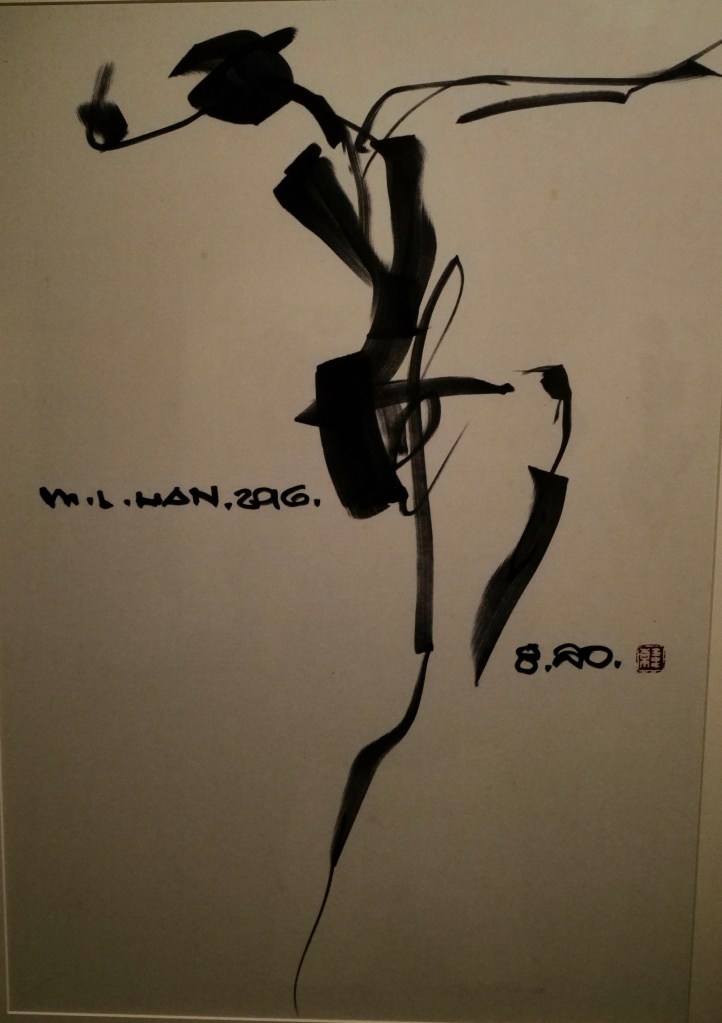
We spent 5 days in this beautiful area of China, which seduced us by its natural beauty, relaxing atmosphere and superb food. Hangzhou includes a wealth of amazing restaurants and stunning teas, as well as unforgettable museums, including the Silk and the Tea Museums, as well as the contemporary art gallery in the botanical gardens, which celebrates the remarkable Chinese artist Han Meilin.
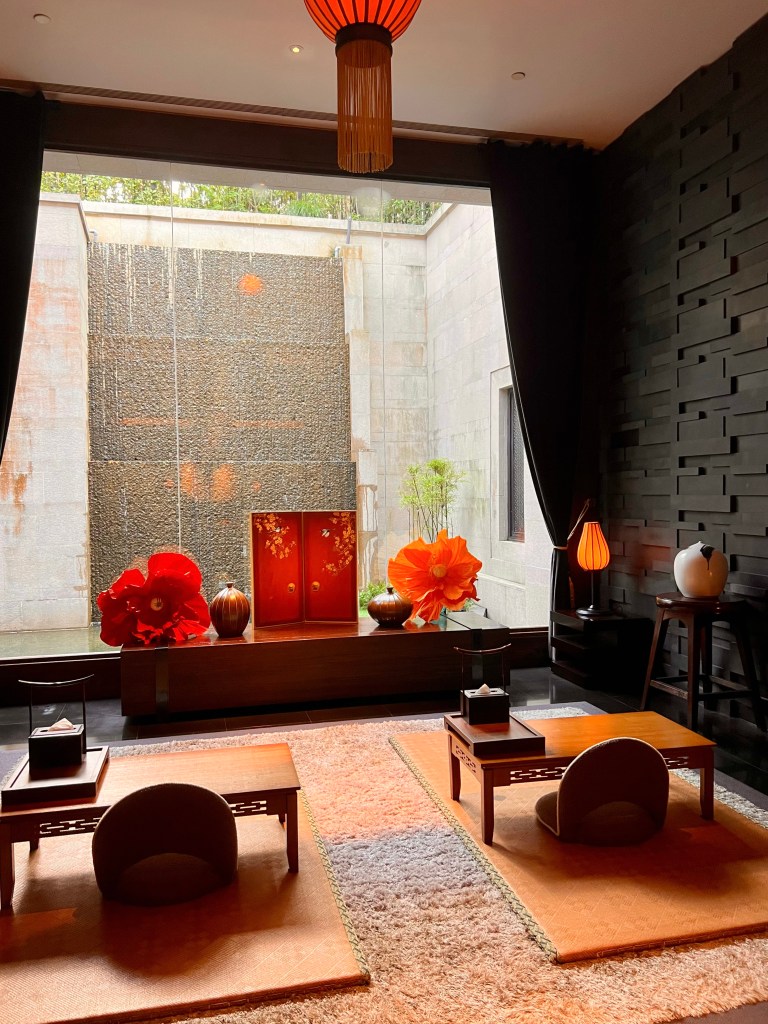
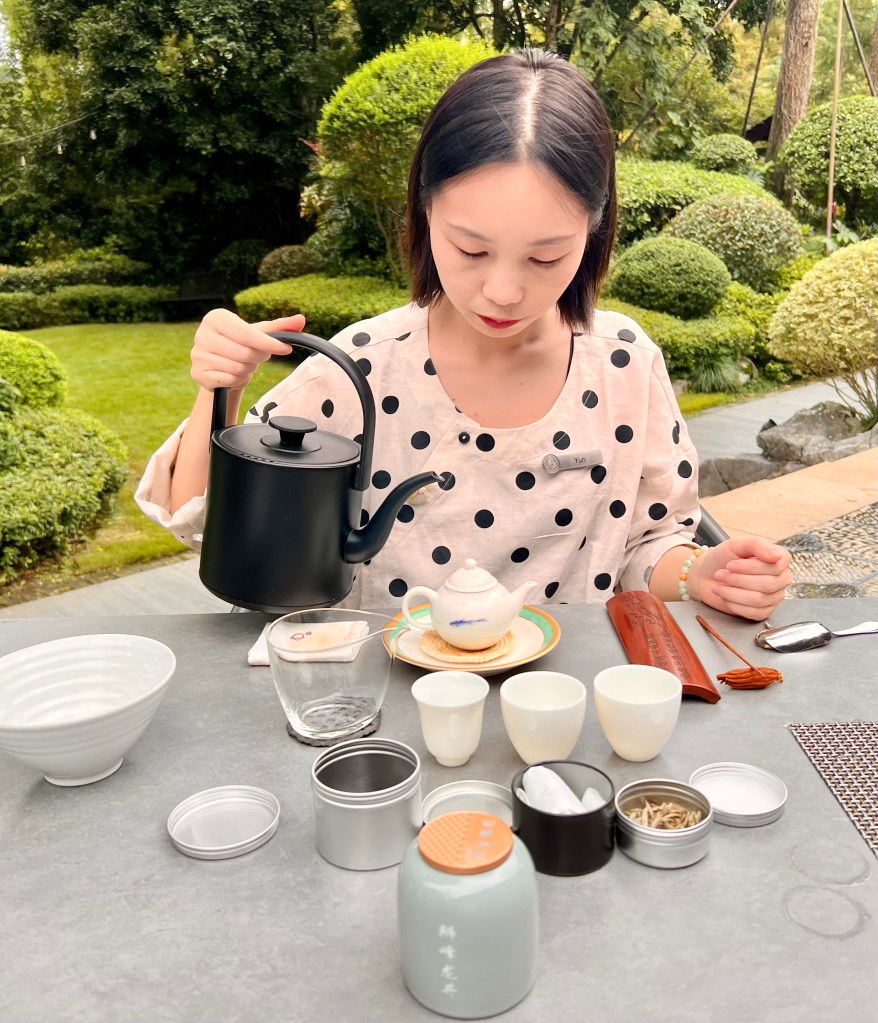
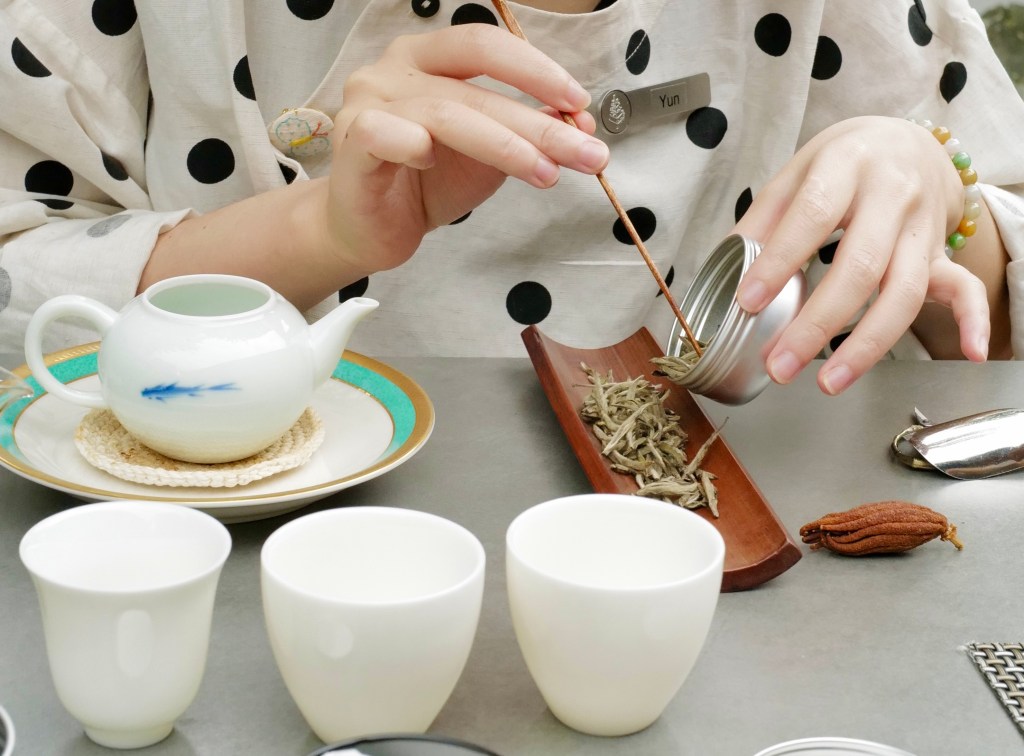
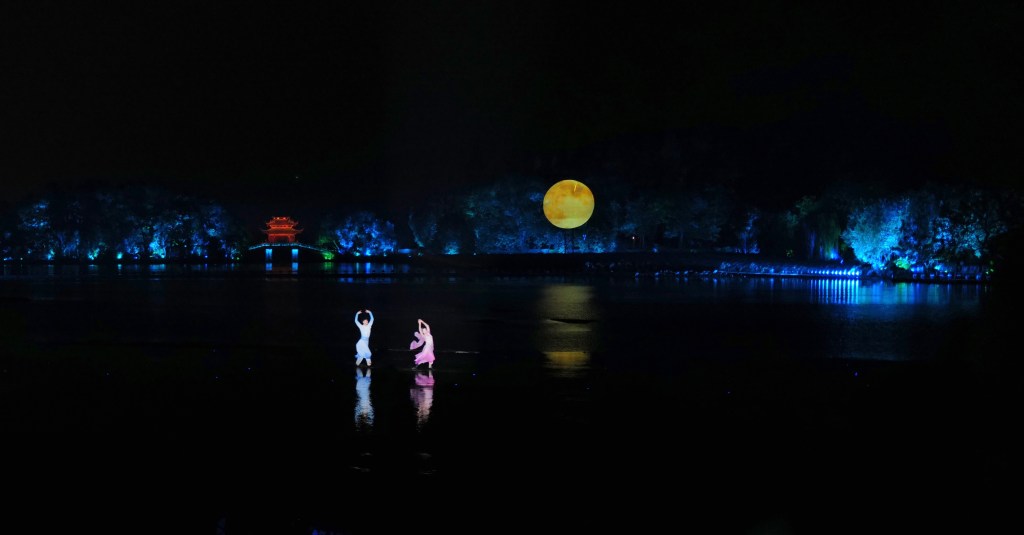
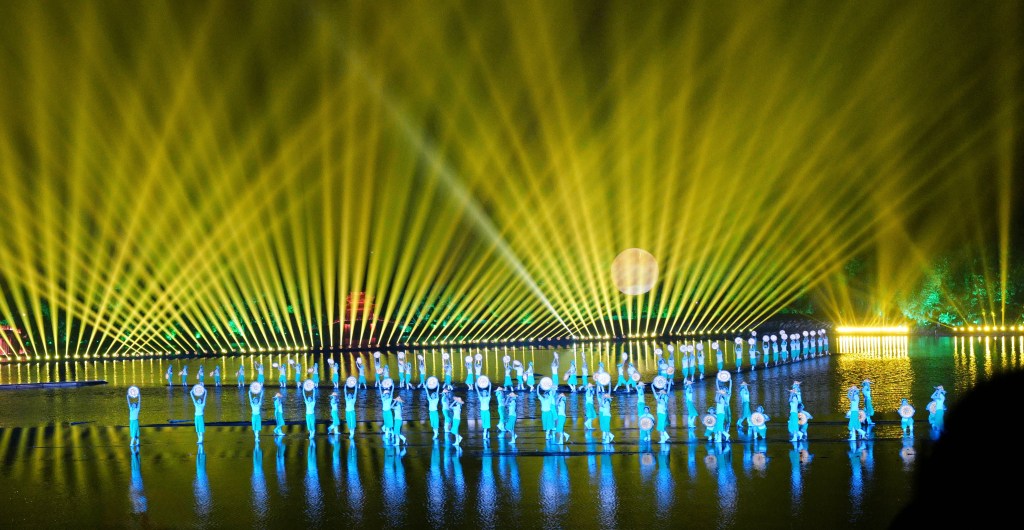
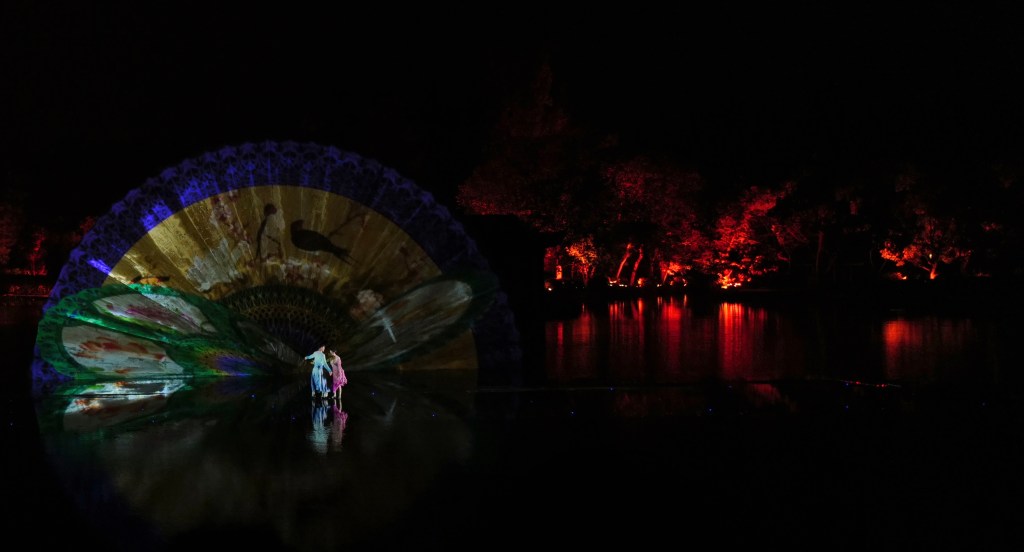
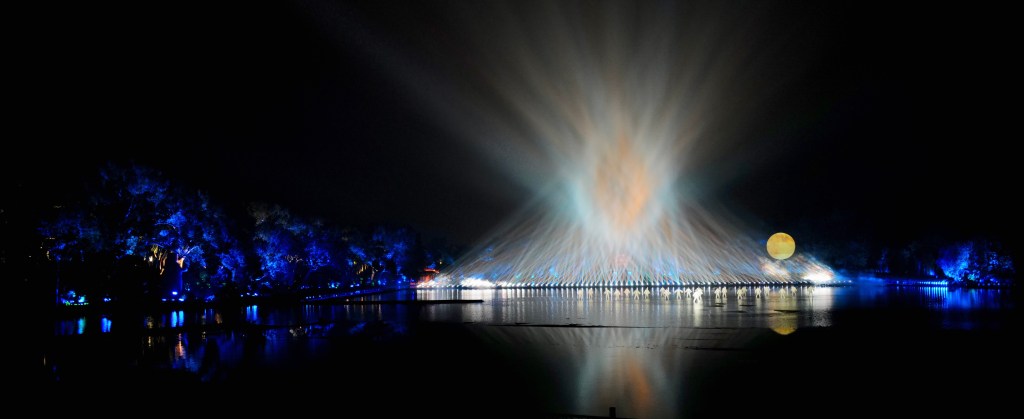
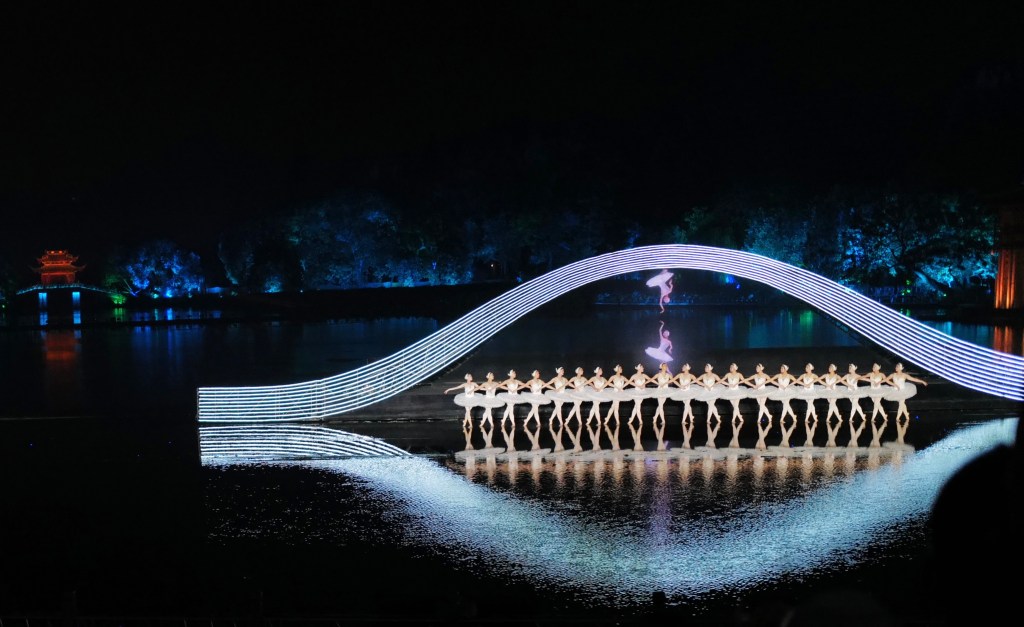
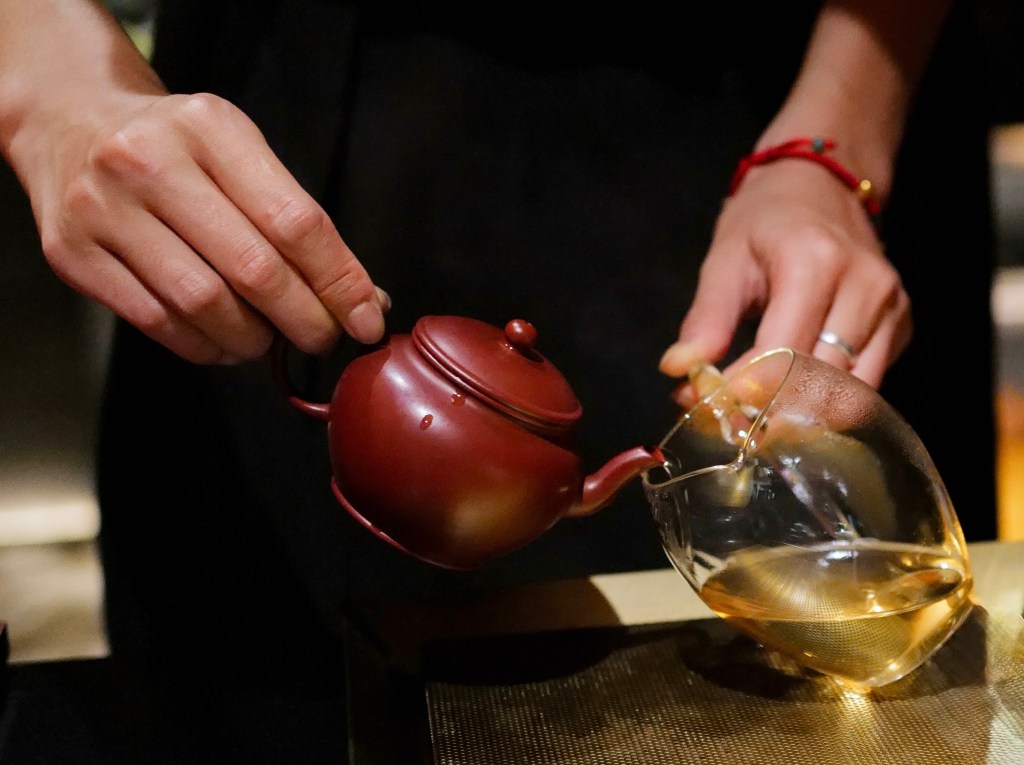
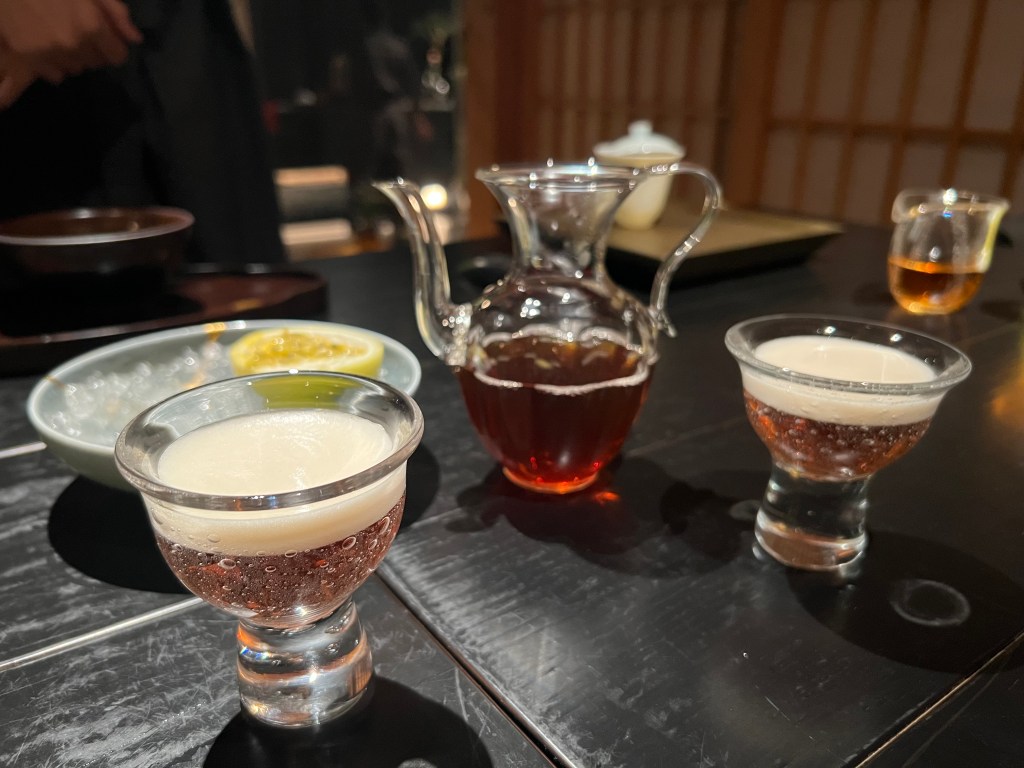
Tea is a big deal in Hangzhou, with many hotels/restaurants including tea sommeliers and offering exquisite tea samplings.Every evening, the West Lake offers music and dance shows, which are performed on the lake itself, with the backdrop formed by the nature and the houses surrounding the lake. Hangzhou’s old town, at the end of the colossal Grand Canal, 1700 km long, which the Chinese started building in the 5th century BC. A truly unbelievable achievement for the time.An ancient incense burner in one of Old Hangzhou’s taoist temples.
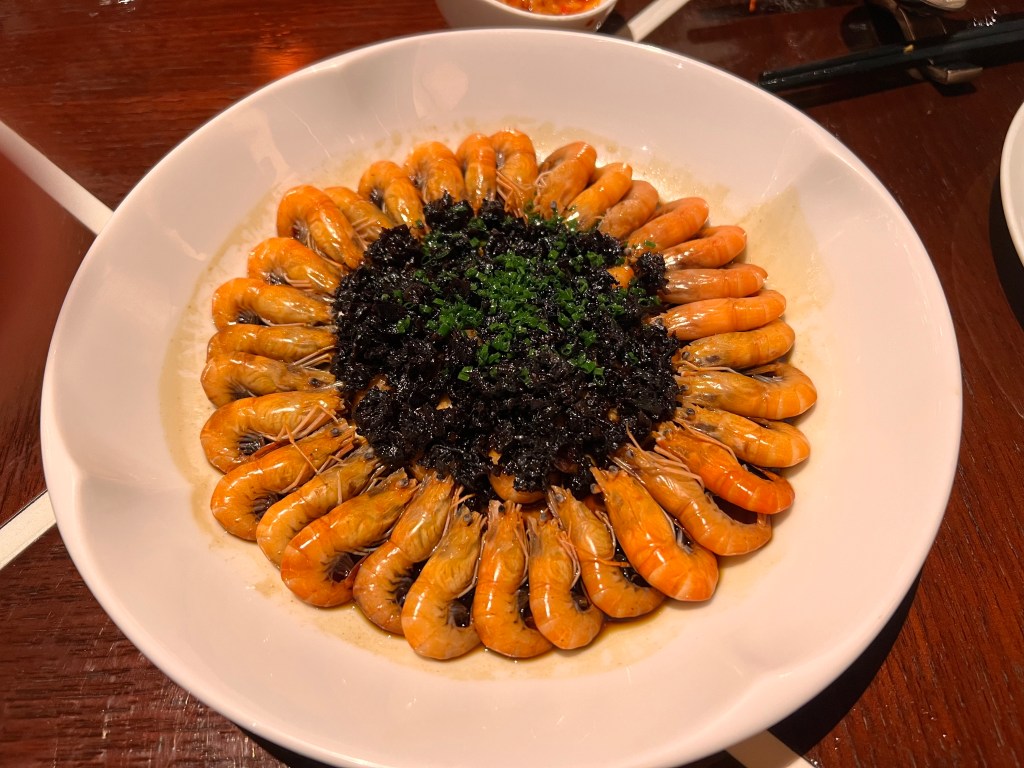
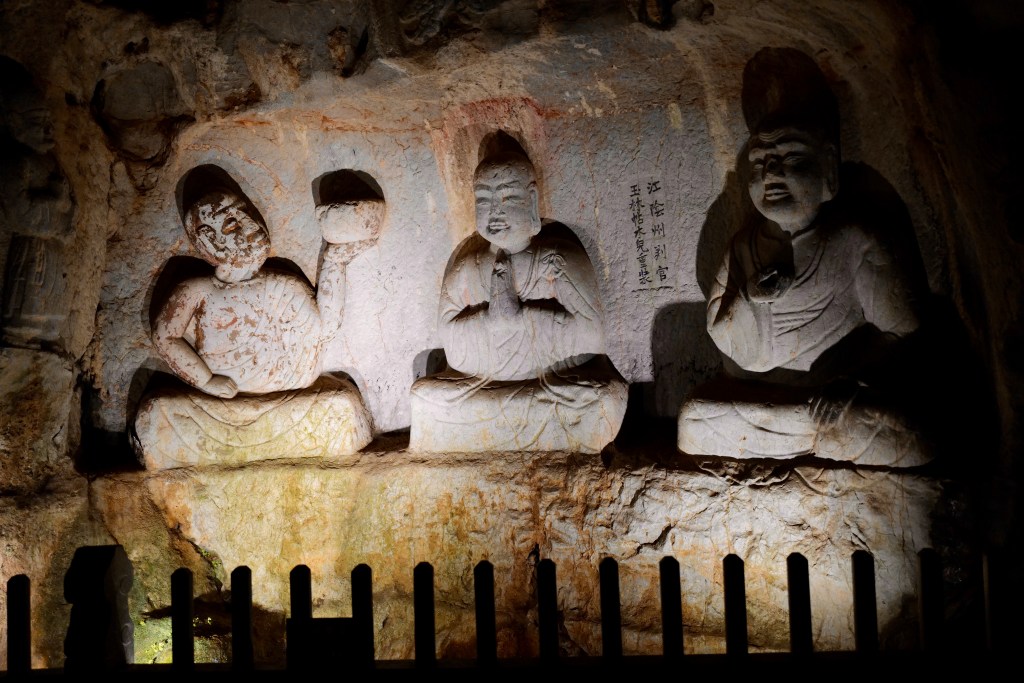
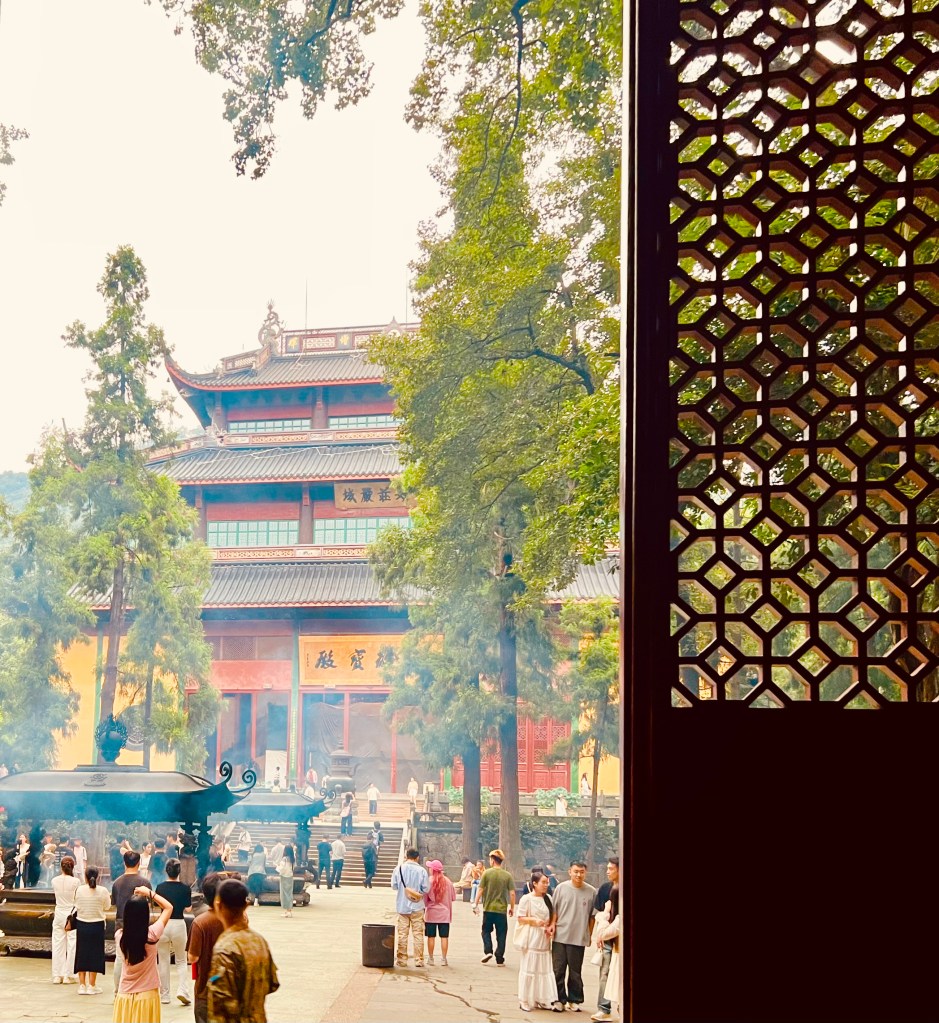
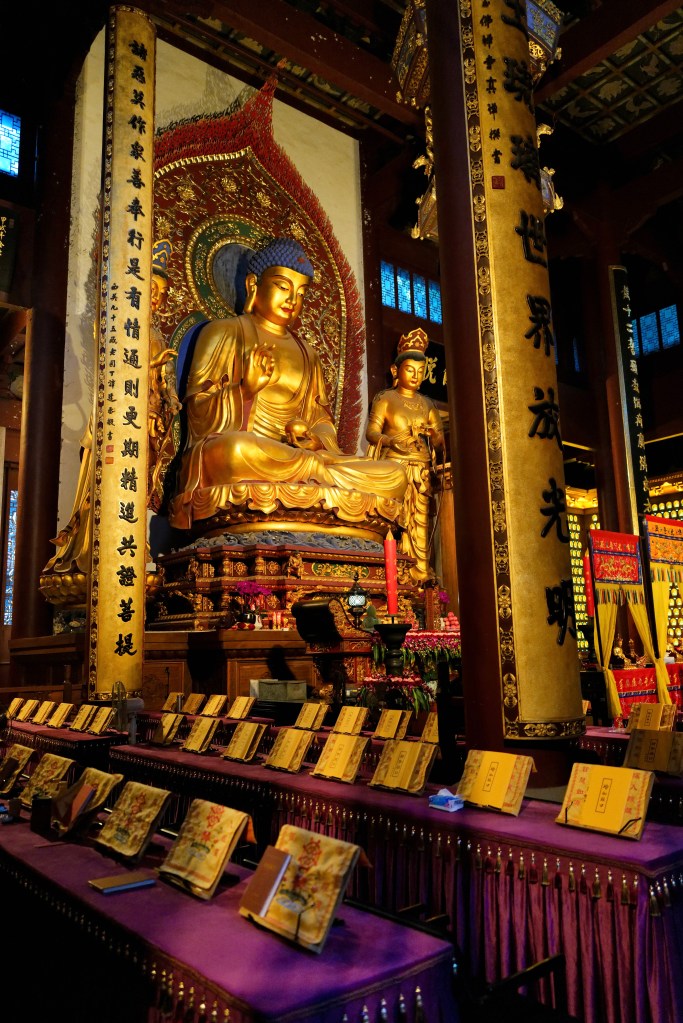
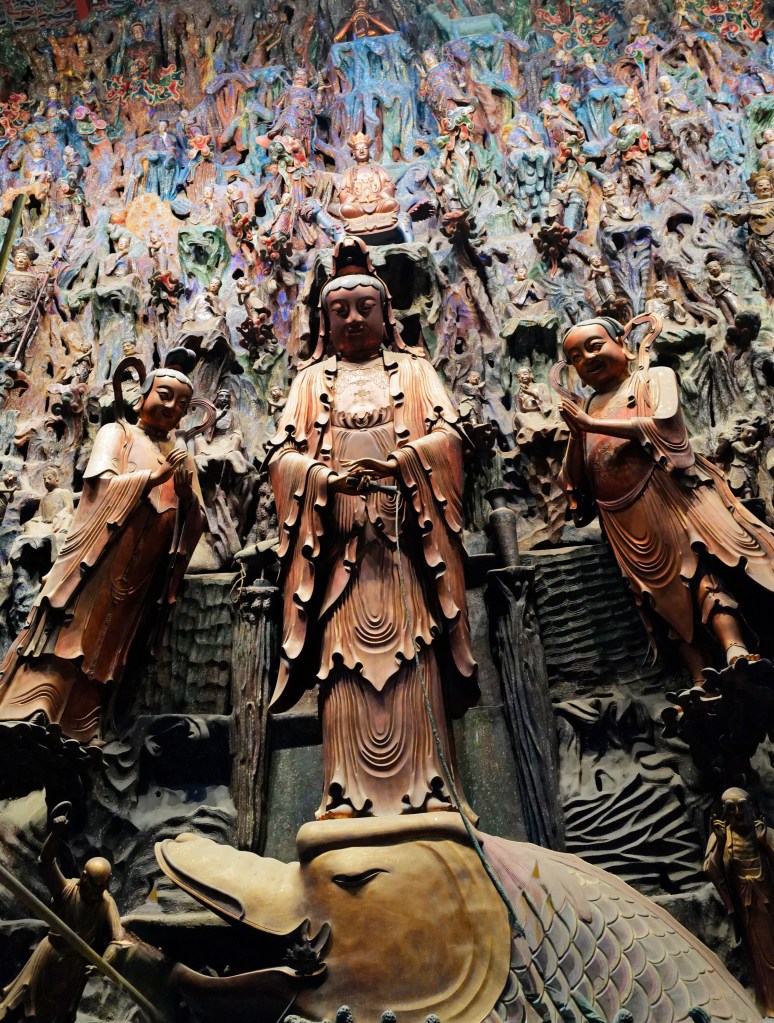
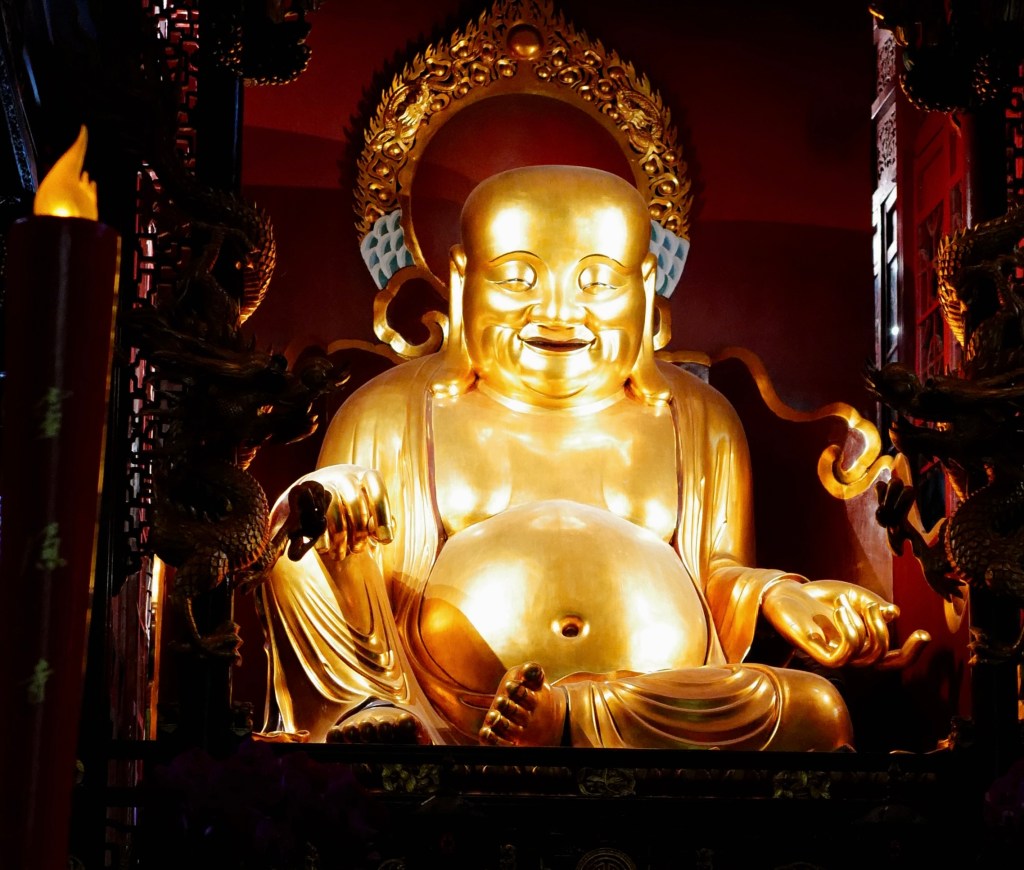
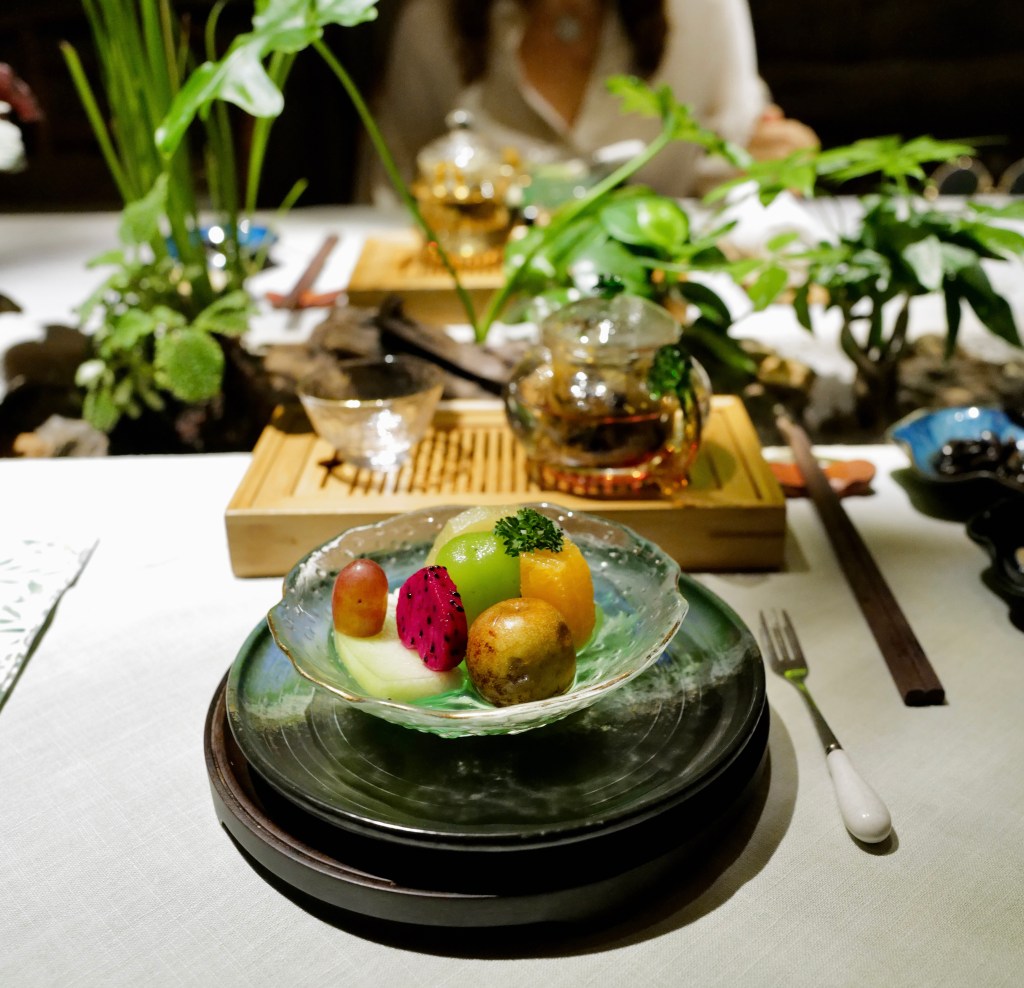
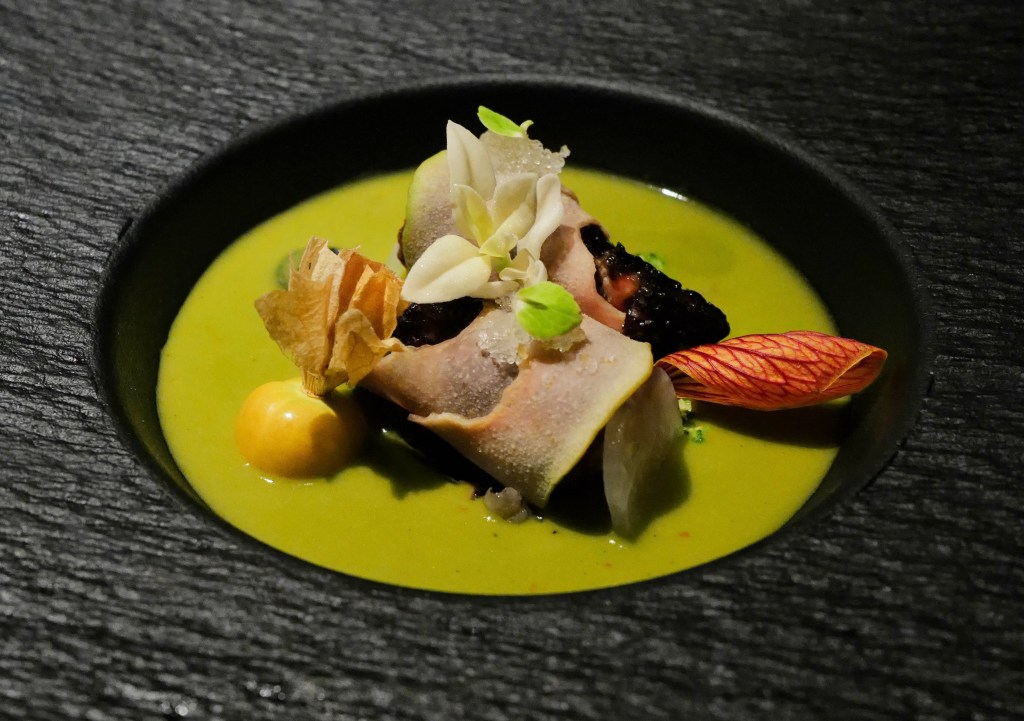
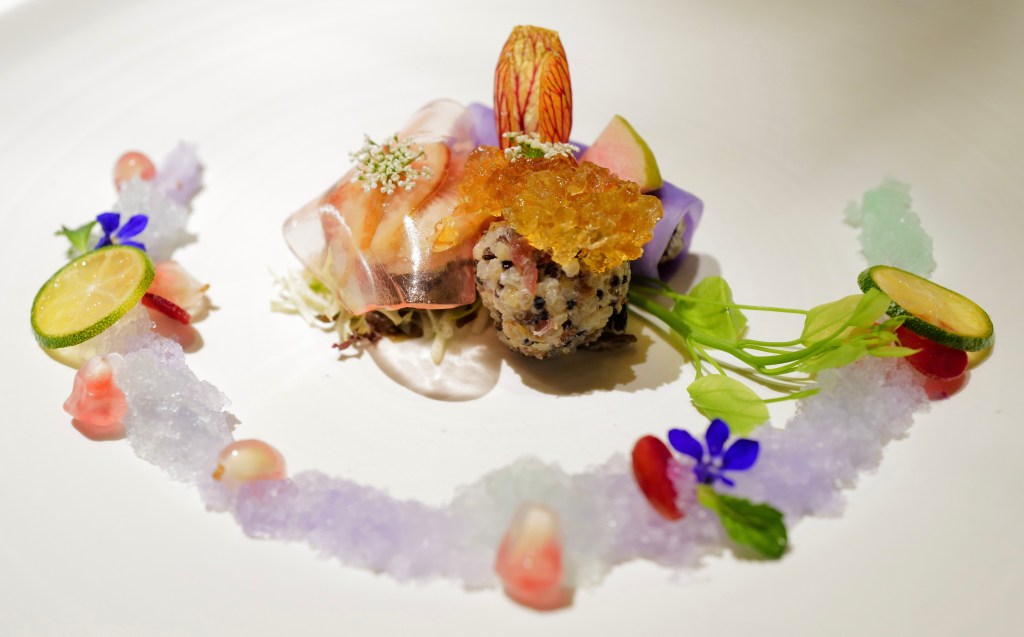
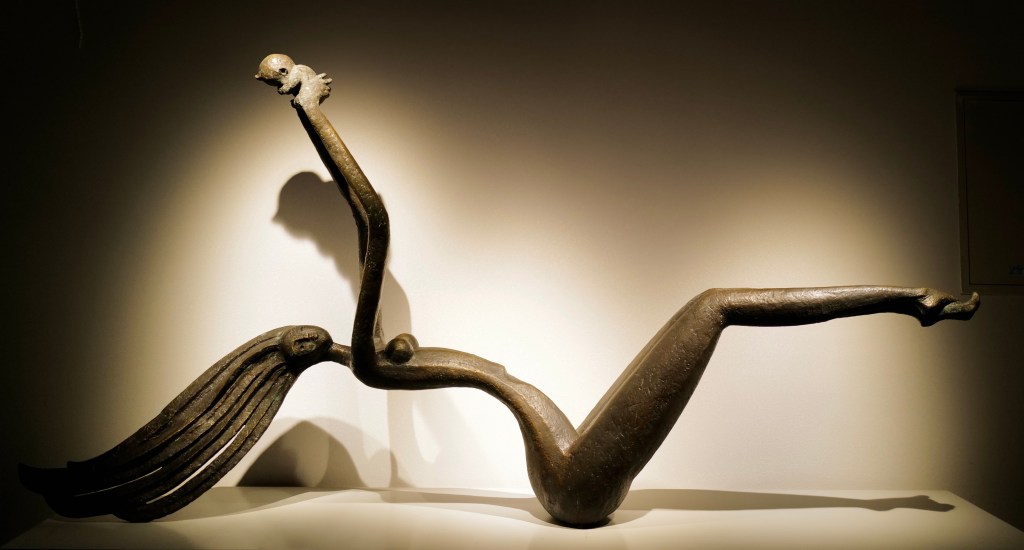
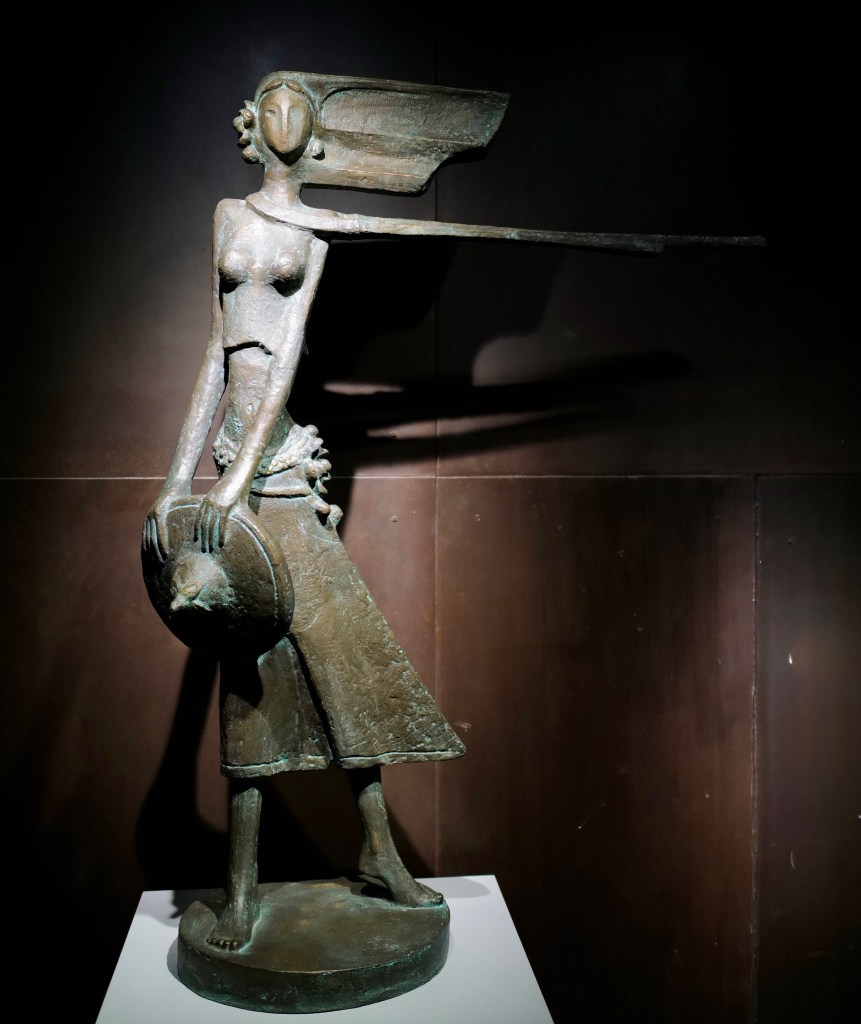
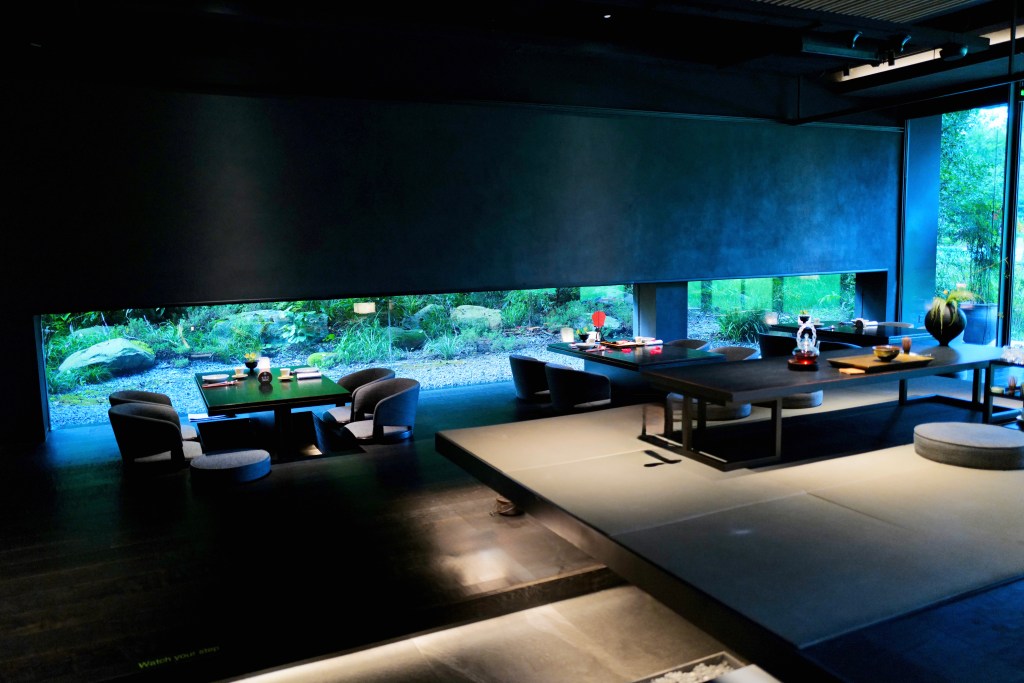
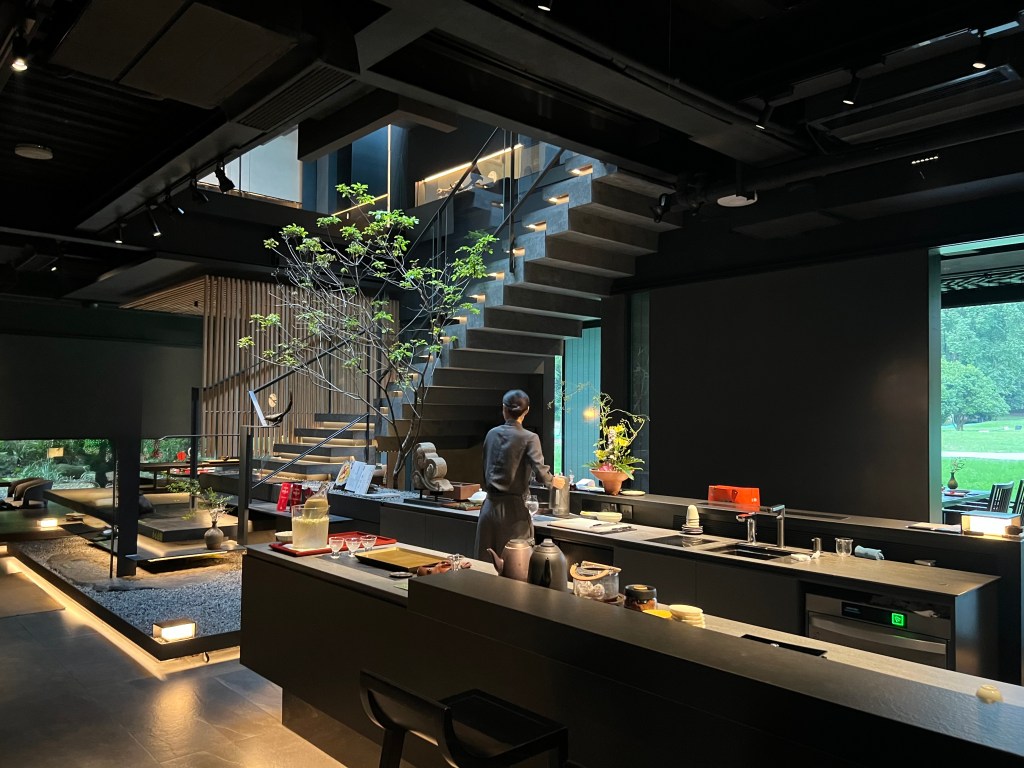
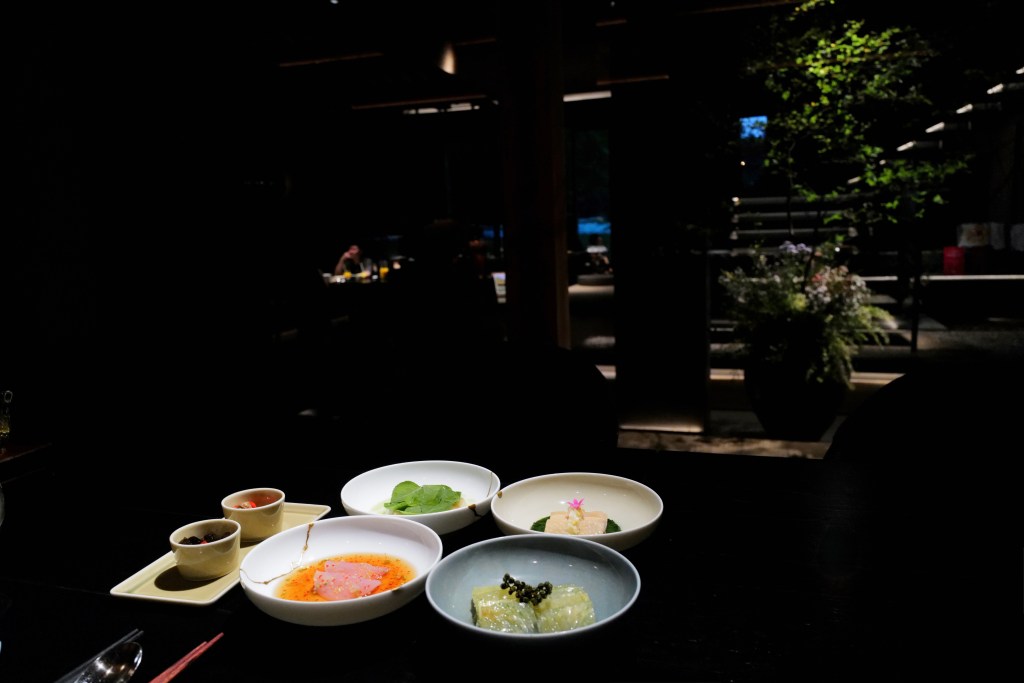
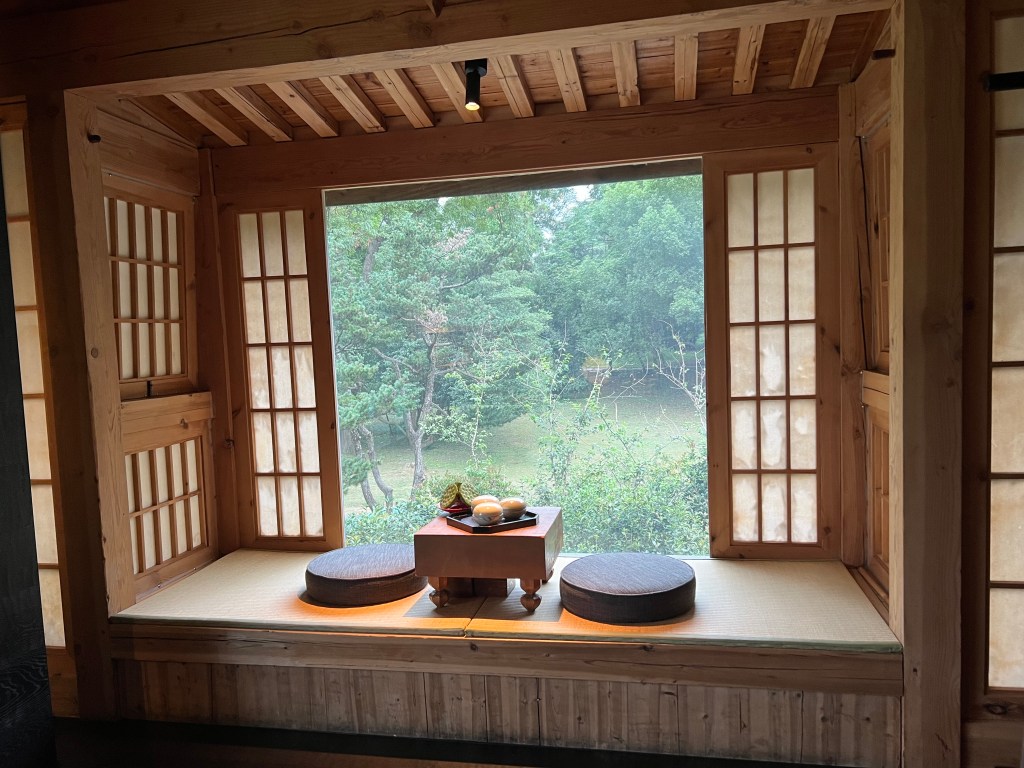
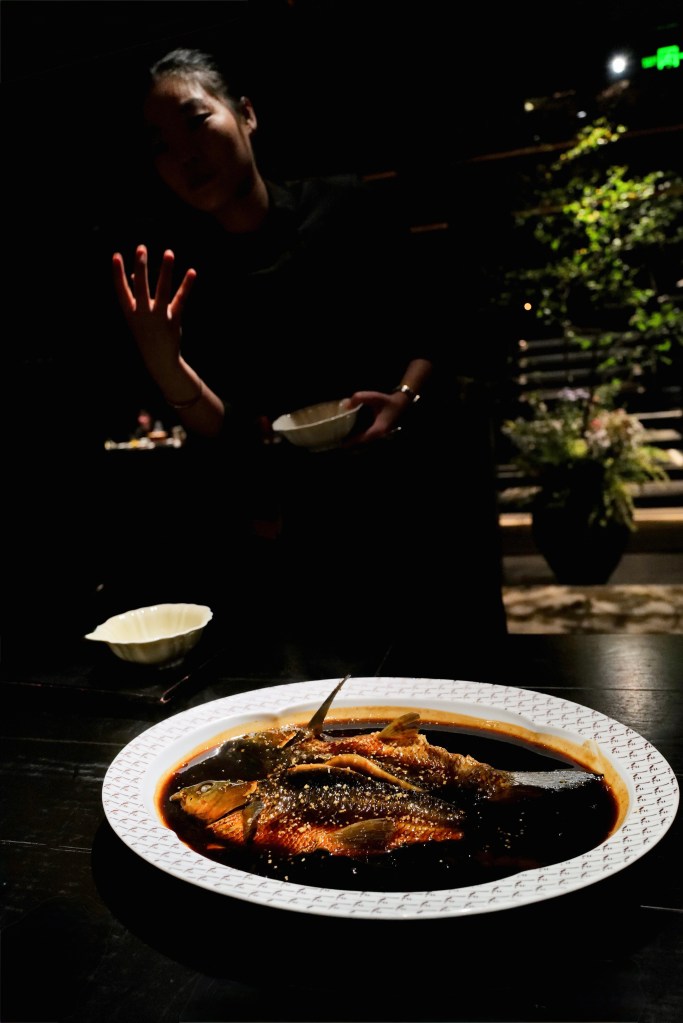
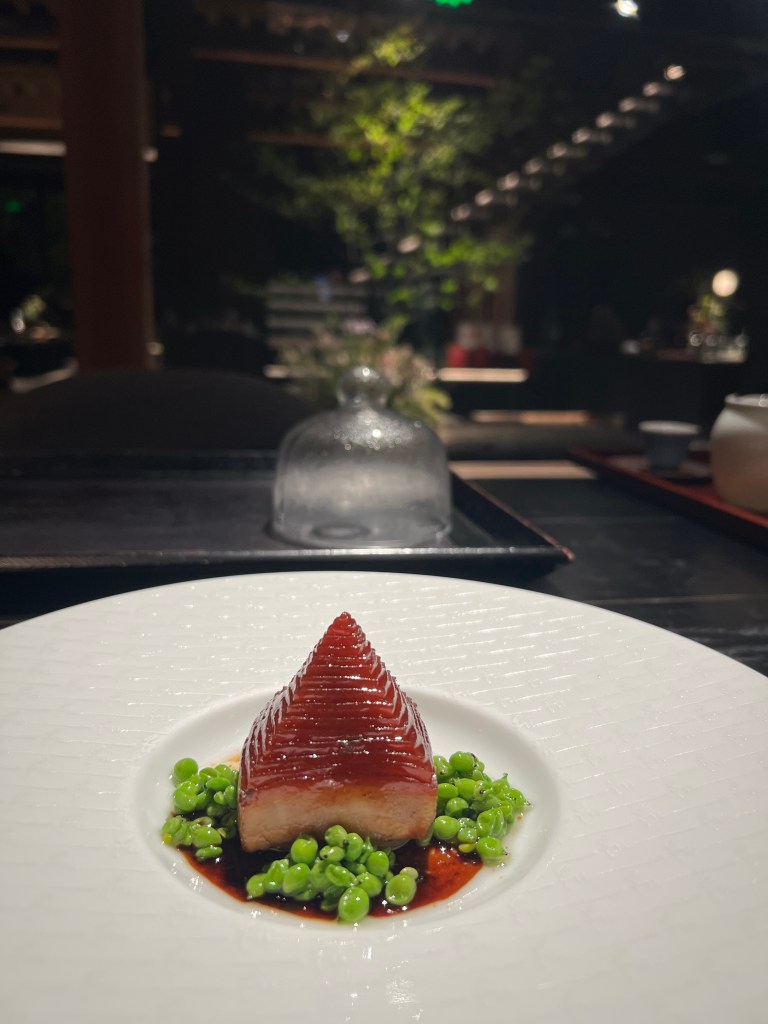
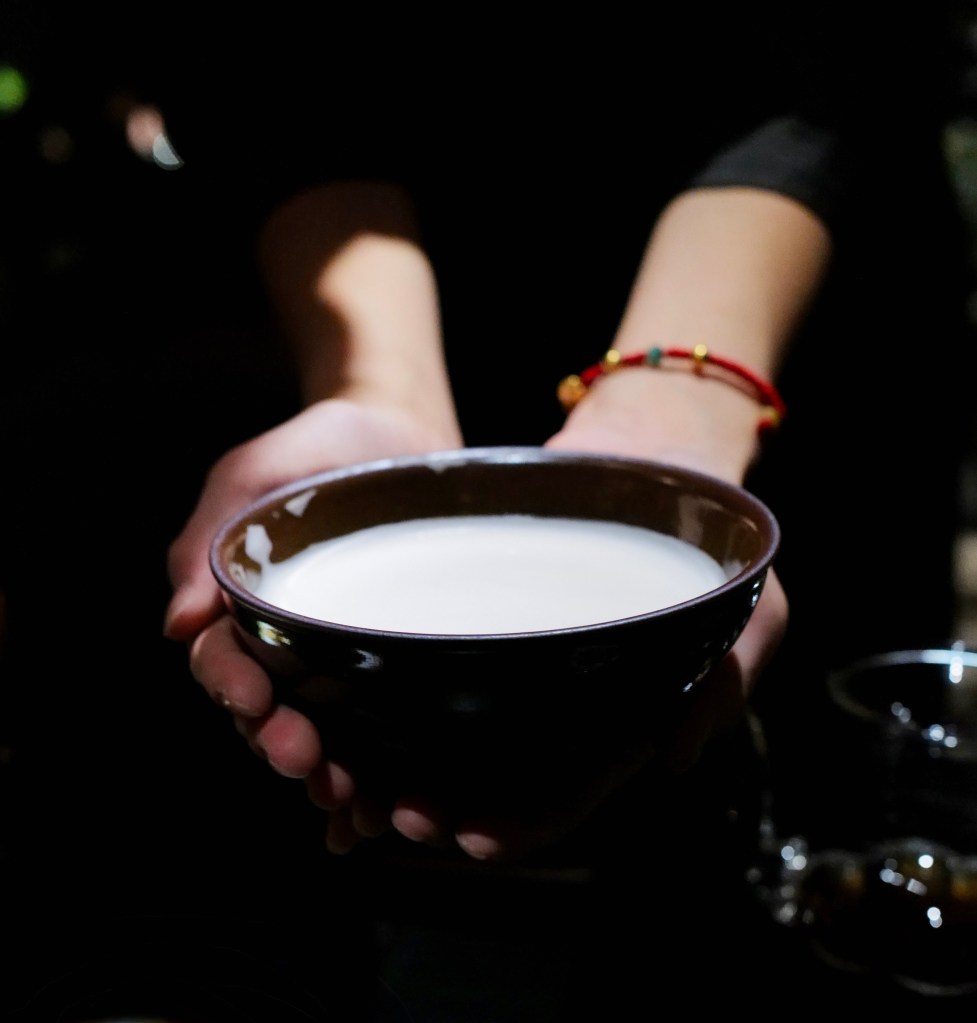
Music is everywhere in China, here on the streets of Old Hangzhou, by the Grand CanalThe beautiful Longjing Valley, where the same named tea comes from, Mao Zedong’s favourite.Several of the best restaurants in Hangzhou are hidden in the deep forest.The stunning Feilai Feng grottoes, a collection of over 300 Buddhist rock carvings, some dating back more than 1000 years.The impressive Lingyin Temple, one of China’s most famous Buddhist temples. The impressive 500 Arhats Hall in Lingyin Temple. Each 1.7-meter-tall, one-ton statue is unique, with distinct postures. This hall is the largest Arhats hall in China and the centre of a walking meditation path designed in the shape of a Buddhist swastika. Arhats are people who have achieved nirvana (enlightenment).Protective deities and disciples of the Buddha in the main hall of Lingyin Temple.Food is magnificent in Hangzhou – inventive, suiting every palate and beautifully presented. There are over 80 Michelin “fine dine” restaurants in the town alone, excluding surroundings.Works by Han Meilin, one of China’s most celebrated contemporary artists, at the Art Gallery in the Hangzhou Botanical Garden.Han Meilin’s monumental series on horses, a theme that is very common in China, a nation that venerates them.Amazing brushwork by Han Meilin.Ru Yuan Restaurant, a feast not only for the stomach, also for the eyes.As most things that are nowadays celebrated as “Japanese”, matcha was originally invented in China and brought to Japan much later. Here is powdered white tea served the same way the Japanese serve green matcha today.The delicious Chinese matcha is served in transparent glasses.
A traditional way to serve soup, inside a dumpling. The soup is eaten by lifting and piercing the dumpling.
Audiovisual stimulation is everywhere in China. Here at the Silk Museum in Hangzhou.The Chinese Emperor’s ceremonial robe, dating from the middle of the XIXth century, perfectly preserved at the Silk Museum.
As always it’s an enjoyment to read your travels’ comments. At the same period you were in Hangzhou we were visiting Ouzbékistan, another location on the Silk Road, where many exhibits remember us of this trade route importance. Continue to make us traveling in so many nice places



















As always it’s an enjoyment to read your travels’ comments. At the same period you were in Hangzhou we were visiting Ouzbékistan, another location on the Silk Road, where many exhibits remember us of this trade route importance. Continue to make us traveling in so many nice places
LikeLike