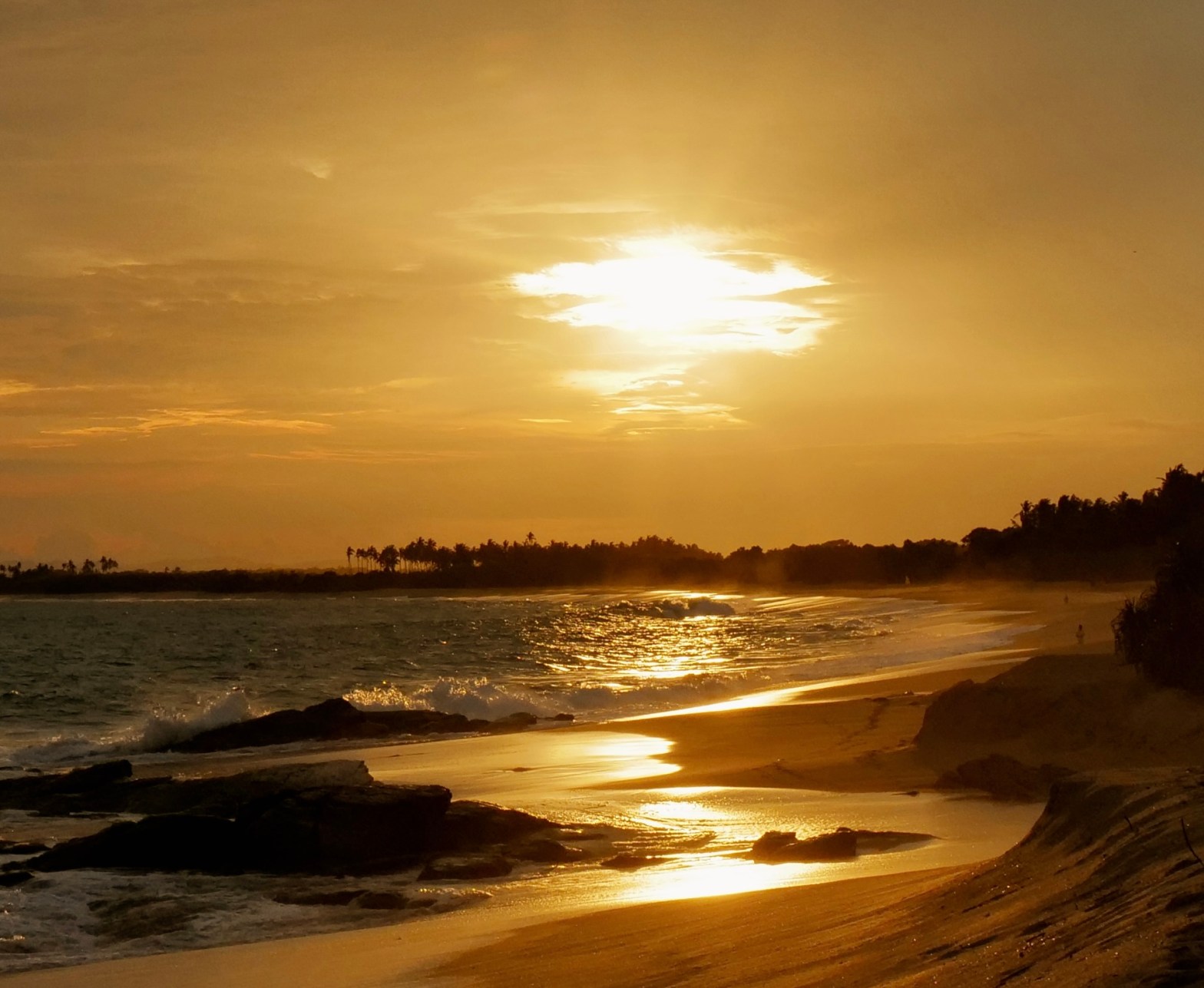
Sri Lanka is often described as “Asia in a nutshell” because it manages to pack into one island a large amount of geographic and cultural diversity. Unlike much larger countries, where you can spend days just getting from one area to another, in Sri Lanka you can have breakfast in misty, cool mountains, lunch in a spice-filled jungle, and dinner on a sun-drenched beach—all in the same day.
For our first visit (we promised ourselves to return again soon!), we concentrated on the south, a tour that included Galle and the area around Tangalle.
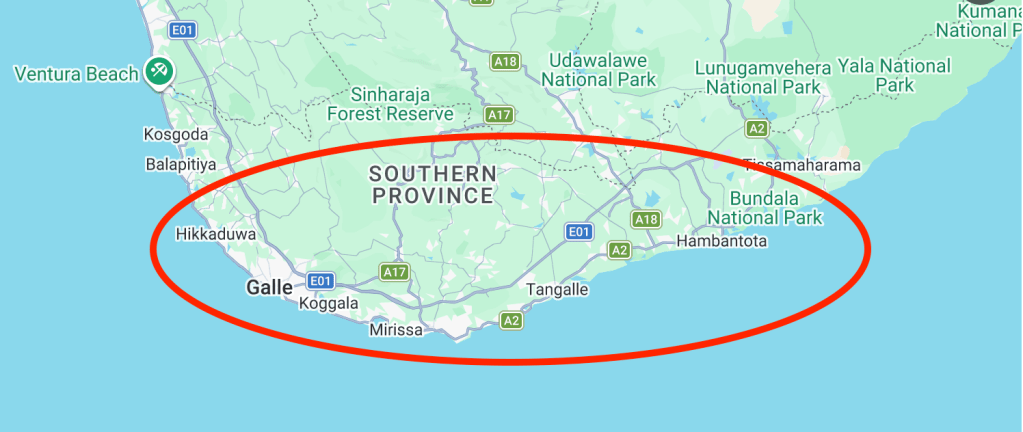
Galle, only about 2 hours by car from Colombo, the nation’s capital, isn’t just a city, it’s an experience in colonial architecture and cultural fusion.
The heart of the city is a fort, now a UNESCO World Heritage site, the best-preserved fortified city in South Asia. It’s not a museum, it’s a living, vibrant, neighbourhood where the past and present coexist seamlessly.
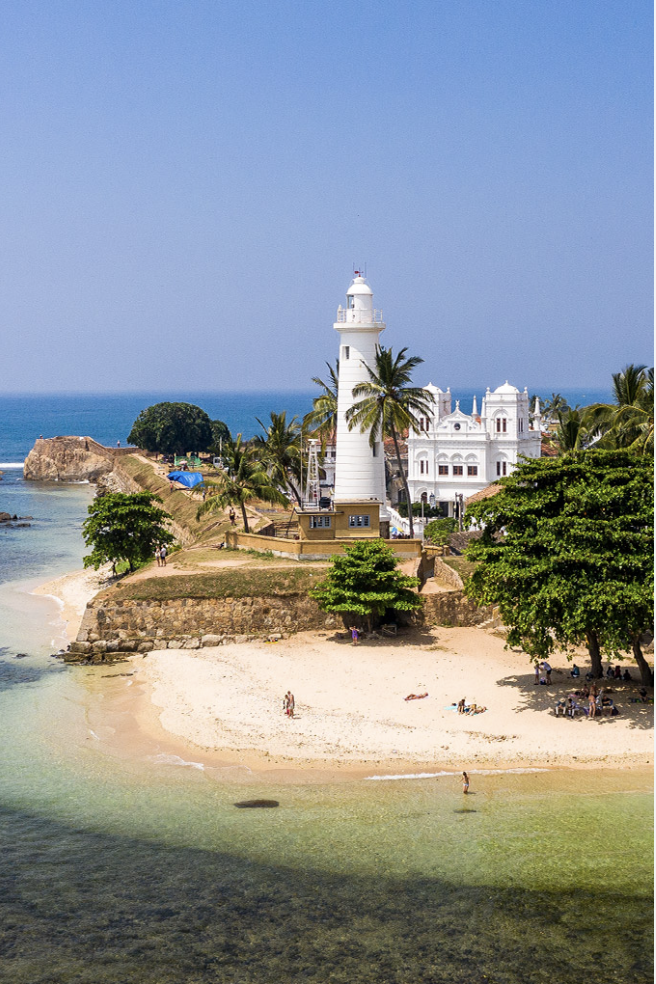
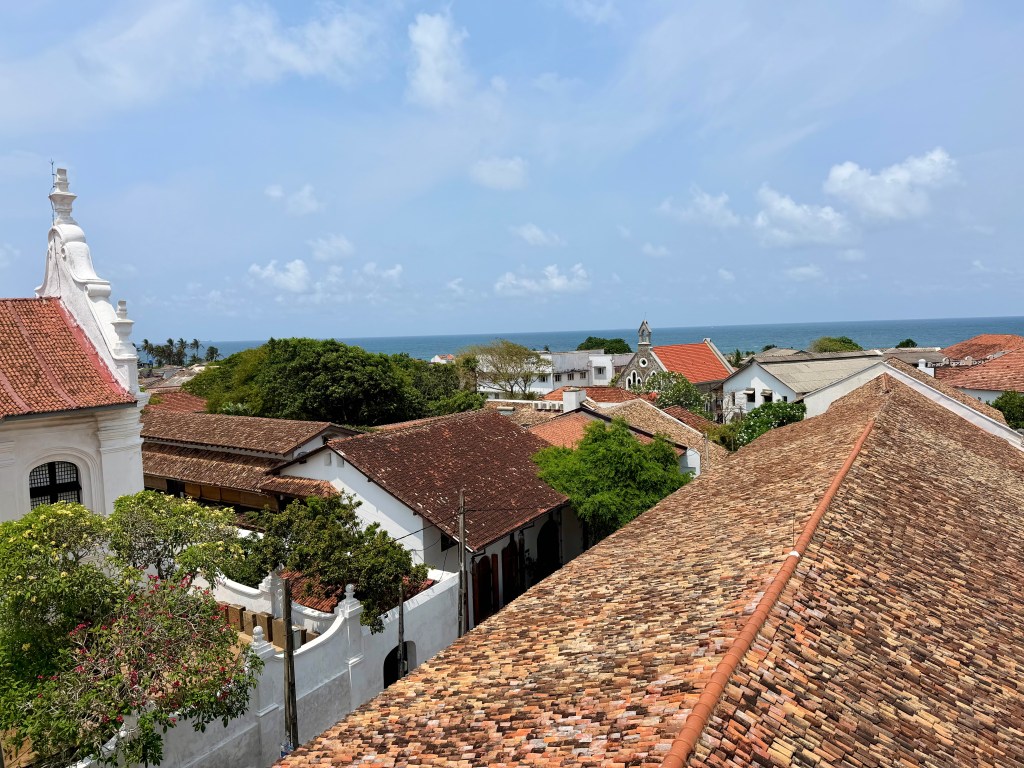
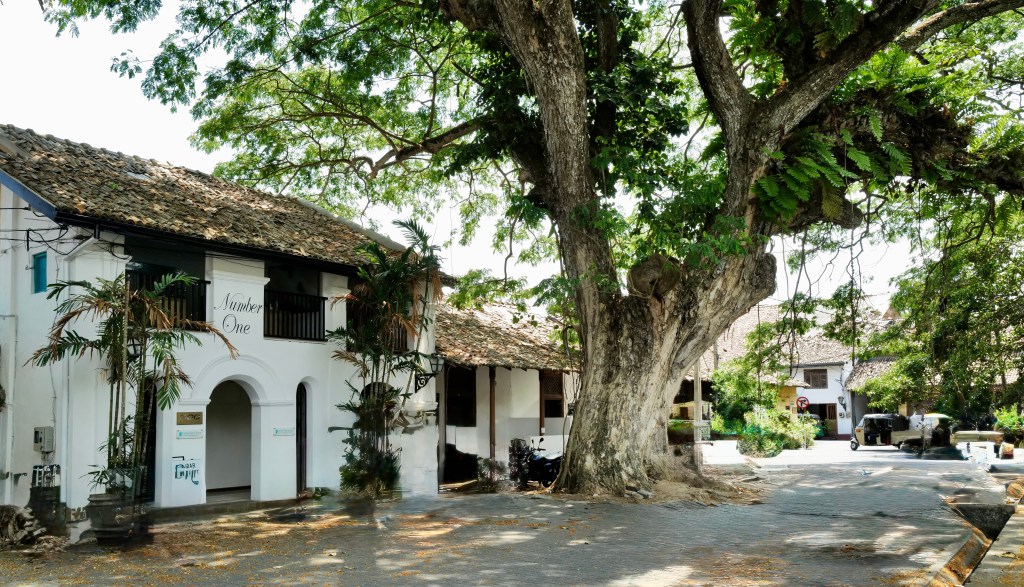
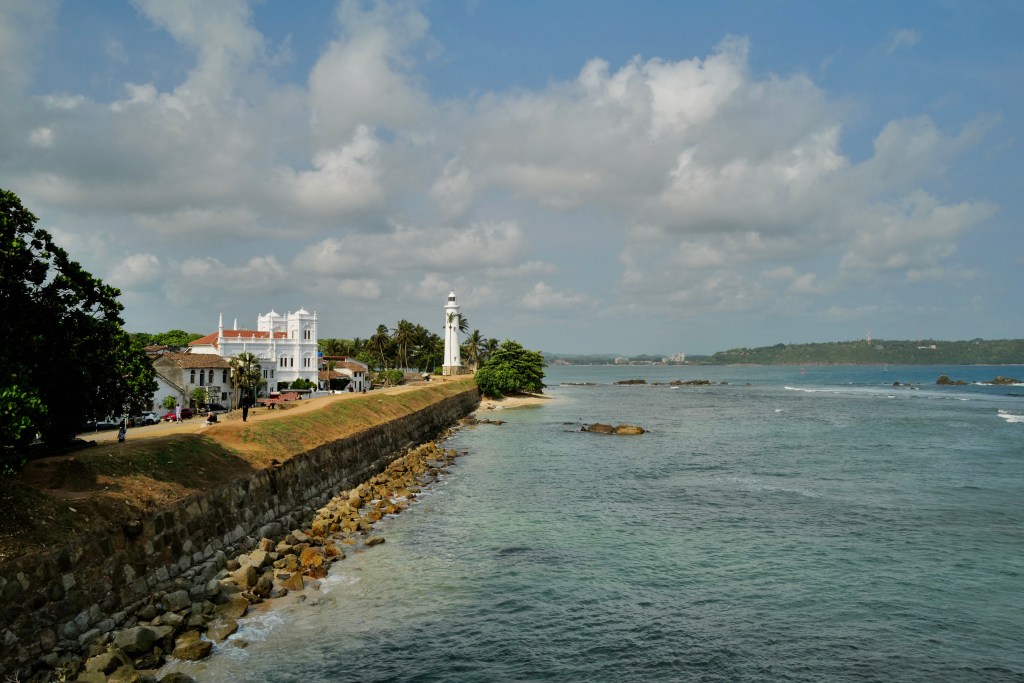
Galle’s streets are lined with architecture that preserves the Portuguese, Dutch and British colonial influence, yet they house a contemporary culture of boutiques, galleries, and cafés. The interior is largely car-free, so it’s an invitation to wander around and to enjoy views of the expansive Indian Ocean.
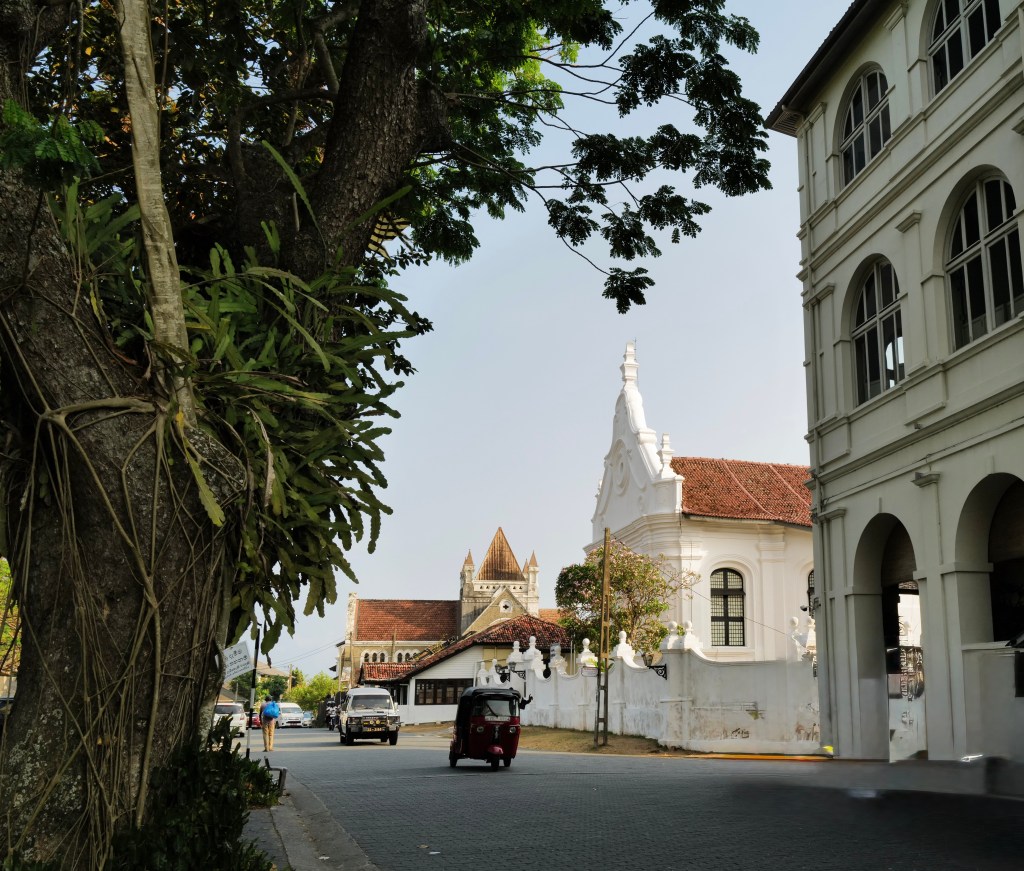
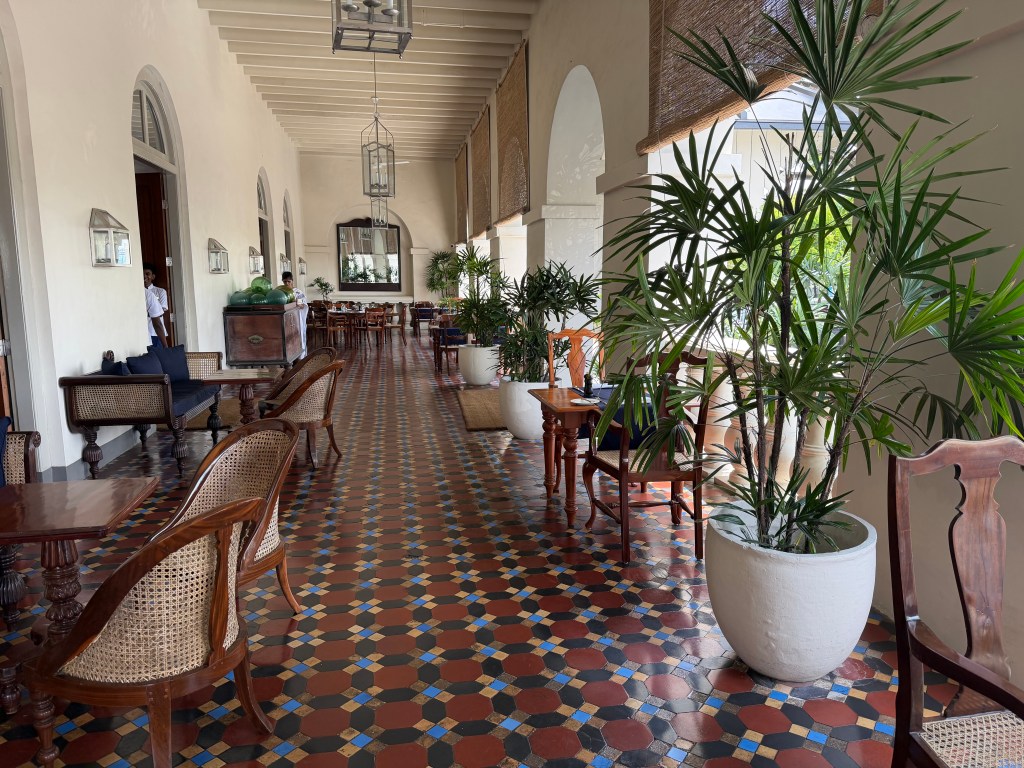
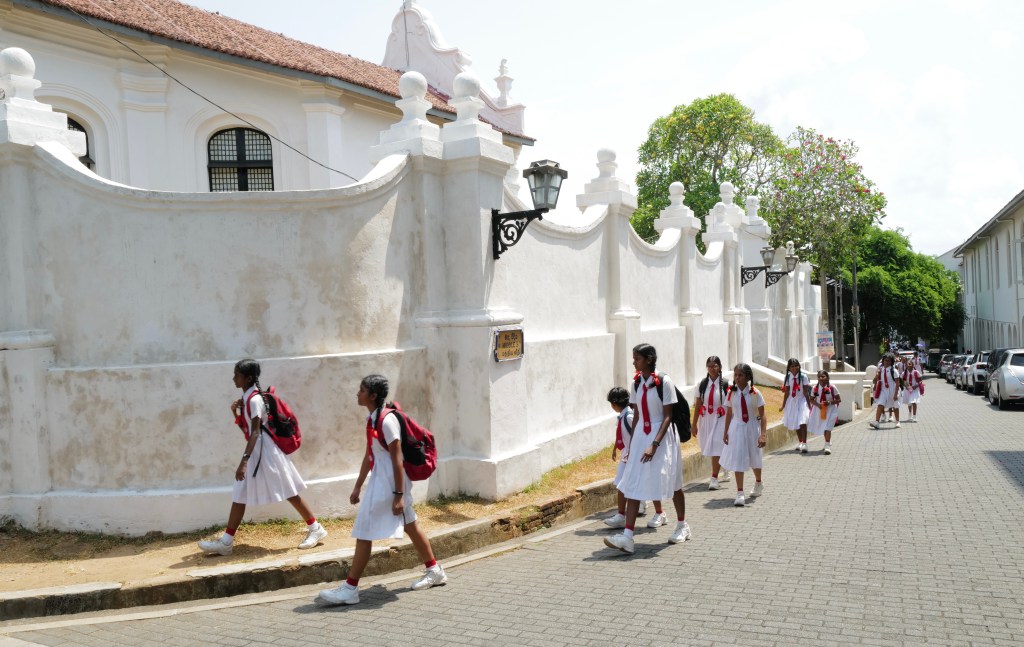
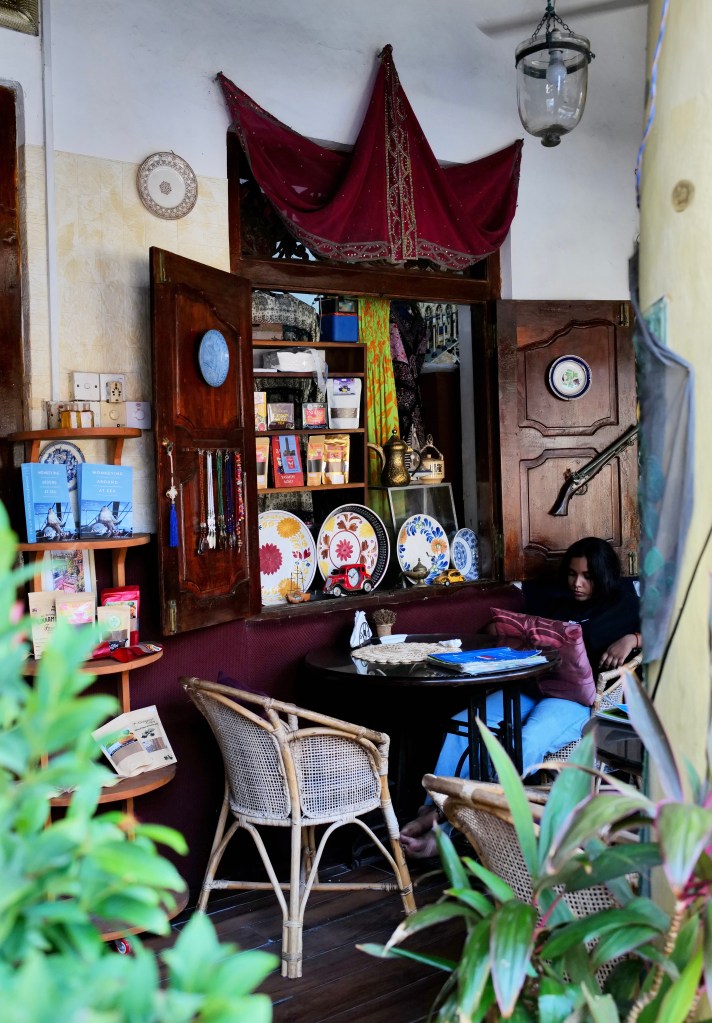
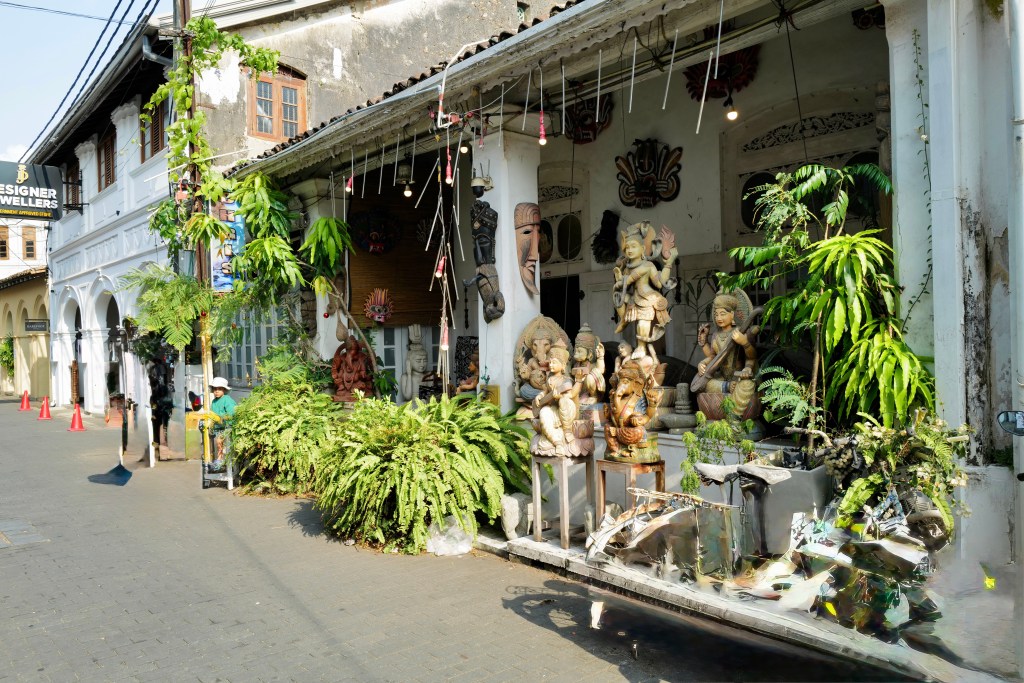
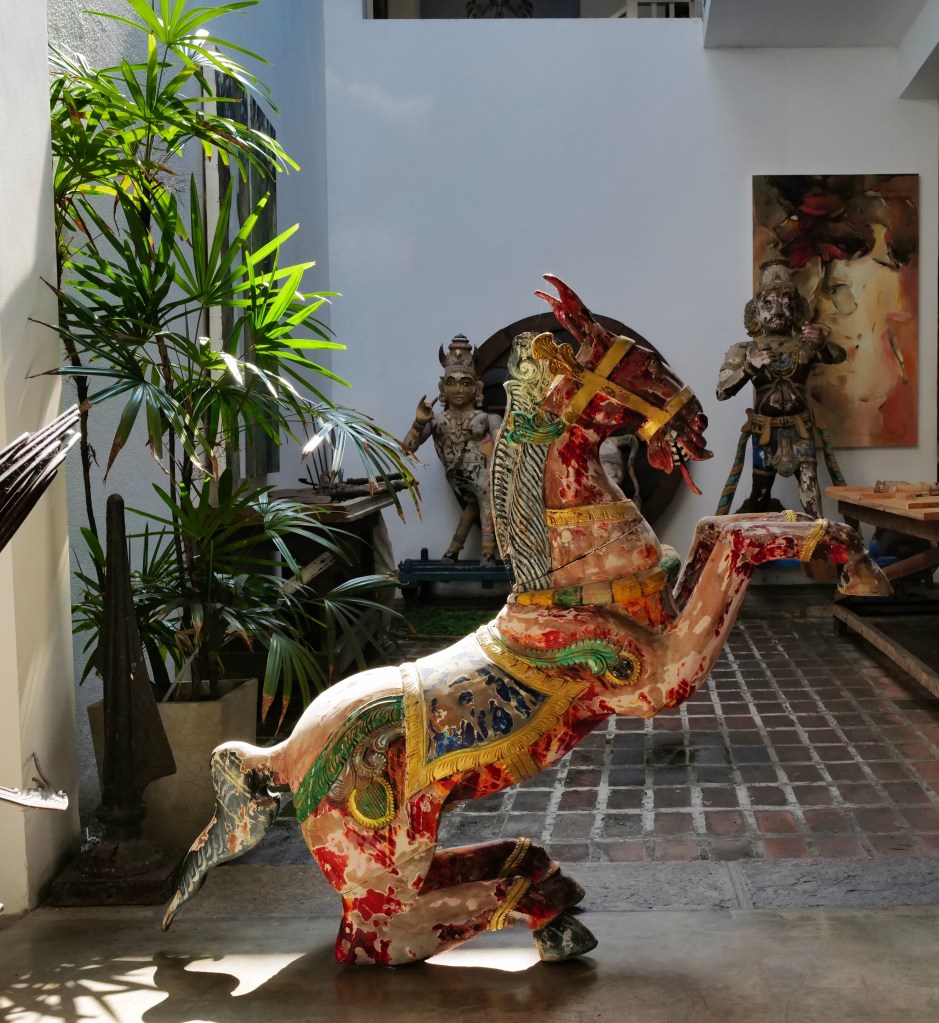
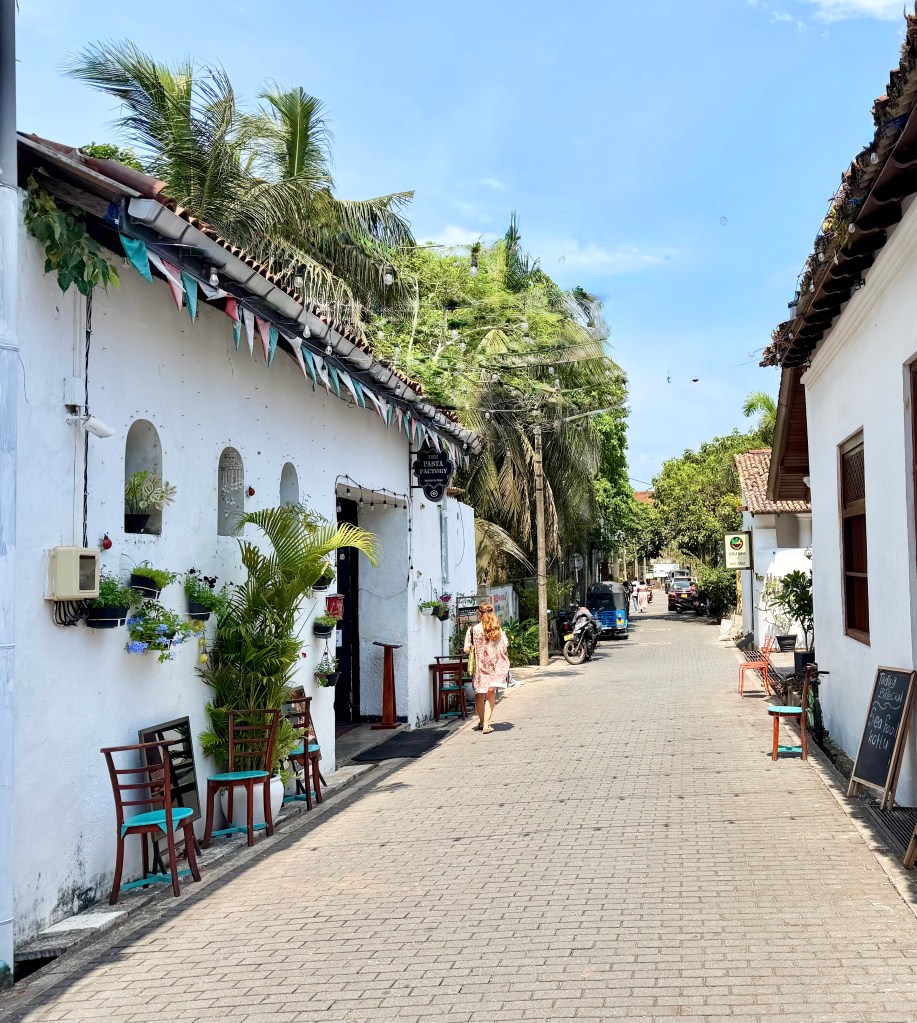
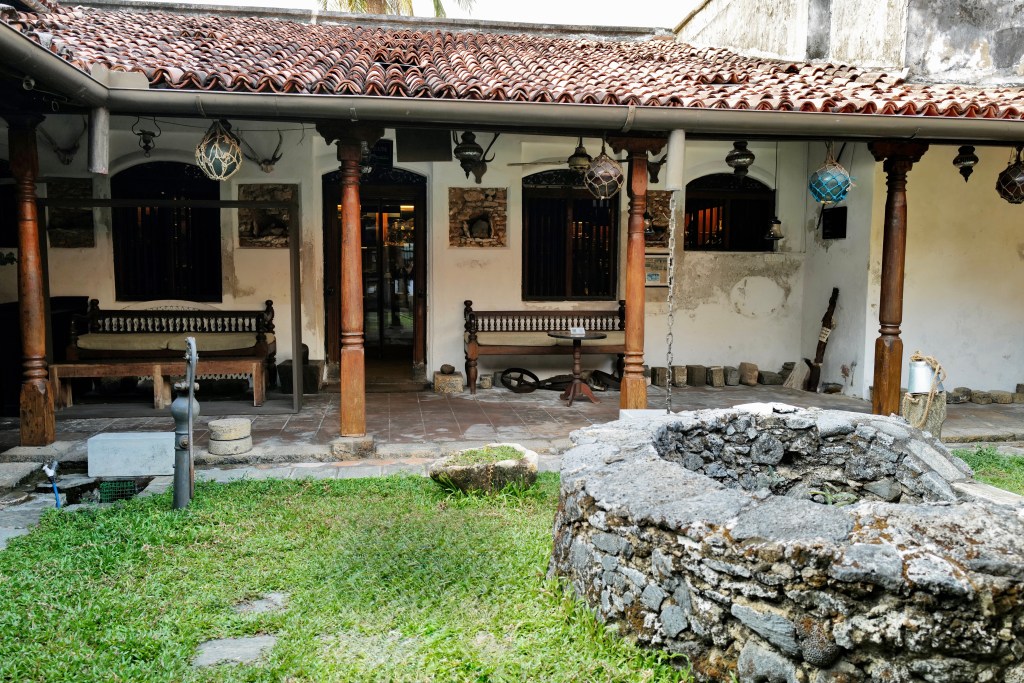
Walking around Galle feels, like you are in a city in southern Europe, not in Asia. The European style of architecture is unmissable, you feel like you are somewhere in Portugal.
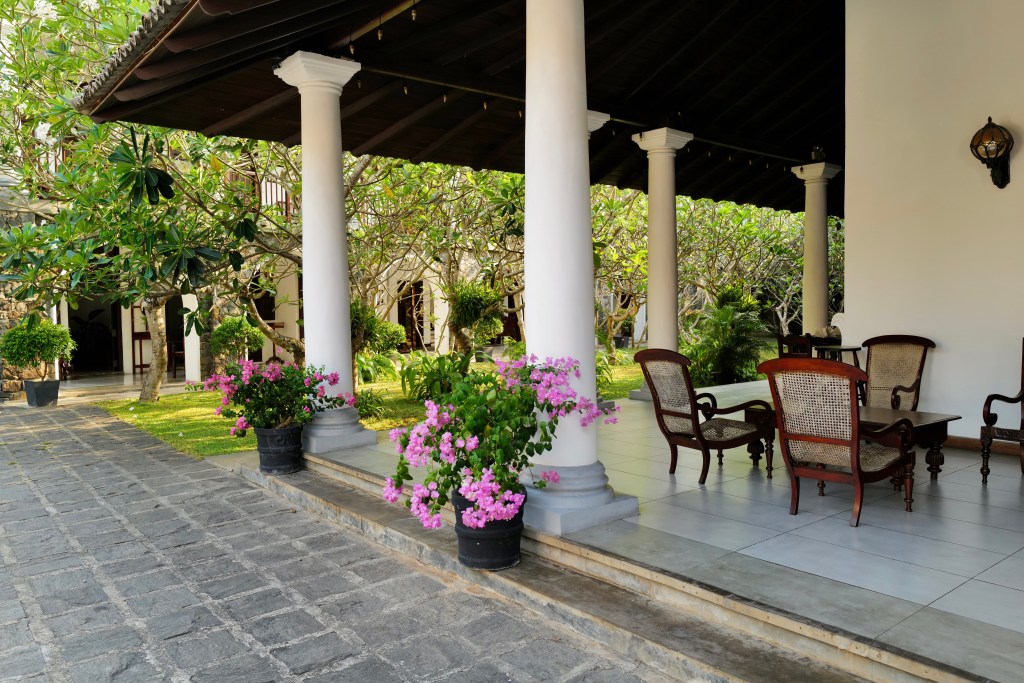
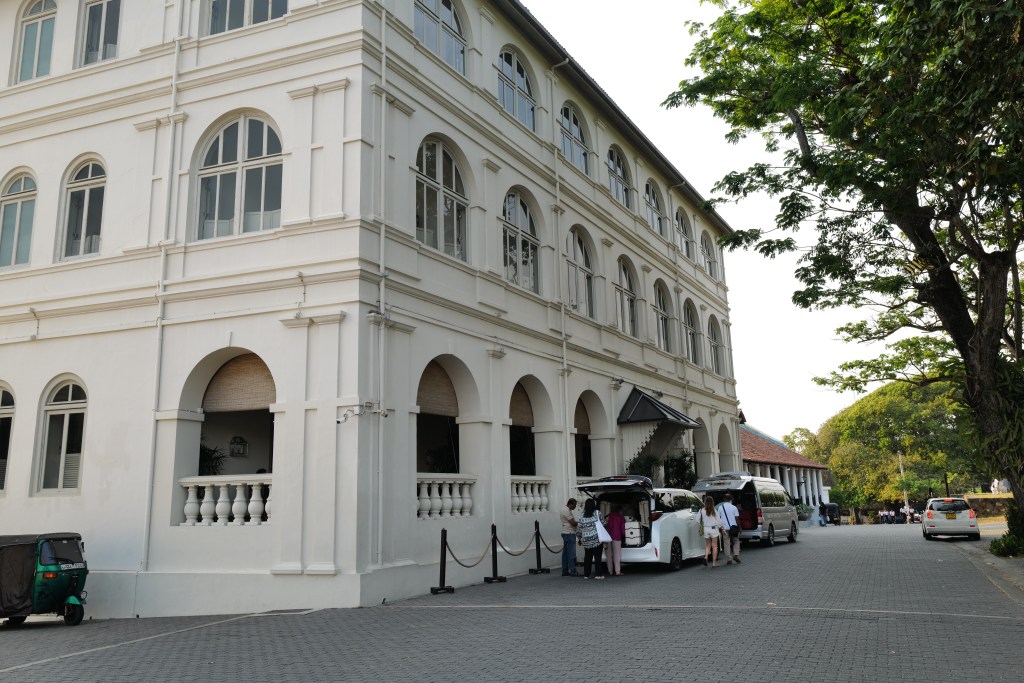
But just outside the fort, the vibrant city reminds you that you are, indeed in Asia, with its wonderful colours and many surprises.
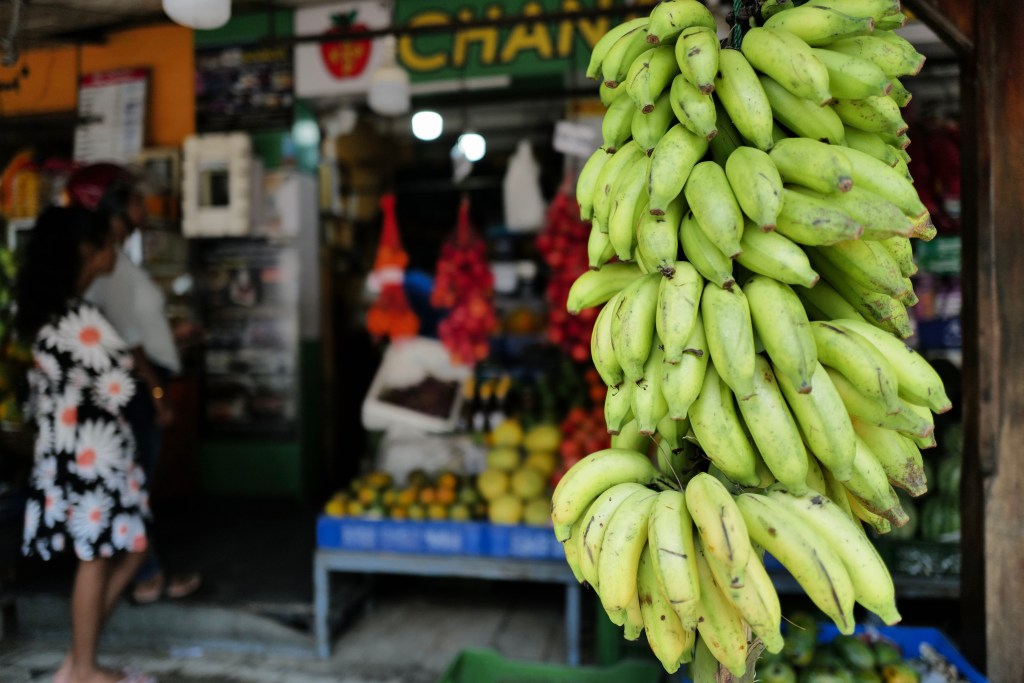
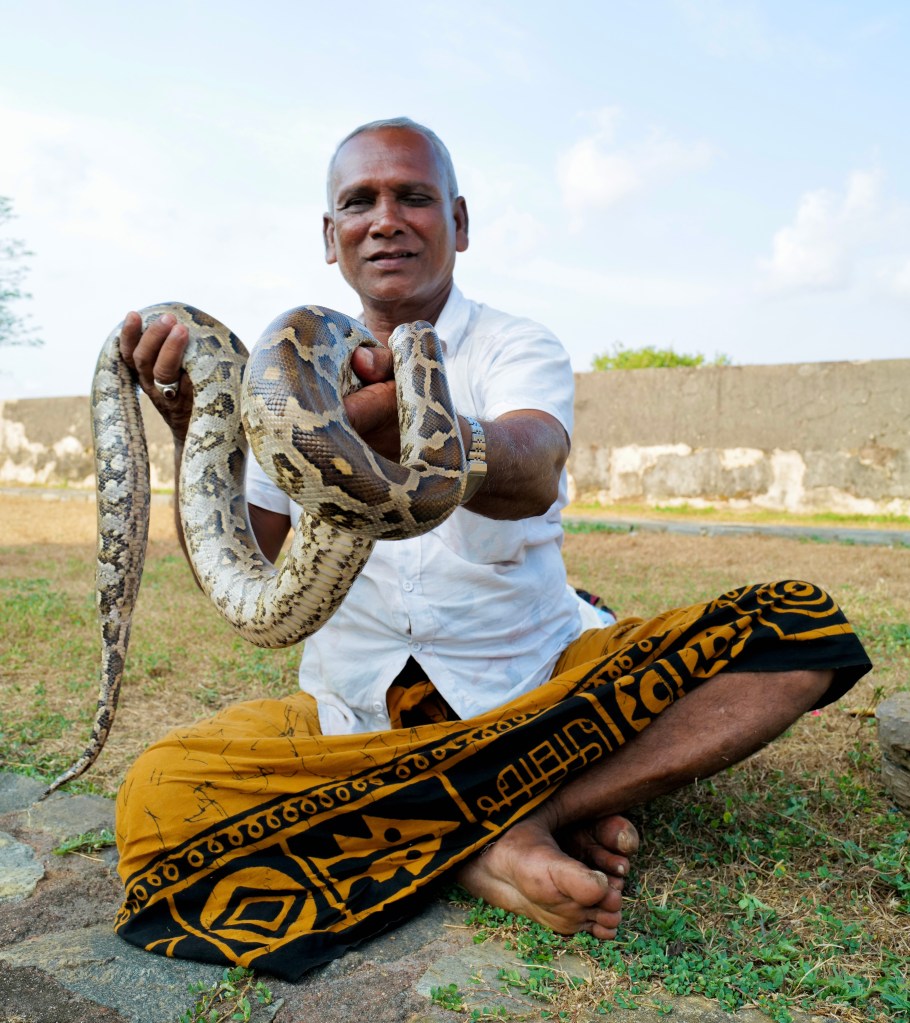
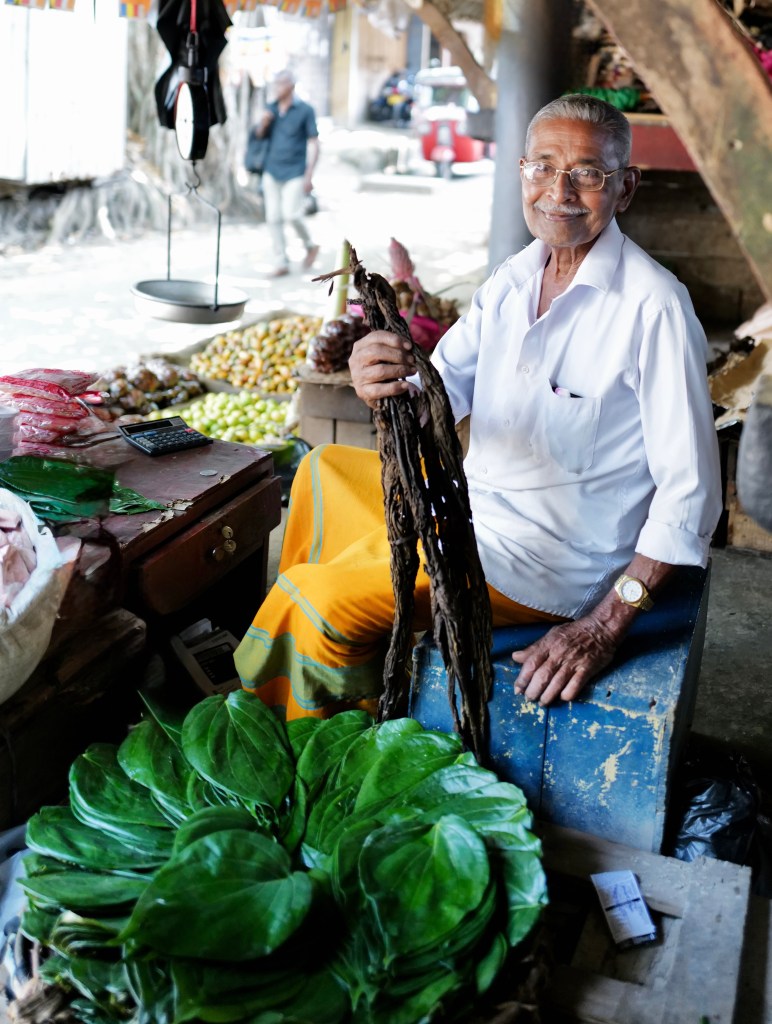
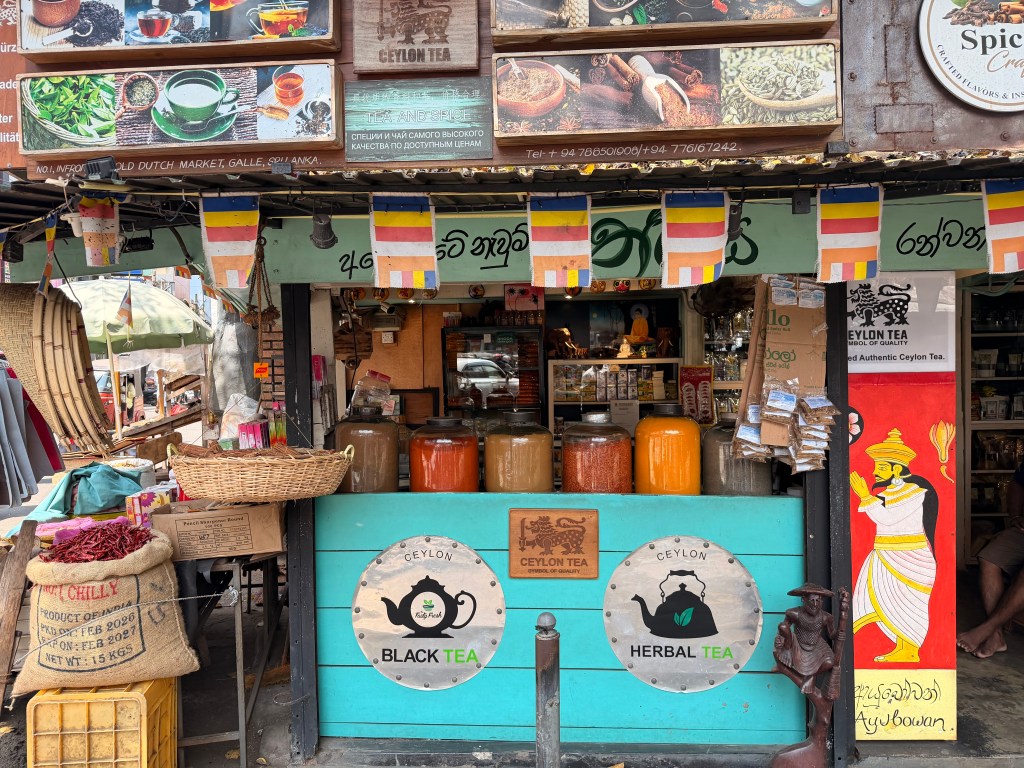
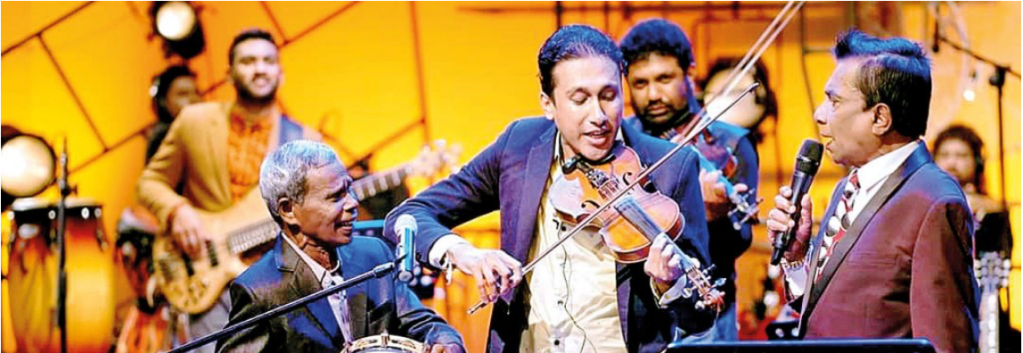
Not just the architecture is reminiscent of Europe, also the local culture. Baila, a genre of Sri Lankan popular music that evolved from the Portuguese bailar (to dance), is played on European music instruments (guitar, flute, violin) and is heard everywhere.
The language of Southern Sri Lanka is Sinhala, but it has borrowed many words from Portuguese, including janalé (meaning window, from the original “janela” in Portuguese), saban (soap, from the original “sabão” in Portuguese), kamisaya (shirt, from “camisa” in Portuguese) or alfiné (pin, from the Portuguese “alginate”).
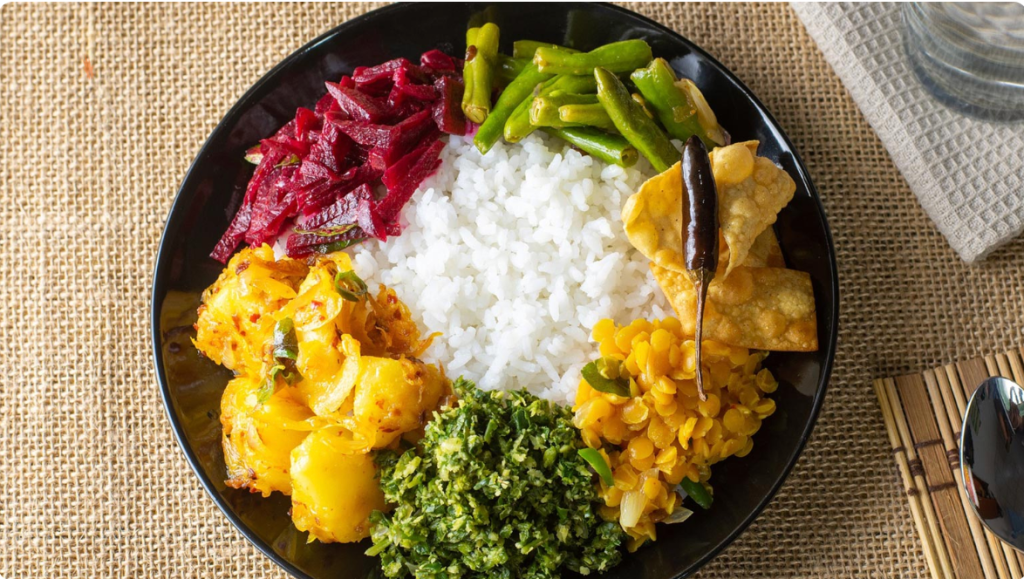
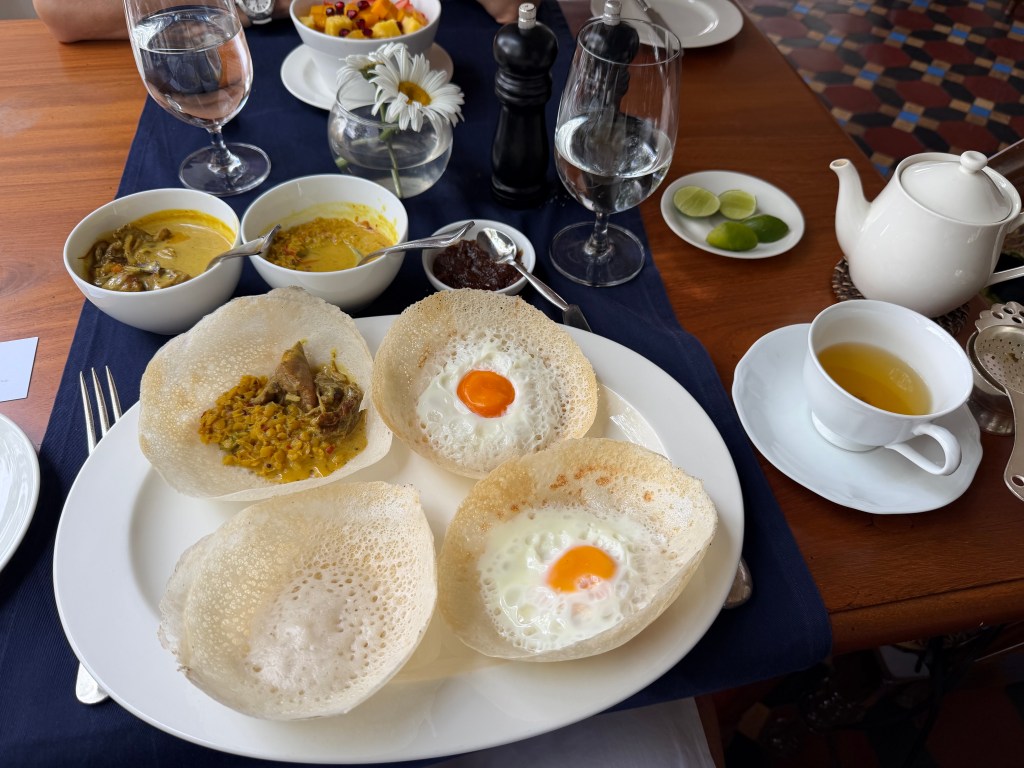
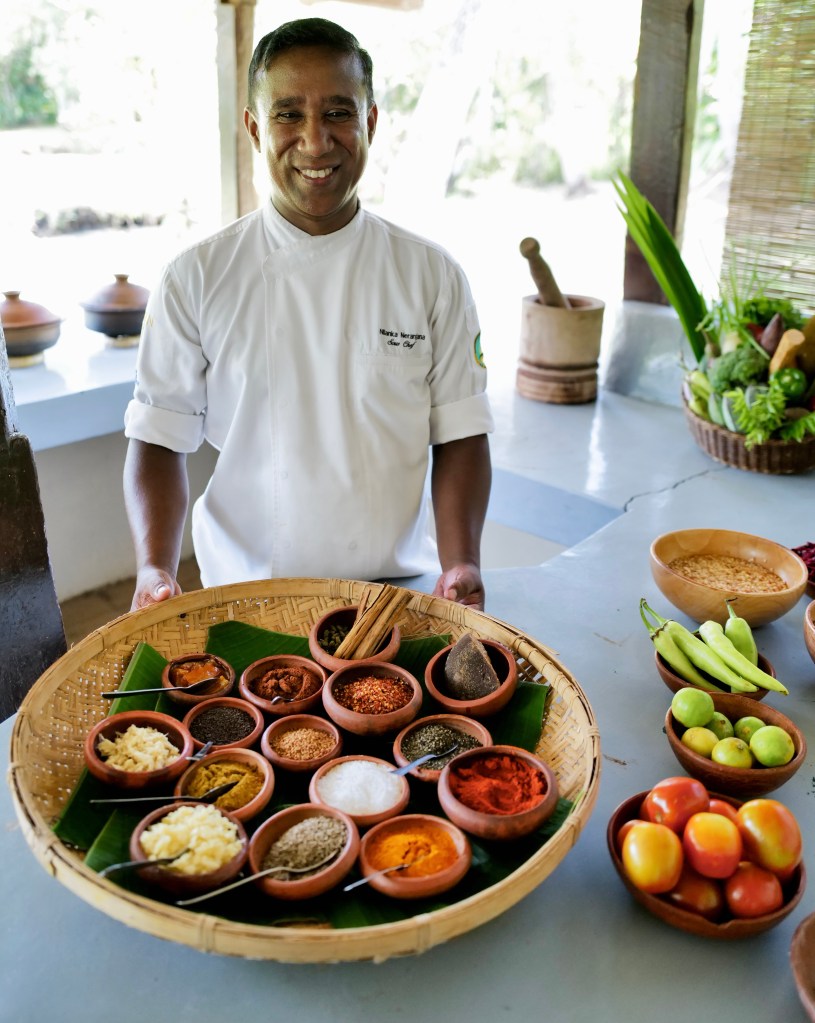
But the biggest influence the Portuguese brought to Galle (and to Sri Lanka) is chilli. The entire flavour profile of modern Sri Lankan cuisine – the heat of the curries – is a direct result of the Portuguese influence. You could argue that the Portuguese essentially “invented” the modern Sri Lankan palate.
The Portuguese also profoundly influenced the religious identity of southern Sri Lanka, Galle in particular. While the country as a whole is Buddhist, you almost don’t feel it in Galle. But you do see a striking number of Christian churches.
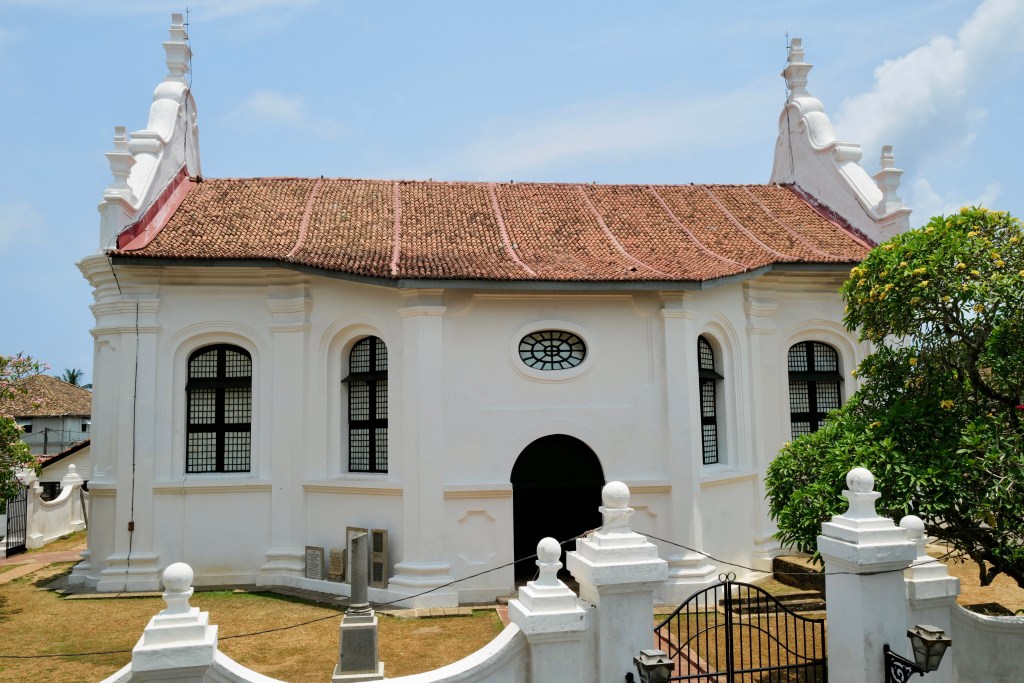
When the Portuguese arrived, they made significant efforts to convert the local population to Roman Catholicism. A common practice during this era was for local converts to receive a “baptismal name” from their Portuguese godfathers. This was a powerful tool for colonial control, helping the administration differentiate between Catholic converts and the rest of the population. Over time, these names ceased to be seen as purely “foreign.” They were fully assimilated into the Sinhalese and Tamil naming systems. Being named “Perera” or “Fernando” became a part of the local identity, completely independent of the colonial past, with Perera currently the most common surname in Sri Lanka. It derives from the Portuguese Pereira (meaning “pear tree”). These surnames have become so localised that most people bearing the name today view it as a distinctly Sri Lankan name, not a Portuguese one. The vast majority of Sri Lankans with names like Silva, Dias, Fonseka, Rodrigo, or Cabral are ethnically 100% Sinhalese or Tamil, and they consider themselves Buddhists (today, Christians accounting for less than 1% of the local population).
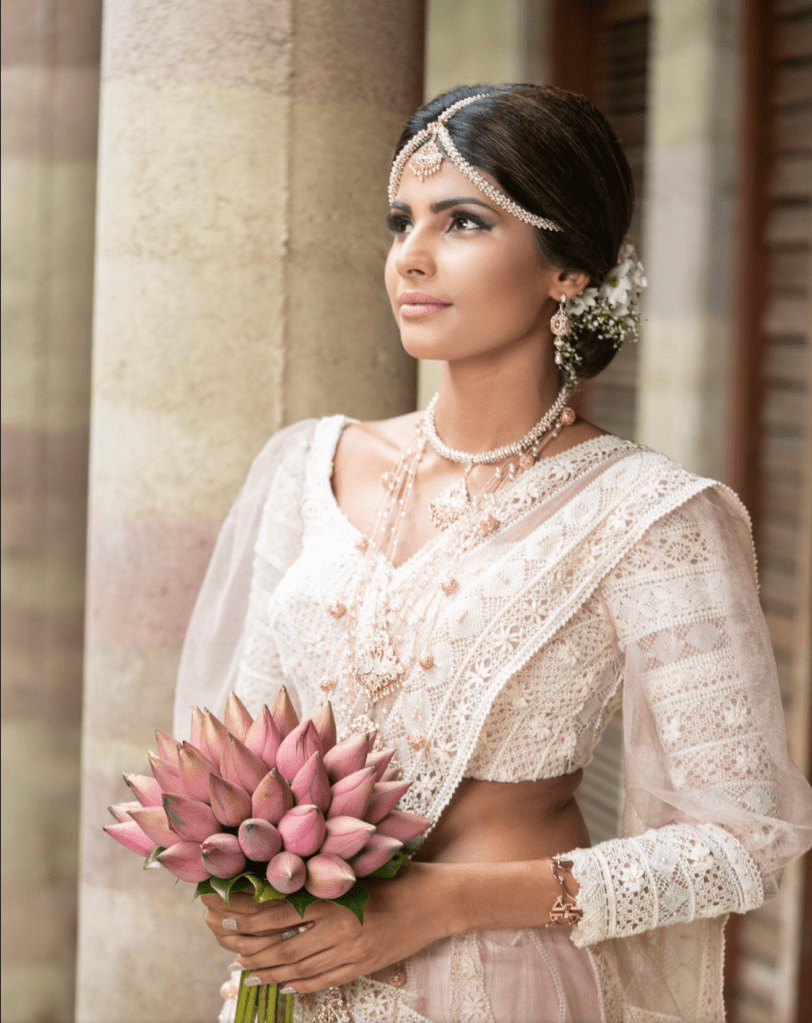
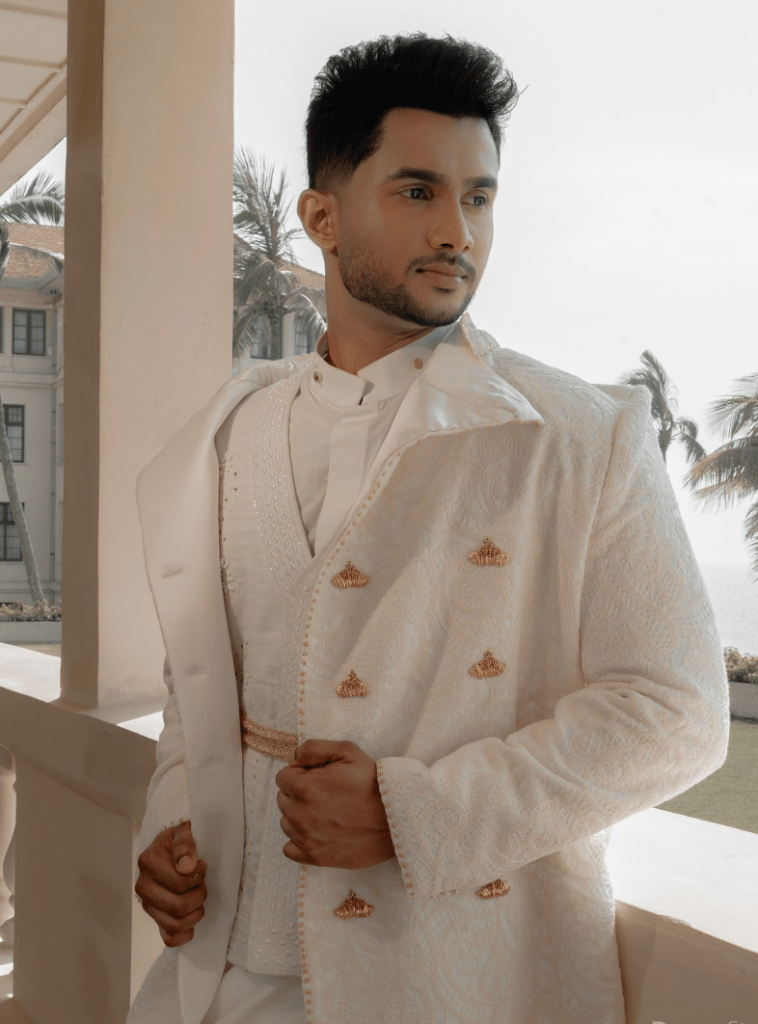
While in today’s Sri Lanka, there isn’t a specific “costume” or daily attire that survives as a direct legacy of Portuguese or Dutch colonisation, you do see the European influence for festive occasions, such as marriages, where bobbin lace is used for garments worn by the bride, while “burgher” jackets reminiscent of XVIth century Portuguese attire are used by the groom.
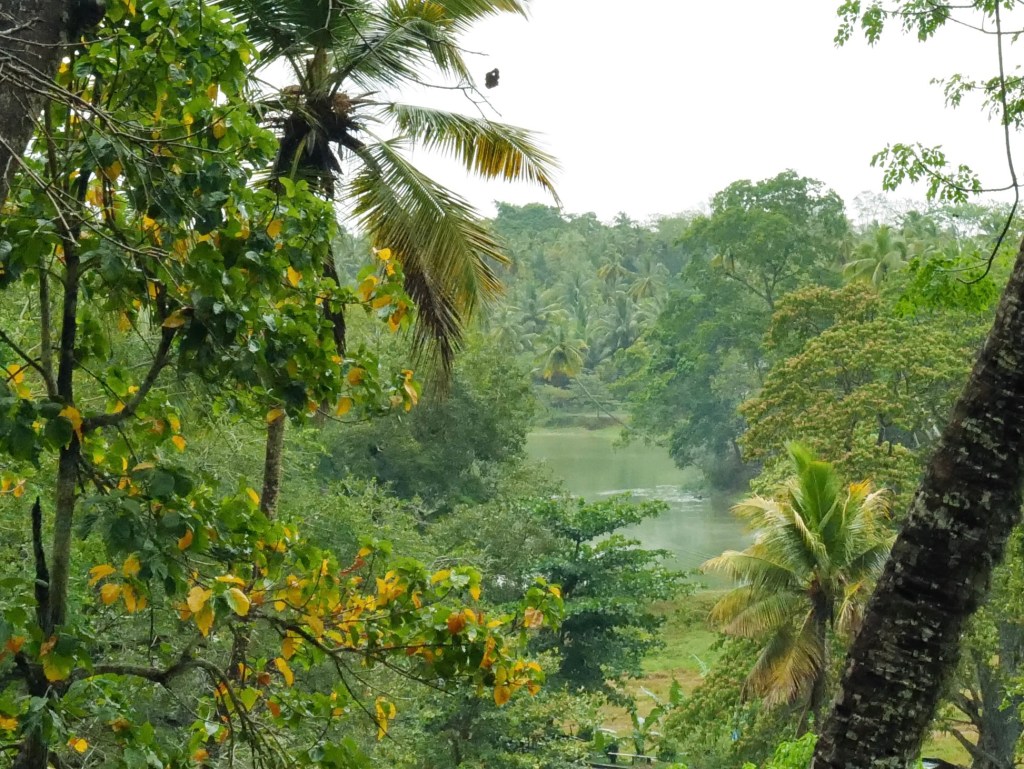
The trip along the coast from Galle to Tangalle is a pleasure for the senses. Everywhere there are lush, dense forests. We stopped at a beautiful tea plantation, offering a surprisingly large selection of excellent teas.
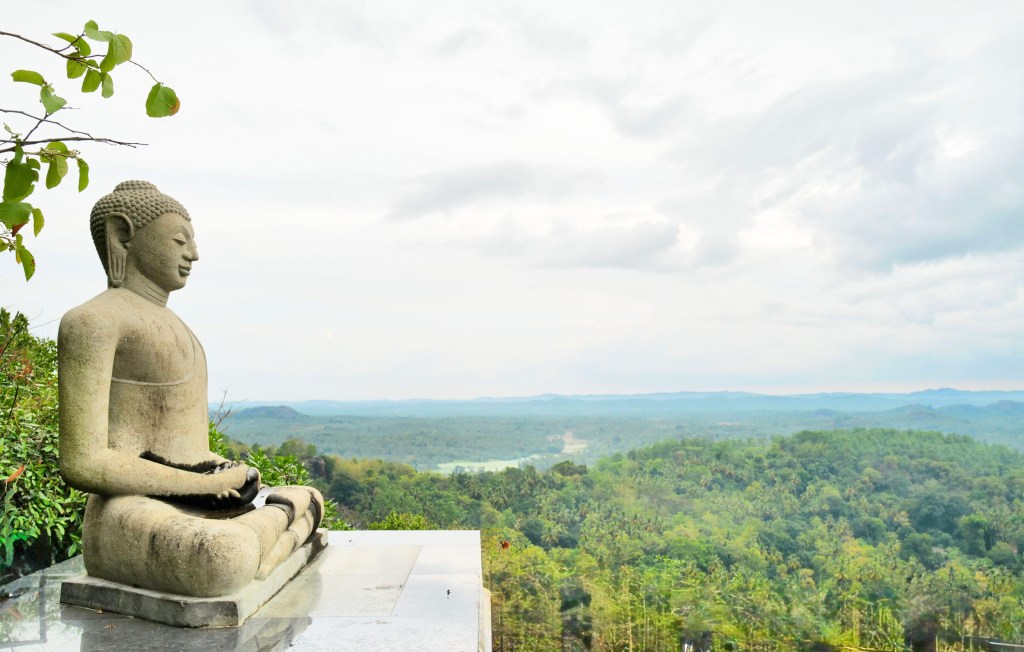
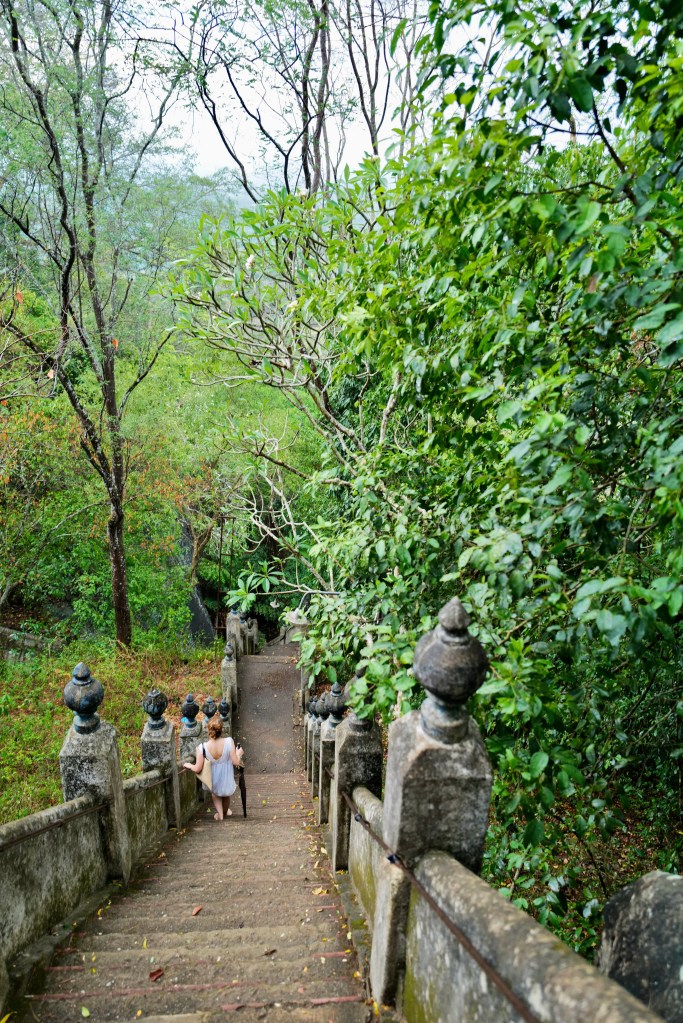
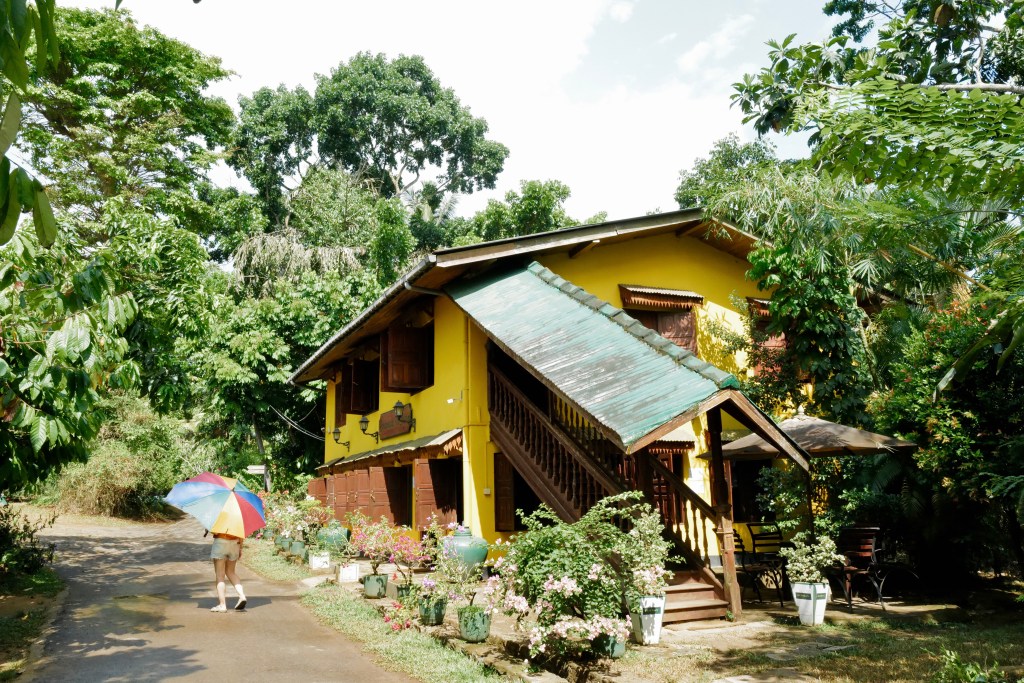
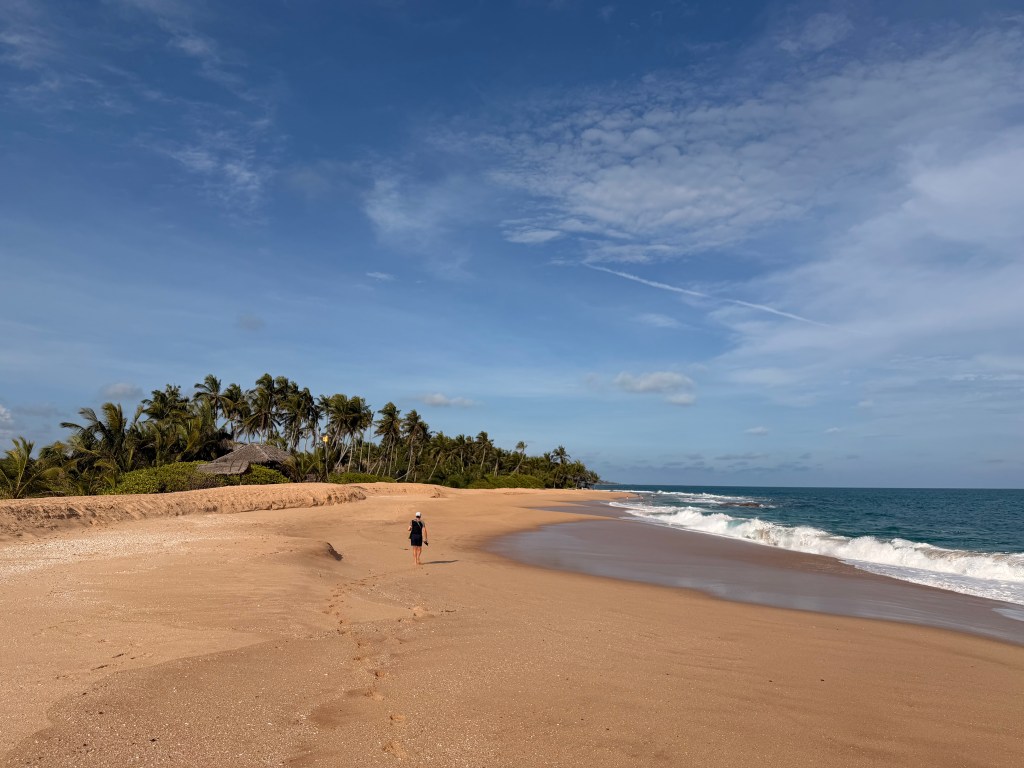
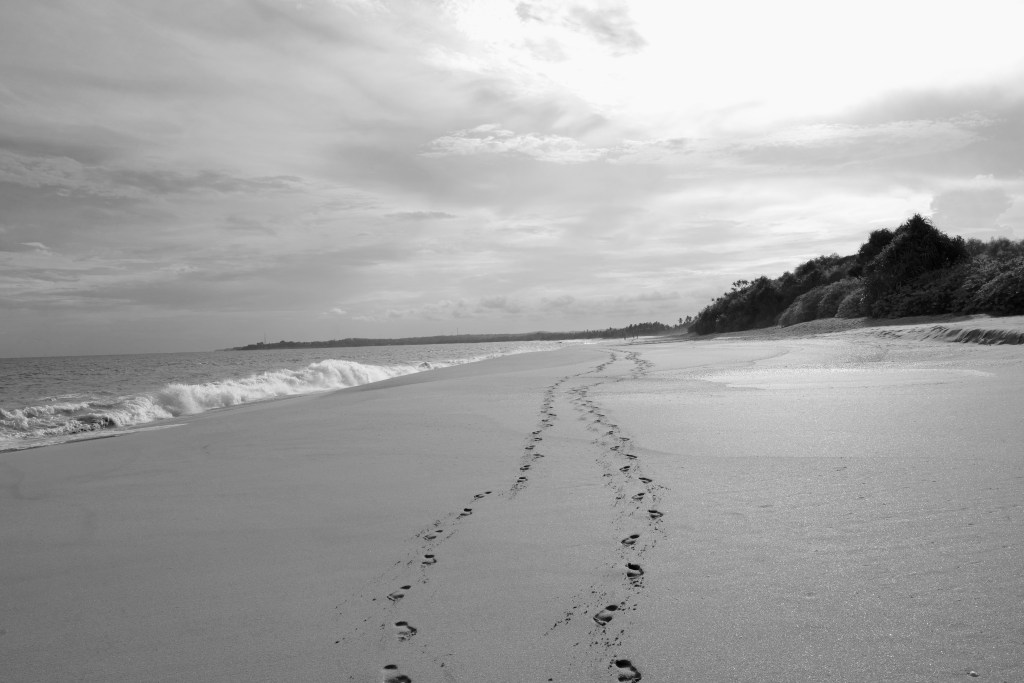
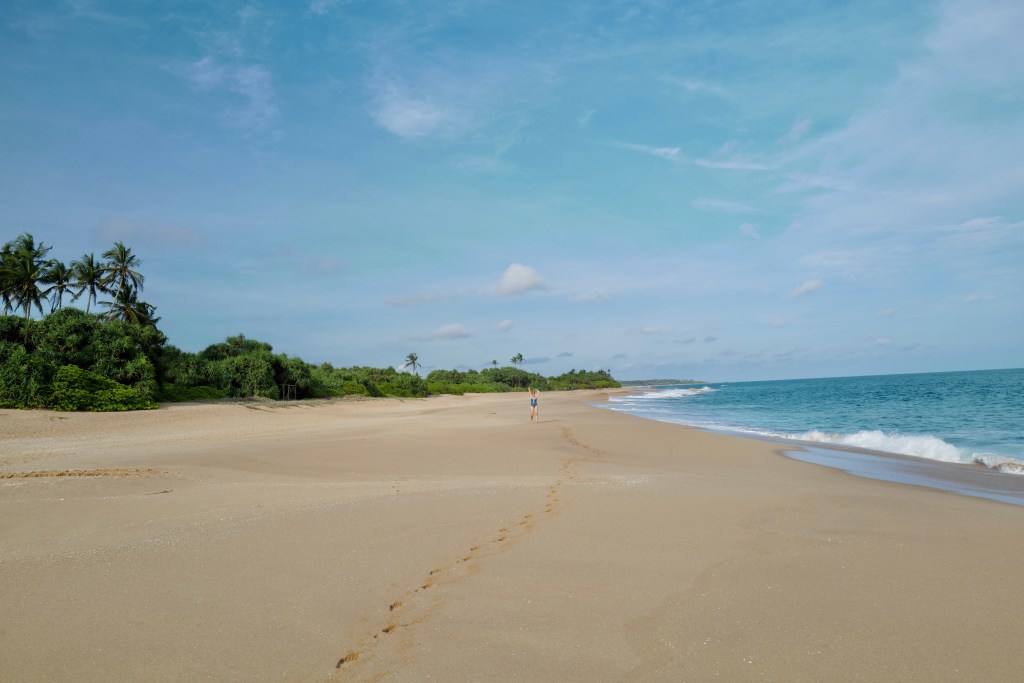
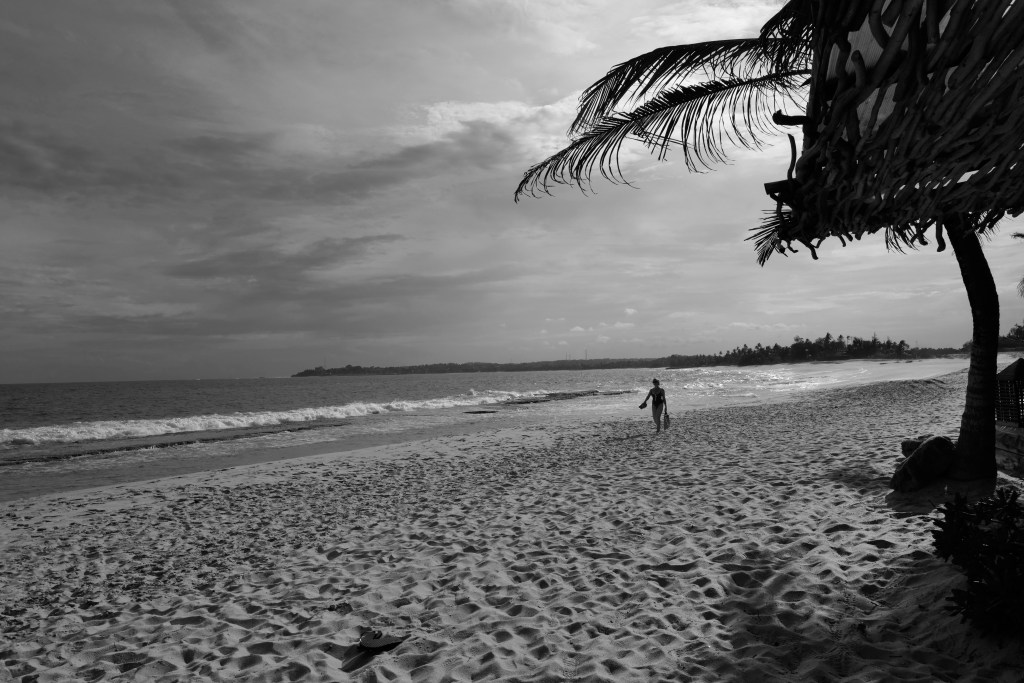
Whereas Galle feels busy, with its many shops, restaurants and cafés, the area of Tangalle is the opposite. Here, you find wide, uncrowded golden beaches where the only sound is the ocean.
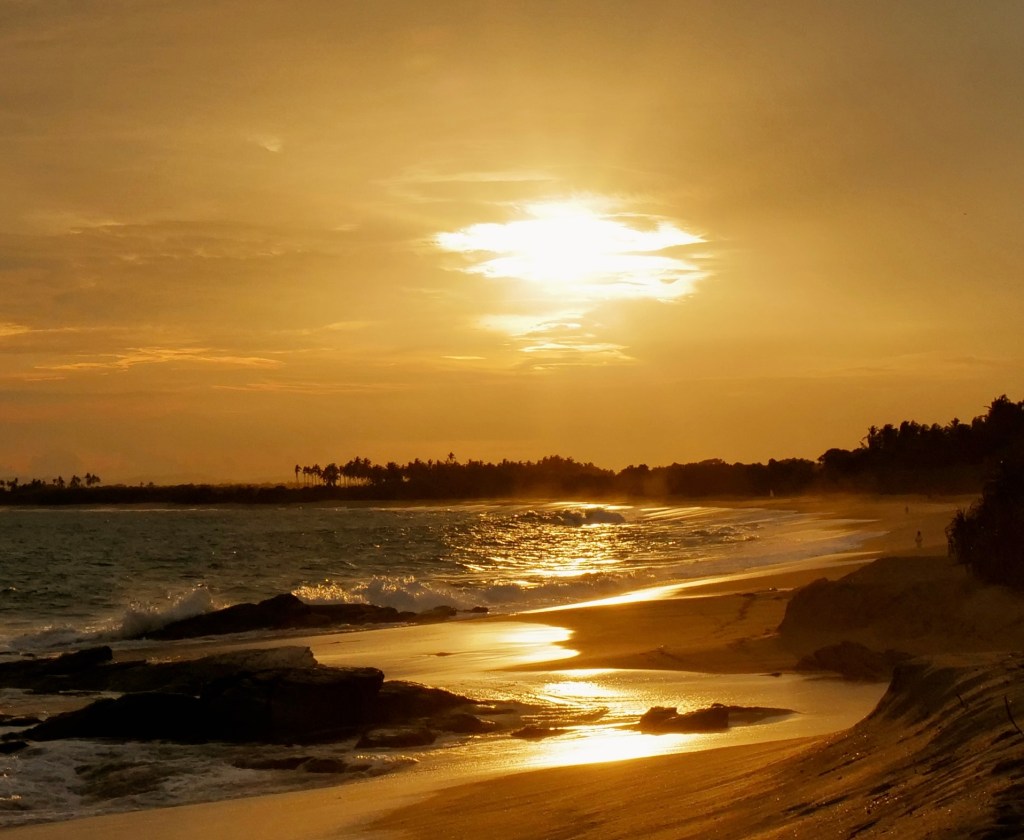
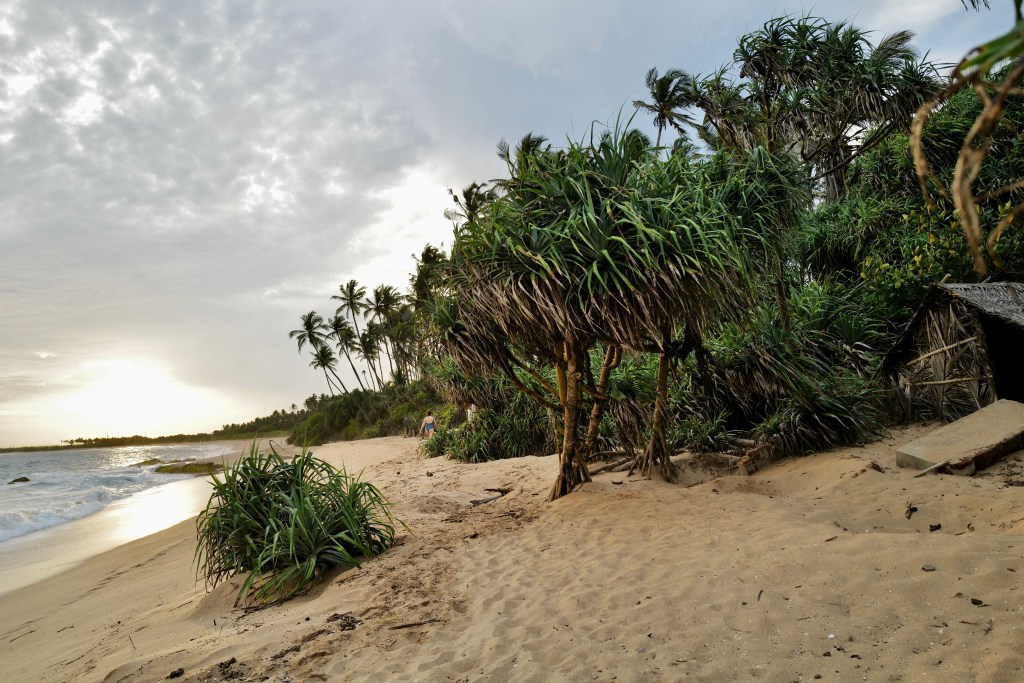
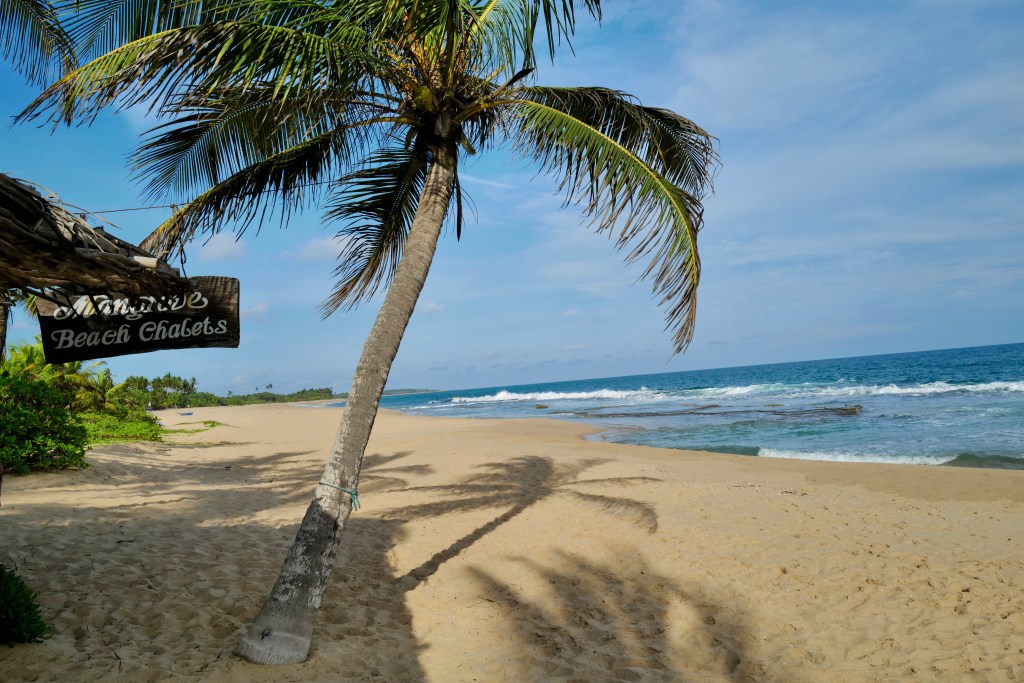
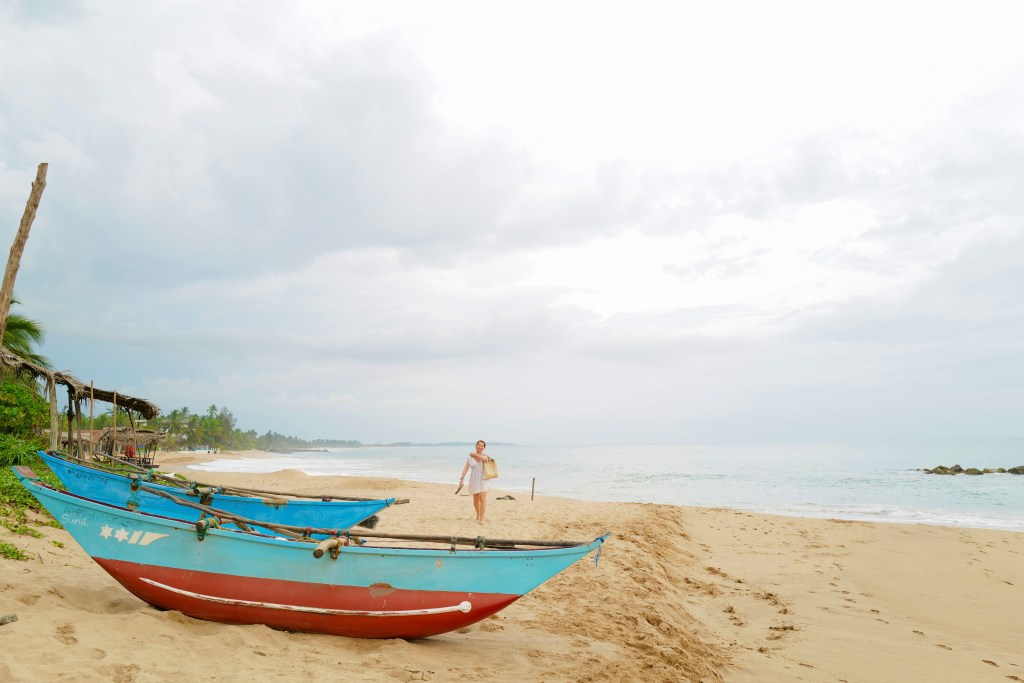
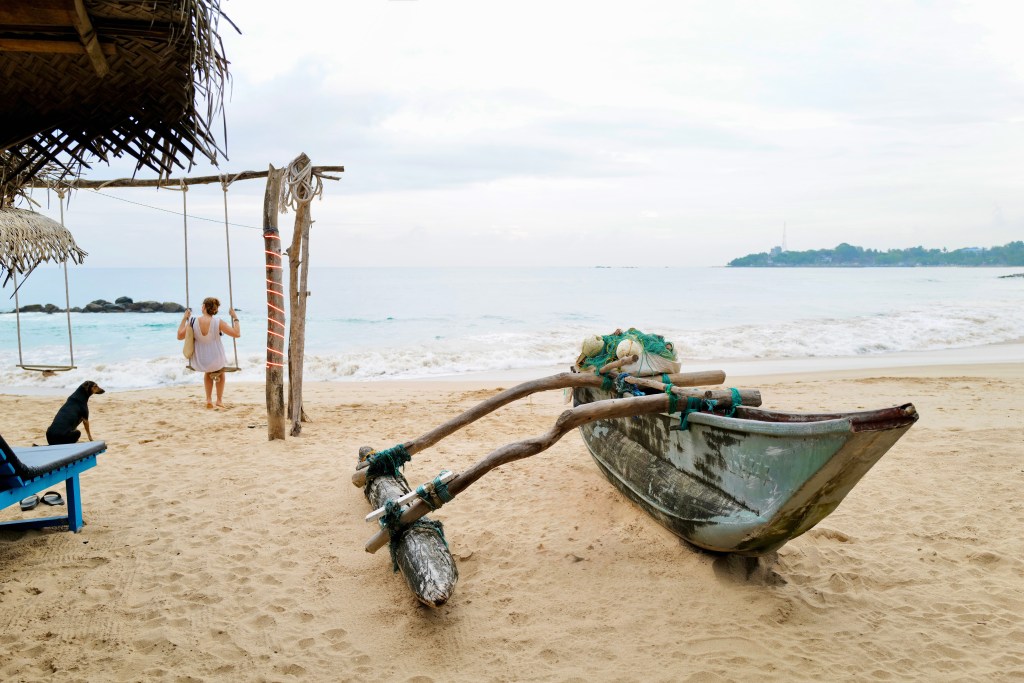
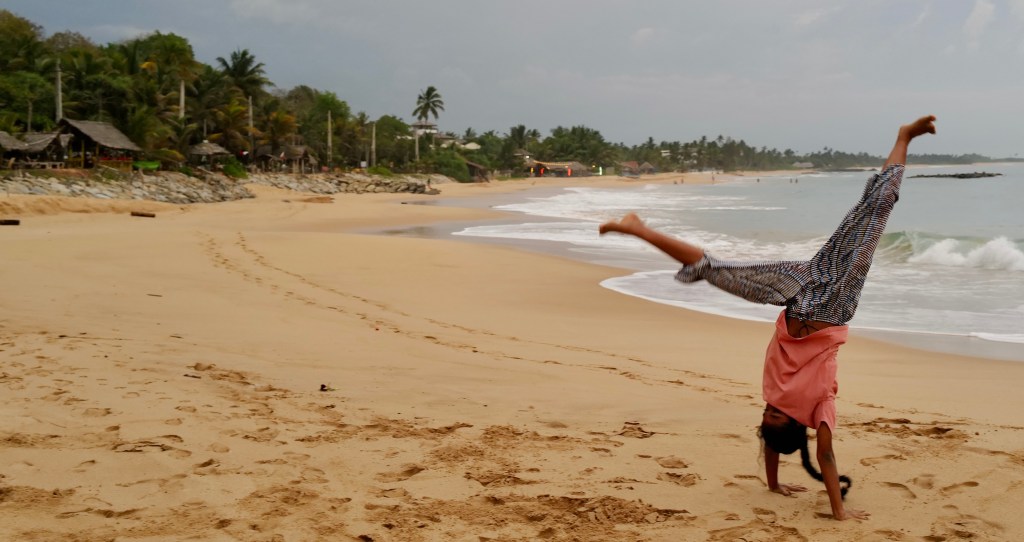
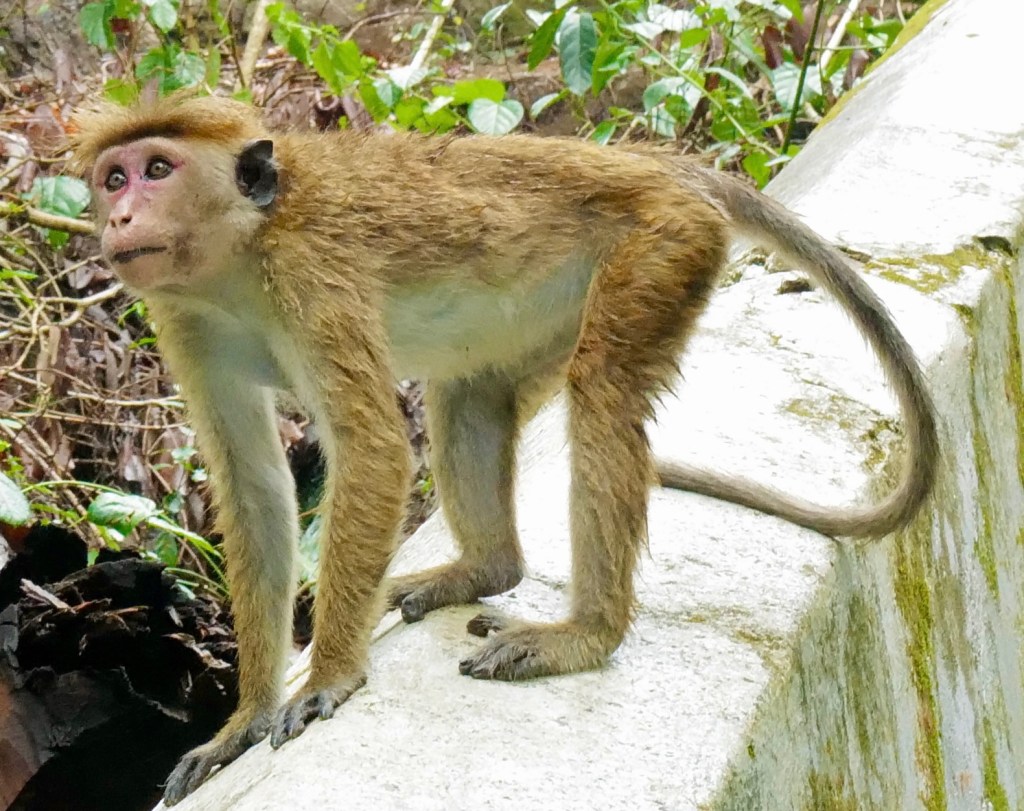
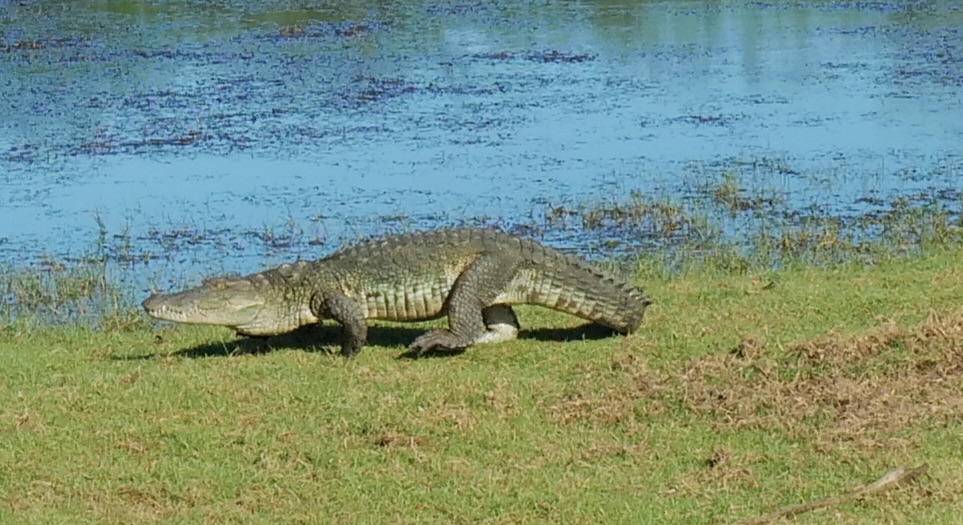
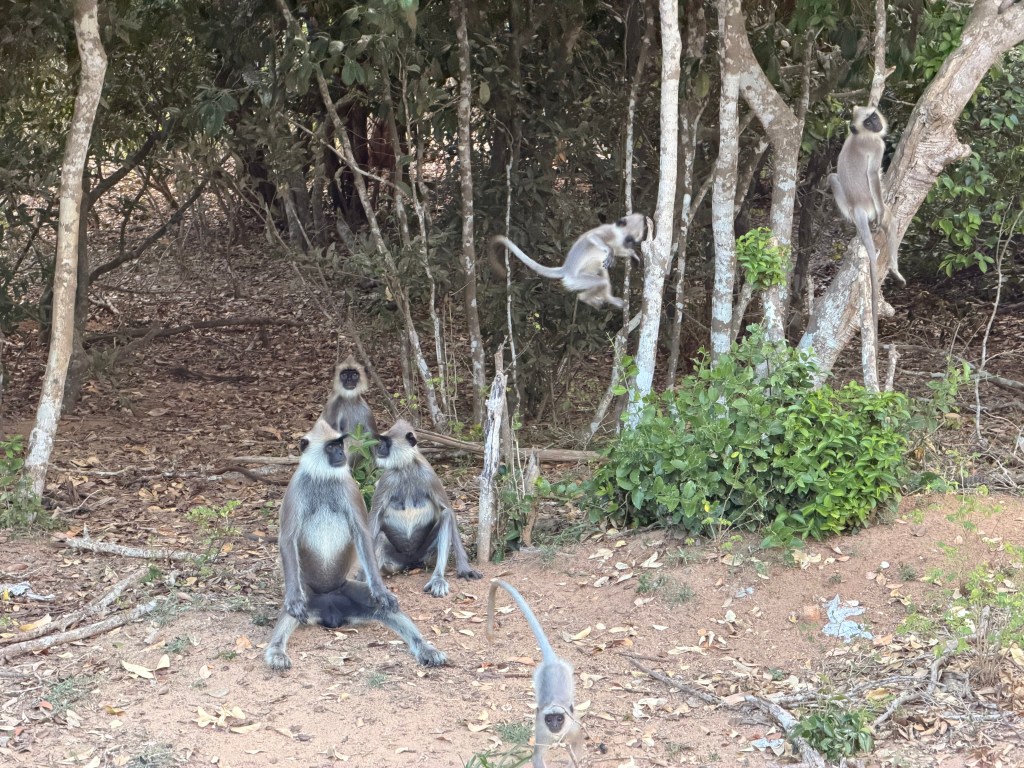
The area around Tangalle serves as a gateway to wildlife that feels untouched by the typical tourist trail. Whether it’s the turtle hatcheries where marine life is protected, or the nearby bird sanctuaries and ancient rock temples, the attractions in this area focus on conservation and long walks on pristine beaches rather than shopping.
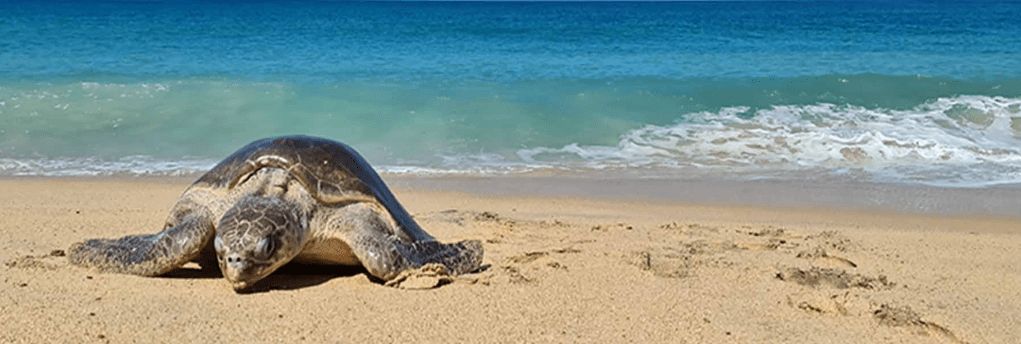
During two days, we walked more than 14 km on a straight line along Tangle’s beaches, hardly meeting anyone along the way. If you are looking for a place where the landscape feels designed for stillness – where your primary “to-do” is to simply exist by the ocean – Tangalle is a destination not to miss.