
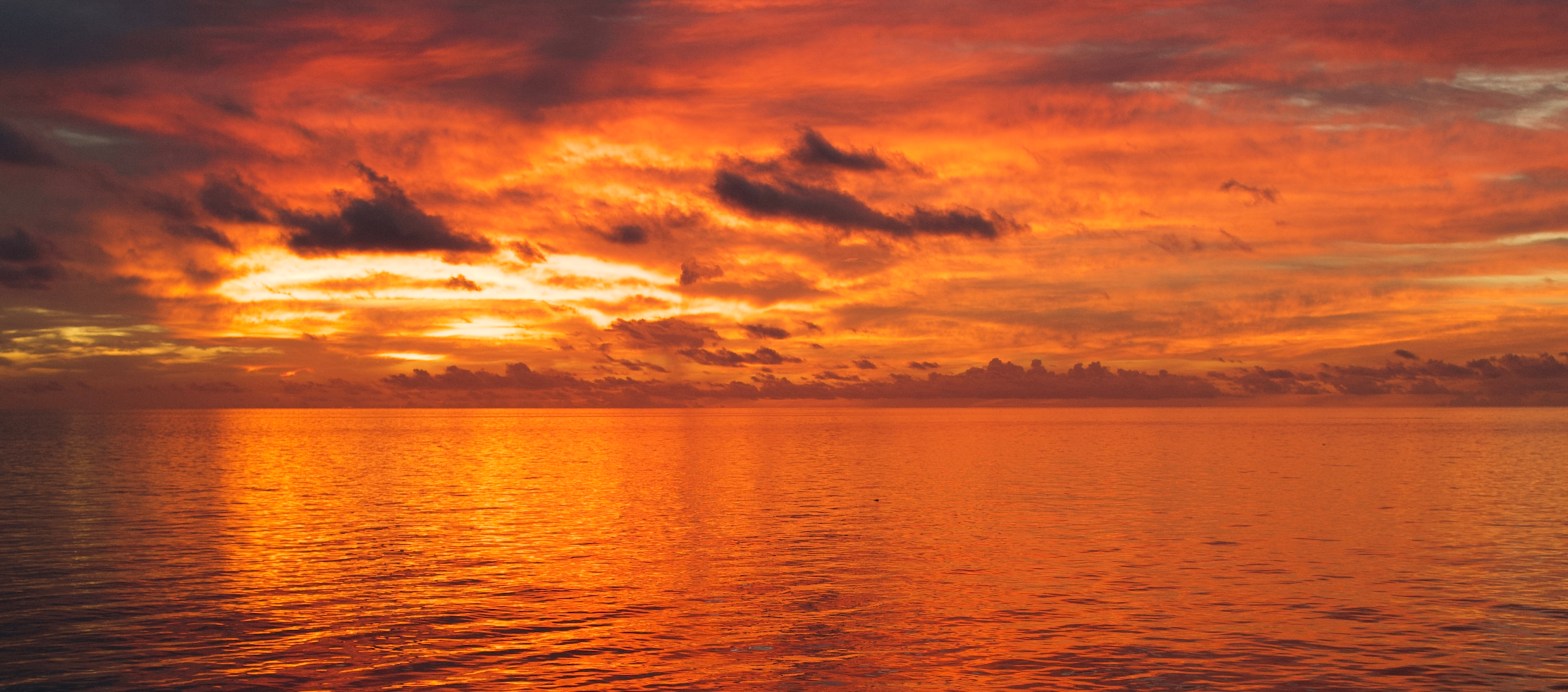
Most people have heard of the Maldive Islands as a paradise for holiday makers, which it certainly is. But there is a lot more to this unique collection of islands located to the southwest of India and Sri Lanka.
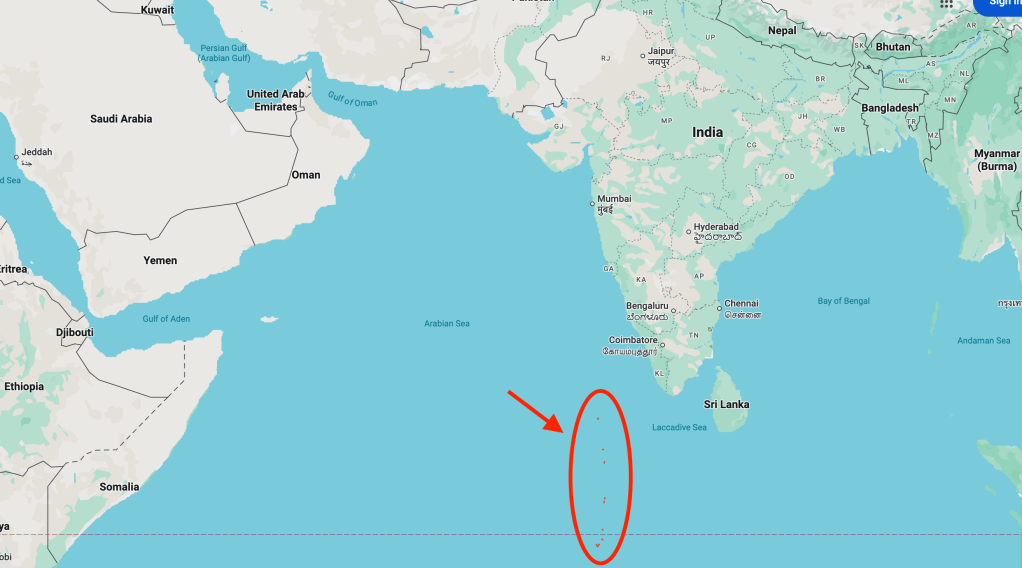
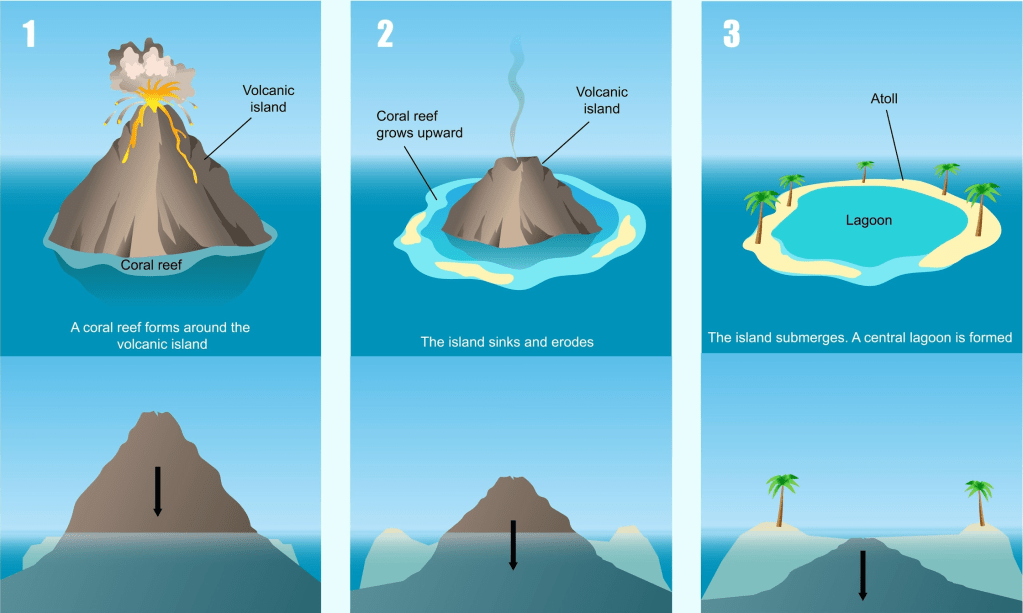
The Maldives is a collection of over 1,200 coral islands, grouped into a double chain of 26 natural atolls. The islands were formed over millions of years by coral reefs growing around the rims of ancient volcanoes which gradually sunk. These reefs now encircle central lagoons, creating the ring-like structures characteristic of atolls.
So instead of a mountainous country, the Maldives today is the lowest-lying nation in the world, with an average elevation of about 1.2 to 1.5 meters above sea level, with its highest natural point reaching only about 2.4 meters. This low elevation makes the nation particularly vulnerable to the long-term effects of rising sea levels and climate change.
While the country spans a vast ocean territory of roughly 90,000 square kilometers, its total land area is quite small—approximately 298 square kilometers. Most islands are tiny, and only about 20% of them are inhabited.
The Maldives has no rivers. However, the coral reefs support an immense marine biodiversity, including thousands of species of fish, corals, and larger marine life like manta rays and whale sharks. And water is generally sufficient, since the islands get plenty of rain during the wet season (May to November); in addition, many resorts also have their own desalinisation infrastructure.
The Maldive Islands have been permanently inhabited for over 2,500 years, although visitors from India and Sri Lanka certainly visited the islands much before then (the word “Maldive” derives from the Sanskrit “Maladvipa” meaning “Garland of Islands”).
The first settlers brought with them their Buddhist beliefs and for more than a millennium the Maldives was a Buddhist nation.
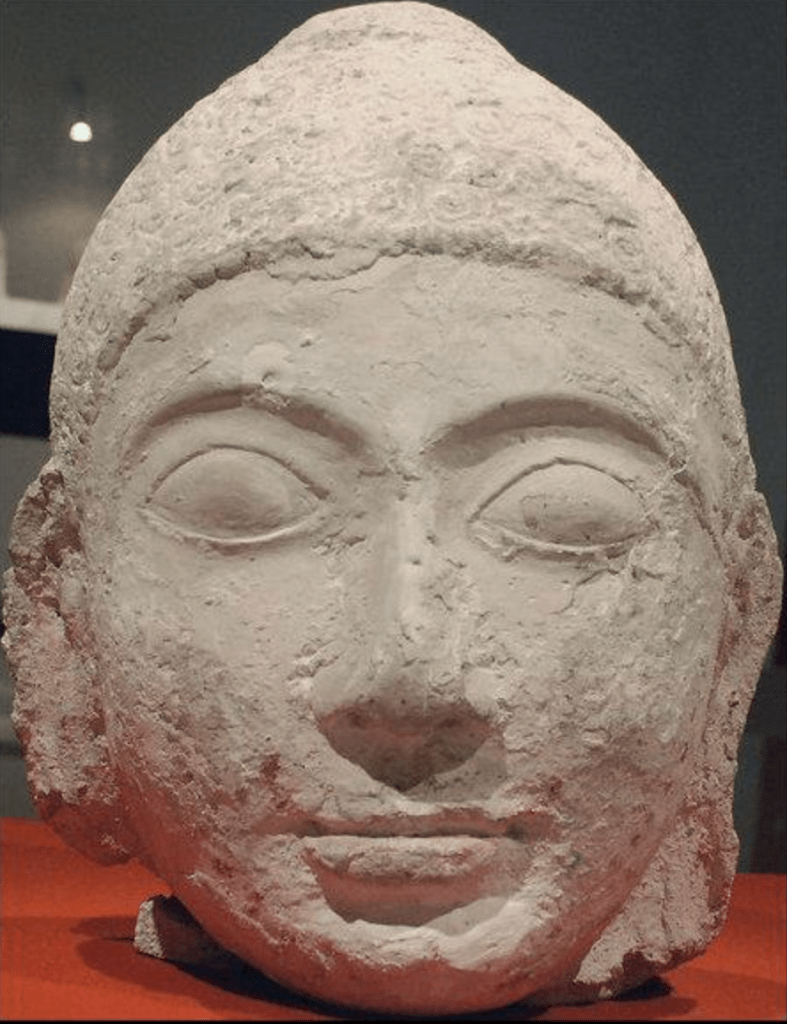
Although far away from any large landmass, Maldives was neither culturally nor economically isolated in ancient times. There is considerable evidence that the Maldivians traded with the Roman Empire, with Roman coins dated from about 100 BC found on the islands. And the famous Greek-Roman geographer Ptolemy included the Maldives (or islands appearing to be the Maldives) in his maps, showing that the Roman world had geographic knowledge of the archipelago. A few centuries later, in 362 AD, a Maldivian delegation visited the Emperor Julian in Rome.
Maldives was important in the ancient world for two reasons: as a supply station for merchant boats navigating between East and West, and as a source of currency. Cowrie shells were used as a currency across large parts of the Indian Ocean, Africa, and Asia. Roman merchants, or more commonly the intermediaries they dealt with in India, had a high demand for these shells, which were luxury items or trade currency.
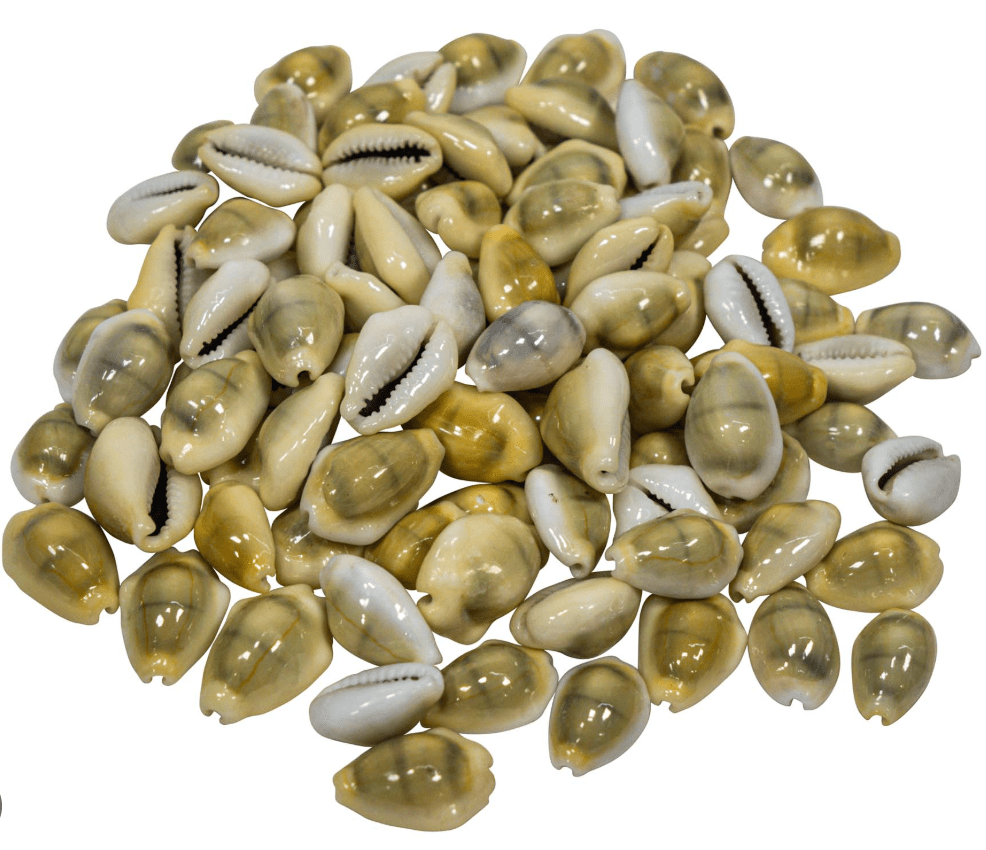
Maldivian cowrie shells, used as currency across Africa, Arabia and parts of Asia in Roman times.
It was only in 1153 AD that Maldives abandoned Buddhism, with the king converting to Islam. While popular folklore attributes this to the banishment of a sea demon (the Rannamaari), historical records suggest a more rational process driven by the growing influence of Arab traders and the regional shift toward Islamic maritime dominance. This conversion unified the country under a single faith, which remains the bedrock of its current social, legal, and political identity, with the Buddhist monarchy being replaced by a Sultanate.
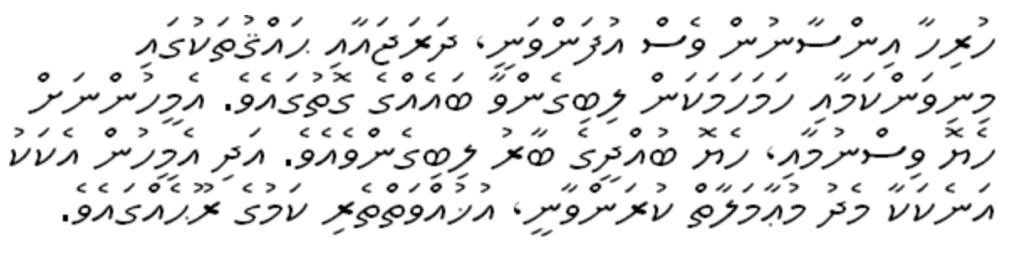
The Maldivian language is closely related to, though not mutually intelligible with, Sinhalese, the language of southern Sri Lanka. It has been influenced by and absorbed words from many other languages, such as Arabic, French, Persian, Portuguese, Urdu and English. Maldivian has its own script called Thaana, which is used only in Maldives and resembles the Arabic.
The strategic location of the Maldives made it a target for emerging European colonial powers seeking control over Indian Ocean trade. In the mid-16th century, the Portuguese successfully invaded and occupied Malé in 1558, attempting to force Christianity upon the population. The occupation, however, was short-lived, ending in 1573 after successful guerrilla activities led by the locals. Following the expulsion of the Portuguese, the Maldives adopted a policy of caution. While the Dutch rose to prominence in Ceylon (modern-day Sri Lanka) and the Indian Ocean, the Maldives maintained a largely autonomous existence. The Sultans of the Maldives developed a sophisticated diplomatic system. They engaged with the Dutch – and later the British – through formal treaties and exchanges of gifts, and successfully avoided falling under direct colonial rule.
By the late 19th century, the geopolitical landscape had shifted permanently. Britain had solidified its control over the Indian subcontinent and the Indian Ocean trade lanes, making it impossible for the Maldives to maintain its isolation. In 1887, the Sultan of the Maldives and the British signed a formal agreement, making the Maldives a British Protectorate. The British took responsibility for external defense and foreign affairs, but they did not interfere in the internal governance, religious affairs, or social customs of the Maldives. This agreement allowed the Maldives to exist as a “protected state” rather than a colony. This specific status is the primary reason why the Maldives retained its monarchy, its religion, and its legal system throughout the colonial expansion of the 19th century – elements that likely would have been dismantled under direct British colonial rule.
It was only in 1965 that Maldives gained full independence from the United Kingdom. Three years later, a national referendum resulted in the abolition of the Sultanate and the establishment of the Republic of Maldives.
Until the 1970s, the economy was almost entirely based on fishing. The subsequent, rapid expansion of the luxury tourism industry—facilitated by the “one-island, one-resort” model—fundamentally transformed the nation’s GDP and infrastructure.
When tourism began in the Maldives in 1972, the government faced a dilemma. They wanted to generate foreign revenue, but they were also a deeply conservative Islamic society concerned about the potential cultural friction between international travellers and local island communities.
The “one-island, one resort” model solved the problem: a single private resort occupies an entire coral island, with no local residents or other businesses present. This means that certain restrictions found on local islands (such as those regarding alcohol or dress codes) are relaxed.
Every resort island is a “micro-city.” Because there are no municipal power lines or water pipes running between islands, each resort must maintain its own, including desalination plants (where necessary), diesel or solar power generators, waste management and sewage treatment facilities. In addition, the resort must offer staff housing for hundreds of employees who live on-site. The entire island’s perimeter serves as a private beach for a limited number of guests. Resort owners also face other restrictions, including having to ensure that 50% of employees are of Maldivian nationality. In addition, at least 60% of senior management positions must be held by Maldivians. This has led to low unemployment rates in the country.
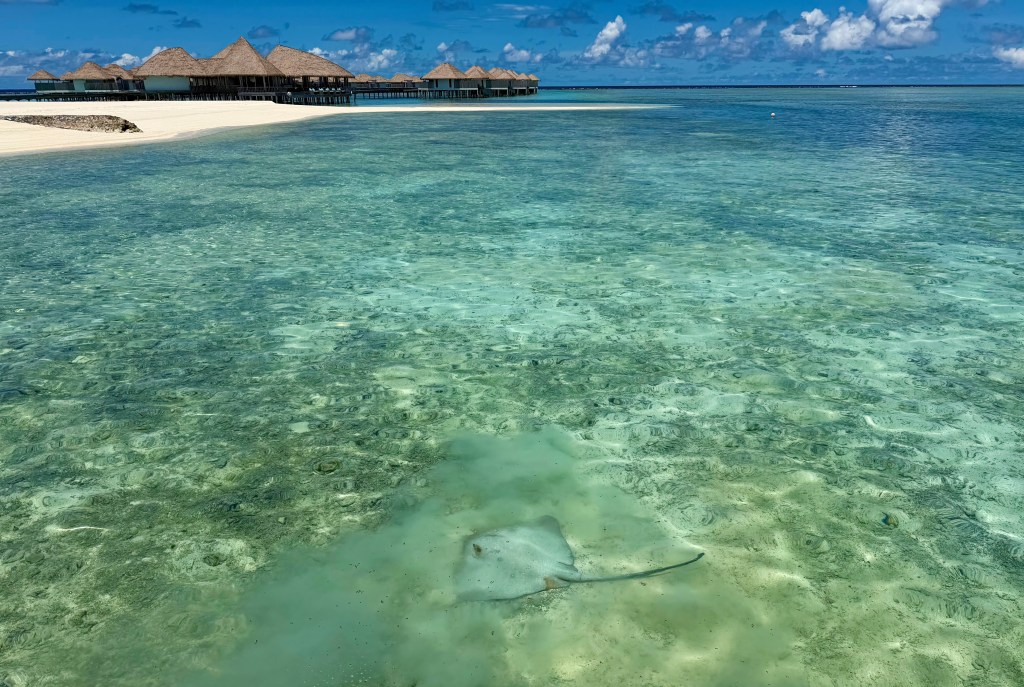
In terms of architecture, because the land is so limited in the Maldives, architects had to look outward toward the water, leading to a concept called “the overwater villa”, which is the hallmark of the Maldivian model. By building on stilts over the lagoon, resorts can expand their capacity without increasing their land footprint.
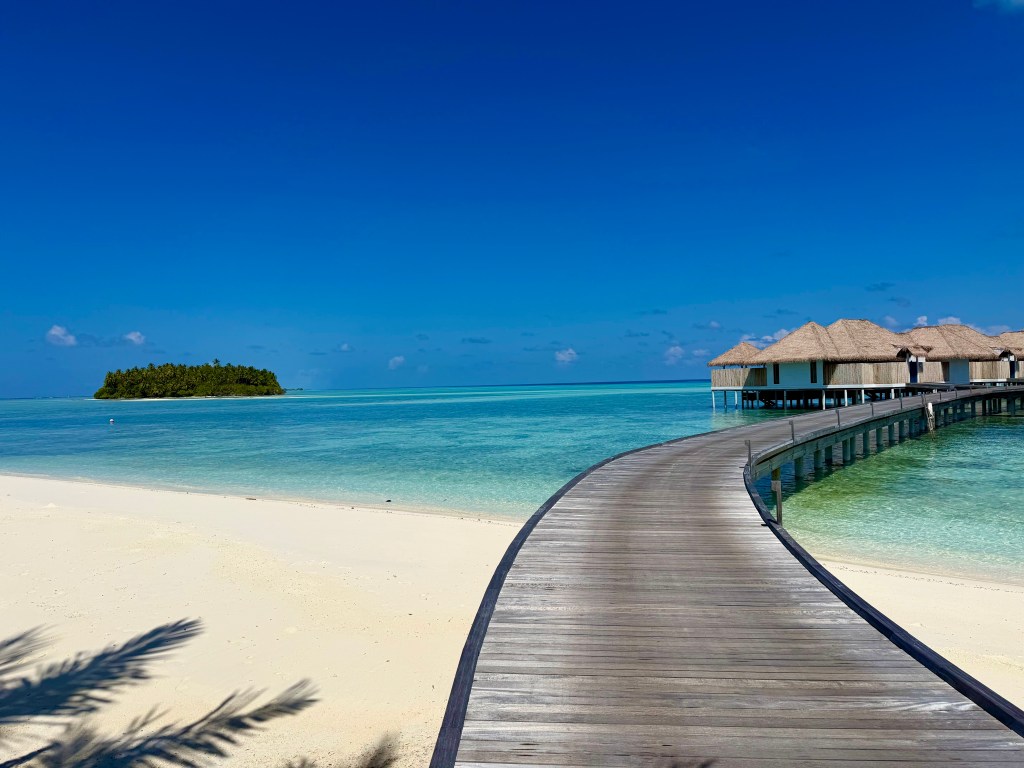
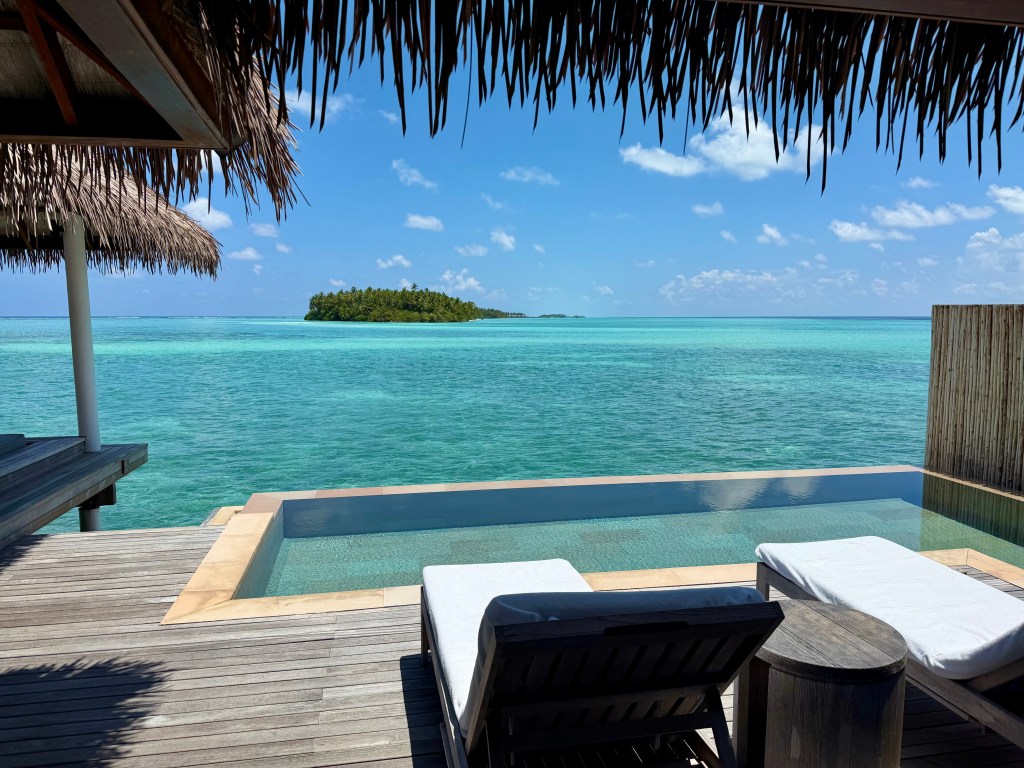
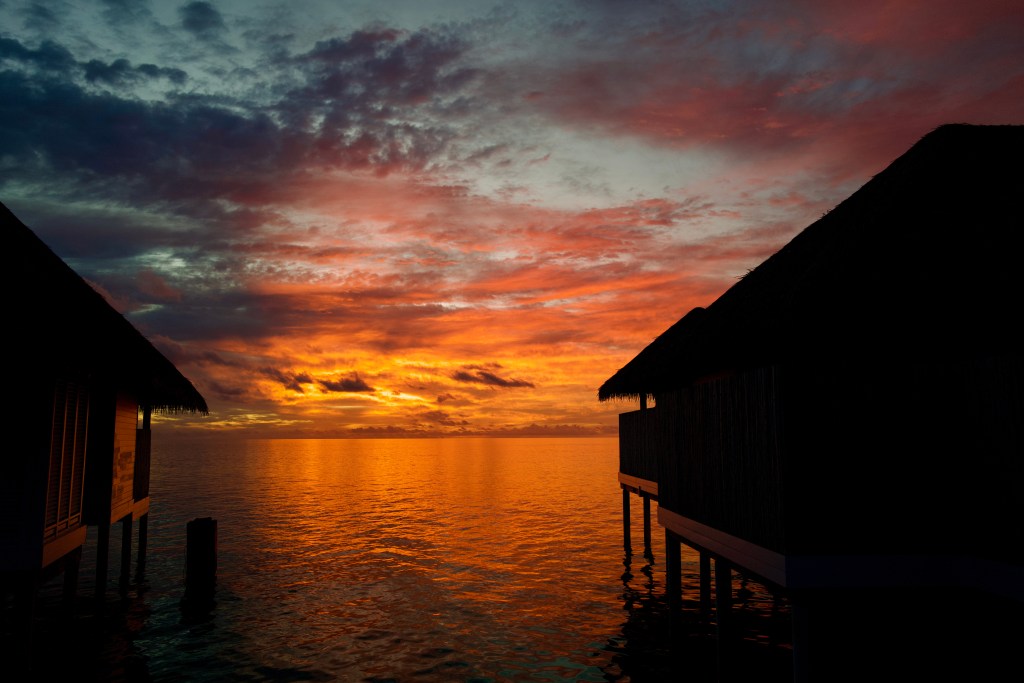
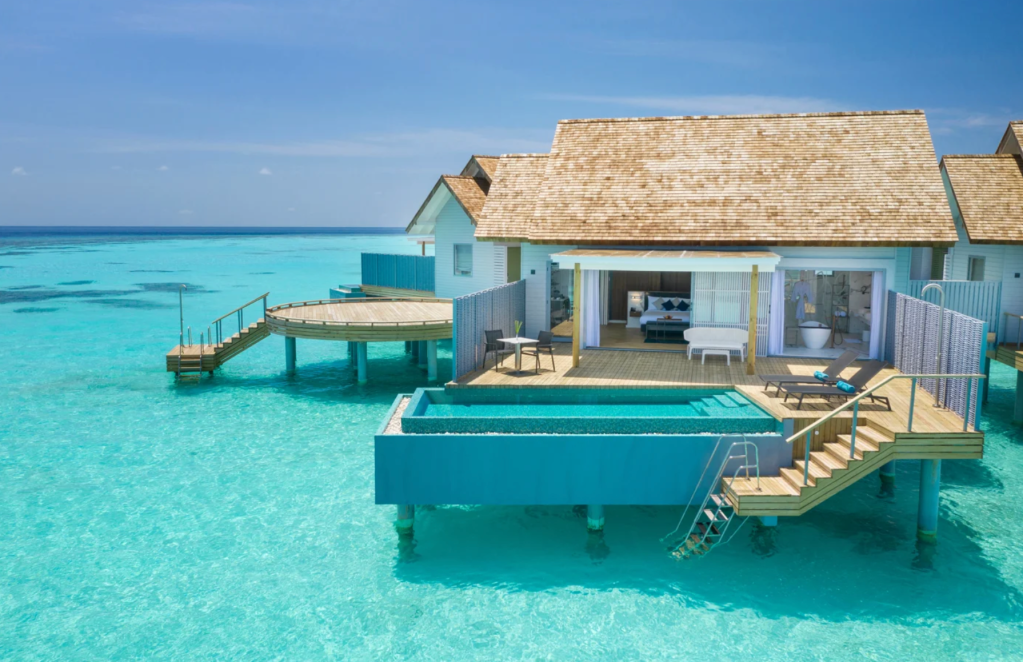
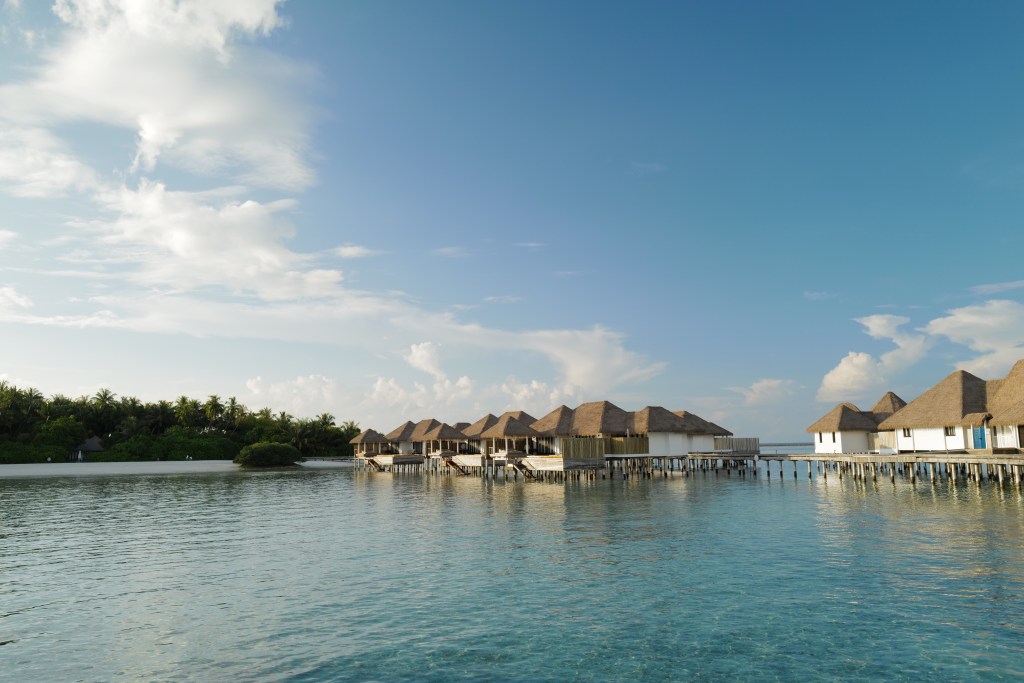
It is only in 2009 that the law changed to allow guesthouses on inhabited local islands. This has created a “dual” tourism model: the Guesthouse Model, allowing travellers to stay in local villages, eat at local cafes, and experience Maldivian culture more directly and the Resort Model, which remains the high-end, “one-island” experience focused on luxury and privacy.
While the Resort Model is highly profitable, it also presents environmental hurdles. The logistics of transporting food, fuel, and supplies to a remote island—and then removing the resulting waste—requires a massive carbon footprint. Many modern resorts are now transitioning to “zero-waste” policies and massive solar arrays to mitigate the impact of this isolated operational style.
The future of the Maldives brings up a few major question marks, mostly related to climate change. As the lowest-lying nation on earth, the rise in sea levels is not a distant theoretical problem but a present-day engineering and existential challenge. The government is working on three pillars: elevation, innovation, and migration.
1. Elevation: instead of abandoning the islands, the Maldives is “building up.” The most prominent example is Hulhumalé, a massive man-made island reclaimed from the sea near the capital, Malé. Hulhumalé is built approximately 2 meters above sea level, significantly higher than most natural islands. Its coastal defences are designed to withstand predicted sea-level rises for the next century. The long-term plan involves moving populations from smaller, more vulnerable “outer” islands to these higher, more protected urban centers. This centralises infrastructure like desalination plants and power grids, making them easier to defend.
2. The Floating City: a more radical vision for the future is the Maldives Floating City, currently under development in a lagoon near Malé. Rather than fighting the water, this city is designed to float on top of it. As sea levels rise, the city rises with them. It consists of thousands of floating residential and commercial units fastened to the lagoon floor. It utilizes a “honeycomb” structure inspired by coral to provide stability and minimise impact on the marine ecosystem below.
3. Environmental Adaptation: the Maldives is also looking toward biological solutions to protect its future. This involves using vegetation like mangroves and specialised coastal plants, as well as coral reefs, to bind the sand and prevent erosion, a more sustainable alternative to building massive concrete sea walls.
4. Diplomacy and Finance: the government has historically resisted the idea of its citizens becoming “refugees.” Instead, they advocate for “Adaptation with Dignity.” In this context, there have been discussions about creating a national fund (similar to a sovereign wealth fund) to eventually purchase land in other countries (like Australia or India) as a “backup plan.” However, the current priority is maintaining the nation’s 2,500-year-old heritage on its own soil.
Because of the unique challenges facing Maldives, the country has become a lead voice in international climate law, pushing for recognition of a nation’s “statehood” even if its physical territory is submerged. This would ensure that maritime boundaries and economic zones remain intact, even if a country’s landmass is reduced or disappears. This is currently being debated at the UN and will have implications for many nations whose boundaries will evolve because of climate change.

