

Many of the traditional dances in the northern part of Thailand, which are performed to this day, are inspired by everyday tasks such as weaving and other home activities.
Aj. Waewdao Sirisook, National Artist in Contemporary Performing Arts, accompanied by her students, took us through the origin of four dances, and through them, offered us a vivid glimpse into the cultural tapestry and heritage of Lanna.
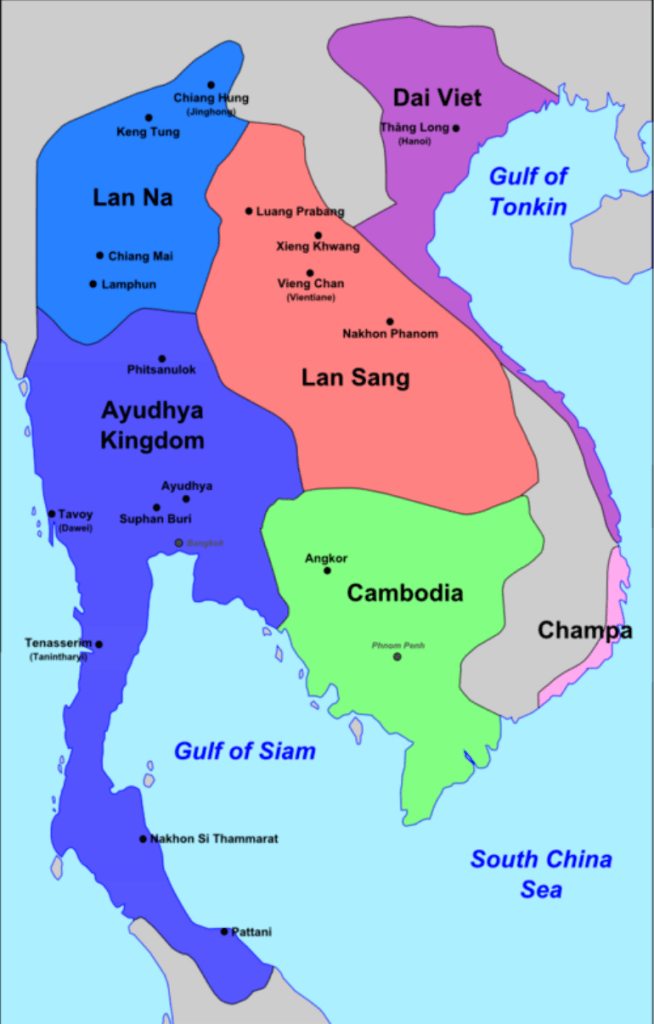
The Lanna Kingdom, which flourished in Northern Thailand from the 13th to the 18th century, was a regional hub of cultural and artistic development. The region’s unique geographical location, nestled among mountains and fertile valleys, contributed to a distinct cultural identity that blended influences from neighbouring regions, such as Laos and Myanmar (Burma), with dance playing a central role in their cultural expression.
Dance in Lanna was not merely a form of entertainment; it was a vital part of religious ceremonies, social gatherings, and community storytelling. The movements and rhythms of Lanna dances were deeply intertwined with the rhythms of daily life, reflecting agricultural cycles, spiritual beliefs, and communal values of the people.
The Fan Dance
The Fan Dance, or Fon Phat, is a graceful performance that utilizes the fan as both a prop and a symbol. The dance reflects the practical and spiritual aspects of Lanna life, where the fan is used to sweep away ill fortune and invite good luck. The movements mimic the actions of fanning charcoal or warding off spirits, showcasing how utility and beauty intertwine in Lanna culture.
The fan, in Lanna culture, is more than a tool for cooling; it is a symbol of grace and elegance. In the Fan Dance, the fan becomes an extension of the dancer’s body, with each flick and flutter conveying a story. The dancers’ movements are fluid and precise, requiring years of practice to master the subtle nuances of each performance.
The choreography of the Fan Dance often includes circular patterns and sweeping motions, symbolizing the cyclical nature of life and the interconnectedness of all things. The dance is typically accompanied by traditional Lanna music, featuring instruments such as the khene (a bamboo mouth organ) and the pi(a type of oboe), which add a melodic layer to the visual spectacle.
The Silk Reeling Dance
The Silk Reeling Dance, or Fon Yok Mai, draws inspiration from the delicate process of silk production. The dance captures the intricate motions of boiling cocoons and reeling silk threads, symbolizing the blend of patience and skill required in this traditional craft. This dance also embodies a deeper spiritual connection, as it mirrors the meditative state of the silkworm spinning its cocoon.
Silk production has been a cornerstone of Lanna’s economy and culture for centuries. The Silk Reeling Dance pays homage to the artisans who have perfected this craft, celebrating their dedication and expertise and serves as a reminder of the importance of preserving traditional skills and passing them down through generations.
In the Silk Reeling Dance, the dancers’ movements are slow and deliberate, reflecting the meticulous nature of silk production. The choreography often includes gestures that mimic the winding of silk threads and the gentle handling of delicate cocoons. The dance is a visual representation of the harmony between humans and nature, highlighting the respect and reverence that the Lanna people have for the natural world.
The Umbrella Dance
The Umbrella Dance, or Fon Rom, celebrates the artistry of umbrella-making in villages like Bo Sang and San Kamphaeng. The dance reflects the meticulous craftsmanship involved in creating these vibrant canopies, with movements that echo the careful painting and drying processes.
Umbrella-making is a traditional craft that has been passed down through generations in Northern Thailand. The vibrant umbrellas, often adorned with intricate designs and vivid colors, are a symbol of Lanna’s artistic heritage. The Umbrella Dance captures the essence of this craft, with dancers mimicking the careful brushstrokes and delicate assembly of the umbrellas.


The umbrella-dance choreography includes movements that resemble the opening and closing of umbrellas, symbolising protection and shelter. The dance is a testament to the creativity and ingenuity of Lanna’s artisans, who continue to innovate while honouring their cultural roots.
The Martial Arts Dance
The Martial Arts Dance, or Muay Lan Na, showcases the martial prowess and cultural heritage of Northern Thailand. This dance incorporates elements of traditional boxing and self-defense, with movements that are both powerful and yet very fluid. It highlights the historical significance of martial arts in Lanna society and the ongoing evolution of these practices.
Martial arts have been an integral part of Lanna’s history, serving as a means of self-defense and a form of physical and mental discipline. The Martial Arts Dance draws from the rich tradition of Muay Thai, incorporating techniques and movements that have been refined over centuries.
The dance is characterized by its dynamic and energetic choreography, with dancers executing precise kicks, punches, and defensive maneuvers. The performance is a display of strength, agility, and coordination, reflecting the rigorous training and discipline required to master the art of Muay Lan Na.
Through these four performances, the dancers not only demonstrated the beauty and complexity of Northern Thai dance but also offered insights into the cultural and historical contexts that shaped these art forms. The lecture by Aj. Waewdao Sirisook was a testament to the enduring legacy of Lanna’s traditions and their influence on the region’s vibrant contemporary dance culture.

