Vanuatu is an archipelago spanning 900 kilometers across the southwestern Pacific. It comprises 83 islands (70 of which are permanently inhabited today) across 12,189 square kilometers of land, and sits directly on the boundary separating “Near Oceania” (Australia, New Guinea, Solomon Islands) from “Remote Oceania” (Polynesia, Micronesia).
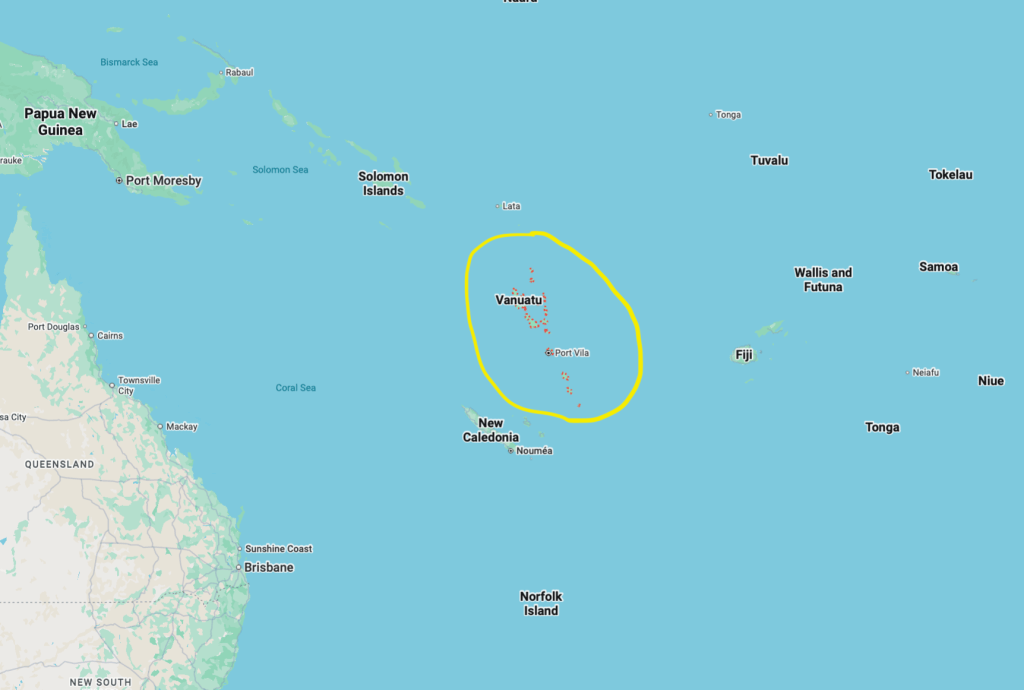
Vanuatu today is a society that has been shaped by geology, ancient migratory patterns, and European colonial history, influencing culture, land tenure, language structure, and social cohesion.
Tectonic volcanism leads to environmental adaptation
Vanuatu’s terrestrial landscape is defined by its position along the active boundary of the Australian tectonic plate within the Pacific Ring of Fire. The archipelago represents a physical spectrum of geological time: older landmasses in the group date back 34 million years, while newer islands like Ambrym were formed as recently as 12,000 years ago. Pentecost Island contains ancient rock structures dating back nearly 3.8 billion years.
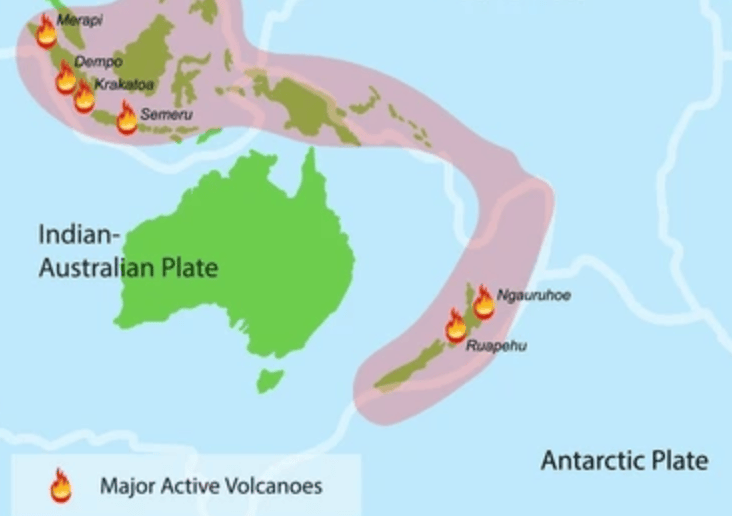
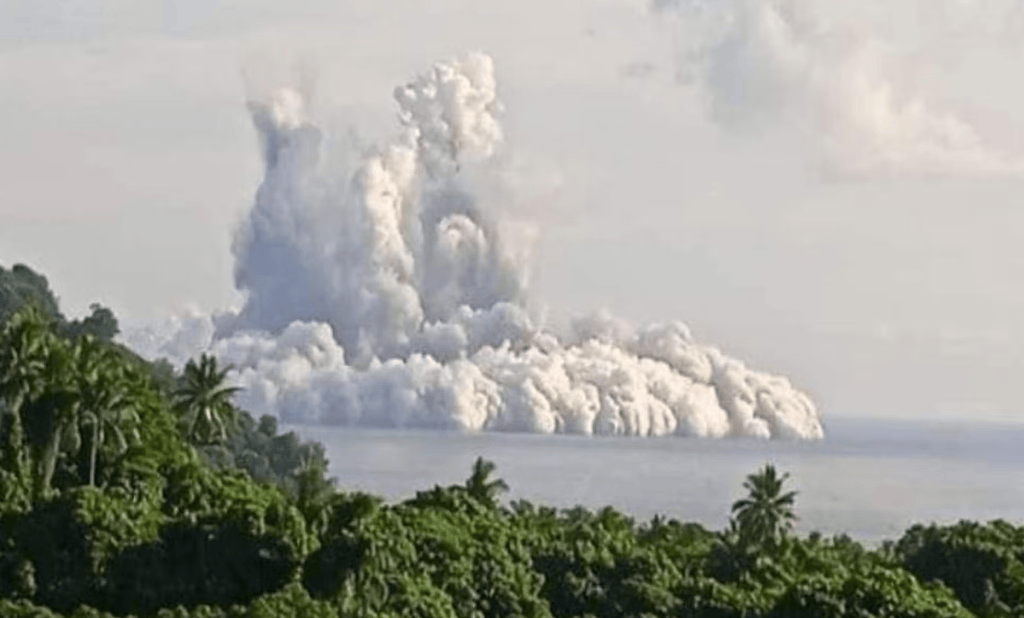
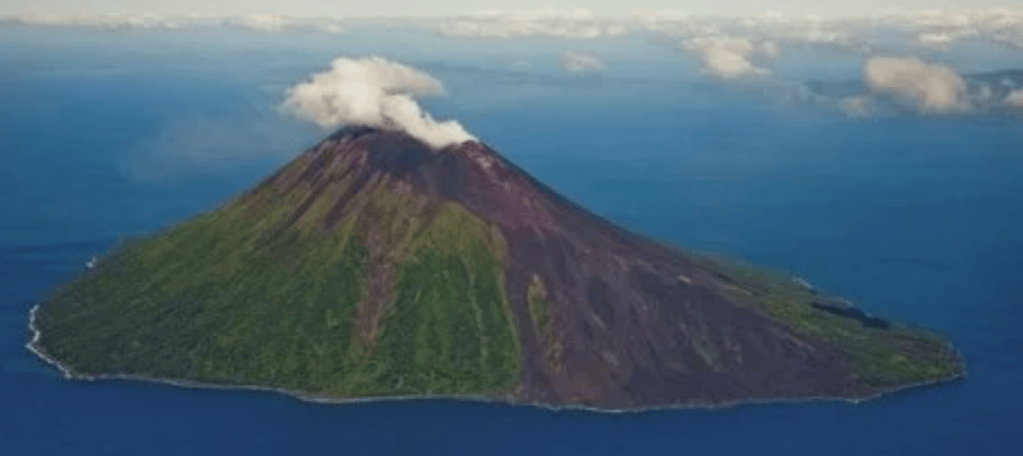
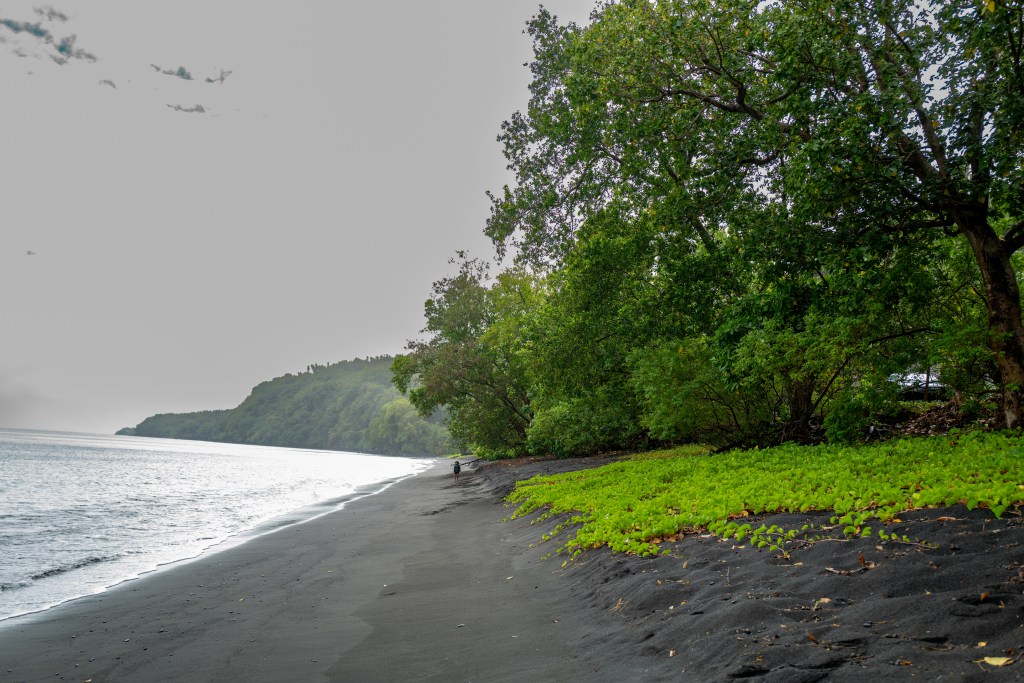
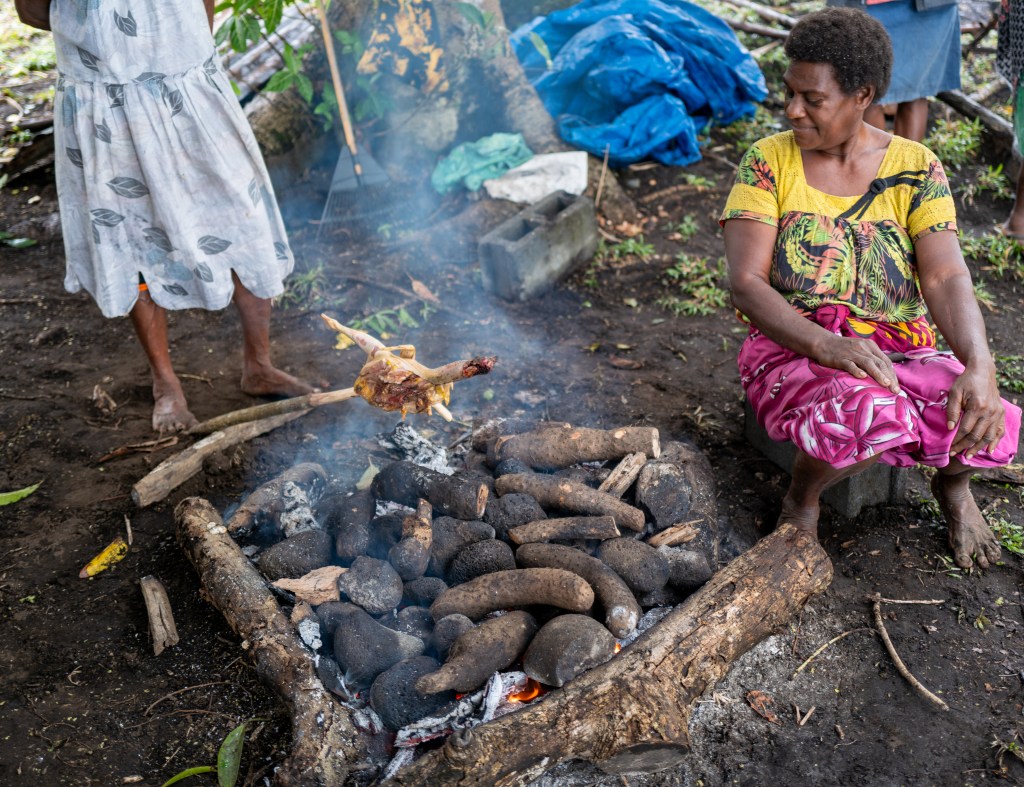
This persistent volcanic and seismic activity directly shapes modern life across the archipelago – Active volcanism generates lava lakes, sulfur-rich springs, frequent earthquakes, and intense tropical cyclones. Yet, the trade-off is exceptional soil fertility. Volcanic ash continuously enriches the soil, supporting intensive rainforest cultivation of root crops, primarily yams and taro.
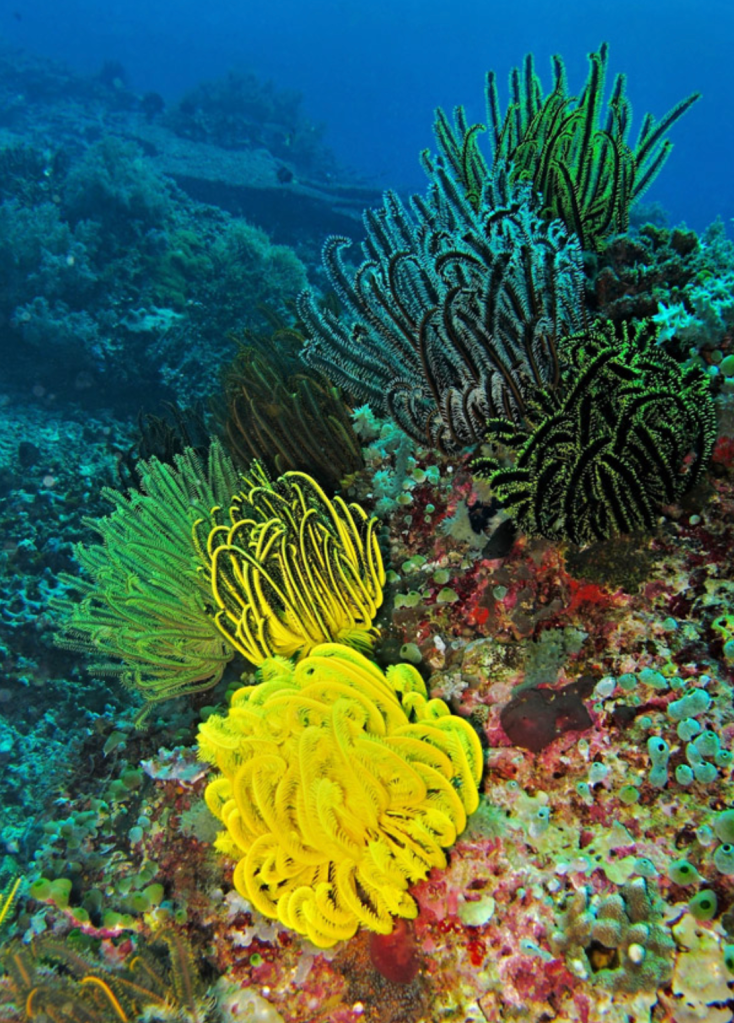
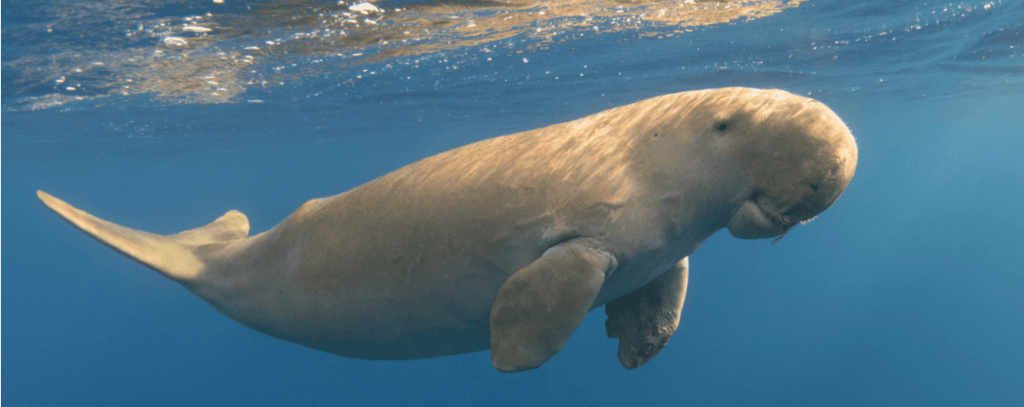
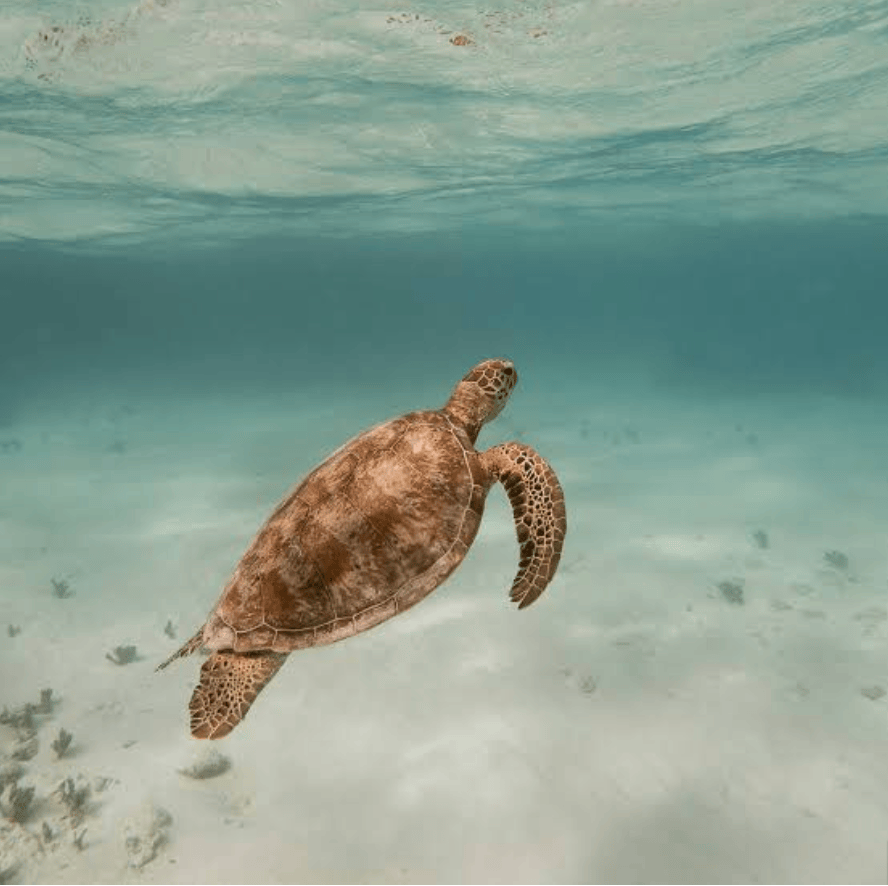
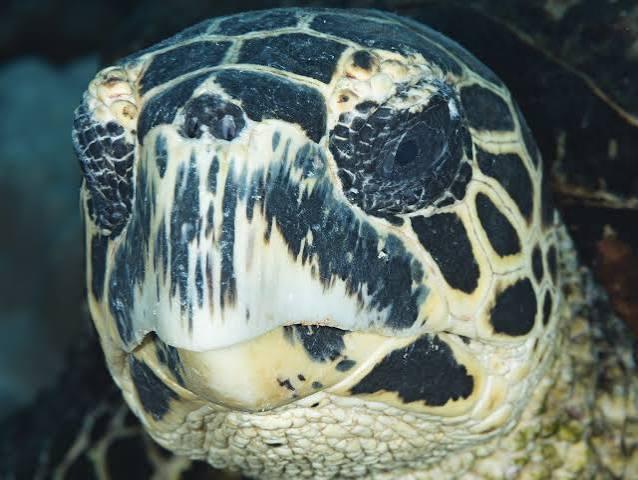
Because Vanuatu is located within the Coral Triangle (a massive marine region in the tropical waters of the Pacific Ocean, often called the “Amazon of the seas”), Vanuatu’s marine ecosystems support four of the world’s seven sea turtle species, dugongs, and extensive coral structures.
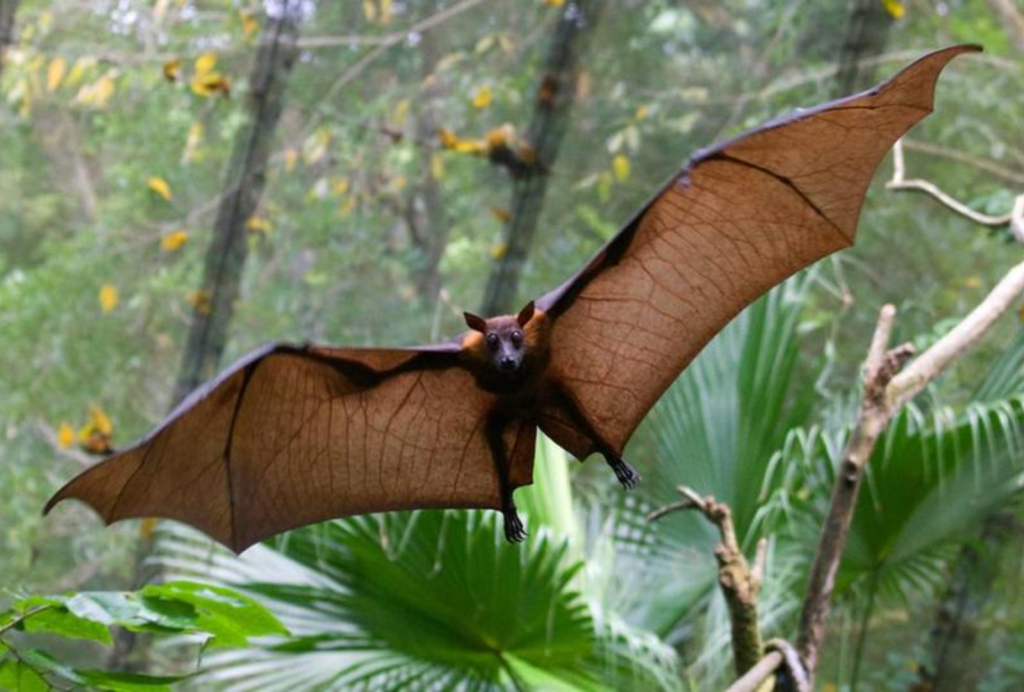
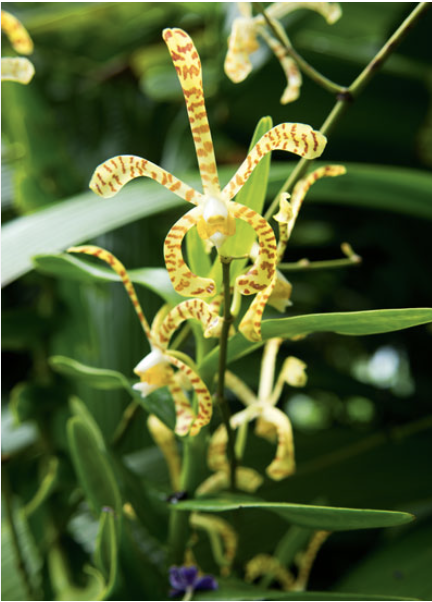
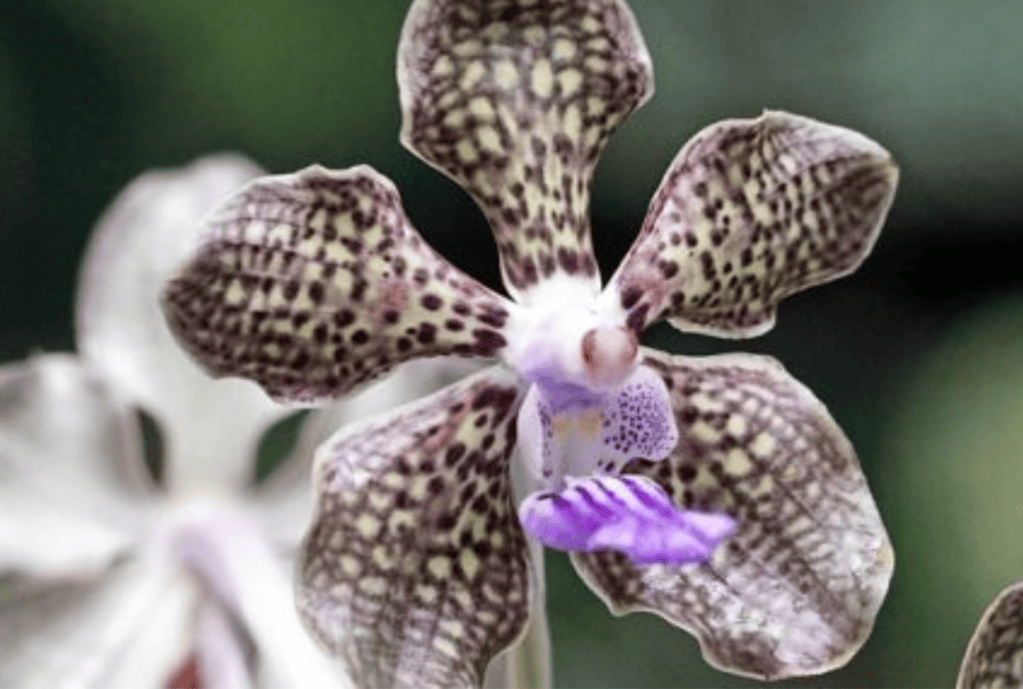
Land ecosystems feature 158 orchid species, 250 fern varieties, 21 palm species, and endemic flying foxes (fruit bats). Roughly 19% of the native flora is endemic (i.e. found only on Vanuatu).
How geography shaped human culture
Deep oceanic channels separate steep, high volcanic islands. Historically, this physical fragmentation isolated communities, fostering local self-reliance while forcing populations to develop advanced long-distance voyaging networks to maintain inter-island trade.
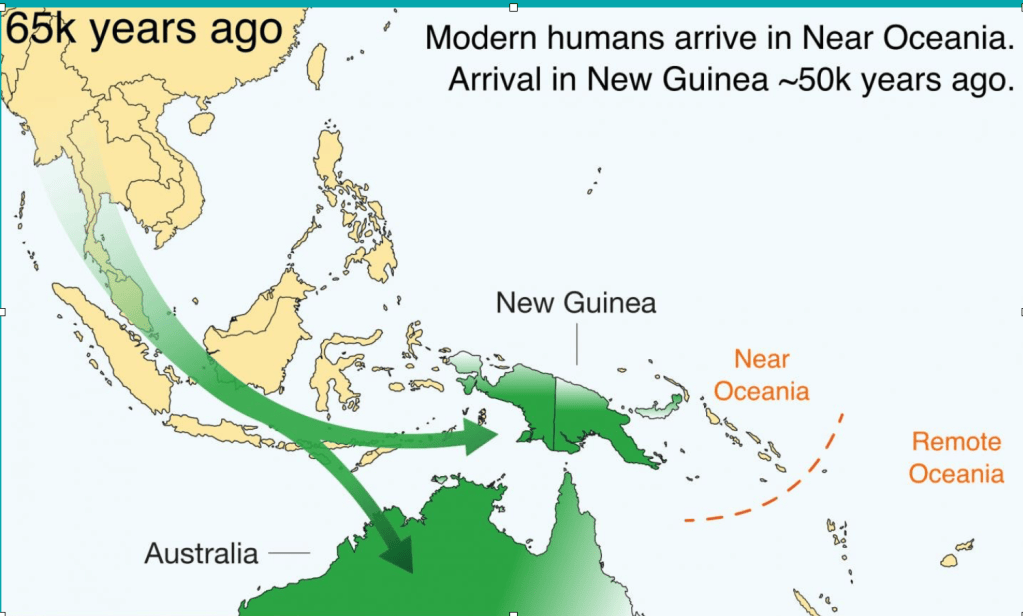
Human expansion into Vanuatu marks one of the most critical transitions in Pacific history. While Near Oceania (Australia, New Guinea and the Solomons) was settled by Papuan populations between 50,000 and 65,000 years ago, remote Oceania (including Vanuatu) remained untouched until very recently, due to the vast oceanic distances beyond the Solomon Islands.
It was only 5’500 years ago, that Austronesian seafarers from Taiwan (called Lapita people) begin to move through New Guinea, bypass the already populated Solomon islands and eventually settle in Vanuatu, around 2’500 years ago.
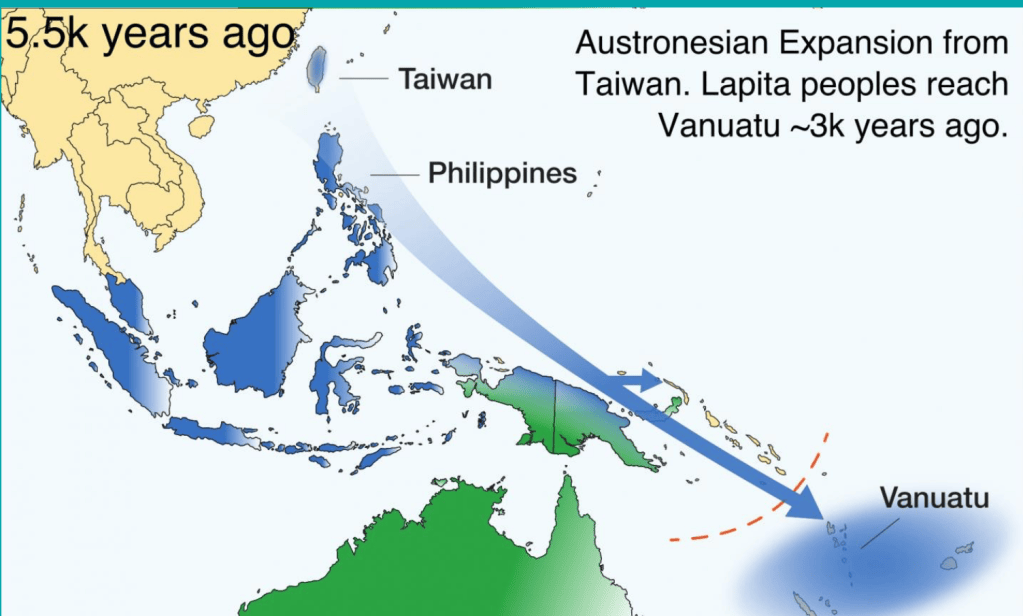
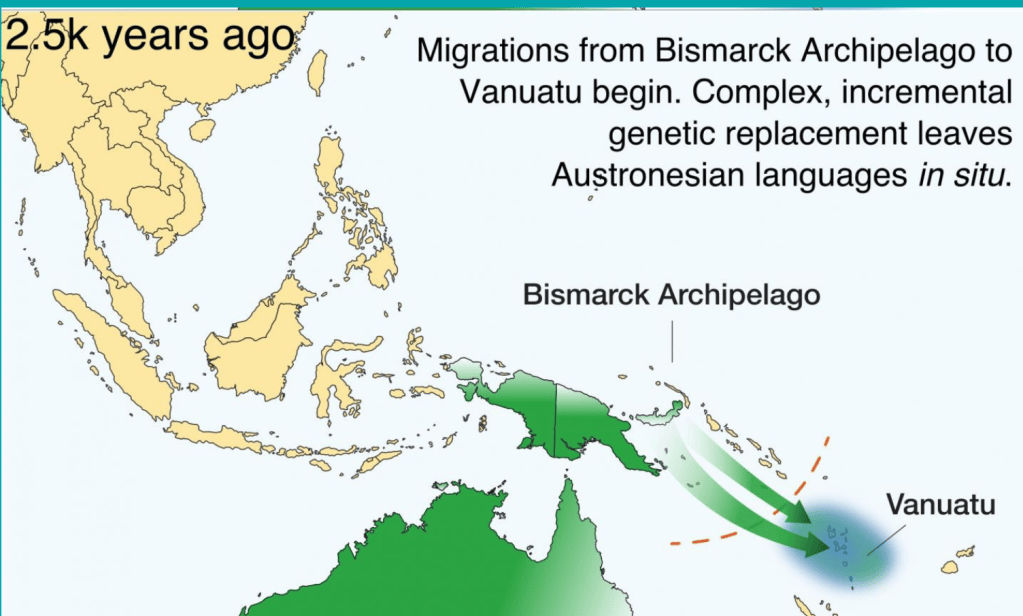
Ancient DNA extracted from early settlement sites confirms that the founding Lapita populations were genetically Austronesian (closely linked to East Asian people from Taiwan).
Over subsequent centuries, however, a steady migration of Papuan peoples merged with these communities. Modern Vanuatus are overwhelmingly Melanesian in physical ancestry (i.e. they look like people from New Guinea or the Solomon Islands), yet every indigenous language spoken across the 70 inhabited islands belongs to the Austronesian branch (i.e. the original language that the Lapita people from Taiwan brought with them). This is a rare example of an incoming majority adopting and preserving the linguistic structure of the original voyagers.
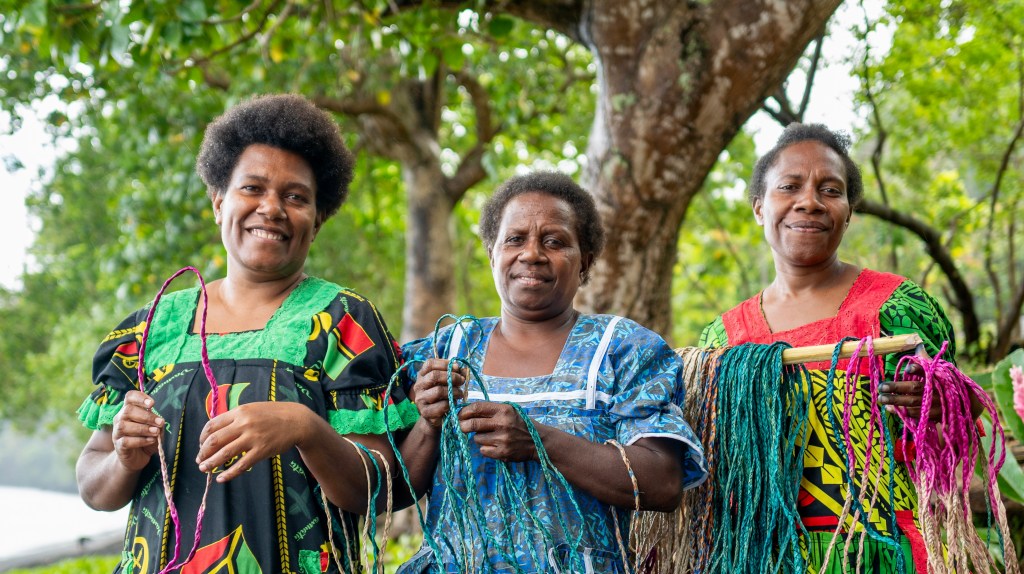
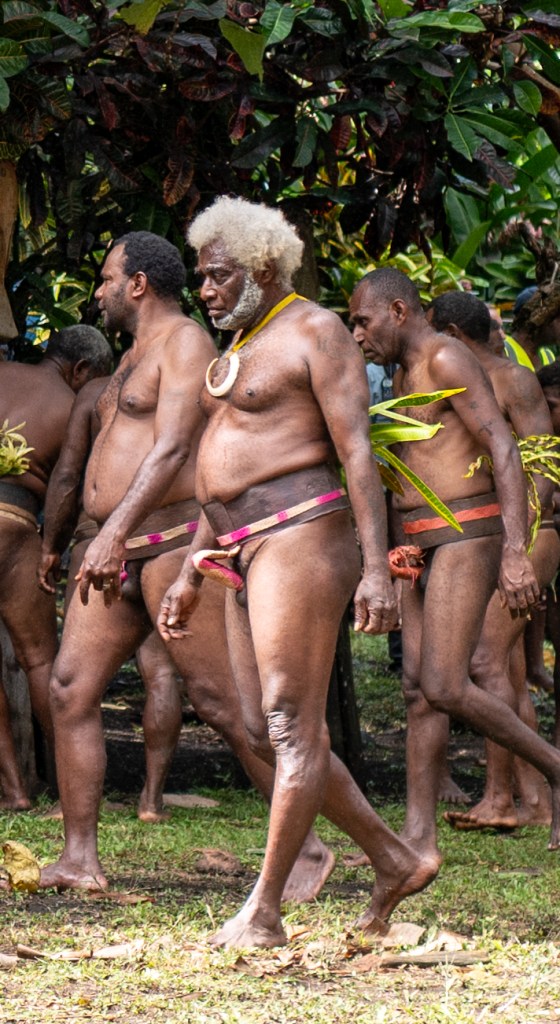
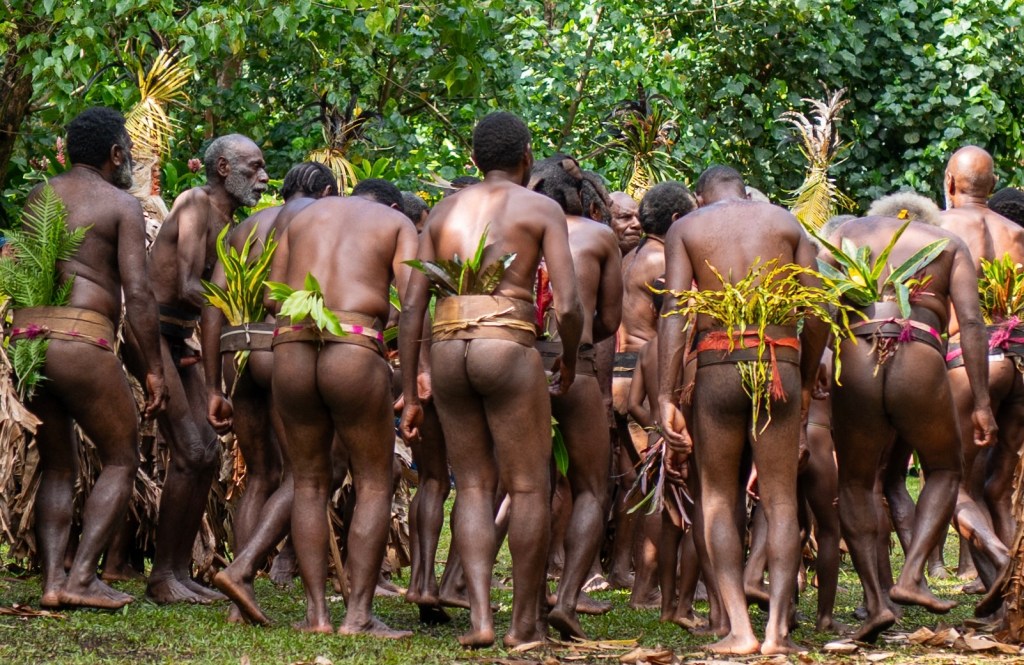
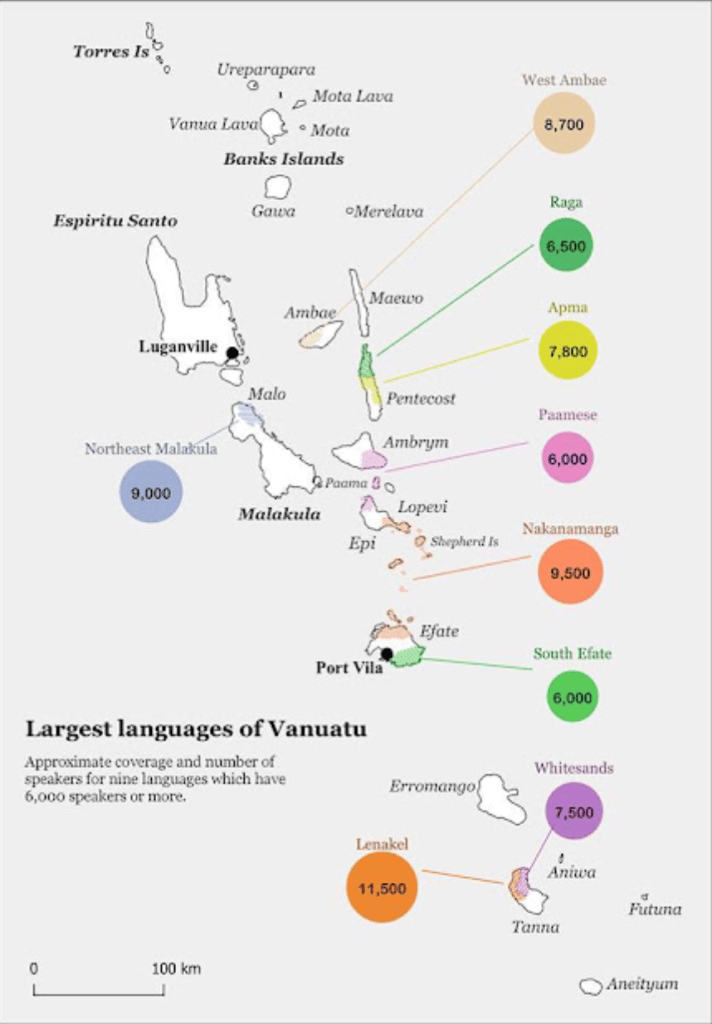
Vanuatu holds the highest concentration of distinct languages per capita on Earth. Within a population estimated at only 344,000, there are approximately 138 indigenous languages.
The Anglo-French “Pandemonium”
In the late 19th and early 20th centuries, competing imperial interests between Britain and France resulted in an extraordinary administrative experiment: the Anglo-French Vanuatu Condominium, which started in 1906 and concluded only in 1980, when Vanuatu became an independent republic.
Rather than partitioning the archipelago, Britain and France agreed to rule the land mass jointly. This created duplicate legal system, two police forces, two currencies, separate English and French educational frameworks and parallel immigration offices. Residents often referred to the administration not as a Condominium, but as a “Pandemonium”.
The absence of a shared colonial language, combined with the extreme internal diversity of 138 native tongues, led to the development of “Bislama”. An English-based creole with significant French and Melanesian grammatical structures, Bislama became the universal national lingua franca.
Vanuatu today
Since achieving independence in 1980, Vanuatu has maintained a constitution that explicitly balances modern state law with indigenous customary governance (Kastom).
In Vanuatu, traditional custom – known universally as Kastom – is not a passive historical artifact; it is an active legal, economic, and social structure integrated into modern constitutional law.
For examples, the Vanuatu constitution dictates that all land in Vanuatu belongs perpetually to its traditional owners and the state. Foreigners and non-Kastom rights-holders are legally prohibited from purchasing land outright, restricting access to long-term leases. This constitutional rule has prevented the mass land alienation common in other post-colonial Pacific nations.
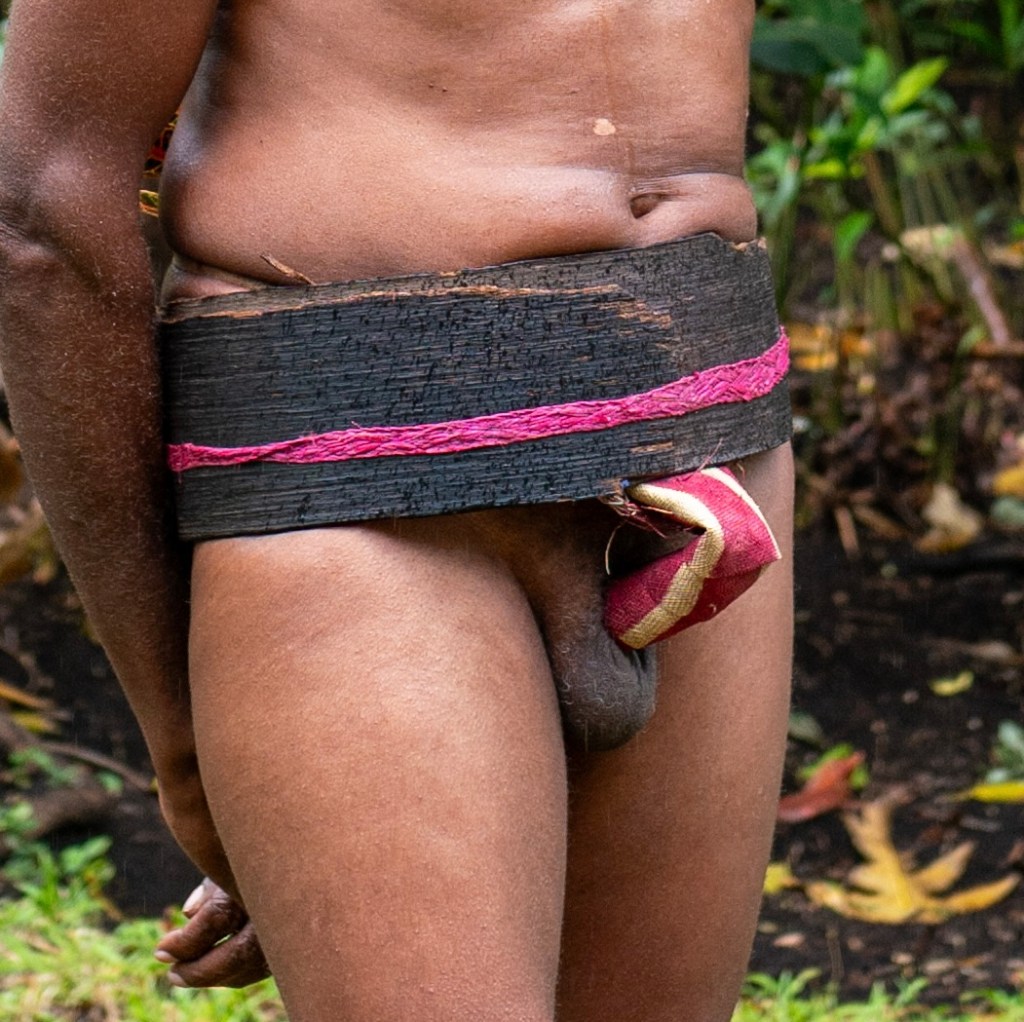
Between 75% and 85% of the population lives in rural, kin-based settlements organized around a central village clearing, and a men’s council house (Gamal).
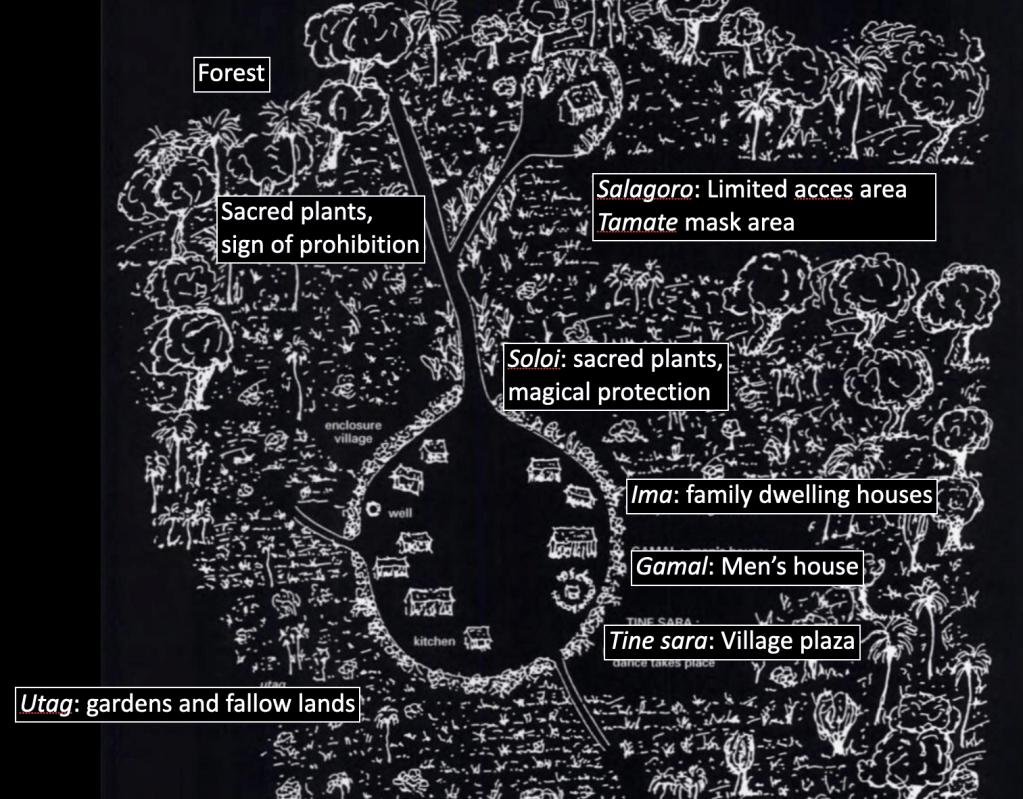
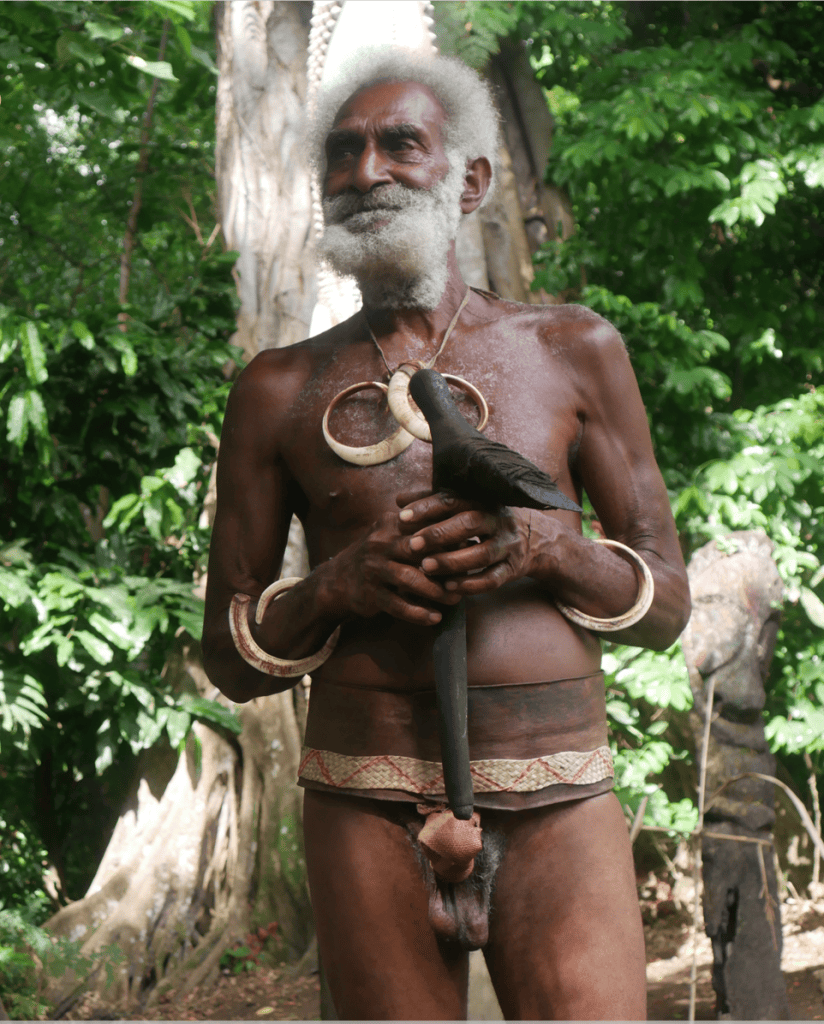
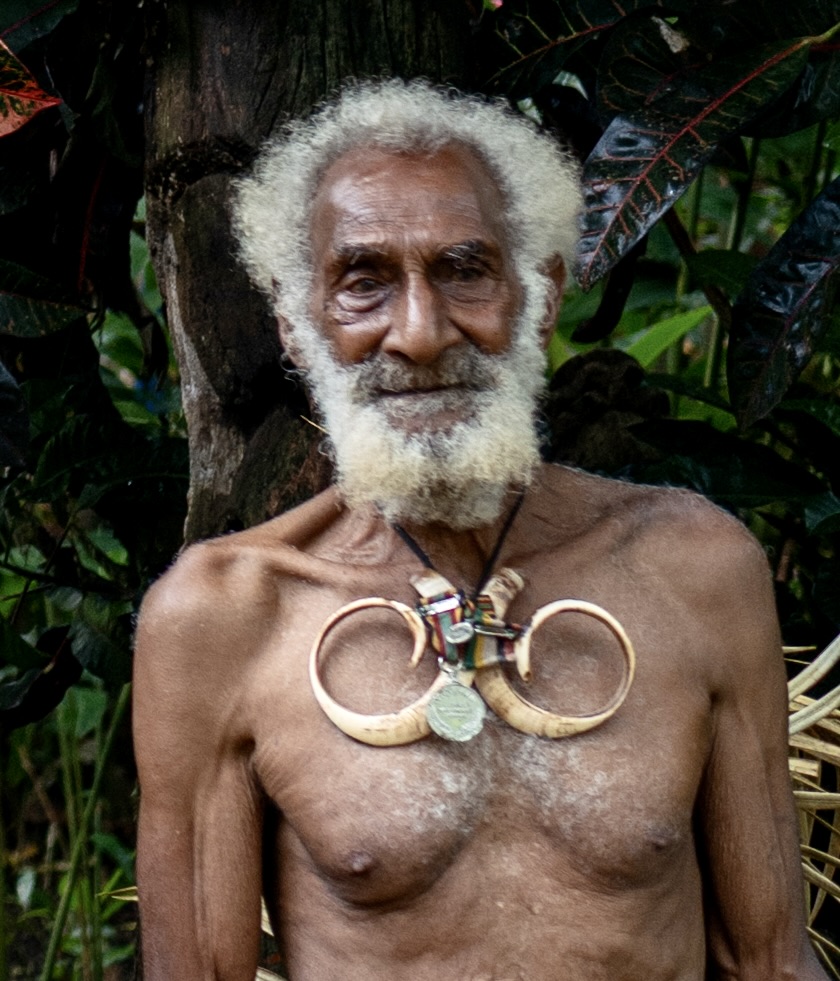
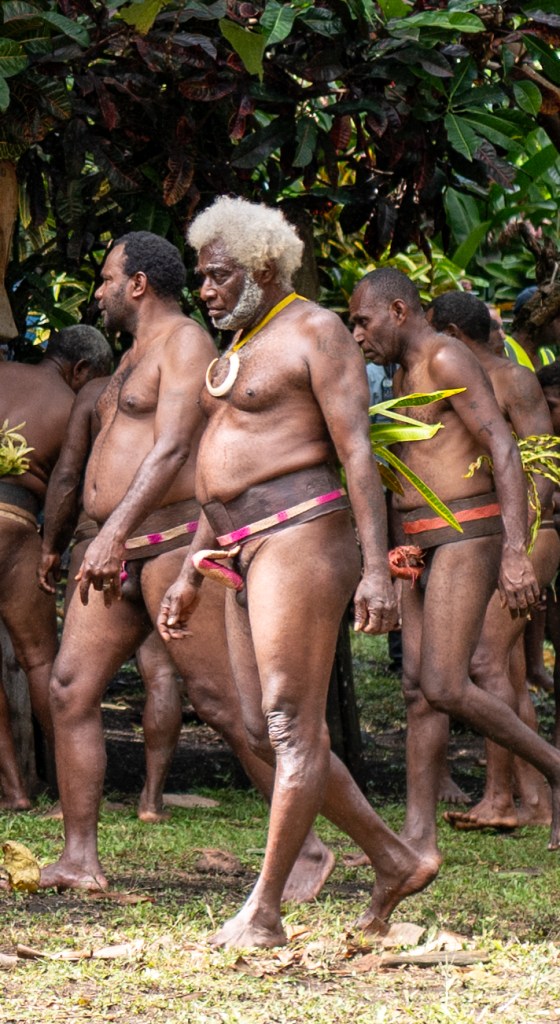
Social advancement is governed by the Nimangi – a grade-taking system where individuals earn social rank, political authority, and spiritual prestige by sponsoring public feasts and sacrificing curved boar tusks.
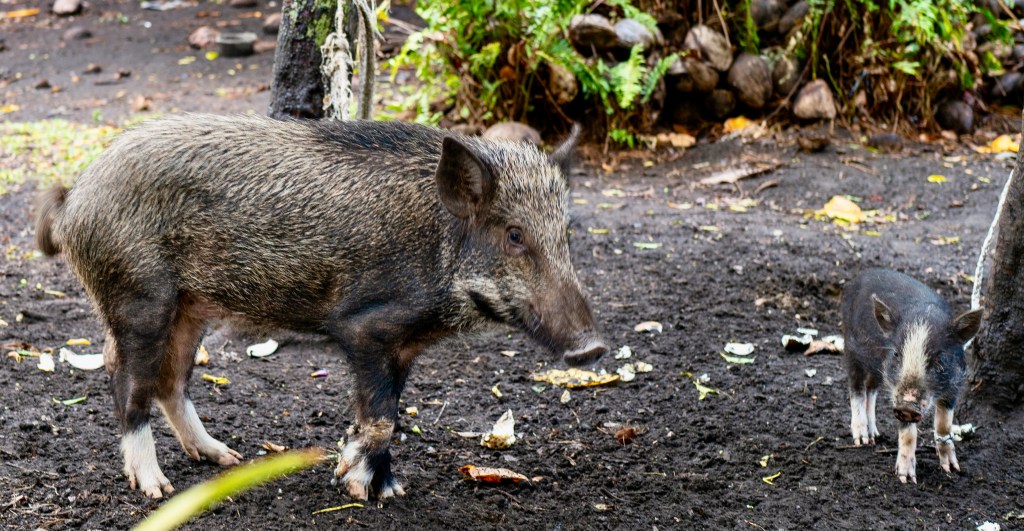
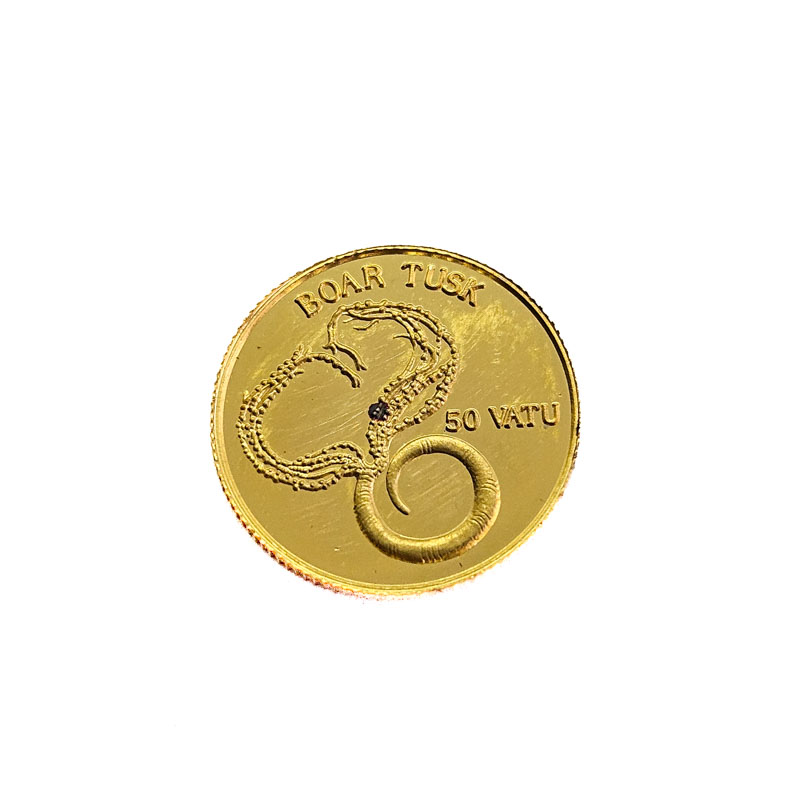
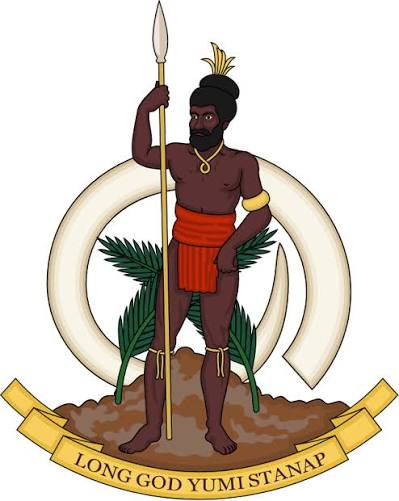
Circular boar tusks—produced by removing a pig’s upper canine to allow the lower tusk to curve into a full spiral—serve as primary symbols of wealth, prestige, and custom value. Their cultural importance is formally recognised by their inclusion on Vanuatu’s national currency and state emblem.
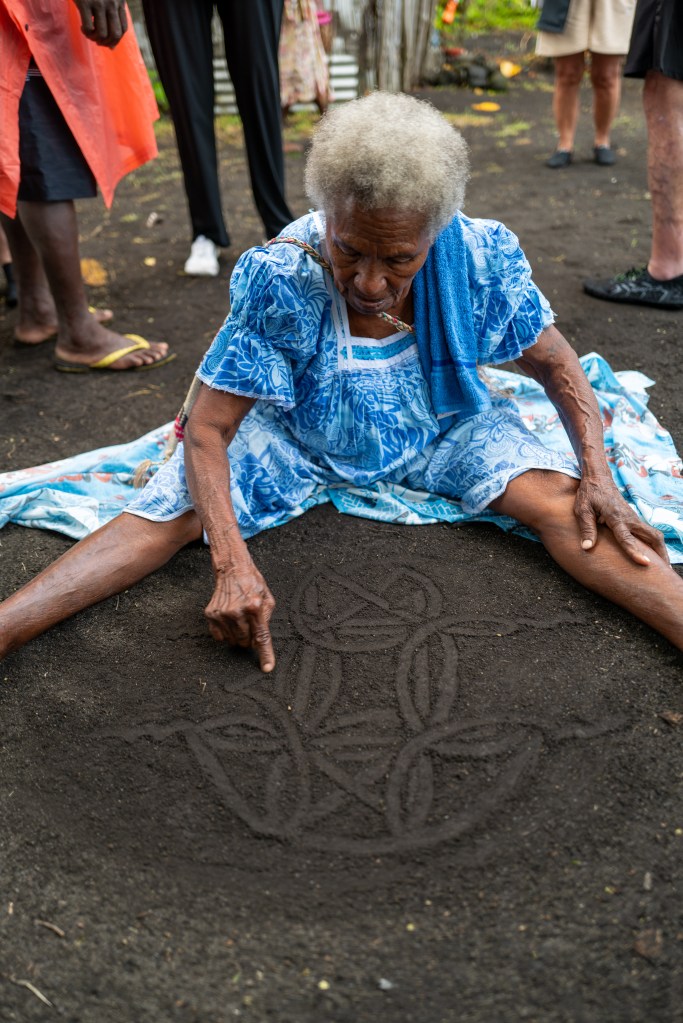
Sand drawings.
Sand drawings are recognised by UNESCO as Intangible Cultural Heritage. They serve as mnemonic devices to instruct younger generations or just to tell stories. Created using a single continuous line drawn over a grid, these complex figures are used still today to record lineage genealogies, custom laws, ecological wisdom, and historical narratives in the absence of a pre-colonial written script.
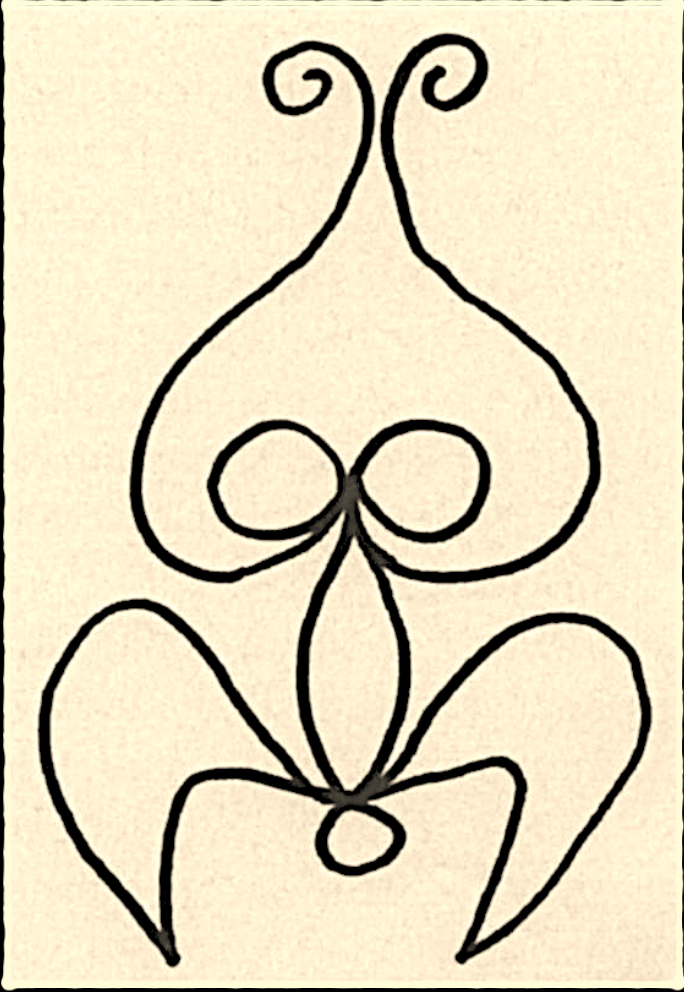
are married. The man goes to plant some yams, and while he’s gone his wife is being adulterous with someone
else, and the man then kills the lover of his wife. You see a human face with
very large eyes, representing the husband seeing what is happening. You have male
genitalia in the middle, people having sex. It’s a whole story told in one drawing.
Kava
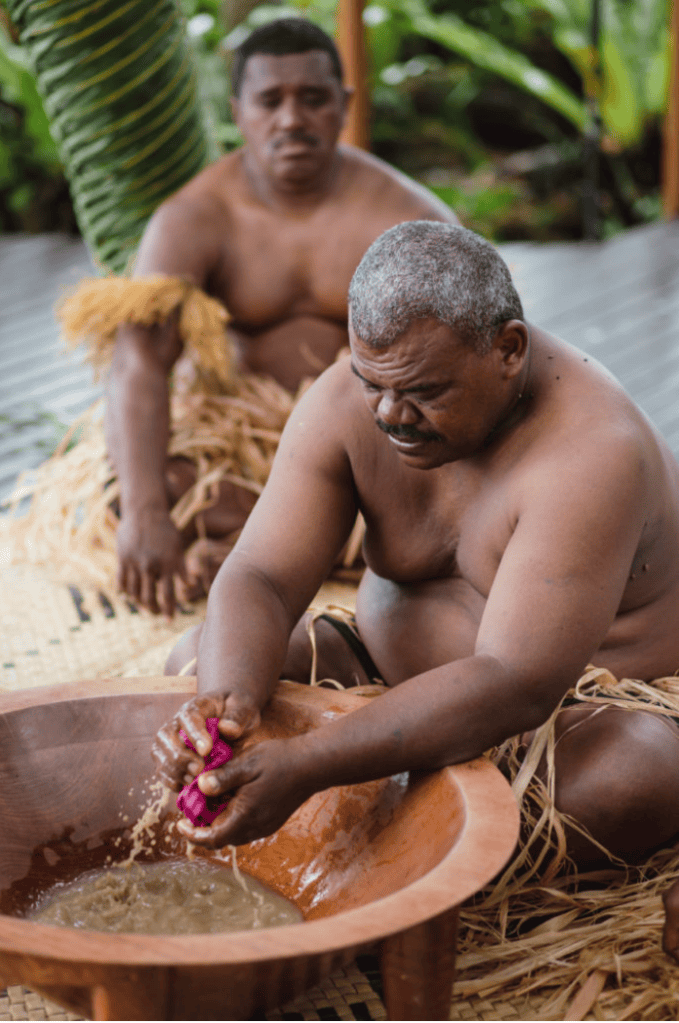
Native to Vanuatu, kava is a non-alcoholic root drink with potent sedating properties. Historically used by chiefs to ensure tranquil negotiations and prevent inter-communal warfare, kava ritualism spread across the Pacific from Vanuatu and today remains an integral mechanism for conflict resolution and social bonding.
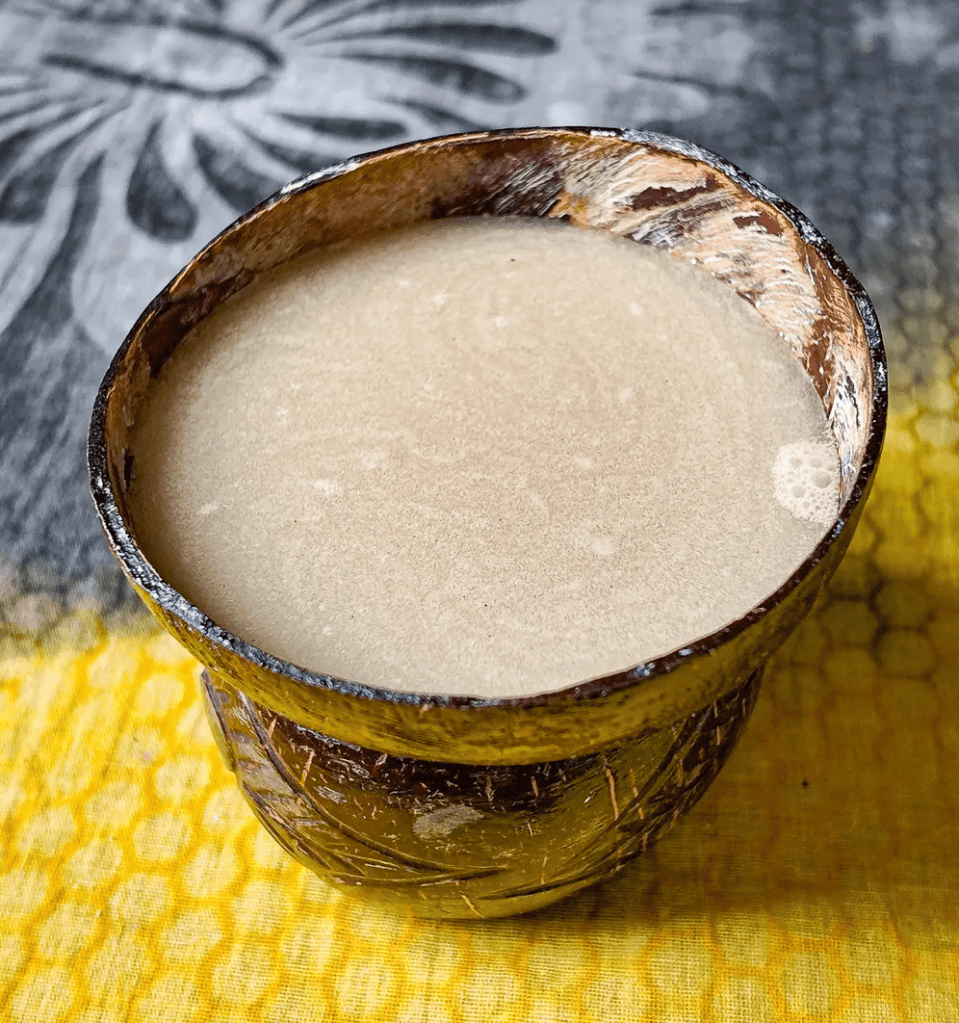
Rom and N’Gol
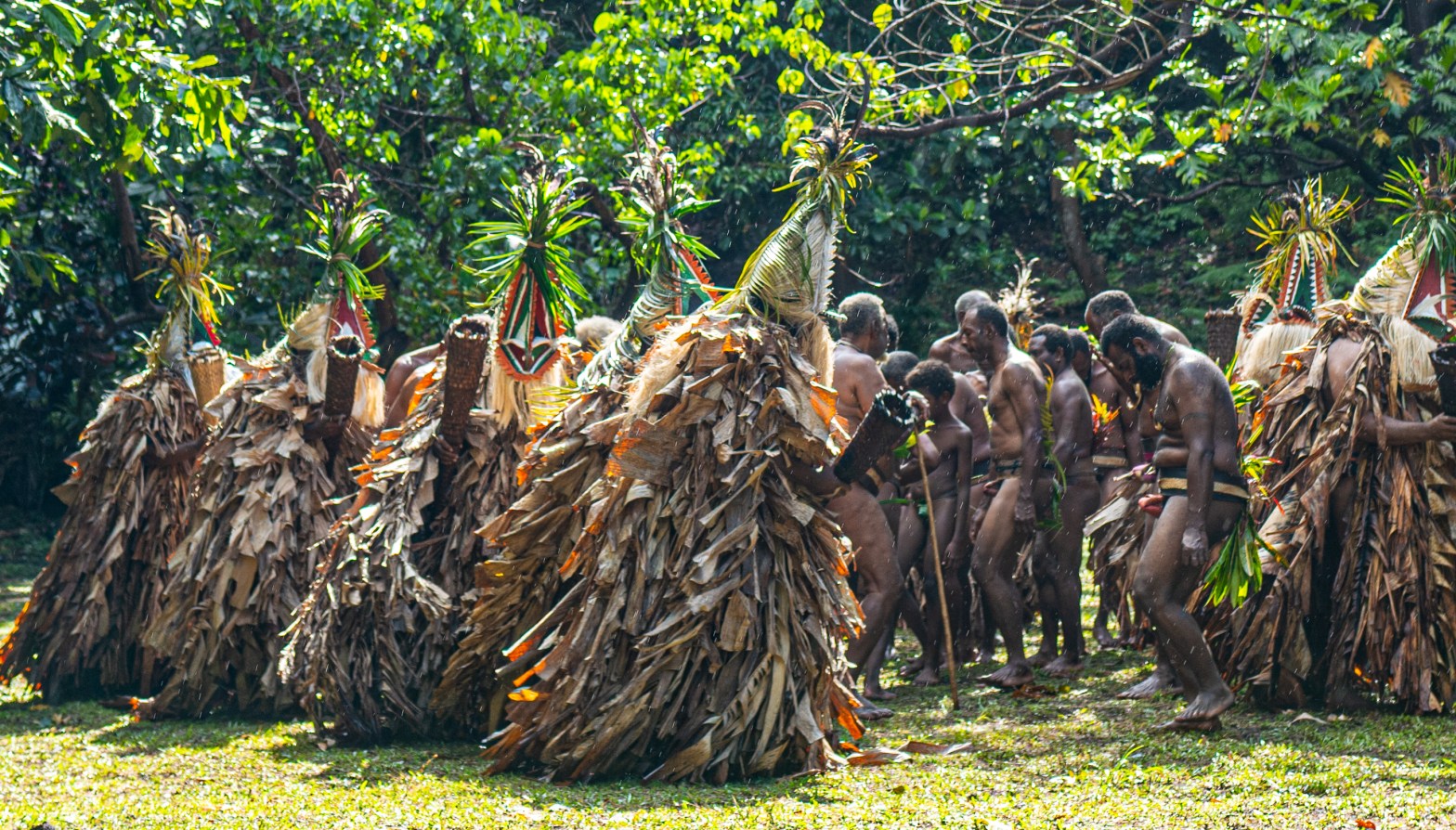
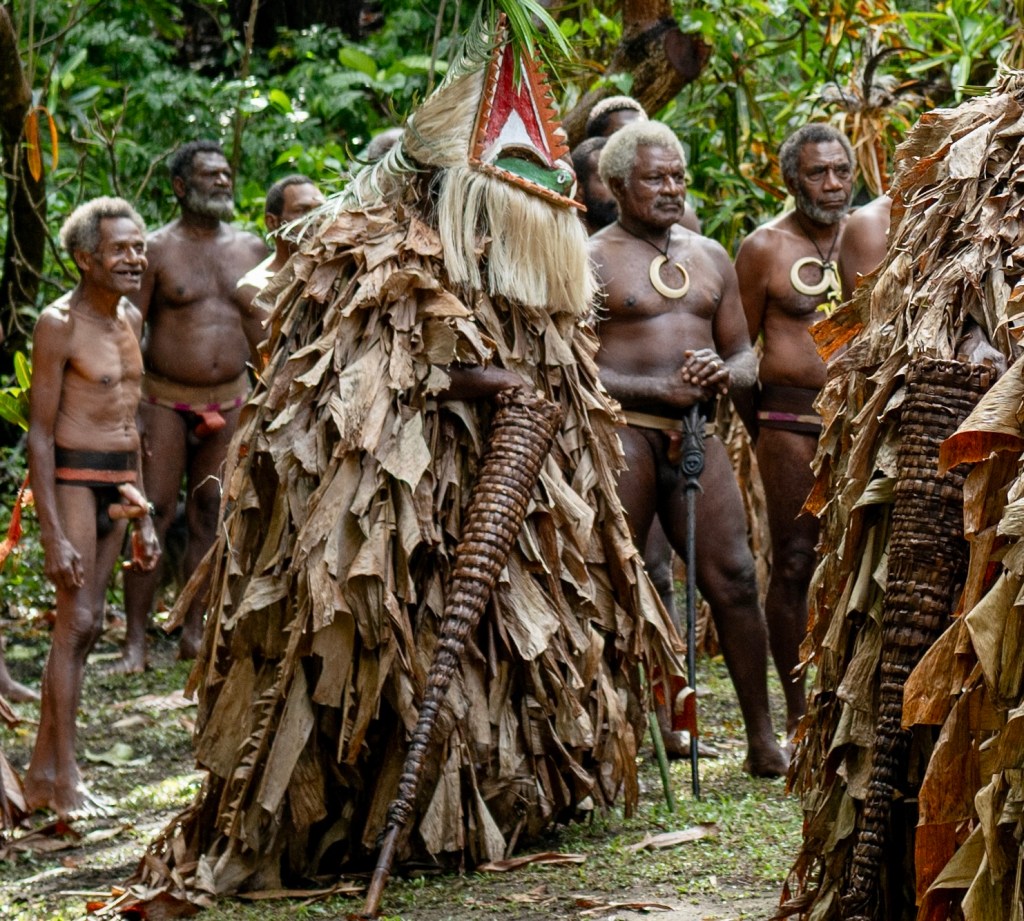
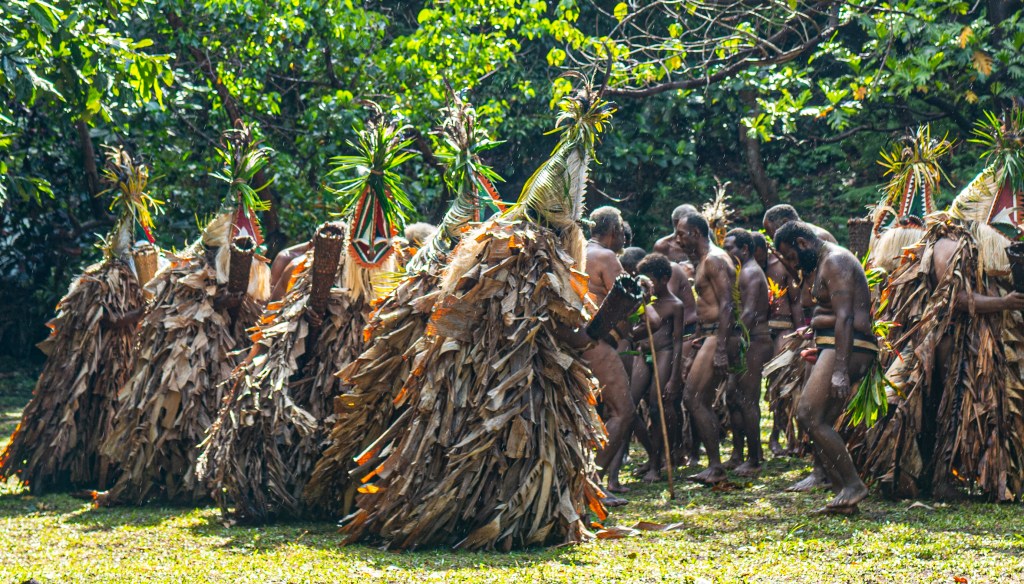
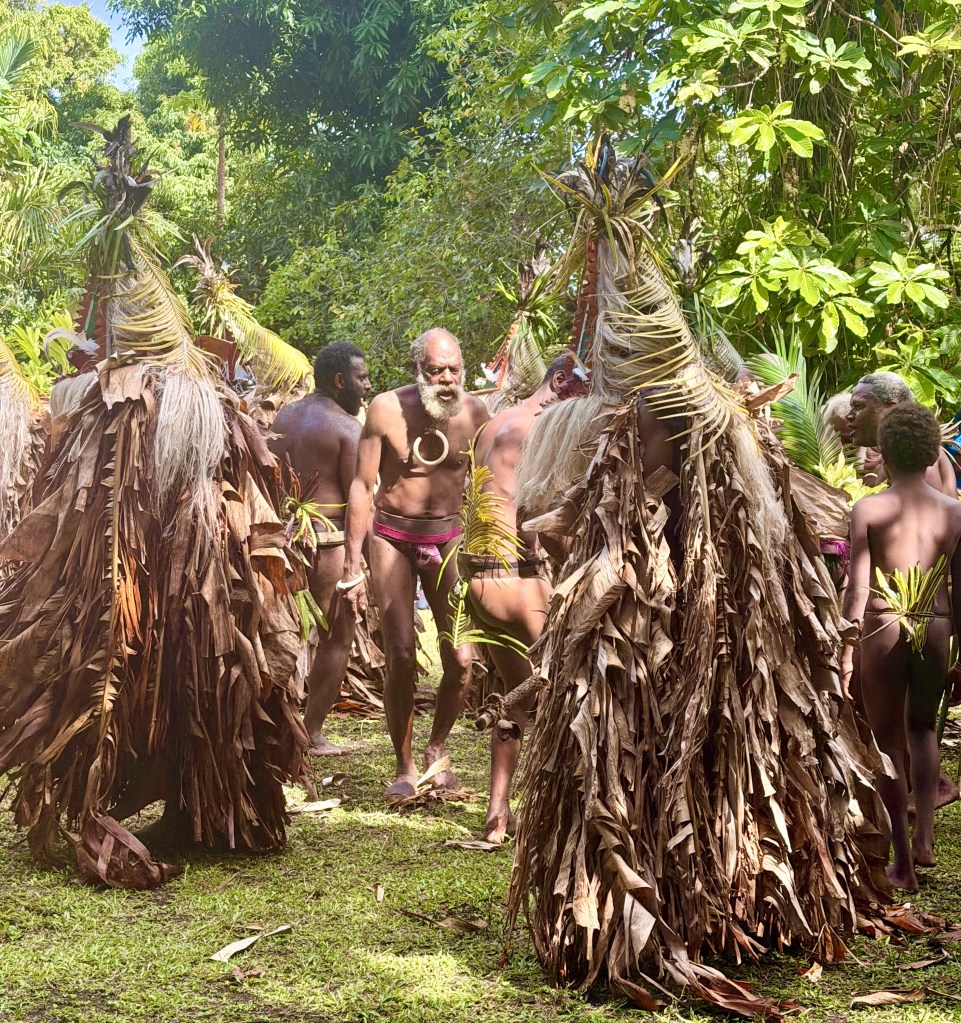
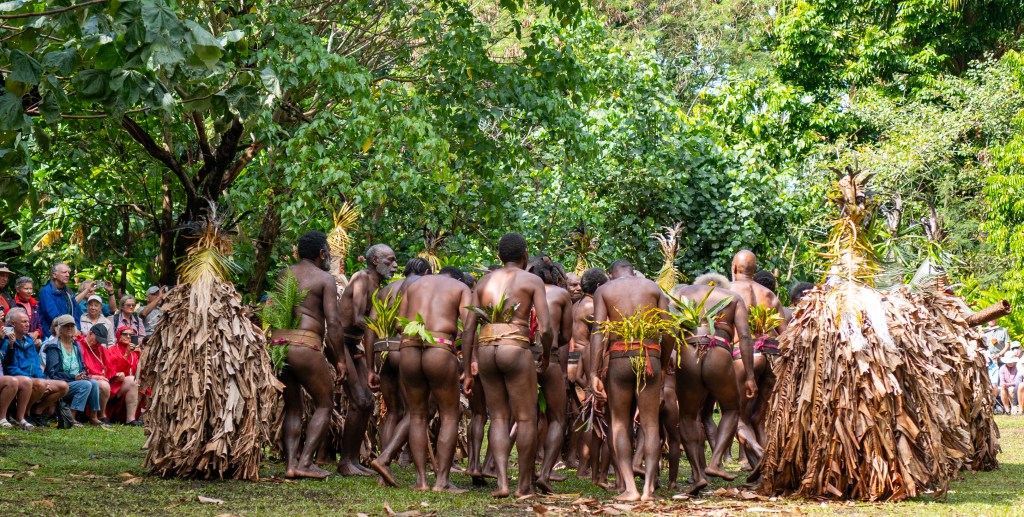
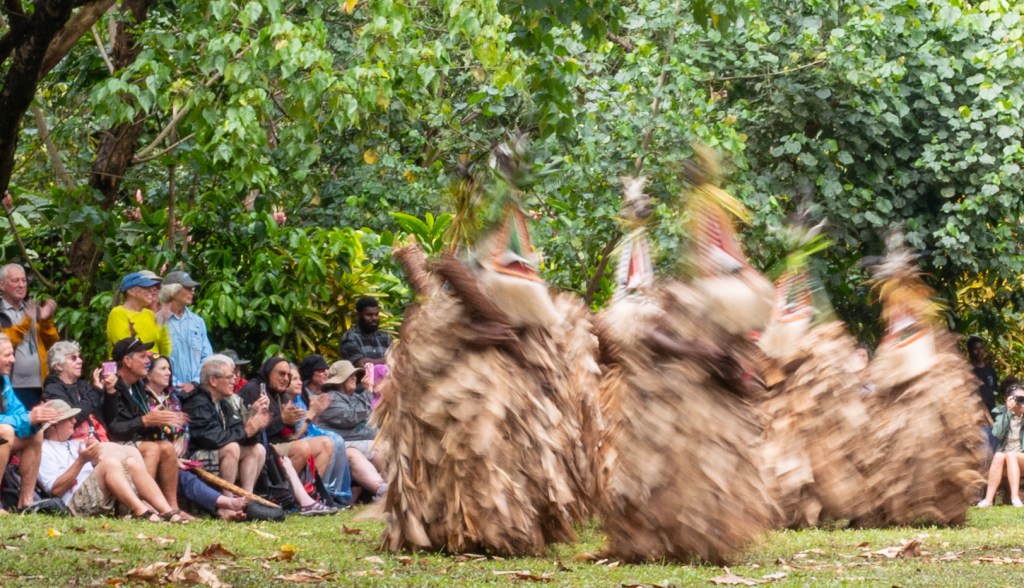
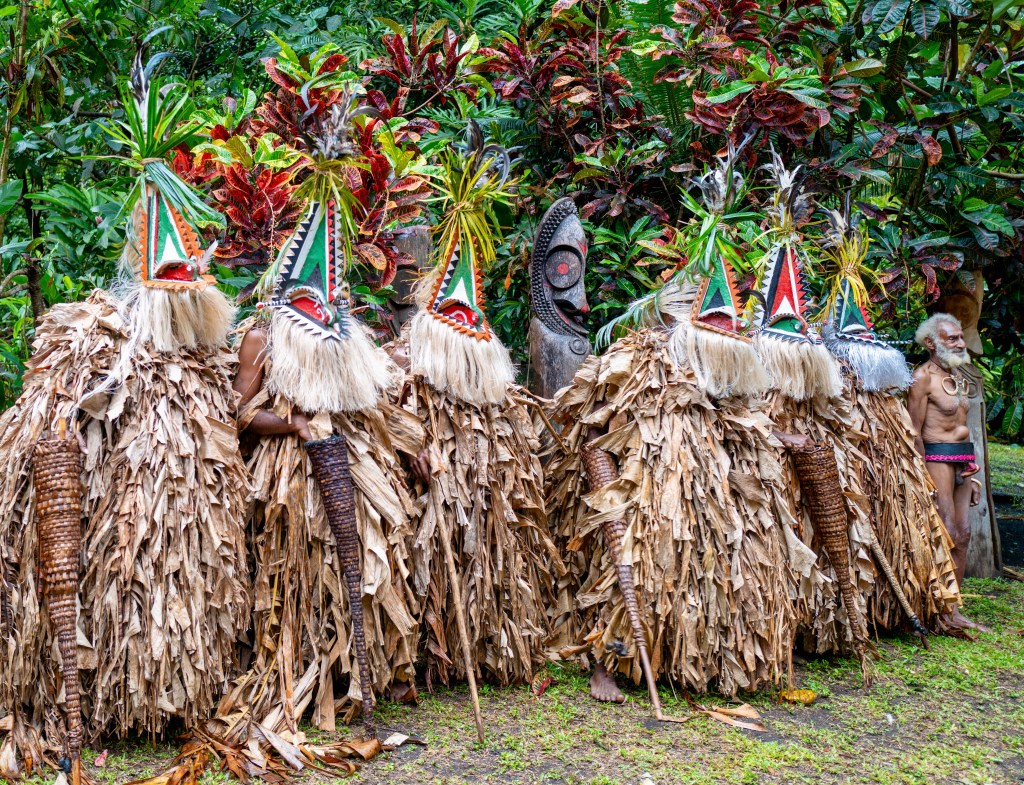
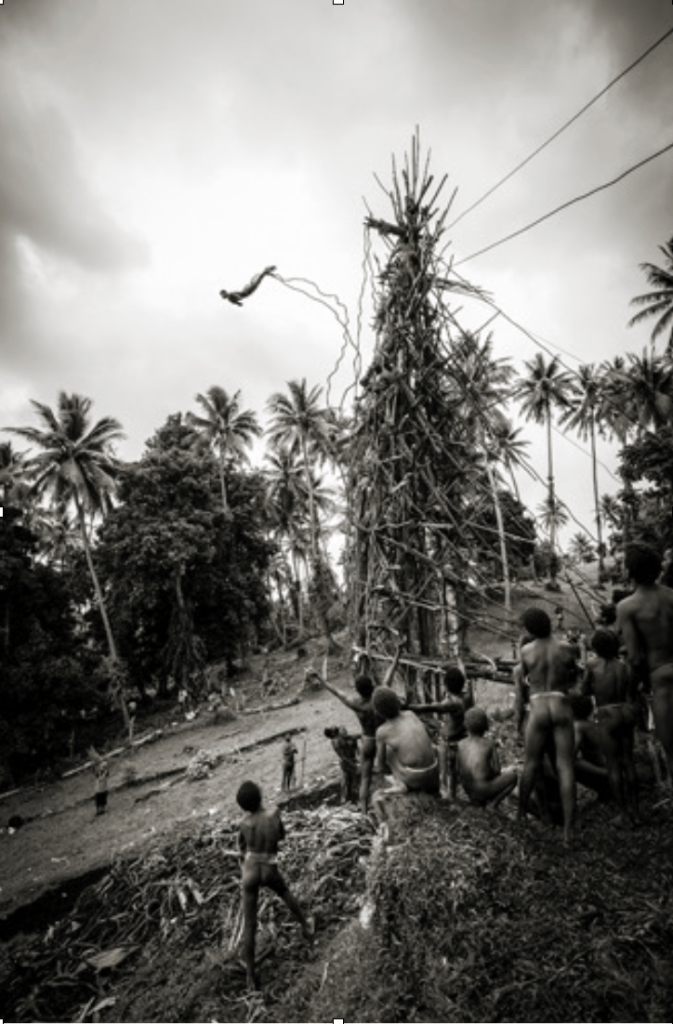
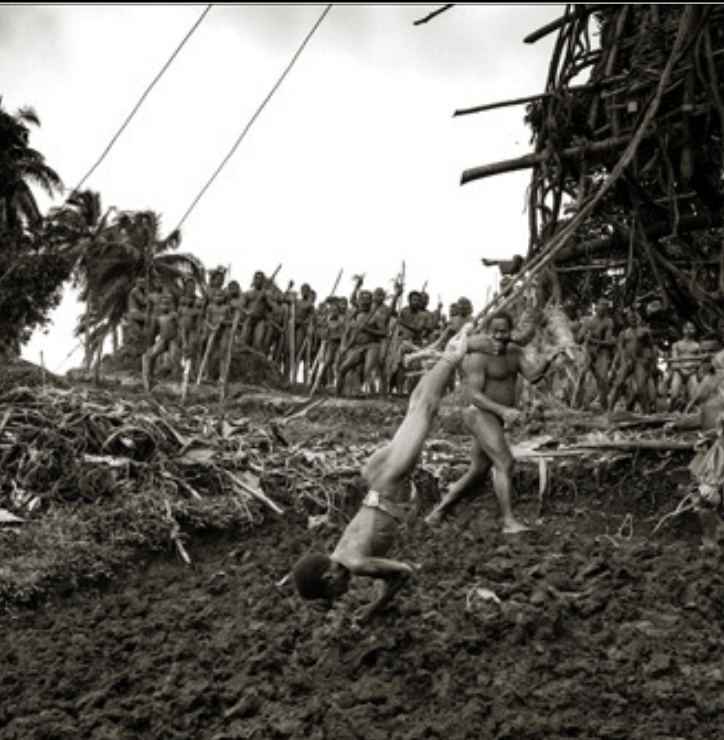
Traditional ceremonies remain fully embedded in daily village life. These include the sacred Rom dances of Ambrym – where performers wear woven spirit masks symbolising forest ancestors – and the N’Gol (land diving) of Pentecost Island. The latter, performed between March and June using supple forest lianas tied to wooden towers up to 30 meters high, serves as a ritual, securing the annual yam harvest.
While in Ambryn, we attended a Rom dance and were struck by the passion and communal power of the (all male) participants. The dance recounts ancient ancestral legends and the eternal battle between good and evil. The practice is steeped in local custom, mystery, and traditional beliefs, with beautiful, painted masks traditionally burned or disposed of after use.
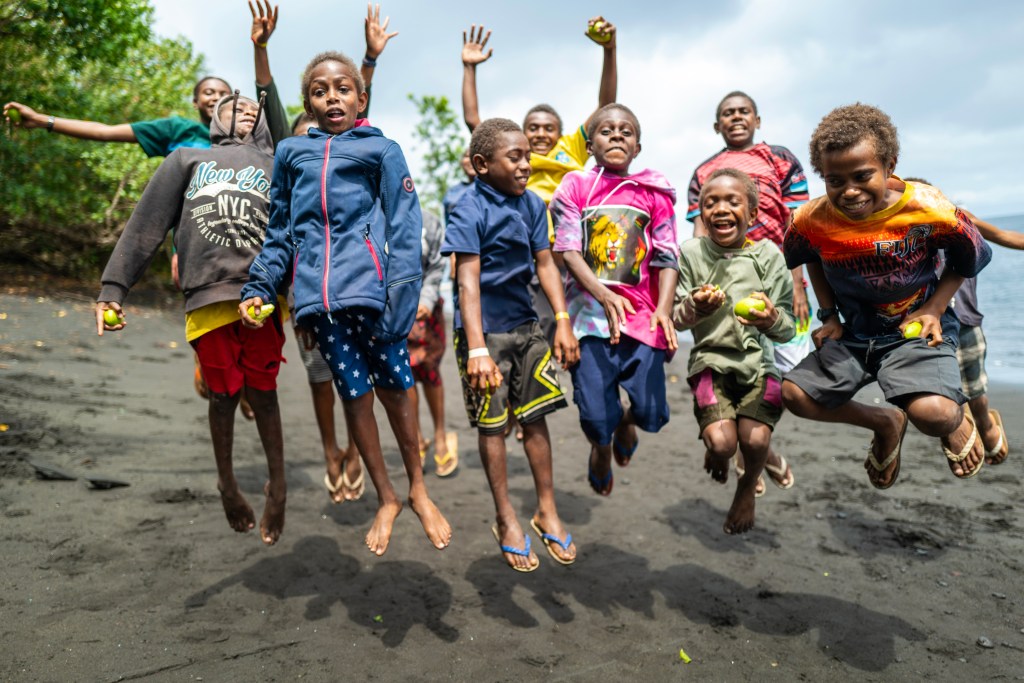
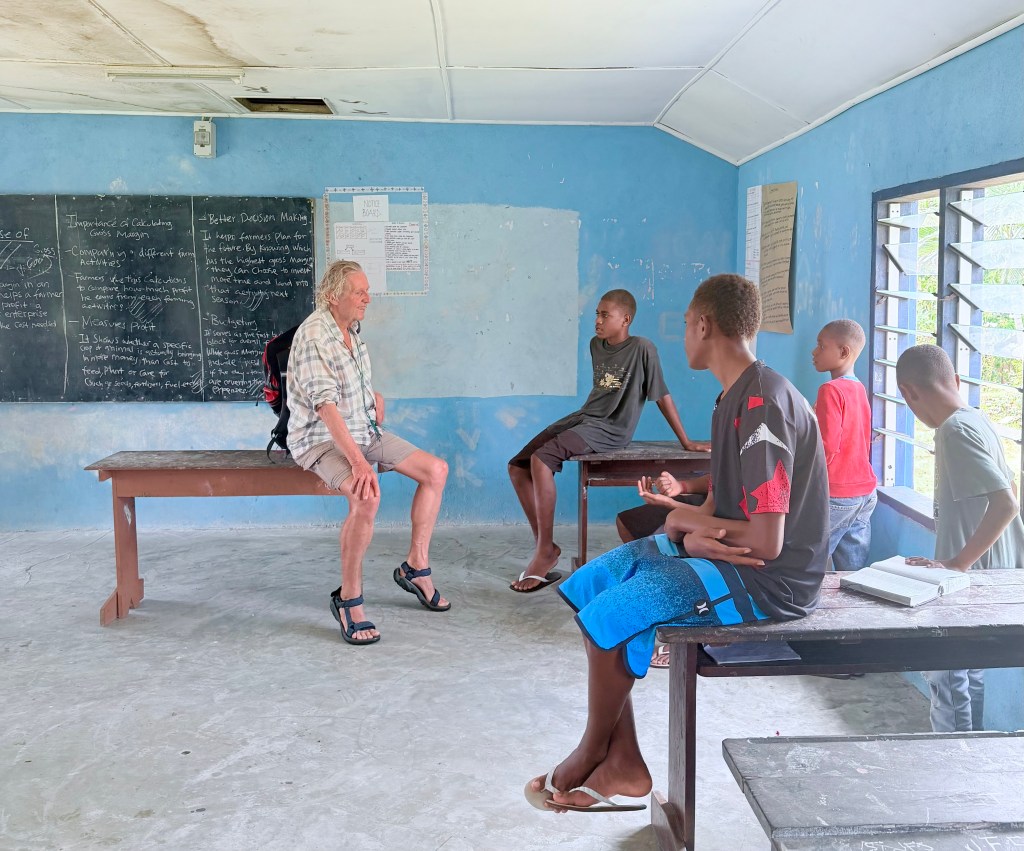
As elsewhere during our trip through Melanesia, we were struck by the energy, liveliness and curiosity of the children, who surrounded and accompanied us whenever we visited a village, and wouldn’t let us go. “Take more photos of us” or “come to visit my house” or “visit my school please” were constant requests, which we were delighted to honour.
Vanuatu and the other islands we visited during our trip through Melanesia, reminded us how strong, ancestral traditions can tie together a community, and how a simpler lifestyle, with fewer of the gadgets (and the worries) that we all have in the West, can lead to a happier and more fulfilled life.