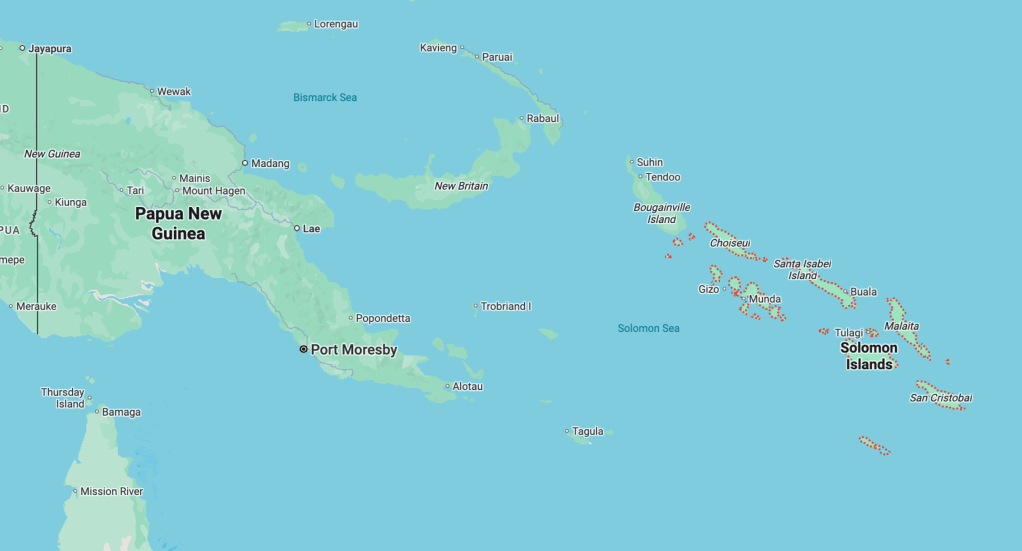
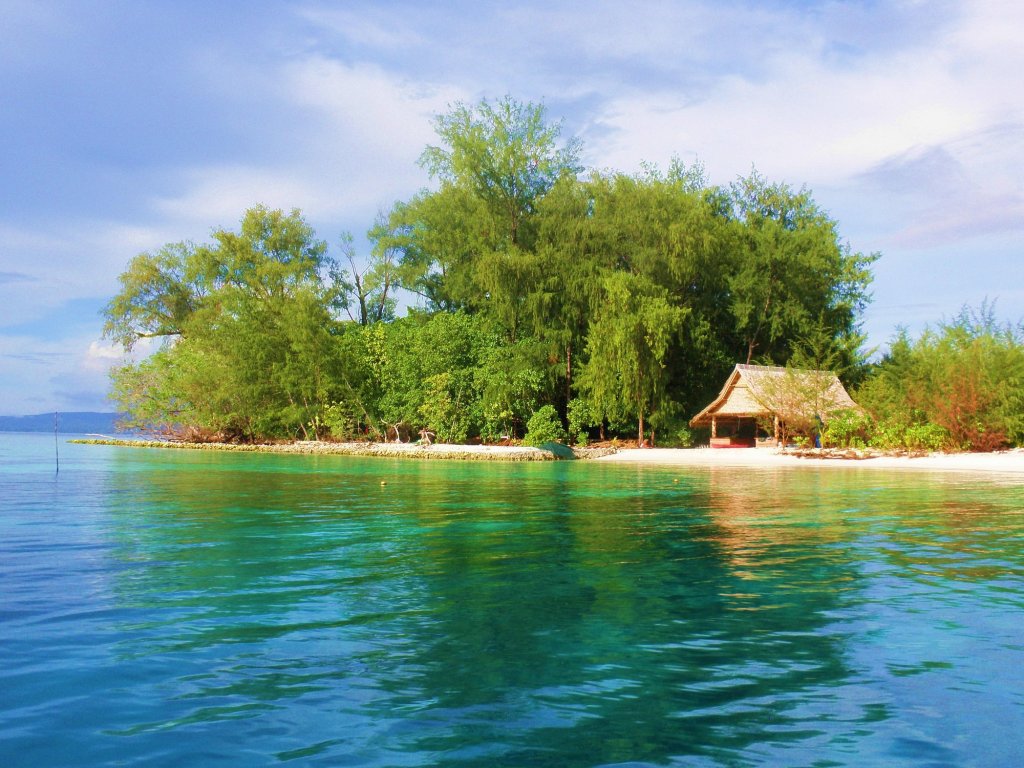
Tucked away in the vast expanse of Melanesia lies one of the planet’s least-visited destinations: the Solomon Islands. Only 30’000 people visit this country each year, making it the 7th least visited place in the world. Known affectionately as the “Happy Isles,” this magnificent archipelago of over 900 islands remains an untouched realm of dramatic geology, vibrant tropical nature, rich indigenous history, and enduring cultural traditions, which we were very happy to discover in September 2026.
A dynamic realm built on fire and deep submarine trenches.
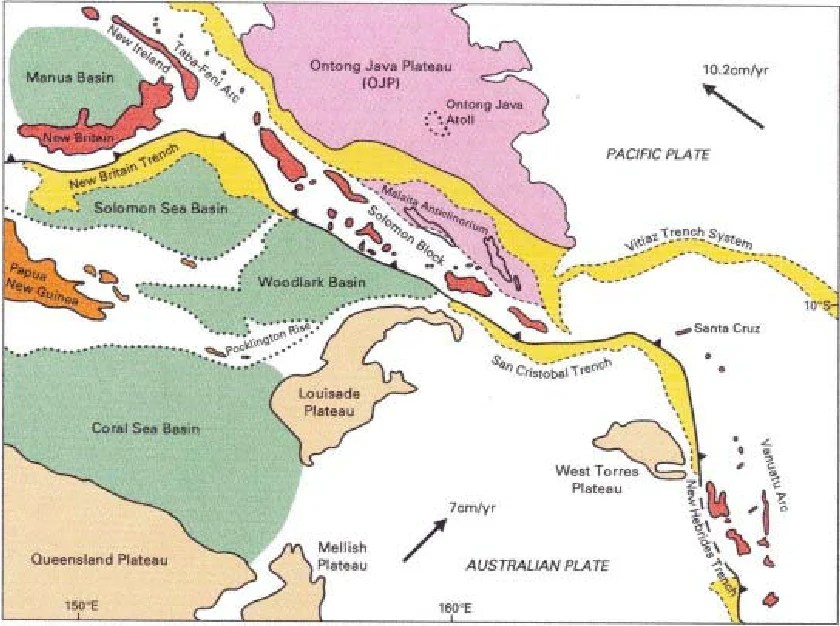
To understand the raw beauty of the Solomon Islands, one must look below the surface. Wedged along the active Pacific Ring of Fire, the region forms a complex geological jigsaw puzzle where multiple tectonic plates continuously interact and grind against each other. The main island chain rests atop an elevated submarine plateau, flanked by immense oceanic abysses: the Pacific Plate to the north, reaching depths around 7,500 meters, and the Australian to the south, plunging past 8,000 meters.
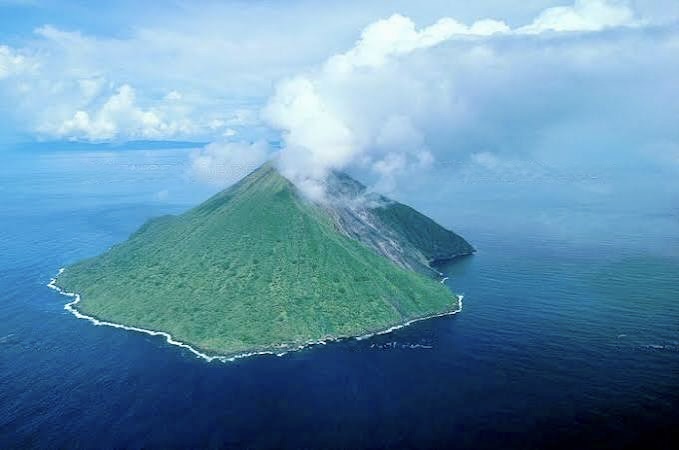
While terrestrial active volcanoes like Simbo, Savo, and Tinakula dot the land, some of the archipelago’s most fascinating activity occurs deep underwater. One of the world’s most active submarine volcanoes, Kavachi, regularly erupts below the surface, releasing superheated acidic water, gases, and tephra.
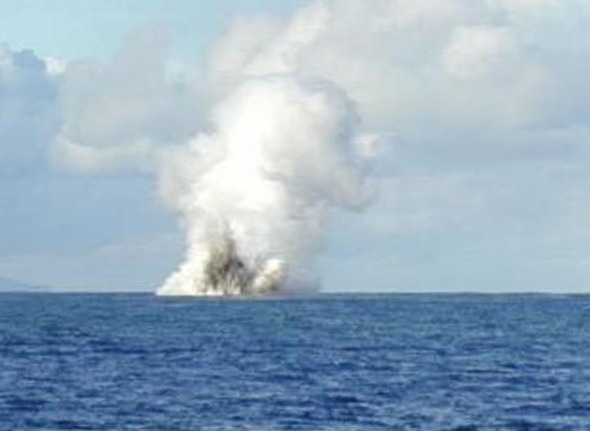
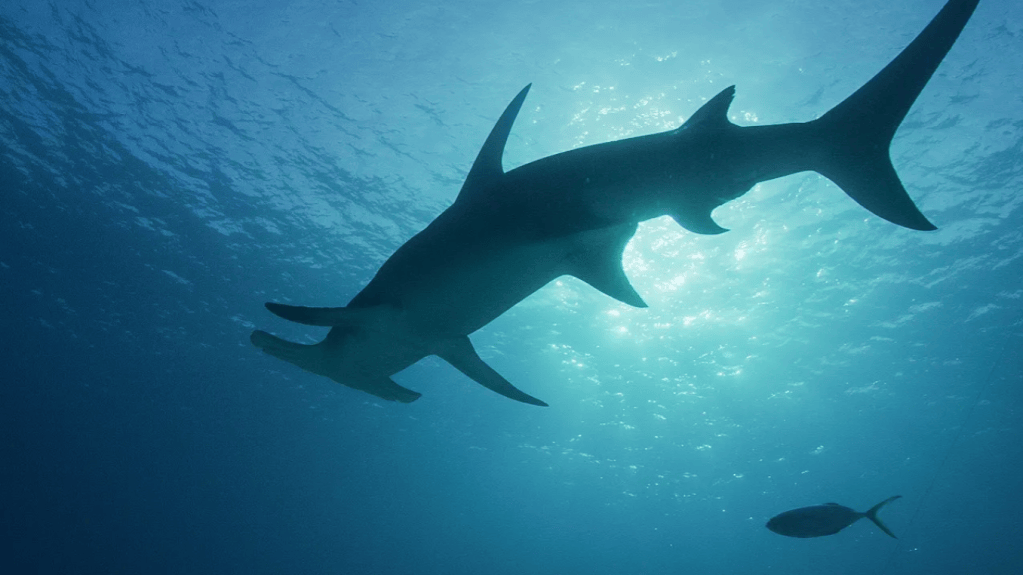
Marine biologists were astonished to discover that large predators – including sharks – thrive within this extremely harsh, acidic crater environment, earning the phenomenon the internet-famous nickname “Sharkcano”. Hydrothermal vents spew mineral-rich fluids into the water column. These nutrients fuel chemosynthetic bacteria, supporting vast populations of small fish, crustaceans, and cephalopods. The crater effectively functions as an oasis and a concentrated feeding ground for top predators, with the elevated water temperatures inside the caldera boosting the metabolism of cold-blooded species like sharks, aiding digestion and conserving energy.
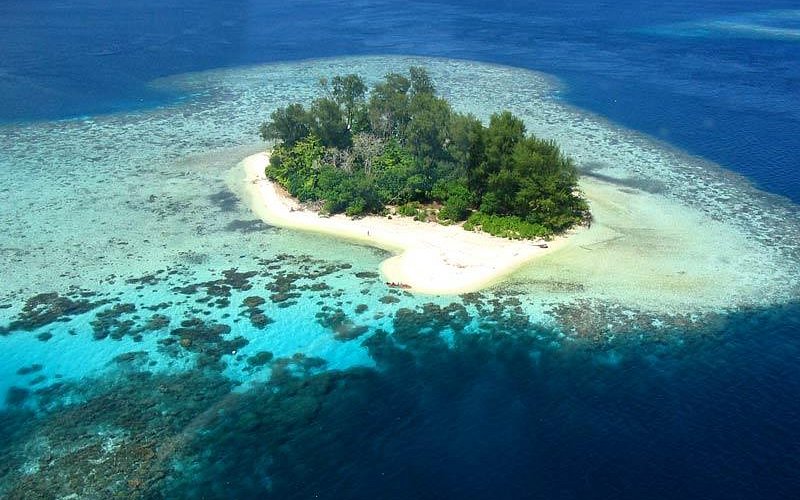
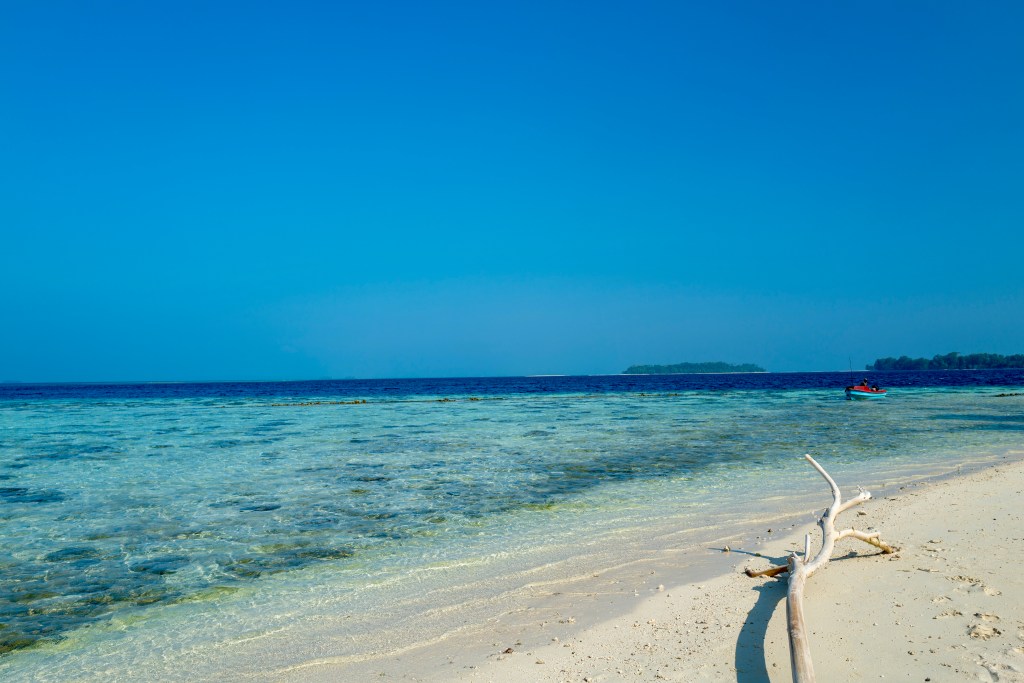
Alongside rugged mountainous peaks, the nation also features classic coral atolls formed as ancient volcanic cones subsided while surrounding reefs grew upward, including the world’s second-largest coral atoll.
Nature and wildlife: endemic forests, flying foxes and the Coral Triangle.
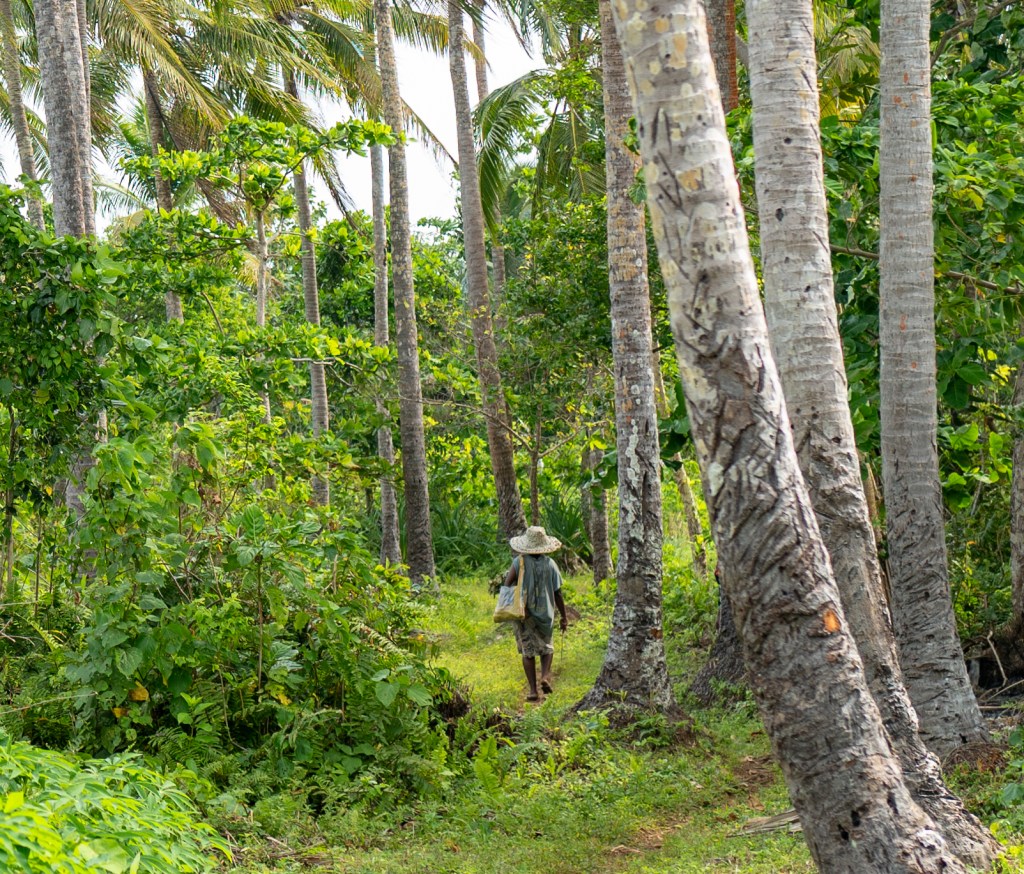
Despite spanning over 1,500 km across the southwest Pacific, the total land area of the Solomon Islands is under 29,000 square km, making it as big as Belgium in terms of land mass. Yet within this compact area, biodiversity thrives at extraordinary levels. Dense tropical rainforests cover over 80% of the land, making the country one of the most heavily forested nations on Earth. This lush canopy shelters over 4,500 plant species – including an astonishing 3,200 endemic species (i.e. found nowhere else). High annual rainfall averaging 3,200 mm (126 inches) feeds these verdant environments and freshwater rivers year-round.
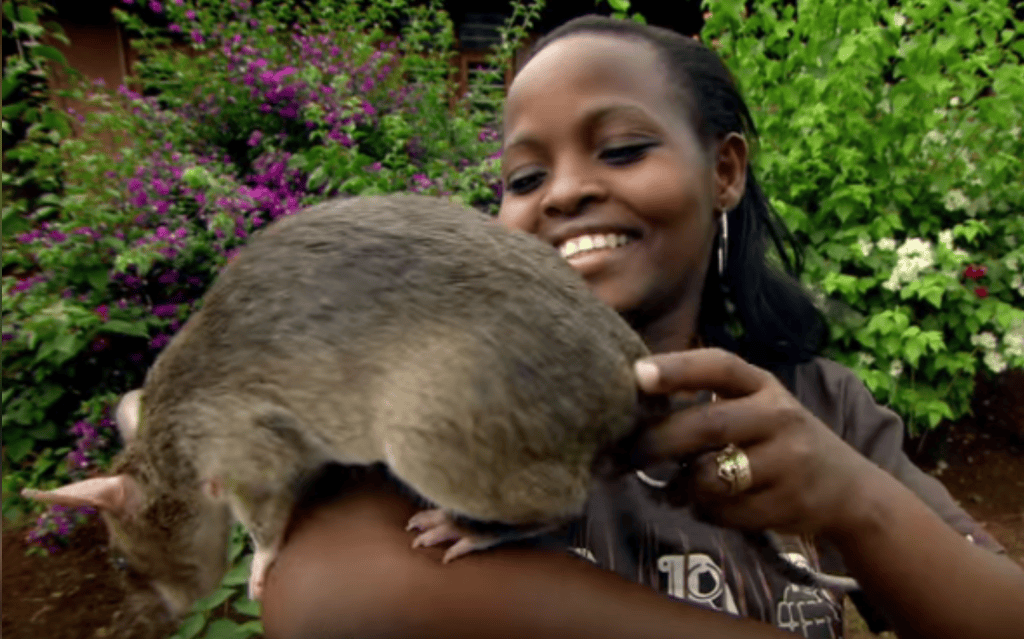
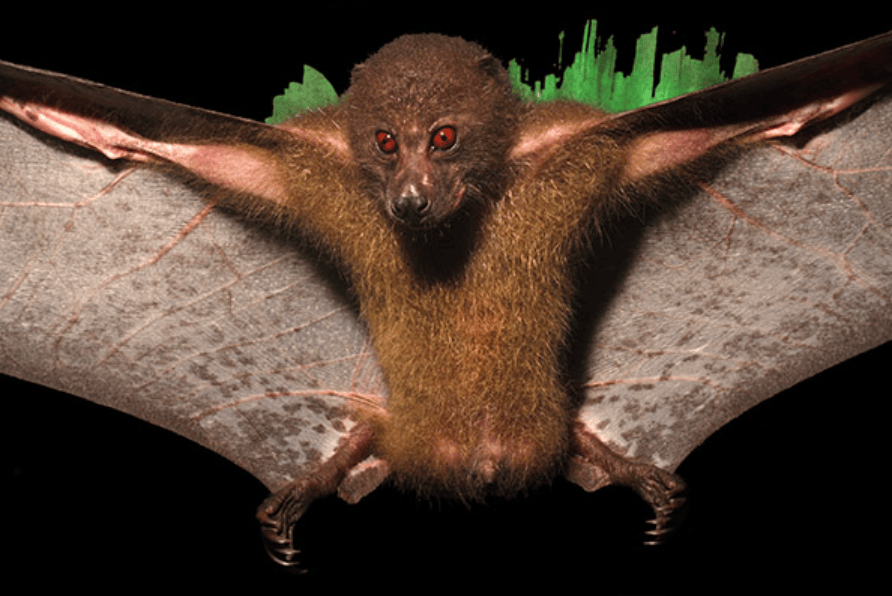
East from New Guinea, large land mammals give way to specialized island adaptors. Rodent gigantism is a defining evolutionary feature here, exemplified by arboreal giant rats like the Vangunu giant rat, which lives high in the canopy, grows to twice the size of standard rats. Roughly 40 bat species, including vital fruit-pollinating flying foxes, inhabit the islands.
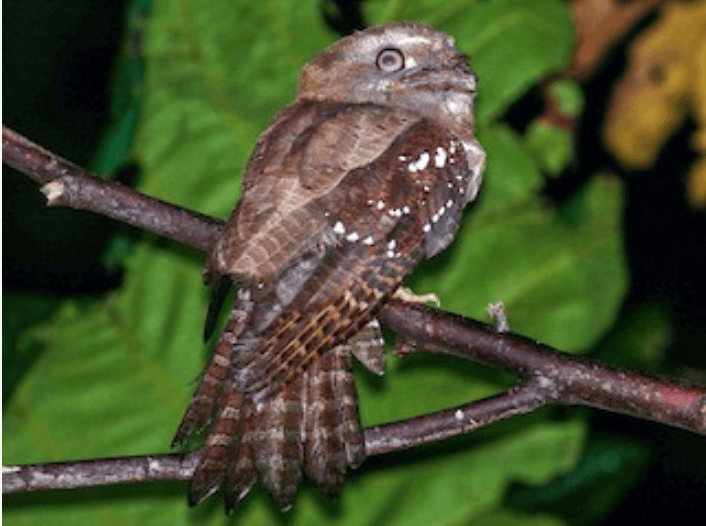
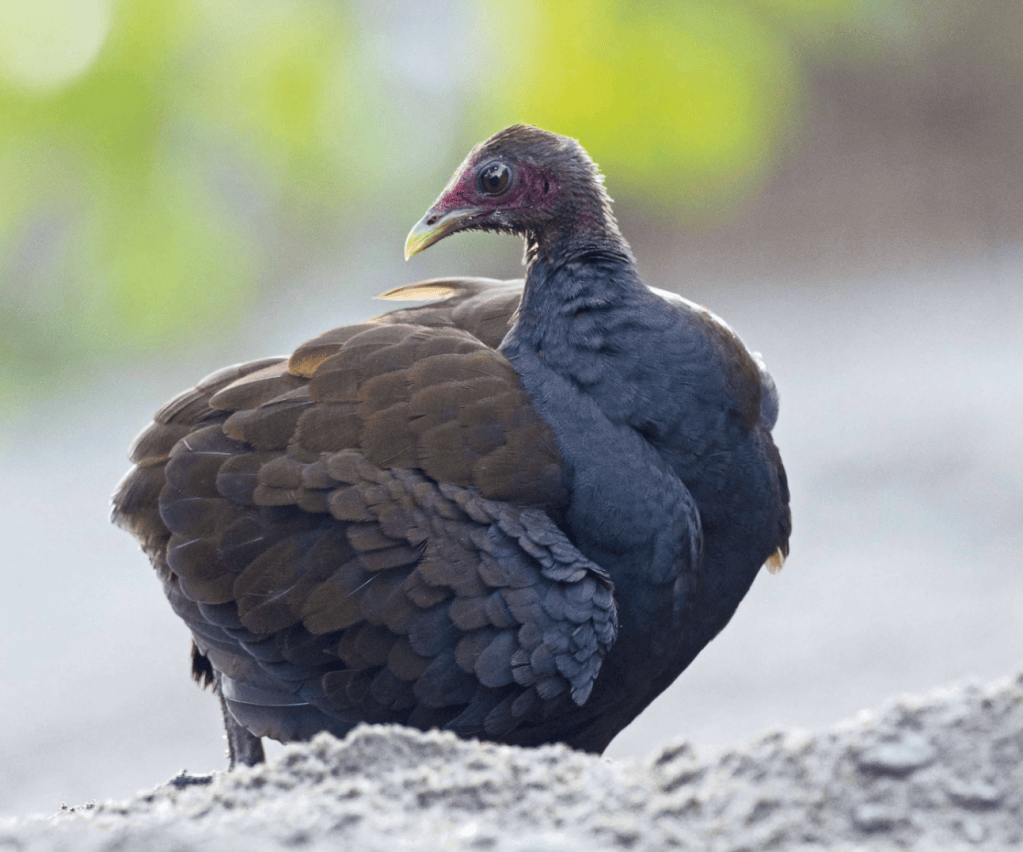
Unique reptiles and birds also flourish, such as the prehensile-tailed skink (the world’s largest skink species), the unusual Solomon Island frogmouth, and the Melanesian megapode or “lava bird,” which incubates its eggs in warm, volcanically heated sand.
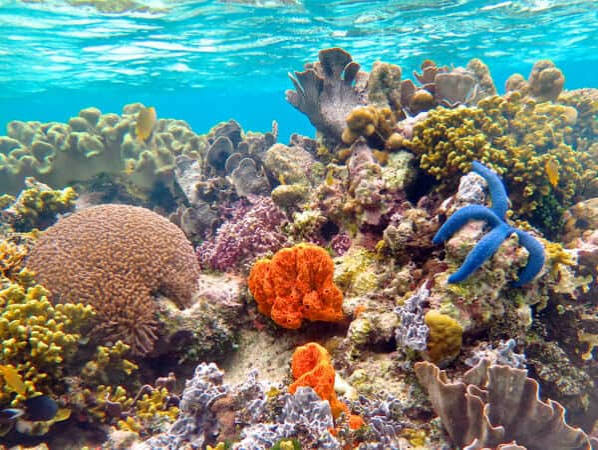
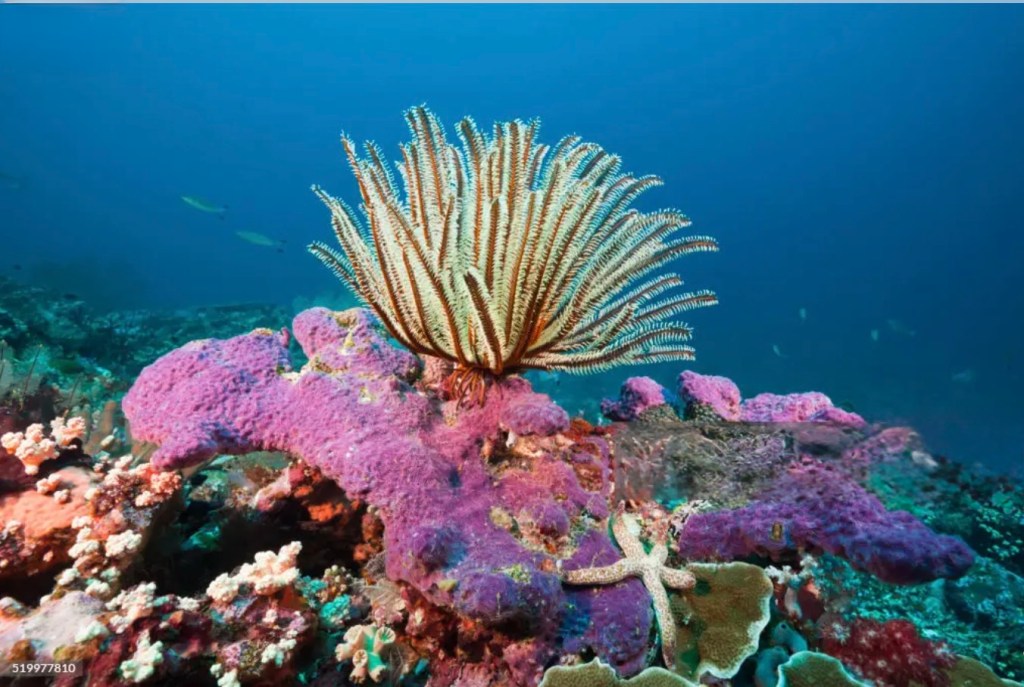
Offshore, sitting on the eastern edge of the Coral Triangle (a massive, 6 million-square-kilometer marine region in Southeast Asia and the Pacific Ocean known as the global center of marine biodiversity), the Solomon Islands marine ecosystem harbours over 500 coral species and more than 1,500 fish species, with marine scientists once recording nearly 300 distinct fish species during a single one-hour dive.
History: from ancient navigators to WWII
Human history in the Solomon Islands spans at least 30,000 years, serving as an essential stepping stone for ancient Lapita explorers pushing outward into Polynesia.
The name “Solomon Islands”comes from the 16th-century Spanish navigator Álvaro de Mendaña de Neira, who was the first European to encounter the archipelago in 1568. Mendaña named the archipelago “Islas de Salomón” (Isles of Solomon) because he erroneously believed he had discovered Ophir – the legendary biblical land of immense wealth from which King Solomon imported gold, silver, ivory, and precious stones to construct the Great Temple in Jerusalem.
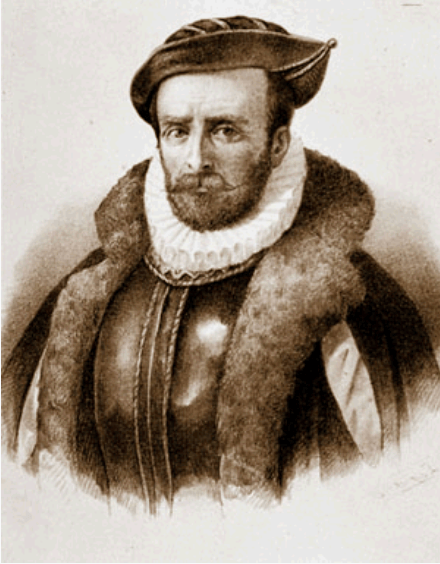
While exploring the island the islands, Mendaña’s crew did indeed find small traces of alluvial gold near the mouth of the Mataniko River, but the stories he told upon his return to Spain about the “large amounts of gold” he had uncovered were totally untrue. In 16th-century Spain, securing royal permission, ships, supplies, and willing colonists for a dangerous journey across the Pacific required immense financial backing. Of course, Mendaña knew that linking any future expedition (which he yearned to do) to the legendary wealth of King Solomon was the ultimate pitch to the Spanish Crown and potential investors.
Mendaña’s pitch did succeed and he was entrusted in 1595 with a second, much larger expedition, to “colonise” the islands. However, his navigation calculations from 1568 proved so flawed that he could not relocate the Solomon Islands at all. He died of malaria on the Santa Cruz Islands without ever seeing his “Isles of Solomon” again.
This left the Solomon Islands virtually untouched and unmapped by Europeans for nearly two centuries.
European presence intensified only in the 1800s through whalers, traders, and missionaries. This era brought devastating population declines due to foreign diseases and blackbirding – the forced or coerced recruitment of over 30,000 islanders to labor on distant plantations in Queensland (Australia) and Fiji. Britain eventually declared a protectorate over the southern islands in 1893, later assuming full control.
During World War II, the archipelago became a crucial theater of fierce air, land, and sea battles between Allied and Japanese forces. The pivotal Guadalcanal Campaign in 1942 marked a major turning point in the Pacific, aided significantly by local coastwatchers who relayed critical intelligence across the islands. In one famous encounter, future US President John F. Kennedy swam miles to shore after his PT-109 boat was rammed; he was rescued after local coastwatchers delivered a message he had carved into a coconut shell. Today, the narrow stretch of water between Guadalcanal and Florida Island is known as Iron Bottom Sound due to the dozens of sunken warships and aircraft lining its seabed. The nation eventually achieved peaceful independence from Britain in 1978.
Ancestral power and sacred skulls
Home to around 830,000 people, the Solomon Islands today features a rich tapestry of traditional customs. Over 70 distinct indigenous languages are spoken across the provinces, unified by Solomon Islands Pijin alongside official English. Daily life and social structures remain deeply rooted in the Wantok (“one talk”) system, a traditional framework of mutual obligation, shared language, and strong community kinship.
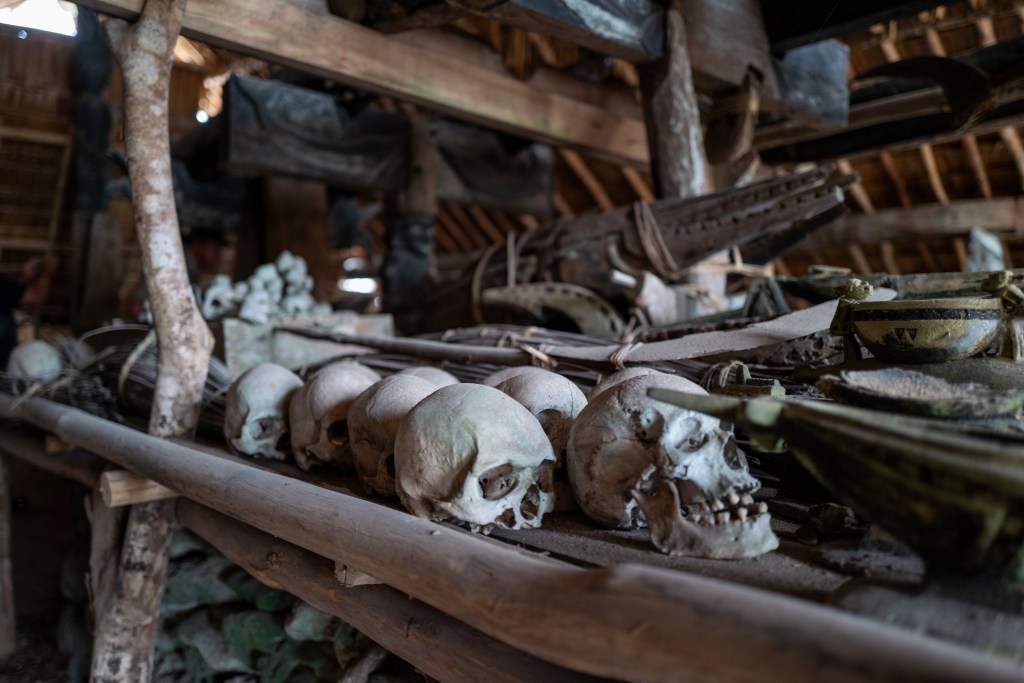
A central element of regional spiritual cosmology is the belief in mana—a sacred supernatural strength and spiritual energy residing in people, objects, and the natural world. Because the head is considered the highest point of the body and the primary repository for this spiritual force, skulls are to this day preserved as powerful conduits of ancestral power and authority. Chiefs and warriors preserved and displayed ancestor skulls to safeguard the generational flow of spiritual energy and maintain a direct connection to forebearers. Concurrently, the taking of an enemy’s head was not a act of random violence, but a deeply embedded ritual: it served as a demonstration of leadership and martial prowess, allowing the victor to absorb the vanquished rival’s mana to reinforce their own status and social order.
Far from being an isolated practice, skull veneration and headhunting are historically global phenomena that reflect a universal human desire to navigate power, ancestry, and mortality. Similar practices spanned in the past across Asia – such as trophy skull collection and ancestral mummification among the Atayal people of the Philippines – and the Americas, where the Nazca and Moche civilisations of South America engaged in elaborate rituals involving trophy heads. Even in Europe, the head was historically revered as the seat of the soul: the ancient Celts kept skulls as sacred objects, while medieval Europeans venerated the skulls of saints and martyrs as holy relics possessing miraculous powers.
While 19th-century European explorers and missionaries often viewed headhunting in the Solomon Islands and Oceania through an ethnocentric lens and condemned it as barbaric, these practices reflected complex societal structures and spiritual cosmologies.
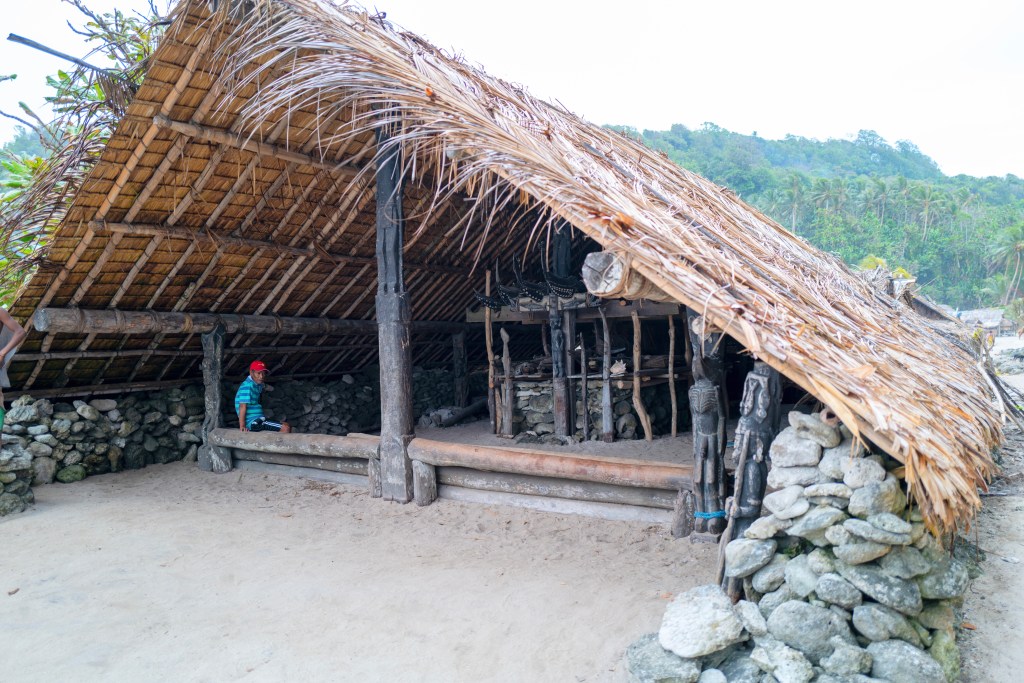
Today, ancient skull shrines nestled across the islands – such as men-only spirit houses – are treated with profound deference, reminding modern visitors that the ties between the living, the dead, and heritage remain ever-present in the Solomon Islands.
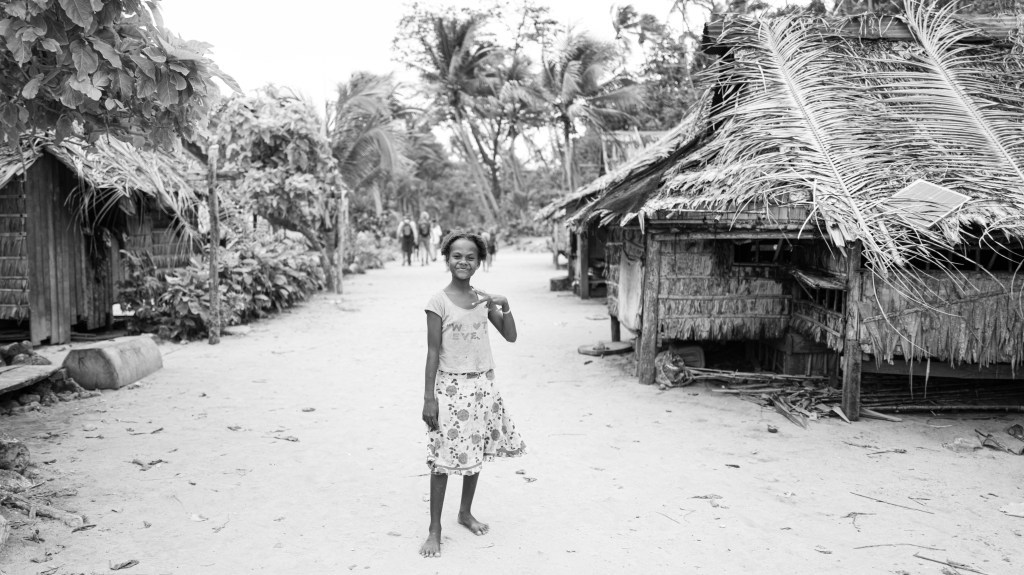
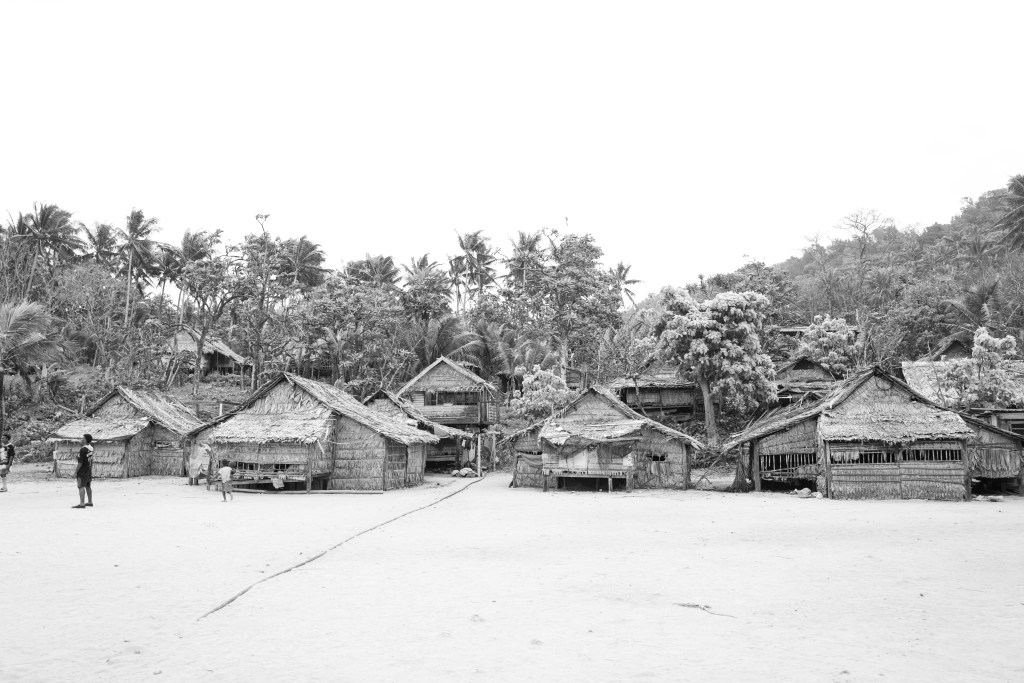
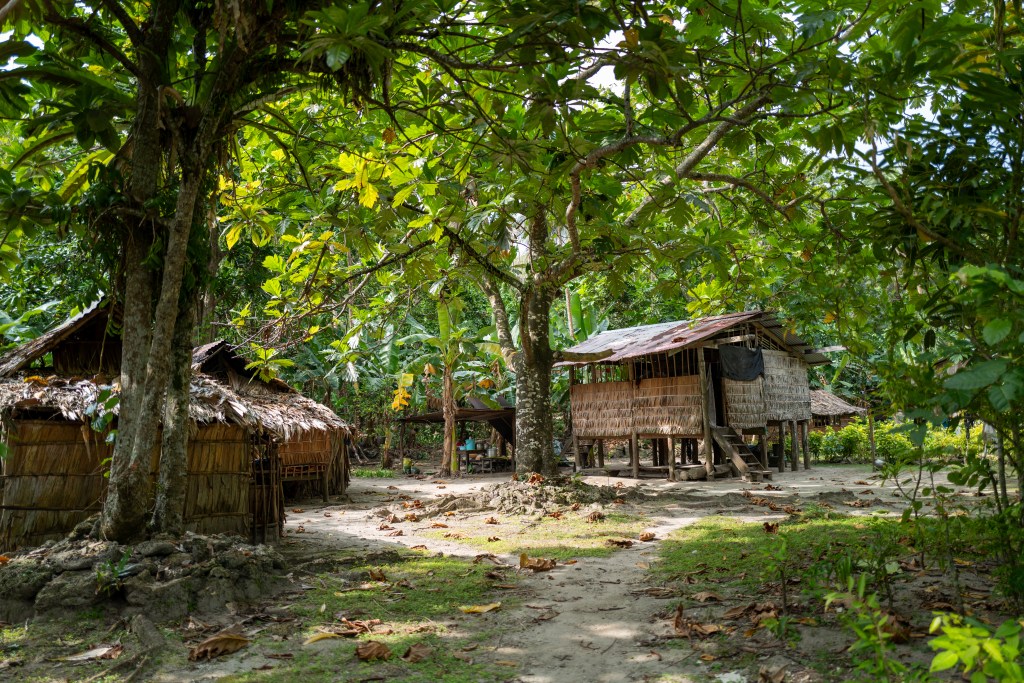
Houses on stilts
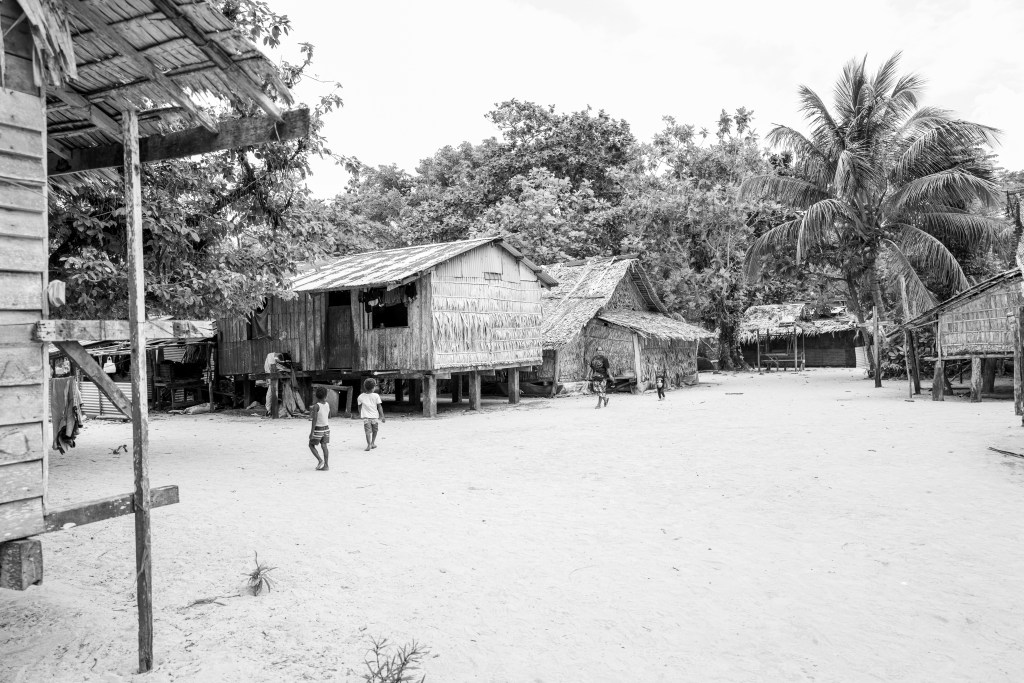
Houses in the Solomon Islands are often raised on stilts primarily as a direct adaptation to the tropical environment, coastal living, and local geography:
- Flood protection: many villages are situated near coasts, rivers, or low-lying coastal plains. Raising the living space prevents seawater from high tides, tropical storm surges, and seasonal heavy rain flooding from inundating the home.
- Air circulation and cooling: in hot, humid equatorial climates, elevation allows air currents to pass underneath the floorboards. This natural ventilation keeps the home significantly cooler than a structure built directly on the ground.
- Pest and wildlife defence: keeping the floor elevated helps keep out crawling insects, snakes, crabs, rodents, and muddy dirt, keeping the living quarters cleaner and safer.
- Uneven terrain adaptability: elevating the structure on posts allows people to build sturdy, level homes on sloping coastal ground, sandy soil, or muddy soil without needing extensive land grading.
- Shaded under-house space: the area beneath the house provides a practical, shaded outdoor area for daily tasks – such as storing canoes, fishing gear, and firewood, hanging laundry, or sheltering livestock from heat and rain.
Shell money
Traditional economic exchanges feature handcrafted shell money – meticulously drilled and polished shell discs tied on strings. Today, shell money remains highly valued for ceremonial exchanges and traditional bride prices.
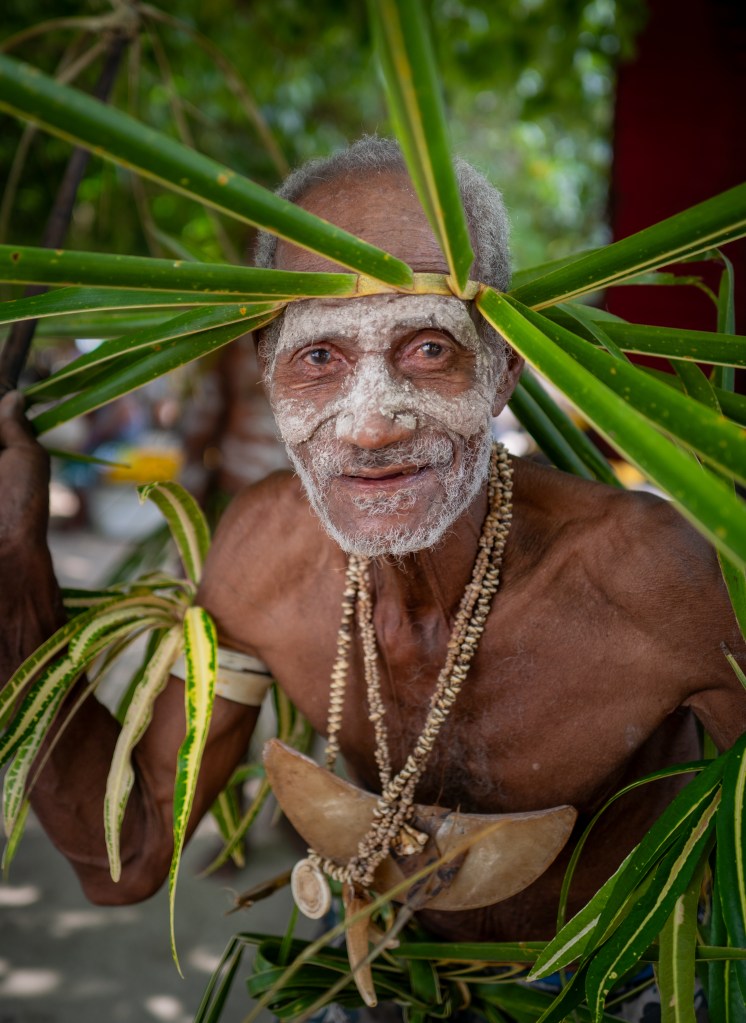
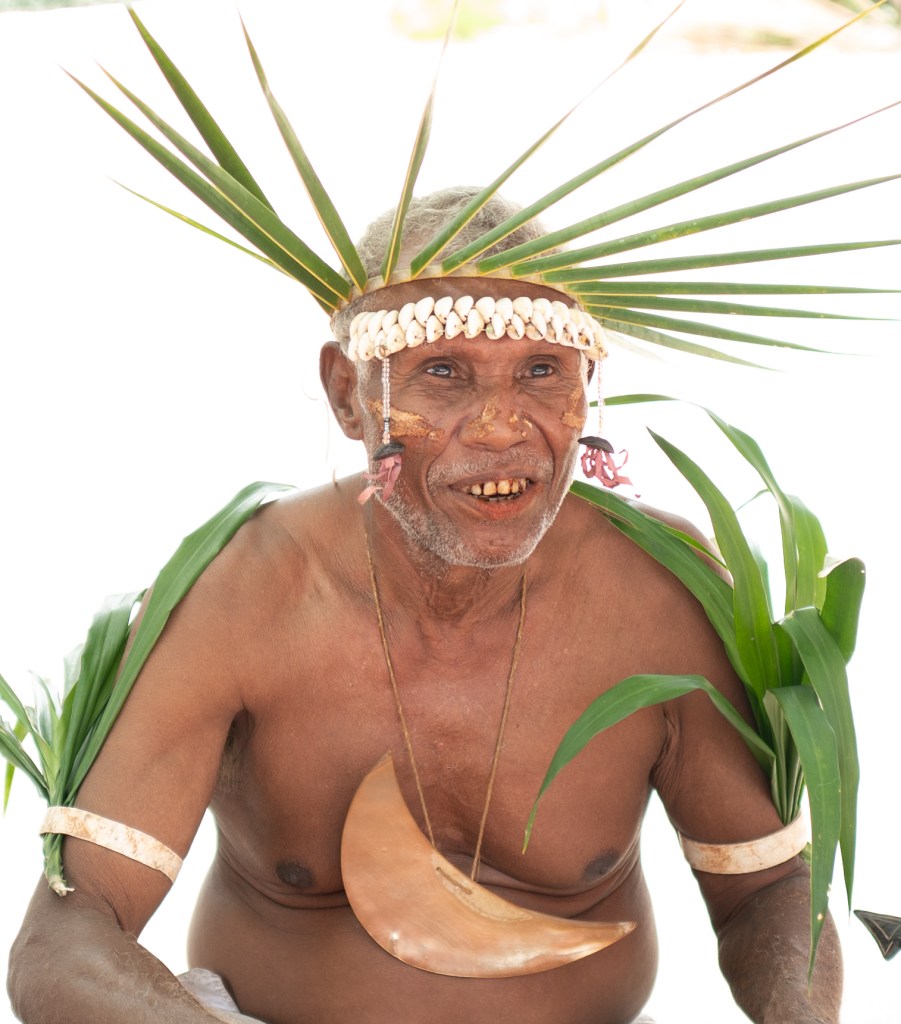
Traditional dances
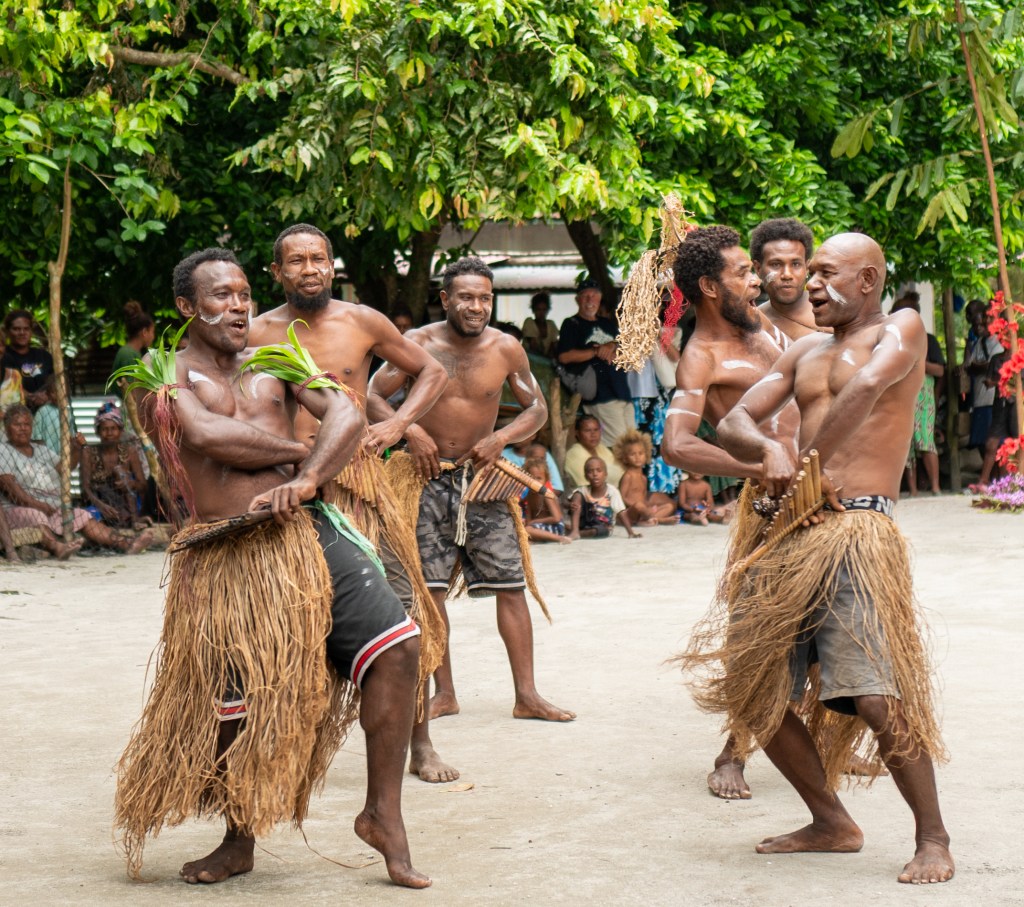
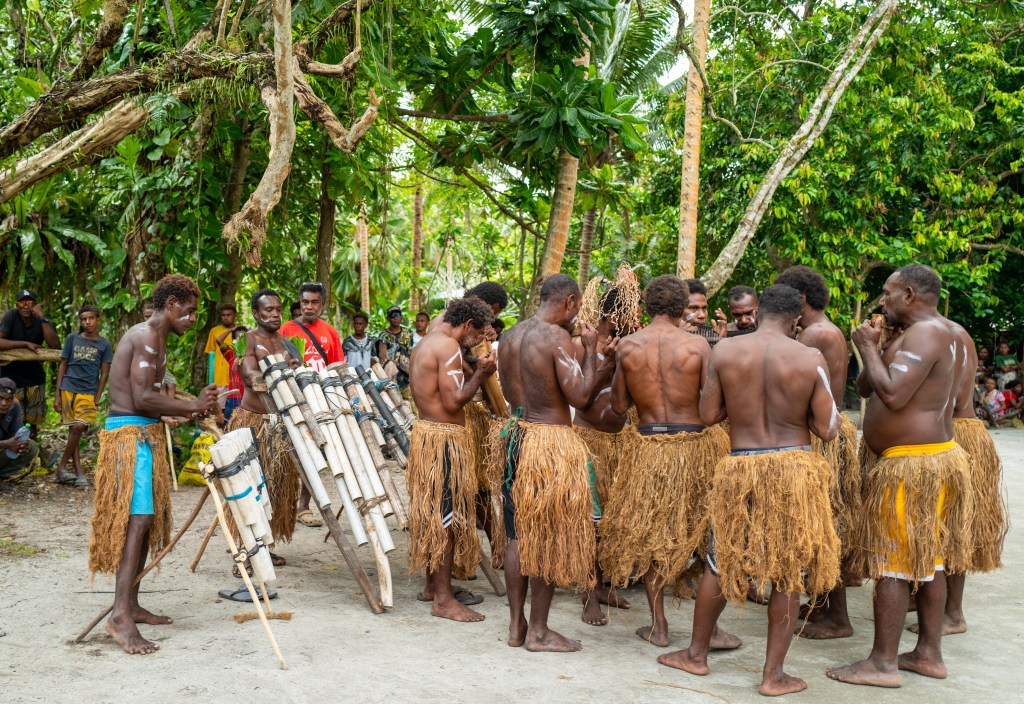
Every island has its own tradition of dances, which is very much alive.
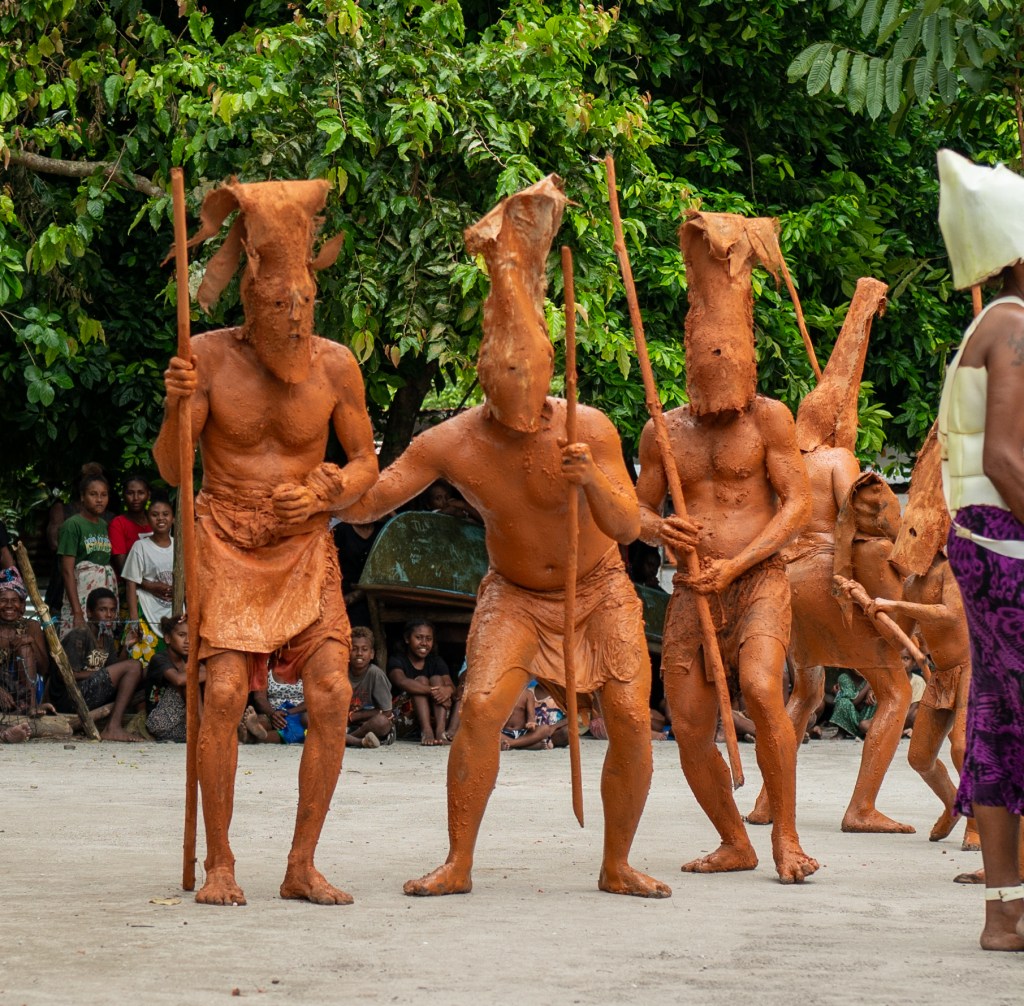
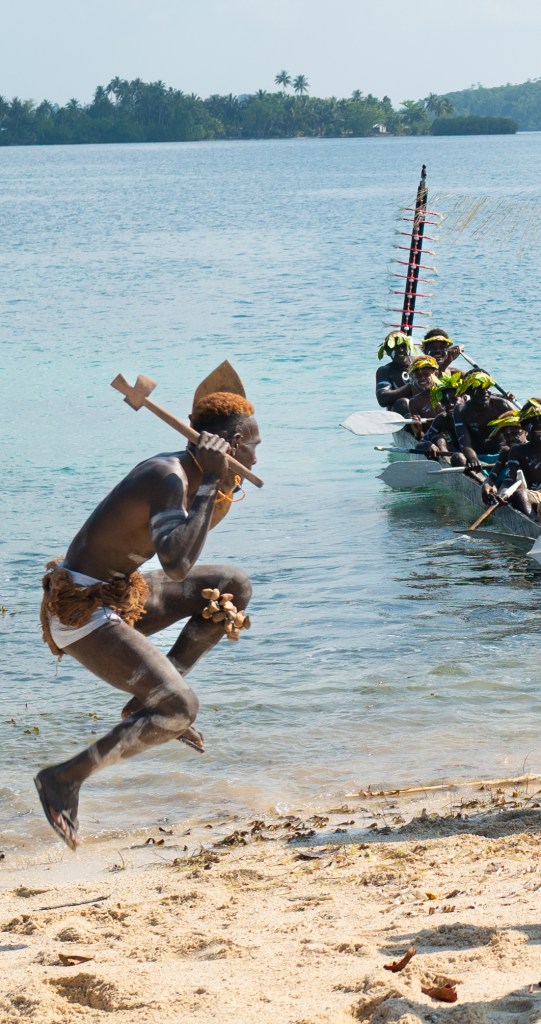
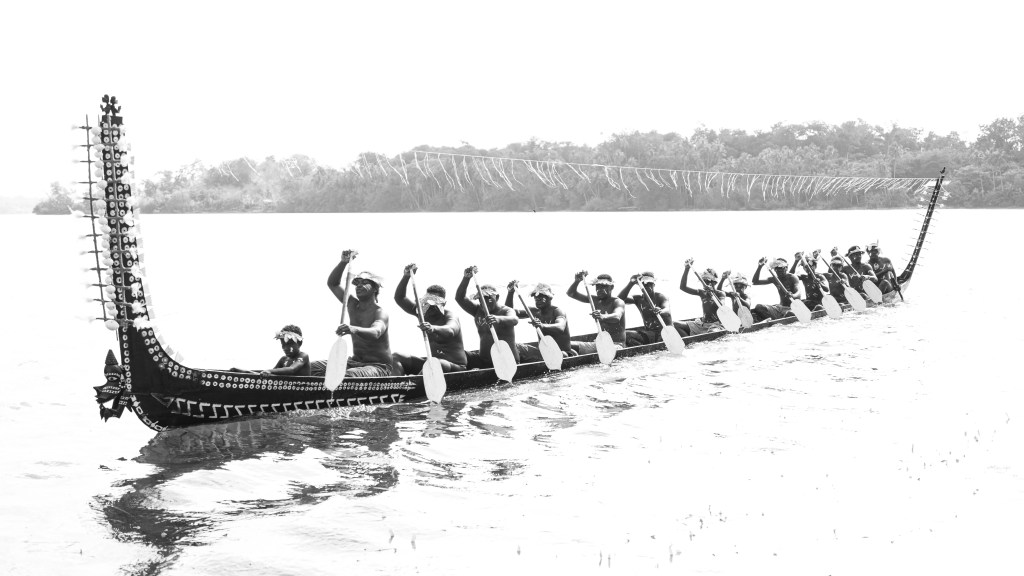
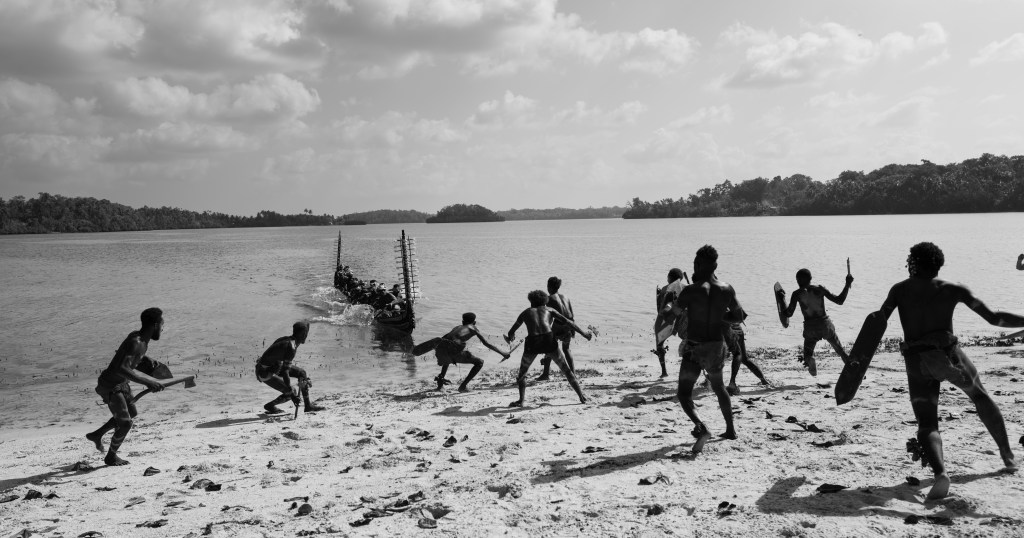
We had the good fortune of attending the “Mud Men” War Dance performed on Owaraha Island, where dancers cover their entire bodies in local red/orange clay or mud and wear hand-woven hoods or headpieces made from natural plant fibers and bark.
The dance stages a mock battle or story of invasion. In the traditional story, mud-covered outsiders (representing foreign invaders or rival islanders) attempt to enter the village or kidnap local women, only to be confronted and driven away by the local island defenders.
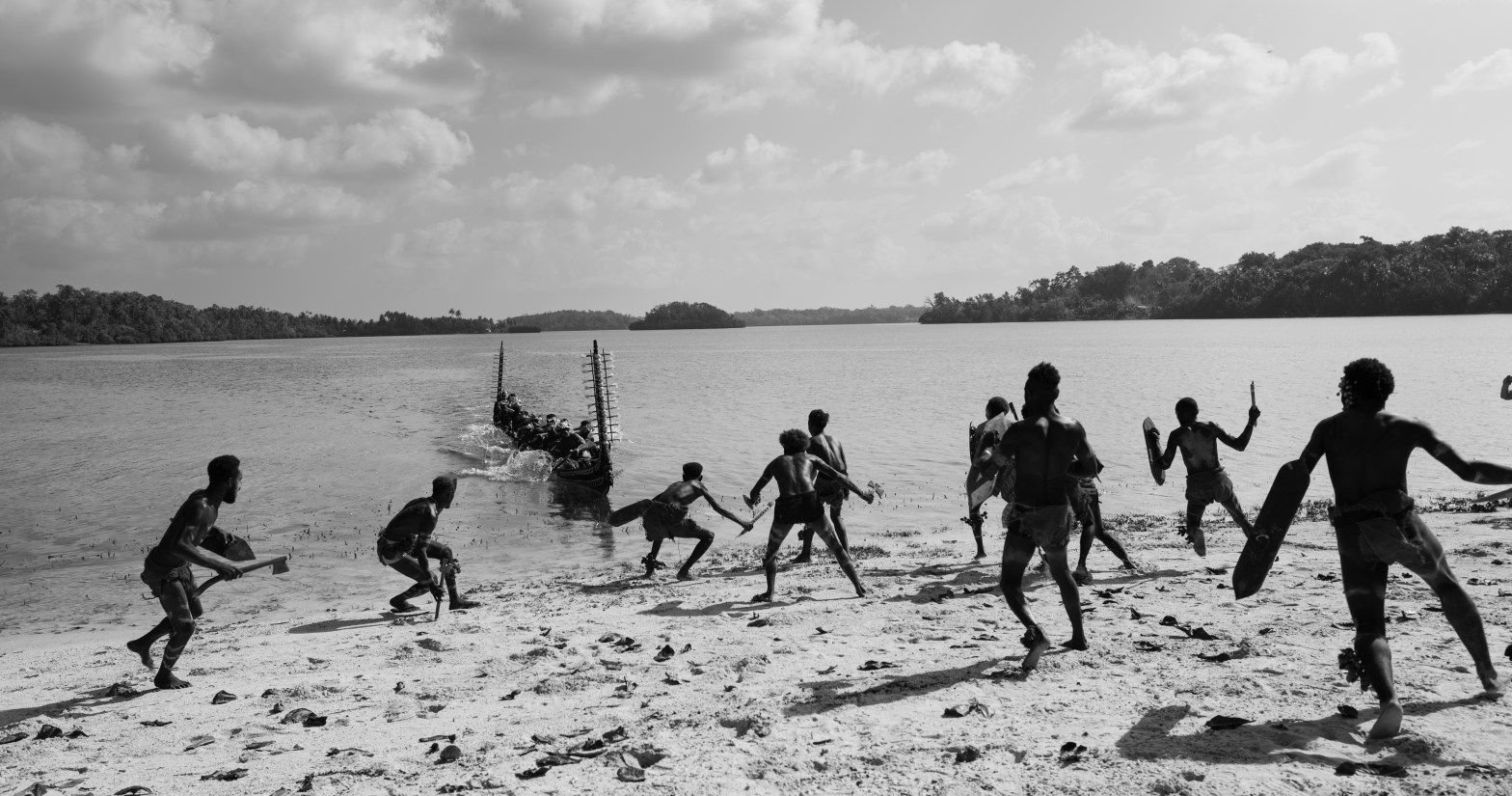
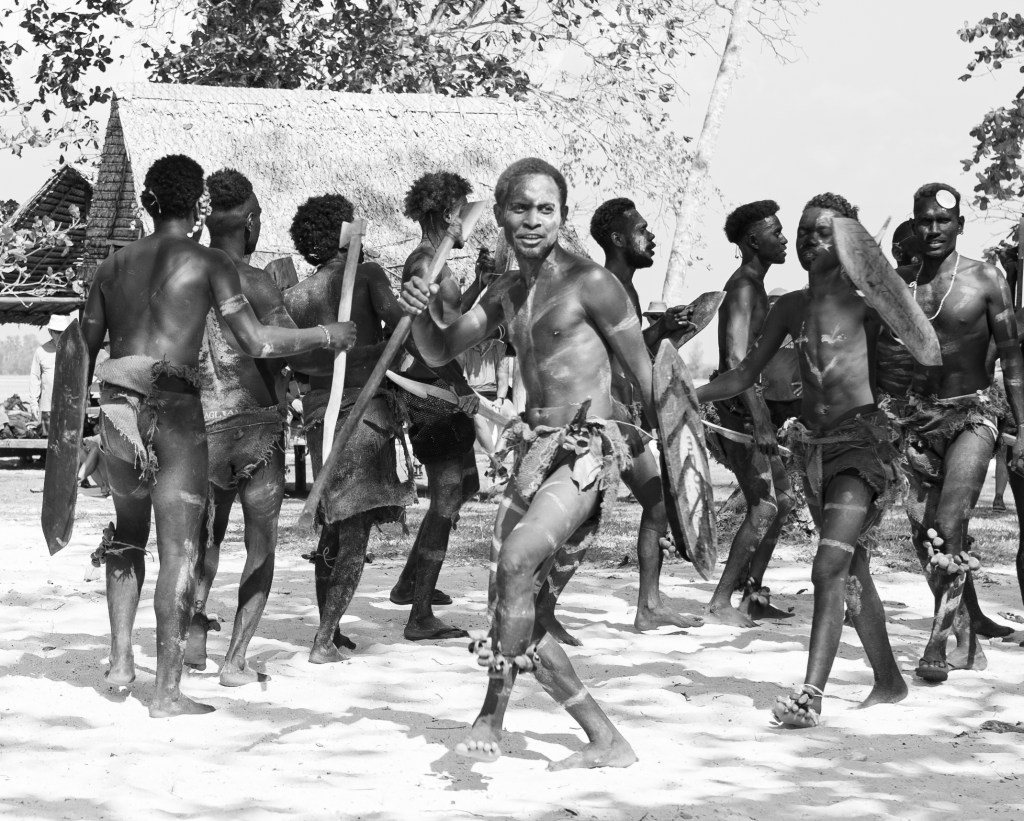
On the island of Kolo Hite, we witnessed a traditional war dance. The performance reenacts the martial traditions and battle readiness of historic island warriors from this area of the Solomon Islands. Dancers carry narrow, oval war shields, used to deflect incoming spears or arrows and wield wooden thrusting spears and ceremonial axes/clubs. They wear white lime body paint and facial markings meant to intimidate rivals and evoke ancestral spiritual protection.
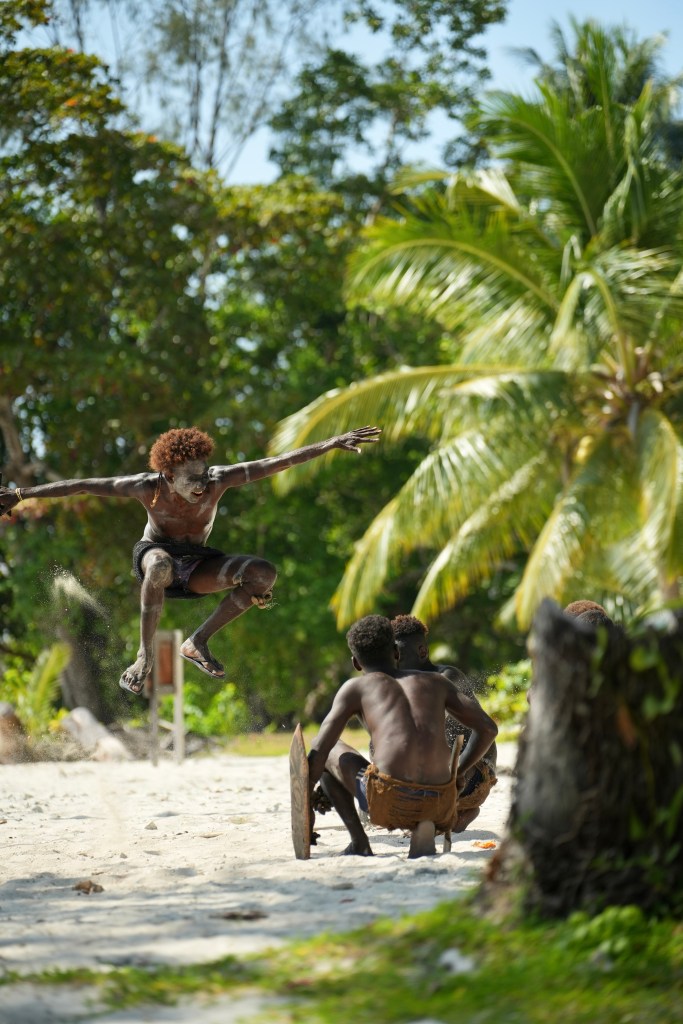
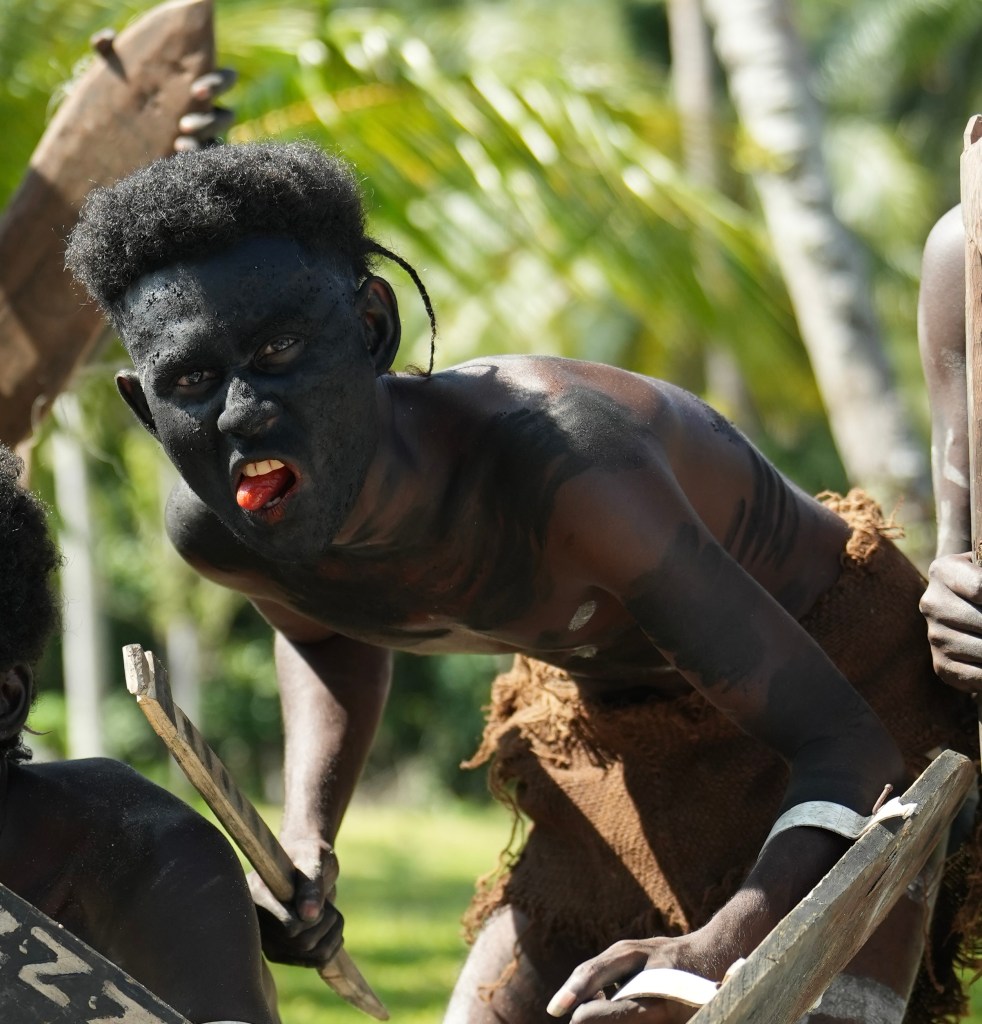
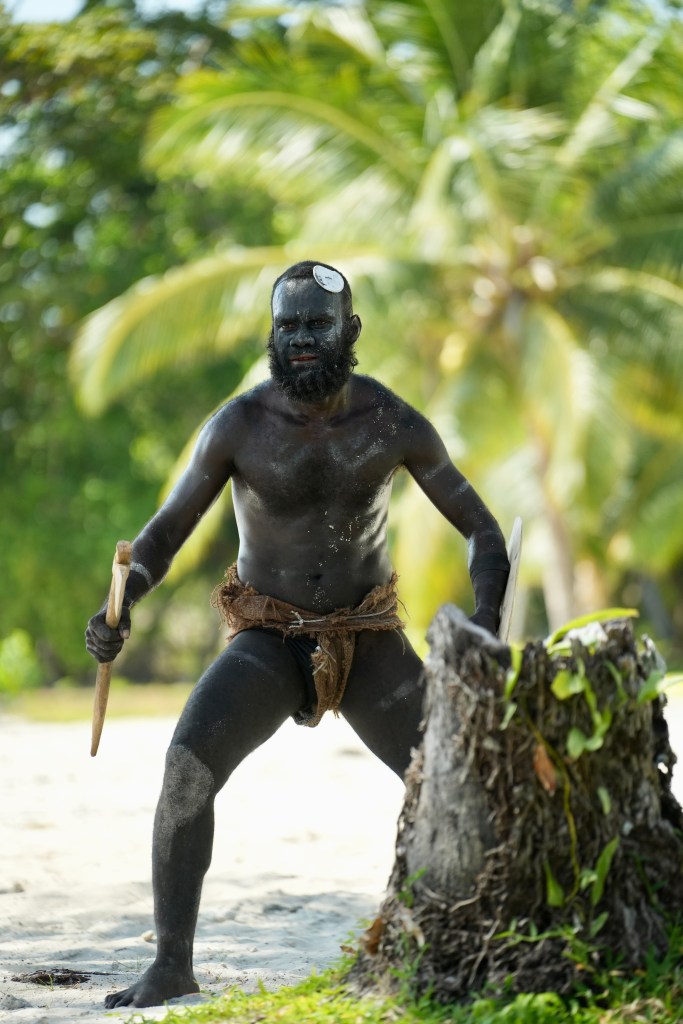
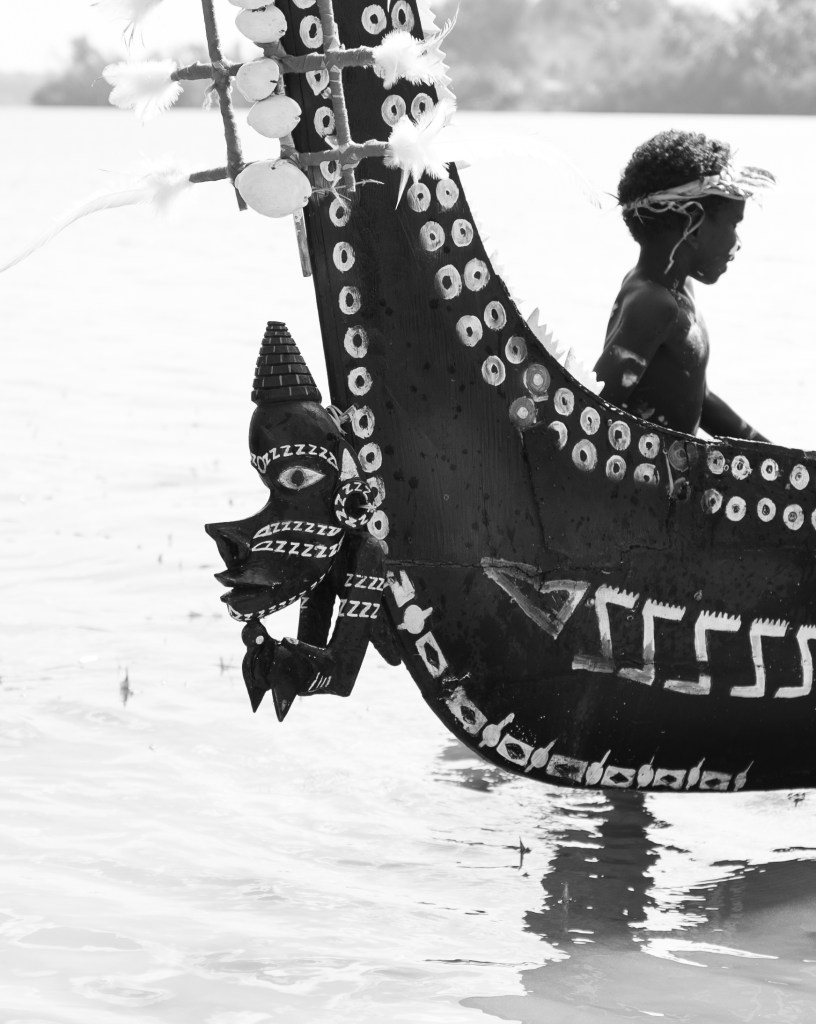
The panpipe dance (bamboo panpipe performance) from Owaraha Island serves as a primary vehicle for oral history. The synchronised melodies and movements pass down ancestral legends, historical events, and reverence for spiritual traditions across generations. Unlike solo warrior displays, panpipe performances emphasise rhythmic coordination and polyphonic harmony, symbolising unity, cooperation, and social cohesion within the village or clan. Performers wear woven grass skirts (kabilato or fiber aprons), body paint, and leaf adornments.
The future
Looking to the future, the Solomon Islands faces significant economic, social, and environmental hurdles that will define its path forward.
Economically, with an average GDP per capita of around $2,086 USD and 80% of the population reliant on subsistence farming and fishing, expanding sustainable economic development and human progress remains critical. In education, it is one of only four nations worldwide without a mandated minimum level of schooling by law, resulting in fewer than 50% of children completing primary school.
With a remarkably young population – 70% of islanders are under 30 years old – strengthening educational access and creating opportunities for youth is a true opportunity.
Compounding these internal social development goals is the existential threat of climate change: as a country of low-lying islands and coral atolls, rising sea levels pose severe environmental challenges, making climate resilience and coastal adaptation paramount for the survival of these island communities in the decades ahead.
But for now, visiting the Solomon Islands, is like a breath of fresh air.
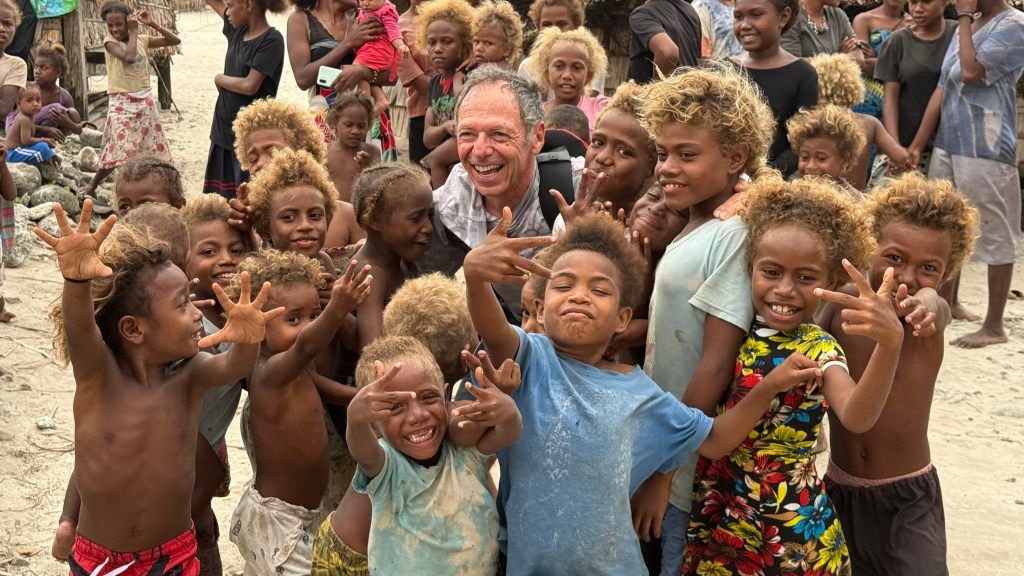
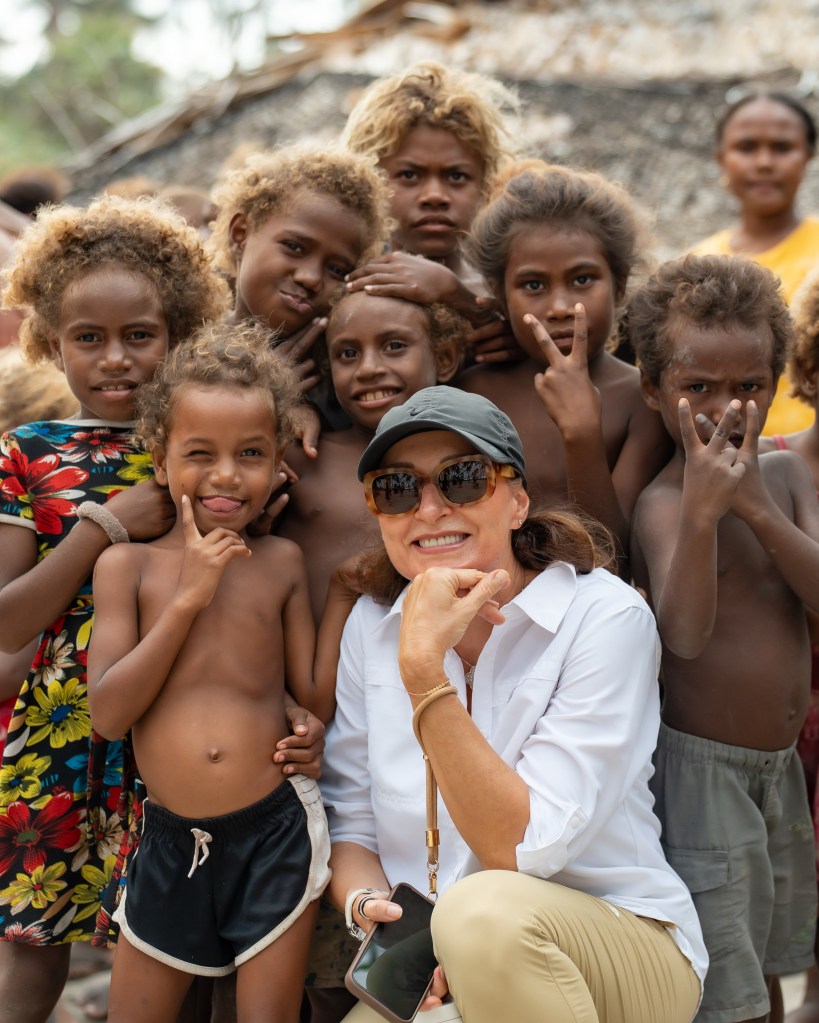
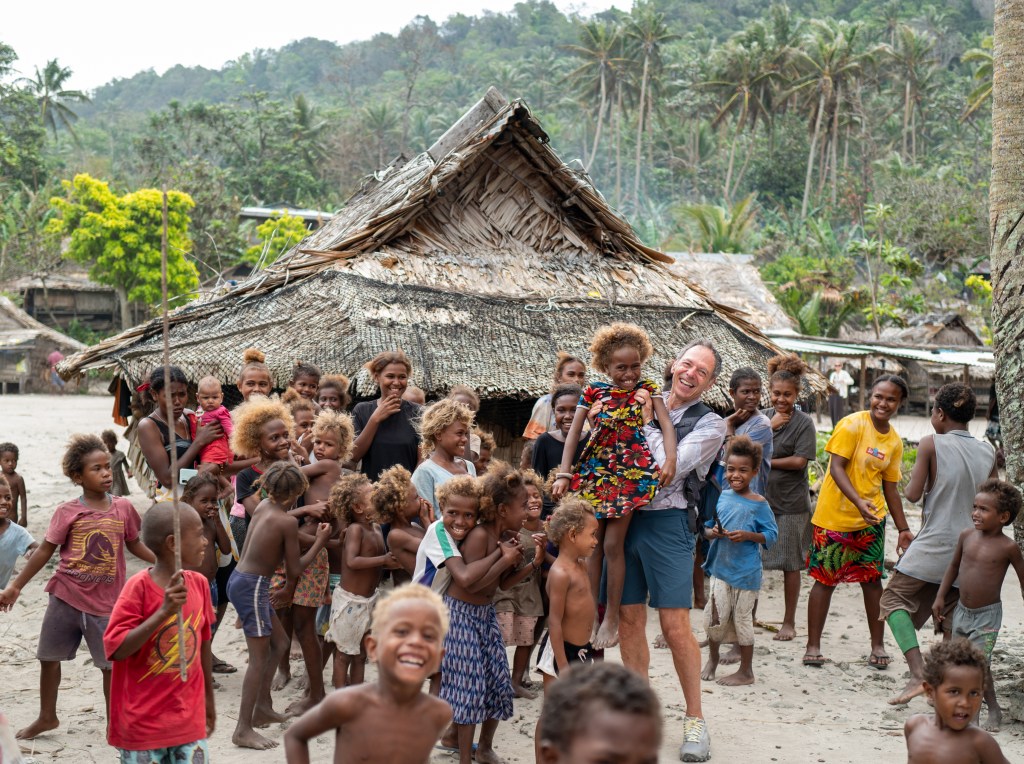
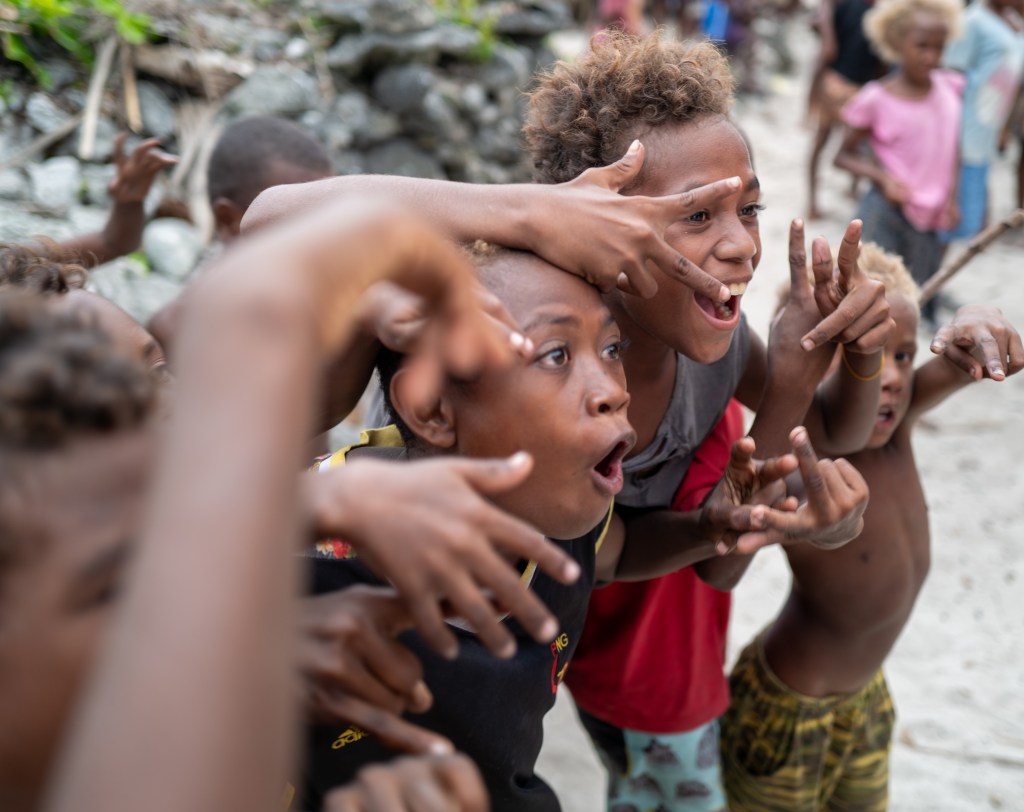
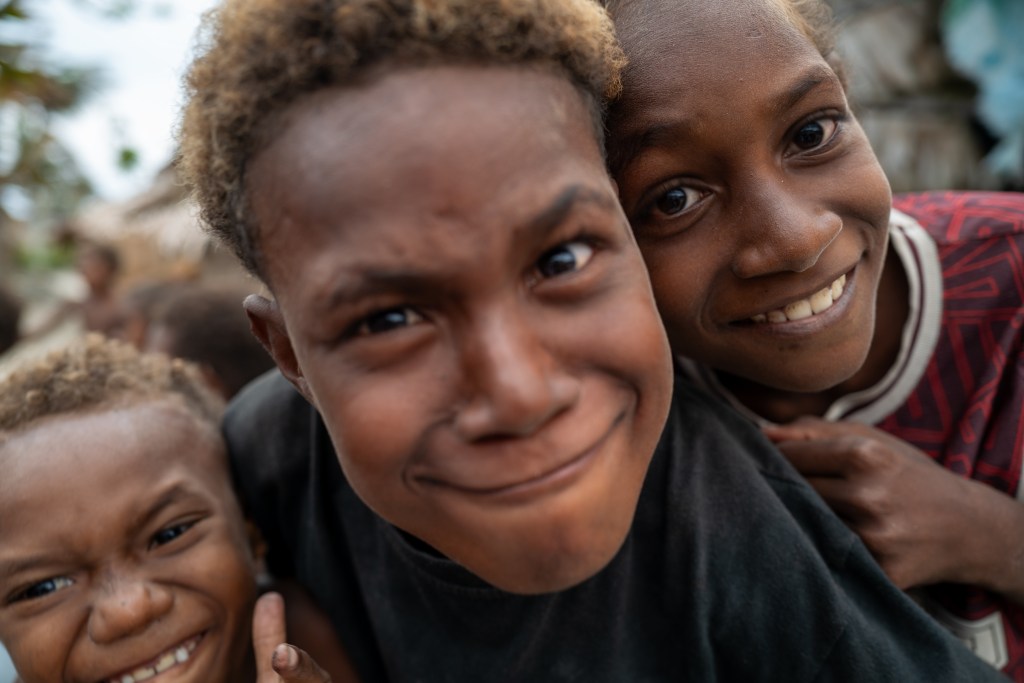
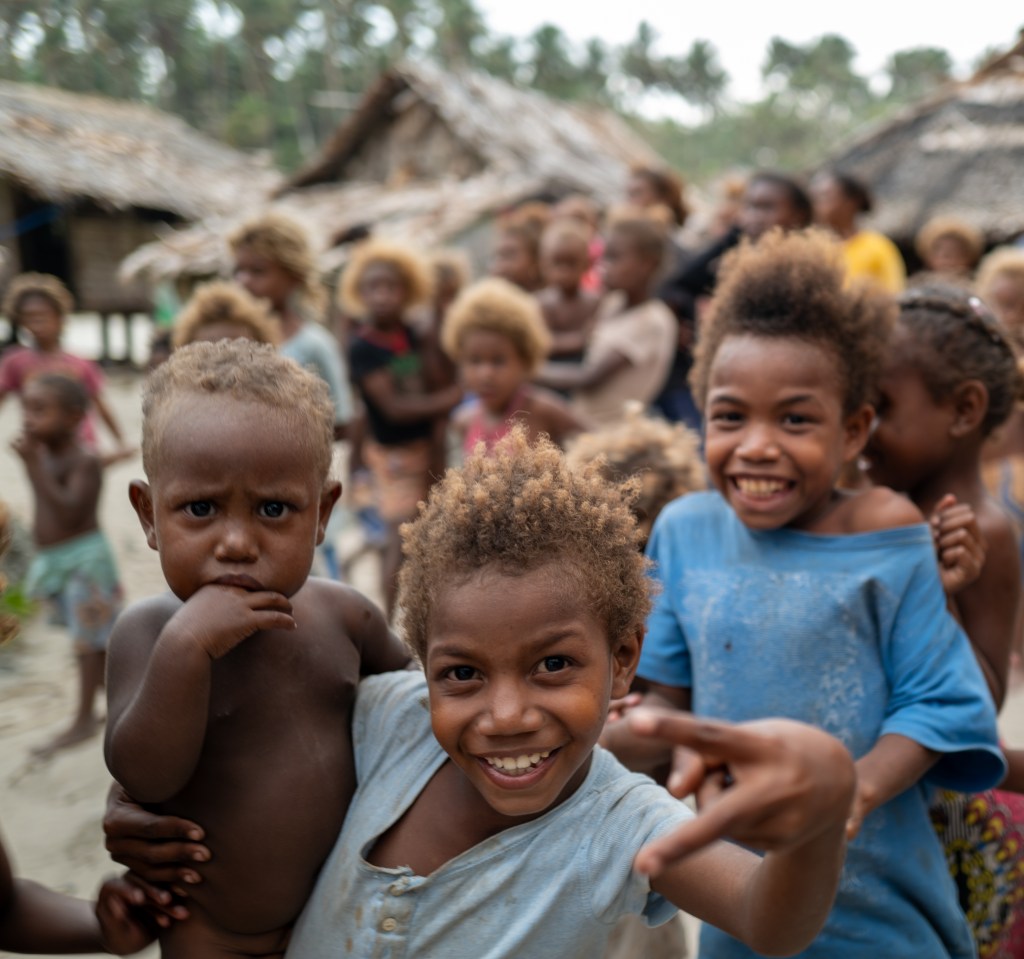
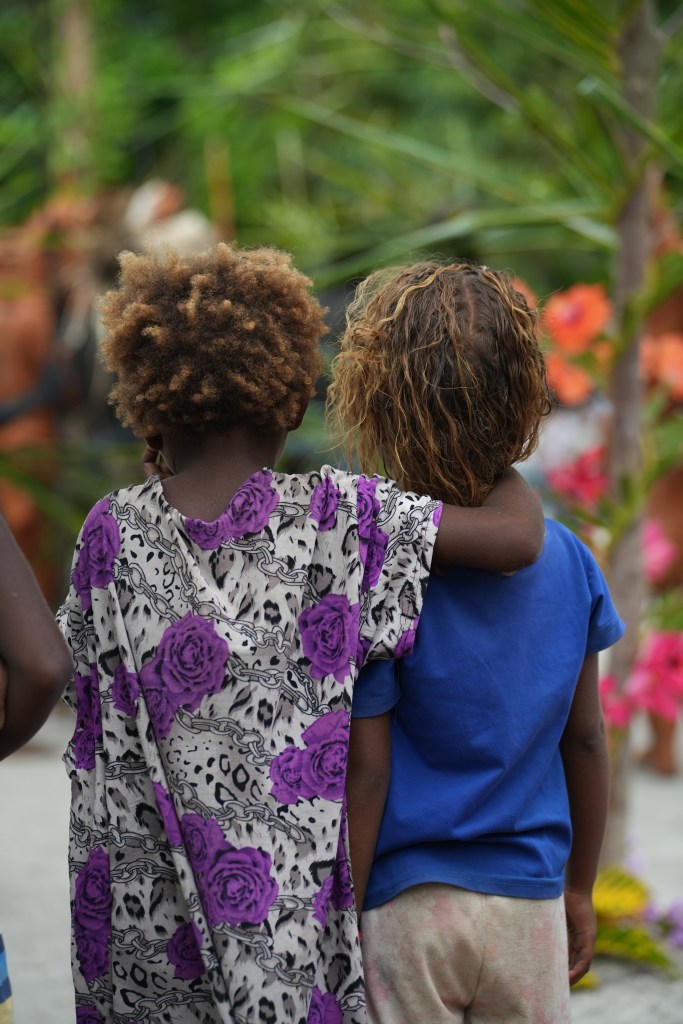
Accustomed in the West to seeing only a few children here and there, mostly impeccably dressed, surrounded by a sea of adults, and covered with toys and other gadgets, the Solomon Islands is another world.
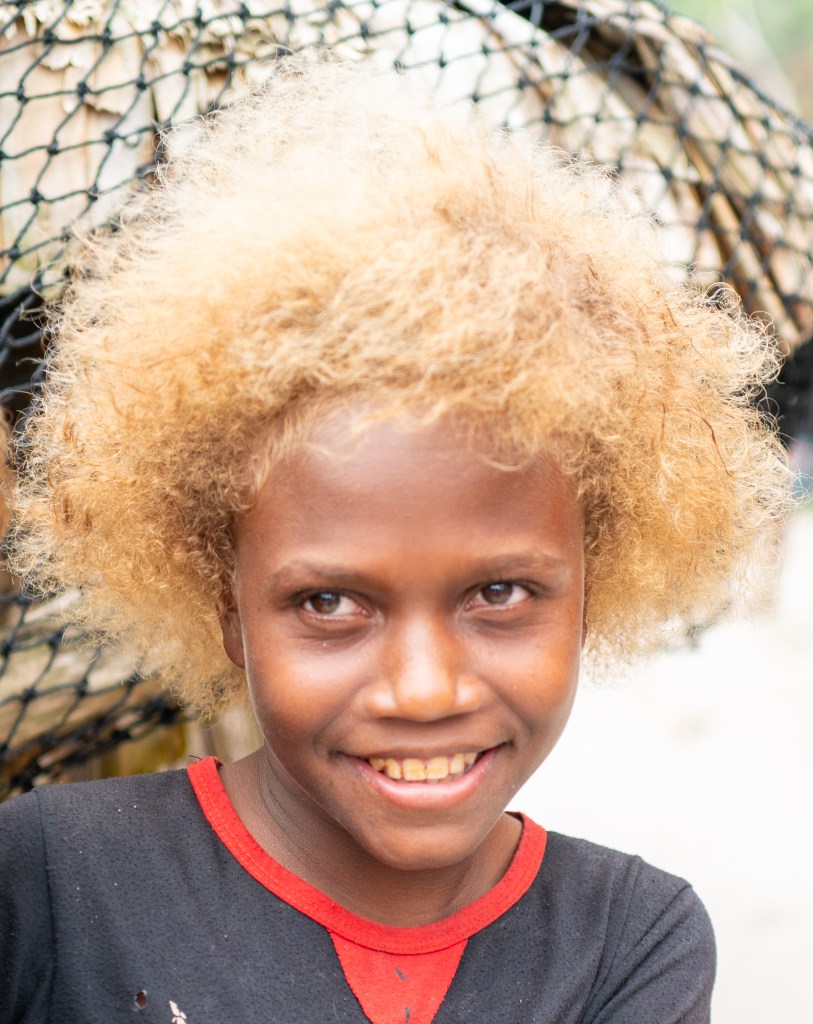
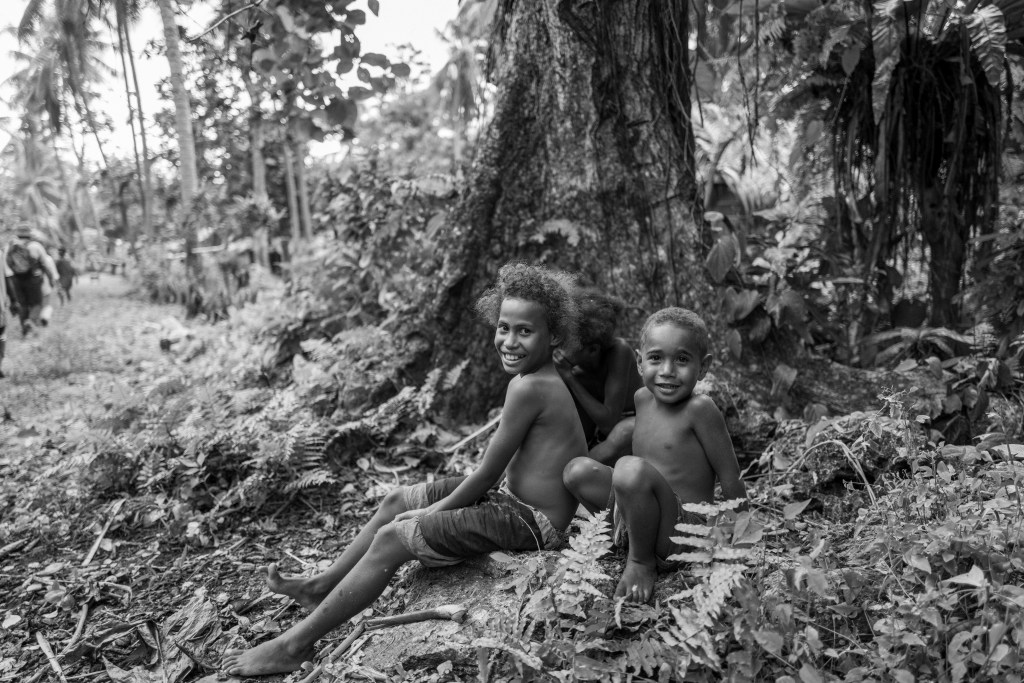
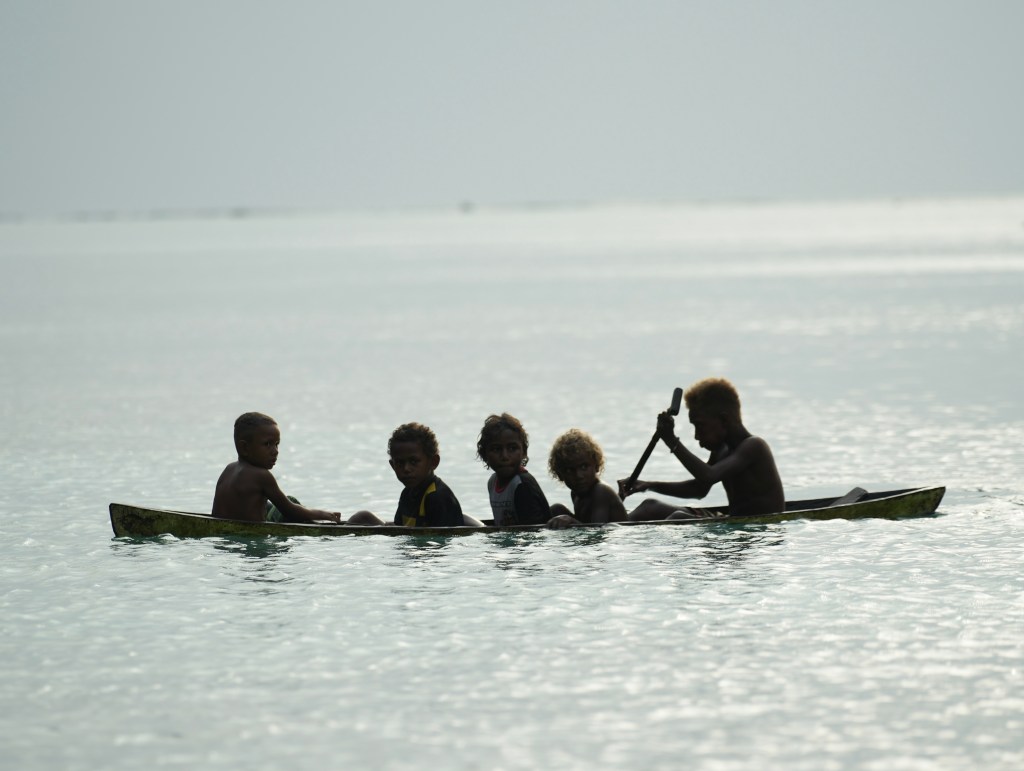
Wherever we went, we were trailed by throngs of joyous, laughing, vibrant kids, who never get tired of asking to be taken again and again in photos, without ever requesting anything in return. Their games are what they invent, they have nothing else. And they clearly are having a hell of a time.
The Solomon Islands kids are a stark reminder that children are perhaps happier with fewer material things…and not much else to worry about.