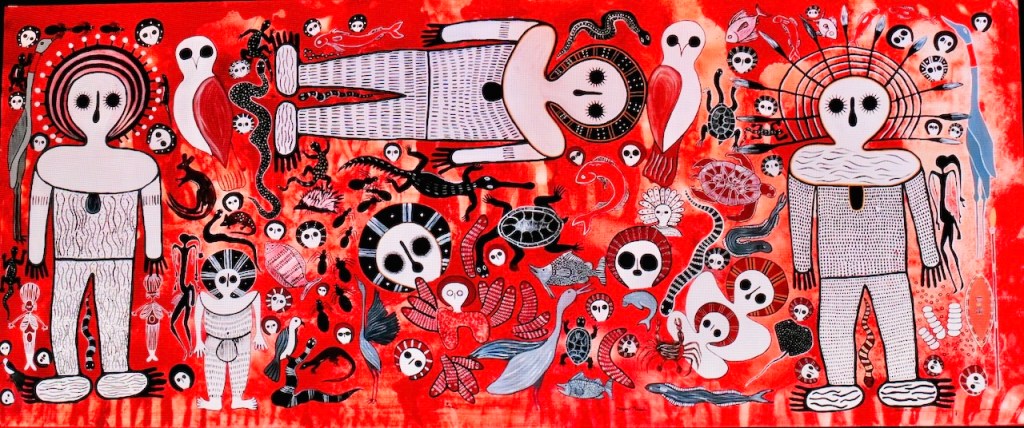
Aboriginal rock art in Australia is a profound testament to the enduring cultural heritage of the continent’s Indigenous peoples. These artworks, found across the vast landscapes of Australia, but strongly present in the Kimberly area in the northwest of the country, are not merely decorative but serve as vital records of social laws, environmental knowledge, and spiritual beliefs. Australia’s rock art is a living tradition, continuously renewed and retouched, reflecting the dynamic relationship between the Aboriginal peoples and their land.
The oldest rock art dated with certainty in Australia is over 17’000 years old, but given that the first humans arrived over 60’000 years ago, it is likely that rock art itself is much older. Over time, older inscriptions will certainly be found.
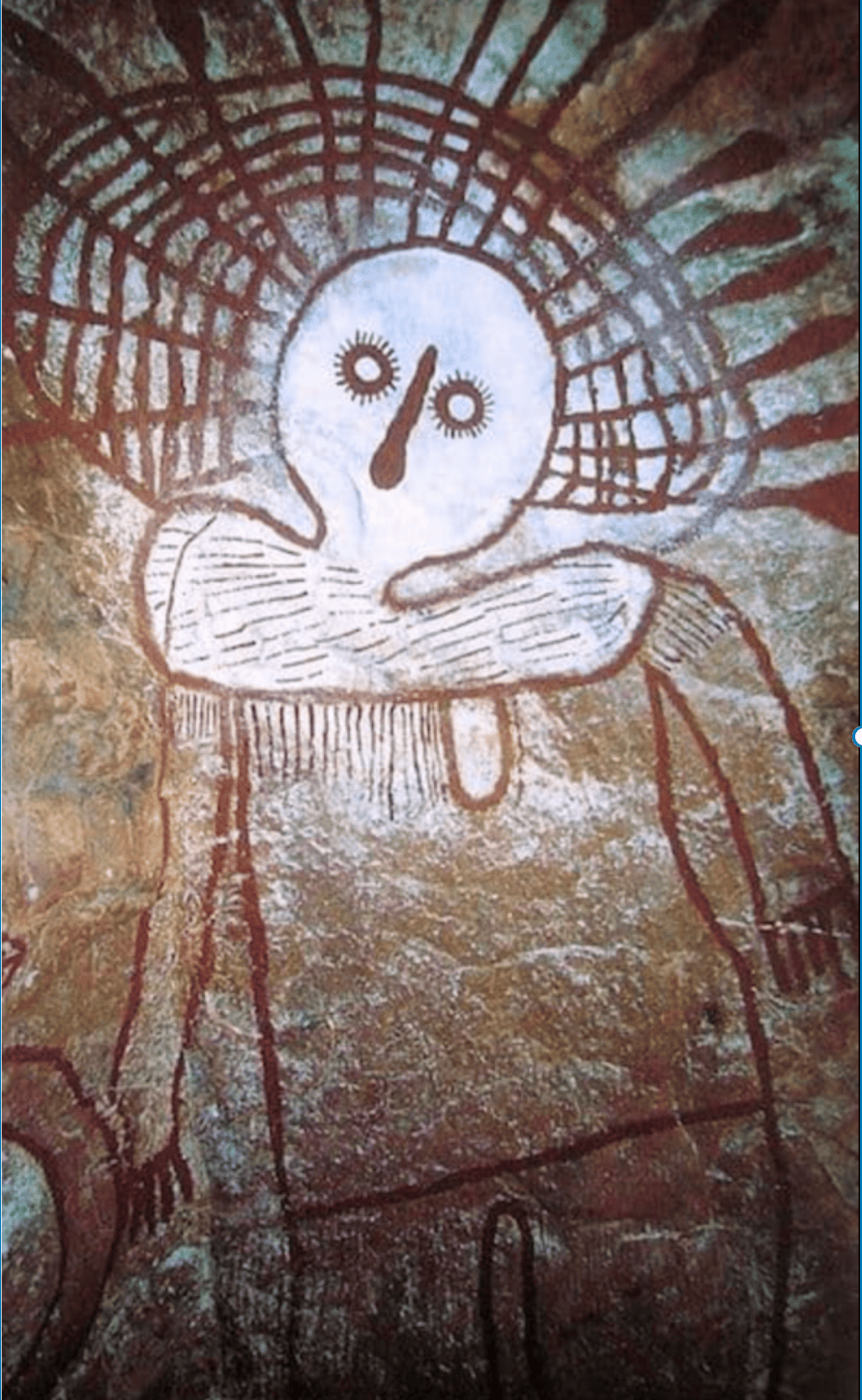
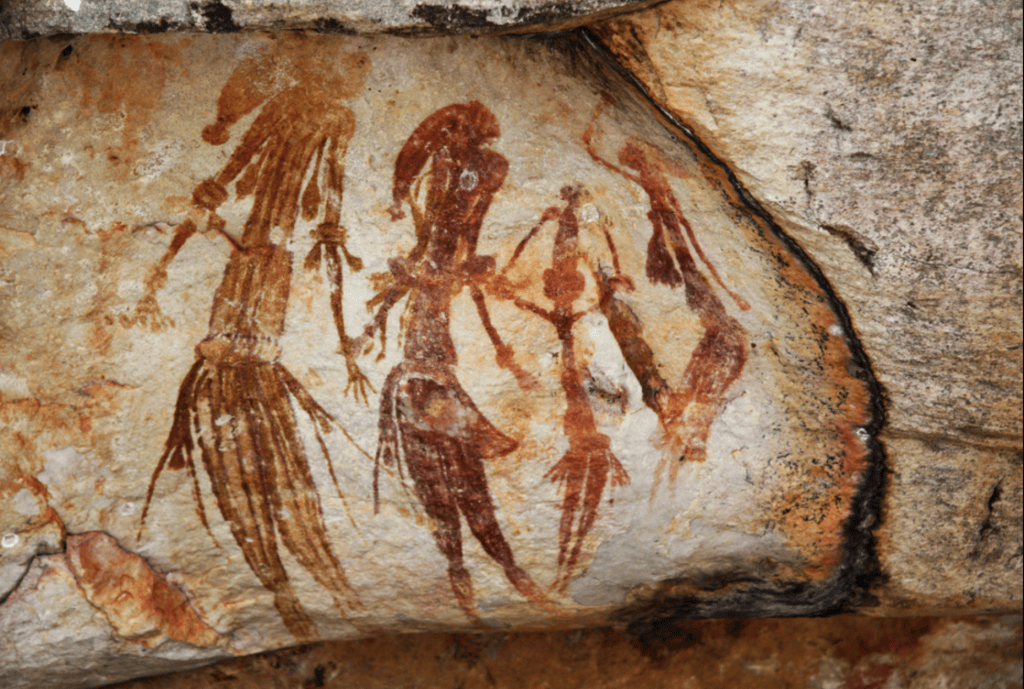
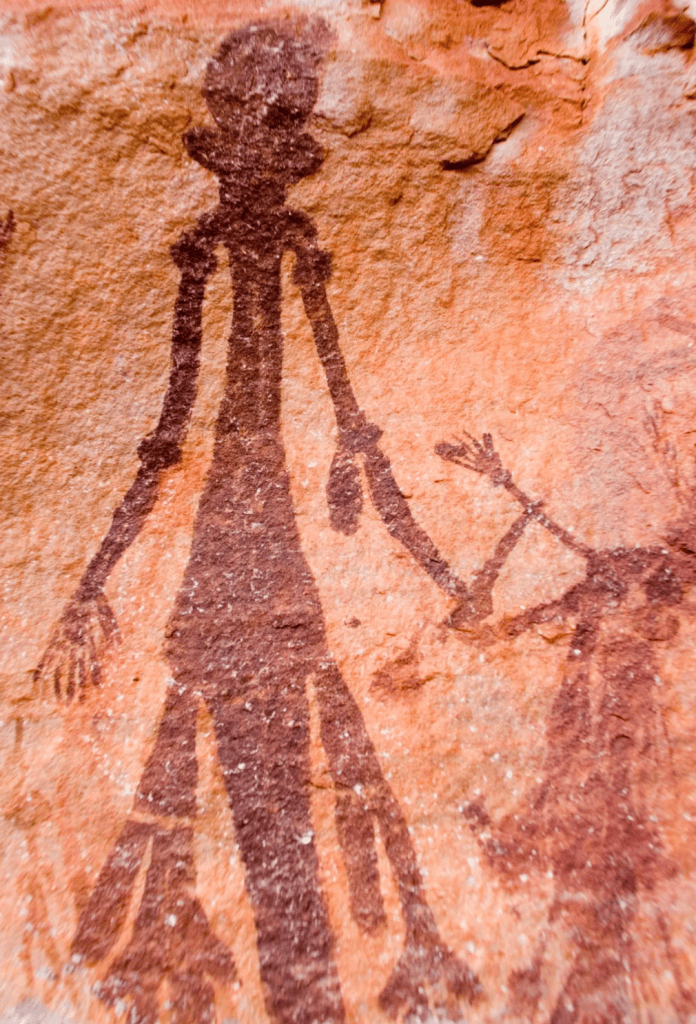
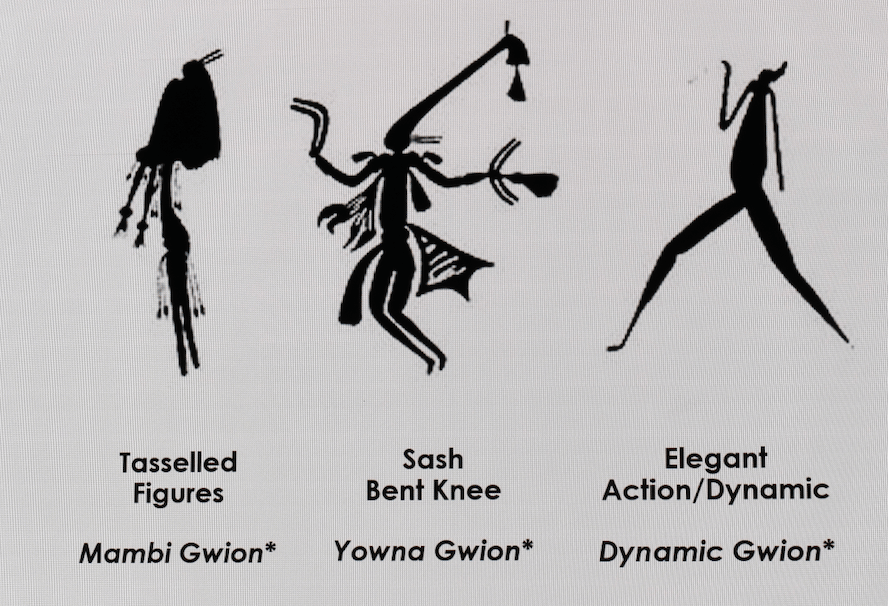
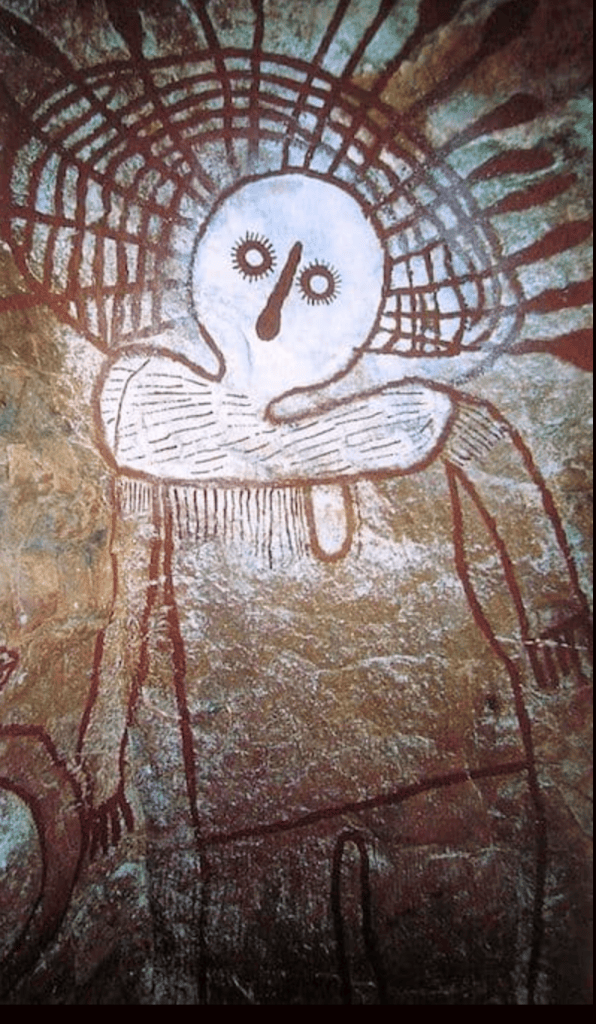
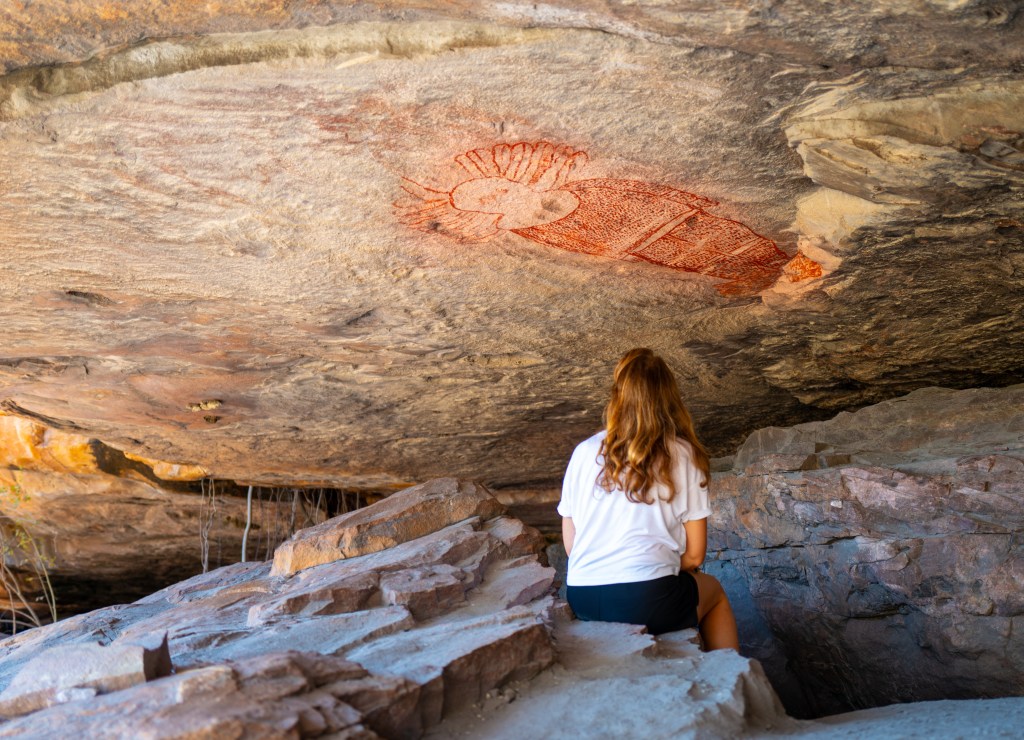
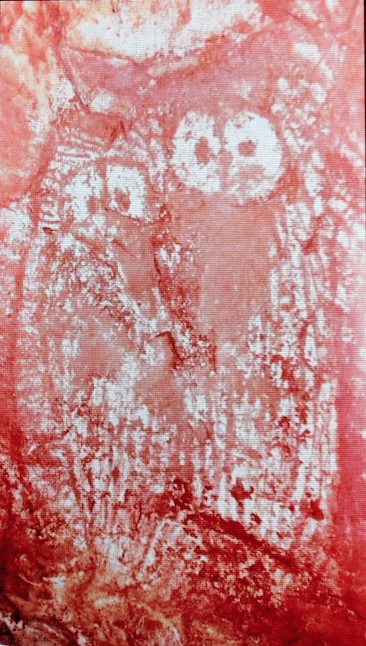
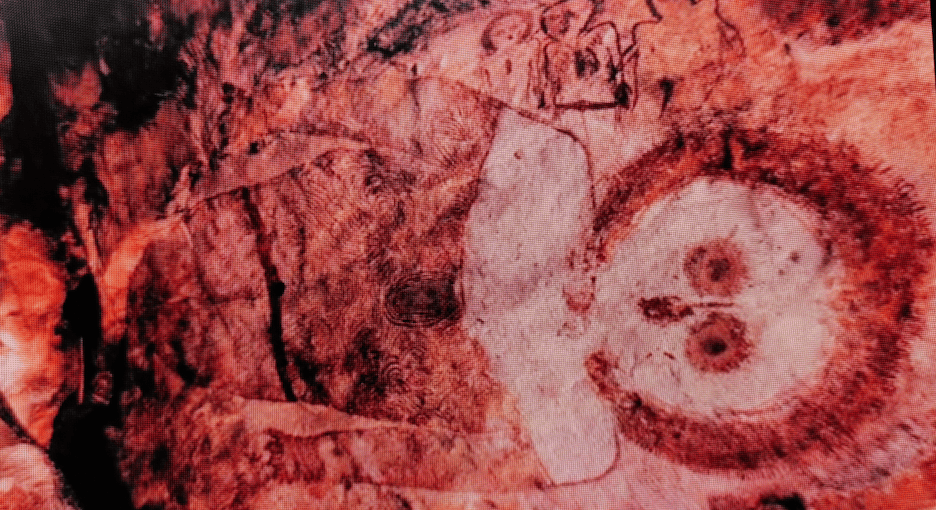
The Kimberley region is particularly renowned for its rich tapestry of rock art, including the Gwion Gwion (formerly known as Bradshaw) and Wandjina styles.
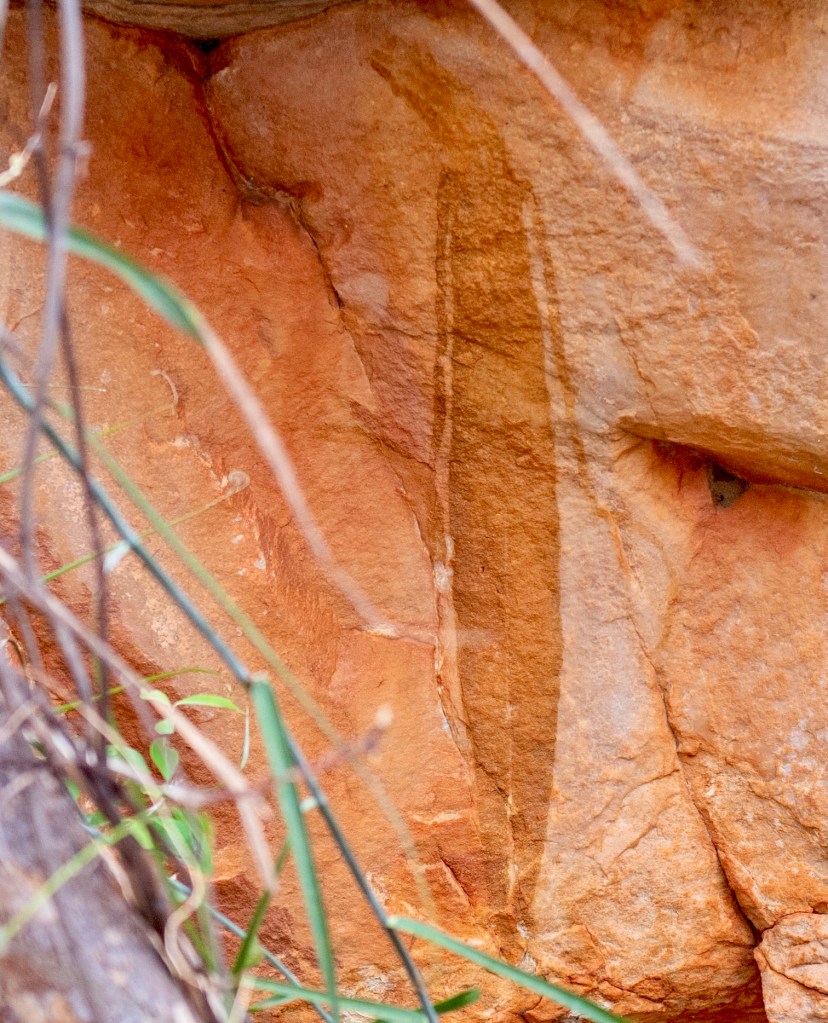
Gwion Gwion art is characterized by its elongated figures, intricate details, and use of natural pigments like ochre and charcoal.
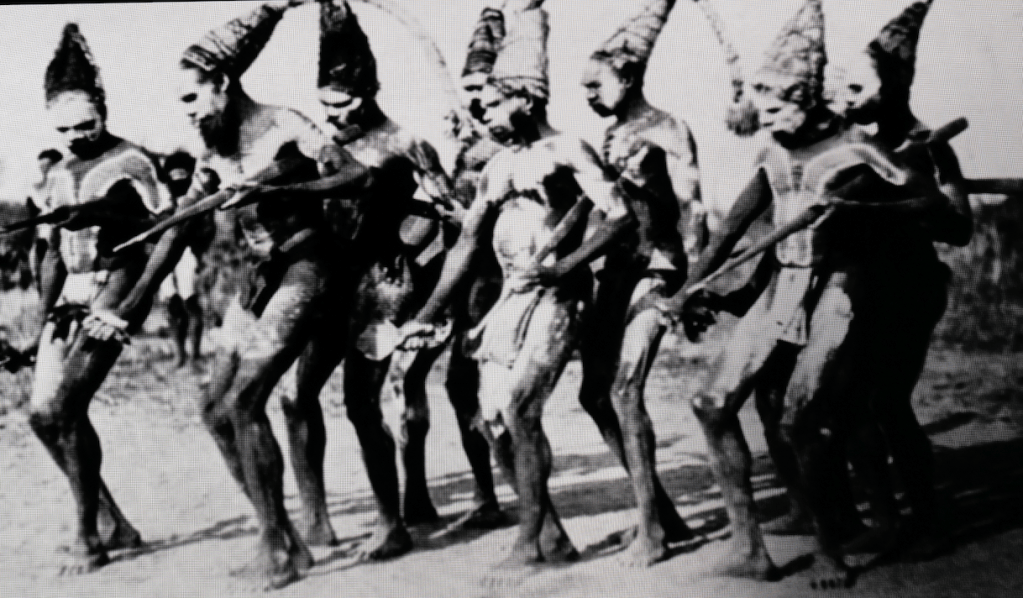
These artworks often depict figures with elaborate headdresses and clothing, embodying stories and laws that have been passed down through generations. The precision and delicacy of the lines suggest a sophisticated artistic tradition, with techniques involving the use of sap from the Kakadu plum tree as a fixative.
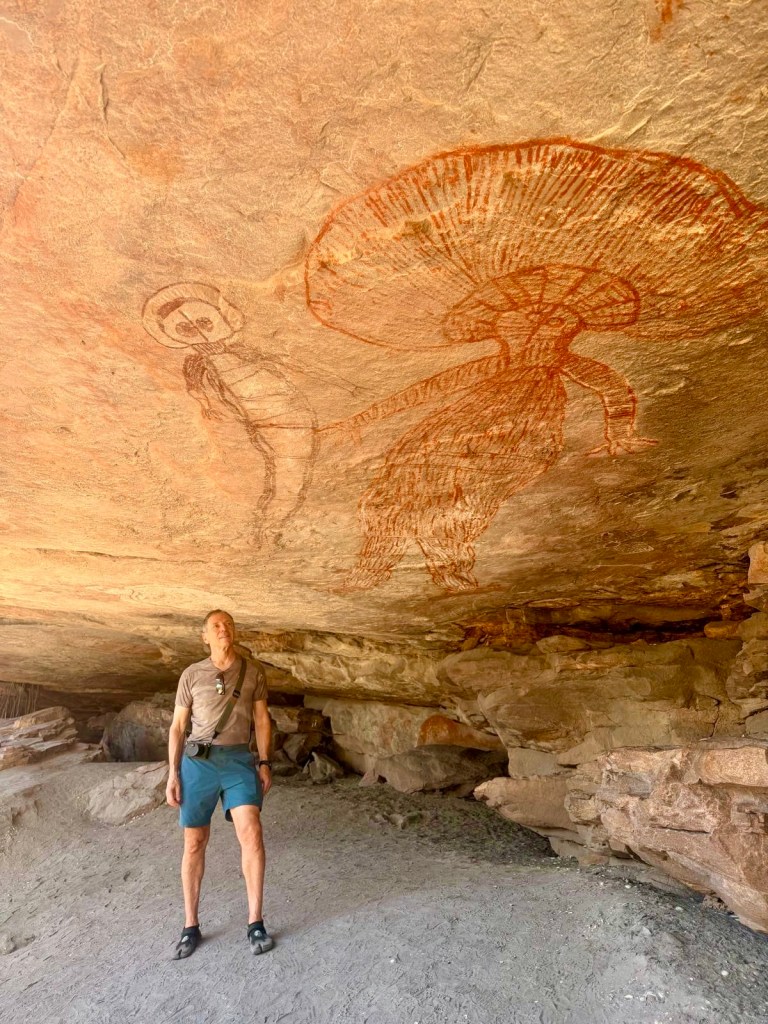
Wandjina art, on the other hand, is deeply spiritual, representing ancestral beings associated with rain, creation, and law. These figures are typically large, with distinctive halos or headdresses, and are surrounded by patterns symbolizing rain or weather phenomena. The absence of mouths in Wandjina figures is symbolic, as the sound of creation is believed to be beyond human comprehension.
As with most other Aboriginal rock art, the creation of Wandjina figures involves strict cultural protocols, with designated elders responsible for maintenance and renewal.
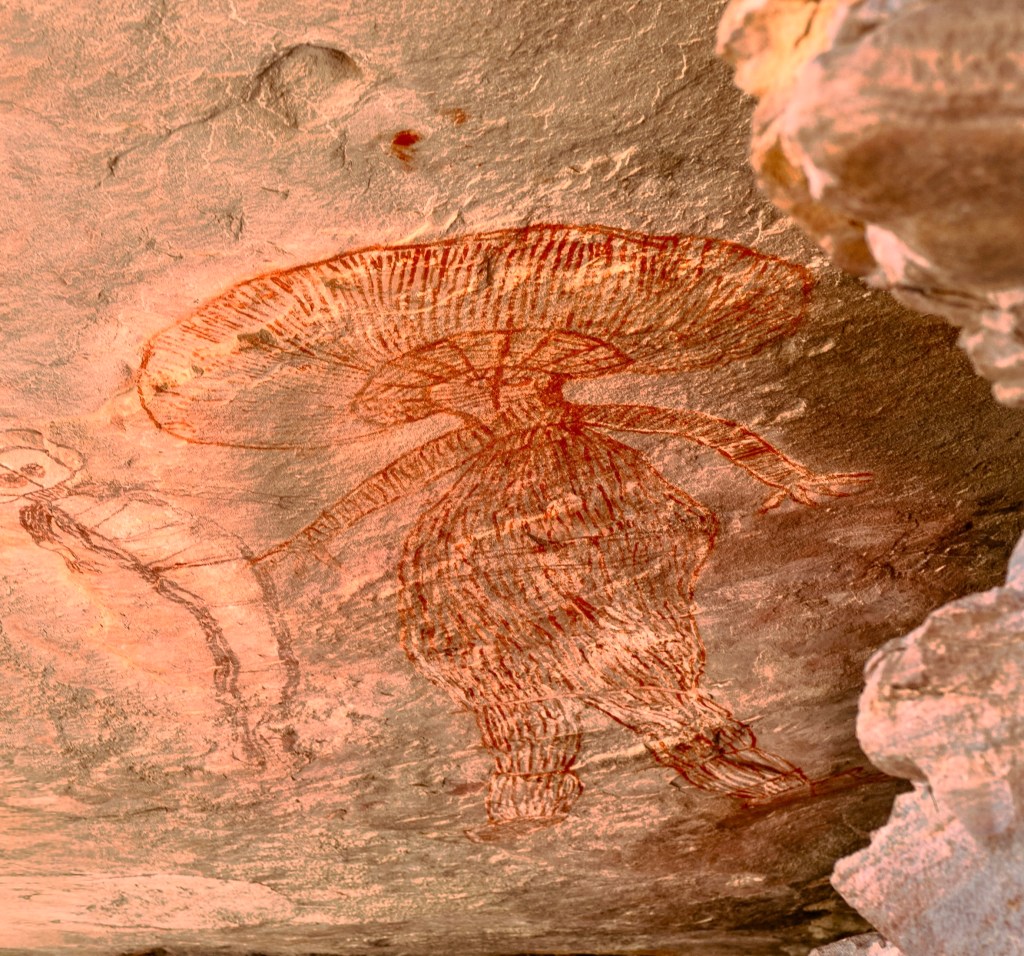
The significance of Aboriginal rock art extends beyond its visual appeal. It serves as a repository of knowledge, preserving myths, ceremonies, and environmental awareness. Unlike written languages, Aboriginal knowledge systems rely on oral traditions, songlines, and visual symbols to convey complex information. Songlines, for instance, are musical pathways that encode geographical and cultural knowledge, guiding individuals across the landscape.
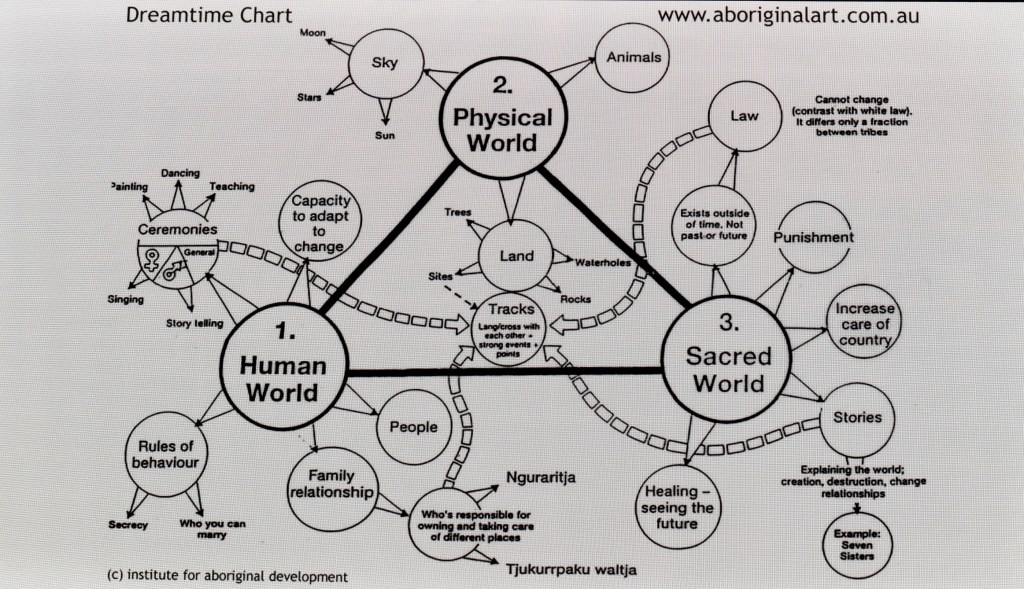
The concept of Dreamtime, or Creation Time, is central to understanding Aboriginal rock art. It encompasses the spiritual laws, social systems, and connection to the land that define Aboriginal culture. This worldview organizes knowledge into interconnected realms, including the human world, the physical world, and the sacred world. Through ceremonial practices, these realms are integrated, ensuring the continuity of cultural knowledge.
Preservation efforts are crucial to safeguarding this invaluable heritage. Many rock art sites face threats from environmental changes, human impact, and erosion. Regular retouching by cultural custodians (the Elders in the Aboriginal communities) is essential to maintain the spiritual power and relevance of these artworks.
Aboriginal art is not only a reflection of the past but also a vibrant part of contemporary culture. Many Indigenous artists today draw inspiration from traditional rock art, incorporating its themes and styles into modern works. This fusion of ancient and contemporary art forms creates a dynamic cultural expression that resonates with both Indigenous and non-Indigenous audiences. The use of traditional symbols and motifs in modern art serves as a powerful reminder of the resilience and adaptability of Aboriginal culture.
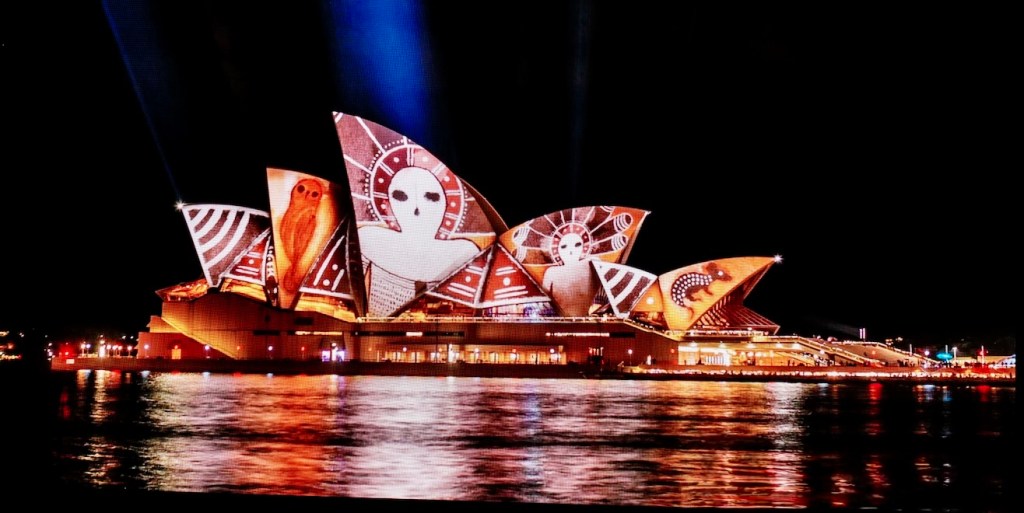
Today, Aboriginal art plays a significant role in the economic empowerment of Indigenous communities. Art centers across Australia provide platforms for artists to showcase their work, fostering cultural exchange and understanding. These centers also offer economic opportunities, enabling artists to support their communities while preserving their cultural heritage. Through exhibitions, workshops, and collaborations, Aboriginal art continues to captivate audiences worldwide, promoting a deeper appreciation for the rich cultural tapestry of Australia’s Indigenous peoples.