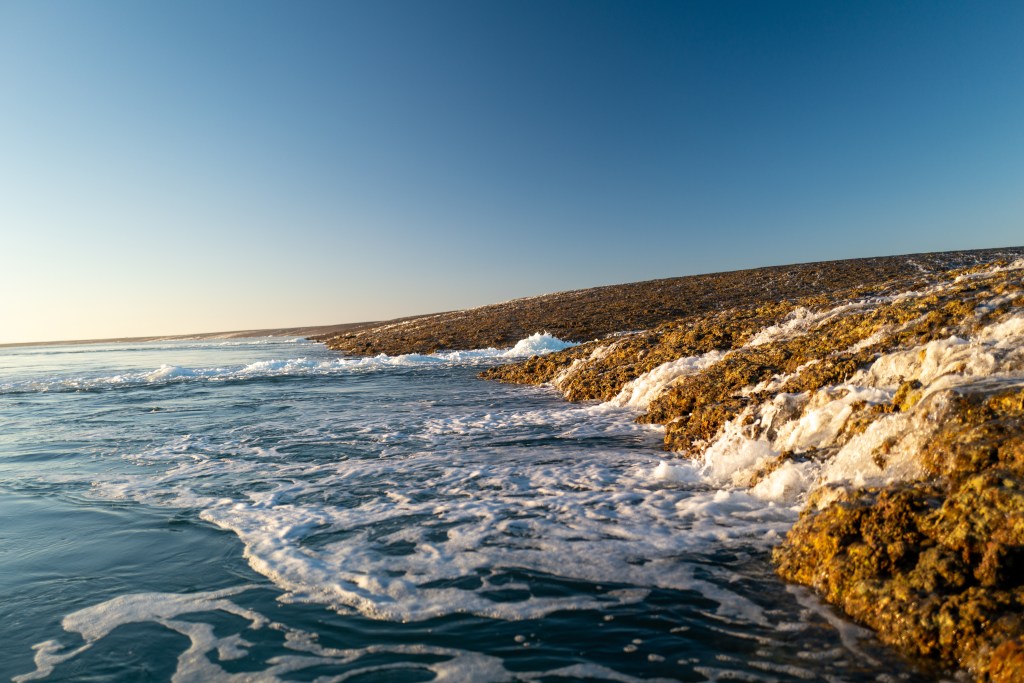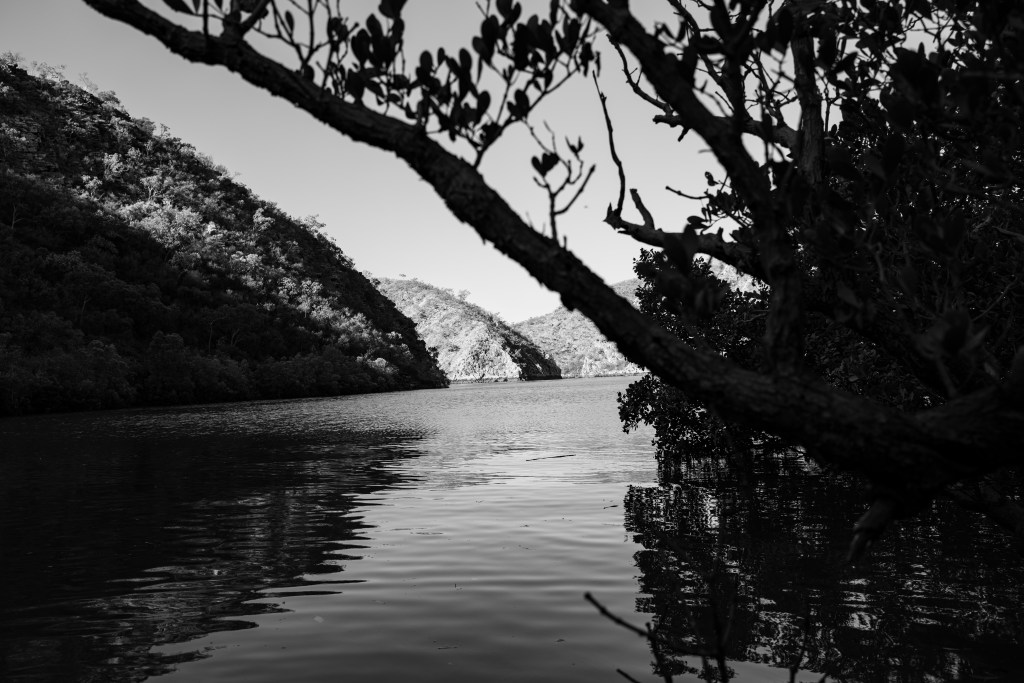
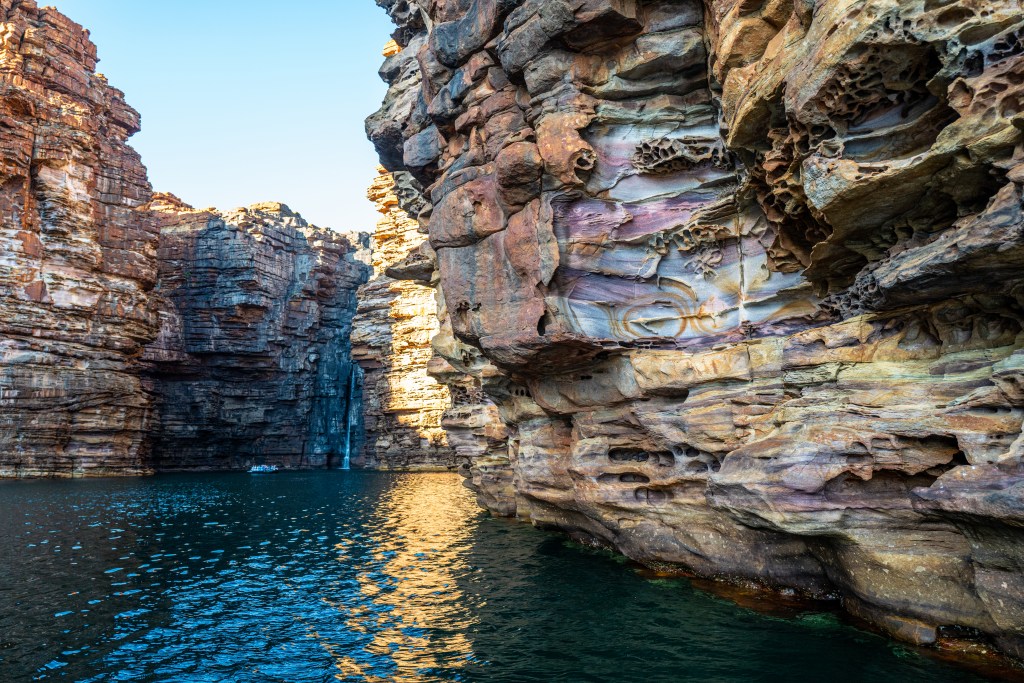
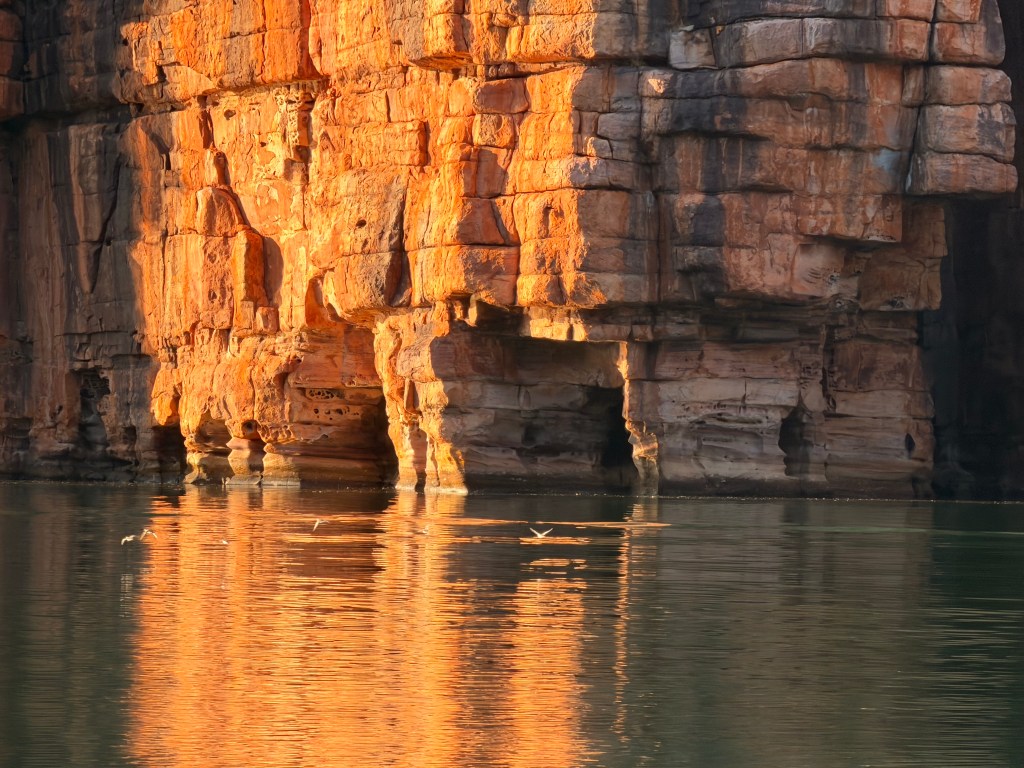
Stretching across nearly 420,000 square kilometers in the northern reaches of Western Australia, the Kimberley is one of the world’s last great wildernesses. The size of California, but with a population of less than 40’000, it is a land sculpted by vast stretches of deep time, where ancient geology defines the landscape, and where living Aboriginal culture maintains a continuous thread connecting tens of thousands of years.
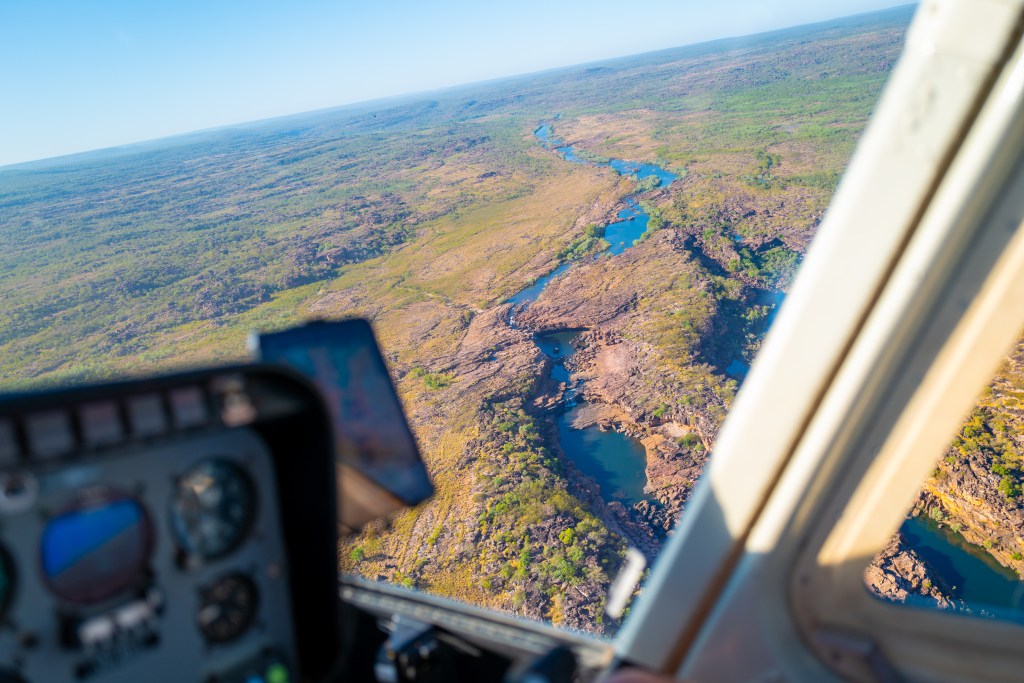
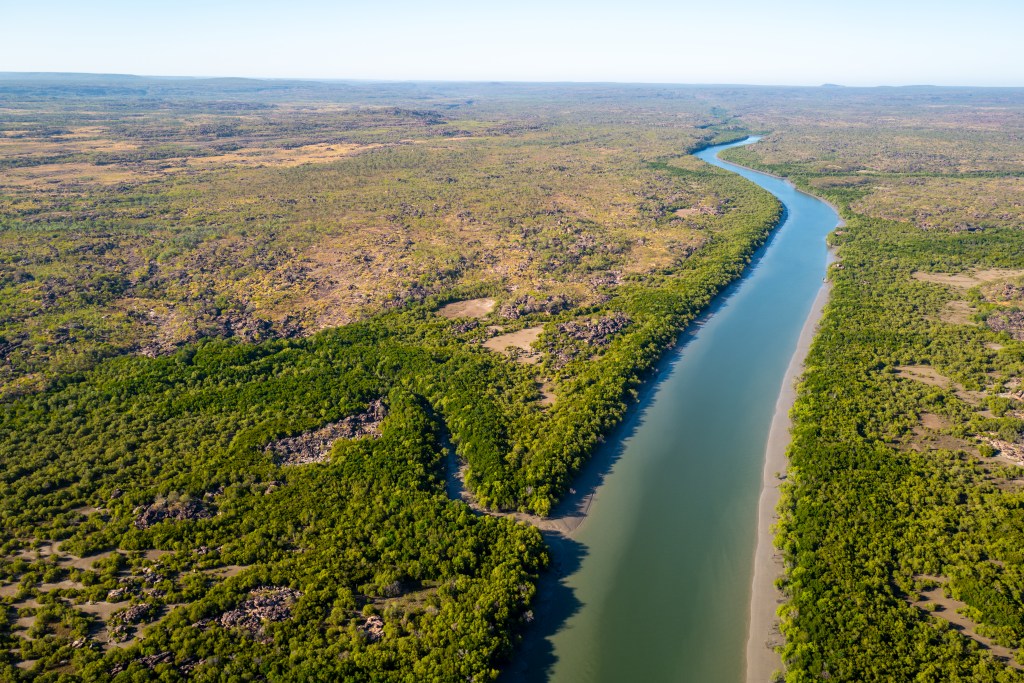
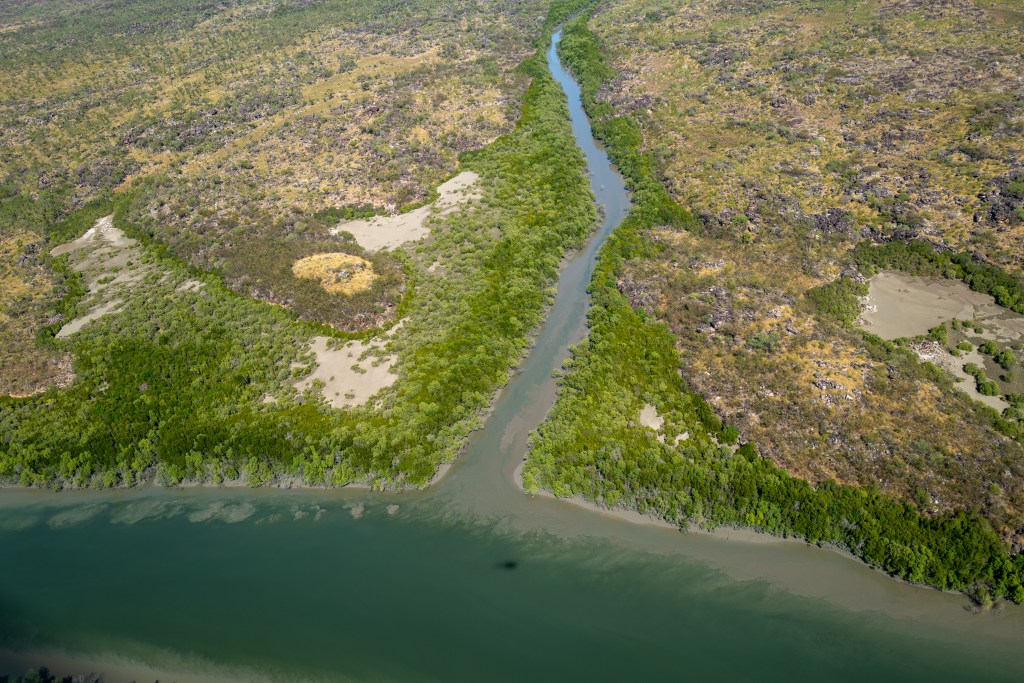
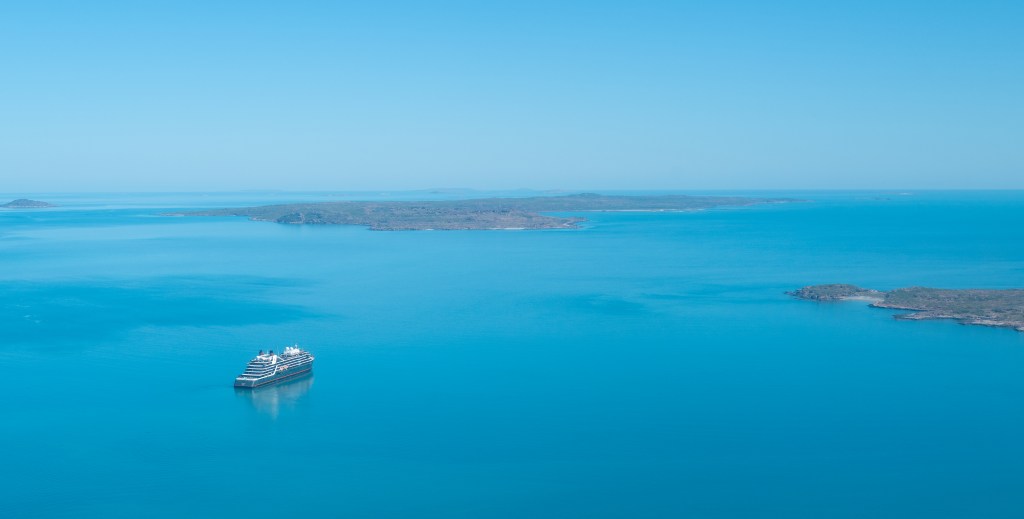
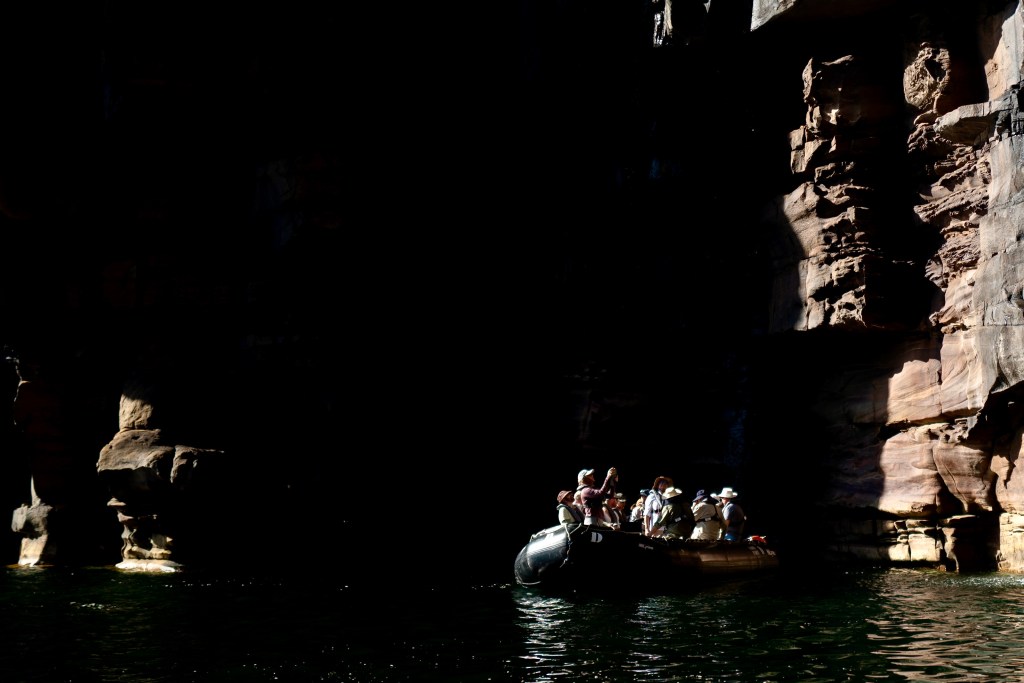
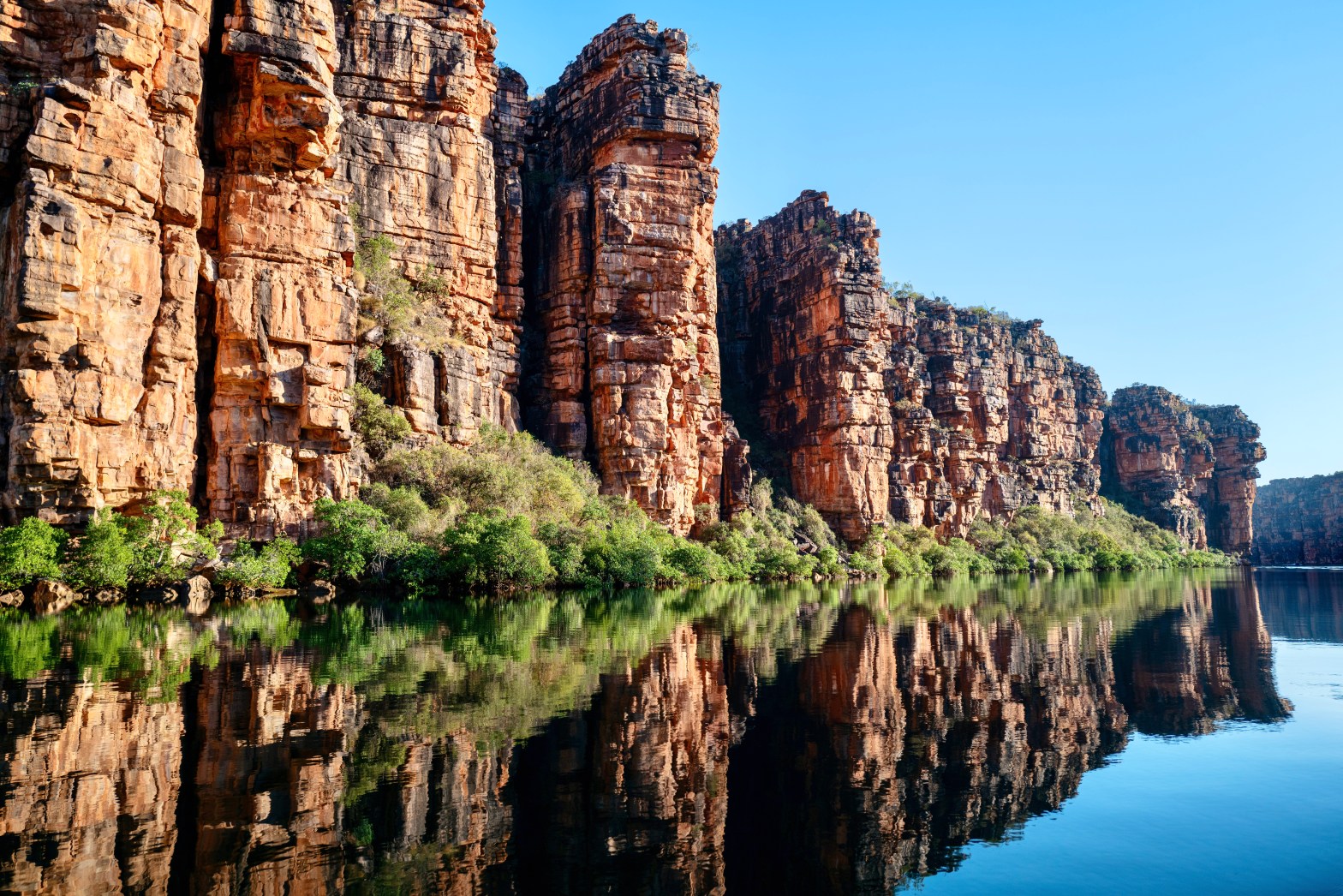
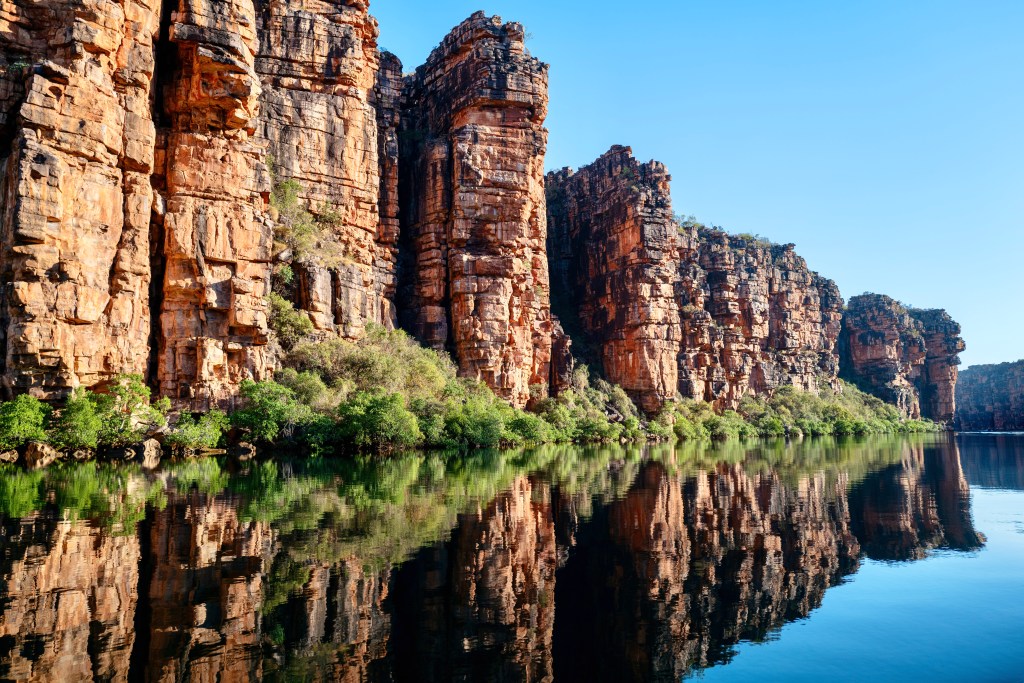
The geological story of the Kimberley begins nearly two billion years ago. The Kimberley Block—an ancient, stable piece of the Earth’s crust—has largely resisted the intense tectonic folding that reshaped other parts of the continent. Over hundreds of millions of years, vast inland seas, river networks, and wind erosion deposited layers of sandstone, siltstone, and limestone across this basement rock forming what is today a beautifully sculpted landscape.
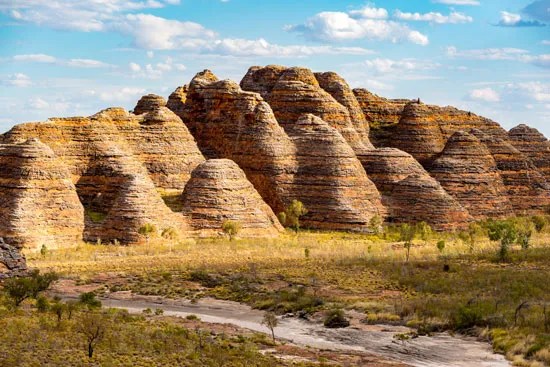
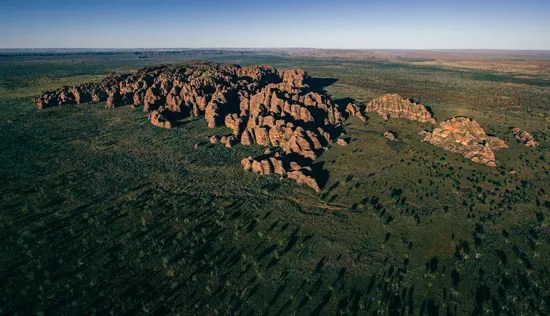
From more recent times, the astonishing manifestations of the Kimberley geological history is the Bungle Bungle Range in Purnululu National Park. Formed during the Devonian period, roughly 375 to 350 million years ago, these orange-and-black striped beehive domes consist of fragile sandstone and conglomerate. The distinctive bands are the result of alternating moisture retention:
- Dark Grey/Black Bands: Cyanobacteria grow on sandstone layers where moisture accumulates, creating a protective crust.
- Orange Bands: Drier layers are stained by iron oxide (rust) that oxidizes upon exposure to the air.
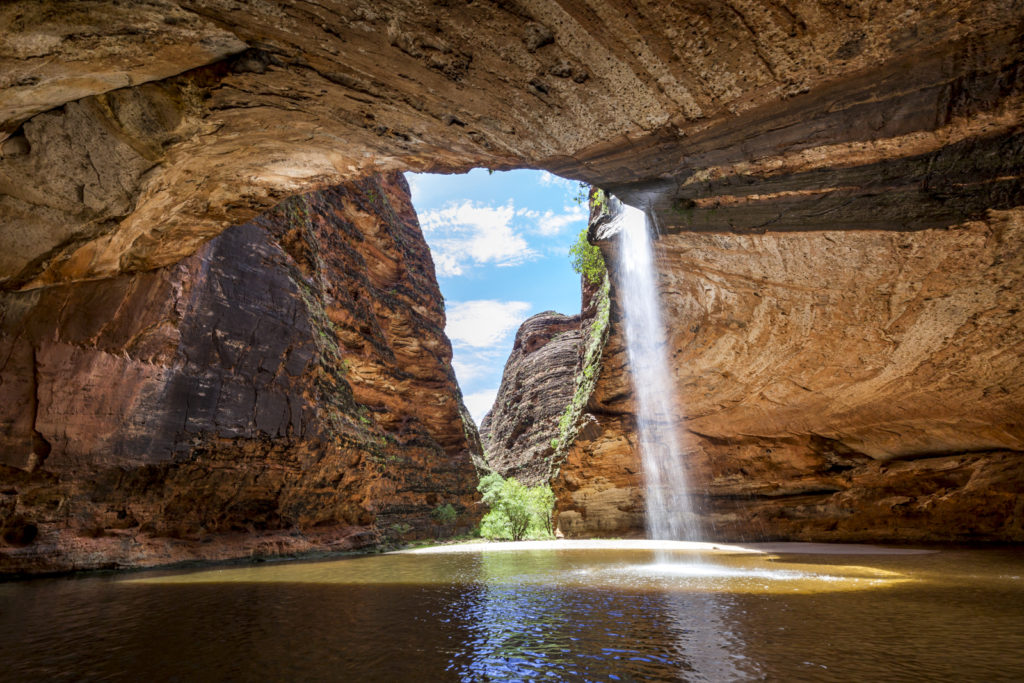
Further west, the Devonian Reef System—a massive ancient coral reef that once lay beneath a warm tropical sea—forms the dramatic limestone ramparts of Windjana Gorge and Tunnel Creek. Today, these sheer cliffs stand hundreds of kilometers inland, preserving fossilised primitive marine life within their walls.
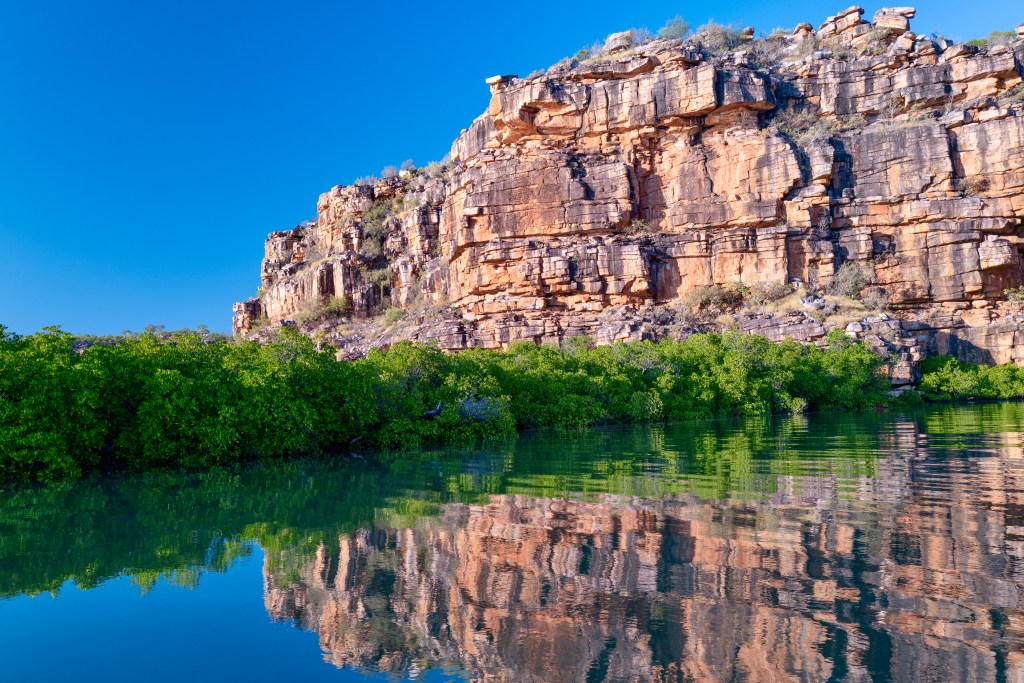
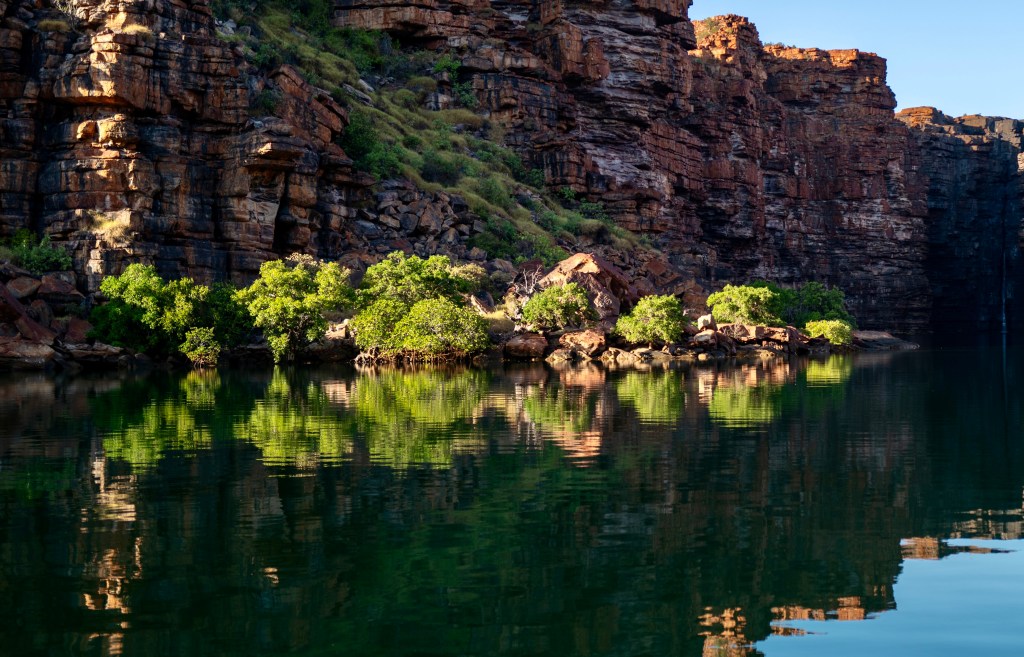
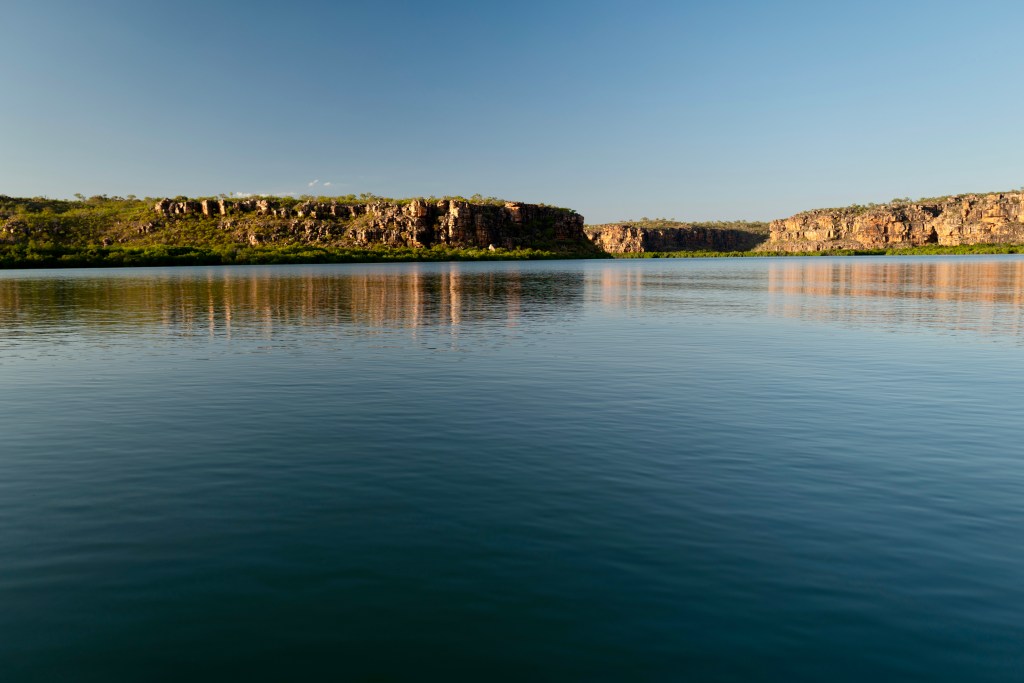
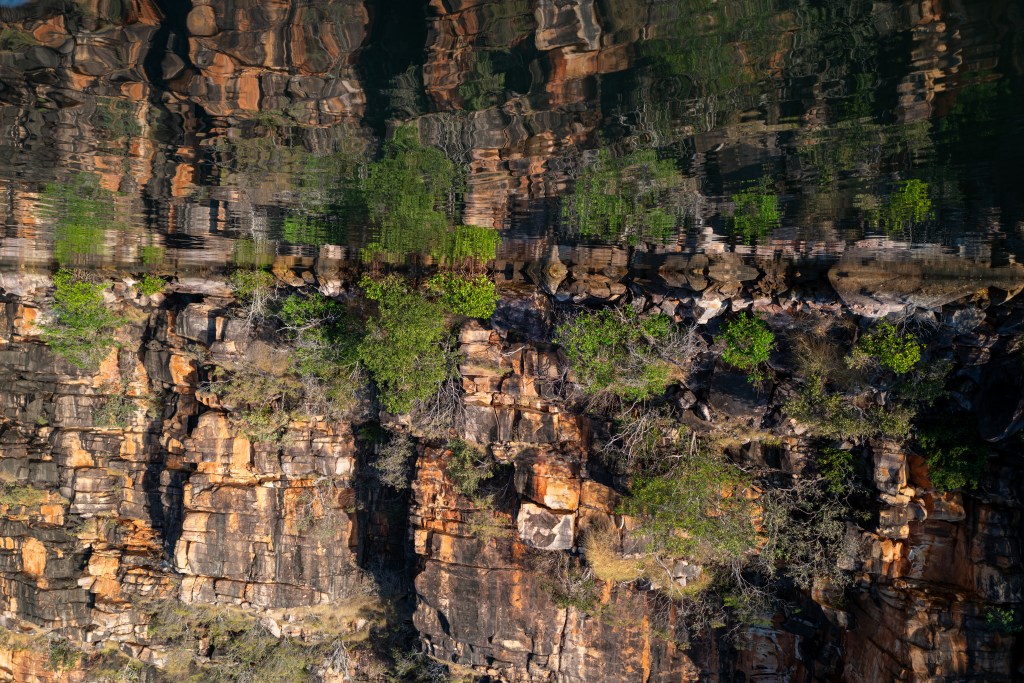
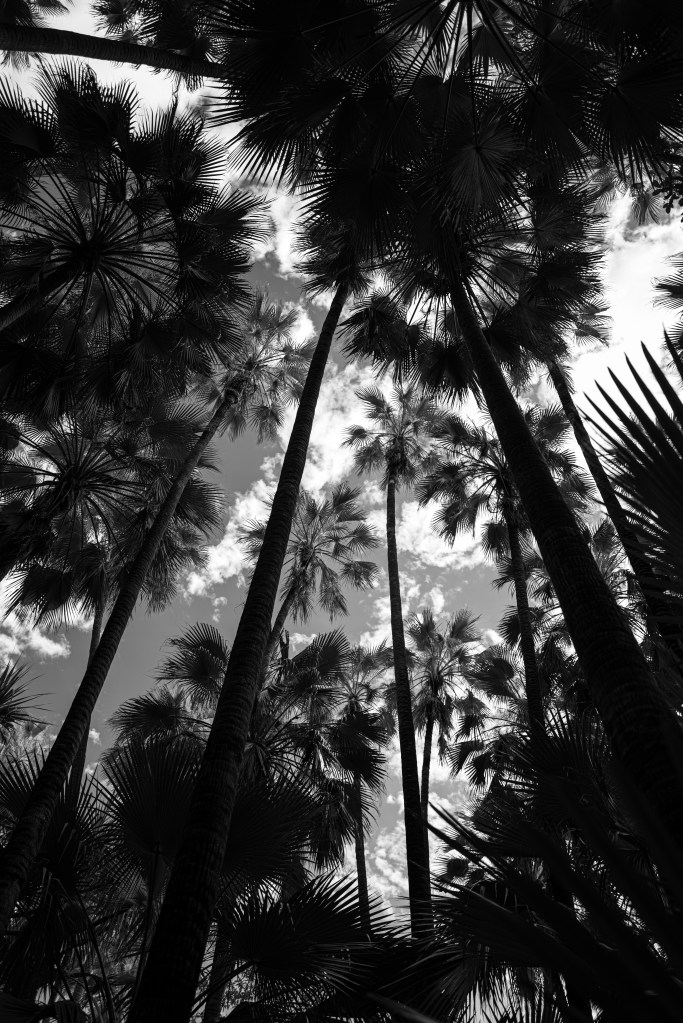
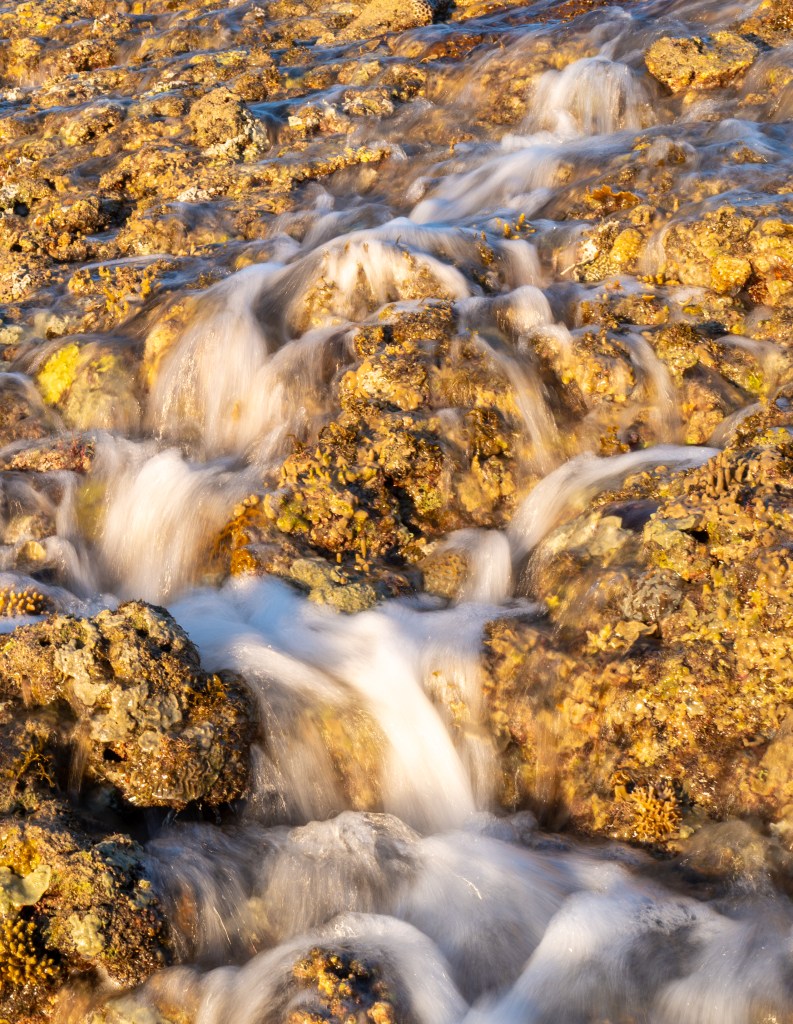
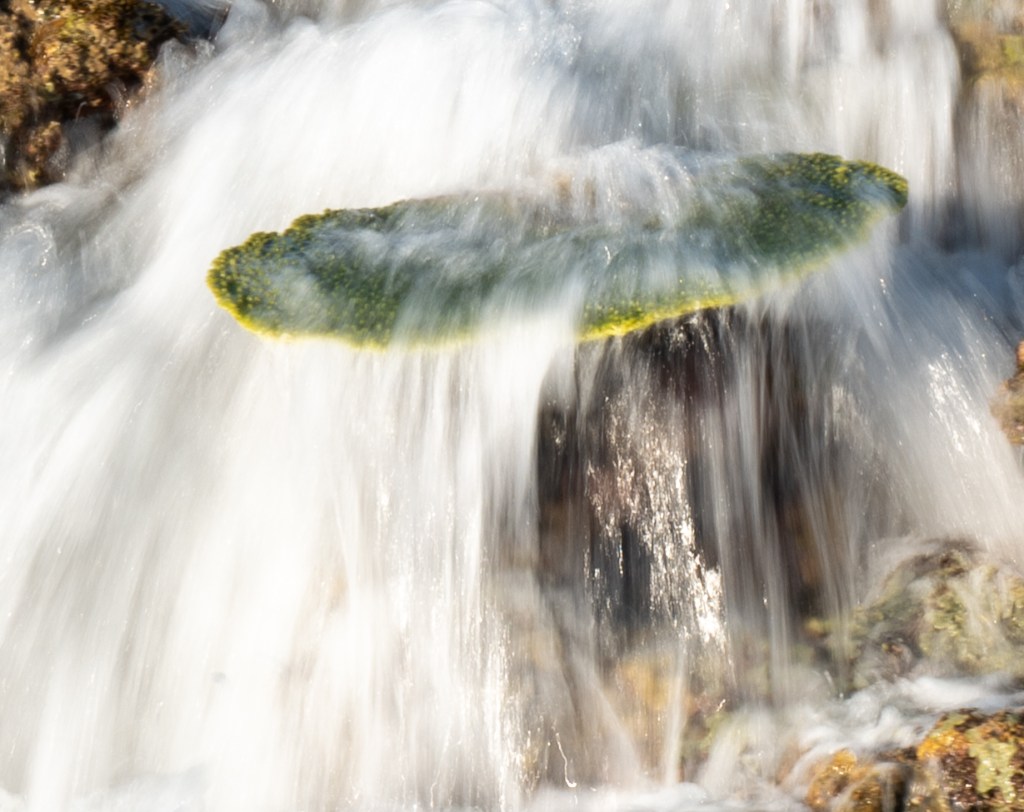
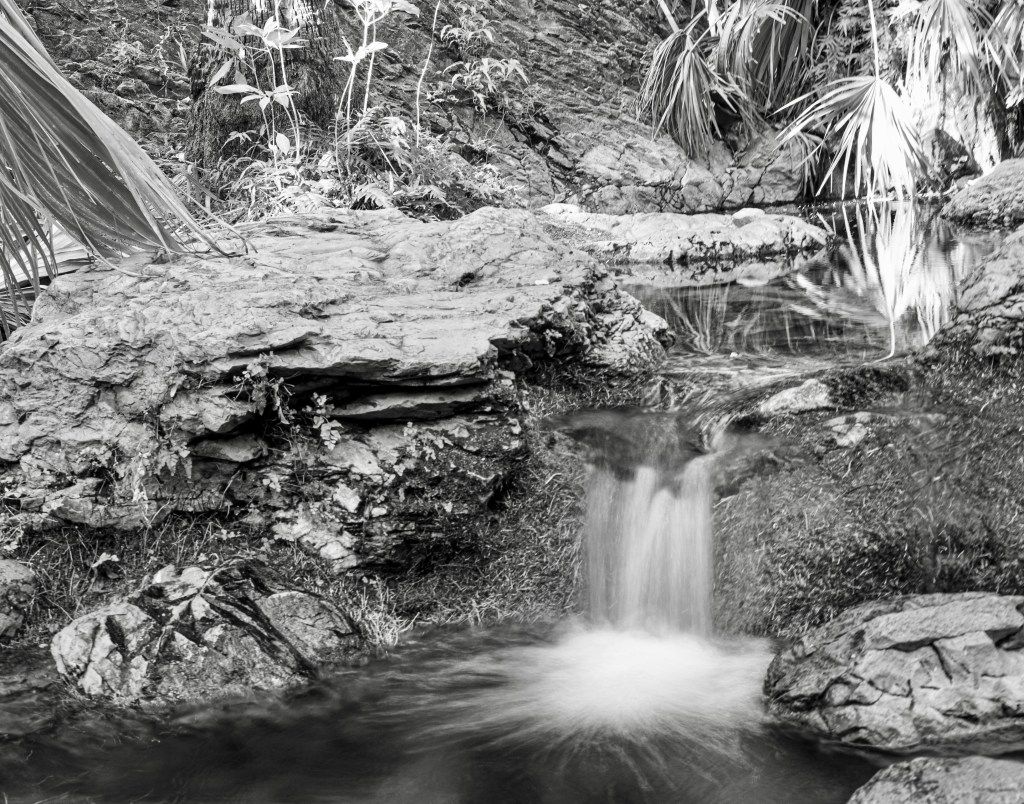
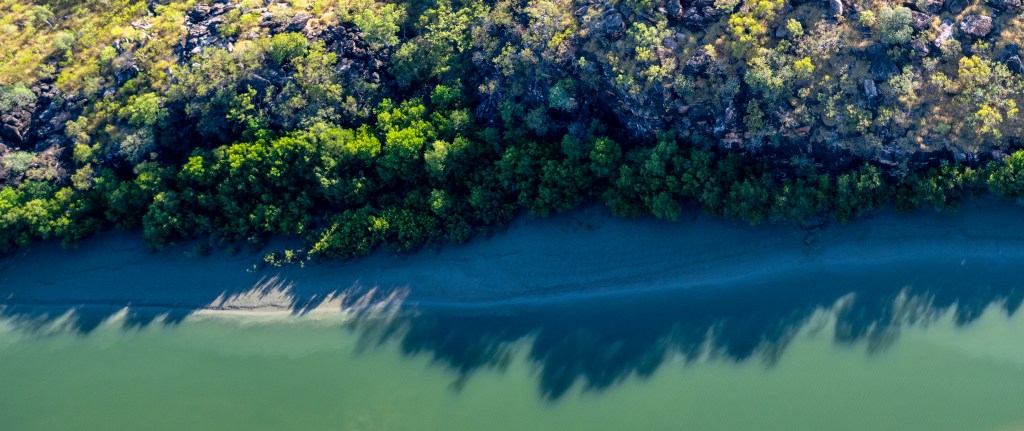
The beauty of the Kimberley is often found in the details that you come across, with nature surviving in the most improbable areas.
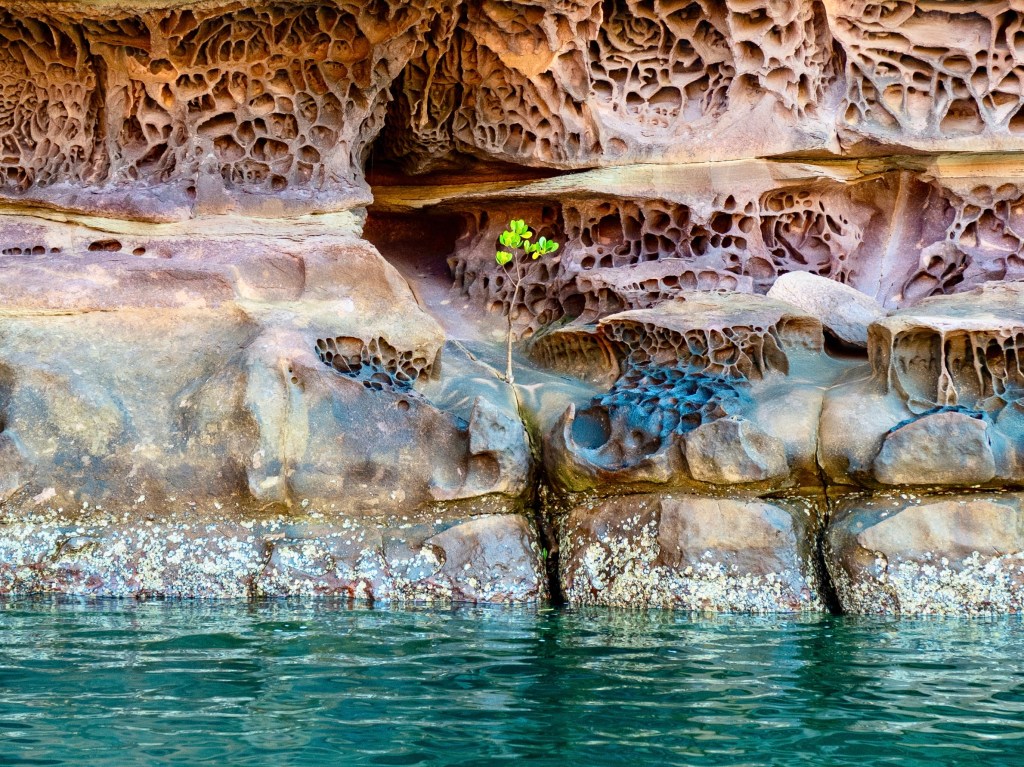
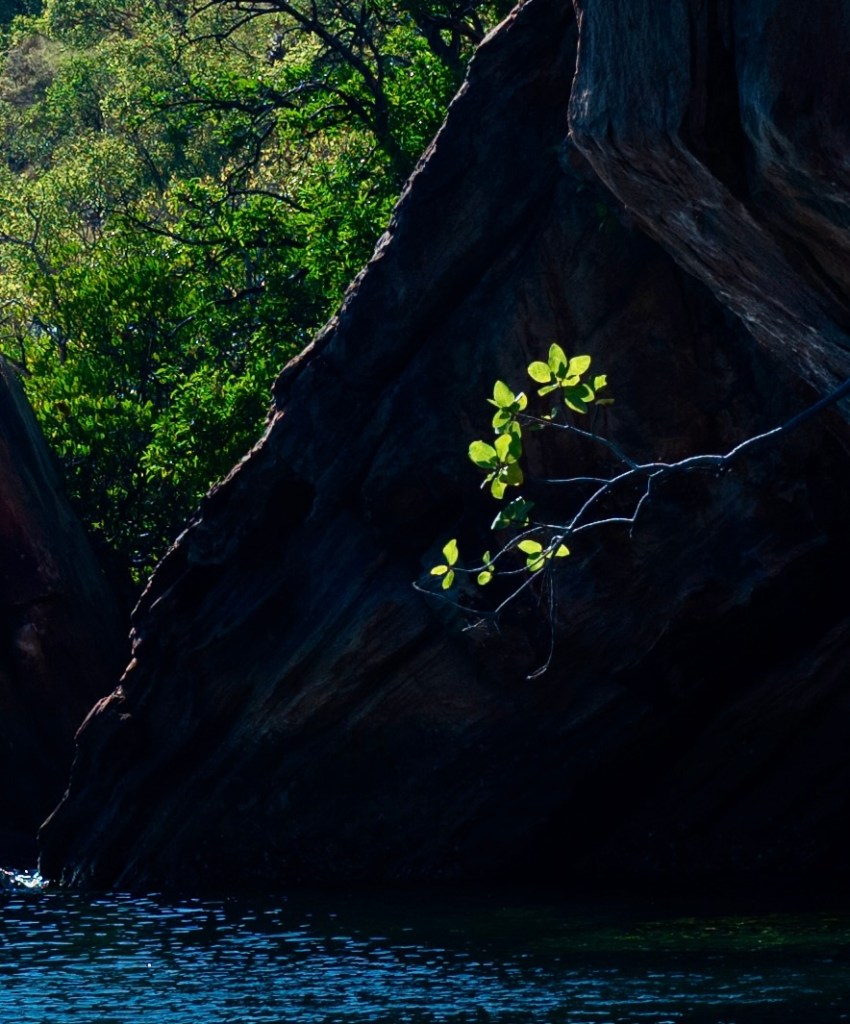
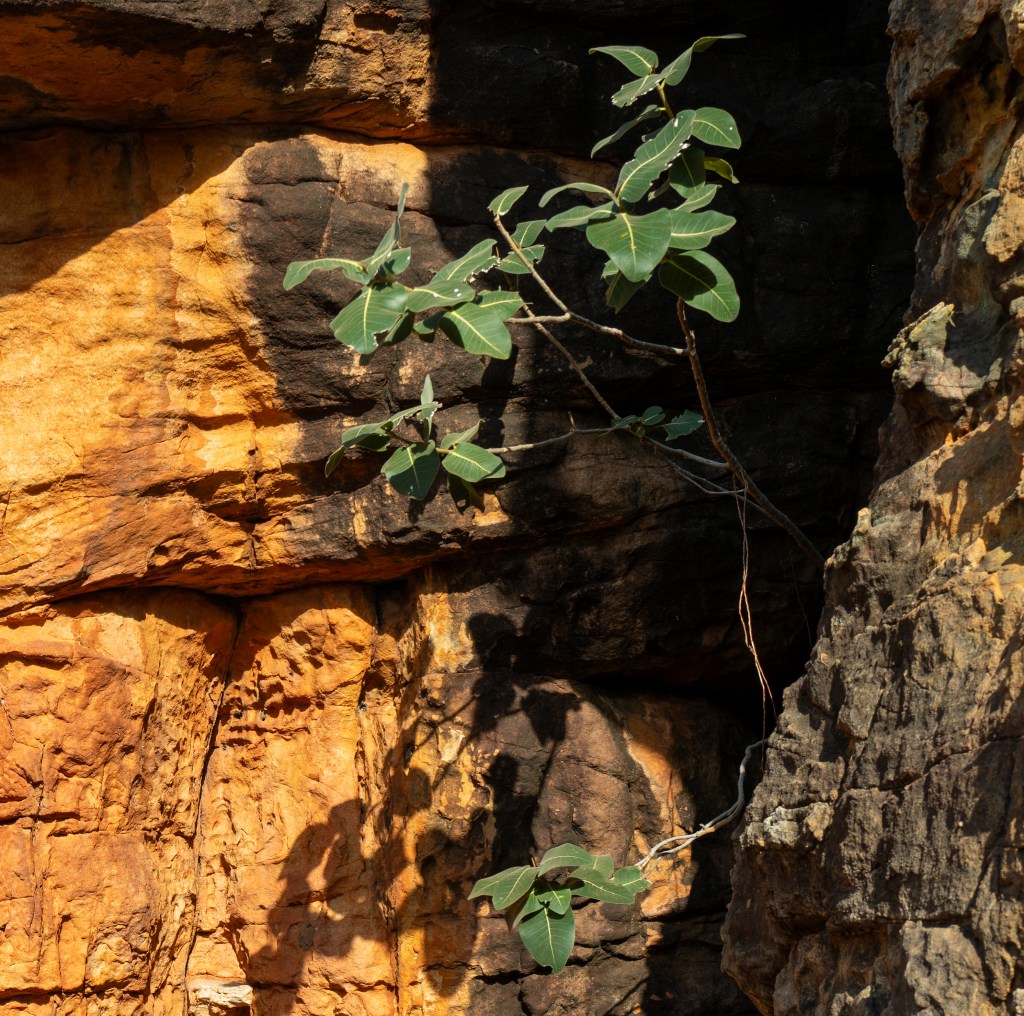
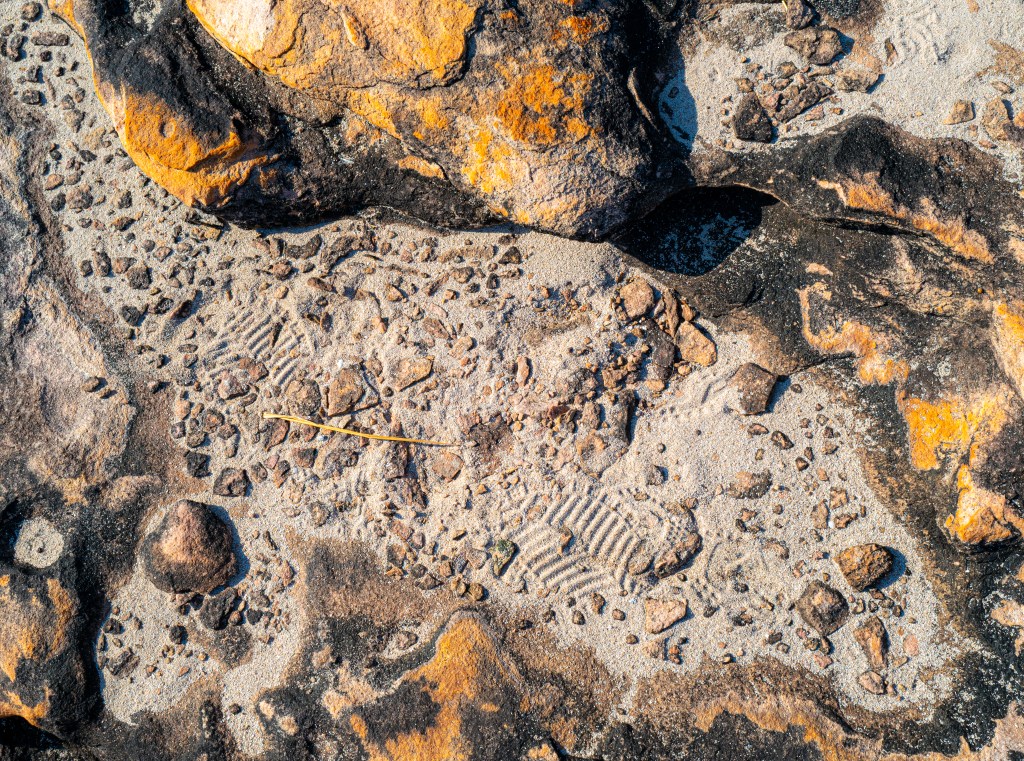
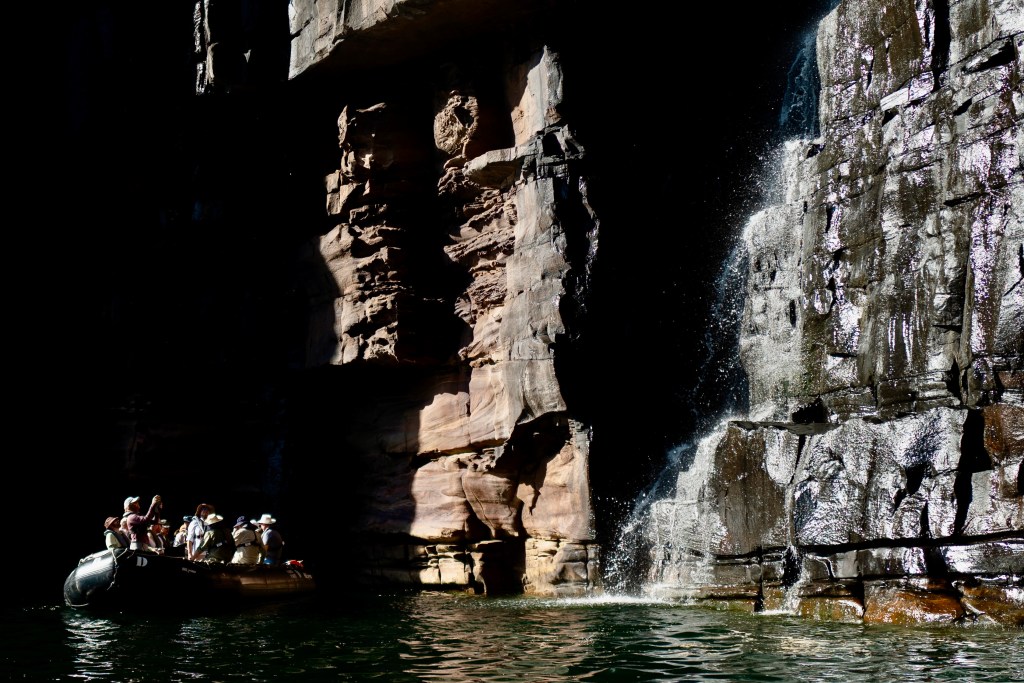
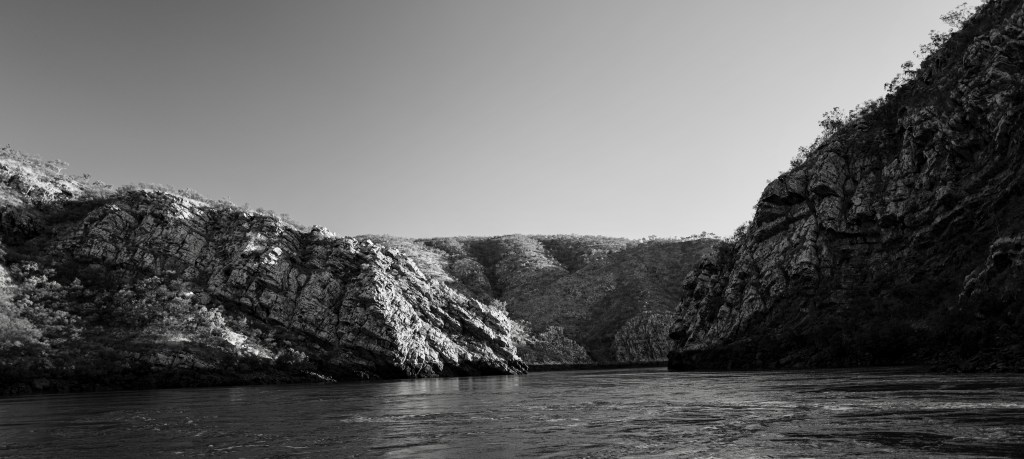
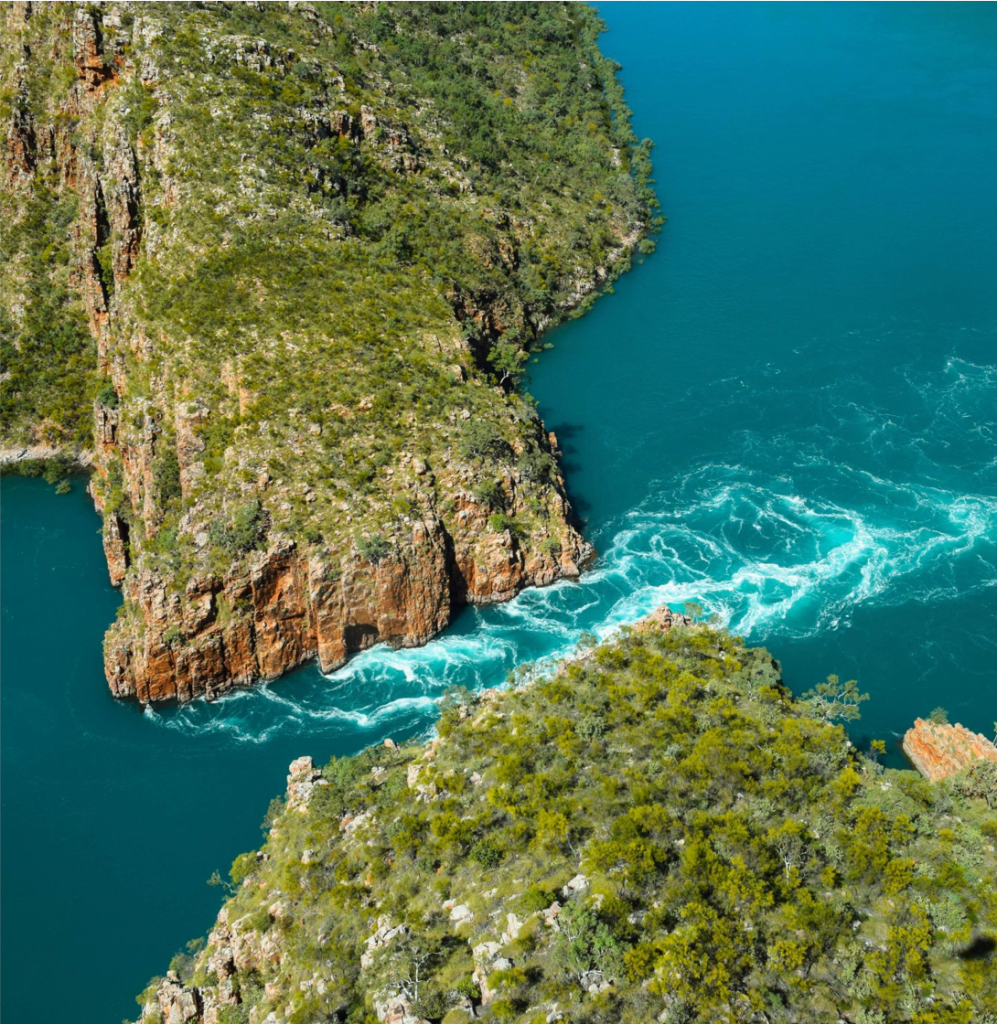
Along the coast, the power of modern oceanography meets ancient topography at Talbot Bay’s Horizontal Falls. Here, massive tides reaching up to 10 meters force immense volumes of seawater through two narrow, parallel coastal gorges in the McLarty Range, creating a dramatic, daily horizontal rush of water that reverses with each tide cycle.
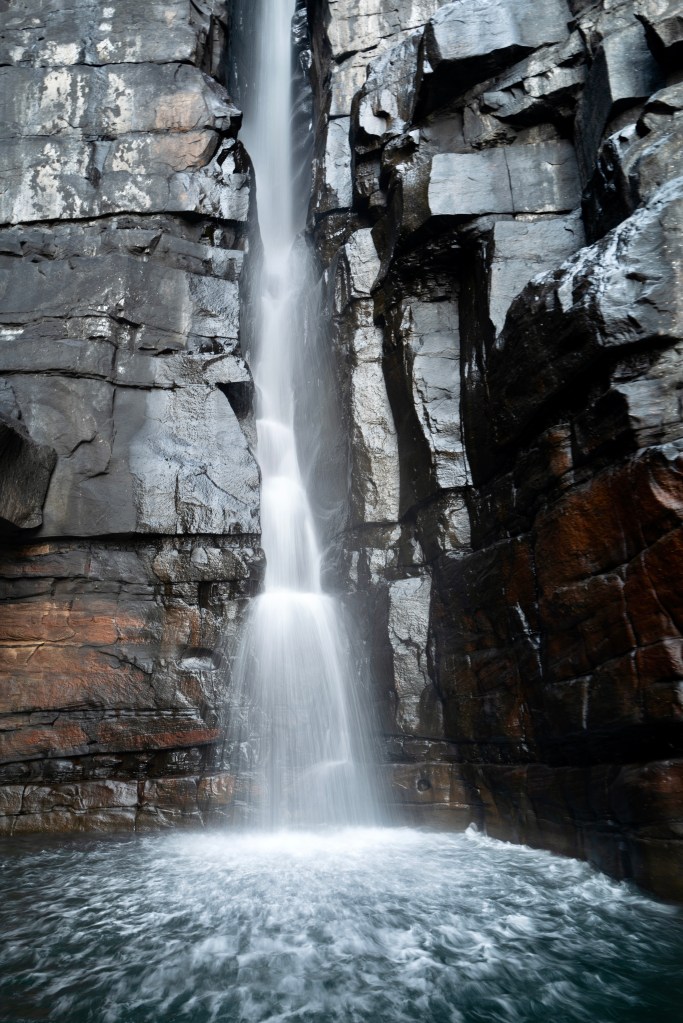
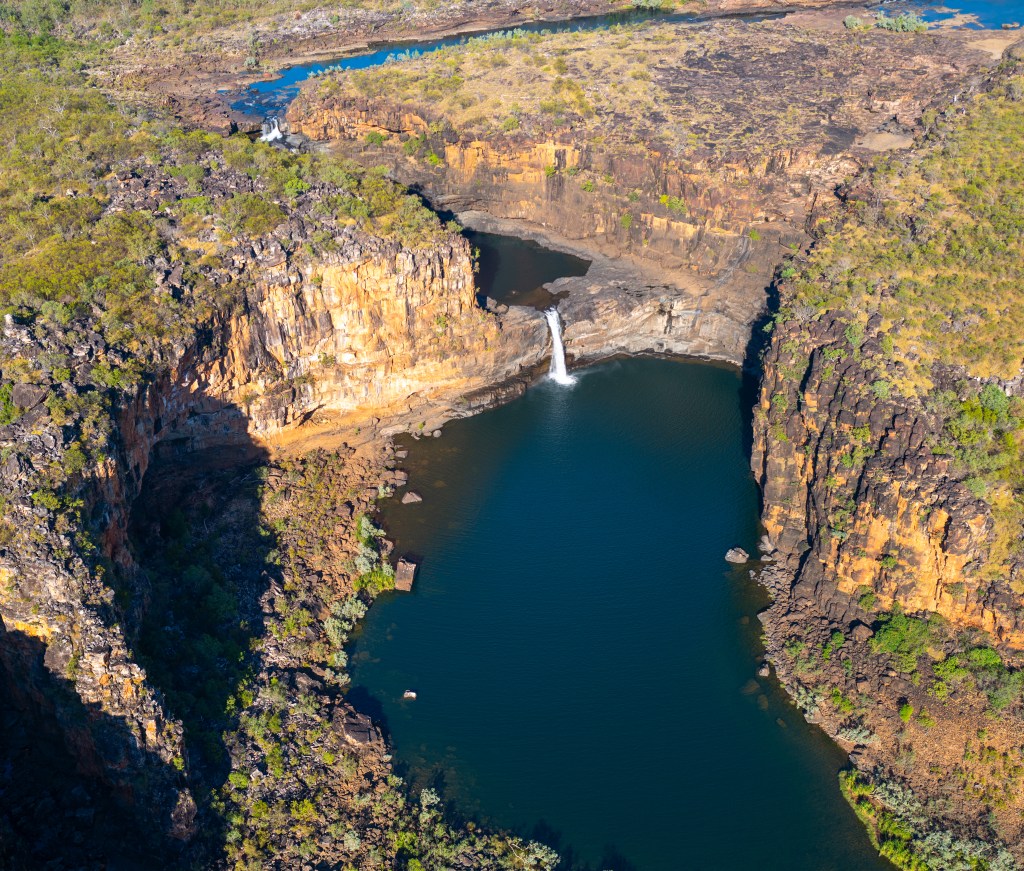
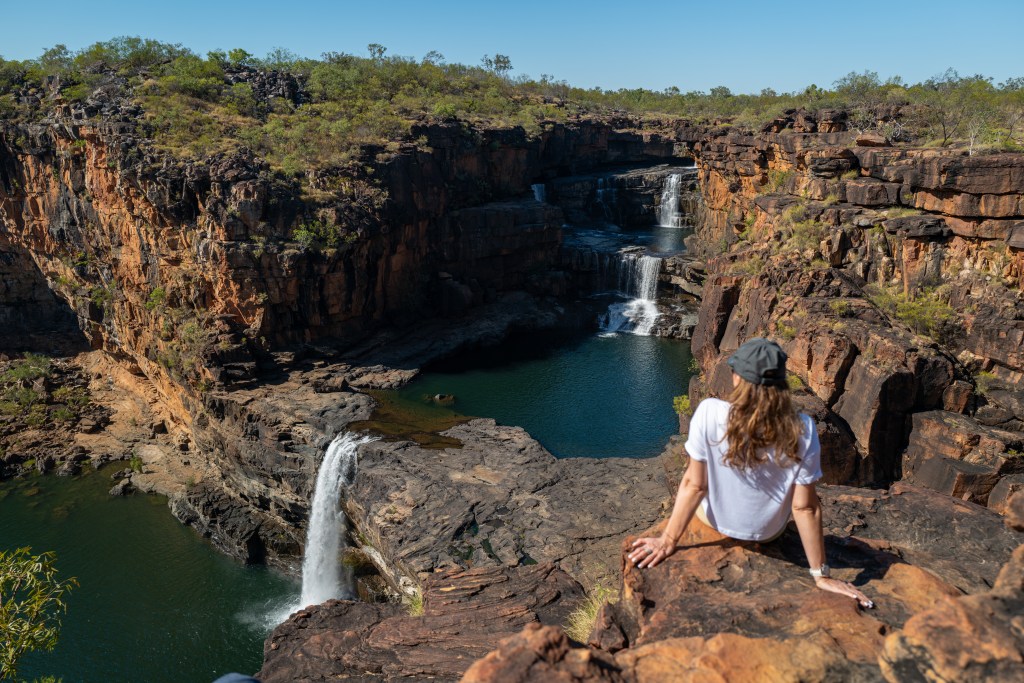
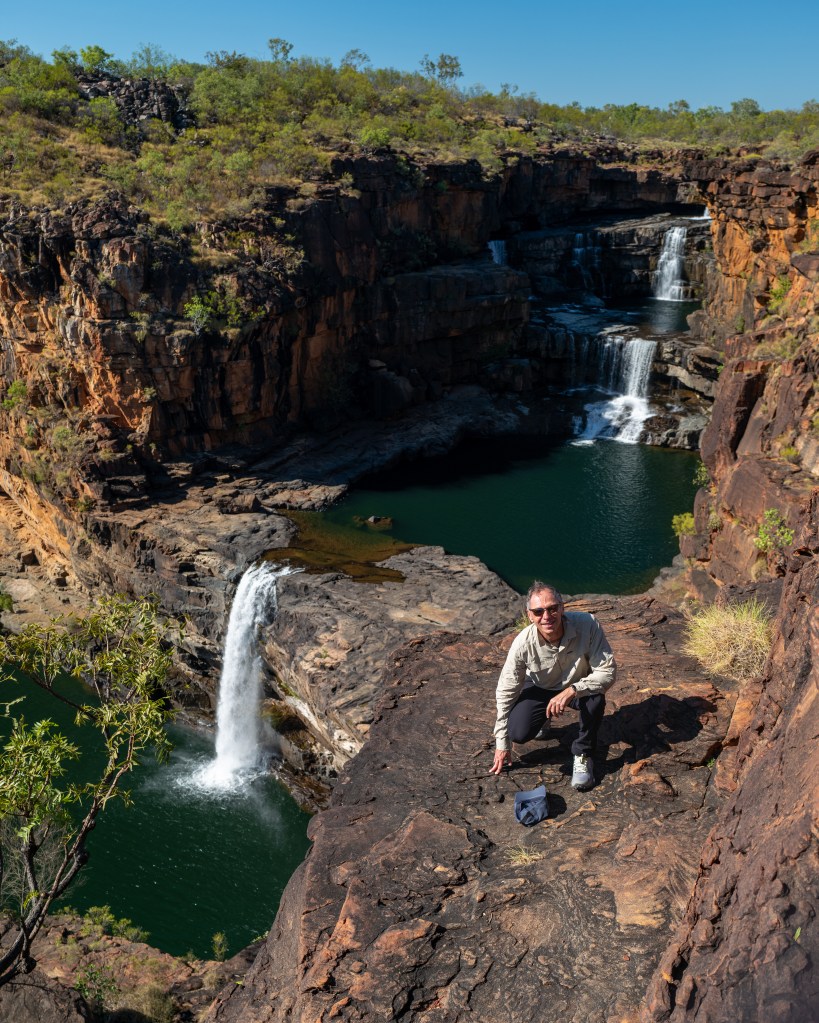
Hidden deeply inside the Kimberley, and reachable only after a 30 minute helicopter ride, are the Mitchell Falls, whose beauty is stunning.
Culture: living traditions and deep ancestry
Archaeological evidence demonstrates continuous human presence in the Kimberley dating back to over 60,000 years, making it one of the world’s oldest cultural traditions.
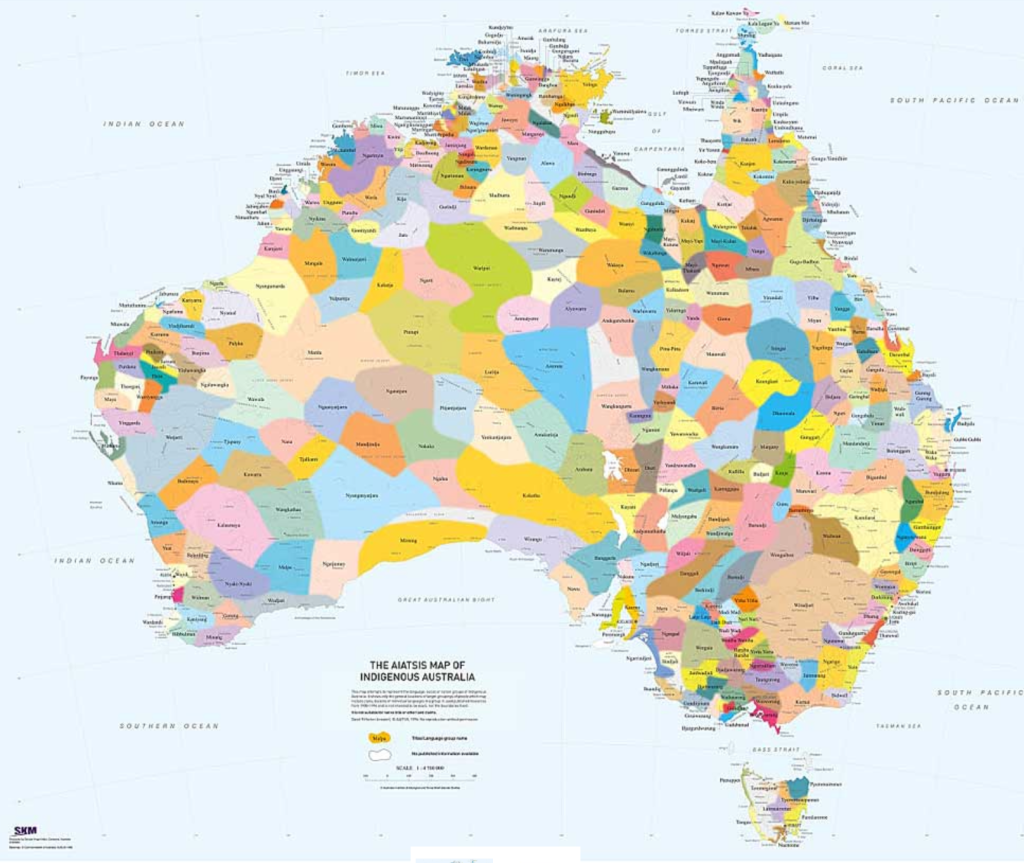
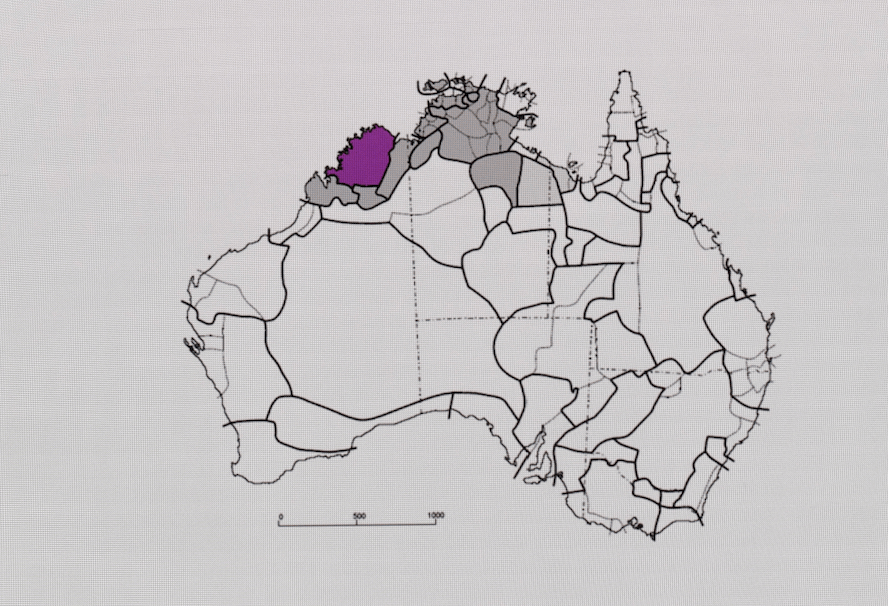
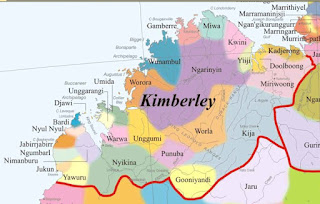
The Kimberley region is a diverse patchwork of distinct cultural groups rather than a single homogenous community (27 different tribes lived here prior to the arrival of Europeans).
However, the Aborigines of Kimberley were far from isolated. In addition to having intense connections to other groups in the rest of Australia, there is evidence of ancient trade with China, as well as Timor and Indonesia, long before European settlement. These ancient connections were trade-related, they did not result in invasions or extensive cultural inter-relationships.
Today Aborigines make up roughly half of the 35’000 people who call the Kimberley home, a much higher proportion than in the rest of Australia.
The diversity of the Aboriginal presence is more marked in the Kimberley than in other areas of Australia:
- 30 Distinct Language Groups: The Kimberley encompasses roughly 30 distinct traditional language groups (such as the Nyulnulan, Worrorran, Jarragan, Bunuban, Wunambal, Bardi, Yawuru, Kija, and Walmajarri).
- Linguistic Lineages: Unlike most of mainland Australia, where languages belong to the widespread Pama-Nyungan family, many traditional Kimberley languages belong to unique, localized families (such as the Worrorranor Nyulnyulan families).
- Kriol: In addition to traditional languages, Kimberley Kriol—an Indigenous creole language—is widely spoken across diverse communities as a common language.
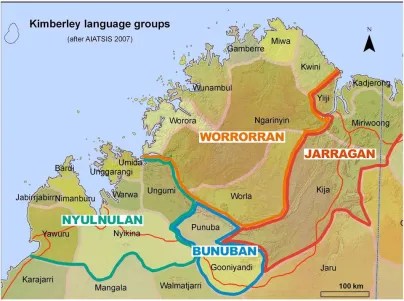
Cultural life across the Kimberley is governed by traditional law and creation beliefs passed down through generations.
- Lalai / Dreamtime Creation: Creation eras (referred to as Lalai in northern parts of the region) describe how ancestral beings traveled across the soft earth, shaping rivers, ranges, animals, and human customs.
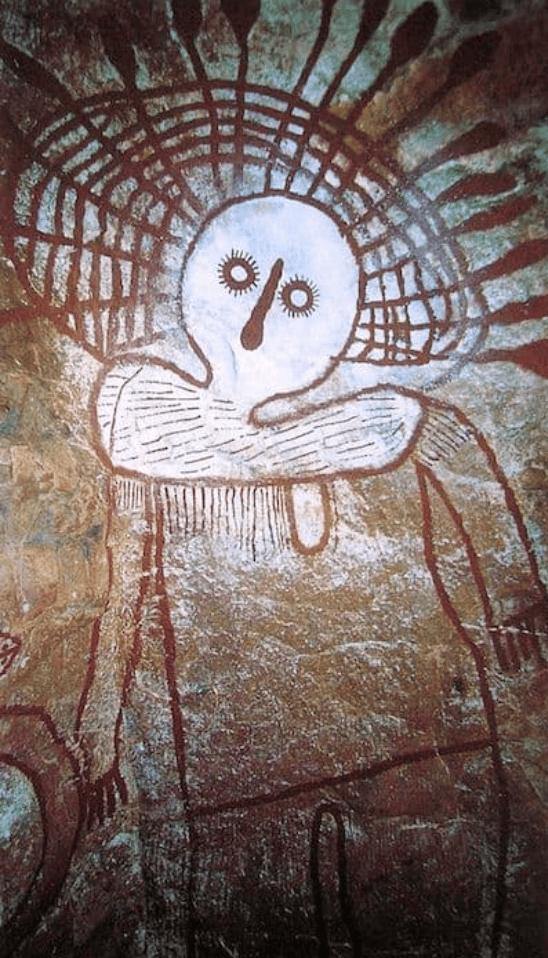
- Wanjina Wunggurr Law: Central to northern Kimberley culture is the belief in the Wandjina (supreme creation ancestors associated with cloud, rain, and fertility) and Wunggurr (powerful creator snake spirits that inhabit waterholes and ocean currents).
- Country and Stewardship: Land is not viewed as property to be owned, but as a living entity (“Country”) to which people belong. Fulfilling obligations to care for Country—through controlled seasonal burning, ceremonies, and site protection—remains vital to spiritual and environmental wellbeing.
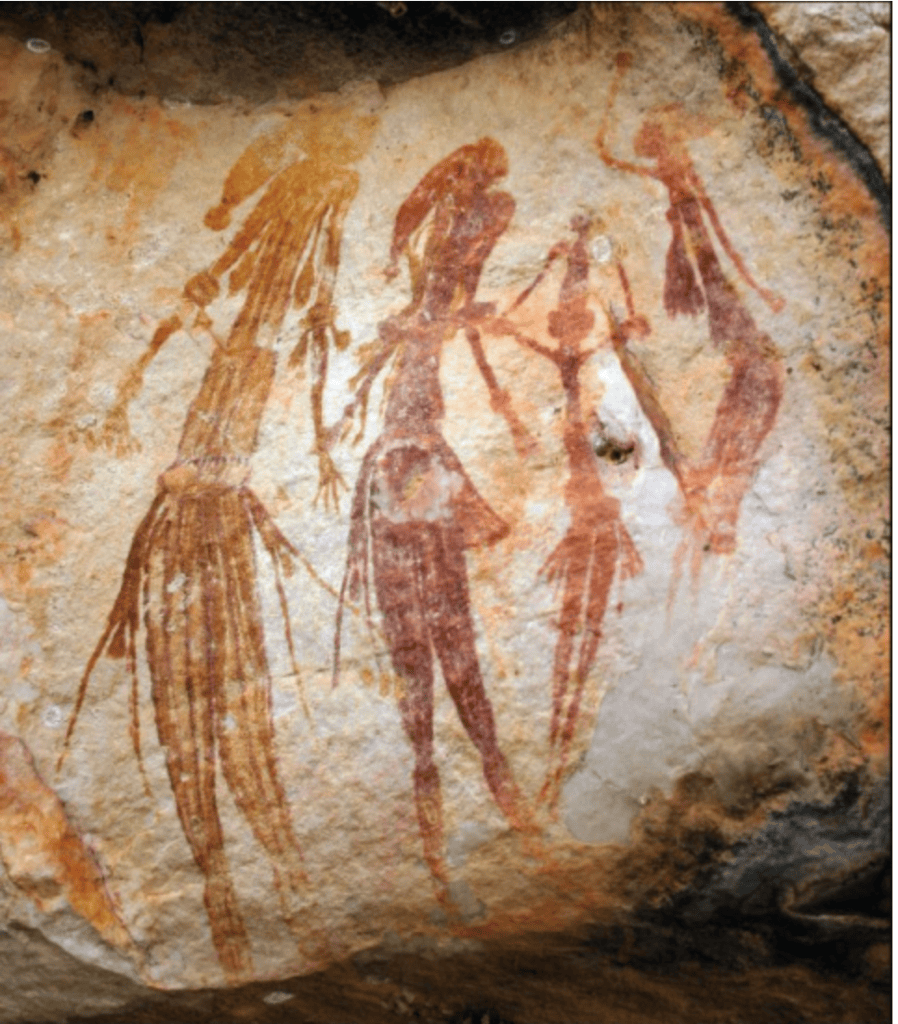
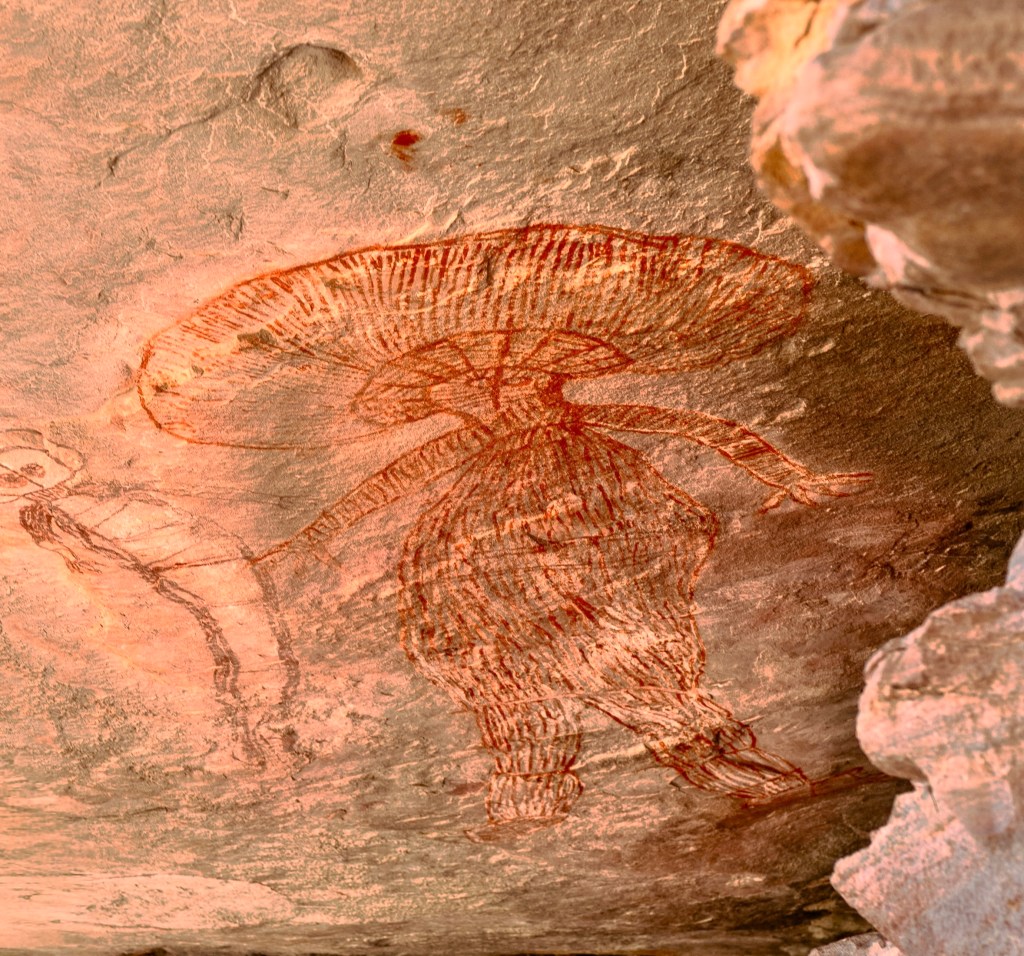
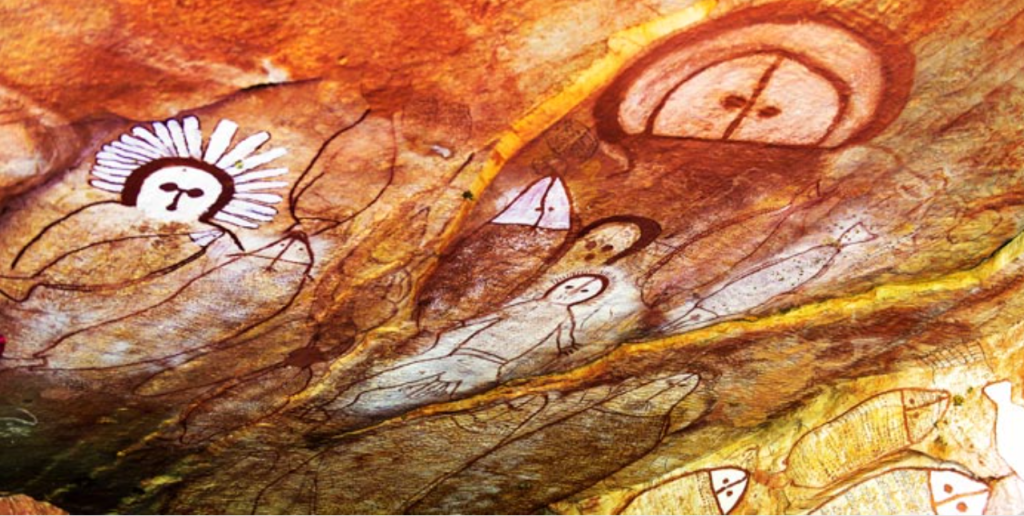
Two distinct rock art traditions provide a window into this profound human history (see also our separate blog entry specifically dedicated to Australian rock art):
- Gwion Gwion (Bradshaw) Art: Predating the last Ice Age, these refined, delicate depictions feature elongated human figures wearing elaborate adornments, headdresses, and carrying boomerangs and spears. Painted with natural ochres, the pigment has chemically bonded with the sandstone faces over millennia, preserving delicate lines created long before the pyramids of Egypt were built.
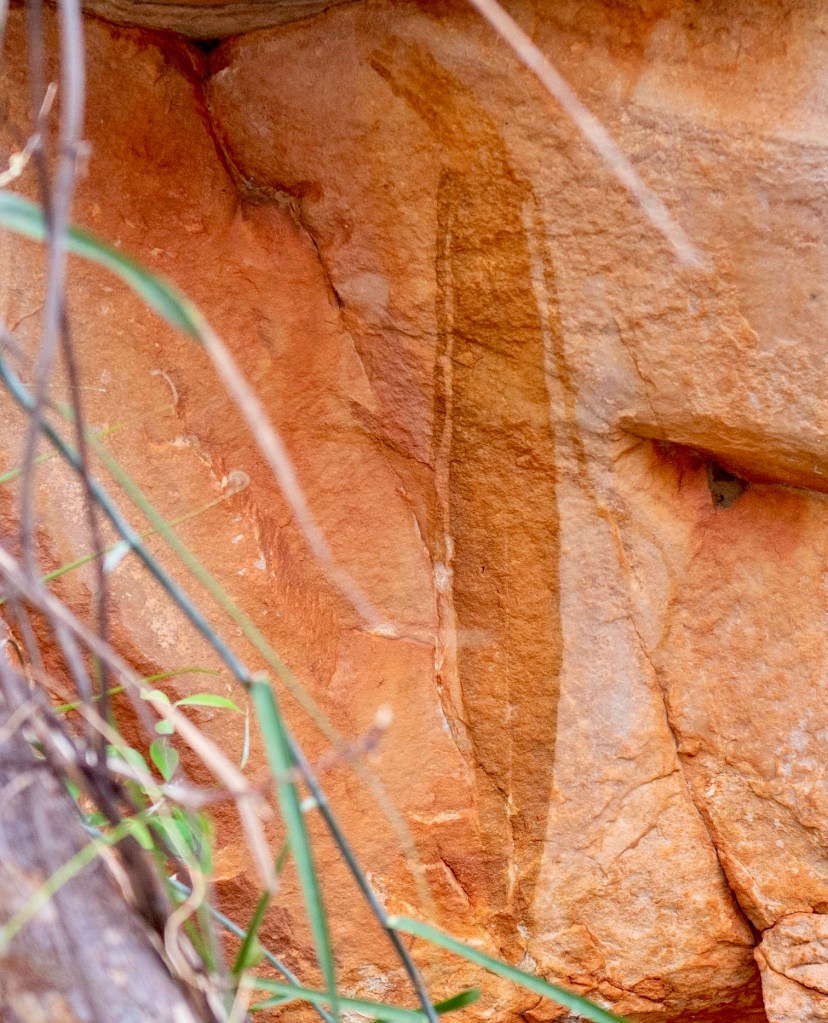
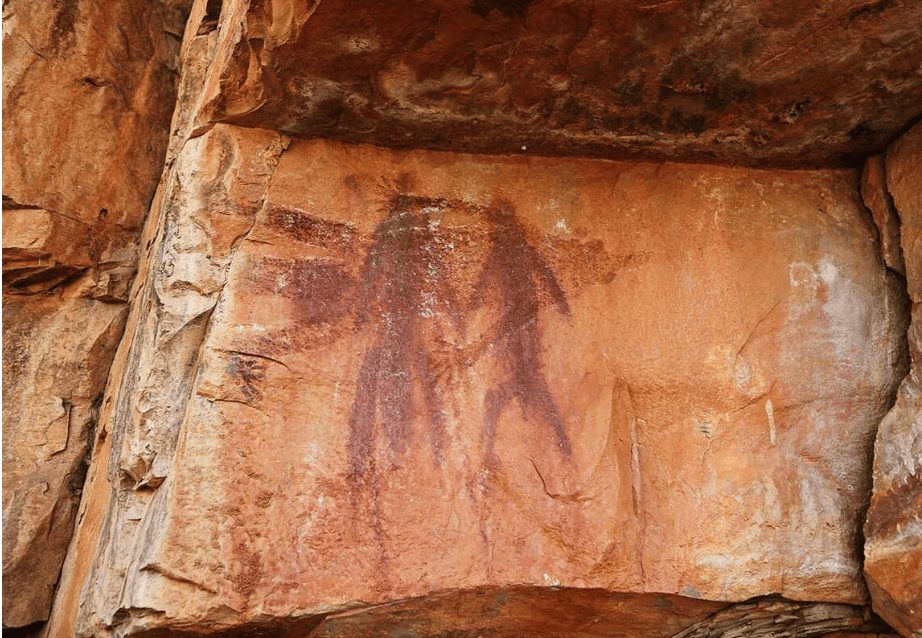
2. Wandjina Art: Originating thousands of years later, Wandjina rock art depicts powerful Ancestral Beings associated with creation, rainfall, and seasonal weather changes. Characterized by large, mouthless faces with halo-like headpieces and striking eyes, the Wandjina are actively maintained and repainted by traditional custodians to this day, keeping spiritual connections vibrant and unbroken.
Nature: adaptation in a land of extremes
The Kimberley environment operates on two distinct seasons dictated by the monsoon: the Wet (November to April) and the Dry (May to October). This dramatic swing between torrential tropical downpours and prolonged dry heat has shaped a remarkably resilient ecosystem.
The region serves as a sanctuary for diverse wildlife:
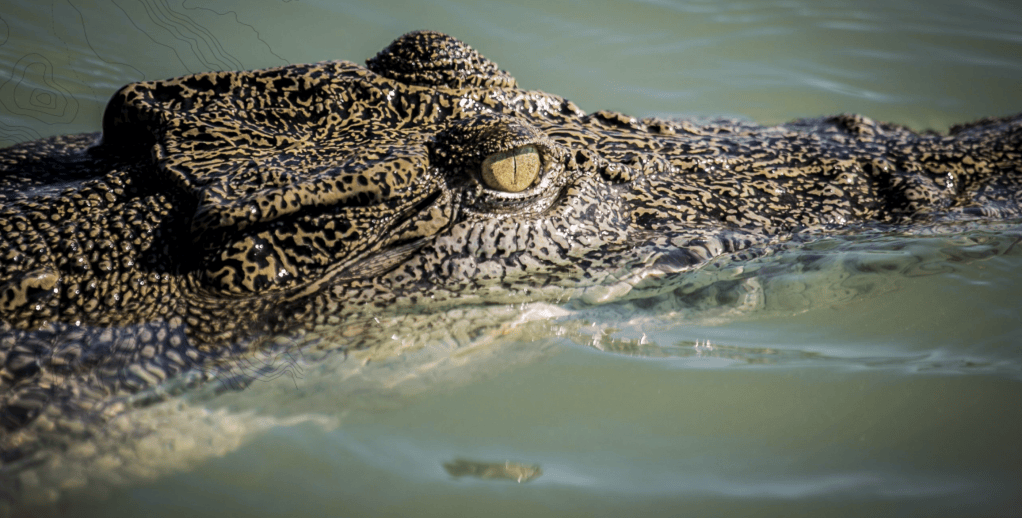
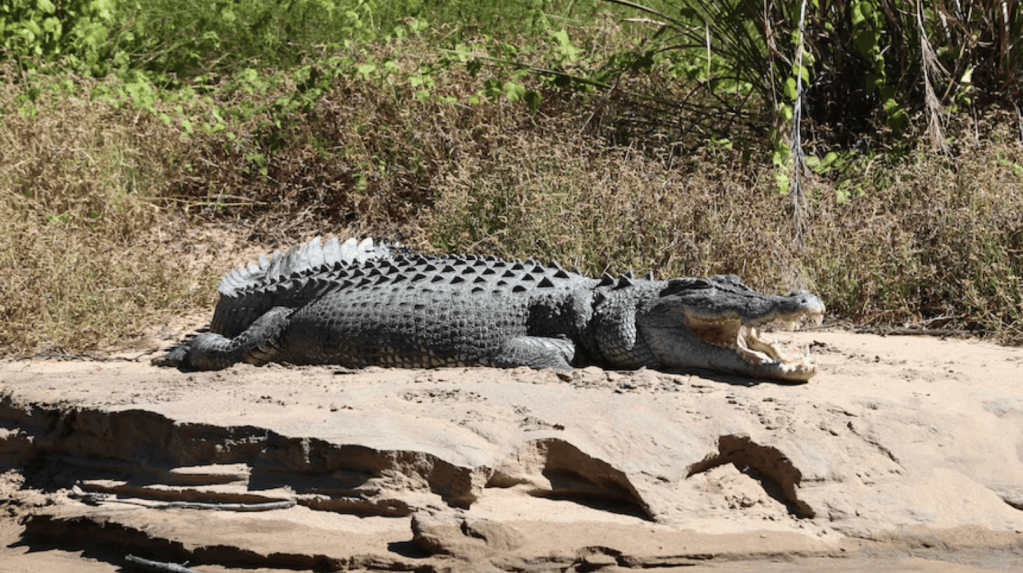
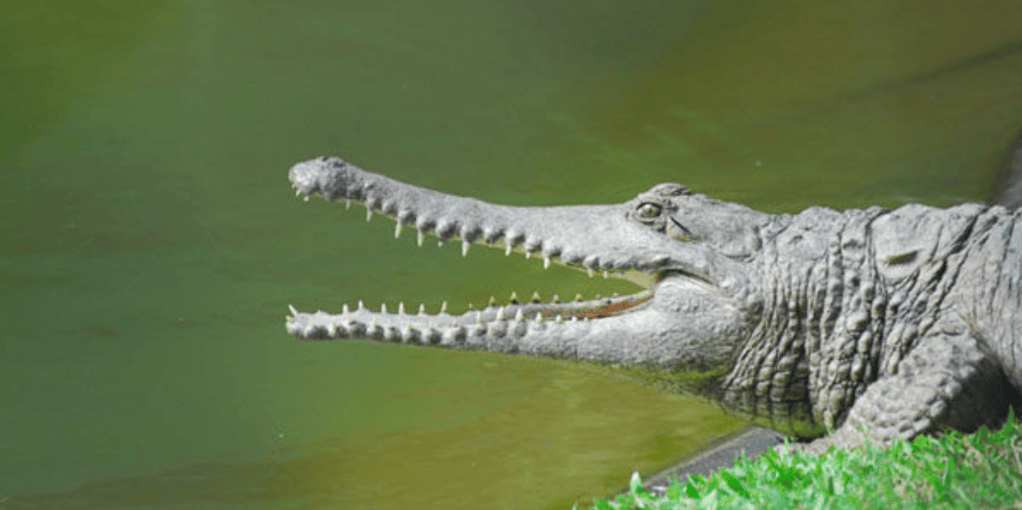
Freshwater and Saltwater Crocodiles: Saltwater crocodiles (Crocodylus porosus) dominate the tidal rivers and estuaries, while the smaller, fish-eating freshwater crocodile (Crocodylus johnstoni) inhabits inland gorges and permanent pools.
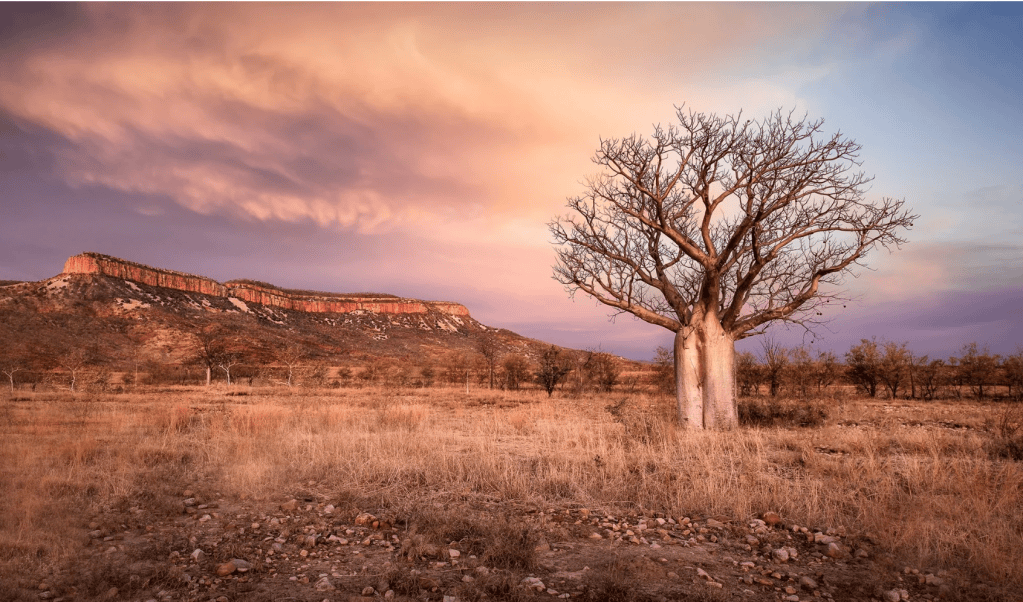
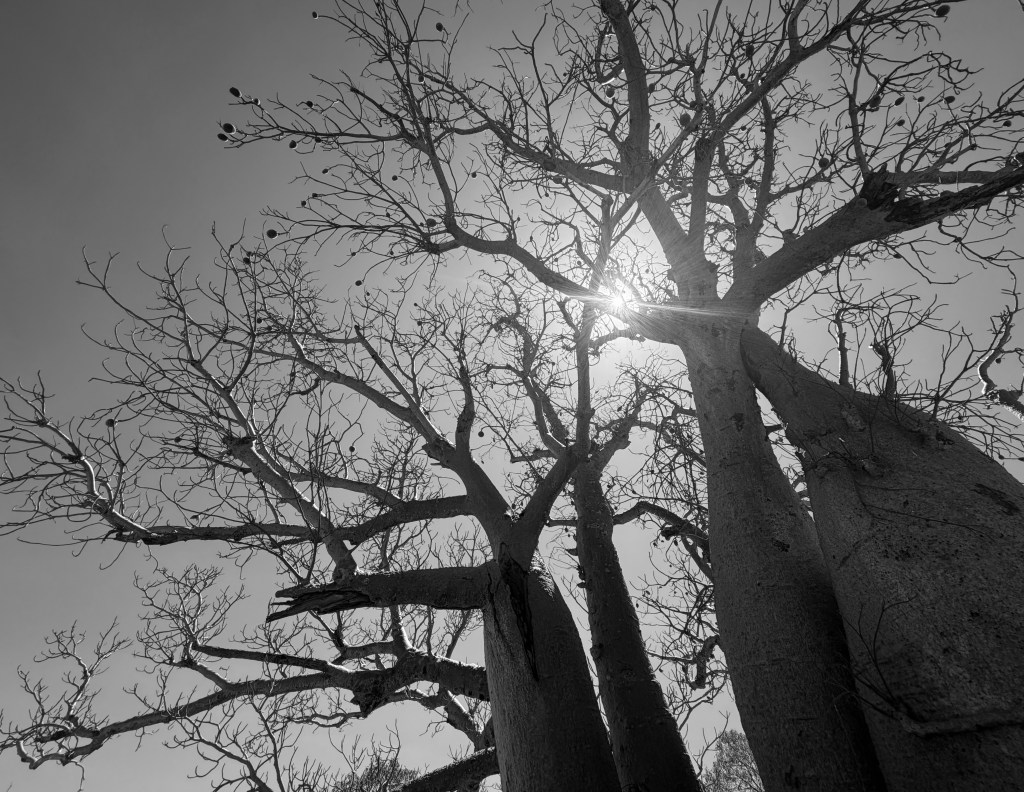
Flora: The landscape is dotted with iconic Boab trees (Adansonia gregorii), distant relatives of Madagascar’s baobabs, which store water in their swollen trunks to endure the long dry months.
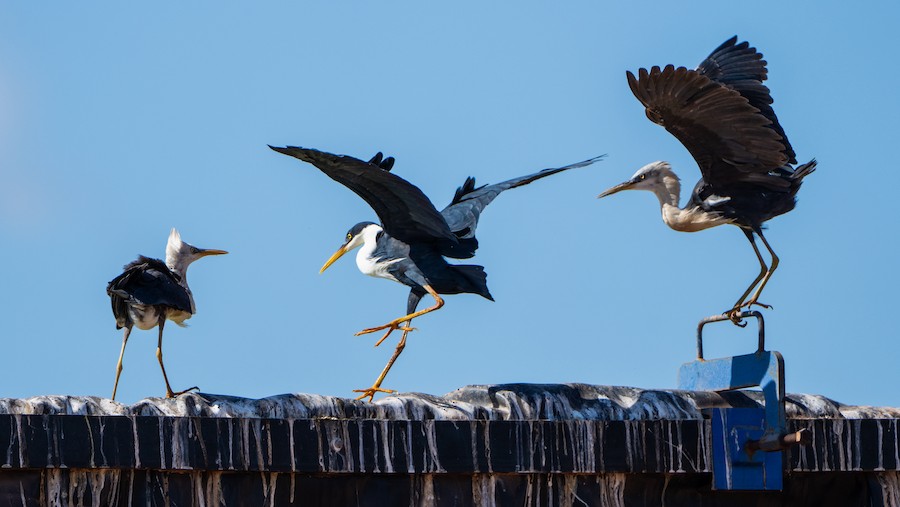
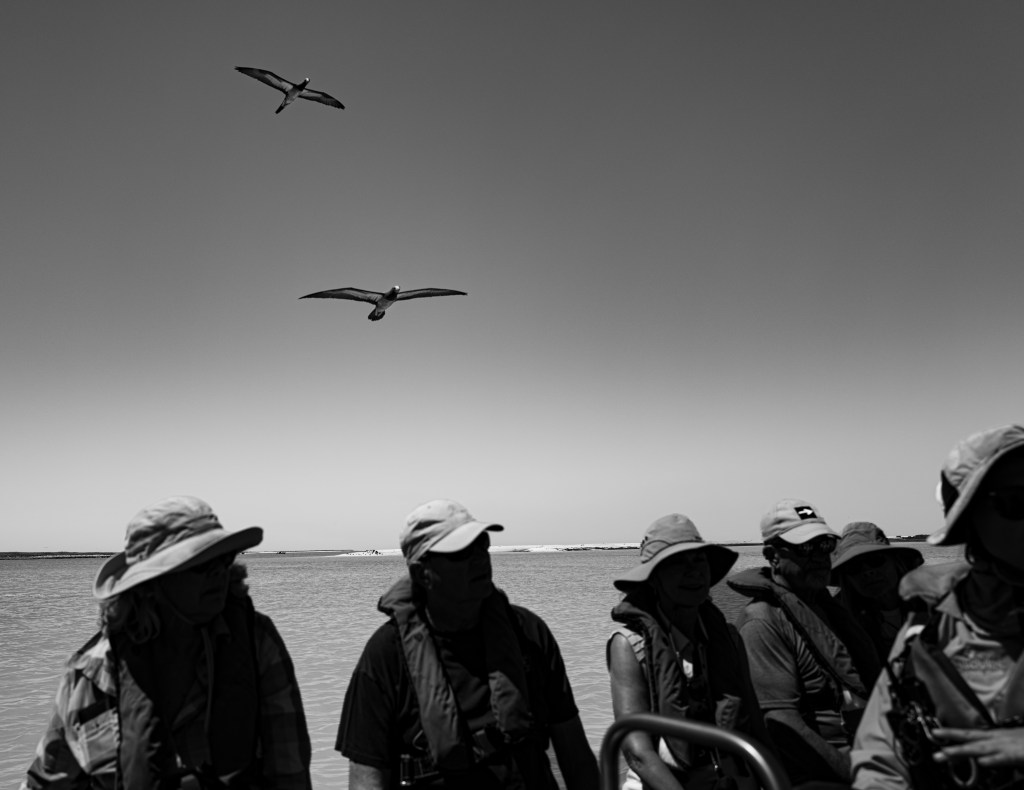
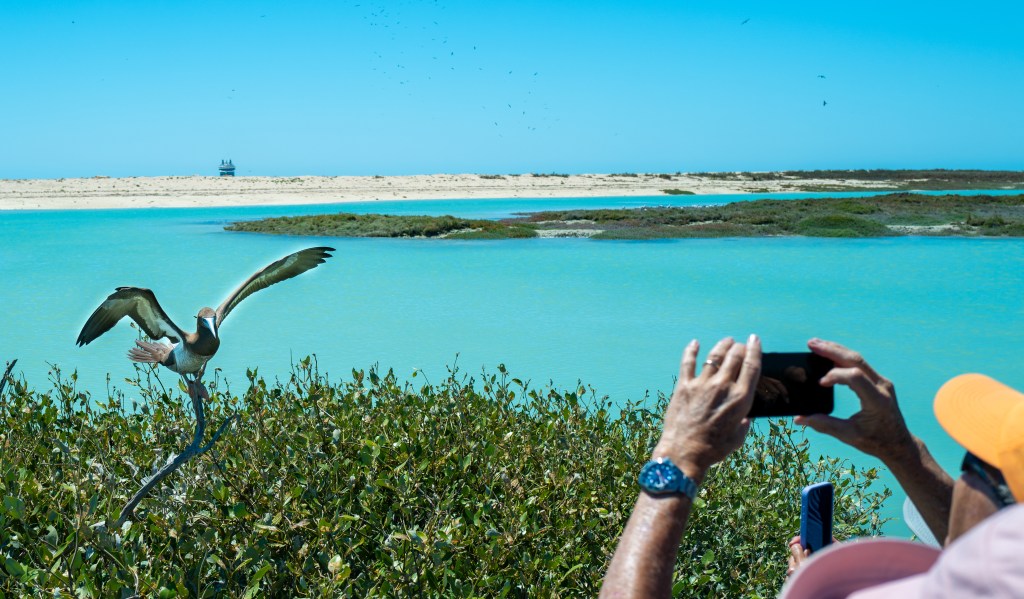
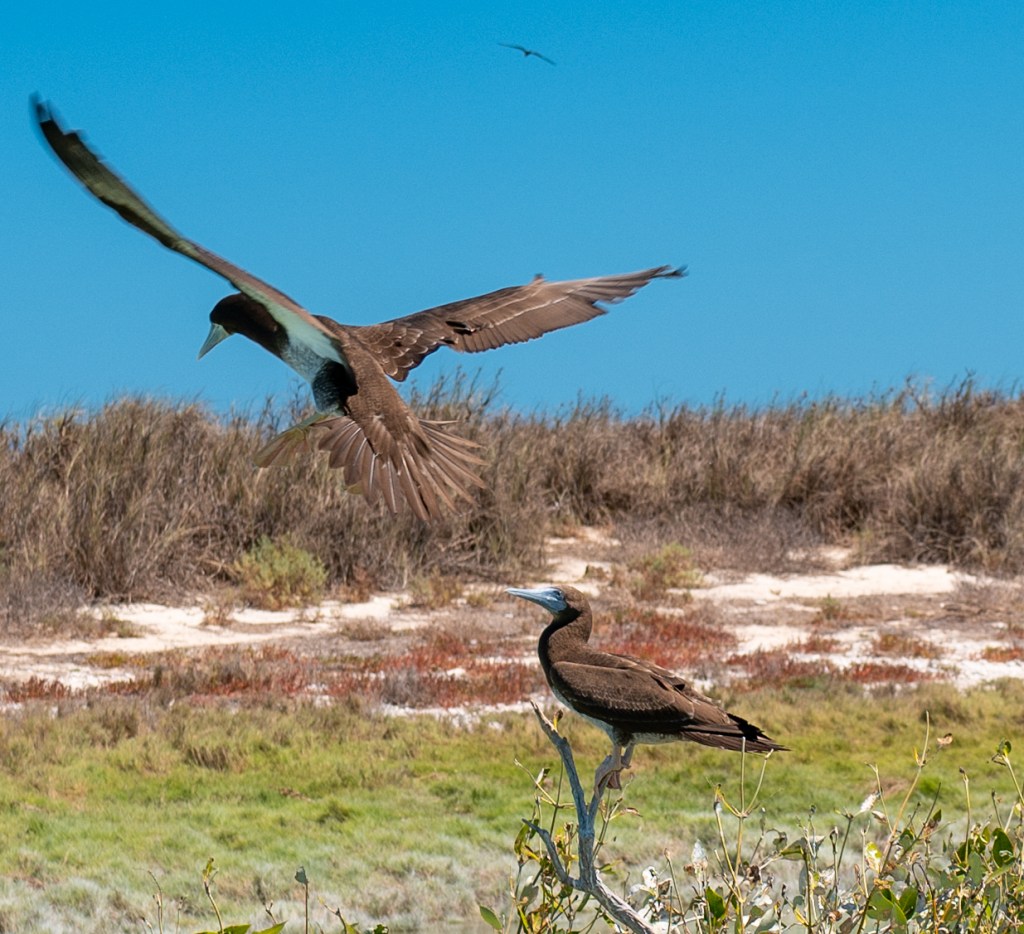
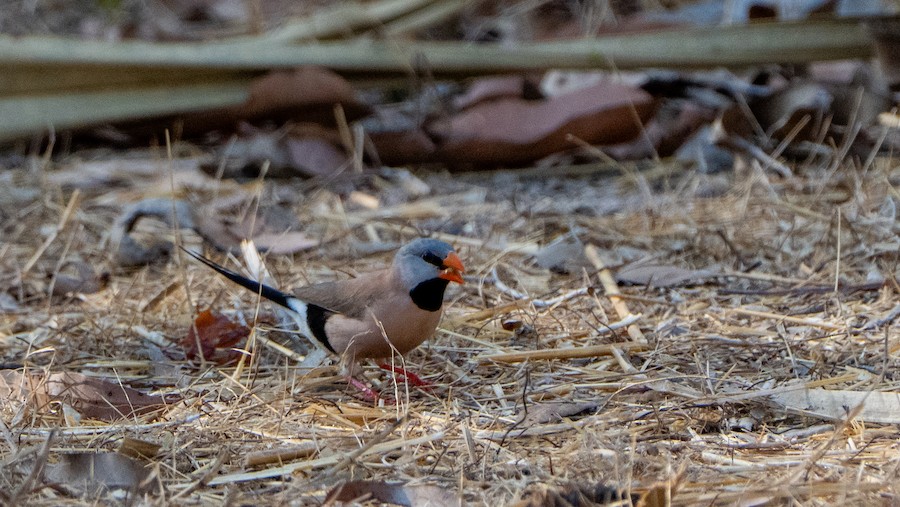
Avian Diversity: One of the joys of visiting the Kimberley are the amazing number of birds you see. Birds are everywhere, more than 300 species live in this part of Australia, which is more than one third of all of the birds that make this continent its home.
The birds of the Kimberley are incredibly varied, and many are astonishingly beautiful. This includes the many varieties of seabirds (birds that spend their entire existence at sea, with only brief stops on land to lay eggs).
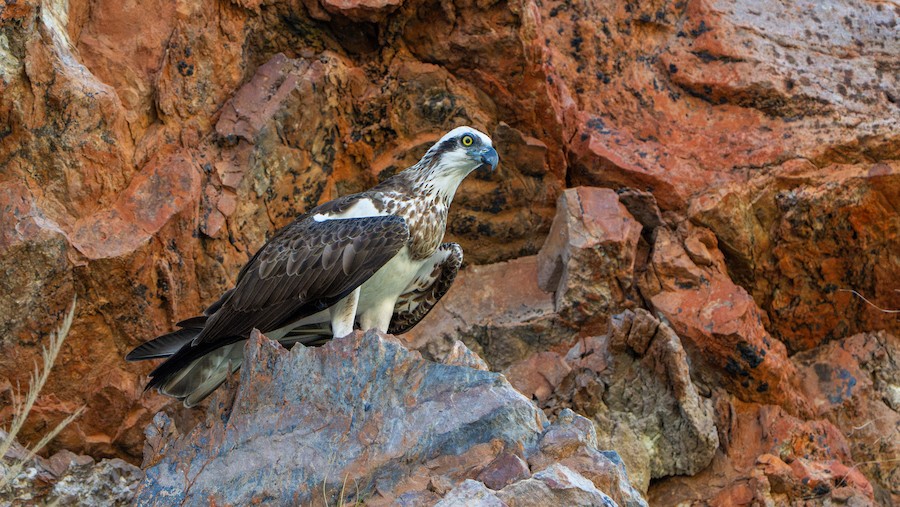
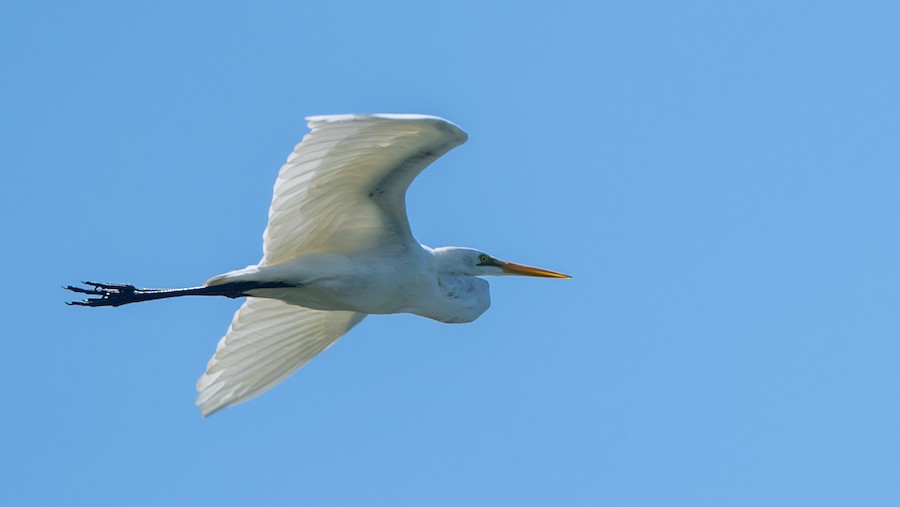
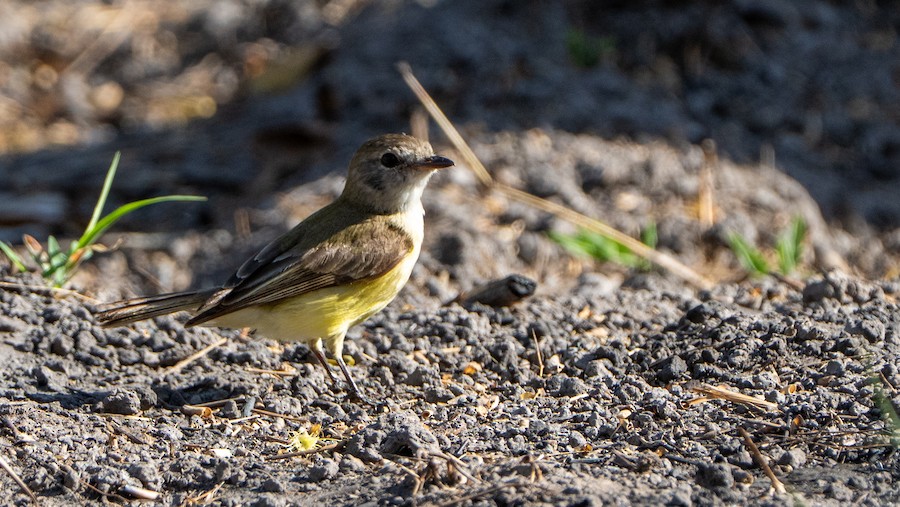
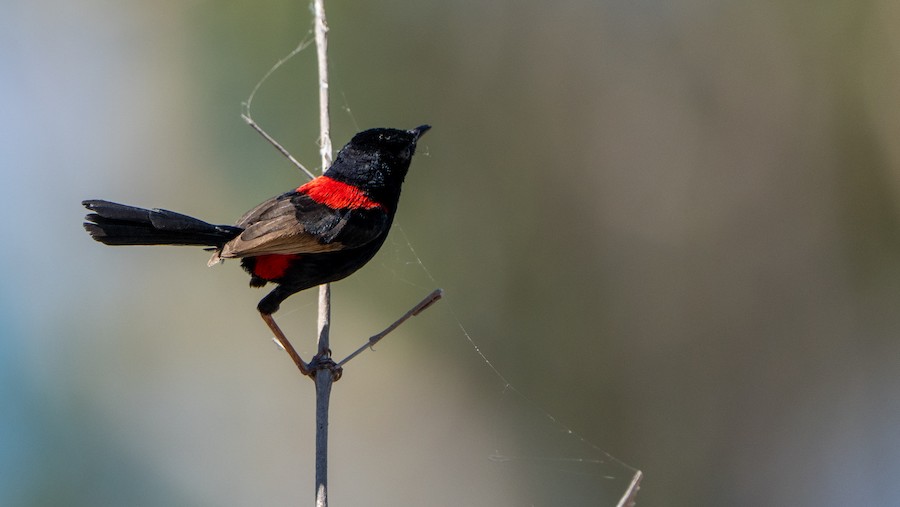
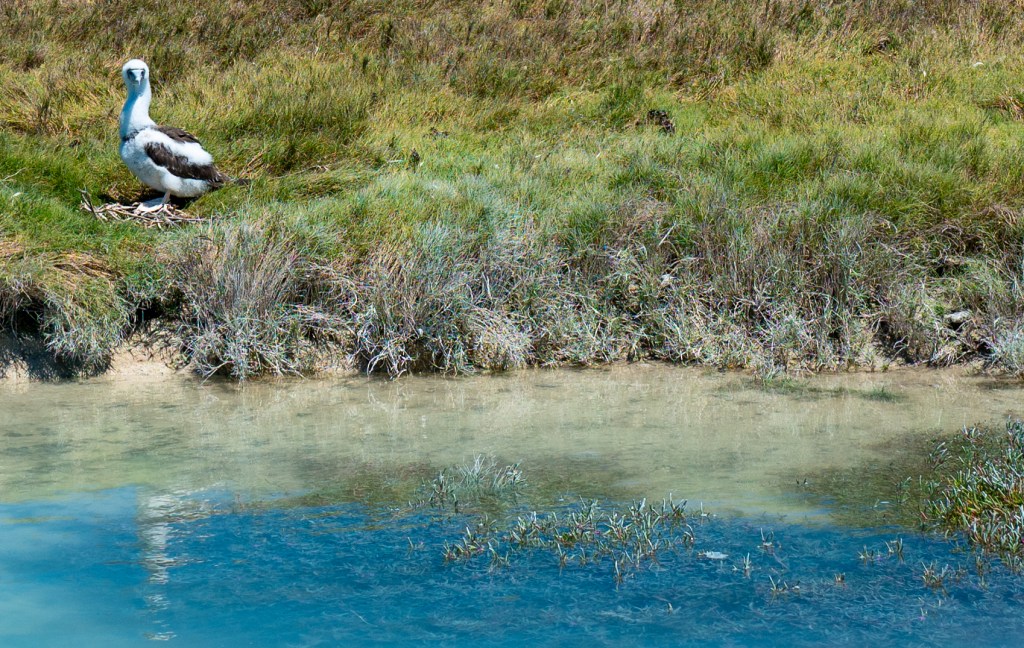
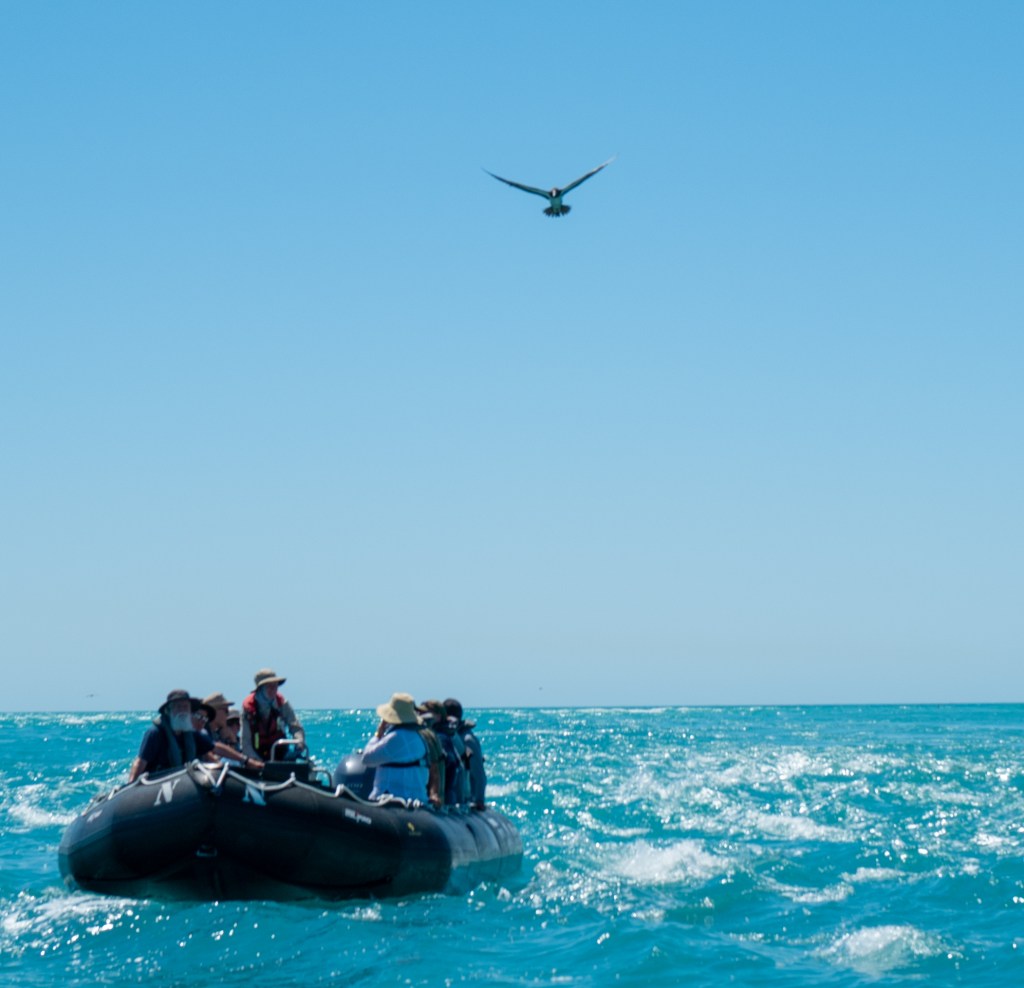
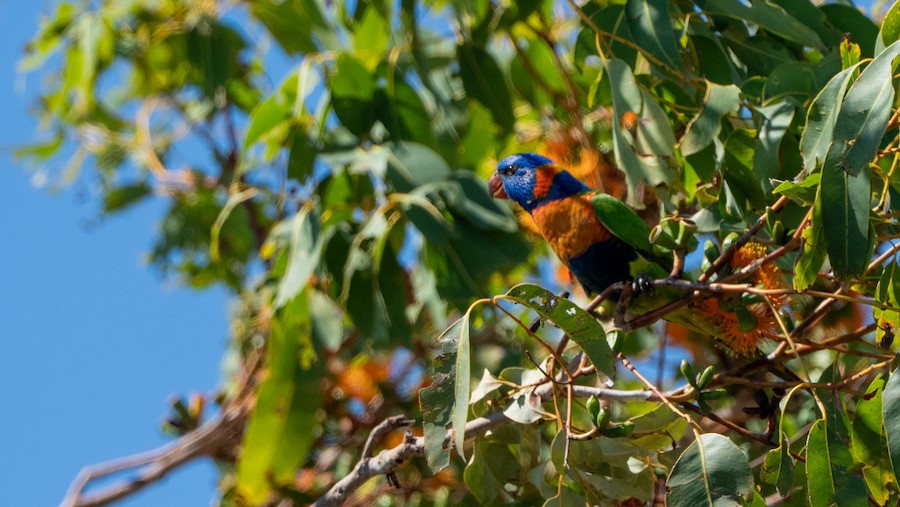
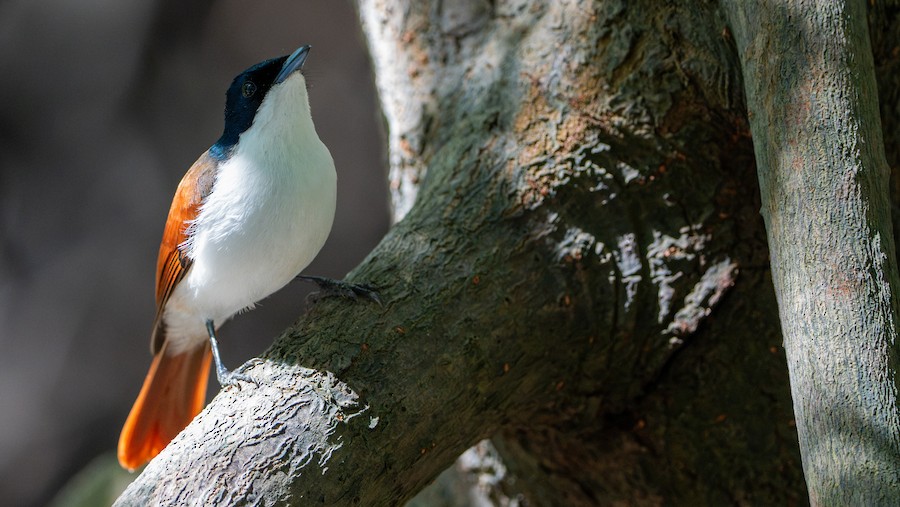
During the Wet season, rivers like the Fitzroy and the Ord swell to enormous volumes, feeding vast savanna woodlands and sending torrents over red sandstone drops at Mitchell Falls (Punamii-Uunpuu). As the water recedes in the Dry season, life concentrates around permanent waterholes and spring-fed oases tucked deep within shaded gorges.
The Kimberley after the European invasion
The post-contact history of the Kimberley is defined by remote isolation, resource booms, and pastoral expansion.
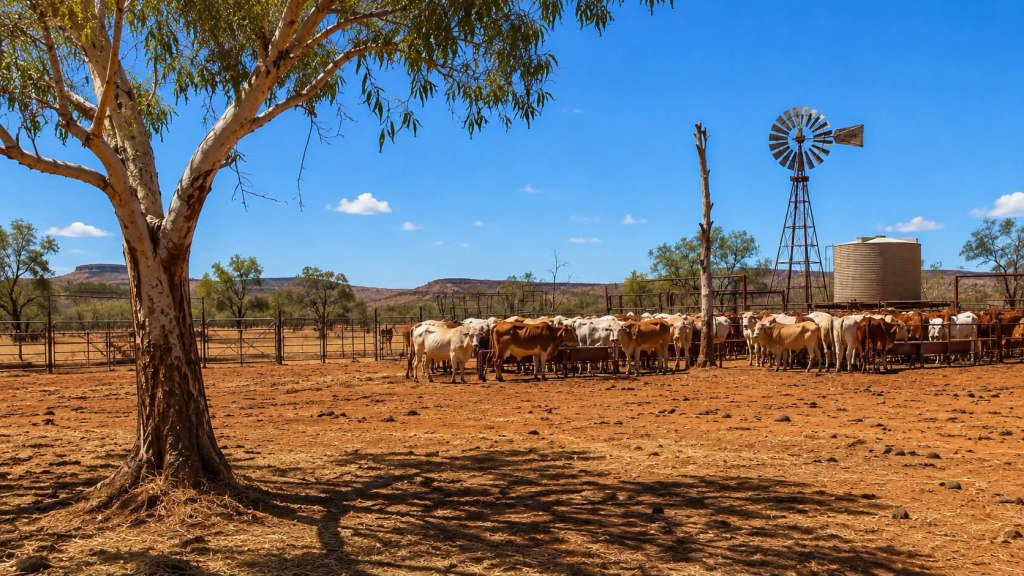
European contact began early with maritime explorations by Dutch navigator Dirk Hartog and English voyager William Dampier in the 17th century, though the rugged coastline deterred settlement for generations. It was not until Alexander Forrest’s 1879 expedition reported fertile land that pastoralists began driving cattle over vast distances into the interior, establishing cattle stations along the Fitzroy and Ord rivers.
The late 19th century brought a brief gold rush to Halls Creek, followed in the late 20th century by the discovery of diamonds at the Argyle deposit, which became the world’s largest supplier of rare pink diamonds until its closure in 2020.
The Australian pink diamond is the rarest and most valuable gemstone in the world. For every million carats of rough diamonds mined only one carat of pink diamonds is suitable for sale.

Today, the historical narrative of the Kimberley is increasingly focused on conservation, native title recognition, and cultural heritage preservation. Joint management agreements between Traditional Owners and Western Australia’s Parks and Wildlife Service ensure that traditional ecological knowledge guides the stewardship of national parks across the region.
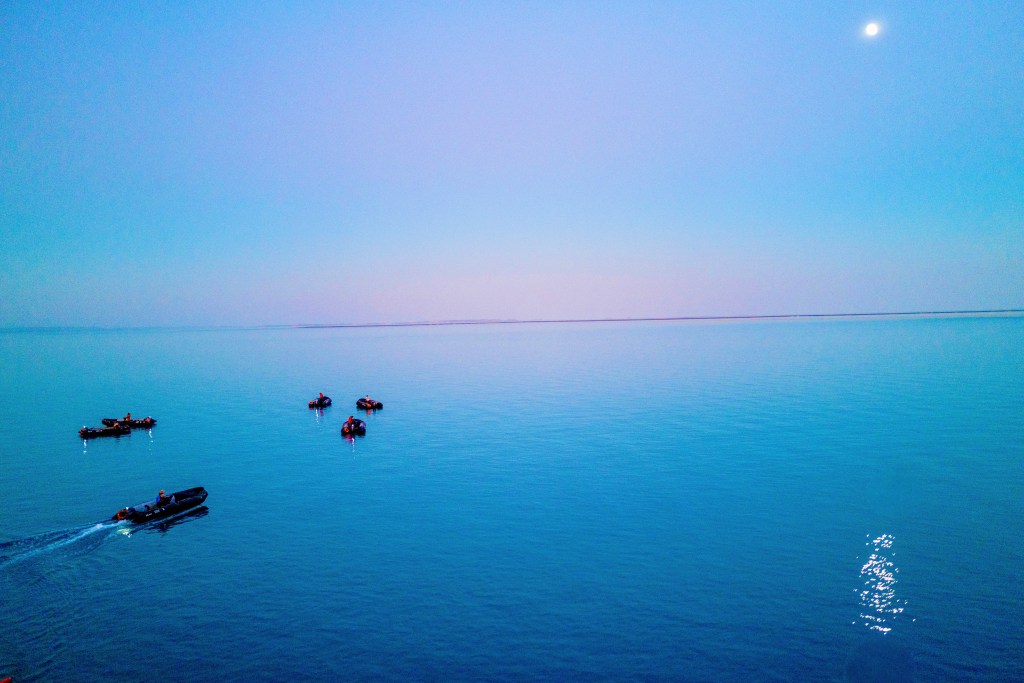
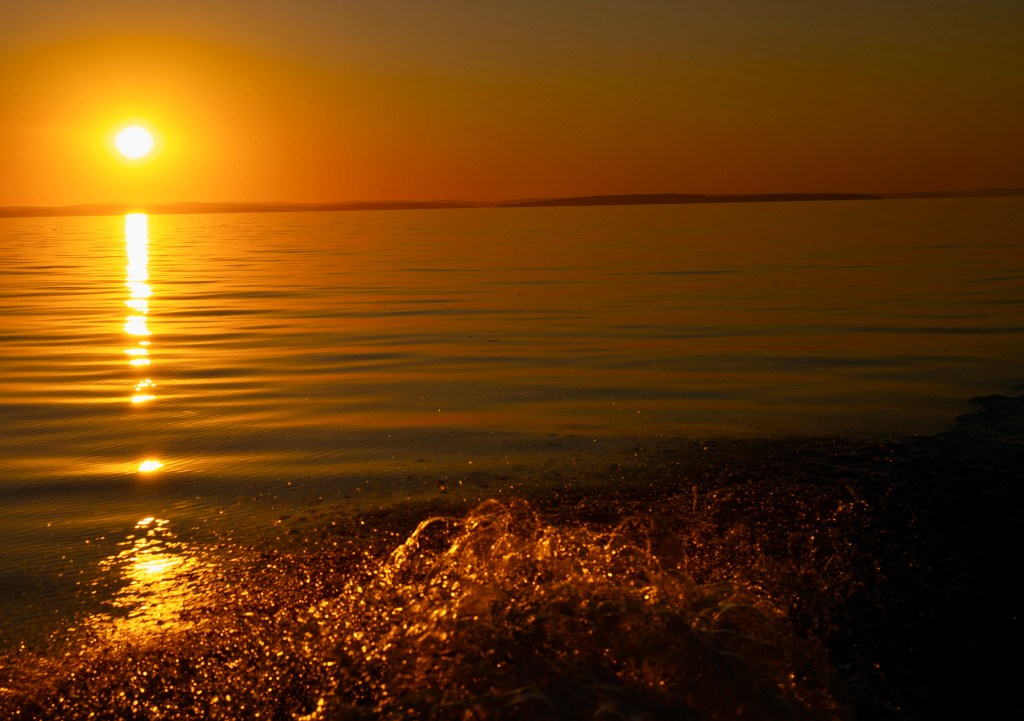
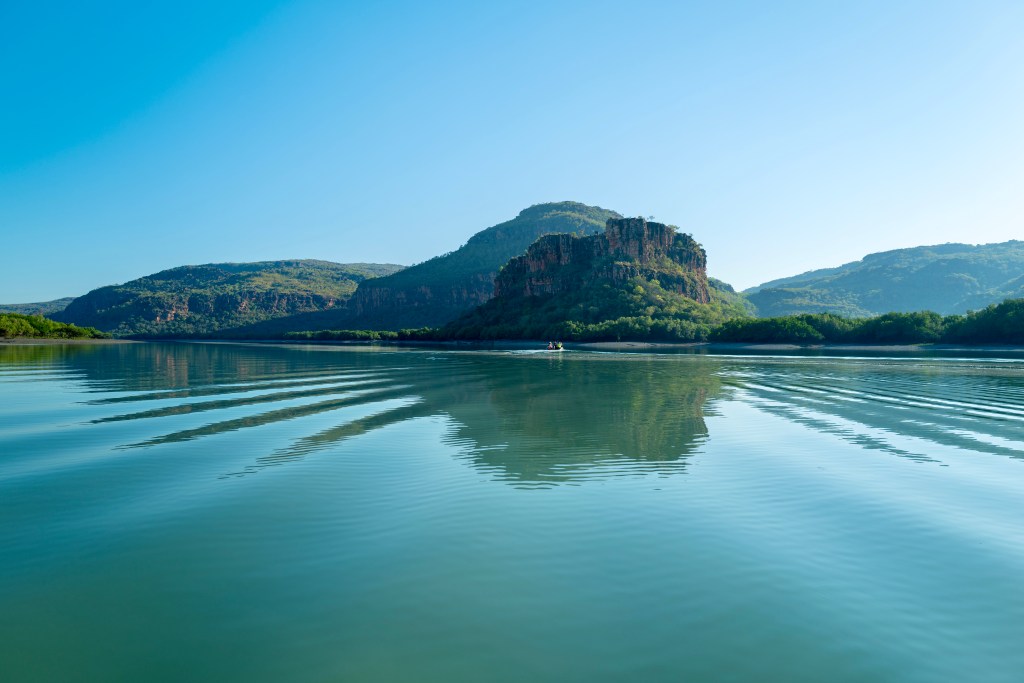
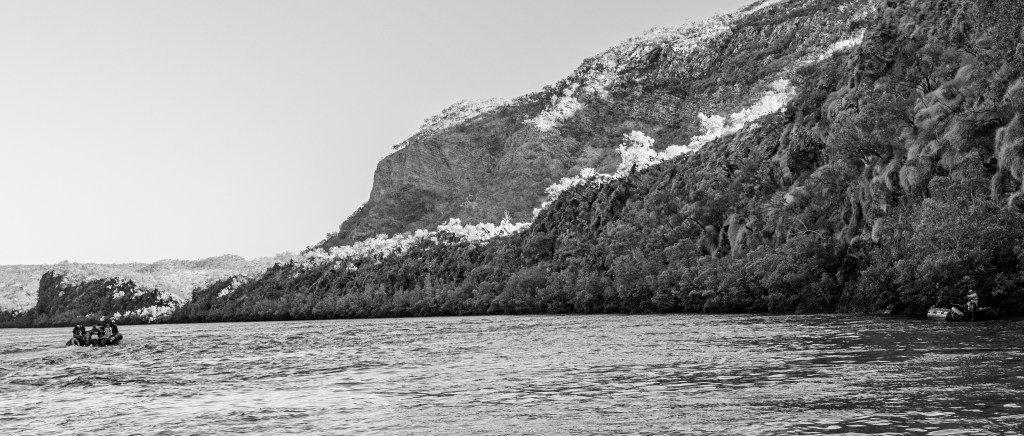
The Kimberley is a place of the world that incites reflection and lends itself to the observation of nature. The beautiful light also is an invitation to photography, something we really enjoyed practicing during the two weeks of our trip.